Saving 5% of your salary for three years can fill one wall of a small apartment with 4–5 works you chose yourself. Year 1 art prints, Year 2 first original, Year 3 the centerpiece — a realistic 3-year plan with numbers and an artwork ladder.
A First Collection for Young Professionals — A 3-Year Plan on 5% of Your Salary
"Art is for rich people."
That is a line from another generation. A young professional today who saves 5% of their salary for three years can fill one wall of an ordinary studio apartment with 4–5 works chosen with their own eye — for the price of a designer handbag or a pair of limited-edition sneakers.
This guide sets a realistic 3-year plan based on a monthly budget of ₩300,000. Not just numbers on a spreadsheet, but the order in which to buy, how the eye grows, and how the room fills in.
5% of Salary × 3 Years = How Much
For a pre-tax salary of ₩6M/month, 5% is ₩300,000/month. Over three years, that is ₩10.8M. But this does not mean spending ₩300,000 on art every single month. A much more realistic pattern is to save, then spend when a decisive work appears.
| Point | Accumulated | Type of Work | Typical Price |
|---|---|---|---|
| 3 months | ₩900,000 | 2–3 art prints | ~₩300,000 each |
| 1 year | ₩3.6M | First small original | ~₩800,000 |
| 2 years | ₩7.2M | Mid-size canvas original | ~₩1.5M |
| 3 years | ₩10.8M | Centerpiece work | ₩2.5M–3M |
The message is not "spend the same amount every month." It is that the pace of saving must align with the moment of discovery.
Year 1 — Art Prints, Training the Eye
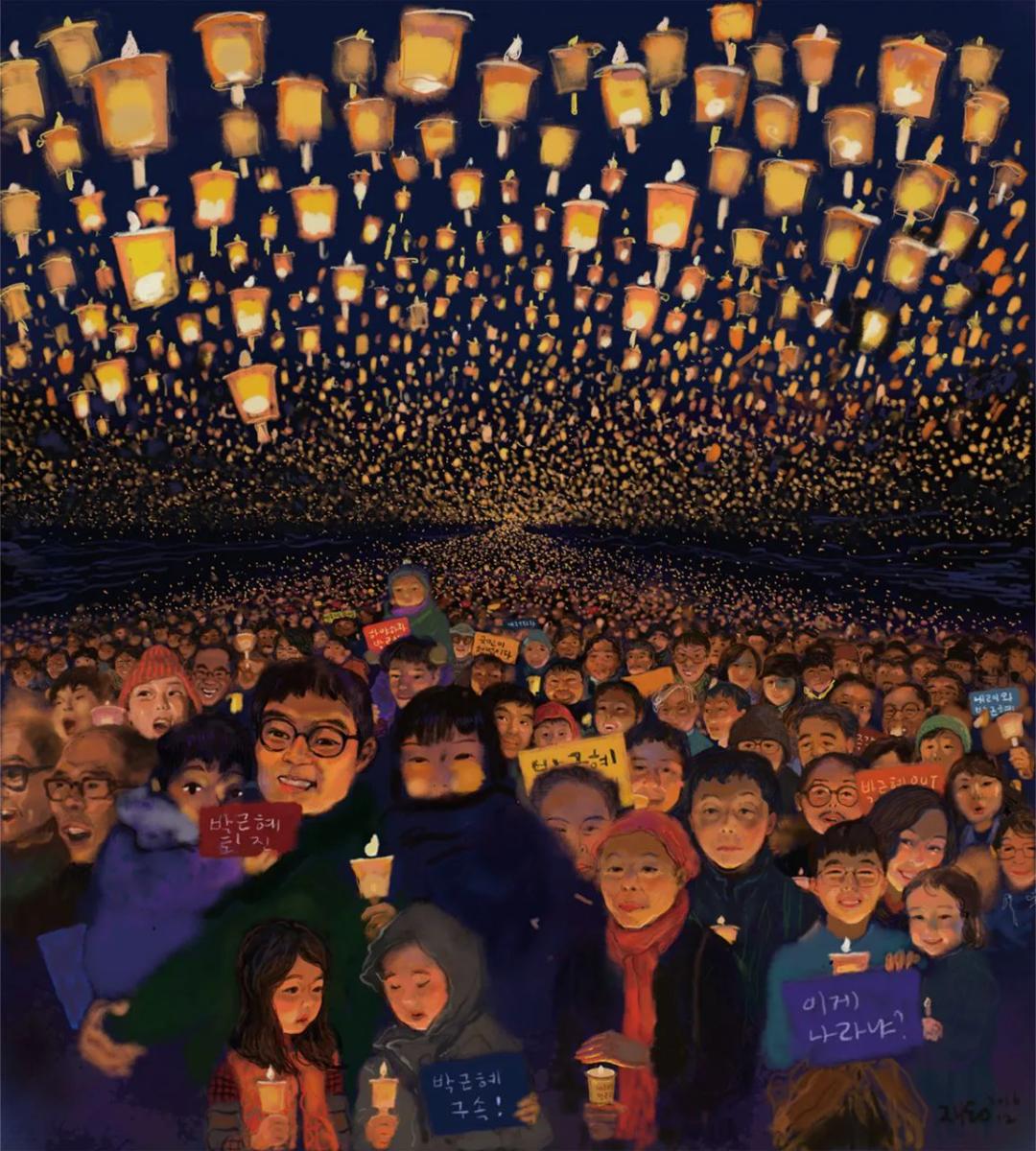
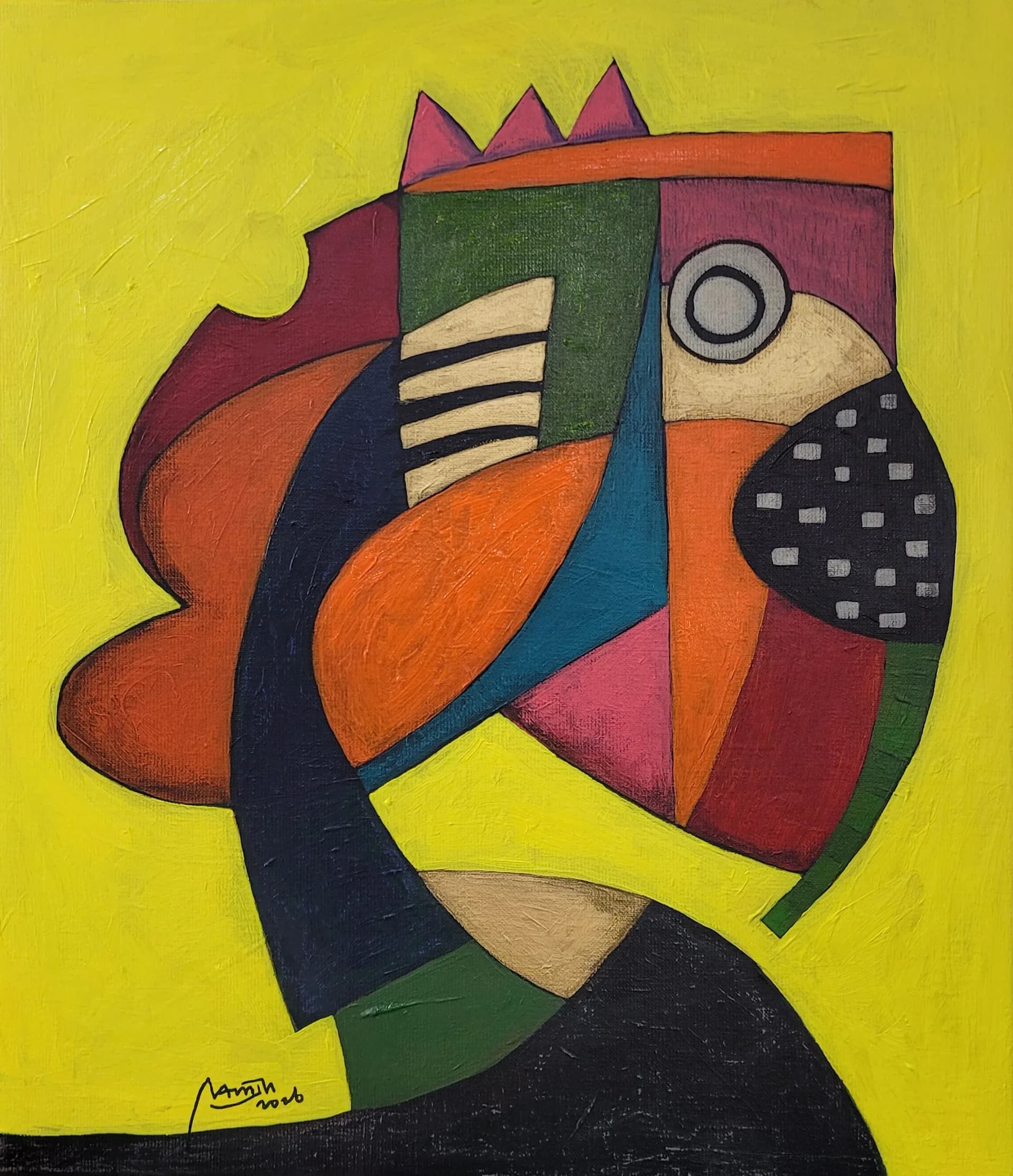
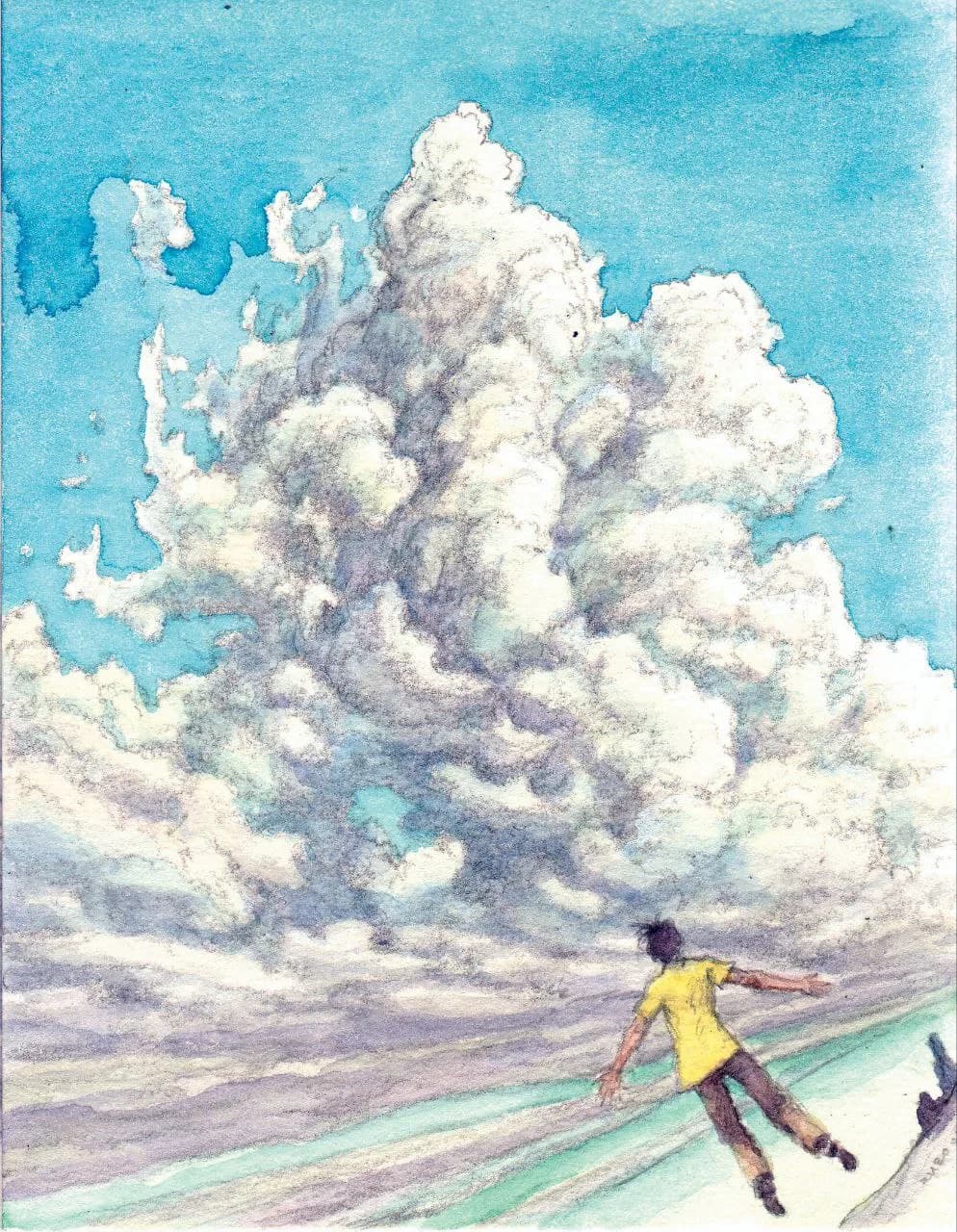
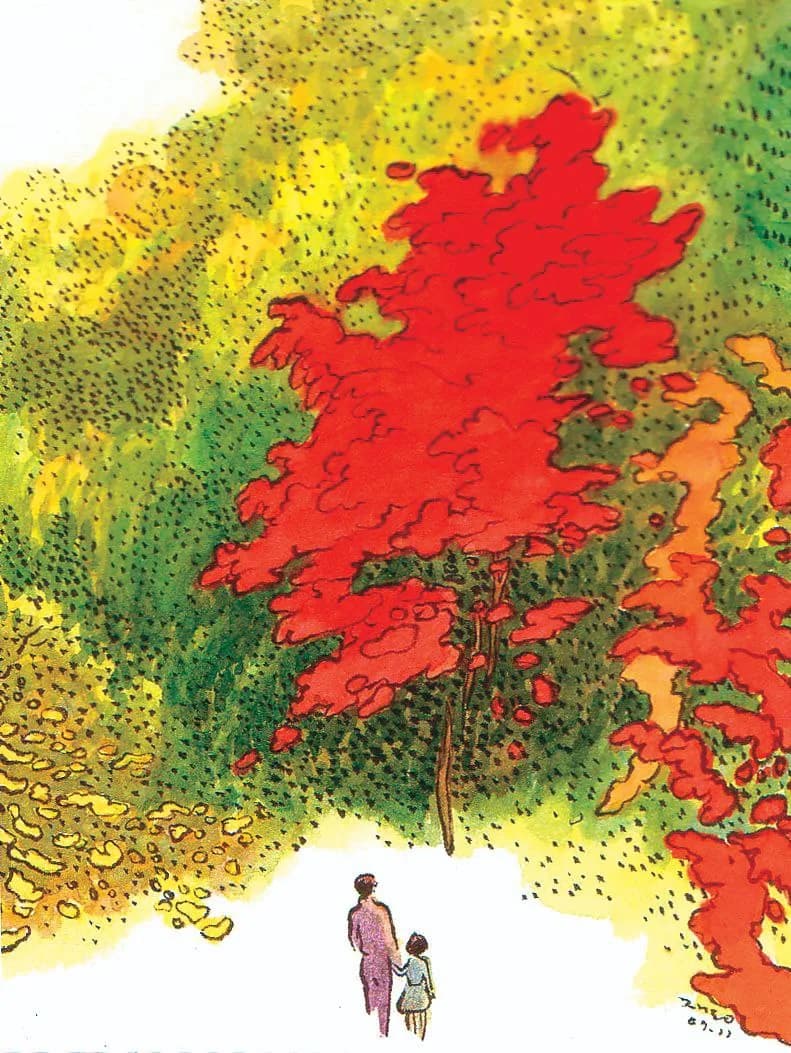
The first year is about training, not collecting. Start with ₩300,000 art prints. Park Jaedong's Candlelight or Fly, Fly — watercolor-texture art prints in A4–B4 sizes — fit perfectly above a studio apartment desk or on a narrow wall.
Why start with prints?
- Low cost of failure — if it doesn't fit the wall, you can swap it later without regret
- Framing and hanging practice — even driving the first nail into the wall feels awkward at first; learn with a ₩300,000 piece
- First contact with an artist — living with an artist's prints trains your eye to recognize that artist's originals later
Buying 3–4 prints in Year 1 costs ₩900,000–1,200,000. Remaining savings carry over.
Three Things to Do in Year 1
- Follow five artists you like on Instagram or magazine channels
- Photograph your own space repeatedly over time — you'll see it change
- Read once through Five Criteria for Choosing a Good Artwork and 7 Mistakes First-Time Collectors Should Avoid
Year 2 — The First Original
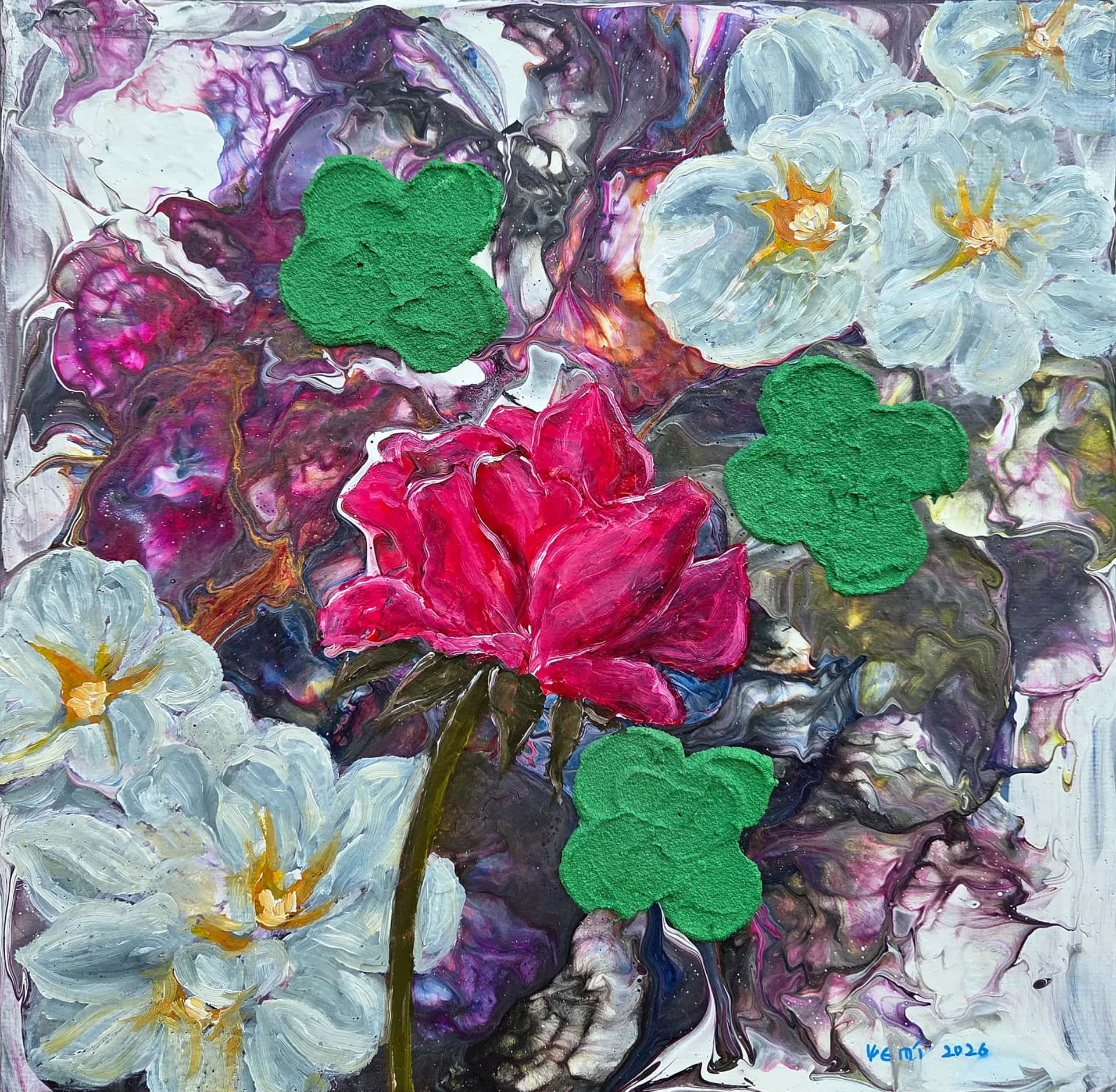
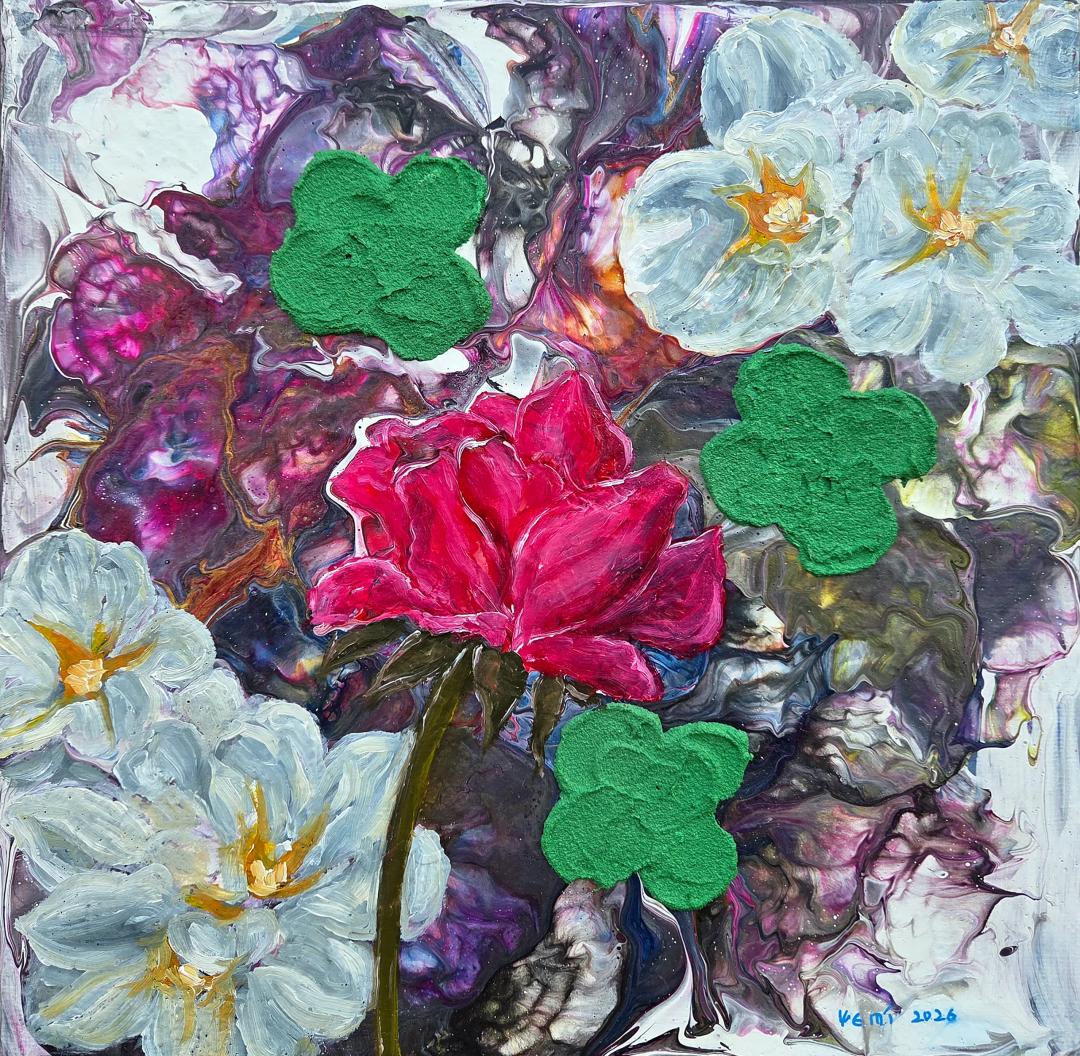
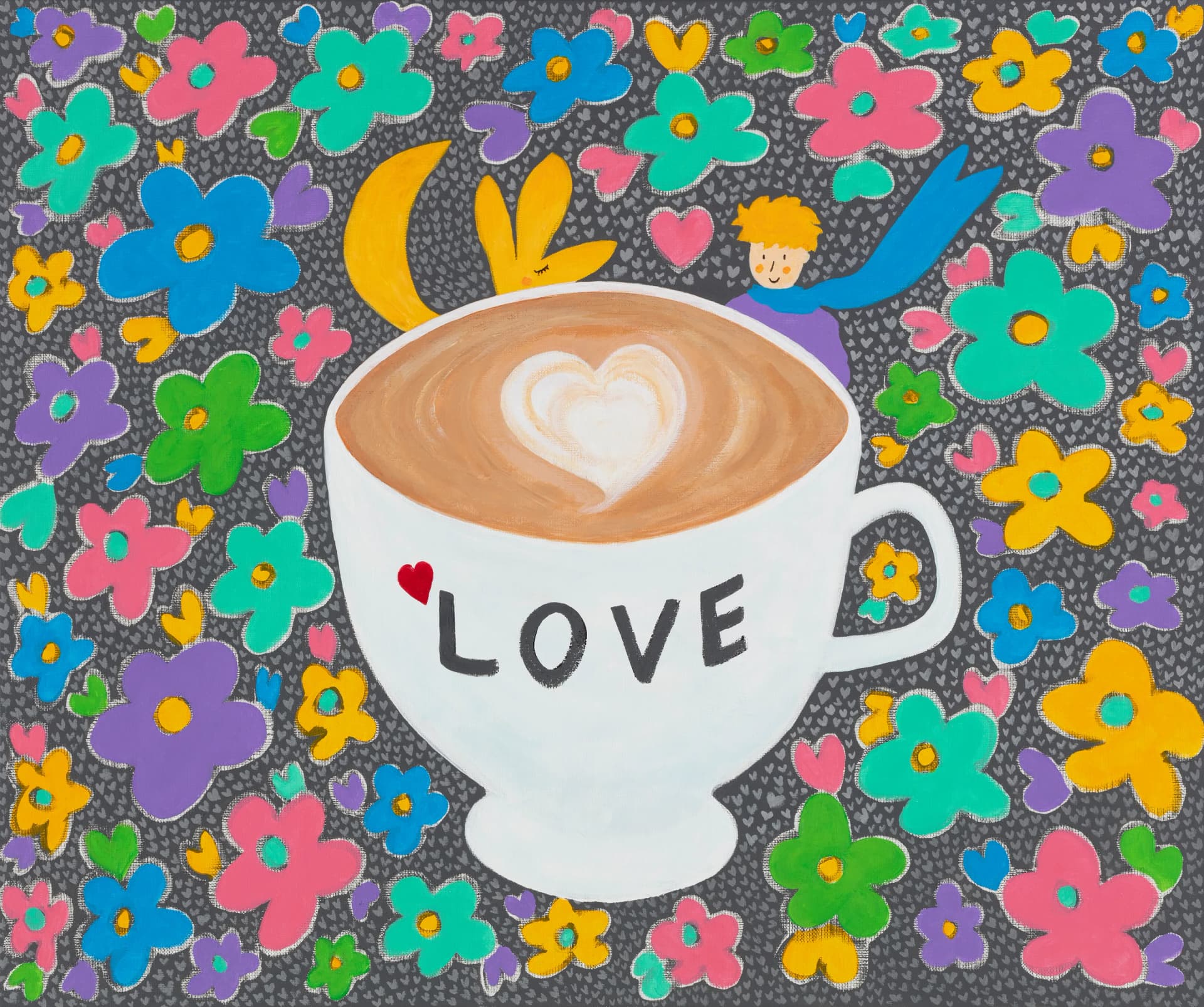
With one year of eye-training behind you, it is time for an original. Small canvas originals start around ₩800,000. Yemi Kim's Flower (24.2×24.2cm mixed media on canvas) is typical.
The biggest difference between an art print and an original is whether the artist's hand touched it. An art print is a digital reproduction on high-quality paper; an original is a one-of-a-kind work the artist painted by hand. Roughly 80% of an artwork's price comes from that uniqueness.
Year 2 Savings Flow
- Carried from Year 1 (₩2.4M) + Year 2 savings (₩3.6M) = ₩6M
- ₩800,000 for the first original
- Two more prints could fit the budget, but the arrival of one original usually demands rearranging the existing prints first
- Roll the remaining ₩3.6M into Year 3
How Your Wall Shifts
One original changes the wall's center of gravity. Where "several art prints" used to be the focus, the composition becomes one original + surrounding prints. Reference the Space-by-Space Size Guide to rebalance the wall's center and margins.
Year 3 — The Centerpiece
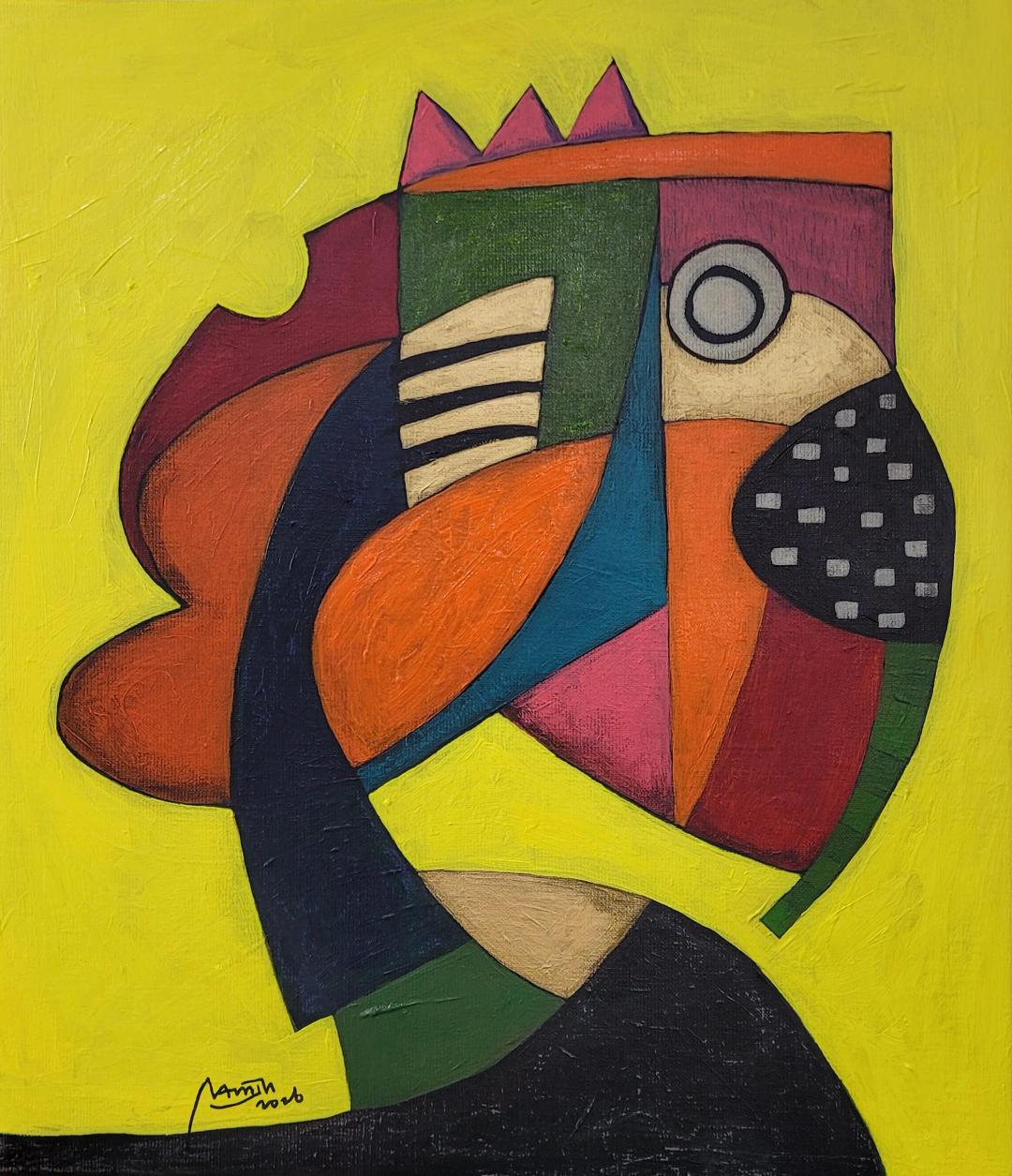
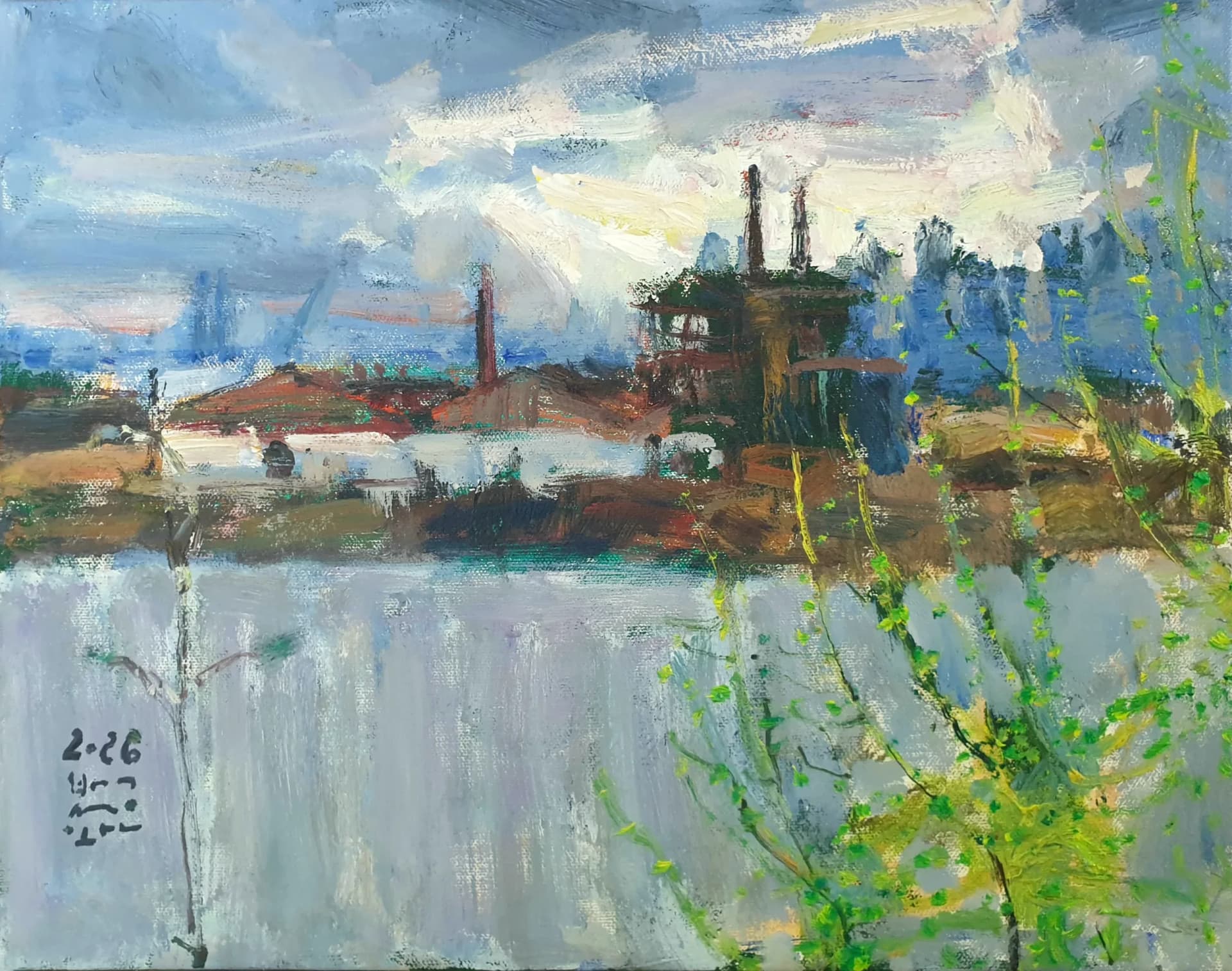
The goal in Year 3 is the one piece people remember your apartment by. A mid-size original of 53×45.5cm — like Nam Jinhyun's On Life, That Emptiness (53×45.5cm acrylic on canvas, ₩1.5M) — plays this role. In a studio apartment, a 10F canvas (53.0×45.5cm) is usually the maximum size that still fits the space.
Savings flow:
- Cumulative ₩10.8M — prints and original bought last year (~₩3M) ≈ ₩7.8M
- ₩1.5M–3M on the centerpiece
- ₩4.8M–6.3M rolls into the next cycle
If budget allows, add a mid-sized second original like Park Seongwan's Mudeung from Jeonil Building (37.8×37.8cm oil, ₩700K) to create a paired wall.
What Accumulates Over Three Years
| Year | Wall State |
|---|---|
| Year 1 | 3–4 art prints — framing and eye training |
| Year 2 | Prints + first original — wall's center of gravity shifts |
| Year 3 | Centerpiece + surrounding originals and prints — the first outline of your taste |
At this point, one or two of the earliest prints can be given to a friend or moved to another room. A collection is not static; it flows.
3 Devices That Turn Savings into Artworks
To sustain ₩300,000/month for three years, you need a mechanical system.
① Separate auto-transfer account
Set up an automatic transfer on the day after payday — ₩300,000 leaves your regular account and lands in an "art account". Use it strictly for artworks. Once it mingles with living expenses, it dissolves within three months.
② A documented wishlist
Keep a "five works I'd buy right now" list in Notion or a note app. When one sells, cross it out and add another. The moment your savings balance hits your wishlist's price range is the buy signal.
③ "One Day a Year for Originals"
Pick a date — your birthday or year-end — and buy originals only on that day. One day out of 365. The other 364 you spend imagining what you'll buy that day. Impulse purchases vanish, and the longer you sit with a decision, the deeper your understanding of the work.
Why Art Instead of Luxury Goods
Young professionals today have more consumer options. The same ₩1.5M competes with designer bags, branded shoes, high-end earphones.
Three reasons to pick the artwork:
- Hung on a wall, it is seen every day — a bag twice a week, shoes three times a week. An artwork sits in the same space 16 hours a day
- It seeds conversation — every time a friend visits, "what is this?" starts a real exchange. With luxury items, that moment gets awkward
- It gets better with time — luxury peaks on day one. An artwork, three years later, has absorbed the memory of the day it first came home
What SAF Adds to the Purchase
84.9% of Korean artists are excluded from institutional finance. Sales of works by SAF-exhibiting artists build a mutual-aid fund that returns as low-interest loans to fellow artists facing financial discrimination.
The collection you build over three years is not only filling your wall. A ₩300,000 Park Jaedong art print becomes part of the fund, which becomes another artist's rent. A ₩800,000 Yemi Kim flower pays for another artist's studio materials. That artist's work eventually lands on another young professional's wall.
A 3-year plan is both a journey of filling your space and one link in the cycle that sustains the next generation of artists.
Related Reading
The Context of Solidarity
₩300,000 a month is real money. The same sum could go to dinners or travel. Choosing an artwork instead is the act of caring for "you three years from now" and "some artist's tomorrow" at the same time — not just "you right now." A first collection in your 20s or 30s is not extravagance; it is a lasting promise made simultaneously to yourself and to fellow artists.
Related Guides
Related reading
If this piece helped, you may also enjoy these related articles:

Seed Art Festival
·