The same painting looks like an entirely different work depending on the frame. Five choices by medium — oil, watercolor, Korean painting, prints, photography — plus budget tiers, where to order, and five common mistakes.
Collector path
Works to view after this guide
Use the guide below to understand the work, then compare available artworks in the gallery.

Framing and Mounting — Choosing the Right Frame for Your Artwork
The same painting can look completely different depending on its frame. A ₩100,000 art print meets the right mat and molding and commands the wall like a ₩1M original. The opposite is also true — a ₩3M watercolor in a cheap ready-made frame looks somehow off.
This guide lays out the criteria a first-time buyer needs when deciding where and how to have work framed or mounted. By medium, by budget tier, and the five common mistakes.
Frame vs. Pyogu — Not the Same Thing
In Korea, the two terms get confused. Briefly:
- Frame (액자, aekja) — the rectangular molding used for oil, acrylic, photography, watercolor, and Western art in general
- Pyogu (표구) — the traditional East Asian method used for Korean painting, calligraphy, and ink work. Includes hanging scrolls, folding screens, and pyogu-style frames
Different materials, different purposes. A frame is a device that protects and highlights the work; pyogu is closer to the final step of completing the work itself. Many Korean-painting pieces, before pyogu, still look "not yet a painting, just paper."
Five Representative Cases by Medium
① Oil / Acrylic on Canvas
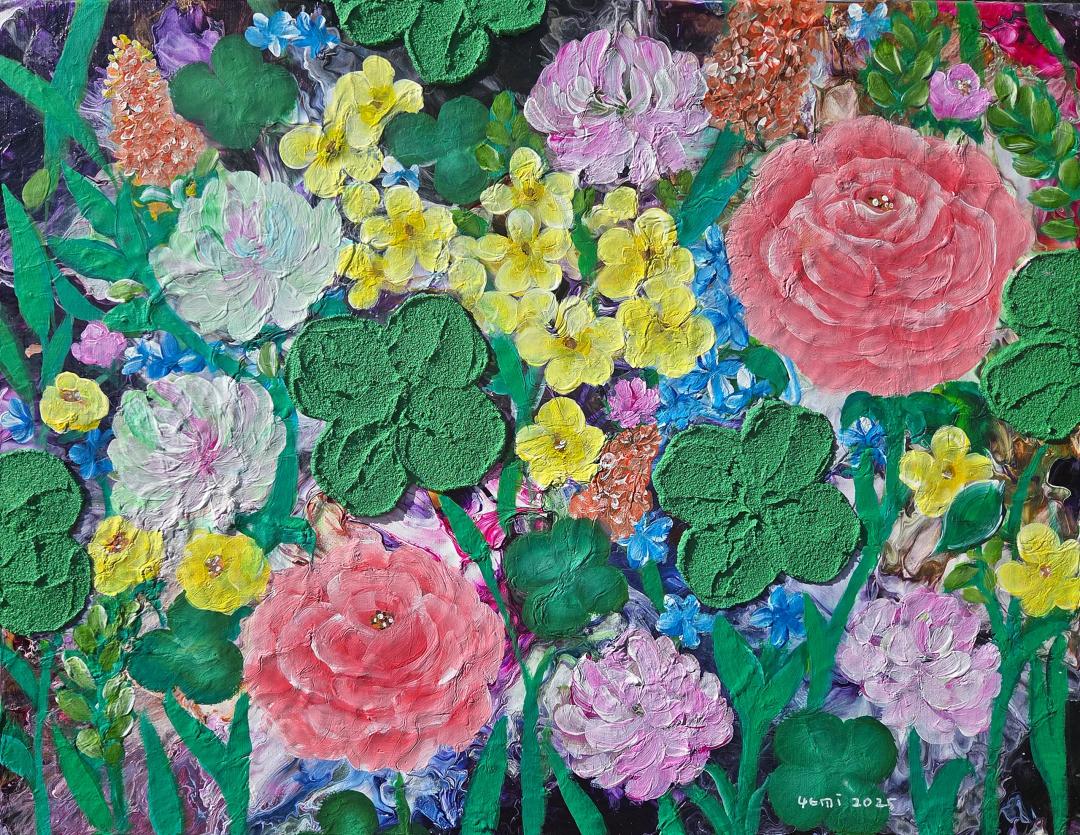
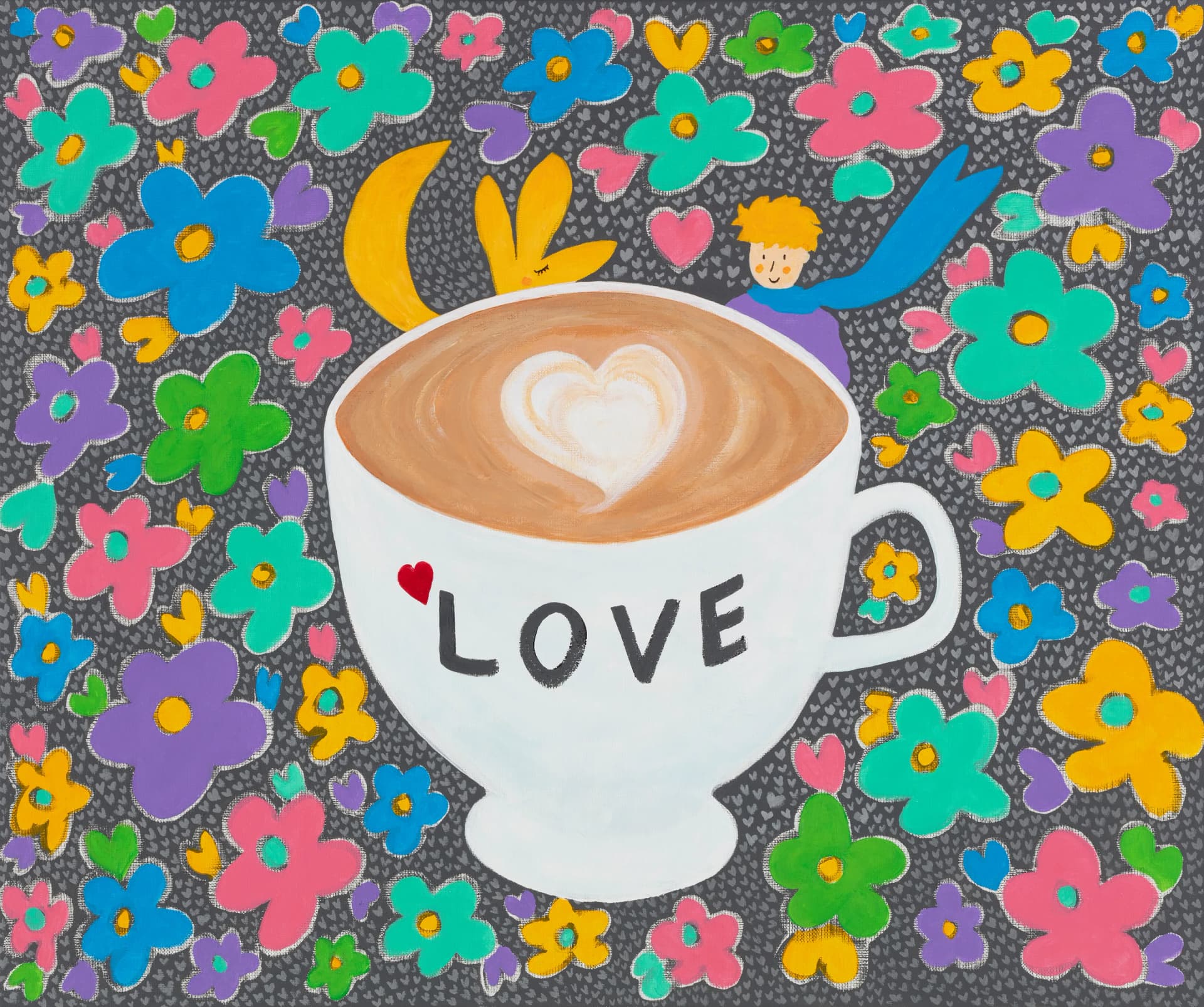
For canvas works like Yemi Kim's Flower Field, the rule is frame only, no glass.
- Oil paint needs to breathe with the air — trapping it under glass risks pigment damage
- Style: floater frame — a gap between the canvas edge and the molding so the work appears to "float"
- Alternative: classic wooden frame (suits baroque or modernist tones)
- Do not put it under a mat-and-glass frame
Price: ₩100,000–500,000 depending on size. Spending 5–10% of the artwork's price on framing is the standard.
② Watercolor / Drawing — Glass Frame + Mat
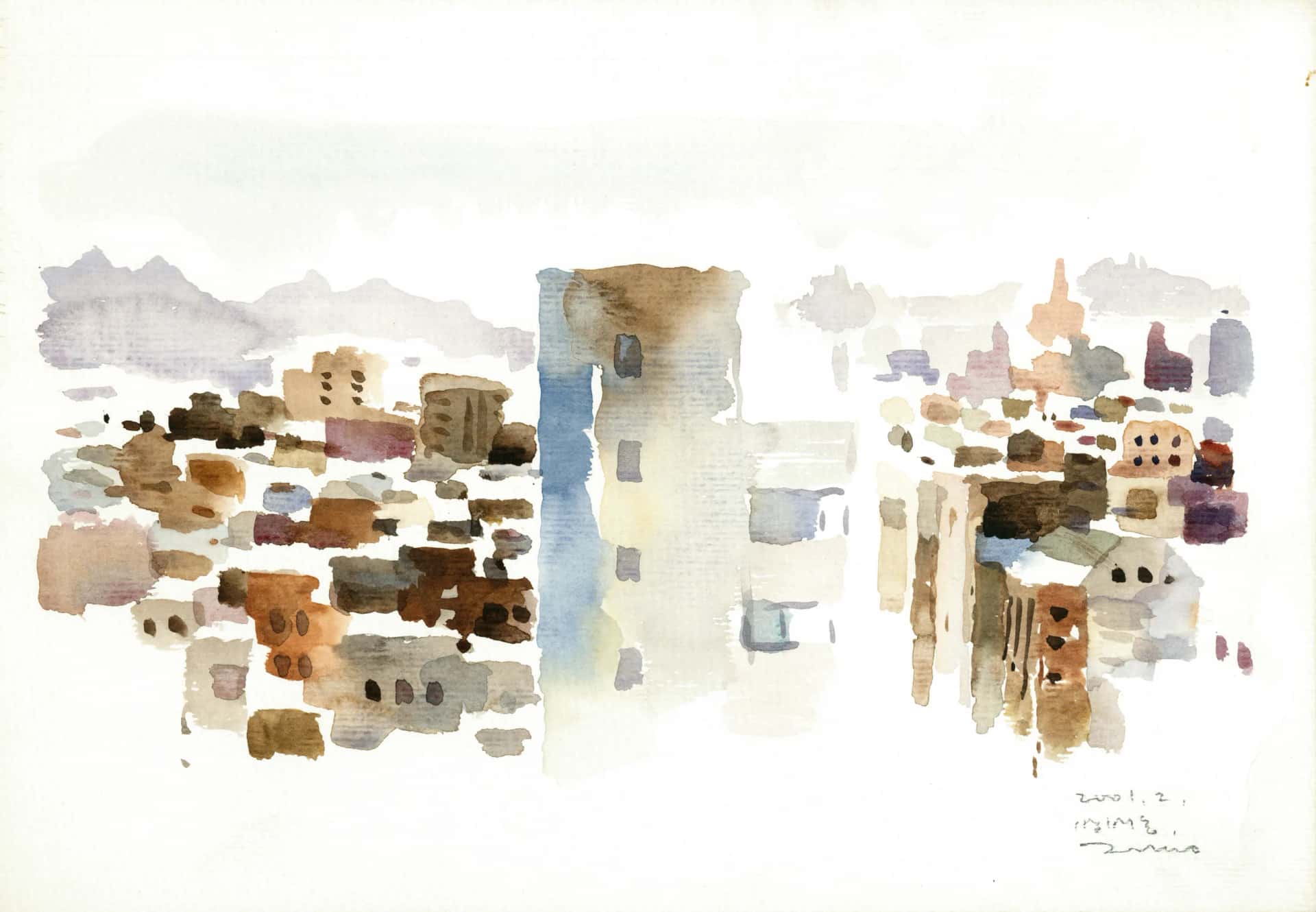
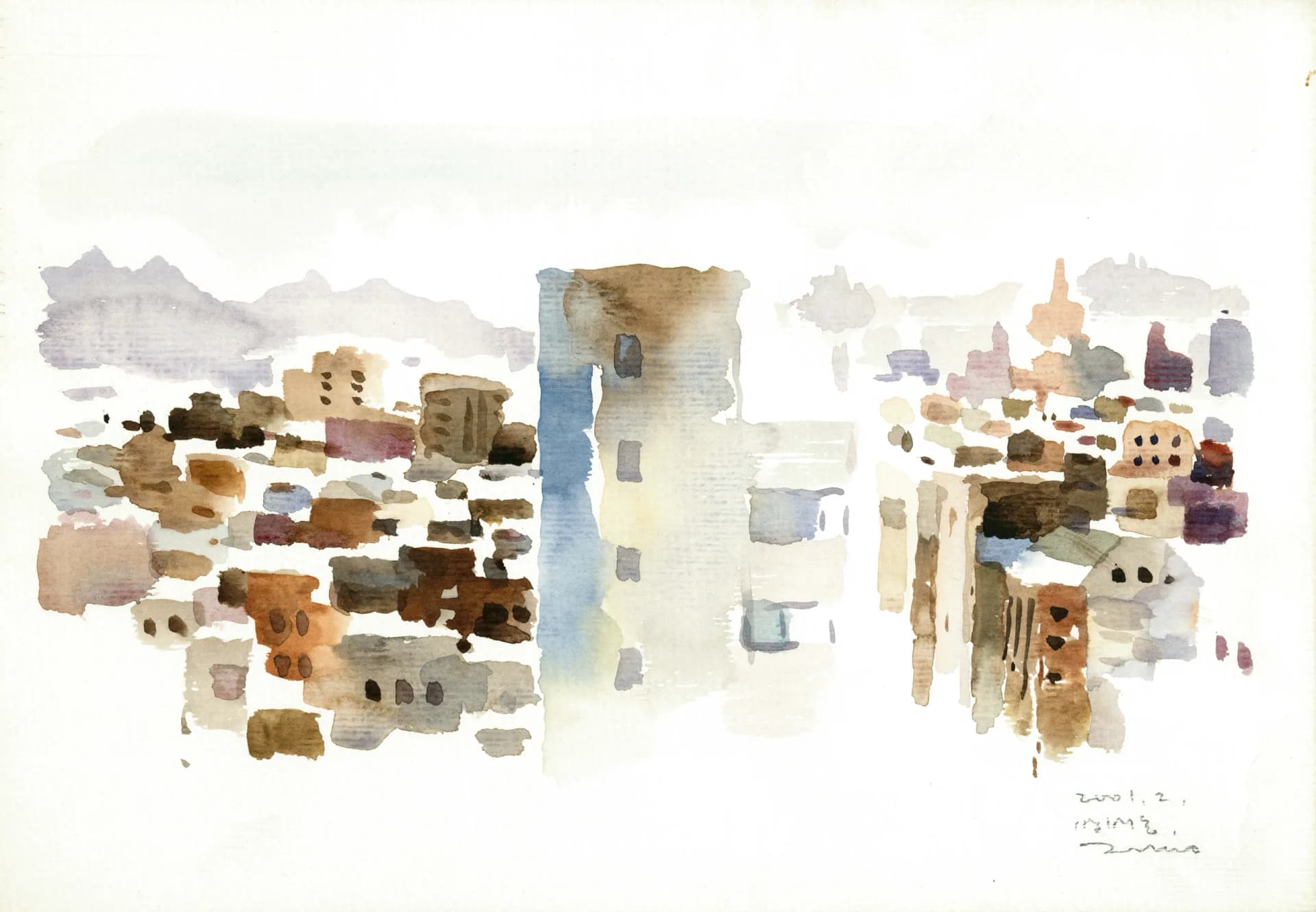
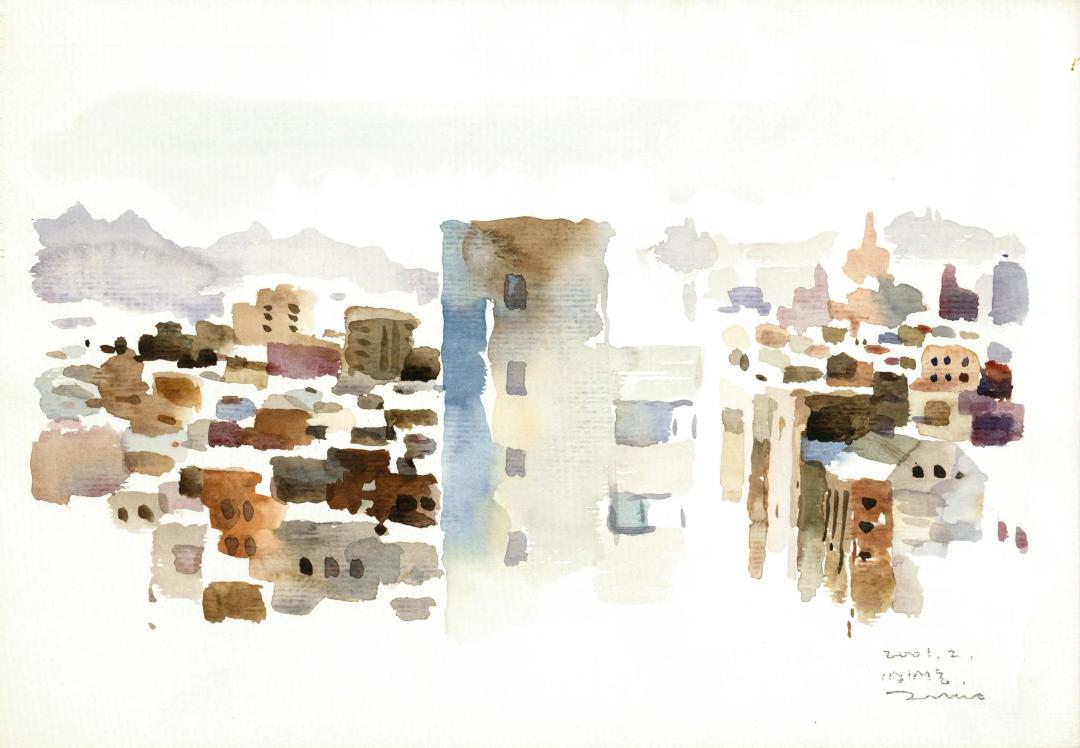
For works on paper like Park Jaedong's Cityscape (34.5×24cm watercolor), a glass frame + mat is essential.
- The mat creates space between the work and the glass so the paper never touches the glass (contact causes the paper to fuse to the glass and peel off catastrophically)
- Always use acid-free mat board — it prevents yellowing over time
- UV-blocking glass is recommended (prevents color fading under direct sunlight)
- Small works ₩200,000–400,000; medium ₩400,000–800,000
③ Korean / East Asian Painting — Pyogu (表具)
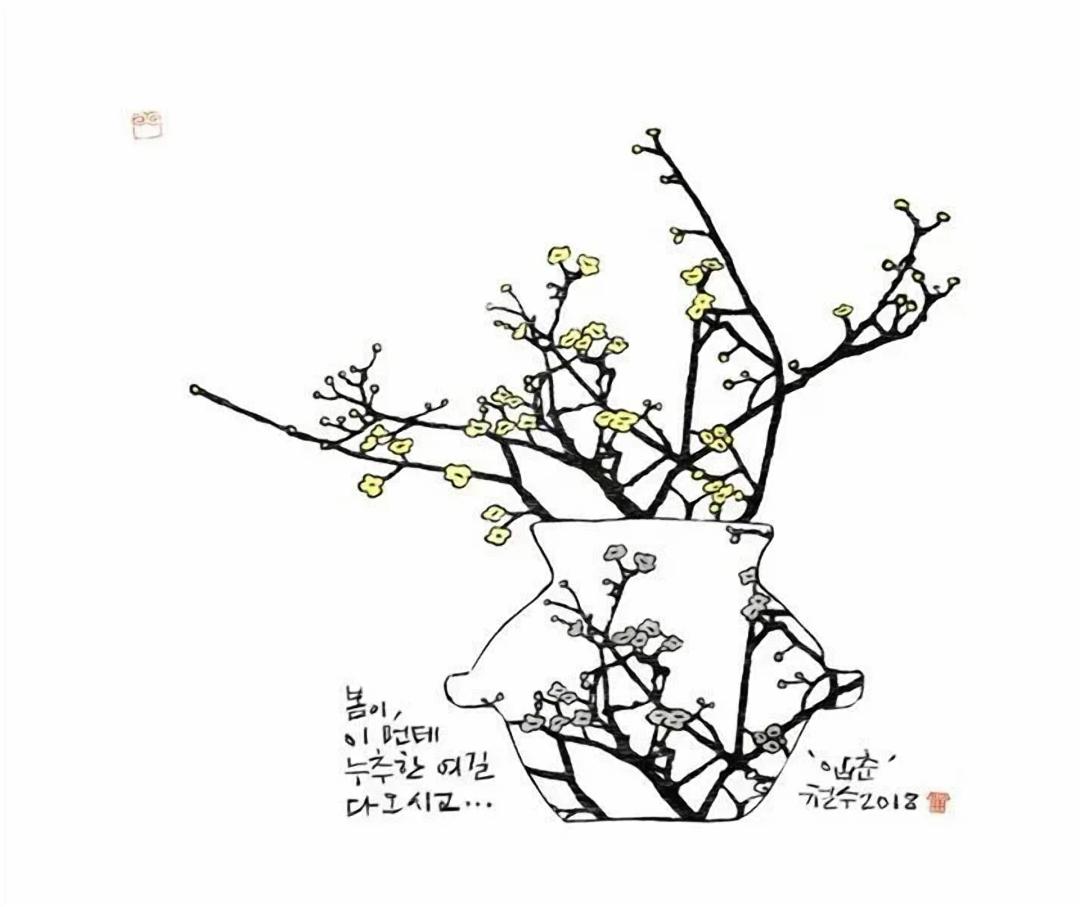
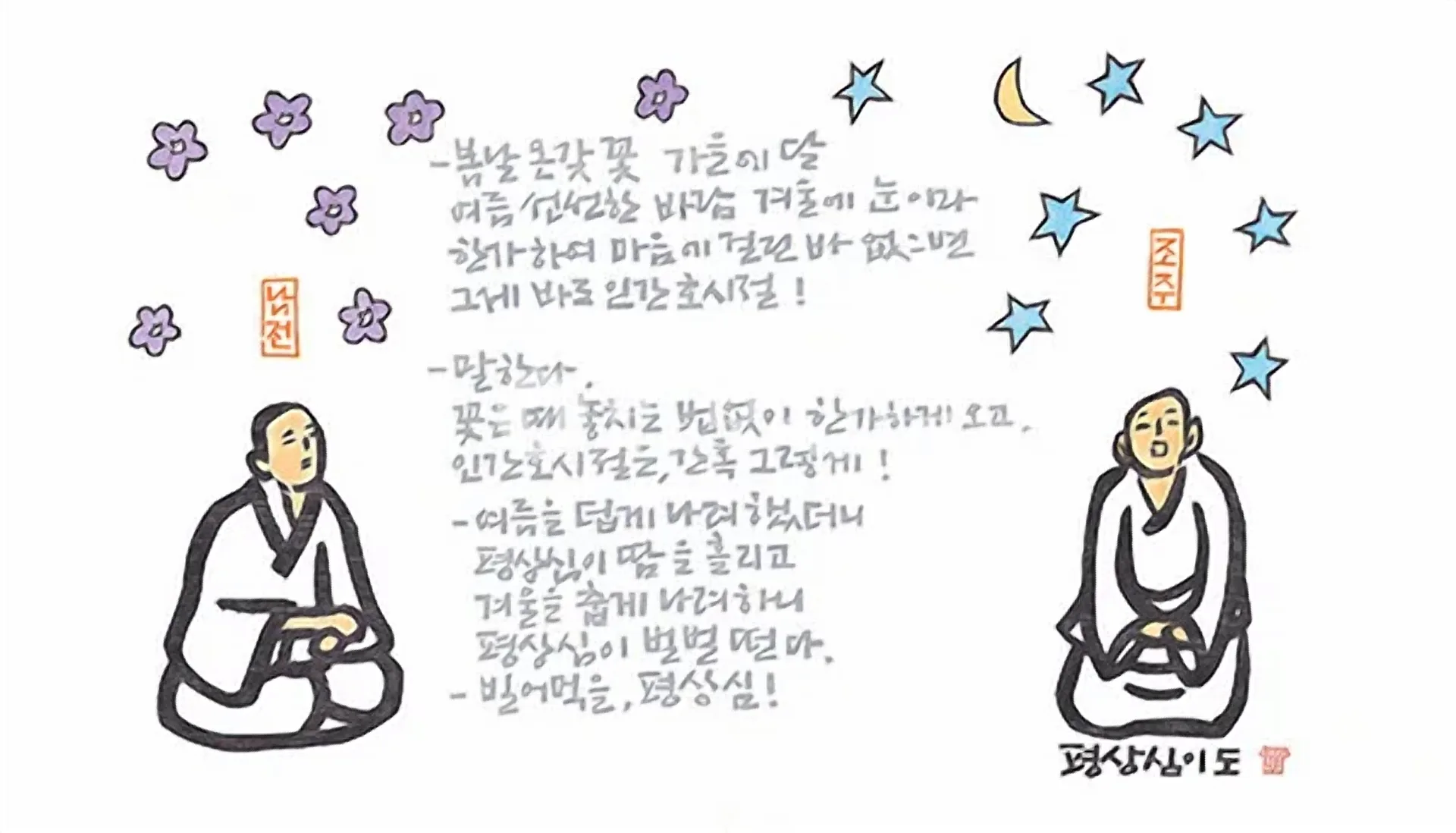
Works on hanji like Lee Cheolsu's Ipchun should in principle go through pyogu. A pyogu shop will recommend one of three forms.
- Jokja (軸, hanging scroll) — with top and bottom rods; hang on the wall or roll for storage. Traditional
- Byeongpung (屛風, folding screen) — multiple panels linked into a folding piece
- Pyogu frame — after the traditional backing process, mounted glassless into a frame. Most practical in modern housing
Baejeop (褙接) — layering sheets of hanji on the back of the work to smooth out wrinkles and prevent warping — is the heart of pyogu and decisive for conservation. Poor backing can warp a piece fifty years later.
Price: ₩150,000–300,000 for small; ₩300,000–600,000 for medium. Insadong and Inhyeon-dong are the traditional pyogu districts in Seoul.
④ Prints — Floating Mount
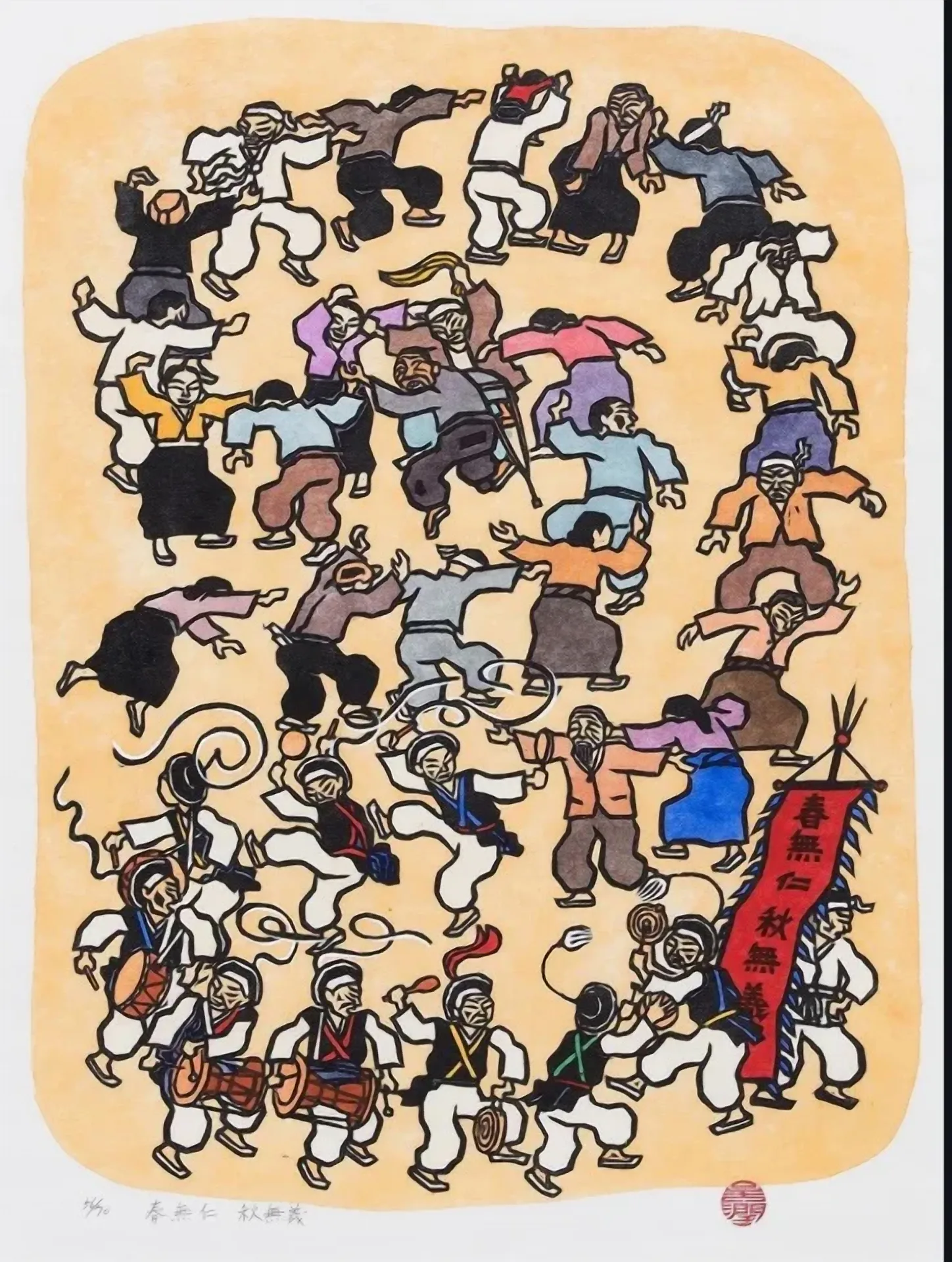
For editioned prints (woodblock, lithograph, silkscreen), floating mount is the most beautiful presentation. The entire work floats on the mat, with the artist's signature, edition number, and seal fully visible.
- Mat board: acid-free + neutral pH
- Fixed so the full paper margins, including edges, remain visible
- Non-reflective glass is recommended
As explained in How to Read an Artwork COA, an edition number and signature are part of the work. A frame that hides them diminishes its value.
⑤ Photography — Diasec / Aluminum Frames

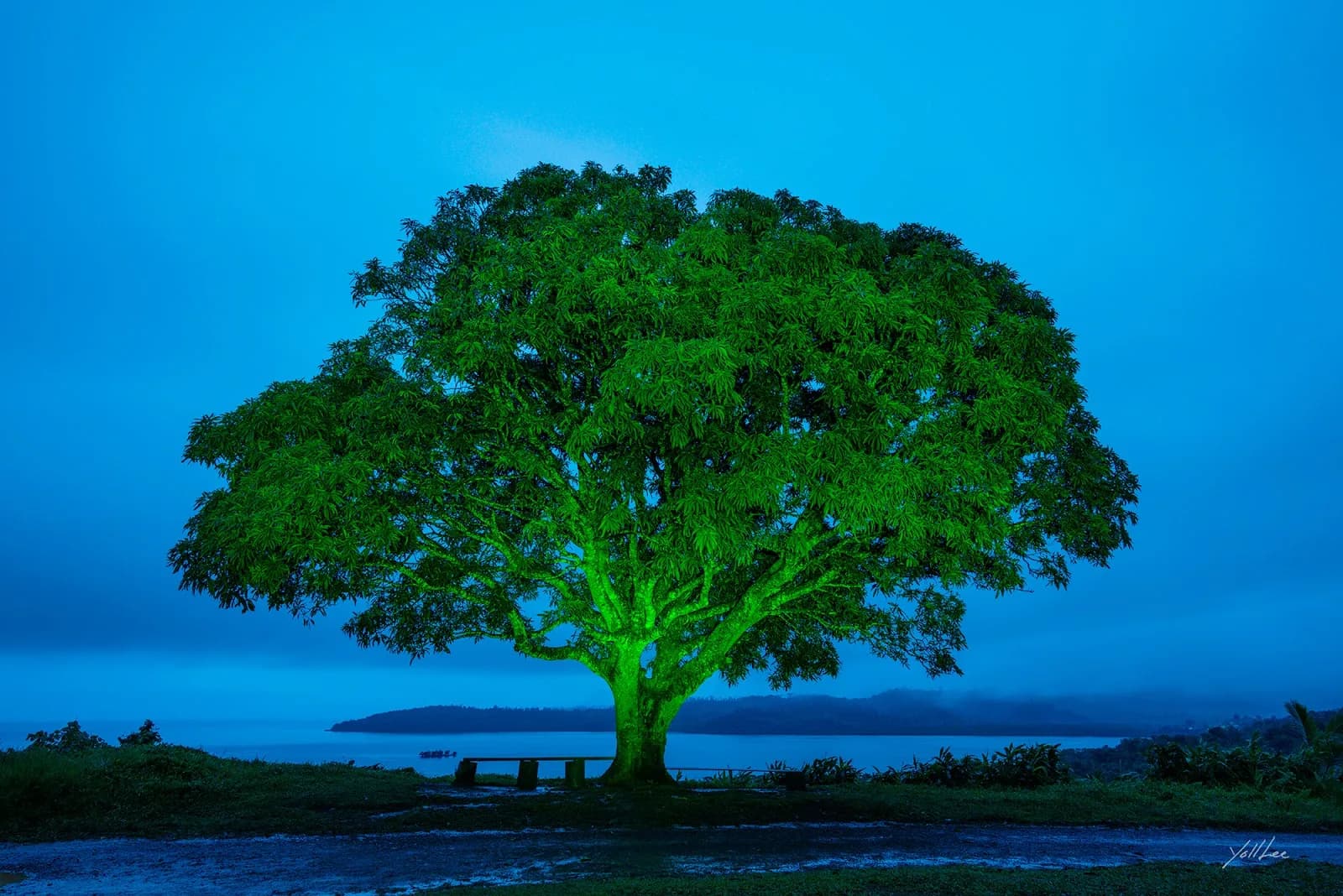
For fine-art photography like Lee Yeol's Mango tree_Sawani, the standard is Diasec or aluminum framing rather than traditional wooden frames.
- Diasec — the photograph is bonded to the back of an acrylic sheet, secured with an aluminum backing. Frame-free, clean
- Aluminum frame + mat — a minimal, modern tone
- Photography is highly light-sensitive — UV protection is mandatory
Large Diasec pieces can exceed ₩1M, but it is the artist-sanctioned standard.
By Budget
Under ₩50,000 — Ready-Made Frame
IKEA or similar ready-mades. Recommend only for a first art print. Start with the expectation of replacing it later.
₩100,000–300,000 — Neighborhood Custom Frame
Neighborhood frame shops in Seoul. Always specifically request acid-free mat and UV-glass options. The price bump is small but the quality leap is obvious.
₩300,000–800,000 — Professional Frame / Pyogu Shop
Specialist shops in Insadong, Hyehwa-dong, Nonhyeon-dong. They propose an optimal solution based on the work's medium. If an artist recommendation exists, follow it.
Over ₩800,000 — Museum-Grade Conservation Framing
Used for artifacts and high-value originals. Acid-free box, hermetic sealing, climate stabilization. Worth considering for works valued above ₩10M.
Where to Order
Neighborhood Frame Shops
Most accessible. Sufficient for simple glass frames with a basic mat. If the shop doesn't know what acid-free or UV means, go elsewhere.
Insadong Pyogu Shops
The hub for Korean painting, woodblock, and calligraphy. Backing to scroll to pyogu frame — all in the traditional way. The decades-old shops deep in the Insadong alleys are representative.
Designer Custom-Frame Shops
Areas like Hyehwa-dong, Nonhyeon-dong, Itaewon have many modern designer-run frame shops where you can see and touch samples directly.
Online Custom Services
A growing model — send dimensions and a photo, receive the framed piece. Convenient, but they cut the frame without seeing the work in person, so it is not recommended for premium pieces.
Five Common Mistakes
① Regular Mat — the work yellows in ten years
Acidic mat board transfers acid into the paper, discoloring it over time. Always specify "acid-free mat."
② Regular Glass — sunlight bleaches the colors
If the home has many windows or a west-facing wall, UV-blocking glass is non-negotiable. The upcharge is ₩20,000–50,000, but the condition of the work 20 years later is completely different.
③ Overly Conspicuous Frames
Flashy gold frames or heavy carved moldings draw the eye before the work does. For small originals, simple black or wood tones work safely.
④ Size Mismatch
Buying a ready-made and finding the artwork is 3mm off is common. Custom sizing is cheaper in the end.
⑤ A Tone That Fights the Wall
Dark wood on a white wall shouts; black on light wallpaper reads as cold. Take a photo of the wall to the frame shop.
When You Want to Change the Frame
If the first frame ever stops feeling right, consider reframing two or three years in. Keep the artwork, swap only the molding. Surprisingly easy, and often priced similar to or slightly less than a fresh custom job.
If a move is coming, pair framing review with moving prep. The X-taping of glass frames in the Moving and Shipping Artworks guide is the critical step.
SAF Artworks and Framing
Works sold through SAF are mostly shipped unframed, so that buyers can select a frame suited to their own space. Some artists submit already fully mounted; when so, it is noted on the product page.
If you need a recommendation after purchase, SAF staff can connect you to a shop the artist themselves recommends. The pyogu style best aligned with an artist's philosophy is usually known best by the artist.
Related Reading
The Context of Solidarity
84.9% of Korean artists are excluded from institutional finance. Sales of works by SAF-exhibiting artists build a mutual-aid fund that returns as low-interest loans to fellow artists facing financial discrimination. A good frame extends an artwork's life by 20 years. Over that long span, the work lives on your wall, and the money returned through its sale creates 20 years for another artist.
Related Guides
Explore Further
Related reading
If this piece helped, you may also enjoy these related articles:
Seed Art Festival
·