May to August moving season — the art on your walls is the trickiest part. Packing standards by size and medium, the 5 most common damage scenarios, 5 questions to ask movers, and a 5-minute inspection checklist on arrival.
Collector path
Works to view after this guide
Use the guide below to understand the work, then compare available artworks in the gallery.


Moving and Shipping Artworks — How to Transport Without Damage
Moving inquiries spike every May. Through the summer, the hardest thing for private collectors to handle is neither the fridge nor the sofa — it is the paintings on the wall. A TV comes with a box and a manual; every artwork is its own one-off of size, medium, and frame. Standard moving-company packaging is rarely enough.
This is a practical guide to getting artwork through a move without damage — from small prints to 1.8-meter vertical woodblock works. What to pack how, by size and material, and what to ask the mover before signing the estimate.
Why Artworks Are Not Like Appliances
Three reasons.
- Restoration is often impossible — broken glass can be replaced, but a scratched canvas surface costs nearly as much to restore as the work itself
- Size, weight, and balance vary wildly — at the same 1m width, canvas and wood can differ by a factor of three in weight
- A single flaw destroys value — even a 1mm dent on a corner can drop the appraisal
So moving-day triage is too late. Start preparing a week in advance.
Packing Standards by Size and Medium
A4–B4 Small Art Prints
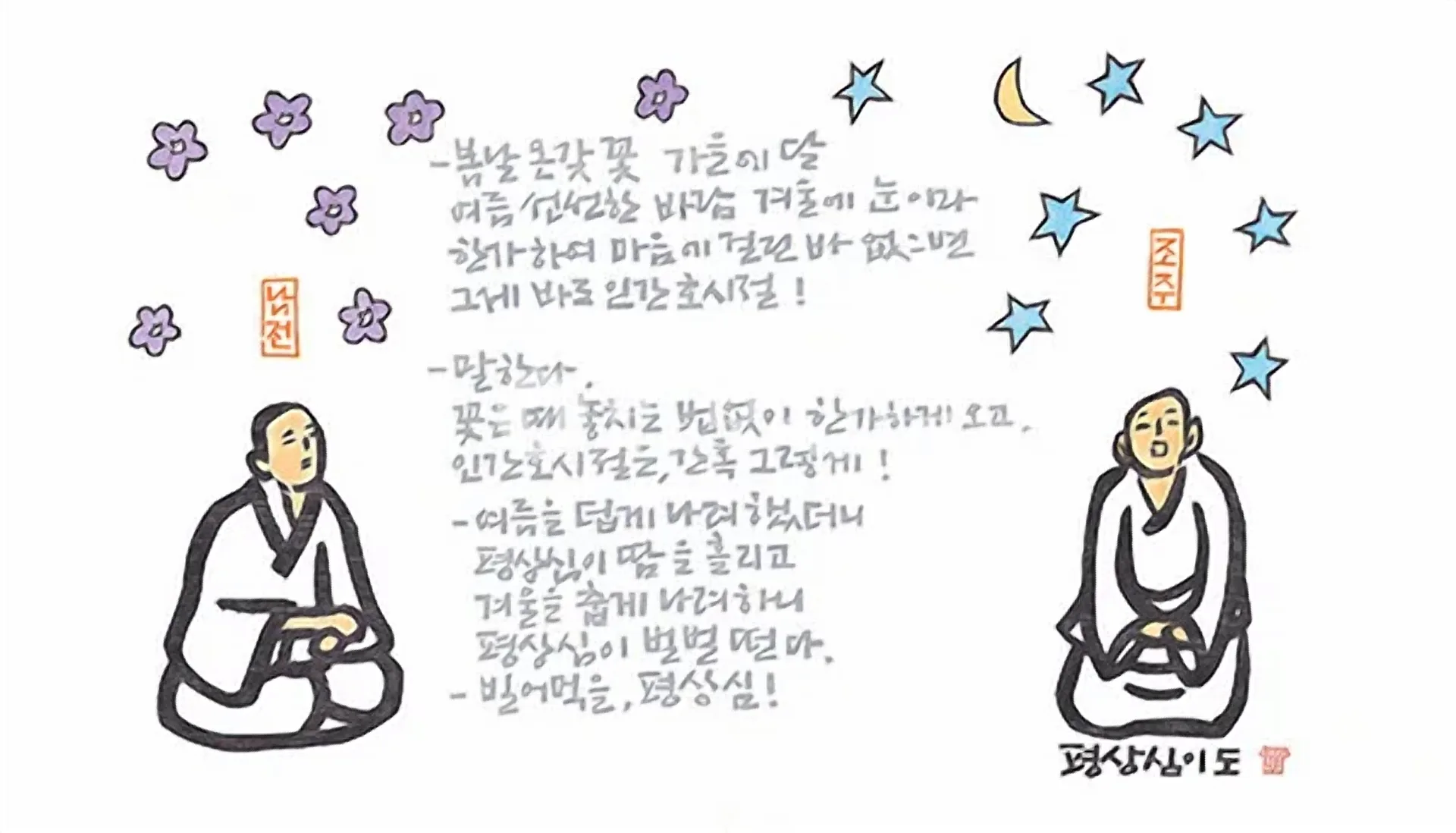
Park Jaedong's Grandmother — Oh My Grandson (21×29.7cm, watercolor-texture art print) is the simplest case.
- 2–3 layers of bubble wrap
- Sandwich between two sheets of hardboard or thin plywood
- Waterproof plastic wrap on the outside
- Transport vertically (laid flat takes every floor impact)
For 10 or fewer pieces, a single portfolio case covers everything.
Canvases in "Ho" Size (10F–30F)
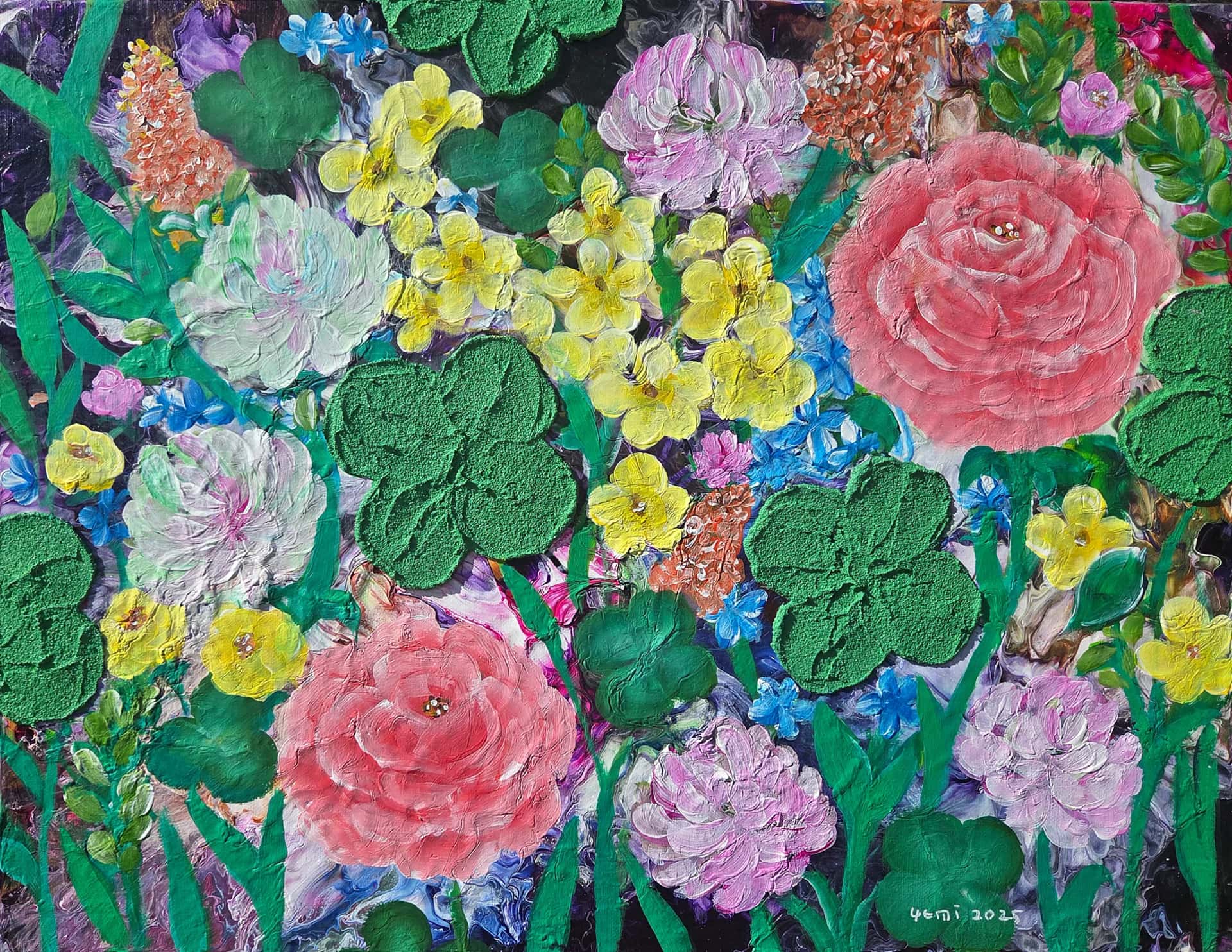
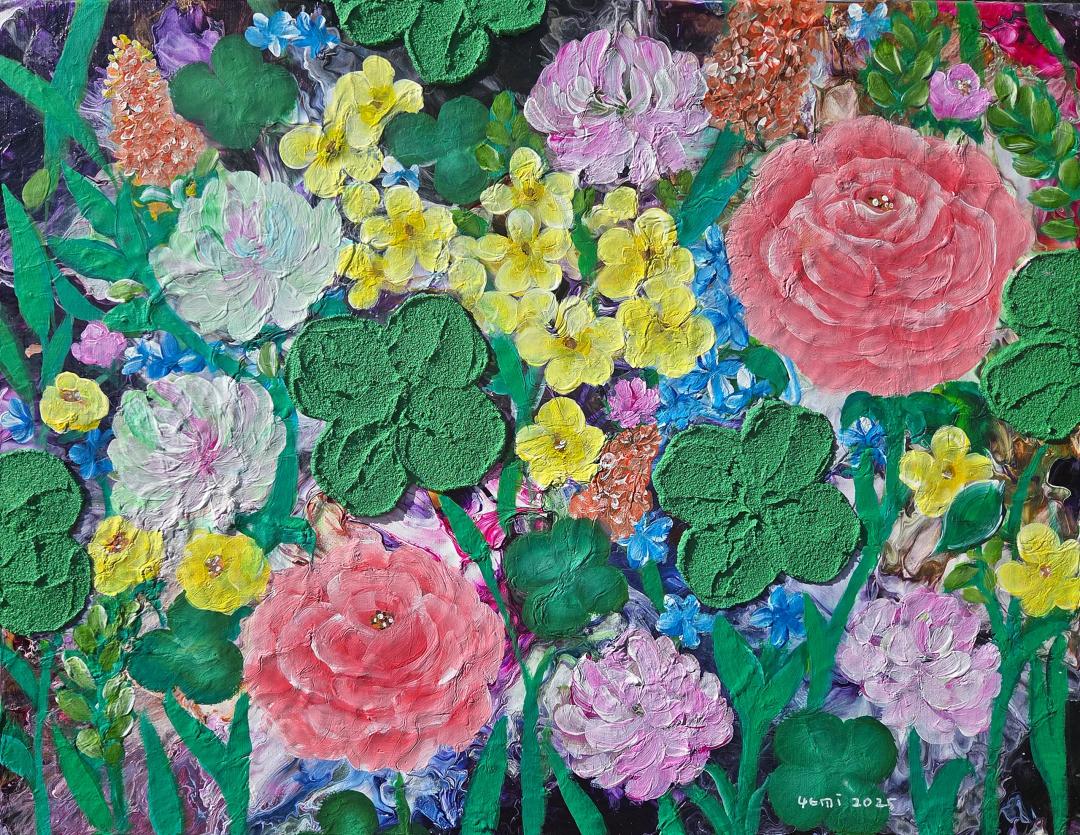
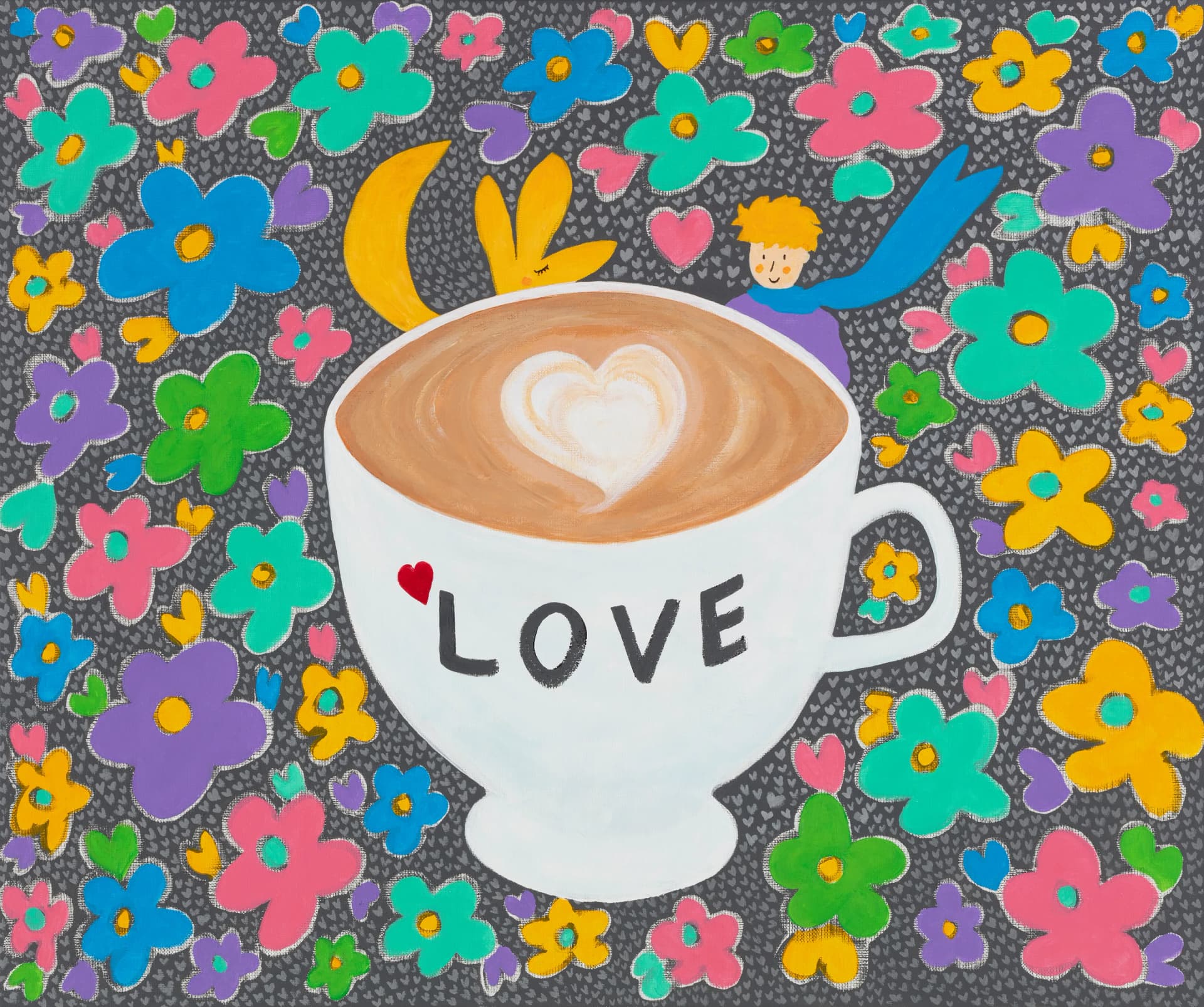
Yemi Kim's Flower Field (31.8×40.9cm, 6F) — a mixed-media canvas — has a surface that is still alive. Even when paint looks fully cured, pigment shifts microscopically for years.
- Never wrap plastic directly on the paint — it can stick and tear off
- Glassine paper or neutral tissue layer → 2–3 layers of bubble wrap → outer box
- L-shaped styrofoam corner guards on all four corners
- Fill the box with padding so the work cannot shift inside
Watercolors and Drawings in Glass Frames
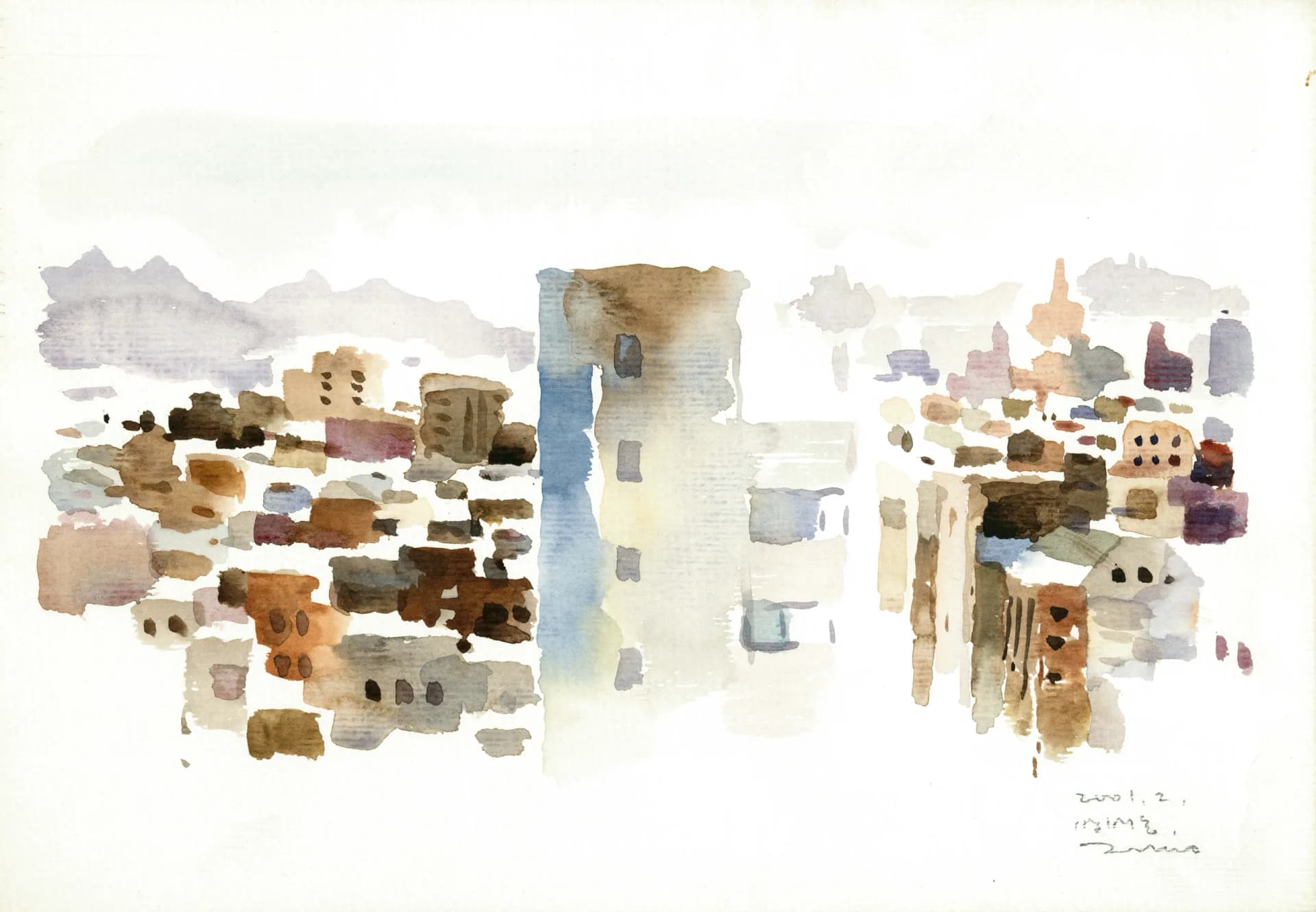
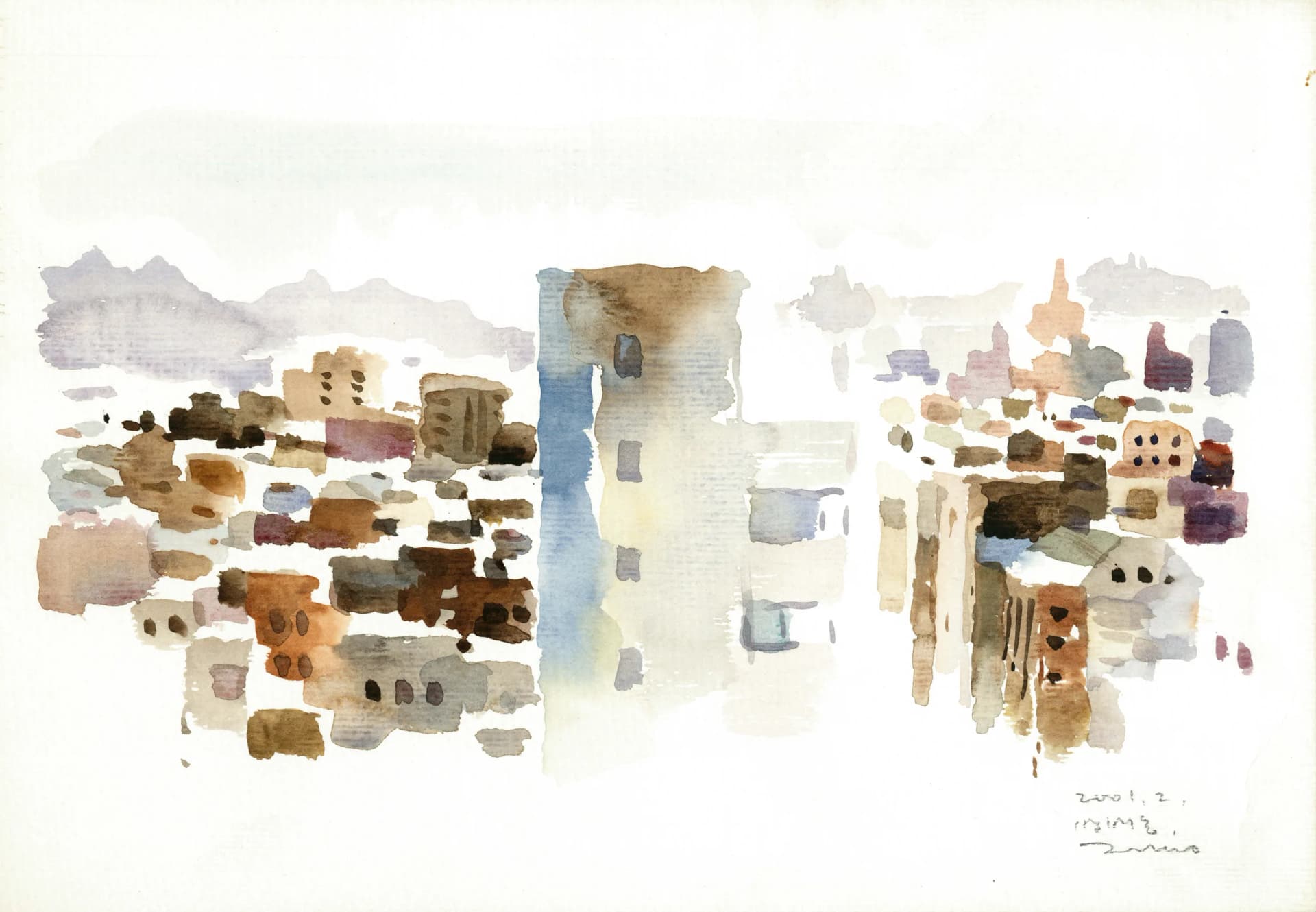
Park Jaedong's Cityscape (34.5×24cm original watercolor) represents the trickiest category.
- Masking tape in an X across the glass — if it breaks, the shards will not scatter
- Bubble wrap over the tape
- Bubble wrap on the back too (so the wall hangers don't get crushed)
- Transport strictly vertical — laid flat, the glass sags under its own weight and cracks
Unusual Dimensions, Tall or Wide
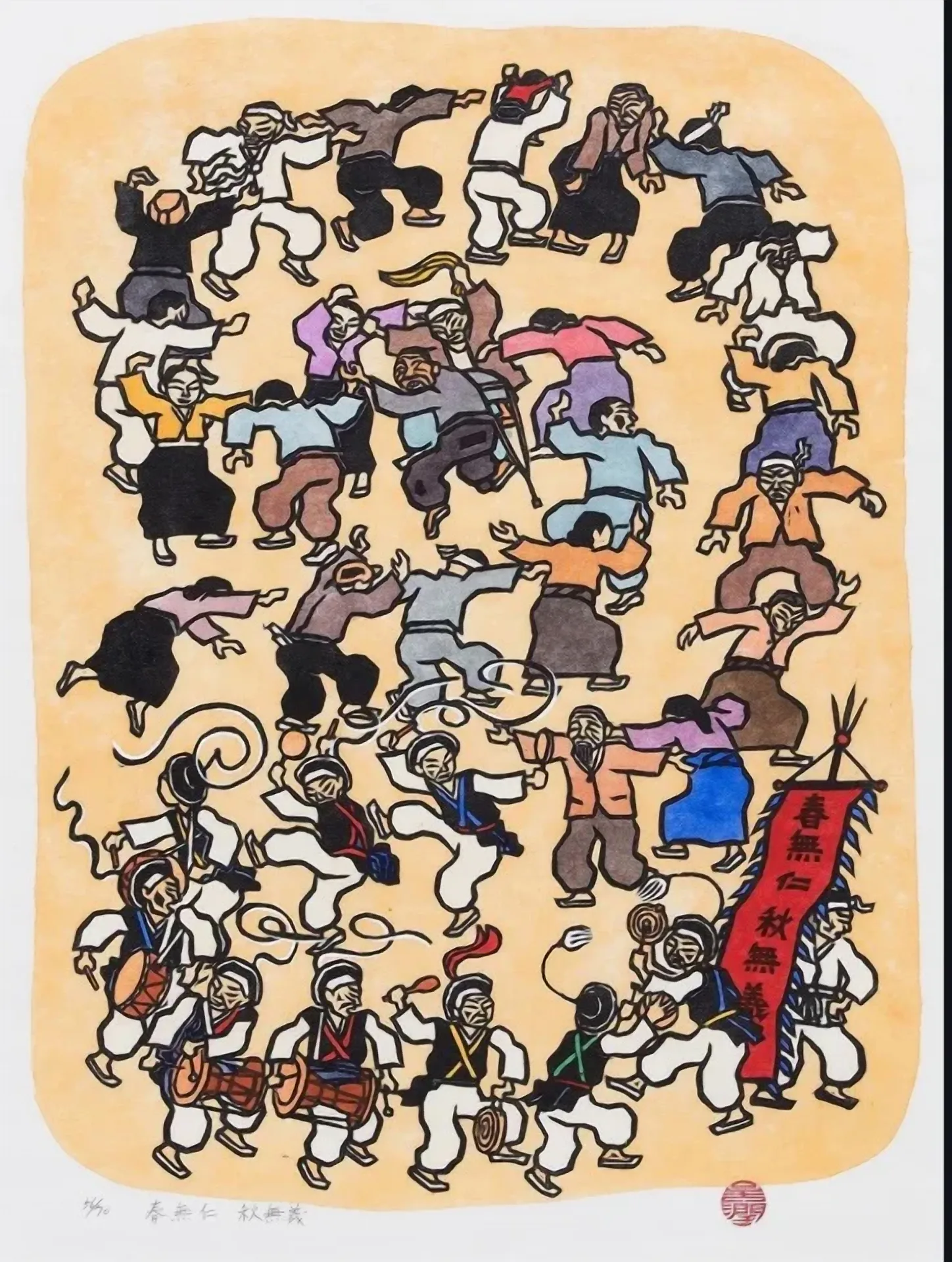
For works like Kim Sang-gu's No 895 (180×30cm woodblock on hanji), specialized transport is a must.
- Standard moving trucks have ceilings too low to stand the work upright
- Laid horizontal, the middle sags and the paper or canvas warps
- Needs a tube-style roller case or a custom long-form box
- If the mover hesitates, hire a dedicated art-handling service for this piece only
Hanji and Woodblock — Humidity and Temperature
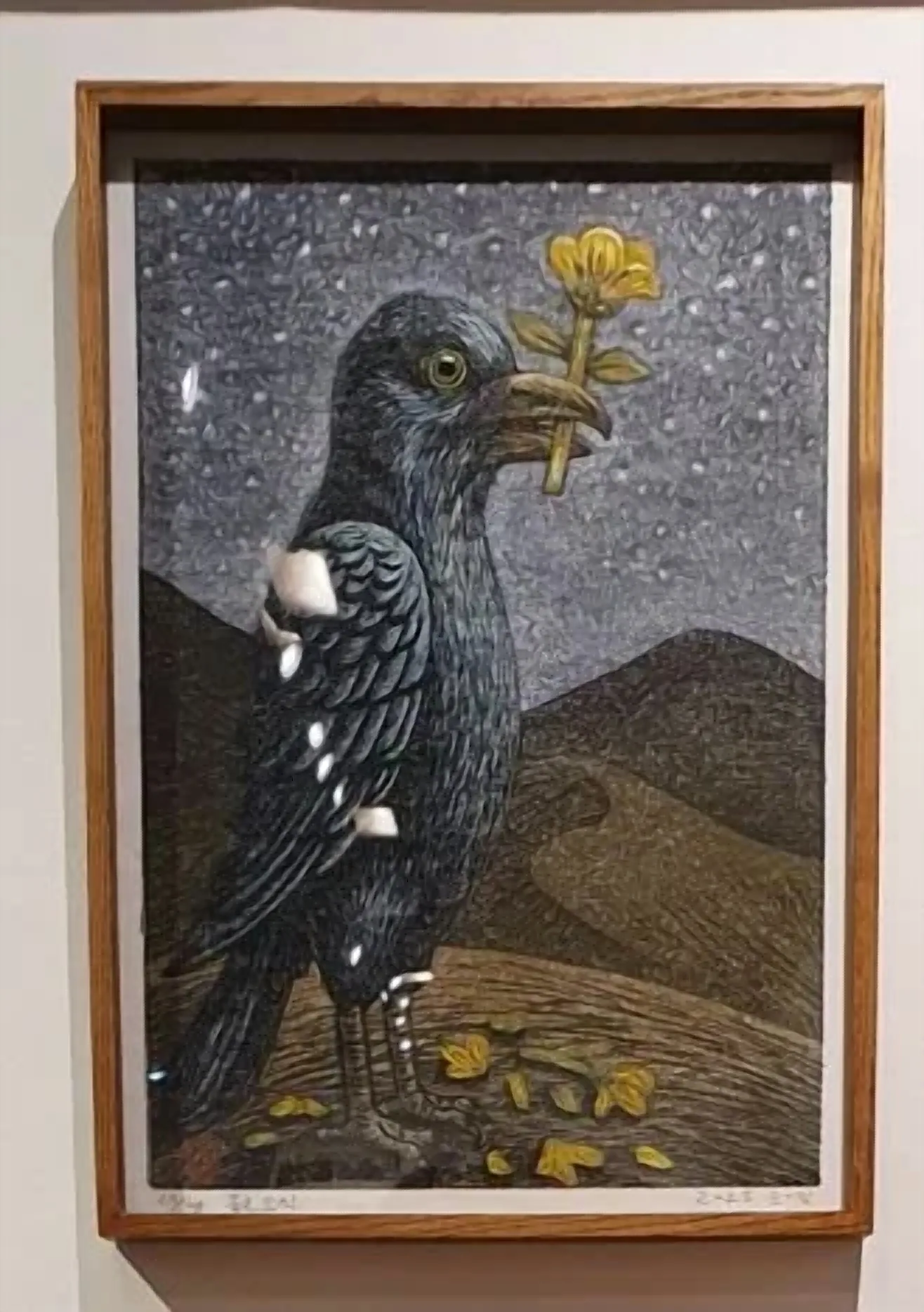
Lee Cheolsu's Water Flows and Flows to the Sea and other hanji-woodblock prints are sensitive to humidity.
- Summer move: include desiccant packs (silica gel)
- On a rainy day, interior humidity in a moving truck exceeds 80% — fully seal in plastic
- Do not unpack for 48 hours after arrival — abrupt temperature and humidity shifts warp paper
5 Common Damage Scenarios
Most post-move damage falls into one of these five patterns.
- Corner dents — the piece moves inside its box and repeatedly strikes the inner wall
- Broken glass — transported flat, then crushed by another box stacked on top
- Mold or warping from humidity — condensation in the truck, high humidity in a freshly wallpapered room
- Sun exposure — left by a window during the chaos, colors fade
- Uninvited unpacking — a mover "just checking" unwraps the piece and touches the surface bare-handed
1, 2, and 5 are preventable by advance communication; 3 and 4 by designating a safe interim spot.
5 Questions to Ask Before Booking a Mover
During the quote call or on-site estimate, insist on clear answers to all five.
① Do you have experience handling artworks?
"We've done it before" is not enough. Name your largest and most fragile piece, specify the size and medium, and ask exactly how they would pack it. Vague answers mean it is not their specialty.
② What does individual artwork packing cost?
Rarely included in the base estimate. ₩30,000–50,000 per piece is standard. If it is dramatically cheaper, the packing is thinner.
③ Insurance limits and exclusions
Check the mover's per-piece insurance cap. If their cap is ₩5M per piece and your work is valued at ₩30M, any loss above that is on you. Ask whether a separate art-transport rider can be added.
④ Interior dimensions of the truck
Confirm whether the truck can hold works upright. Standard panel vans rarely exceed 1.8m in interior height — Kim Sang-gu's 180×30cm piece will not stand up in an ordinary vehicle.
⑤ Damage reporting procedure
Within how many days must damage be reported? Who pays for the appraisal? Clarify in advance — a week after the move, "it was already like that" becomes a plausible counter-argument.
5-Minute Inspection Checklist on Arrival
When the work arrives, take five minutes before unpacking anything.
- No impacts or water marks on the outer box?
- Corner guards still in position?
- Desiccant color unchanged? (blue turning pink signals over-humidity)
- After unwrapping, do not touch the surface with hands or tools
- Any issue → photograph and contact the mover immediately

Between Moving and Re-Hanging — Interim Storage
If wallpapering, flooring, and furniture placement take a few days, keep the work wrapped and upright, leaning against a wall.
- Keep away from kitchens and bathrooms (humidity, cooking fumes)
- Avoid windows (direct sunlight)
- Do not set the wrapped piece directly on the floor — use a thick blanket or styrofoam beneath
- Choose a room pets and children cannot reach
Before re-hanging, see the How to Hang Artwork guide to plan position, height, and lighting together.
If Choosing a Specialist Is Hard
Most private collectors cannot easily find a dedicated art-moving service. For smaller moves, the practical combination is a regular moving company + a specialist art transporter for the artworks only. Under ten pieces, within a 50km move, an extra ₩50,000 or so usually buys specialist handling.
Works purchased through SAF arrive in art-grade packaging from the start. Keep those materials and reuse them at your next move — both cost and safety improve at once.
Related Reading
The Context of Solidarity
84.9% of Korean artists are excluded from institutional finance. Sales of works by SAF-exhibiting artists build a mutual-aid fund that returns as low-interest loans to fellow artists facing financial discrimination. Getting a single move right is part of keeping a work in collection long-term. And when that long-held work eventually passes to someone else, the transaction once again carries another artist's practice forward.
Related Guides
Related reading
If this piece helped, you may also enjoy these related articles:
Seed Art Festival
·