Magazine
Artist stories, collecting guides, and art knowledge

Painting on Janji — An Eunkyung and the Contemporary Voice of Korean Painting
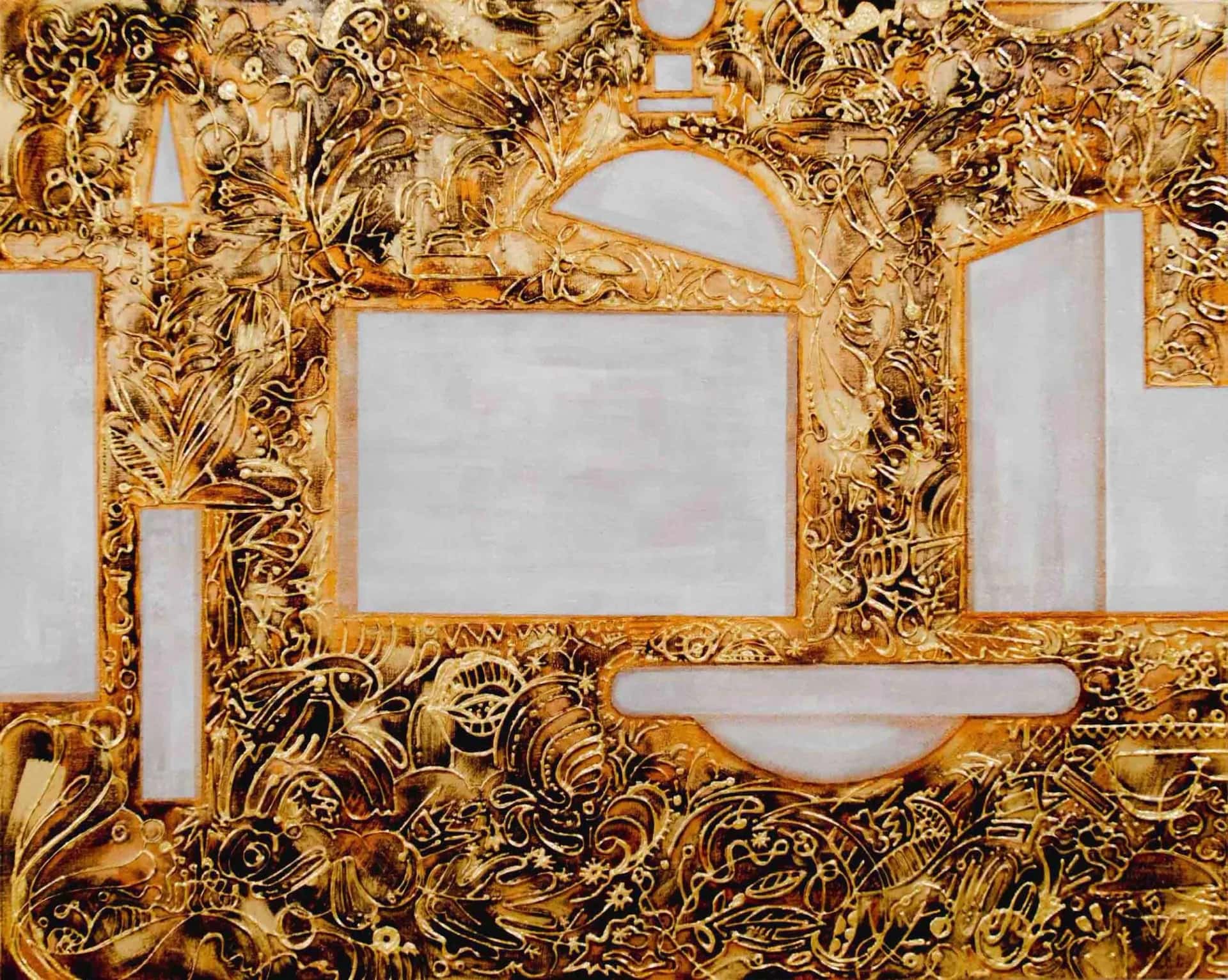
Janji is a thick traditional Korean surface made by layering hanji. Through An Eunkyung's paintings, we read its absorption, thickness, and quiet emotional effect.

Understanding Dansaekhwa: The Korean Monochrome
A painting that repeats the same stroke a thousand times — why is that art? The key to Dansaekhwa isn't the single color but the repetition. From Park Seo-bo to Ha Chong-hyun, the aesthetics of Korean monochrome.
Introduction to Minjung Art Through Shin Hak-chul
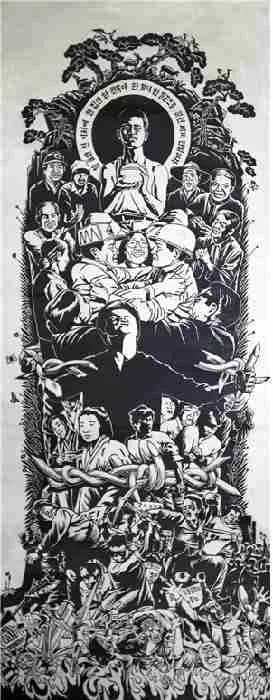
Resistance in the 1980s, reappraisal in the 2000s, reinterpretation in the 2020s. Minjung art never disappeared — follow a lineage still alive as one spine of Korean art, read through Shin Hak-chul.
Archival Pigment Print Explained — Why Digital Photographs Last 200 Years
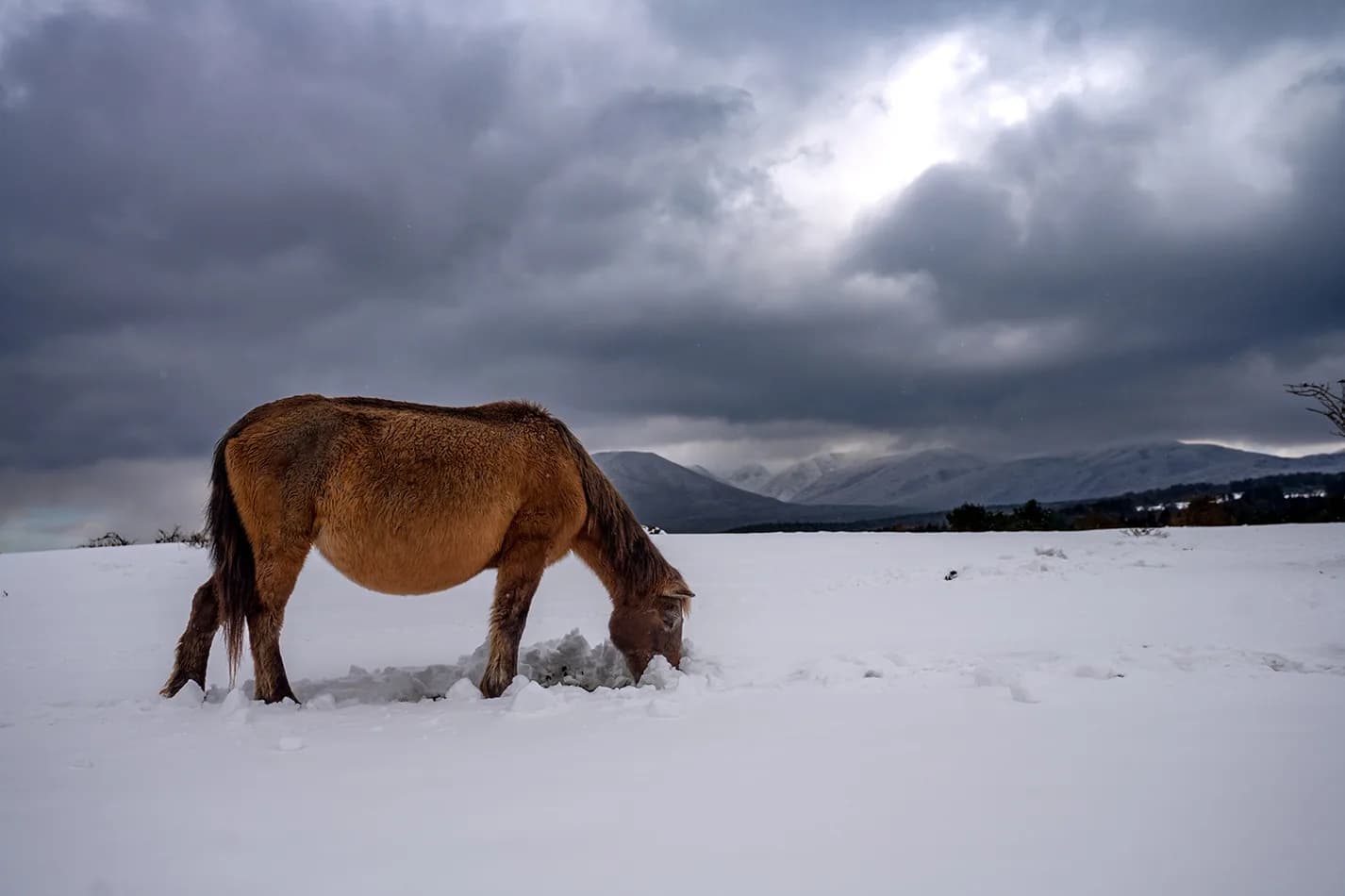
The cliché says digital photographs fade within 30 years. The exception: pigment inks plus archival paper produce 200-year longevity. Reading contemporary photographic media through Kang Le-a's "#01_S1707SP."
20 Artworks Under ₩1,000,000 at Seed Art Festival
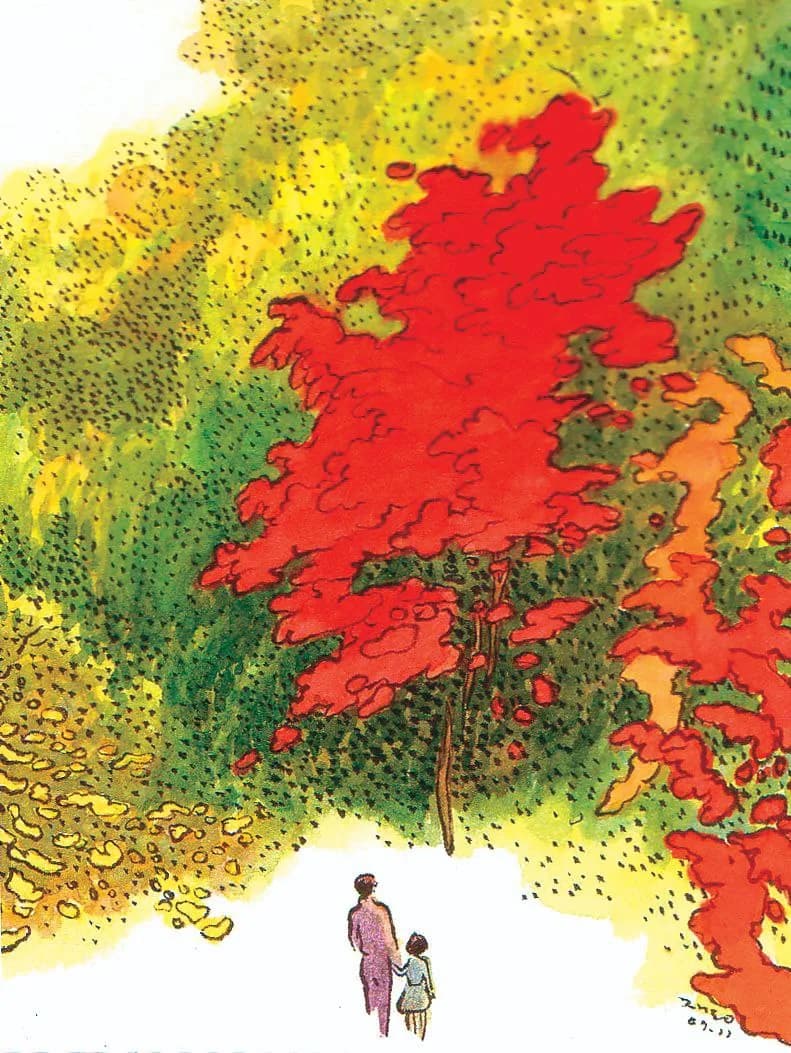
Set aside the idea that bringing art into your home is a luxury. Real original works under KRW 1 million — even under KRW 300,000 — sit among SAF's 127 artists. We curated 20 of them.

Korean Landscape and the Lives of Common People — The Documentary Photography of Cho Mun-ho, Jeong Yeong-shin, and Kim Soo-oh
The flow of Korean documentary and landscape photography — the practices of three masters Cho Mun-ho, Jeong Yeong-shin, and Kim Soo-oh, plus five collecting perspectives.
Why an Original Costs 10x More Than a Print by the Same Artist
Why does a print cost $300 while the original by the same artist costs $3,000? Three forces explain it: supply, scarcity, and signature premium.
Contemporary Art Pricing — Artist, Medium, Size, Date: 4 Factors of Korean Art Market
“Is this price fair?” The question every buyer asks. To answer it you need to understand the four forces that set art prices: artist, medium, size, and date.
A First-Time Art Buyer’s Price Guide — From ₩300K to ₩10M
“How much should I start with?” The most common question from first-time art buyers. Here is what you can buy, and how to choose, at four price tiers — ₩300K, ₩1M, ₩3M, and ₩10M.
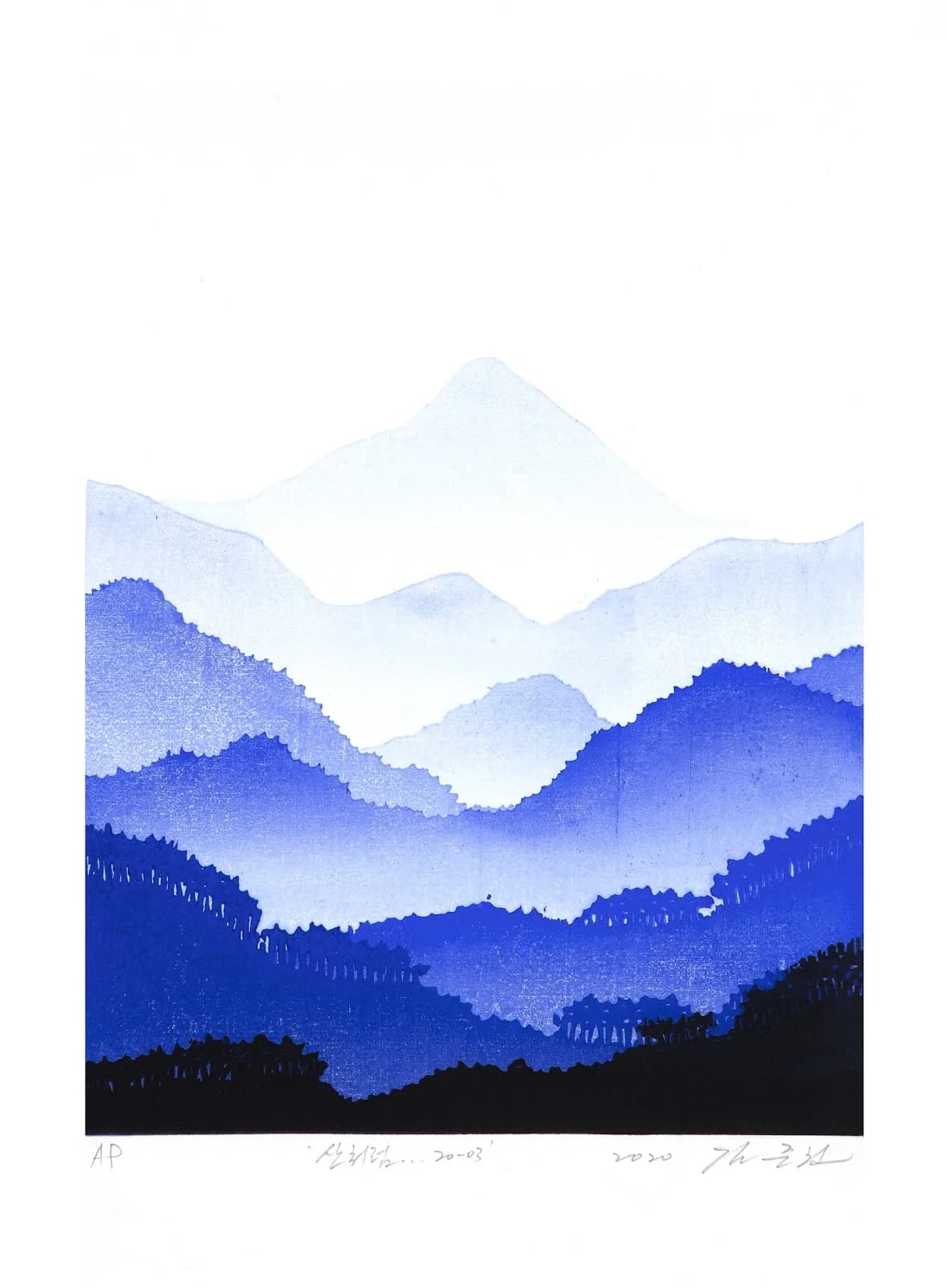
Agriculture and Labor in Korean Art — Kim Jun-kwon's Mountains, Min Jeong-gi's Fields, Lee Cheol-soo's Earth
Korea's oldest pictorial motif is agriculture. Tracing the contemporary lineage from Shin Hak-chul's *Rice Planting* (1987) through Kim Jun-kwon's woodblocks, Min Jeong-gi's Yangpyeong fields, Lee Cheol-soo's hanji prints, and Jung Young-shin's five-day market photographs.
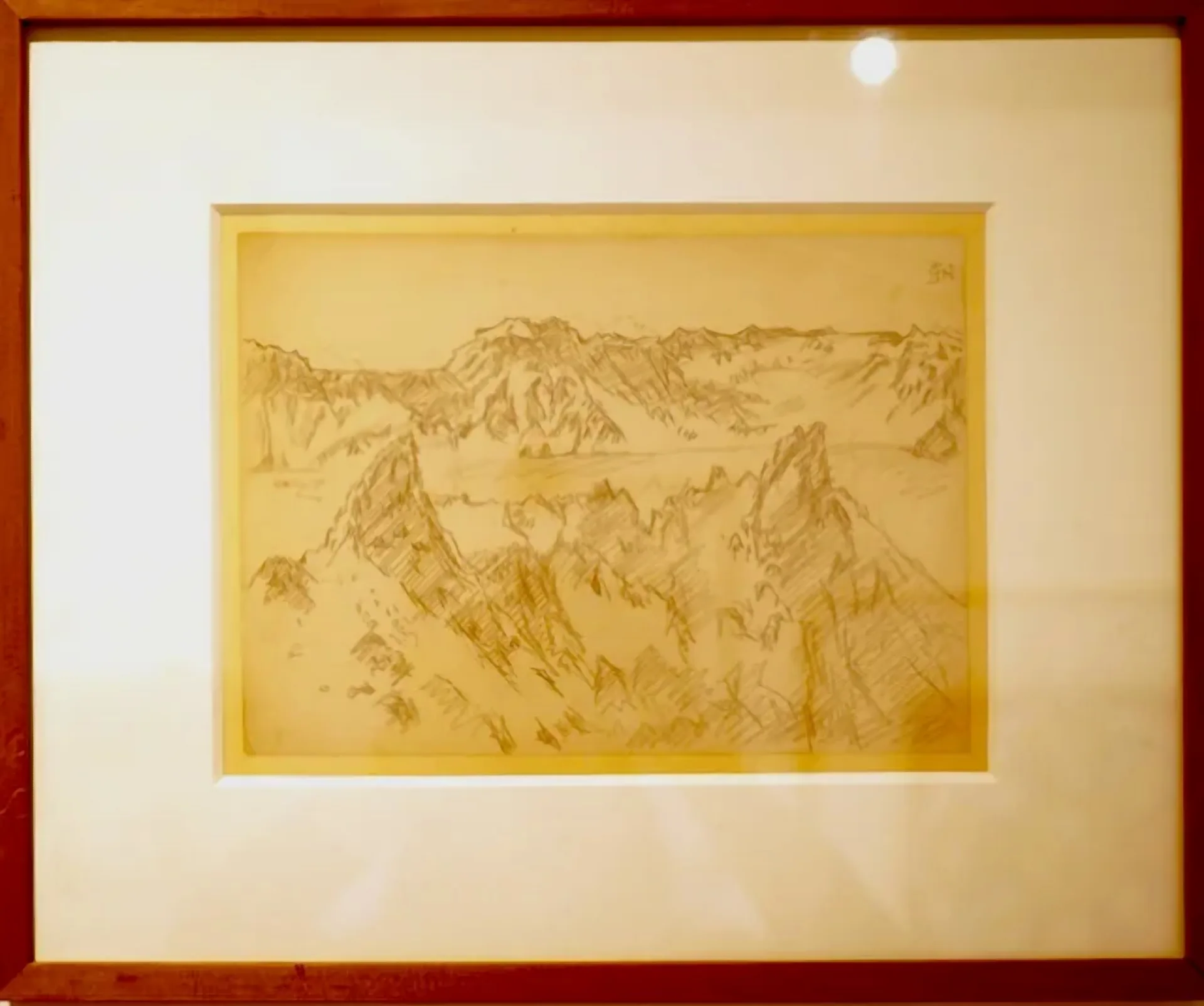
Korean Shamanism in Art — Oh Yoon's Goblins, Park Saeng-gwang's Rituals, An Eun-kyung's Recovery
At the deepest layer of Korean art lies shamanism. From Park Saeng-gwang's five-color rituals to Oh Yoon's daytime goblins and An Eun-kyung's contemporary acts of recovery on traditional janji paper — we read why shamanism still resonates in today's living rooms through SAF-owned works.
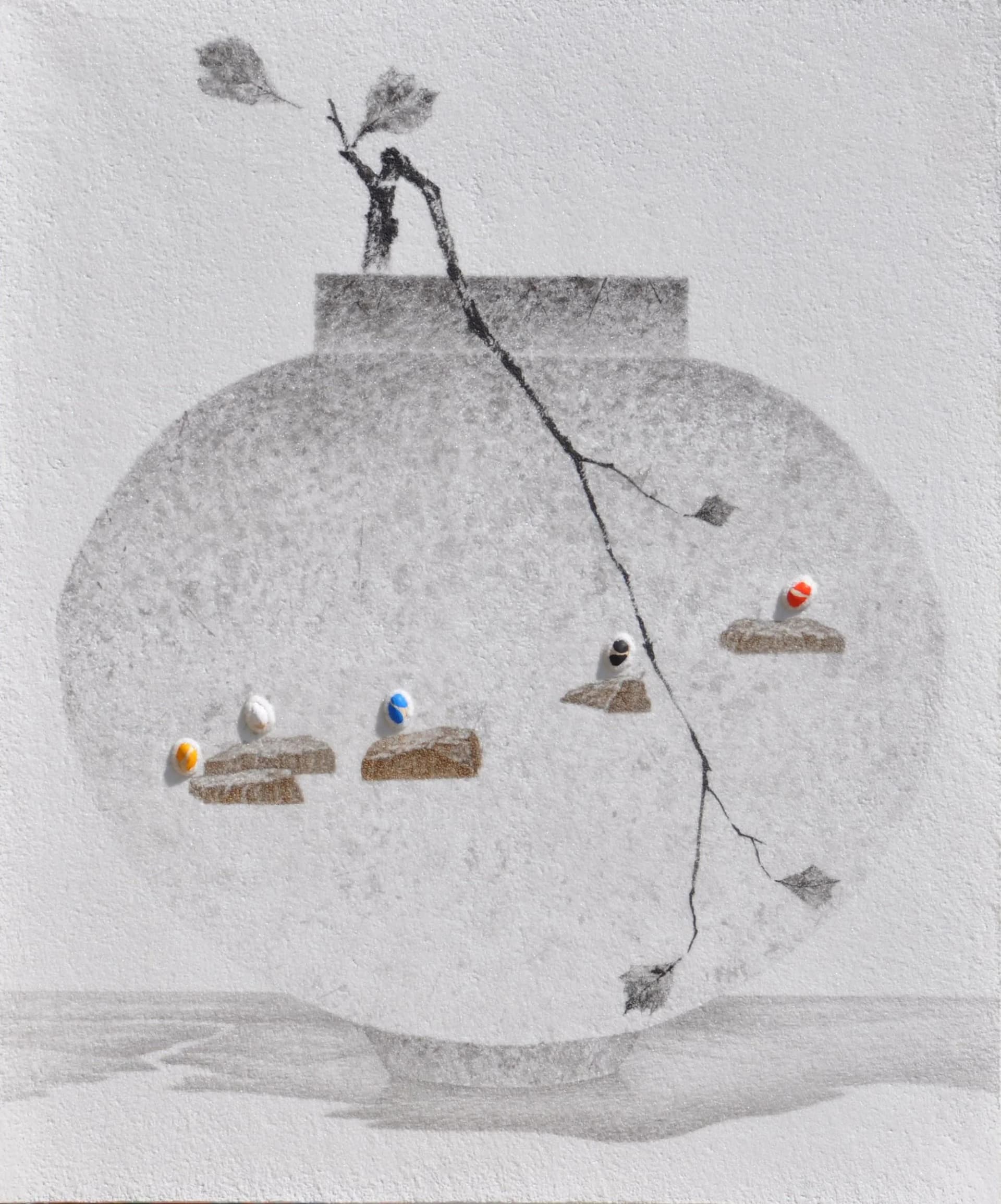
Behind the Bank's Closed Door — How the SAF Mutual Aid Fund Works
Inside the door the bank closed — tracing the SAF mutual-aid fund's five stages, grounded in the 2025 Artist Financial Crisis Report and three years of operating data.

SAF Painters — From Korean Painting to Abstraction
The 40+ painters of SAF 2026, read across six lineages — from Reality and Utterance founders to KAIST-trained painters, Brussels sculpture MFAs, and Goryeo-Buddhist-painting masters.

Korean Contemporary Printmaking — Five Lineages at SAF
Contemporary Korean printmaking, read through five artists at SAF 2026 — from Lee Cheolsu's woodblock Zen to Kim Jonghwan's broken-printer sculptures.
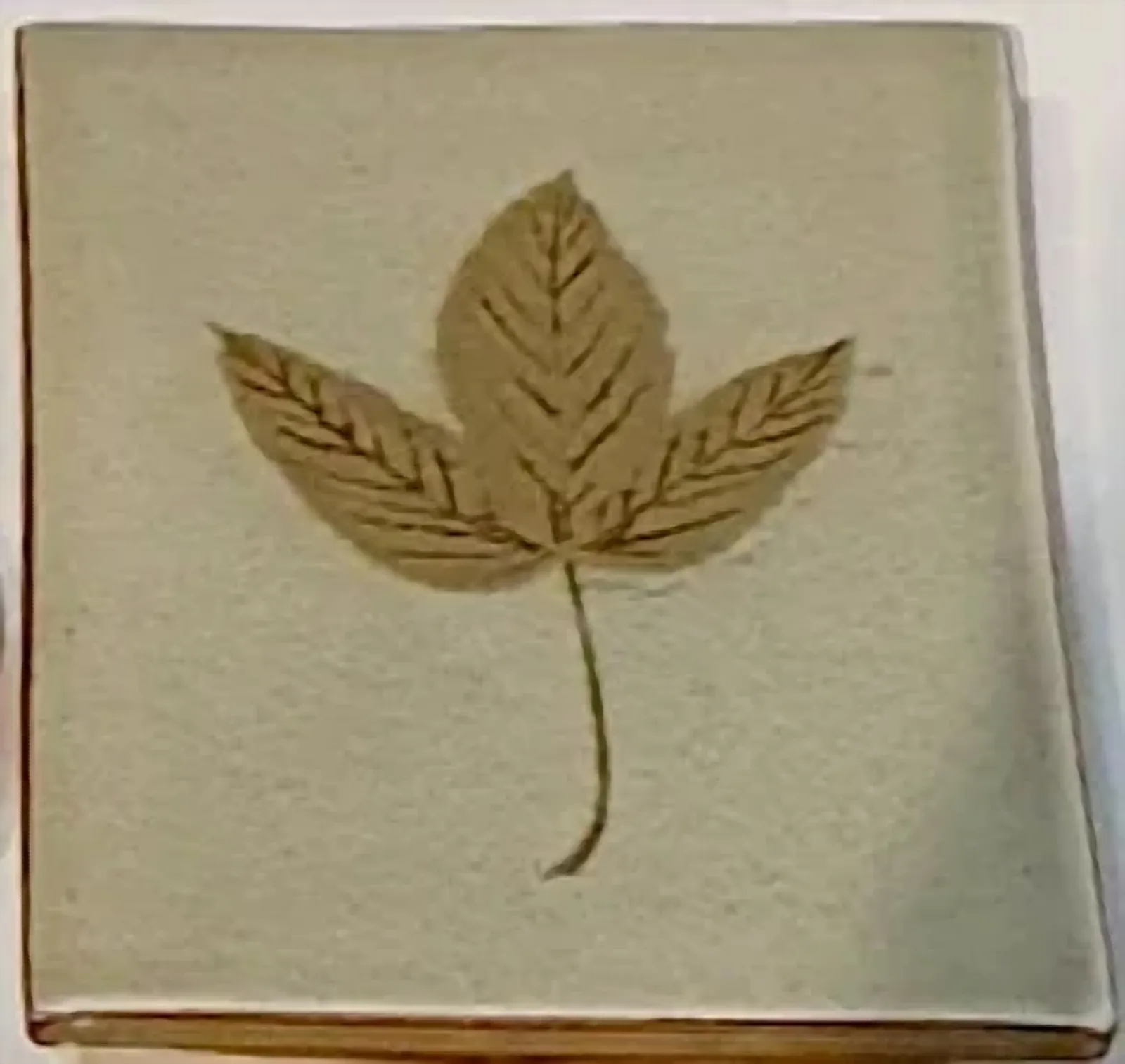
Sculpted by Hand — Sculpture and Ceramics at SAF
Sculpture and ceramics at SAF 2026 — few in number, wide in world. From Yang Sun-yeol's roly-poly resin to Kim Ju-ho's ceramic, with a farewell to Lee Iktae (1947–2025).
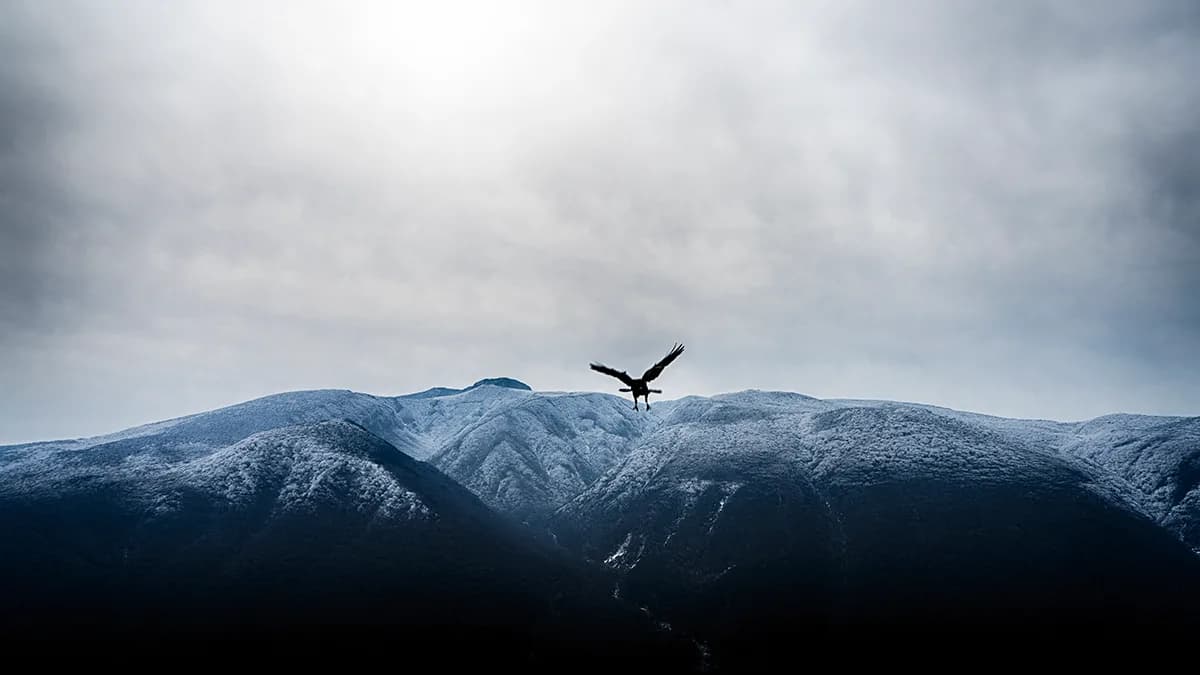
SAF Photographers — From Documentary to Camera-less Photography
Ten SAF photographers across four axes — documentary, landscape, experiment, and critique. From Cho Moon-ho's edges of the world to Lee Sucheol's pictures without a camera.
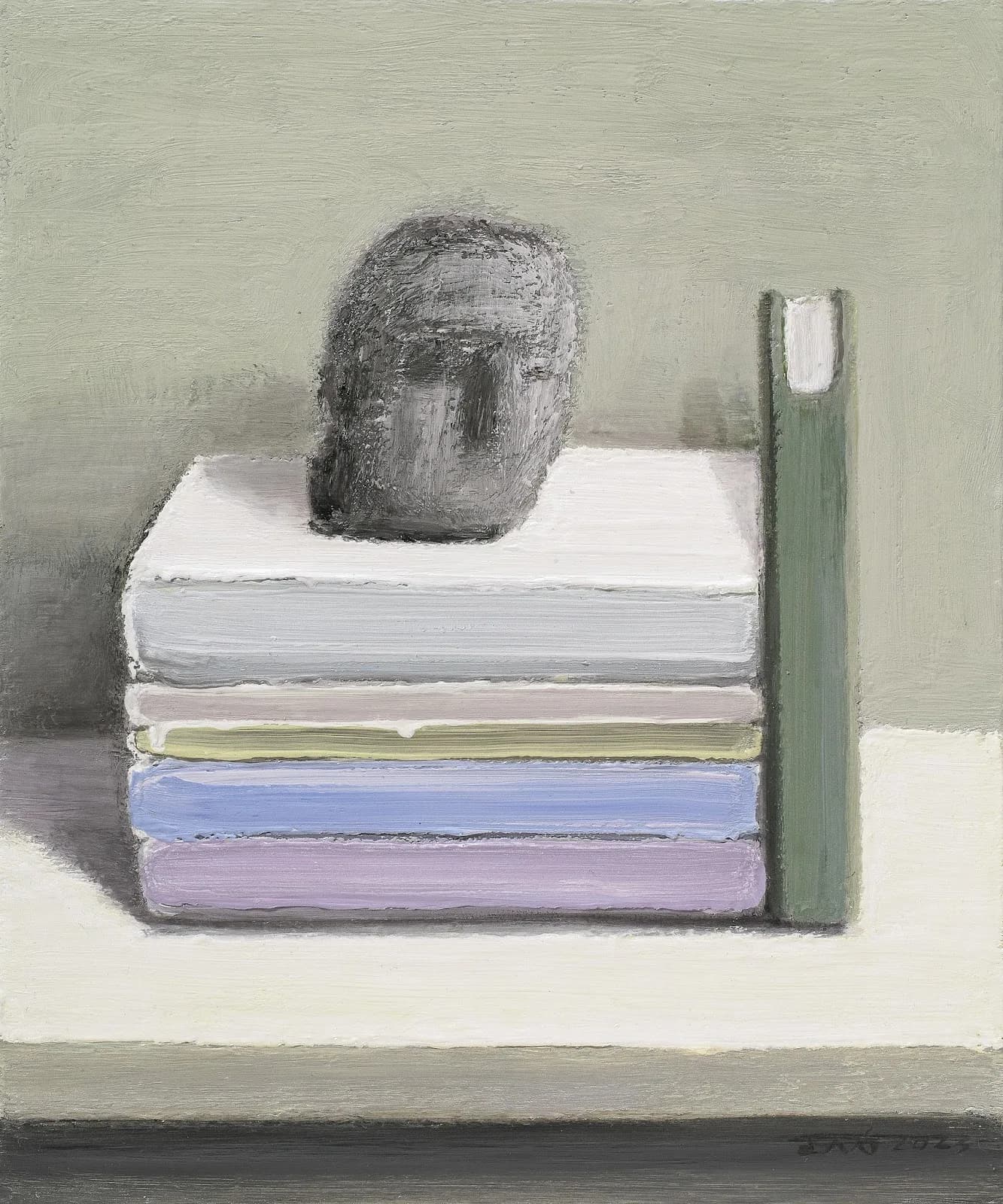
Print vs Original — How to Read Edition Numbers (AP·EA·HC·PP) and Collecting Value
Reading "3/30," AP, EA, HC on a print's lower edge — what each mark means, how prints differ from reproductions, and why the same "print" looks entirely different by medium.
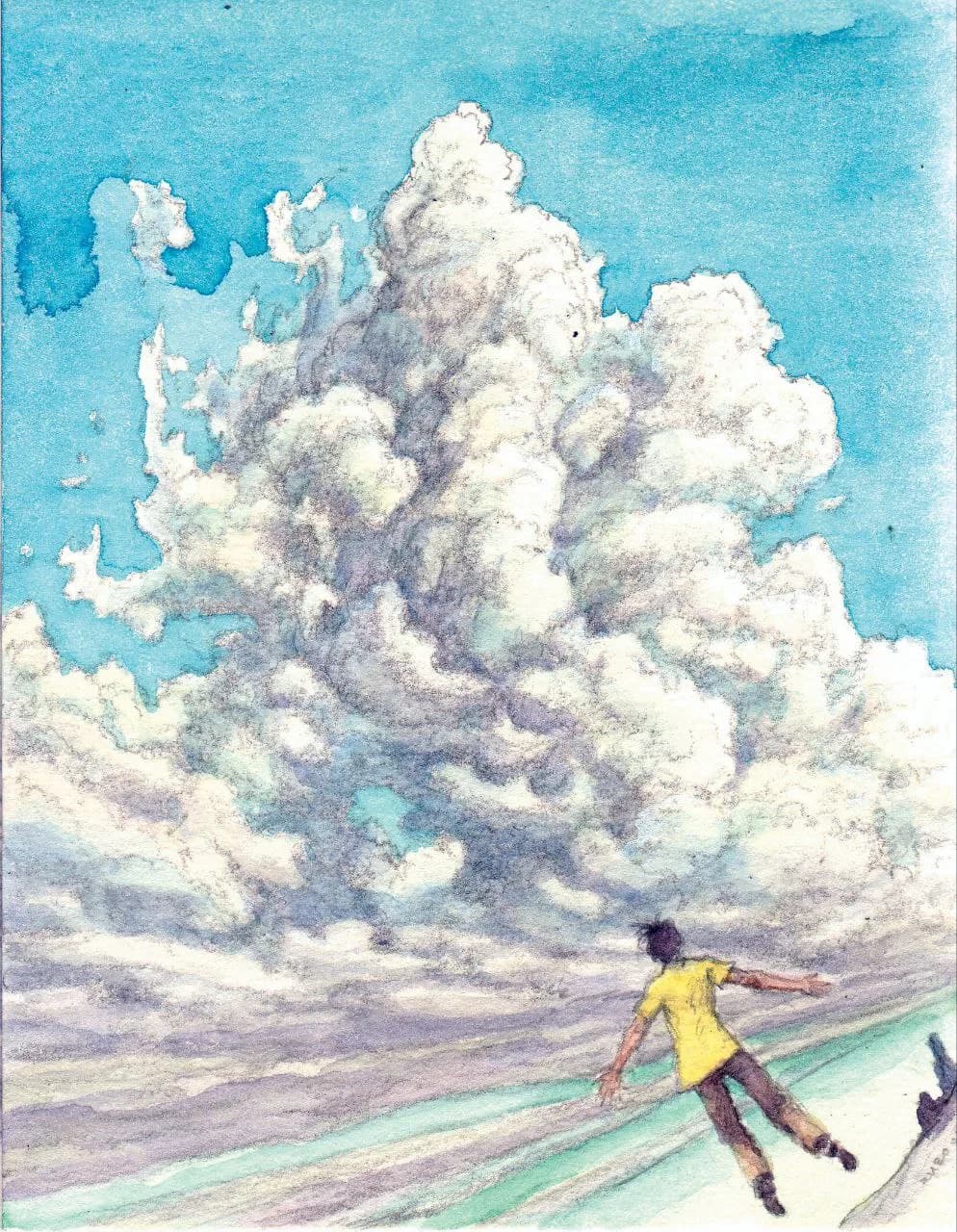
From ₩100K to ₩5M: Choosing Your First Artwork by Budget
How ₩100K to ₩5M unlocks different genres, sizes, and artist profiles. A budget-by-budget guide to actual SAF 2026 works.
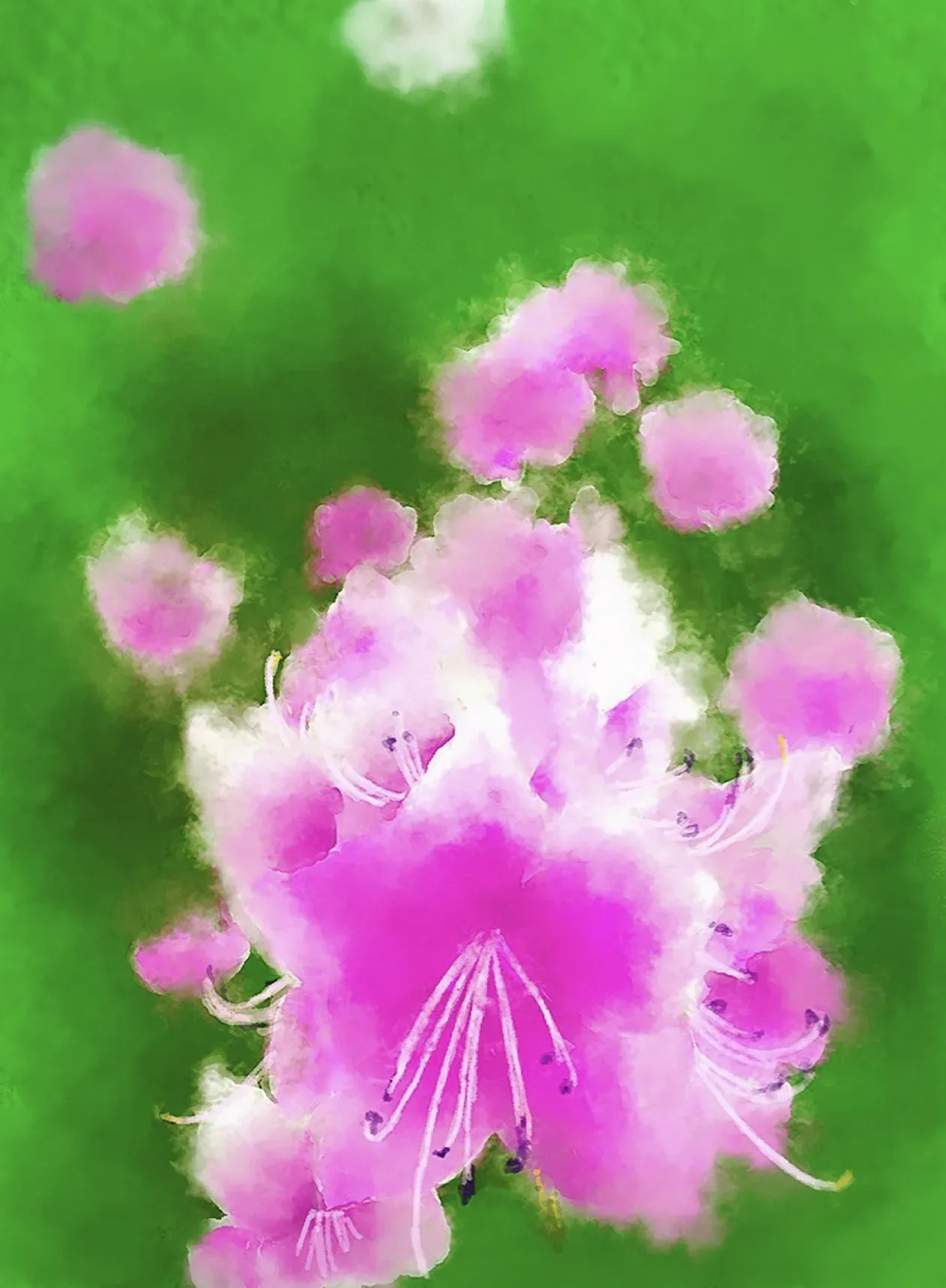
Where Digital Meets Lacquer: Expanding the Boundaries of Contemporary Art
The idea that painting with oil on canvas is the only 'real' art was dismantled long ago. Twenty-one works at SAF 2026 are digital or mixed-media pieces that ask what materials art can claim. Jeong Chaehui's lacquer-and-eggshell work on digital print is the most striking example.
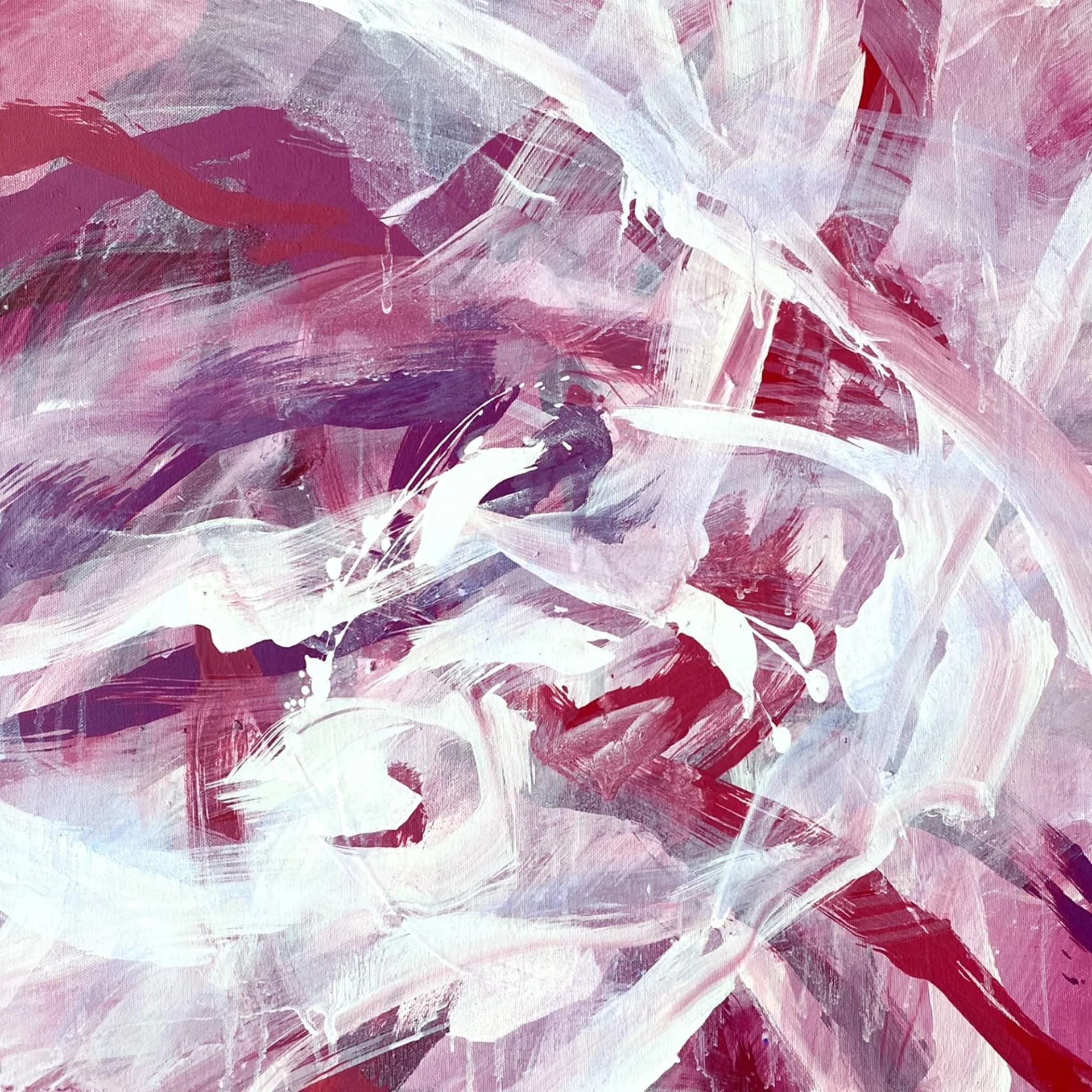
The Complete Guide to Buying Your First Artwork
A step-by-step guide for first-time art buyers. Where to buy, how much to budget, and how authenticity is guaranteed.
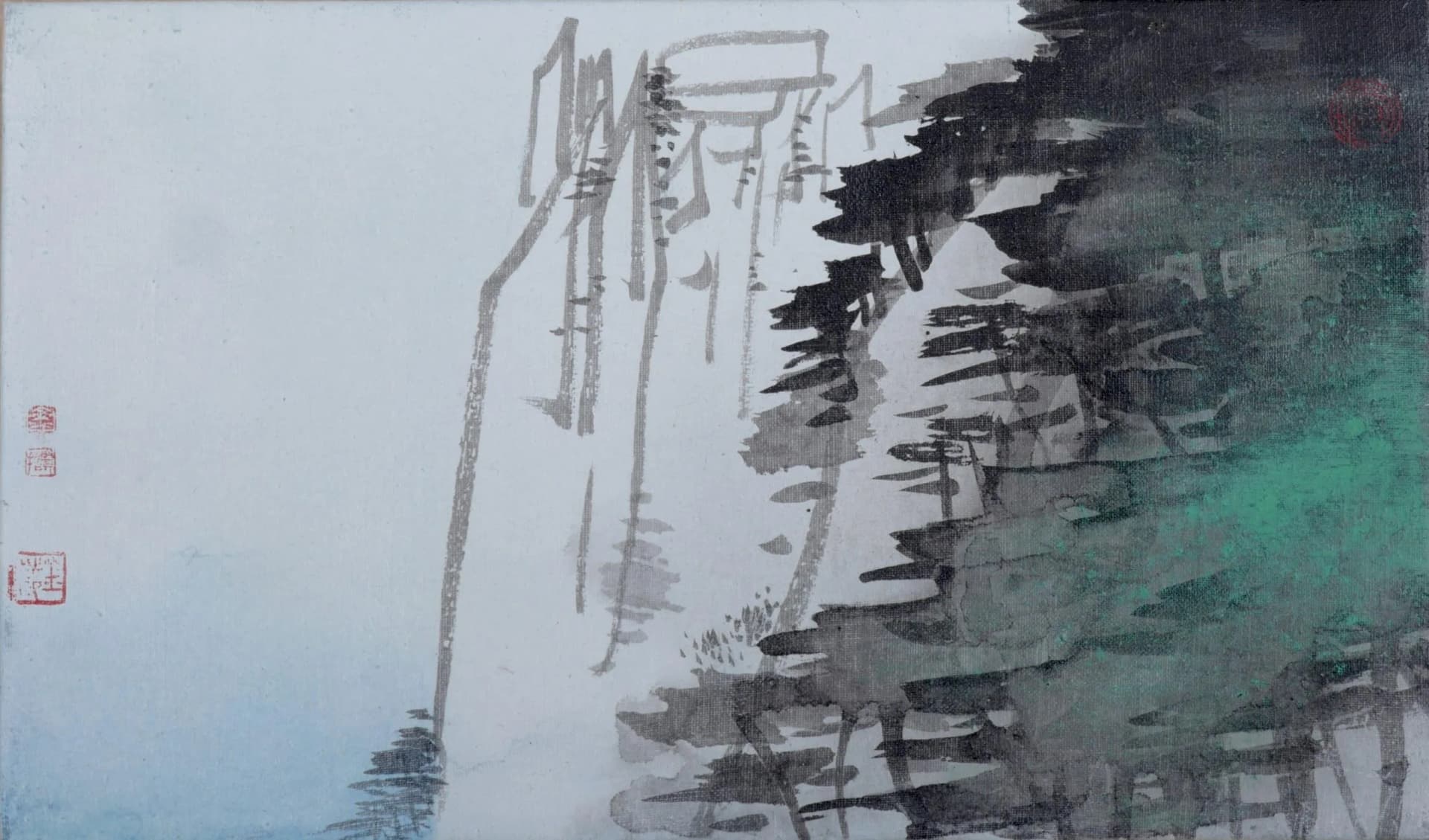
Korean Traditional Painting Meets the Modern: Ink, Pigment, and the Present
Korean traditional painting is far more than old-fashioned art. Materials like hanji, ink, powdered pigments, and mineral colors come alive in the hands of contemporary artists in entirely new ways. Through 25 Korean paintings in SAF 2026, this piece explores how traditional media meets a modern sensibility.
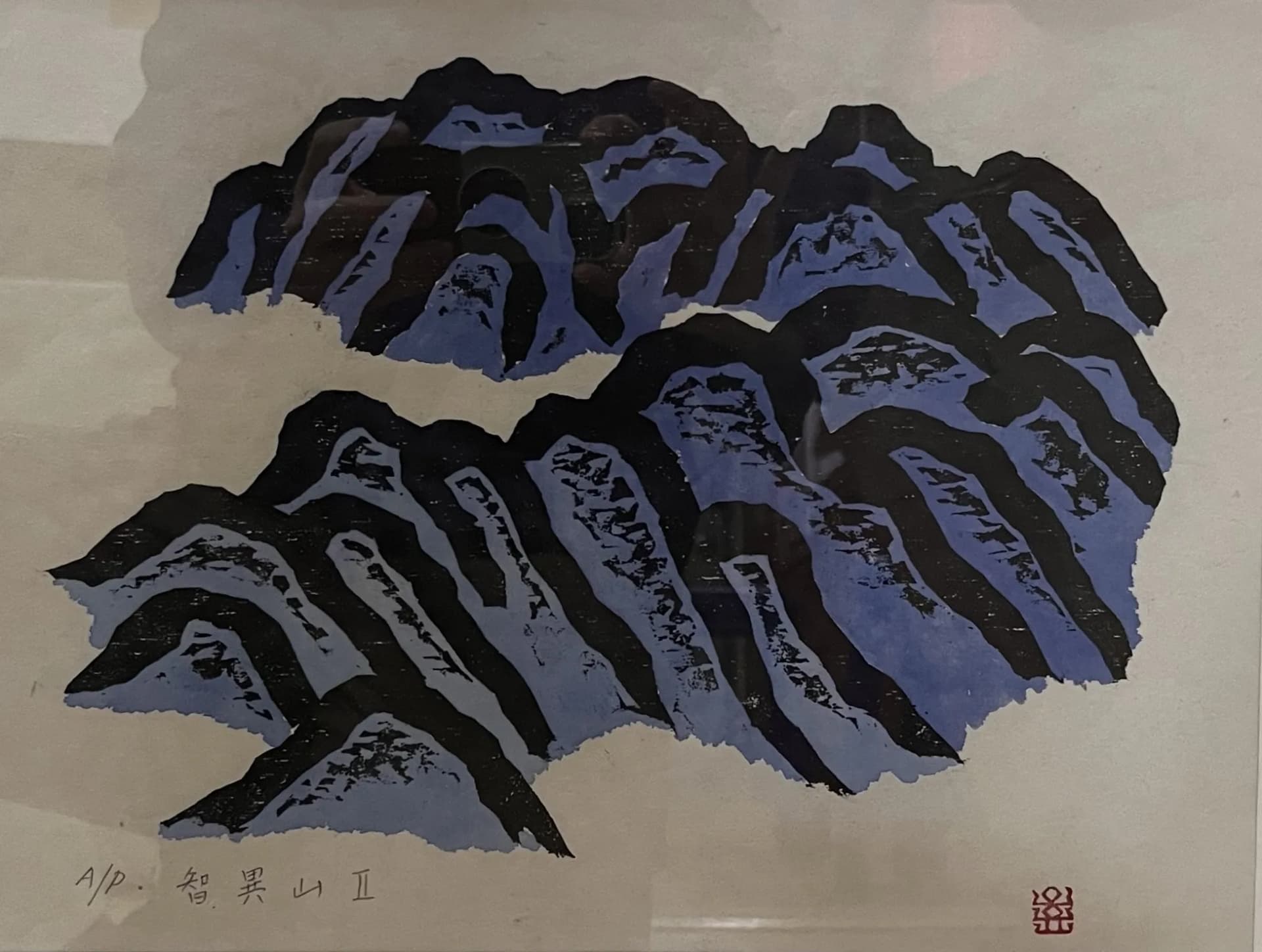
Carving an Era with a Blade: Oh Yun 40th Anniversary Special Exhibition
The printmaker Oh Yun died at forty-one in 1986. Forty years later, the dance he carved into wooden blocks has not stopped. Eighteen posthumous prints submitted to SAF 2026 create a paradoxical, beautiful moment — his art reborn as a financial safety net for fellow artists.

A Roundtable with Five Women Artists
Artists are not born with a gender, but life places gender's weight differently. A roundtable with five women artists who endured the triangle of childcare, livelihood, and creation.

Studio Visit: A Day in the Life of SAF Artists
The deepest path to understanding an artist's work is the studio. We visit the studios of SAF artists and document how their days unfold.

Shin Hak-chul: Five Decades of Painting the People
An artist who has never put down his brush from the 1970s through the 2020s. Fifty years of work that weaves the pain and hope of Korea's modern history through bodies, mountains, and rivers.

Climbing to Photograph: The World of Kang Lea
Climbing mountains and taking photographs — Kang Le-a walks the boundary between mountaineering and contemporary photography. We trace how the narratives of climbing, alpinism, and women climbers become photographic records, and what her work means in art history.

Art World Glossary: Biennale, Art Fair, Residency, and More
Ever stumbled on an unknown word in an exhibition statement or news article? We've gathered 50 essential terms used at museums, galleries, and the art market — all in one place.

Seongsu and Euljiro Alternative Spaces — Where Emerging Korean Artists Grow
If Anguk is Korean art's past and Hannam its global present, Seongsu and Euljiro are its tomorrow. We visit the alternative spaces where emerging artists hold their first solo shows.

Hannam-Itaewon Gallery Map — Where Global Mega-Galleries Set Up in Seoul
Why Pace, Gagosian, Thaddaeus Ropac, White Cube, and Perrotin all gathered in Hannam. A map linking Leeum and seven global galleries in a single day.

MMCA Korea 4 Branches Compared — Seoul, Gwacheon, Deoksugung, Cheongju
MMCA's four sites are one institution with completely different characters: contemporary, modern, modern-contemporary, and open storage. A comparison guide for first-time visitors.

Korean Art Auction Primer: Seoul Auction and K-Auction
Opening the door to an auction room is quieter than you'd think. How Seoul Auction and K-Auction work, the math of fees, hammer prices, and reserves, and everything a first-time bidder should know.

The Day I Quit Creating: Five Testimonies
Numbers like 84.9%, 48.6%, and 95% are actually faces. Five voices from artists who once gave up on creating and came back. Behind every number, there is a person.

How Other Countries Support Artist Finance: Germany, France, UK
Germany's Künstlersozialkasse, France's intermittent system, the UK's Arts Council. Looking at how other countries have designed financial safety nets for artists shows the path Korea has yet to take.

20 Summer Landscape Paintings for Your Window: Sea, River, Forest
Hang one ocean view by the summer window and the room temperature seems to drop three degrees. A curation of 20 SAF landscape works — the cool colors of sea, river, and forest.

Bank Default Rates vs Mutual Aid: Two Definitions of Credit
Banks: 0.5%. Savings banks: 5%. Loan sharks: 10%. Mutual aid: 5%. Stacking four tiers side by side reveals two rival definitions of credit.

Why Banks Reject Artists: The Real Reason
Artists turning away from bank windows after hearing "We can't approve this loan." It's not simply because of "low income." We dig into the structural blind spots of Korea's credit-rating system.

Five Numbers That Map the Financial Reality of Korean Artists
84.9%, 48.6%, ₩35M, 95%, 5.7% — five numbers that map Korean artists'' financial reality onto a single page.

Under ₩500,000, Under 30cm — Seven First Pieces for Small Spaces and Small Budgets
A guide for collectors sensitive to price and size — single-occupant studios, officetels, renters. Seven works under ₩500,000 and 35cm, five strengths of small sizes, six placement spots, three pairing recommendations.

Your Second Artwork — A Curation Guide for the Step After Your First Piece
A curation guide for the step after your first artwork. Five paths for the second piece — same-artist series, medium diversification, one tier up, entering the master tier, 2D to sculpture — with recommended works per path.

Lee Yun-yop — A "Dispatched Artist," Carving the Texture of Labor in Multi-Color Woodblock
Lee Yun-yop, master of Korean multi-color woodblock. "Dispatched artist" activist, industrial rubber matting medium, farmer/worker motifs, MMCA collection — with 5 curated picks.

Lee Cheol-soo — From Minjung Woodblock to the Woodblock of Zen, One Texture of Korean Printmaking
Lee Cheol-soo (b. 1954), master of Korean woodblock. 30-year evolution from 1980s minjung woodblock to Zen, spirituality, and peace. Farming and woodblock practice in Jecheon — with 5 curated picks.

Park Jae-dong — The Father of Korean Editorial Cartooning, and the World Beyond the Daily Comic
Park Jae-dong (b. 1952), the father of Korean editorial cartooning. Eight years at the Hankyoreh, Reality and Utterance collective, and a practice integrating painting, animation, and teaching — with 5 curated picks.

Oh Yoon Estate Prints Guide — 17 Posthumous Woodcuts by Korean Minjung Art Master
A guide to the 17 estate prints of Oh Yoon (1946-1986), master of Korean minjung art. What an estate print is, five perspectives on his practice, and entry recommendations.

Investment vs. Possession — The Two Paths of a First Collector
Investment vs. possession in Korean art collecting — five myths, market data, and examples viewed through both lenses.

Korean Artworks as Wedding and Housewarming Gifts — A First Piece Both Sides Will Love
Korean artworks as wedding, housewarming, and promotion gifts. Five gift principles, common mistakes, and 5 SAF picks.

Korean Artworks for Offices and Cafés — A B2B Collector's Curation Guide
Korean artworks for offices, cafés, and meeting rooms. Selection principles by space, five practical tips for B2B collectors, media and tax guidance, and 5 SAF picks.

Starting Your First Art Collection Under ₩400,000 — One Piece Is the Beginning
Five real Korean artworks between ₩150,000 and ₩400,000. Why a real piece beats a poster, five criteria for choosing your first work, and a curated entry per medium.

First Artwork for Your Newlywed Home — A Spring Wedding Season Collecting Guide
Your first artwork for a newlywed home — placement principles by room, price tiers, 5 common mistakes, and 5 curated SAF picks.

Art Tax Guide: When and How Much Do You Pay?
Do you have to pay tax when you buy art? What about when you sell? Korea's art tax code is friendlier than you might expect. From VAT to capital gains — explained in one go.

Buying Art Online — A 5-Step Safety Checklist
Art is now bought online — but screen color differs from reality, and forgery risks lurk. A practical 5-step checklist before payment, plus what to do in the 7 days after.

Gallery vs Direct-from-Artist — Where to Buy Art and What Each Channel Offers
The same painting costs ₩3M at a gallery and ₩2M direct from the artist. What does the markup buy you, and when is it worth it? An honest comparison of four buying channels.

Painting, Print, Photography, Sculpture — A Buyer’s Guide to Each Medium
Why does a painting cost ₩3M, a print ₩300K, a photograph ₩800K, and a sculpture ₩5M? Each medium has its own pricing logic. A complete buyer’s guide to all four.

After Forty — How Oh Yoon Arrives Again, From July 1986 to April 2026
He died at forty in 1986. Ten years later, seven people gathered to issue the first — and only — posthumous print edition of his work. The painter who never priced a single print in his lifetime had his prints marked, signed, and closed by his peers after his death. As 2026 marks the fortieth anniversary, Oh Yoon arrives again. Series 1 of a posthumous-print market analysis.

Korea's 2026 Art Fair Calendar — From Galleries Art Fair to KIAF, Frieze, and ASYAAF
How does Korea's art-fair calendar flow over twelve months? From March's Galleries Art Fair to August's ASYAAF, September's KIAF·Frieze, and November's Daegu Art Fair — a first collector's twelve-month roadmap with venue strengths and budget tiers.

Oh Yoon's Song of the Blade (1985) — A Single-Work Reading
32.2x25.5cm. A single woodblock cut one year before his death. What was Oh Yoon's *Song of the Blade* (1985) singing? A 30-minute deep read of a single work — from the Donghak sword dance to the posthumous print market.

Tools for Hanging Artwork — Choosing Nails, Anchors, and Rail Systems
Nails pull out of drywall, concrete resists them, and renters hesitate to drill at all. A practical guide to hardware by wall type and artwork weight, gallery rail systems, non-invasive options, and a 7-step installation flow.

Framing and Mounting — Choosing the Right Frame for Your Artwork
The same painting looks like an entirely different work depending on the frame. Five choices by medium — oil, watercolor, Korean painting, prints, photography — plus budget tiers, where to order, and five common mistakes.

What a 95% Repayment Rate Means — How SAF Differs from a Bank
The SAF mutual-aid fund has issued 354 loans at a fixed 5% annual rate without credit checks — and 95% repay. What mechanism allows 95% repayment on unchecked loans? A deep look through comparison with retail banks, Grameen, KSK, Kiva, and the scaling limits.

A First Collection for Young Professionals — A 3-Year Plan on 5% of Your Salary
Saving 5% of your salary for three years can fill one wall of a small apartment with 4–5 works you chose yourself. Year 1 art prints, Year 2 first original, Year 3 the centerpiece — a realistic 3-year plan with numbers and an artwork ladder.

Moving and Shipping Artworks — How to Transport Without Damage
May to August moving season — the art on your walls is the trickiest part. Packing standards by size and medium, the 5 most common damage scenarios, 5 questions to ask movers, and a 5-minute inspection checklist on arrival.

How to Read an Artwork COA — 3 Steps to Spot Forgeries
The most common question from first-time buyers: "Is this real?" The 7 items a Certificate of Authenticity must contain, 5 red flags of a forged COA, and 3 points to read signatures and seals.

Art Gifts for Parents — A Generational Taste Guide
You can't give the same work to a parent in their early sixties as to one in their late seventies. A generational guide to gifts for parents — taste, home environment, health context.

Art Gifts for Newborns and First Birthdays — A Keepsake That Grows Up Too
Baby clothes shrink in a year; toys barely make two. A gift that grows up with the child — how to choose art for newborns, 100-day celebrations, and first birthdays.

Art Gifts for Life Milestones — Promotions, Retirements, and Goodbyes
A promotion calls for the light of achievement, retirement for the texture of reflection, an overseas posting for a lining of Korea carried abroad. Different moments, different visual languages.

Art for Business Openings — Curated by Industry
A hospital needs a different artwork than a café or a law firm. How to choose the first piece for an office or commercial space — by industry, with practical notes on tax treatment.

Art as a Wedding & Housewarming Gift — A Practical Guide
Flowers fade, gift cards get forgotten. One artwork on a wall becomes a lifelong gift. How to choose a meaningful wedding or housewarming gift — by budget, motif, and etiquette.

Art Care 101 — How to Keep Your Collection for Generations
Artworks rarely break "suddenly" — they drift through direct sunlight, seasonal humidity swings, and wrong frames. Three things to avoid, and a seasonal checklist to keep a work for a generation.

7 Mistakes First-Time Art Buyers Make (And a Post-Purchase Checklist)
Regretting your first art purchase is usually about mistakes you would have avoided if you knew. Seven of them, plus a 7-day post-purchase checklist.

Art for Every Room — Living Room, Bedroom, Entryway, Study
Living room, bedroom, entryway, study — four rooms, four kinds of artwork. A practical guide to matching pieces to the space you already live in.

How to Hang Artwork — Eye-Level, Lighting, Gallery Walls
Eye level, lighting, spacing. Three rules that turn a hammer-and-nail into a professional hang. A practical guide with gallery-wall layouts, wall-material tools, and no-drill options.

10ho = 53×45.5cm, 30ho = 90.9×72.7cm — Korean Ho-to-Centimeter Conversion (1~100ho)
10 ho or 30 ho — how many centimeters? A quick guide to reading the Korean art market's size system, with F, P, M ratios and real SAF examples.

The Back of What Brushed Past, the Afterimage of Punctum: Kim Yeongseo's Jangji and Pencil
Kim Yeongseo paints the afterimage of what brushes past. Barthes's punctum translated onto jangji in pencil and conté.

A Flower Falls and Becomes Earth — All Is of the Mind: Jeong Geumhui's Hwarakyito
花落以土 — flowers fall and become earth. Jeong Geumhui's decade-long photographic series built on *ilcheyusimjo* — all things made by mind. Hongik PhD; Busan-based.

Caricature Aimed at Shutting Mouths: The Political Cartoons of Artmandu
Ateumandu makes editorial cartoons and caricatures that layer critique, satire, affection, and humor. *Biteul News*, *The Human Encyclopedia*, NY solo *Biteul News*.

From Food Engineering Student to Geurimmadang Min: The Everyday of Lee Incheol
Lee Incheol graduated in food engineering before opening his first solo at Grimmadang Min in 1989. Hand-colored woodblocks of "Mr. Kim" and "Newlywed Mr. Lee."

A Painter of Warm Color and Wit: Lee Hongwon's Song of the Forest
Lee Hongwon painted Dahnjae Shin Chaeho's official portrait and presidential history paintings for Cheongnamdae. *Song of the Forest* and *Tiger Who Loved Flowers* — 40 years.

Seoul and Pyongyang, Patterns of Two Cities: Kim Taegyun's Ornament
Kim Taegyun's *Ornament* collages Seoul and Pyongyang highway interchanges into one pattern. Six years between Stuttgart and Seoul; held by Seoul MoA and Busan MoCA.

From Painting to AI Design: Park Jihye's Crossing Doctorates
An artist who studied fine arts in France and completed a PhD in painting at Hongik. In 2024, Park Jihye began a second doctorate in AI Design at Kookmin.

Between Quarks and Kairos: Choe Jaeran's Suwon, Photographs of Time
Choe Jaeran's *Time of Quarks* overlays daily-walk natural objects with drawings of invisible time. Photography and public administration, kairos and chronos.

Photography Without a Camera: Lee Sucheol at the Edge of the Photographic
Lee Sucheol asks whether photography requires a camera. Through development alone, image-making without capture — *Nonsynchrony-Jeju*, *Day Dream*, *Memory Journey*.

Duryun and Jiri, a Canvas of Great Ink: Woo Yongmin's Ink Painting
Woo Yongmin paints big ink on hanji. Duryunsan 545 cm wide, Jirisan's Banyabong 360 cm — his SAF works bring the Year of the Red Horse (Byeongo) at intimate 71×36 cm.

From the Hands of Hwagakjang to the Folk Painting of Dammong: Sin Yeri's Firefly, Flower, and Butterfly
Sin Yeri's studio is named *Dammong* — faint dream. Ten years as chief designer of hwagak craft, now carrying minhwa traditions into contemporary painting.

To Paint Comes from to Miss: The Overlap of Kim Juhui
"To draw" comes from "to miss." Kim Juhui photographs a place many times, then overlaps the images on canvas. 36 solos, held by MMCA.

Oriental Doctor by Day, Oreum by Night: The Land of Gods of Kim Suoh
Kim Suoh, Korean medicine doctor by day, Jeju oreum photographer by night. From SNU electronic engineering to Kyunghee Korean medicine to island nights with a camera.

From Reality and Utterance to the Landscapes of Yangpyeong: The Shade of Min Jeonggi
Min Jeonggi, a founding member of *Reality and Utterance* (1979). From barbershop paintings into high-art corridors, then to Yangpyeong's sansu — four decades.

A KAIST Engineer's Dream of Flamingos: The Life Paintings of Yemi Kim
Yemikim graduated KAIST in civil and industrial engineering, then took up the brush. Weeds on empty lots, whales dreaming, flamingoes in flight — eight works for SAF.

Return: Six Paintings by Photography Critic Lee Gwangsu
A photography critic picks up the brush. Six canvases of the same character — 回, return — six variations of one sign.

Carrying the Line of Goryeo Buddhist Painting: Jo Irak's Hanji and Stone Pigment
From Western painting to Goryeo Buddhist-painting reproduction. 20+ years in the line of Goryeo. Jo Irak brings bunchae, seokchae, and silk into today.

From a Broken Printer to a Head Being Born: Kim Jonghwan's Print Room
Kim Jonghwan makes heads from broken printer parts — motors, gears, leftover pens. A printmaker running *Panhwabang*; picture books, etching, lithography.

The Everyday on Chaekgado: The Ordinary Extraordinary of Jo Sinuk
Jo Sinuk carries the Joseon *chaekgado* tradition into today. Inside the grid: his own daily fragments, the extraordinary inside the ordinary.

Translator of the Invisible World: Remembering Lee Iktae (1947–2025)
Korea's first independent filmmaker. A total artist who carried Gwangju, LA, and the divided peninsula on his body. Remembering Lee Iktae, who passed in winter 2025, through the three works he left behind.

Looking at Mudeungsan from Jeonil Building: Park Seongwan's Gwangju
An artist rooted in Gwangju and South Jeolla. Markets, Jeonil Building rooftops, village rice mills — Park Seongwan draws out the sense of an era from the small, overlooked moments around him.

Karmadise, Where Good Karma Gathers: Lee Yuji's Shelter of Wishes
Lee Yuji names her practice *Karmadise* — karma plus paradise. Resting places where wishes take root, light passing through forest branches.

Leaving with an Empty Bag: An Eungyeong's Landscapes of Recovery
Everyone has an empty suitcase they can pack and leave with. An Eungyeong's suitcase paintings on jangji — a psychological map of modern unease and recovery.

Paintings Born Inside Books: Cheon Jisu's Painting Book Review
Cheon Jisu reads before she paints — *Painting Book Review*. Books deconstructed, reconstructed into jungles, libraries, and the memory of an African commission.

A Shutter Returning After 20 Years of Silence: Son Eunyeong's House and Garden
Son Eunyoung studied Western painting, then set down the brush for 20 years of motherhood. Picking up a camera to photograph her children led her into photography.

Where the Wind Has Passed: Kim Gyuhak's Landscapes and Memory
Kim Gyuhak paints what wind leaves behind. *Wind and Light* series — rural scenes and childhood memories, held with a quiet, warm gaze.

When Kimchi Becomes a Self-Portrait: Lee Hyeonjeong's Time of Fermentation
Lee Hyeonjeong walked onto a frozen river in 2018 with chili powder. Kimchi as self-portrait — fermentation as how time turns matter.

Yoon Gyeom — Lines, Repetition, Forests: Korean Contemporary Painter
Yoon Gyeom draws lines repeatedly — until they become a forest, then a fortress. A precariat artist building shelter of repetition.

How to Appreciate Art: A Guide to Looking
Standing in front of a gallery work, most people feel pressure to appear more knowledgeable than they are. This three-step guide starts from that discomfort — from first impression to artist statement, your reading of the work is valid.

How to Choose Artwork by Medium — Oil, Acrylic, Print, Watercolor Compared
When buying art for the first time, the most confusing question is often 'what is this actually made of?' Understanding the medium changes everything. This guide breaks down all 11 categories in SAF 2026 — from oil and acrylic to printmaking and photography — and helps you find what fits your taste.

Lee Ho-cheol: A World Held in Fifteen Canvases
Open a drawer and find the sky. Lee Ho Chul paints the everyday while slipping endless train tracks and floating hats inside half-open drawers. 15 SAF works.

Lee Eun-hwa: A Journey from New York to Seoul, Threaded by the Brush
Lee Eun Hwa translates emotion into visual signs. From her 2004 debut *Emotional Esperanto* through today's SAF contributions — painting as a language beyond language.

Jangcheon Kim Seong-tae: Carrying Forward the Spirit of Korean Painting
Jangcheon Kim Seongtae — calligraphy as visual language. Film titles, KBS historical dramas, national museum plaques, alongside ink-and-color painting carried into today.

Park Bul-ttong: Reviving the Aesthetics of Resistance Through Digital
Park Bul-ttong — photomontage as resistance. The 1985 police shutdown of *Korean Art: The Power of the Twenties* didn't silence him; it opened the door for Minmihyeop.

Kim Ju-ho: Forms Shaped by Clay and Fire
Kim Ju-ho, sculptor of 33 years on Ganghwa Island. Earth fired into figures of neighbors — karaoke scenes, field workers, smiling faces — in terracotta and steel.

Jung Young-shin: Recording the Layers of Time Through Photography
For 40 years, Jung Youngshin has walked Korea's 600 five-day markets. Not as a visitor but as a listener first, camera second.

Choi Yun-jung: Crossing the Boundary of Painting and Mixed Media
Choi Yun Jung paints with pop color but sends a heavy message. Pop Kids and Face — two decades of questioning media, consumption, and memory through portraits.

Jung Mi-jung: Inner Landscapes on Canvas
Jung Mi-jung paints in palimpsest — layers of time, space, memory not fully erased but carried beneath new ones. From Chelsea, London, back to Seoul.

Ryu Yeon-bok: The Depth of Printmaking, the Grain of Life
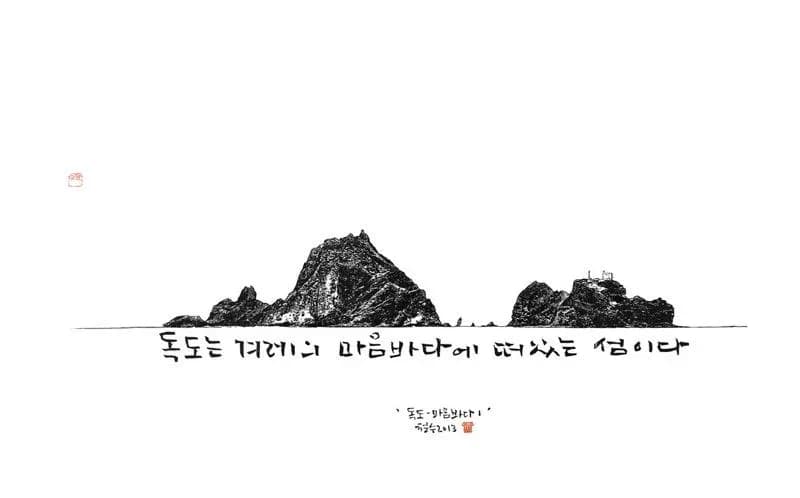
Ryu Yeonbok walks the land before he carves it. Baekdu, Geumgang, Dokdo, the DMZ — places crossed by feet, then carved into wood.

Min Jung-See: A Free Exploration Between Color and Form
Min Jung-See begins with plastic — the surface beauty of contemporary society and the emptiness beneath. Works across printmaking, painting, installation, video.

Cho Moon-ho: Capturing the Edges of the World Through a Lens
Cho Moon-ho photographs people by living with them. Cheongnyangni 588, mountain farmers, Insadong alleys, shanty-town poor — documentary as shared life, not as visit.

Seo Geum-aeng: Sensibility Blooming at the Tip of the Brush
Seo Geum-aeng paints the ordinary — light through a window, a familiar room — as quiet, thoughtful space. *Placing the Heart in Space*.

Lee Yeol: Walking the Road of Art with a Camera
Yoll Lee walks to trees by day and stands before them at night, light in hand. Himalayan Lalligurans, Madagascar's baobabs, Jeju's pangtrees — single sittings, one photograph.

Kim Jun-kwon: Carving Korea's Landscapes into Wood
Kim Jun Kwon's *Sanun* hung behind Kim Jong Un at Panmunjom in 2018. Four decades of carving the Baekdu-daegan into wood — *Sanmun*, his language of mountains.

Lee Yunyeop: People Carved into Wooden Blocks
Lee Yun Yeop calls himself a "dispatched artist" — woodblock work that followed struggles from Pyeongtaek to Yongsan to Miryang. Thick lines, wide white space, the people.

Kim Lacy: Paintings Before Words
Kim Lacy paints before words. Between New York, Seoul, and Brooklyn — *Dialogue of Silence*. Before mind, before thinking, before any language.

How to Get the Most Out of Any Art Exhibition
Ever walked into an art exhibition and felt lost about where to start? From 10-minute pre-visit research to the two-loop viewing strategy and post-visit journaling, this practical guide helps you enjoy exhibitions twice as much, including a new way to view art online.

Korean Modern Art History in 5 Minutes: From Post:War to Present
In the seventy years since the Korean War, Korean contemporary art absorbed, rejected, and reinterpreted Western traditions to forge its own language. From Art Informel to Dansaekhwa, from Minjung art to the global stage — this five-minute survey maps each era's key movements and shows where SAF 2026 artists stand in that history.

Five Criteria for Choosing Good Art
Is a gut feeling enough when choosing art? From emotional resonance and an artist's depth to technical quality, fair pricing, and the story behind the work — having clear criteria changes the way you choose, whether you're a first-time buyer or a seasoned collector.

Do You Need Art Education to Start Collecting?
People searching for art classes often just want to feel closer to art. But do you really need formal training to collect? Most collectors aren't art majors — and owning a work turns out to be the most powerful art education of all.

A Beginner's Guide to the Korean Art Market in 2026
Auctions, galleries, art fairs, and online platforms — four channels exist in the Korean art market. We compare each one's strengths and barriers, then point out where a first-time collector should start. One channel turns every purchase into solidarity.

What Is an Art Bank? Why the Government Buys Paintings
The Korean government buys art with tax money and lends it to public institutions. Over 20 years: 4,400 works, ₩34 billion spent. Here's how the 'Art Bank' works, where it falls short, and an alternative that lets ordinary citizens participate.

How to Experience Art Without a Museum
Two hours round-trip to a museum. Exhibitions open only on weekends. ₩15,000 admission. You love art, but getting to it is exhausting. What if art could come to you instead?

Fine Art Photography — When Photography Becomes Art, Korean Documentary Photo Collecting
"Isn't a photo just something you take?" That question has sparked debate for over 150 years. Through 31 photographs in SAF 2026, this article explains what fine art photography is, why pigment prints can last centuries, and what diasec actually means.

I Bought a Painting: A Complete Guide to Artwork Care
Received your first artwork and not sure what to do next? From unboxing to framing, hanging, long-term storage, and insurance — a practical guide for first-time collectors.

Artwork Size Guide by Room — Match Living Room, Bedroom, Hallway with Korean Ho and cm
Found a piece you love but unsure if it'll fit? Here's a room-by-room size guide for Korean apartments, with specific measurements and tips for getting it right.

How Artwork Prices Work: Understanding Value in the Art Market
A 300,000-won print and a 35,000,000-won sculpture can hang in the same exhibition. We break down the five factors behind artwork pricing using real data from SAF 2026.

Edition Meaning Explained — 5/10, Numbering, Limited, Open Editions (Pricing Impact)
An edition number marks an artwork's print run. '5/10' means the 5th print of 10 total. Learn the differences between originals, limited editions, and open editions with real SAF 2026 artworks.

The Street Philosopher: Min Byungsan and His Signature Script
Born in Cheongju in 1928 and gone in 1990, Min Byungsan was known as the 'Street Philosopher' and 'Korea's Diogenes.' His lifelong craft of Min Byungsan-style calligraphy and prose writings now stand, thirty-six years after his death, on the frontlines of solidarity through SAF.

The Painter Who Met the Little Prince: The World of Kang Seoktae
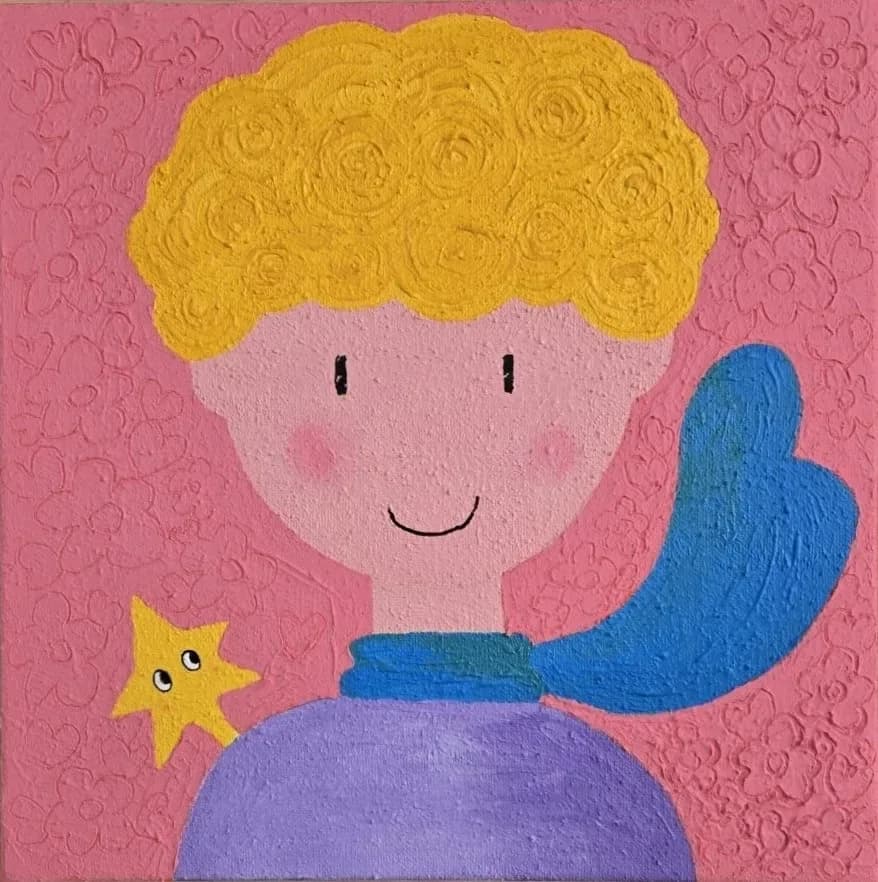
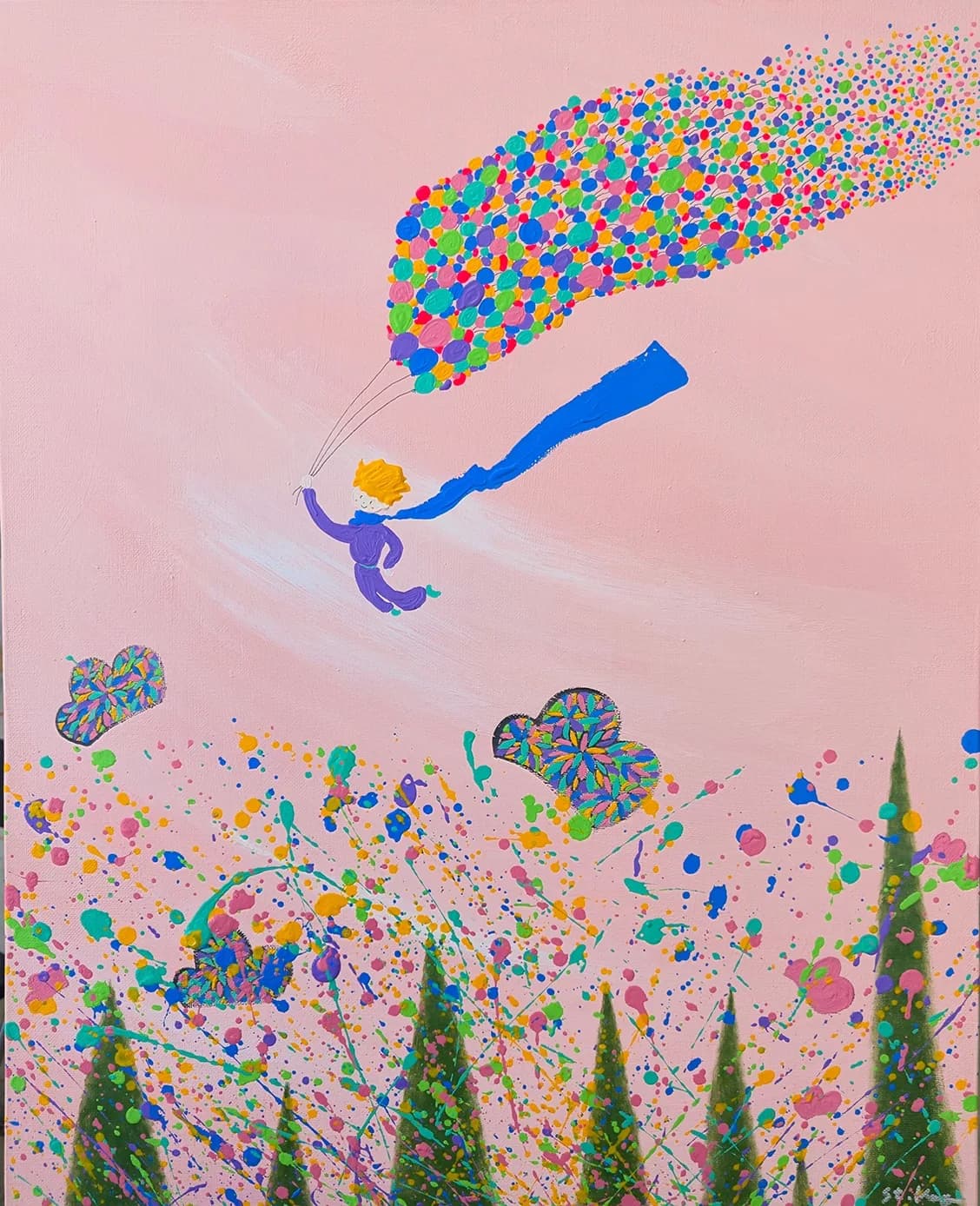
After first meeting Saint-Exupéry's Little Prince, Kang Seoktae has been asking the same question for over thirty years: what do we lose when we become adults? SAF 2026 holds 15 of his works — with pieces collected by the National Art Bank and the French Cultural Center in Korea.

The Last Eight Years: Park Saenggwang's Revolution in Obangsaek
A painter who lived his entire life in a Japanese idiom erupted on the cusp of seventy. Park Saenggwang's last eight years — sunrise over Tohamsan, shamans, dancheong and talismans wrapped in obangsaek — stand as one of the most dramatic turns in Korean modern art.

From ₩34 Million to ₩700 Million: Three Years of SAF Mutual Aid
The ₩34 million raised at the first Insadong exhibition in 2023 was the seed. Three years later: 354 loans, ~₩700 million deployed, 95% repayment. The numbers say one clear thing — artists pay back their debts.

Called "Unemployed": The Truth About Being a Professional Artist
"I told them I was a theater actor. The loan officer said I was unemployed." This single testimony captures the structural exclusion facing 84.9% of Korean artists from mainstream banks. Why is the work of an artist so easily read as no work at all?

The World of Printmaking: Can There Be Multiple Originals?
"Isn't a print just a copy since there are multiple copies?" That question is the perfect starting point. This piece walks through the four major printmaking techniques — woodblock, intaglio, lithography, and screen printing — and explains why edition numbers guarantee value, and why O Yun's posthumous prints are still originals four decades later.

Your First Artwork from 30,000 Won: A Beginner's Guide to SAF Collecting
The hesitation of buying your first artwork is universal. SAF offers 354 works from 30,000 won art prints to 50 million won originals. Here is how to find the one that is right for you.

One Painting, One Change: How Your Collection Supports the Art Ecosystem
Buying from SAF is not simply a transaction. Your payment becomes a fund, which becomes 7x in loan capacity, reaching financially excluded artists at a fixed 5% annual rate. This traces the chain reaction one painting can start.

Why 127 Artists Showed Up: The Story Behind SAF 2026
The 127 artists at SAF 2026 did not come to solve their own problem. They are 127 allies who willingly offered 354 works to change the reality of fellow artists being pushed out of the financial system. A story about how art protects art.

From Resistance to Zen: The Printmaking World of Lee Cheolsu
Born in Seoul in 1954, the self-taught printmaker Lee Cheolsu stepped quietly from the vanguard of Minjung art into the spirituality of Zen. His wooden blades still carve the era's questions. The ten works submitted to SAF 2026 are facets of that long journey.

Paint Instead of Tuition: The Life and Art of Joo Jaehwan
In 1960, a young man enrolled at Hongik University's art school and left after one semester. His reason was simple: tuition money could buy more paint. That young man was Joo Jaehwan.

Solidarity Through the Brush: 25 Works by Park Jaedong
Among the 127 SAF 2026 artists, Park Jaedong submitted the most — 25 works in total. 6 watercolor originals, 15 art prints, plus the Roh Moo-hyun series. What conviction lies behind that choice?

20 Spring Artworks from SAF: Magnolia, Cherry Blossoms, Light Through the Window
When spring arrives, one wall in the living room looks empty. A curation of 20 SAF artworks capturing magnolia, cherry blossoms, and early-spring light by the window.