An edition number marks an artwork's print run. '5/10' means the 5th print of 10 total. Learn the differences between originals, limited editions, and open editions with real SAF 2026 artworks.
Collector path
Works to view after this guide
Use the guide below to understand the work, then compare available artworks in the gallery.
What Is an Edition?
Reading artwork descriptions in a gallery, you'll notice notations like edition 5/10. First-time readers are confused. "Does this mean there are ten of them? So it's not authentic?"
To cut to the point: edition does not mean duplication. It's a number an artist declares in advance — how many they will produce at most.
The concept began with printmaking. When you carve an image into wood or metal, you can pull the same image multiple times. Artists bounded that number — "I won't print beyond this" — to preserve value. The same logic applies today to photography, digital prints, and sculptural multiples.
Unique — One of One
A unique work exists in a single copy. An oil directly on canvas, a watercolor directly on paper, a hand-formed ceramic. One thing in the world.
Unique originals are the largest group among SAF 2026's works. That many artists submitted a single, one-and-only piece. Limited-edition prints and open editions are also on offer.
The core value of a unique work is singularity. The artist's actual brushstroke, the paint's texture, the canvas's grain — all contained in one object. To own one is to own that singular existence.
Limited Edition — How to Read "5/10"
Edition 5/10 reads as: the total planned run is ten; this is the fifth.
First number: position. Second number: total.
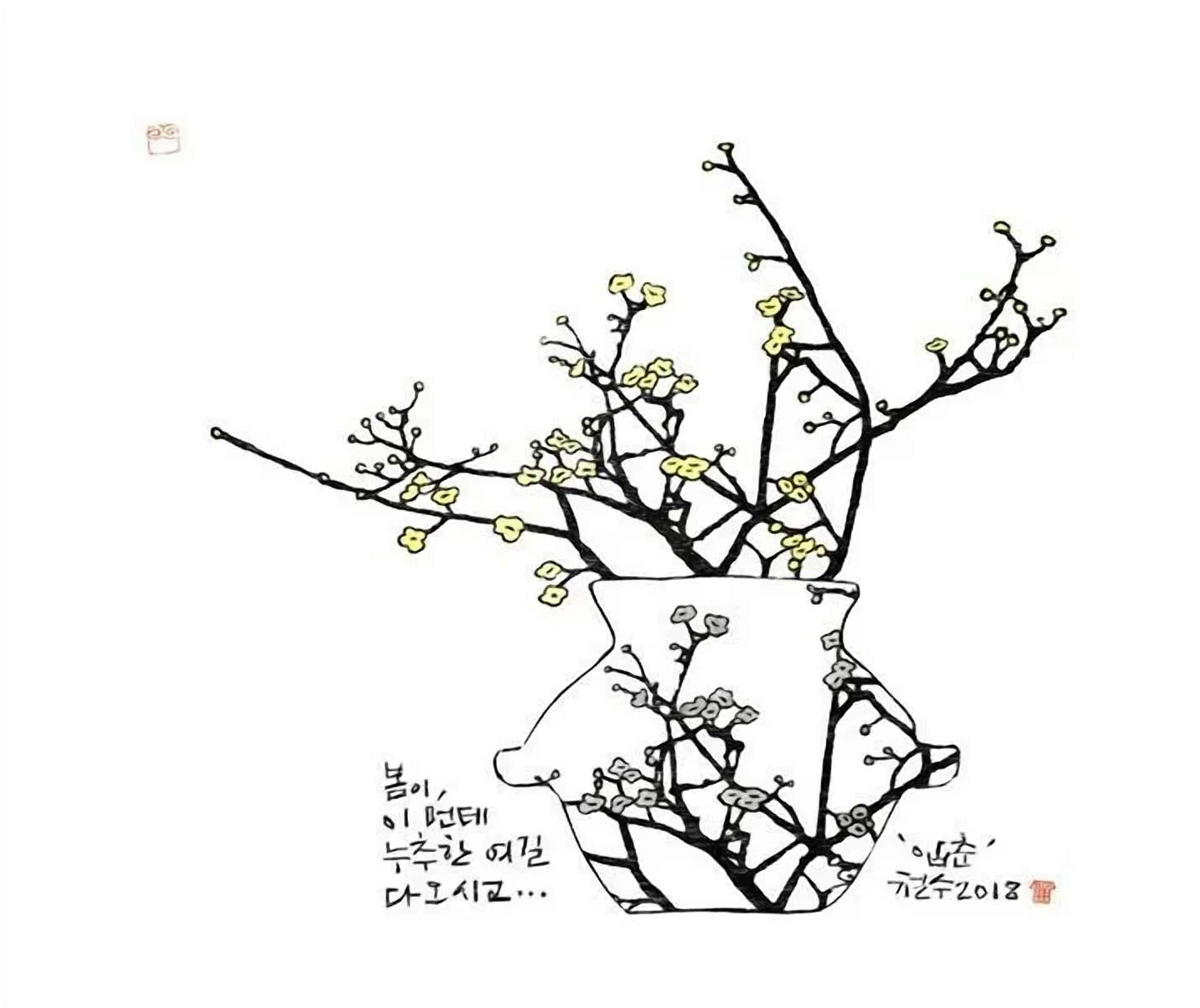
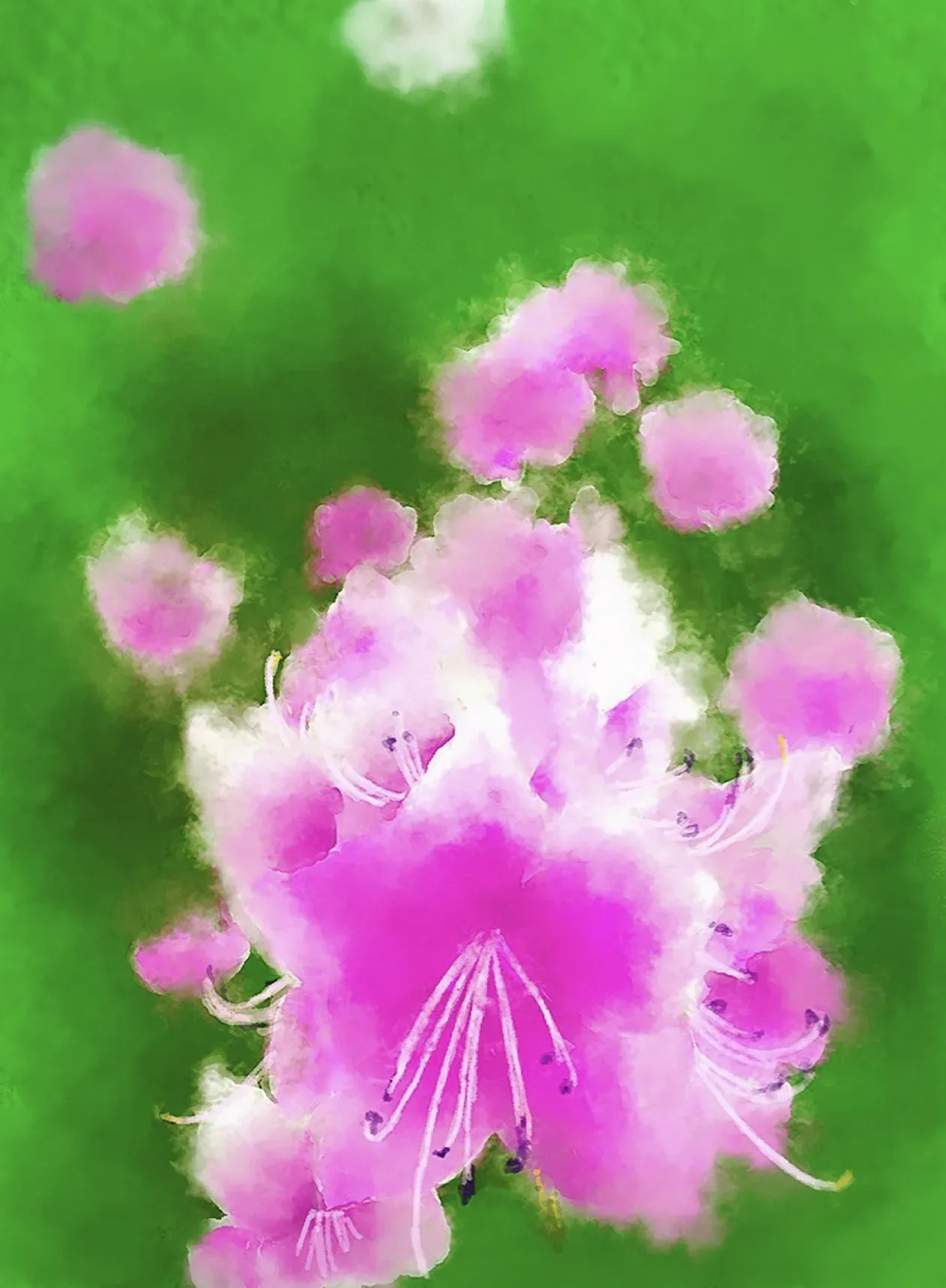
The print artist Rim Jieon's digital painting Azaleas, Azaleas is marked 3/10. Up to ten can be printed; this is the third. Once the artist destroys the plate or the file, no further production is possible, ever.
The smaller the run, the higher the scarcity. Edition 1/5 is typically more expensive than edition 1/20. SAF includes various limited editions — 5/20, 1/5, 3/5.
Open Edition — Accessibility First
Open editions carry no cap. Production continues as long as there's demand. The emphasis is less on scarcity and more on getting the work into more hands.
Posters and art goods are typical open editions. Sold to whoever wants the image. Prices sit at the lowest end of the three types.
Prints: Reproduction or Original?
The most common misconception about prints: "it's printed, so it's not the real thing."
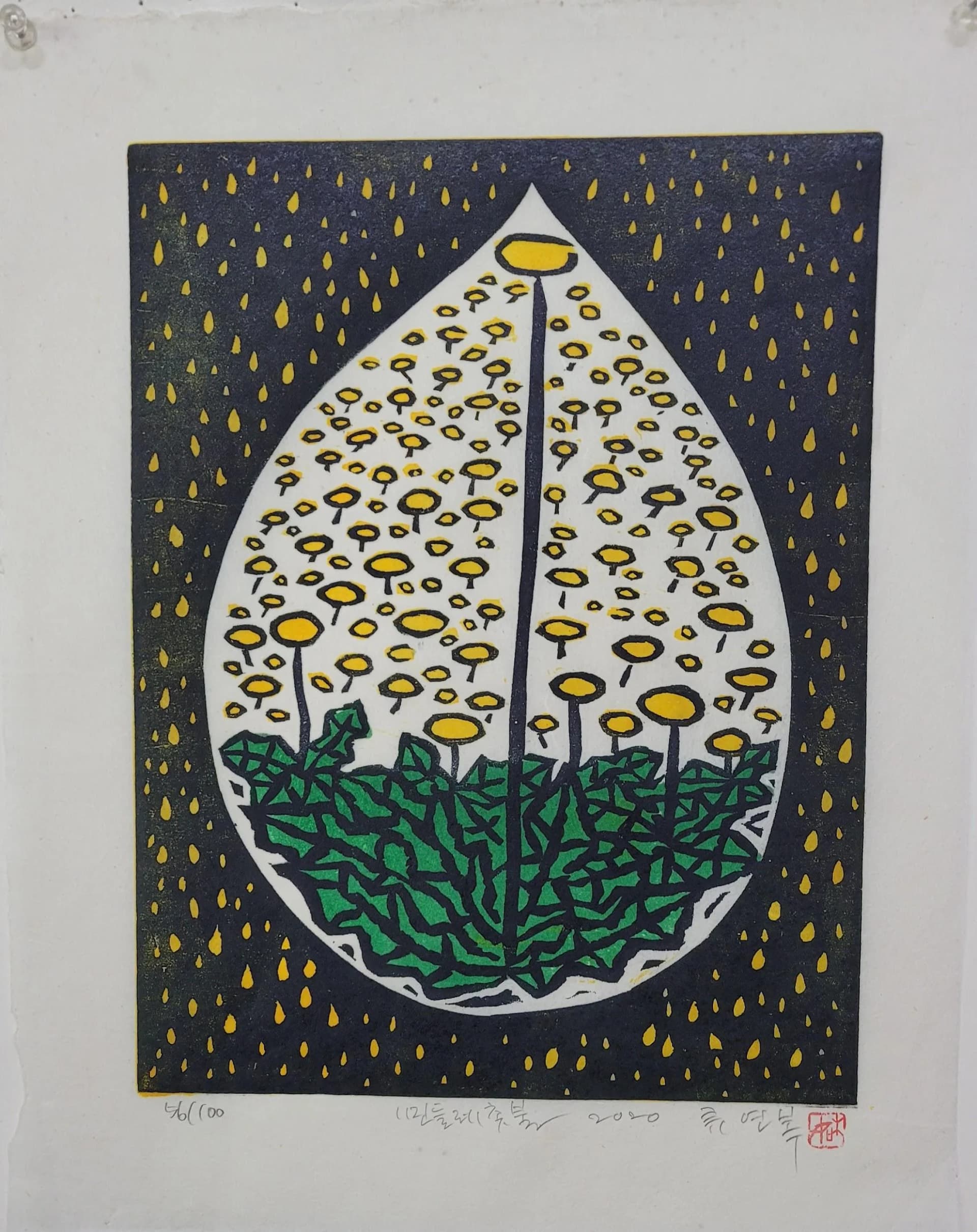
Not true. In printmaking, the plate is a tool like a brush. The artist carving the wood, inking it, pressing it to paper — that act is creation. Each impression differs subtly; each is signed by the artist. Internationally, prints are recognized as original fine art.
That's why the 39 prints at SAF are categorized separately.
Posthumous Prints — The Case of Oh Yun
SAF 2026 includes a special category: 18 posthumous prints, all by the artist Oh Yun.
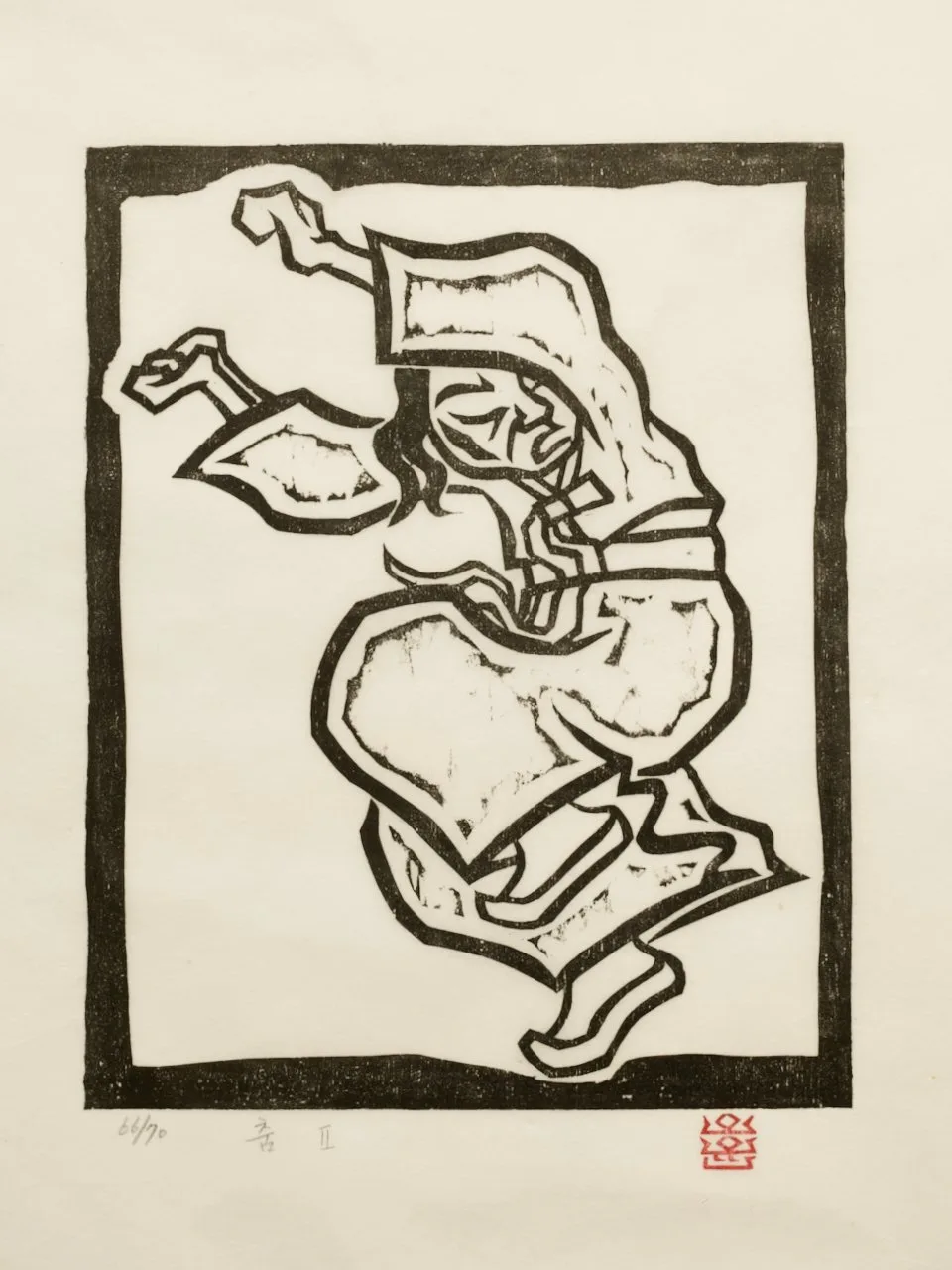
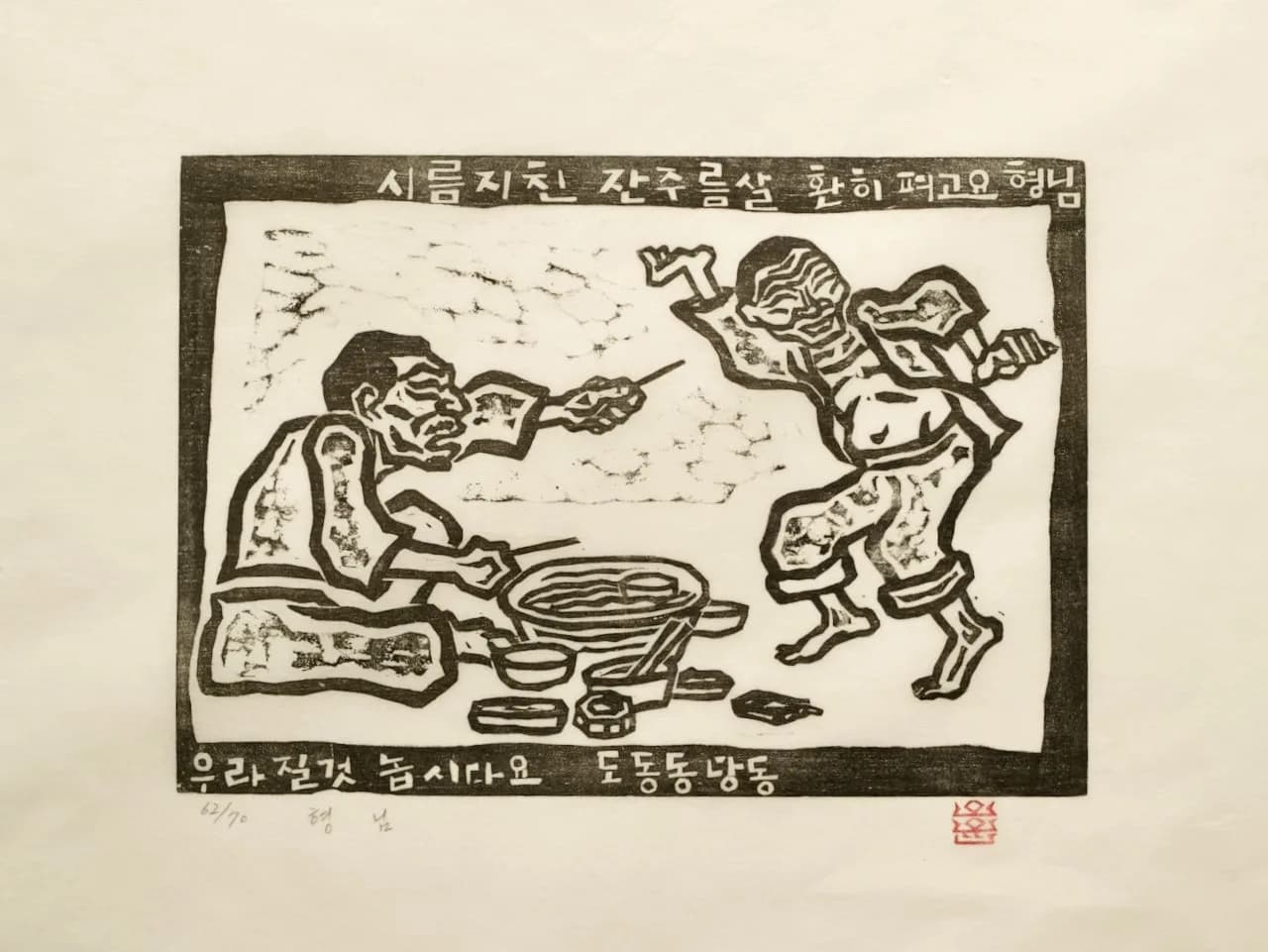
Oh Yun (1946–1986) was a leading minjung (people's) art printmaker. After his passing, his family and related institutions produced limited impressions from the plates he made during his lifetime. Works like Older Brother, Dance 2, and Pansori Singer 1 are included.
Price range: ₩1.6M–₩2M. Not pulled by the artist's own hand, but the plate's historical and artistic value is alive. For collectors, it's a category worth studying carefully.
How Edition Type Affects Price
At the same artist, edition type swings price. Take Park Jaedong.
| Type | Example | Price |
|---|---|---|
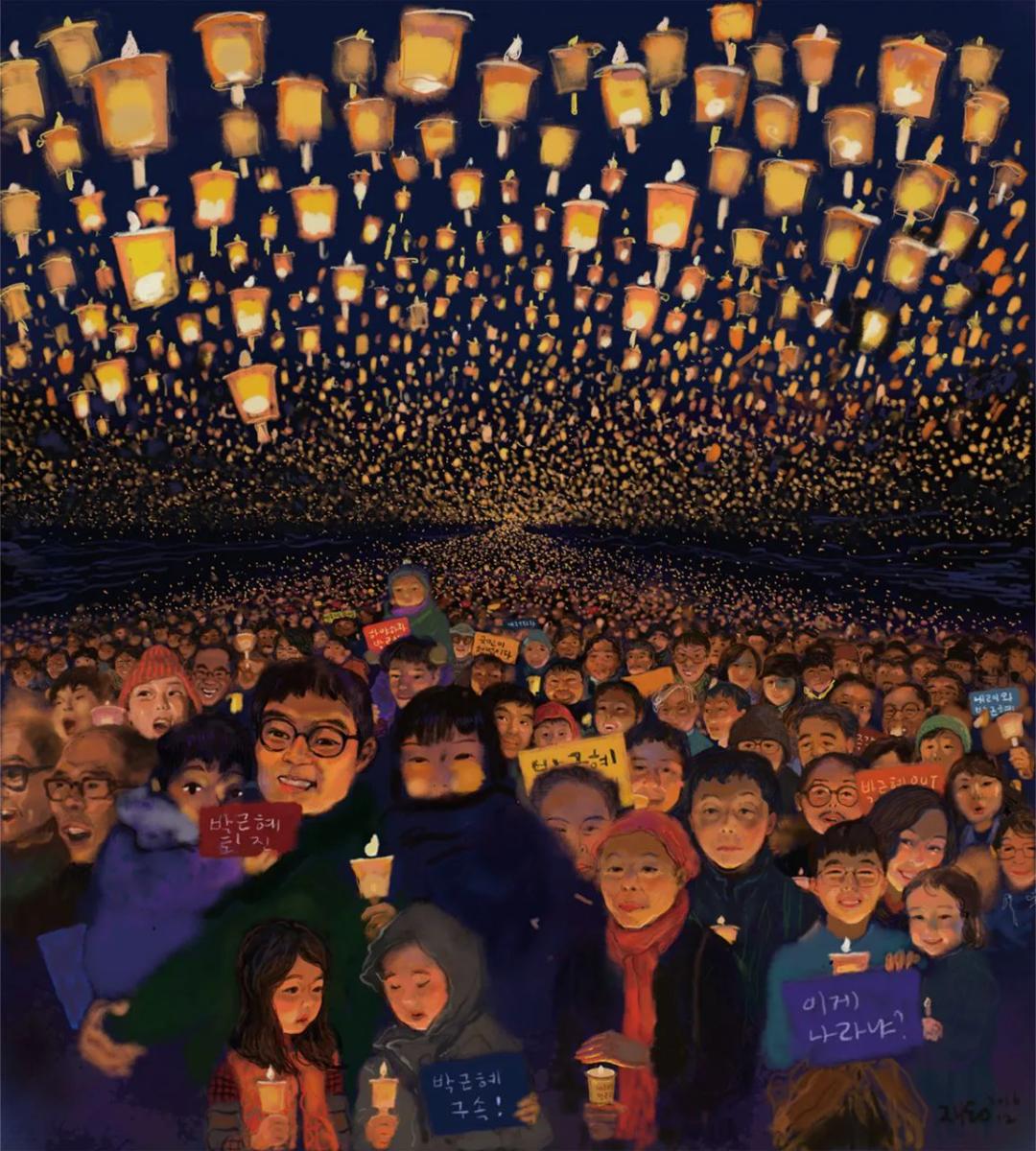
| Art print (open-edition character) | Hangang Riverside, Candlelight | ₩300K |
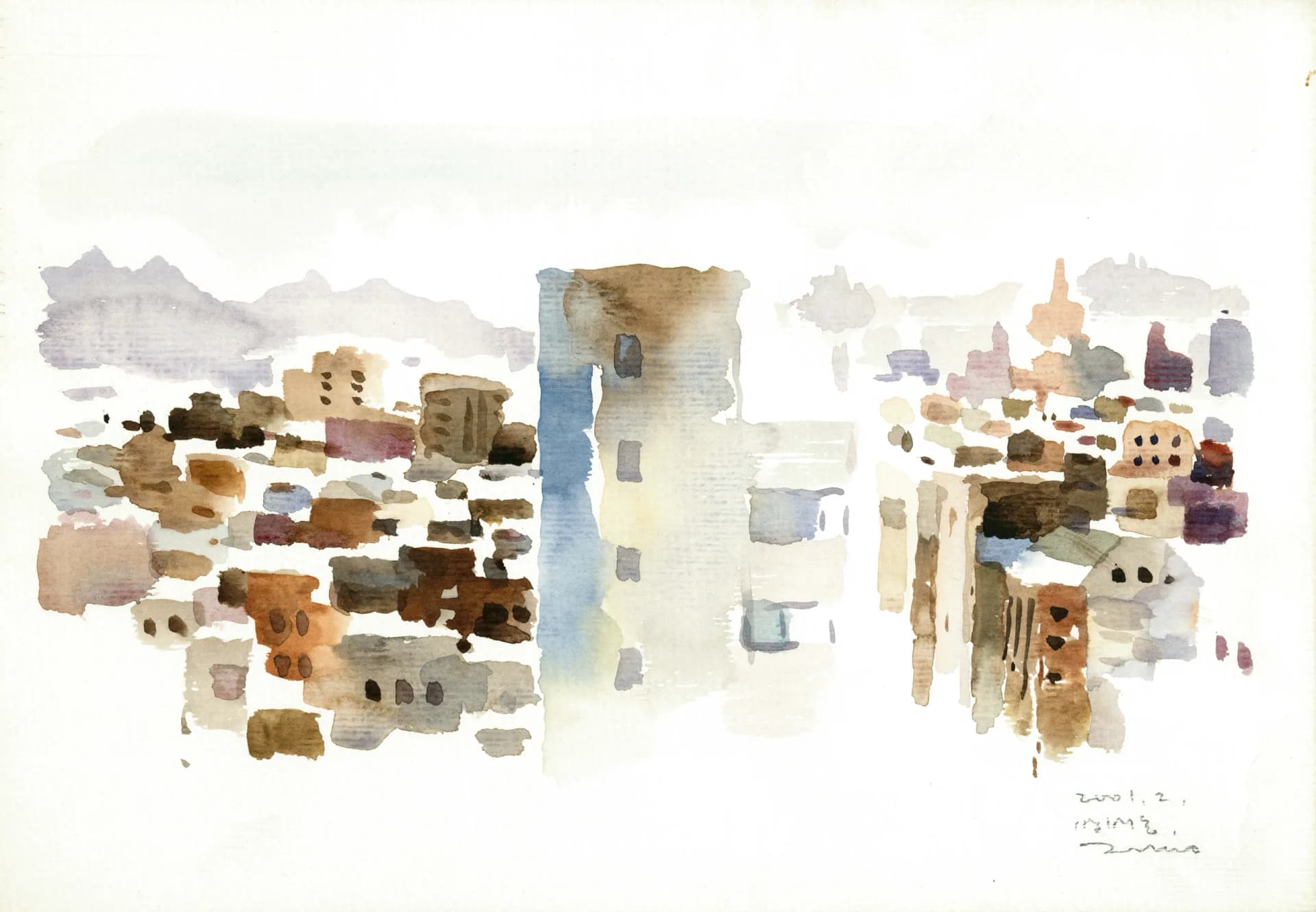
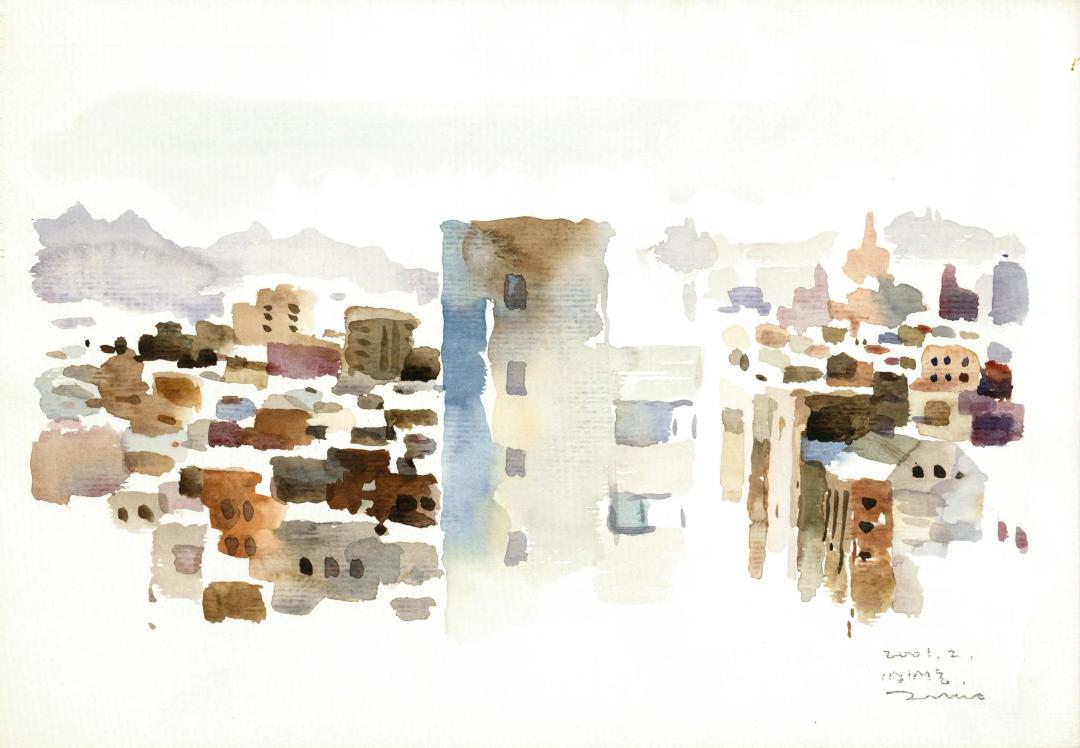
| Original watercolor | Cityscape (34.5×24 cm) | ₩5M |
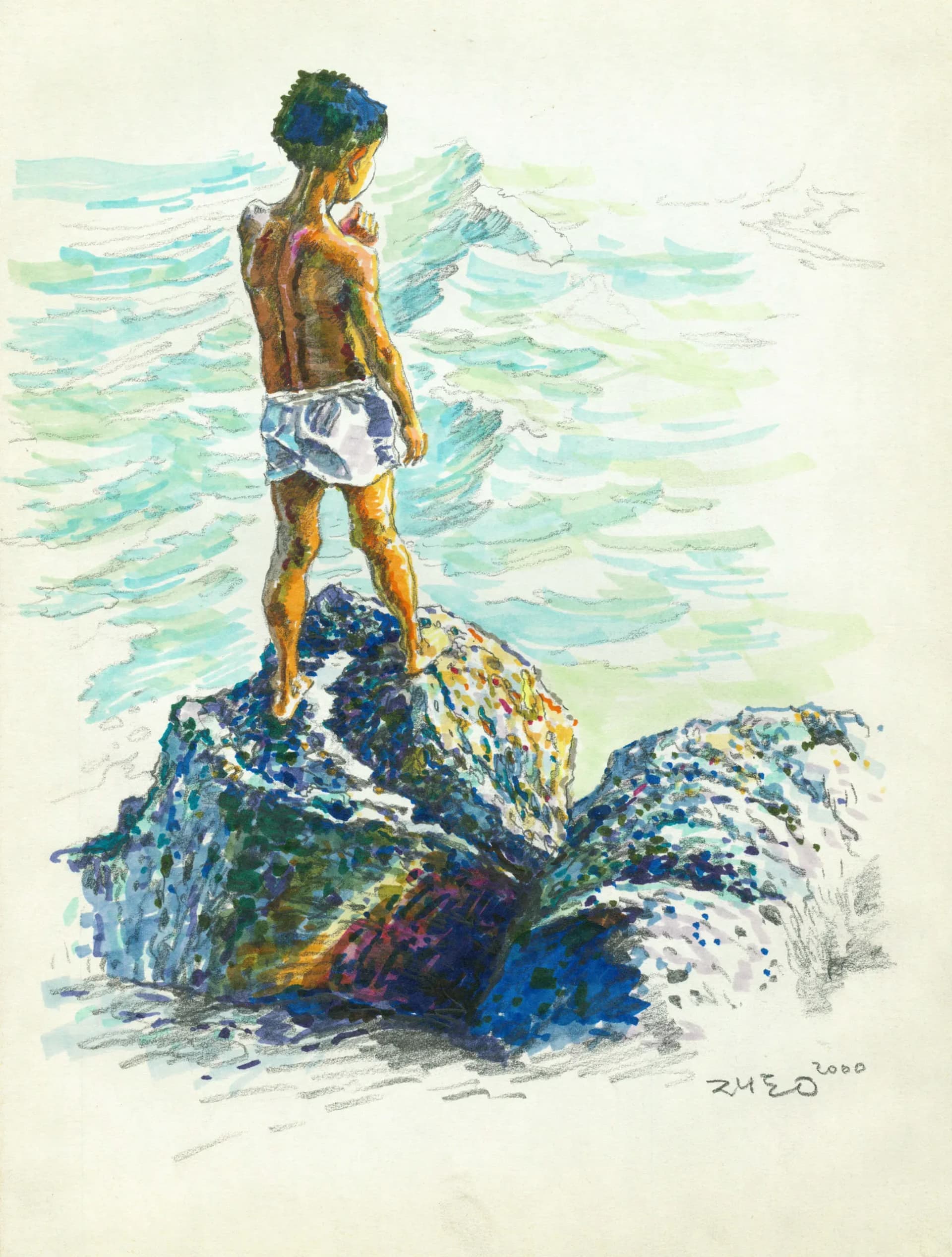
| Original watercolor | Boy by the Sea | ₩5M |
Same artist, over 10× difference. The art print is a high-quality multiple; the original is the single painting the artist held a brush to.
This is the practical reason to understand editions. Owning an image by the same artist can mean very different price, meaning, and scarcity — depending on form.
Which Edition Should You Choose?
No single answer. It depends on purpose.
- Just starting to collect: art prints or open editions, low pressure
- Deeply supporting an artist you love: limited editions or originals for singularity
- Long-term value preservation: originals, or very small limited editions
- Owning a historically significant artist: special cases like posthumous editions
Editions aren't about good and bad. Each type carries different purpose and value. Think first about why you're buying, and which edition fits tends to become clear.
Frequently asked questions
Q. What does "edition" mean in art? A. An edition refers to the full set of identical artworks an artist intentionally produces. Editions break into three types: unique originals, limited editions (fixed number), and open editions (unlimited print run).
Q. How do I read an edition number like 1/100? A. The numerator (1) is the sequence number of that specific copy; the denominator (100) is the total number printed. 1/100 means the first copy from a run of one hundred.
Q. What is the difference between a limited edition and an open edition? A. A limited edition has a fixed, declared print run — once all copies are made, no more are produced. An open edition has no cap: the artist can reprint on demand. Limited editions tend to hold value better over time.
Q. What do AP, EA, and HC mean? A. AP (Artist's Proof) is a copy kept by the artist for archival or personal use; EA (Épreuve d'Artiste) is the French equivalent. HC (Hors Commerce) is an out-of-commerce proof not for sale. All three are numbered separately from the main edition.
Q. Which is more valuable: an original painting or an edition print? A. Neither is inherently superior. Originals carry uniqueness; limited editions offer accessibility — many collectors can own the same work. Value depends on the artist's reputation, edition size, condition, and market demand.
Related Guides
Explore Further
Related reading
If this piece helped, you may also enjoy these related articles:

Seed Art Festival
·