"Isn't a print just a copy since there are multiple copies?" That question is the perfect starting point. This piece walks through the four major printmaking techniques — woodblock, intaglio, lithography, and screen printing — and explains why edition numbers guarantee value, and why O Yun's posthumous prints are still originals four decades later.
Collector path
Works to view after this guide
Use the guide below to understand the work, then compare available artworks in the gallery.
The World of Printmaking — Multiple Originals?
You hear this in galleries:
"Prints are pulled many times, right? So aren't they reproductions?"
Not entirely wrong. But one misunderstanding sits under the question. Reproduction copies something that already exists. Prints are different. The artist's physical act — carving the plate, inking it, pressing it onto paper — is itself art. Every pulled impression is the result of that act, and therefore each one is an original.
Four Ways a Print Is Made
Print techniques split broadly into four by how the image is set on the plate.
Relief — the raised surface prints
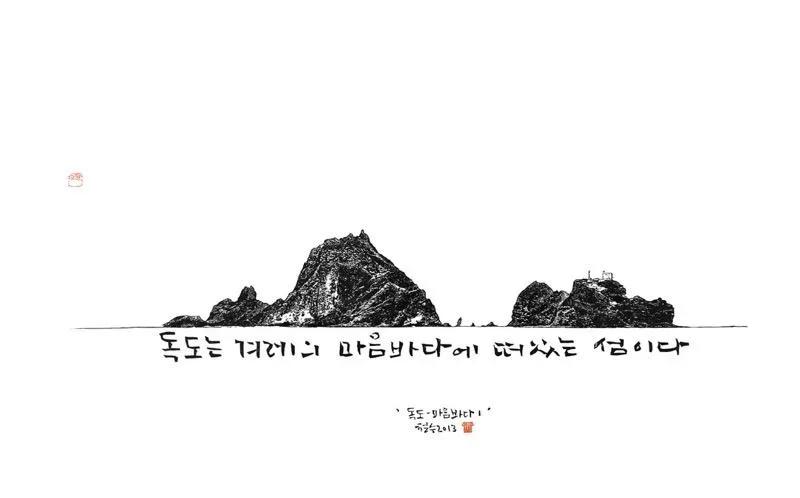
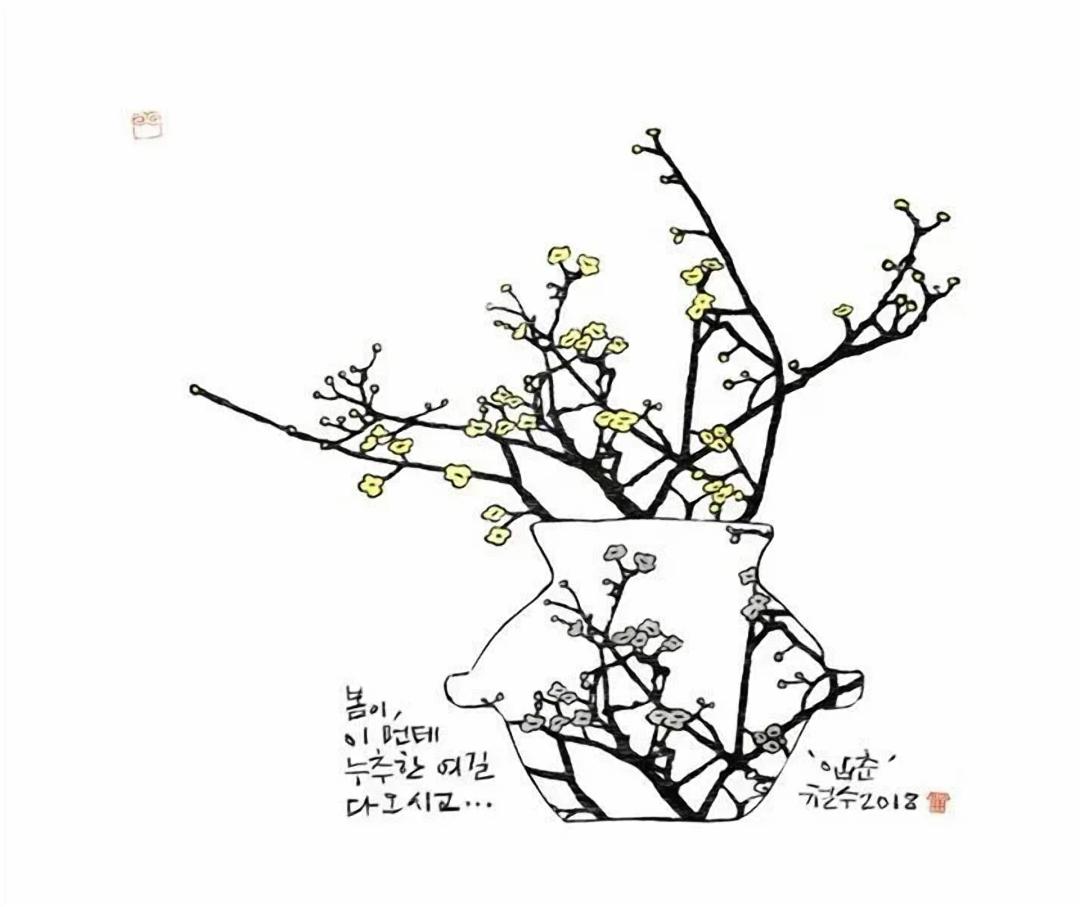
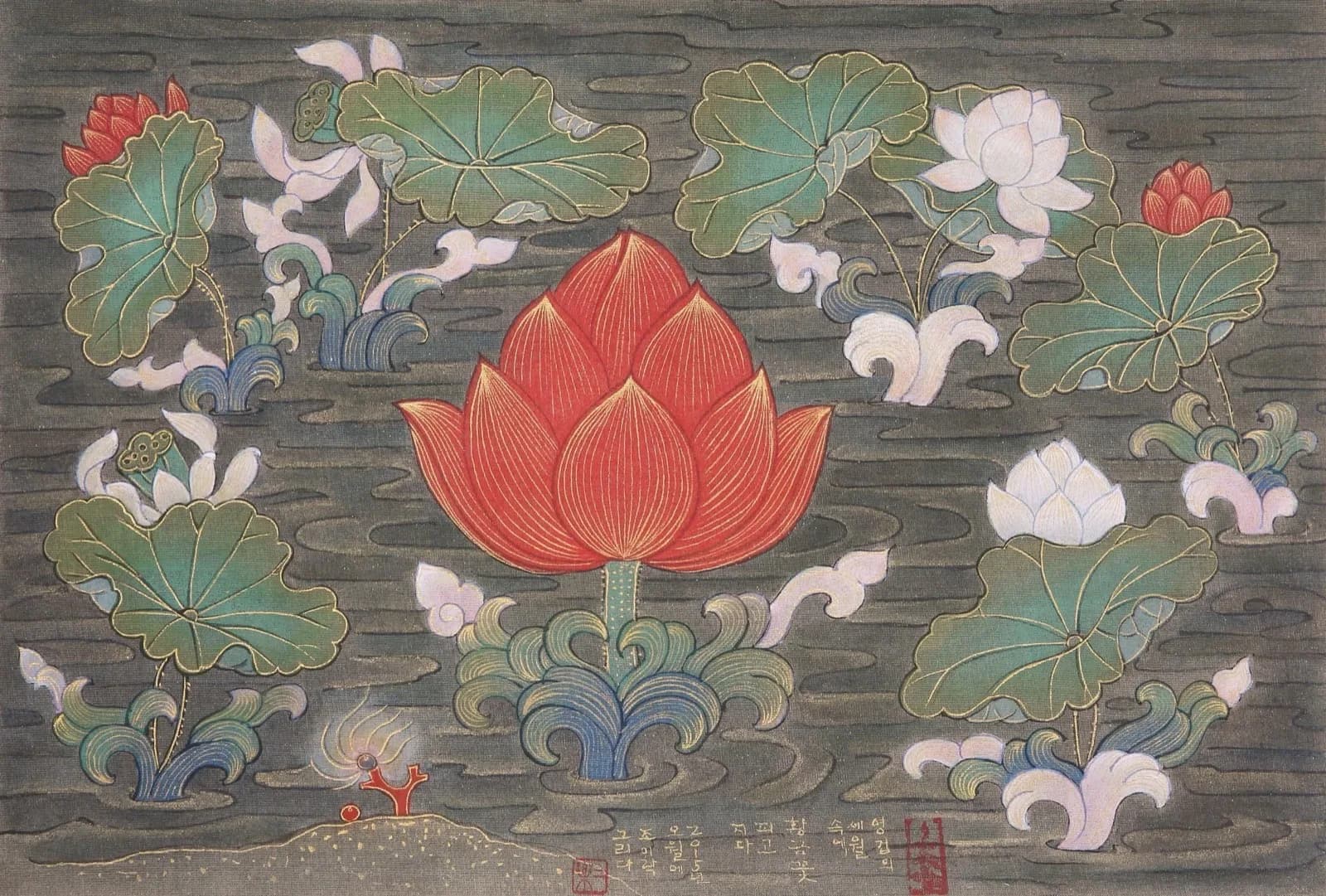
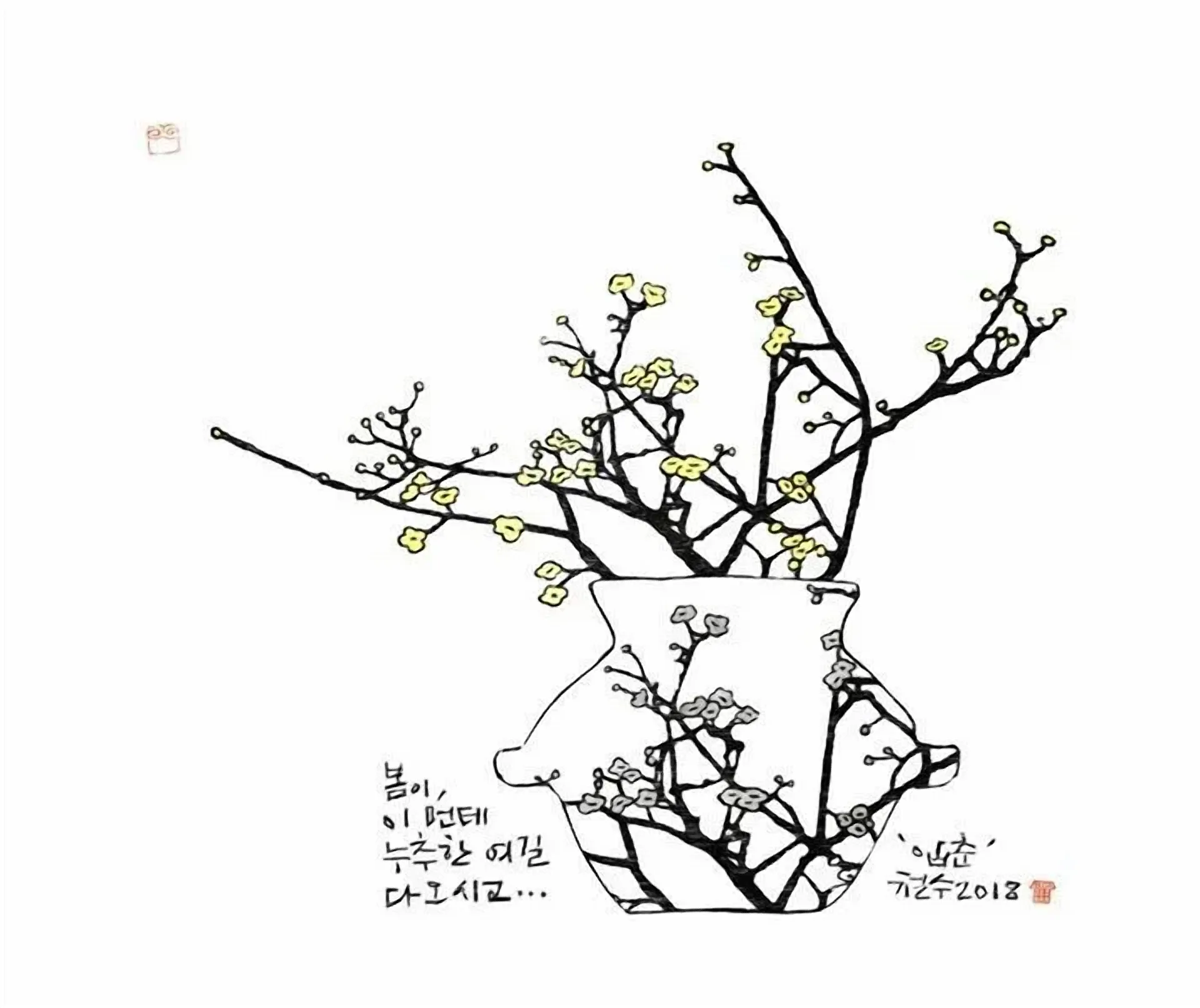
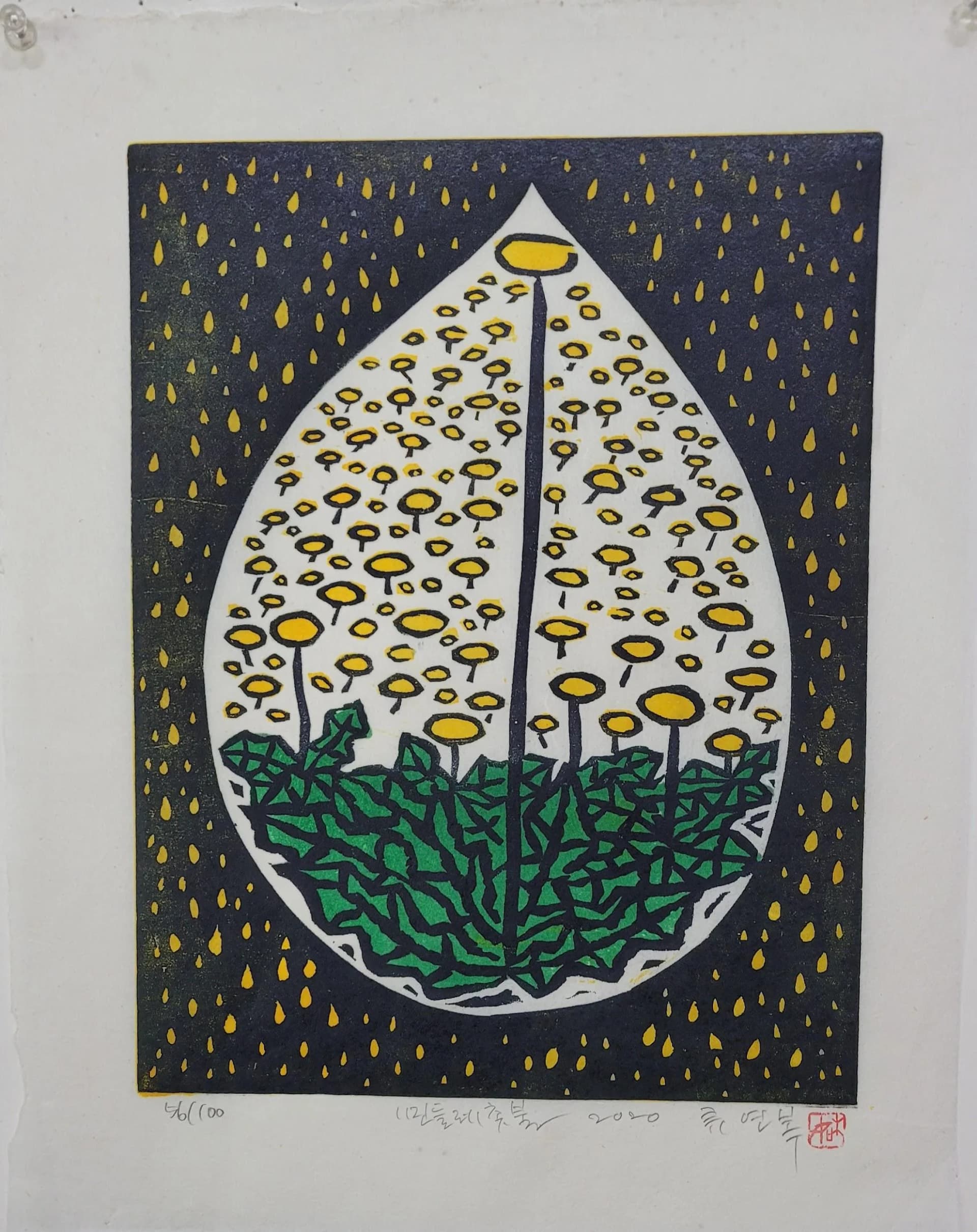
Woodblock (woodblock print) is representative. The artist carves an image with a blade on a wooden plate. Ink is rolled onto the raised, uncarved surface — ink sticks only there. The same principle as a stamp. Lee Cheolsu's Vessel of the Heart, Songs of the Dragons Flying to Heaven, and Beginning of Spring all use this method on woodblock and hanji. Wood grain and blade marks remain on the surface — the hand transfers directly.
Intaglio — the incised lines print
Etching and drypoint belong here. Lines are cut into a metal plate with a needle or with acid. Ink spread over the whole plate is then wiped from the surface; only the grooves hold ink. High pressure presses paper into those grooves, producing fine, precise line. This is where the delicate texture of etching comes from.
Planographic — flat surface, oil and water repel
Lithography is representative. Grease crayon is drawn on stone or metal plate. Water, when applied, doesn't wet the greasy drawn areas. Oil-based ink then sticks only where the drawing sat. Park Youngsun's Untitled (×2) uses lithograph on paper.
Stencil — ink passes through
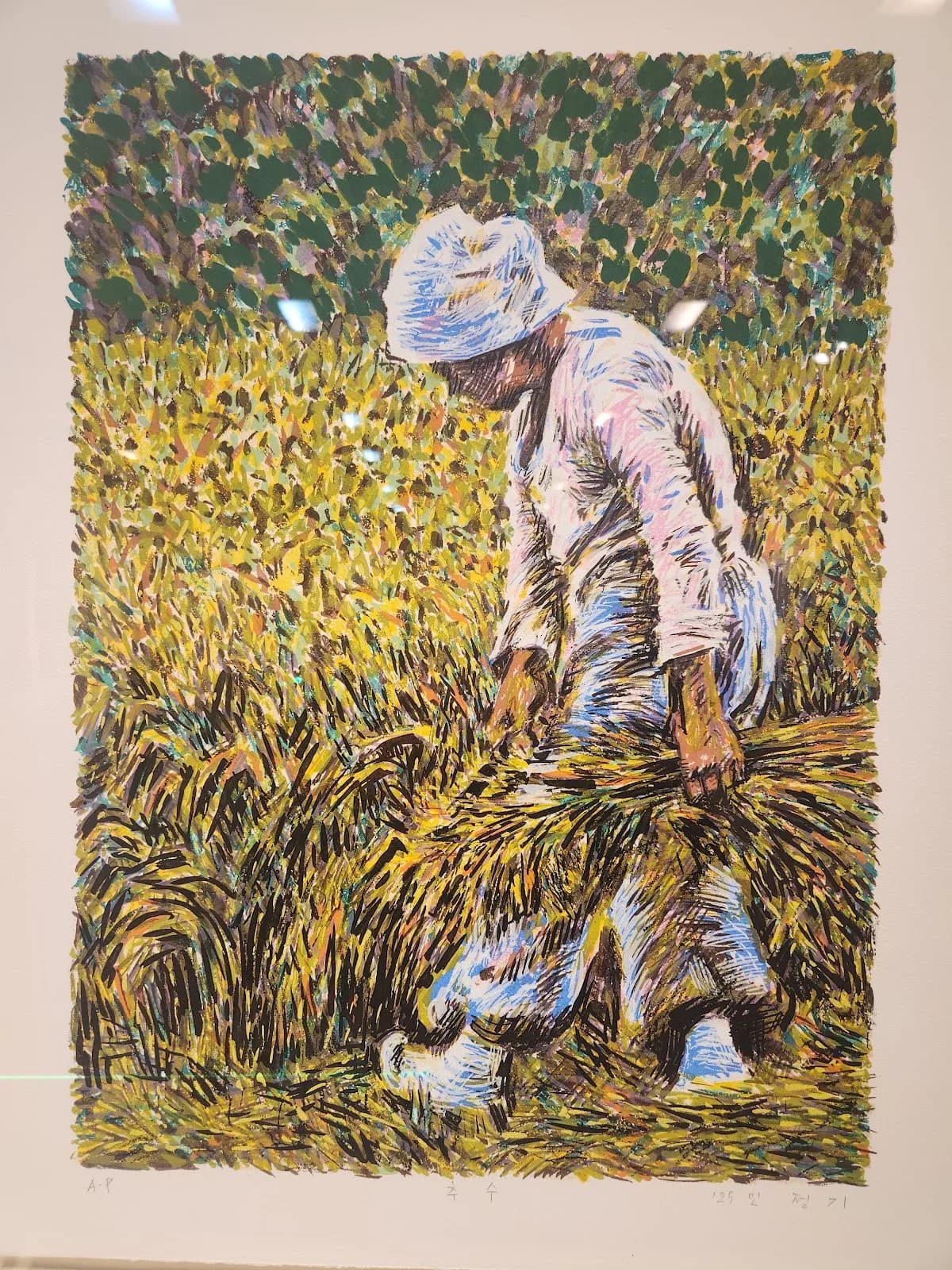
Silkscreen belongs here. A fine mesh screen has openings shaped to the image; ink is pushed through onto paper. A method Andy Warhol used prolifically. At SAF, Min Jeonggi's Harvest is silkscreen.
| Technique | Principle | Character |
|---|---|---|
| Relief (woodblock) | Ink on raised surface | Wood grain, blade marks, hand feel |
| Intaglio (etching) | Ink in grooves | Fine, precise line |
| Planographic (lithograph) | Oil/water repulsion | Flexible, painterly expression |
| Stencil (silkscreen) | Ink passes through | Clear color planes, repeatable |
Edition Numbering — What 1/50 Means
On a print label, you'll see numbers like 1/50, 5/10. The left number is the impression's order; the right is the total pulled.
1/50 = first of fifty. 5/10 = fifth of ten.
The artist signs and numbers each impression by hand. That signature and number guarantee authenticity and limited nature. Smaller total, lower number — the market tends to assign more value.
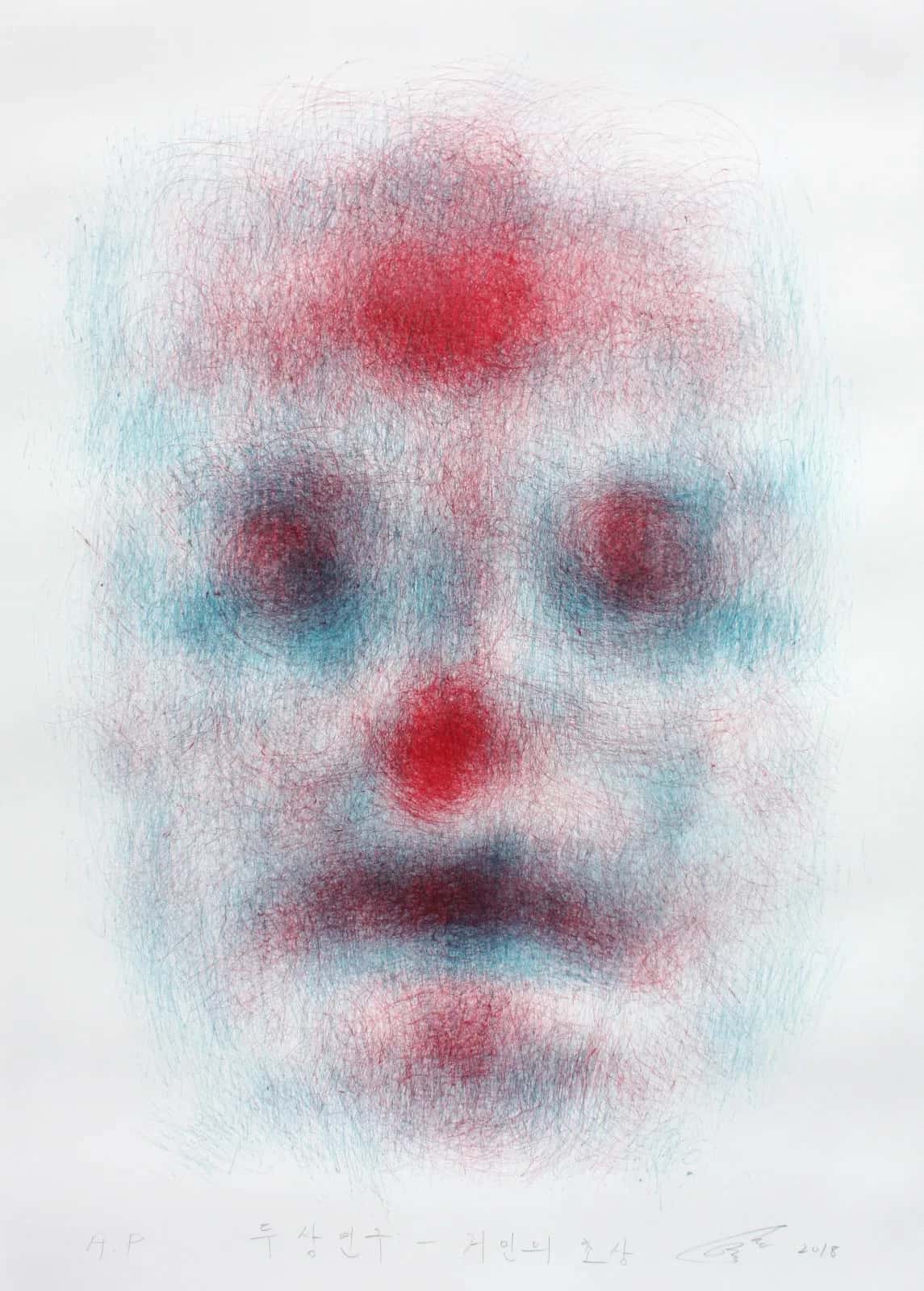
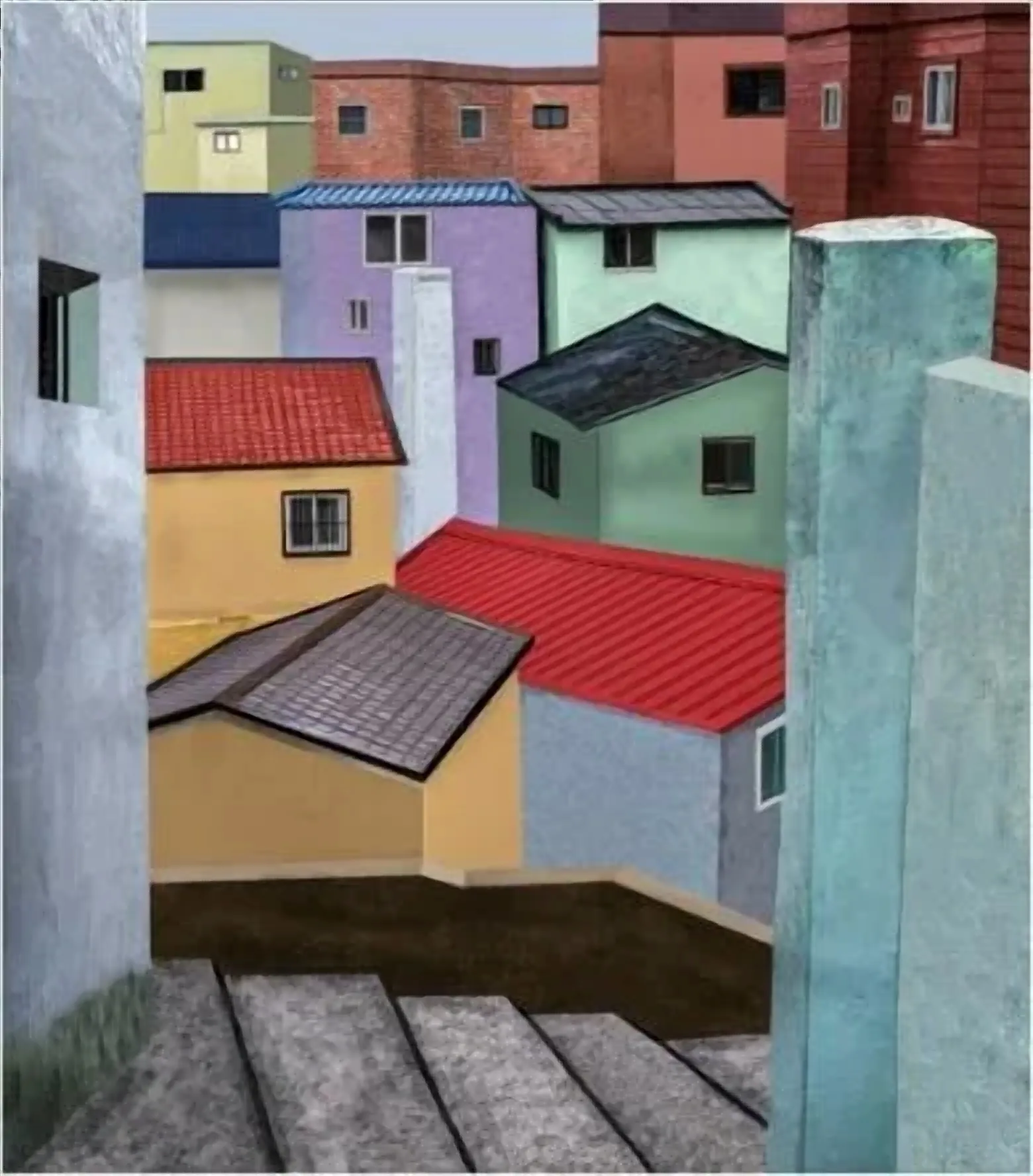
Among SAF prints, Kang Rea's #01_S1707SP is edition 1/9 — only nine in the world. An Sohyeon's Authentic City is edition 2/10 — limited to ten.
"Each print is an original. It's a result the artist's hand and plate made together." — printmakers tend to say it this way.
What Is a Posthumous Print?
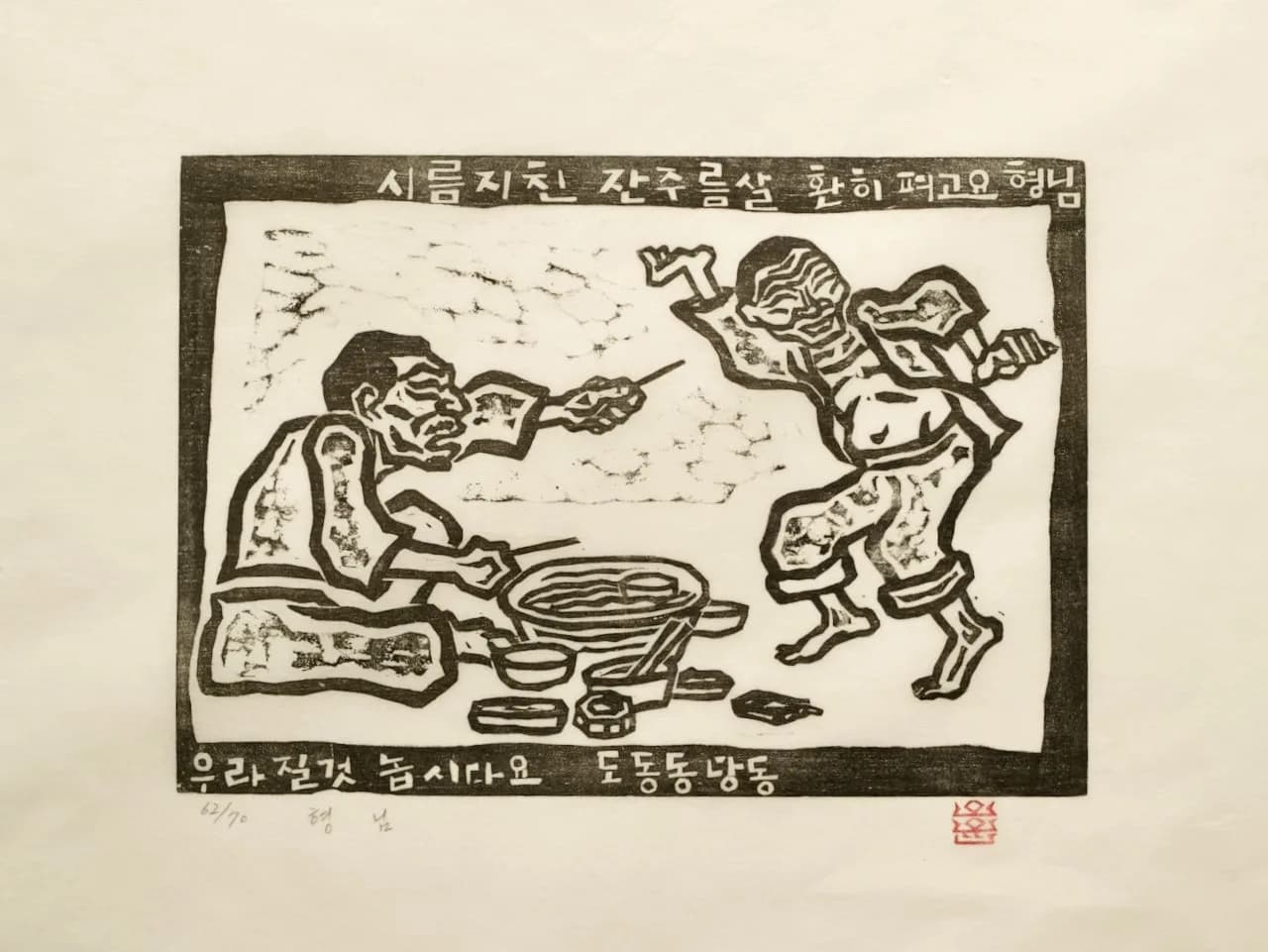
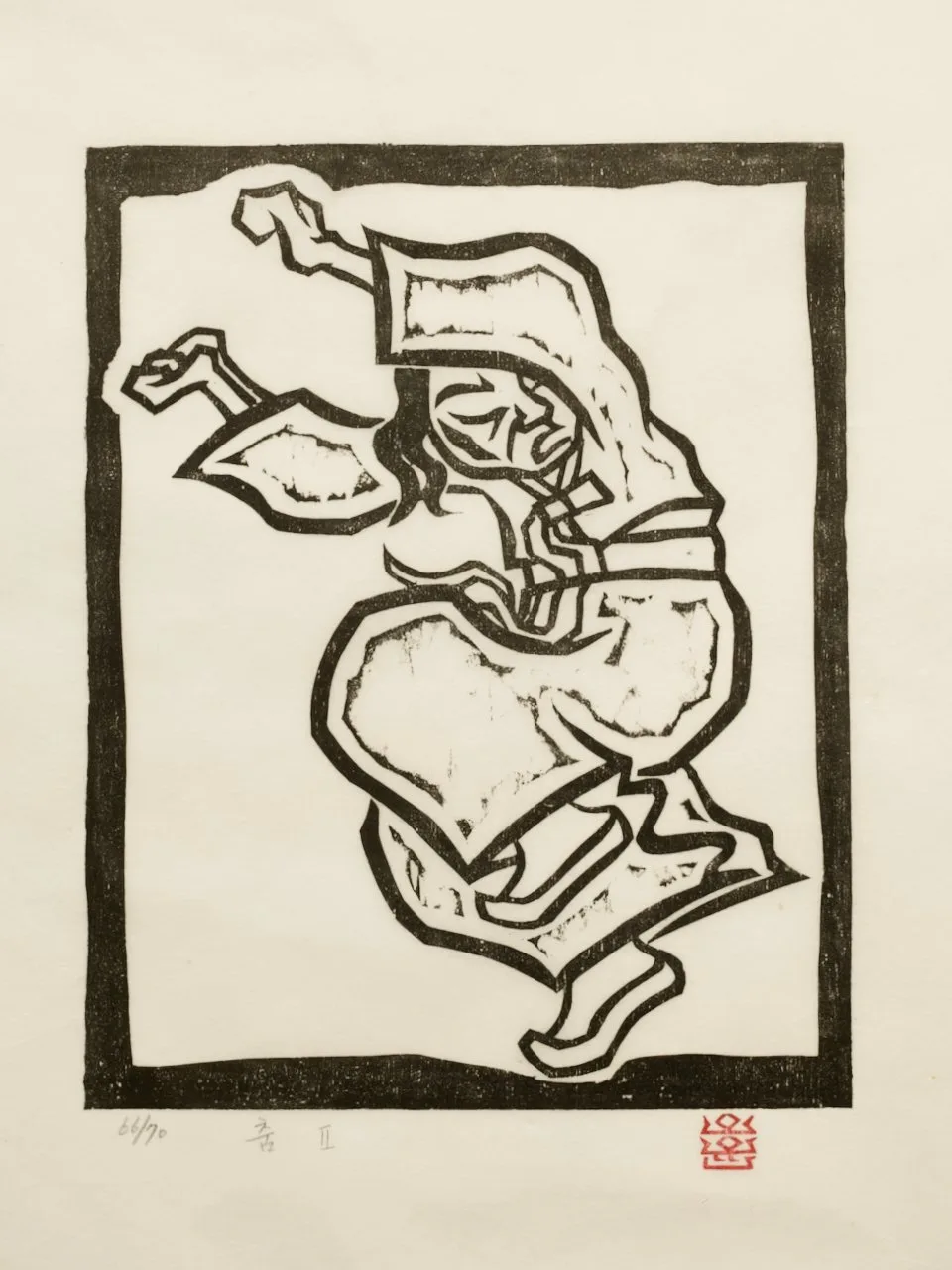
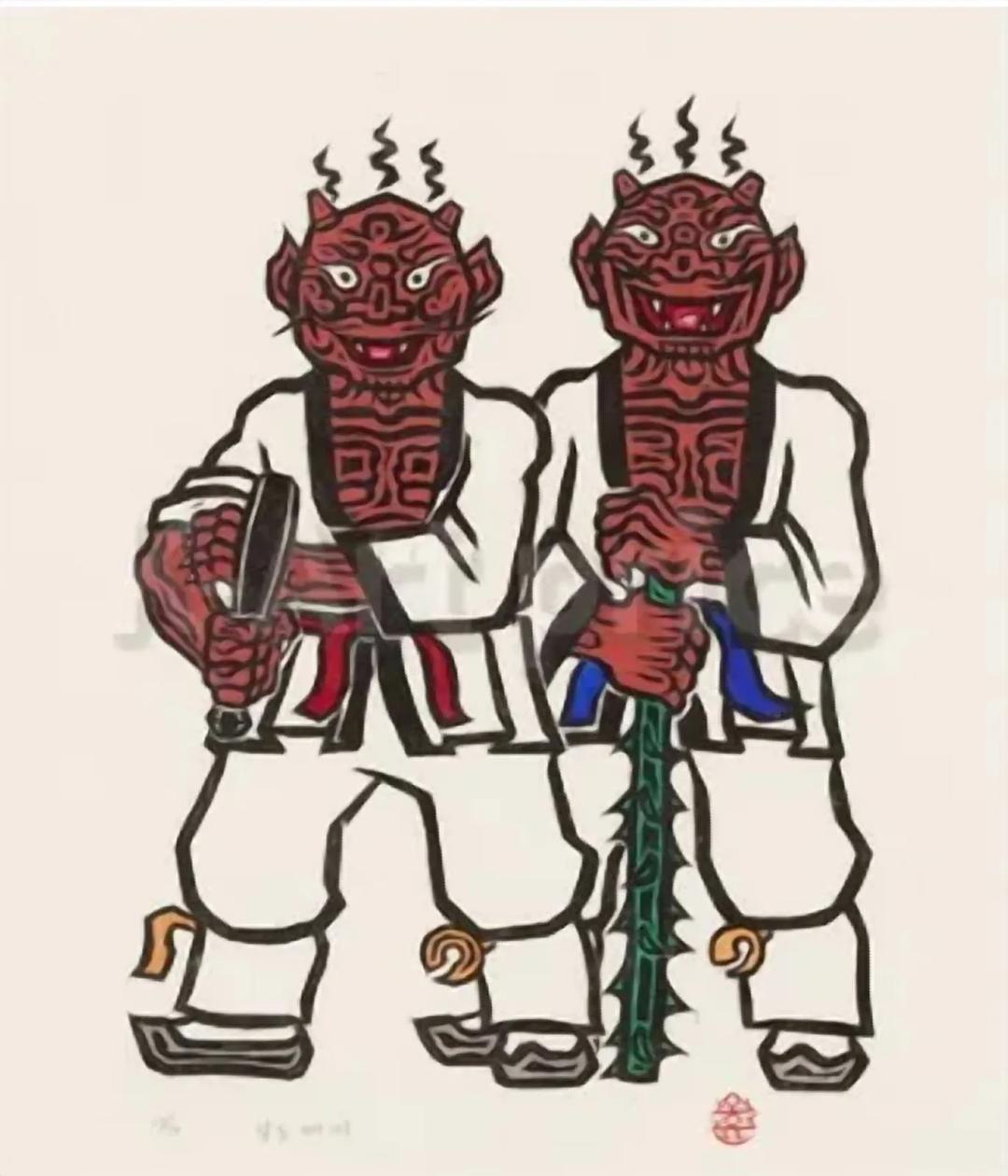
SAF 2026 includes more than 180 posthumous prints by Oh Yun (1946–1986): Older Brother, Dance 2, Pansori Singer 1, The Great Earth, Homecoming, Eight-Petaled One Flower, Spring With No Man, Autumn With No Meaning, and more.
Oh Yun is central to Korean Minjung art. In the 1980s upheaval, he recorded ordinary life in woodblock. He passed away at forty in 1986. The woodblocks he made still exist.
A posthumous print is one pulled after the artist's death, by family or an authorized institution, from plates the artist made during their lifetime, in limited quantities. Because the plate was made by the artist's hand, the print community treats the impression as an extension of the original. Not a forgery but a legacy of artistic intent.
Oh Yun's The Great Earth (1983), 36×43.3 cm, carries the same lines carved into wood 40 years ago now in front of us.
Art Prints Differ From Prints
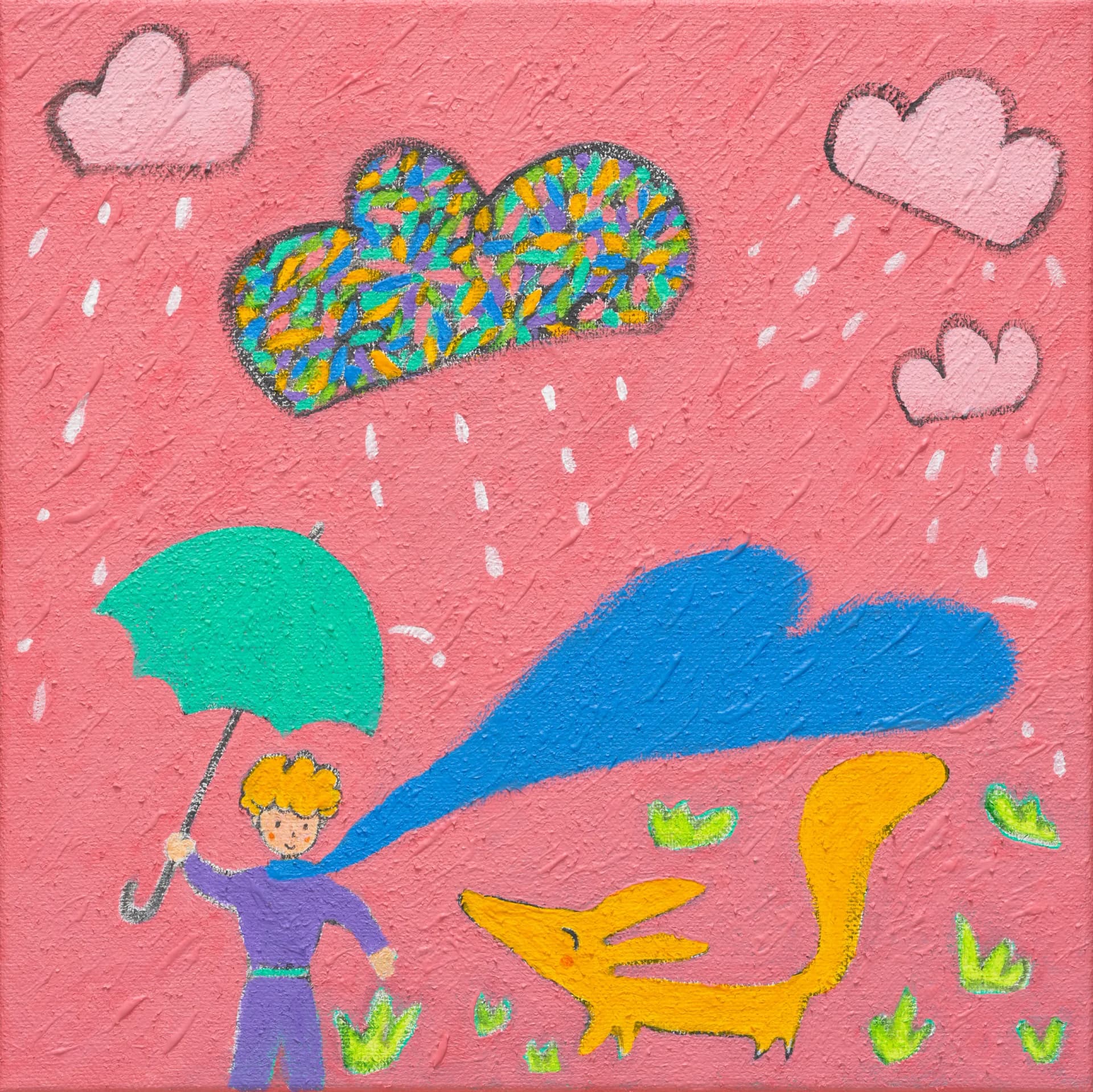
Art prints are easy to confuse with traditional prints, but the process differs. The artist's original image (painting or digital file) is scanned or photographed at high resolution, then output on a professional printer. Park Jaedong's Grandmother — Aigoo My Grandson, Hangang Riverside, Candlelight — pigment on watercolor-texture paper — belong here.
The absence of physical plate-making distinguishes them from traditional prints. That doesn't mean art prints lack value. They offer accessible prices and good artists' images; with pigment ink, color holds for decades.
For First-Time Print Buyers
Things to confirm when buying a first print.
- Edition number and total: lower total equals higher scarcity
- Artist signature: must be hand-signed
- Material: woodblock, lithograph, copperplate — texture differs
- Posthumous or lifetime: distinguish and understand
Prints sit in a genre with accessible pricing and authentic originality. That's why they are recommended for beginners.

Frequently asked questions
Q. What is printmaking? A. Printmaking is the art of transferring an image from a matrix — a carved block, etched plate, or porous screen — to paper or another surface, usually in multiples. Each impression from the original matrix is considered an original work.
Q. Is a print considered an original artwork? A. Yes, if made under the artist's direct supervision from the original matrix and signed and numbered by the artist. A print is not a reproduction of a painting — it is an artwork created through the printing process itself.
Q. What is the difference between woodblock, etching, lithography, and silkscreen? A. Woodblock prints from a raised carved surface; etching fills incised lines in a metal plate with ink. Lithography exploits the chemical repulsion of oil and water on stone or aluminum. Silkscreen (serigraphy) pushes ink through a mesh stencil. Each produces a distinct line quality and texture.
Q. What is a posthumous print, and is it as valuable as a lifetime print? A. A posthumous edition is produced after the artist's death, often from the original plates or screens, typically by the estate or publisher. While collectable, posthumous prints are generally valued lower than lifetime prints supervised by the artist. Always confirm whether a print is lifetime or posthumous before buying.
Further Reading
Start Collecting
Related reading
If this piece helped, you may also enjoy these related articles:

Seed Art Festival
·