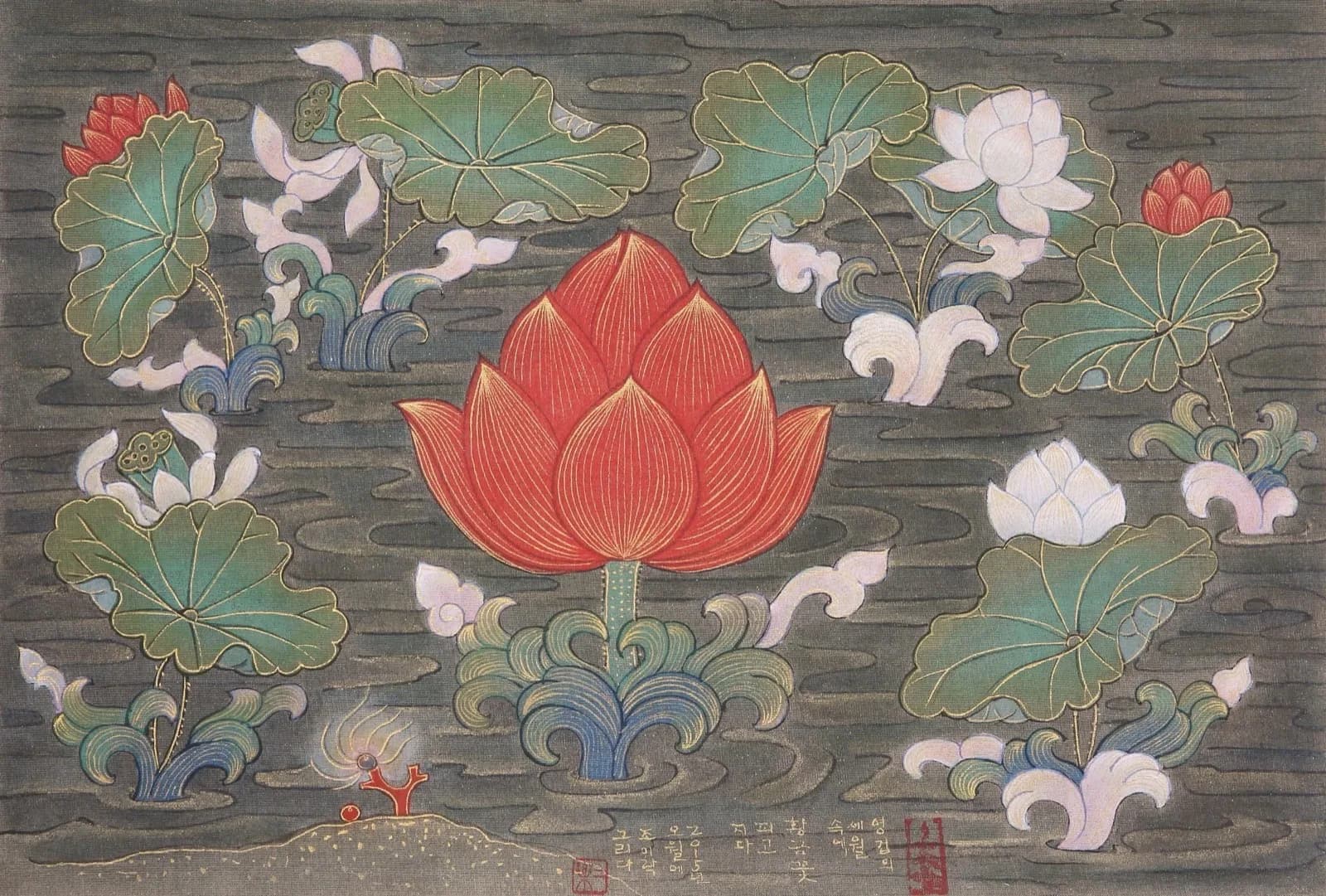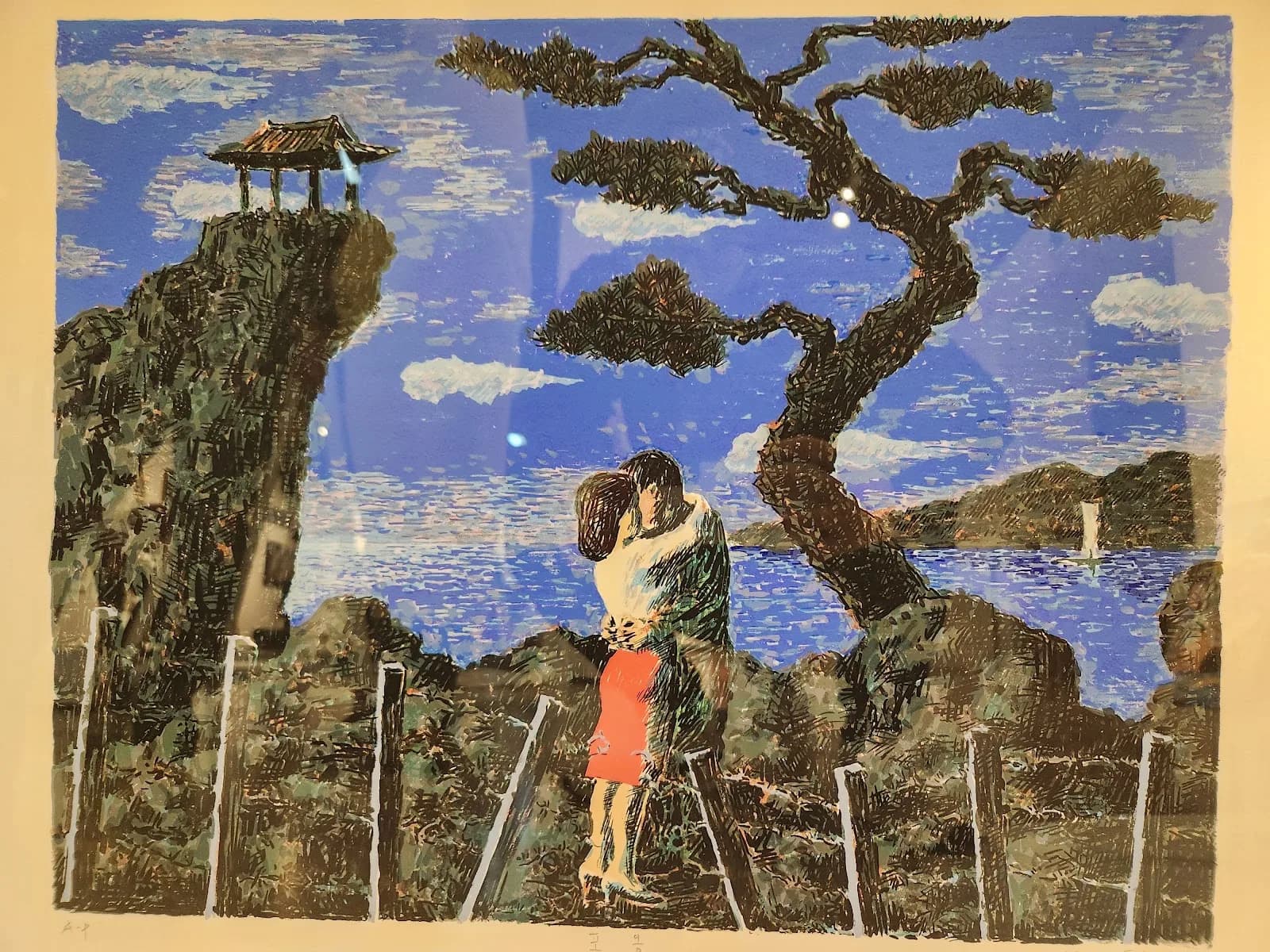
People searching for art classes often just want to feel closer to art. But do you really need formal training to collect? Most collectors aren't art majors — and owning a work turns out to be the most powerful art education of all.
The Real Reason People Search for "Art Class"
Not everyone searching for "art class" is a college-entry-exam student.
The adult hobby-art market is growing. Office workers learning acrylic after work, retirees taking weekend watercolor classes, parents who want to paint with their children. They share one thing: the desire to get closer to art.
Take one step back, though, and that desire splits several ways. Some want to make. Some want to see well. Some want to own. The three look similar but start from different places.
Making art, a class helps. But do you need a class to see and own art?
Cutting to it: no.
Most Collectors Are Non-Majors
Knowing this relaxes things.
Look at famous collectors' backgrounds.
- The figure behind the Lee Kun-hee Collection was a businessman who studied business administration.
- America's Herb and Dorothy Vogel were a postal worker and a librarian. On their combined salaries, they built a collection of over 4,700 contemporary works.
- Japan's Yusaku Maezawa is a businessman with a band-drummer background. He bought a Basquiat for ₩110.5B, and he never studied art.
Korean MZ collectors make it clearer. 95% of new customers on fractional-ownership platforms had never transacted with the traditional art market. Most are not art majors — they encountered work on Instagram or online and made their first purchase from there.
"You need to study art to buy art" is a prejudice. It's like saying you need to study cooking to go to good restaurants.
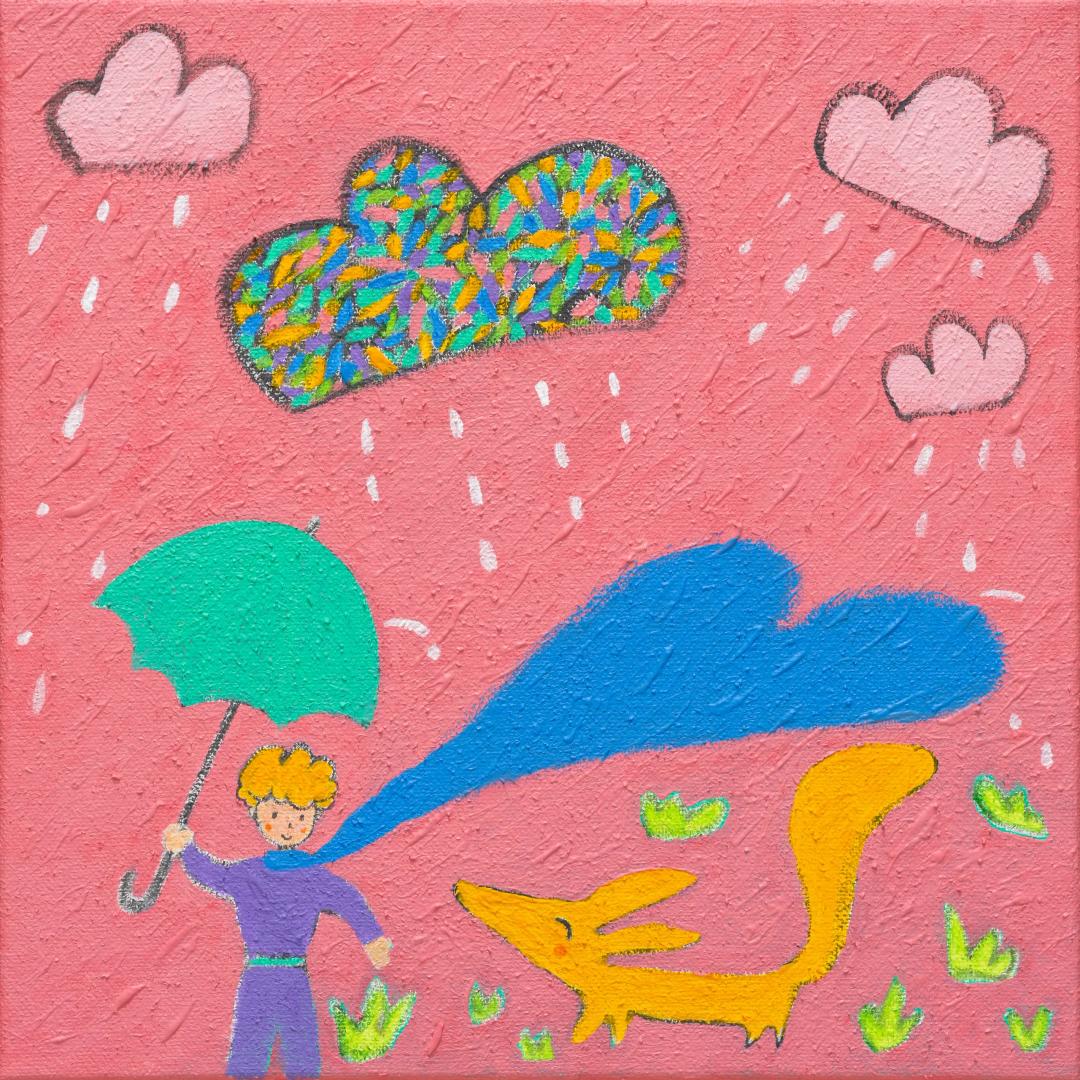
Still, Viewing Ability Can Be Built
Art education isn't required, but a bit of literacy enriches viewing. You can't deny it.
Standing before a work and saying only "pretty", vs. guessing "why the artist used this color" — different experiences. Not that the latter is inherently superior. But you'll stay longer and find more.
Five ways to build viewing ability.
1. See a lot of exhibitions. Most basic, most powerful. Permanent collections at MMCA and Seoul Museum of Art are free. Once a month is enough to change your eye within a year. The key is volume. More viewing builds comparison.
2. Read one art book. Gombrich's The Story of Art is the classic but long. If it's too heavy, Will Gompertz's What Are You Looking At? is a great start. One book sets the broad arc of art history. In a gallery, you'll start having context.
3. Use online content. YouTube has endless art-commentary channels — exhibition reviews, artist interviews, art-history lectures. Twenty minutes on a commute gets you an episode. No need to be systematic. Start with what interests you.
4. Talk to artists. Gallery openings and art fairs are rare chances to meet artists directly. One conversation changes how you see the work. Hearing what an artist was thinking makes the invisible things visible.
5. Buy a work. Fifth, and honestly the first.
Why Ownership Is the Best Education
Someone else's painting on a wall, versus your painting on your wall. The difference is larger than expected.
Things that happen when you buy.
- You get curious about the artist's other work. You search, you find exhibitions.
- Other artists in the same genre start becoming visible. An eye for comparison forms.
- On the wall, daily viewing reveals things. Details you missed at first, color that shifts with light, feel that changes by season.
- You explain the work. The moment you tell a visiting friend "it's about this," viewing becomes language.
A painting seen for 30 seconds in a museum and a painting you meet every morning — different relational densities. Ownership turns viewing into daily life. And daily viewing goes deeper than classes.
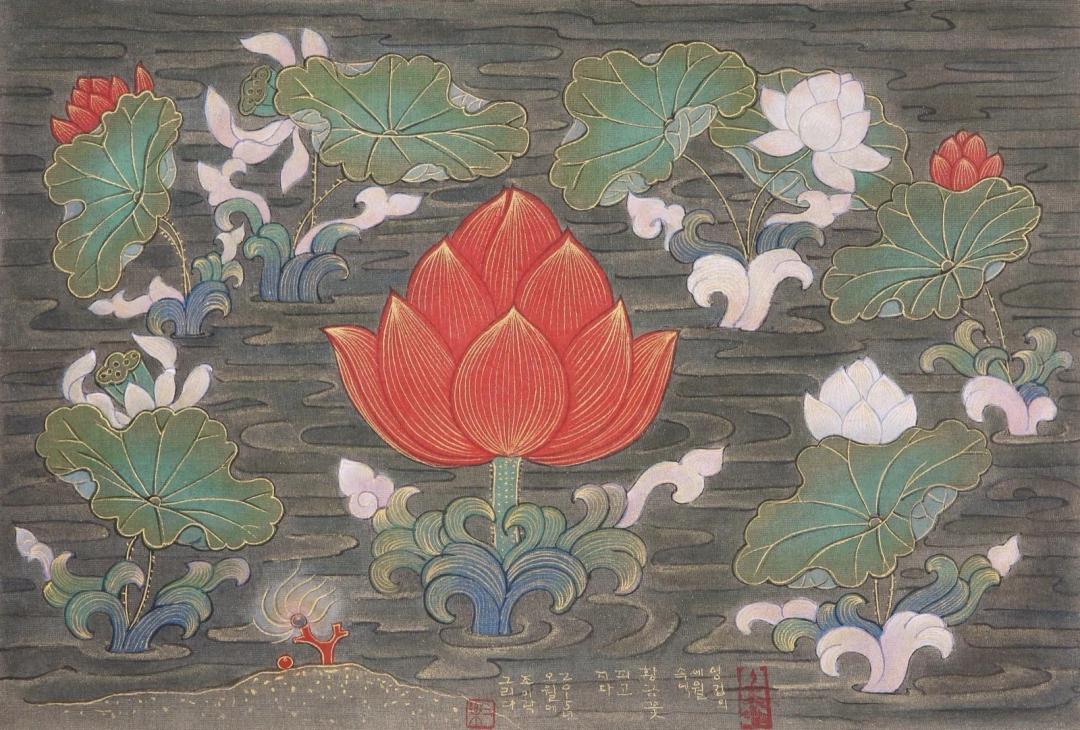
A ₩300K Curriculum
An art-class monthly fee runs ₩150–300K. Four weekly sessions per month.
For the same ₩300K, you can buy a print. That print stays with you not for a month but for decades. You see it every day, feel it, occasionally tell someone about it.
Which one is the longer education?
Doing both is ideal, of course. If you've painted yourself, you see other people's paintings better. True. But you don't have to paint to buy. As there are people who recognize great restaurants without cooking, there are people who recognize great paintings without holding a brush.
This Magazine Is Also an Art Education
Actually, you're already receiving an art education.
Reading this article, you've learned the market's channels, the difference between editions and originals, the world of printmaking. SAF Magazine carries nearly all the literacy you need — from artist stories to care guides — to buy and enjoy art.
Reading is education, looking is education, buying is education.
The SAF online gallery hosts 903 works by 213 artists. Oh Yun's woodblocks, Park Jaedong's watercolors, Lee Cheolsu's prints. You can start with a ₩100K print. And your purchase builds a mutual-aid fund that returns — as 5% fixed-rate loans — to fellow artists facing financial discrimination.
Before registering for an art class, what if you bought one painting first? That piece on your wall will change your eye. Slower than a class, longer than a class.
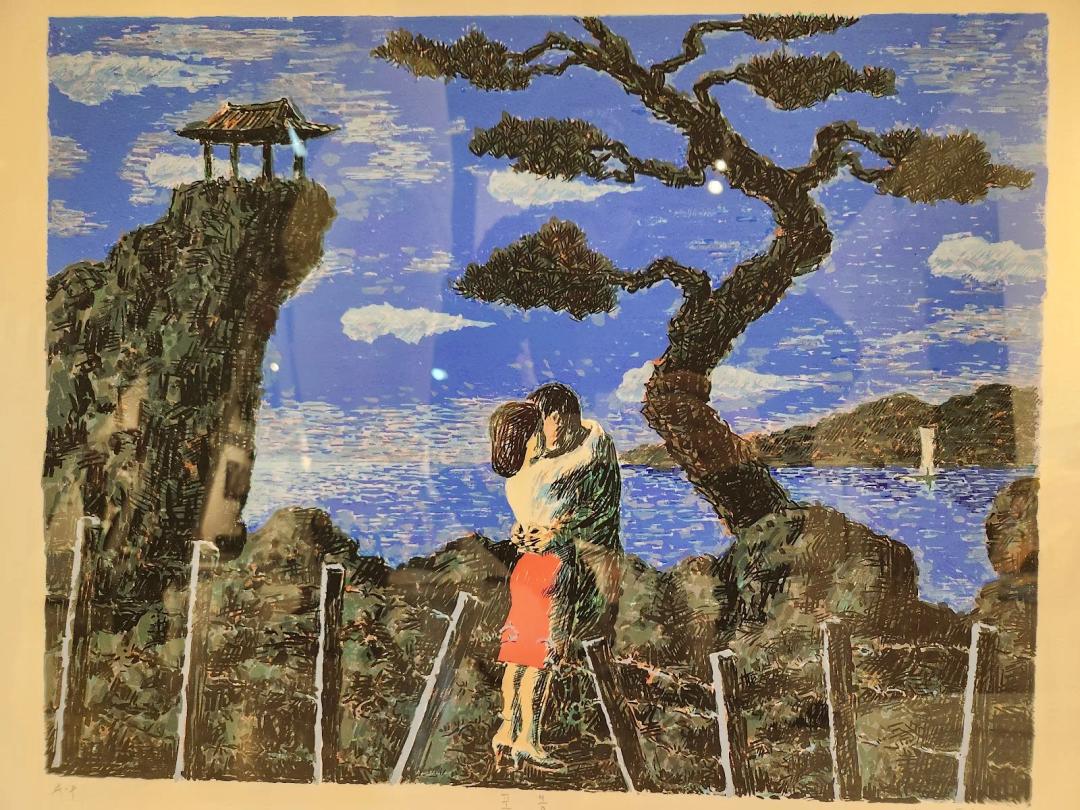
Further Reading
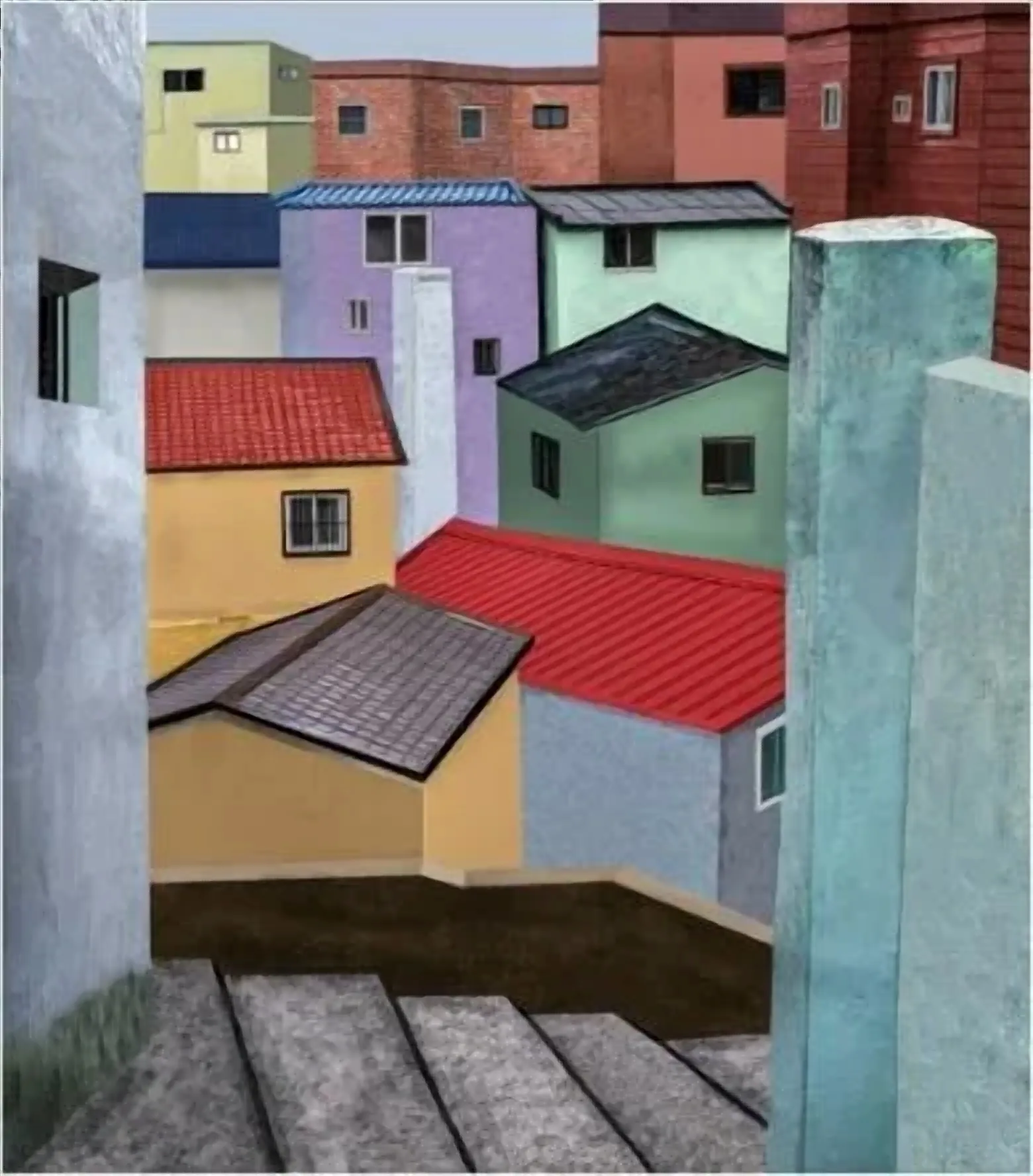
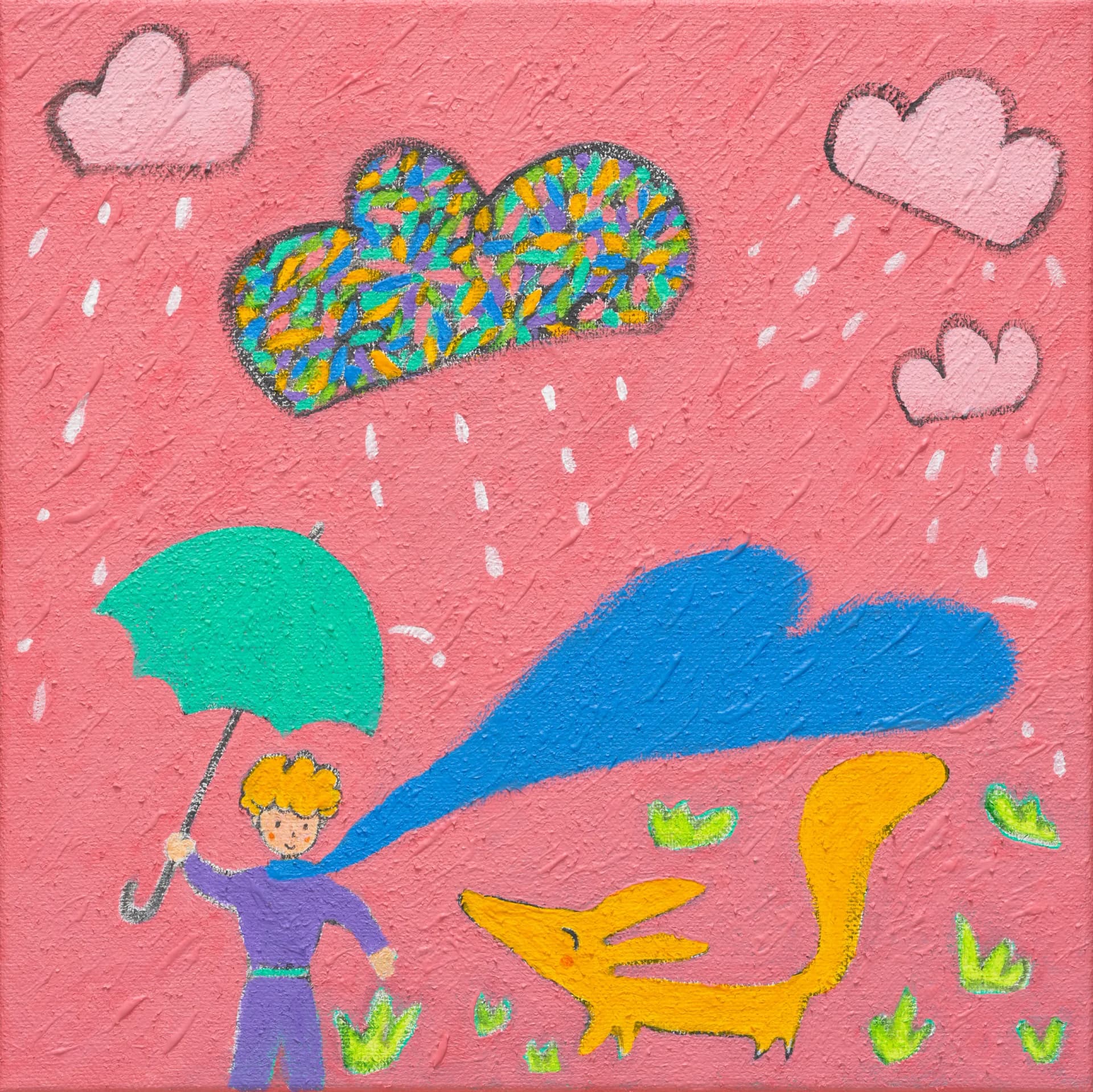
Start Collecting
Related reading
If this piece helped, you may also enjoy these related articles:
Seed Art Festival
·