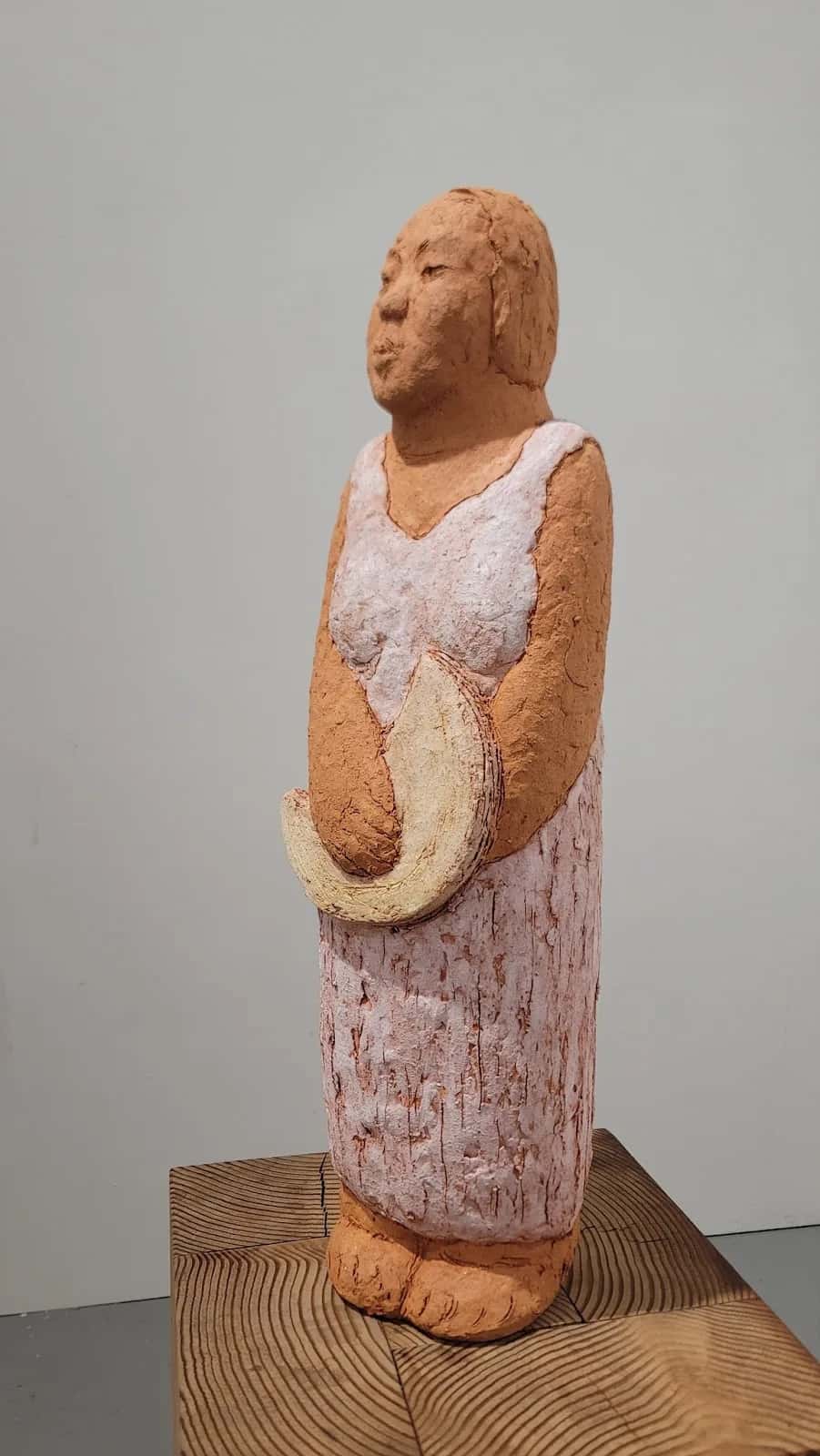
Is a gut feeling enough when choosing art? From emotional resonance and an artist's depth to technical quality, fair pricing, and the story behind the work — having clear criteria changes the way you choose, whether you're a first-time buyer or a seasoned collector.
On What Grounds Do You Choose a Work?
The most common feeling on a first gallery visit is hesitation — "It looks good, but can I actually buy this?"
At the moment of choosing one piece among dozens and paying for it, you need some kind of criterion. Experts say "buy what you like," but honestly, that doesn't help a first-time buyer much. What if several pieces appeal? What if your budget is set?
There's no absolute formula for choosing good art. But standards that collectors and curators have confirmed for decades do exist. Here are five.
One: Is There a Personal Resonance?
The first question to ask: does this work stop you in your tracks?
This differs from "pretty." Some works pull your eye for no obvious reason. It might be a work that unsettles you; it might be one that quietly consoles. What matters is whether a reaction happens.
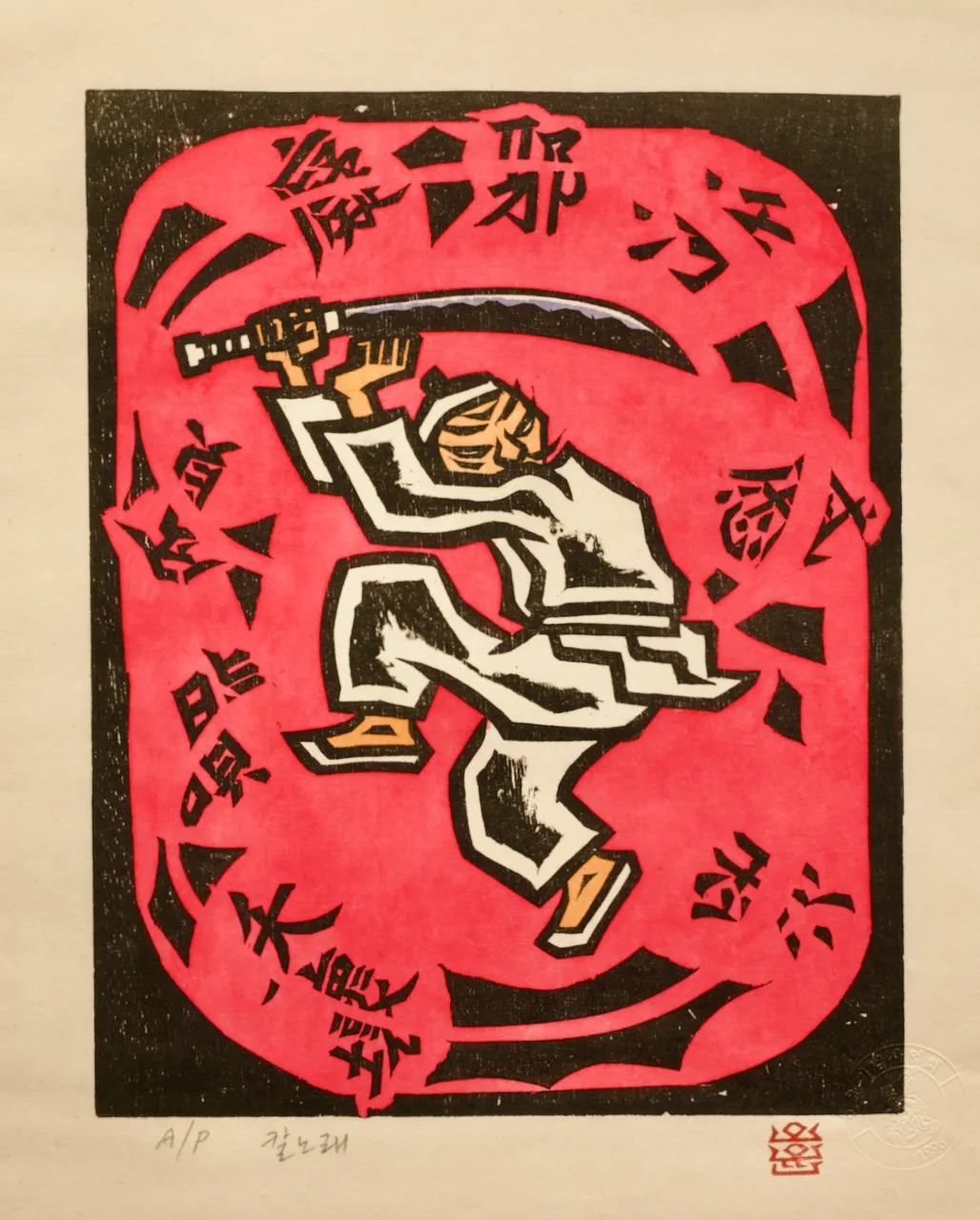
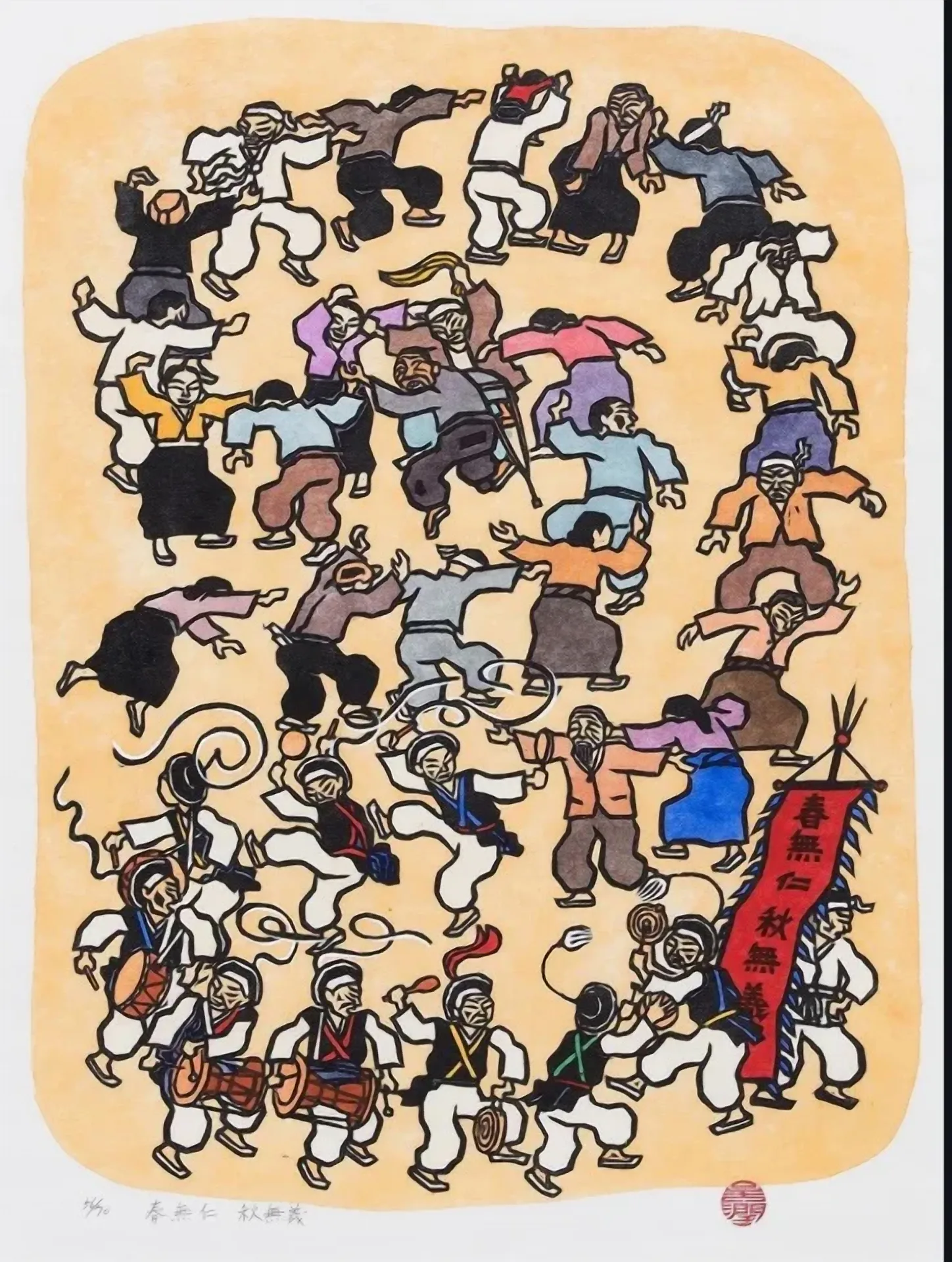
Consider Oh Yun's woodblock print Blade Song. Hard to call beautiful. Rough, sharp, tensed. And you stop in front of it. Each carved line pulls a physical response from the viewer. That's resonance.
Conversely, however famous the artist, if nothing stirs inside you, that piece is probably not for you. Art collecting is living with the work. For something you'll see daily on a wall, resonance is the first criterion.
If you linger in front of a work for three minutes or more, that's a strong resonance signal.
Two: Consistency and Depth of the Artist
You can't judge an artist from a single work. Seeing the path they've walked reframes the piece in front of you.
Take Lee Cheolsu. Since his first solo in 1981, he has held to woodblock for over 40 years. He began in the 1980s minjung (people's) print movement, moved toward Zen, but never let go of the act of cutting wood. That consistency adds weight. Forty years of discipline read in Vessel of the Heart — woodblock pressed onto hanji.
Same with Joo Jaehwan. He dropped out of Hongik University after one semester and spent 20 years as a piano salesman, ice-cream vendor, and neighborhood watchman. That time didn't pass idly. His 1980 Mondrian Hotel, shown at the founding exhibition of Reality and Utterance, was a concentrate of those two decades. His career, reaching the Venice Biennale in 2003, is a case of creative depth proven through time.
Things to check:
- Exhibition history of how many years
- Whether subject or methodology has consistently evolved
- Museum or institutional collection record
Three: Mastery of Technique and Material
Within oil painting alone, handling varies enormously. Within woodblock alone, the depth of the carve and the density of ink reveal the artist's craft.
Technical mastery isn't grand. It's about how fully the artist has internalized their material.
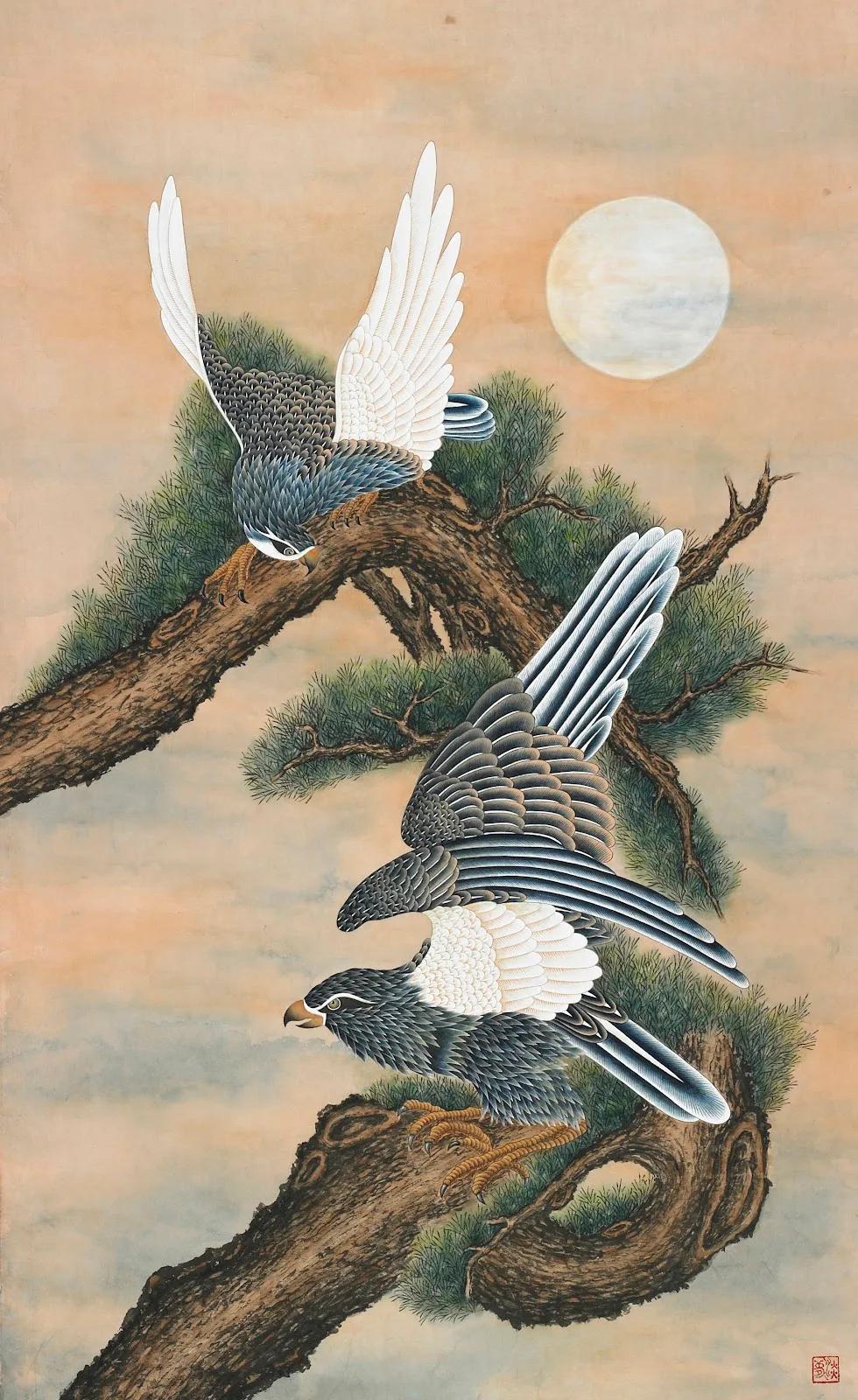
Park Saenggwang (1904–1985)'s color paintings make this plain. Using obangsaek — the traditional five-color palette of Korean painting — he drew out the intensity of Western expressionism. His handling of ink, bunchae, and seokchae pigments was the product of 60 years of practice. His late shaman series is considered the moment material and subject became one.
Practical points to consider:
| Item | Why it matters |
|---|---|
| Unique vs edition | Uniqueness and price structure differ |
| Material longevity | Oil lasts centuries; acrylic lasts decades |
| Production quality | For prints, ink and paper determine lifespan |
| Framing and finish | Affects protection and display |
Four: Rationality of Price
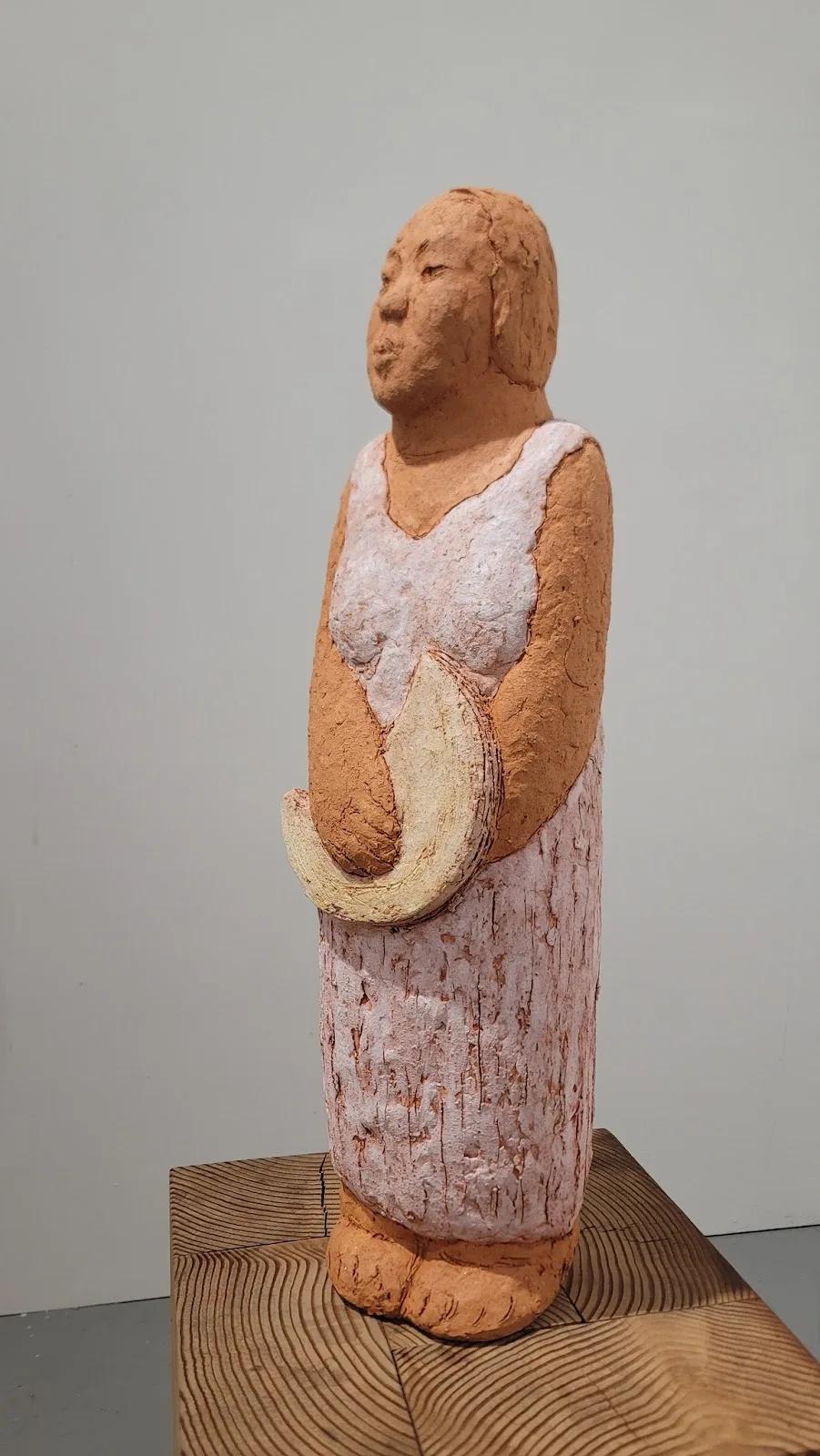
No formula rules art pricing, but patterns exist. Career, size, material, and edition quantity are the main components.
Look at SAF 2026's 903 works. The patterns are clear.
- Lee Cheolsu's Mumungwan 50-Plate Suite is ₩50M. A 50-panel woodblock suite at the peak of a 40-year career.
- The same Lee Cheolsu's Beginning of Spring is ₩1.2M. A 50×42 cm small work.
- Park Jaedong art prints are ₩300K. The same artist's original watercolors are ₩3M–5M.
Within a single artist, price can swing 10× by size and form. That's a rational structure. Put differently, if an emerging artist's large original is priced above a mid-career artist's small work, it's worth a second thought.
SAF's prices span from the hundreds of thousands of won to the tens of millions by design — so first-time buyers can choose within their budget. A good number of works are priced under ₩1M.
Five: Story and Context
What story sits behind the work? Over time, this decides value.
Consider Oh Yun's posthumous prints. The woodblocks are formally strong, but what makes them special is the context. An artist who died at forty in 1986. His belief that "art should be shared by many." And in 2026, forty years later, the revenue from these works flows into a mutual-aid fund for fellow artists facing financial discrimination.
Formal value alone is reason enough to collect. Add story, and the work goes beyond the wall to become a narrative.
The 903 works at SAF 2026 share a common context: 213 artists contributed works voluntarily, for a financial safety net for their peers. Knowing that context, the act of buying becomes participation in solidarity.
Five Criteria, One Lens
To gather:
- Personal resonance — does this work stop you?
- Artist's consistency — how long, how deep has this artist worked?
- Technical mastery — has the material been internalized?
- Price rationality — appropriate given career, scale, material?
- Story and context — what narrative sits behind the work?
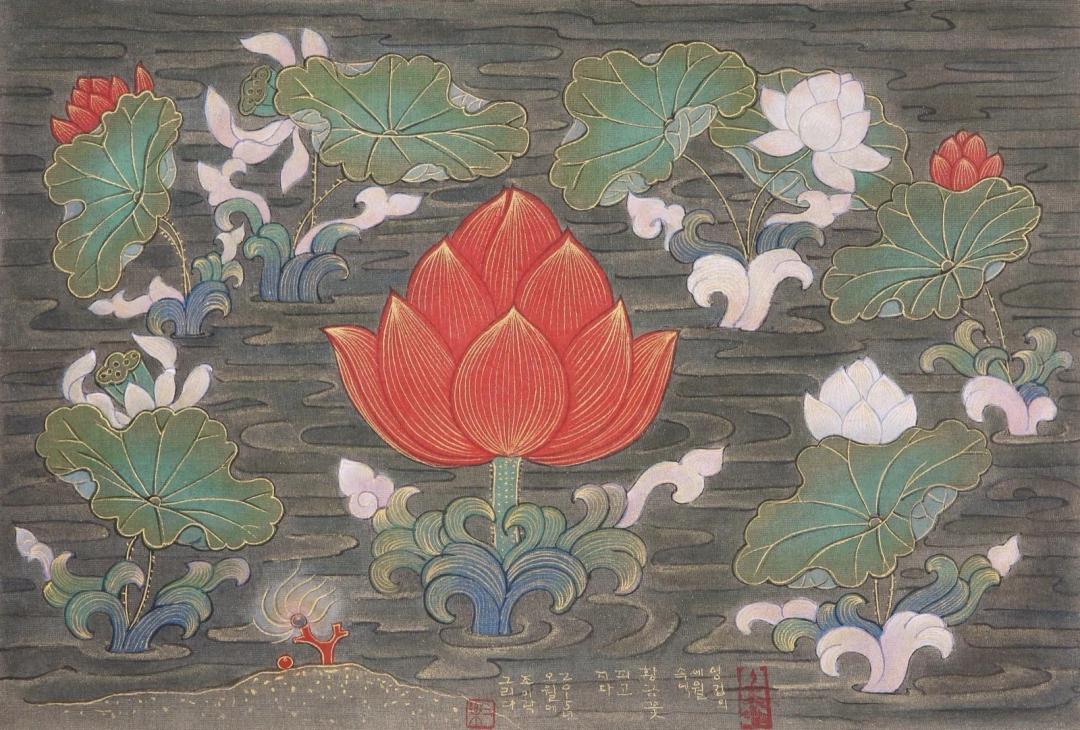
Meeting all five in one piece is rare. But holding these five criteria in mind as you walk a gallery changes something. Vague hesitation becomes concrete judgment.
Good art, ultimately, is the work you can live with for a long time. These five criteria are signposts on the path to finding it.
Related Guides
Explore Further
Related reading
If this piece helped, you may also enjoy these related articles:
Seed Art Festival
·