MMCA's four sites are one institution with completely different characters: contemporary, modern, modern-contemporary, and open storage. A comparison guide for first-time visitors.
Comparing the Four MMCA Branches
When someone says, "Let's go to MMCA," what they really mean is, you have to choose which of four museums to go to. The National Museum of Modern and Contemporary Art, Korea (MMCA) operates four very different branches under a single umbrella: Seoul, Gwacheon, Deoksugung, and Cheongju. A single ticket lets you visit all four, but almost no one does it in one day. Where you should go depends entirely on what you want to see.
This guide compares the four branches so that first-time visitors and beginning collectors can pick the right one in one go.
The Four Branches at a Glance
| Aspect | Seoul | Gwacheon | Deoksugung | Cheongju |
|---|---|---|---|---|
| Opened | 2013 | 1986 (main) | 1998 | 2018 |
| Focus | Contemporary, media | Korean modern–contemporary collection HQ | Korean modern art (1900s–1960s) | Conservation and storage |
| Location | Samcheong-ro, Jongno | Gwacheon, Gyeonggi (next to Seoul Grand Park) | Jeong-dong, Jung-gu (inside Deoksugung) | Cheongju, Chungbuk (former tobacco factory) |
| Public transit | 5-min walk from Anguk Station, Exit 1 | Line 4 Seoul Grand Park Station + shuttle | 5-min walk from City Hall Station | KTX to Osong + 25-min drive |
| Recommended visit | 2–3 hours | 4–5 hours (incl. sculpture park) | 1.5–2 hours | 2 hours |
| For whom | Contemporary art, new work | "I want a survey of Korean art history" | Japanese colonial era to 1960s Korean modern art | Curious about how art is conserved and stored |
1. MMCA Seoul — The Present of Contemporary Art
MMCA Seoul is the branch that shows you "where Korean art is, right now." It opened in 2013 on the former site of the Defense Security Command, and it is the fastest of the four to put contemporary painting, sculpture, media art, and installation on view. About 8 to 10 special exhibitions cycle through each year, and it has the easiest visitor flow.
Strengths
- Home of the Korea Artist Prize and the MMCA Hyundai Motor Series, the central stages for Korean contemporary artists
- The most frequent host of media-art and video installations
- A 5-minute walk from Anguk Station, easily combined with a stroll through Samcheong-dong and Bukchon
Recommended itinerary
Morning at Anguk Station → Seoul branch (2 hours) → lunch in Samcheong-dong → afternoon along the gallery row (Kukje Gallery, Arario, Gallery Hyundai) → evening in Bukchon. Using the museum as your starting point and stitching the galleries on after is the most efficient route.
Who is this for?
Visitors who want to see "the artists active in Korea right now." Before you start collecting, the Seoul branch should be your first stop to understand the current direction of the market.
2. MMCA Gwacheon — The Headquarters of Korean Modern–Contemporary Art
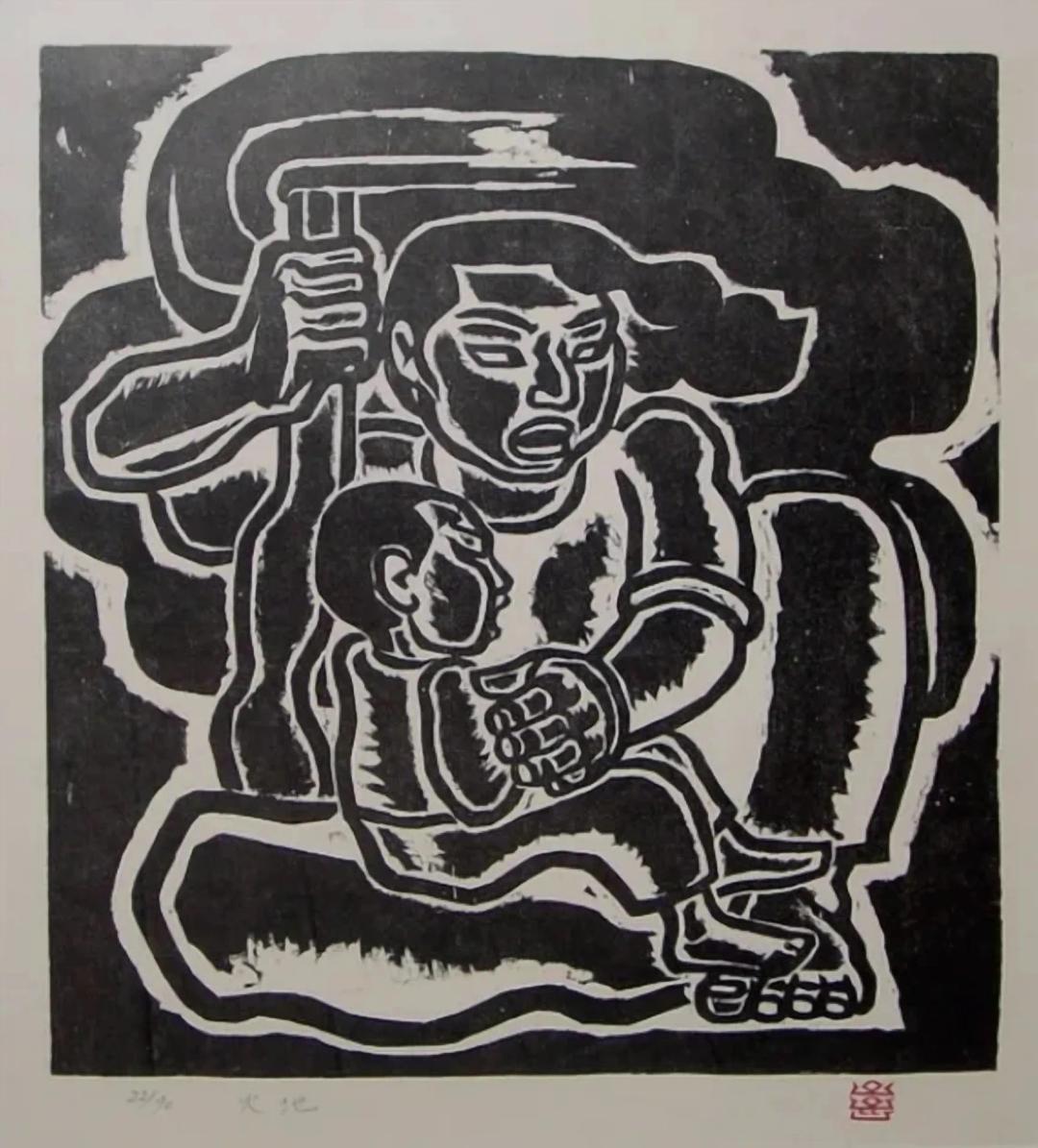
Gwacheon is the original MMCA, and the deepest end of its collection. It opened in 1986 — the moment Korea entered the era of having a "national" museum of art — and the core holdings of Dansaekhwa, Minjung art, and Korean contemporary art from the 1980s and '90s live here.
Strengths
- Most of MMCA's collection of more than 8,000 works by Korean modern and contemporary artists comes out of the Gwacheon storage
- An outdoor sculpture park including Nam June Paik's The More The Better (1,003 monitors, made for the 1988 Seoul Olympics) and outdoor sculptures by Lee Ufan, Moon Shin, and Sim Moon-seup
- The largest share of standing exhibitions devoted to the heart of Dansaekhwa (Park Seo-bo, Chung Chang-sup, Lee Ufan, Chung Sang-hwa)
- The center of the Minjung art collection (Oh Yoon, Shin Hak-cheol, Lim Ok-sang, Kang Yo-bae)
Drawbacks
- Less convenient — Line 4 Seoul Grand Park Station, then a shuttle bus or a 15-minute walk
- Large in scale; budget at least four hours, or half a day with the sculpture park
Recommended itinerary
Driving from central Seoul is the easy option. Arrive in the morning → main building, floors 1 and 2 (3 hours) → lunch → walk the sculpture park (1 hour) → return to whatever you missed on floors 1 and 2. The on-site Children's Museum makes Gwacheon especially popular with families.
Who is this for?
Anyone who wants "a survey of Korean art history." For collectors-in-training thinking about Dansaekhwa, Minjung art, or the currents from the 1970s through the 1990s, Gwacheon is the prerequisite course. The Oh Yoon woodcut print Earth cited above is part of a lineage you can follow directly through the Gwacheon collection.
3. MMCA Deoksugung — Almost the Only Stage for Korean Modern Art
Deoksugung concentrates on Korean modern art from 1900 to the 1960s — the colonial-era artists who studied in Tokyo (Lee Jung-seob, Gu Bon-ung, Chang Ucchin), the first generation of post-liberation abstraction (Kim Whan-ki, Yoo Young-kuk), and the modernism that followed the Korean War. It is one of the very few places where you can study this period in depth in a single venue.
Strengths
- The setting itself — an annex of Seokjojeon inside Deoksugung Palace — combines a museum visit with a palace walk
- Two or three major modern-art exhibitions a year, with a strong emphasis on artist retrospectives, rediscoveries, and archival shows
- 5-minute walk from City Hall Station, with strong restaurant infrastructure for lunch and dinner
Drawbacks
- Almost no contemporary work — for living artists you want the Seoul branch
- Compact; 1.5 to 2 hours is plenty, and that's a short outing on its own
Recommended itinerary
From City Hall Station → ₩1,000 entry to Deoksugung → 30-minute palace walk → 1.5 hours in the Deoksugung branch → walk Jeong-dong → continue to Gwanghwamun and the Seoul Museum of Art. Pairs well with SeMA's main hall, which is a 3-minute walk from City Hall Station.
Who is this for?
Anyone curious about Korean modern art who isn't sure where to start. If you love Lee Jung-seob, Park Soo-keun, or Kim Whan-ki, this is the first place to go.
4. MMCA Cheongju — The "Visible Storage"
Cheongju, opened in 2018, is Korea's first storage-based art museum. It was made by retrofitting the old Cheongju tobacco factory, and what most distinguishes it from a conventional museum is that its storage is open to visitors.
Strengths
- "Visible storage" — you can watch the conservation and management of artworks through glass walls
- Partial public access to the conservation lab — restoration work, frame changes, and environmental monitoring
- When timed with the Cheongju Craft Biennale, the whole city becomes an art destination
Drawbacks
- A round trip from Seoul (KTX to Osong plus a 25-minute car ride) is awkward to do in a day; an overnight is recommended
- Fewer special exhibitions than Seoul or Gwacheon
Recommended itinerary
Depart Seoul → 1-hour KTX to Osong → 25-minute shuttle or taxi → Cheongju branch (2 hours) → meal in Cheongju → optionally combine with the Jikji Culture Festival or the (biennial) Cheongju Craft Biennale. Especially recommended for collectors thinking about storage and insurance.
Who is this for?
Visitors curious about "how art is stored and restored." When a new collector first starts thinking seriously about preservation and insurance, watching conservation in action at Cheongju can be the decisive lesson.
Where Do You Start? — Three Entry Scenarios
Scenario A: You've just begun collecting
Gwacheon → Seoul. Get the broad arc of Korean art history (Gwacheon) first; then look at the contemporary market (Seoul) and decide what you actually like. Reverse the order and your eye will form unevenly.
Scenario B: You're drawn to Korean modern art
Deoksugung → Gwacheon. Deoksugung covers 1900s–1960s; Gwacheon picks up from the 1970s onward. Together they show Korean art history as one continuous current.
Scenario C: You only have an hour
MMCA Seoul. It's the easiest to reach, and you can pick one contemporary show and see it quickly. The most efficient launch pad for deciding what to see next.
Practical Information for All Four Branches
- Tickets: ₩4,000 for the integrated four-branch ticket (covers permanent and special shows). Free for visitors under 24, over 65, and on the last Wednesday of each month.
- Closed: Mondays, except Cheongju, which closes on Tuesdays — easy to confuse, so double-check.
- Hours: Weekdays 10:00–18:00, with extended Wednesday and Saturday hours until 21:00.
- Photography: Flash and tripods are not allowed; general photography is mostly fine, though specific works may be marked "No Photo."
- App: The official "MMCA" app offers free audio docent guides.
Where SAF Meets the National Museum
Many of SAF's 213 participating artists have shown work in MMCA's collection or special exhibitions. Members of the 1980s Minjung generation — Shin Hak-cheol, Lim Ok-sang, Kang Yo-bae, Lee Jong-gu, Park Bul-tong — appear regularly in Gwacheon's permanent displays, while artists working in hanji and woodblock — An Sung-keum, Park Jae-dong, Lee Cheol-soo — turn up in special exhibitions at Deoksugung and Cheongju.
The starting point of SAF is exactly this: that after seeing a work in a museum, you can own another work by that artist. If the Dansaekhwa or Minjung currents you saw at MMCA spoke to you, you can browse work in the same lineage directly at the SAF gallery.
Frequently Asked Questions
Q. Can I visit all four branches in one day? A. Physically, no. Cheongju alone is a six-hour round trip from Seoul, so it needs a separate day. Even Seoul, Gwacheon, and Deoksugung in a single day would mean less than an hour at each, which we don't recommend. One branch a day, gone through carefully, is the best approach.
Q. Which branch is best with children? A. Gwacheon. It runs a separate Children's Museum, and the outdoor sculpture park gives active children space to roam. Seoul and Deoksugung are tighter and can feel cramped for energetic kids.
Q. How do I sign up for a docent tour? A. Through MMCA's official website or app, by session. Free Korean docents typically run weekday 14:00 / 16:00 and weekend 11:00 / 14:00 / 16:00, but it varies by branch — confirm before visiting. English, Chinese, and Japanese docents are offered for some sessions.
Q. What should I read before going to a museum? A. Before Gwacheon, articles like Introduction to Korean Dansaekhwa or Introduction to Minjung Art (for the 1980s context) deepen what you'll see. The work hits differently when you know its lineage.
Q. Can I buy works at the museum? A. No. MMCA is a public collection institution and does not sell works. To own a piece by an artist you saw at MMCA, you go through galleries, art fairs, or online platforms (like SAF). Museums are for eye-training, galleries and platforms are for buying — the roles are kept separate.
MMCA's four branches each look at a different stretch of time. Seoul shows you the present; Gwacheon, the last fifty years of Korean art; Deoksugung, sixty years of Korean modern art; Cheongju, the future preservation of art itself. Choose one branch at a time, on your own schedule, and go through it deeply — that is the best way to use them.
Related reading
If this piece helped, you may also enjoy these related articles:
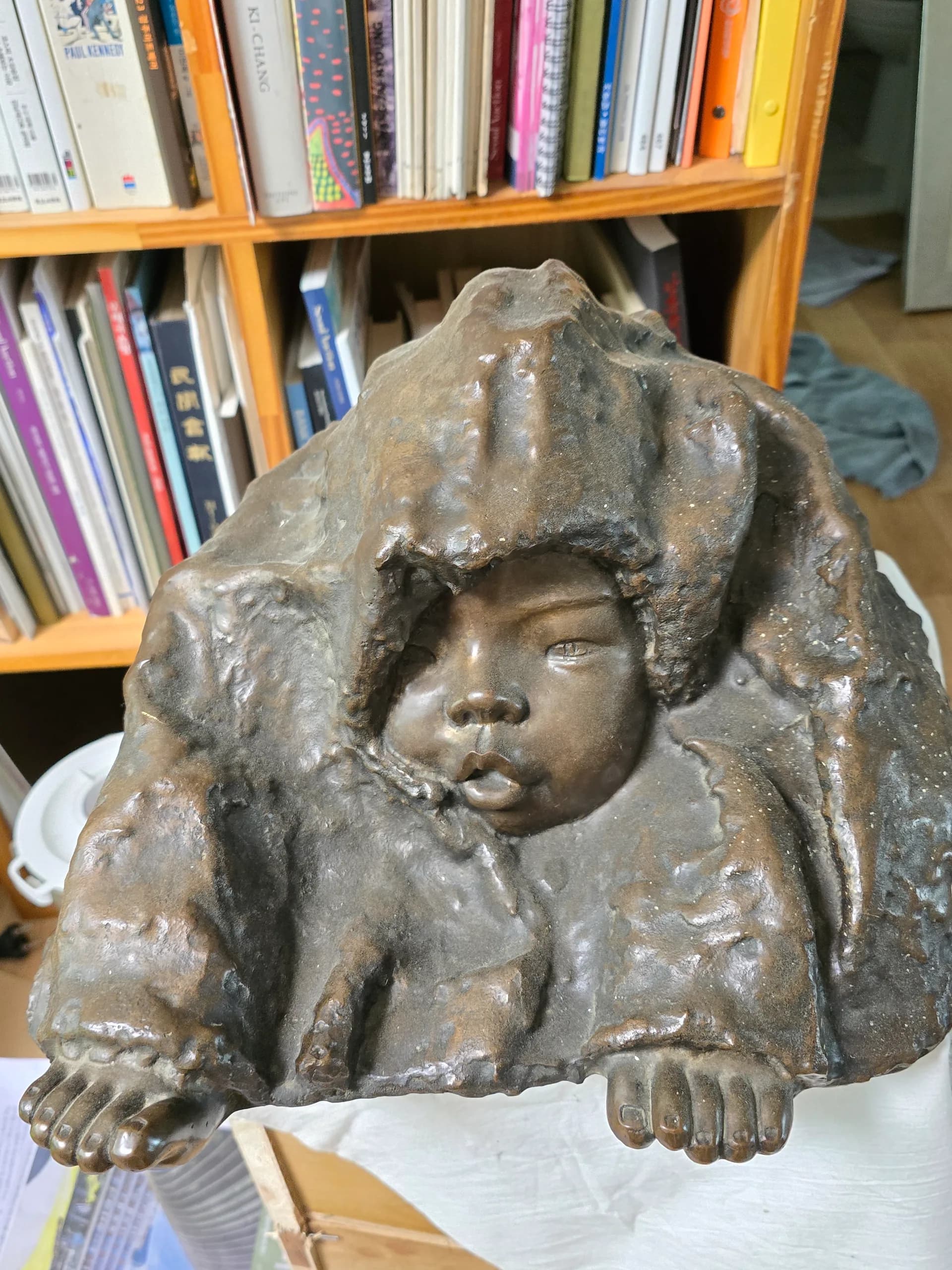
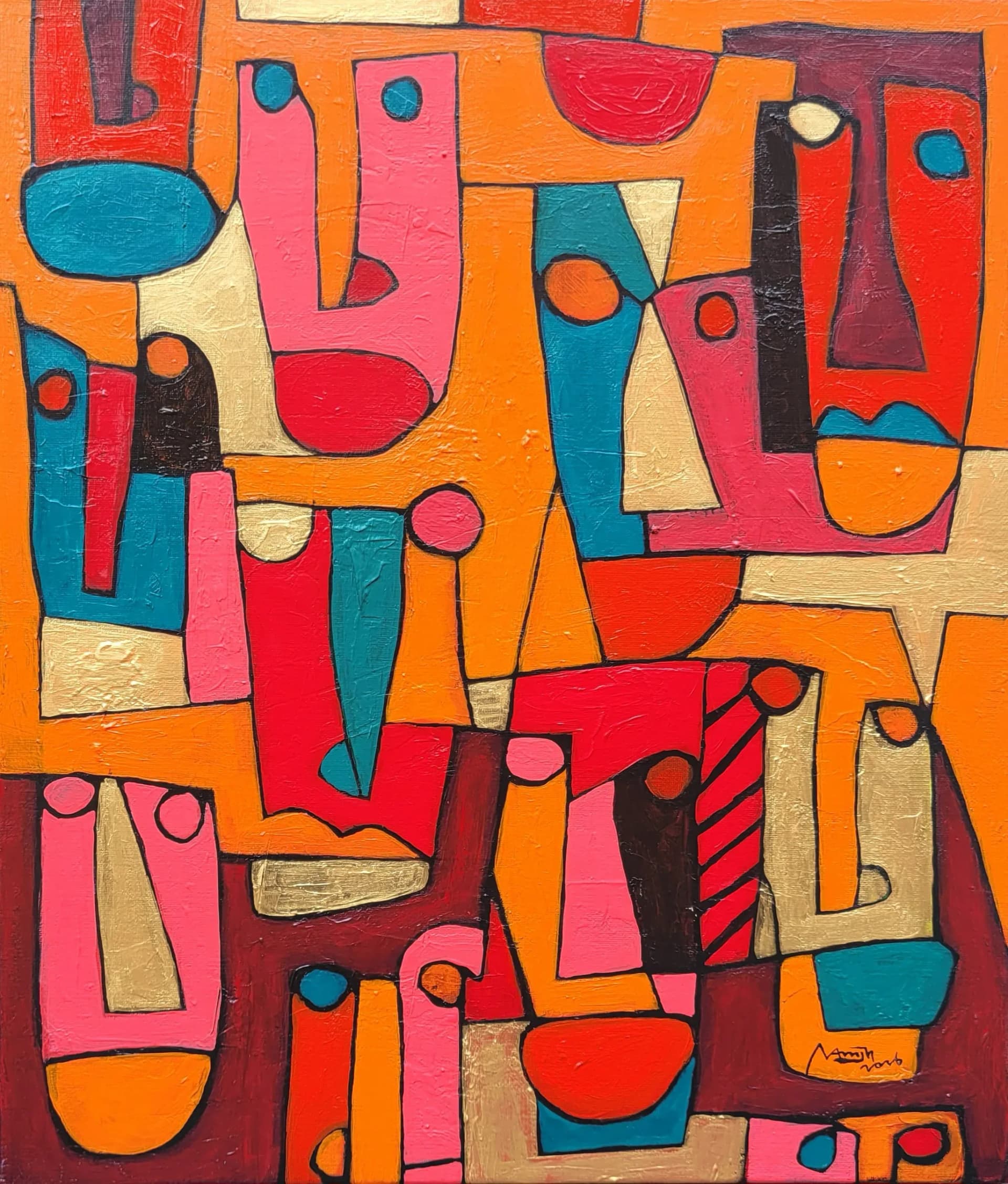
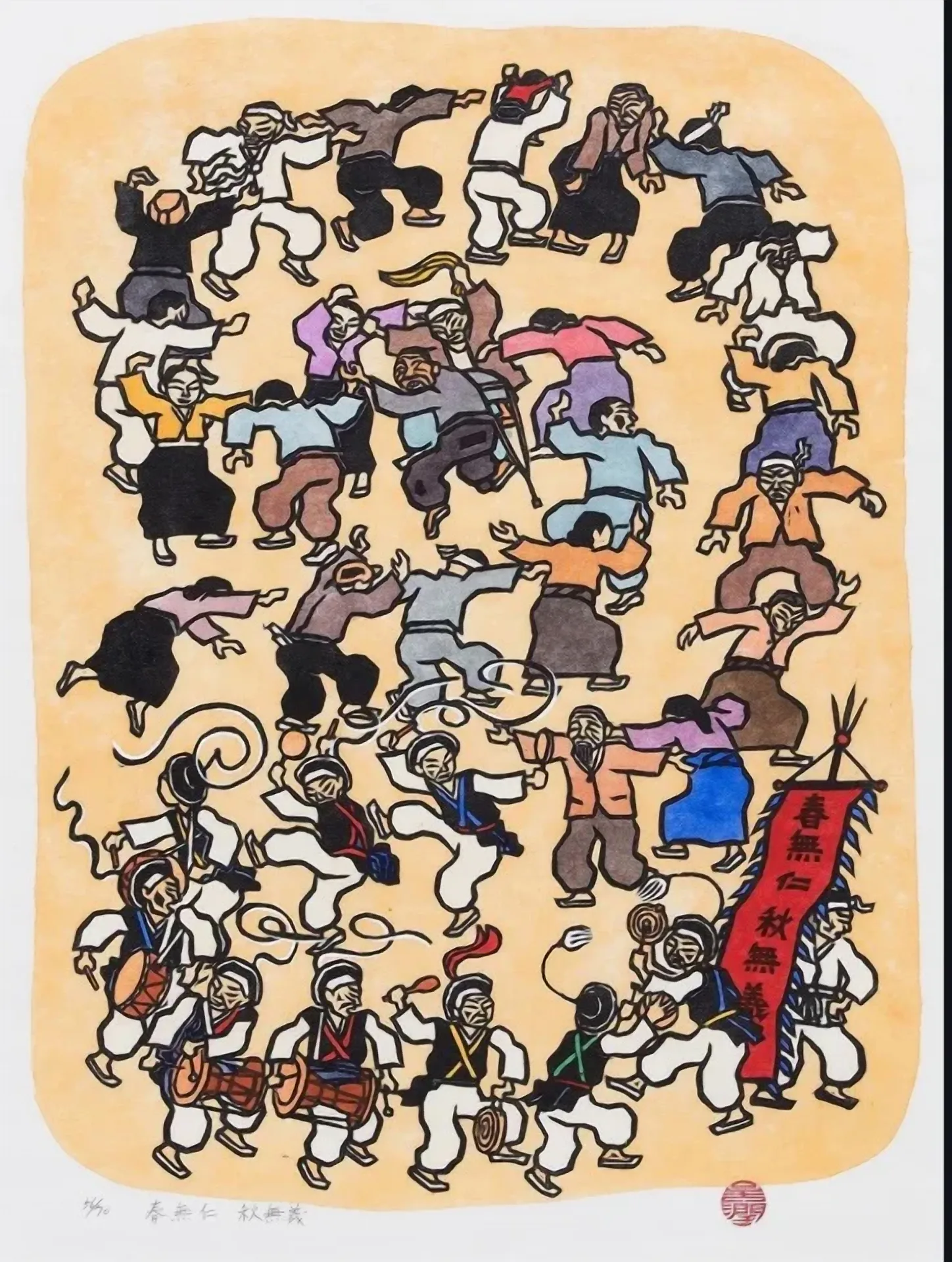
Browse Korean modern and contemporary works at the SAF gallery →
Related Guides
Explore Further
Exhibitions On Now
SAF gathers exhibition listings from the Seoul culture portal and from museum and gallery announcements, and keeps them in Exhibition News(공개 예정) — what is running now and what opens soon, with venues and dates, refreshed every morning.
Seed Art Festival
·