Two hours round-trip to a museum. Exhibitions open only on weekends. ₩15,000 admission. You love art, but getting to it is exhausting. What if art could come to you instead?
When Museums Are Far, Art Drifts Further
How many museums does Korea have? As of 2024, about 288 across the country. The number alone sounds reasonable. The issue is where they are.
Most national and public museums concentrate in Seoul and the capital region. For people living in other regions, seeing a single curated exhibition often means a KTX ride. Add transport, lodging, and admission; a museum visit becomes a travel budget.
There's also the time barrier. Most museums close by 6 p.m. Not a time working adults can get there after work. Weekends are possible, but weekend museums have their own problem: too many people. A 30-minute queue is standard for popular shows, and you get pushed past works before you can stand and look.
As the MZ generation started treating museums as hotspots, visitor numbers rose. But the gap between "deeply engaging with art" and "taking a photo inside a museum" has been widening.
Art Stepped Inside the Screen
The pandemic changed everything. As museums closed, art moved onto screens. Google Arts & Culture put work from over 2,000 museums worldwide online at ultra-high resolution; the National Museum of Modern and Contemporary Art Korea began online exhibitions.
The first reaction was often: "watching a painting on a screen — is that really viewing?" Fair, in part. Scale, paint texture, exhibition lighting don't translate through a screen.
But some experiences are only possible online. Zooming into each brushstroke. Watching artist interviews while looking at the work. At 11 p.m., from bed, browsing a new show at MoMA. None of that is possible in a physical museum.
As of 2026, web-based 3D virtual gallery tech is advancing quickly. Platforms offering dimensional walking-through experiences in the browser have appeared. One dataset shows Korean collector inflow to global online art platforms like Artsy rose 230% year-on-year.
Art is shifting from "going to the museum" to "art coming to me."
From "Viewing" to "Owning"
One step further: people aren't only seeing art online — they're buying.
Korea's art market grew to about ₩915.7B in 2021. And the growth was led by an unexpected consumer base: the MZ generation. The fractional-ownership platform SOTWO passed 22,000 members within six months of launch; 95% of new customers had no prior contact with the traditional art market.
Their buying pattern also differs. Primarily originals under ₩10M, prints by known artists, or edition prints. They discover online, pay on mobile. In 2021, 46% of artworks sold online were purchased on mobile.
"Art is a rich person's hobby" is no longer true. A culture is forming: start with a ₩300K art print and hang a chosen piece on your own wall. Bringing into your living room something you'd only seen in a museum. That fundamentally changes your relationship with art.
Meeting 354 Originals From Home
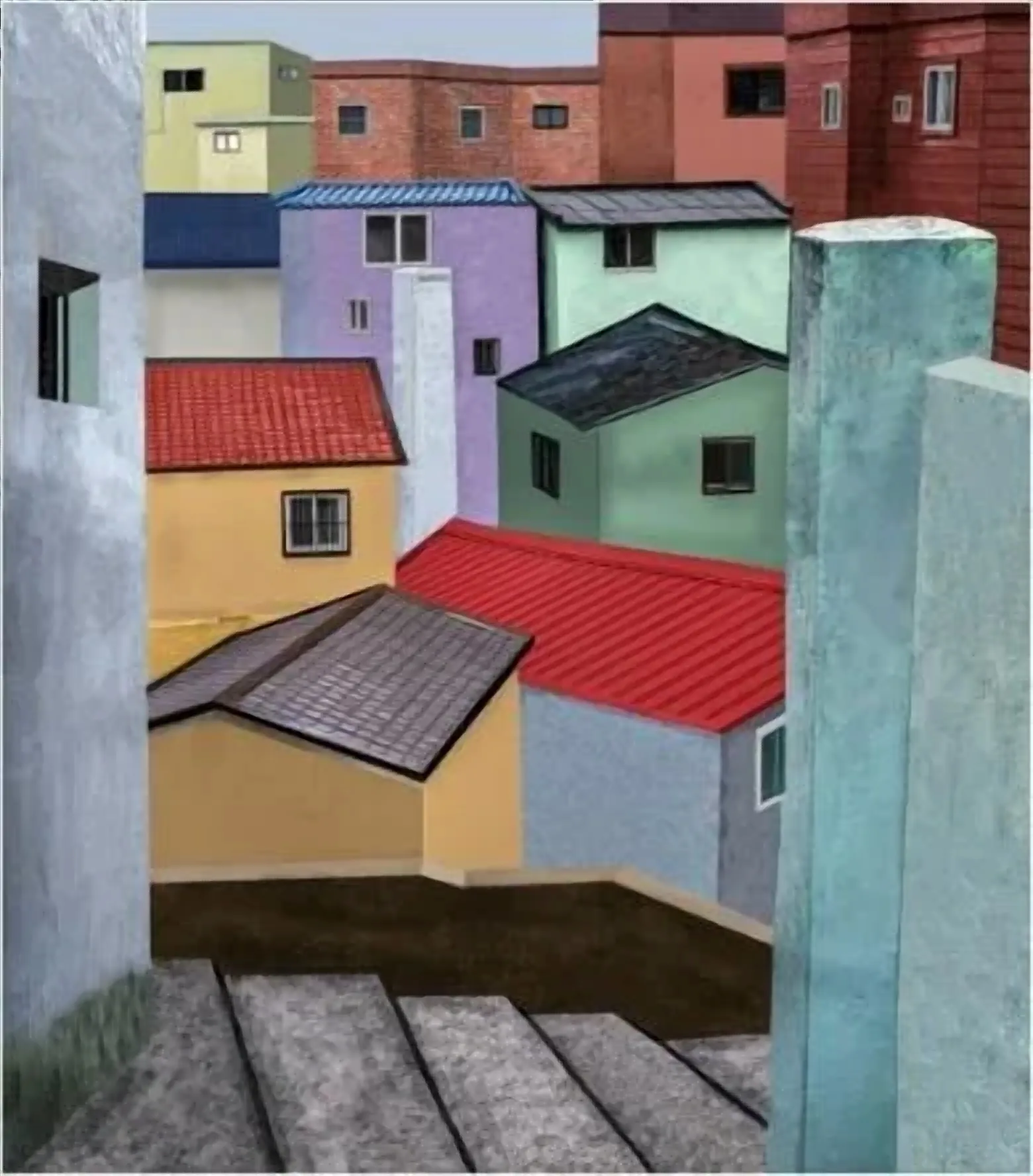
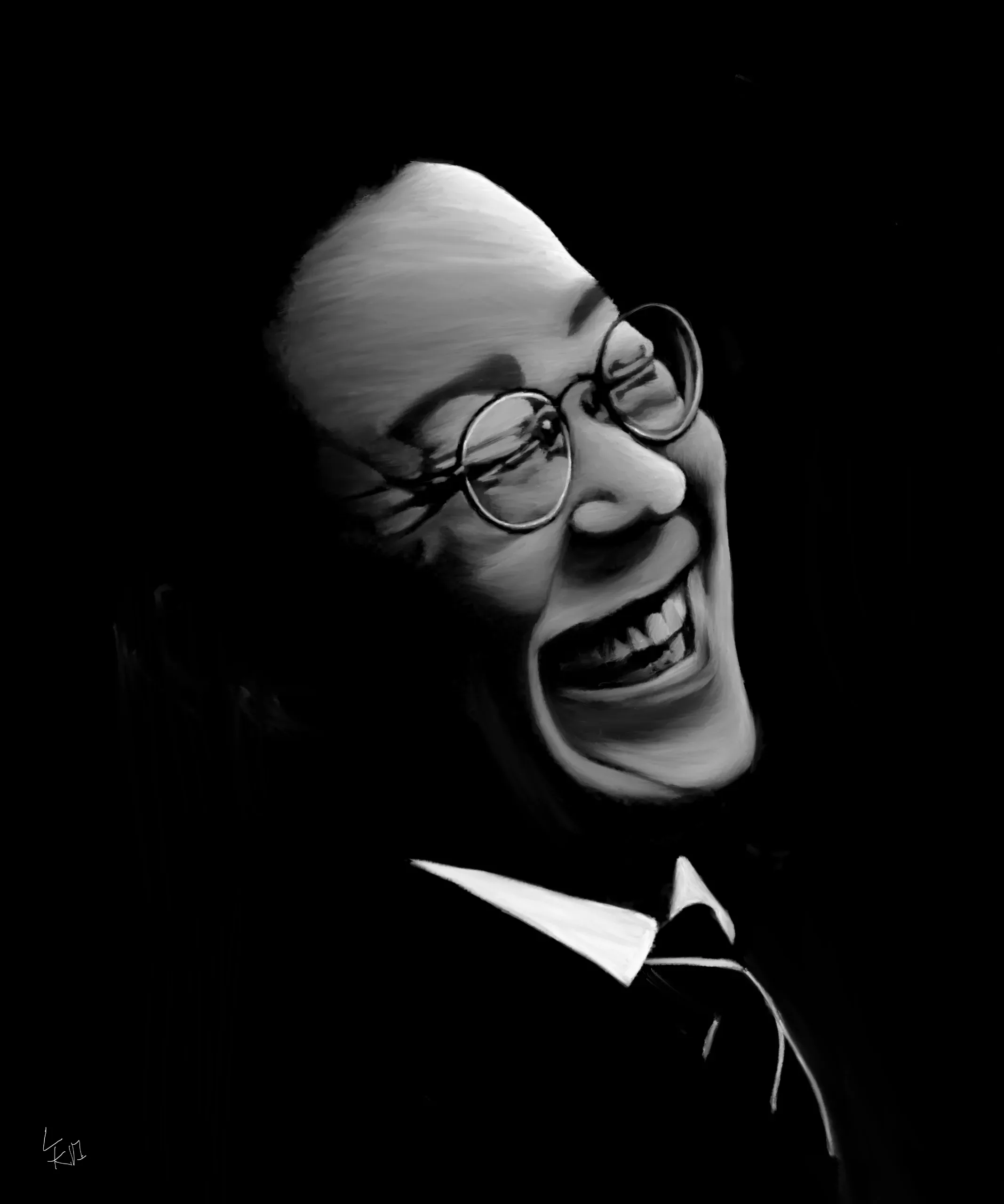
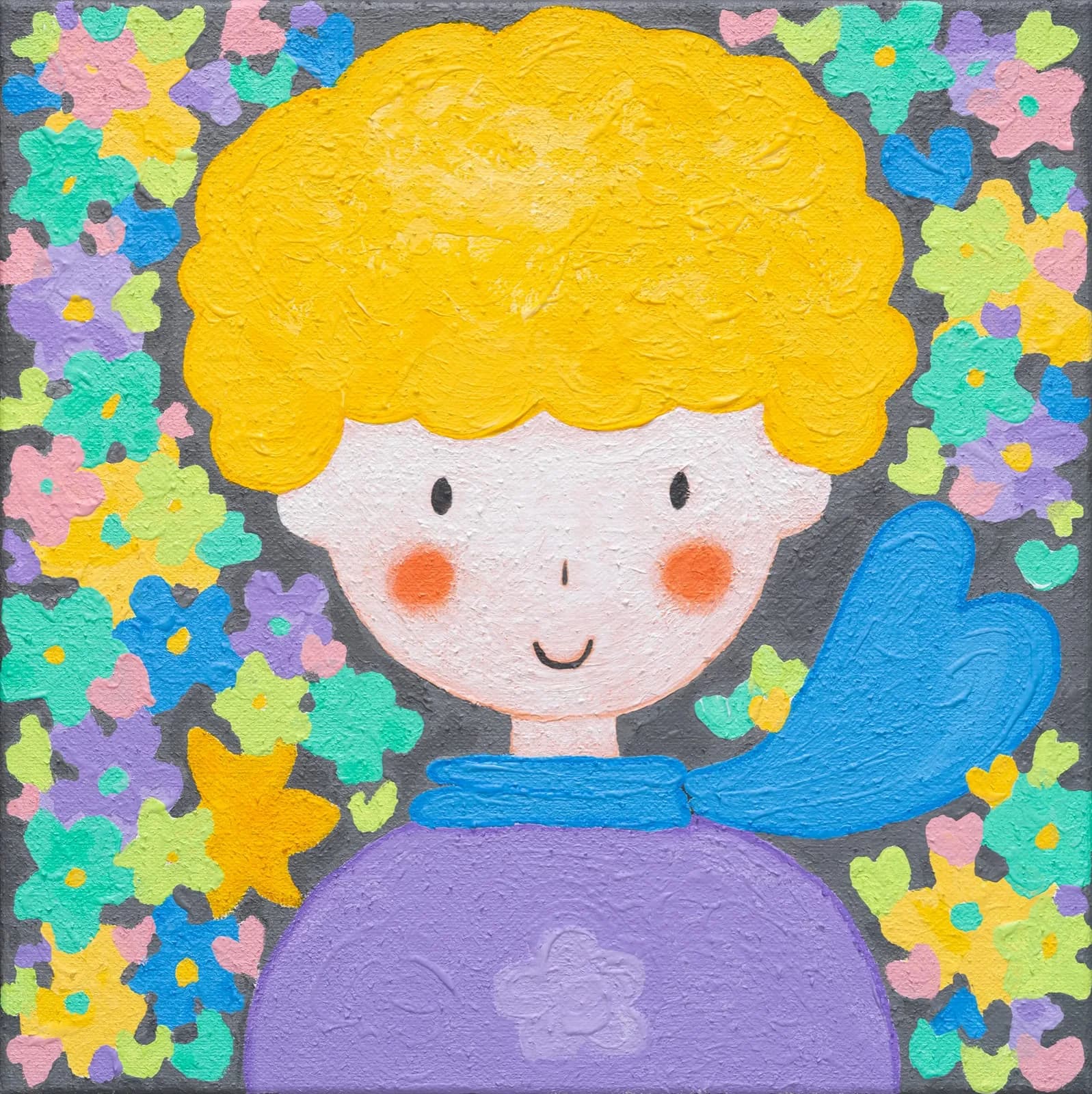
SAF 2026's online gallery (saf2026.com) lists 903 works by 213 artists. Painting, print, photography, digital art — wide genre coverage.
One thing differentiates it from other online art platforms. Sales revenue becomes a mutual-aid fund, which returns as 5% fixed-rate loans to artists excluded from the formal finance system.
84.9% of Korean artists can't access bank lending. 48.6% use high-interest private finance. SAF's mutual-aid fund has issued 354 loans since December 2022 and disbursed about ₩700M, with a 95% repayment rate.
A structure where the act of buying becomes someone's financial safety net. Meeting art without a museum, and that meeting continuing to protect another artist's practice.
The Easiest Way to Start With Art
Bringing art into daily life is not grand. A few practical steps.
- Start by exploring online galleries. Browsing 903 works at SAF's online gallery costs no admission and no travel time. A smartphone is enough.
- Start owning with a ₩300K-range edition print. If originals feel heavy, begin with a limited-edition print. Artist-authorized prints are not reproductions — they are fully work.
- Read the artist's story alongside. Don't just look. Read the artist note and profile. Context changes the depth of viewing entirely.
- Hang it. The moment you actually put the work on a wall, your relationship with art shifts. A piece seen daily starts to look different over time.
Museums being far doesn't mean art has to be far. Inside your screen right now, 354 originals are waiting.
Further Reading
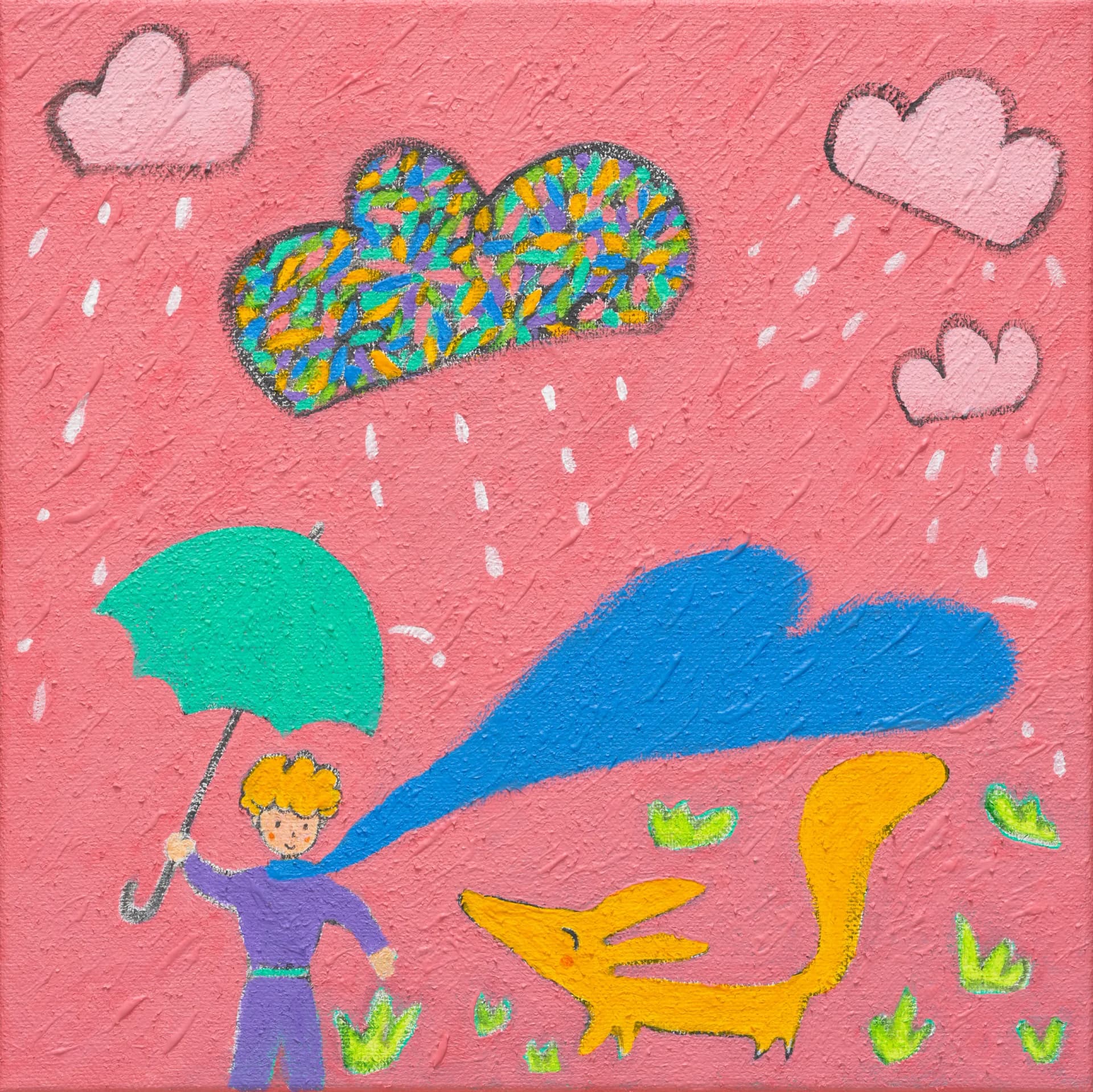
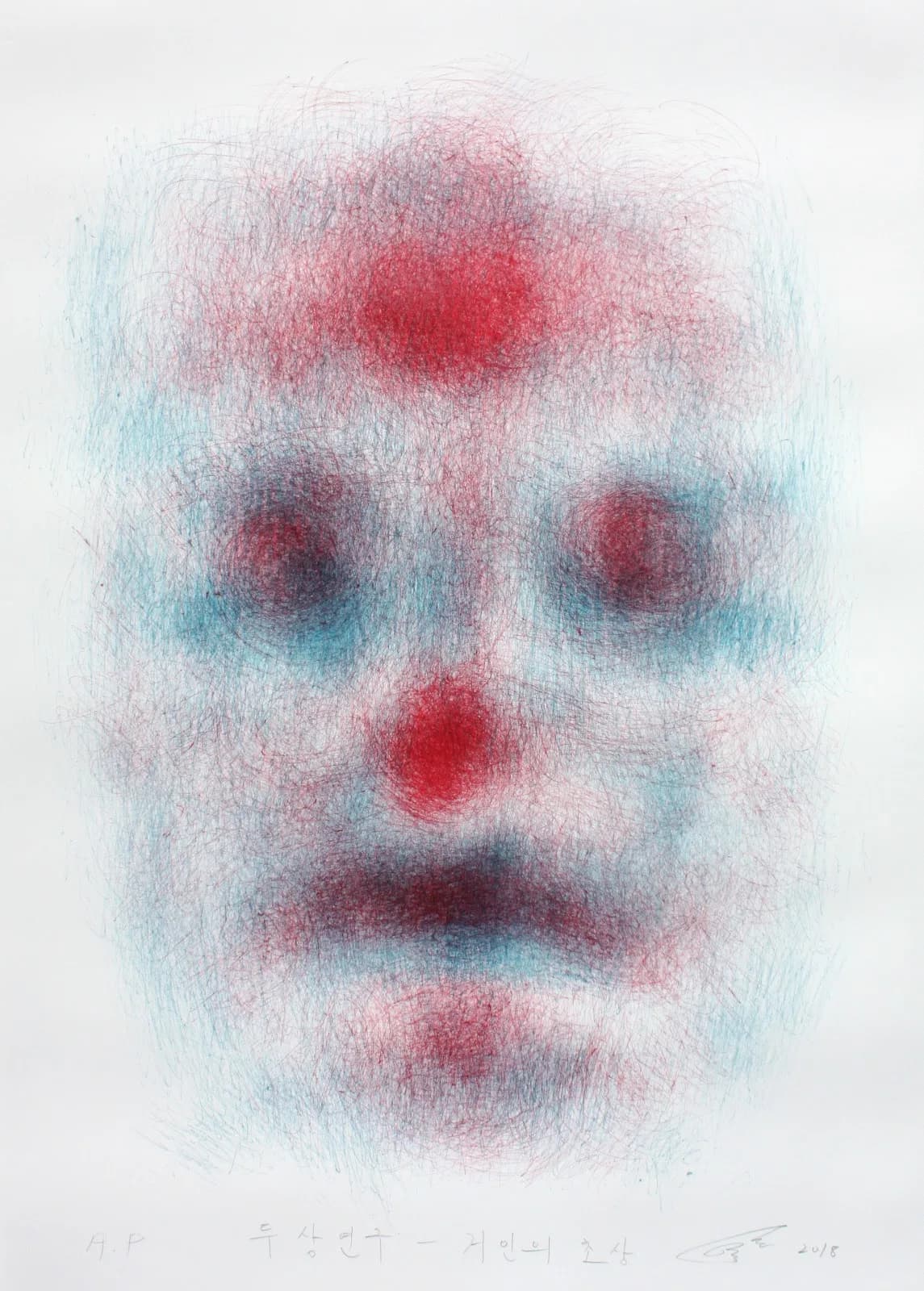
Start Collecting
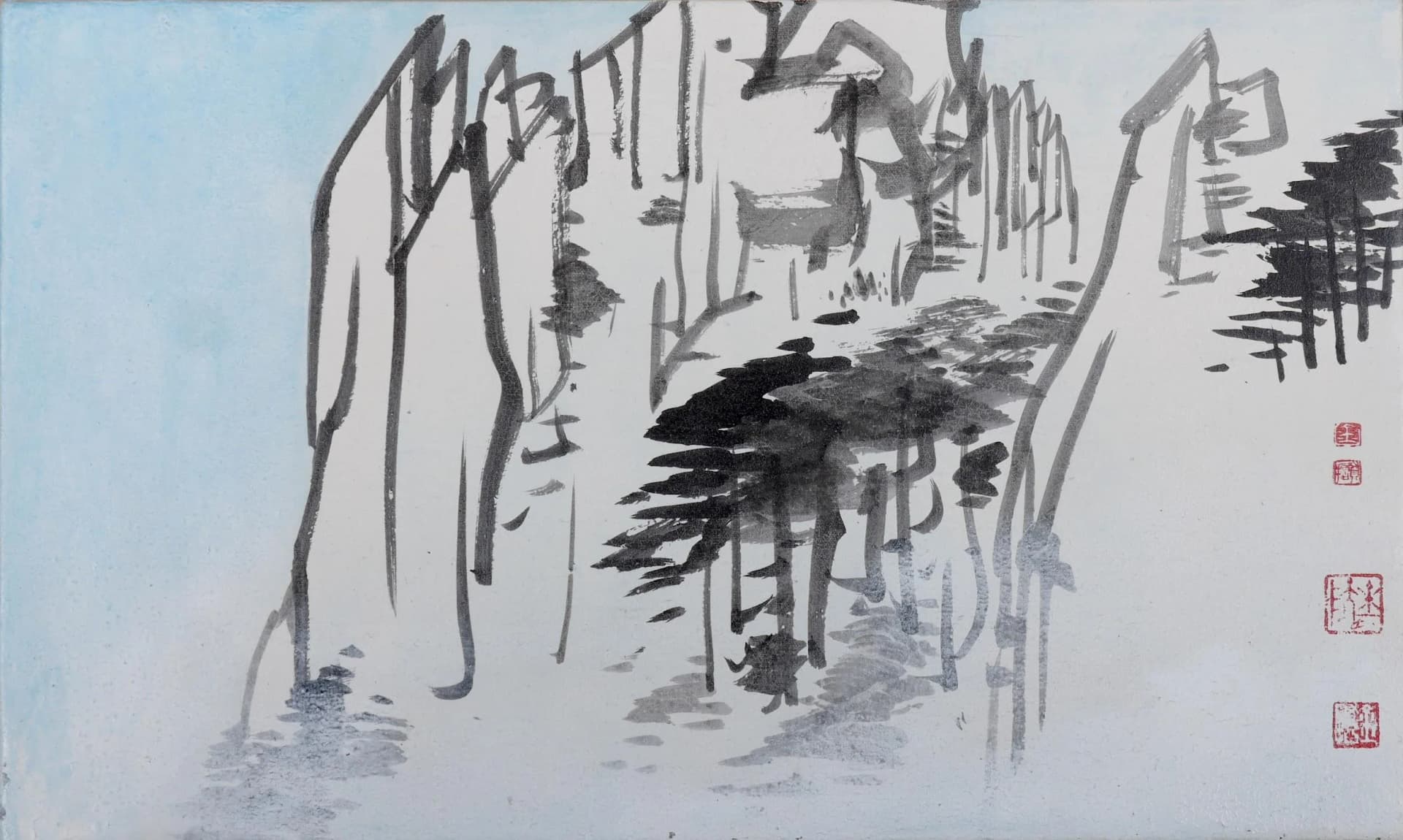
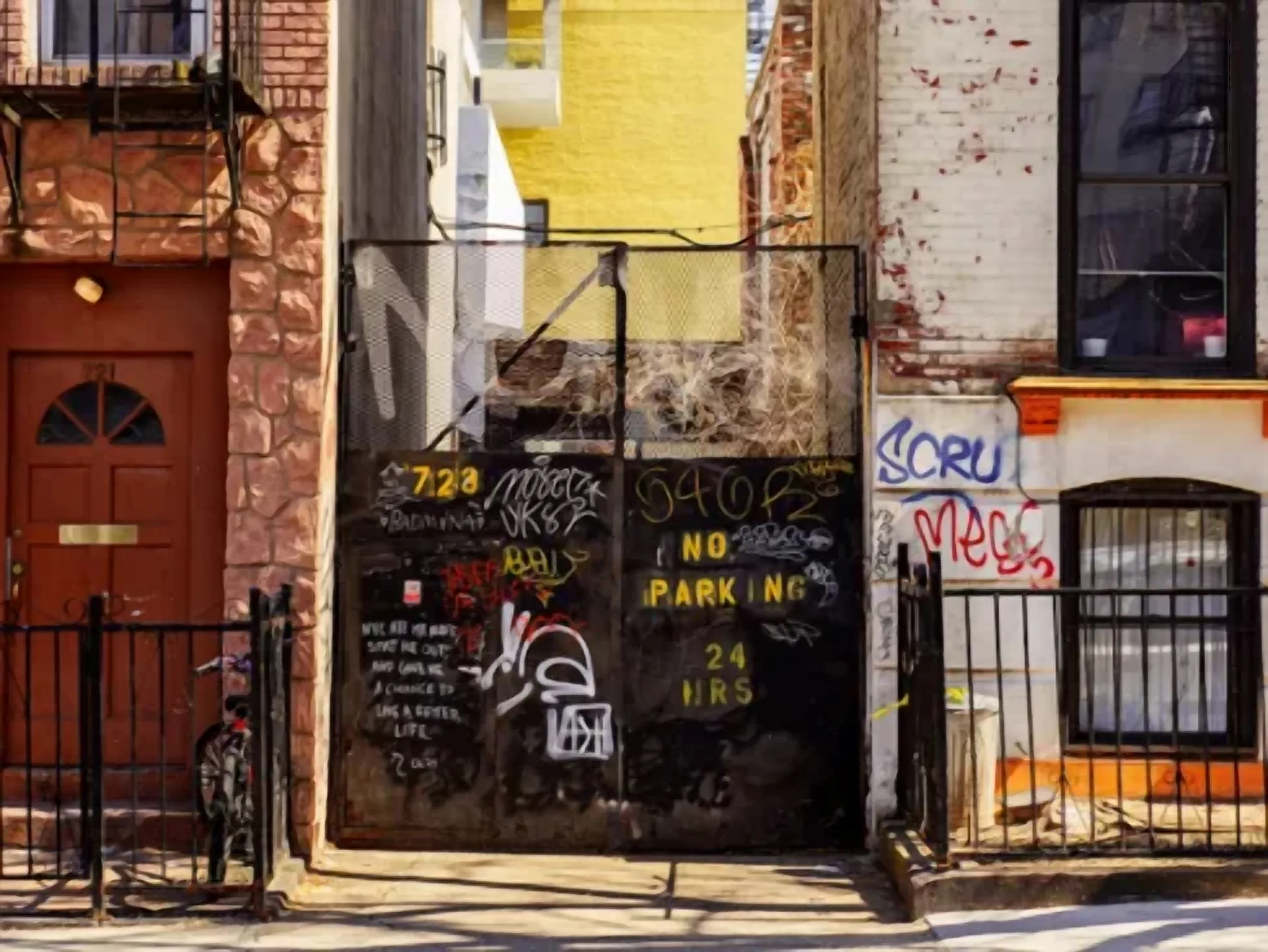
Exhibitions On Now
SAF gathers exhibition listings from the Seoul culture portal and from museum and gallery announcements, and keeps them in Exhibition News(공개 예정) — what is running now and what opens soon, with venues and dates, refreshed every morning.
Related reading
If this piece helped, you may also enjoy these related articles:
Seed Art Festival
·