Kukje, Gallery Hyundai, Arario, Hakgojae, PKM, Doosan. A one-day route through Korea's art mecca in Anguk-Samcheongdong, with galleries, restaurants, and cafés to make a day of it.
A One-Day Walk Through the Anguk-Samcheongdong Gallery District
If you want to see the most galleries in the shortest time in Seoul, the neighborhood is Anguk and Samcheongdong. Within a 2 km walking radius from Exit 1 of Anguk Station you'll find eight to ten of Korea's leading galleries, threaded together by cafés, restaurants, antique shops, and traditional hanok houses. To call this the address book of Korean art is no exaggeration.
This guide lays out an Anguk → Samcheongdong → Gyeongbokgung route so a first-time visitor can walk eight galleries deeply in a single day without getting lost.
The Eight Galleries at a Glance
| Gallery | Character | Signature Artists |
|---|---|---|
| Kukje Gallery | Korea's top-tier gallery — Dansaekhwa and contemporary masters | Park Seo-Bo, Chung Sang-Hwa, Ha Chong-Hyun, Anish Kapoor |
| Gallery Hyundai | The home base of Korean modern art since the 1970s | Nam June Paik, Lee Ufan, Lee Kun-Yong |
| Hakgojae | Dansaekhwa and Korean contemporary painting | Song Hyun-Sook, Kim Minjung, Hwang Jaihyoung |
| Arario Gallery | Korean and Asian contemporary | Jeong Soo-Jin, Kang Seokyeong, Chiharu Shiota |
| PKM Gallery | Strong on Korean modernism and abstraction | Kim Whanki, Yoo Youngkuk, Noh Sang-Kyoon |
| Doosan Gallery | A discoverer of emerging and mid-career artists | Kim Sangjin, Lee Eunsae, Park Jiwon |
| Gallery Bundo | Korean ink painting and drawing | Lim Ok-Sang, Lee Jong-Gu line |
| Gallery Soo | Beginner-friendly, including more accessible price points | Emerging Korean artists |
Recommended Route — A Four-Hour, Eight-Gallery Day
09:30 — Depart from Exit 1, Anguk Station
Why Exit 1: The gallery district unfolds northwest from Anguk Station. Take Exit 1, cross one signal, and you're at your first stop (Arario or Hakgojae). Exit 6 leads toward Jongno and adds five extra minutes.
09:45–10:30 — Hakgojae
- 5 minutes' walk from Anguk Station
- Founded 1988; a central stage for Korean contemporary painting and drawing
- Regular exhibitions of 1970s-born Korean abstract painters such as Song Hyun-Sook and Kim Minjung
- Free admission, closed Mondays
10:30–11:30 — Gallery Hyundai + Dugahun
- 3 minutes' walk from Hakgojae
- Founded 1970, the starting point of Korean modern and contemporary art — the original Korean dealer for Lee Ufan, Park Soo-Keun, and Kim Whanki
- Visit the main hall and Dugahun (annex) together
- Free admission
11:30–12:30 — Kukje Gallery
- 2 minutes' walk from Gallery Hyundai
- A three-building complex (K1, K2, K3); Korea's top-tier gallery
- The principal dealer for the Dansaekhwa Four (Park Seo-Bo, Chung Sang-Hwa, Ha Chong-Hyun, Chung Chang-Sup)
- Korean exhibitions for global artists (Anish Kapoor, Julian Opie, Ugo Rondinone)
- Free admission. Lines form often — weekday mornings recommended
12:30–14:00 — Lunch in the Samcheongdong Alleys
Recommendations:
- Korean restaurants near Samcheonggak — set menus and hanjeongsang in the ₩35,000–50,000 range
- Samcheongdong Sujebi — ₩7,000, especially crowded on rainy days
- Nunnamujip Kongbiji — set menu around ₩20,000
- MMMG Café — light lunch and coffee, around ₩10,000
Gallery staff also lunch at this hour, so plan gallery visits for 14:00 onward.
14:00–14:45 — PKM Gallery
- In the heart of Samcheongdong
- A lineup of Korean modernism and abstraction — Kim Whanki, Yoo Youngkuk, Noh Sang-Kyoon
- A relatively small space, but the density of each work is high
- Free admission
14:45–15:30 — Arario Gallery
- 3 minutes' walk from PKM
- Korean and Asian contemporary artists — emerging masters like Jeong Soo-Jin and Kang Seokyeong
- Frequent Korean exhibitions of Japanese artists like Chiharu Shiota and Yutaka Matsuzawa
- Free admission
15:30–16:15 — Doosan Gallery
- 5 minutes' walk from Arario
- The home base for discovering emerging and mid-career artists. Through the Doosan Art Lab program, first solo exhibitions for emerging artists are common
- A great place for entry-level collectors to encounter works in the ₩1–5 million range
- Free admission
16:15–17:00 — Gallery Bundo + Gallery Soo (optional)
- 5 minutes' walk from Doosan
- Gallery Bundo focuses on Korean ink painting and drawing; the beginner-friendly Gallery Soo is nearby
- If time is tight, choose one
17:00–18:00 — Café and reflection
- Café Onion Anguk — a hanok-converted bakery and coffee shop, famous for its Korean-style breads
- Café Mother Light — a quiet atmosphere ideal for reflecting on what you saw today
- Walk along Samcheongdong Road toward Insadong — about 15 minutes on foot
18:00 — Wrap up at the entrance to Insadong
- A drink or meal on Insadong street — light makgeolli or traditional Korean fare
- 10 minutes on foot to Jonggak Station; 5 minutes back to Anguk Station
What to Know When Visiting Galleries
1. Admission is almost always free
Around 99% of the private galleries in Anguk-Samcheongdong charge no admission. Museums (MMCA Seoul, Seoul Museum of Art) require separate tickets. Don't hesitate to walk in — it's free.
2. Ask politely about prices
It's normal for there to be no price tag. "May I see the price list?" is enough. Gallery staff welcome the question — that's their job.
3. Photography
Usually allowed, with some works marked 'No Photo'. Even where there's no marking, asking a staff member first is good etiquette.
4. Dress code
No suit required. Clean, neat casual is enough. That said, athletic wear and shorts feel a little out of place. Galleries are spaces built around the work, and respecting that calm atmosphere is a matter of manners.
5. Bags
Large backpacks and rolling cases should go into the entrance lockers. In tight gallery spaces, accidentally brushing a work can lead to incidents galleries are very cautious about.
Other Textures of an Anguk-Samcheongdong Walk
This is a neighborhood you'd be sorry to leave at the gallery door. Between the galleries, layers of Korean time still flow, and walking the alleys with the same eye you used inside the gallery yields its own kind of seeing.
Antique and traditional craft shops
- Insadong street — Insadong ceramics and calligraphy supplies
- Bukchon Hanok Village — 15 minutes' walk; pairs naturally with the gallery course
- Samcheongdong hanji and brush shops — where Korean ink painters source their materials
Linking with museums
- MMCA Seoul — 7 minutes from Anguk Station, easily a separate day (compare the four MMCA branches)
- National Folk Museum of Korea — inside Gyeongbokgung, for adding depth to traditional Korean art
- Gyeongbokgung Palace — the most direct place to feel the grain of Korean ink painting and traditional pictorial art in person
How These Galleries Connect to SAF
If you find a sensibility you love at a gallery in Anguk-Samcheongdong, you can meet the same sensibility in the work of artists at the SAF Gallery. Hakgojae's Korean contemporary painting line, Gallery Hyundai's monochrome and traditional-medium line, Arario's emerging-artist line — all overlap with the practices of the 213 SAF artists.
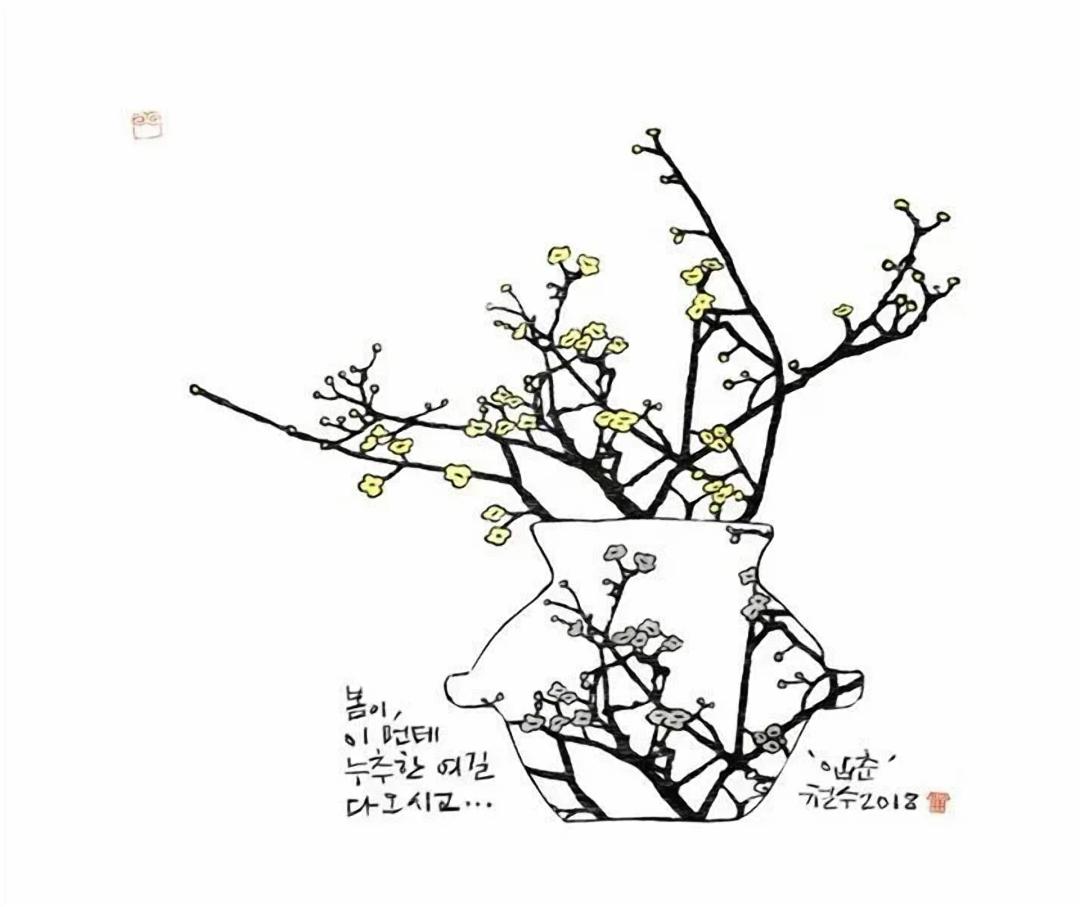
Lee Cheolsoo's Ipchun, cited above, is a fine example of contemporary work in traditional Korean media in the Hakgojae–Gallery Hyundai vein, while contemporary Korean ink painters like An Eun-kyung sit close to the territory Gallery Bundo cultivates. Compared to the gallery price points (typically ₩10 million and up), SAF lets you meet works of the same sensibility more directly.
Frequently Asked Questions
Q. If I buy a work at a gallery, will I face awkward haggling? A. No. Reputable galleries set clear prices, and bargaining is not part of the culture. That said, first-time buyers and serious collectors are sometimes offered a 5–10% discount, so for a work you're seriously considering, it's reasonable to discuss with the gallerist.
Q. Are card payments accepted? A. Mostly yes. For larger works, bank transfer or installment plans are sometimes recommended. Payment methods are explained at the time of purchase.
Q. Can I bring young children? A. Yes, but be mindful that children should not touch the works. Damage to artworks can mean very expensive compensation. Strollers are awkward in tight gallery spaces. Larger galleries (Kukje, Gallery Hyundai) have more room and are relatively more comfortable.
Q. Where should I start as a first-time visitor? A. Gallery Hyundai → Kukje Gallery, in that order. Seeing the starting point of Korean modern art (Gallery Hyundai) before the apex of the Korean market (Kukje) builds your eye more naturally.
Q. Are galleries open on Sundays? A. It varies. Most close on Mondays, and some also close on Sundays. Check each gallery's Instagram or website before visiting. Saturday is the safest day.
Q. What if four hours is too much? A. Pick three and go deep. Gallery Hyundai, Kukje Gallery, and Hakgojae together hold the core of Korean art and are the most efficient choice for a first-time visitor. You can spend an hour at each and really see the work.
In Closing
Anguk and Samcheongdong are the visual home base of the Korean art market. Whether you're starting to collect or simply love art, this is a street to walk at least once. If eight galleries in a day feels like a lot, narrow it to three and walk slowly through the hanok alleys in between. You'll see, in the neighborhood itself, where Korean art grew up.
Related reading
If this piece helped, you may also enjoy these related articles:
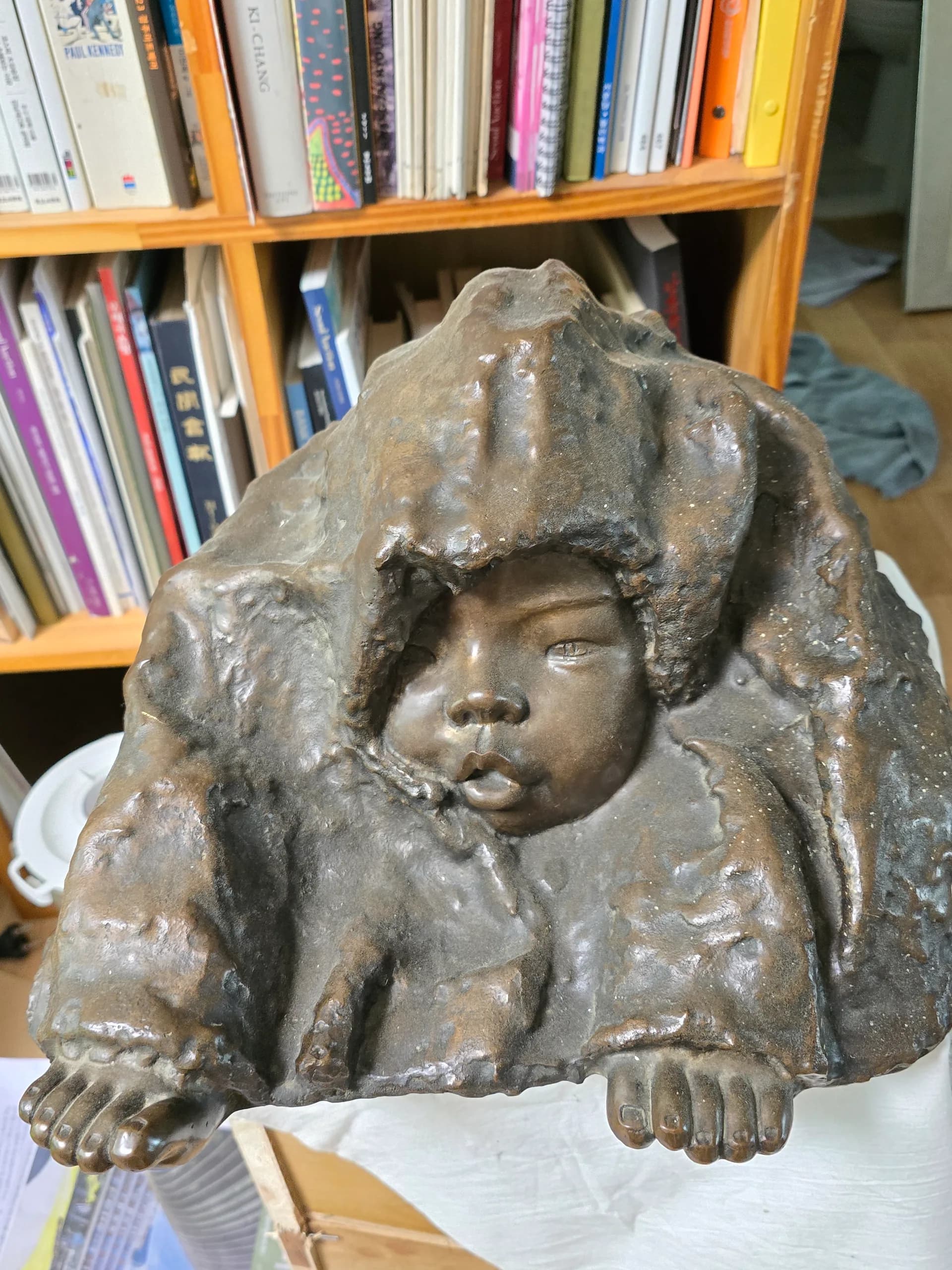
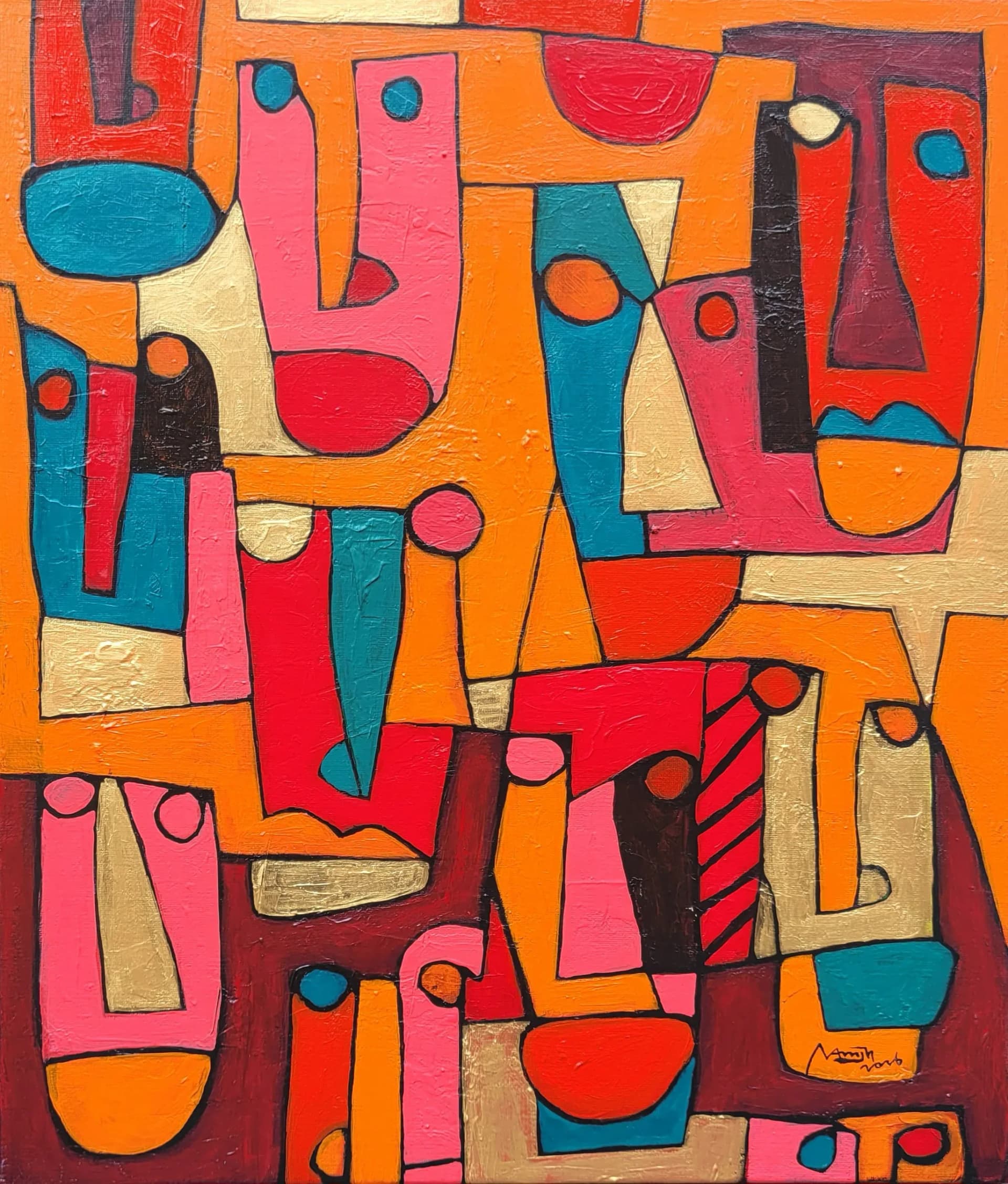
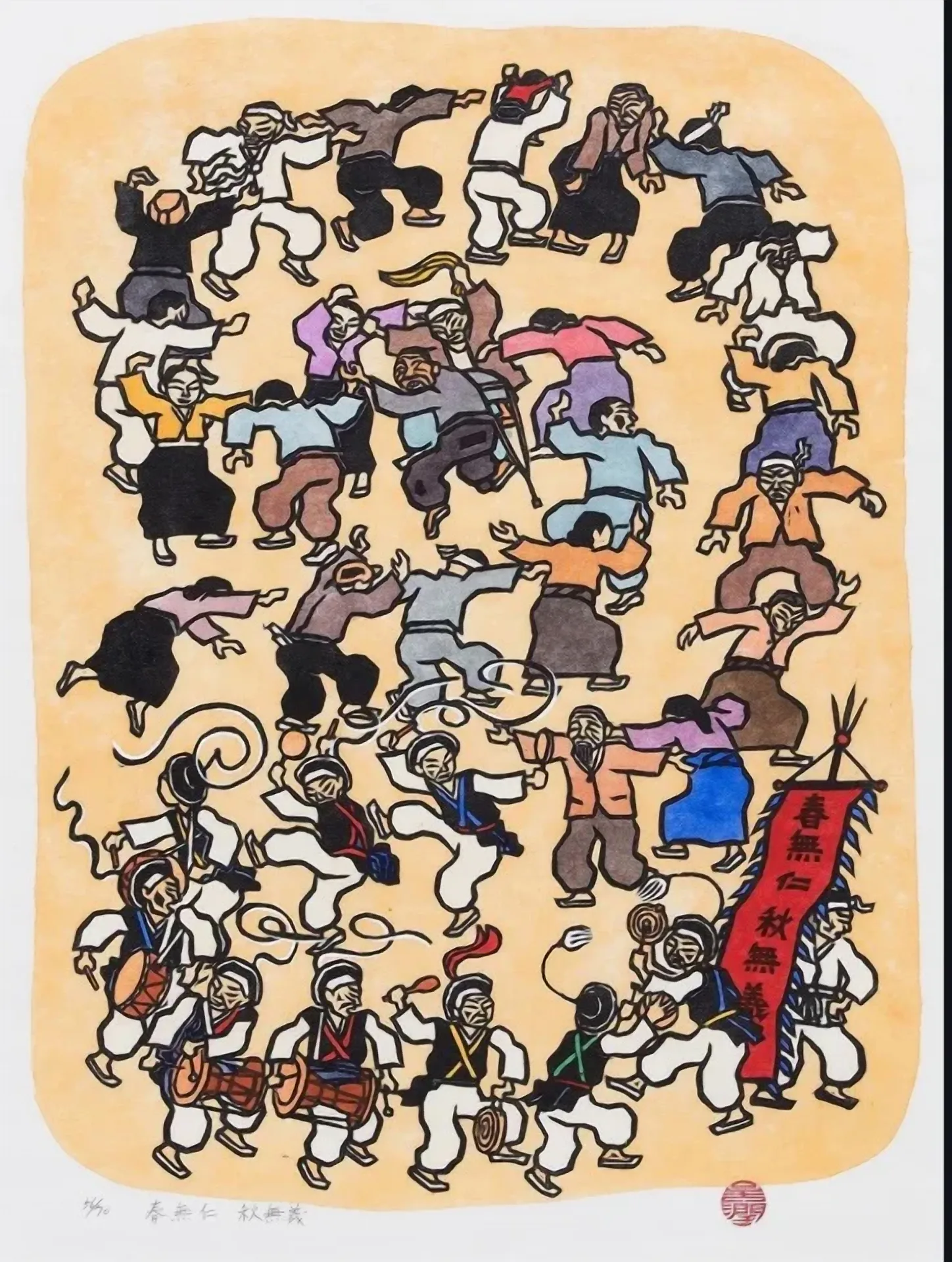
Browse Korean contemporary artists at SAF →
Related Guides
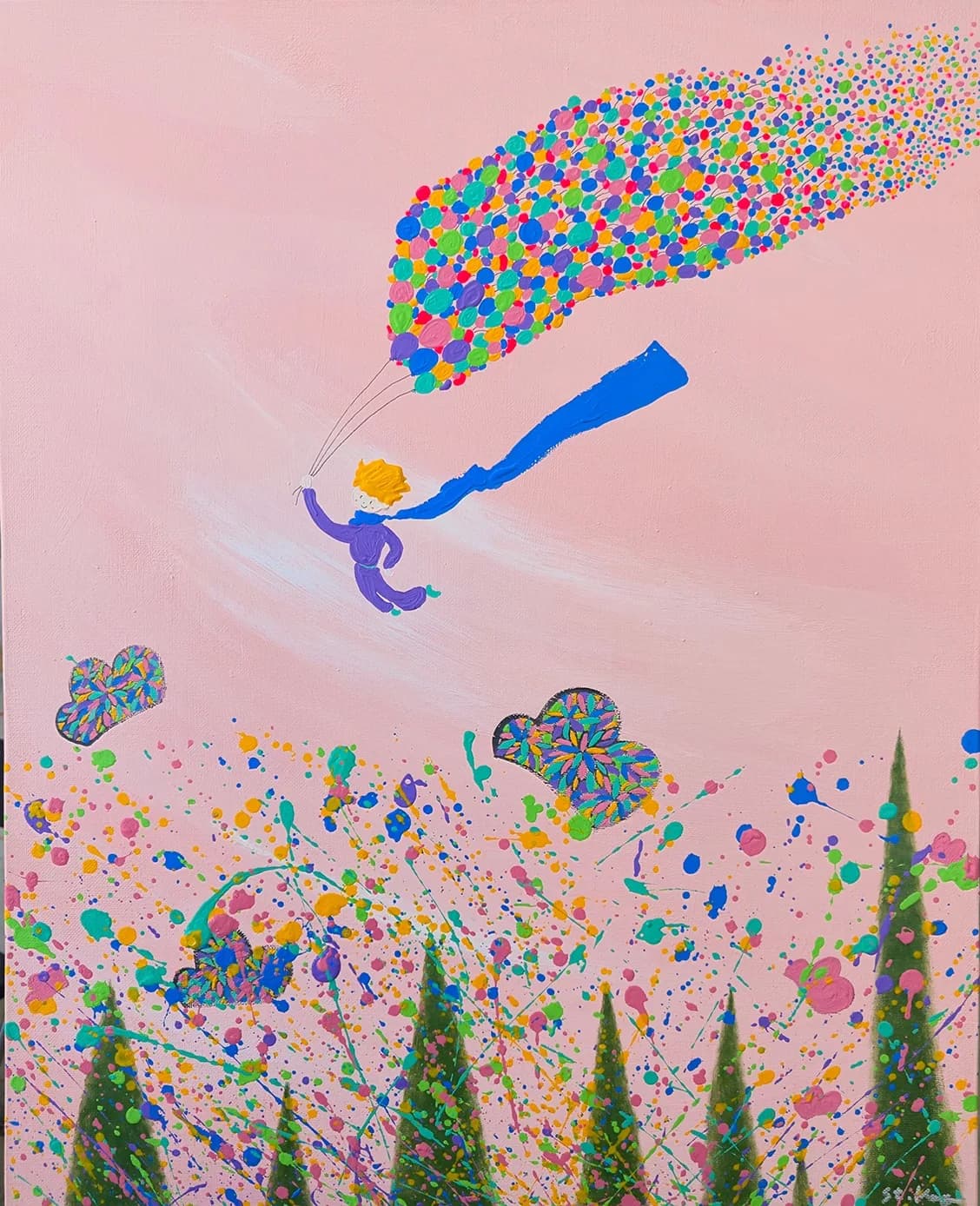
Explore Further
Seed Art Festival
·