The same painting costs ₩3M at a gallery and ₩2M direct from the artist. What does the markup buy you, and when is it worth it? An honest comparison of four buying channels.
Collector path
Works to view after this guide
Use the guide below to understand the work, then compare available artworks in the gallery.
Gallery vs. Direct from the Artist — A Full Comparison of Where to Buy Art
The same painting by the same artist costs KRW 3 million at a gallery and KRW 2 million from the artist directly. Where does that KRW 1 million difference come from, and what makes it worth absorbing?
This piece compares the four channels for buying art — gallery, direct from artist, art fair, online — honestly. There's no single winner. The right answer depends on the situation.
Start With Price — What the Gallery Commission Actually Is
The most important fact first: gallery prices include a 50% commission.
This isn't a conspiracy or gouging. It's the standard practice in the Korean art market and similar to art markets worldwide. Galleries take work on consignment from artists and keep 50% of sales. (Major international galleries take 60–70%.)
So a work priced at KRW 3 million in the gallery returns KRW 1.5 million to the artist; if the artist sells the same work directly, even at KRW 2–2.5 million, more lands in the artist's hands.
So should everyone buy direct? No. The gallery commission isn't merely a middleman fee — it bundles multiple values.
Let's see what that 50% buys.
(1) Gallery — Safest, Priciest
What the Gallery Price Includes
The 50% commission carries the following:
- Authenticity guarantee — The gallery effectively guarantees authenticity for the works it handles. If a forgery surfaces, the gallery is responsible for refund and remediation.
- Artist vetting — Galleries select represented artists carefully. Gallery representation itself is a form of screening.
- Collector matching — Curating between an artist's practice and a collector's eye. A good gallerist is less salesperson, more art consultant.
- After-care — Conservation advice, framing recommendations, resale consulting, valuation 5–10 years later.
- Resale market access — An artist needs to be inside the gallery system to enter auction markets. This is the heart of long-term value preservation.
When the Gallery Channel Is Right
- Works above KRW 10 million — authenticity guarantee carries proportional value
- Starting a serious collection — gallerist guidance helps
- Works bought with resale in mind — gallery provenance matters later
- When you're unsure of the artist's art-historical position — represented artists have already passed a screen
Drawbacks
- Most expensive channel
- Limited to represented artists, narrowing choice
- Emerging artists are often unrepresented
- A formal atmosphere — can feel intimidating to newcomers
(2) Direct from the Artist — Most Reasonable, but the Risk Is Yours
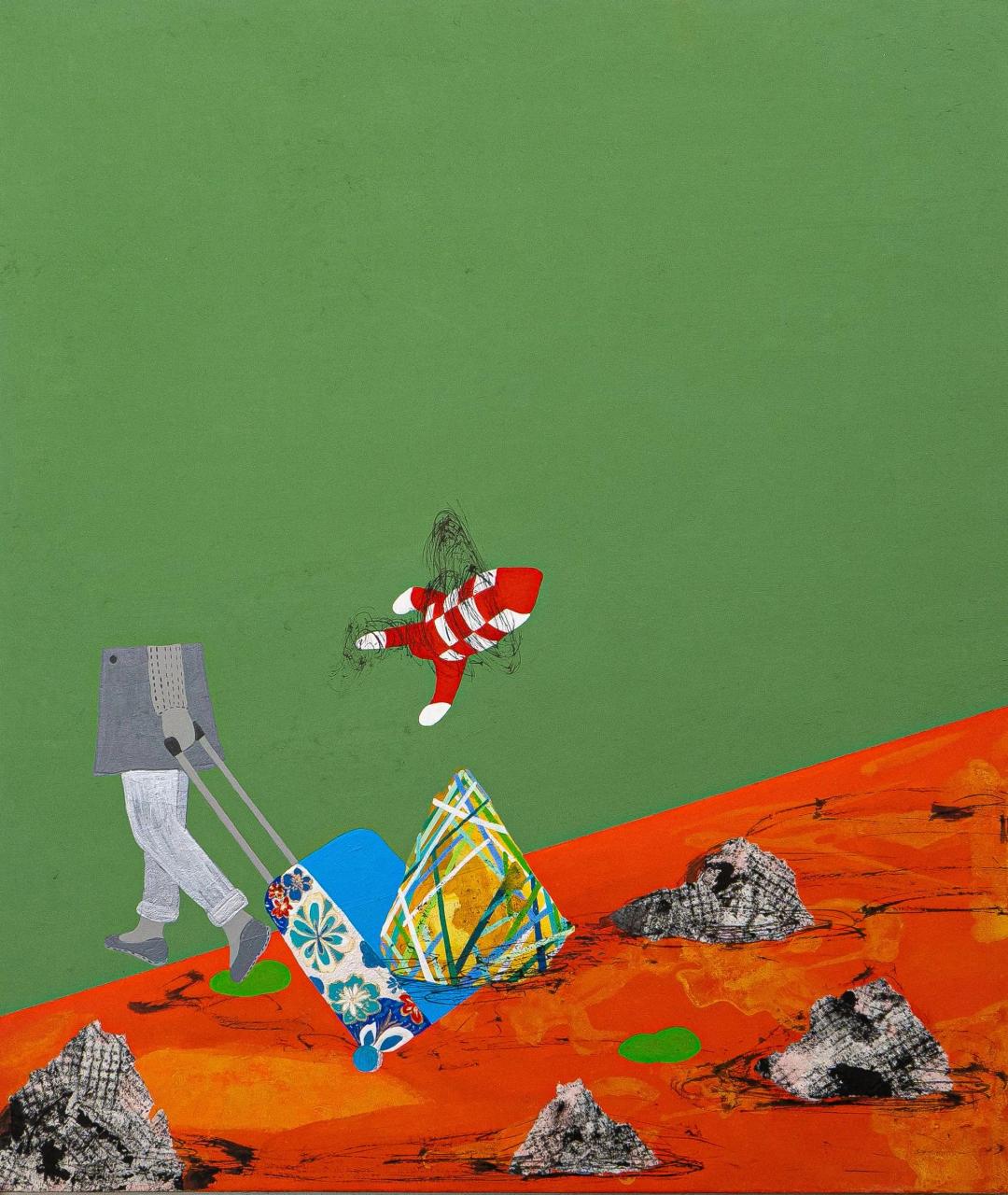
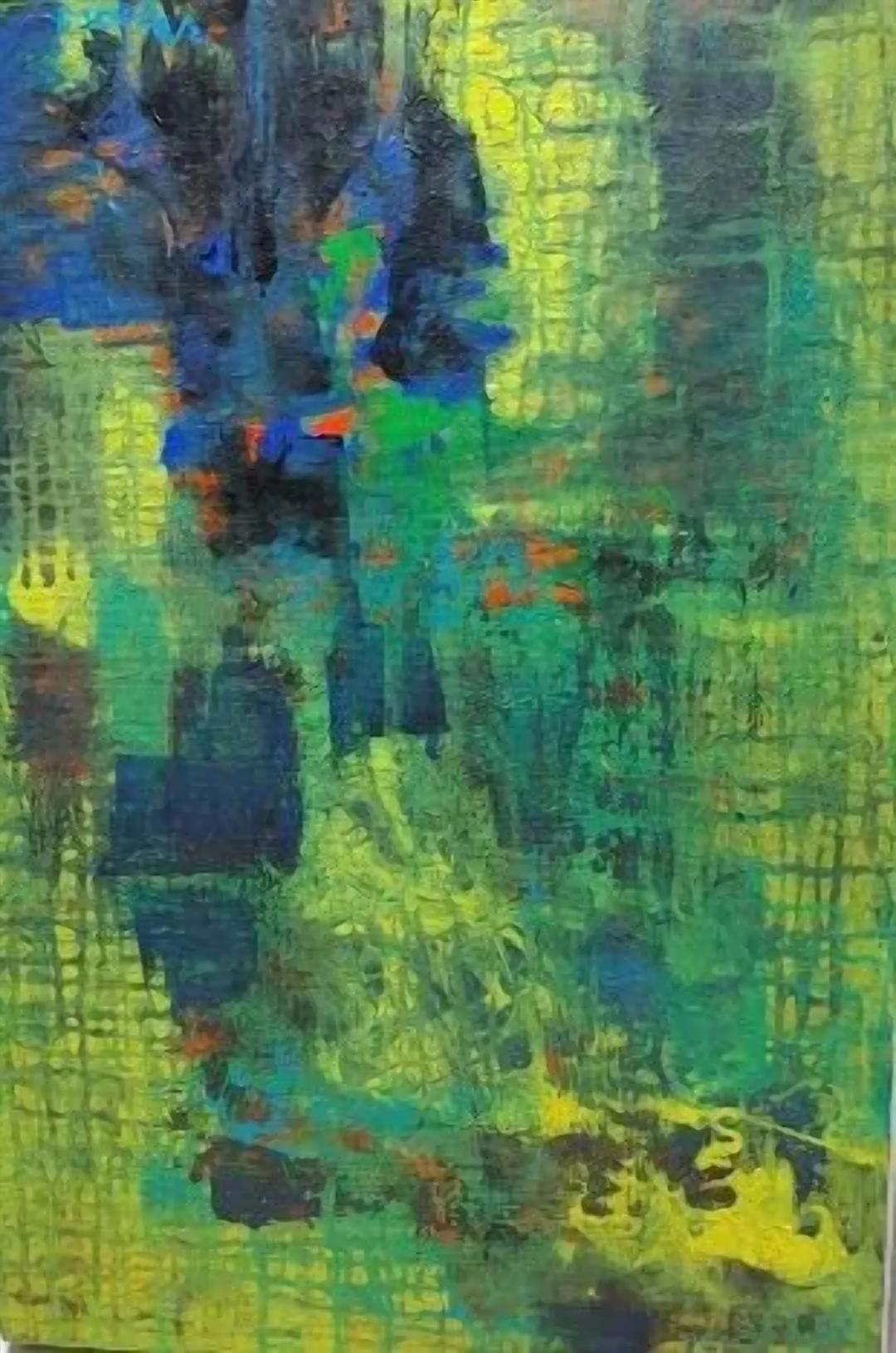
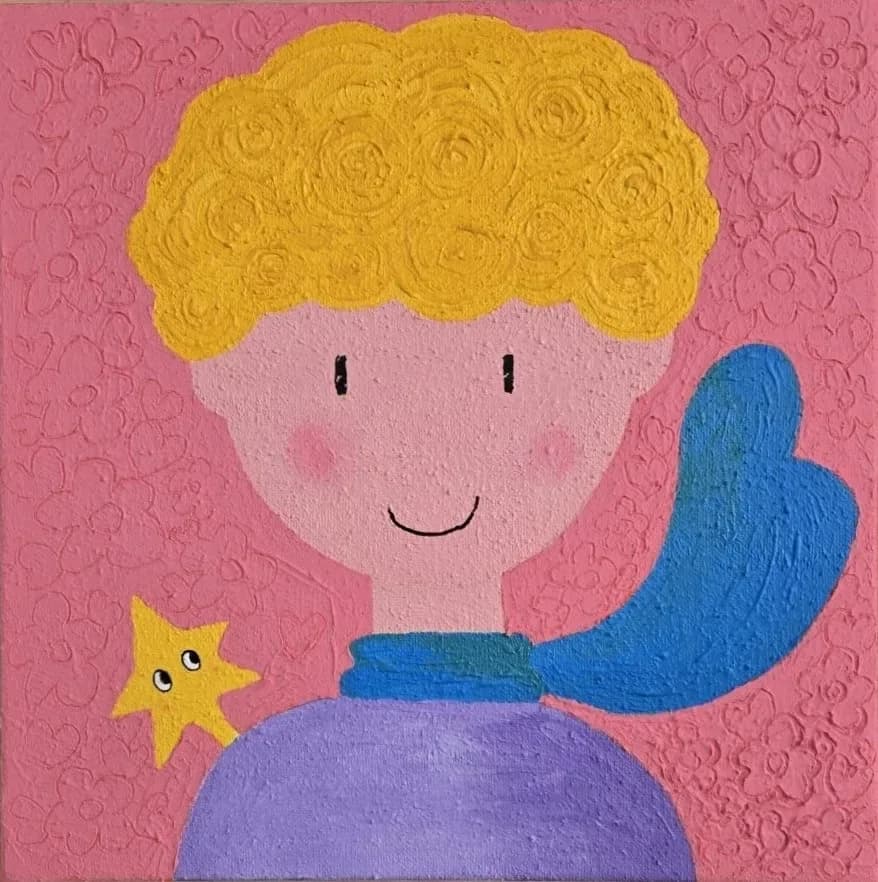
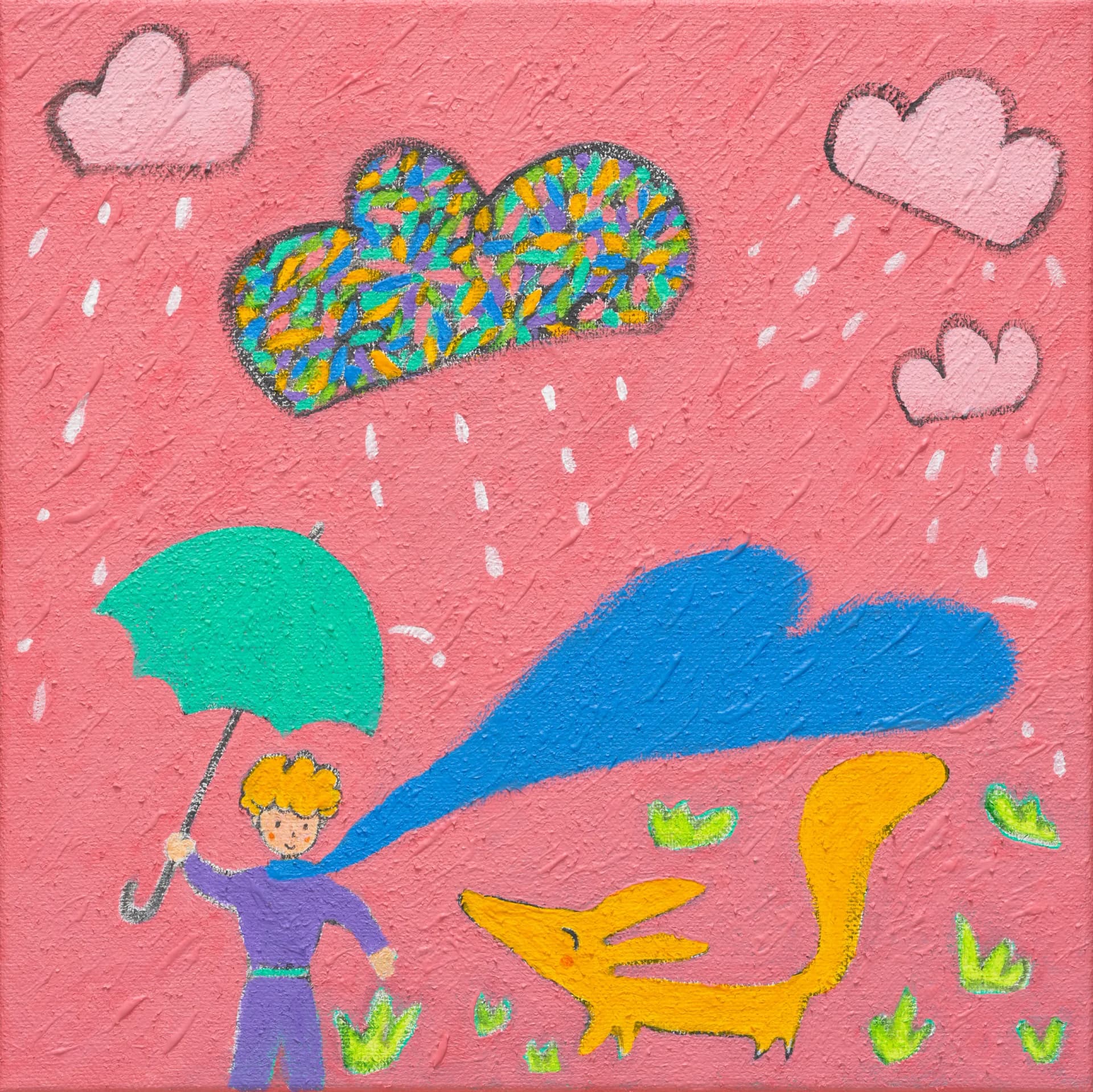
An Eun-kyung — Captures everyday warmth in a delicate palette. A prime example of an artist who meets collectors directly through artist-run platforms.
What "Direct" Means
Visiting the artist's studio in person, or buying through their SNS, website, or email. Increasingly common in the Korean art market.
Strengths
- Most reasonable price — Without gallery commission, the same work costs 30–50% less
- Direct conversation — Hearing the work's story, intent, and series context from the artist
- Studio visits — Seeing work in the studio deepens understanding
- Discovery of emerging artists — Find good artists not yet inside any gallery system
Drawbacks and Pitfalls
- No authentication — The artist won't fake their own work, but "impersonation" scams exist. Verify the artist personally.
- Limited after-care — The artist may not be expert in conservation. Framing, transport, insurance fall on you.
- Hard to enter resale markets — Direct purchases lack a transaction record, so they're under-validated for future auctions
- Awkward price negotiation — In Korean culture, asking an artist for a discount is uncomfortable. Artists may not be skilled negotiators either.
When Direct Buying Works
- The KRW 1–5 million range
- When you want to know an artist's practice deeply
- For collectors past their first few works
- When the artist has accessible SNS or a website
Direct-Purchase Checklist
- Confirm the artist personally — Begin the transaction through the artist's official SNS or website. Be skeptical of intermediaries.
- Certificate of authenticity — Get a hand-written certificate (title, year, signature, materials, price)
- Contract or invoice — Not just a transfer receipt, but a document with the work's details
- A photo of the artist with the work — Useful for future verification
(3) Art Fair — A Compressed Art Market
What an Art Fair Is
Dozens of galleries gathering at one venue for several days of sales. In Korea, KIAF, Frieze Seoul, BAMA, and ART BUSAN are the major events.
Strengths
- Many galleries at once — Compare 100–200 galleries' work without traveling between them
- Direct gallerist access — Gallery directors usually staff the booths
- Possible discounts — Negotiation is more feasible on closing days
- Trend reading — A direct sense of which artists the Korean market is paying attention to
Drawbacks
- Snap-decision risk — Pressure to decide within days
- High prices — Gallery commission plus booth costs
- Crowded environment — Hard to view works calmly
- Mixed quality — Fairs don't fully vet every gallery; forgeries and weak works can appear
When the Art Fair Channel Is Right
- A first look at the art market — for learning
- Comparison shopping — when you want to see many galleries at once
- Encountering work from international galleries you can't easily visit
Tips on the Floor
- Day 1, just look — Note prices, photograph works that move you
- Day 2, return and decide — Test whether the strongest first impression holds
- Closing day, try to negotiate — Politely asking "Is there any room on price?" is normal at fairs
(4) Online — The Emerging Standard
Online's Rise
The biggest shift in art markets post-pandemic has been the establishment of online sales. Online's share of the Korean market was under 5% in 2020; by 2024 it had grown to 25–30%.
Types of Online Channels
- Galleries' own online stores — Gana Art, Hakgojae, Gallery Hyundai
- Online art platforms — ArtnGuide, OpenGallery, GalleryK
- Artist direct (SNS, website) — Instagram DM, personal sites
- Mission-driven platforms — Platforms with embedded social value (e.g., the SAF online gallery)
- Auction sites — Online sales by Seoul Auction and K Auction
Strengths
- No time or place constraint — Compare 24/7
- Price transparency — Posted prices easily compared across platforms
- Detail — Read full artist biographies and work descriptions, beyond what a fair booth offers
- Return policies — Online standard is typically 7-day returns (rare in physical galleries)
Drawbacks
- No physical viewing — Color, texture, and scale read differently in person
- Trust issues — Unverified platforms carry forgery and reproduction risk
- Shipping accidents — Damage in transit is real
Online Checklist
- Platform reliability — Business registration, privacy certifications, operational history
- Return policy — 7-day unconditional returns are the standard
- Authentication — Whether the platform explicitly guarantees authenticity
- Free shipping with insurance — Especially for larger works, confirm transit insurance is included
For a full checklist, see Five-Step Online Art Buying Checklist.
Four Channels, Side by Side
| Channel | Price | Authenticity | Artist Contact | After-Care | Best For |
|---|---|---|---|---|---|
| Gallery | ★★★★★ (highest) | ★★★★★ | ★★ | ★★★★★ | Serious collectors, resale focus |
| Direct from artist | ★★ (most reasonable) | ★★★ (artist-verified) | ★★★★★ | ★★ | Mid-tier collectors, artist's followers |
| Art fair | ★★★★ | ★★★★ | ★★★ | ★★★ | Comparison shopping, learning |
| Online | ★★–★★★ | varies | ★–★★★ | ★★–★★★★ | First-time buyers, time-pressed |
Channel Recommendations by Price Tier
KRW 300,000–1,000,000
Online or direct is sensible. Galleries rarely carry this band (a 50% commission leaves little margin).
KRW 1,000,000–5,000,000
Direct or a trusted online platform. Buying through a gallery means paying 1.5–2x for the same work.
KRW 5,000,000–30,000,000
Gallery or online platform with independent appraisal. From here up, authenticity guarantees gain proportional weight, beginning to justify the gallery commission.
KRW 30,000,000+
Gallery, no exceptions. Authenticity guarantee, resale-market access, and after-care become decisive.
Where SAF Online Gallery Sits
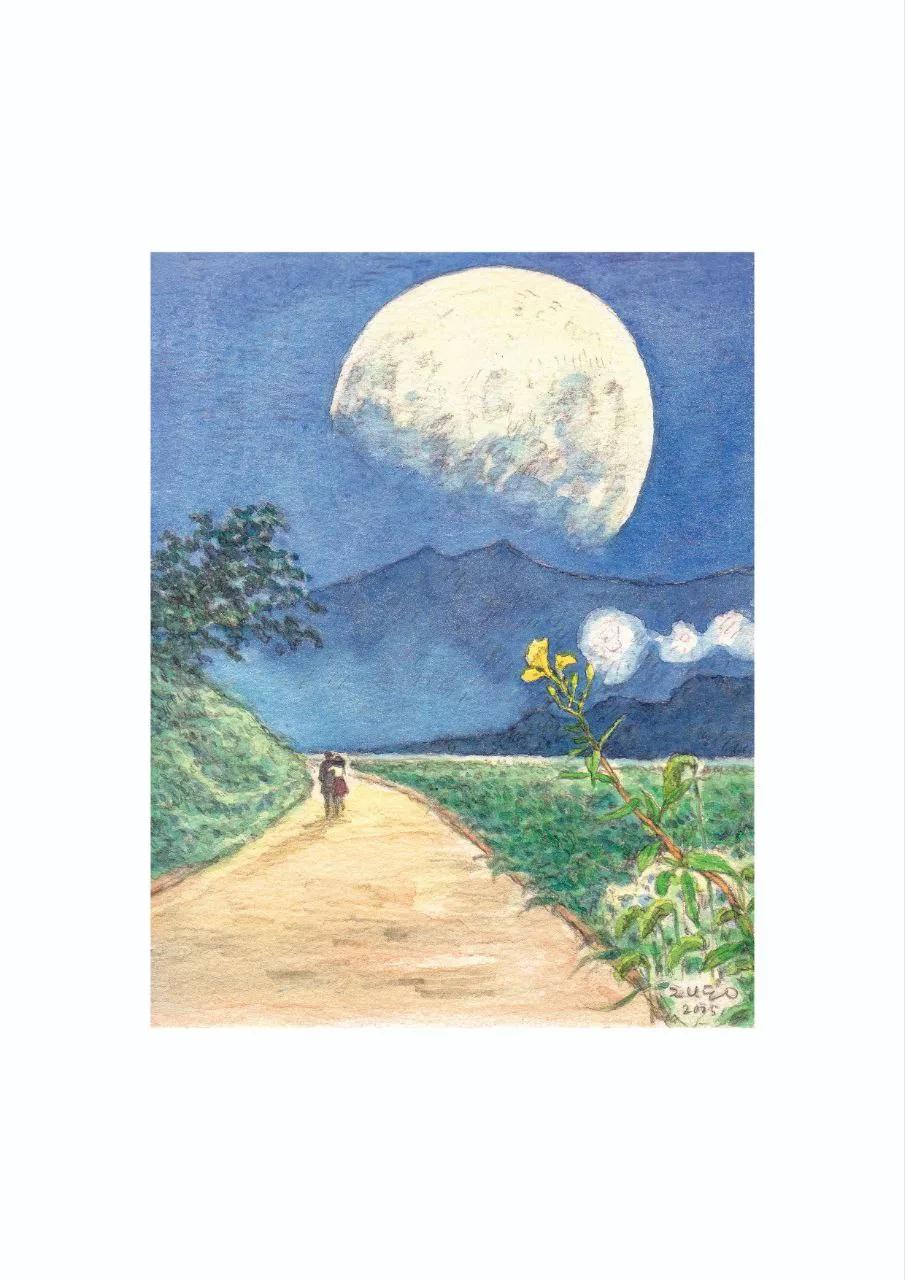
The SAF (Seed Art Festival) online gallery sits at the intersection of online and direct.
- Artists submit directly; gallery review happens before sale
- No gallery commission — proceeds flow into the artists' mutual aid fund
- Includes authentication certificate, 7-day returns, free shipping
- Range from KRW 100,000 to KRW 50,000,000
By the framework above, it's most efficient for the KRW 1–5M tier.
In Closing — Where Do You Buy Without Regret?
Three principles to hold:
- Price isn't everything. Saving KRW 1 million on a forgery means losing not KRW 1 million but 100% of the work's value.
- Pay for authenticity and after-care. A purchased work will live with you for 5–10 years, during which framing, moves, insurance, and resale will all happen.
- Match channel to price tier. Buying a KRW 300,000 print through a gallery, or a KRW 30 million painting through an unverified online seller, are both channel-price mismatches.
Further Reading

SAF Online Gallery: Direct gallery sourcing, authentication guarantee, free shipping, 7-day returns. Sales fund 354 artist mutual-aid loans. Browse works →
Related Guides
Explore Further
Related reading
If this piece helped, you may also enjoy these related articles:
Seed Art Festival
·