Art Walk
Enjoy art through bite-sized stories
If contemporary art feels intimidating, that is rarely the viewer’s fault. The Art Walk section closes the distance with short pieces on how to look at a work, where it sits in art history, and how to get more out of a gallery visit.
Understanding a work is less about “getting the right answer” and more about asking small questions: why this color, why this size, why this medium? The articles here walk you through those questions slowly, with one work at a time.
We also map the broader currents of Korean contemporary art — from the 1980s minjung woodblock prints to the rise of Dansaekhwa, to the photography and media art of the 2000s — so you can see where today’s artists are coming from.
When something resonates, follow the link to the gallery and explore that style up close. Browsing by medium or price range is the easiest way to start.
Stories in this category
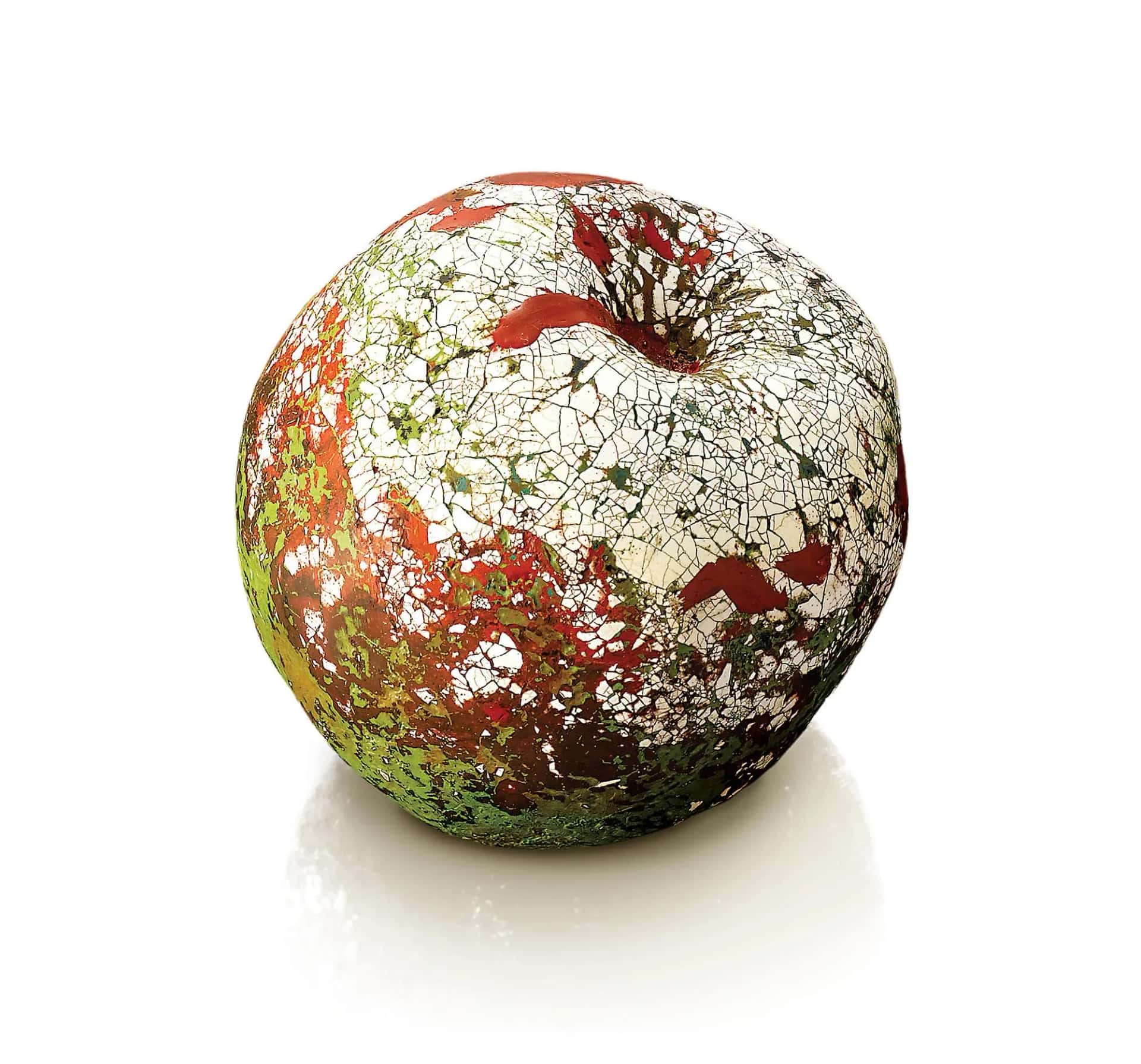
Ottchil — Korean Lacquer in Contemporary Art
Lacquer is a thousand-year coating from East Asia — Korea, China, Japan. Through Jeong Chaehee's "Lacquered Apple," we read how lacquer, eggshell, and mother-of-pearl operate in contemporary painting.

The Craft of Gold Leaf in Korean Art — From Buddhist Paintings to Contemporary Canvases
Gold leaf is real gold beaten to 0.0001mm. Following Korea's golden grain from Goryeo Buddhist paintings to Choi Hyesu's "Playground" and Joirak's "Golden Flower."

Stone Pigment (Seokchae) — Korean Mineral Color, Thousand-Year Painting Material
Seokchae (石彩) is pigment ground from minerals — cinnabar, lapis lazuli, malachite. Its colors do not fade in a thousand years. We read the depth of seokchae through Joirak's "Poppy" and "Golden Flower."
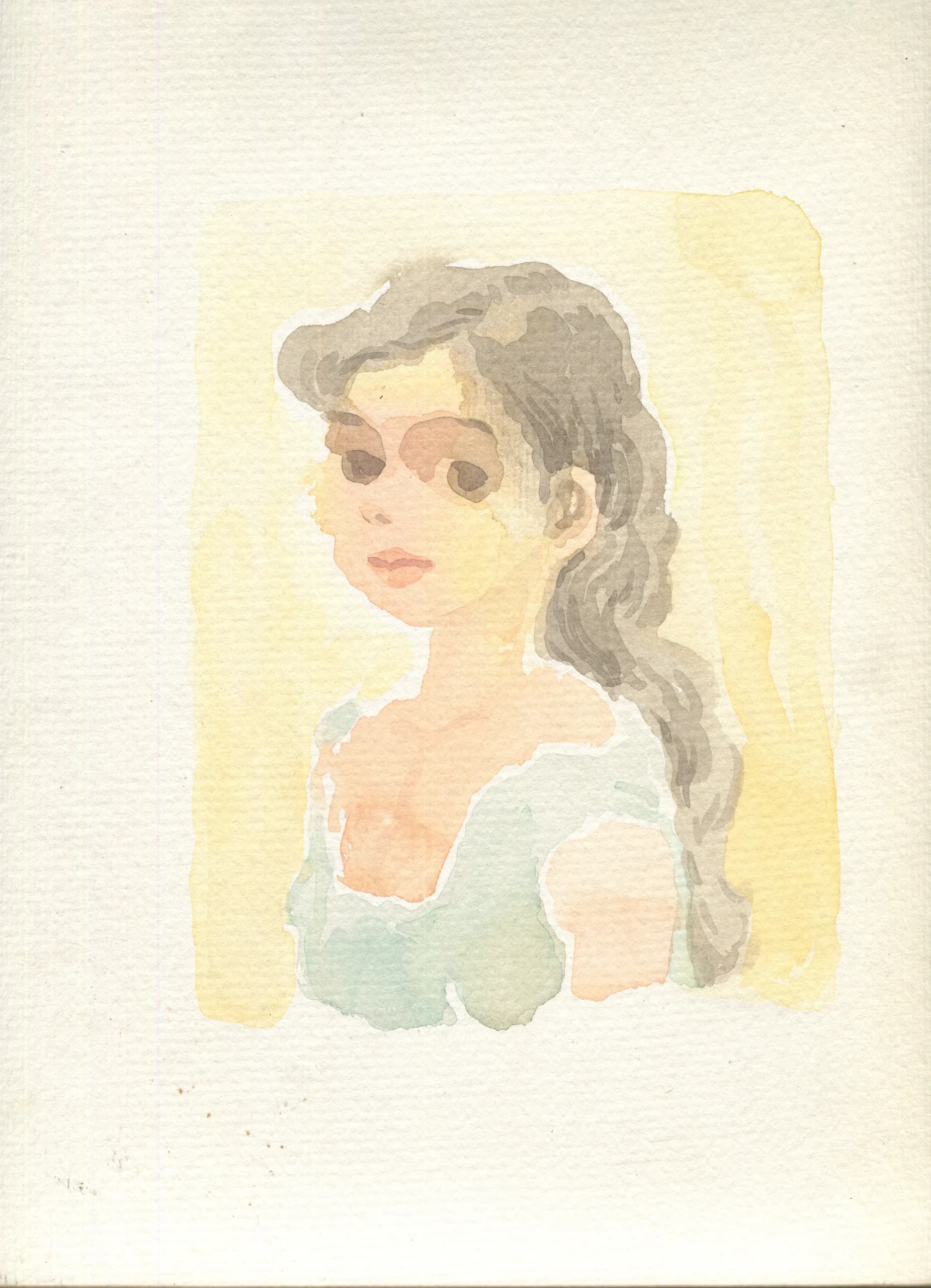
Drawing vs Painting — Why Sketches Hang in Museums, Pricing and Collection Value
Drawing is not a preliminary step to painting. It can be the medium closest to the artist's thinking — even more so than painting. A perspective on drawing as an independent art form.
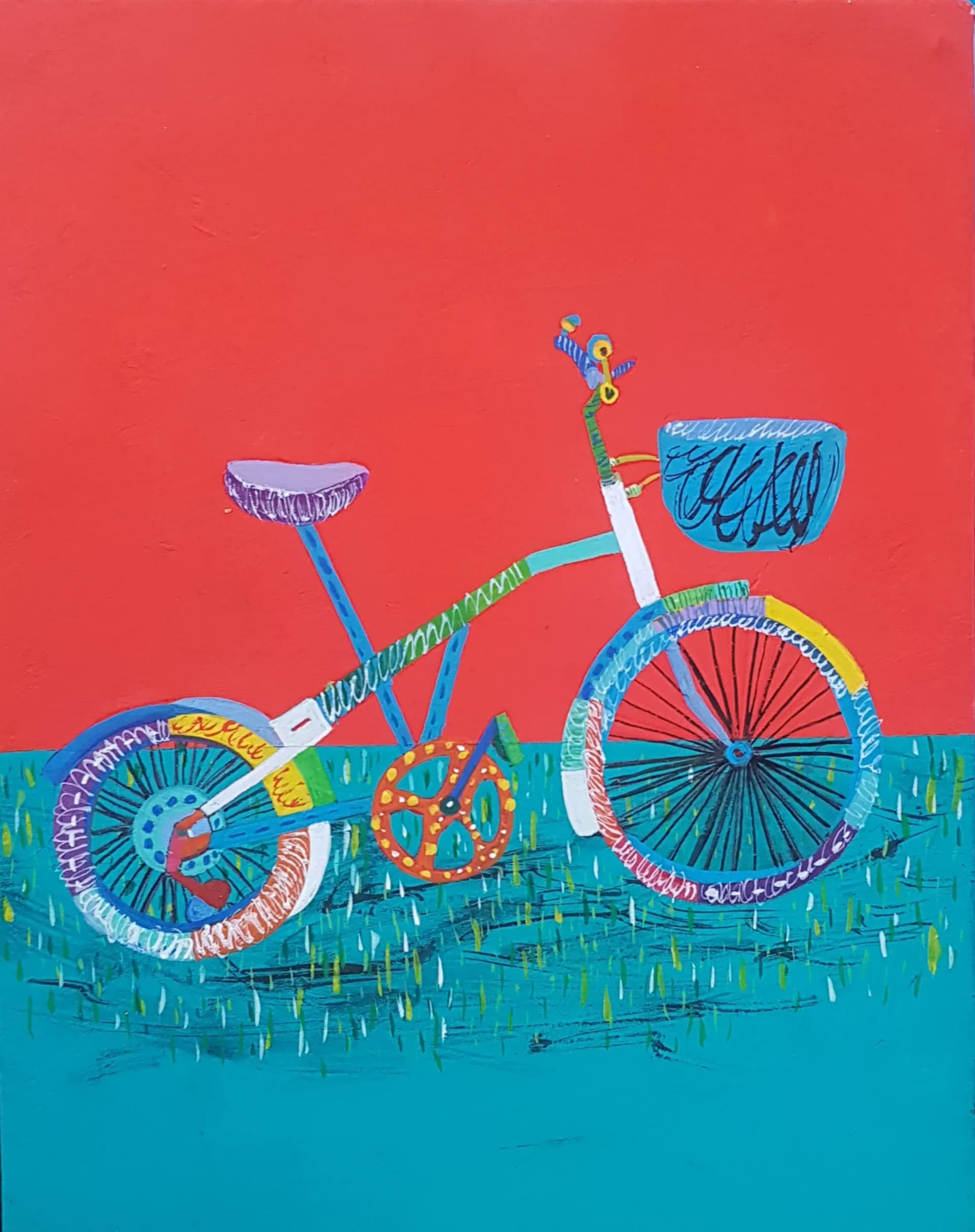
Painting on Janji — An Eunkyung and the Contemporary Voice of Korean Painting
Janji is a thick traditional Korean surface made by layering hanji. Through An Eunkyung's paintings, we read its absorption, thickness, and quiet emotional effect.

Understanding Dansaekhwa: The Korean Monochrome
A painting that repeats the same stroke a thousand times — why is that art? The key to Dansaekhwa isn't the single color but the repetition. From Park Seo-bo to Ha Chong-hyun, the aesthetics of Korean monochrome.
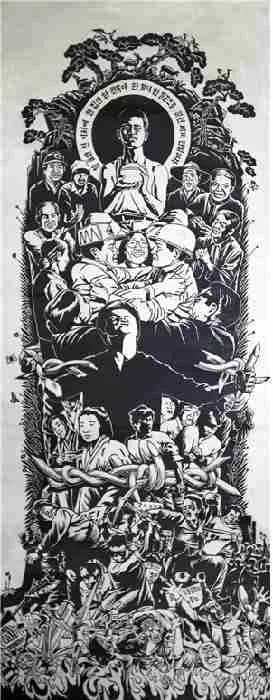
Introduction to Minjung Art Through Shin Hak-chul
Resistance in the 1980s, reappraisal in the 2000s, reinterpretation in the 2020s. Minjung art never disappeared — follow a lineage still alive as one spine of Korean art, read through Shin Hak-chul.
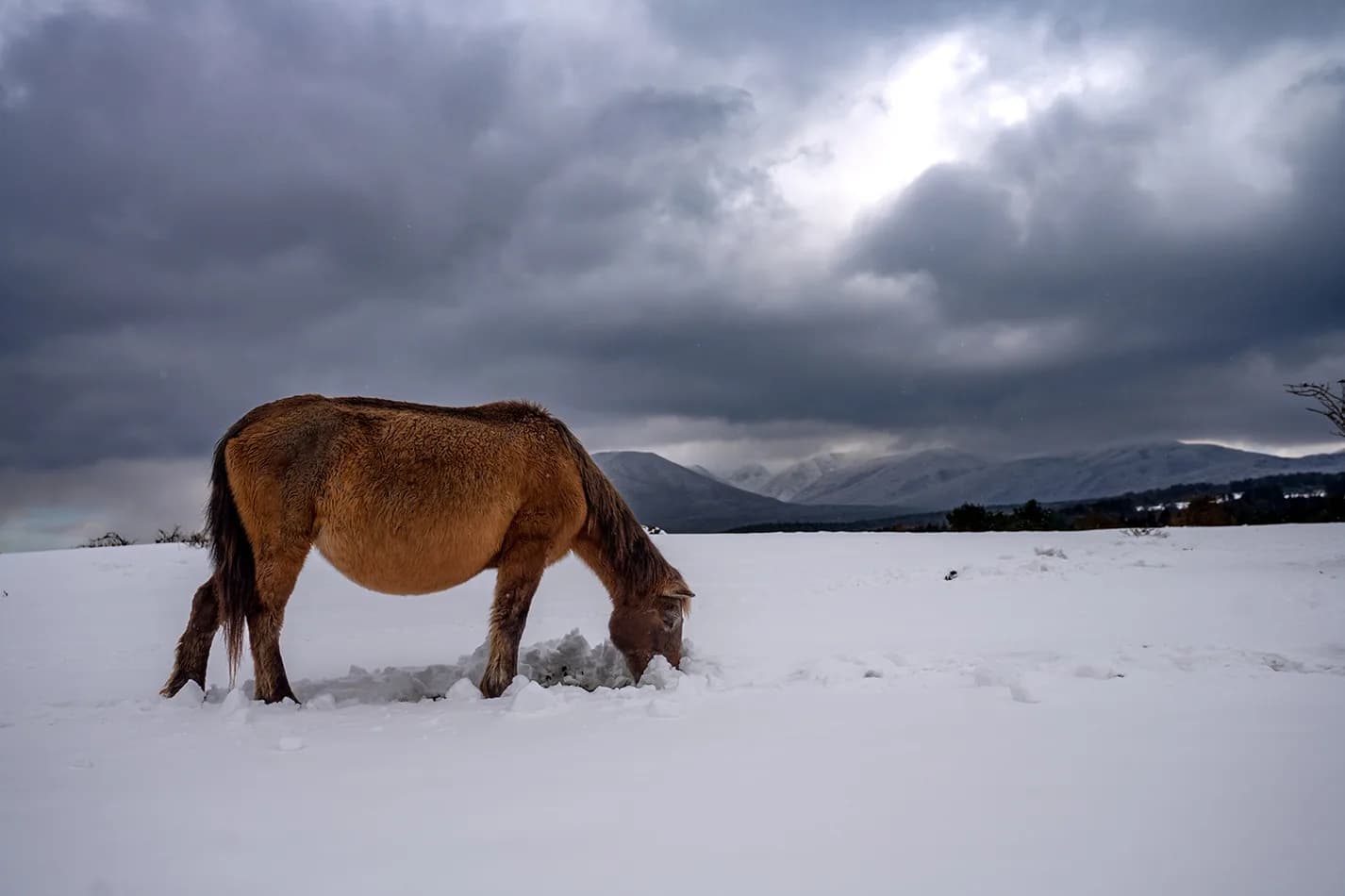
Archival Pigment Print Explained — Why Digital Photographs Last 200 Years
The cliché says digital photographs fade within 30 years. The exception: pigment inks plus archival paper produce 200-year longevity. Reading contemporary photographic media through Kang Le-a's "#01_S1707SP."
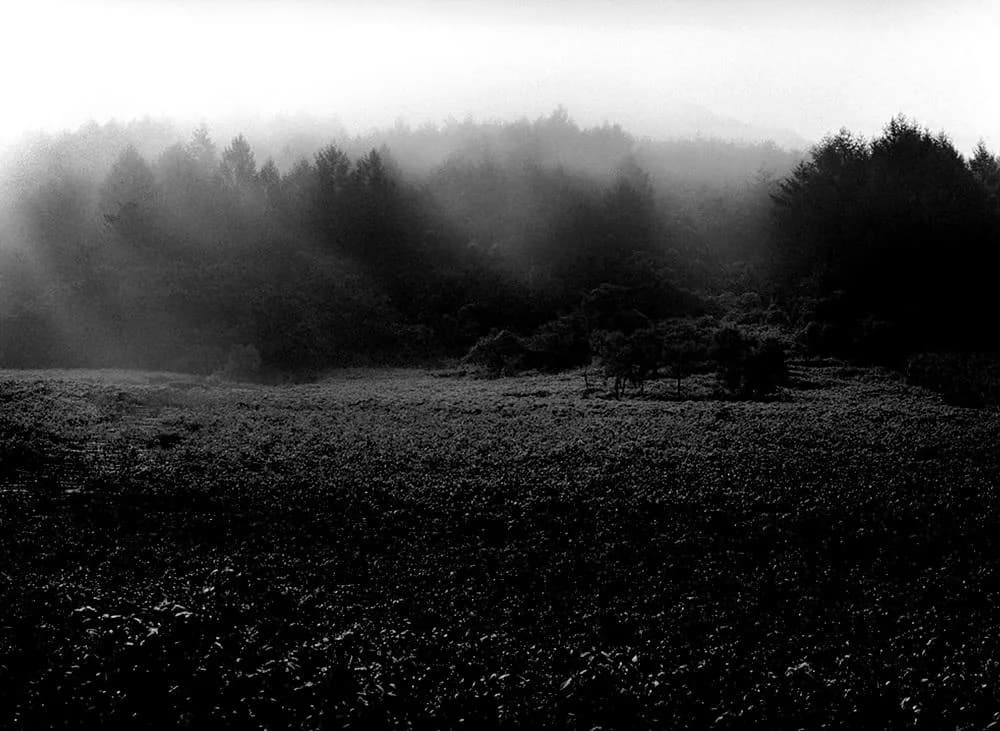
Korean Landscape and the Lives of Common People — The Documentary Photography of Cho Mun-ho, Jeong Yeong-shin, and Kim Soo-oh
The flow of Korean documentary and landscape photography — the practices of three masters Cho Mun-ho, Jeong Yeong-shin, and Kim Soo-oh, plus five collecting perspectives.
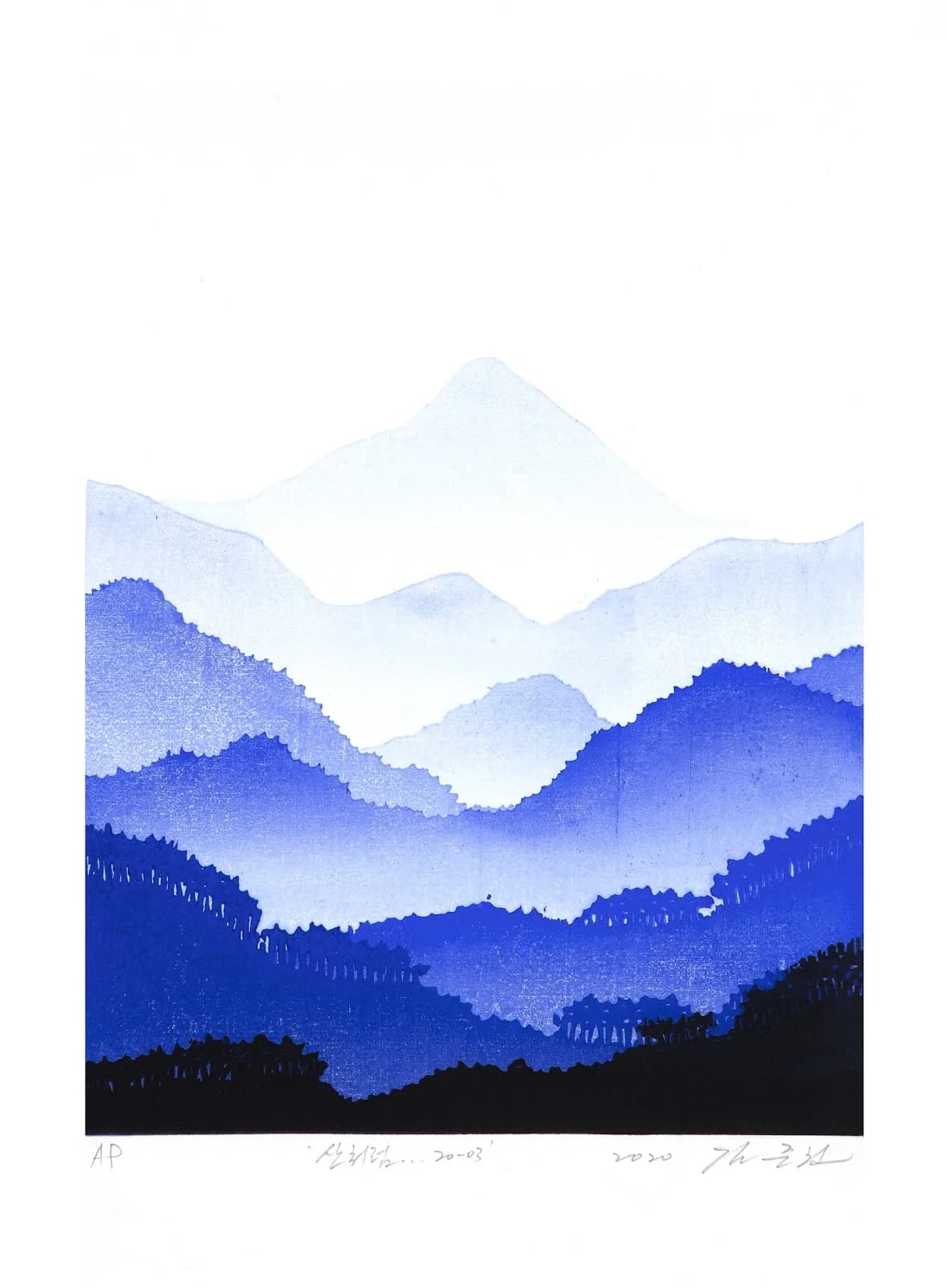
Agriculture and Labor in Korean Art — Kim Jun-kwon's Mountains, Min Jeong-gi's Fields, Lee Cheol-soo's Earth
Korea's oldest pictorial motif is agriculture. Tracing the contemporary lineage from Shin Hak-chul's *Rice Planting* (1987) through Kim Jun-kwon's woodblocks, Min Jeong-gi's Yangpyeong fields, Lee Cheol-soo's hanji prints, and Jung Young-shin's five-day market photographs.
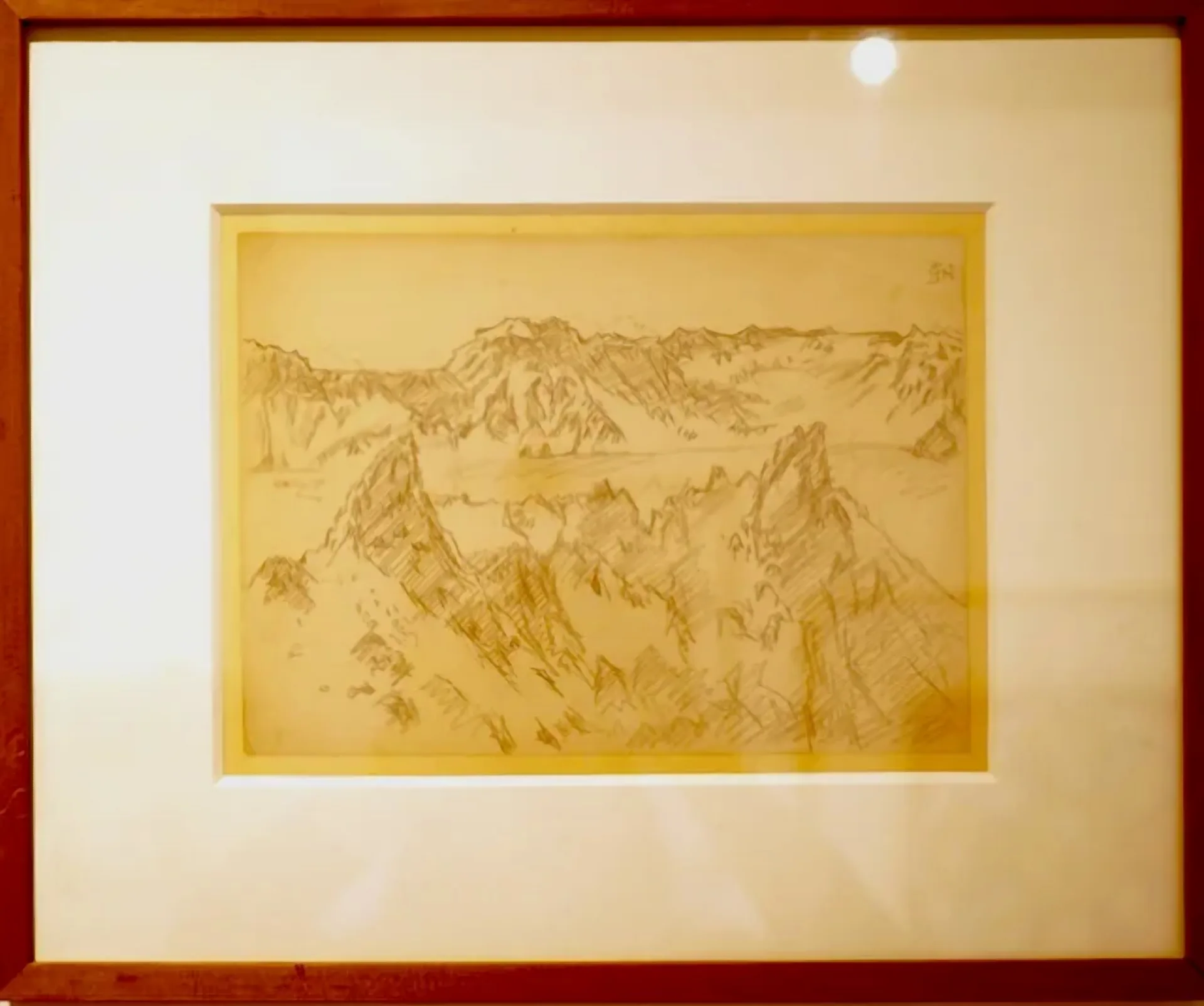
Korean Shamanism in Art — Oh Yoon's Goblins, Park Saeng-gwang's Rituals, An Eun-kyung's Recovery
At the deepest layer of Korean art lies shamanism. From Park Saeng-gwang's five-color rituals to Oh Yoon's daytime goblins and An Eun-kyung's contemporary acts of recovery on traditional janji paper — we read why shamanism still resonates in today's living rooms through SAF-owned works.
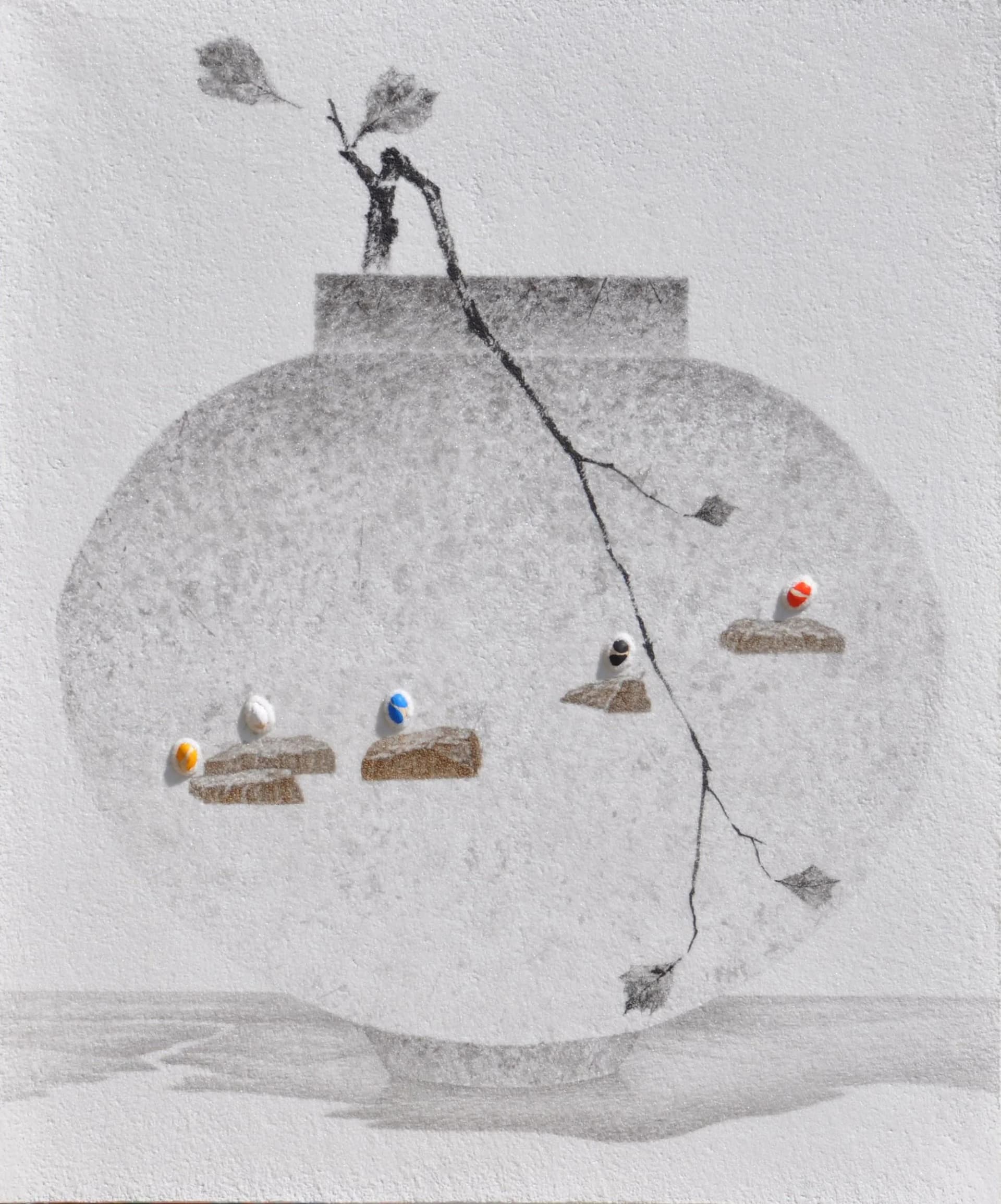
Behind the Bank's Closed Door — How the SAF Mutual Aid Fund Works
Inside the door the bank closed — tracing the SAF mutual-aid fund's five stages, grounded in the 2025 Artist Financial Crisis Report and three years of operating data.
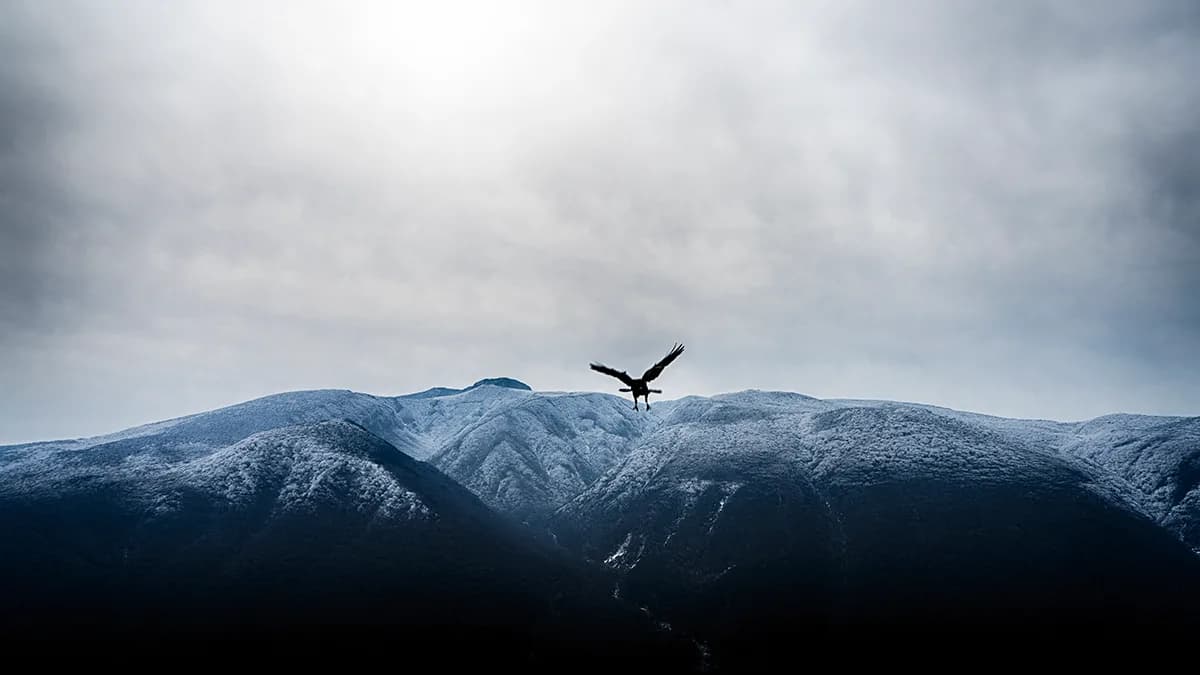
SAF Photographers — From Documentary to Camera-less Photography
Ten SAF photographers across four axes — documentary, landscape, experiment, and critique. From Cho Moon-ho's edges of the world to Lee Sucheol's pictures without a camera.

Korean Contemporary Printmaking — Five Lineages at SAF
Contemporary Korean printmaking, read through five artists at SAF 2026 — from Lee Cheolsu's woodblock Zen to Kim Jonghwan's broken-printer sculptures.
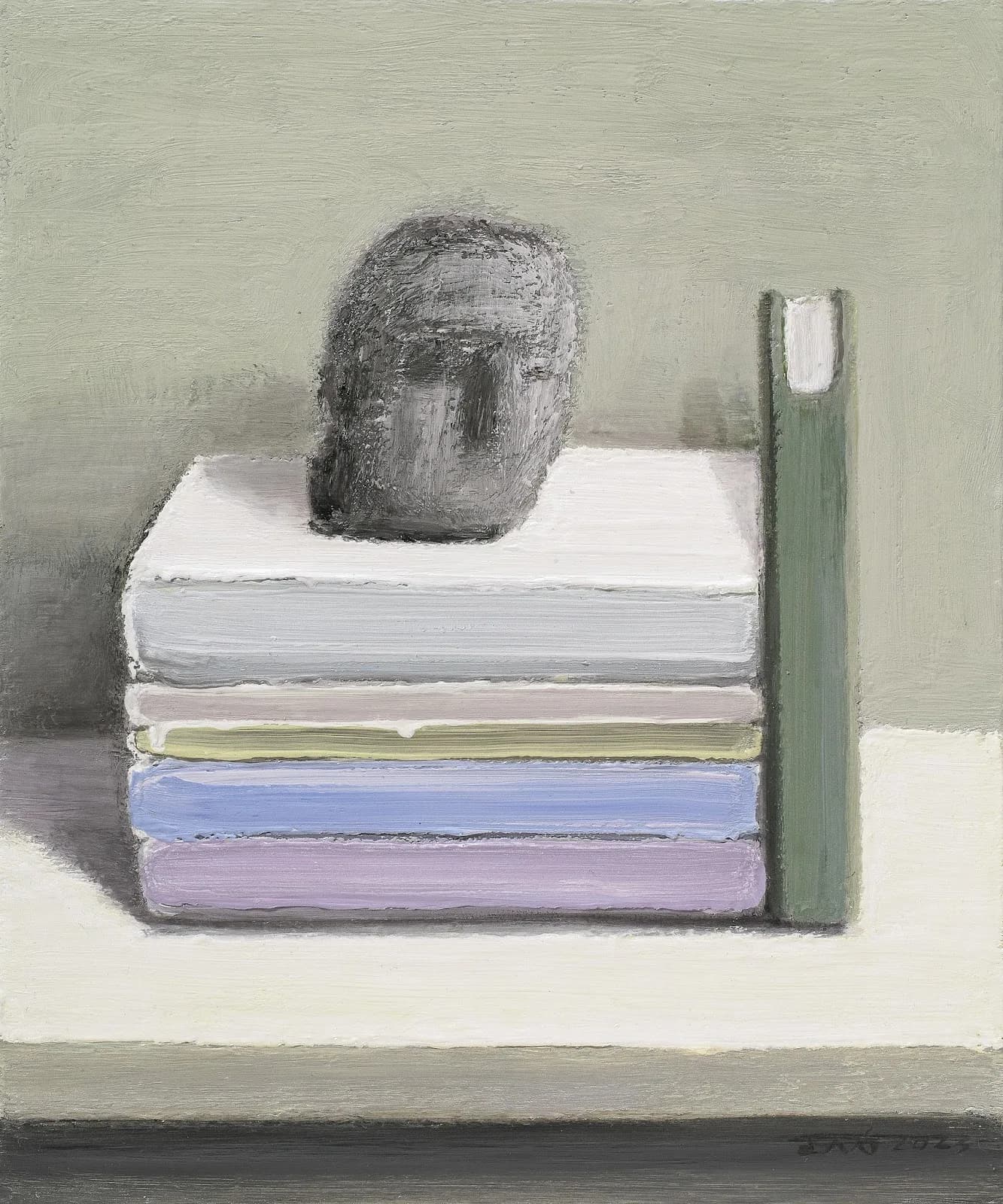
SAF Painters — From Korean Painting to Abstraction
The 40+ painters of SAF 2026, read across six lineages — from Reality and Utterance founders to KAIST-trained painters, Brussels sculpture MFAs, and Goryeo-Buddhist-painting masters.
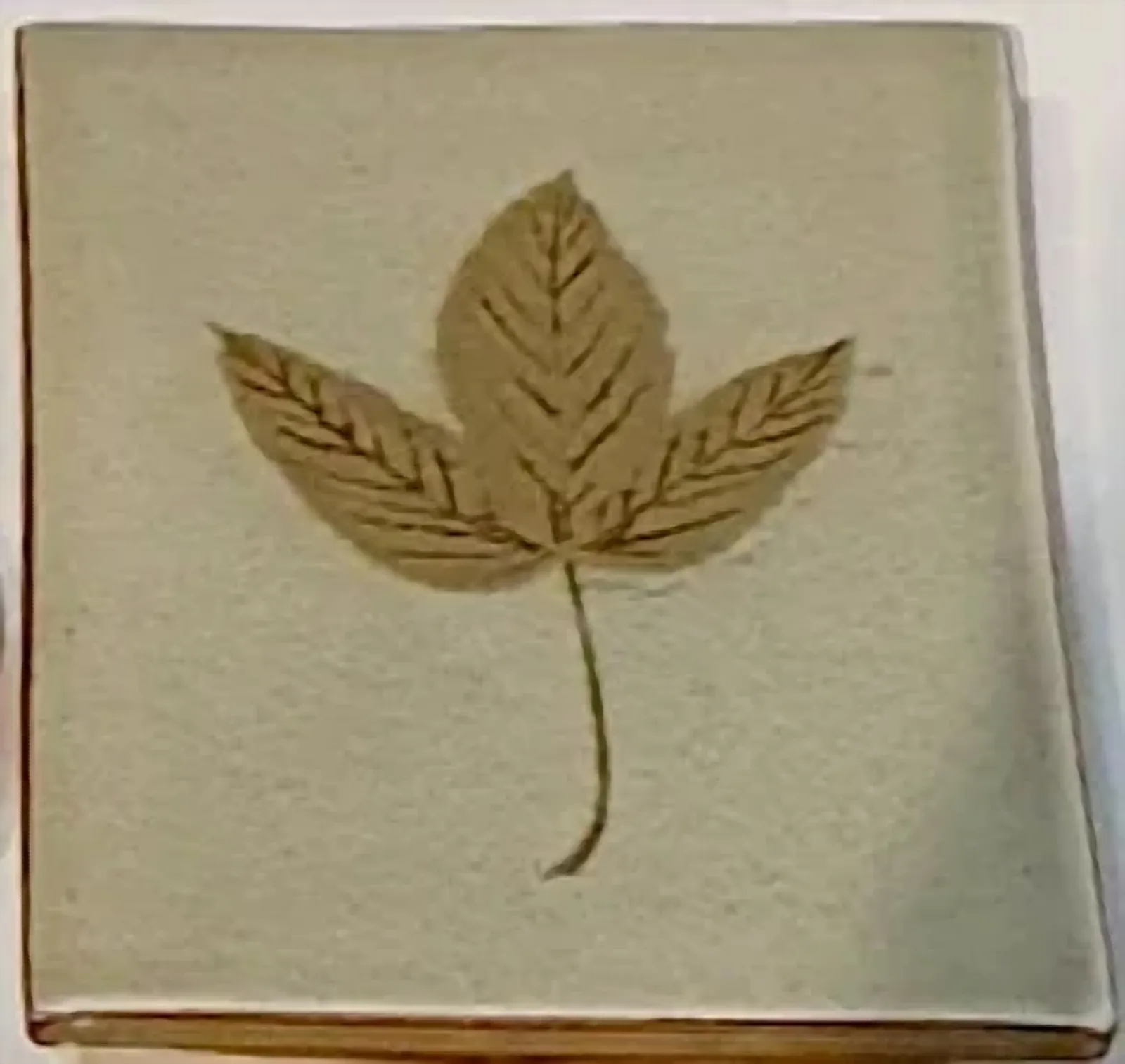
Sculpted by Hand — Sculpture and Ceramics at SAF
Sculpture and ceramics at SAF 2026 — few in number, wide in world. From Yang Sun-yeol's roly-poly resin to Kim Ju-ho's ceramic, with a farewell to Lee Iktae (1947–2025).
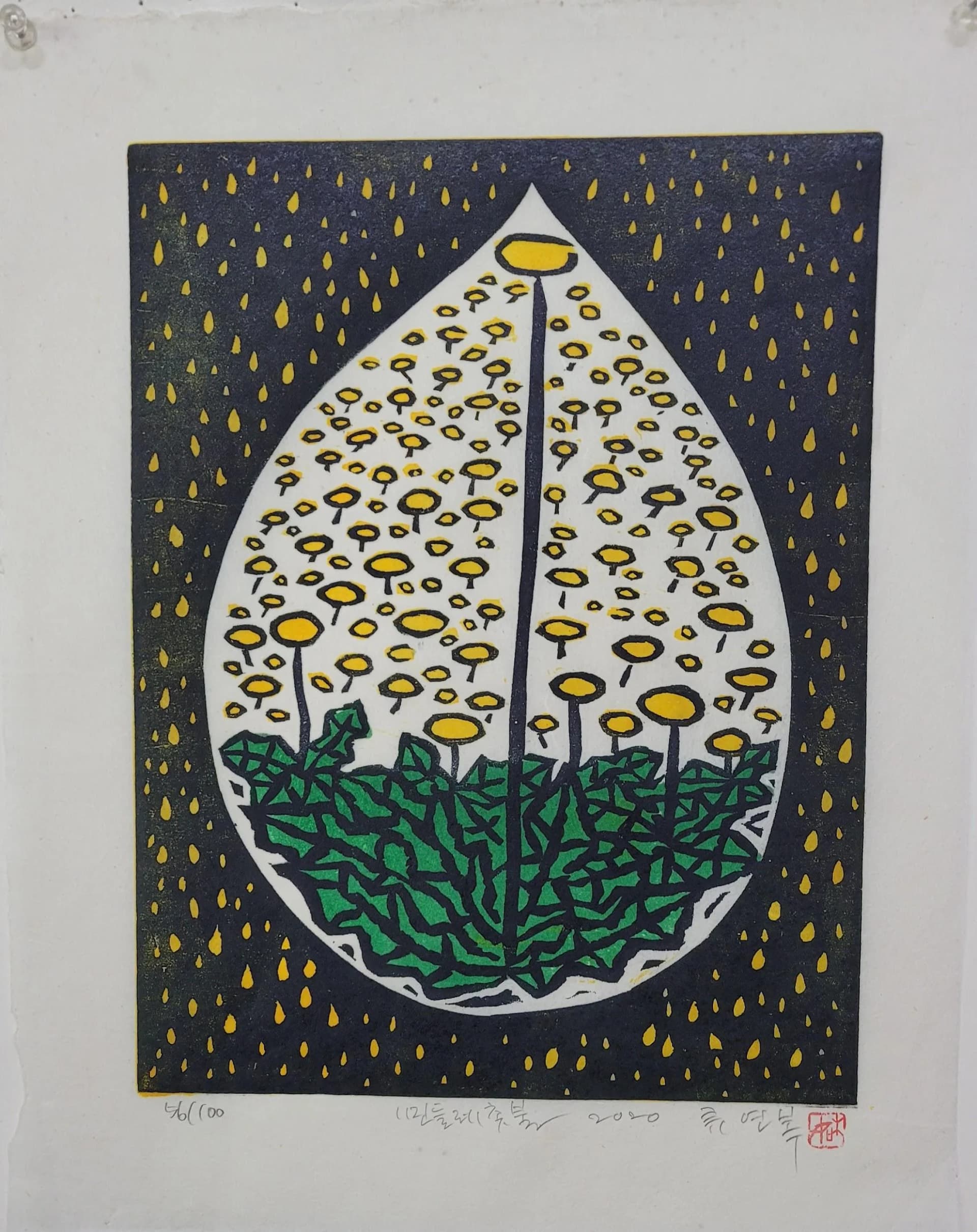
Print vs Original — How to Read Edition Numbers (AP·EA·HC·PP) and Collecting Value
Reading "3/30," AP, EA, HC on a print's lower edge — what each mark means, how prints differ from reproductions, and why the same "print" looks entirely different by medium.
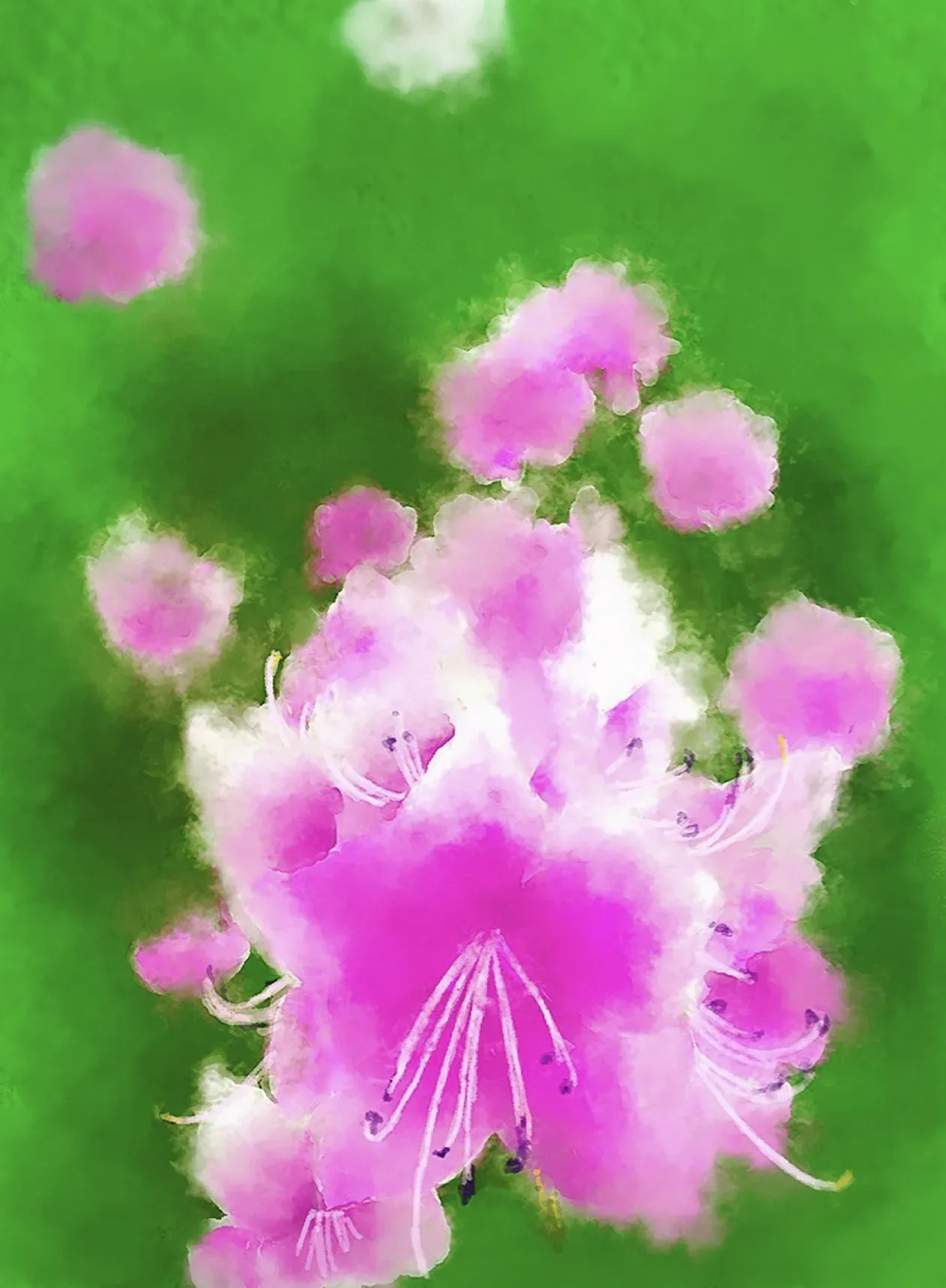
Where Digital Meets Lacquer: Expanding the Boundaries of Contemporary Art
The idea that painting with oil on canvas is the only 'real' art was dismantled long ago. Twenty-one works at SAF 2026 are digital or mixed-media pieces that ask what materials art can claim. Jeong Chaehui's lacquer-and-eggshell work on digital print is the most striking example.
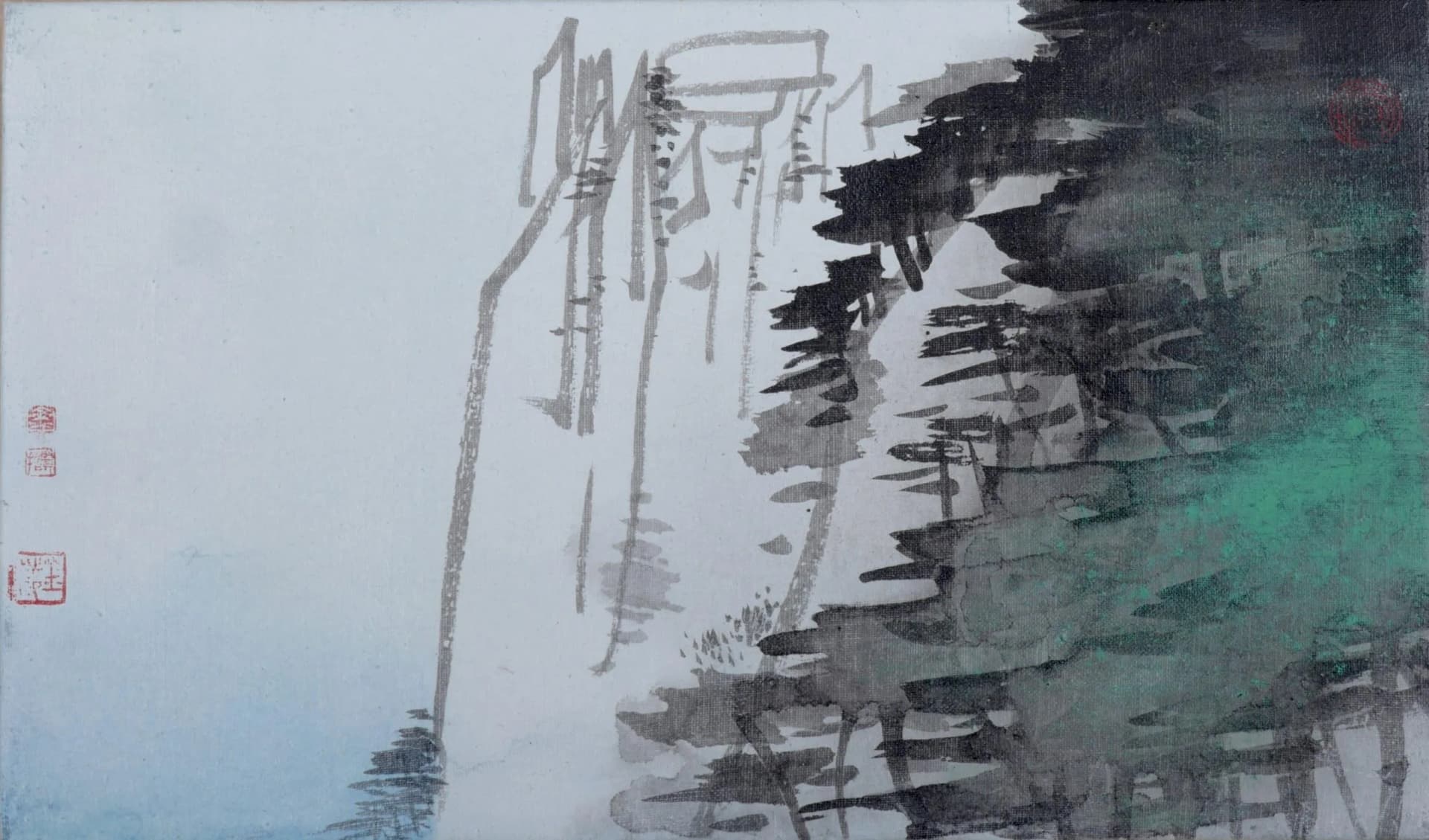
Korean Traditional Painting Meets the Modern: Ink, Pigment, and the Present
Korean traditional painting is far more than old-fashioned art. Materials like hanji, ink, powdered pigments, and mineral colors come alive in the hands of contemporary artists in entirely new ways. Through 25 Korean paintings in SAF 2026, this piece explores how traditional media meets a modern sensibility.
How to Choose SAF Artworks: A Guide to Finding Pieces by Subject and Medium, from Mountains and Flowers to Woodcut, Ceramics and Photography
What you want to look at decides what to read. This guide gathers twenty-nine pieces from the SAF magazine: six maps of printmaking, ceramics, Korean painting, sculpture, photography and Western painting, sixteen collections of works by subject, and guides by artist, region, collection history and care after purchase.
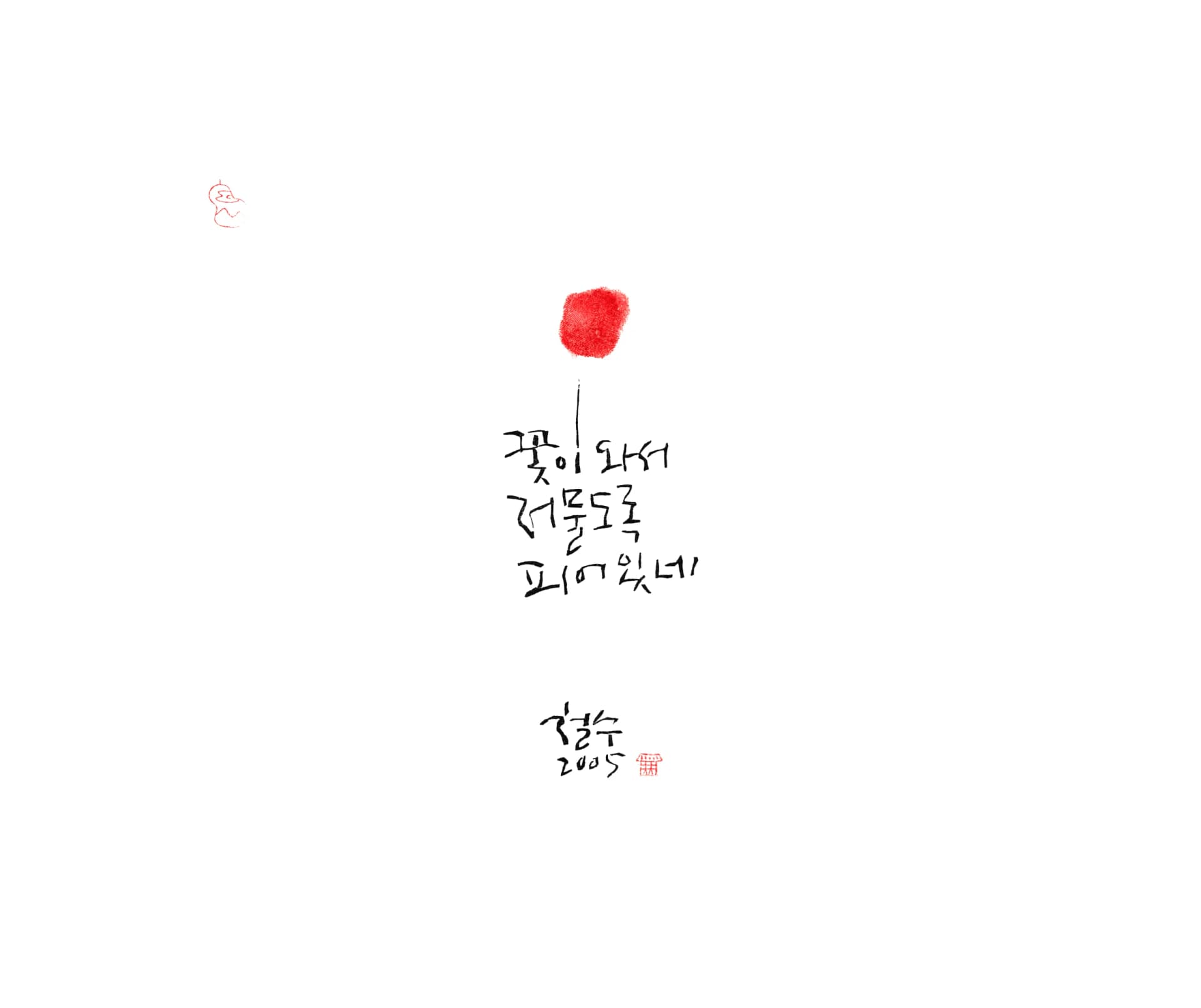
Reading Empty Space in SAF Artworks: Thirteen Ways Blank Paper, White Ground and Untouched Areas Become Part of a Picture
We notice what is painted first, but the eye often rests on what is not. Thirteen works from the SAF online gallery show a white sheet holding one red dot and three lines of writing, the lower half of a round sheet of hwaseonji, a sky left open above blue mountains and a beach where white sand fills the frame. Each is read as it appears in the plate.
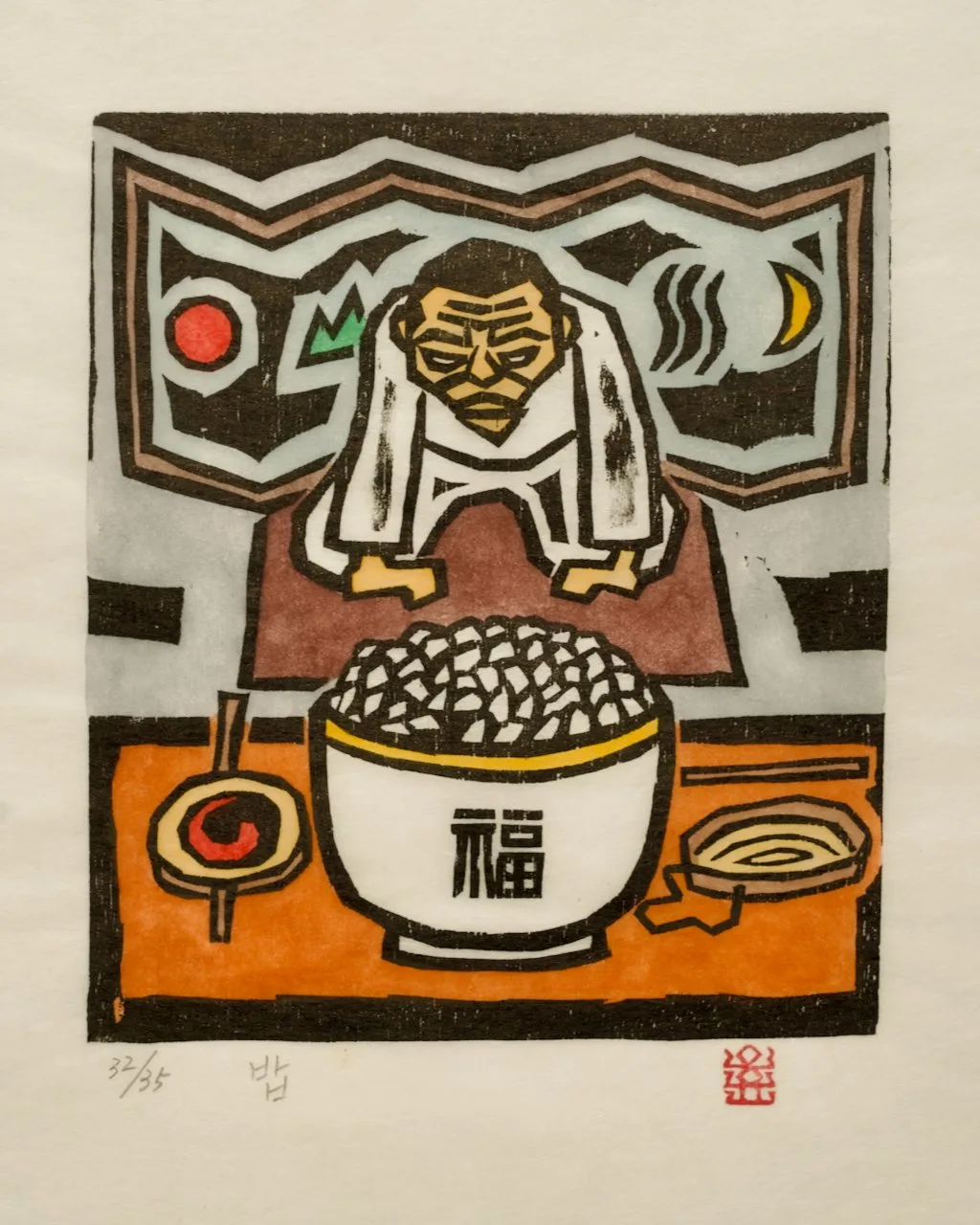
Reading Meals, Food and Everyday Objects in SAF Artworks: Nineteen Ways a Rice Bowl, a Small Table, a Teacup, an Apple, Kimchi and a Gramophone Take the Center of a Picture
A man bowing over a bowl of rice, noodles falling the full length of a figure into a bowl at its feet, a blue bowl resting on a small wooden table, one apple painted in acrylic, glazed ceramic and lacquer, and a head of kimchi on a red field. Nineteen works from the SAF online gallery show where food and the things we use at the table take the center of a picture.
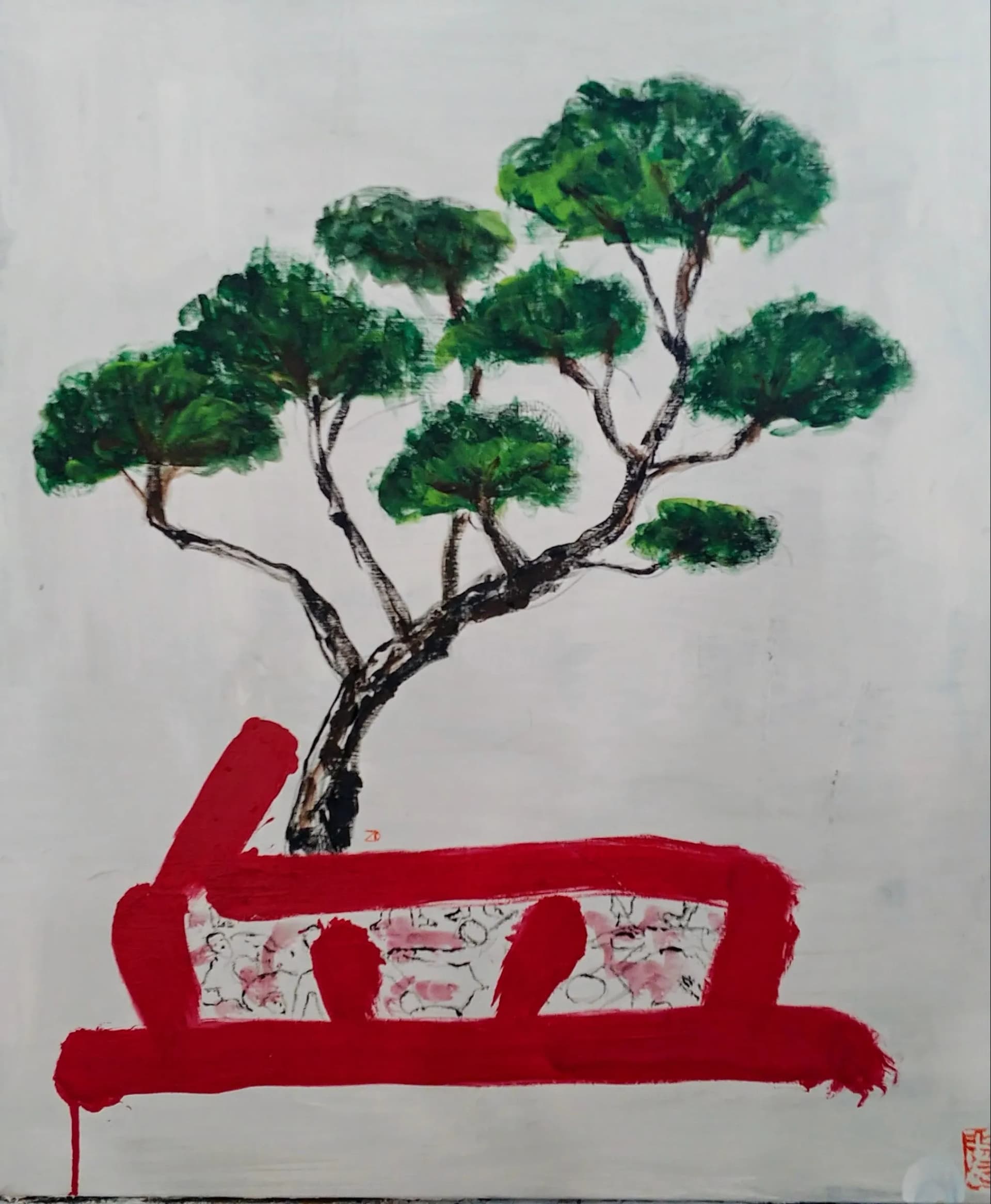
Reading Letters and Text in SAF Artworks: Thirteen Ways Characters Become Part of a Picture, from Munjado and Banners to Carved Hangul, Handwriting and Seals
A picture with letters in it is read twice, once for shape and once for meaning. Thirteen works from the SAF online gallery show a red brushstroke character with a pine growing out of it, a banner with six characters over a folk band, labels colored in the same family as the faces beside them, a carved passage of verse that fills half the sheet, and English graffiti piled on an iron gate.
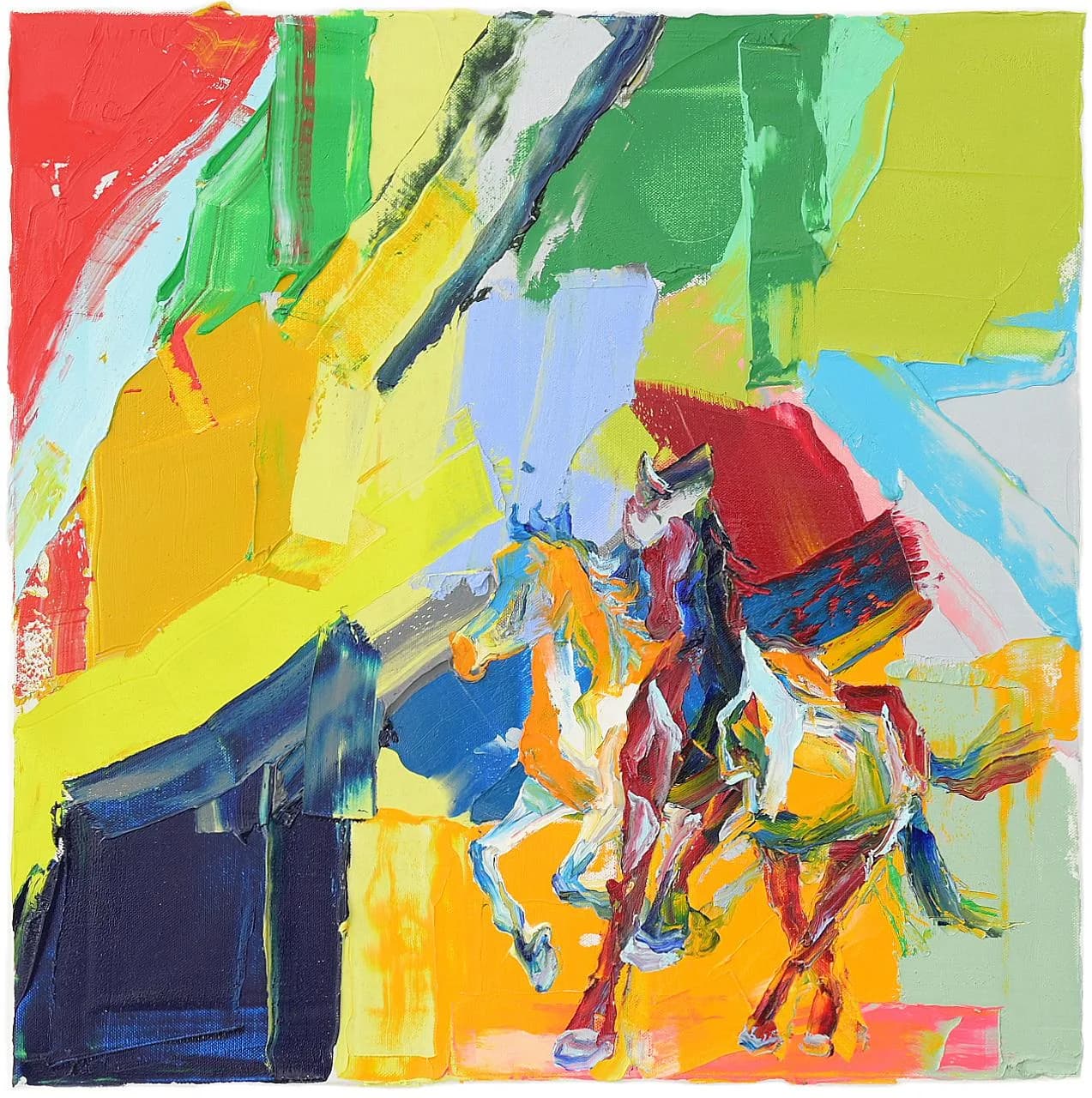
Reading Texture and Surface in SAF Artworks: Fourteen Ways a Surface Becomes the Subject, from Thick Paint, Cement and Thread to Rusted Iron and Glaze
Look closely and a picture begins with its surface: the height of piled paint, the tangle of thread, a grid pressed into cement, the edge of rusted iron. Fourteen works from the SAF online gallery show how a surface can carry a picture, from yellow dots raised like grains and mountains wearing a frost pattern to acrylic that reads as embroidery and car paint that shines like a mirror.
Total 75 stories
Frequently asked questions
Q. Contemporary art feels intimidating — how should I approach it?
Don’t try to find the right answer; ask small questions. "Why this color?", "Why this size?" — those are the basics of looking. Pause for one minute in front of a work, and whatever answer comes to mind is your own valid response.
Q. What are the major movements in Korean contemporary art history?
1970s Dansaekhwa (monochrome abstraction in dialogue with Western minimalism); 1980s minjung art (Oh Yoon, Park Jae-dong, Min Jeong-gi — woodblock prints, social realism); 1990s media art (Nam June Paik lineage); 2000s onward photography, installation, and digital diversification. A single master’s work often reveals the texture of its era.
Q. How are prints made? Are they real artworks?
A print is a real artwork made from an artist’s original plate (woodblock, etching, silkscreen, etc.) in a limited edition. They split into "lifetime prints" (pulled by the artist) and "estate prints" (printed posthumously by family or foundation). Both come with the artist’s signature or edition number plus a certificate.
Q. How do I find exhibitions and visit them?
MMCA (4 branches), the Anguk-Samcheong gallery district, the Hannam-Itaewon global galleries, the Seongsu-Euljiro alternative spaces, Gwangju Biennale, Art Busan, KIAF — the museum and gallery guide series in this magazine maps routes and visit tips.
Q. Where can I view and buy works by Korean artists?
SAF Online gathers 213 contemporary Korean artists across painting, print, photography, sculpture, and digital art. Filter by price, browse by artist, and read magazine interviews — all on one page.
Ready to start your collection?
213 artists, artworks available online.