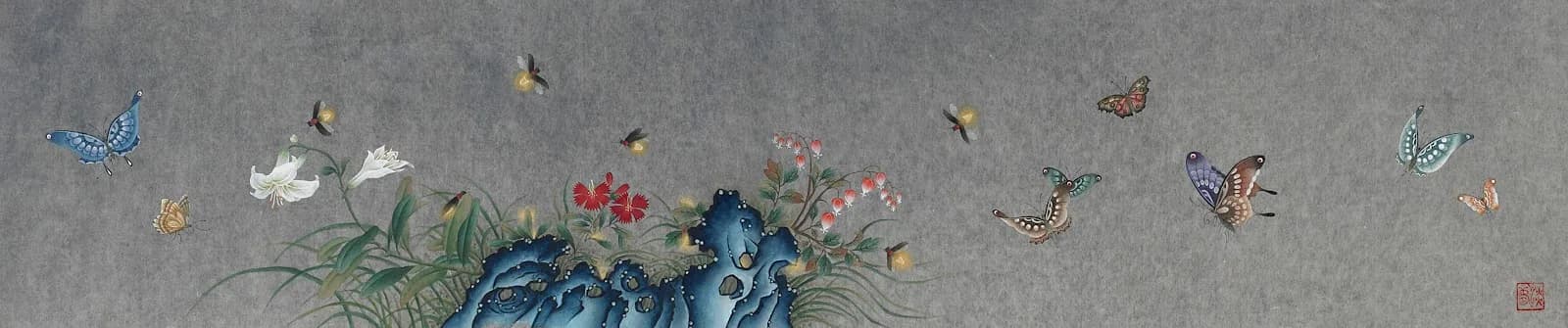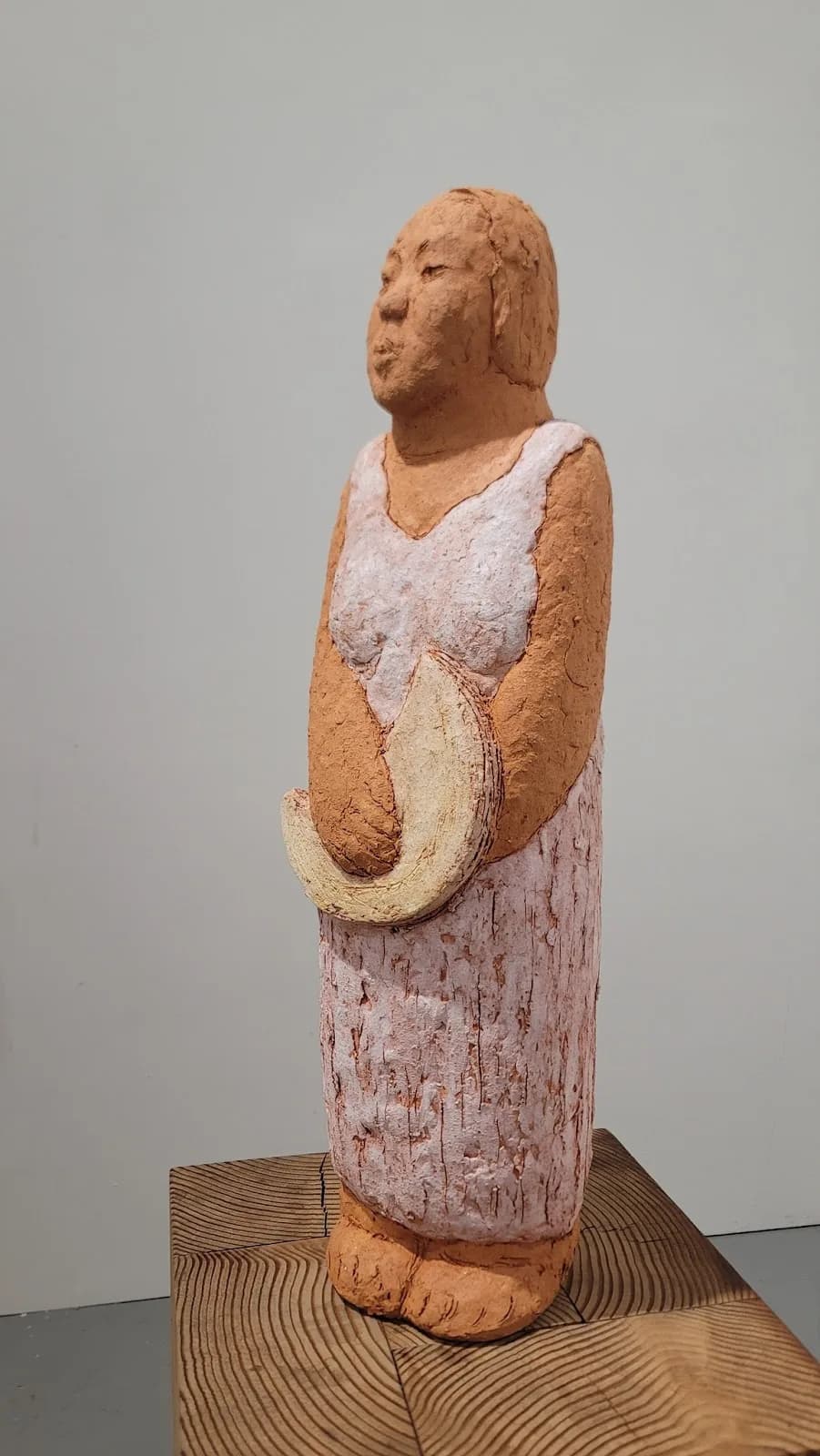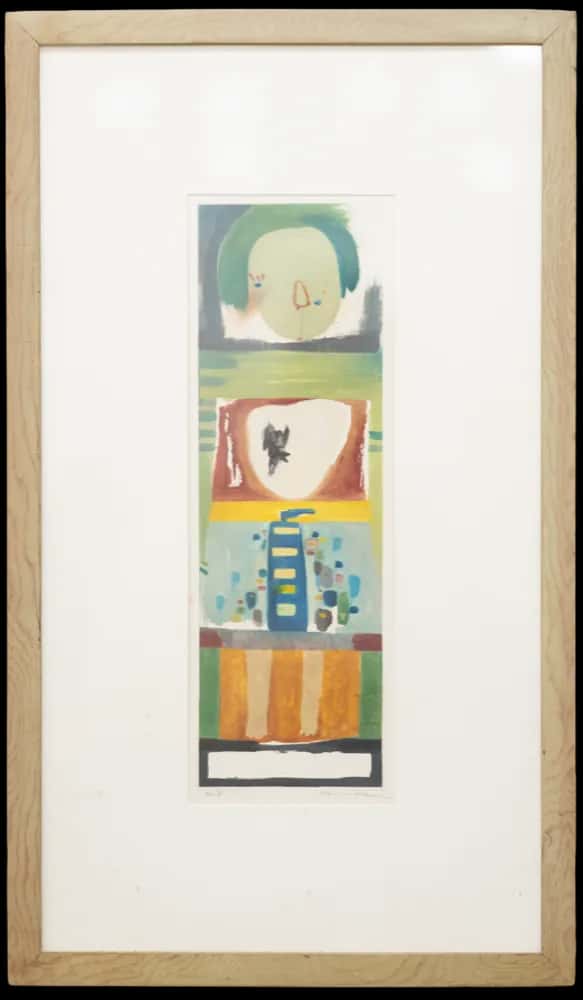
The Korean government buys art with tax money and lends it to public institutions. Over 20 years: 4,400 works, ₩34 billion spent. Here's how the 'Art Bank' works, where it falls short, and an alternative that lets ordinary citizens participate.
Art Bank — An Institution Unfamiliar Even by Name
Many people hear Art Bank for the first time. Fair — there's been little public outreach.
Art Bank is a government-funded institution that purchases artworks and lends them to state and public bodies. It was established in Korea in February 2005, under the Roh Moo-hyun administration, as a branch of the National Museum of Modern and Contemporary Art (MMCA). Two purposes: supporting artists' creative livelihood, and placing art in public spaces to expand citizens' access to culture.
Simply put: the government buys paintings from artists and hangs them in the lobbies of government offices and public institutions. The idea — citizens shouldn't have to go to a museum to encounter art in daily life.
In 2012, a separate Government Art Bank was added. Where the original Art Bank focuses on contemporary art, the Government Art Bank manages works for government buildings and overseas embassies. Both are operated by MMCA.
20 Years, 4,400 Works, ₩34 Billion
The numbers show the scale.
| Item | Figure |
|---|---|
| Founded | 2005 |
| Works in collection | ~4,402 (as of 2024) |
| Cumulative acquisition budget | ~₩34B (19 years) |
| Annual average budget | ~₩1.8B |
| Cumulative institutions borrowed to | 2,439 (as of end 2023) |
| Cumulative lending revenue | ~₩10.6B |
| Average annual lending revenue (last 5 yrs) | ~₩890M |
Each year, works are acquired through three methods: recommendation, open call, and on-site purchase. Recommendation comes from professional nominations; open call has artists apply directly; on-site purchase occurs at events like art fairs.
Purchased works are lent — for a fee — to state bodies, municipalities, public institutions, and cultural facilities. Lending revenue cycles back into buying new work.
What Art Bank Has Changed
Hard to deny its significance.
First, it created a real income source for emerging artists. Unless you're on a gallery's roster, opportunities to sell work are limited. For emerging artists, a government purchase is a survival-level matter. Selected works are paid anywhere from several million to tens of millions of won.
Second, it changed the landscape of public space. A single painting in a government lobby may seem minor. But anyone who has experienced how one work changes the atmosphere of a gray-walled room knows it isn't.
Third, it built a systematic collection and preservation system. Relying only on individual collectors leaves works scattered or lost. National-level collecting is a safety net for record and preservation.
Yet the Public Can't Participate
Art Bank's biggest limit. Ordinary citizens have no way to participate.
Lending is restricted to state bodies, municipalities, overseas embassies, public/private museums, public institutions, and non-profits. A private individual can't borrow a work from Art Bank to hang at home. Some corporate lending exists, but requires a non-profit purpose.
Selection has limits too. Open-call and recommendation both go through professional jurying — the judges' taste and judgment decide. For artists not selected, the door is narrow.
Budget is also an issue. ₩1.8B annually is tiny relative to Korea's art ecosystem. Thousands of artists are active each year; Art Bank acquires only several hundred works annually.
The most fundamental limit: Art Bank focuses on "placing works in public spaces." Artists' livelihood stability or access to finance sit outside its scope.
SAF's Mutual-Aid Model — Buying a Work Is the Financial Safety Net
If Art Bank is a state-led system, SAF is a citizen-participation system.
The structural comparison makes the difference vivid.
| Item | Art Bank | SAF Mutual-Aid |
|---|---|---|
| Buyer | Government (taxes) | Ordinary citizens (voluntary purchase) |
| Placement | Lending to public institutions | Owned by buyer |
| Artist benefit | Work sale proceeds | Sale revenue → mutual-aid fund |
| Public participation | Not possible | Anyone |
| Financial support | None | 5% low-interest loan |
When you buy at SAF, revenue accumulates in the fund. The fund converts into 5% fixed-rate loans to artists excluded from the formal finance system. Against 15–20% card loans and 24%+ private lending, the interest burden is an entirely different world.
From December 2022 to today, 354 loans have been issued and around ₩700M disbursed. Repayment rate: 95%. The numbers prove artists repay faithfully when given fair conditions.
The 213 artists exhibiting at SAF 2026 are not themselves subjects of financial discrimination. They are allies who volunteered work to help their peers. Each of the 903 works sold brings an artist somewhere the chance to borrow at a reasonable rate instead of a loan shark.
A Way for Citizens to Fill the Gap
Art Bank is a good institution. Collecting 4,400 works and lending to 2,400 places over 20 years is meaningful. But its limits — public can't participate, artists' financial safety net isn't addressed — are real.
Citizens can fill that gap directly. Buying a work you like at SAF's online gallery (saf2026.com). An act that fills your own wall while protecting someone's creative life.
If Art Bank is the government's role, this is the citizen's role. A painting as an object of appreciation and, simultaneously, a tool of solidarity. That is the "new art bank" SAF proposes.
Further Reading

Related reading
If this piece helped, you may also enjoy these related articles:
Seed Art Festival
·