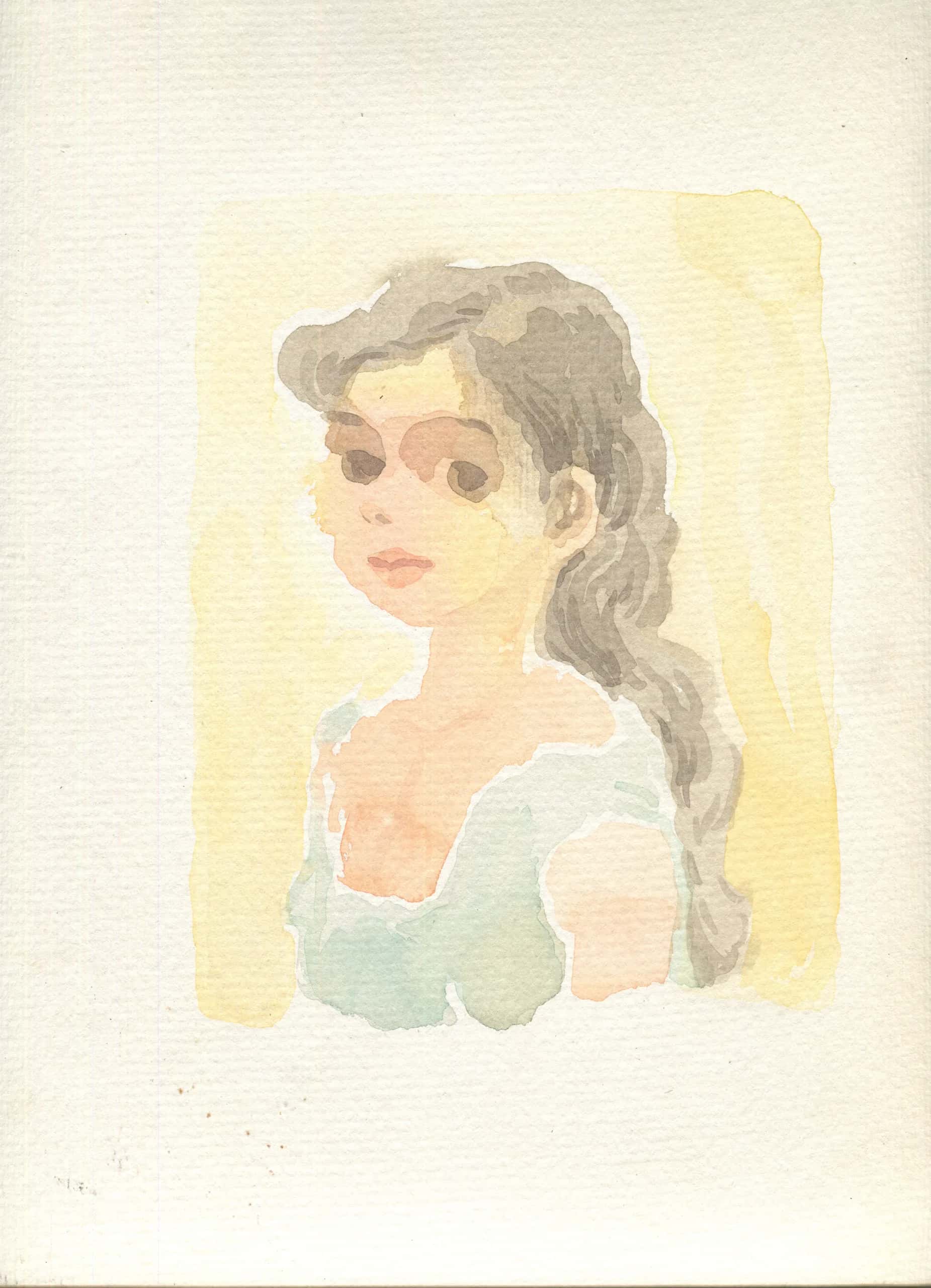
Drawing is not a preliminary step to painting. It can be the medium closest to the artist's thinking — even more so than painting. A perspective on drawing as an independent art form.
Collector path
Works to view after this guide
Use the guide below to understand the work, then compare available artworks in the gallery.
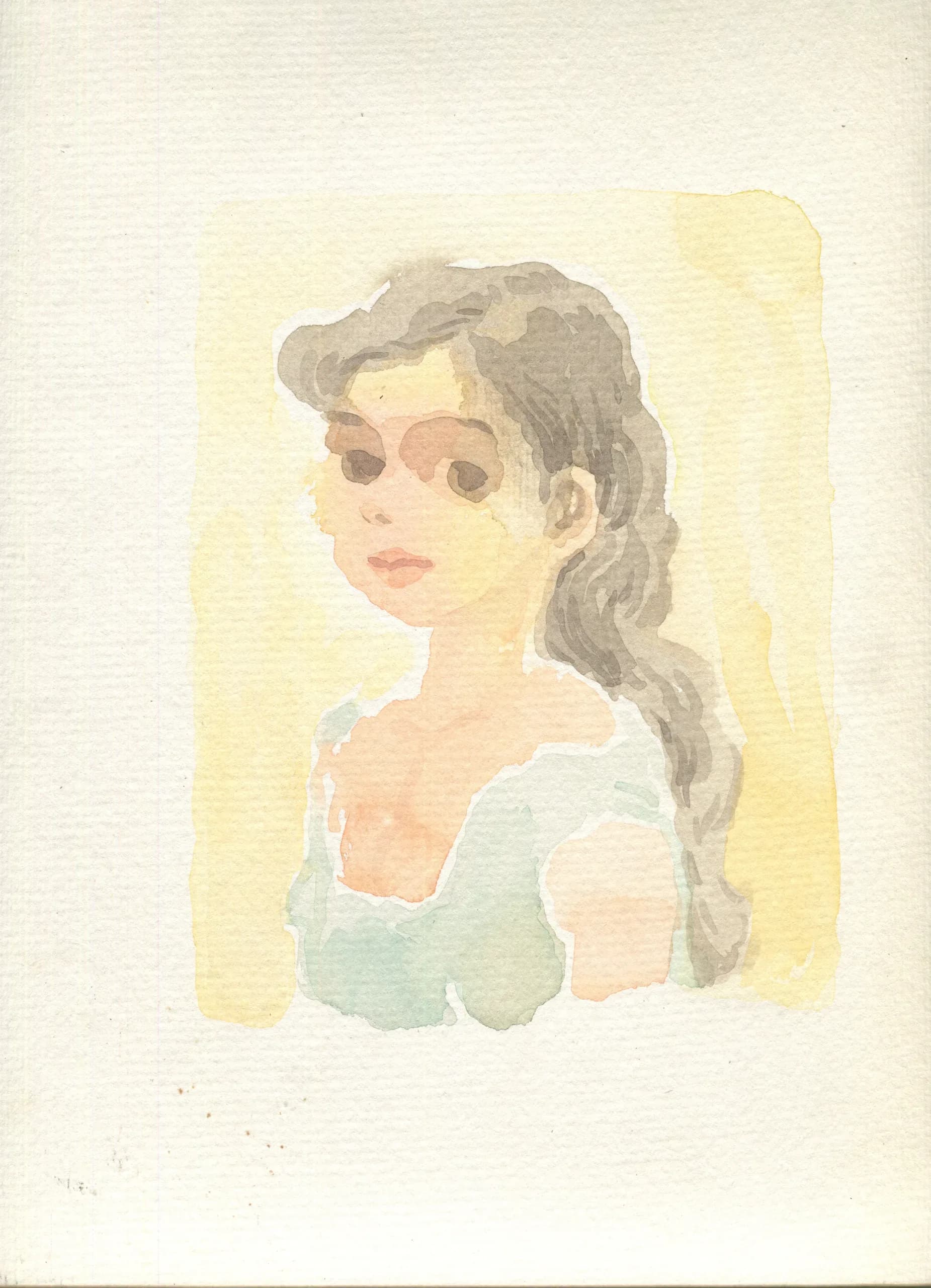
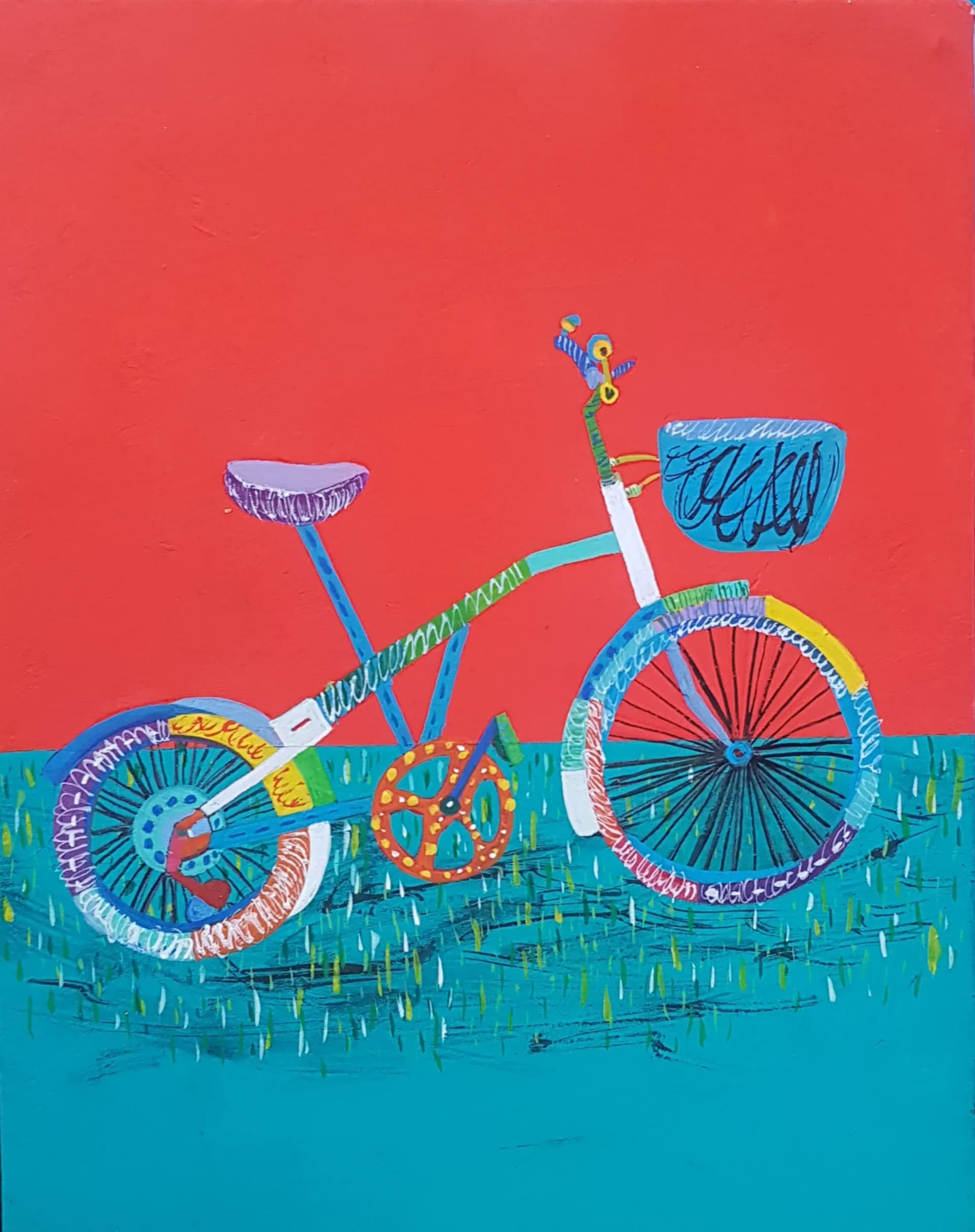
The Border Between Drawing and Painting — Why Sketches Hang in Museums
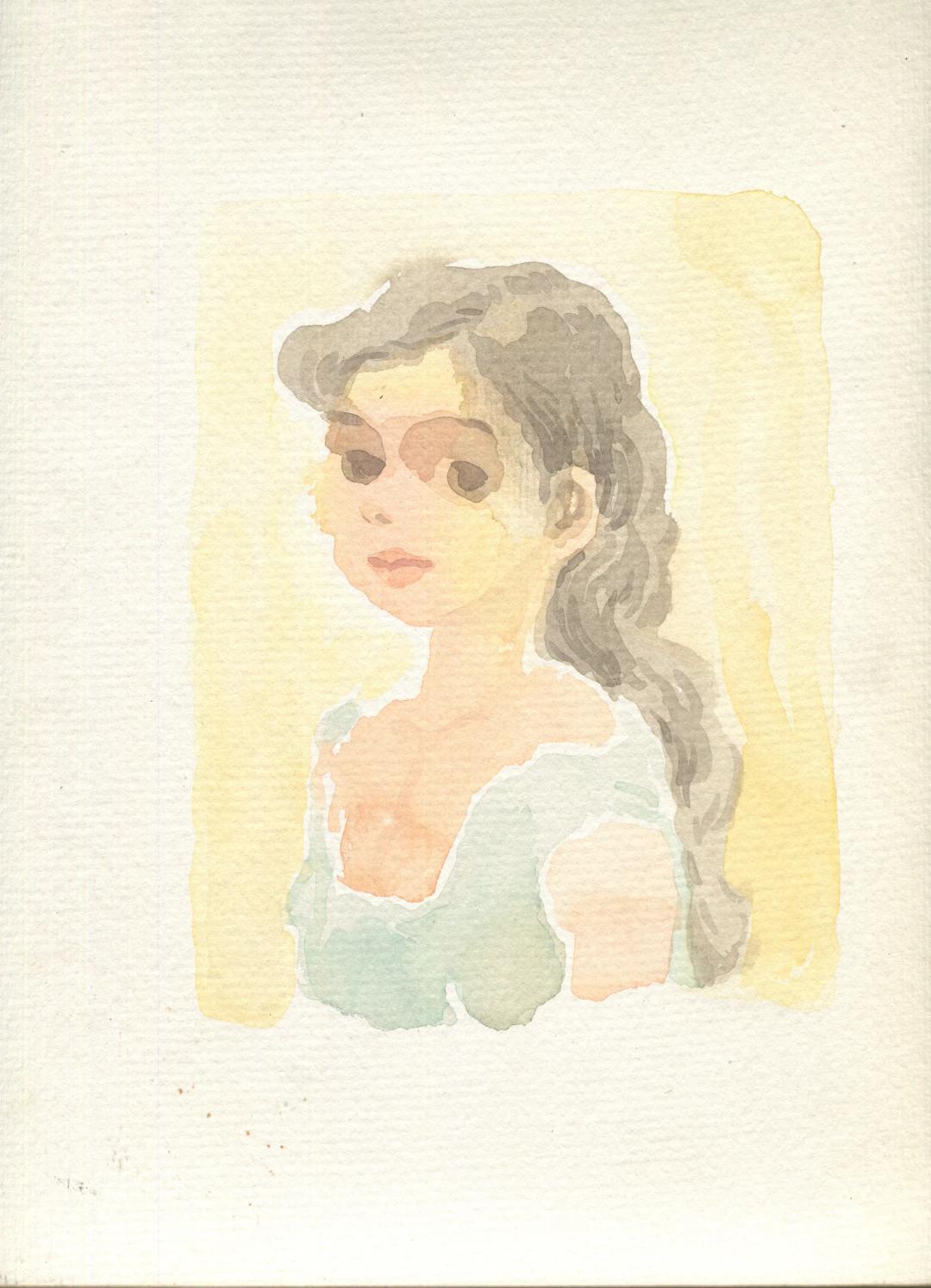
In museums you sometimes find a scene like this: beside an enormous oil painting, a small pencil drawing hangs with equal weight. Some visitors wonder, "Why hang such a tiny piece next to a painting?"
But that pencil drawing is not a preliminary stage for the oil. It is an independent work — and in some sense, a piece closer to the artist's mind than the painting itself. This essay is about what drawing is, and why it deserves to be respected as the equal of painting.
The Wide Reach of the Word "Drawing"
In Korean, drawing (드로잉) covers many things:
- Sketches in pencil, charcoal, or conté
- Pen-and-ink line work
- Watercolor and gouache
- Pastel and crayon
- Digital drawing (tablet, iPad)
- Mixed-media works on paper (collage, drawing combined with watercolor)
What unites them is the act of drawing on paper (or its equivalent). If oil and acrylic on canvas are the heart of painting, then a wide range of media on paper is the territory of drawing.
A Historical View — How the Status of Drawing Changed
Medieval to Renaissance: A "Preparation" for Painting
Until the Renaissance, drawing was generally regarded as the sketch for a final work. Drawings by Leonardo, Michelangelo, and Raphael were cartoons — preparatory stages for oil paintings.
18th–19th Centuries: Elevated to a Medium of Its Own
In the 18th century, drawing began to be seen as a finished work in itself. Ingres, Degas, and Rodin treated drawing as a medium equal to painting. Museums began to open dedicated drawing rooms.
20th Century: Drawing's Independence
For modern artists like Picasso, Matisse, and Klee, drawing was an independent medium parallel to painting. In many cases, drawing became the channel that revealed an artist's core thinking more directly than oil ever could.
21st Century: Drawing Expanded
Drawing did not decline in the digital age. On the contrary, the immediacy and intimacy of drawing have been rediscovered as scarce values. Drawings made on iPads now find their place in the territory of drawing as well.
Three Reasons Drawing Is "Closer" Than Painting
1. The artist's thinking comes through directly
A painting is built up through layers, retouching, revision. A drawing tends to be completed in a single pass, without correction. This means the artist's momentary intuition, breath, and decisions are recorded as they happened.
Look at one drawing and you can see where the artist hesitated, where they were certain, where they shifted the rhythm. In this sense, drawing is the artist's diary.
2. Honest, economical materials
Drawing materials are cheap and portable. A pencil and a sheet of paper are enough to begin. Because of this, an artist can draw anywhere, in daily life, and on impulse.
This low barrier to entry is paradoxically what makes drawing so honest. Oil painting demands materials, space, time — a kind of resolve before you begin. Drawing starts with a single gesture: pulling paper from a bag.
3. The presence of a single line
In painting, one brushstroke can be buried under another. In drawing, a line, once drawn, remains. This is both an enormous burden for the artist and the source of drawing's clarity.
"A line cannot be uncalled." That sense is the essence of drawing. Its tension comes from there.
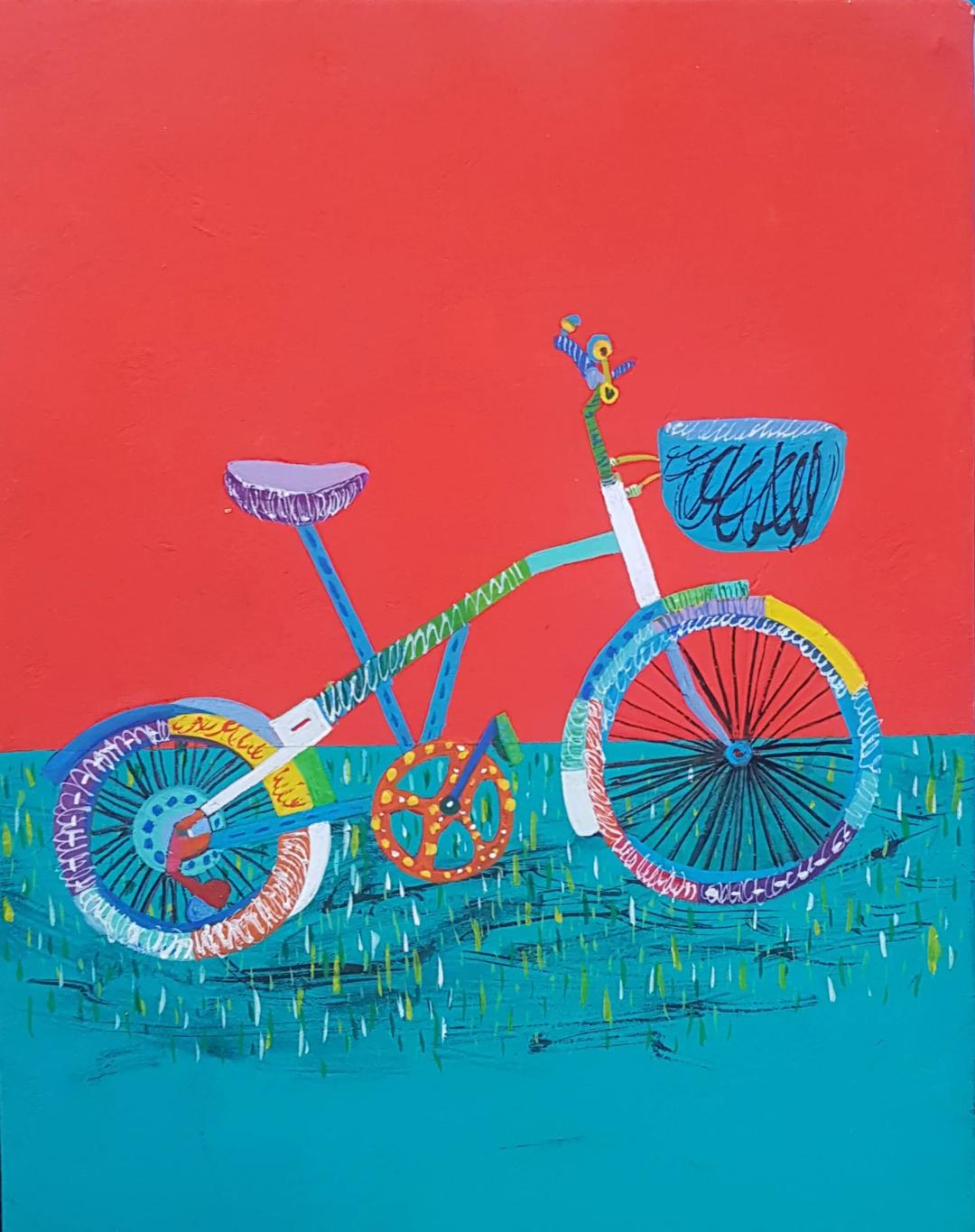
Five Things to Look For When You View a Drawing
Once you start looking at drawings, a different kind of pleasure opens up — distinct from looking at paintings.
1. The speed of the line
A slow line and a fast line on the same paper feel completely different. The thickness, density, and tremor of a line are indicators of speed. Try to imagine where the artist moved quickly and where they paused.
2. The use of empty space
In drawing, the space that has not been drawn matters as much as what has. The white of the paper is not "the part with nothing in it," but a space the artist deliberately left. Read the empty space and the structure of the work appears.
3. The texture of the material
Pencil, charcoal, pastel, watercolor — each medium creates its own texture. The same landscape rendered in pencil and in pastel are entirely different works. Notice what the medium forces on the artist and what it allows.
4. Traces of correction
Drawings often retain erased marks, faint lines, layered passages. These traces are not "mistakes" but the artist's process of thinking. A drawing with the marks of revision is often deeper than a flawlessly clean one.
5. Where the signature and date sit
In drawing, the signature often becomes part of the work. Its position and scale affect the whole composition. Looking carefully at the signature alone can reveal the artist's aesthetic sense.
The Pleasures of Collecting Drawings
1. Lower barrier to entry
The same artist's oil painting may cost ₩10,000,000 while a drawing costs ₩300,000. You can begin to live with the artist's signature language through a drawing first.
2. Greater intimacy
A drawing is closer to the artist's personal record. The trace of the moment when the artist's hand actually pressed onto that paper remains. The sense of ownership is more direct than with painting.
3. Series collecting becomes possible
Because drawings are small, multiple drawings by one artist are easy to collect. Hang three to five side by side and a new pleasure appears: the series collection.
4. You can explore many subjects and periods
While an artist may sell only a few oil paintings in a lifetime, drawings are produced in much greater numbers. They are a window into the artist's various periods and themes.
Things to Watch for When Collecting Drawings
1. Conservation is delicate
Works on paper are very sensitive to light, humidity, and acidity. Frames must use acid-free mats and UV-blocking glass. We cover this in detail in Storage, Framing, and Lighting for Artworks.
2. Resale is slower
The secondary market for drawings is smaller than for paintings. At the same price point, paintings turn over faster. Approach drawings as long-term holdings rather than vehicles for short-term gain.
3. Authentication matters
Drawings are relatively easy to forge through prints and reproductions. Check whether the pencil has actually pressed into the paper, and whether the artist's signature is in their own hand. See the Authenticity & COA Checklist.
Currents in Contemporary Korean Drawing
Drawing After Minjung
In the 1980s, Minjung artists — Oh Yoon, Lim Ok-sang, Shin Hak-chul — used drawing as a medium for testimony and declaration. Their drawings served as field sketches, newspaper cartoons, and the originals for woodblock prints, carrying fragments of larger narratives.
After 2000
From the 2000s onward, contemporary Korean drawing expanded into personal narrative and the aesthetic exploration of daily life. Several recipients of the MMCA Korea Artist Prize have been drawing-centered artists.
Drawing at SAF
Many of the 213 artists at SAF also work in drawing. Platforms where you can see drawings and paintings by the same artist side by side are rare. Drawings by emerging and mid-career artists, in particular, fall in the ₩100,000–₩500,000 range — making them ideal entry points for first-time collectors.
Frequently Asked Questions
Q. What is the difference between a drawing and a sketch? A. Strictly speaking, a sketch is a preparation for a final work, while a drawing is a completed work in itself. In contemporary art the distinction has blurred, and works originally made as sketches are often later recognized as independent drawings.
Q. Is digital drawing also drawing? A. There is debate, but the answer is leaning more and more toward yes. When an artist creates digital drawings on an iPad or tablet and prints and signs them in limited editions, they circulate as official drawings. Museums have also begun to accession digital drawings.
Q. Won't pencil drawings smudge? A. They can, but artists usually apply fixative to bind the graphite to the paper. With proper storage, pencil drawings can last for decades unchanged.
Q. Are drawings produced in editions? A. Most drawings are unique works (1 of 1). Unlike prints, drawings have no edition concept. The exception is hybrid techniques (for example, hand drawing on top of a lithograph), where editions may exist.
Q. Would you recommend a drawing as a first acquisition for a beginner like me? A. Yes, strongly. The reasons are: (1) price accessibility, (2) direct access to the artist's signature gesture, (3) compact storage that lowers the burden, and (4) a great way to develop an eye for emerging artists. These four factors combine.
Related reading
If this piece helped, you may also enjoy these related articles:
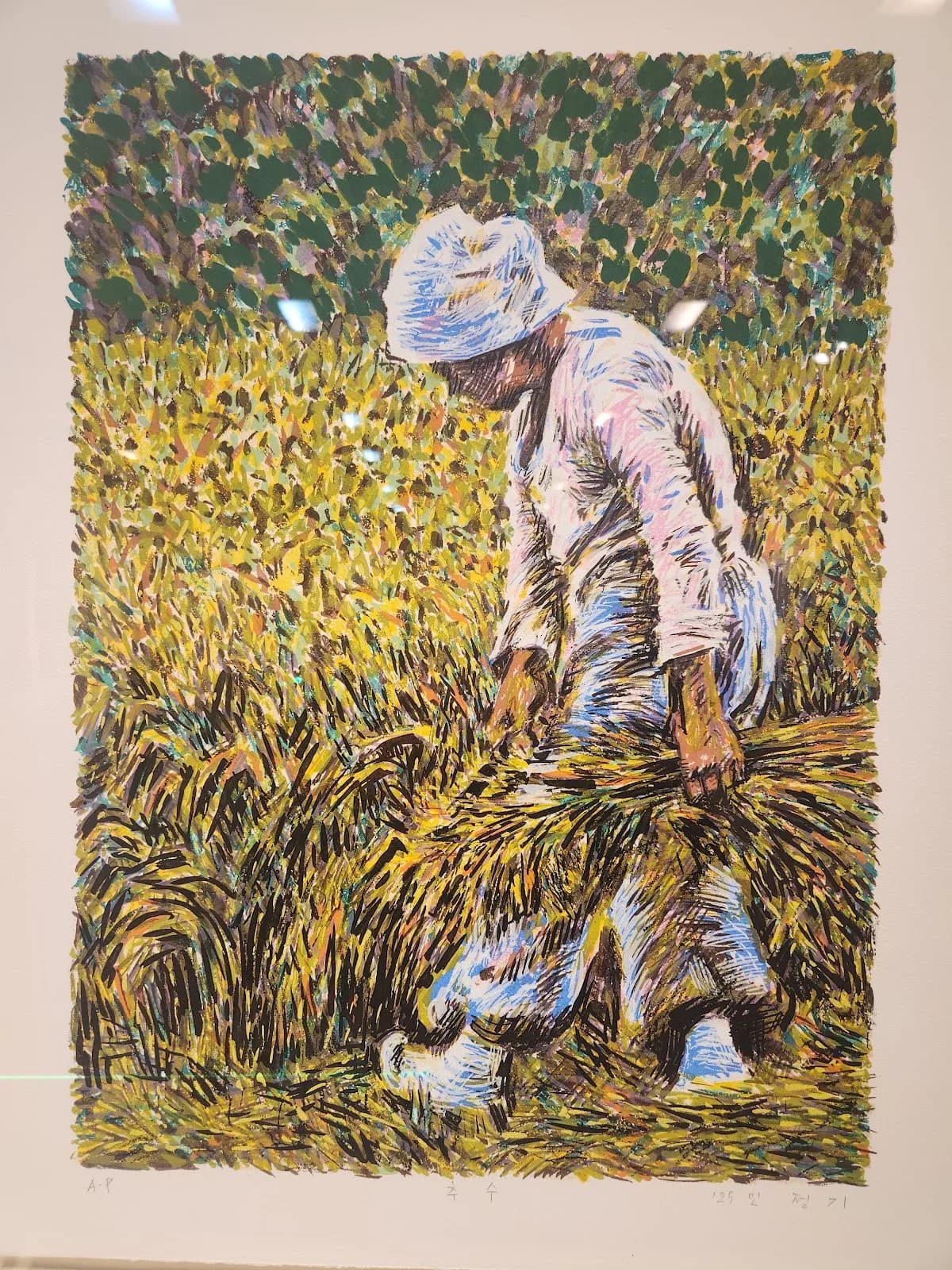

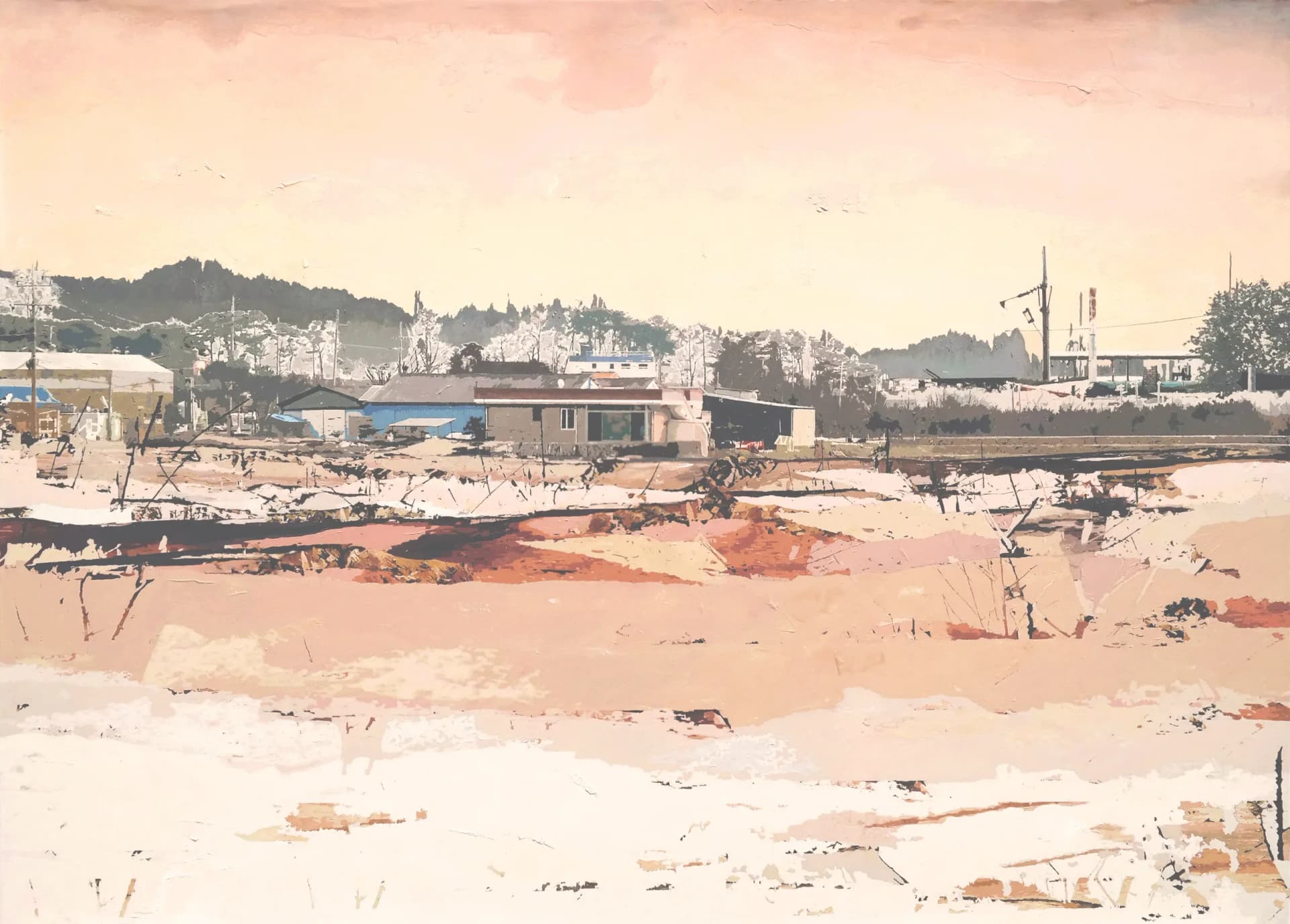
A drawing is not a "small painting" but a complete world on paper. Once you start looking this way, even the smallest pencil drawing tucked into the corner of a museum carries the same weight as an oil painting beside it. Browse drawings at SAF →
Further Reading
Start Collecting

Seed Art Festival
·