10 ho or 30 ho — how many centimeters? A quick guide to reading the Korean art market's size system, with F, P, M ratios and real SAF examples.
Collector path
Works to view after this guide
Use the guide below to understand the work, then compare available artworks in the gallery.

You'll encounter two size notations on Korean art listings. One is cm, the other is ho (號). The same work may be labeled "45.5×37.9 cm" or "F8" or "8 ho." Both point to the same dimensions — but ho is a pricing-and-size unit system that the Korean and Japanese art markets imported from France a century ago.
This guide answers what 10 ho is in centimeters, and why the same 10 ho splits into three aspect ratios — F, P, and M.
Why Ho Exists
In 19th-century French oil-painting markets, canvases came pre-made in standard sizes. Korea and Japan adopted the standard and attached the character 號 (ho, "number"). So ho is not a traditional Korean unit — it's an imported standard. In international exhibition and sales contexts, cm is gaining ground, but within the Korean art market, ho is still a pricing unit.
When you hear "price per ho," that's the background. As in: "if a 20-ho painting is ₩4M, that's ₩200K per ho."
From 1 Ho to 100 Ho — F Reference Table
The most common F type, approximate cm conversion.
| Ho | Size (F, cm) | Physical sense |
|---|---|---|
| 1 ho | 22.7 × 15.8 | Two postcards |
| 3 ho | 27.3 × 22 | Slightly larger than A4 |
| 6 ho | 40.9 × 31.8 | Laptop screen |
| 10 ho | 53 × 45.5 | Small canvas, wall accent |
| 15 ho | 65 × 53 | Good beside a sofa |
| 20 ho | 72.7 × 60.6 | Living-room centerpiece start |
| 30 ho | 90.9 × 72.7 | Small TV screen |
| 50 ho | 116.8 × 91 | Large painting territory |
| 80 ho | 145.5 × 112.1 | Whole-wall view |
| 100 ho | 162.2 × 130.3 | Exhibition-scale |
Not mm-precise (artists and manufacturers differ slightly), but enough to orient you when buying.
F · P · M — Three Ratios at the Same Size
The same "10 ho" splits three ways.
- F (Figure) — the most common. Originally for portraits. Near-square, often slightly taller than wide.
- P (Paysage / landscape) — wider than F, shorter in height.
- M (Marine) — for seascapes. Wider still — closer to panoramic.
At 10 ho: F is 53×45.5 cm; P is 53×40.9 cm; M is 53×33.4 cm. Same number, different impression.
In practice, the F/P/M distinction is loosely enforced today; "ho" alone is usually quoted as F. If only "10 ho" is listed, reading it as F type is safe.
Sense of Size in Physical Space
Comparisons beat numbers.
- A4 paper: about 3 ho
- 13-inch laptop screen: about 6 ho
- 50-inch living-room TV: about 30–40 ho
- 3-seater sofa backrest (~180 cm): wider than 80 ho horizontal
For sizing a piece to a wall, measure wall width first and aim for a work that covers 60–75%. Detail in Choosing Art by Room.
SAF Works as Ho Examples
Cross-referencing actual SAF works to ho:
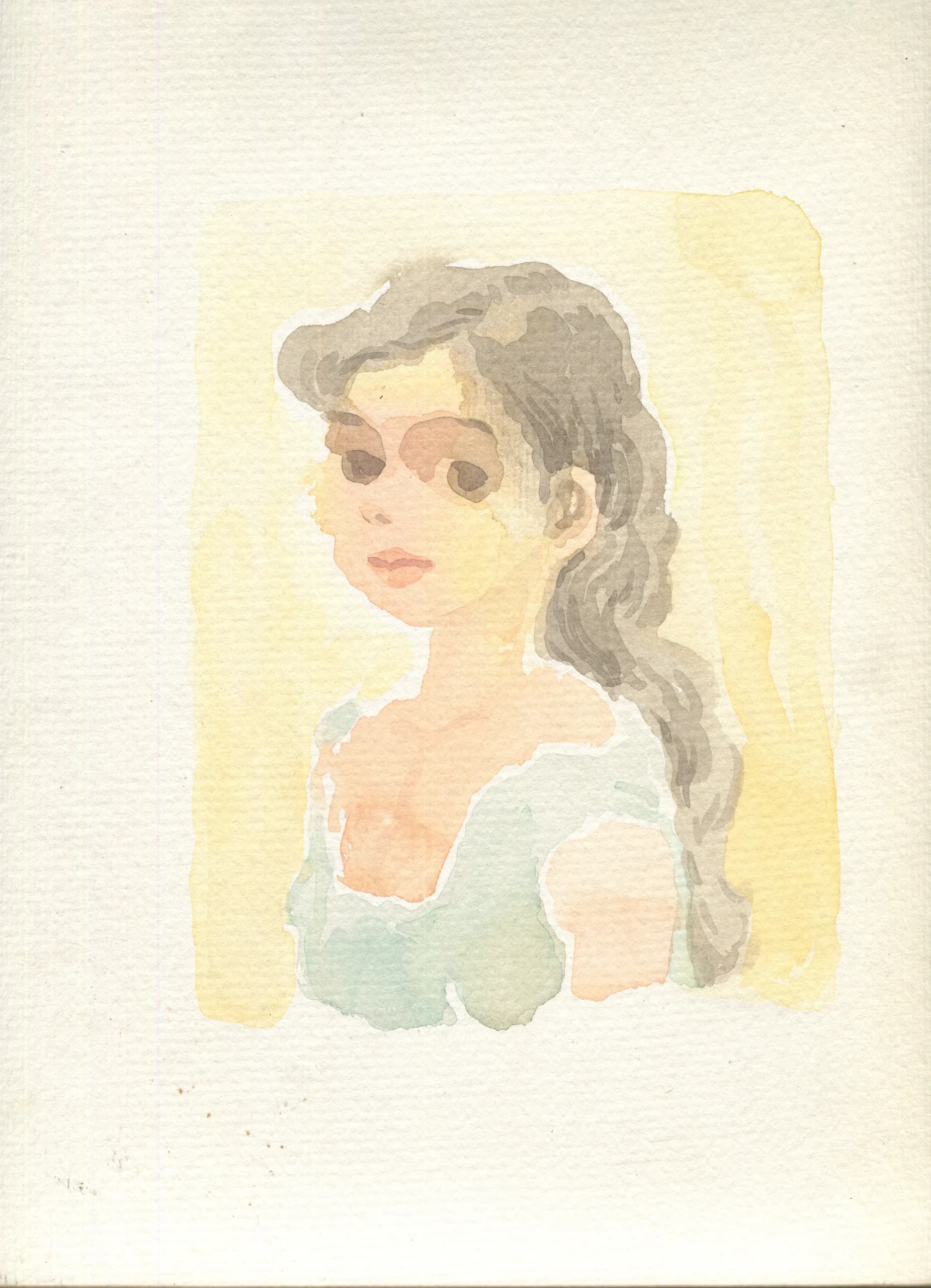
- An Eungyeong, A Moment of Pause — 16×22 cm (under 0 ho, mini postcard-scale)
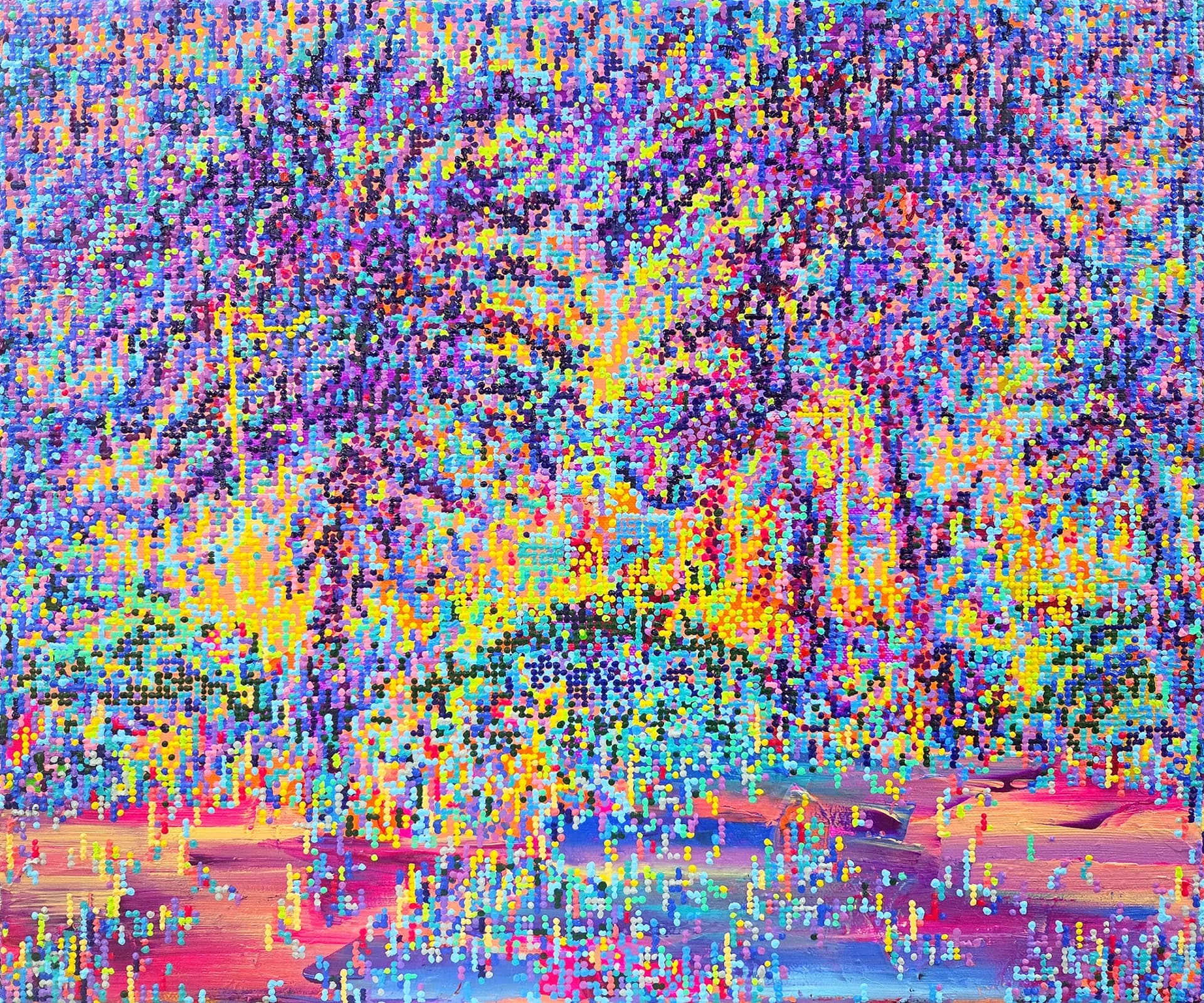
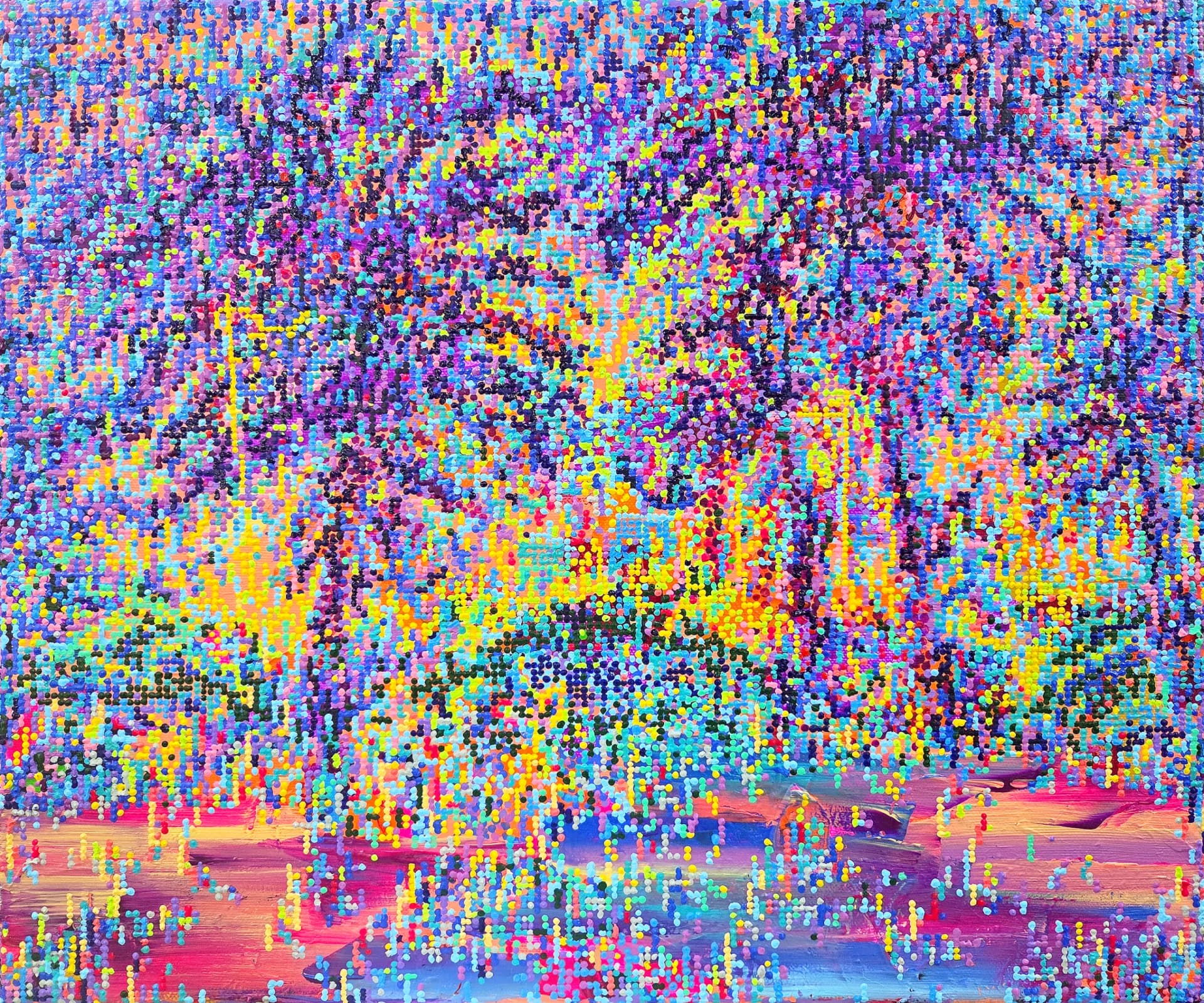
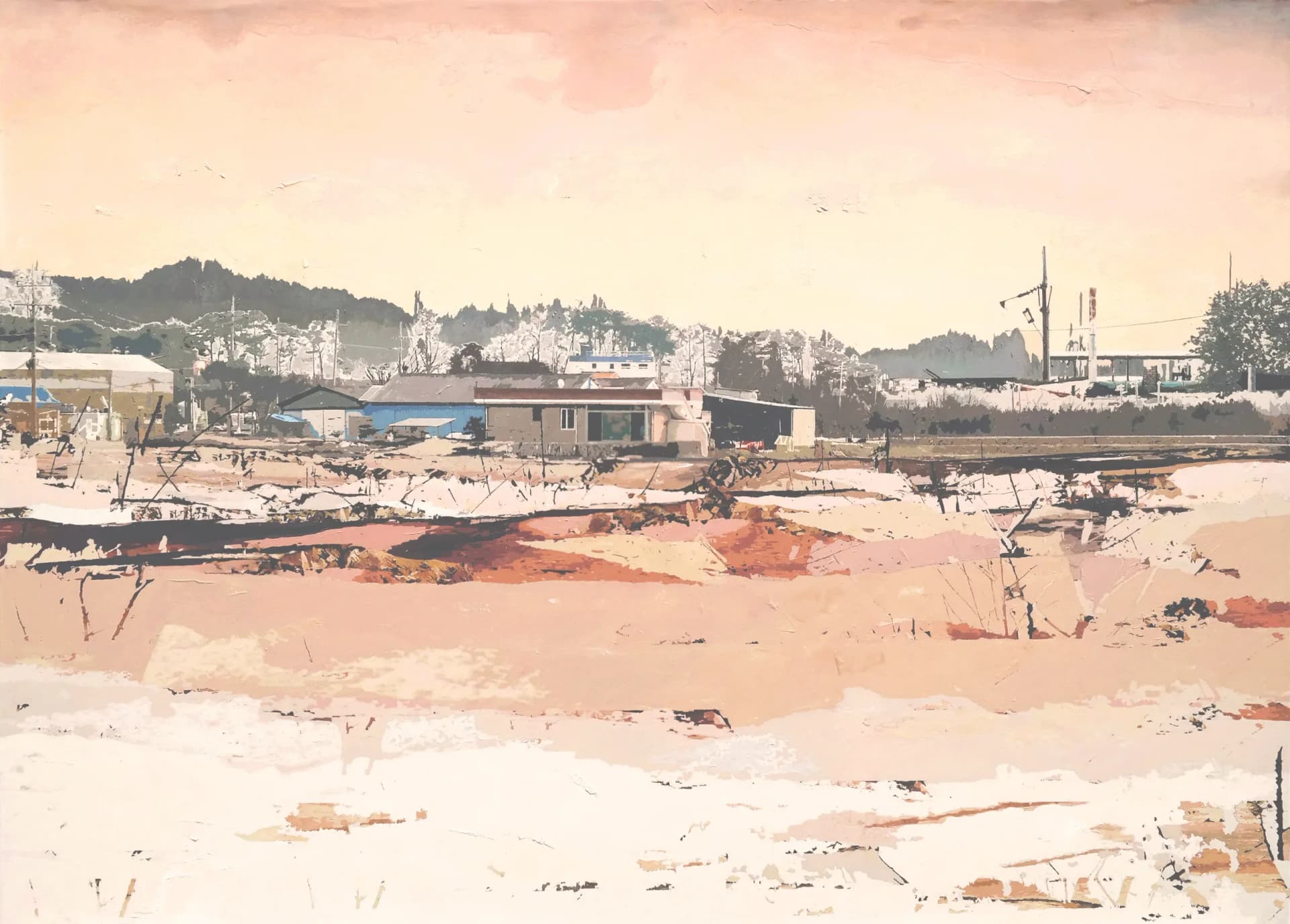
- Sim Moby, 9505 SIM_Memory — 45.5×37.9 cm (about 8 ho F)
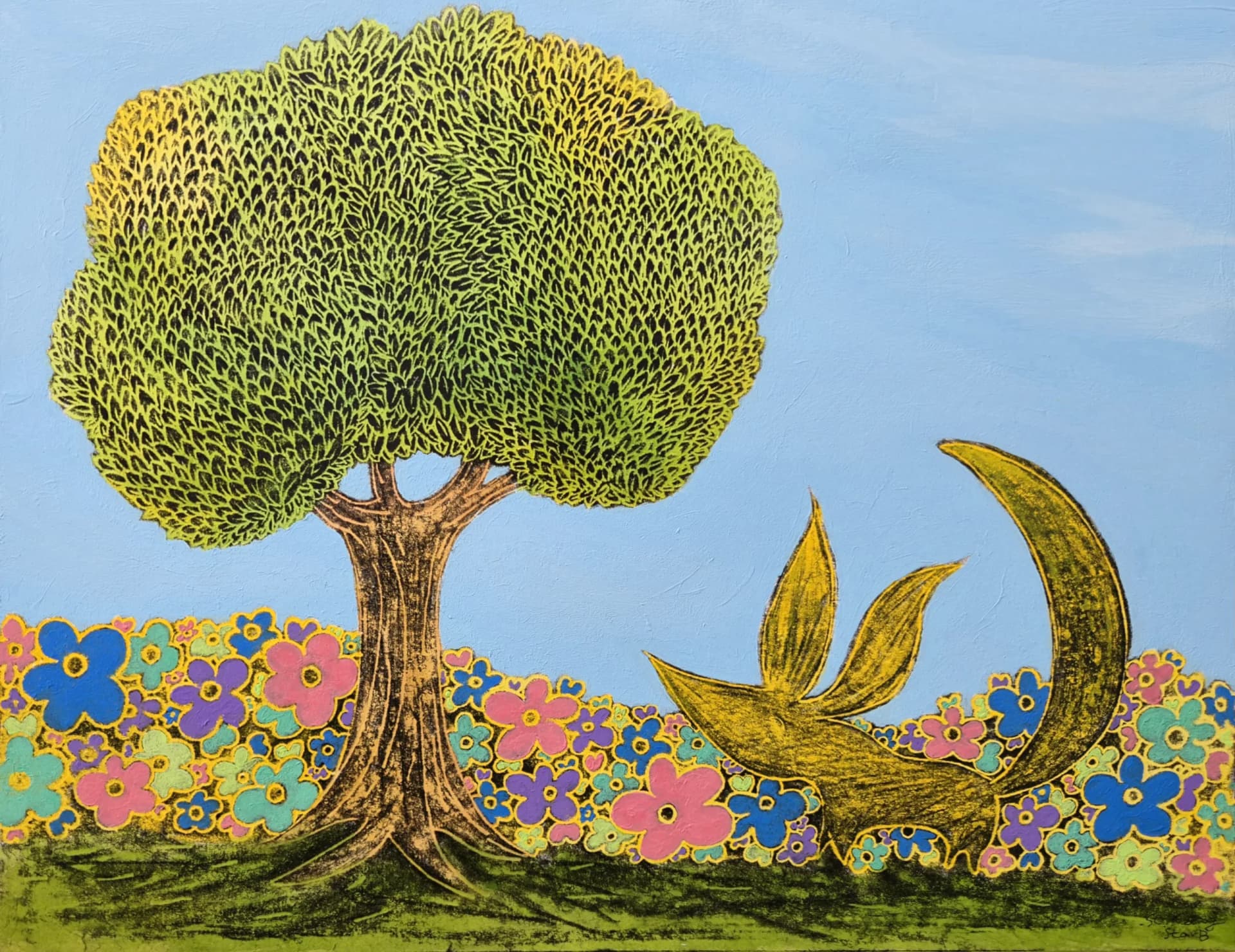
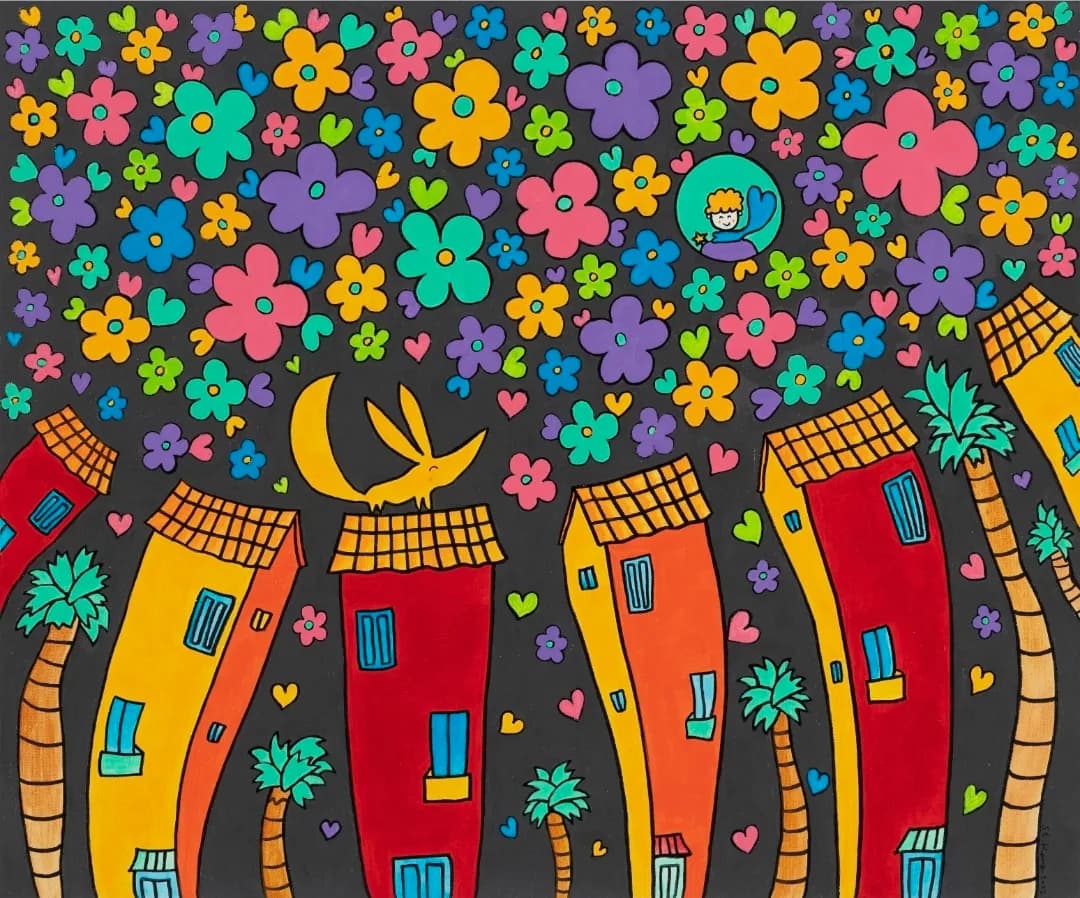
- Kang Seoktae, The Happy Fox at 4 O'Clock — 40.9×31.8 cm (exactly 6 ho F)
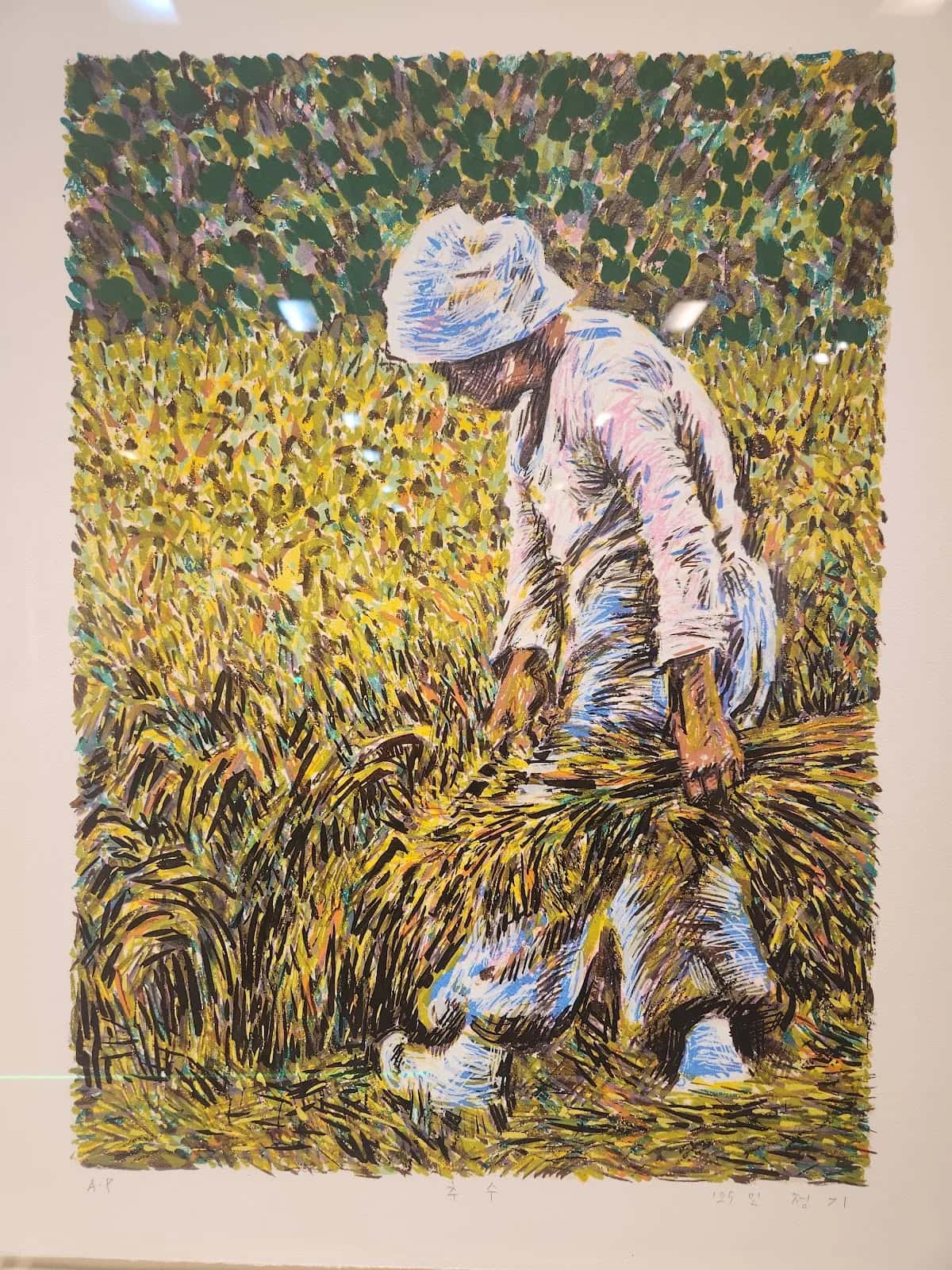
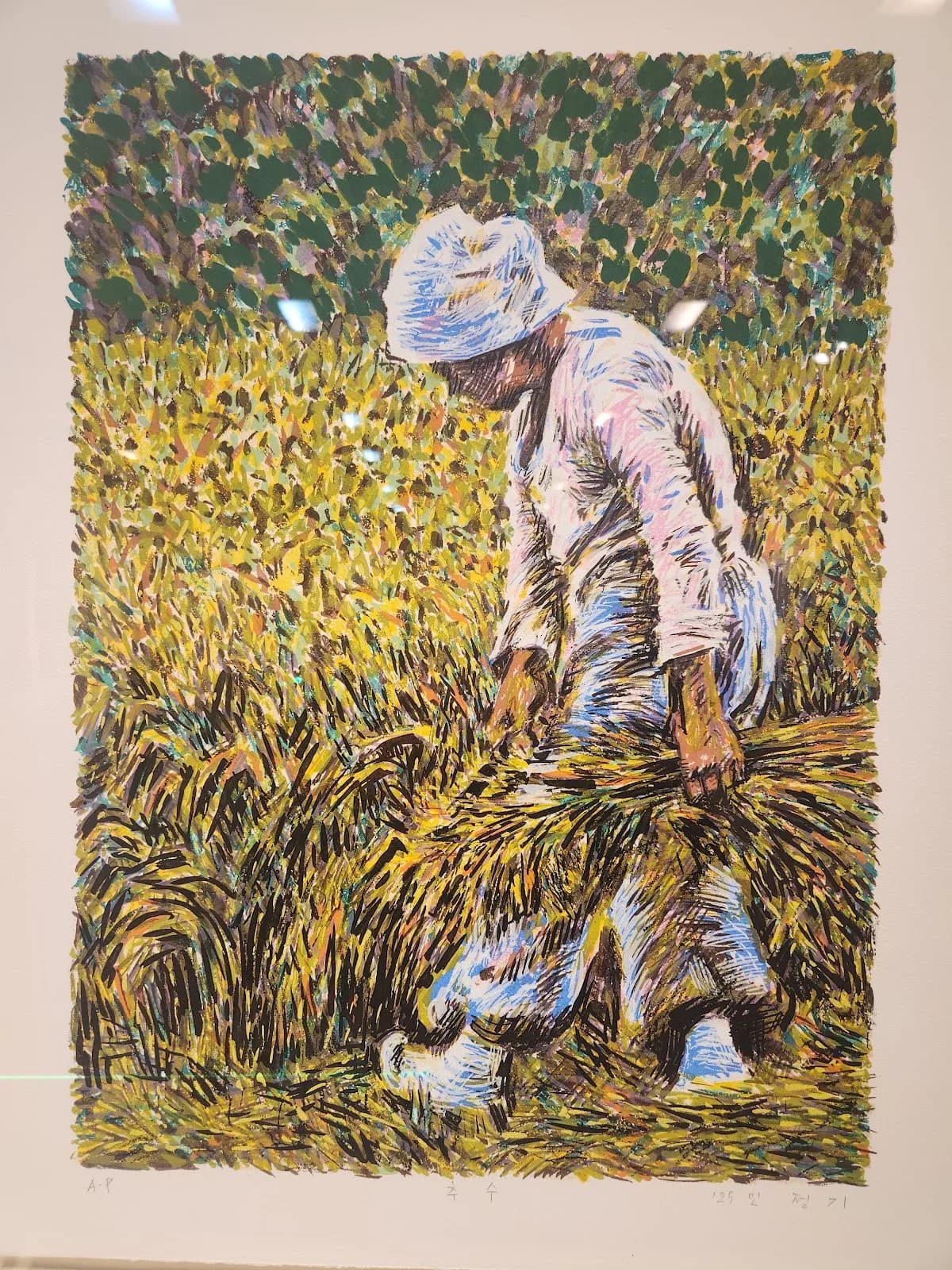
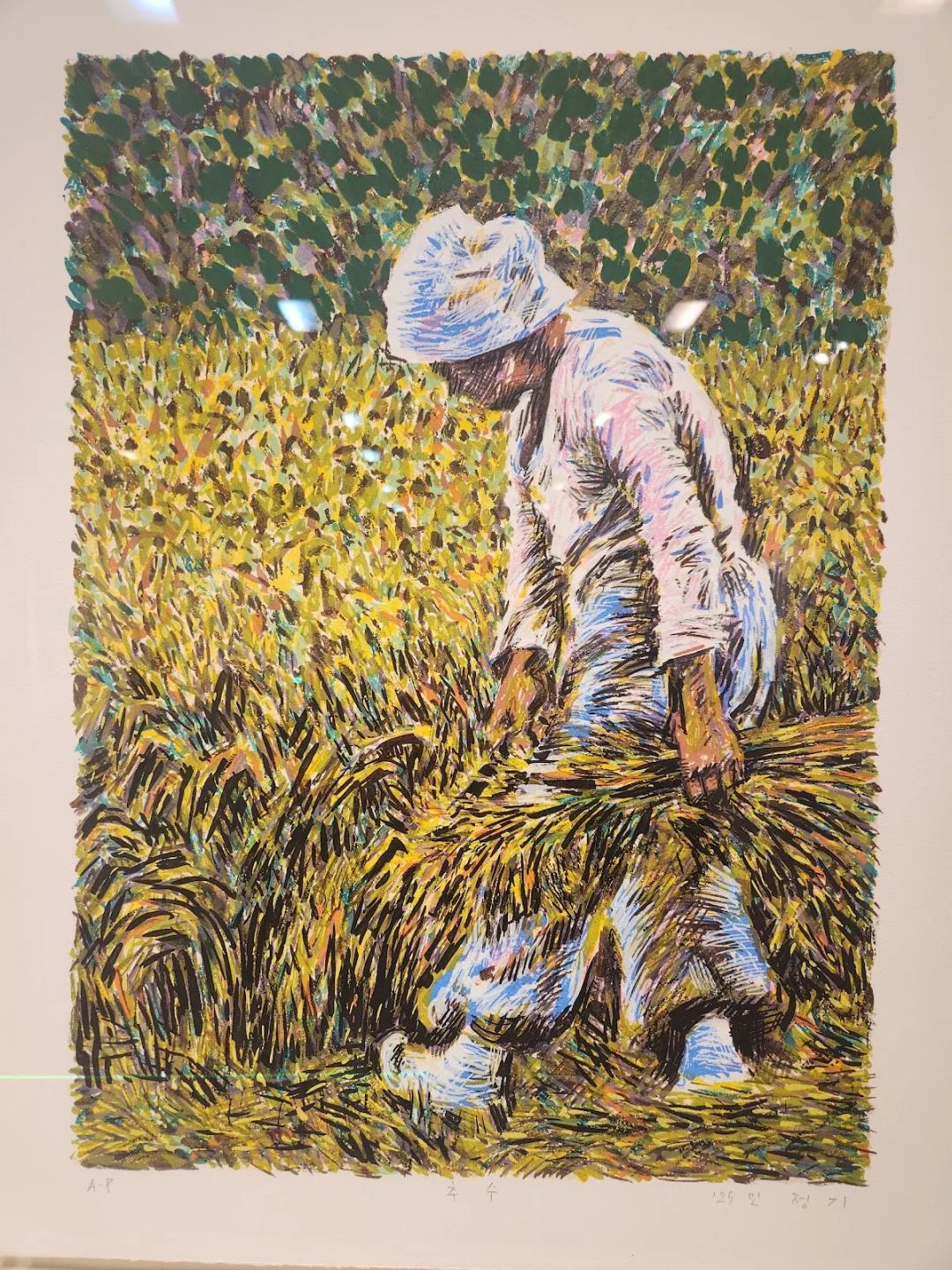
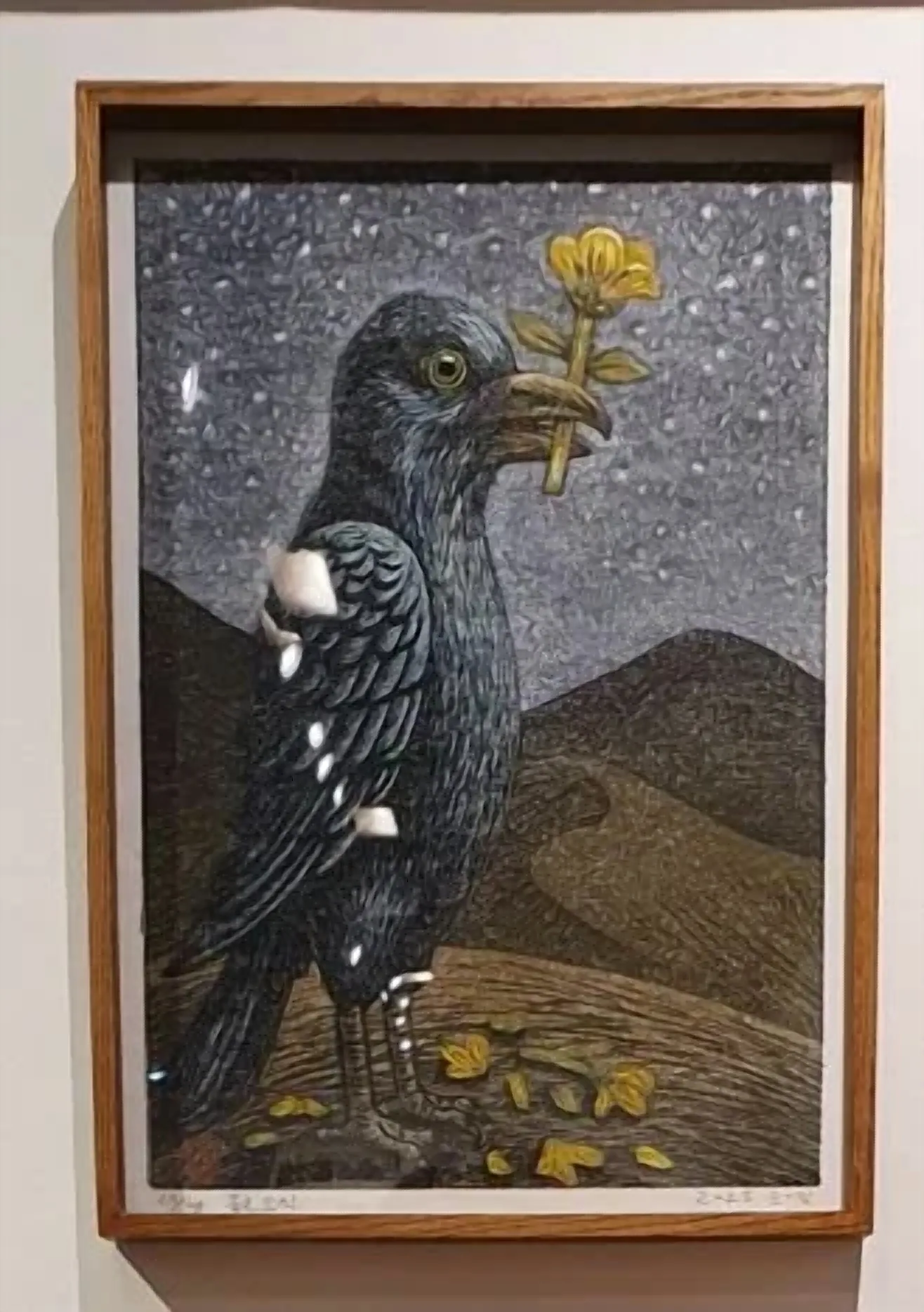
- Min Jeonggi, Harvest — 57×41.5 cm (about 10 ho P)
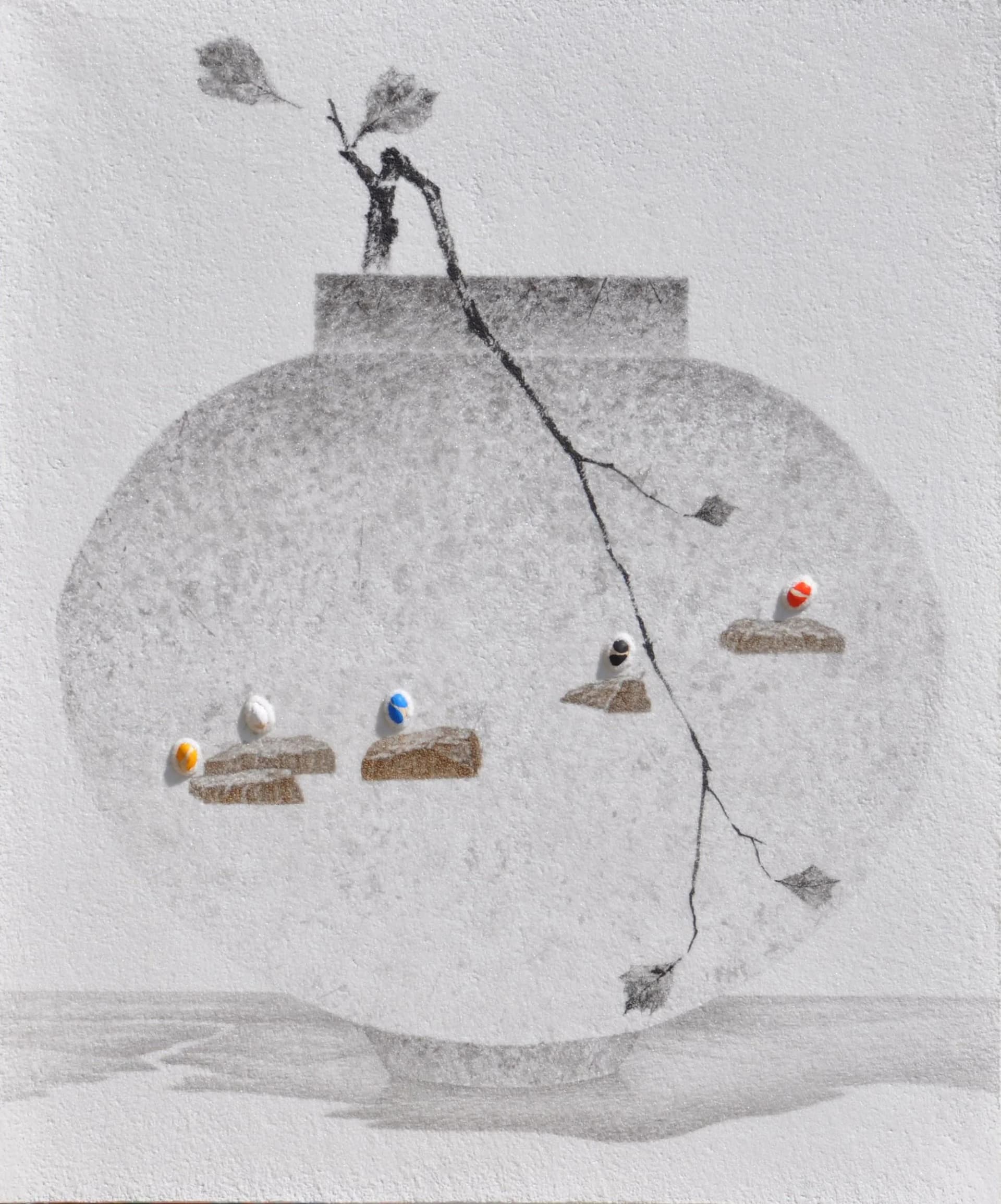
- Lee Cheolsu, Sacred — 96×64 cm (about 30 ho P)
Practical Value of Ho
Two practical uses when choosing work:
- Calibrate pricing. Knowing an artist's per-ho price lets you estimate prices at other sizes.
- Calibrate space. Ho is more intuitive as a scale vocabulary than the cm you see on screen — "about 30 ho for our living room."
Frequently Asked Questions
Q. How many centimeters is 10 ho? A. 10 ho is 53.0×45.5 cm on the F standard. P type is 53.0×40.9 cm and M type is 53.0×33.4 cm — the same ho number differs by type.
Q. How big is 30 ho? A. 30 ho is 90.9×72.7 cm on the F standard, a good size to hang on its own on a living-room wall.
Q. How do I convert between ho and cm? A. Ho is a canvas standard imported from France, with fixed cm values for each of the F, P, and M types. The conversion table above covers 1 ho through 100 ho.
What's Left Behind the Numbers
The size of a work is ultimately a number, but that number finally connects to one person's wall.
More important than memorizing ho is the sensation of the moment your space meets that work. The numbers are tools to get closer to that sensation.
Further Reading
Start Collecting

Related reading
If this piece helped, you may also enjoy these related articles:

Seed Art Festival
·