Meet the Artist
Stories behind the artists and their works
Behind every artwork is a life of decisions. SAF 2026 brings together 213 Korean artists who chose to put their work into a mutual-aid campaign for fellow artists. Their interviews, studio notes, and reflections give you the context that turns a passing glance into a lasting connection with a piece.
Korean contemporary artist interviews often live behind academic prose. The SAF magazine asks simpler questions in the artists’ own words, so first-time visitors can build a real sense of who made the work — and why.
Every featured artist is a “solidarity artist”: they donated work knowing the proceeds would fund low-interest loans for peers excluded from primary banking (84.9% of Korean artists). Their stories are personal, but they also reveal the structural reality of Korean art-making.
Found an artist you connect with? Their full SAF collection is one click away — original works, gallery-direct pricing, free shipping, and 7-day returns.
Stories in this category
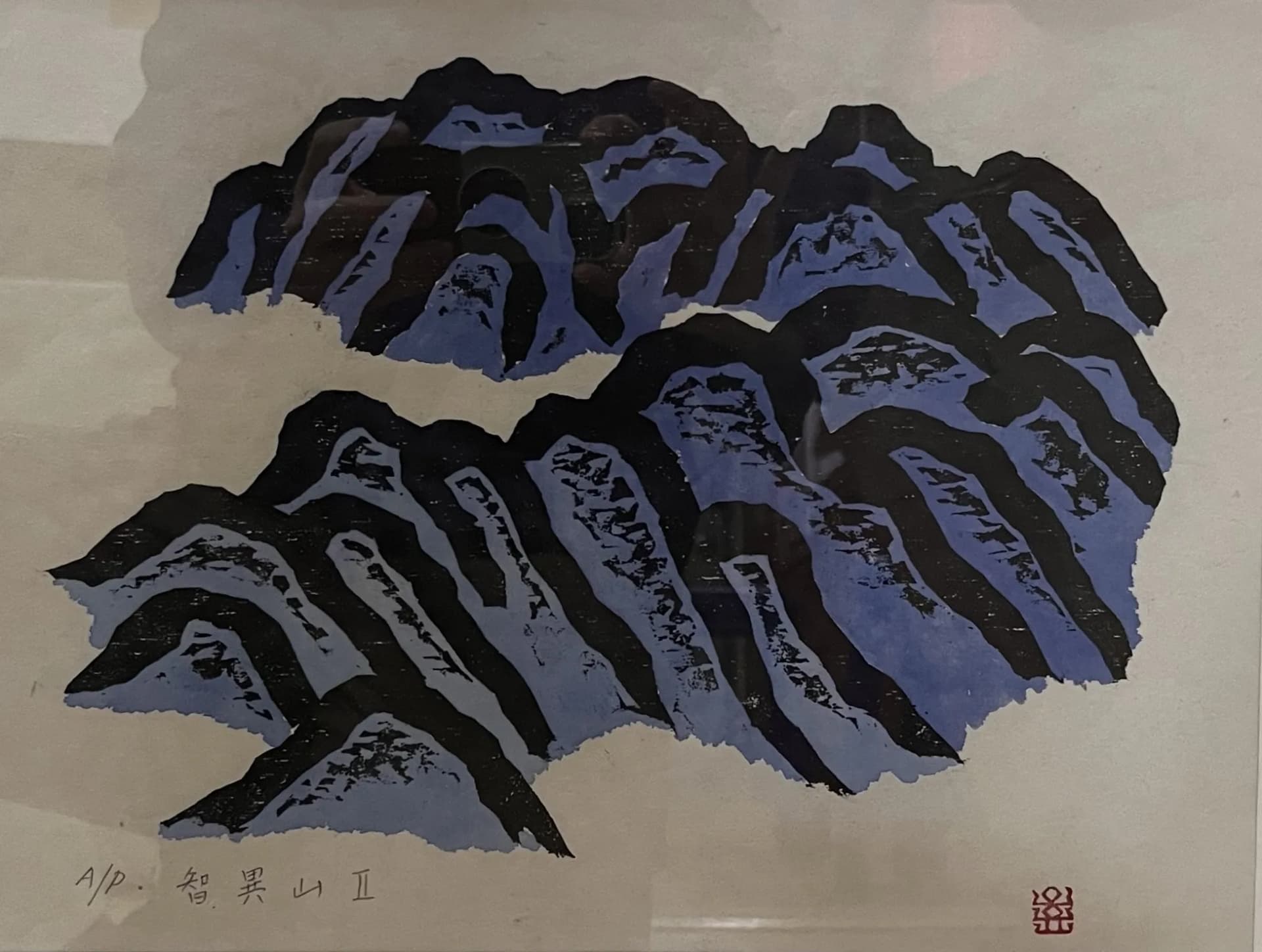
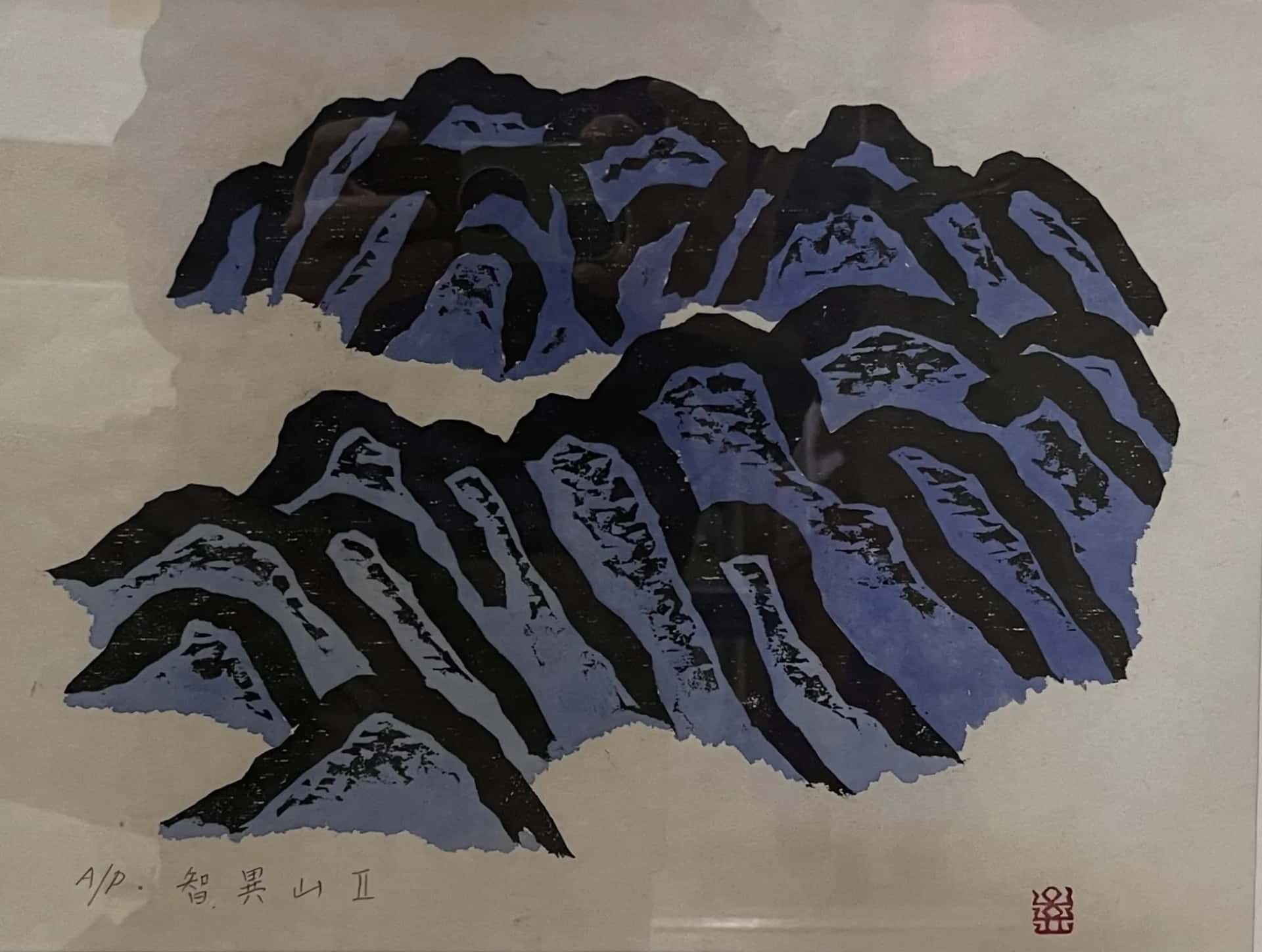
Carving an Era with a Blade: Oh Yun 40th Anniversary Special Exhibition
The printmaker Oh Yun died at forty-one in 1986. Forty years later, the dance he carved into wooden blocks has not stopped. Eighteen posthumous prints submitted to SAF 2026 create a paradoxical, beautiful moment — his art reborn as a financial safety net for fellow artists.

Ha Seonyeong: A Painter of Walks and Trees, and One Cobalt-Blue Bird
Ha Seonyeong trained in painting at Hongik University and photography at the École Nationale Supérieure de la Photographie d’Arles, and has long painted portraits of trees. A close reading of Hope 013, a cobalt-blue bird with raised wings on white paper.
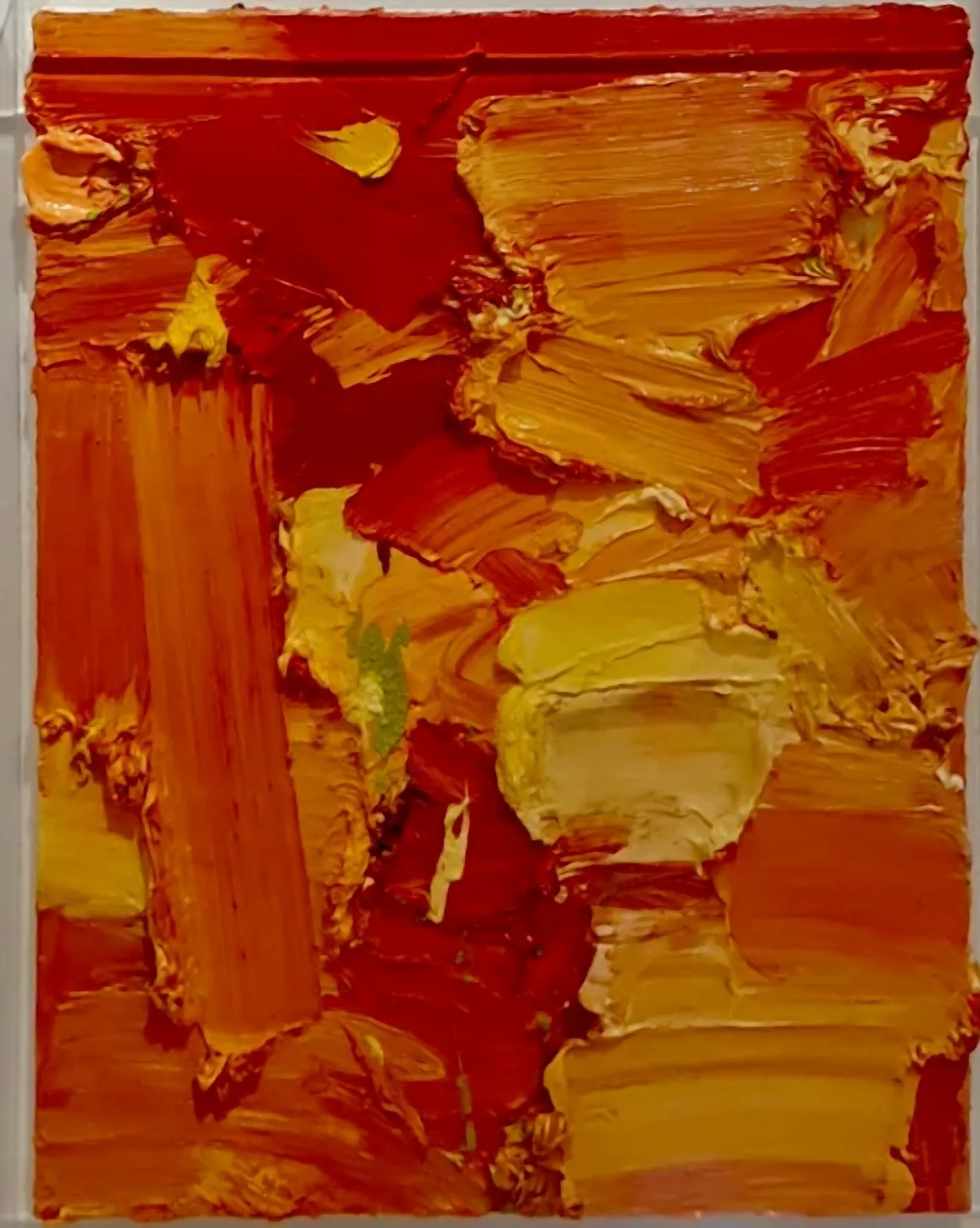
Jeong Jaecheol: Thick Paint as the Trace of Compromise, Middle Ground
Jeong Jaecheol moved from distorted faces to abstraction built on thick, scraped paint. A guide to the Middle Ground series and the painting Middle ground in the SAF permanent online gallery.
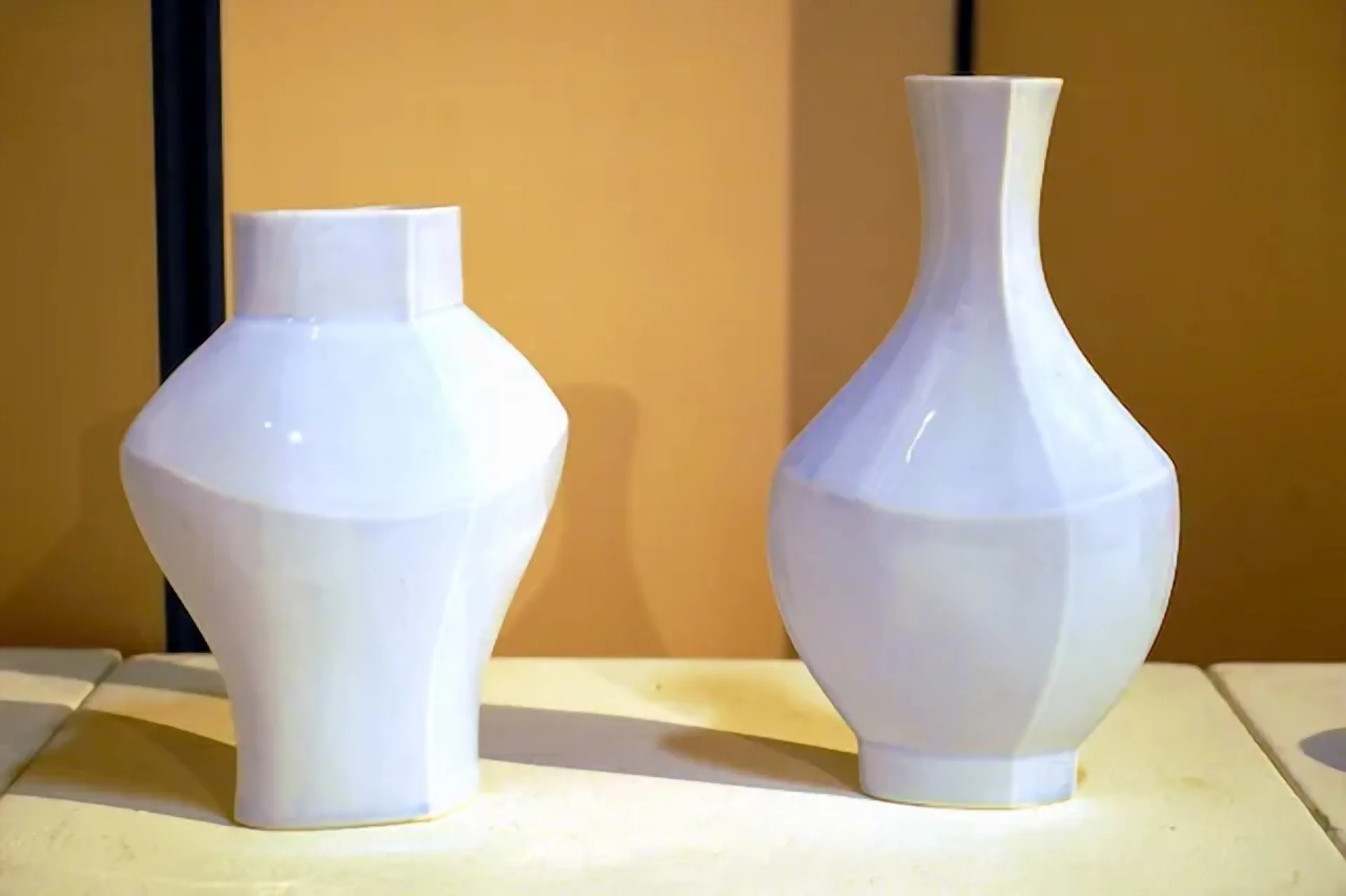
Kim Taehui: Patchwork Cloth Carved in Clay, and the Angular Bottle
Kim Taehui is a ceramic artist who carves traditional porcelain forms and the lines of patchwork wrapping cloth into thin clay slabs. A guide to their work and to the faceted Angular Bottle.
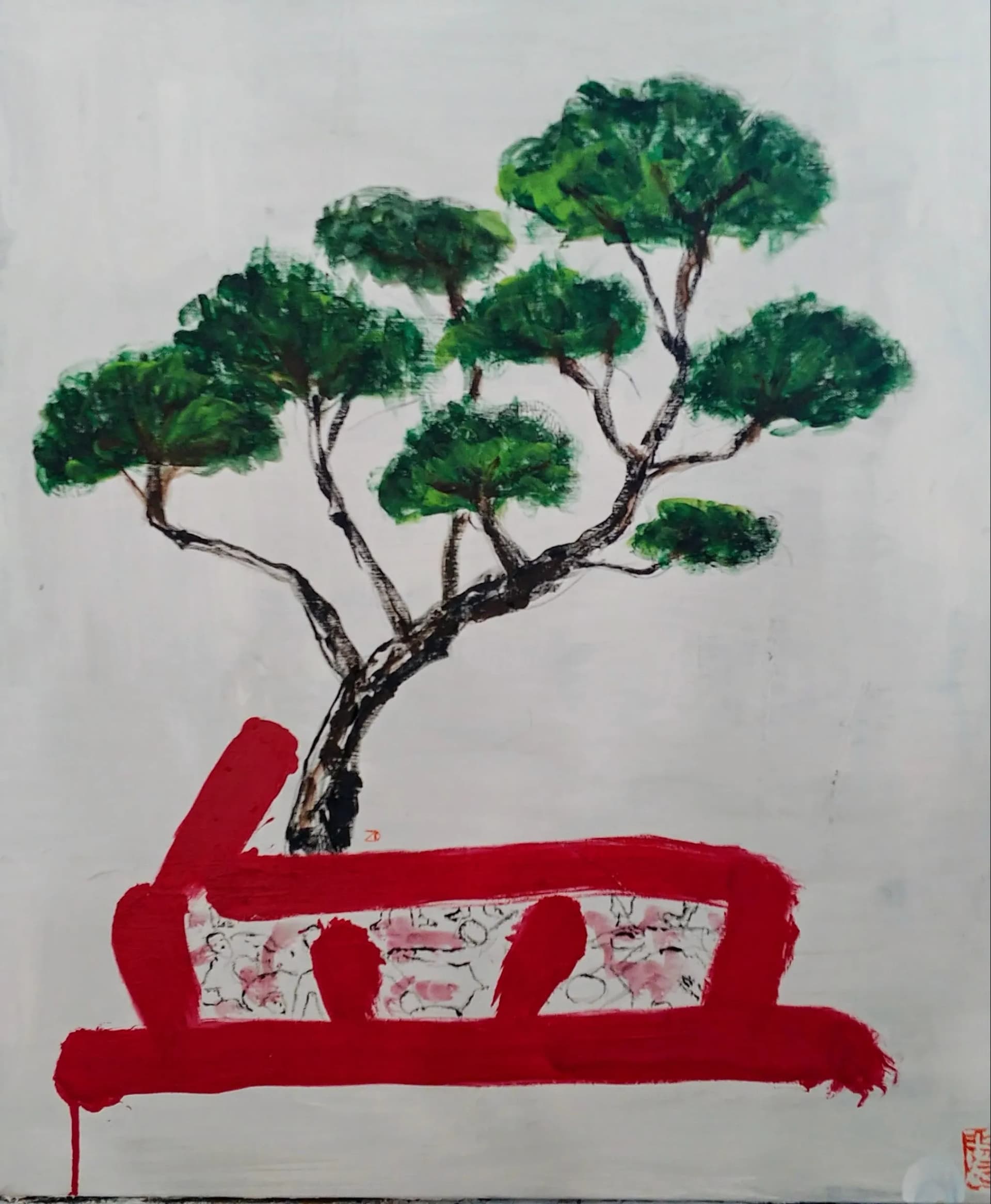
Song Hyo-seop: A Scholar of Literature Who Planted a Tree in the Character for Blood
Song Hyo-seop, professor emeritus of Korean literature at Sogang University, borrows the Joseon-era form of the munjado, the character painting, for today. A close reading of Munjado Blood: Tree of Democracy, a pine growing out of a red brushstroke character.
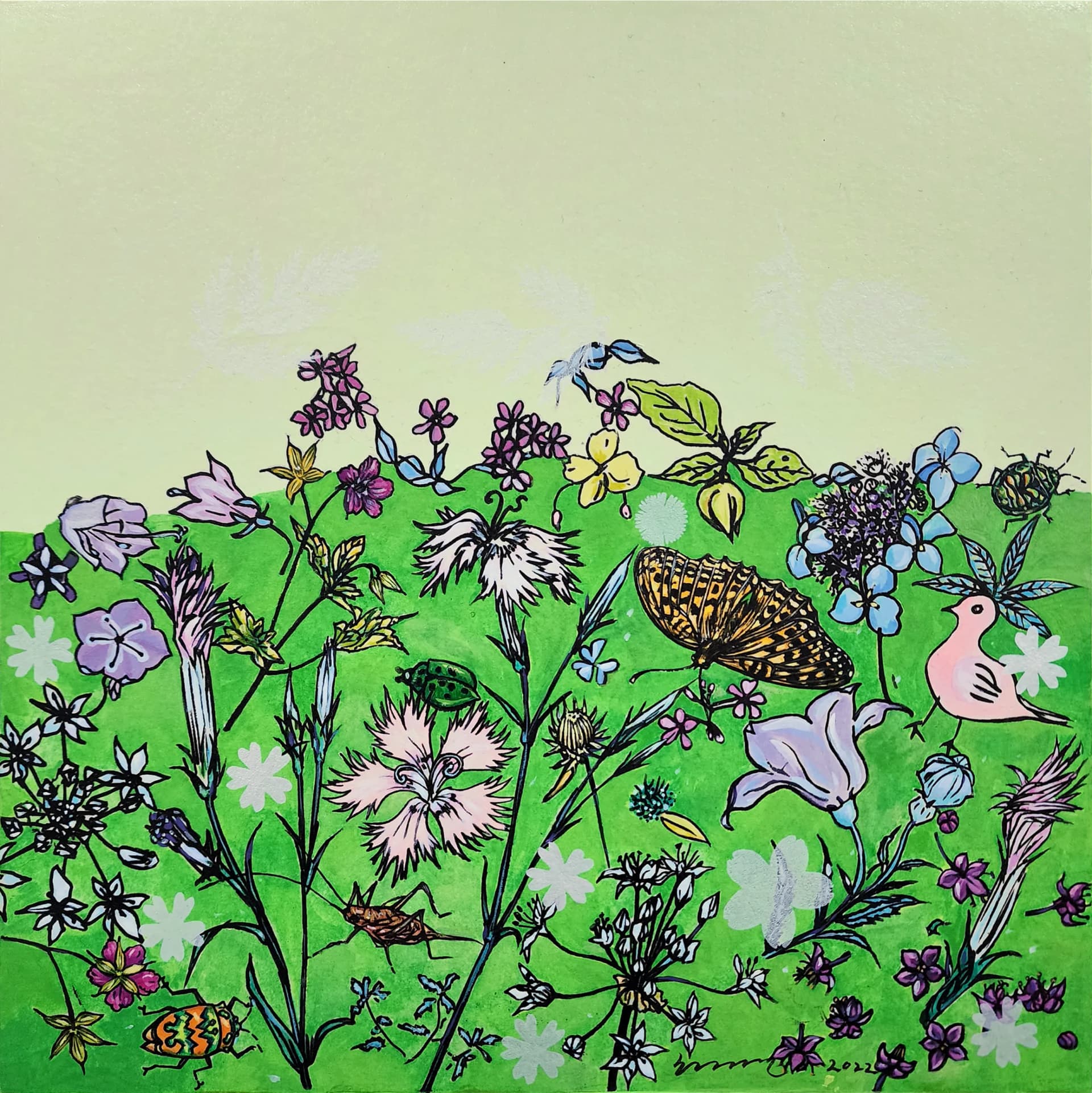
Heo Munjeong: A Yard Full of Wildflowers and Insects, Printed Without Hierarchy
Printmaker Heo Munjeong collects and observes flowers and insects in the yard. A close reading of the silkscreen Flower Garden, which sets modest wildflowers and weeds on equal footing.
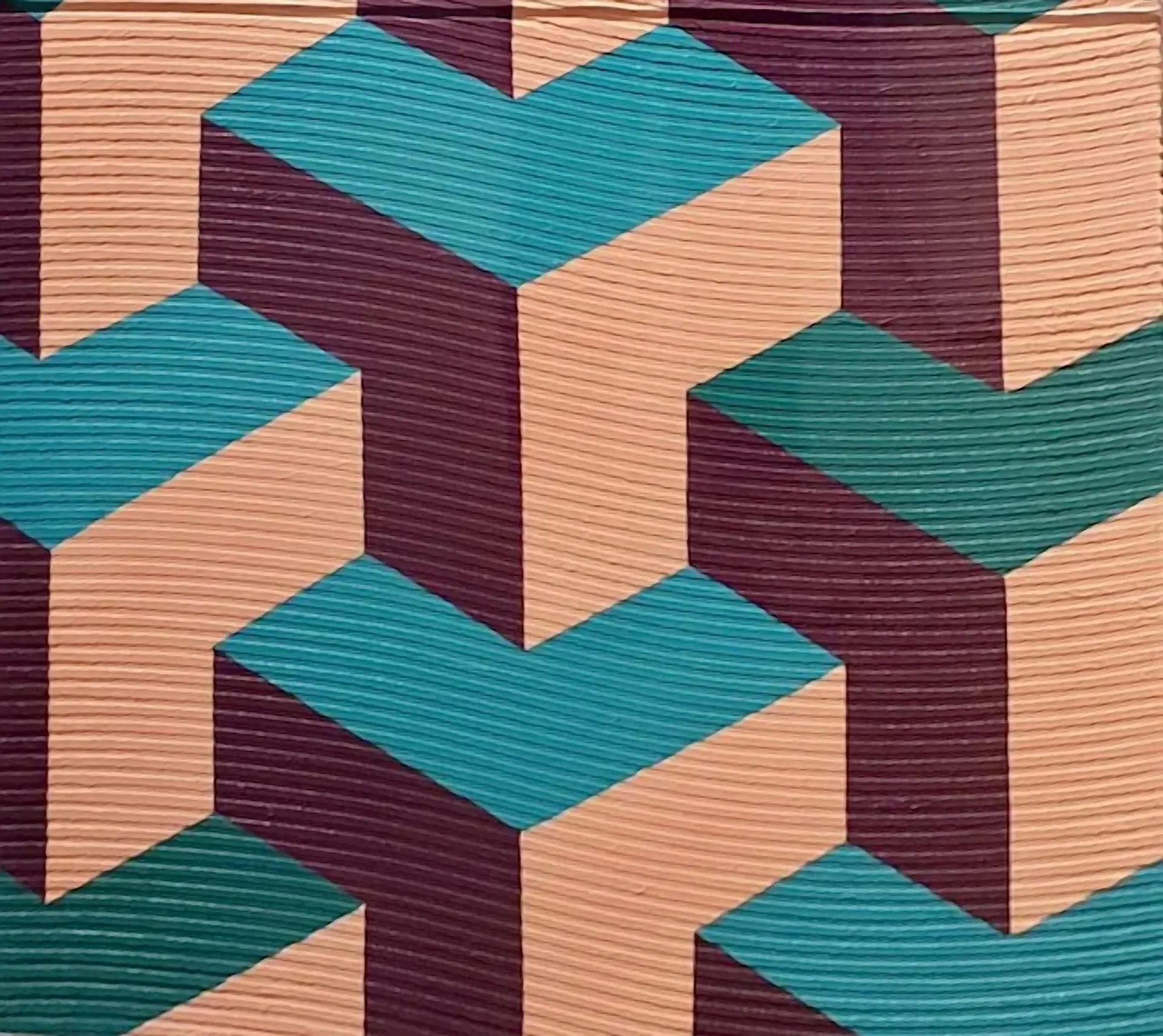
Jang Huijin: Color Set on a Surface Built Up Over 48 Hours
Jang Huijin builds the canvas itself, layering and peeling modeling paste into a ridged surface before any color goes on. A guide to how the work is made, read through the Seed Art Festival piece folded tint.
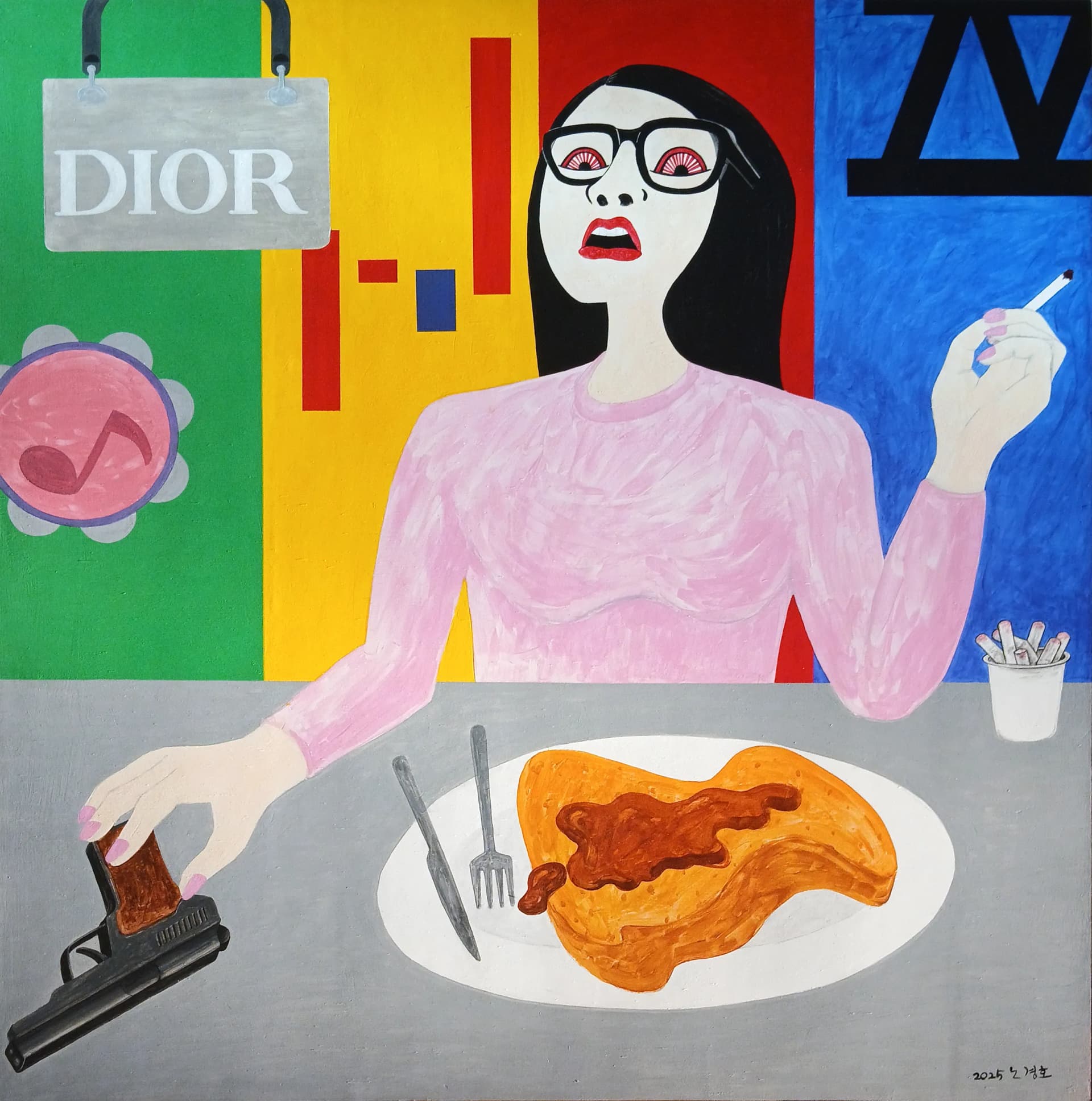
Roh Kyung-ho: Flat Primary Colors on Plywood, Holding a Passing Scene in Acrylic
Roh Kyung-ho works in Jinju, painting contemporary scenes in acrylic on plywood. A slow reading of the large panel in four bands of flat color, with a seated figure at a table, now in the Seed Art Festival online gallery.
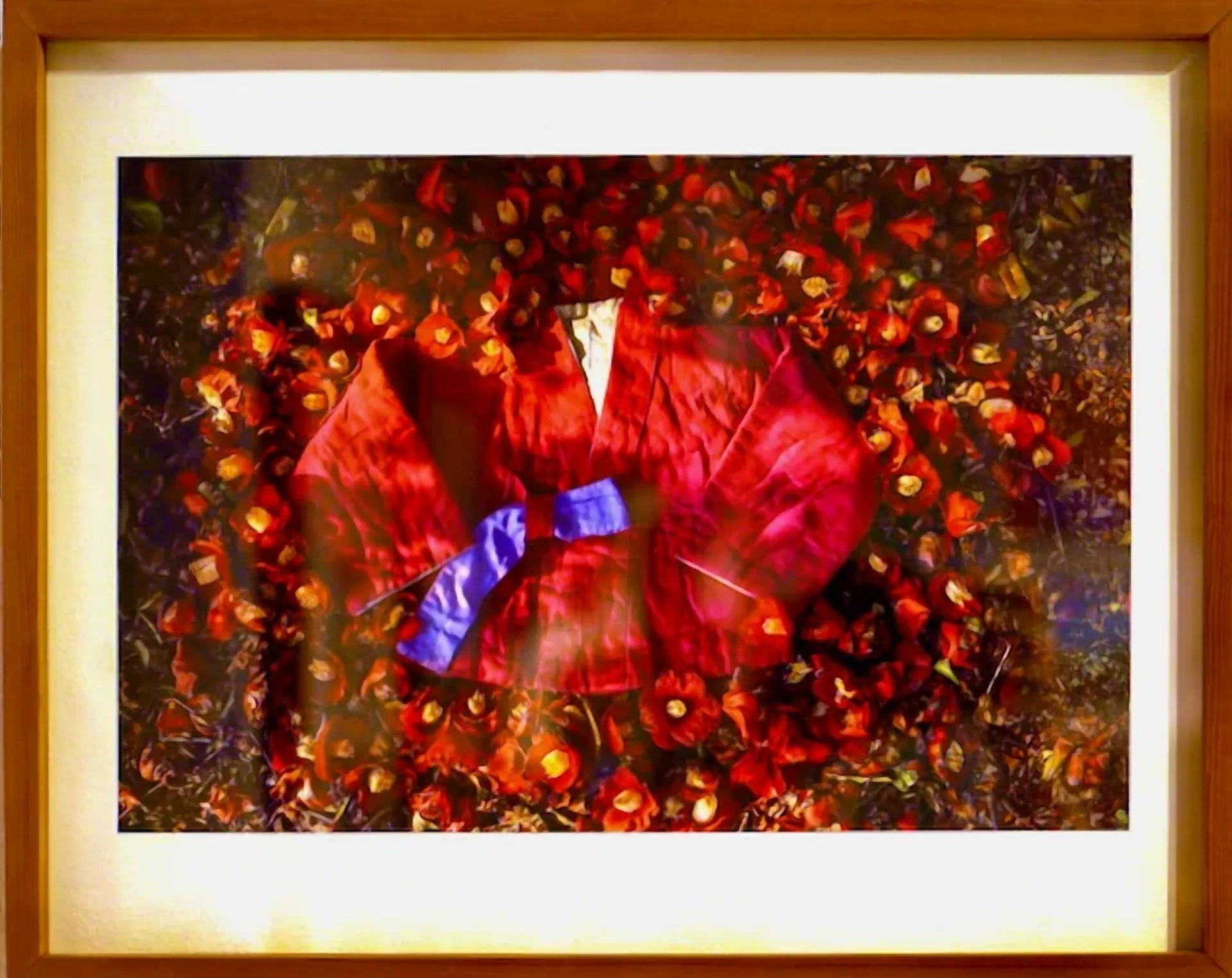
The Late Go Hyeonju: Memory Held in Objects, a Photograph of a Red Jacket
From demolished apartments to a juvenile detention center to the keepsakes of Jeju 4·3 families, a guide to the late photographer Go Hyeonju (1964-2022) and the photograph Voice of Memory shown in the SAF online gallery.
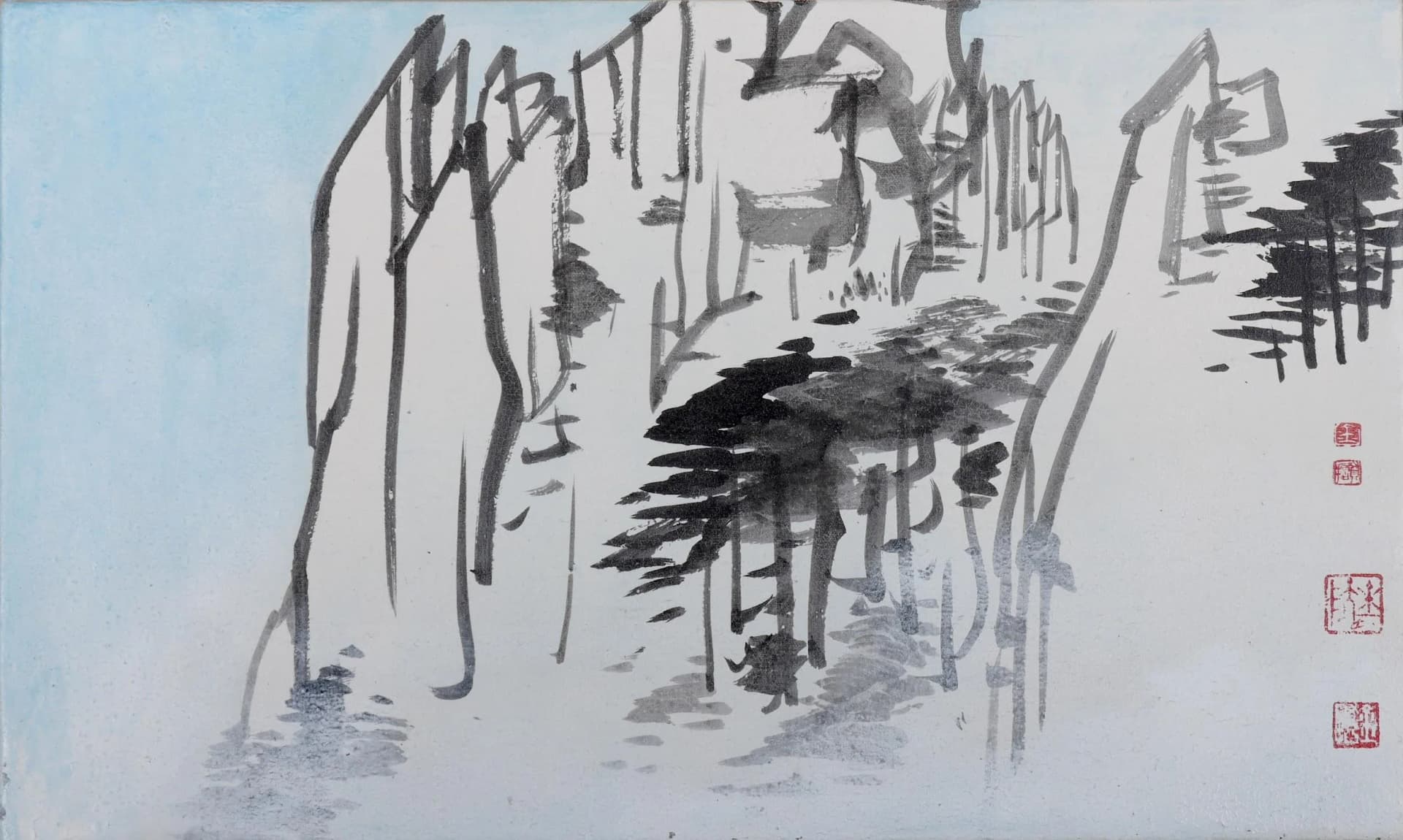
Kim Hyeoncheol: Between Portrait and True-View Landscape, a Painter of Indigo Mountains
Kim Hyeoncheol trained in Seoul National University’s Oriental painting department and at the Kansong Art Museum, working in portraiture and true-view landscape. A guide to the career and to the ink-on-linen Mountain.
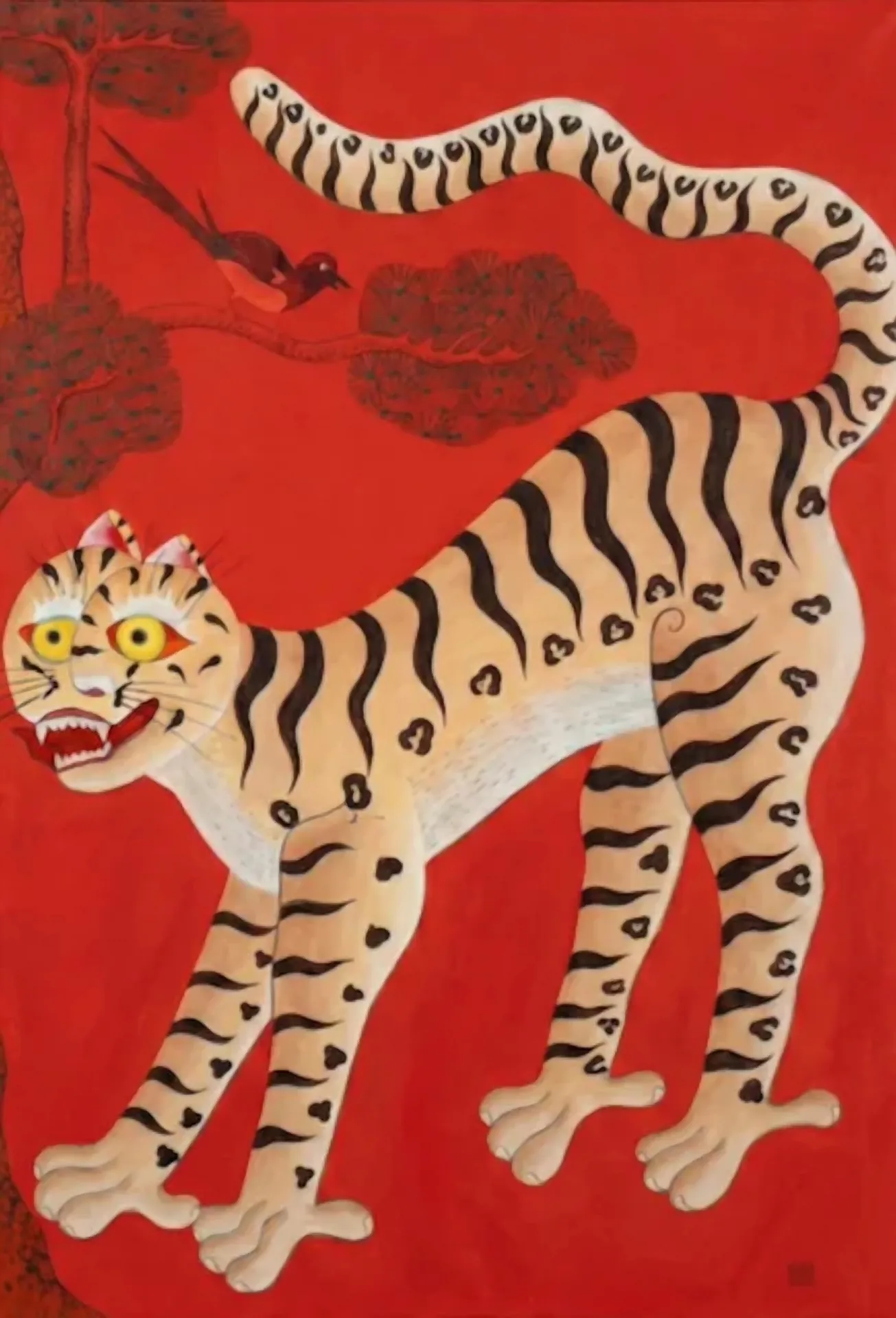
Seo Gong-im: The Minhwa Painter Who Gave Tigers Human Faces
From sweeping a studio floor in her teens to tiger paintings and exhibitions at Korean Cultural Centers across Europe, Asia and South America: Seo Gong-im’s four decades of minhwa, read alongside the two panels of Hero.
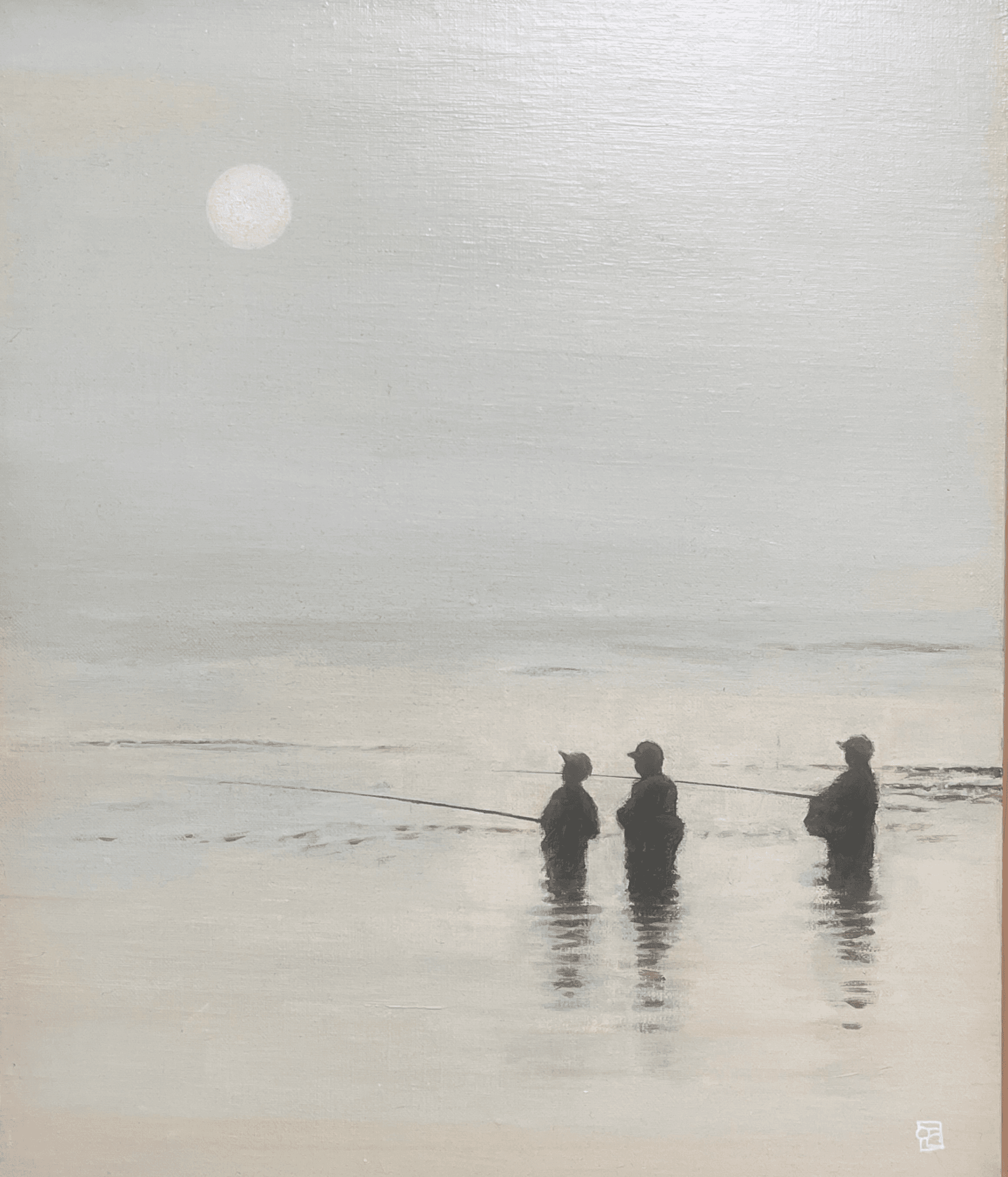
Choe Yeontaek: A Painter Who Speaks from Alongside, Anglers in the Mist and a Field of Grass
Choe Yeontaek is a painter and ceramic designer who illustrated two essay collections. A guide to their career and to the two oil paintings in the SAF gallery, Anglers and Grass.

Ryu Hosik: An Ideal Landscape on Fired Clay, Paper-Clay Painting and Naturance
Ryu Hosik trained in ceramics at Hongik University and brings kiln-fired clay into painting. A look at paper-clay painting and the work Naturance, a mountain under a coral sky.
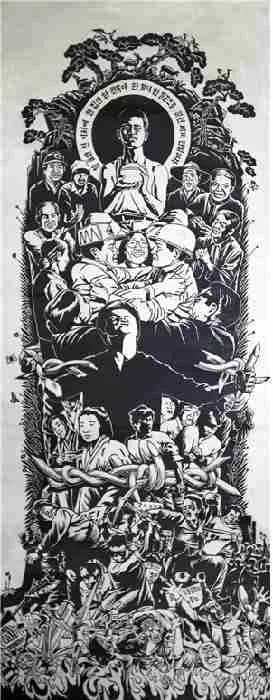
Shin Hak-chul: The Painter Who Built Korean History from Cut-Out Photographs
Shin Hak-chul has painted modern Korean history from collages of cut-out photographs. A guide to the long case of Rice Planting and to the four works by Shin Hak-chul at the Seed Art Festival, from a 1988 woodcut to a 2017 collage.
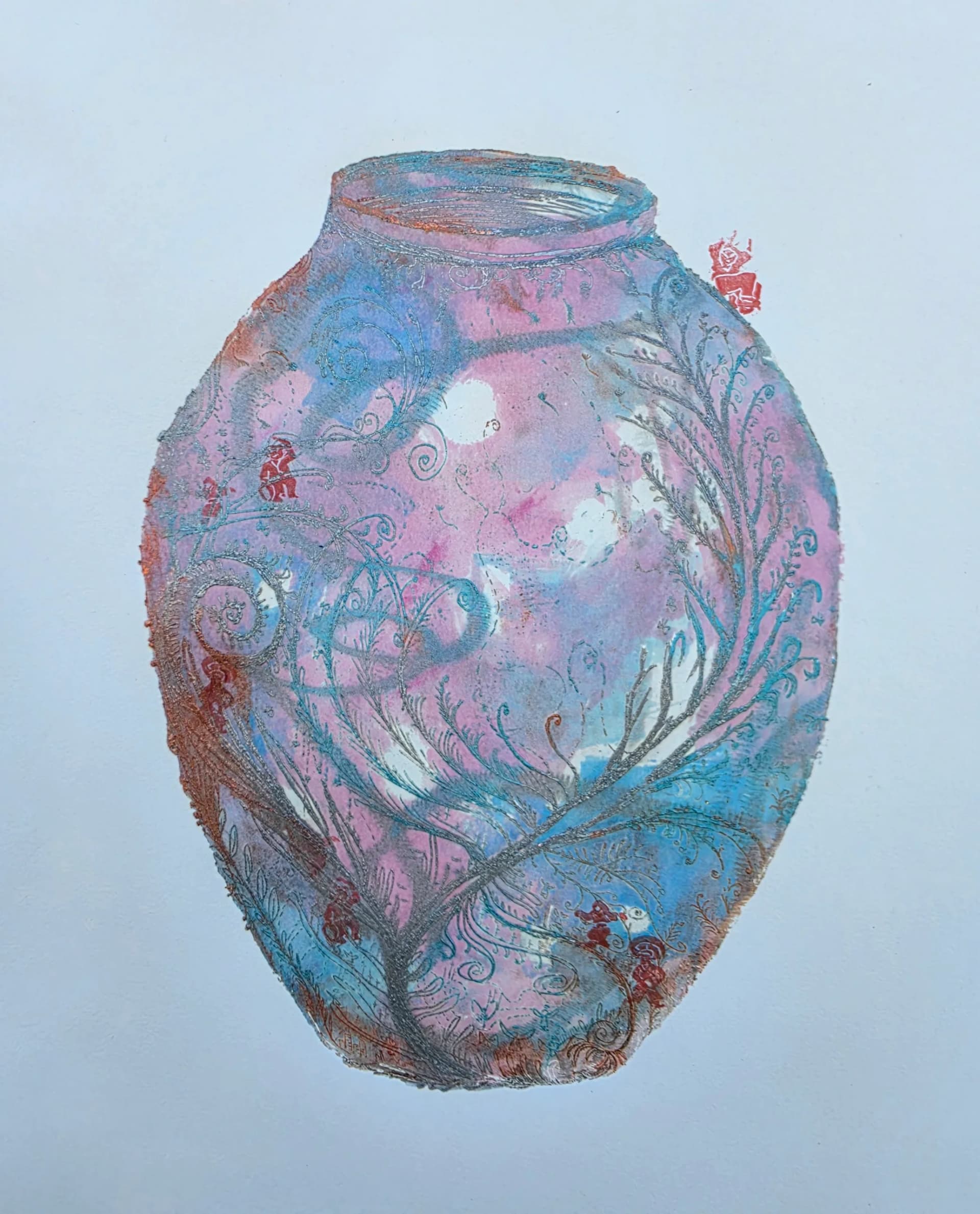
Kwon Shin-ae: Leaves Gathered from the Roadside, Etched and Bitten into Copper
Kwon Shin-ae dries leaves and weeds from the roadside, etches them into copper and lets the plate sit in acid for days. A close reading of Memory of the Wind, a jar of vines with tiny Oh Yoon figures printed into it.
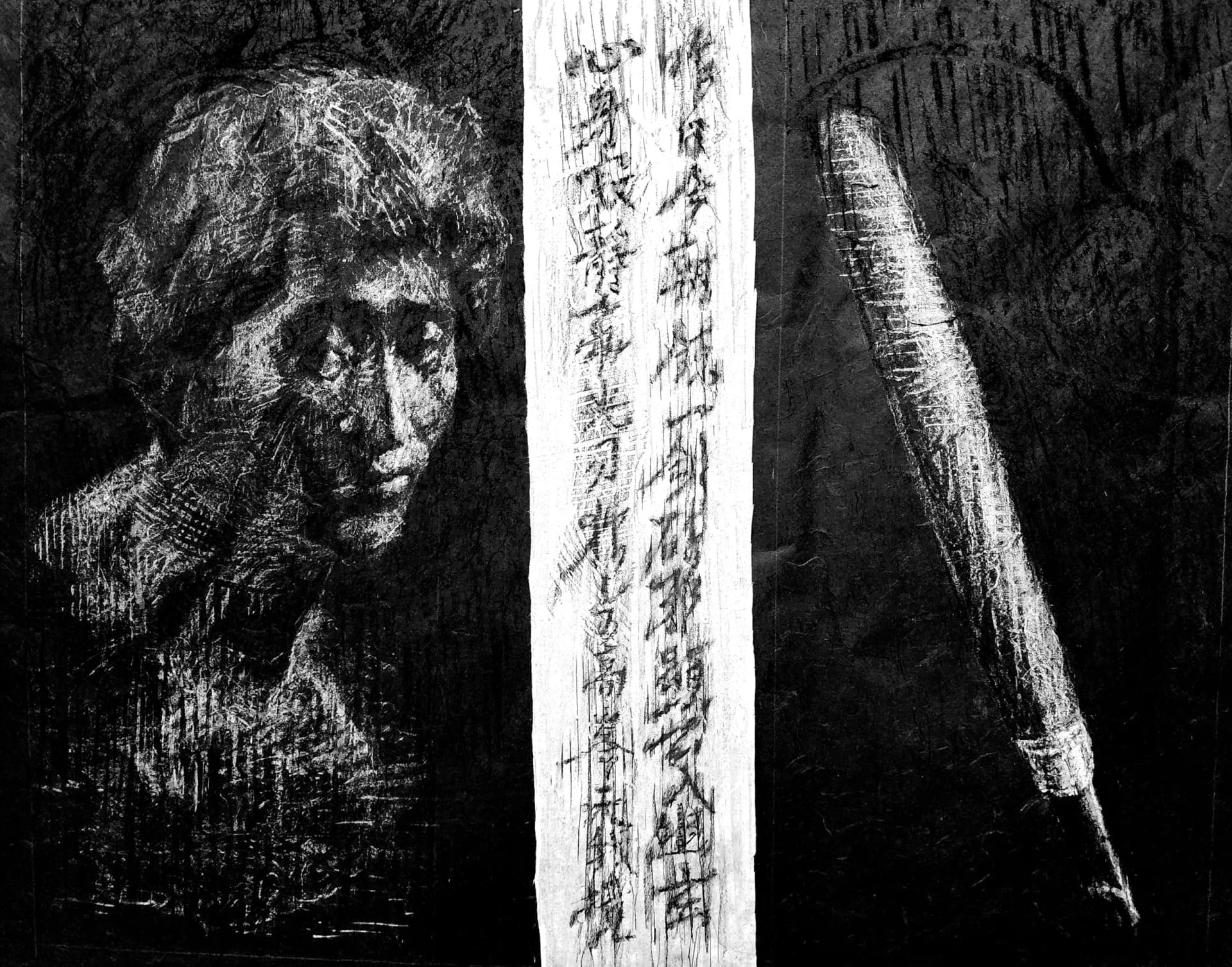
Park Young-Geun: Answering Oh Yoon's Sword Song with a Carving Gouge
Park Young-Geun, a painter with a record of international printmaking prizes, answers Oh Yoon's Sword Song with a woodcut in which a carving gouge takes the place of the warrior's blade.
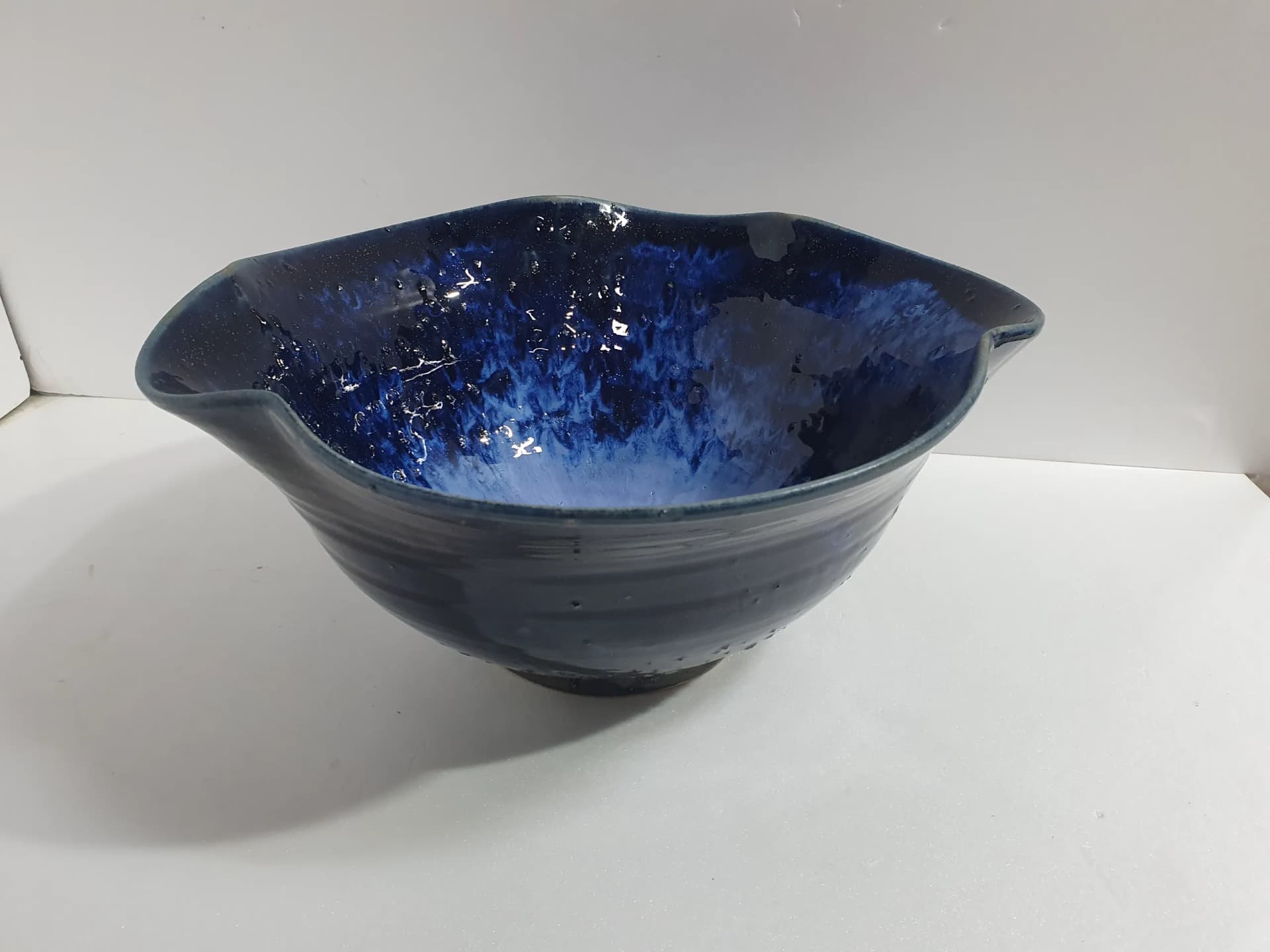
Jang Jun-geun: From Ara Gaya Flame-Pattern Pottery to a Night-Sky Tea Bowl
Jang Jun-geun, a ceramist with a studio in Beopsu-myeon, Haman, reshaped Ara Gaya flame-pattern pottery in porcelain. A note on their work and the deep-blue tea bowl Chahyang.
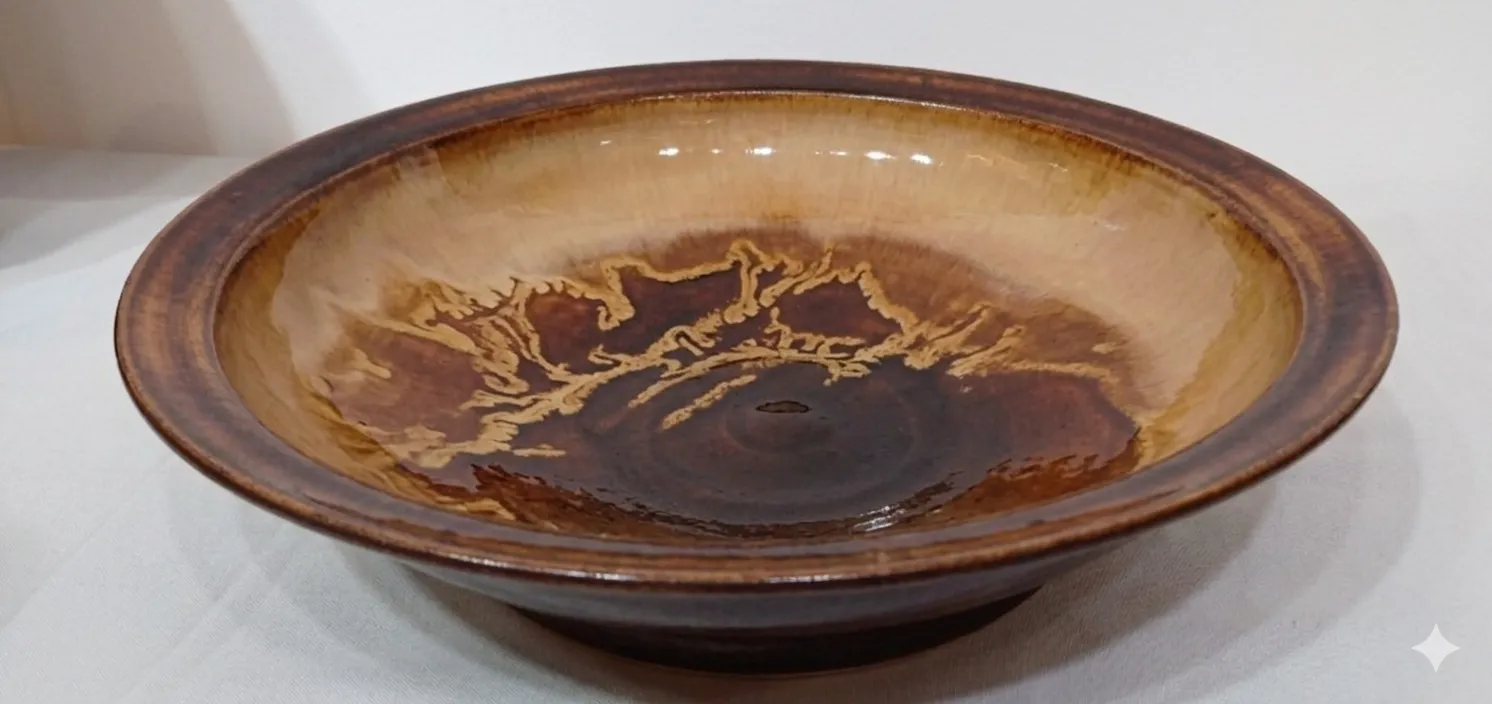
Kang Kyung-hwa: The Sea After the Fog, the Grain Left by the Glaze
Ceramic artist Kang Kyung-hwa drew the solo show Haemi from the fog over the sea off Tongyeong. A note on the artist and on the bowl Time's Grain, read closely from its plate.
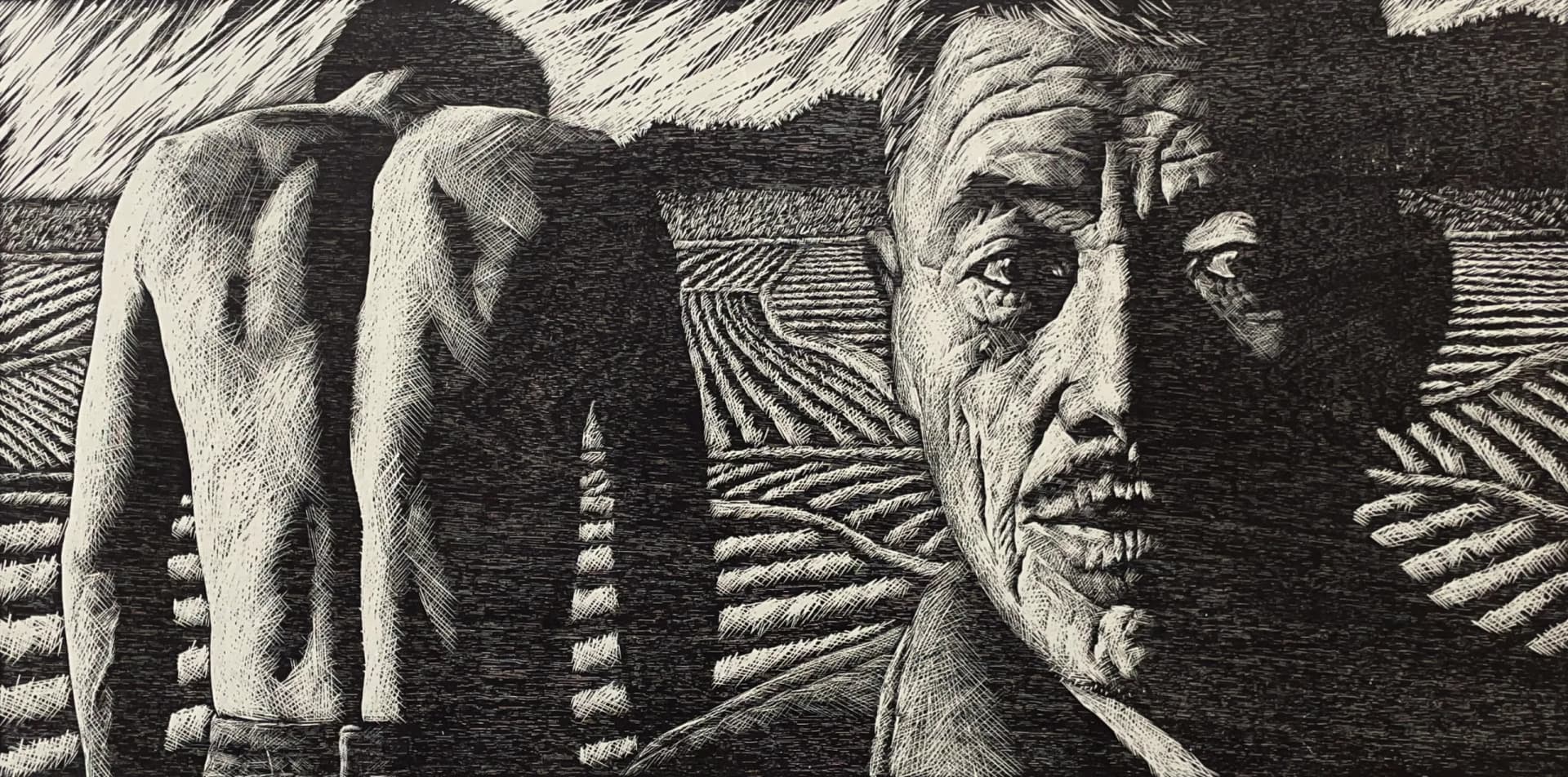
Jung Won-chul: A Printmaker of Faces Pays Homage to Oh Yoon with "Father''s Land"
Jung Won-chul carved the faces of comfort women survivors into lead plates, painted a landfill under red tarpaulin, and built community art in a traditional market and a home village. A reading of the 1988 woodcut "Father''s Land," offered as homage to Oh Yoon.
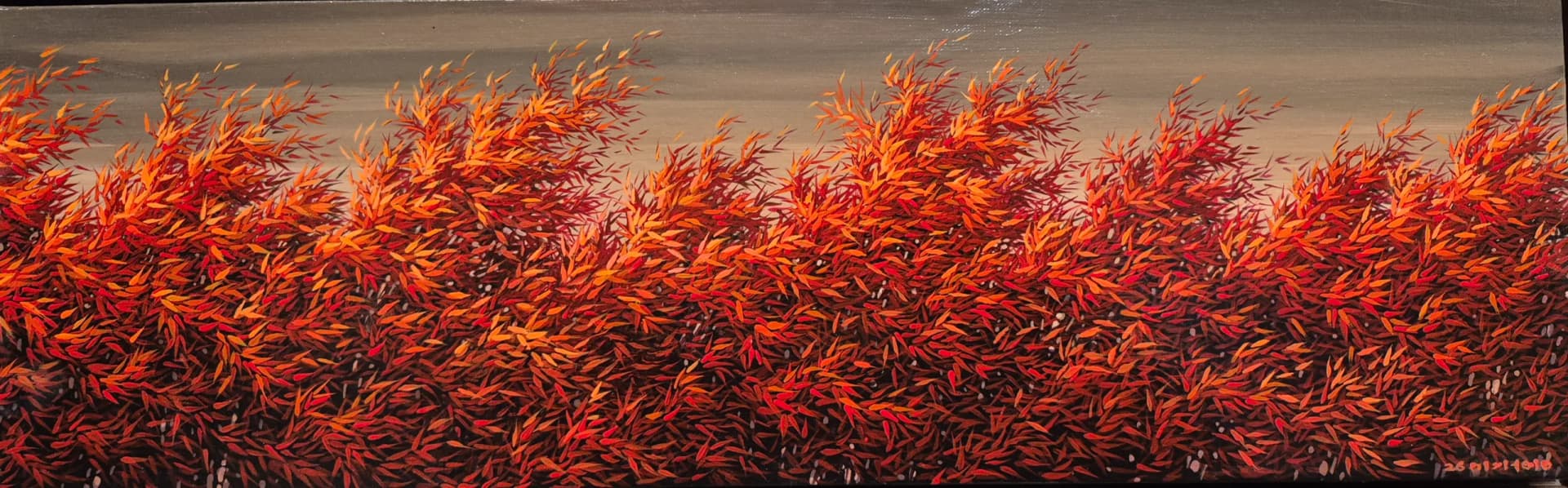
Lee Gi-hong: Wind in the Bamboo Grove, and Red Leaves of Jeonbuk Minjung Art
Jeonju-born painter Lee Gi-hong has painted bamboo groves and dried corn since the 1980s Minjung art scene. A guide to the Wind series, from a Shanghai invitational to Jeonju, and to the red grove on view at Seed Art Festival.
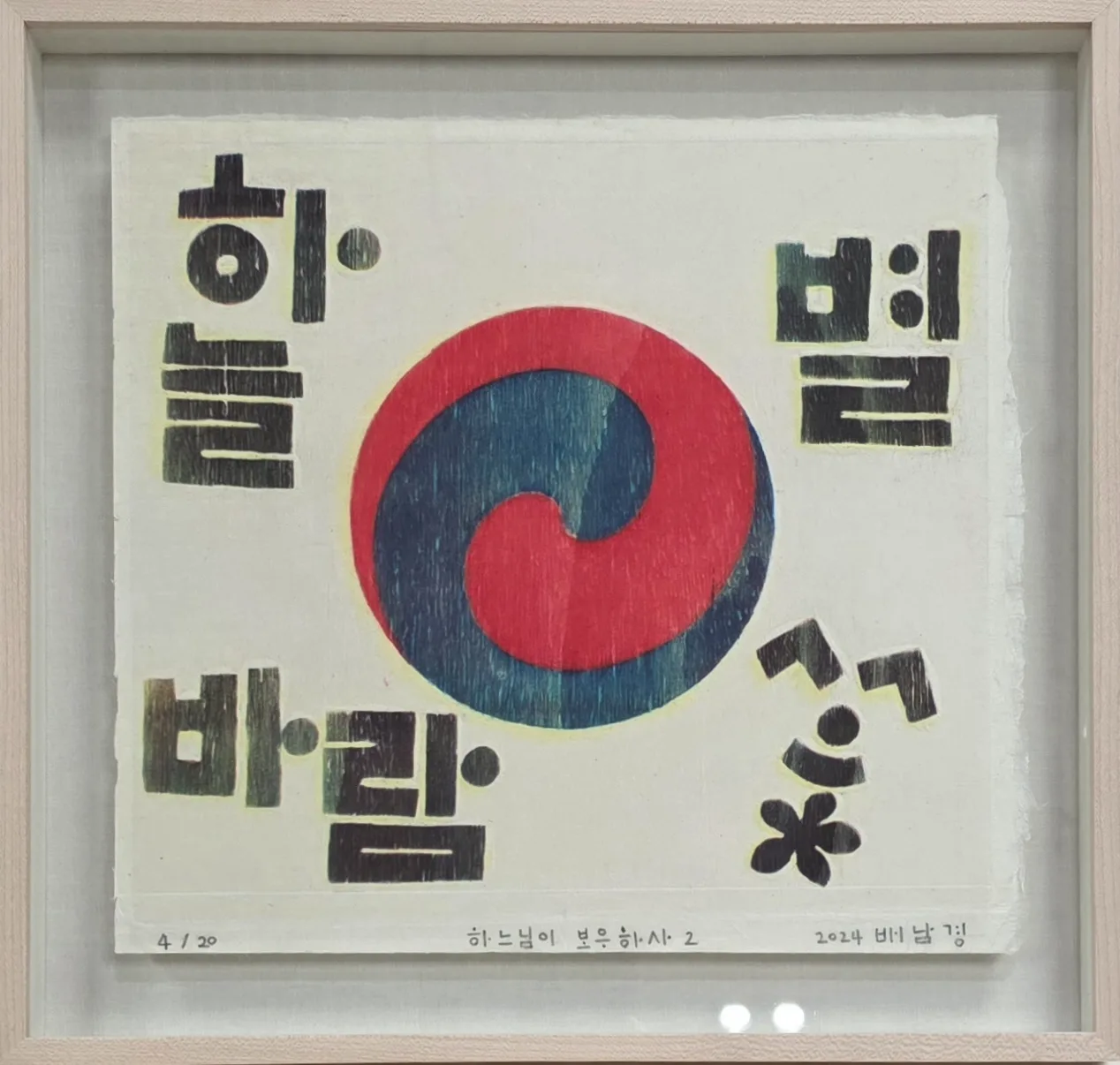
Bae Nam-gyeong: One Block, Carved Away Layer by Layer, from Hangul to the Taegukgi
Bae Nam-gyeong prints from a single woodblock, carving it away and pulling dozens of impressions. From the Hangul series begun in 2016 to Bae Nam-gyeong’s Taegukgi print in the online hall of the Oh Yoon 40th Anniversary Special Print Exhibition.
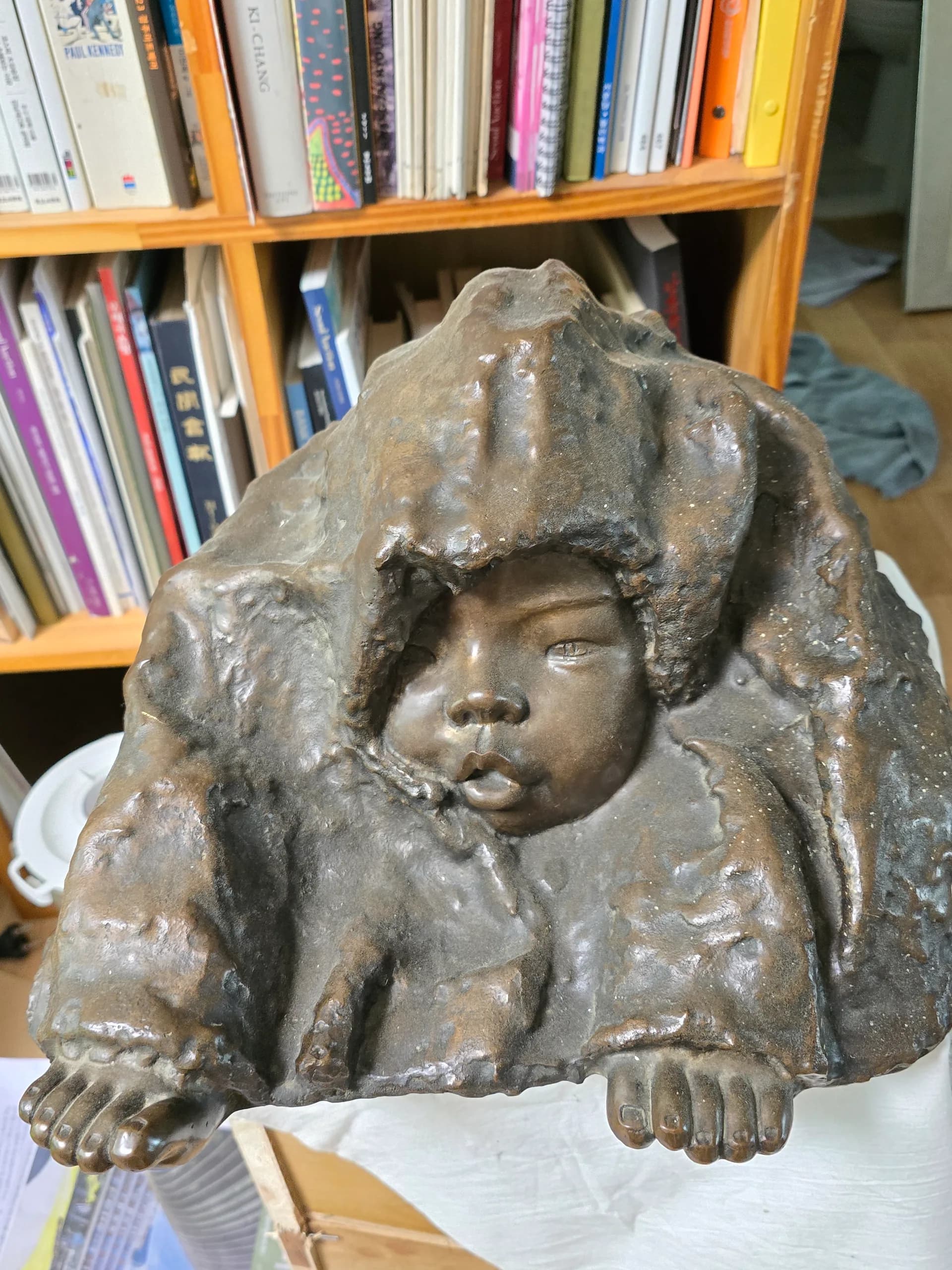
Kang Hee-deok: The Sculptor of Hands, from Healing Hands to a Winter Child
Sculptor Kang Hee-deok made Healing Hands out of gratitude after a hospital emergency, studied his teacher Song Yeong-su in a thesis, and shaped Madonnas and statues. A guide to a career spent handling the human hand, and to the bronze Winter Child.
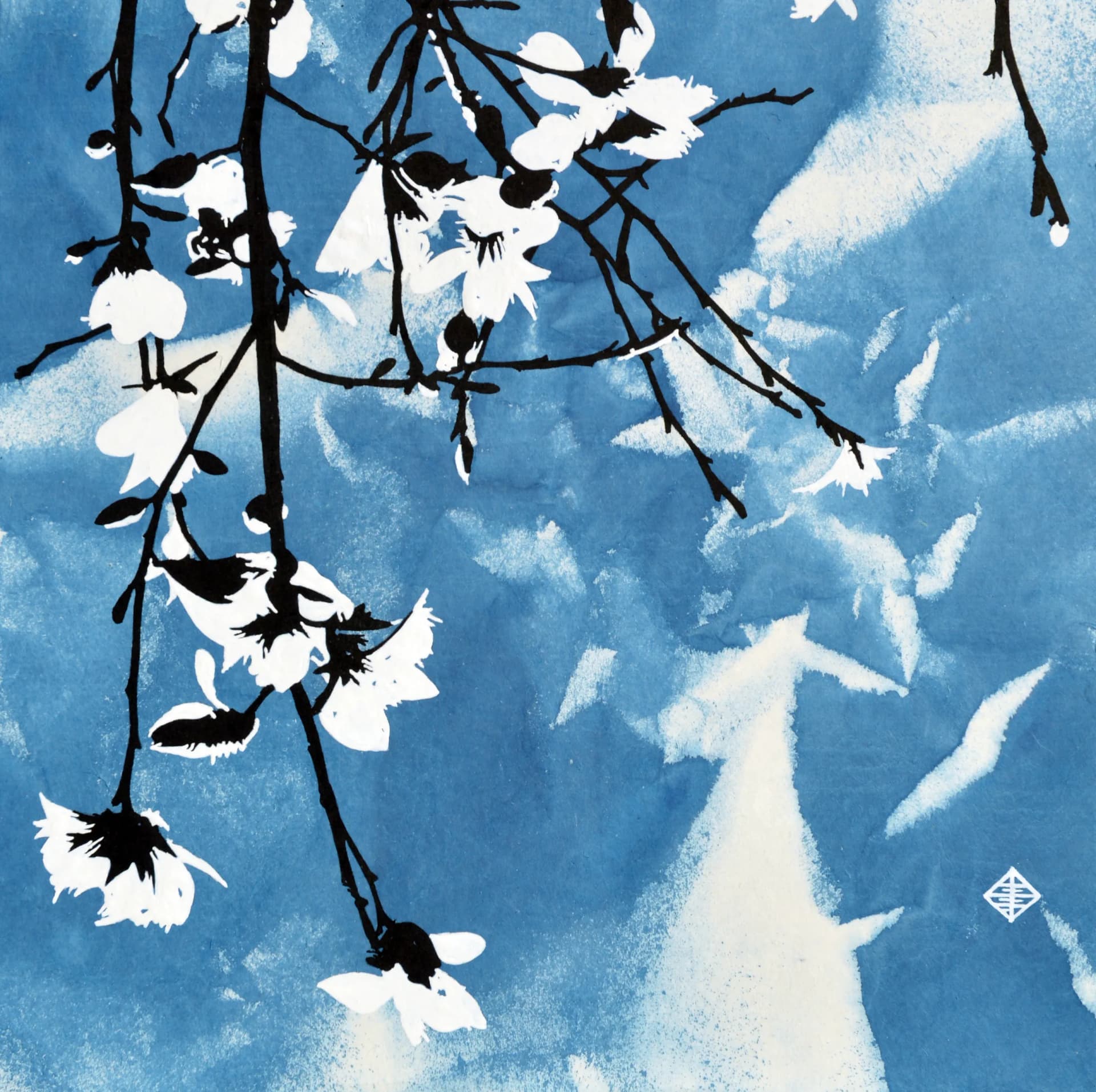
Lee Howook: Beneath a Crumpled Blue Sky, from Monochrome Crowds to Winter Blossoms
Lee Howook paints winter on Korean jangji paper with ink and gobun white. A reading of the road from a 2011 solo show in Insadong to Winter Flowers at the Government Complex Seoul gallery in 2024.
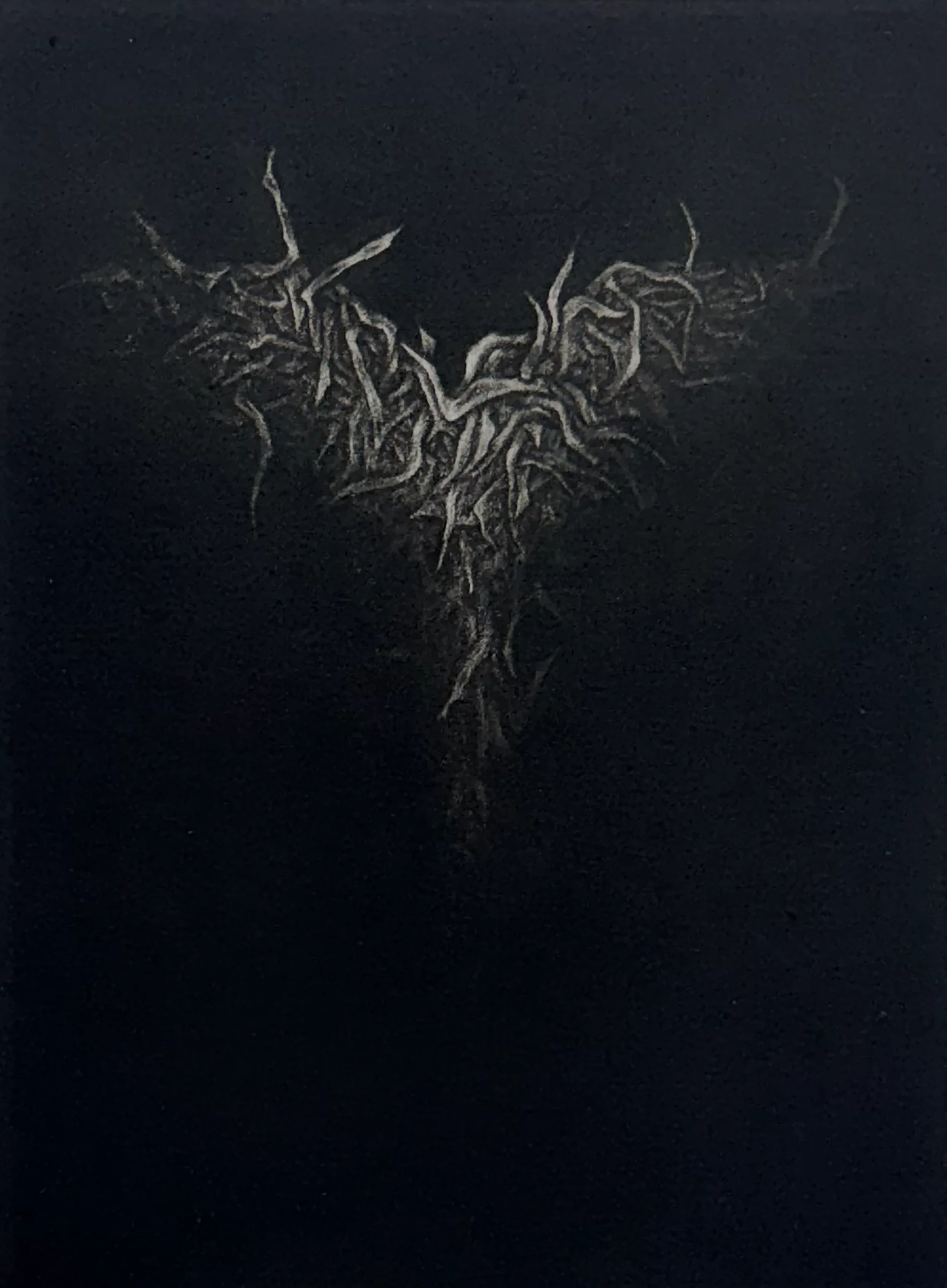
Kim Soon-joo: Light Inside the Black, a Mezzotint Cutting Through the Thicket
Kim Soon-joo studied printmaking at Sungshin Women’s University and has worked in black-ground compositions. A guide to the mezzotint Pushing Through the Thicket, where a note about light inside darkness becomes an image.
Total 195 stories
Frequently asked questions
Q. Who are the SAF artists?
SAF 2026 brings together 110+ Korean contemporary artists across painting, print, photography, sculpture, and digital art — from emerging artists to recognized masters. All voluntarily contributed works to address financial discrimination against fellow artists.
Q. Who conducts the artist interviews?
The SAF magazine editorial team meets each artist directly. We aim to reduce the formal distance of museum catalogs and academic writing, letting the artists describe their practice and daily studio life in their own words.
Q. How can I buy work by a specific artist I read about?
Click the artist name in the interview to reach the artist page. All available works, biography, and other magazine features are gathered there — and any work can be purchased directly. SAF is artist-direct: no gallery markup.
Q. Does the artist actually receive the proceeds?
The majority of sales proceeds go directly to the artist. A portion contributes to the artist mutual-aid fund, providing low-interest loans (5% APR, 95% repayment rate) to artists facing financial discrimination. One purchase supports both an artist and the broader Korean art ecosystem.
Q. How often are new artist interviews published?
New interviews are added at a pace of 1–2 per month. Recent additions appear at the top of the magazine and category pages. RSS and newsletter subscriptions are available.
Ready to start your collection?
213 artists, artworks available online.