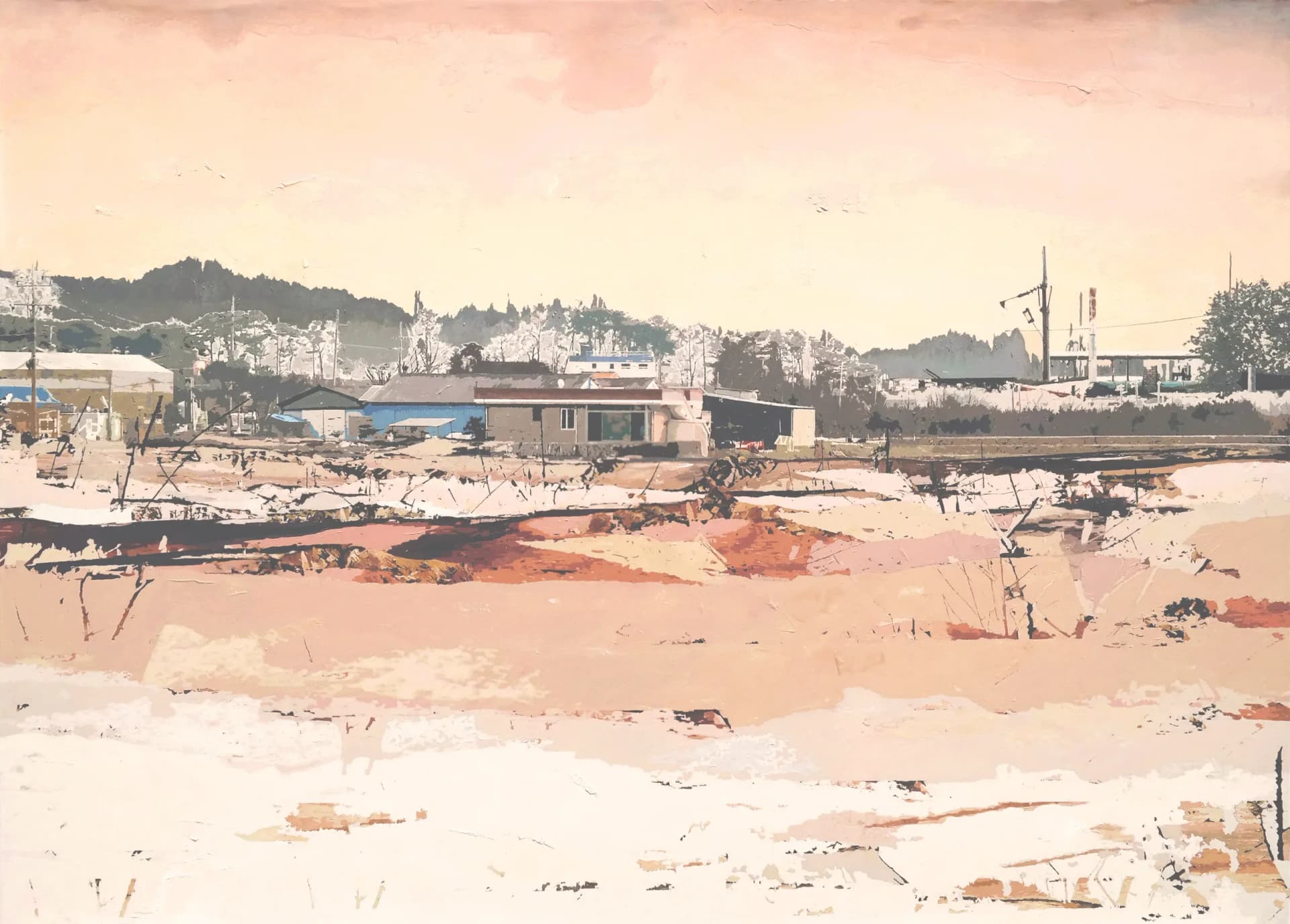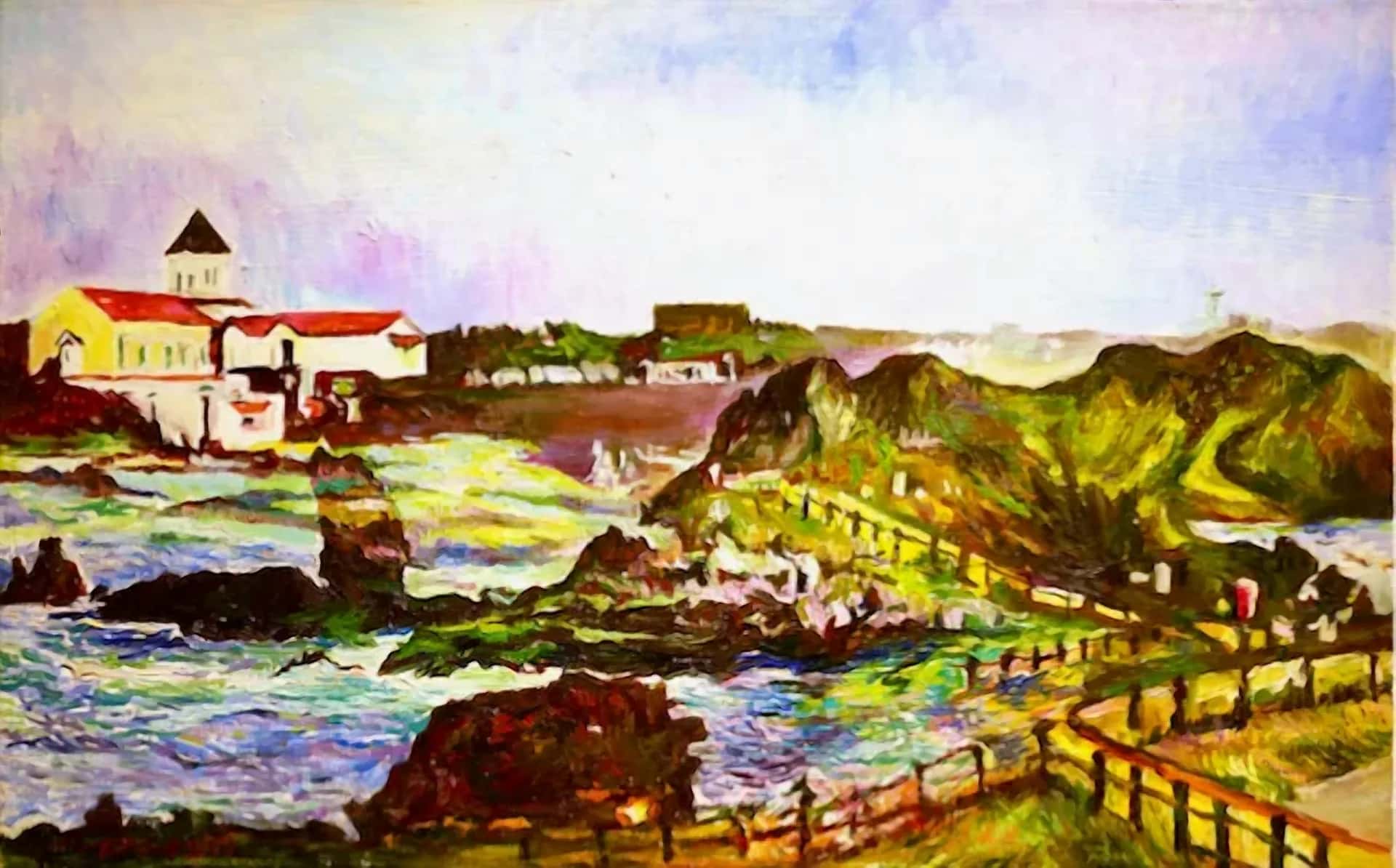
There's a bias that 90% of Korean art happens in Seoul. But brushes move every day in studios across Busan, Daegu, Gwangju, Jeju, and Gangwon. The lives of artists working outside Seoul.
Artists Working Outside Seoul — Art From Places That Are Not the Capital
Editor's note: This essay synthesizes the shared realities of many artists working outside Seoul; the quoted lines reconstruct voices recurring across many conversations rather than statements by a single identified person.
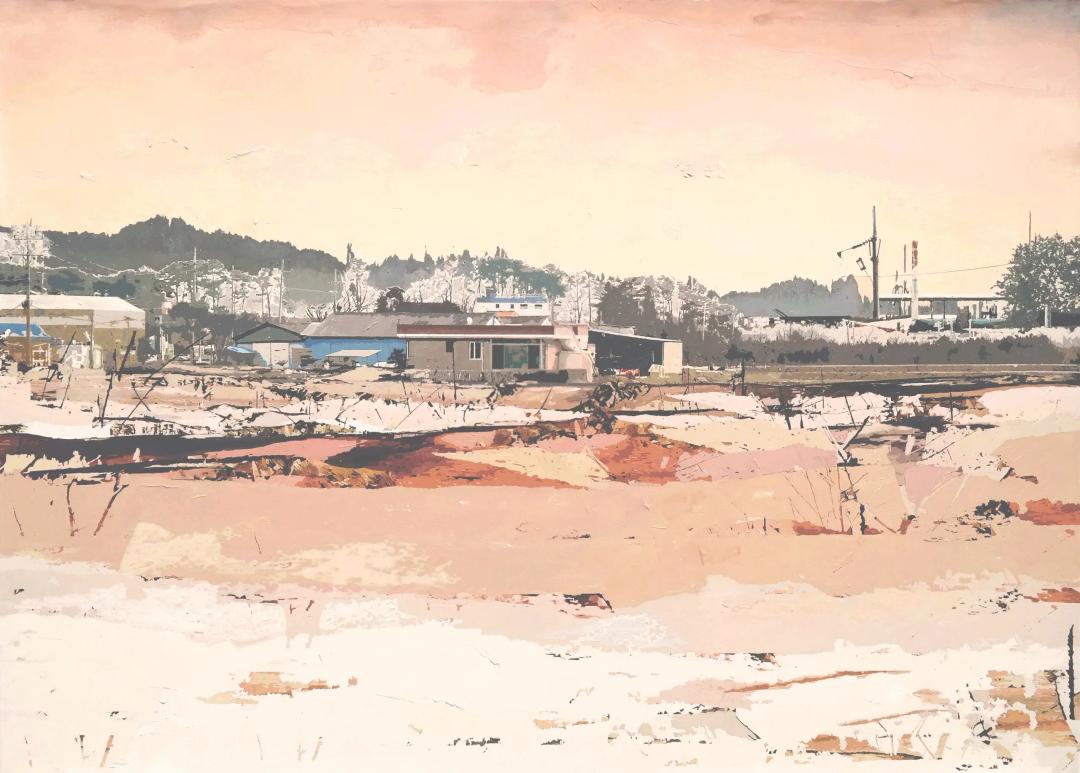
When people speak of Korean art, Seoul is the default. Roughly 90% of the exhibitions, auctions, and art fairs that make the news happen there. But most of the country's land is not Seoul, and more than half of Korea's artists work outside Seoul.
This is an essay for the artists who sit at a canvas every day in places that are not Seoul, and a record of how their work exists outside the Seoul market.
What It Means to Work Outside Seoul
The cost advantage
The biggest advantage of a regional studio is the cost of space. Where a 33-square-meter studio in Seoul might rent for ₩600,000–₩800,000 a month, in a regional mid-sized city the same space can be had for ₩200,000–₩300,000.
This is not just an arithmetic difference. It directly determines the artist's working hours. Lower rent means fewer hours at a side job, which means more hours making work.
"In Seoul I'd earn ₩1,000,000 a month from part-time work, pay ₩600,000 for rent, and ₩400,000 for materials. After moving to the region, the same ₩1,000,000 covers ₩250,000 in rent and the rest is just my living costs."
The space advantage
Regional studios often offer much greater absolute floor space. Five square meters in Seoul becomes thirty in the region. The very capacity for large-scale work becomes possible.
Proximity to the natural environment is also a major asset. The Jeju coastline, the mountains of Gangwon, rural South Jeolla, the inner ranges of North Gyeongsang — these environments themselves become material for many artists' practices.
What is unfavorable, even so
Despite these advantages, the structural difficulties of working in the regions are clear.
- Geographic concentration of exhibition opportunity — far fewer galleries and museums in absolute terms
- Access to collectors, journalists, and critics — most live and work in Seoul
- Networking opportunities — openings, exchanges, residency gatherings overwhelmingly take place in Seoul
- Shipping costs — moving works for shows and sales becomes a real burden
These four structural difficulties produce the reality that "a regional artist becomes known with greater difficulty than a Seoul-based artist." With similar careers and similar skills, opportunity diverges by geography alone.
Regional Art Ecosystems
Busan
Korea's second city has its own independent art ecosystem.
- Busan Museum of Art — major curated exhibitions at a national level
- F1963 — contemporary art complex
- Art Busan — annually, the largest art fair outside Seoul
- Busan Biennale — every other year, an international event
- Many leading Busan-born and Busan-based artists are active at home and abroad
Daegu
A city with a strong tradition in printmaking and abstraction.
- Daegu Art Museum — vigorous curatorial program
- Daegu Art Fair — annually
- Bongsan Cultural Street — a concentration of galleries
- Notable for a strong proportion of artists in traditional crafts and printmaking
Gwangju
The city symbolized by Minjung art and the Gwangju Biennale.
- Gwangju Biennale — held biennially since 1995, the largest biennale in Asia
- Gwangju Museum of Art
- Asia Culture Center (ACC) — a multi-disciplinary cultural institution
- Strong lineage in socially engaged art and Minjung art
Jeju
The natural environment, island geography, and the history of April 3 become central subjects of practice.
- Jeju Museum of Art, Jeju Museum of Contemporary Art
- Bonte Museum, Arario Museum, and other large private museums
- Lee Jung-seob Museum (Seogwipo)
- Active residency programs and many artists working with nature as material
Gangwon
Mountains, coastline, and the unique condition of border territory shape the work.
- Gangwon International Biennale (formerly the Pyeongchang Biennale)
- Chuncheon National Museum
- Numerous small residencies in Yanggu, Sokcho, Wonju, and elsewhere
- A density of artists working with nature, ecology, and the divided peninsula
Other regions
- Gyeongju — work rooted in tradition and history
- Jeonju — a center for traditional crafts and hanji practice
- Cheongju — Cheongju International Craft Biennale
- Ulsan — a growing ecosystem with a contemporary art museum slated to open
Five Strategies of the Regional Artist
The ways regional artists carve their own paths through structural difficulty can be summarized in five strategies.
1. Make regional identity the subject of the work
Take the environment, history, and community of the region itself as subject. The nature and April 3 of Jeju, the sea and harbors of Busan, the democratic history of Gwangju, the mountains and border zones of Gangwon — each region offers its artists a natural subject.
The strength of this strategy: regional specificity becomes international specificity. Such work can attract more attention from international biennales and overseas galleries than work originating in Seoul.
2. Manage the connection to Seoul deliberately
Make the work in the region; surface it through Seoul. Long-term relationships with Seoul galleries, regular participation in major Seoul exhibitions, and two or three meetings a year with key figures — manage all of this as conscious infrastructure.
3. Build internal regional networks
Strengthen networks among regional artists themselves. Shared studios, regional group shows, residency partnerships — these form a regional internal ecosystem. When that network surfaces, it can be recognized externally as "a current of regional art."
4. Direct international exposure
Reach abroad without going through Seoul. Cultivate overseas residencies, international art fairs, and direct relationships with foreign galleries. East Asian links — Japan, China, Taiwan — and European residency and gallery connections are particularly accessible.
5. Expansion through digital channels
Use social media and online platforms to overcome geography. Steady uploads to Instagram, personal websites, and online galleries open direct conversations with collectors in Seoul and abroad. SAF is one such channel for digital extension.
The Independent Value of Regional Art
Looked at only through the Seoul-centered market, regional art can appear "secondary." From an international perspective, the opposite is closer to the truth.
From the perspective of international biennales
Biennale curators tend to discover, in regional artists, the kind of regional specificity that is hard to find in Seoul. The nature of Gangwon, the history of Jeju, the resistance of Gwangju — these are scarce narratives within global art discourse.
Western museum interest
Asian art curators in Europe and the U.S. are increasingly contacting Korean regional artists directly. "An archetypal Korea" that has not been pushed out of Seoul becomes for them a more compelling resource.
A reversal in the digital age
As physical distance shrinks digitally, the very fact of "working from a region" can become an artist's identity asset. In an era when everyone seems to work from the same Seoul café, the story of an artist working on the Jeju coast carries singularity.
What Structural Support Would Look Like
Individual strategies alone do not change the structure. The following supports are needed.
At the public level
- Strengthening regional museums — improving the curatorial capacity of city and provincial museums
- Internationalizing regional residencies — inviting foreign artists, exchanging with regional ones
- Supporting regional artists' entry into Seoul — covering shipping and lodging costs
- Expanding regional government budgets for artist support
At the private level
- Subsidizing regional galleries' participation in Seoul and overseas fairs
- Mutual aid funds dedicated to regional artists
- Digital platforms connecting regions to Seoul
SAF is one such private effort, expanding regional artists' exposure through a digital platform. Regardless of where you are based, you meet collectors in Seoul and abroad through the same channel.
A Sentence Regional Artists Share
In many conversations with regional artists, one sentence kept recurring.
"I don't think of where I am as the periphery. The place where I stand is the center."
This is not simple self-consolation. It is a posture refusing the Seoul-centered gaze and asserting the singularity of the place where one stands. When that posture gathers, the topography of Korean art reorganizes from a single center into a polycentric structure.
Meeting Regional Artists at SAF
A significant portion of the 213 SAF artists work outside Seoul — in Busan, Daegu, Gwangju, Jeju, Gangwon, Gyeongsang, Jeolla, Chungcheong, scattered across the country and meeting on one platform.
In the digital space, geography becomes more equal. A Seoul collector brings a Jeju artist's work into her home; an overseas collector acquires a print by a Gwangju artist. As such movement becomes routine, the structural disadvantage of regional artists eases by degrees.
Frequently Asked Questions
Q. To become an artist while working in the region, do I need to build a career in Seoul first? A. That has been the traditional path, but it is no longer required. Building an international career first through overseas residencies and galleries, or becoming a regional flagship artist through sustained local activity — both paths are now valid.
Q. How do I begin to bring my work to the attention of regional museums and galleries? A. (1) Apply to open calls and curated exhibitions at city and provincial museums; (2) submit to emerging-artist competitions at alternative spaces in your region; (3) join regional artist networks; (4) apply to regional residency programs. These are the standard routes.
Q. Do regional artists' works sell at lower prices than Seoul artists' works? A. Not necessarily. With comparable career and technique, prices should be similar. However, regional artists tend to enter the secondary market more slowly, so initial sales can lag. Long term, prices tend to converge.
Q. Anything special to consider when bringing a regional artist's work into your home? A. (1) Shipping costs can be higher than for Seoul-based work; (2) direct contact with the artist is more accessible, which is a real positive; (3) for works carrying regional landscape or history, understanding the context deepens the relationship with the work.
Q. Can I filter for regional artists on SAF? A. At present, each artist's profile lists their working region. A regional filter feature is on the roadmap. For now you can review profiles in the artist directory to see locations.
Related reading
If this piece helped, you may also enjoy these related articles:

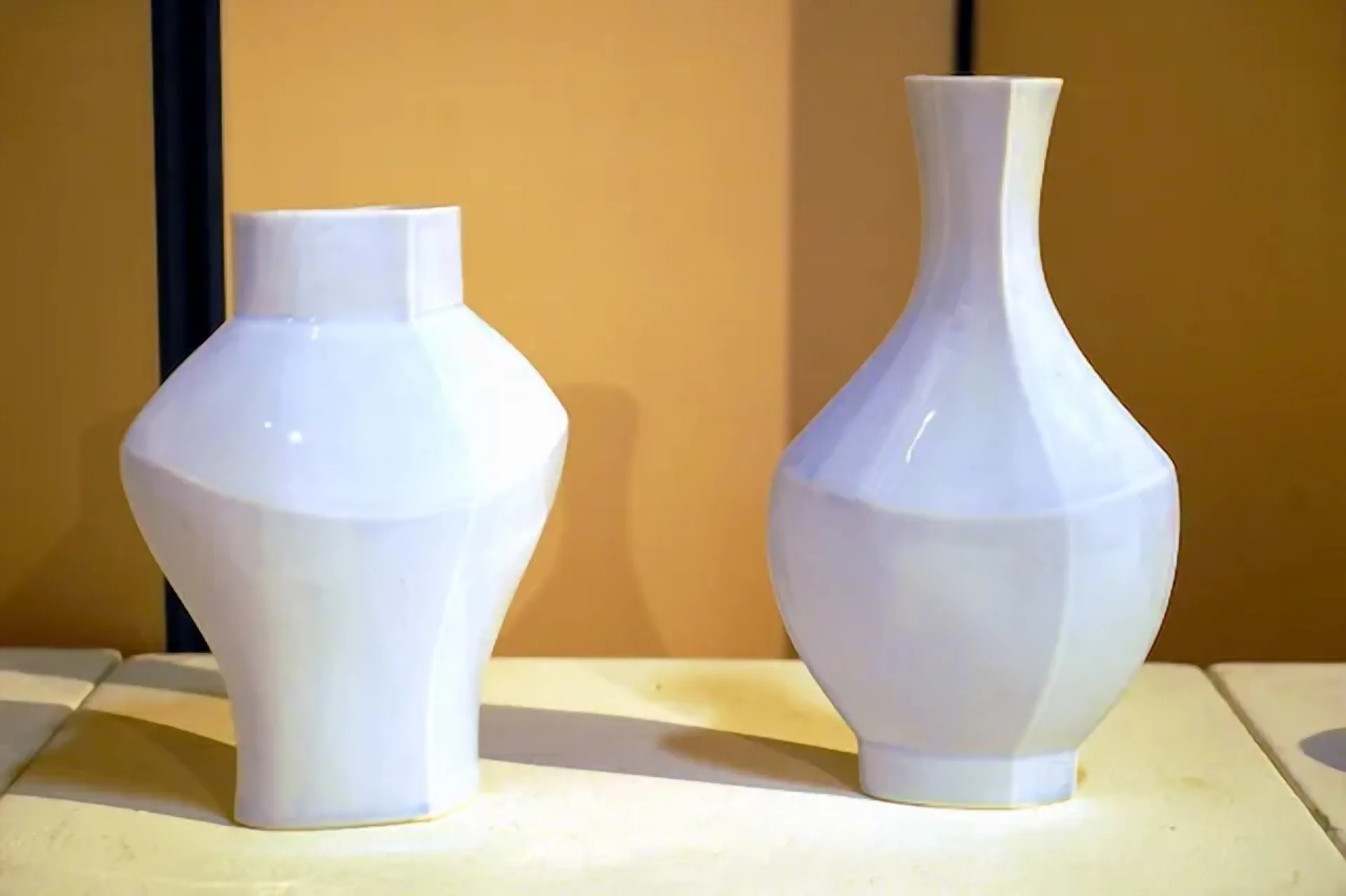
Korean art does not happen in a single city. The coastline of Busan, the alleys of Daegu, the hills of Gwangju, the wind of Jeju, the mountains of Gangwon — in every one of these places brushes are moving every day. The moment you bring a work made in any of those places into your home, your wall, too, becomes a single point on a multi-layered map of Korean art. Visit the SAF artist gallery →
Collecting Guides
Seed Art Festival
·