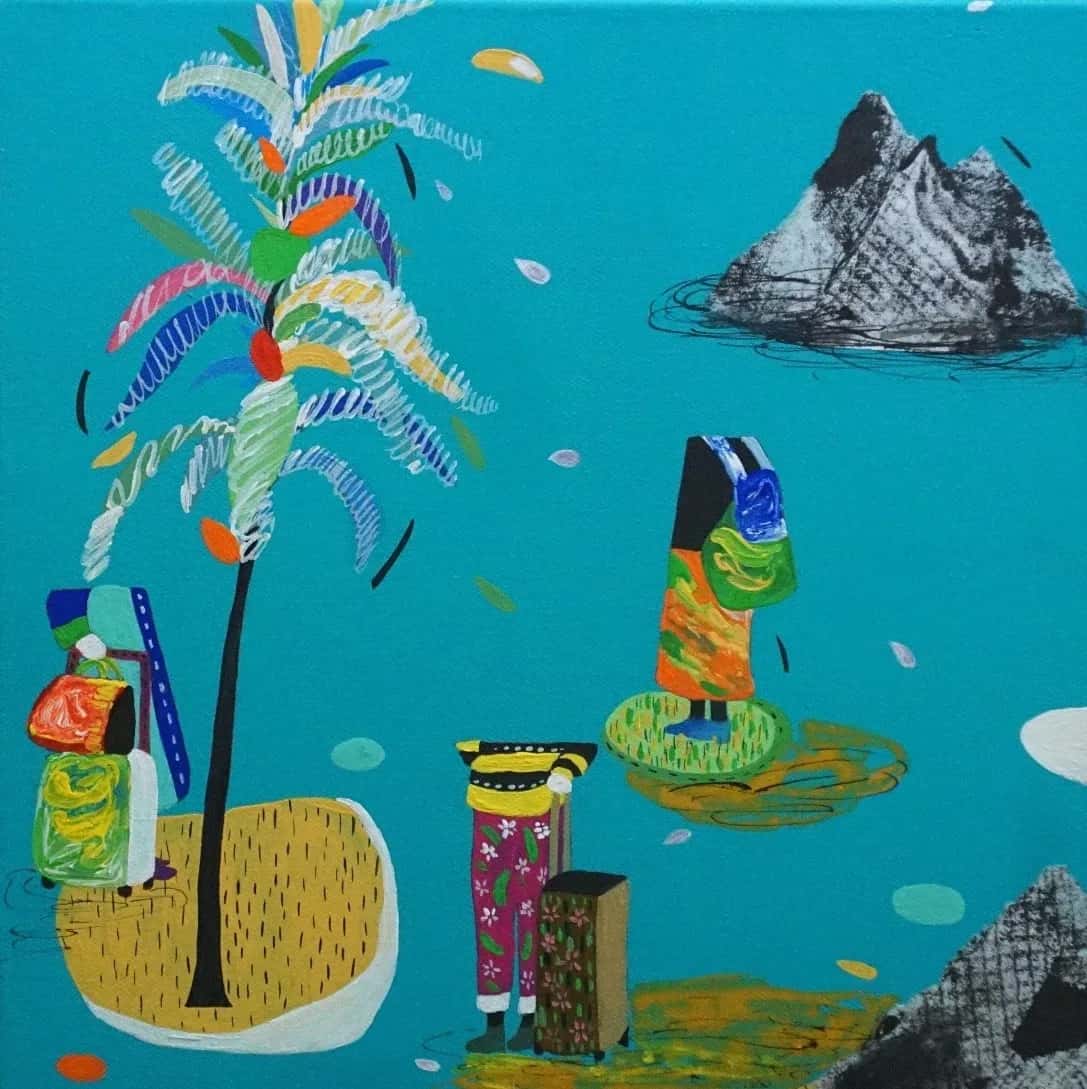
The deepest path to understanding an artist's work is the studio. We visit the studios of SAF artists and document how their days unfold.
Studio Visits — A Day in the Life of SAF Artists
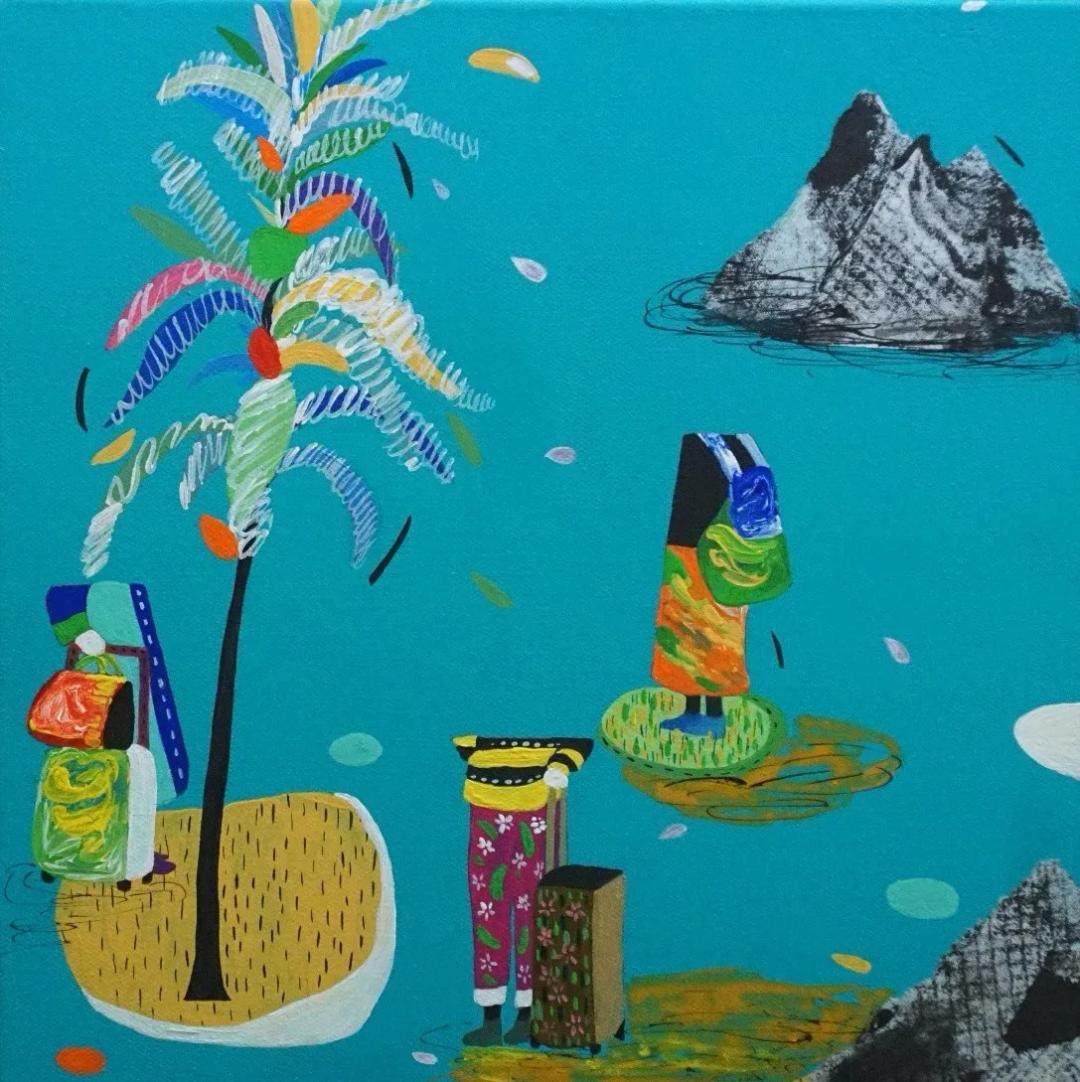
Looking only at the work, you cannot say you know the artist. Walk into the place where the work was made — the studio — and the artist comes into much sharper focus. Reference images on the wall, brushes standing in a jar, a book on the desk, traces of paint on the floor — all of them are the artist's language.
This is the first installment of a series visiting the studios of SAF artists. In this opening piece we introduce the experience of studio-visiting itself and lay out the texture this series will carry.
A Studio Is a Space
For an artist, a studio is more than an office. It is:
- A place to face oneself — outside noise shut out, attention given only to the work
- An archive of failure — unfinished works, experimental fragments, failed color mixes accumulating in one place
- A geological layer of time — last year's, five years ago's, ten years ago's traces still visible somewhere in the room
- The physical form of a private world — only the things the artist considers important remain
All of this combines into the studio's particular air. To breathe that air is the heart of the studio visit.
A Day on the Visit — A Sketch by the Hour
What follows is a record of one day spent in an artist's studio, hour by hour. Specific names, places, and times have been adapted, but each moment was gathered from the actual lives of artists.
8 a.m. — Arriving at the studio
Most artists arrive between 8 and 10 in the morning. The commute itself is closer to a ritual for the artist — looking out the bus window, planning the day's work as the city moves past.
9 a.m. — Tidying the studio
Before work begins, there is a time for putting the studio in order. Wiping the desk, arranging the brushes, emptying the water jar — this is closer to meditation. As one artist puts it, without this stretch of tidying, the focus for the work simply does not arrive.
10 a.m. — The work proper begins
Morning work usually means starting something new or facing what was made yesterday. Some artists make their boldest decisions at this hour; others save it for the most demanding details that need maximum focus.
1 p.m. — Lunch and a walk
Most artists do not take long lunches. A quick meal, a short walk, then back to the studio. Sometimes a fellow artist is met briefly at a nearby café.
2 p.m. — Afternoon work
The afternoon has a different rhythm. Detail revisions, arranging blocks, preparing materials — the less creative but indispensable tasks tend to live here. Some artists actually find their deepest concentration in the afternoon.
5 p.m. — Email and communications
Exhibition logistics, gallery correspondence, press inquiries — these tend to be handled late in the afternoon. An artist's work is not only making but also running an operation. A single email, a single message, can erode work time, but it cannot be ignored.
7 p.m. — Closing the day
Most end the day's work between 7 and 9 p.m. The way the day closes also varies. Some artists perform a brief ritual — arranging the brushes, covering the canvas, walking out — others sit a long time with the work before leaving.
10 p.m. — At home
Many artists, after they have come home, continue working in their heads. They look up references, sketch the next day's plan, write exhibition texts. Work expands beyond the physical space into the entirety of the artist's day.
Seven Things to Notice in a Studio
When visiting a studio there are seven elements you should look at carefully. They reveal the artist's language most directly.
1. The walls
The walls of a studio are a map of the artist's references. Which photographs are pinned up, which book pages are torn out and saved, which images of other artists are tacked beside them — all of this reveals what the artist is working against and beside.
2. The desk
The objects on the desk speak. A desk where only one brand of pencil collects, a desk piled with paper samples, a desk where multiple notebooks overlap — the desk shows the speed of the artist's thinking.
3. Works in progress
Whether several works are running in parallel or all attention is on a single piece reveals the artist's working rhythm. Artists running several works simultaneously are exploring a subject from multiple directions; artists who stay long with one piece are after depth.
4. The corner of unfinished works
In one corner of the studio, unfinished works tend to accumulate. This corner is the laboratory. Asking the artist why a work was left unfinished often opens a window into their aesthetic standards.
5. Material storage
How paint, paper, canvas, and tools are stored also reveals personality. Shelves perfectly sorted by color suggest a systematic working method; jumbled boxes suggest an intuitive one.
6. The lighting
A studio led by natural light and a studio led by artificial light produce entirely different sensations. In a south-facing window studio, the artist tends to use the early morning hours as the period of deepest focus. North-facing or artificial-light studios allow rhythms that are independent of the time of day.
7. The chair in the corner
Somewhere in the studio there is a chair from which the artist sits and looks at their own work. It is the place where the artist holds a conversation with the work. The position and orientation of that chair reveal at what distance the artist sees their own work.
What Artists Say About the Studio
Five sentences kept recurring across conversations with SAF artists.
"When I come into the studio, my sense of time suddenly changes."
The studio is a space where it is not external time but the time of the work that flows. Three hours can feel like twenty minutes; one hour can feel like an entire day.
"I eat alone in the studio. I don't want to break the focus."
Many artists minimize contact with the outside world during work. Even lunch is taken inside the studio, to avoid breaking the rhythm.
"What knows my work best is not me. It's the studio."
The space, the light, the sound of the studio contribute to what the work becomes. There are artists whose color sense and style shift subtly when they move studios.
"Studio rent is not rent for me. It's a working right."
The cost of keeping a studio is a heavy weight on the artist, but it is not a simple charge for square footage — it is the cost paid for the right to keep working.
"This studio is the reason I'm still painting."
When the studio rent stops, the work stops. This is why the SAF mutual aid fund concentrates on "studio rent support."
Reading the Work Through the Studio
Once you've seen the artist's studio, you see their work differently.
- Recalling the reference image on the wall and looking for its echo in the work
- Imagining how a particular material on the desk became a passage in the picture
- Watching how the artist's daily rhythm and the work's rhythm resemble each other
- Seeing how the studio's light returns as the light of the work
All these connections multiply the information held by a single work tenfold. That is why a studio visit matters — to the collector, to the viewer, and to the artist themselves.
The Next Installment
From the next entry, we will visit the studio of one specific SAF artist and leave a more concrete record. Notices of upcoming visits will be posted on SAF's official channels.
If you are an artist, or know a studio, that would like to be visited, please send a proposal to the SAF editorial team.
Frequently Asked Questions
Q. Do all artists open their studios? A. No. The studio is a deeply private space, and many artists hesitate to open it. This series proceeds only with artists who consent to a visit.
Q. Can the public visit an artist's studio? A. Some artists open their studios during open studio seasons (usually in the autumn). MMCA Changdong and Goyang residencies, for example, hold well-known open studios. For SAF artists, individual schedules vary; check the artist's official channels.
Q. Can I share studio photos on social media? A. It is courtesy not to share without the artist's permission. Confirm in advance whether photography and posting are allowed.
Q. What kinds of questions are good to ask in the studio? A. Specific, observation-based questions — "Why this material?" "How did this work begin?" "What is this image on the wall?" — work better than abstract ones like "Where do you find inspiration?" The answers are far deeper.
Q. Does a studio visit feel like a burden to the artist? A. Visiting unannounced or staying too long is a burden. Keep visits short and courteous — typically under 30 minutes — and a brief thank-you message afterward is good practice.
Related reading
If this piece helped, you may also enjoy these related articles:

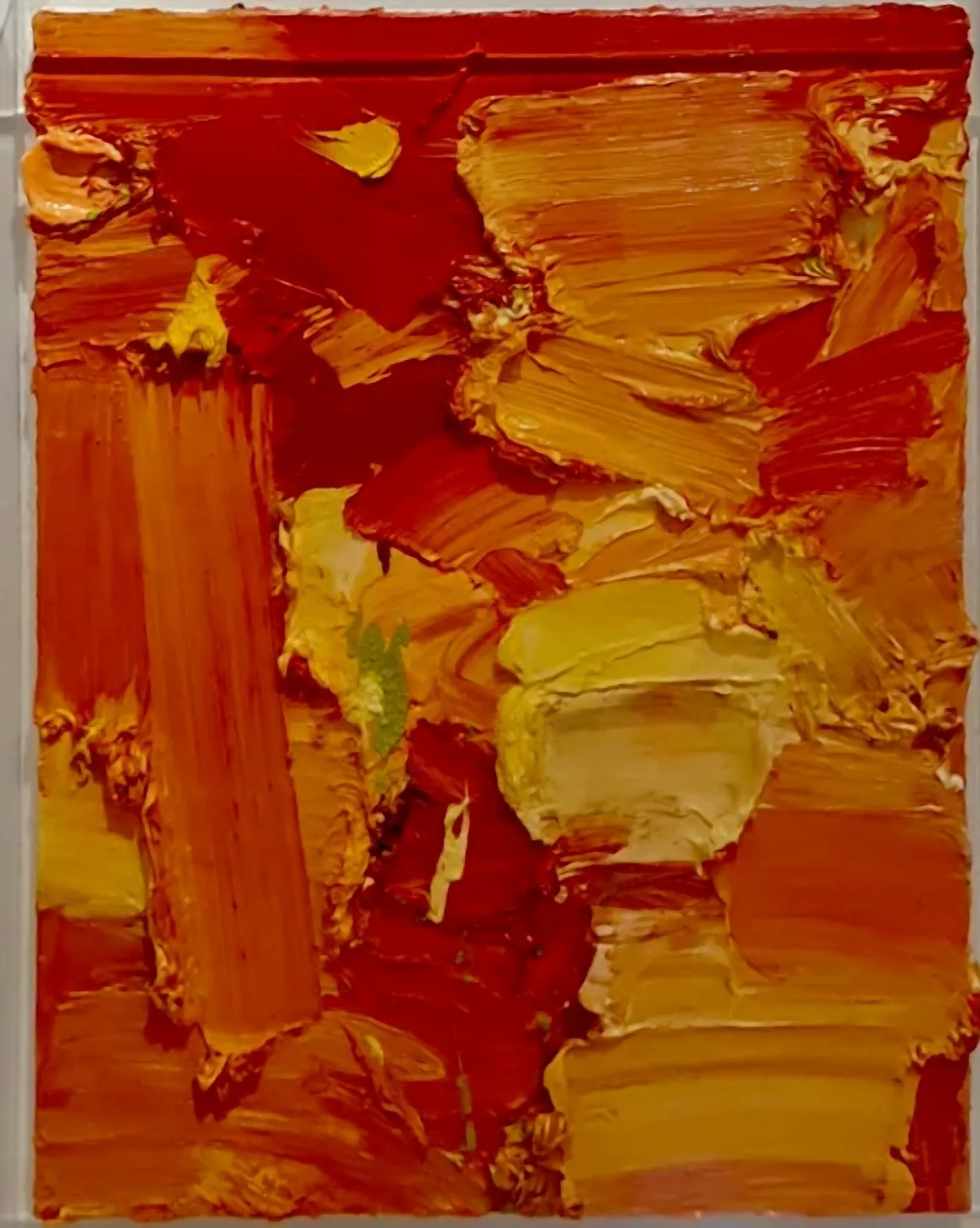
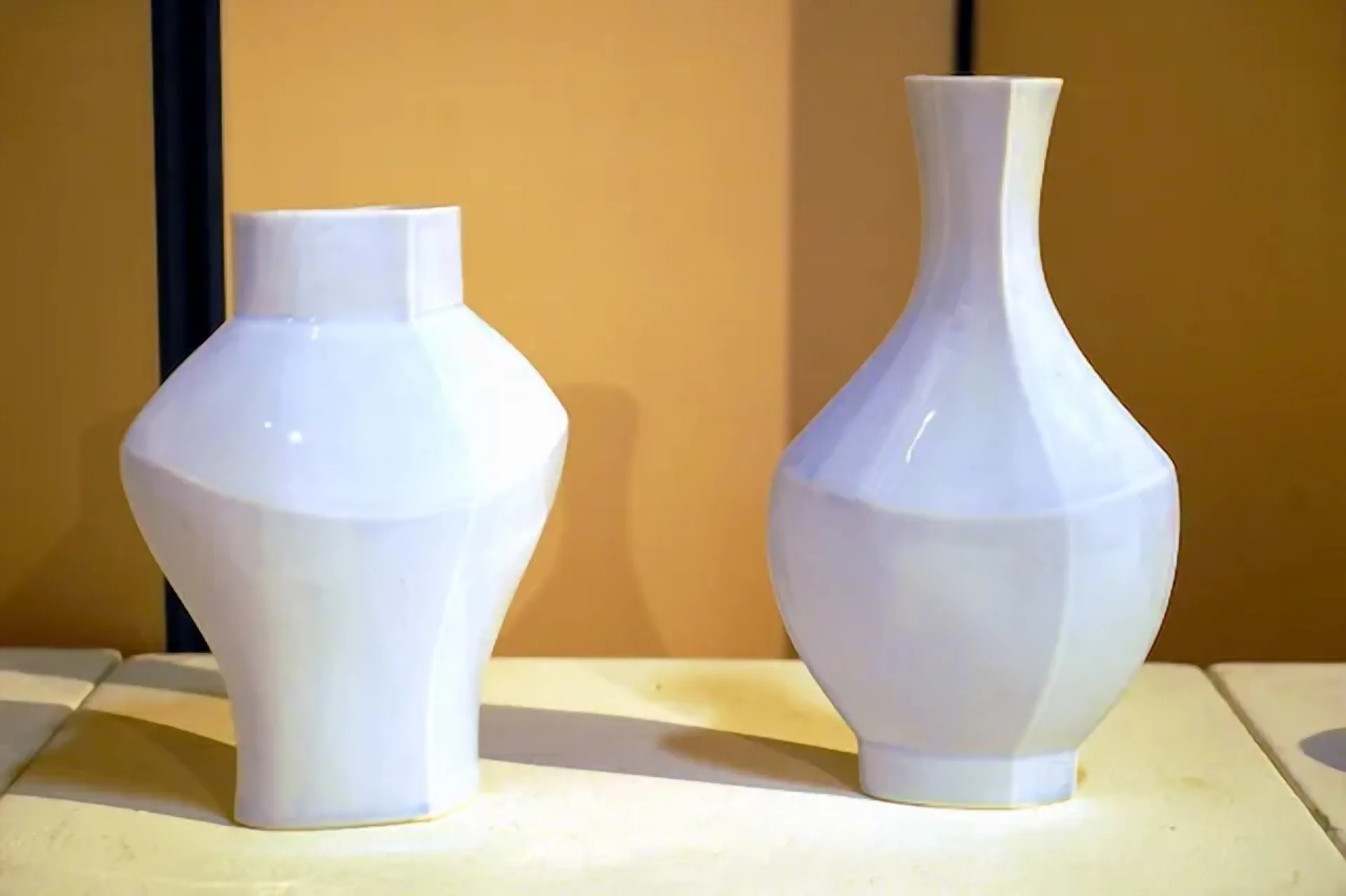
After you have seen the studio, the artist's work no longer feels like "a finished image" but a fragment of a day. That sense thickens collecting in another dimension. Browse the SAF artwork gallery and let yourself imagine the studio behind each work.
Collecting Guides
Seed Art Festival
·
