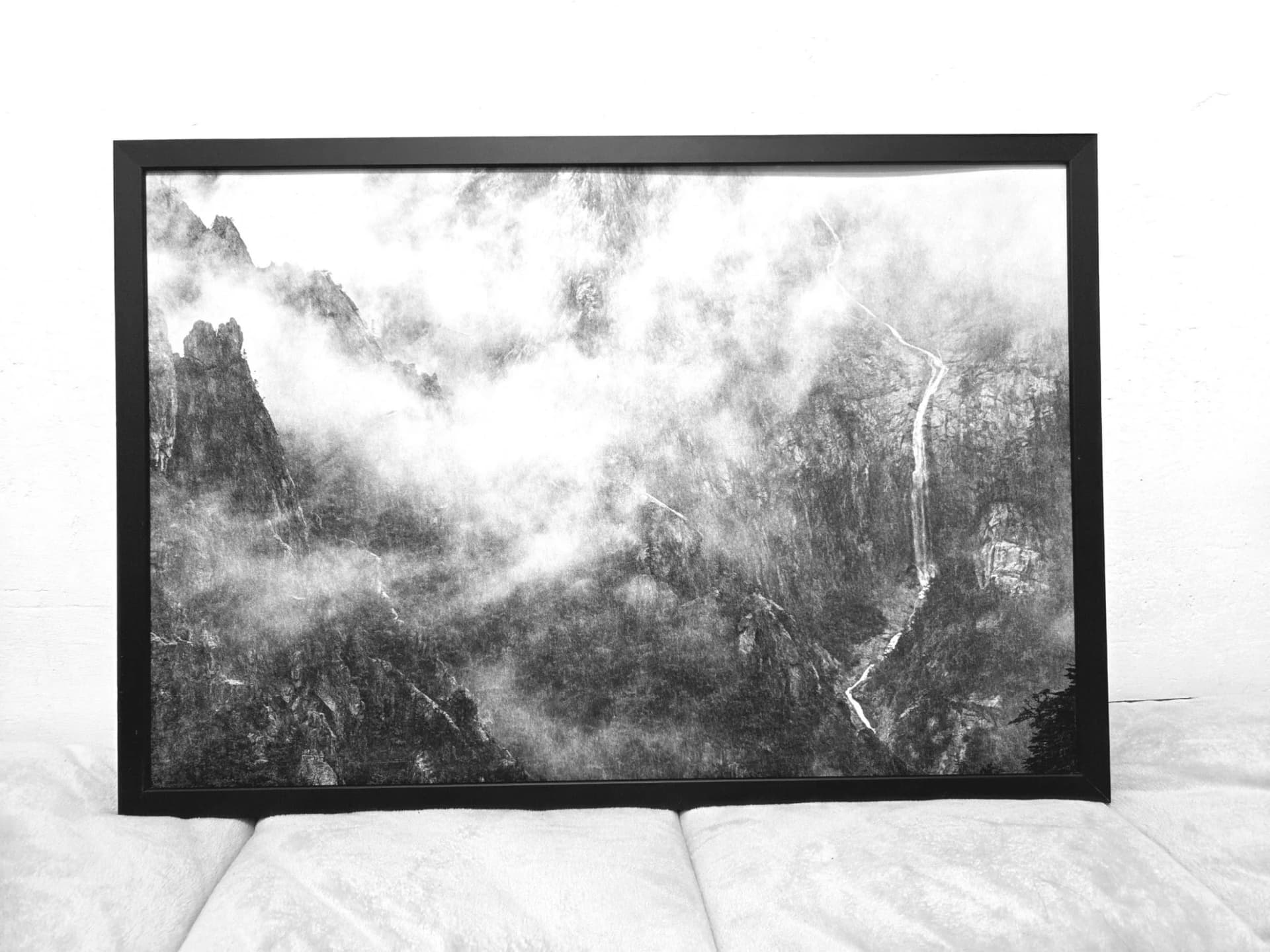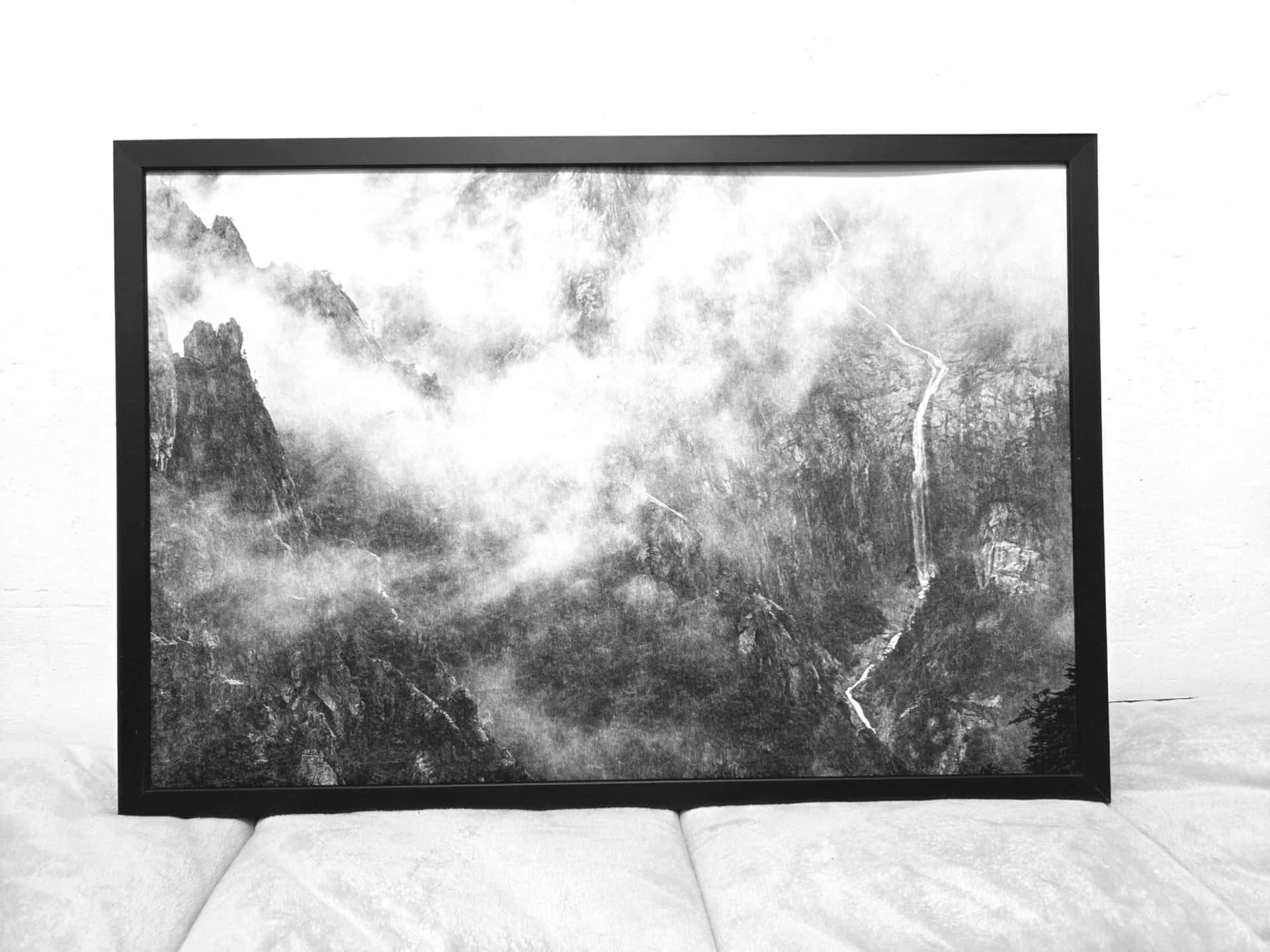
Climbing mountains and taking photographs — Kang Le-a walks the boundary between mountaineering and contemporary photography. We trace how the narratives of climbing, alpinism, and women climbers become photographic records, and what her work means in art history.
Climbing a Mountain, Making a Photograph — The World of Kang Le-a
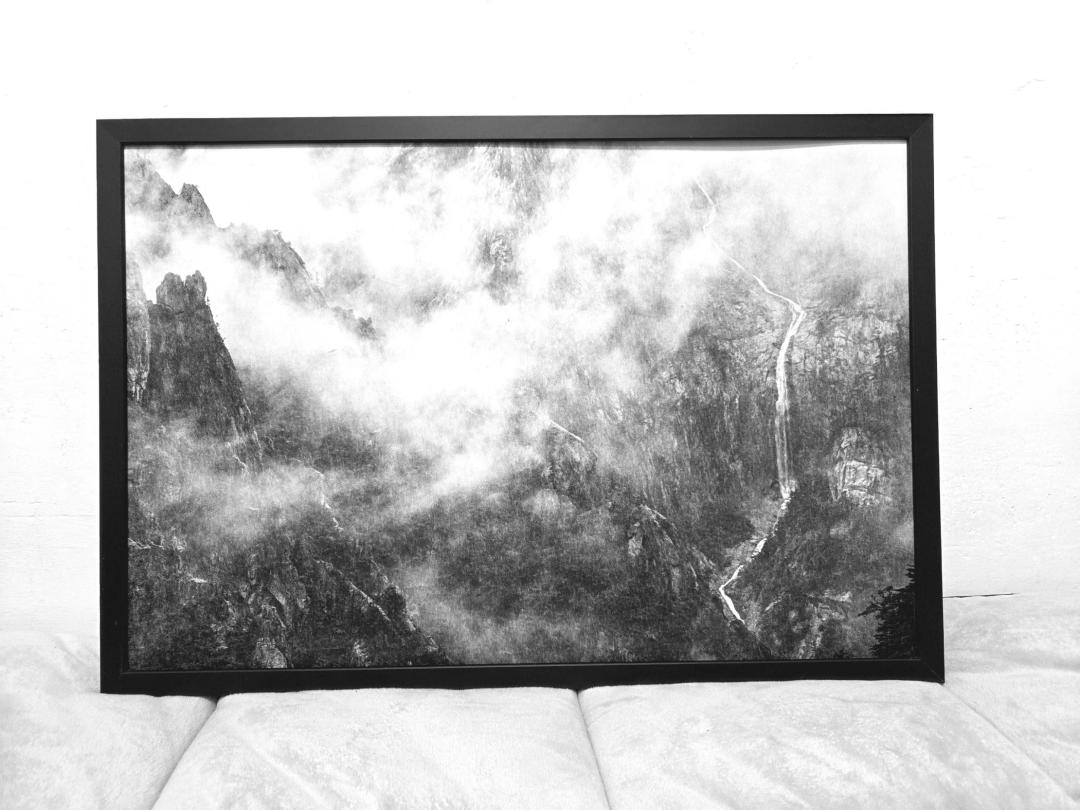
The rarest condition for a photographer is the body. A body that can reach a particular place. A body that can endure the harshness of that place. And a body that does not miss the moment when it arrives. The starting point for understanding Kang Le-a's photographs is the fact that her work begins inside the body of the climber.
She is at once an alpinist and a photographer, and a rare kind of artist who treats climbing itself as material for art. This piece is an introduction for readers meeting her work for the first time.
Photographs Made From the Distance of the Mountain
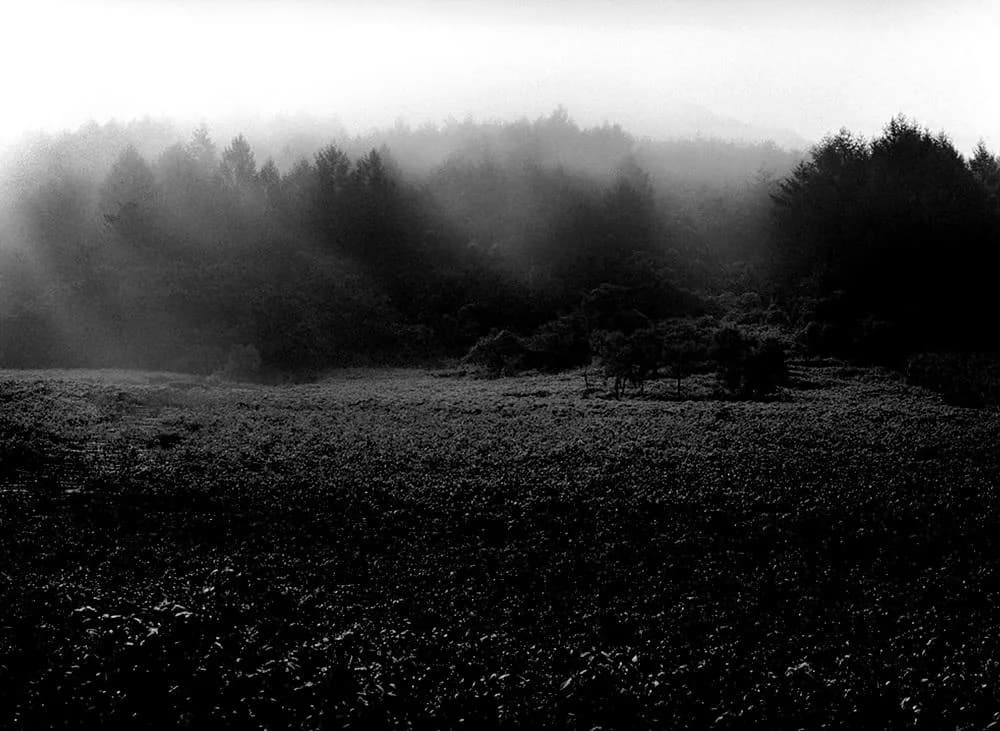
Kang Le-a's photographs are alpinism photography, but they sit apart from the conventions of the genre. "Mountain photographs" usually call to mind sweeping panoramas seen from a summit. Hers don't.
- Not the summit, but the wall mid-climb
- Not the landscape, but the tension between rope and body
- Not stillness, but the moment within trembling
Her camera is always at the eye level of a climber. Behind a partner ascending, across a rope, on the line where wind meets ice — that is where the shutter is pressed. This sense of distance is the core of her work.
The Subject of the Woman Climber
A recurring subject in Kang Le-a's work is the woman climber. This is no accident.
In the history of Korean alpinism, the records of women climbers are comparatively thin. The first all-women expeditions of the 1970s and 80s, the women who climbed in the Himalaya in the 1990s, the women who entered the world climbing scene from the 2000s onward — that lineage existed, but it was never fully documented in pictures or in language.
Kang Le-a takes that absence as a working force. Her photographs are not portraits in any simple sense — they are visual testimony: "we were here." In this sense the work is at once an archive of women's mountaineering history and a question about how a single body contributes to public memory.
Where Climbing and Photography Meet
Kang Le-a photographs mid-climb. This is technically very difficult. The moments when one can hold a camera steadily while climbing are limited, and pressing a shutter without breaking the rhythm of the climb is harder still.
The charged quality of her photographs comes from this.
- The subject's concentration (the climber) and the photographer's concentration (also a climber) hang on the same instant
- Even when the frame is not perfectly composed, that instability becomes its own honesty
- The viewer doesn't simply watch the moment in the photograph — they begin to imagine "where did the artist stand to take this?"
A Quick View of Domestic and International Activity
Kang Le-a's main activities can be summarized briefly.
- Major Korean daily-newspaper feature interviews (Hankyoreh, JoongAng Ilbo, Korea Economic Daily, and others)
- In-depth features in alpinism and climbing publications
- Exhibition participation in France and elsewhere — connection with international discourse on alpinism photography
- Ongoing testimony and exchange within the climbing community
Three implications follow. First, that her work is treated by national dailies on culture and society pages — not in hobby sections — is evidence that the work is read as culturally meaningful, not as recreational photography. Second, exhibition abroad indicates that her subject touches international concerns that exceed Korean particularity (gender, body, the relation to nature). Third, the sustained testimony from the climbing community proves her singular vantage as "the eye of an insider."
Three Axes Through the Work
Kang Le-a's practice can be read along three axes.
Axis 1. Bodily tension — "the moment of being suspended"
A body hanging from a rope. A hand gripping rock. Feet floating in air. Her photographs make physical tension visible. The tension reaches beyond the technical scene of climbing into a metaphor for the precarious balance life itself rests on.
Axis 2. A record of lineage — "mountains women have climbed"
The repeated subject of women climbers is a project of recording personal history that is also collective history. Her photographs are not heroic moments of single individuals but visual testimony that successive generations climbed the same mountains.
Axis 3. The dialogue between body and nature — "what mountains ask of people"
The mountain is not background — it is a partner in conversation. In Kang Le-a's photographs, the mountain is not an obstacle to be conquered but a presence that puts questions: "Why have you come this far?" "What did your body come to learn?"
Why Look at Kang Le-a Now
Korean contemporary photography matured through several generations across the 1990s and 2000s, but few artists work directly with the experience of body and nature. In an era when the city, the digital, and the media have become primary subjects, Kang Le-a's work pulls primary experience back into the territory of art.
The work also connects to the contemporary keywords of gender, body, and archive while drawing on the independent tradition of alpinism photography. Kang Le-a's work lives where these two meet.
Encountering Kang Le-a at SAF
Kang Le-a is among the participating artists at SAF (Seed Art Festival). Through her work a viewer can
- collect a visual record of Korean women's mountaineering history
- bring the contemporary language of an independent genre — alpinism photography — into the home
- participate, through that purchase, in the cycle of supporting other artists' practice
Browse Kang Le-a's works on SAF →. The artwork detail page lists key exhibitions and related press features alongside the work itself.
Further Reading on Kang Le-a's Practice
- Hankyoreh interview (a feature on climbing, women, and the relation to nature)
- JoongAng Ilbo culture section (an analysis of the artistic significance of alpinism photography)
- Korea Economic Daily (an overview of domestic and international exhibitions)
- French exhibition reviews (the contact point with international discourse)
Each article is linked from the "Related Press" section of the work's detail page.
Frequently Asked Questions
Q. Is Kang Le-a's work photography or contemporary art? A. It sits in both. She works through the medium of photography, so she is a photographer; but the subjects and visual language her work addresses are also part of contemporary visual-art discourse. A number of Korean artists work along this boundary, and Kang Le-a stands out among them in the consistency of her subject.
Q. I'd like to buy alpinism photography. What should I look for? A. The same checklist as for any photographic work applies. (1) Edition number and artist signature, (2) paper and print quality, (3) the artist's official record, and so on. For alpinism photography in particular, documentation of the location and context of the shot is part of the work's value. Make sure the work description carries this information.
Q. I'm not into climbing — would these photographs feel out of place at home? A. This is among the most common questions, and the answer is "not at all." Even for viewers who don't know mountains, Kang Le-a's photographs reach a viewer through universal aesthetics — the tension of the body, the silence of space, the brightness of light. There is a reason many collectors who have never climbed hang her work in their living rooms.
Q. Are there subjects beyond the women-climber series? A. Of course. The women-climber narrative is a central axis, but her practice also moves through general nature studies, photographs of climbing equipment and environments, and documentary records. Solo exhibitions and catalogs reveal these other strands.
Q. Where can I find the artist's official website or social channels? A. The links to the artist's official channels are provided on the work detail page at SAF. Latest news and exhibition schedules are available there.
Knowing an artist is to have a world newly opened. The moment a Kang Le-a photograph hangs on the wall of a home, that living room is connected to a scene from Korean contemporary alpinism. Browse the artist's works →
Works by Kang Rea
Related reading
If this piece helped, you may also enjoy these related articles:

Related Reads
Collecting Guides
Seed Art Festival
·