The flow of Korean documentary and landscape photography — the practices of three masters Cho Mun-ho, Jeong Yeong-shin, and Kim Soo-oh, plus five collecting perspectives.
Korean Landscape and the Lives of Common People — The Documentary Photography of Cho Mun-ho, Jeong Yeong-shin, and Kim Soo-oh
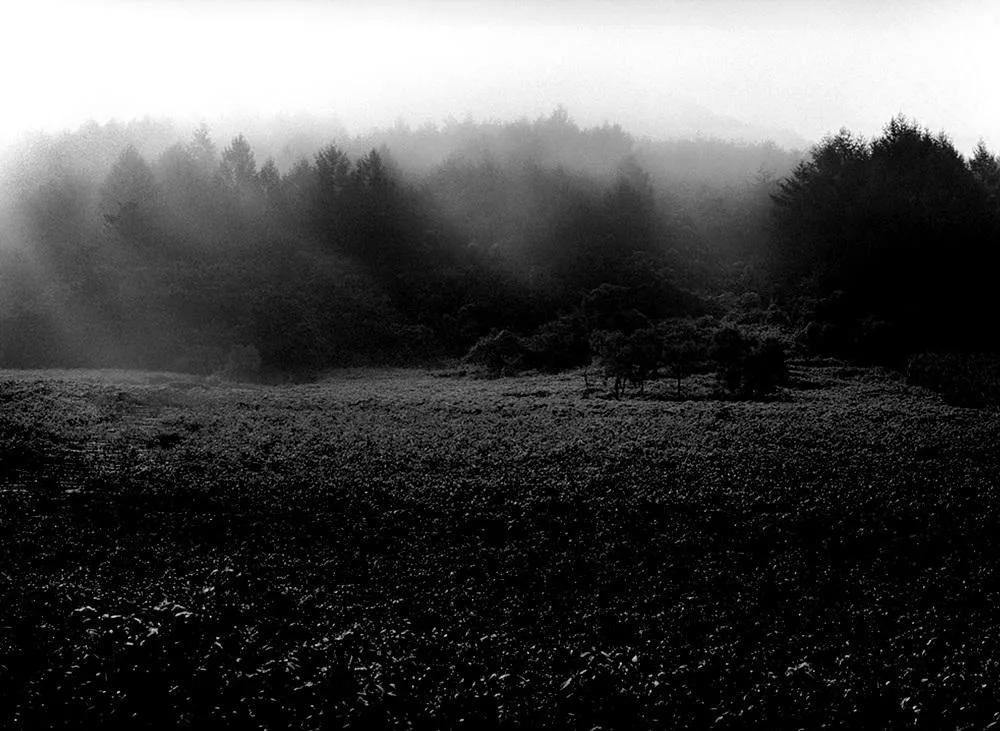
Collecting photography in Korea is — bringing into your home a visual record of the land and people of Korea. Since the 1980s, a handful of artists have been recording Korea's mountains, markets, and the daily lives of ordinary people through their cameras. This piece looks at the practices of Cho Mun-ho, Jeong Yeong-shin, and Kim Soo-oh as a way to map the flow of Korean documentary and landscape photography.
Where documentary photography sits in the Korean market
In the Korean photography market, documentary and landscape photography is a category undervalued relative to painting and printmaking. But documentary value accumulates over time. The reason is simple — photography permanently preserves a single moment, and 30 or 50 years later, that moment becomes historical record.
A 1988 Jeongseon mountain village, the 2003 Yangsan Yeongchuksan range, the 2017 winter Hallasan — these images can never be reshot. Photography's value is a single arrow pointing upward over time.
Photographs are also the most rationally accessible medium for first collections. Owning an 80cm work by a master photographer like Cho Mun-ho, Jeong Yeong-shin, or Kim Soo-oh at the ₩1,000,000 tier is something almost no other medium permits.
Cho Mun-ho — a veteran documentarian of Jeongseon
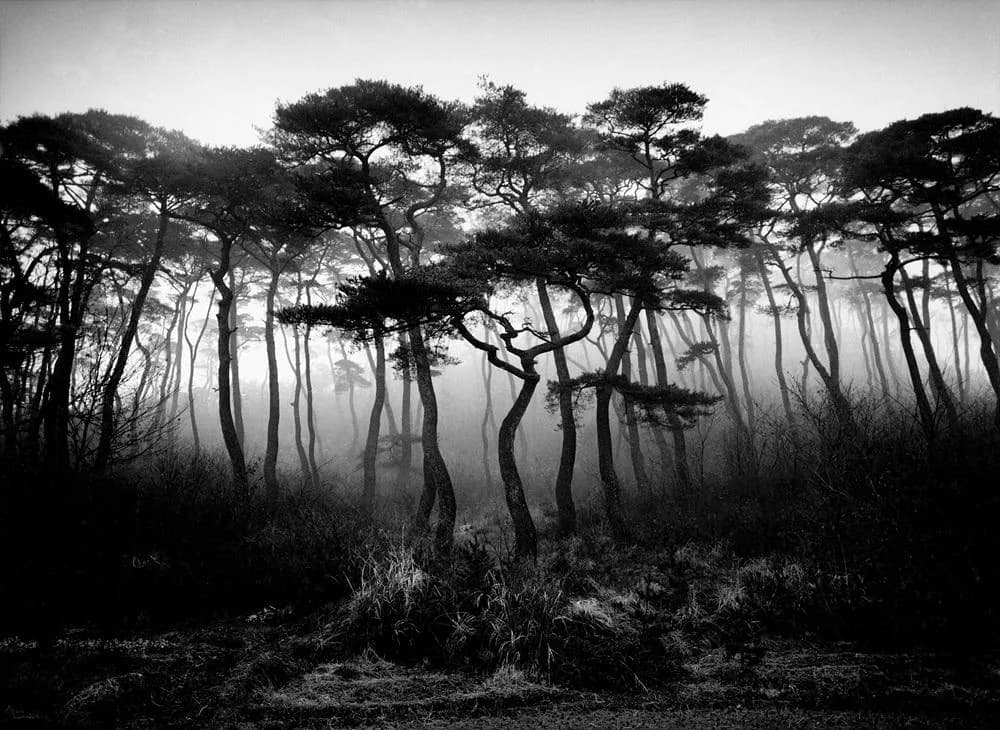
Cho Mun-ho is a core artist of Korean documentary photography. His camera turns toward deep nature — Korea's mountains, rivers, Jeongseon, Gangwon, Jirisan. His record of Korean mountain change over more than 30 years from the 1980s onward is a veteran of Korean documentary photography.
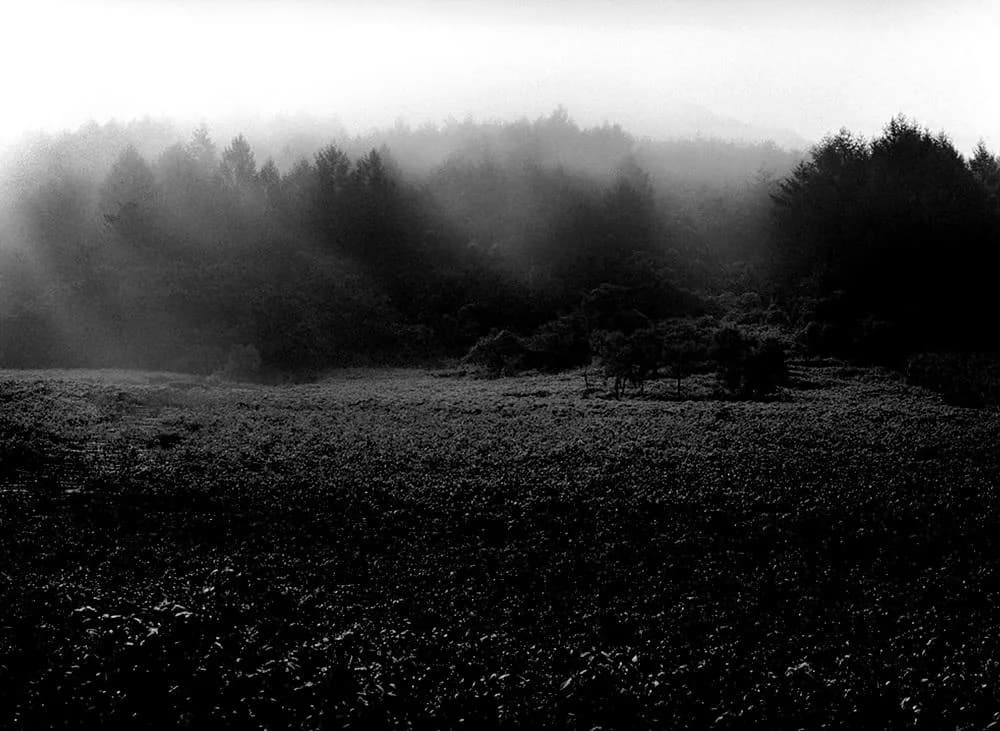
His photographs are known for the precision of light and distance. Korean mountains are difficult to maintain visual coherence in — fog, humidity, seasonal change all complicate the work — but Cho Mun-ho's images pass through that difficulty with exactness.
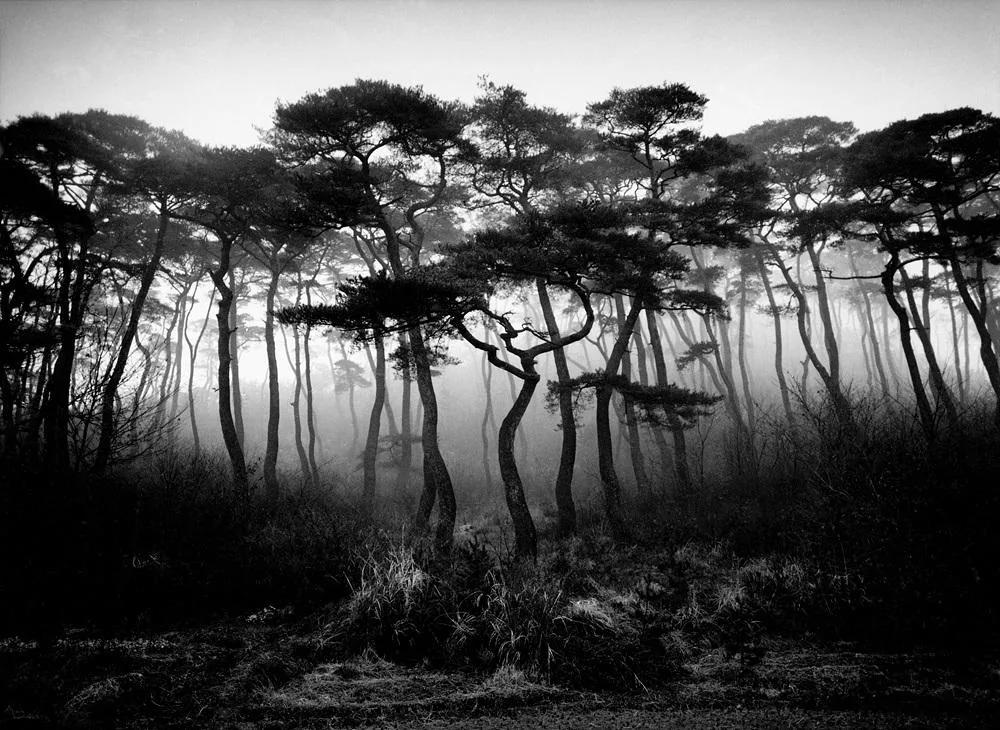
- Cho Mun-ho, 2003 Yangsan Yeongchuksan — view artwork
- Cho Mun-ho, 2006 Jeongseon Giusan — view artwork
See more Cho Mun-ho works on the artist page →
Jeong Yeong-shin — recording markets and ordinary lives
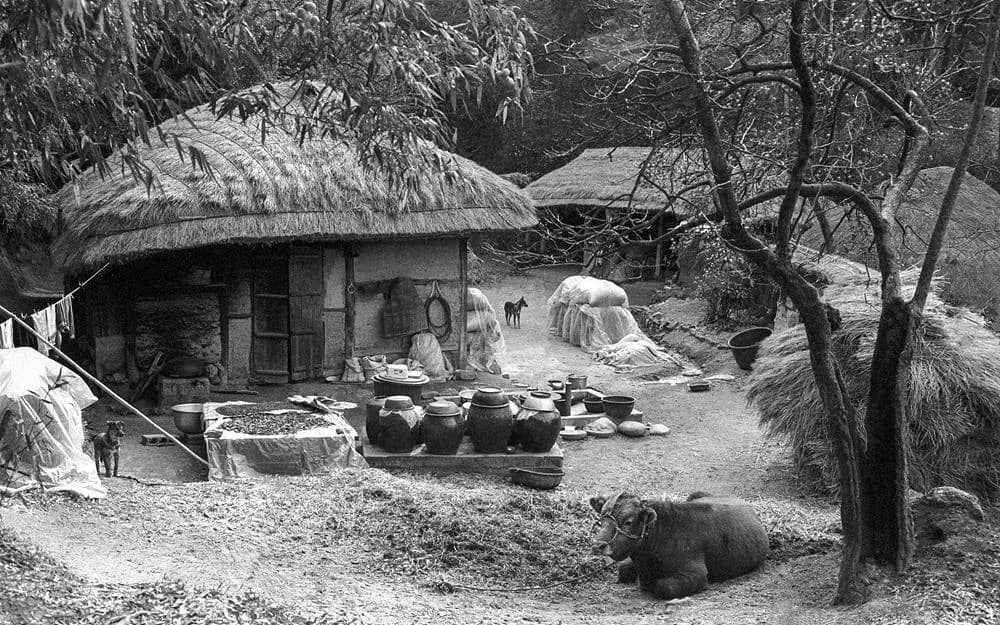
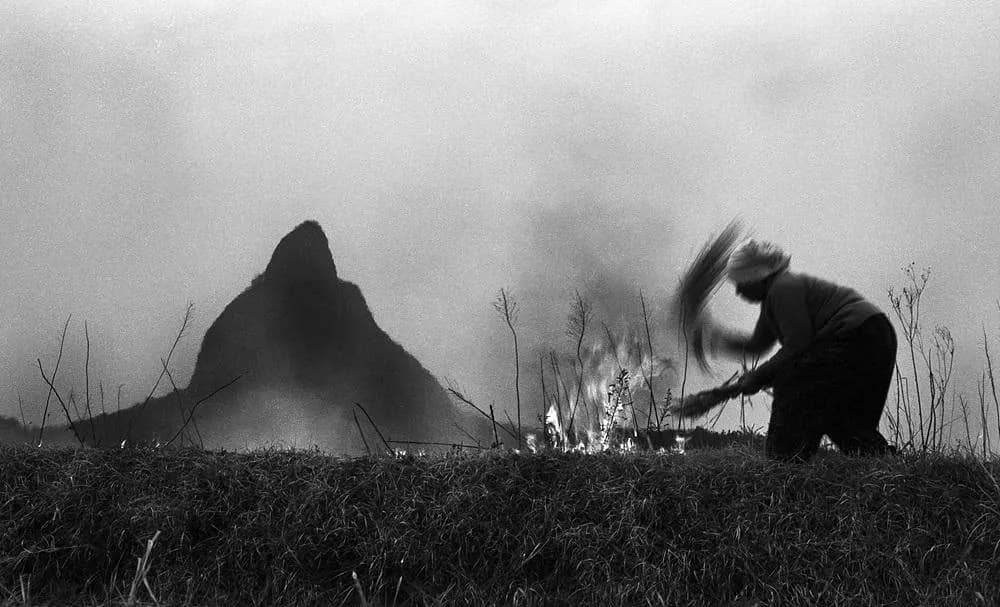
Jeong Yeong-shin is a documentary photographer who has been recording Korean markets, the daily lives of common people, and provincial landscapes since the 1980s. Works like 1988 Midway Up Maisan and 1988 Jeonnam Gangjin — bring the visual fact of Korea 40 years ago into your living room today.
What makes Jeong Yeong-shin's photography special is the balance of people and landscape. A single frame contains not only landscape but the trace of the people living in it. The essence of documentary photography — seeing an era through people — appears most clearly in this artist.
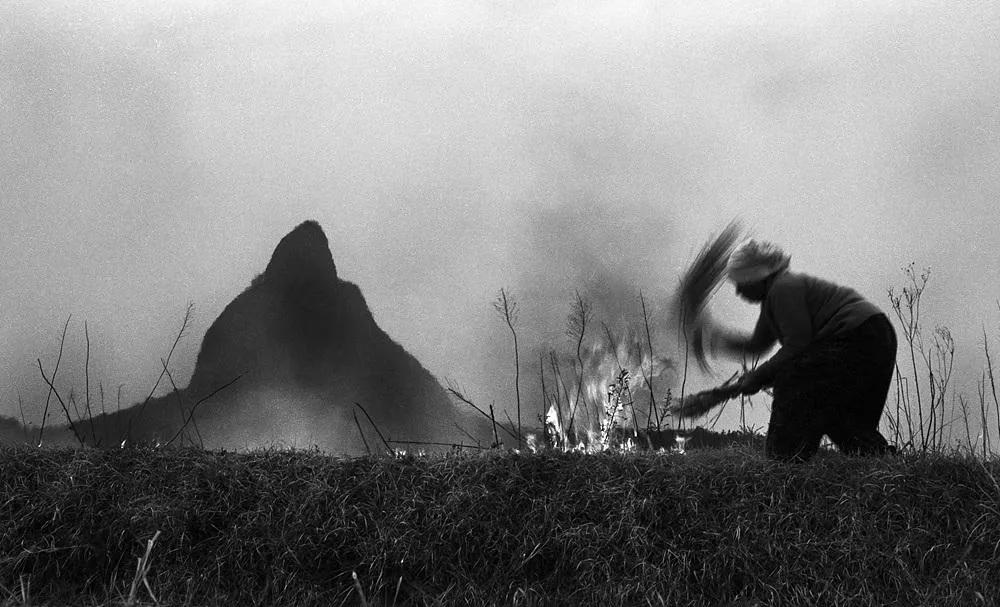
- Jeong Yeong-shin, 1988 Midway Up Maisan — view artwork
- Jeong Yeong-shin, 1988 Jeonnam Gangjin — view artwork
See more Jeong Yeong-shin works on the artist page →
Kim Soo-oh — the time of Jeju
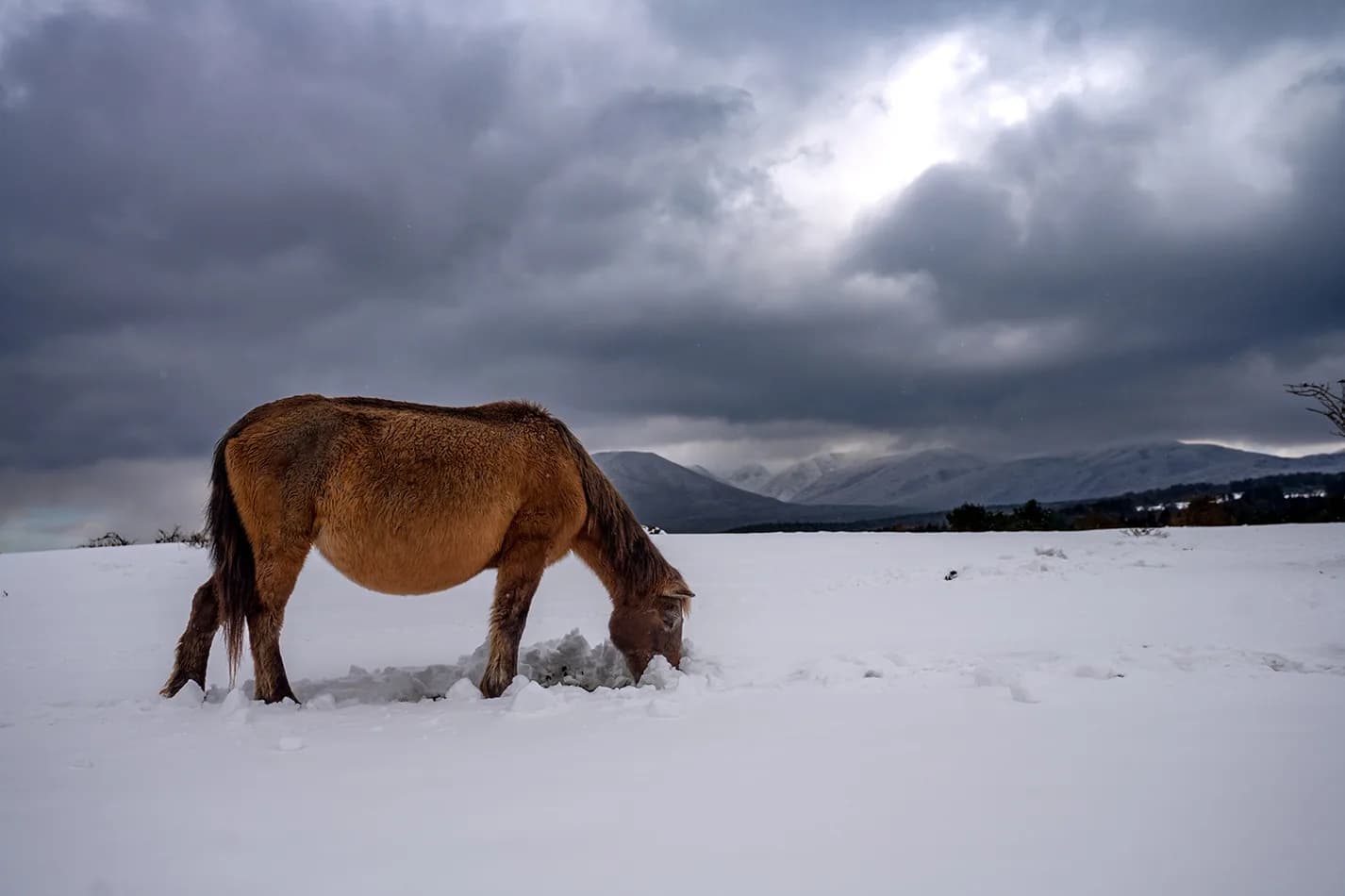
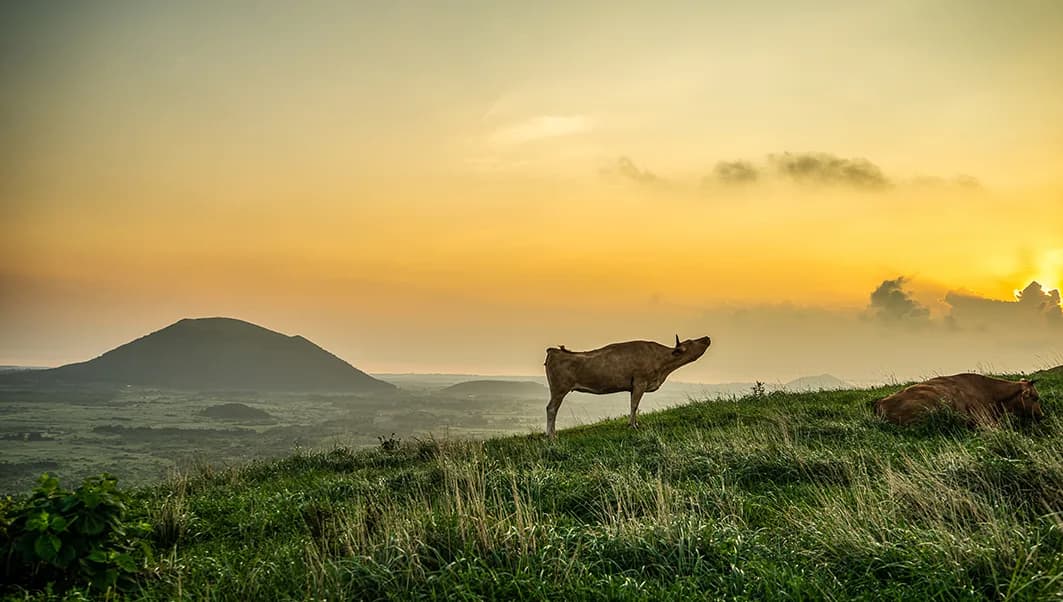
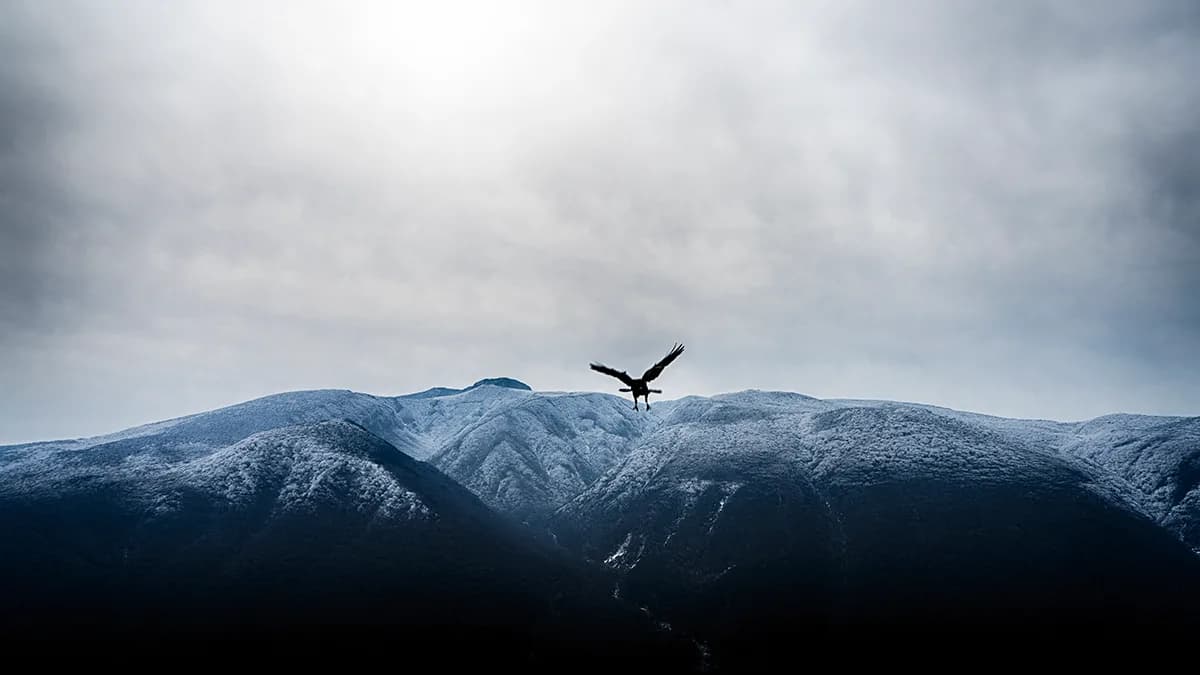
Kim Soo-oh is a landscape photographer working in Jeju, Hallasan, and the Jungsangan mountainside. His photographs hold Jeju's seasons, weather, and time. Works like Winter Mid-Mountain and Winter Hallasan carry the textures of light and fog only someone who has lived in Jeju can capture.
Jeju landscape photography carries a special meaning for Korean collectors. Jeju is the one region in Korea with a visual tone that's different from the rest of Korea. Hanging a Jeju landscape in a living room, study, or executive office is one rational way to keep a slightly distant landscape in daily view.
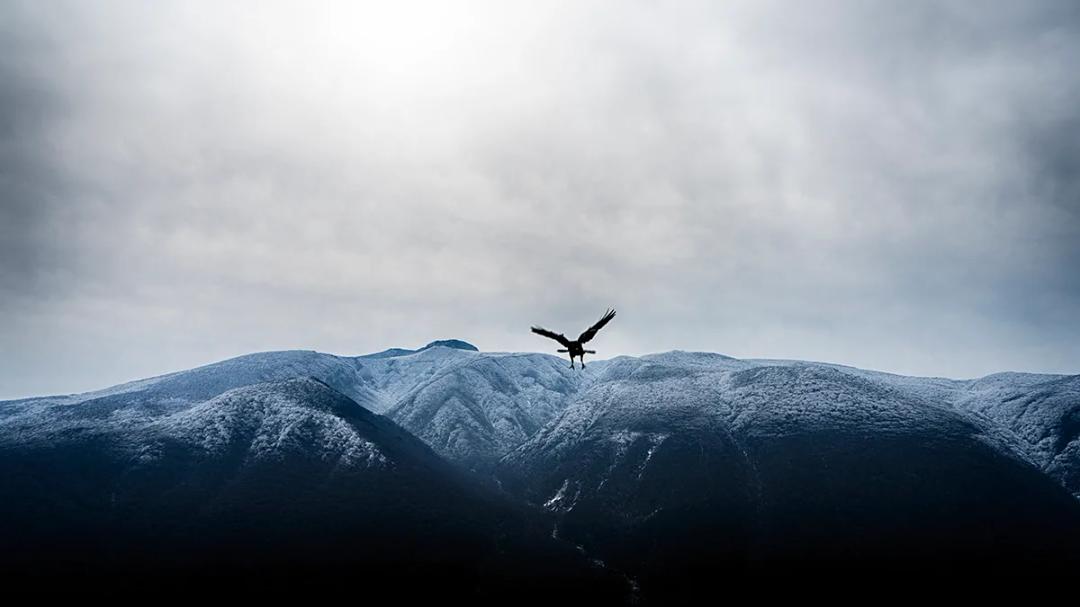
- Kim Soo-oh, Winter Hallasan — view artwork
- Kim Soo-oh, Winter Mid-Mountain — view artwork
See more Kim Soo-oh works on the artist page →
Five perspectives on collecting documentary photography
1. Go large with size
Documentary and landscape photography reveals its full quality at 80cm or larger. Smaller prints don't carry the depth of the landscape adequately. An 80cm photograph on a living-room main, office lobby, or meeting-room main wall delivers the strongest effect.
2. Prefer diasec or acrylic mounts
Photographic preservation and visual completeness are decided in the mount. Diasec produces superior color reproduction, durability, and visual depth. The cost is 1.5–2x ordinary framing, but it's worth that for photographic work.
3. Landscape photography is "long-viewing" media
Painting and prints hit visually all at once. Documentary and landscape photography is media that reveals itself slowly over time. A month, a year, five years in — new details emerge in the same image. Media that grows with the collector's time.
4. Time itself is the asset
For the same artist's same work, the older the year of capture, the more the asset value accumulates. 1988 Jeong Yeong-shin, 2003 Cho Mun-ho, 2017 Kim Soo-oh — the time stamp itself is part of the work.
5. Korean photography masters' window
The window in which Korean photography masters' works can be acquired at reasonable prices isn't long. Works by artists who've practiced for 30+ years will likely thin out in the market over the next 5–10 years. One Korean documentary photography master in your first collection is a category worth recommending from an asset-stability standpoint.
Frequently asked questions
Q. How do I check the edition number on a photographic work? A. The edition number (e.g., 3/10) and the artist's signature appear on the back of the work or on an enclosed certificate. Documentary photography is typically limited to 5–10 copies. Lower edition numbers (1/10, etc.) generally trade higher.
Q. What's the difference between diasec and conventional framing? A. Diasec mounts the photograph directly onto an acrylic panel — superior depth, durability, and color reproduction. Conventional framing matts the photograph and sets it in a frame. For documentary or landscape photography where visual depth matters, diasec. For smaller sizes or classical tones, conventional framing fits.
Q. Are photographic works sensitive to sunlight? A. The combination of pigment ink + archival paper is generally engineered for 100+ years of color preservation. Still, direct sunlight more than 6 hours a day should be avoided for any photographic work. Indirect natural light is safest.
Q. What spaces suit documentary photography best? A. Living-room main wall, study, office meeting room suit best. An 80cm landscape photograph holds the room's tone steady. Bedrooms and dining areas suit smaller sizes.
Q. Can I mix Korean documentary photography with foreign documentary? A. Yes. That said, Korean artists offer deeper market liquidity and exhibition opportunities. Starting your first collection with Korean artists and expanding to international photographers later is the safer flow.
Q. Where can I see other photographers? A. The SAF Photography category lets you compare other photographers — Kim Ho-sung, An So-hyeon, Lee Soo-cheol, Jeong Geum-hee, Ra Inn-seok, Kim Nam-jin, Lee Yeol.
Recording Korea's mountains, markets, common people, and landscapes through photography is building a visual asset whose value accumulates with time. May one piece by Cho Mun-ho, Jeong Yeong-shin, or Kim Soo-oh deepen the tone of your living room or study by one degree.
Related reading
If this piece helped, you may also enjoy these related articles:
Meet the Artists
Further Reading
Seed Art Festival
·