A traveler of the wind,
chronicling 600 markets
For forty years, she has walked toward the five-day markets.The people, the faces, the lives of a vanishing rural Korea.
Forty years on the road —
a country mapped by its markets
Jeong Yeongsin (b. 1958) was born in Hampyeong, South Jeolla province. A documentary photographer and novelist, she has spent forty years exploring Korea's five-day markets — the rotating rural fairs that gather, sell, and scatter every fifth day. She is a “traveler of the wind” who has recorded all of the roughly six hundred such markets across the country.
For her, the market is not a subject to be observed from outside but a place longed for like the kitchen garden of a hometown. She has written that markets are where our mothers and grandmothers stand — and her camera follows that gaze, turning toward the people, their faces, and the warmth of a life lived in common.
Across decades she has carried this work into books and exhibitions alike: The Beloved Land, the Longed-for Market — South Jeolla (2025), The Mongrel Pups I Met at Country Markets (2023), A Solitary Walk Along the Janghang Line Market Road (2023), My Mother's Land (2021), Let's Go to the Market (2020), Market Day (2016), A Pilgrimage to Korea's Five-Day Markets (2015), Markets of Korea (2012), and Tales of the Country Market (2002). The records of Jinan, Jeongseon, and countless other market towns accumulate into a single, tender archive.
Her work has also lived in print and on the air: a series, “Jeong Yeongsin's Market Pilgrimage,” ran in the Farmers' Newspaper(2013–2014), and “Stories from Within the Market” aired on TBN traffic broadcasting (2014). Today she serves as an editorial member and contributing reporter for Seoul Culture Today, where her column “Jeong Yeongsin's Market Tales” continues.
As the country markets quietly disappear, her photographs do the slow work of remembrance — gathering what is fading into something that can be passed on as cultural heritage. The market, in her hands, becomes a place we can return to.
Major themes
- 1
The five-day market
Forty years recording the roughly 600 rotating rural markets across Korea — a country mapped by where it gathers to trade.
- 2
People and faces
The mothers and grandmothers of the market — a warm, earthy chronicle of lives lived in common rather than scenery observed from outside.
- 3
Market as heritage
Gathering the vanishing country market into something to be passed on — photography as the slow work of remembrance.
The artist's timeline
- 1958Born in Hampyeong, South Jeolla province.
- 2002Publishes 《Tales of the Country Market》 (Jinsun).
- 2012Solo exhibition 〈Jeong Yeongsin's Markets〉 (Dukwon Gallery); publishes 《Markets of Korea》 (Noonbit).
- 2013–Serializes “Jeong Yeongsin's Market Pilgrimage” in the Farmers' Newspaper (2013–2014); hosts “Stories from Within the Market” on TBN (2014).
- 2016Solo exhibition 〈Market Day〉 (Ara Art); publishes 《Market Day》 (Noonbit Photographers' Selection).
- 2020Solo exhibition 〈Let's Go to the Market〉 (Gallery Bresson); publishes 《Let's Go to the Market》 (Esoope).
- 2021–Solo exhibition 〈Market Day〉 (Donuimun Museum Village artist gallery, 2021–2022); publishes 《My Mother's Land》 (Noonbit, 2021).
- 2023《A Solitary Walk Along the Janghang Line Market Road》 publication exhibition (Gallery Index, Insadong); publishes 《The Mongrel Pups I Met at Country Markets》 (Esoope).
- 2024Solo exhibition 〈My Mother's Land〉 (Jeonju Seohakdong Photography Museum).
- 2025Solo exhibitions 〈From the Market to Cultural Heritage〉 (Gallery Bresson) and 〈Naehanti Is This Market, and People Are the Best Medicine〉 (Gallery Index); publishes 《The Beloved Land, the Longed-for Market — South Jeolla》 (Noonbit).
Selected exhibitions & books
- Solo exhibitions: 〈From the Market to Cultural Heritage〉 (Gallery Bresson, 2025), 〈My Mother's Land〉 (Jeonju Seohakdong Photography Museum, 2024), 〈장에 가자〉 (Gallery Bresson, 2020), 〈Jeong Yeongsin's Markets〉 (Dukwon Gallery, 2012), and the market photographs of Jinan, Jeongseon, and beyond.
- Group exhibitions: 〈Sunsil-jeon〉 (Namu Gallery, 2017), 〈Candlelight History Exhibition〉 (Gwanghwamun Square, 2017), and others.
- Books: 《The Beloved Land, the Longed-for Market — South Jeolla》 (2025), 《A Pilgrimage to Korea's Five-Day Markets》 (2015), 《Markets of Korea》 (2012), 《Tales of the Country Market》 (2002), and more — published by Noonbit, Esoope, and others.
- Currently an editorial member and contributing reporter for Seoul Culture Today, where the column “Jeong Yeongsin's Market Tales” continues.
Three essays —
on the market and its keeper
1A traveler of the wind — forty years toward the market
The five-day market is, by its nature, a thing that appears and disappears. Every fifth day a town square fills with sellers and buyers, with produce and livestock and talk; by evening it has scattered again. To photograph it is to chase something that will not stay still — which is perhaps why Jeong Yeongsin has been called a traveler of the wind.
Over forty years she has recorded all of the roughly six hundred such markets across Korea. The number is not a boast but a method: only by going everywhere, again and again, across decades, could the full shape of a vanishing institution be held. Her archive is less a collection of pictures than a long act of attendance.
And she has not only photographed. A novelist as well as a photographer, she has written the market into books and newspaper columns and radio, building a body of work in which image and text lean on each other — each market remembered twice, once by the camera and once by the sentence.
2Where the mothers and grandmothers are — the gaze of the work
Much market photography keeps its distance: the picturesque stall, the colorful crowd, the scene observed from the outside. Jeong Yeongsin's does the opposite. For her the market is a place longed for like the kitchen garden of a hometown — somewhere one belongs, not somewhere one visits.
That belonging shows in who fills the frame. Hers is a market of mothers and grandmothers — the women who carry the produce, mind the stalls, and hold the place together. The faces are not types but people; the warmth is not staged but earned by return. Her books bear titles in the local dialect of South Jeolla, and the language itself keeps the work close to the ground it comes from.
The result is a chronicle that is tender without being sentimental — an insistence that the ordinary life of a country market is worth the full attention of a camera, and worth being remembered as it is.
3From the market to cultural heritage — what the record is for
Her 2025 exhibition took its title directly: 〈From the Market to Cultural Heritage〉. It names the arc of the whole project. The country market is quietly disappearing — to roads and supermarkets, to depopulation, to time. What a forty-year record offers is not nostalgia but inheritance: a way for what is fading to be passed on.
Across her books — from 《Tales of the Country Market》 (2002) through 《The Beloved Land, the Longed-for Market — South Jeolla》 (2025) — the markets of a whole country accumulate into a single archive. Read together, they are a map of a Korea that lived by its five-day fairs, region by region, decade by decade.
This is the quiet ambition of the work: to move the market out of memory and into heritage — so that a place once taken for granted might be kept, and so that those who come after can still find their way back to it.
From a country fair in South Jeolla to six hundred markets across Korea, Jeong Yeongsin's work has pursued a single thing: to stay beside what is vanishing long enough to pass it on. She joins this campaign not as a subject of its cause but as a fellow artist in solidarity — so that those who keep such records might do their work without the weight of financial exclusion.
Selected Works
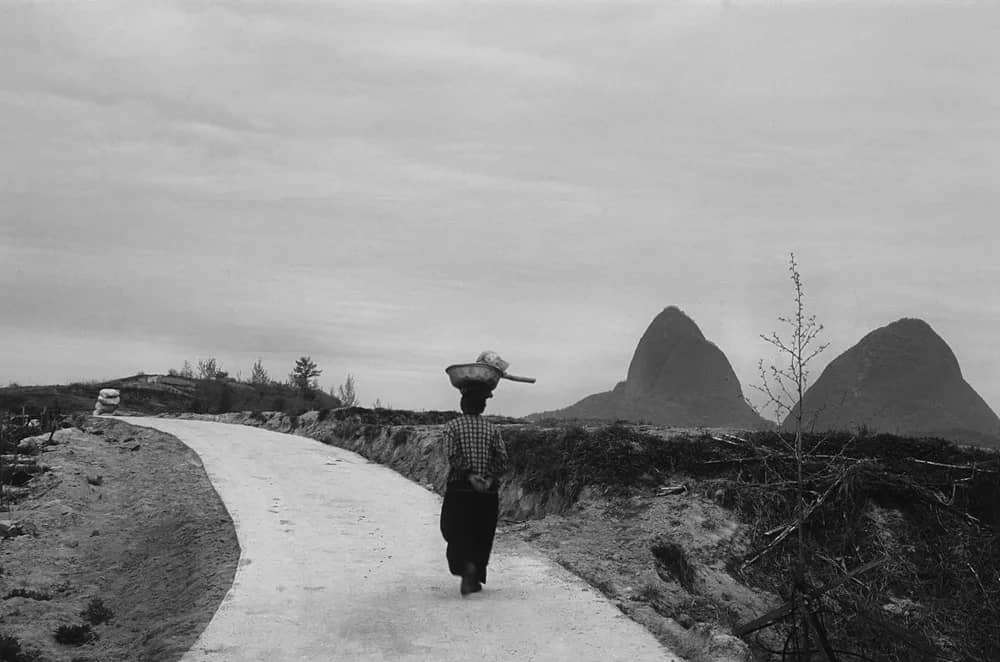
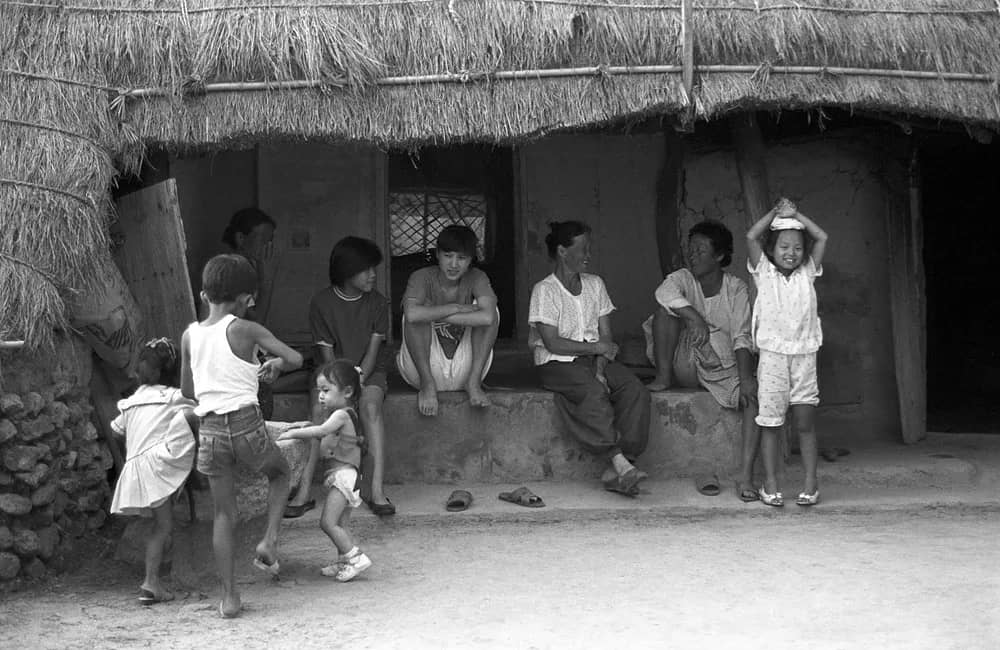
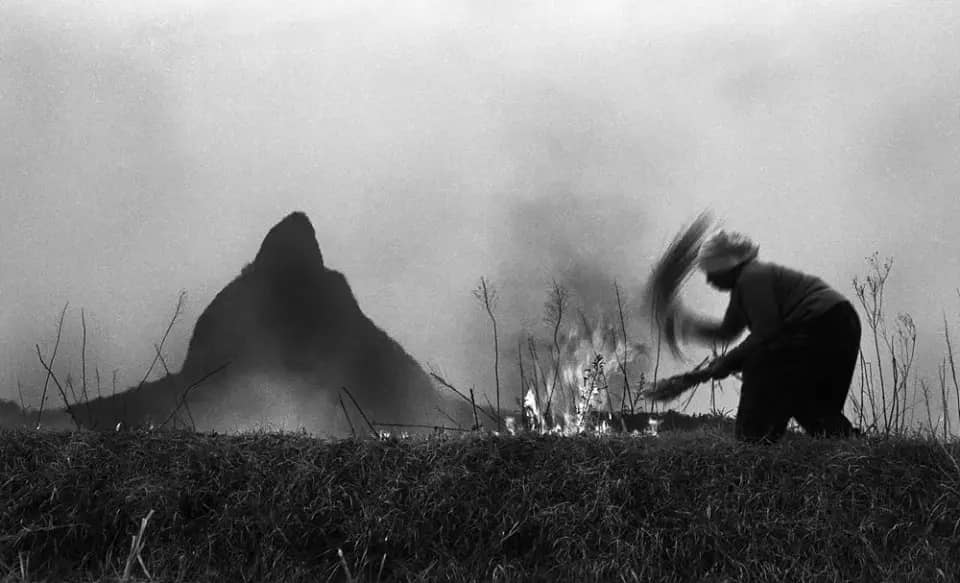
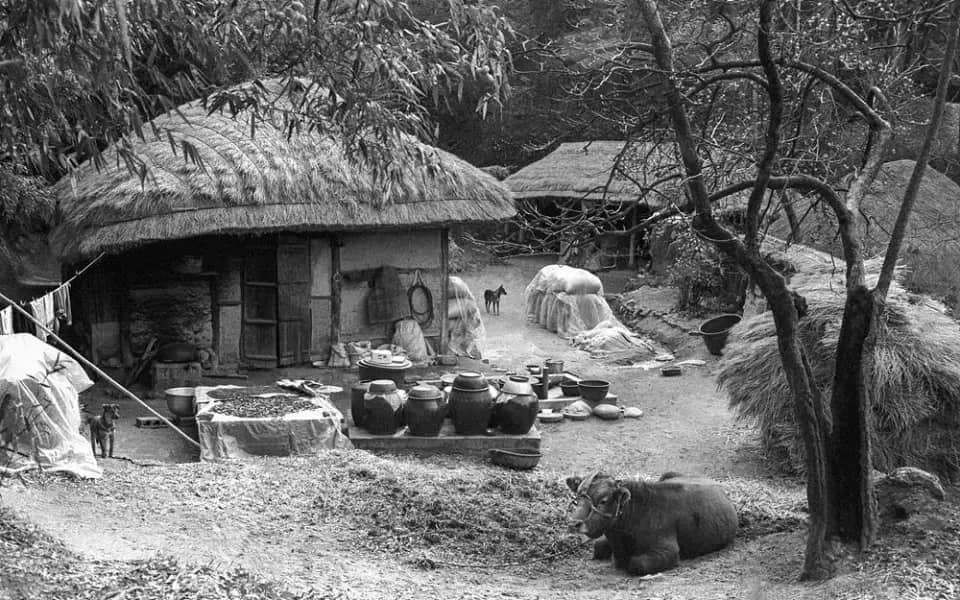
4 works are featured here.
Jeong Yeongsin joined this campaign in solidarity with fellow artists. Every work sold flows directly into the artists' mutual-aid loan fund— a purchase becomes the next month's lifeline for an artist navigating financial exclusion today.