The Blade of the People,
Returning After 40 Years
A short yet powerful life. The spirit of an era, carved in print.Oh Yoon's work speaks to us once again, today.
“Art should be shared by many.
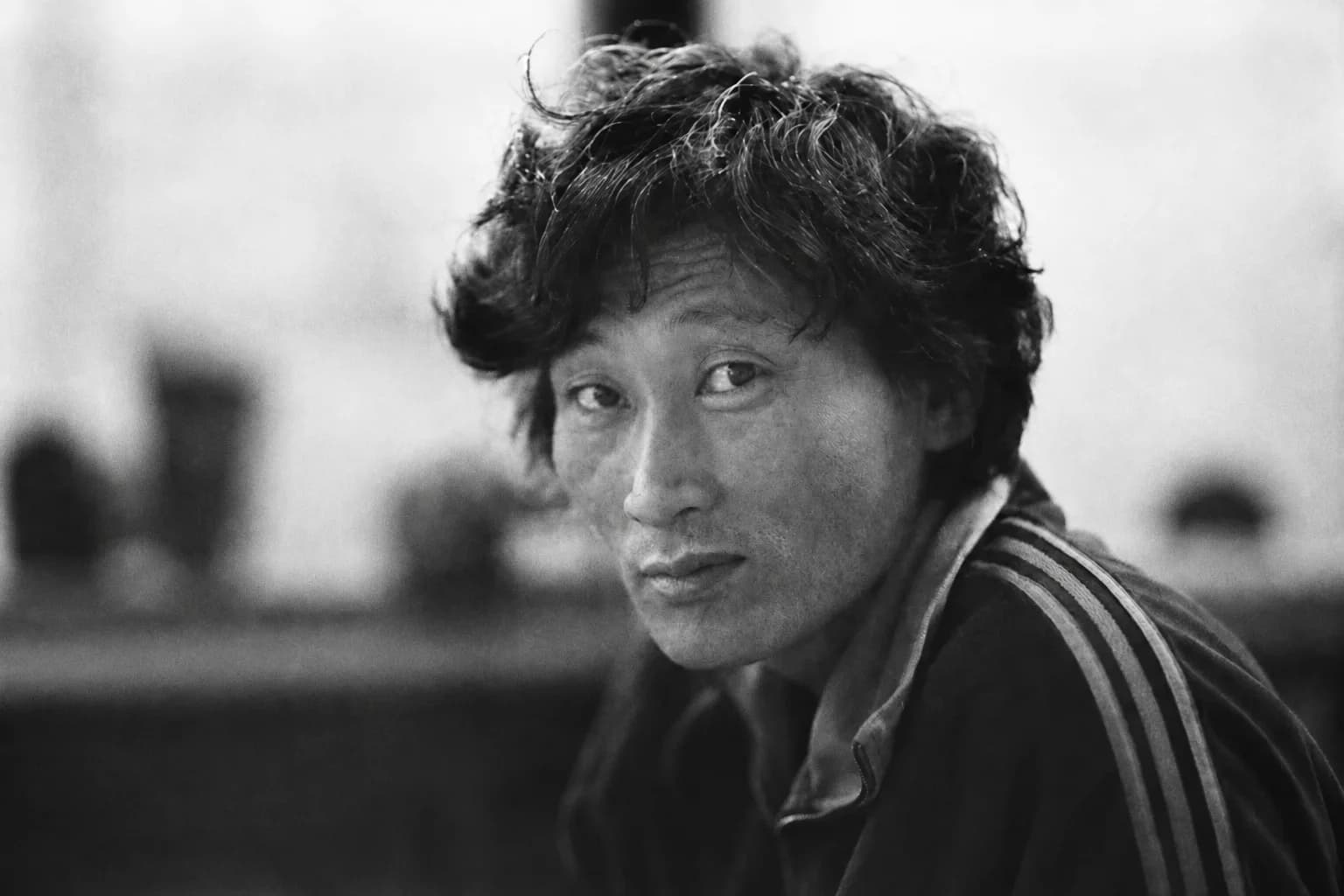
Carving the pain of an era
into hope
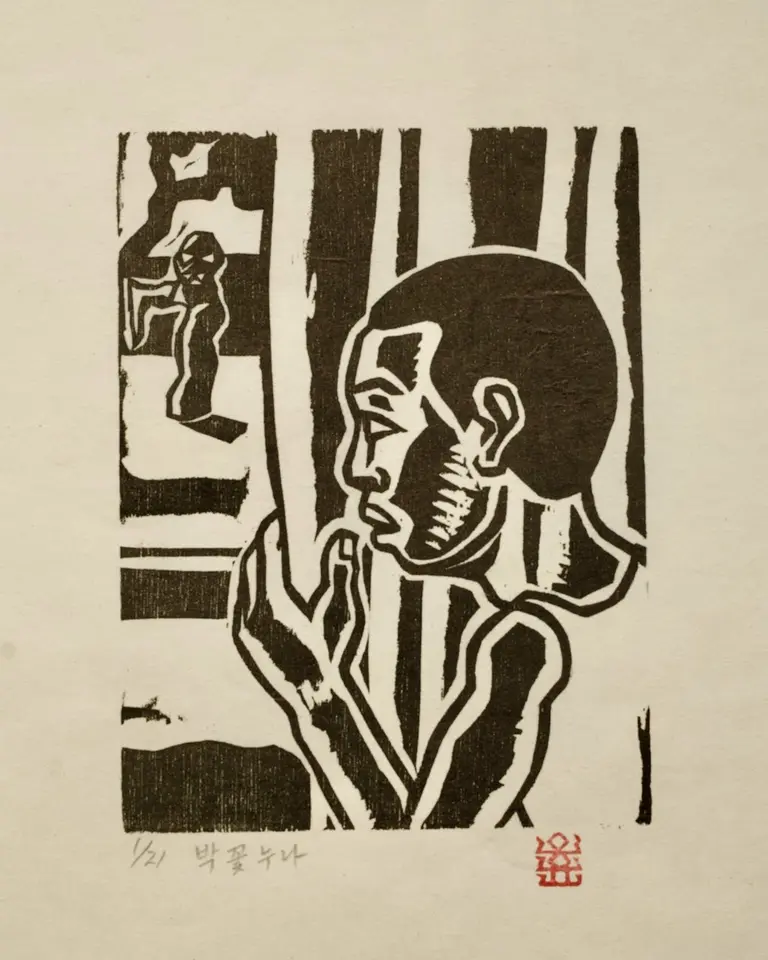
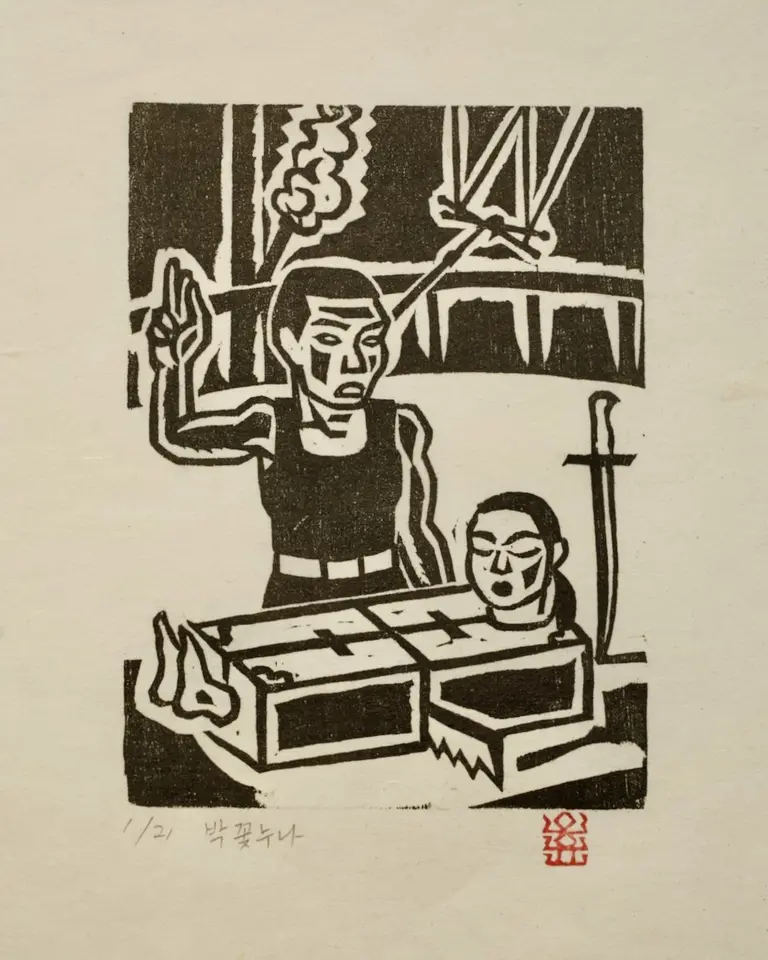
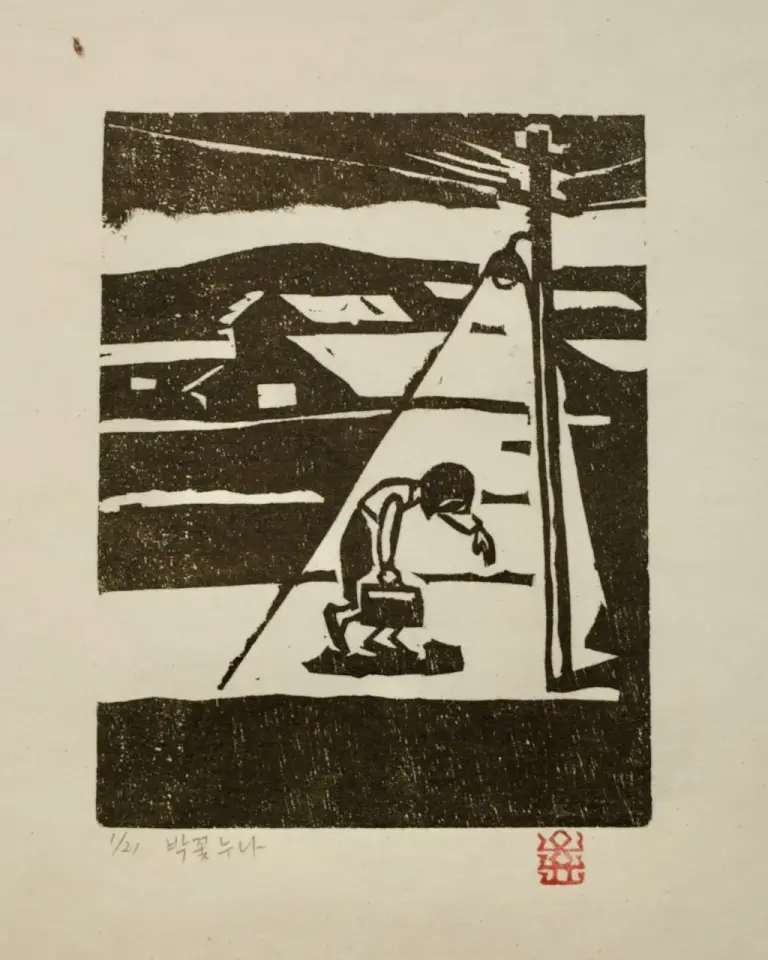
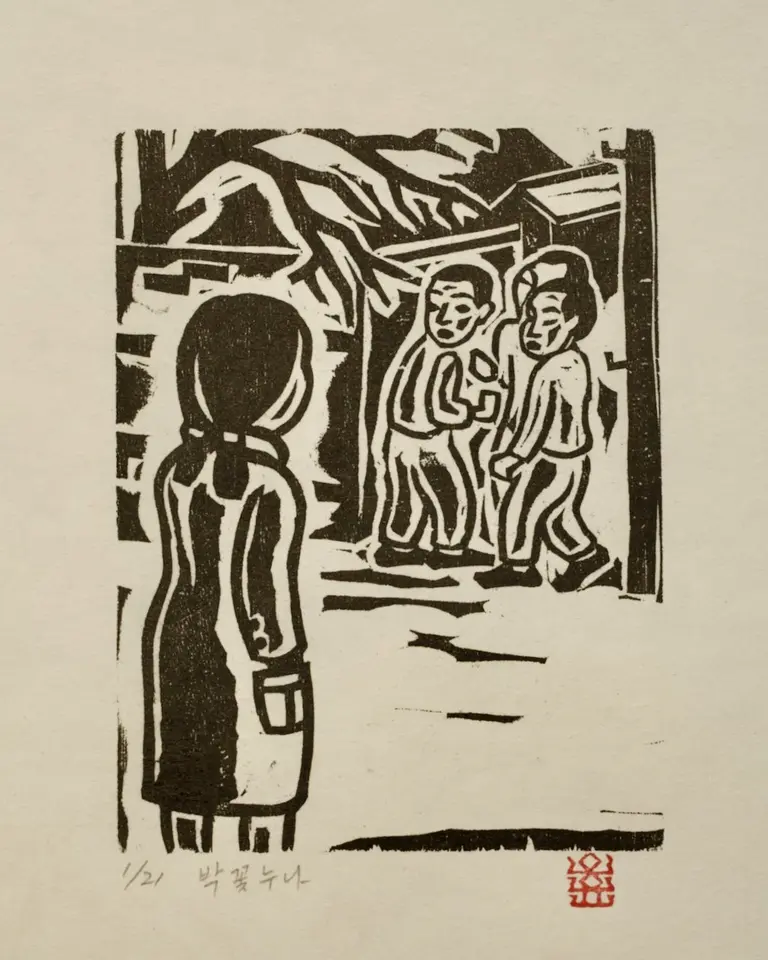
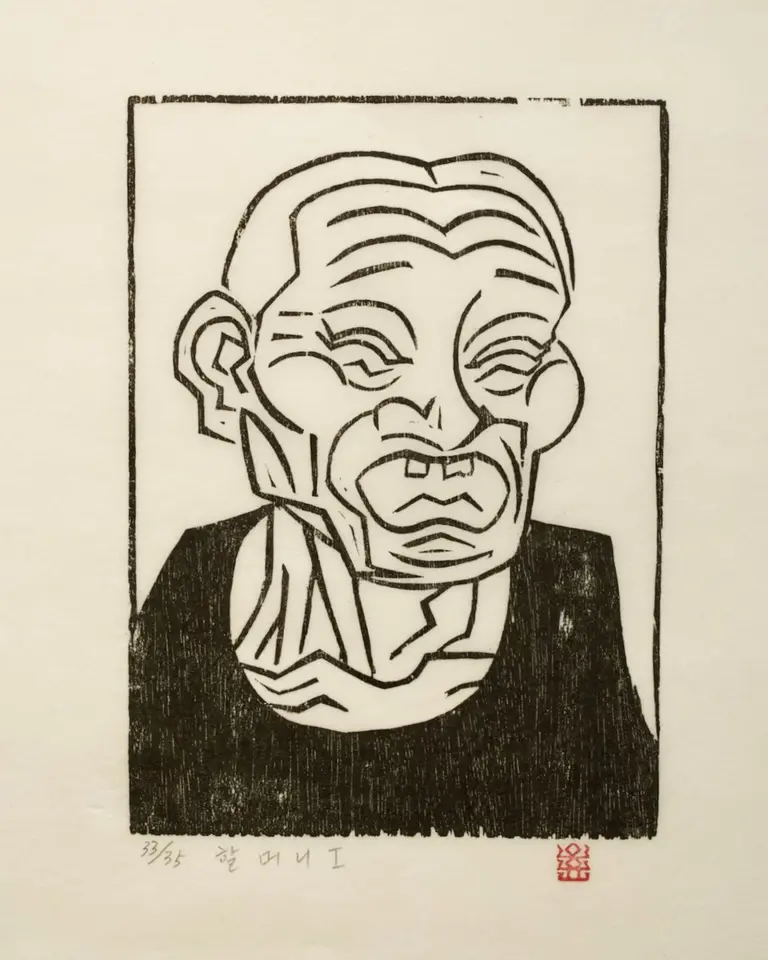
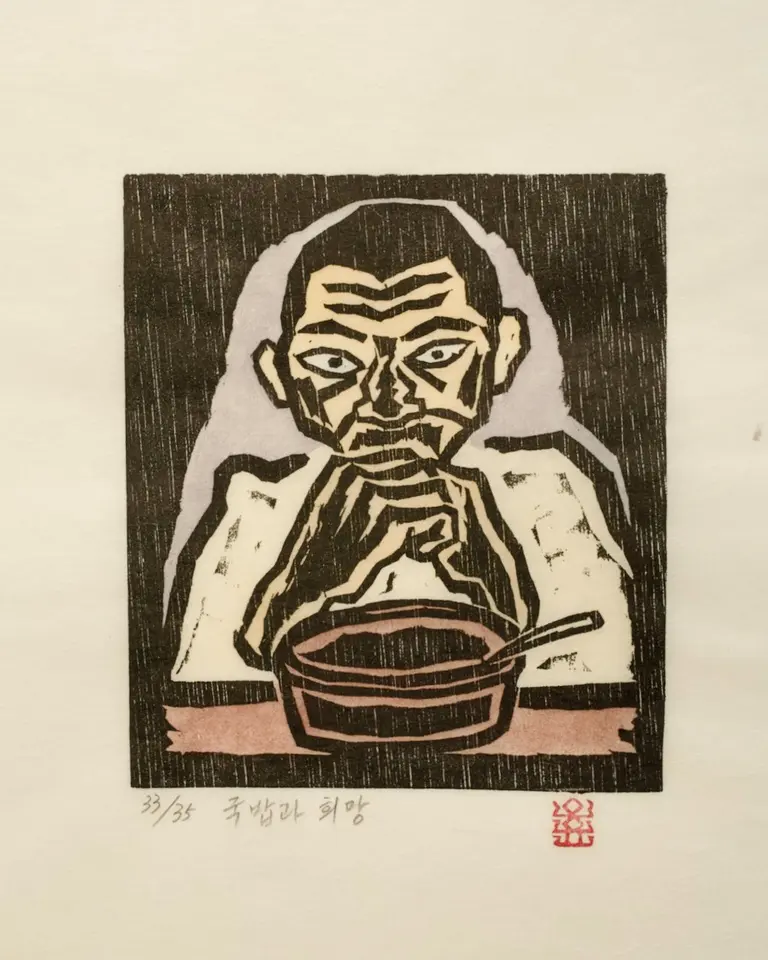
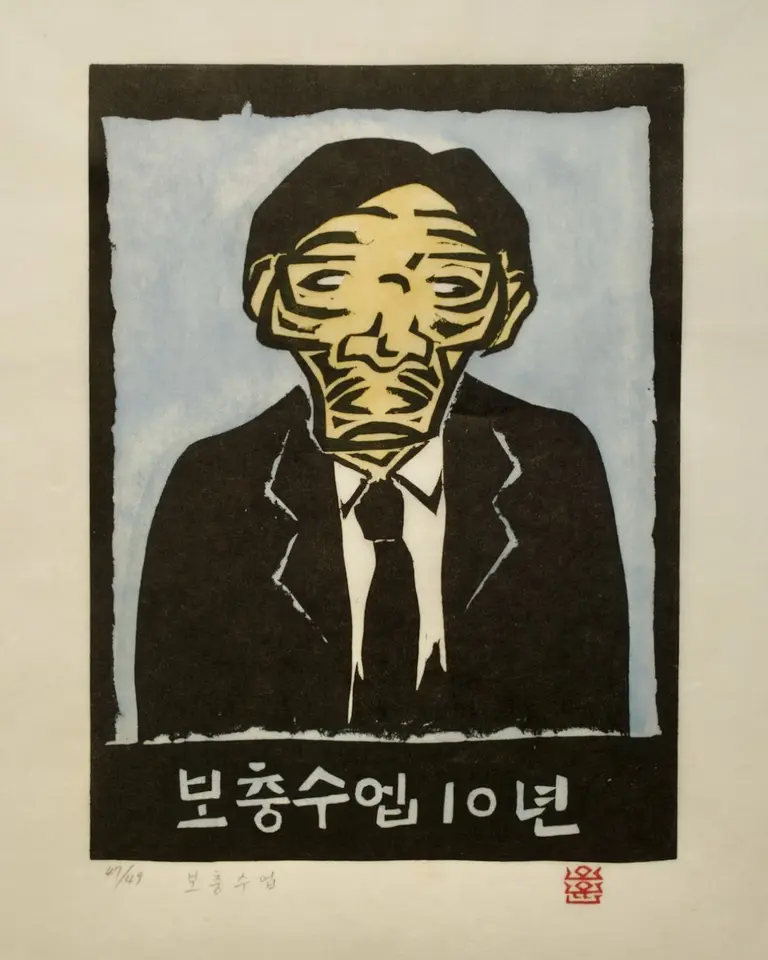
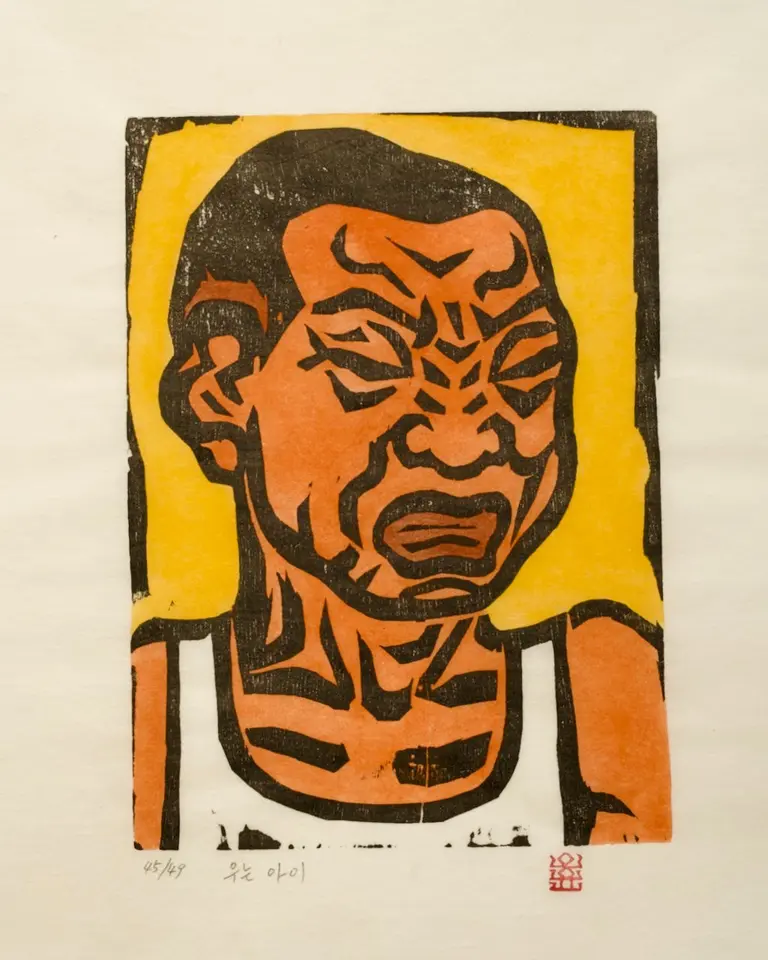
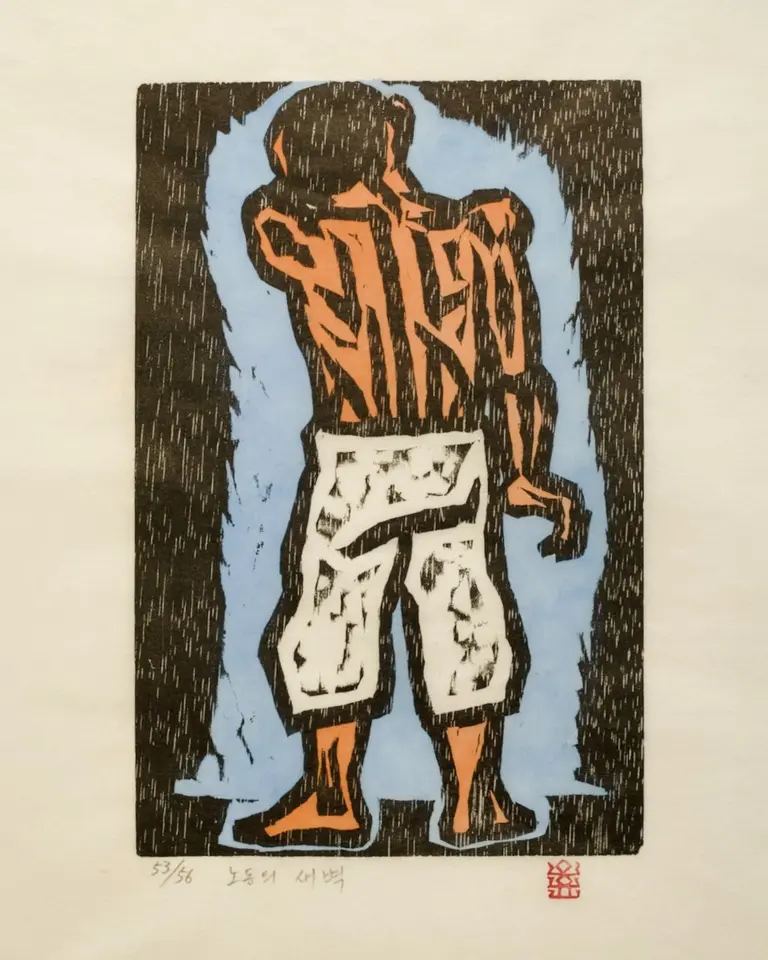
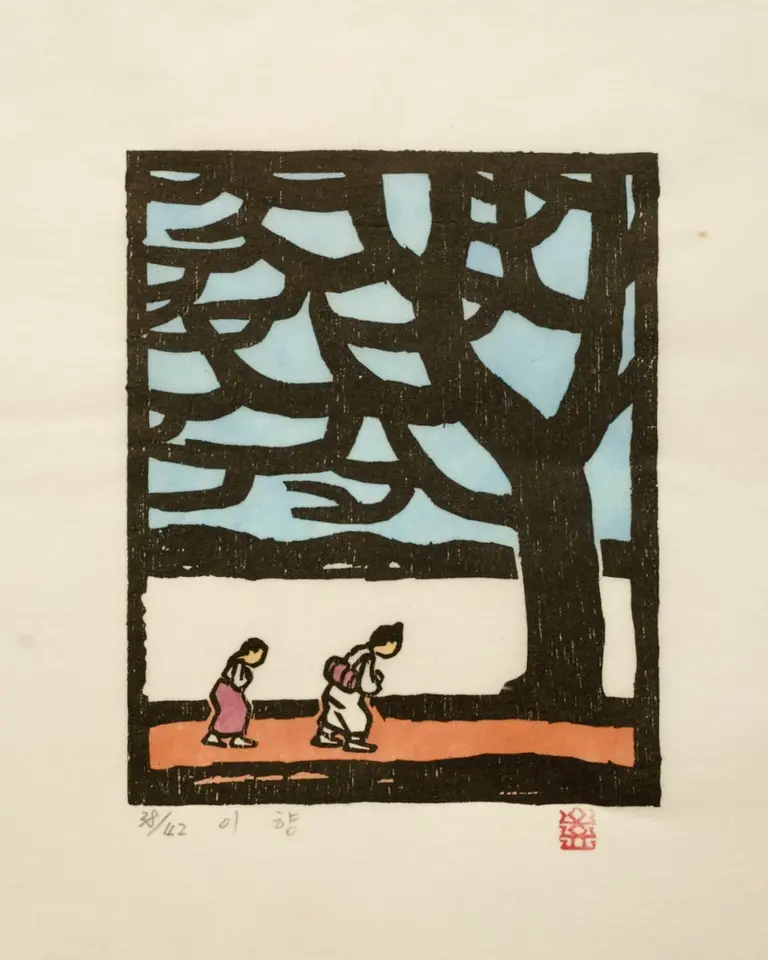
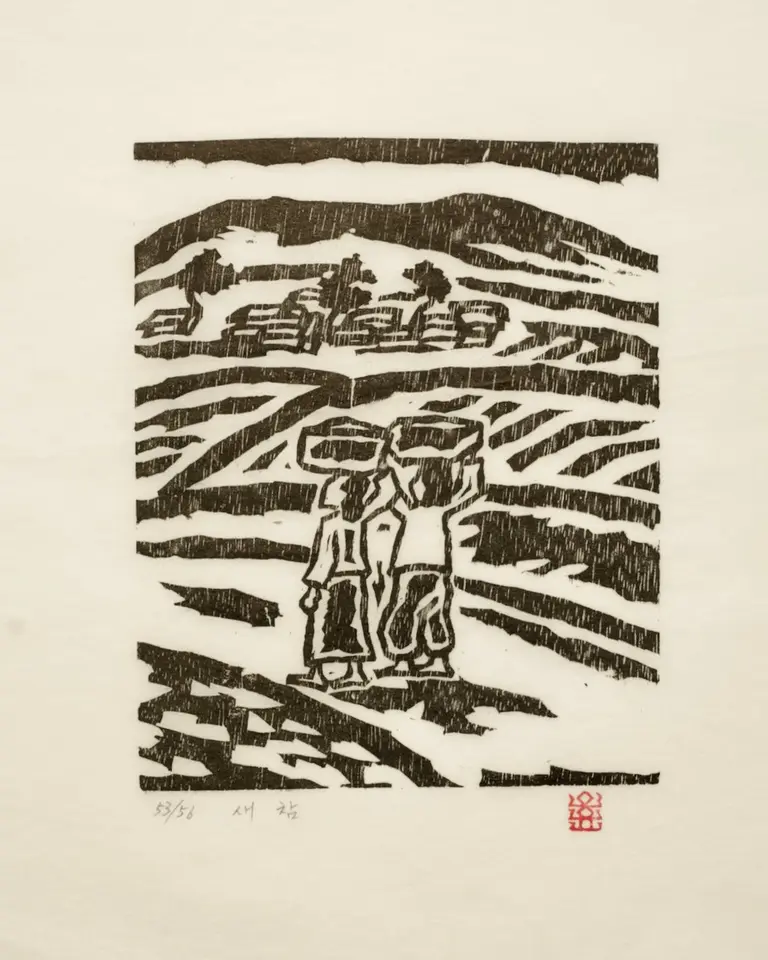
Oh Yoon (1946–1986) was born the eldest son of the novelist Oh Young-su, but he chose to record his time not in literary language, but with the edge of a blade. While elite abstraction held the academy, he turned toward the lowest ground, believing that “art must be a blade that cuts away the rot of reality.”
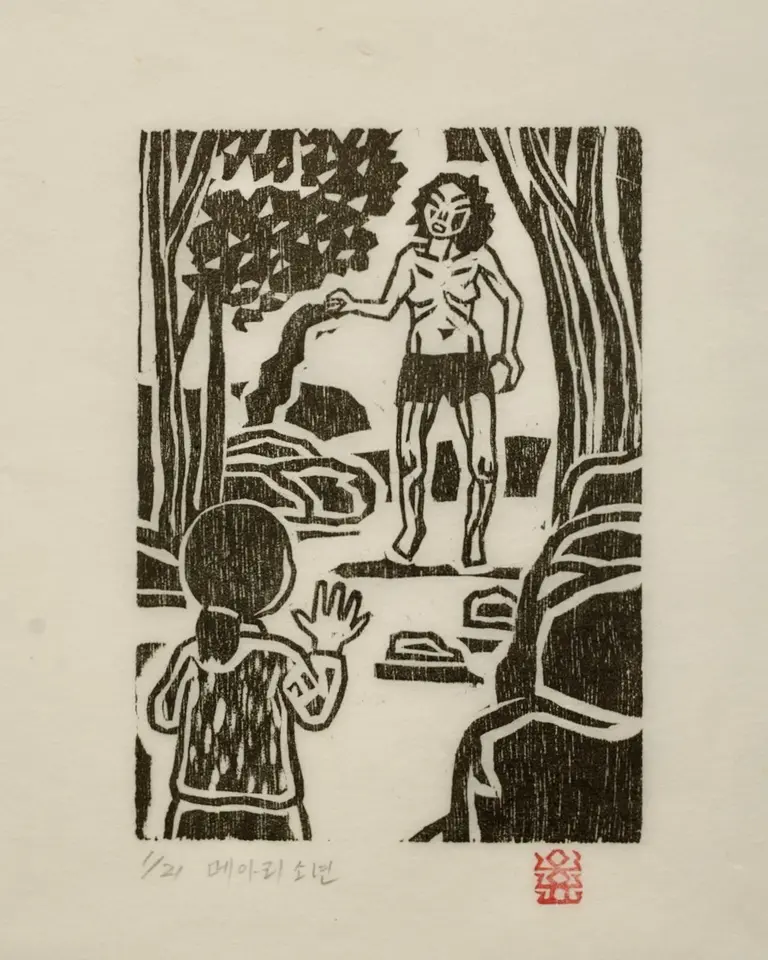
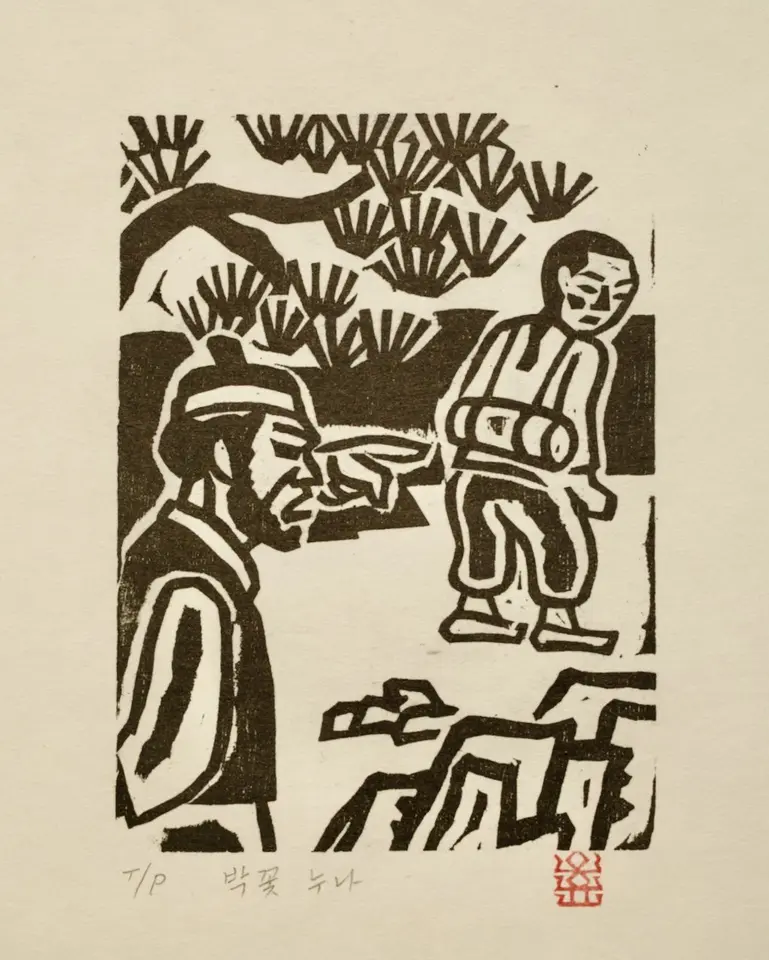
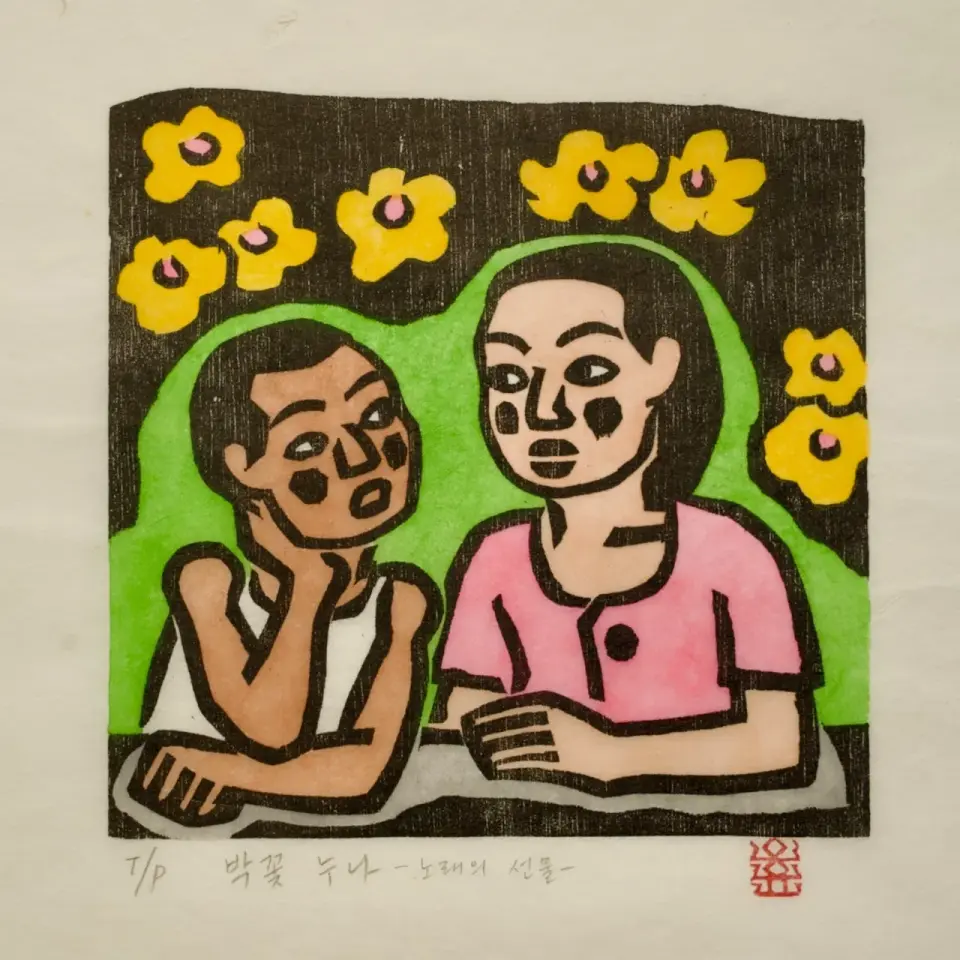
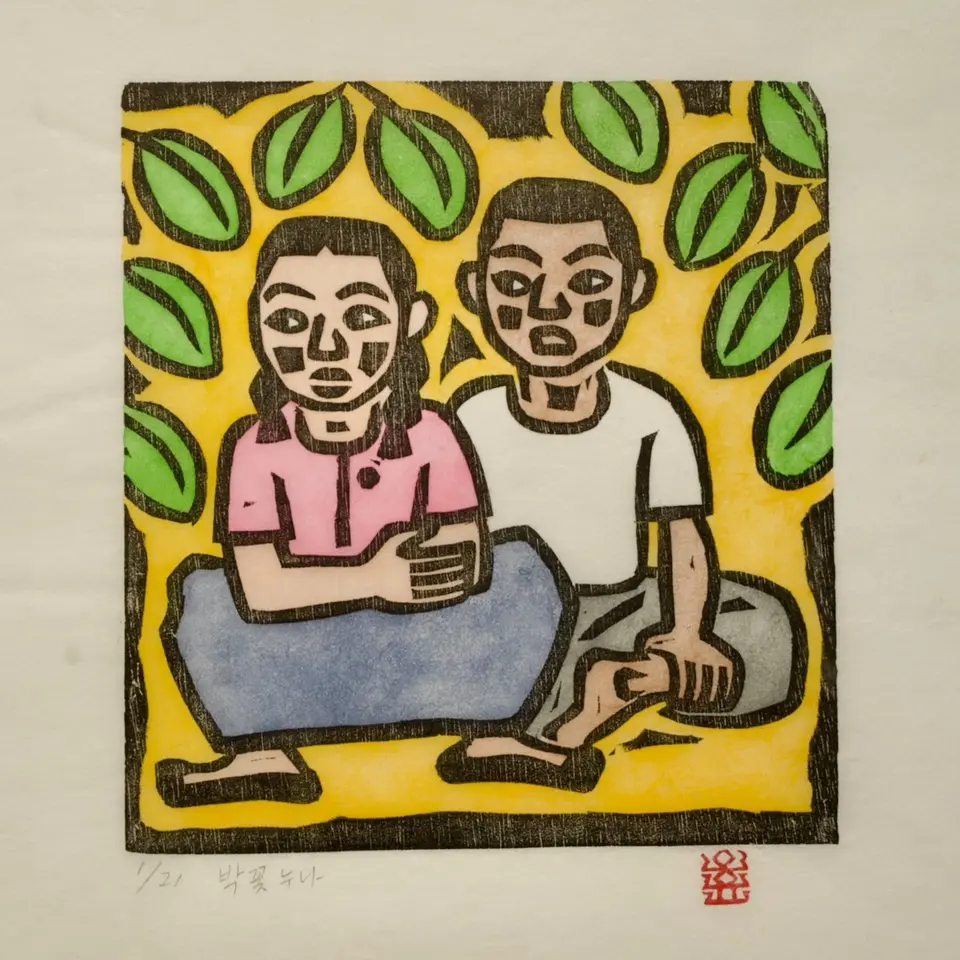
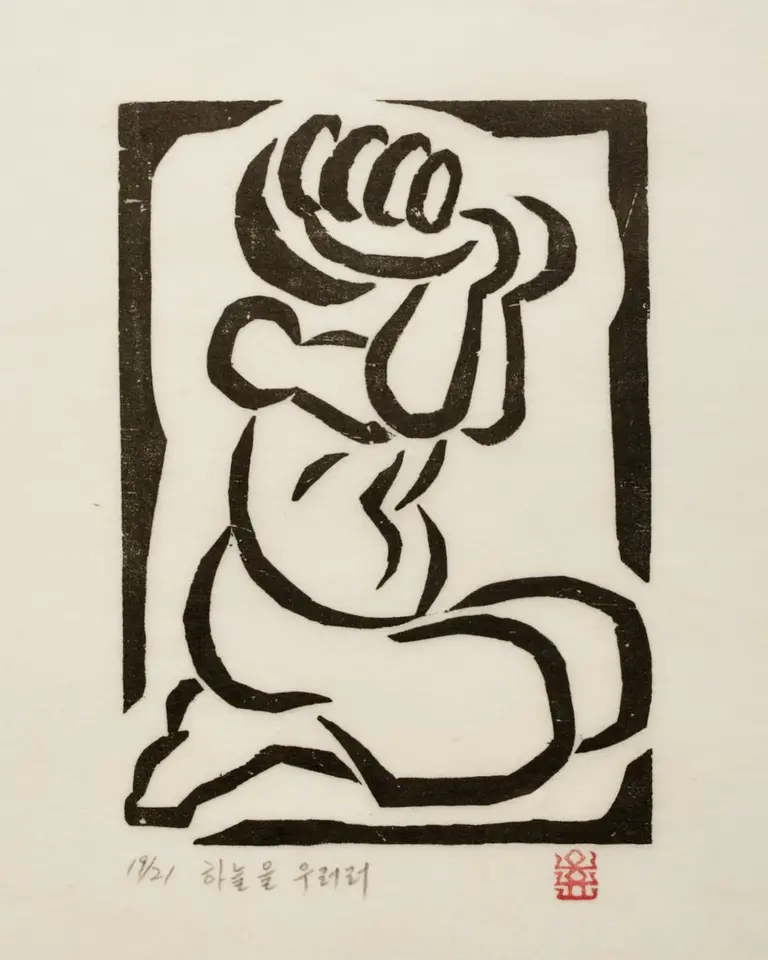
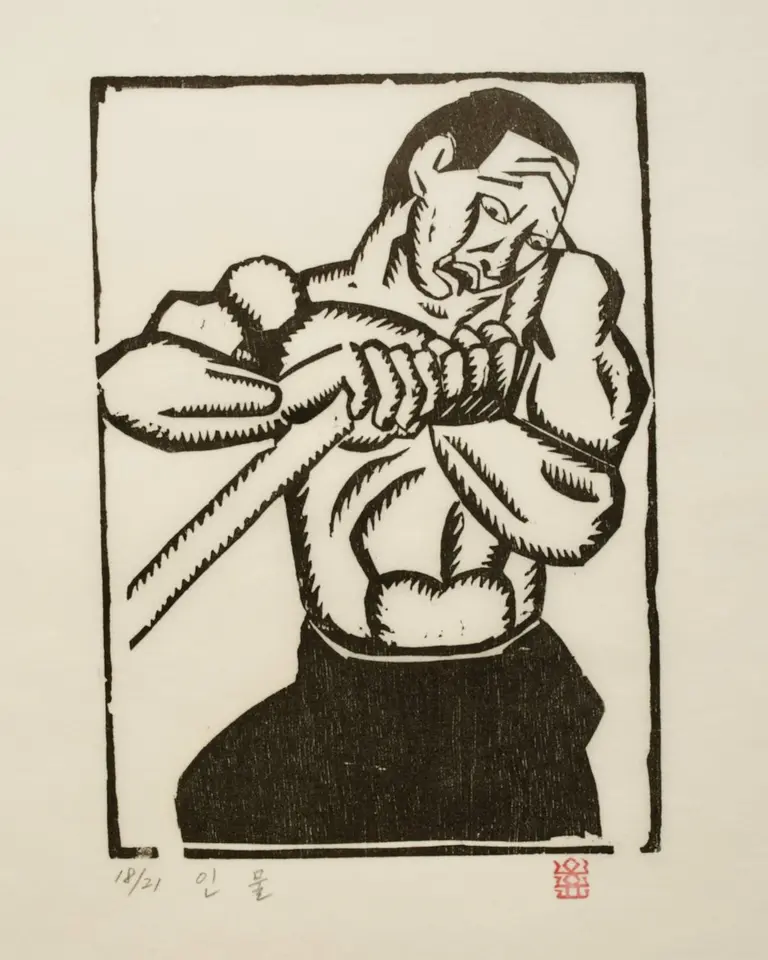
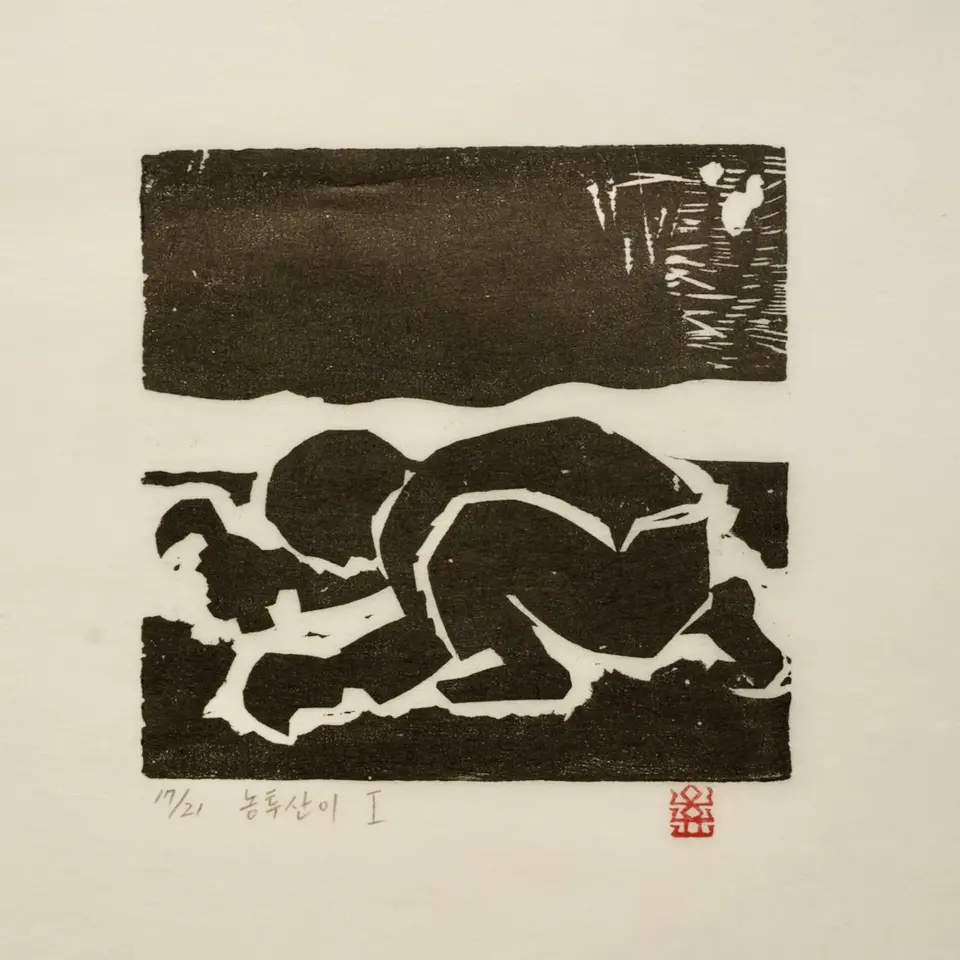
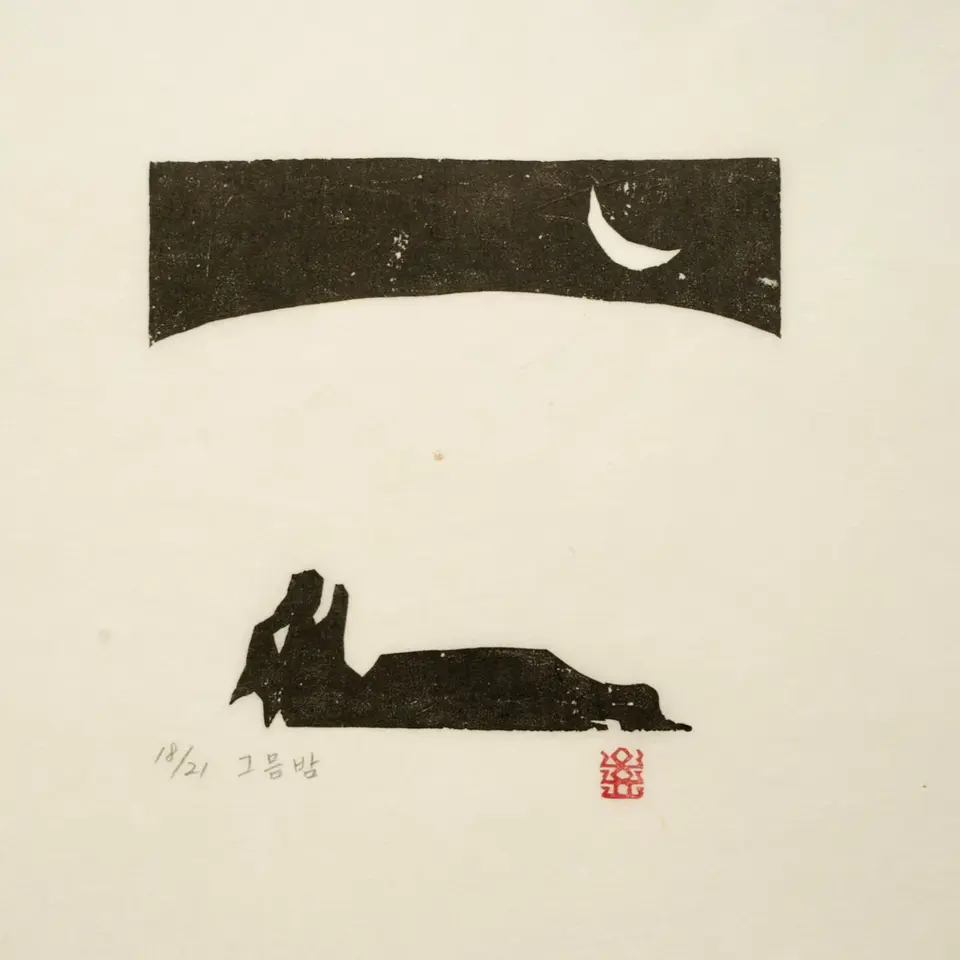
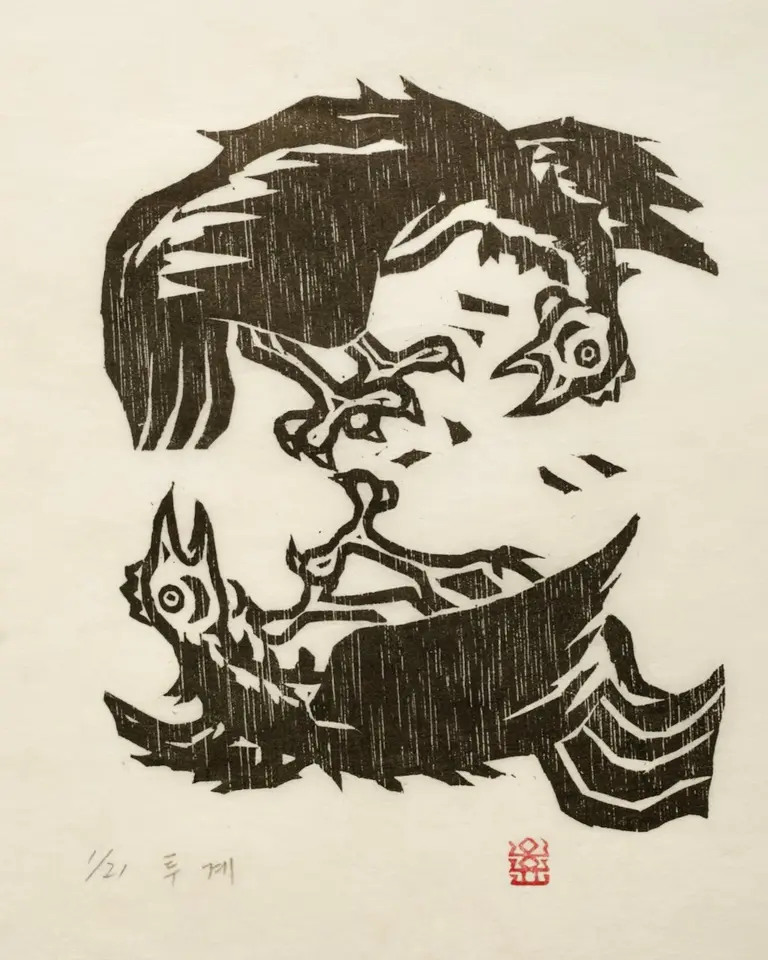
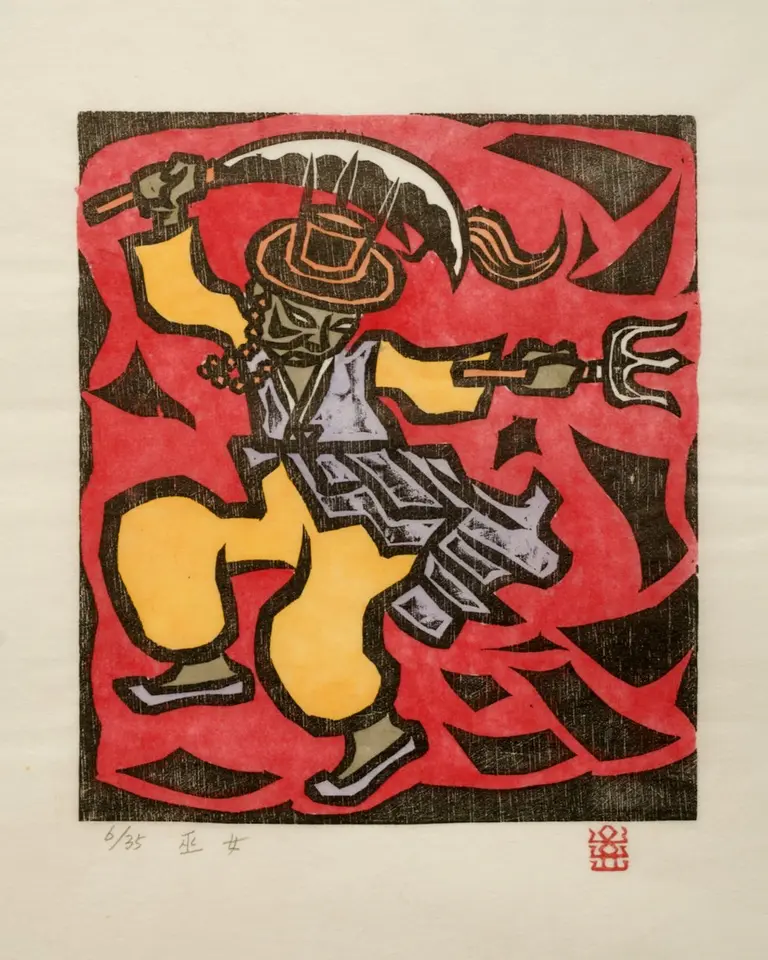
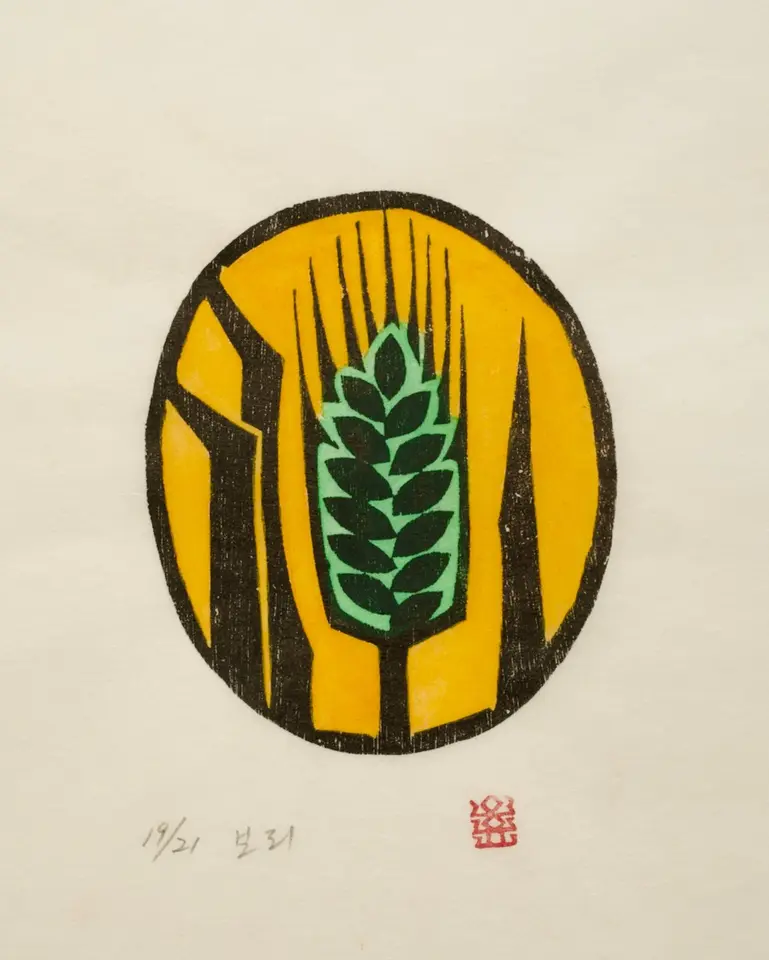
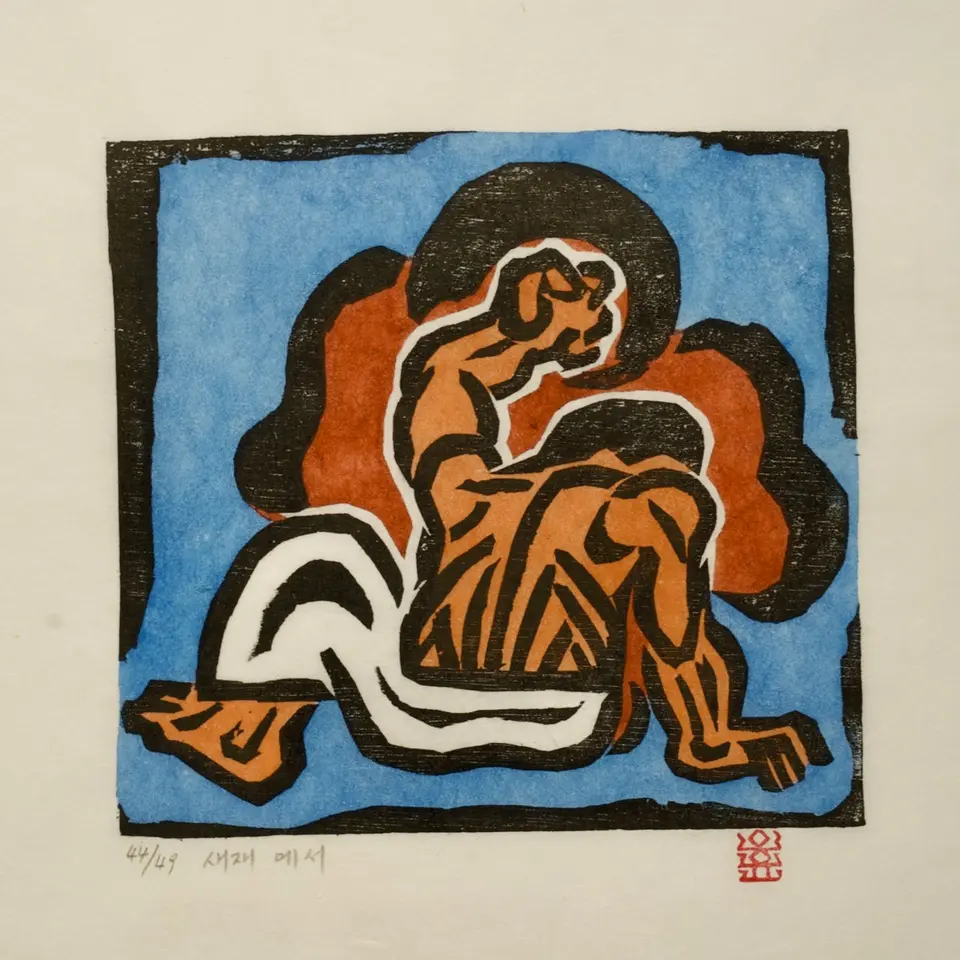
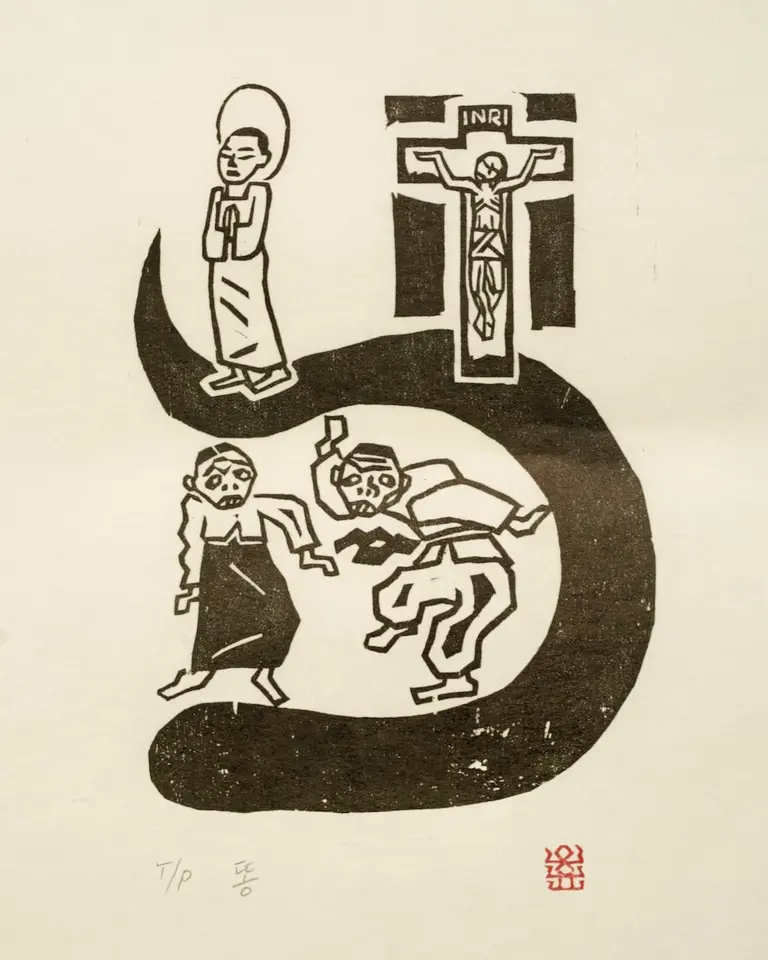
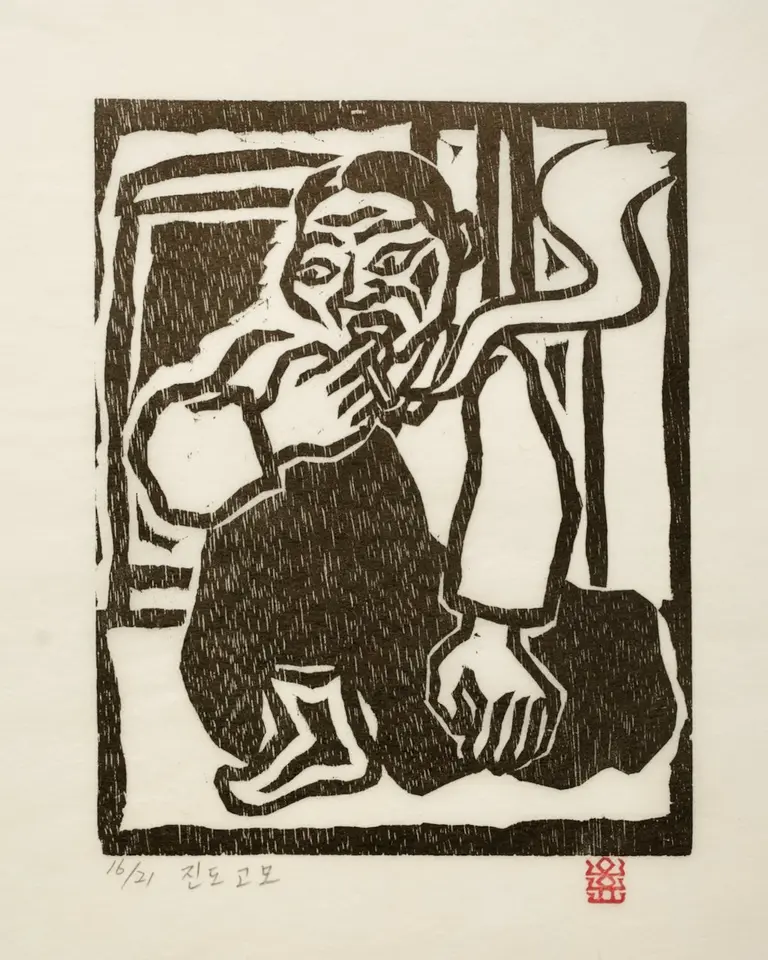
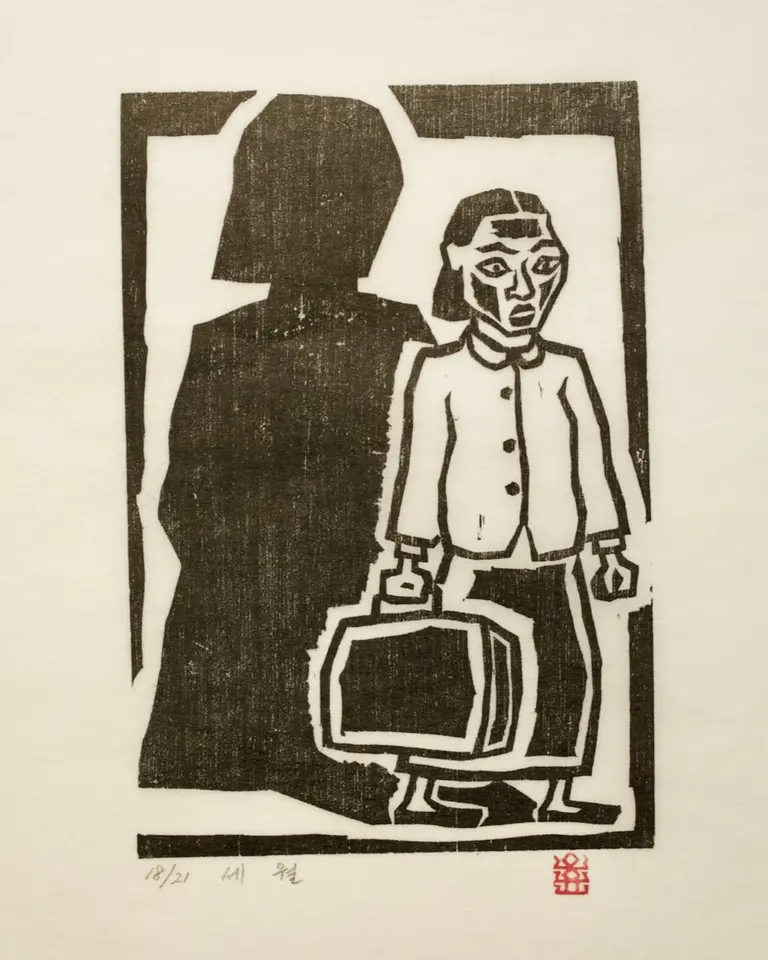
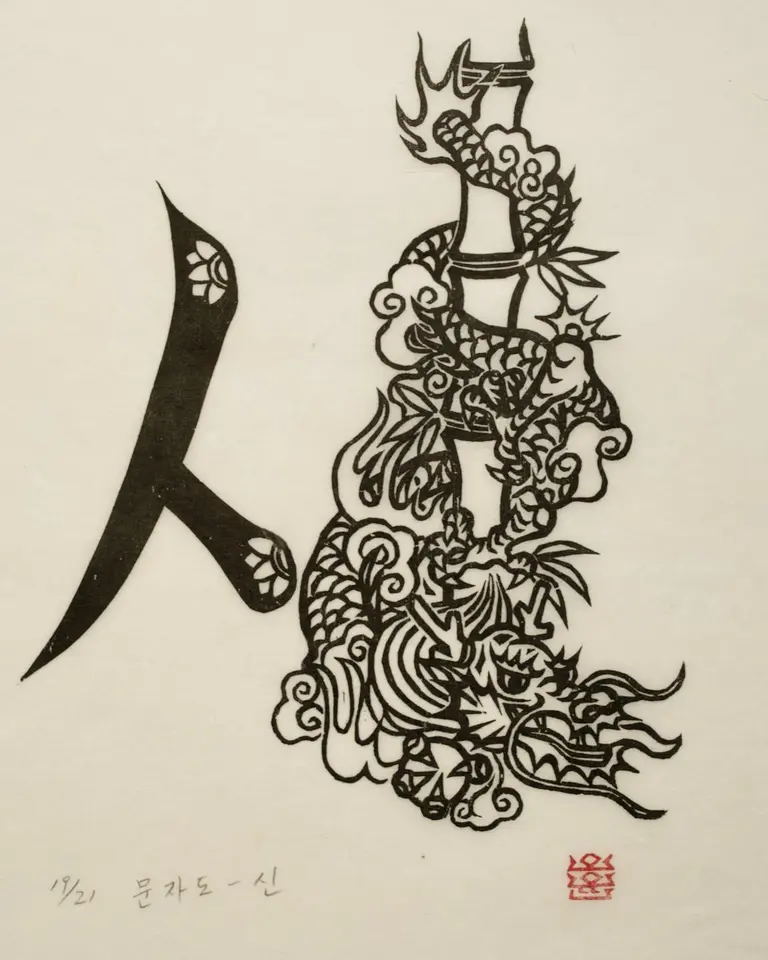
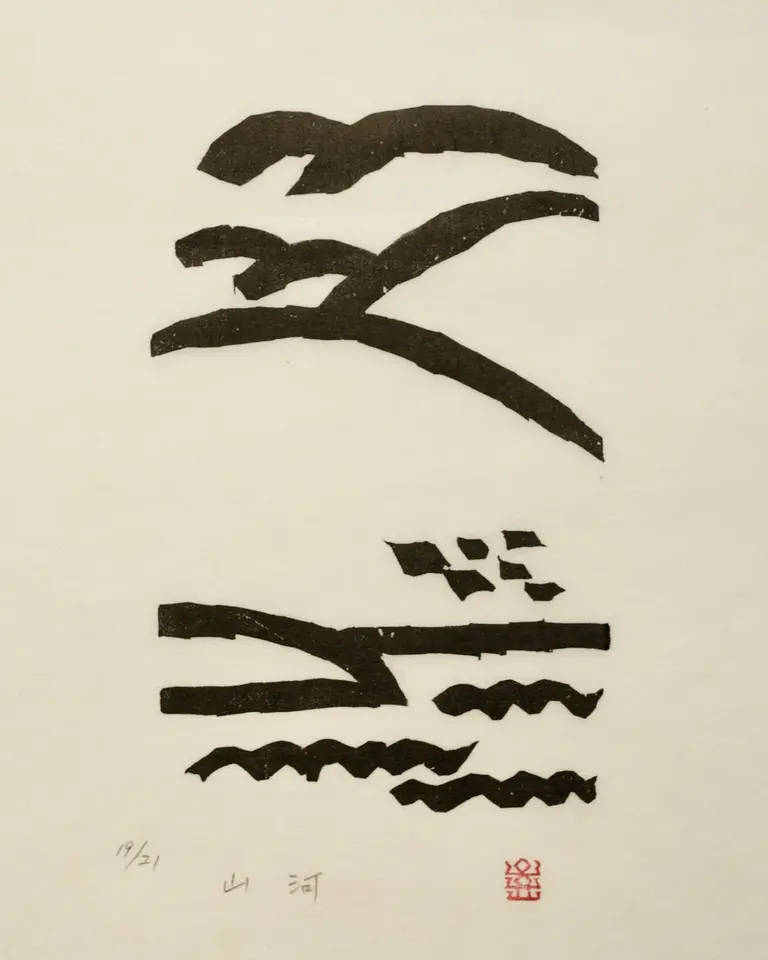
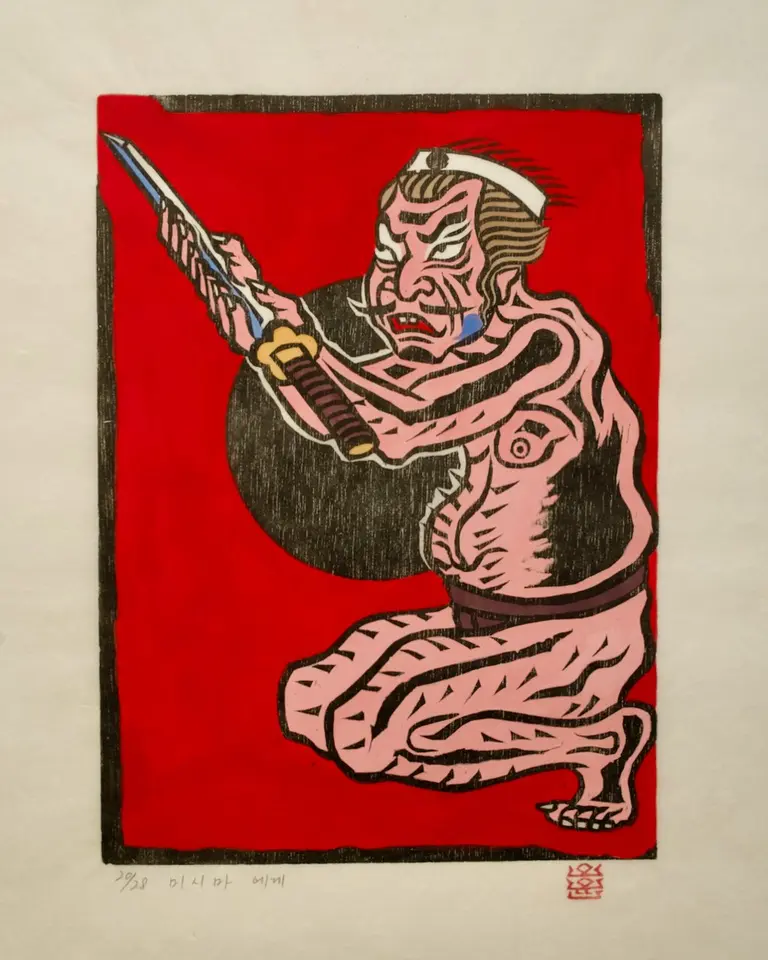
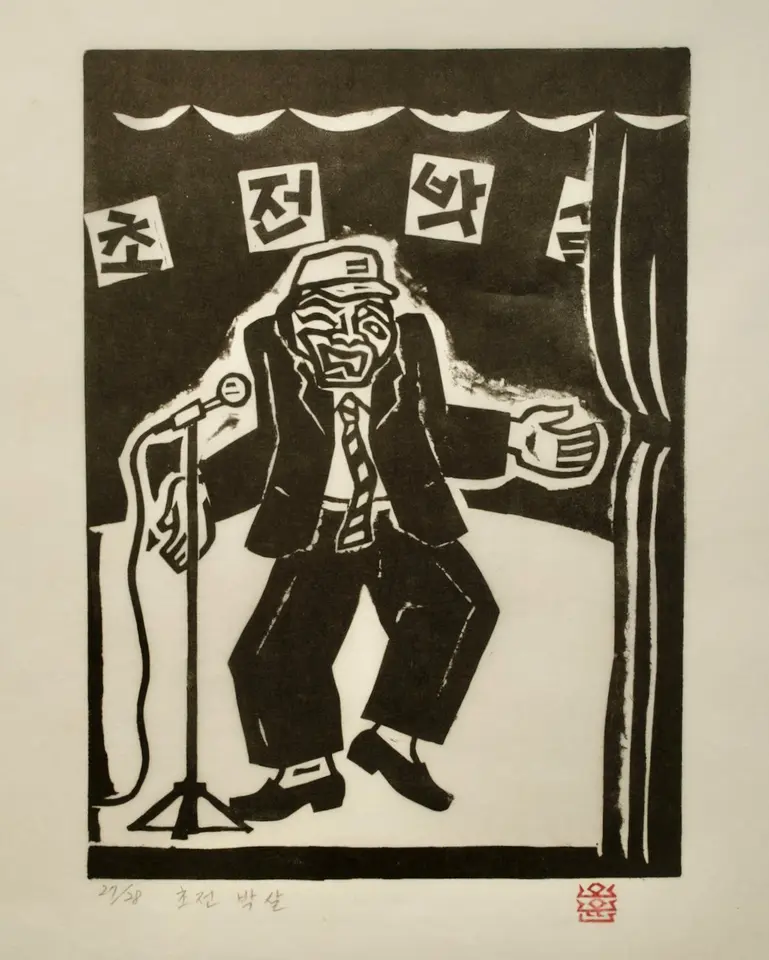
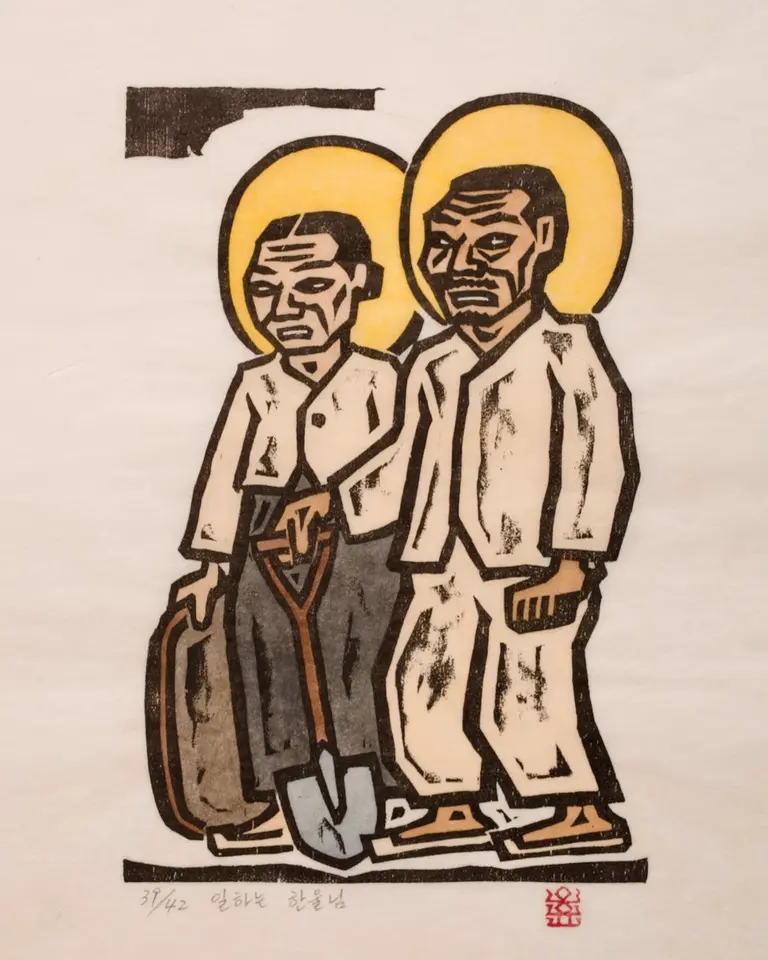
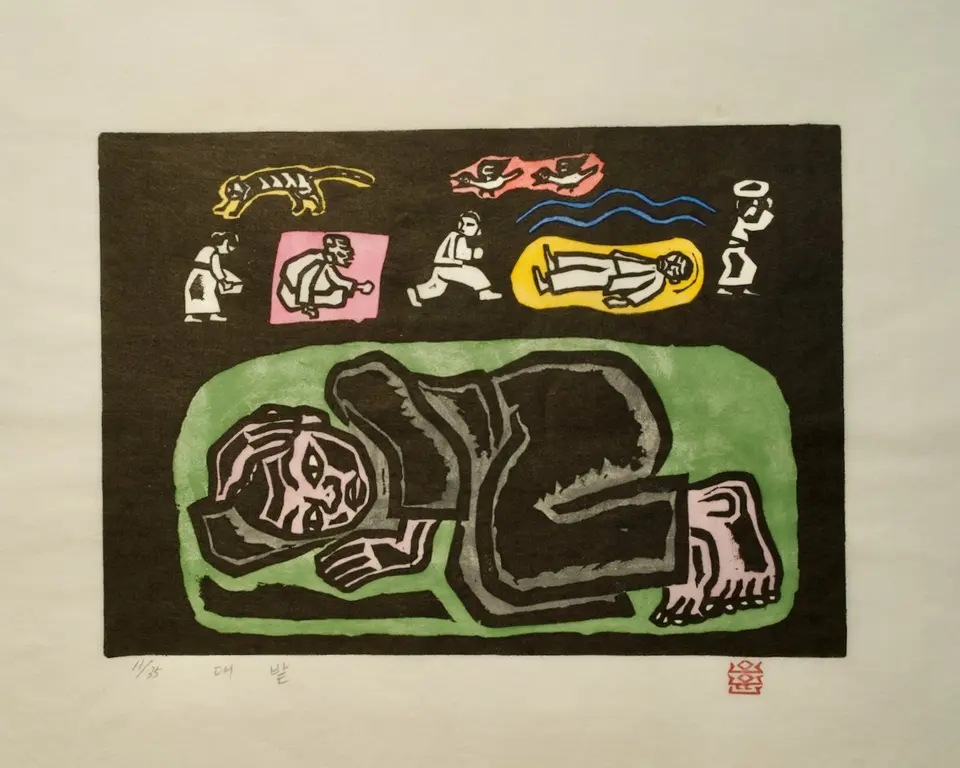
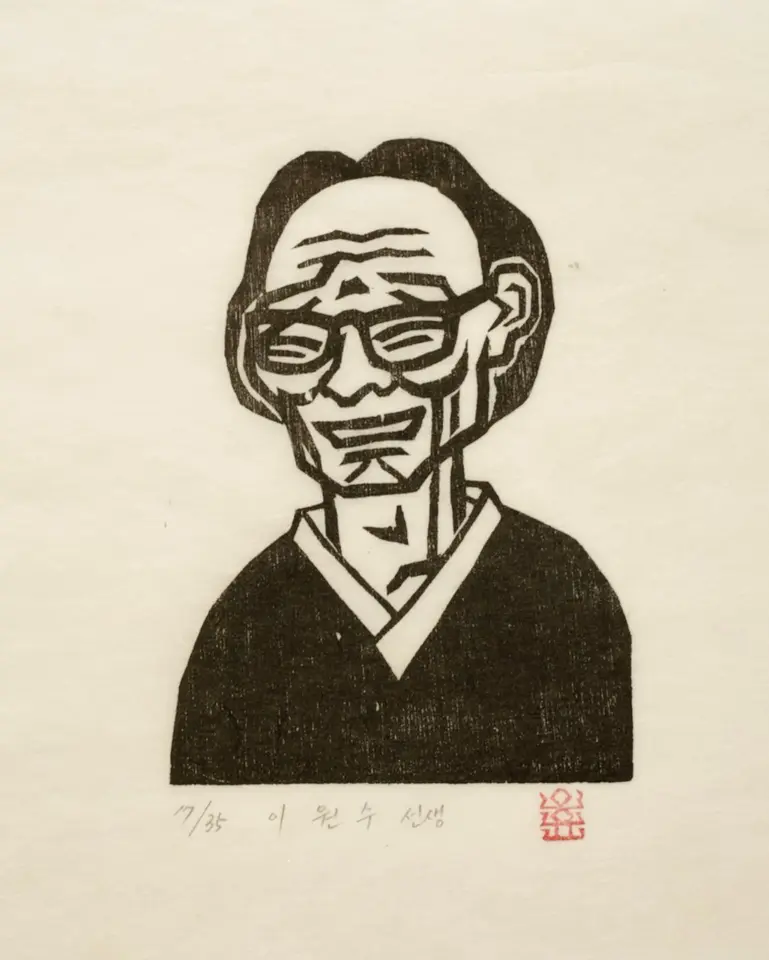
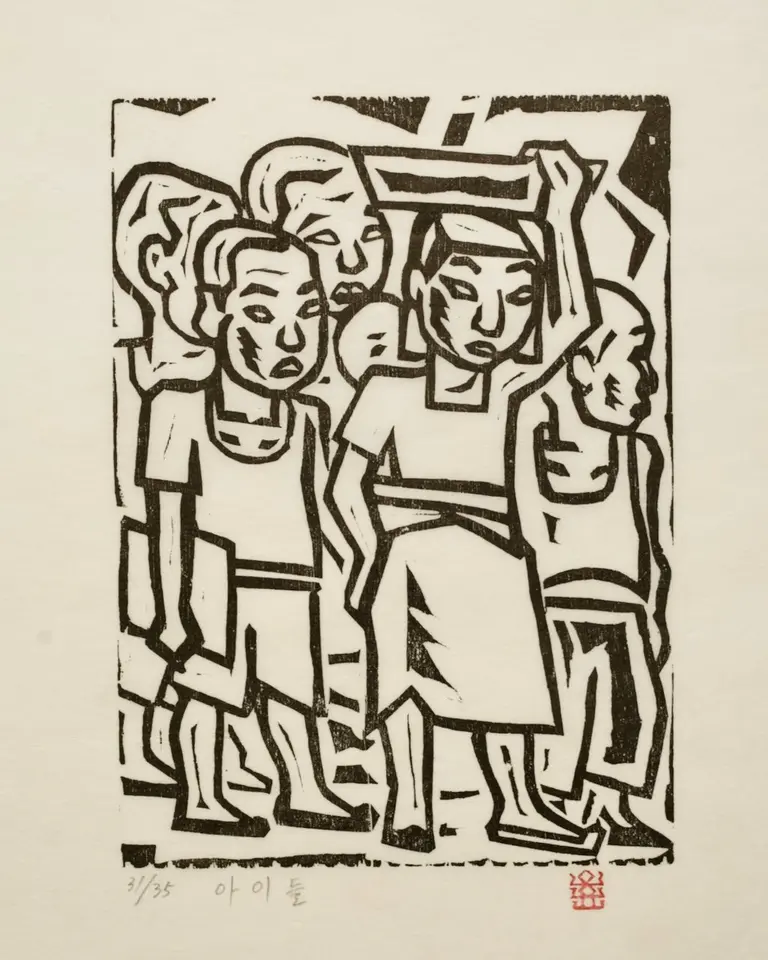
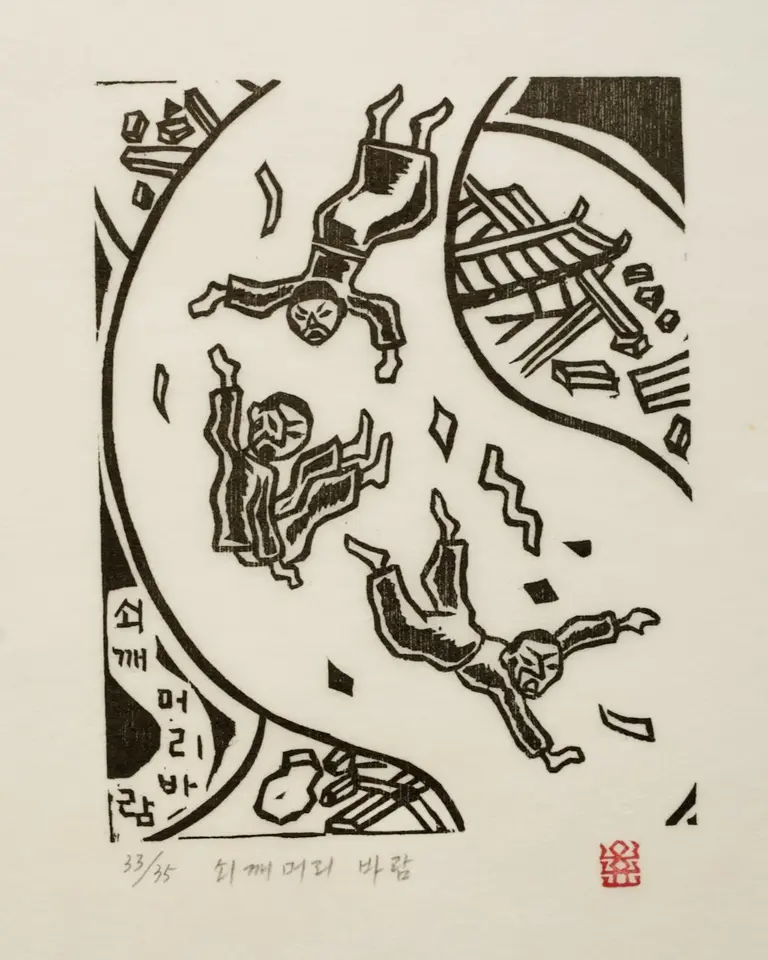
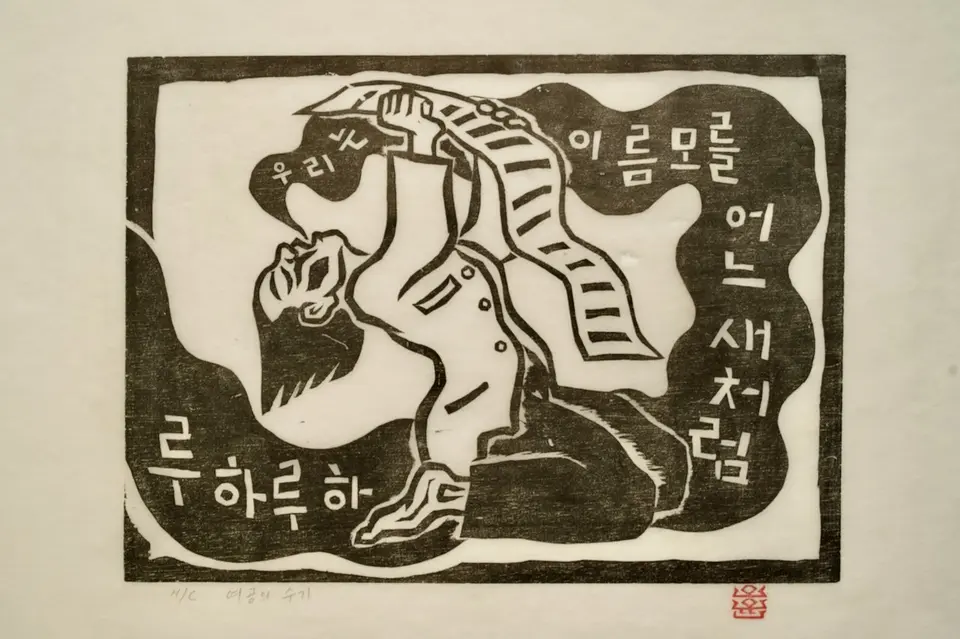
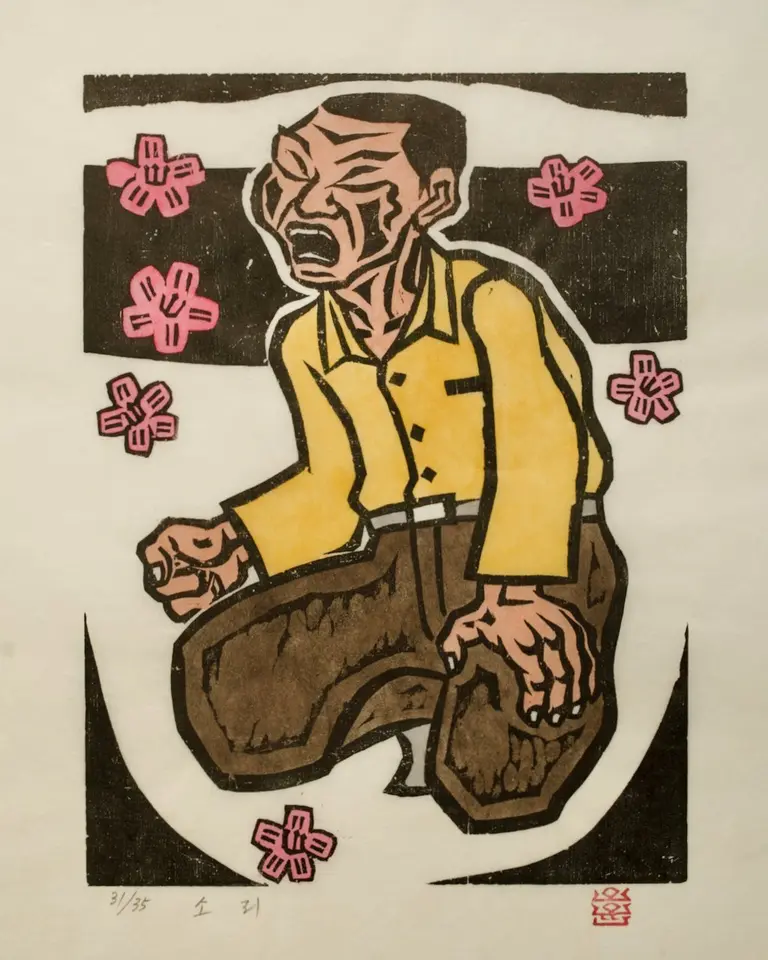
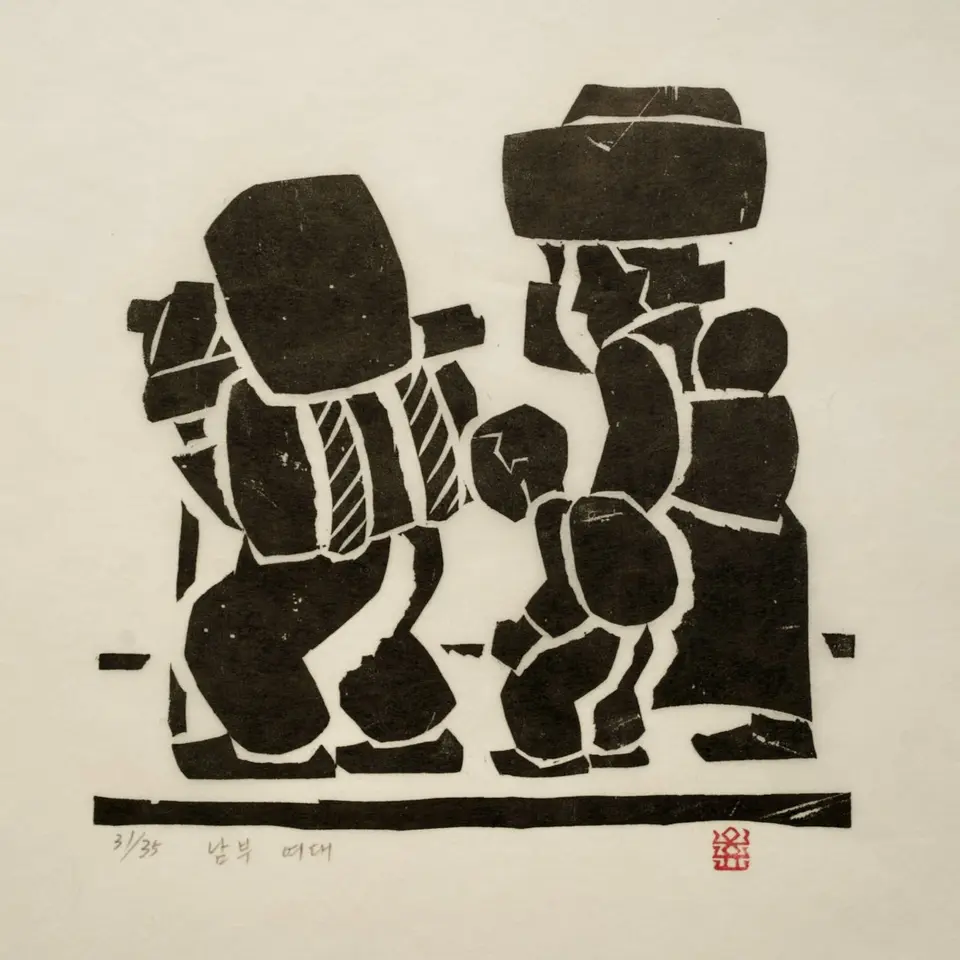
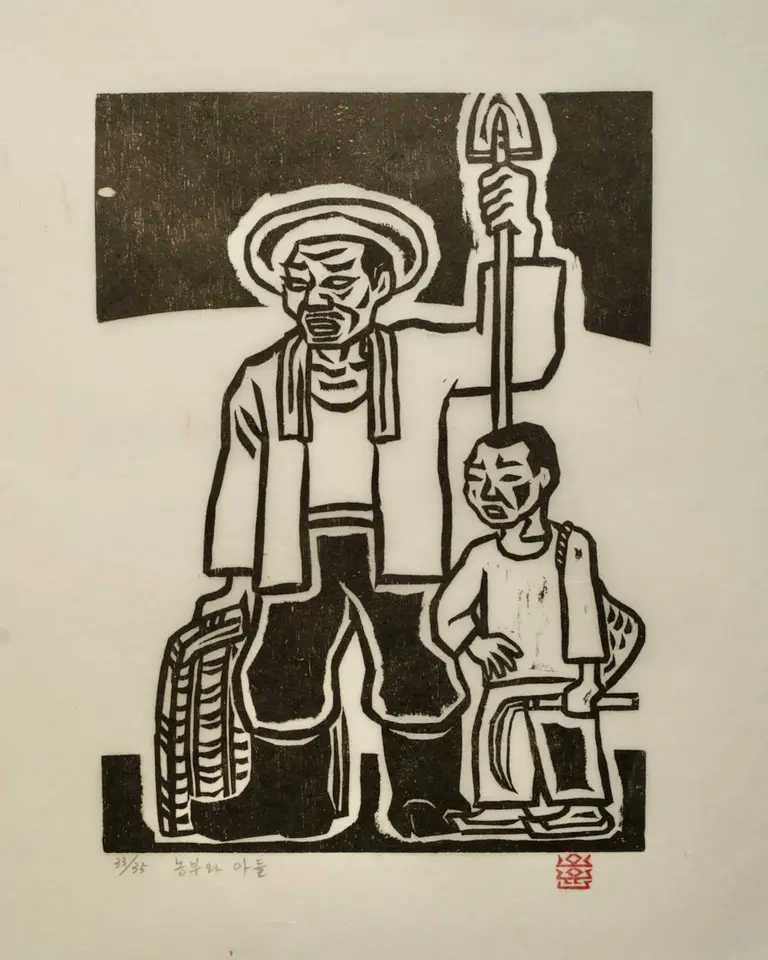
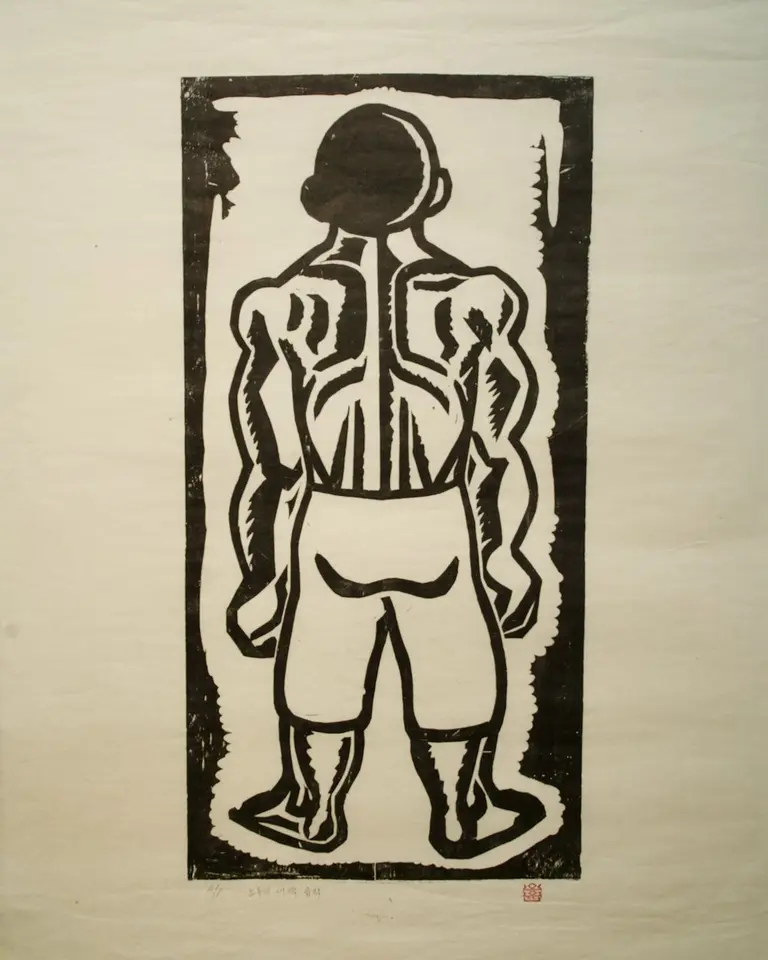
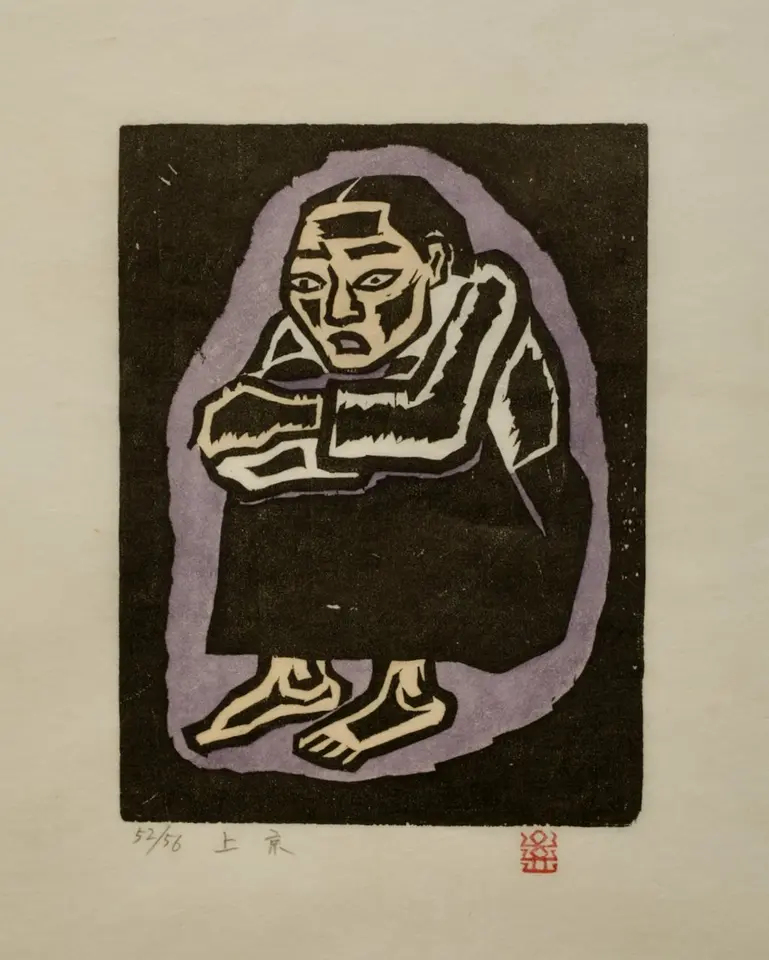
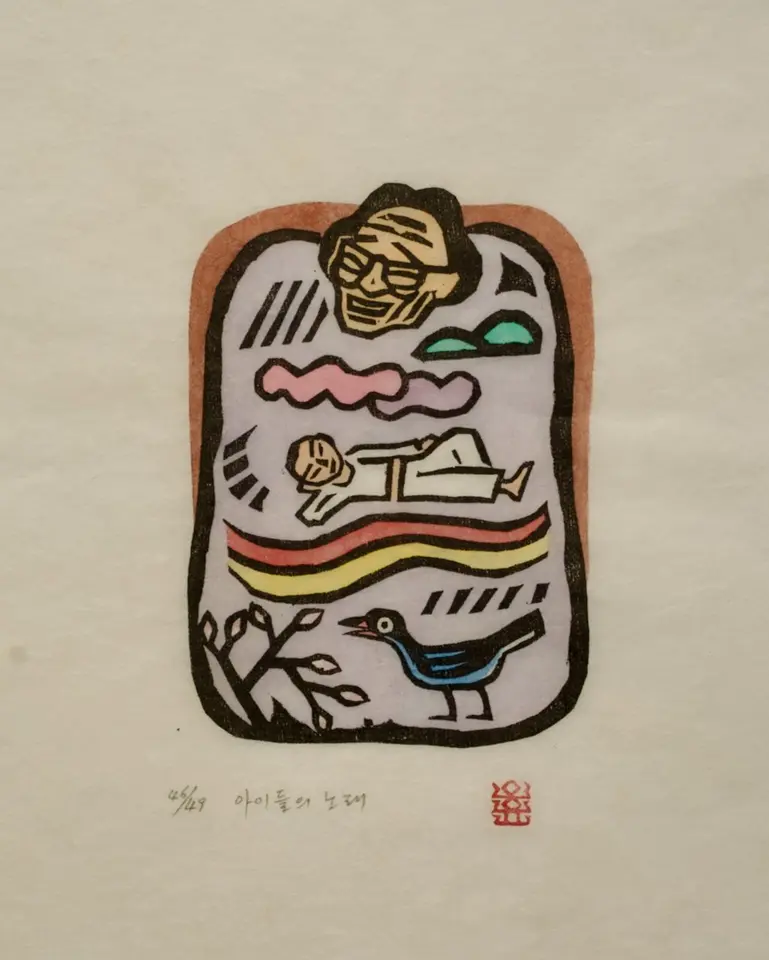
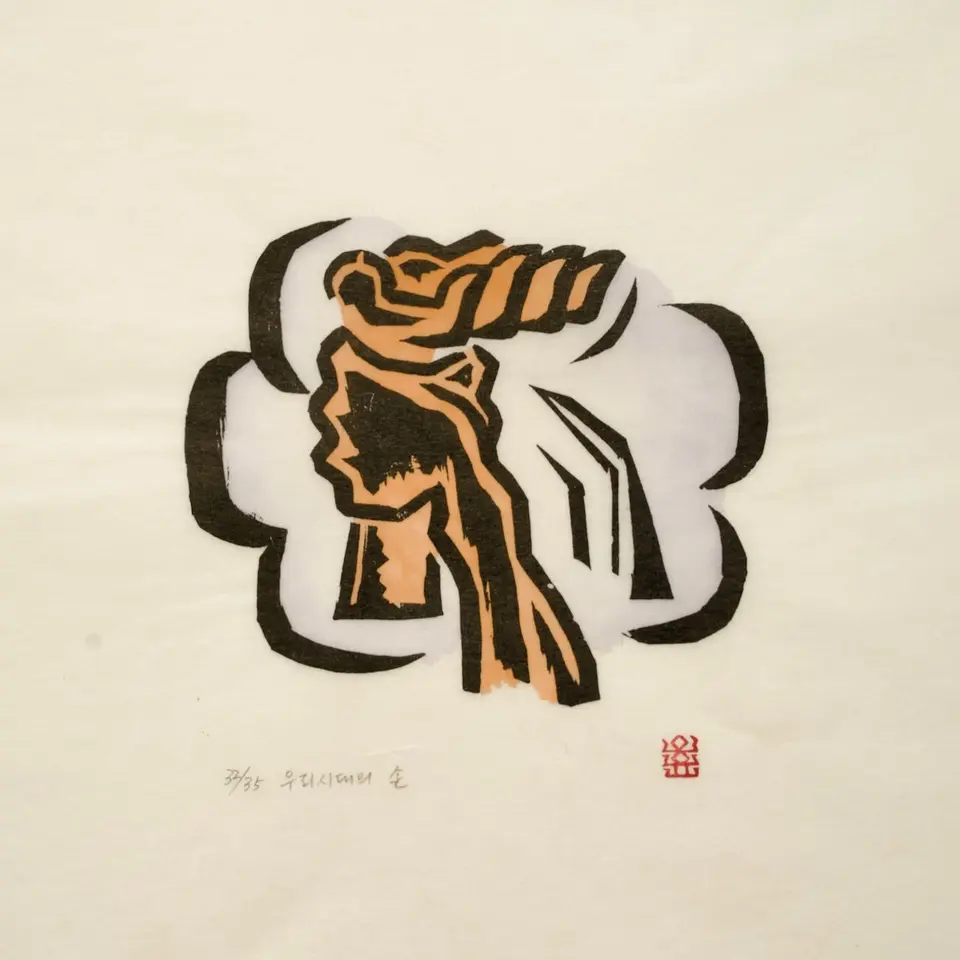
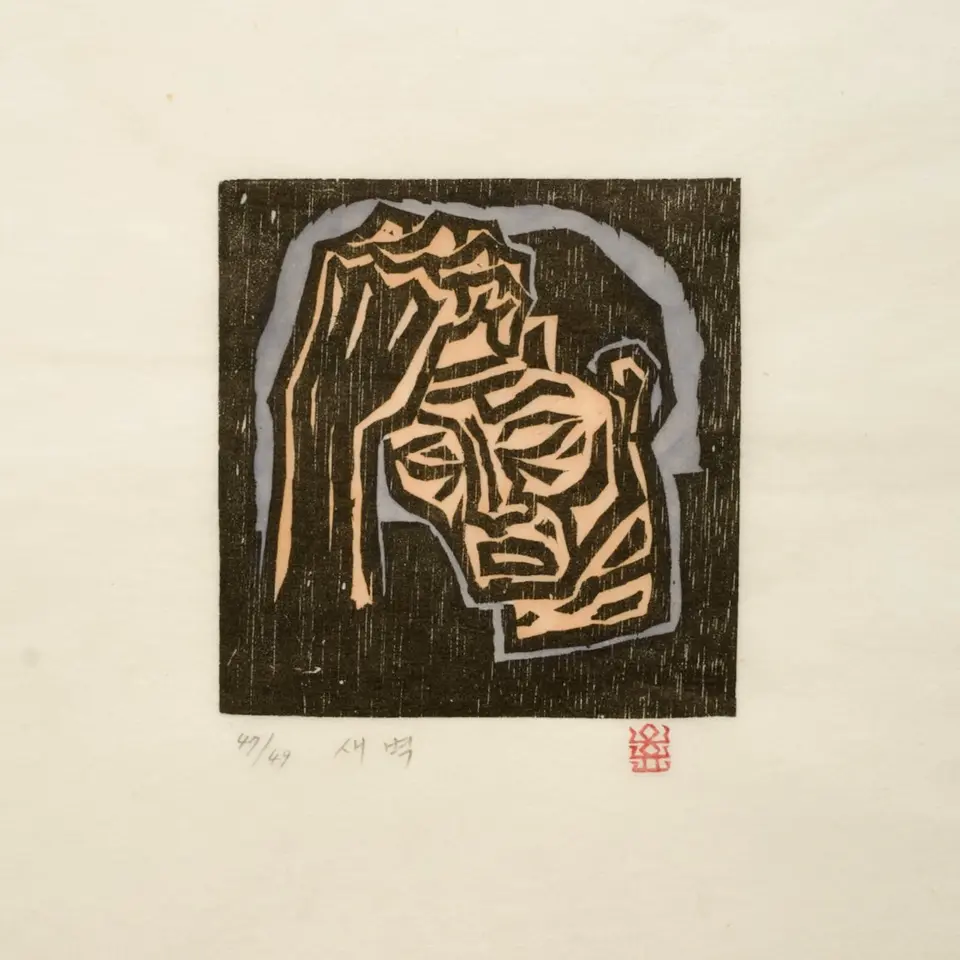
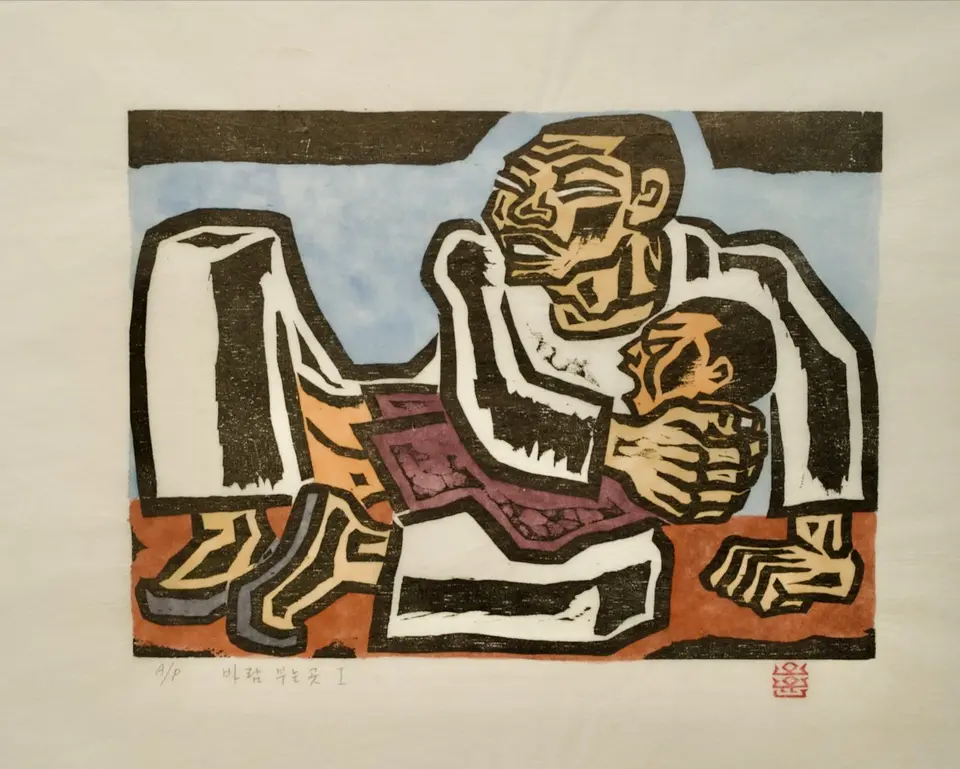
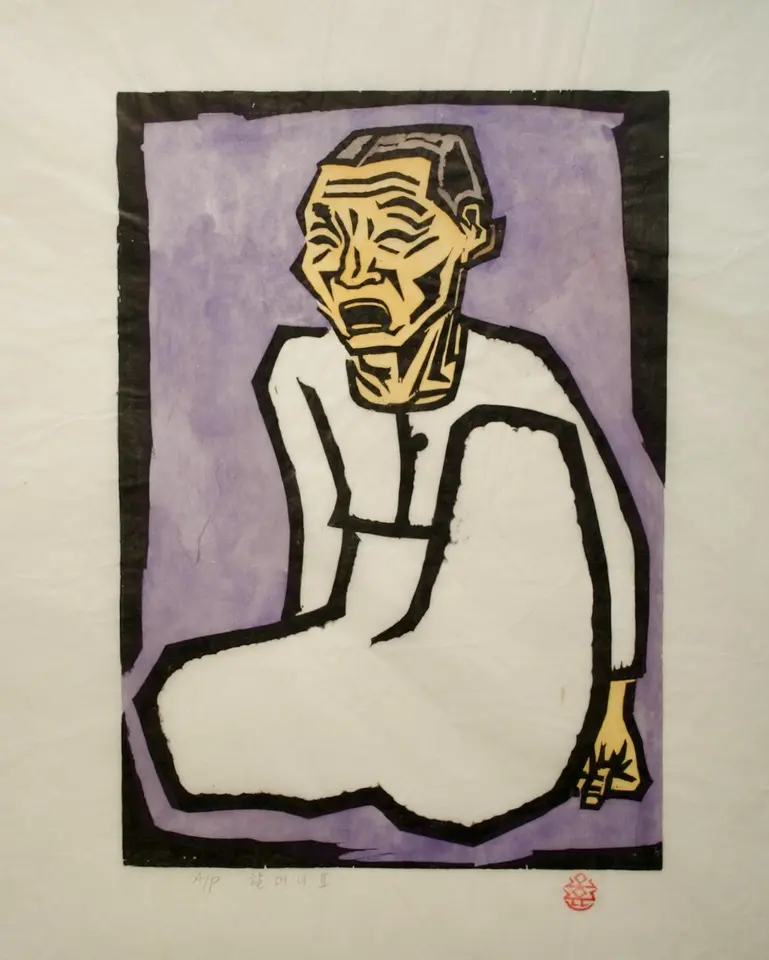
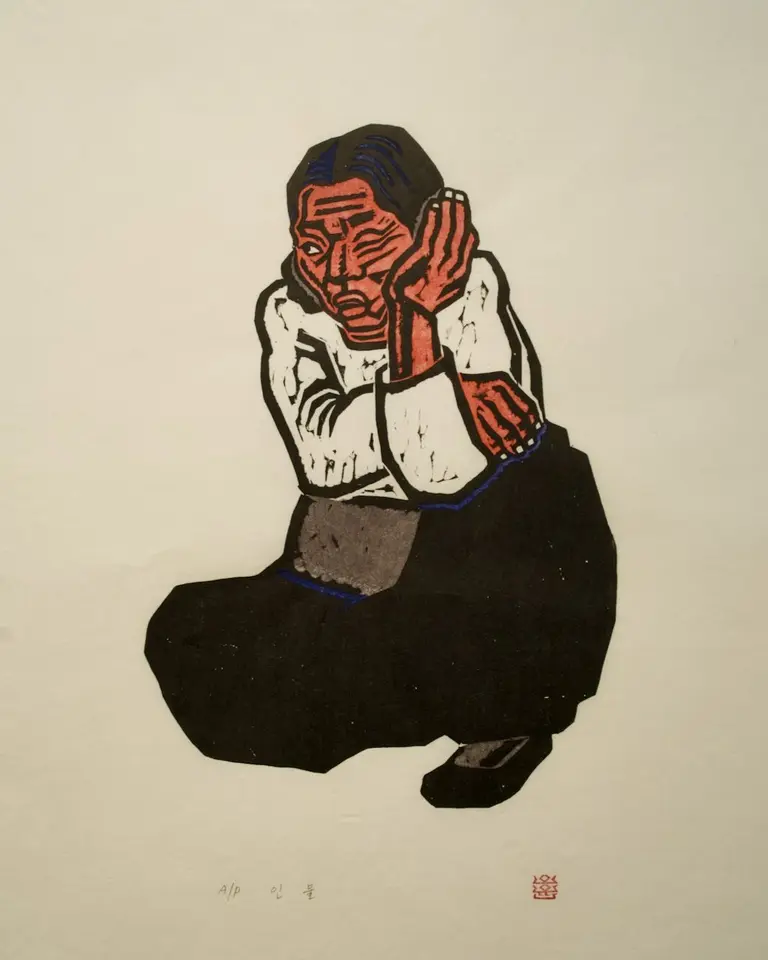
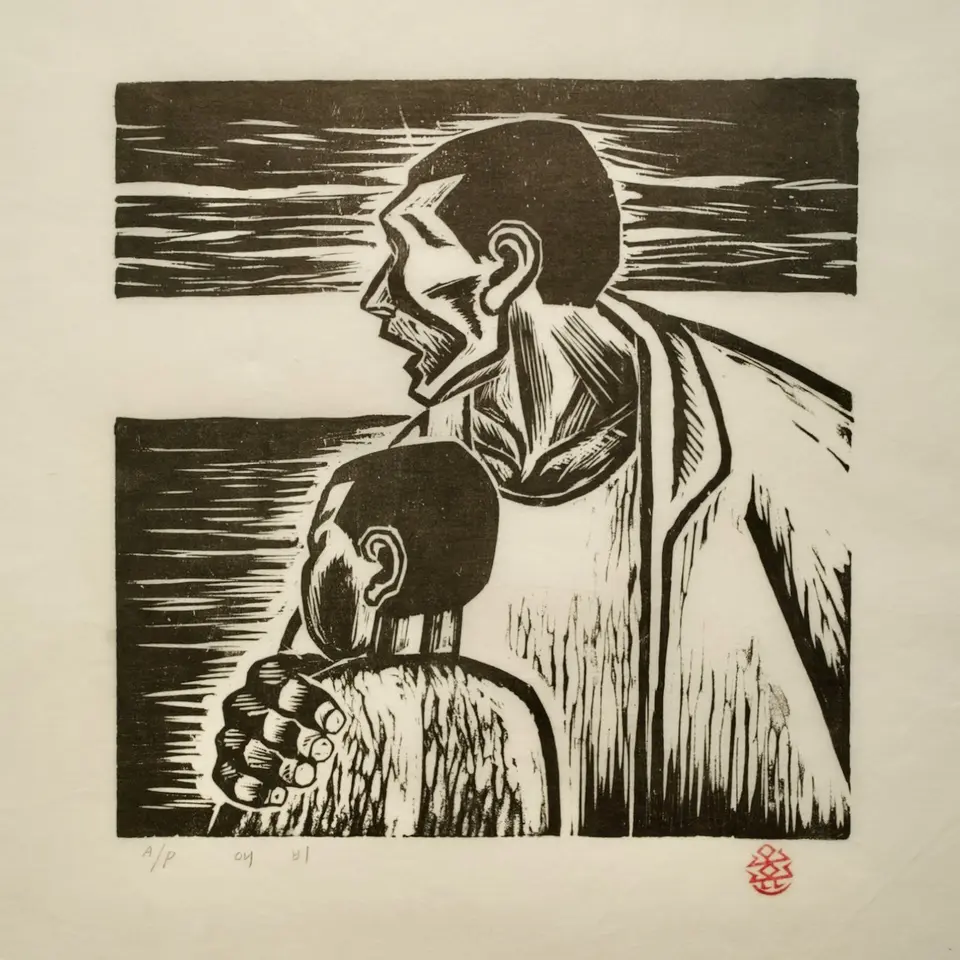
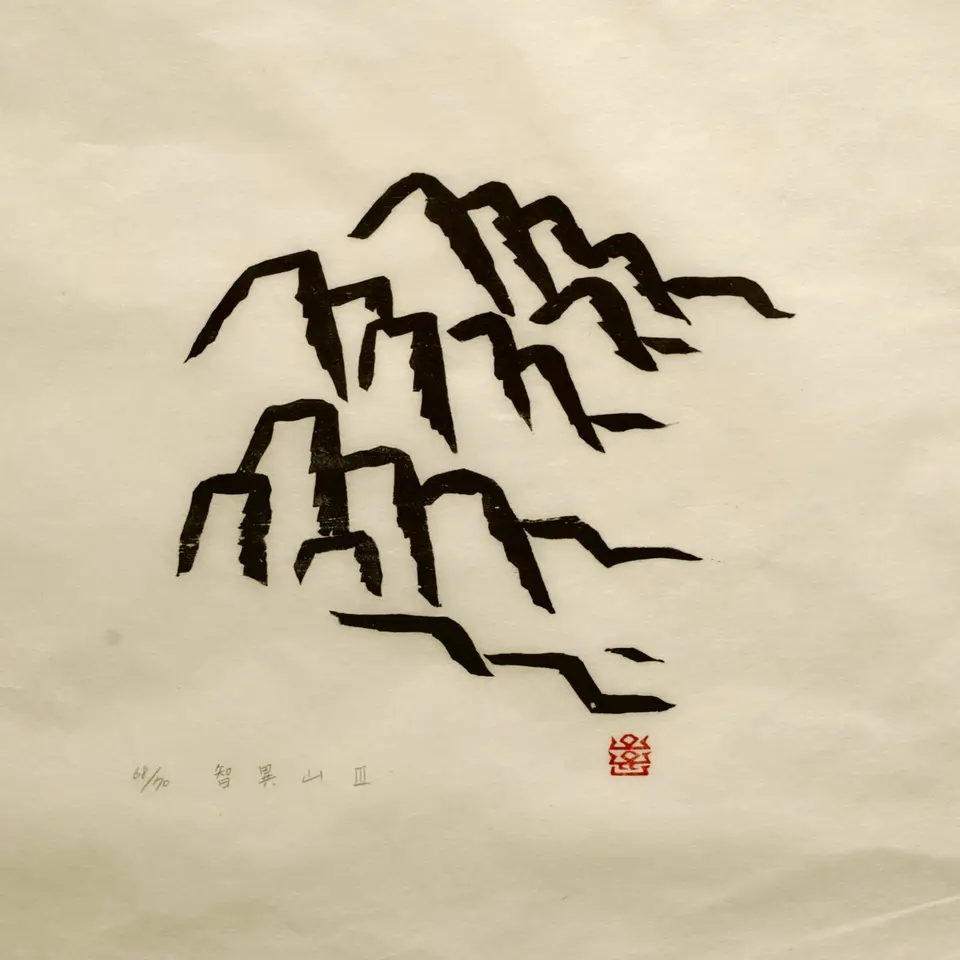
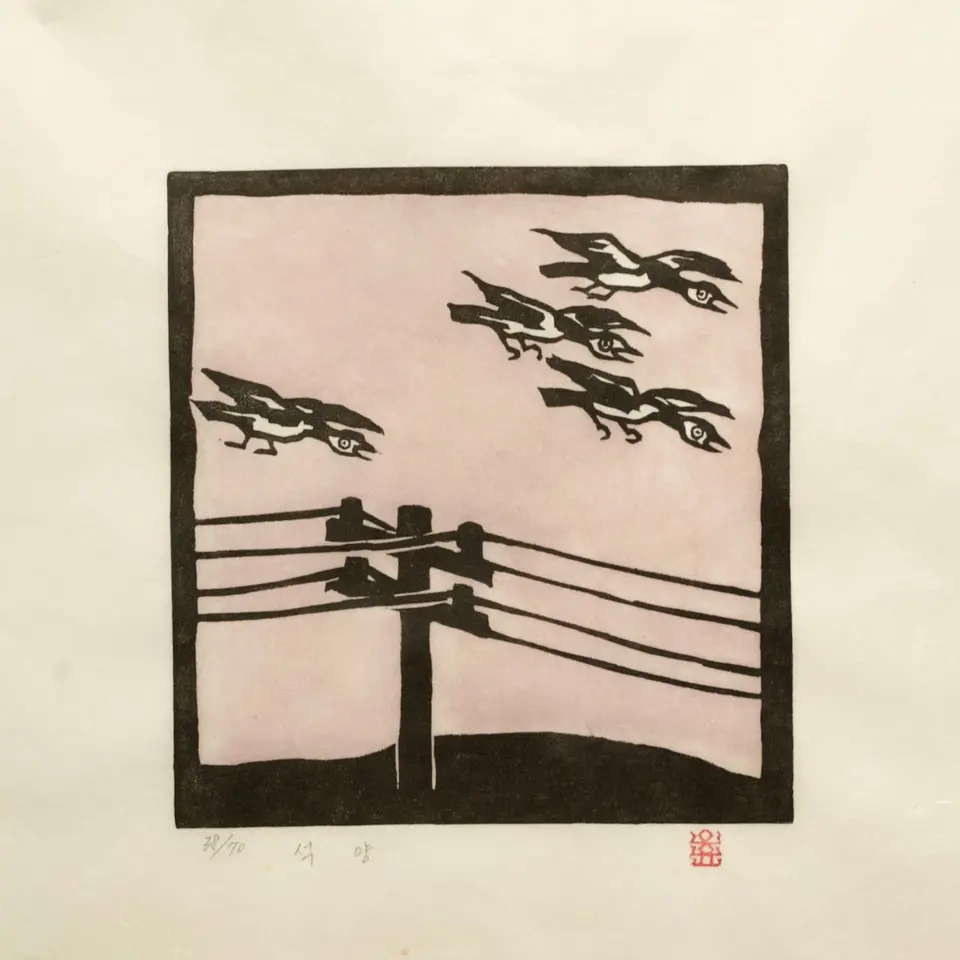
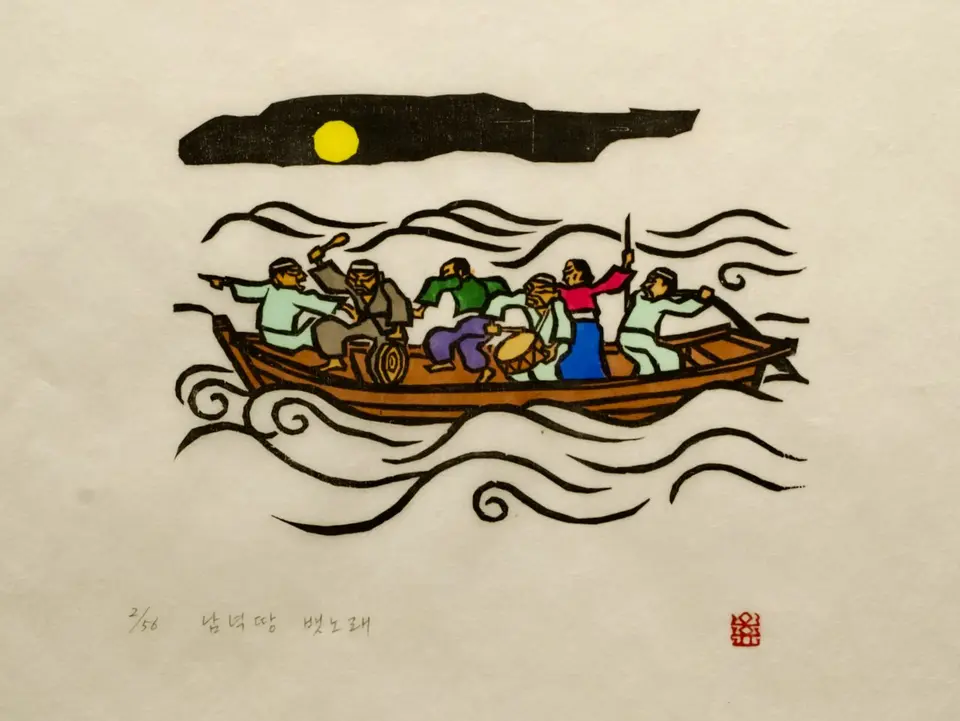
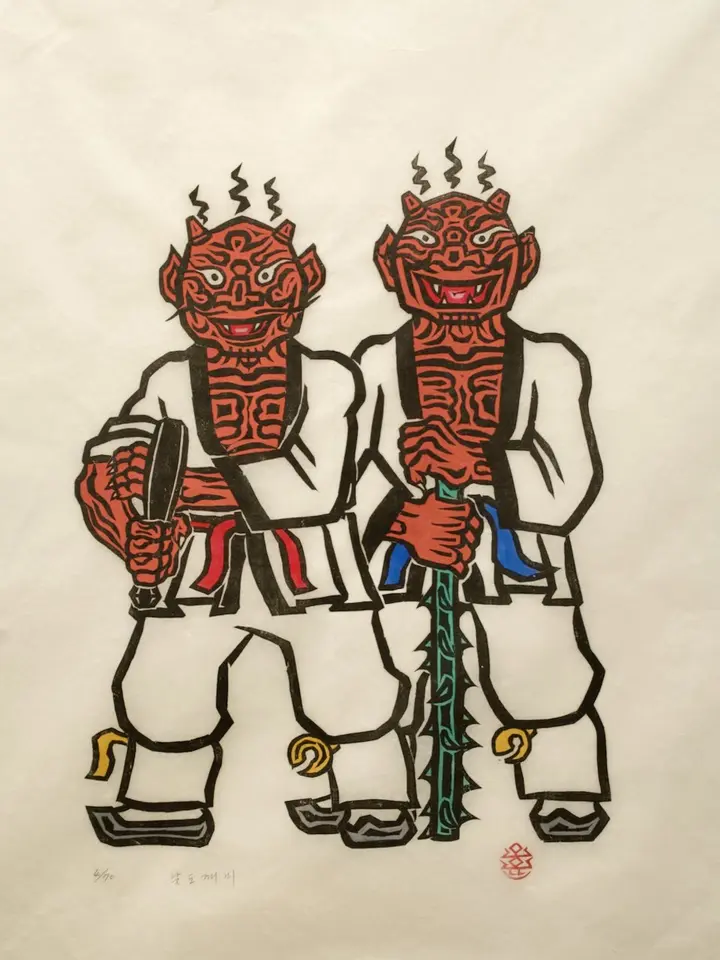
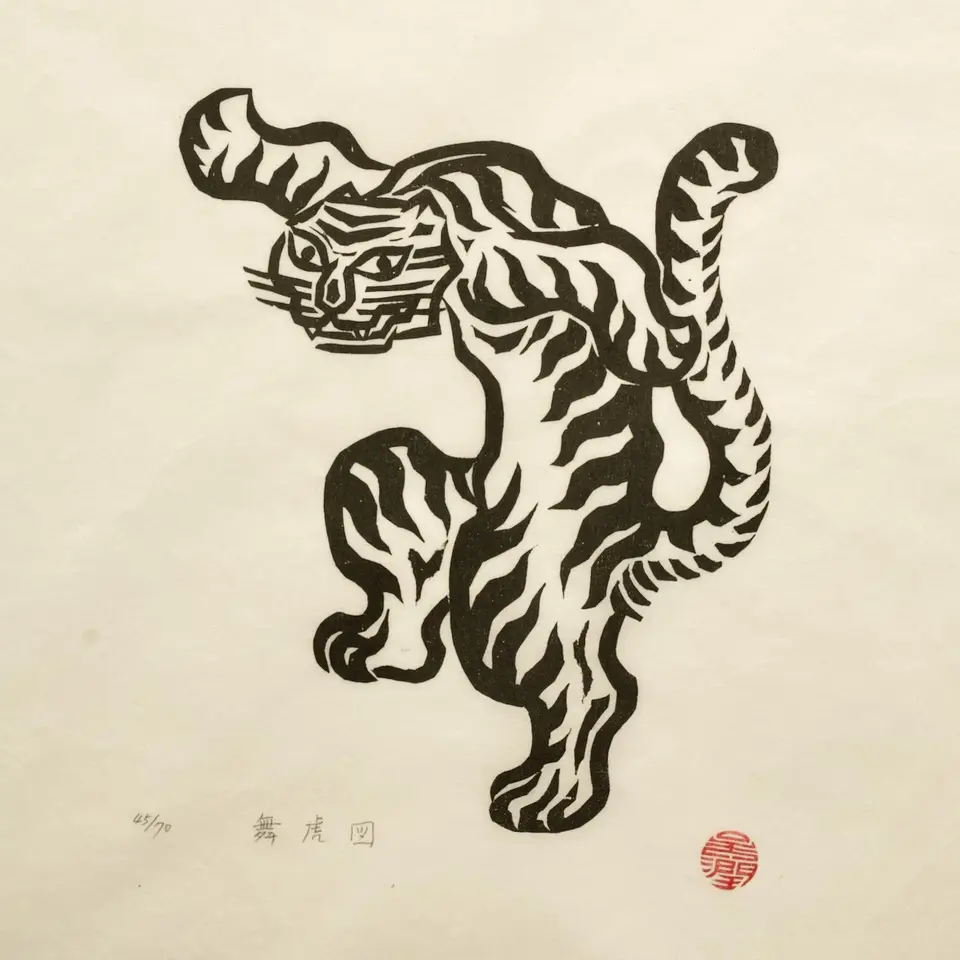
The woodcut print he chose was more than a form. Each cut was a resolve that could not be undone, and each impression was a vessel democratic enough to be shared by the thousands — pasted on factory walls, on campuses, in the markets. Pressed not by machine but by a spoon rubbed against paper, his hand bears witness, with the most honest grain, to his belief that “art should be shared by many.”
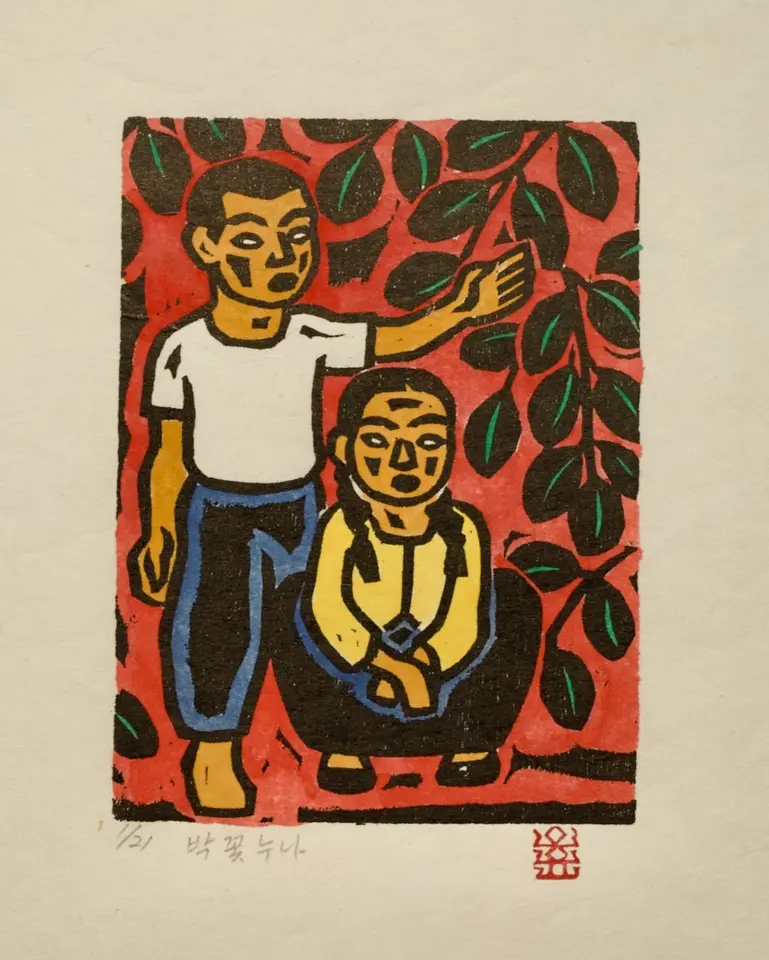
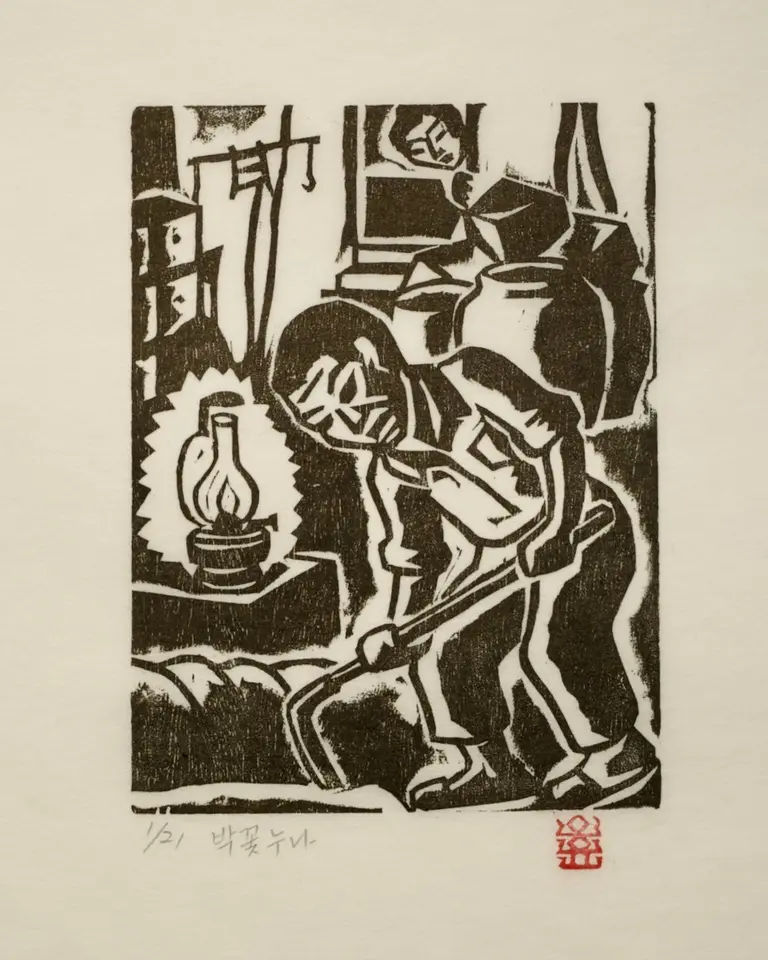
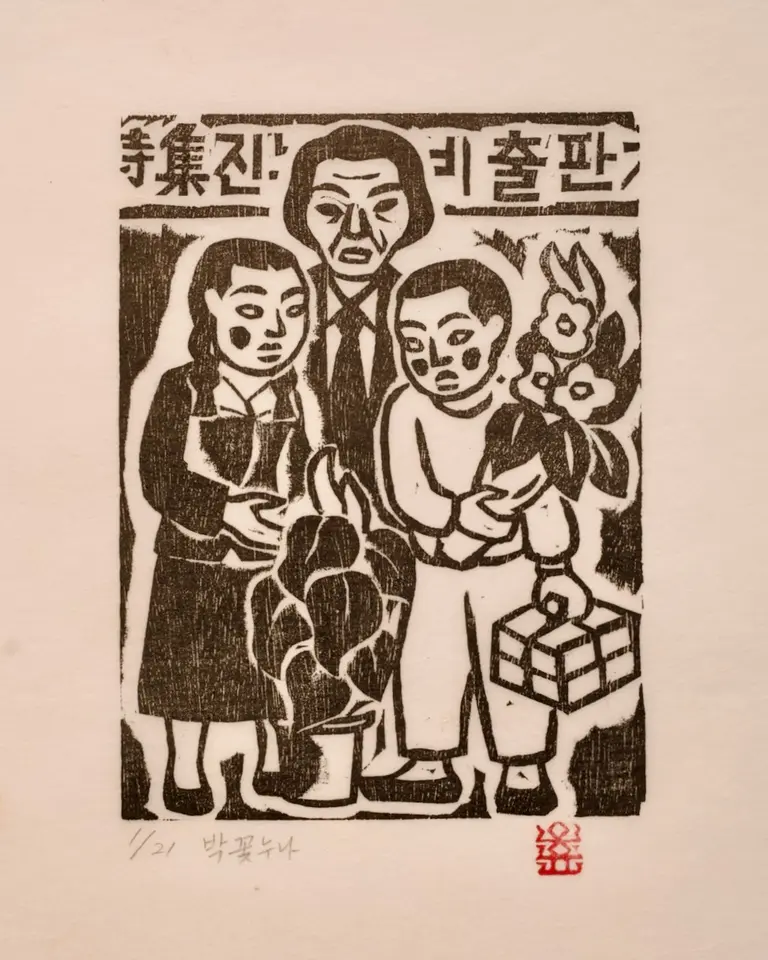
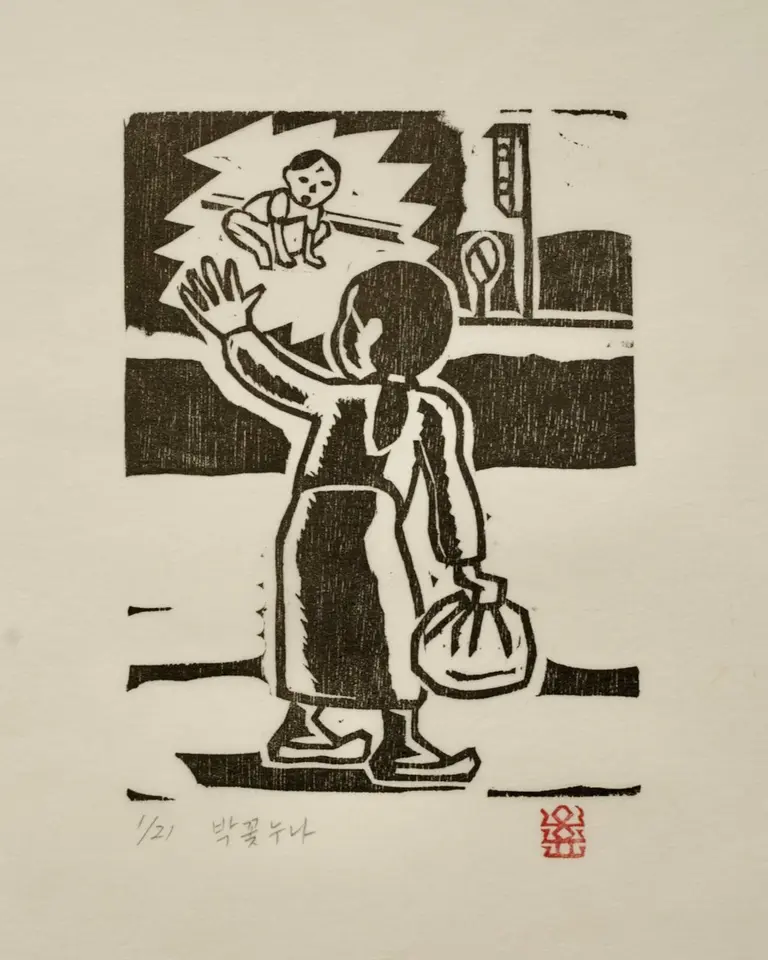
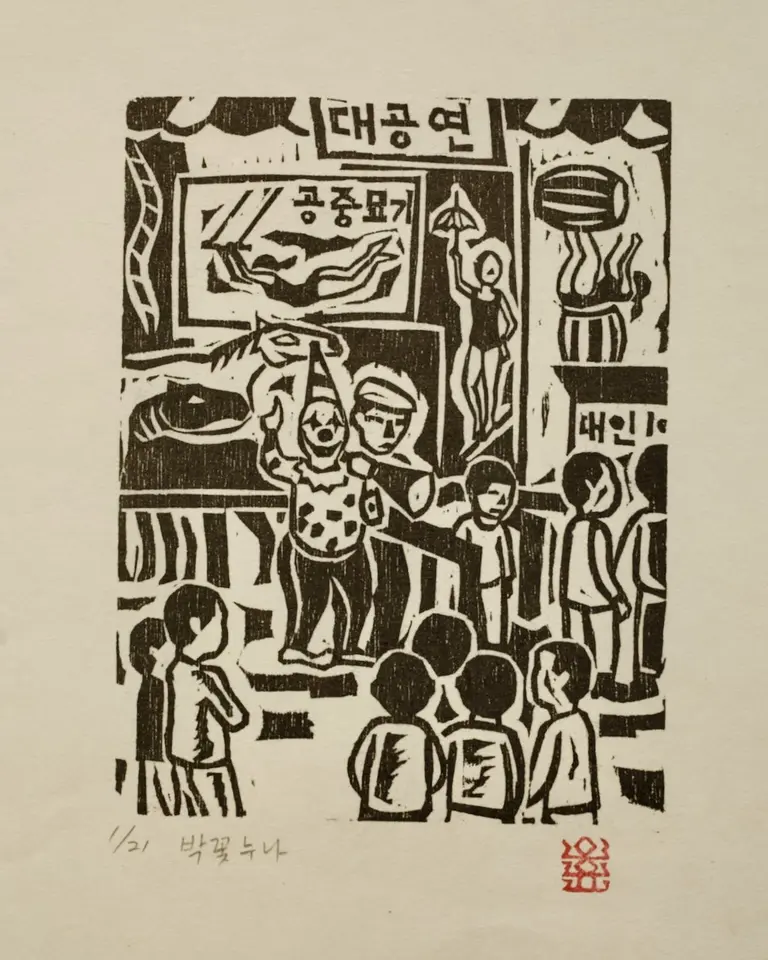
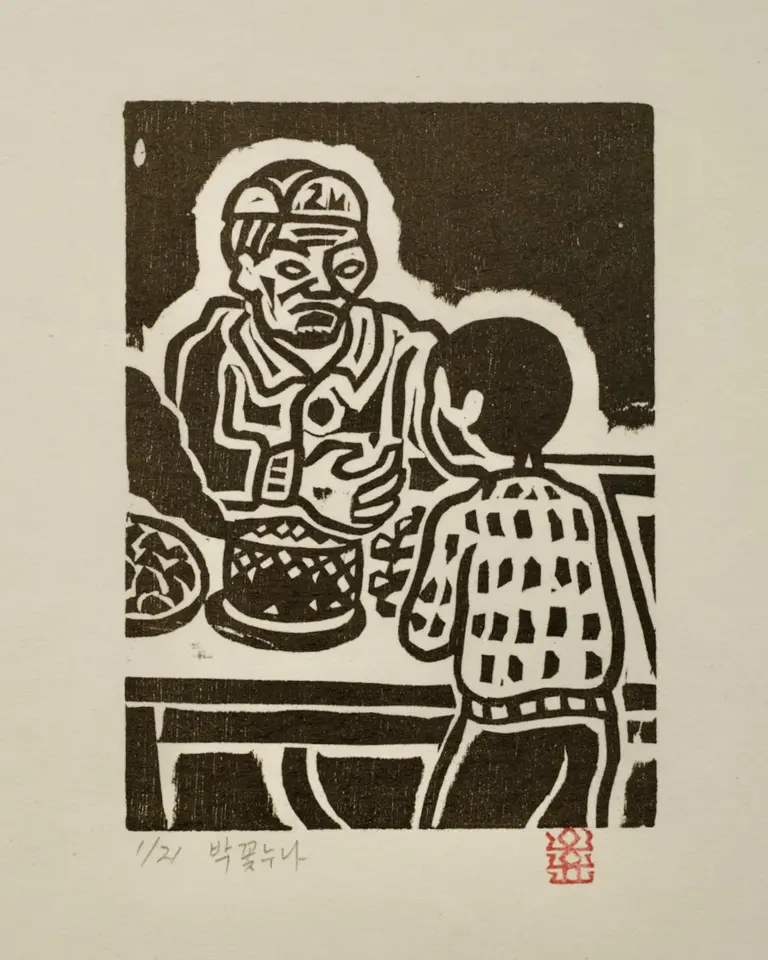
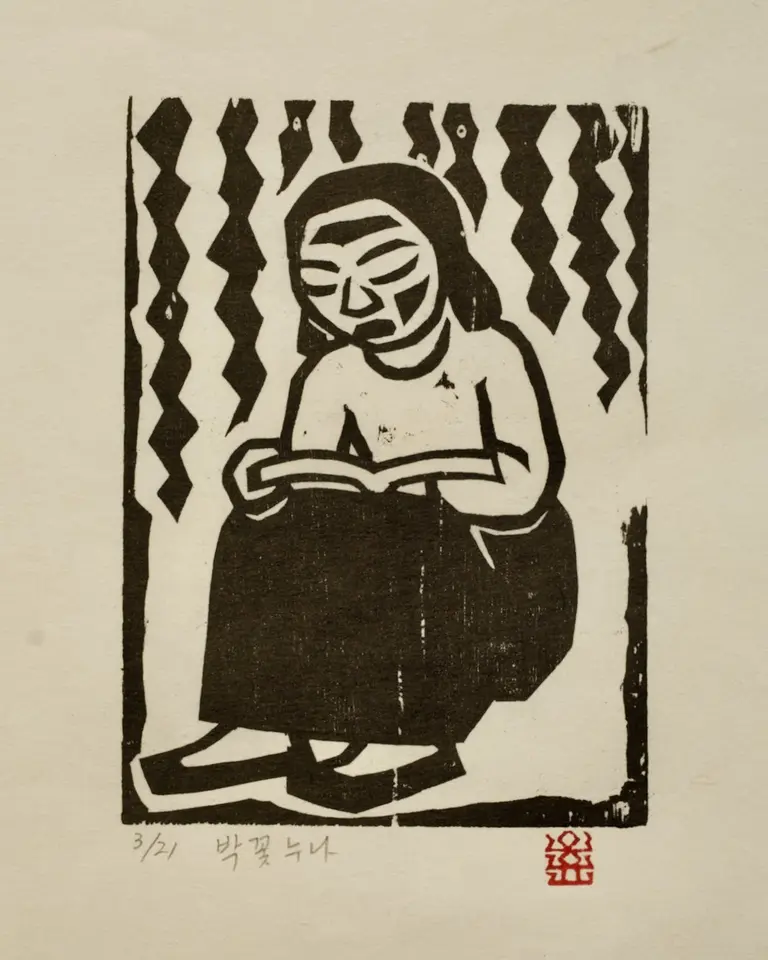
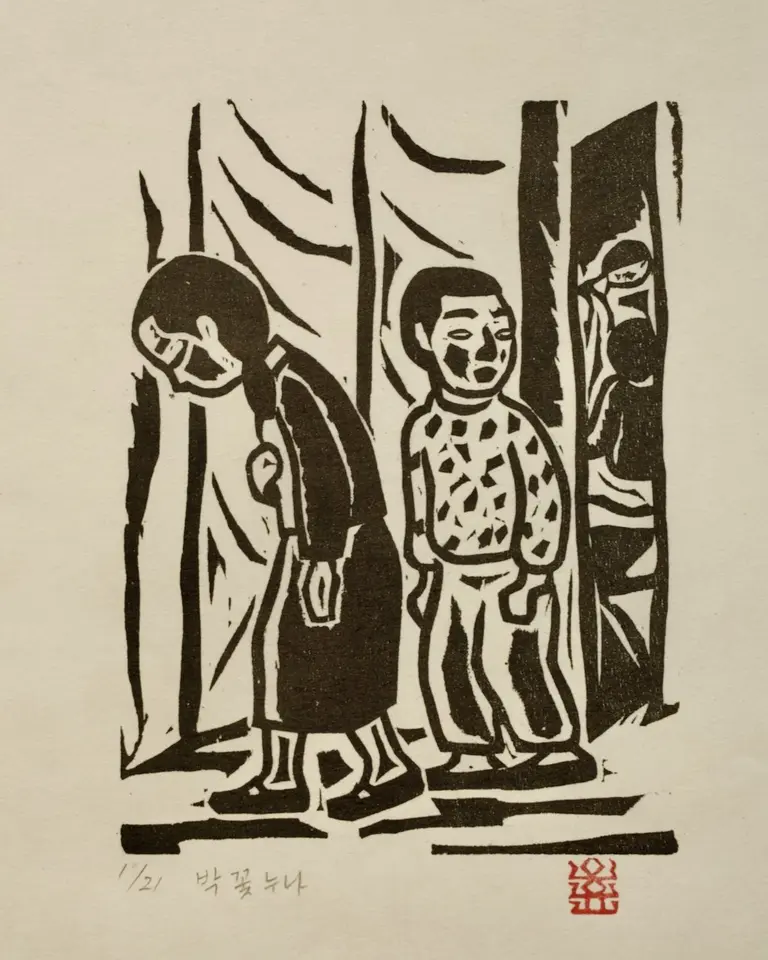
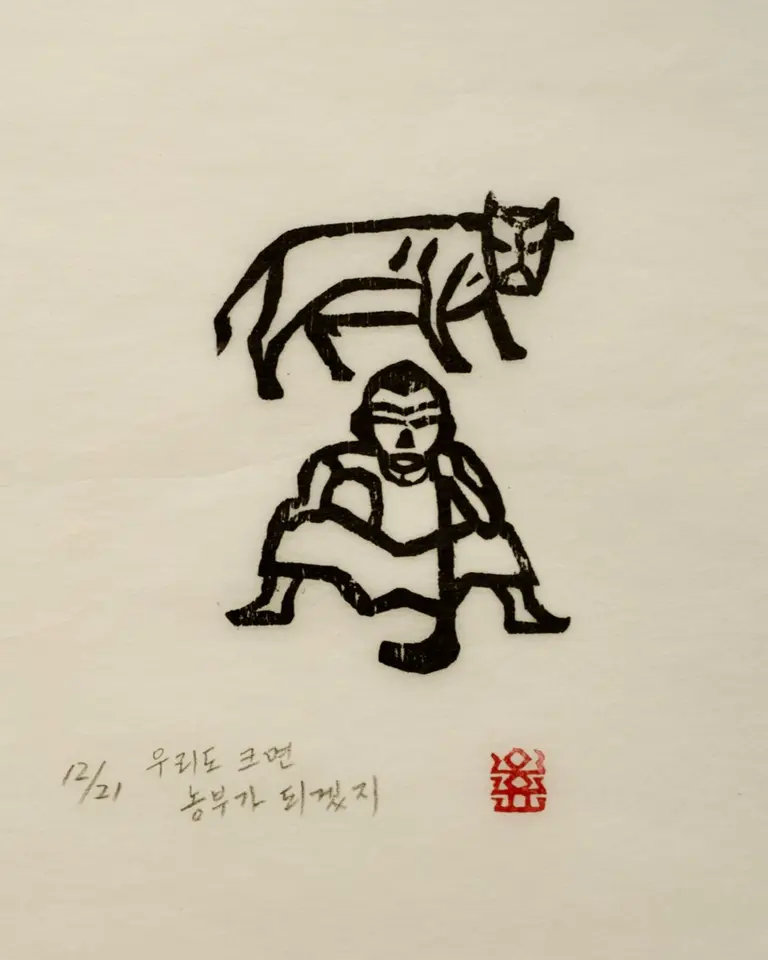
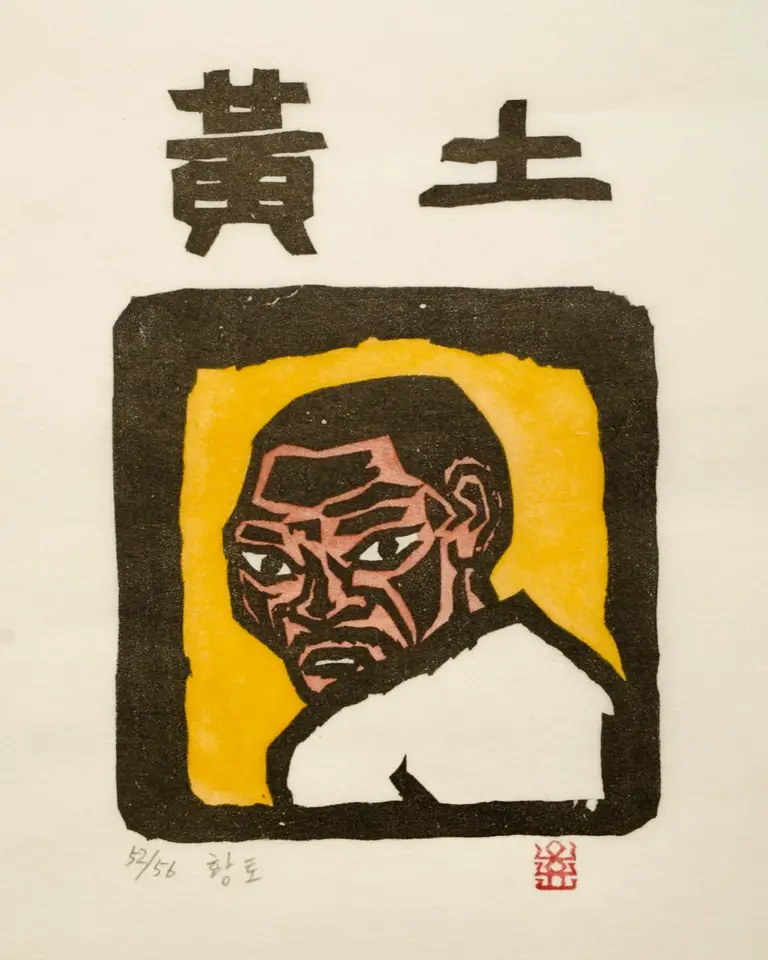
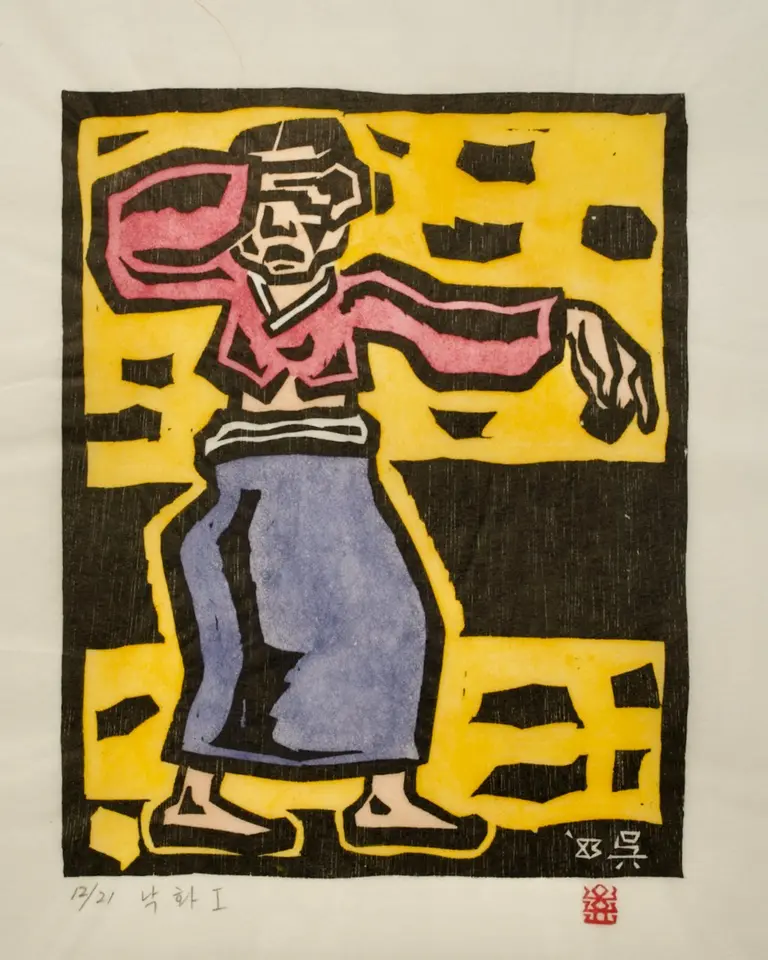
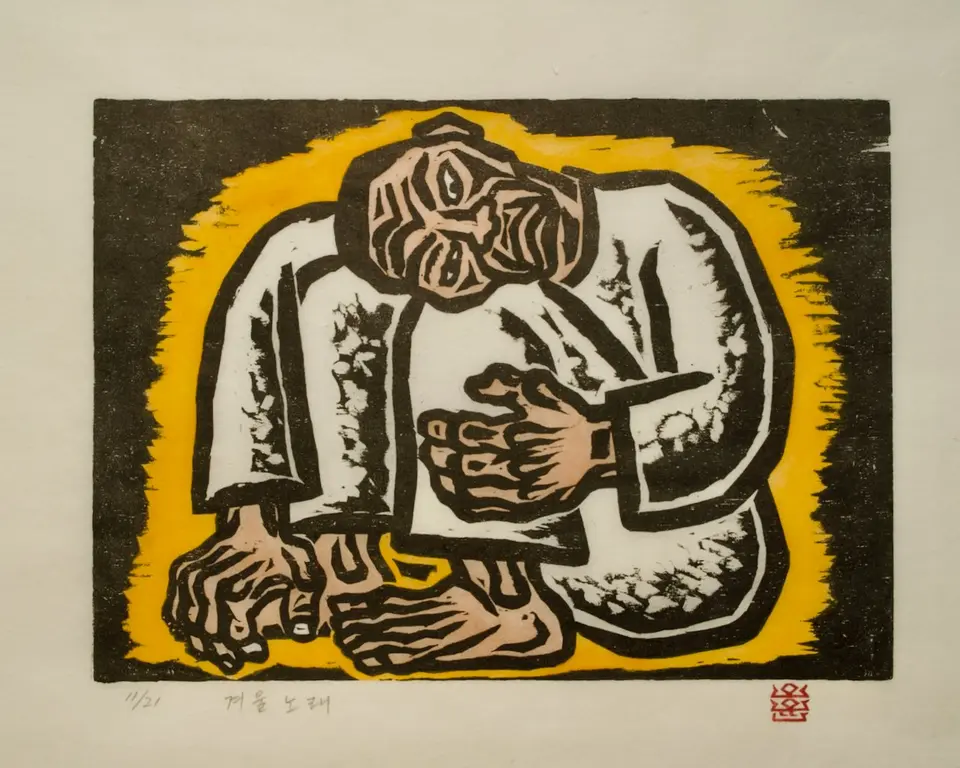
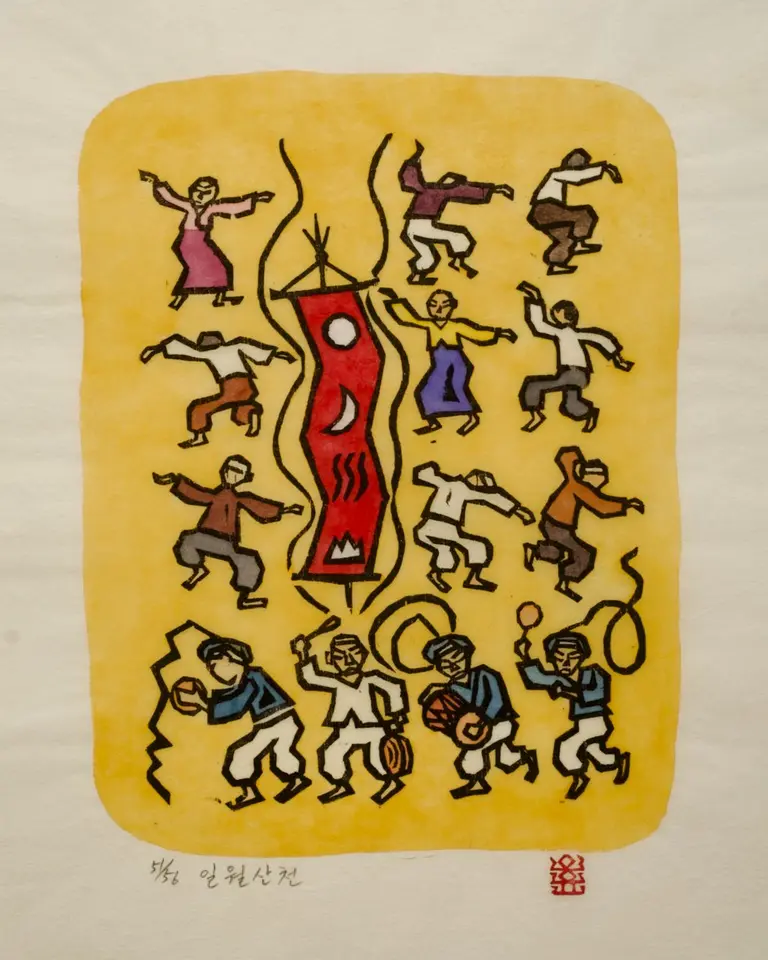
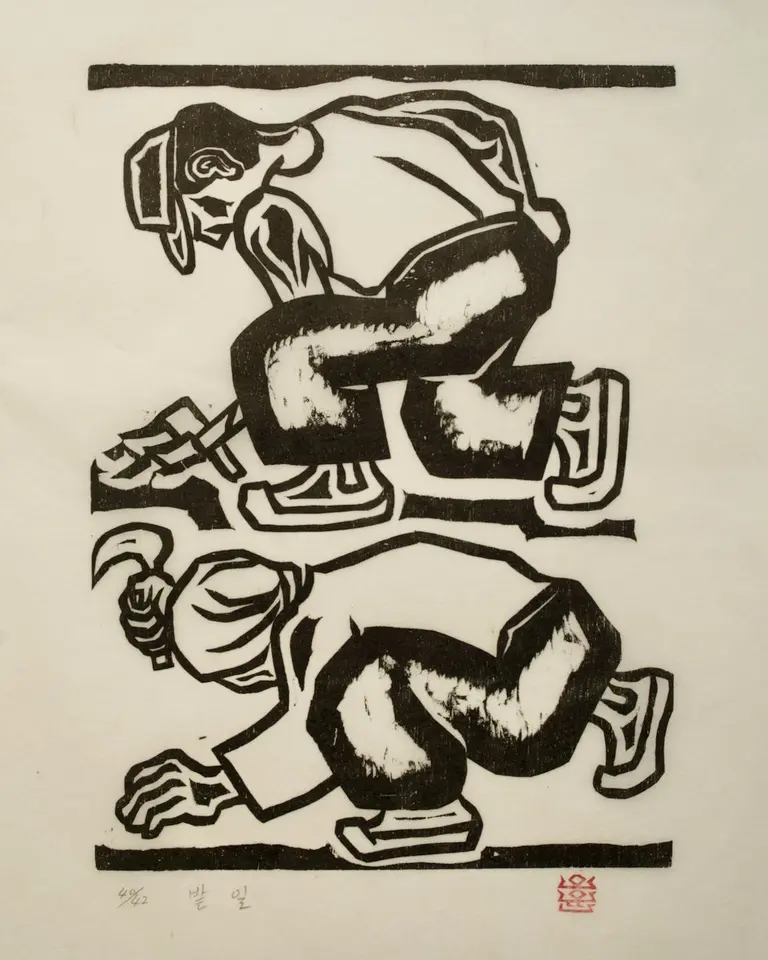
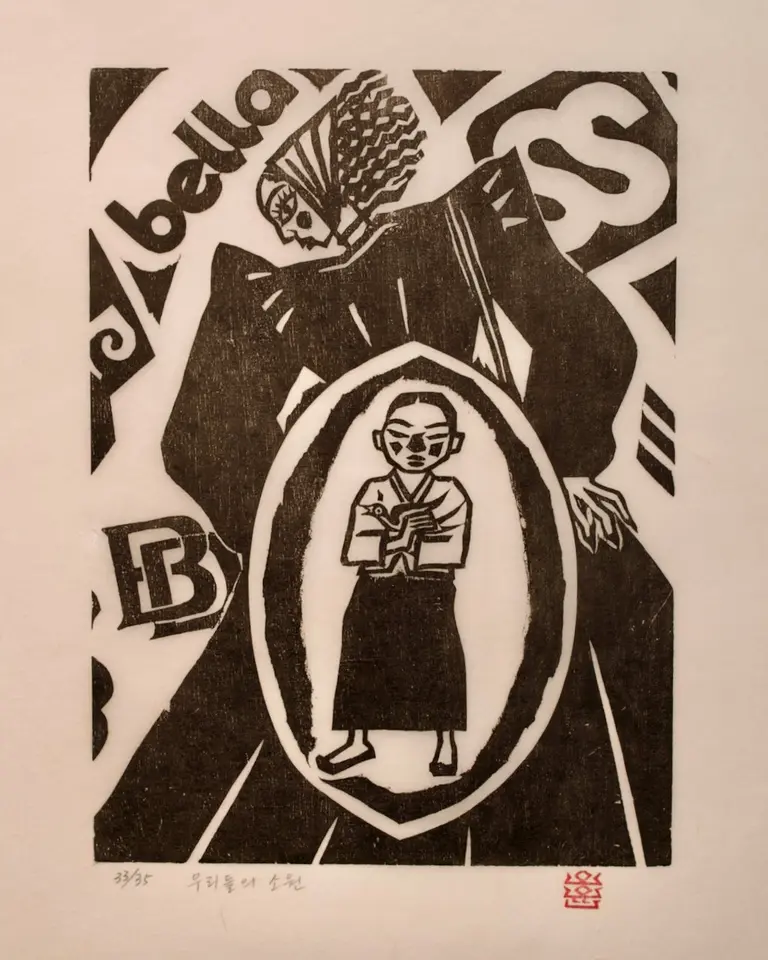
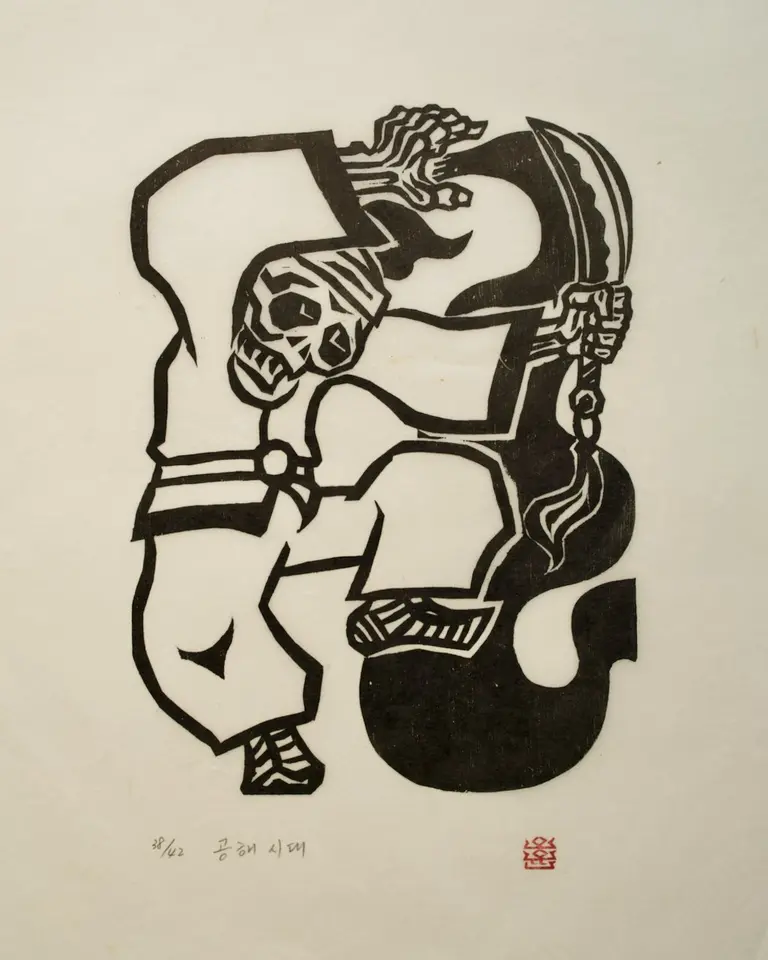
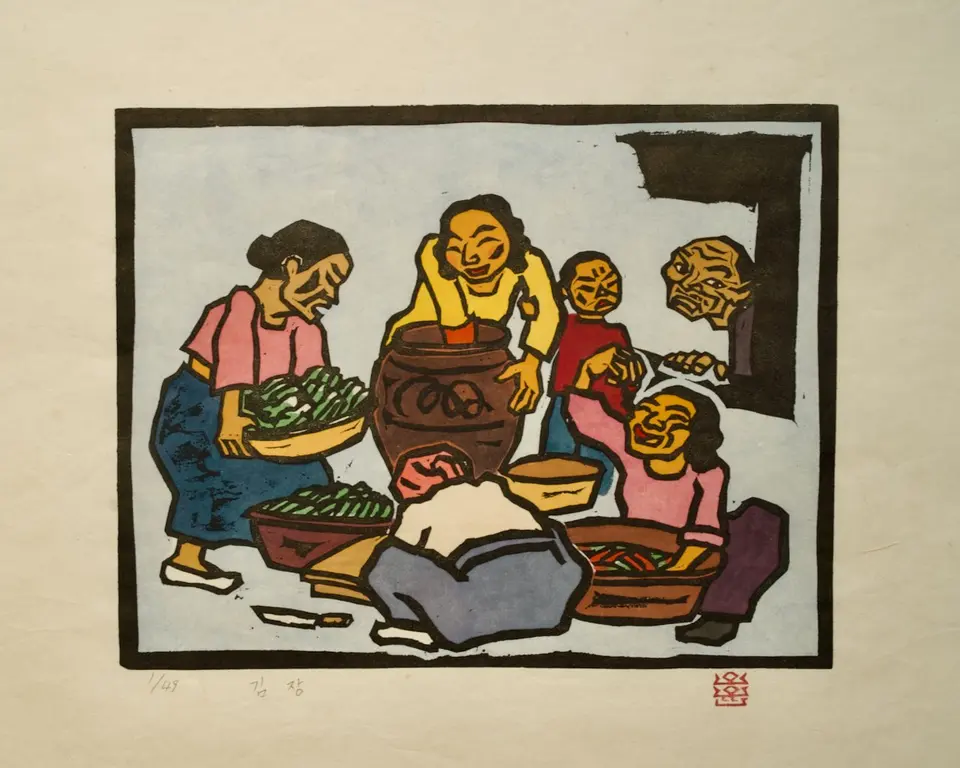
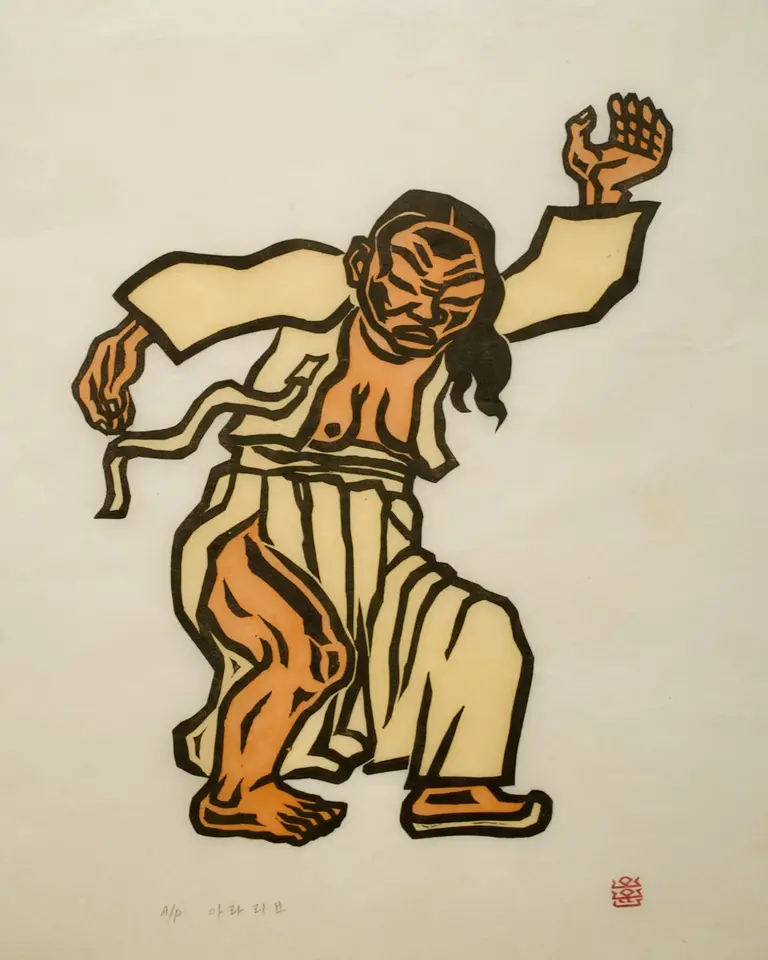
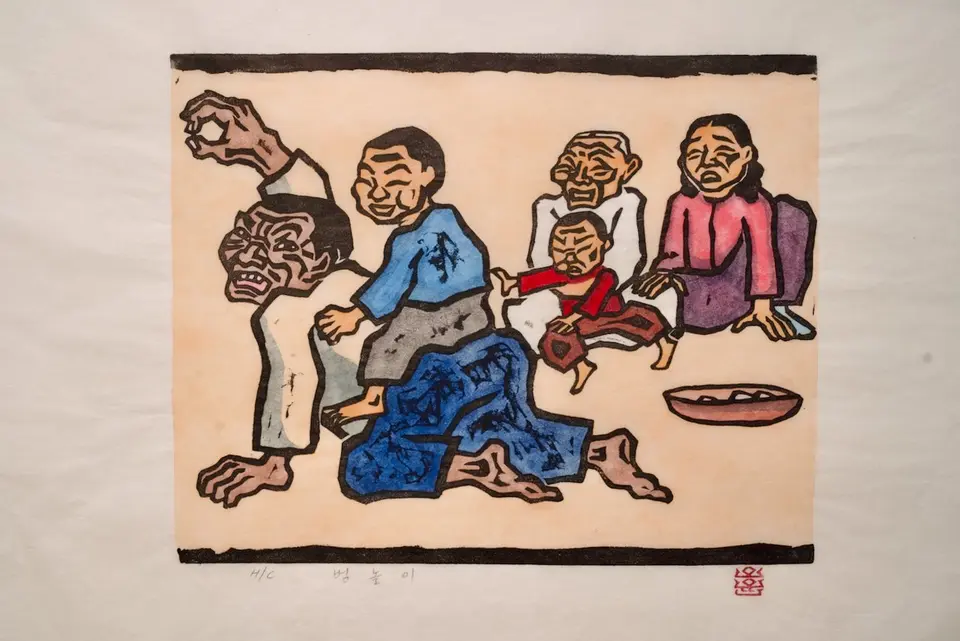
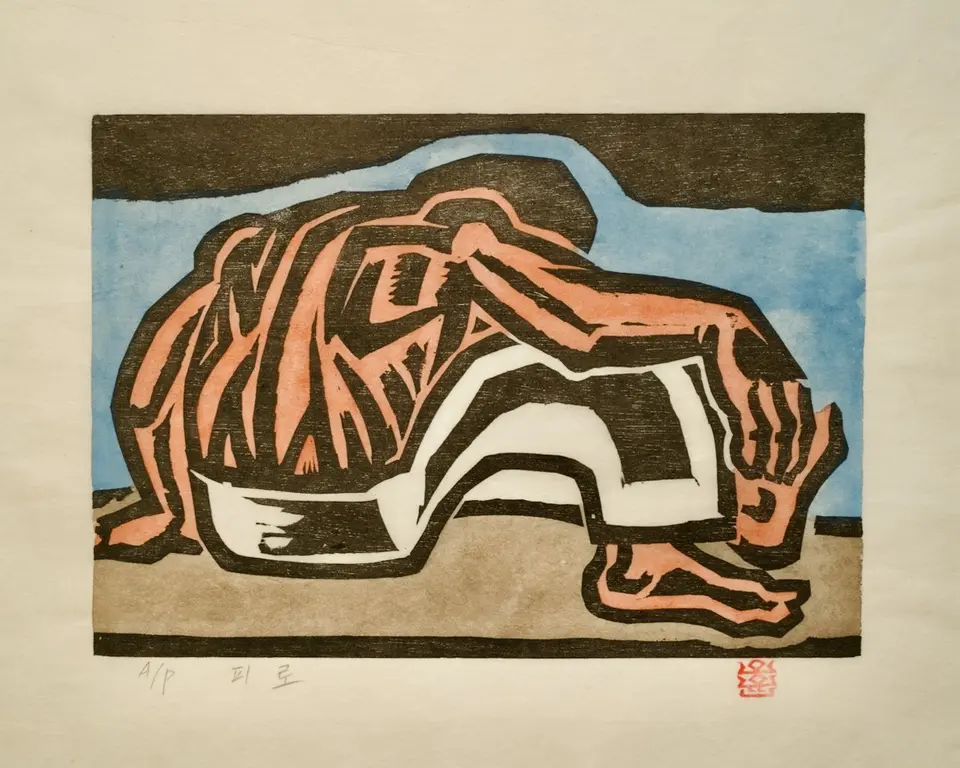
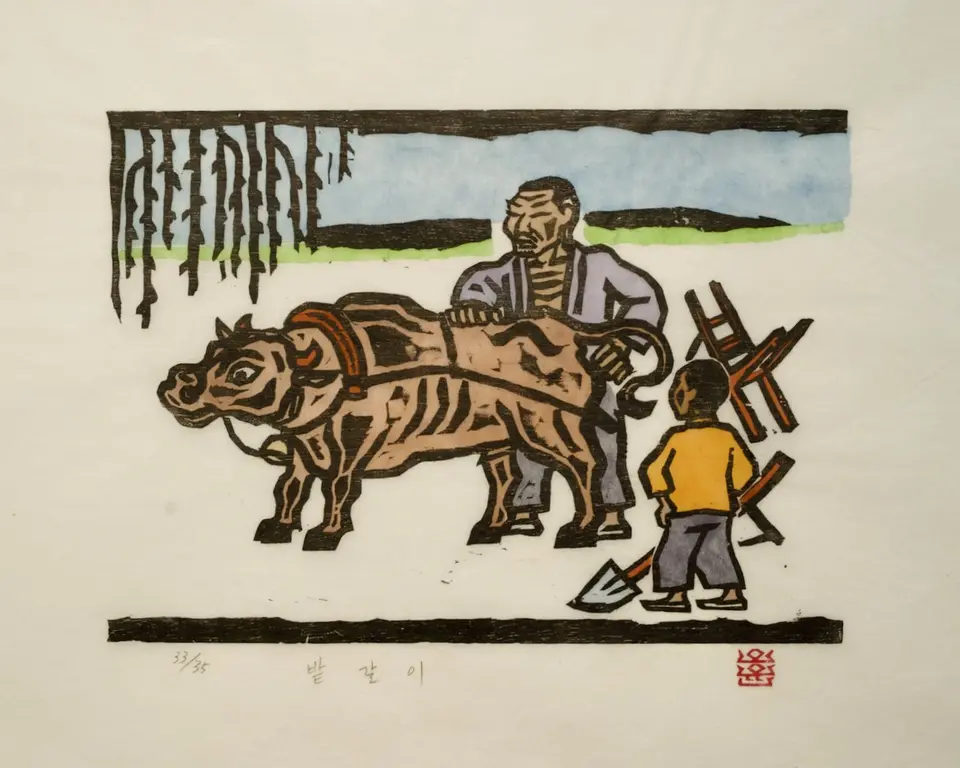
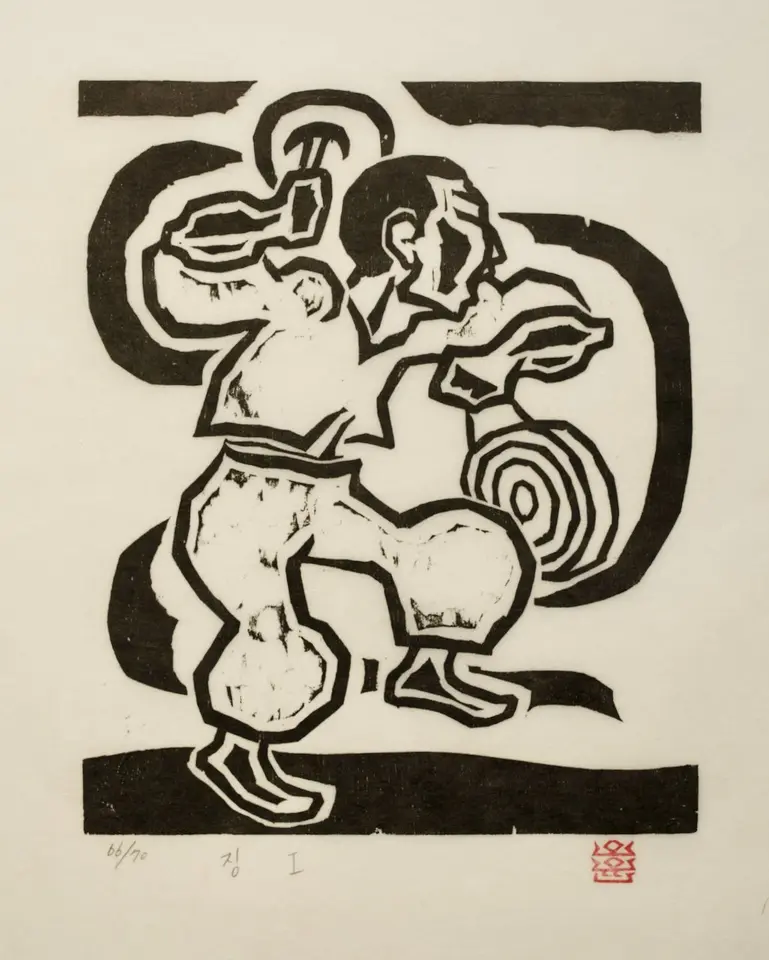
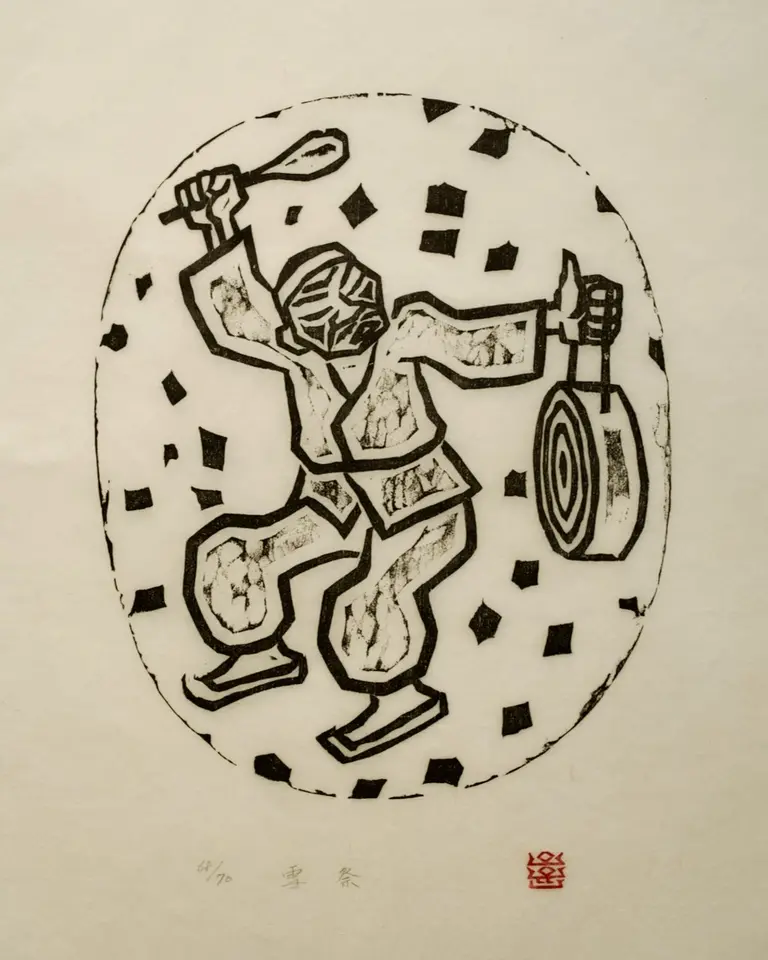
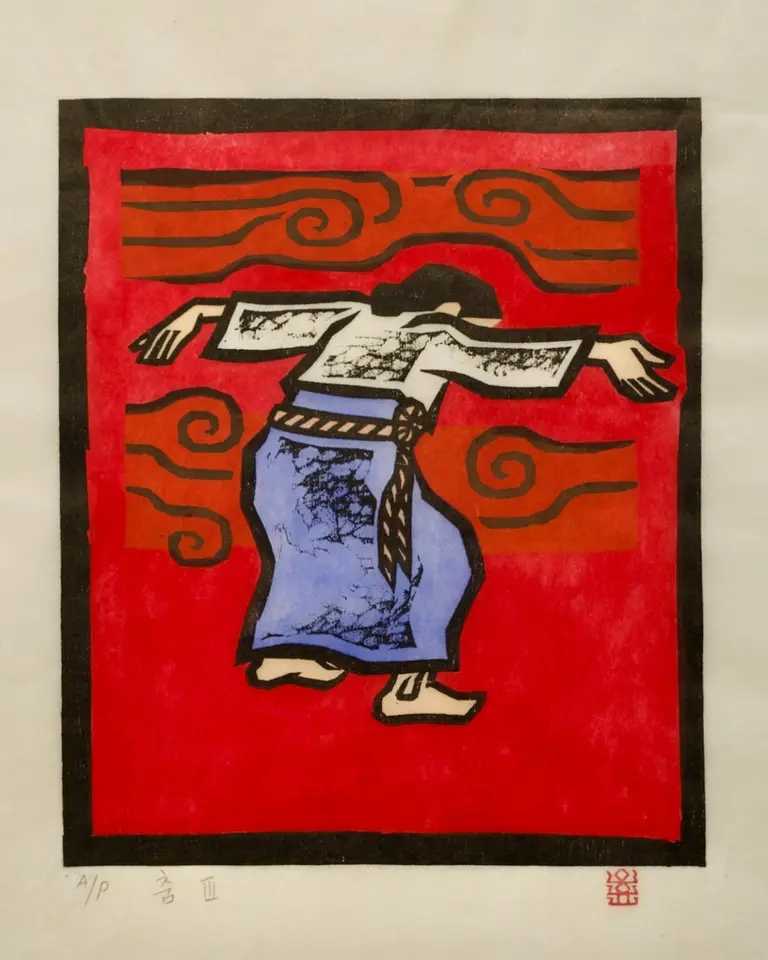
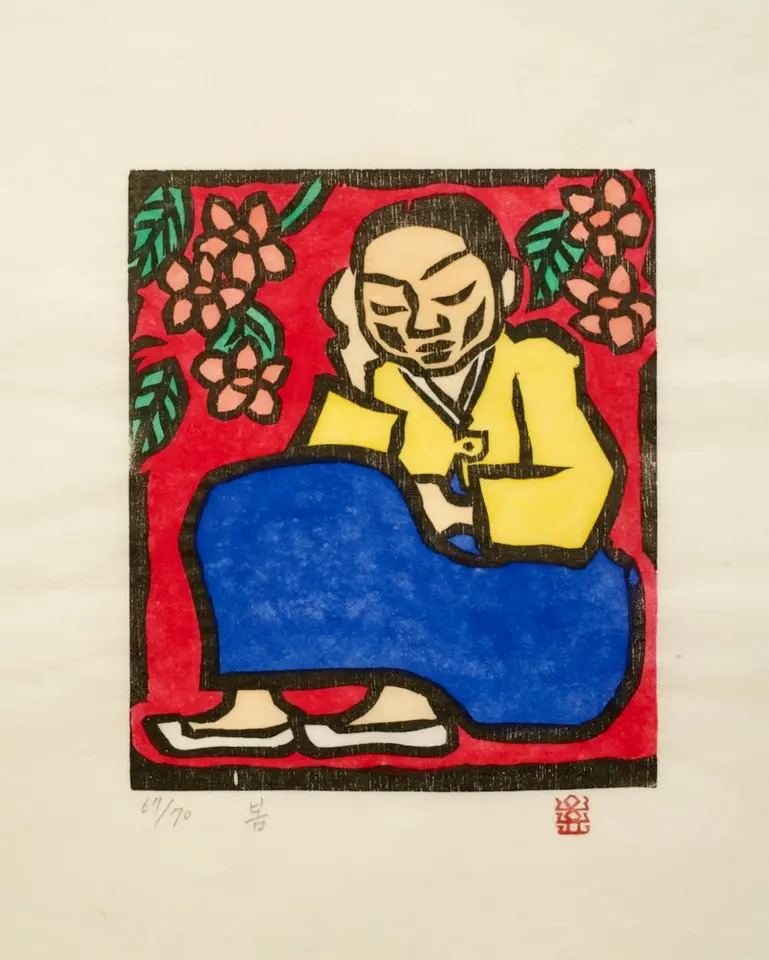
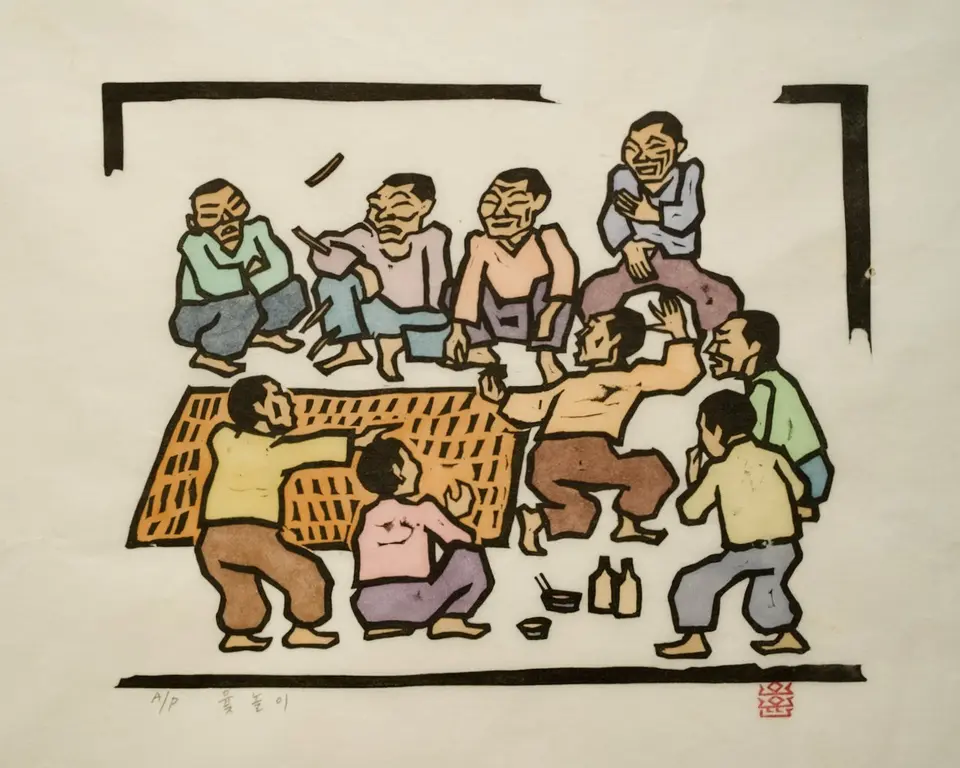
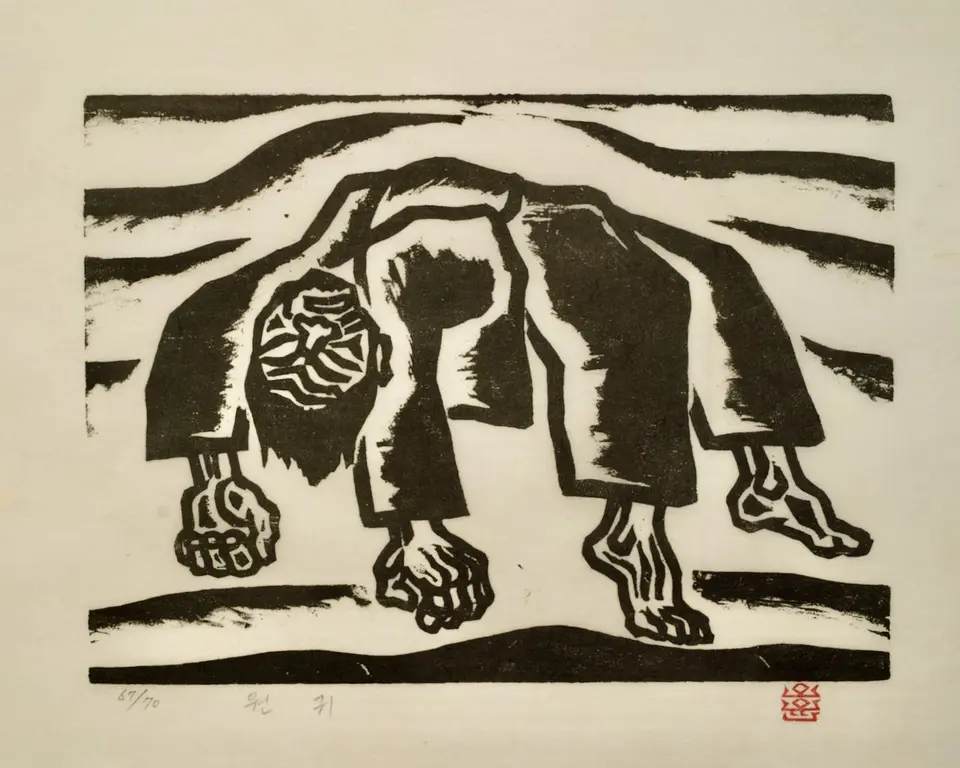
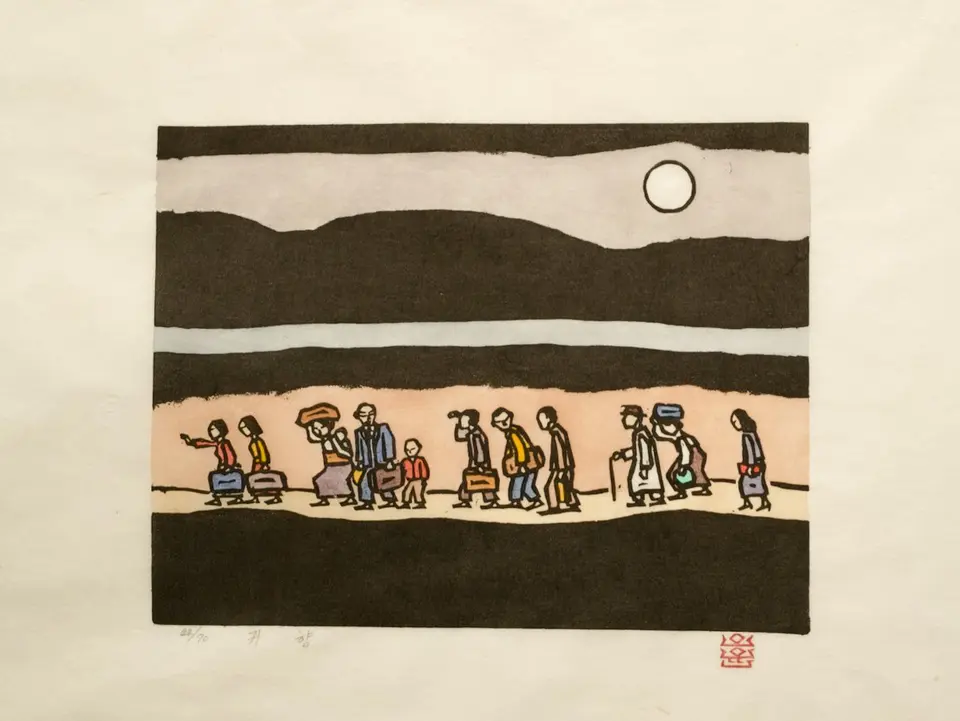
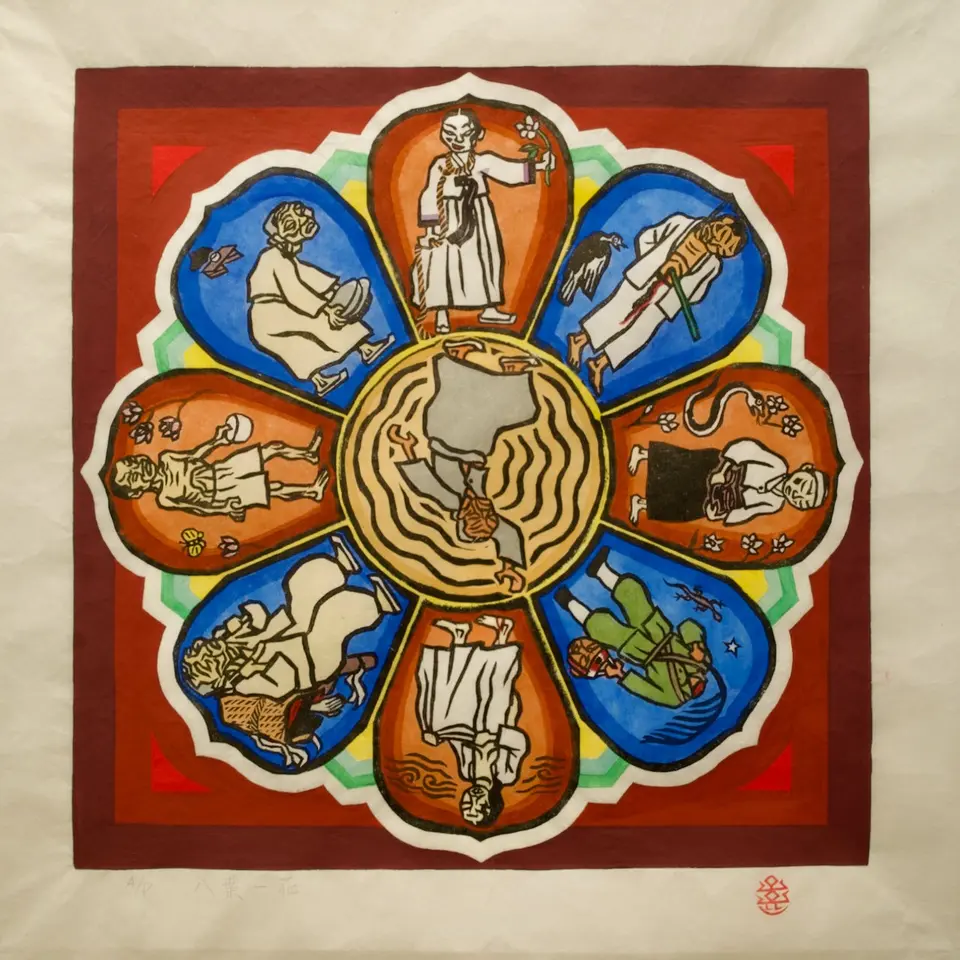
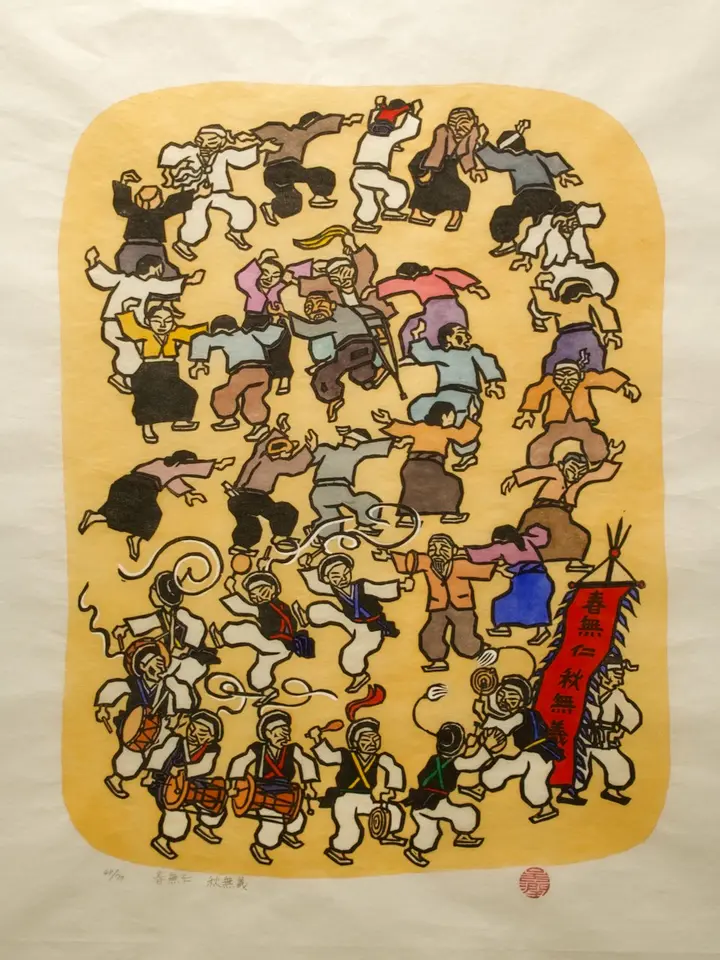
The hardy laughter of Busan's Gamagol, the sweat of Guro Industrial Complex workers, and the life force of ordinary people who turned suppressed grief (han) into the dance of shinmyeong — Oh Yoon's knife traced all of this into wood, rough yet honest. In July 1986, not long after his very first solo show, he passed away. He was forty. The roughly one hundred bold prints he left behind still touch the most aching parts of our time, forty years later, and still speak to us of a life lived together.
Major themes
- 1
Reality
He recorded, without embellishment, concrete sites of life and the people who live within them.
- 2
Han
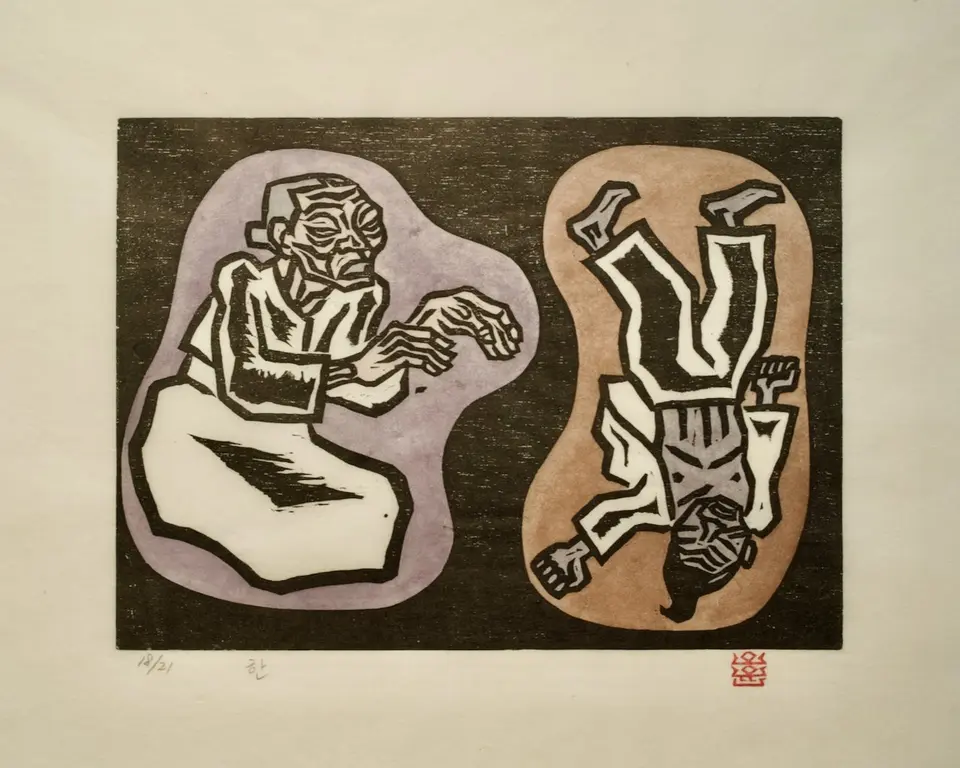
He transformed the han knotted in the hearts of ordinary people into artistic vitality, expressing a life force that surpasses sorrow.
- 3
Art shared together
Beyond the museum, on streets and at sites, he met people directly and practiced art for its social worth.
The artist's timeline
- 1946Born in Busan, eldest son of the novelist Oh Young-su.
- 1969Co-founds the Hyeonsil Dong-in collective, calling for a Korean realist art movement.
- 1973At age 27, creates terracotta reliefs at Sangup Bank's Dongdaemun and Guui-dong branches.
- 1979Founding member of Hyeonsil-gwa Baleon (Reality and Utterance), the heart of the minjung art movement.
- 1986Passes away shortly after his very first solo exhibition. Aged forty.
- 1996On the 10th anniversary of his death, the family and fellow artists produce a small posthumous edition of prints.
- 2006MMCA retrospective: Oh Yoon — A Daytime Goblin's Festival.
Exhibition Works
179 prints are currently on view.
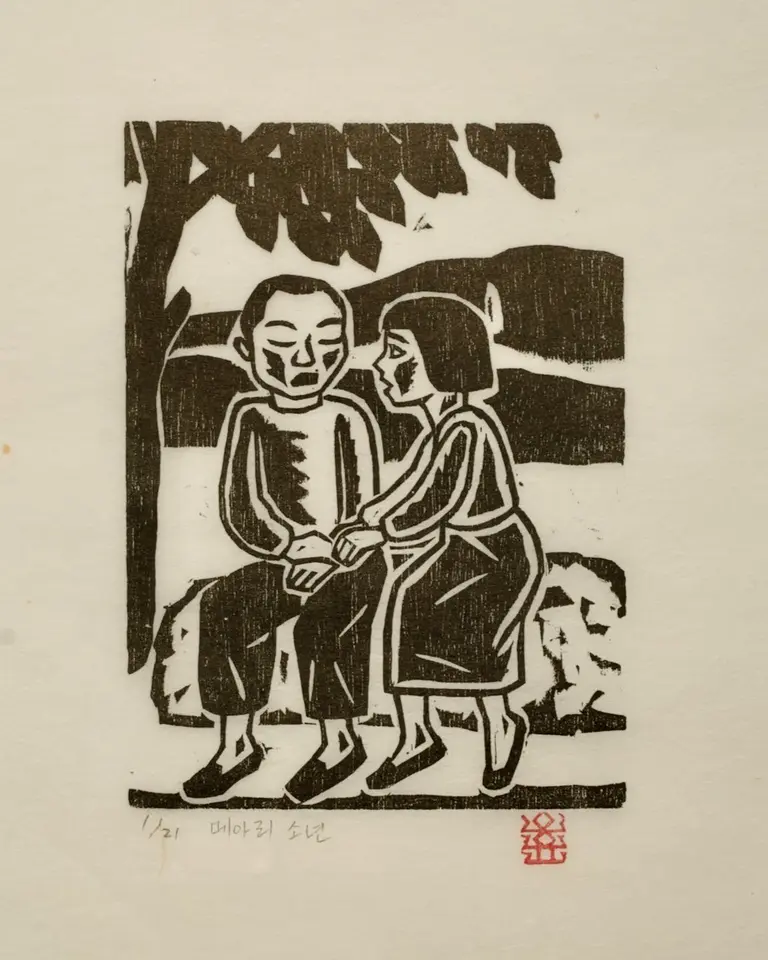
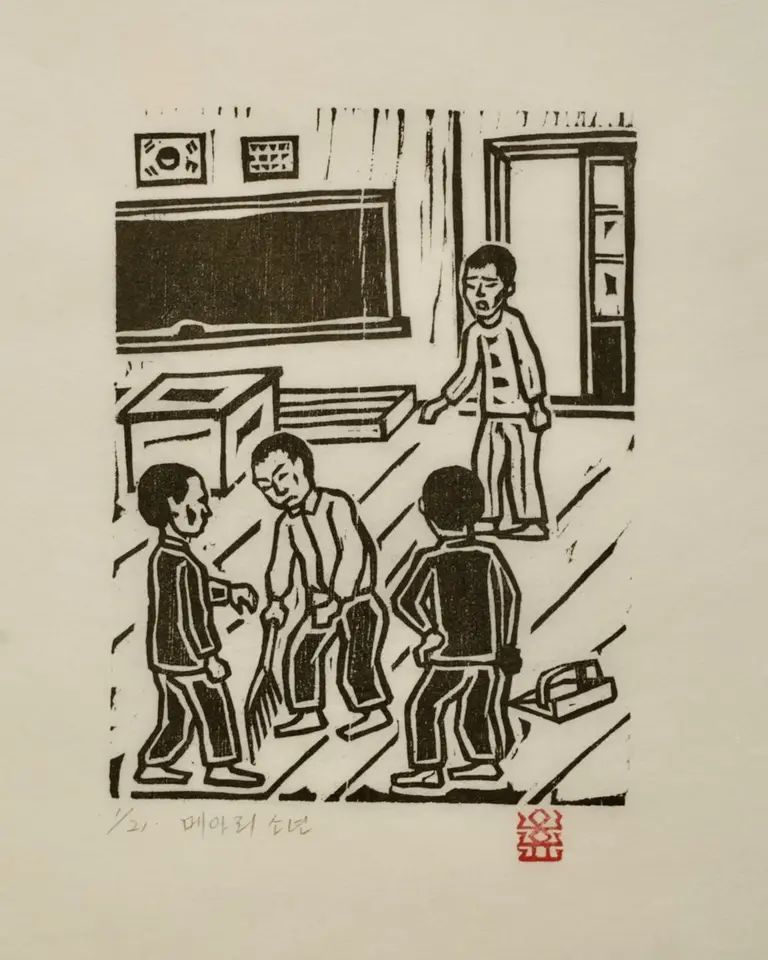
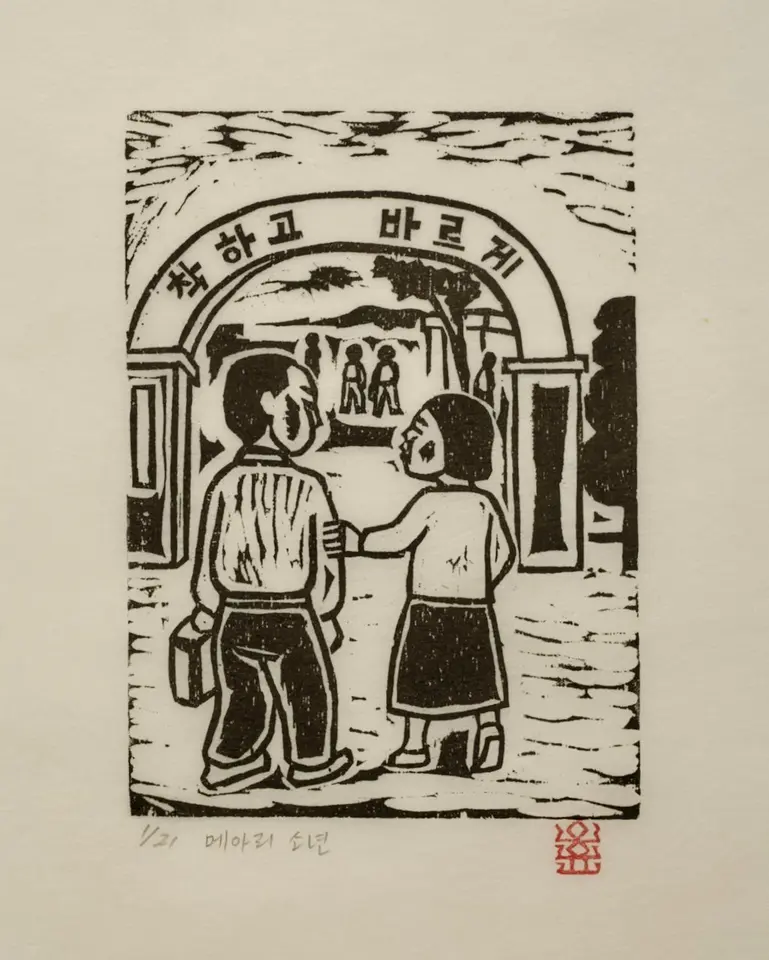
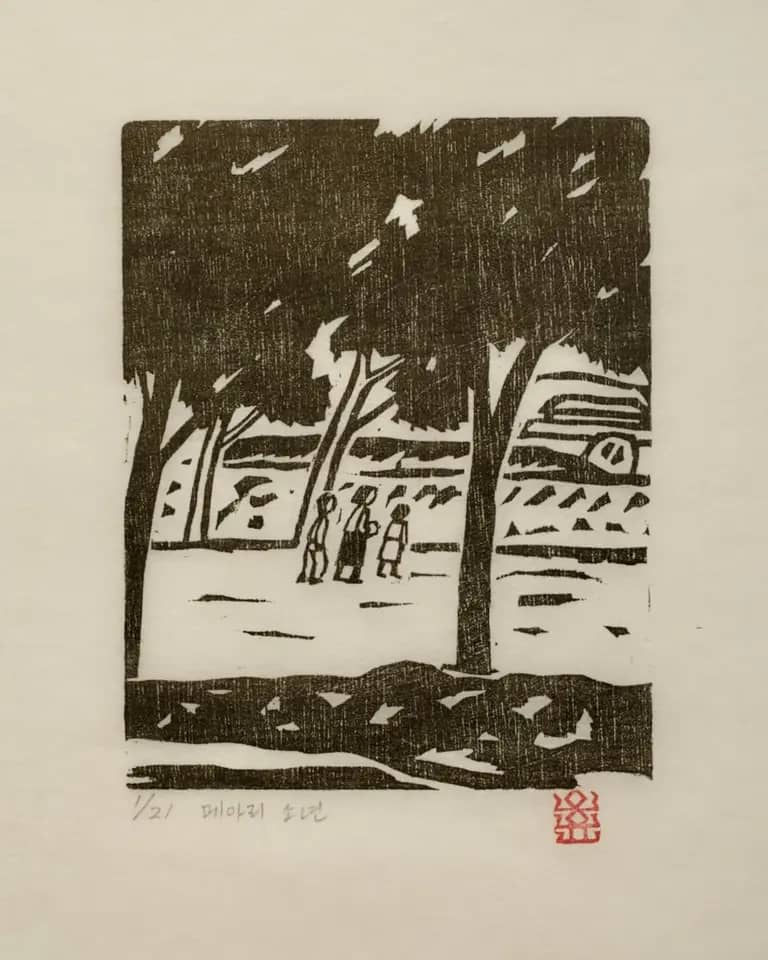
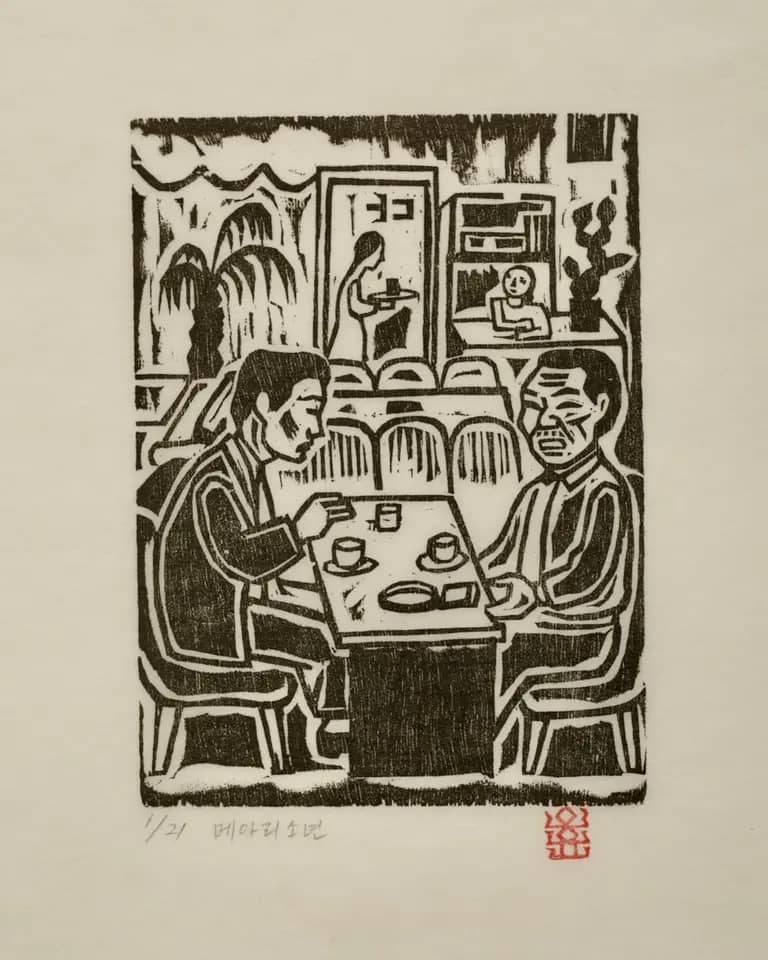
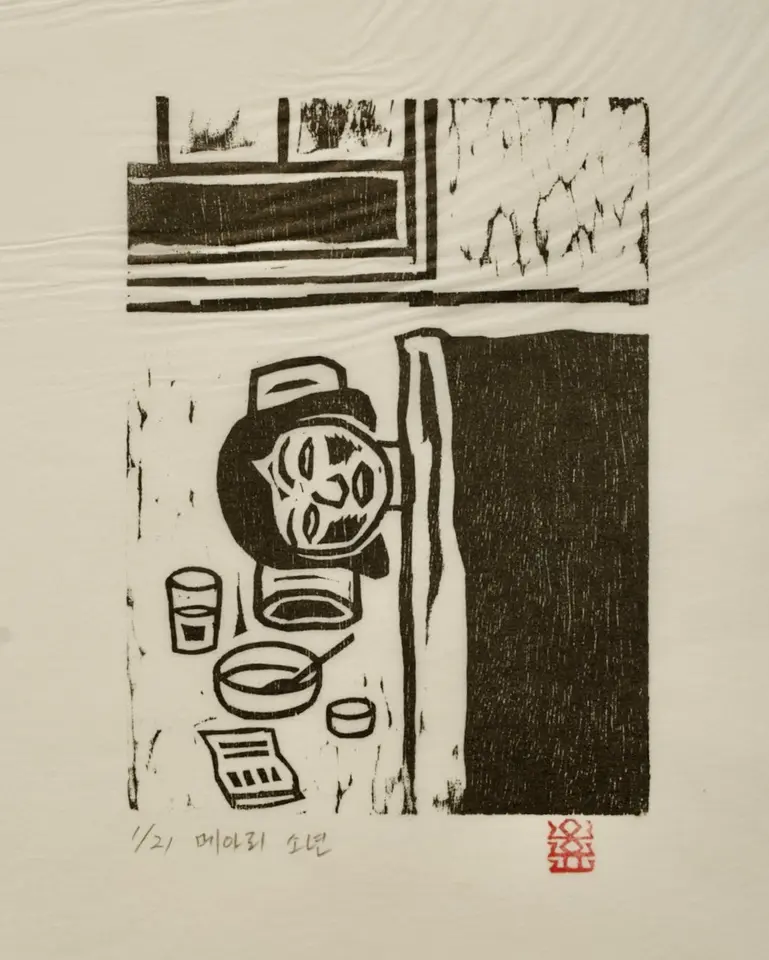
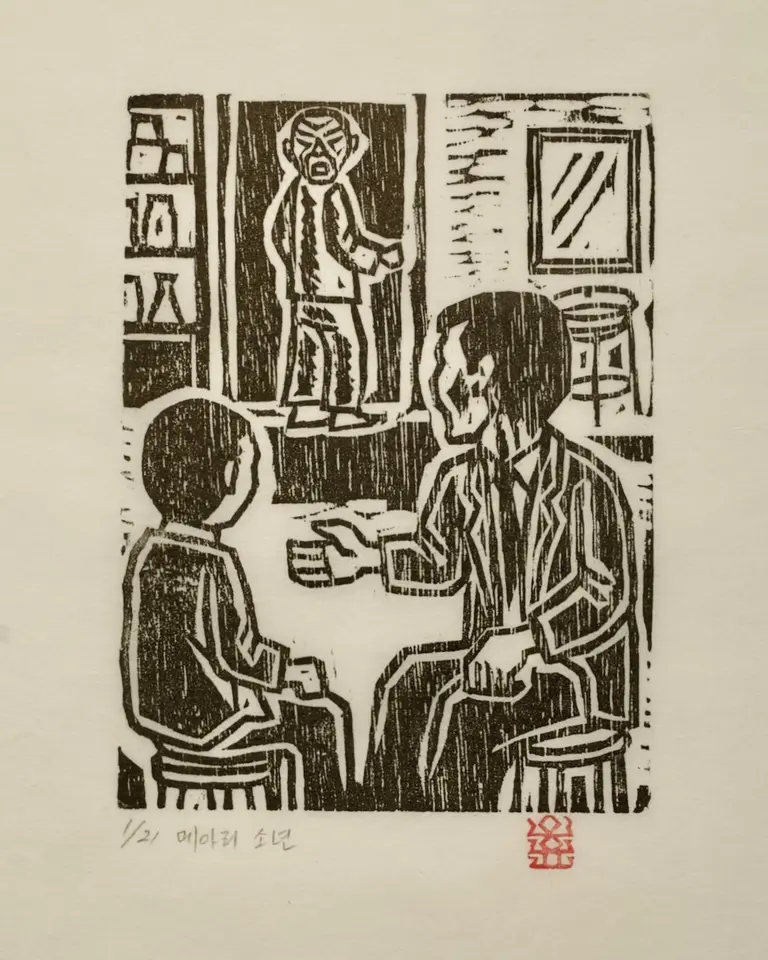
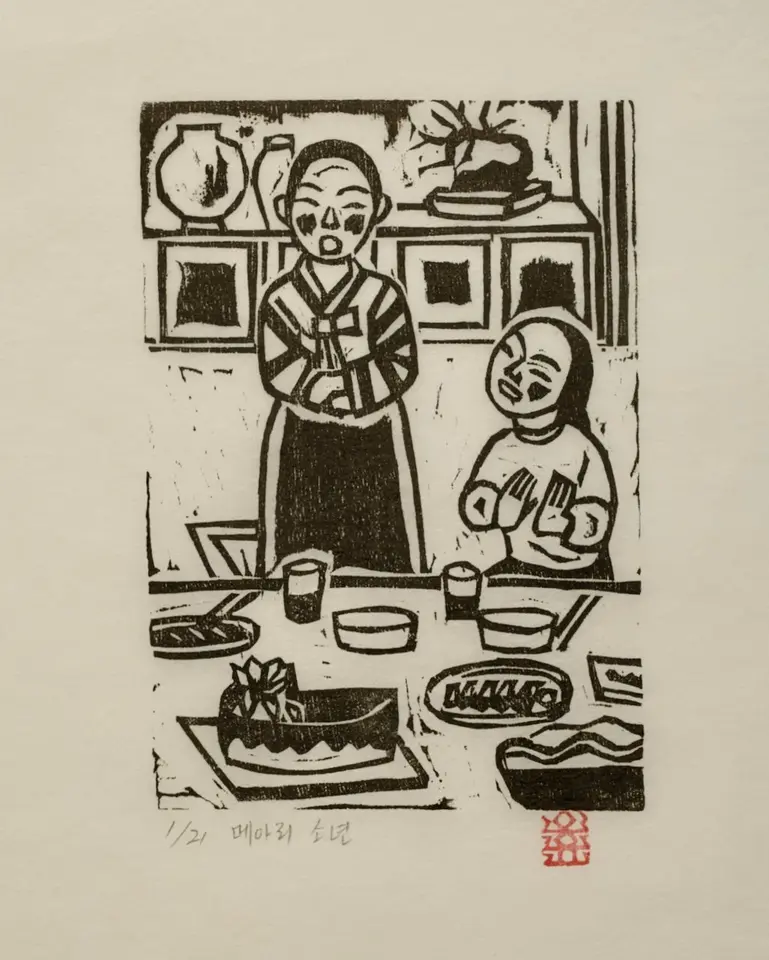
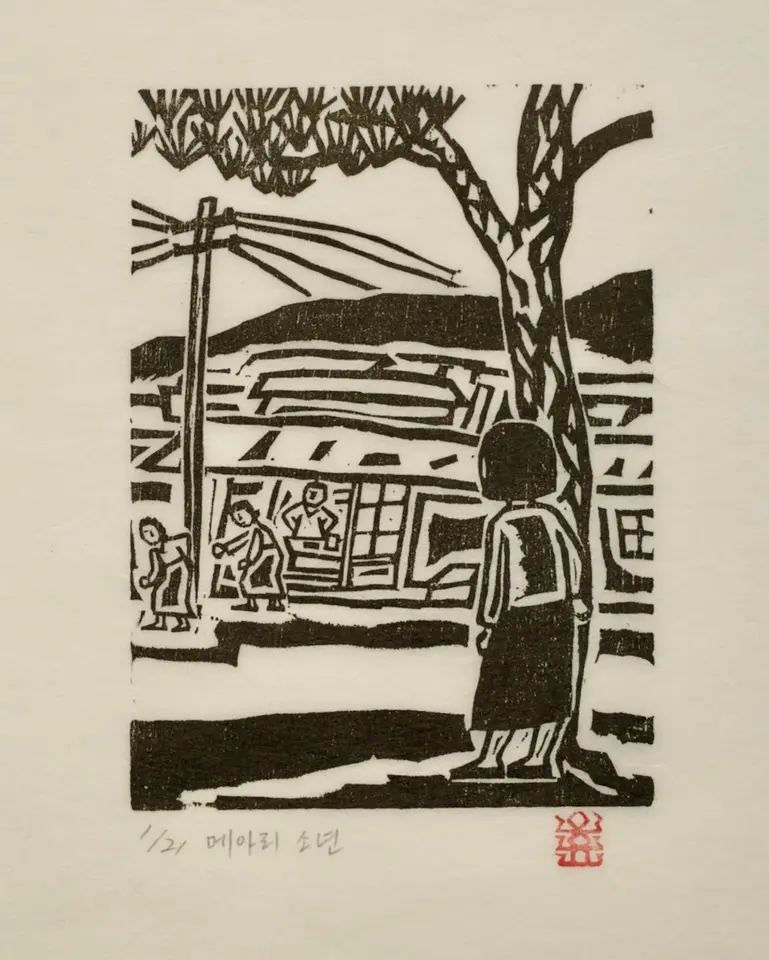
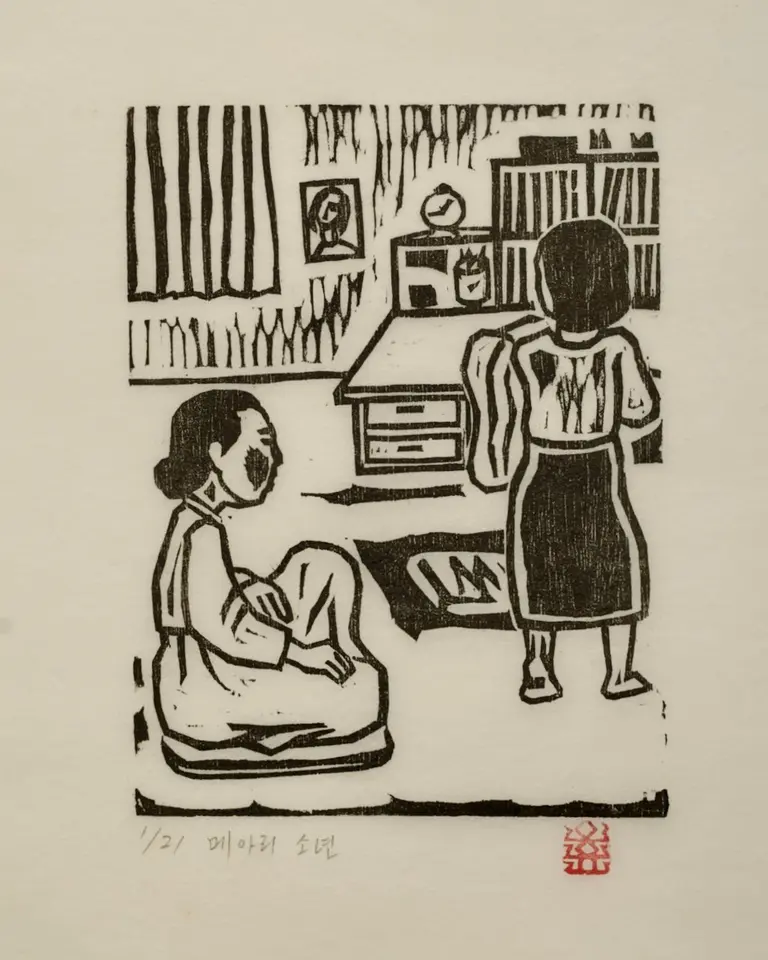
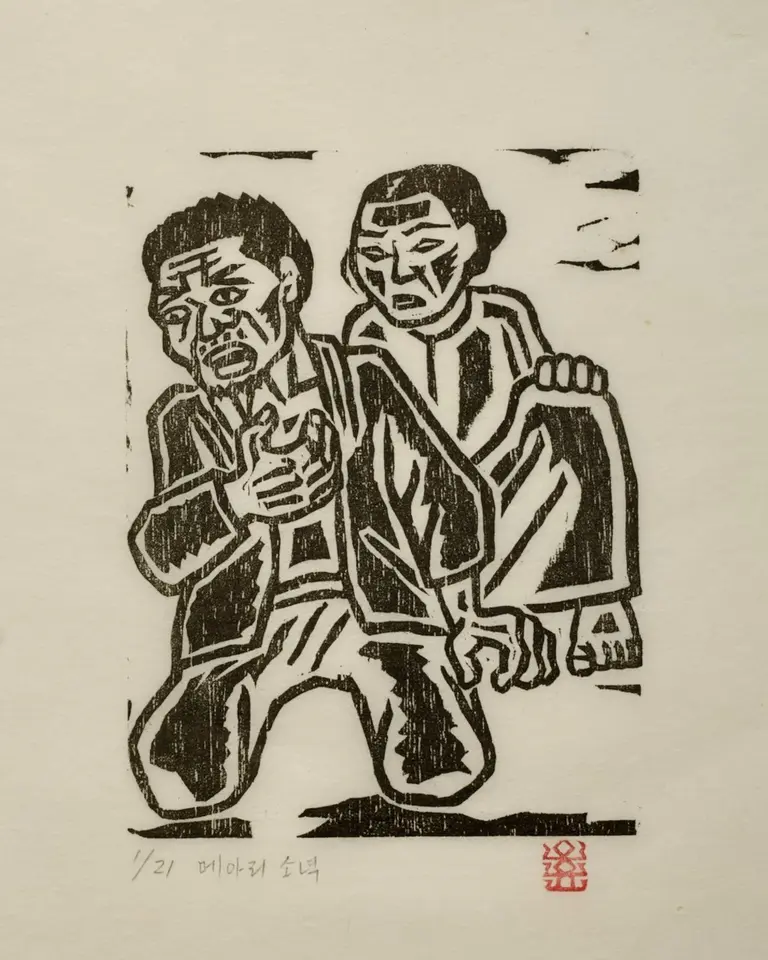
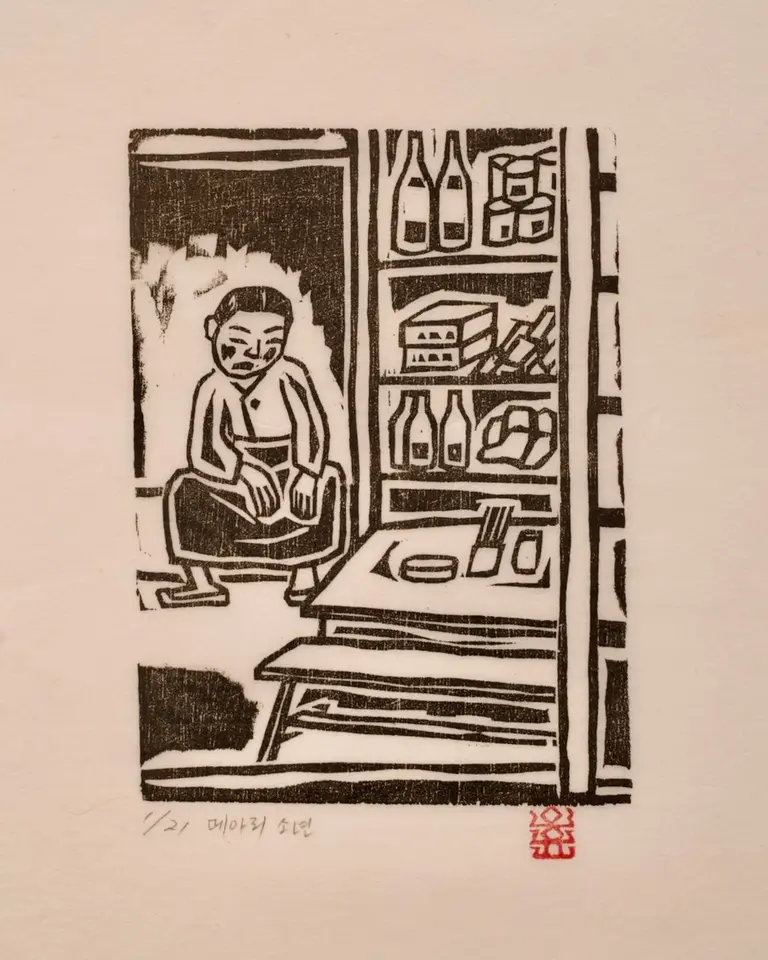
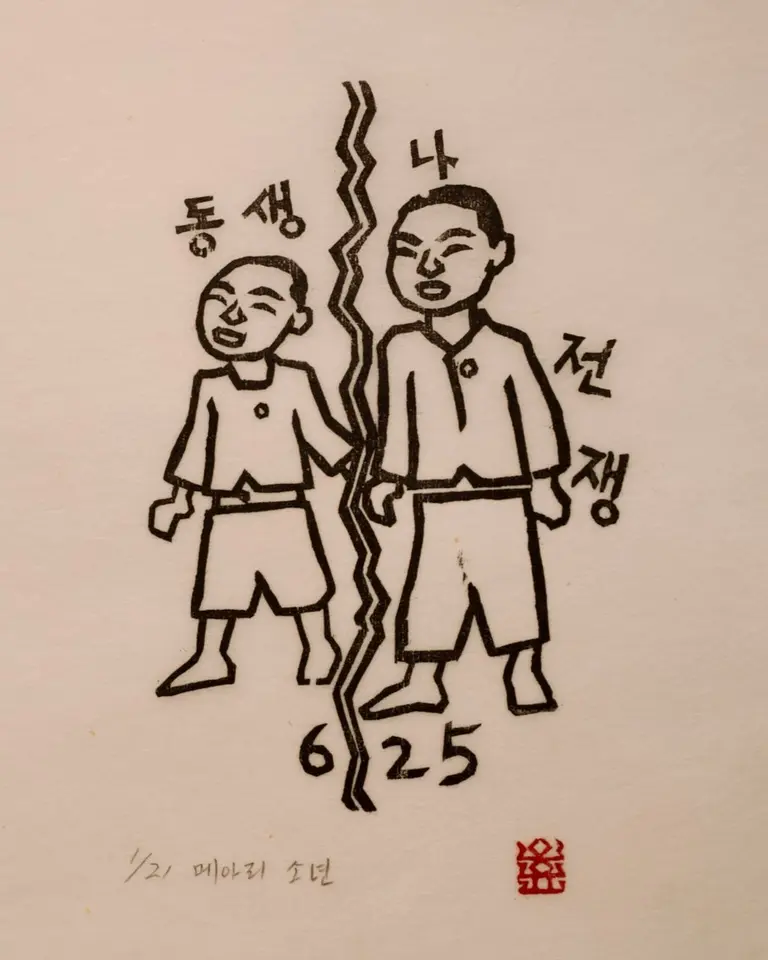
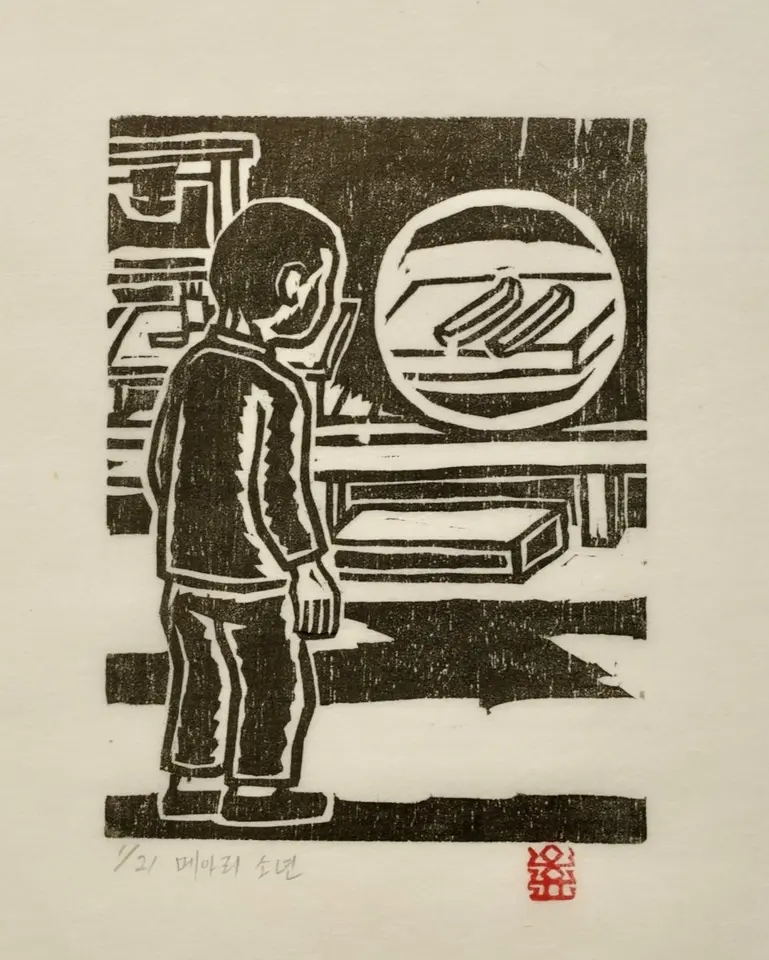
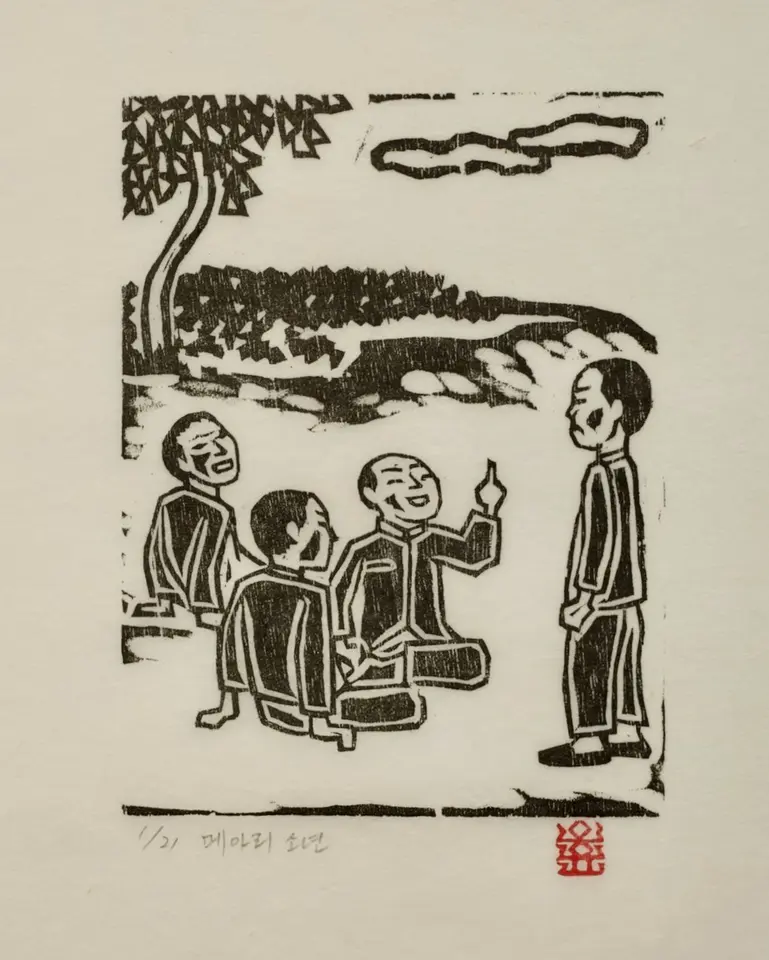
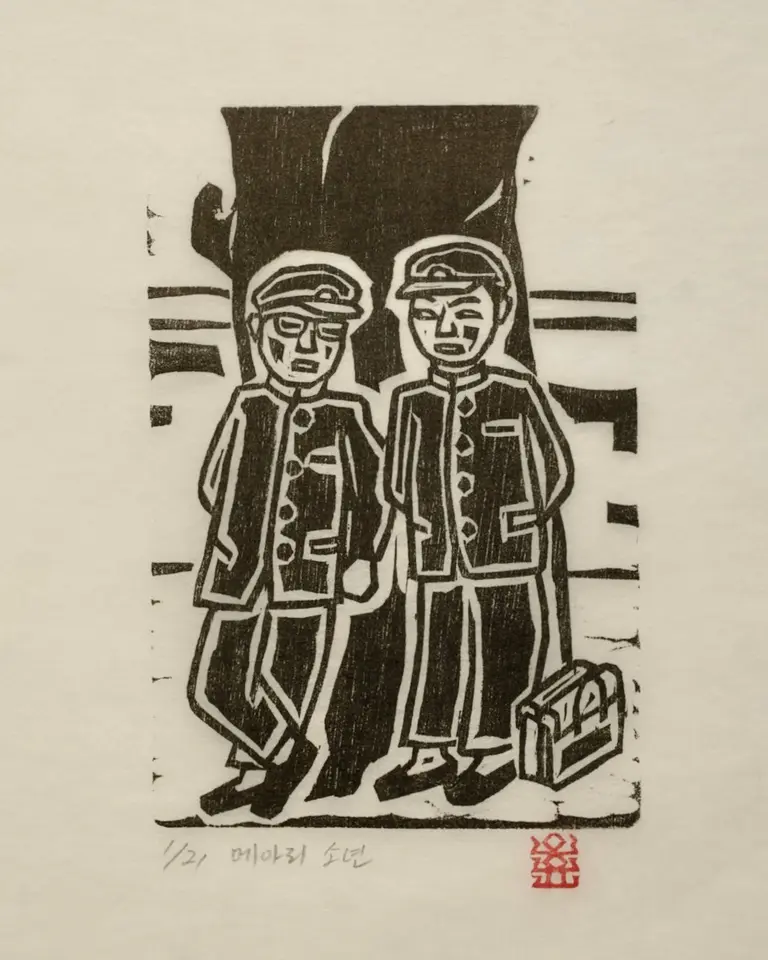
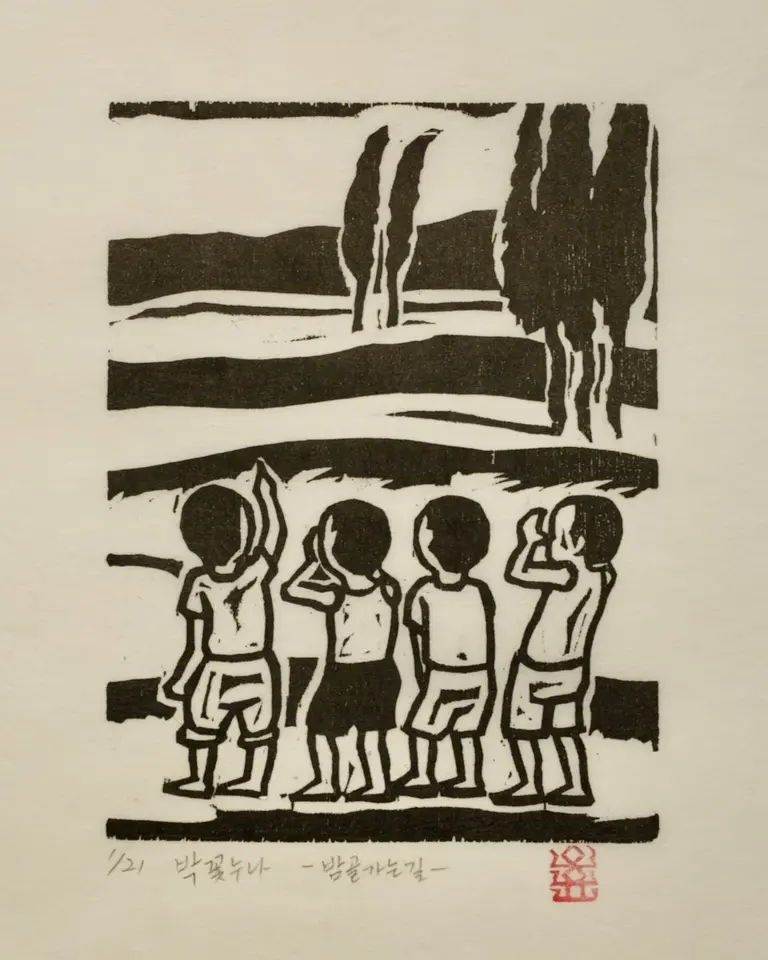
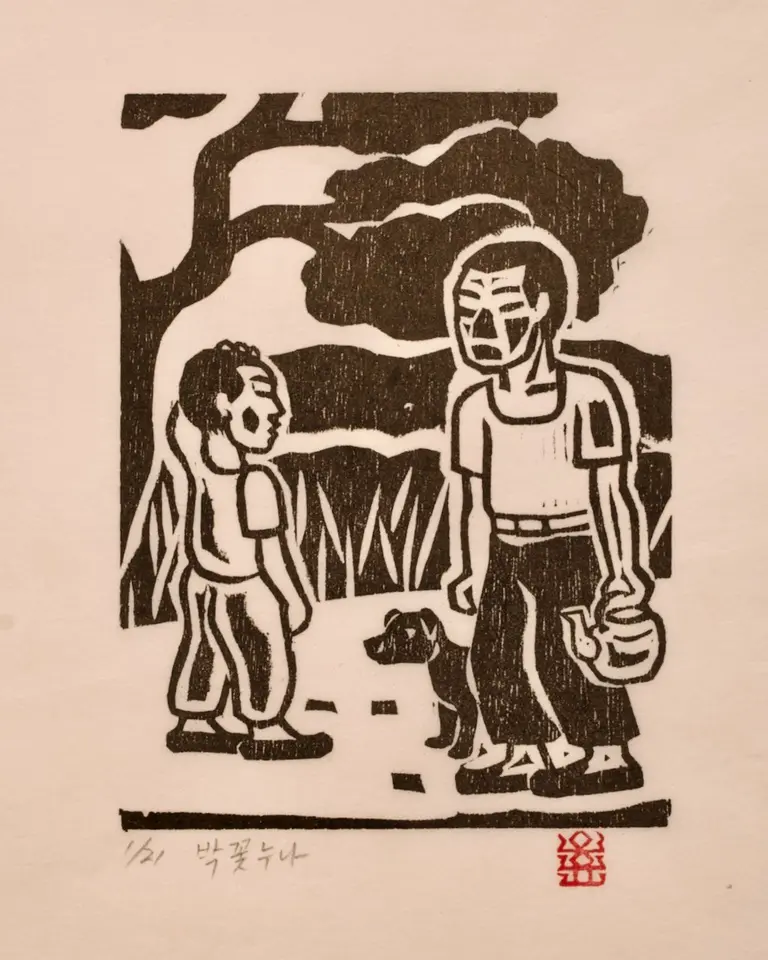
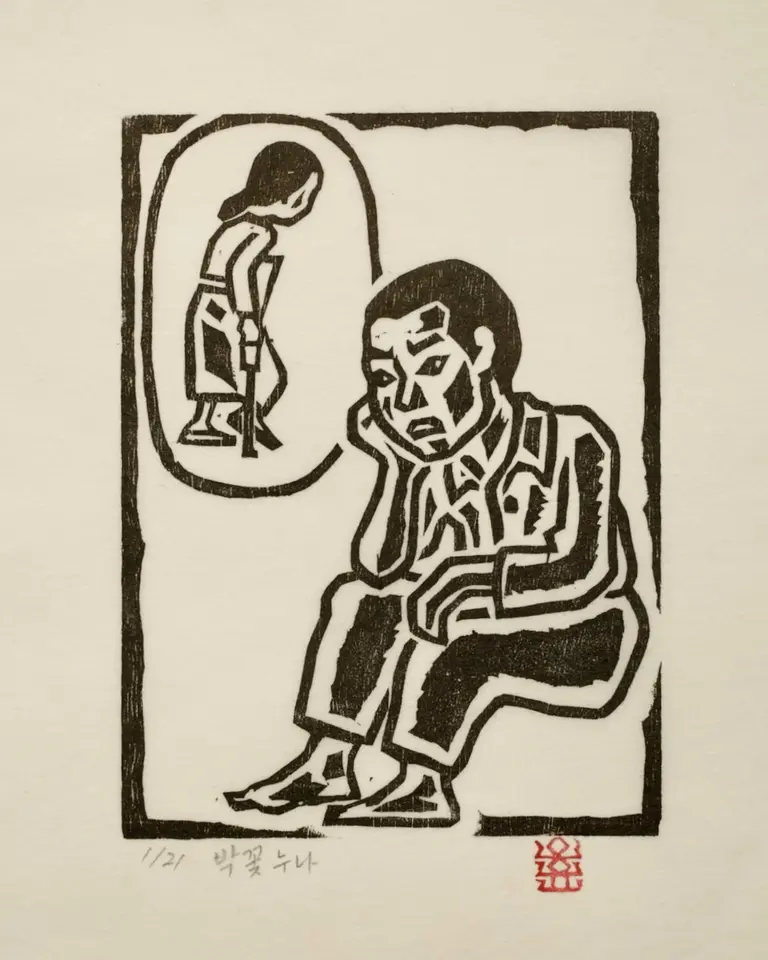
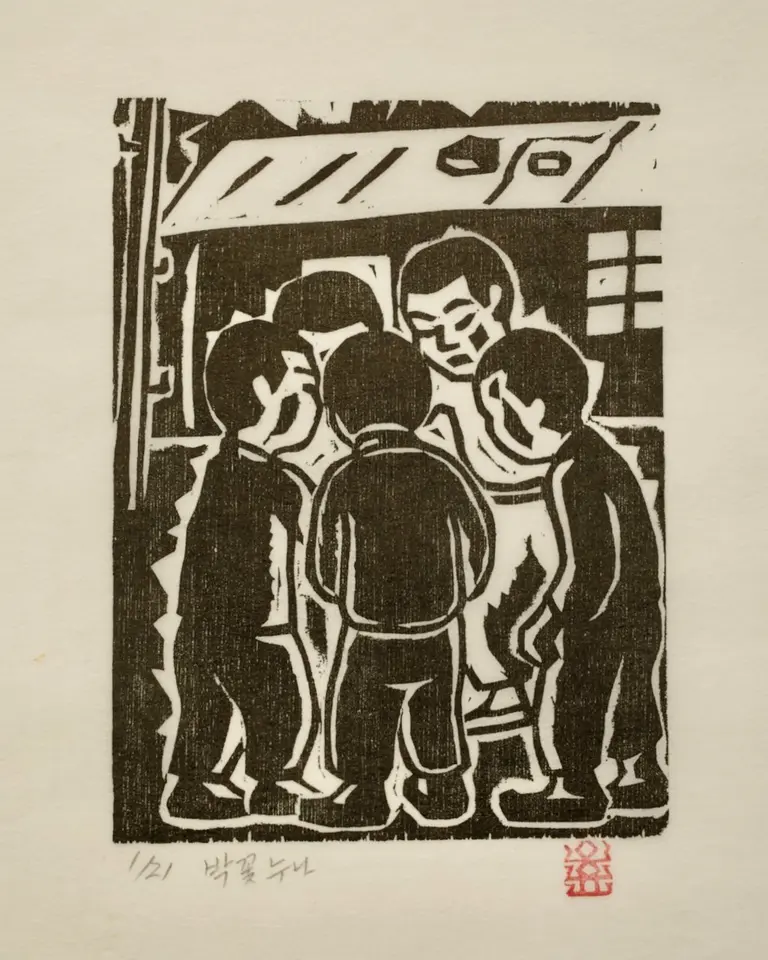
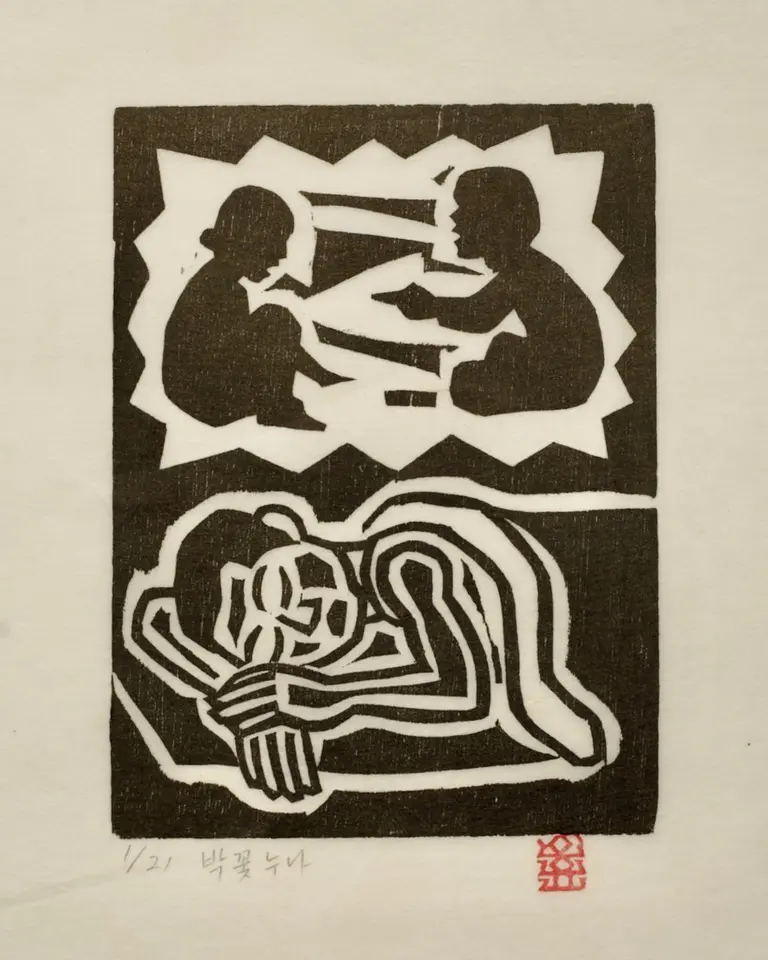
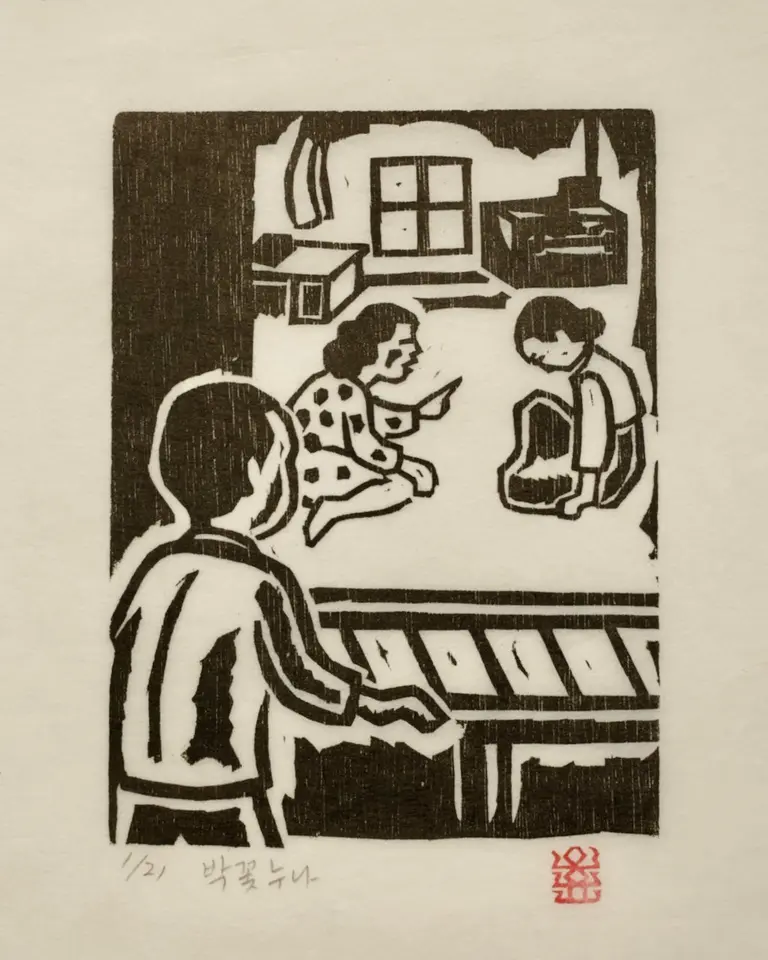
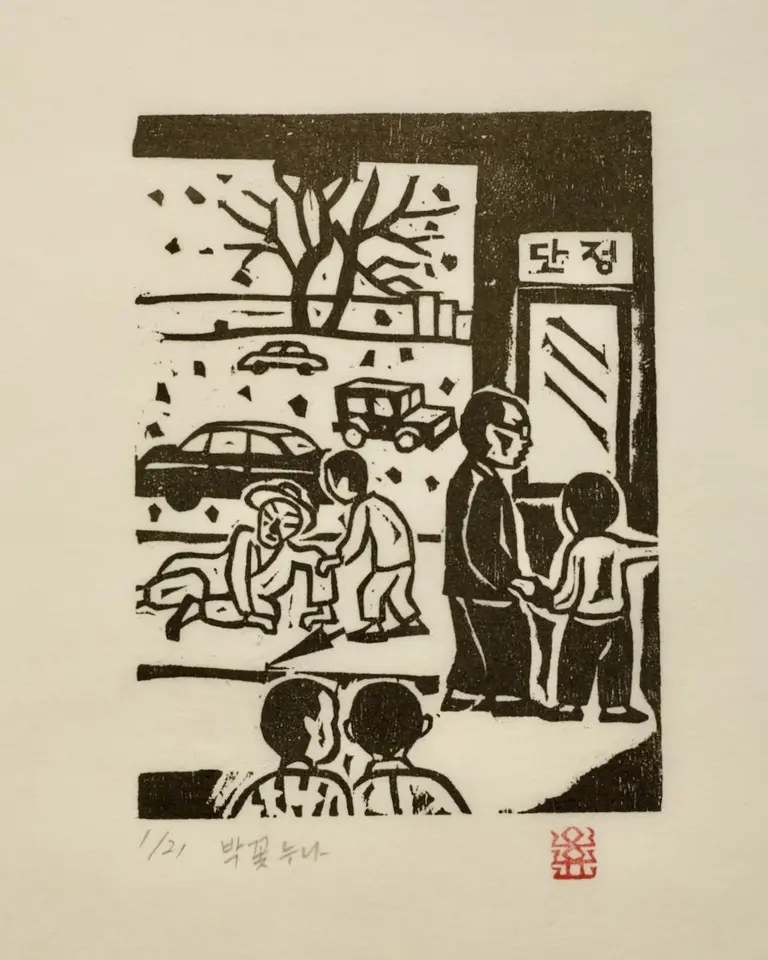
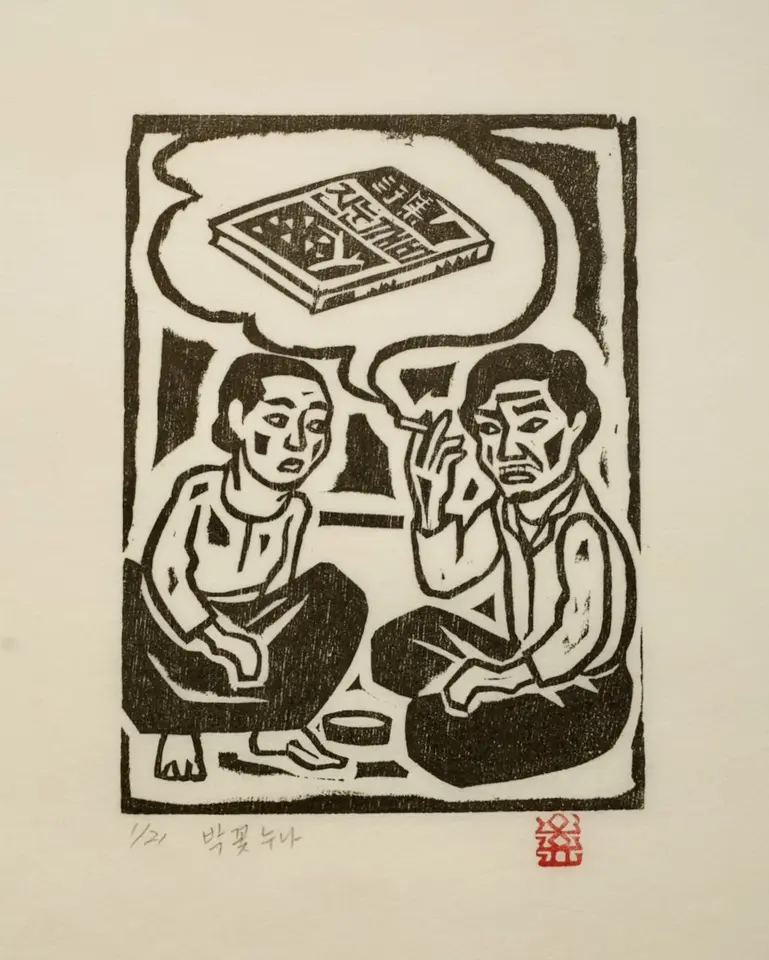
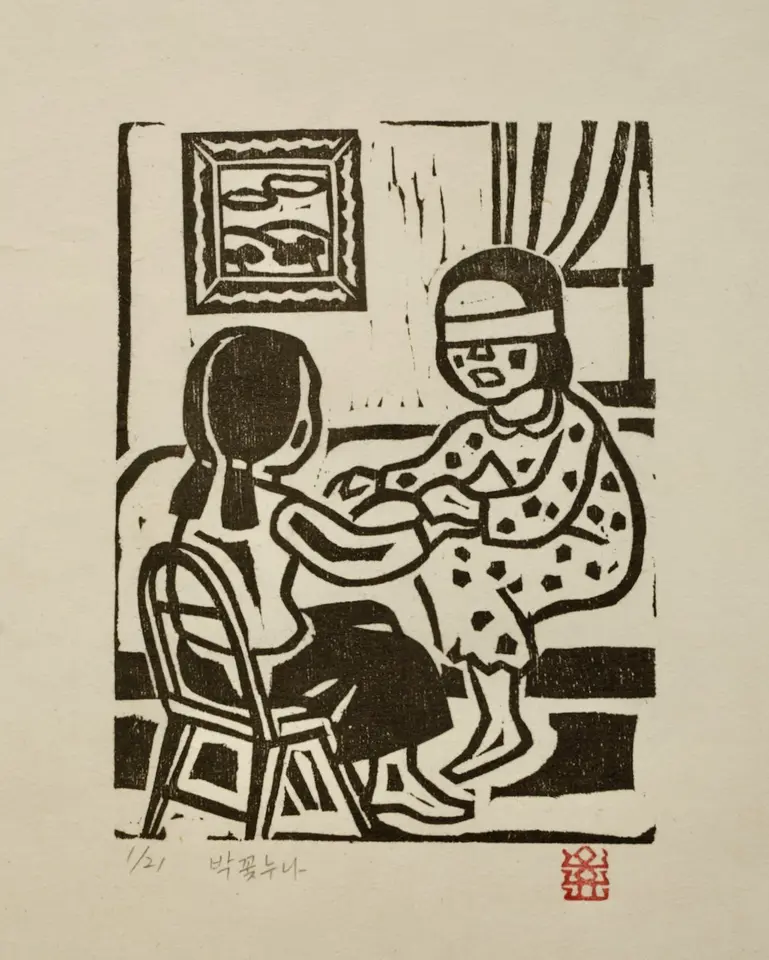
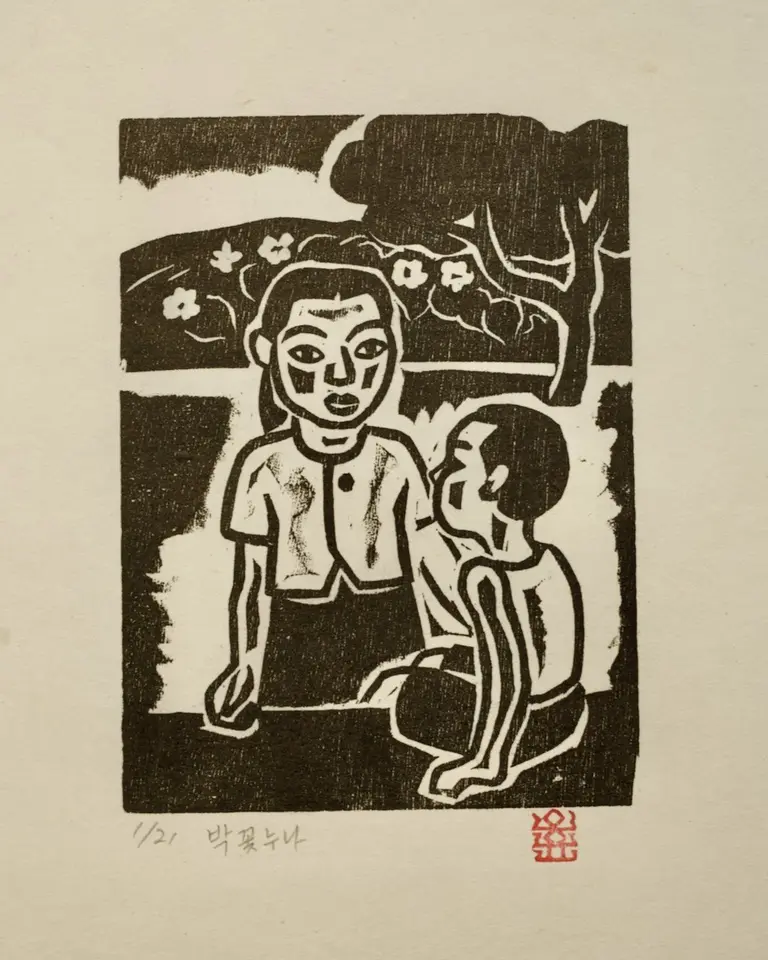
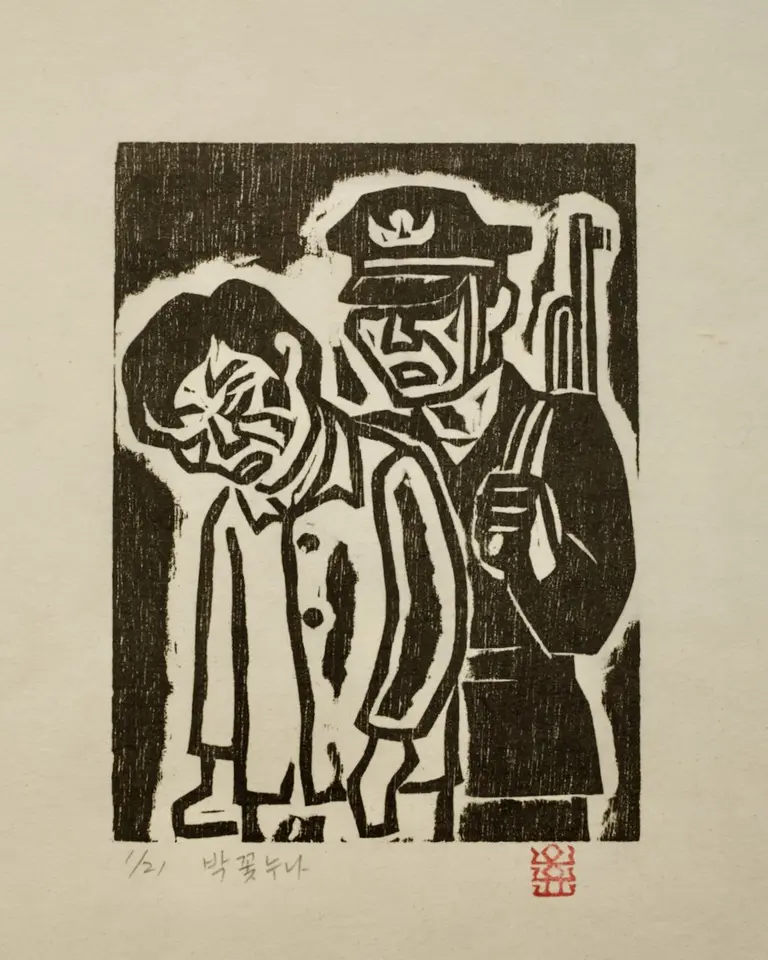
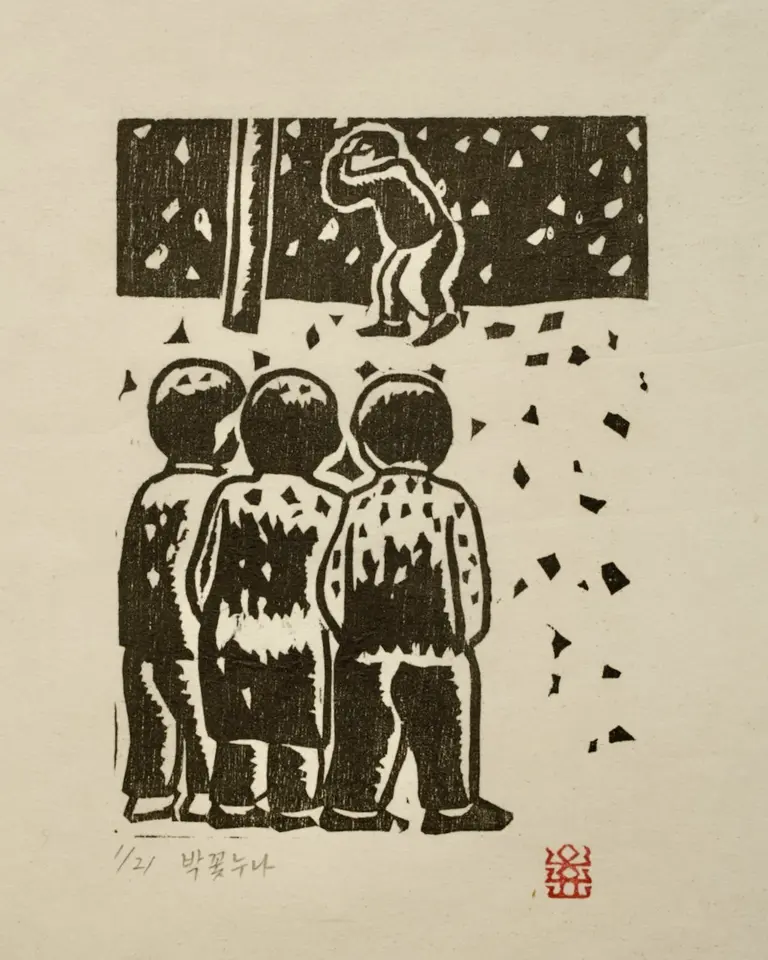
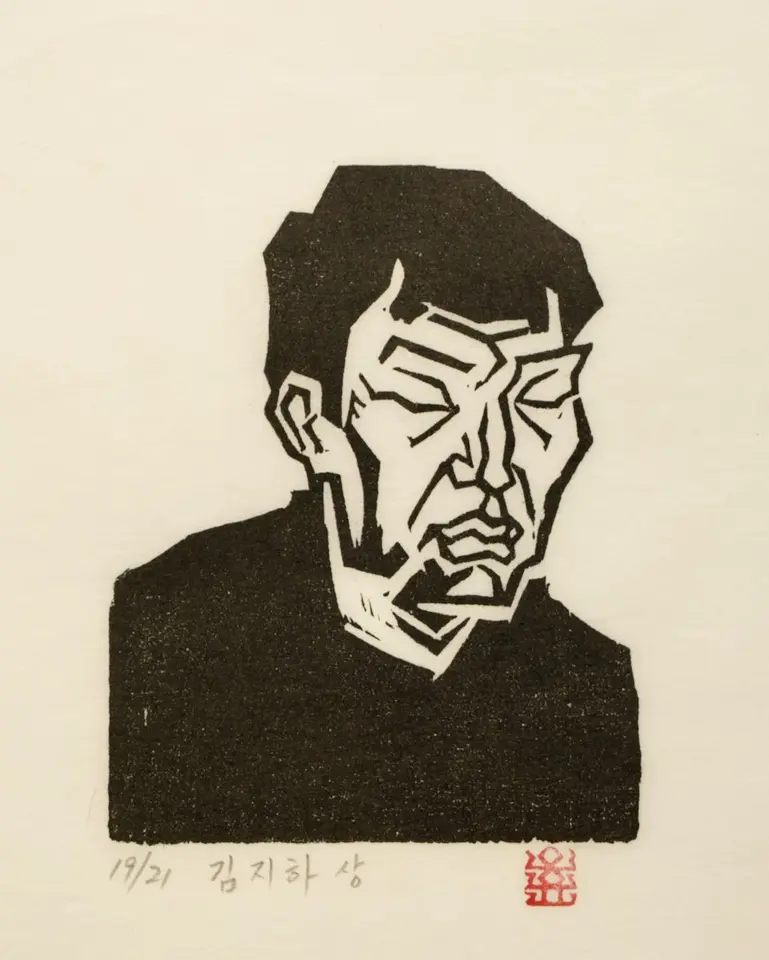
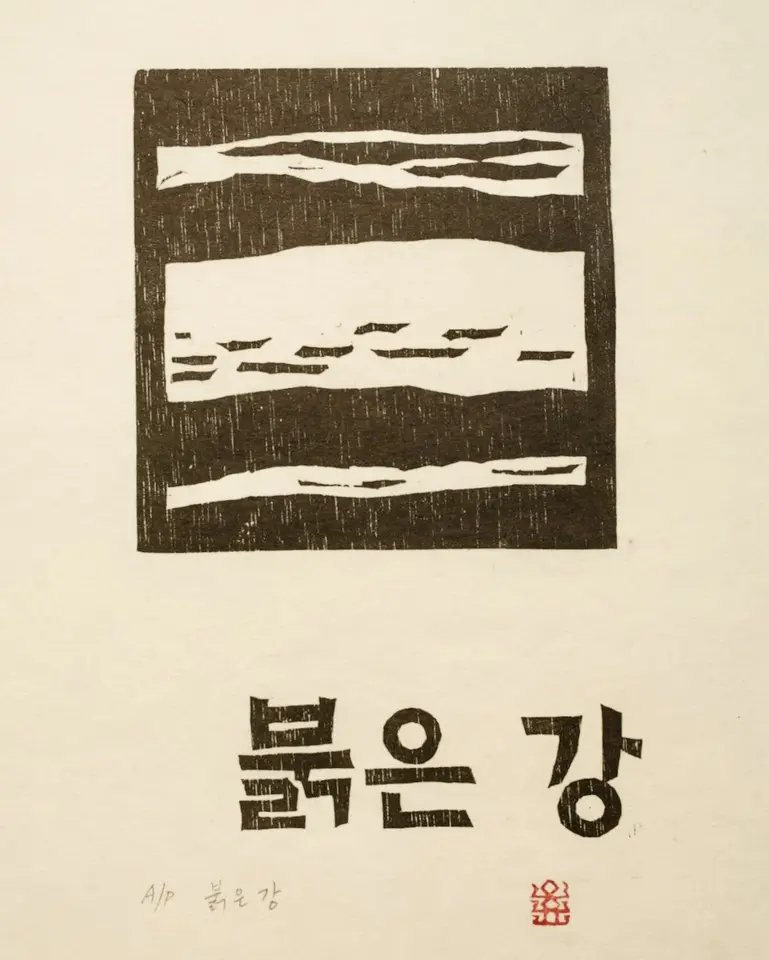
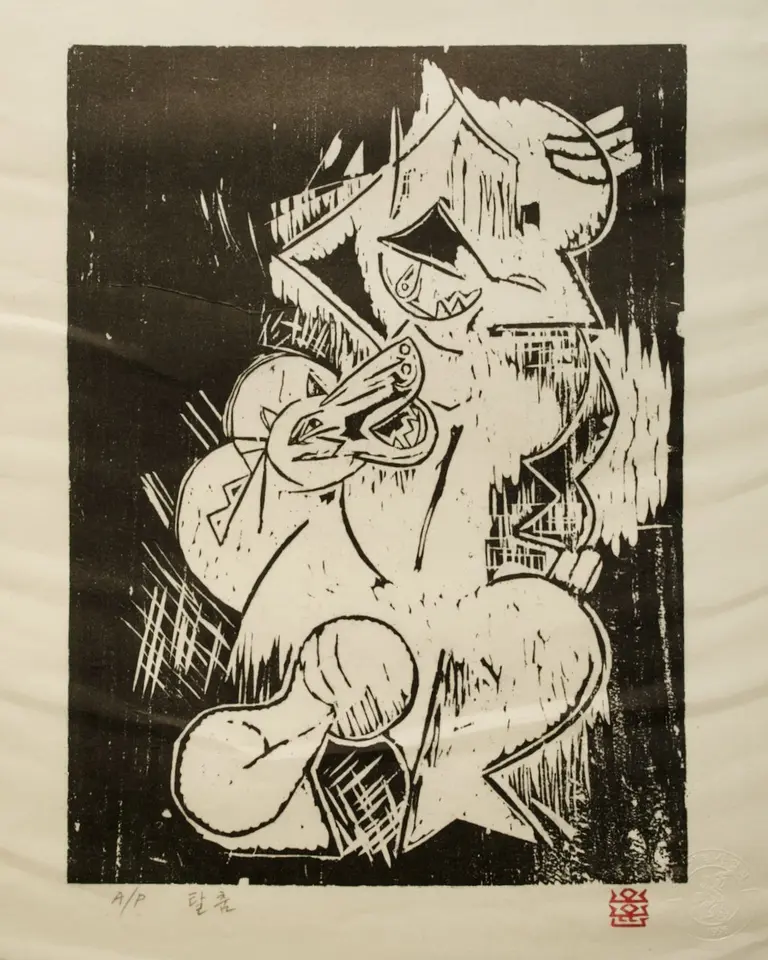
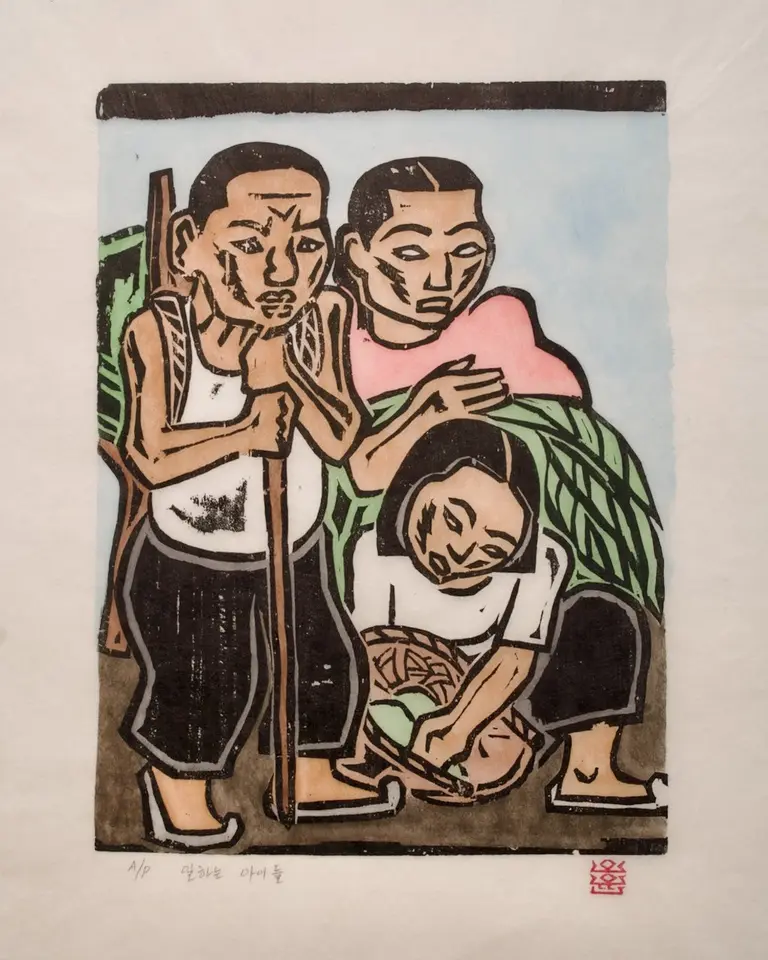
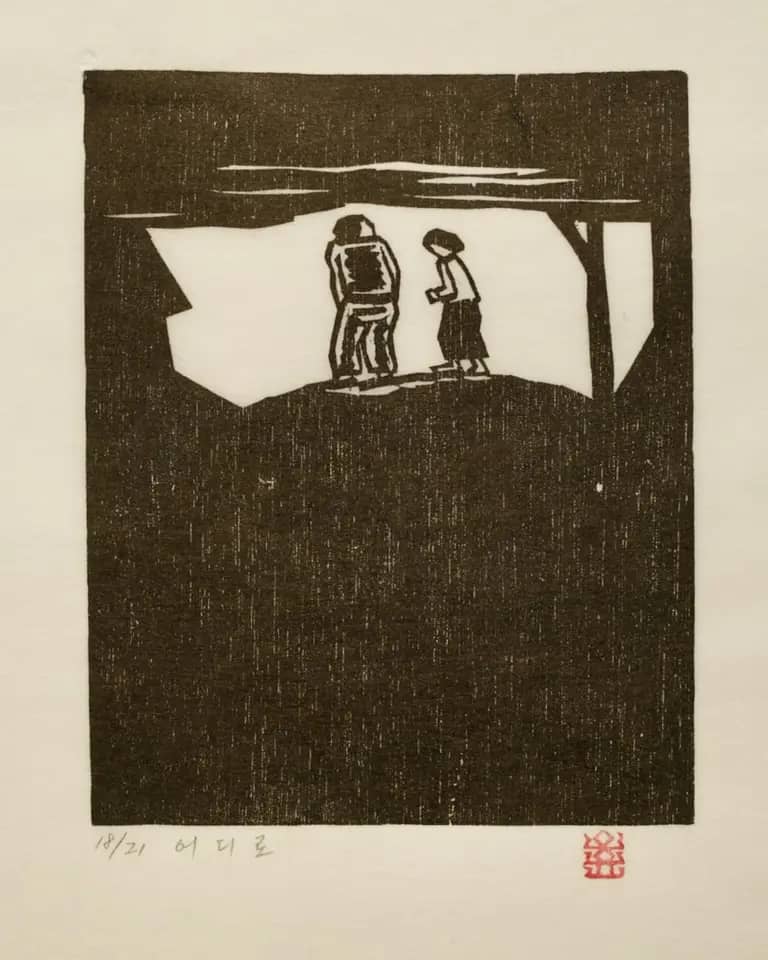
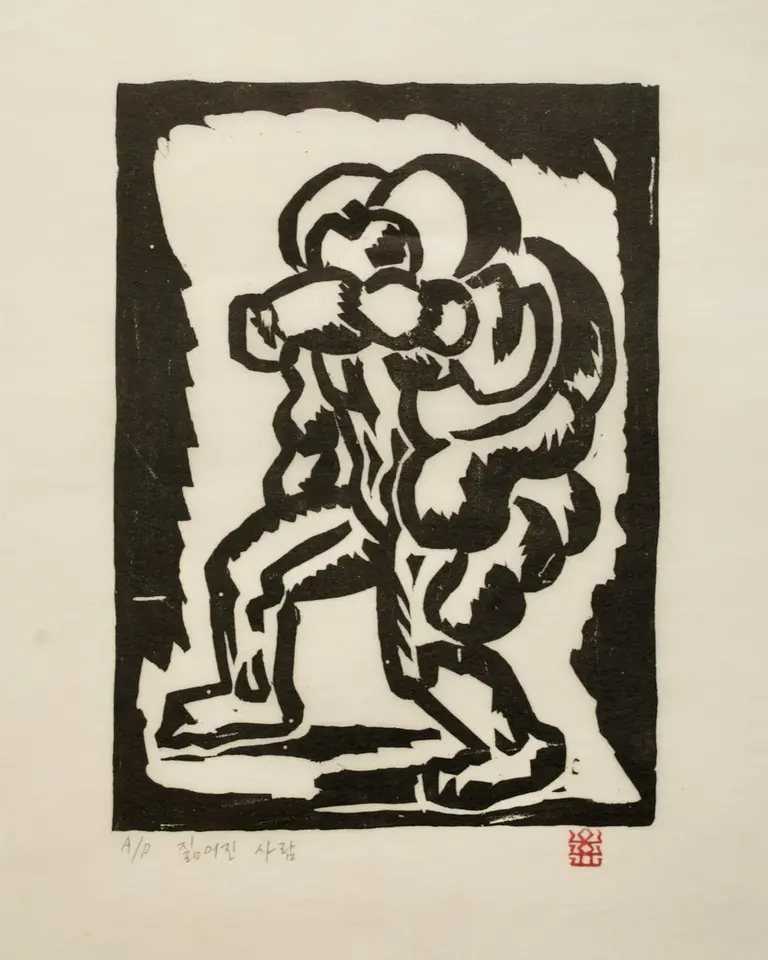
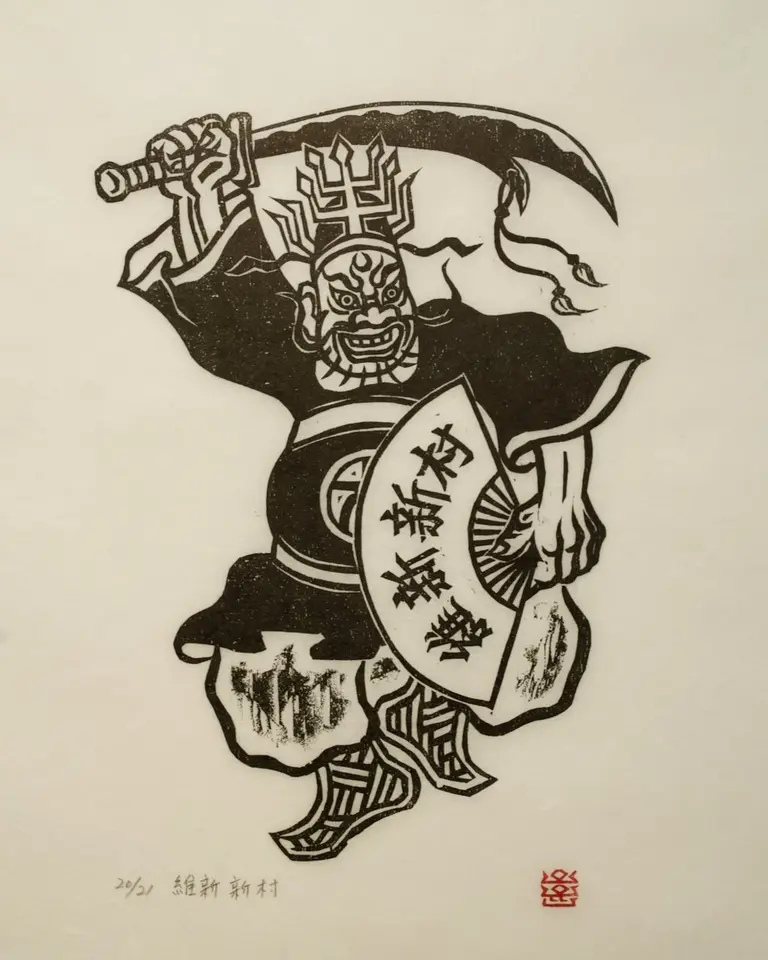
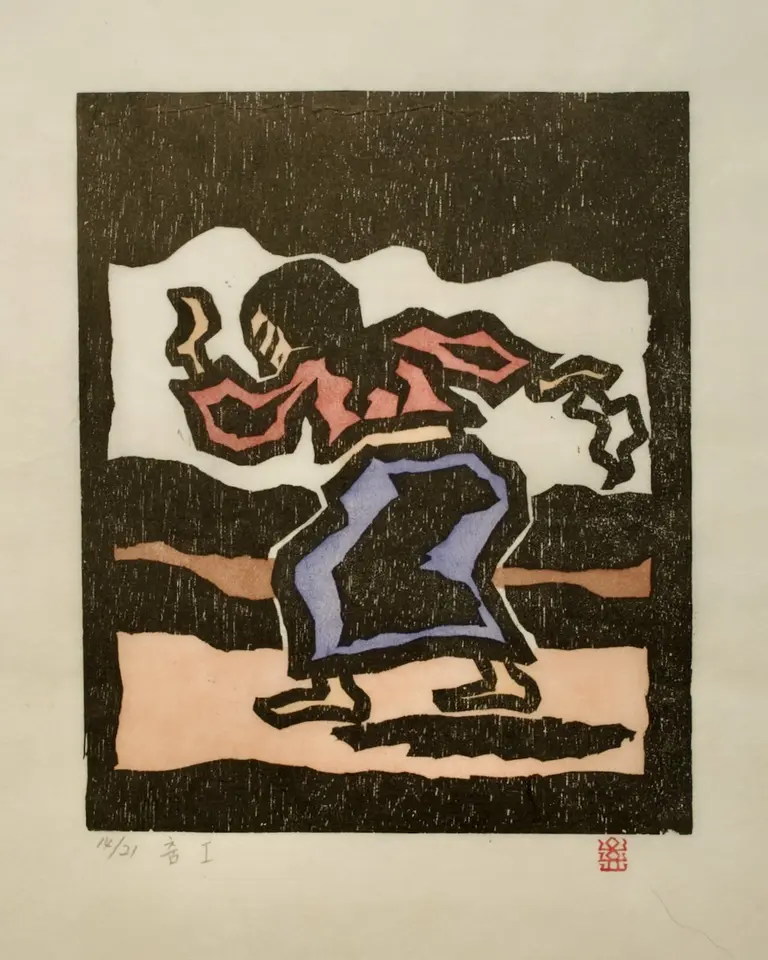
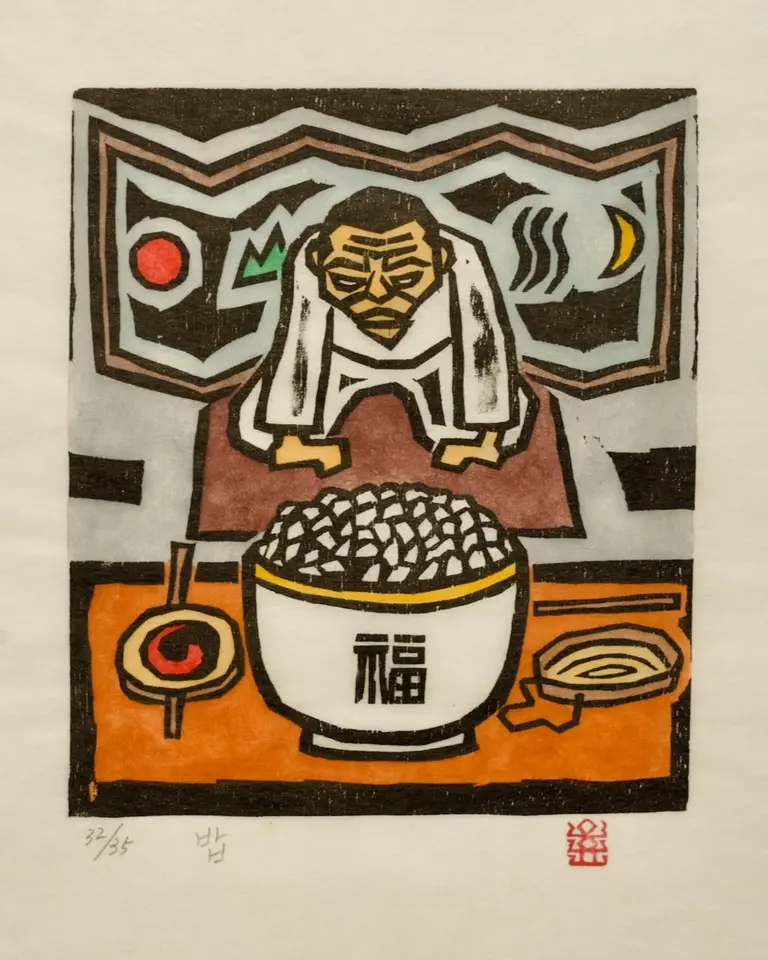
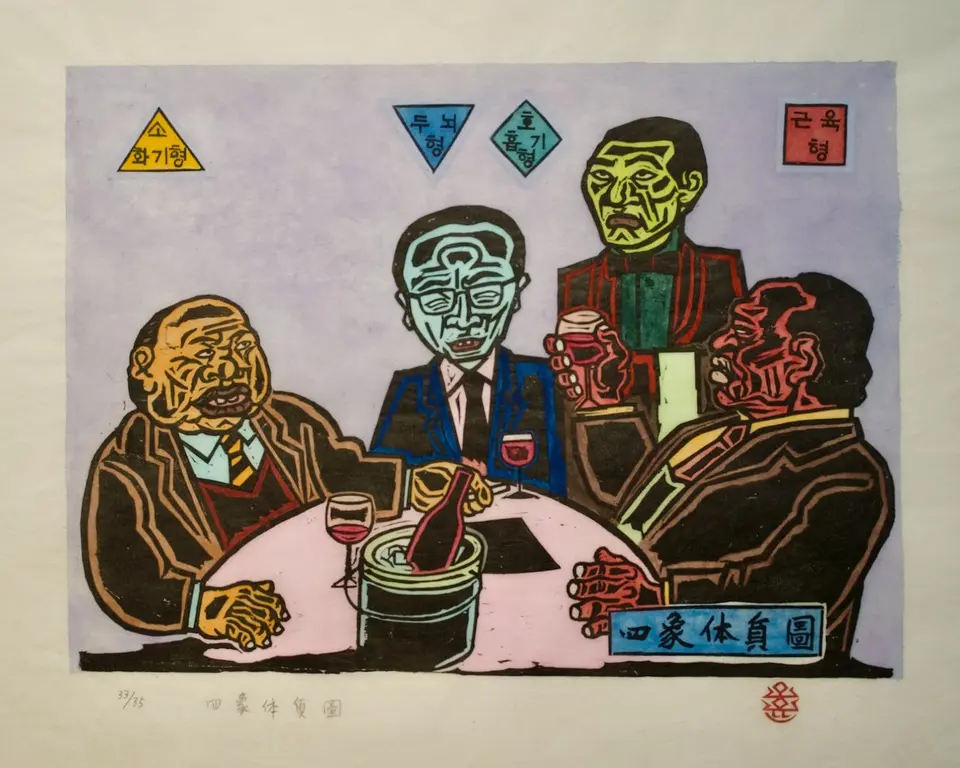
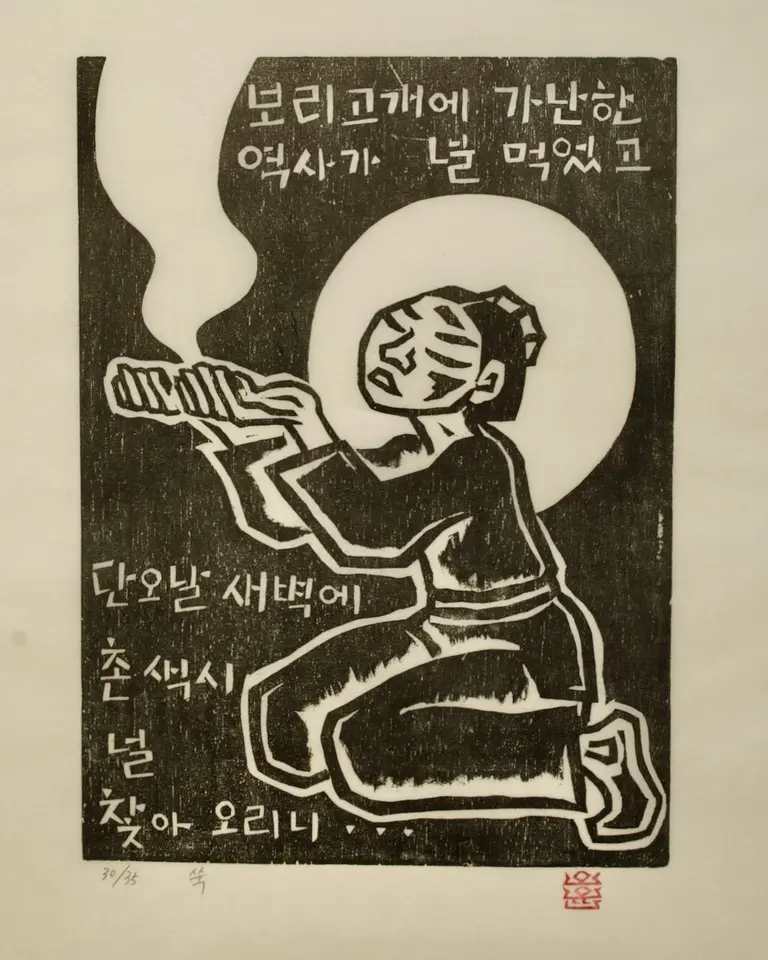
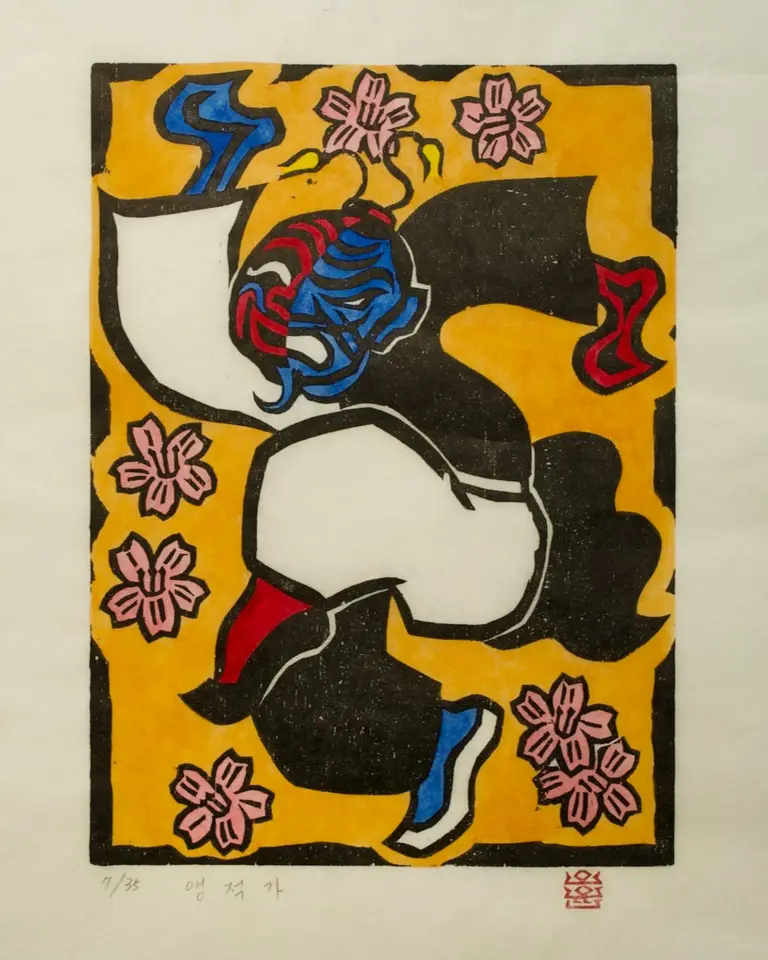
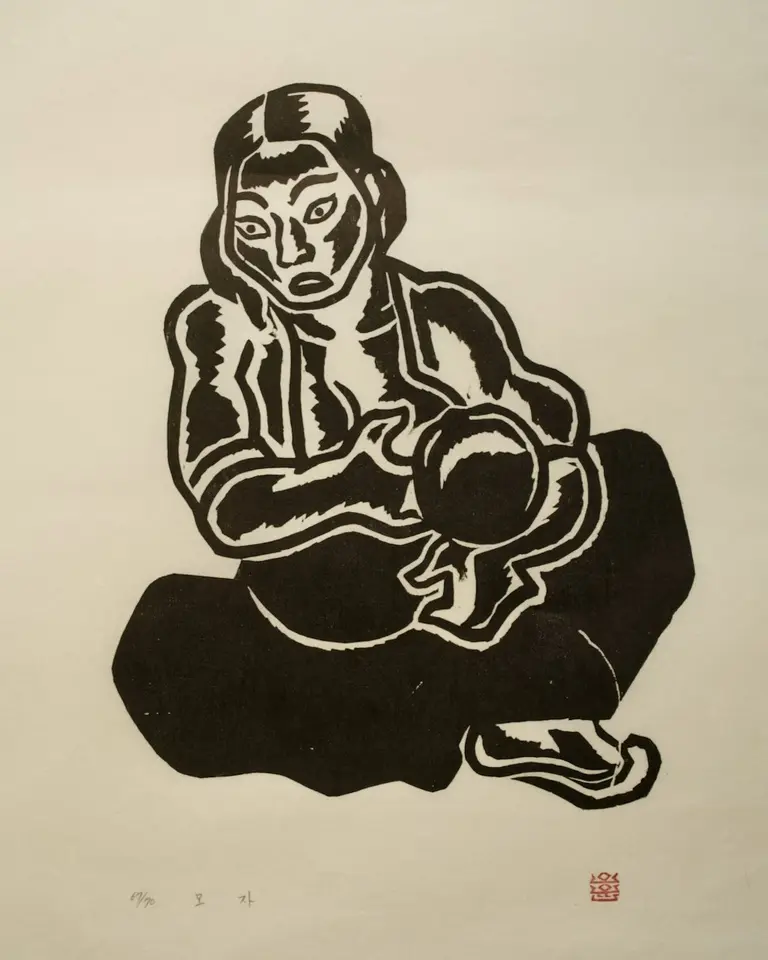
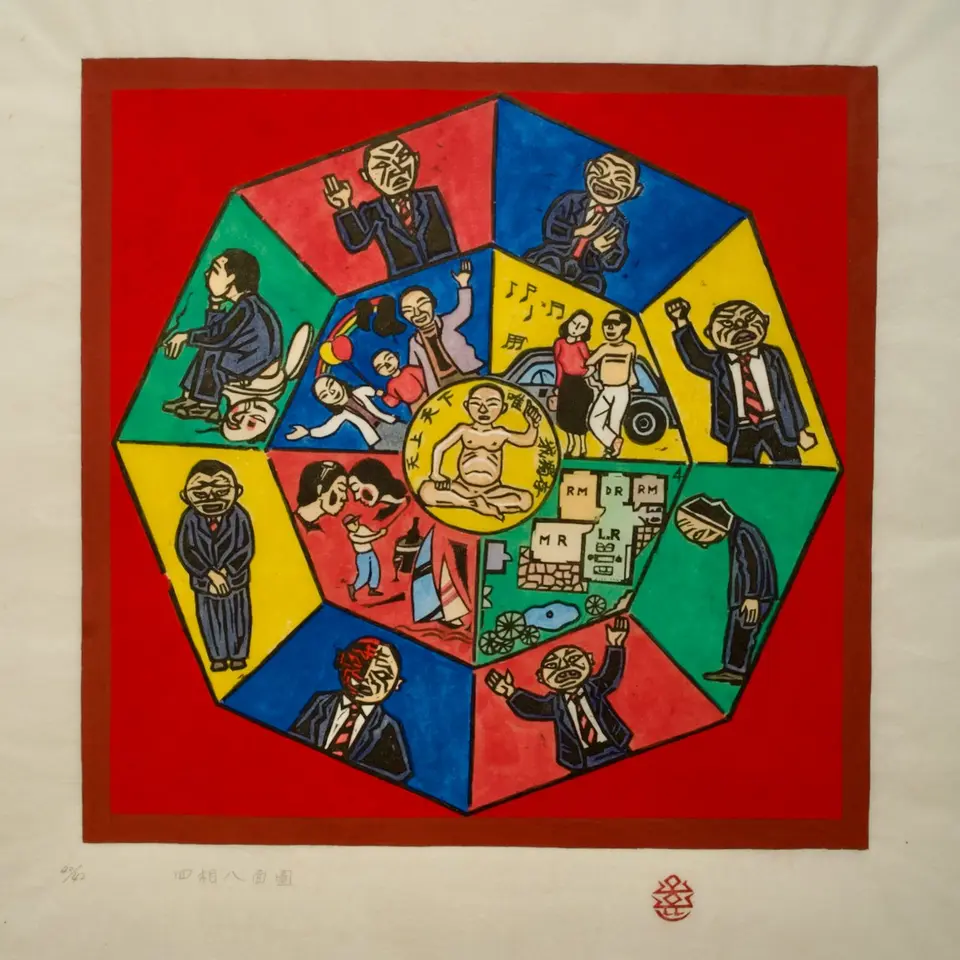
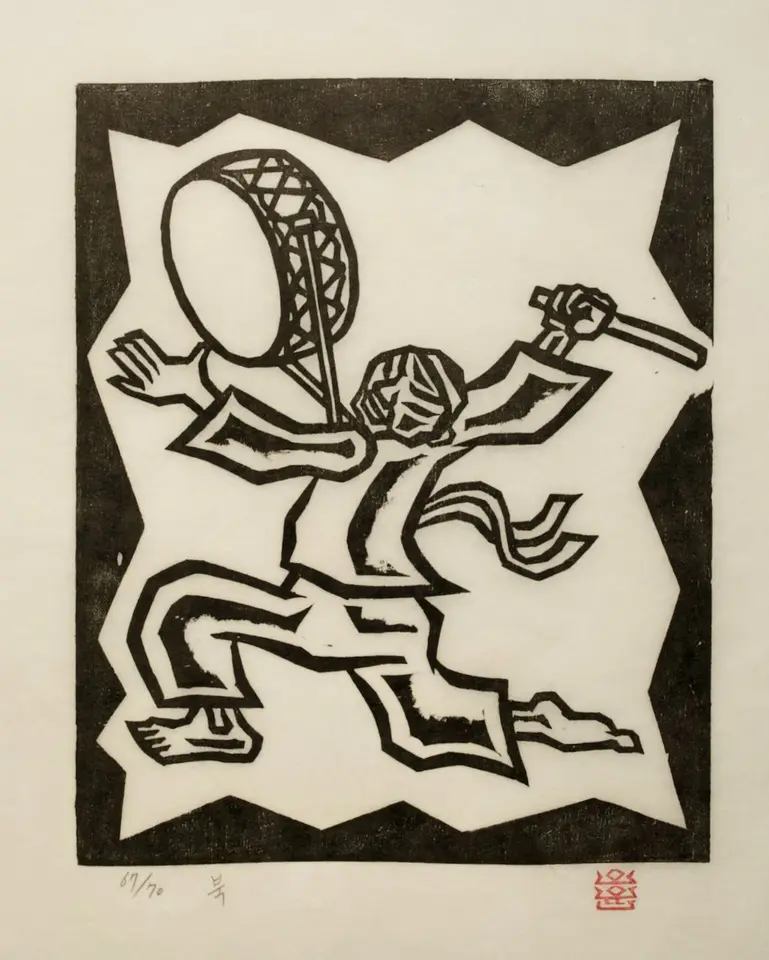
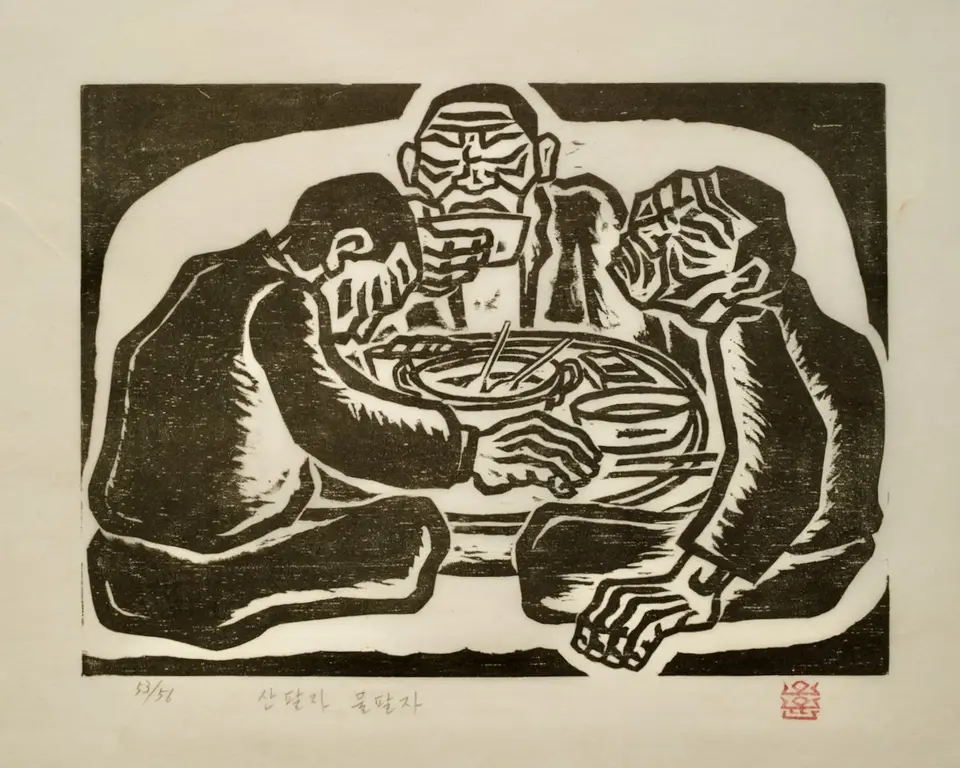
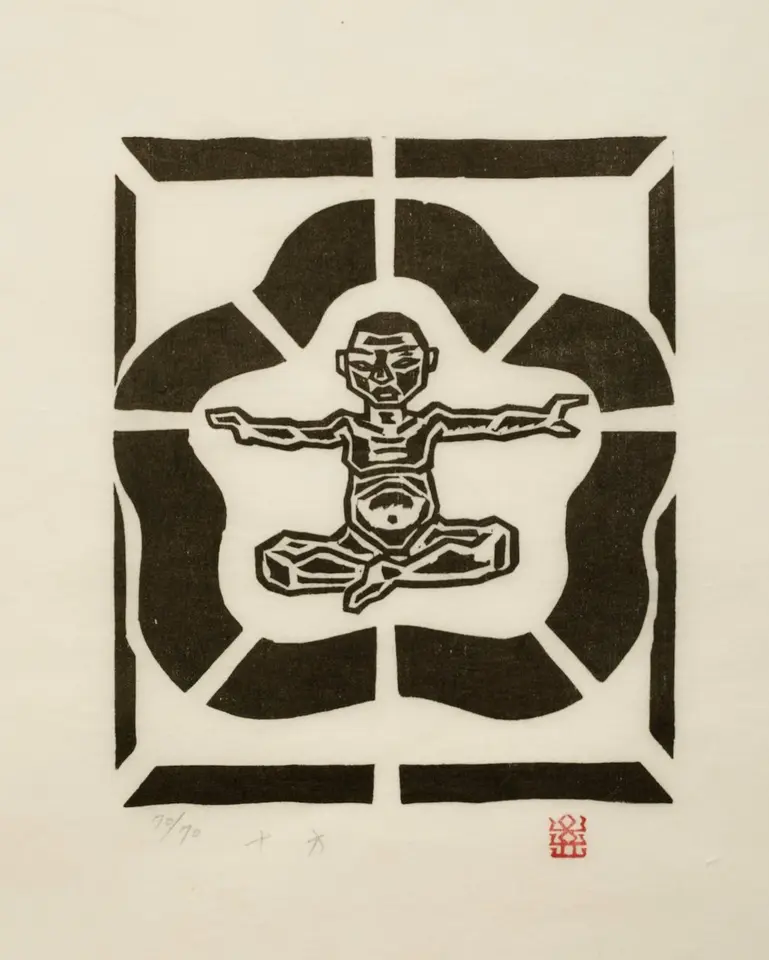
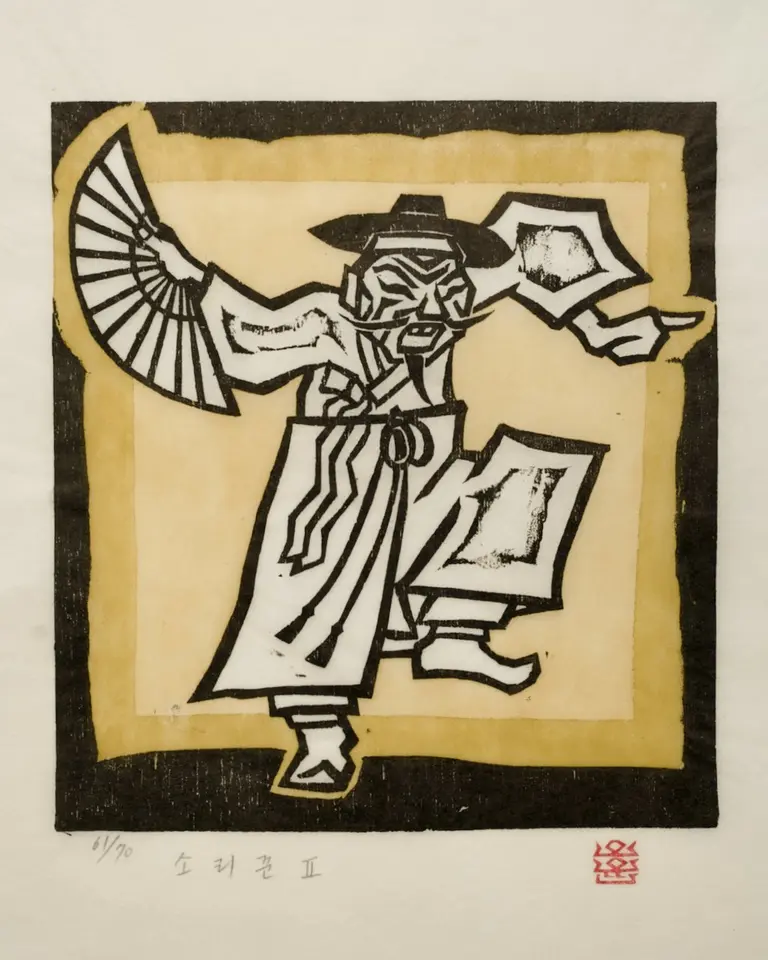
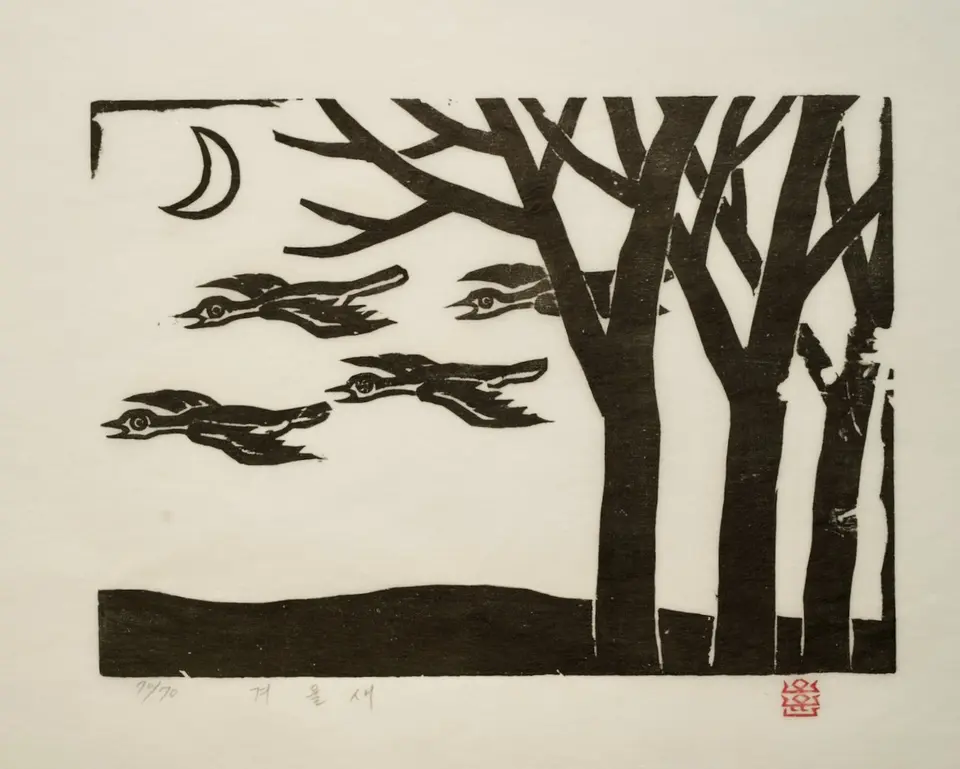
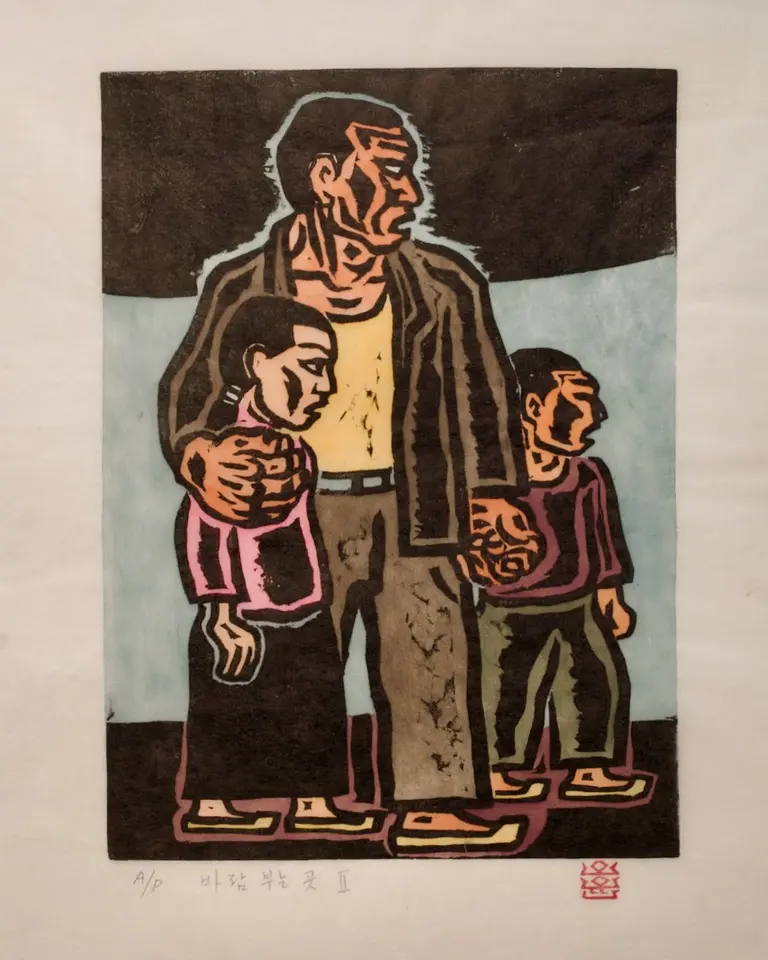
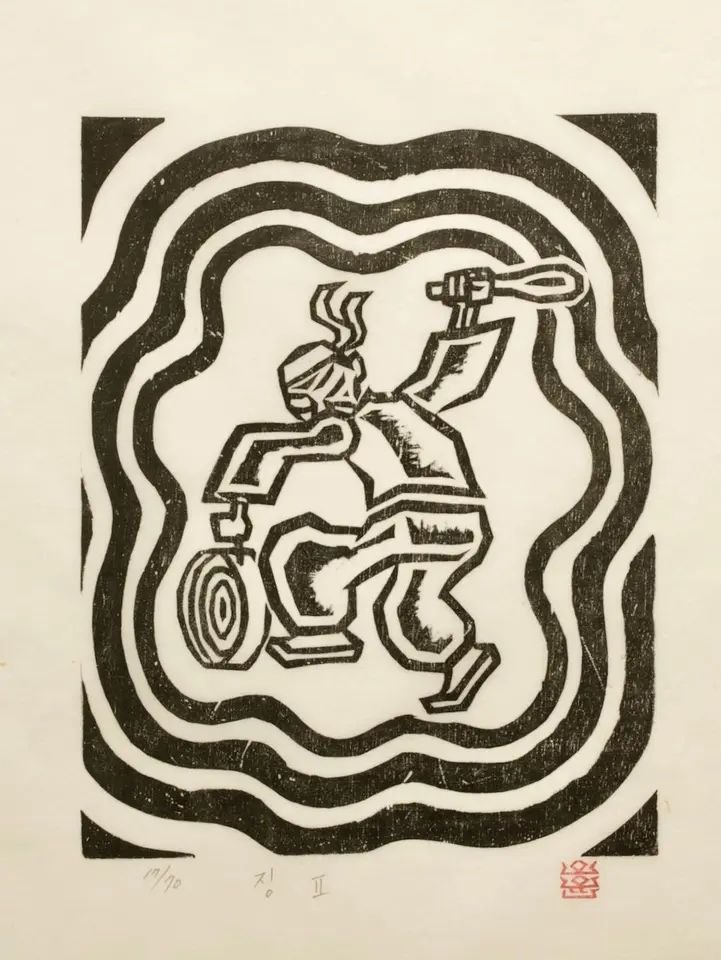
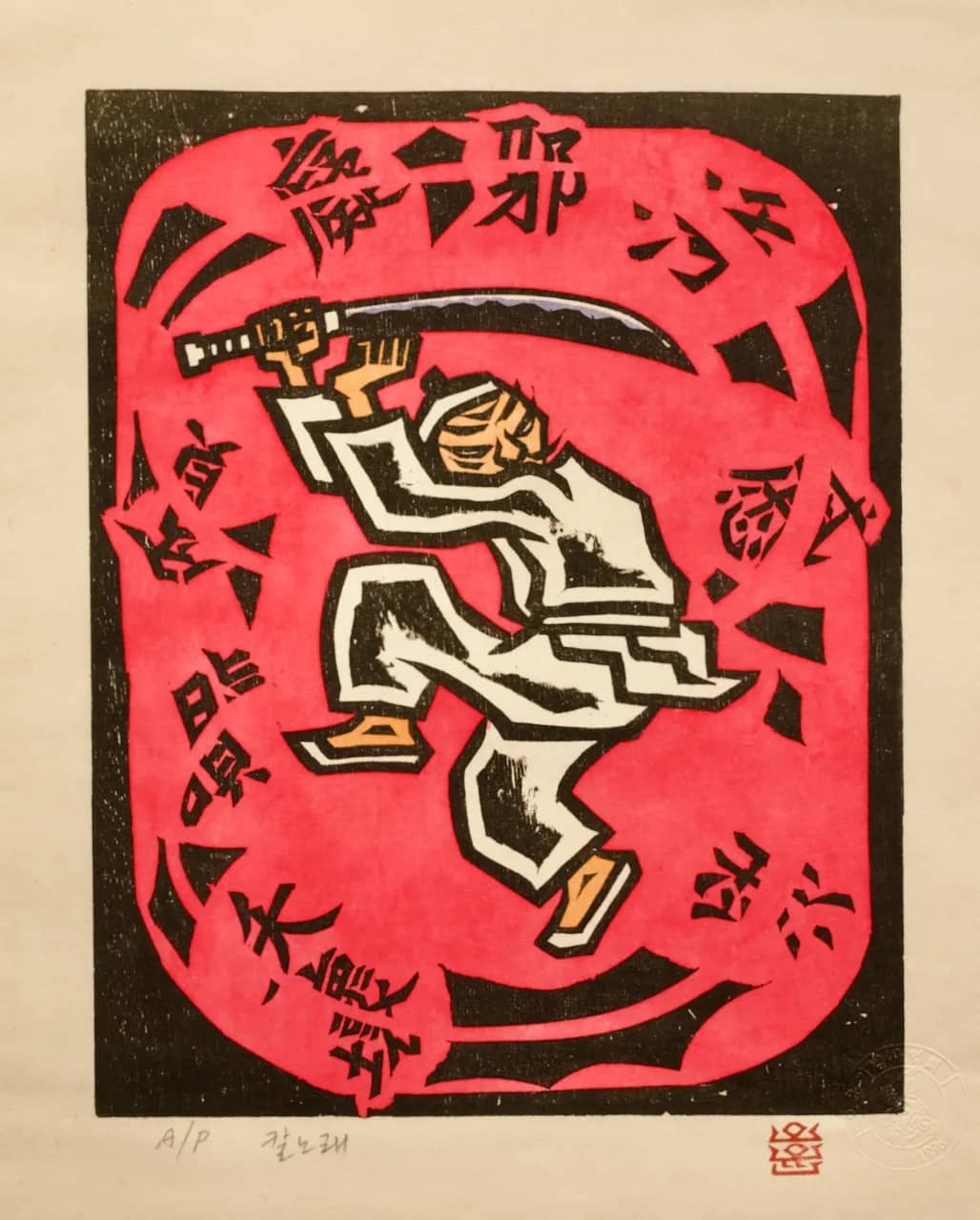
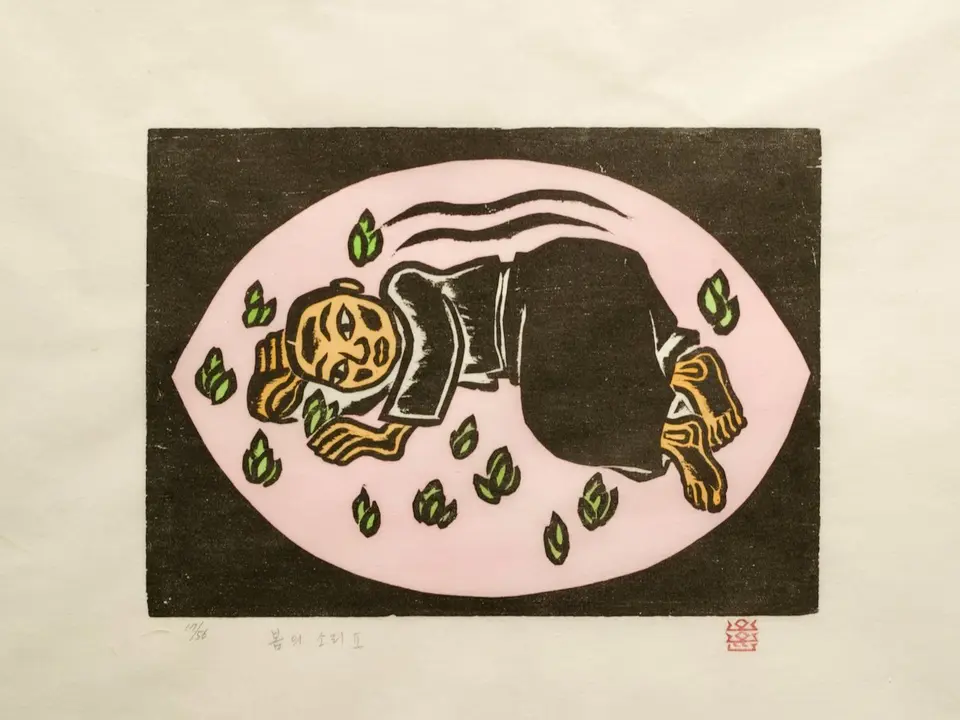
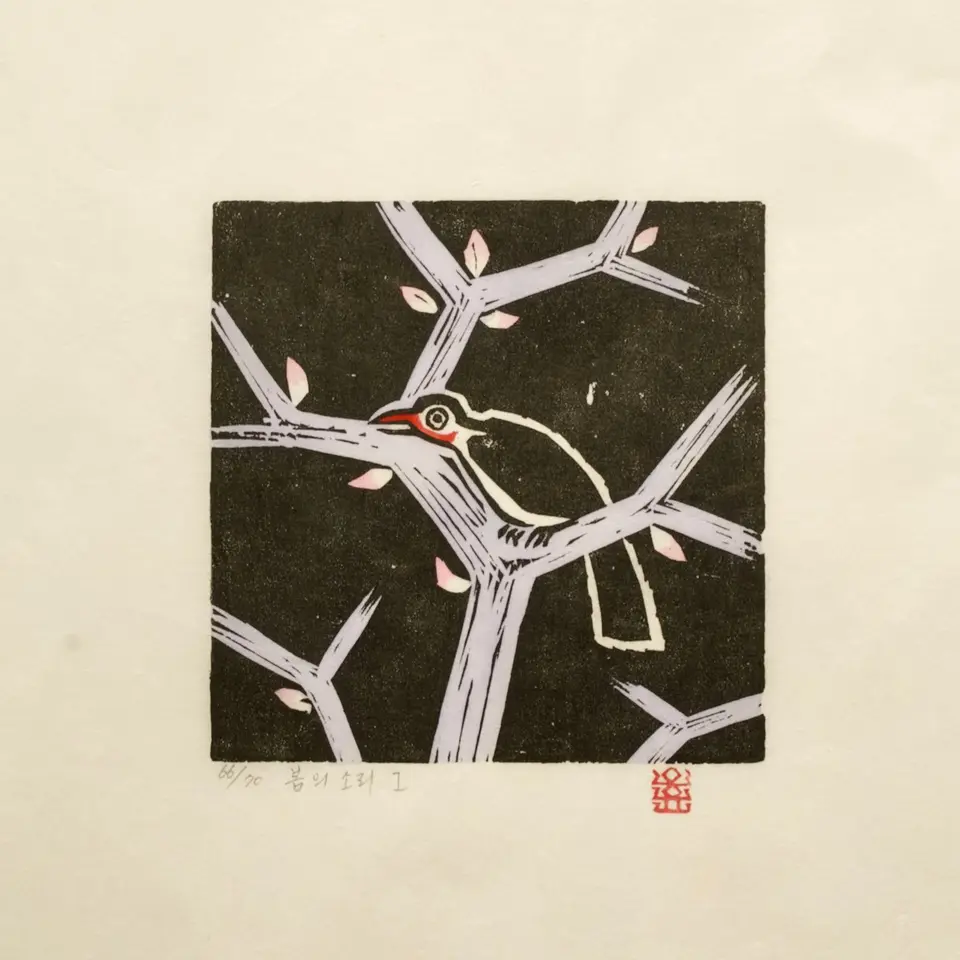
On the 10th anniversary of his death in 1996, five fellow printmakers (홍선웅, 류연복, 남궁산, 박야일, 김윤기) produced a small posthumous edition from the woodblocks he left behind. Many of those prints, kept out of public view for three decades, are shown and offered for the first time on his 40th anniversary. Proceeds from these prints flow into the artists' mutual-aid loan fund — a work left behind by an artist now gone becomes the next month of an artist living today.
A finite set from 1996 — once a print finds its owner, it is not reprinted.
Lifetime Print
4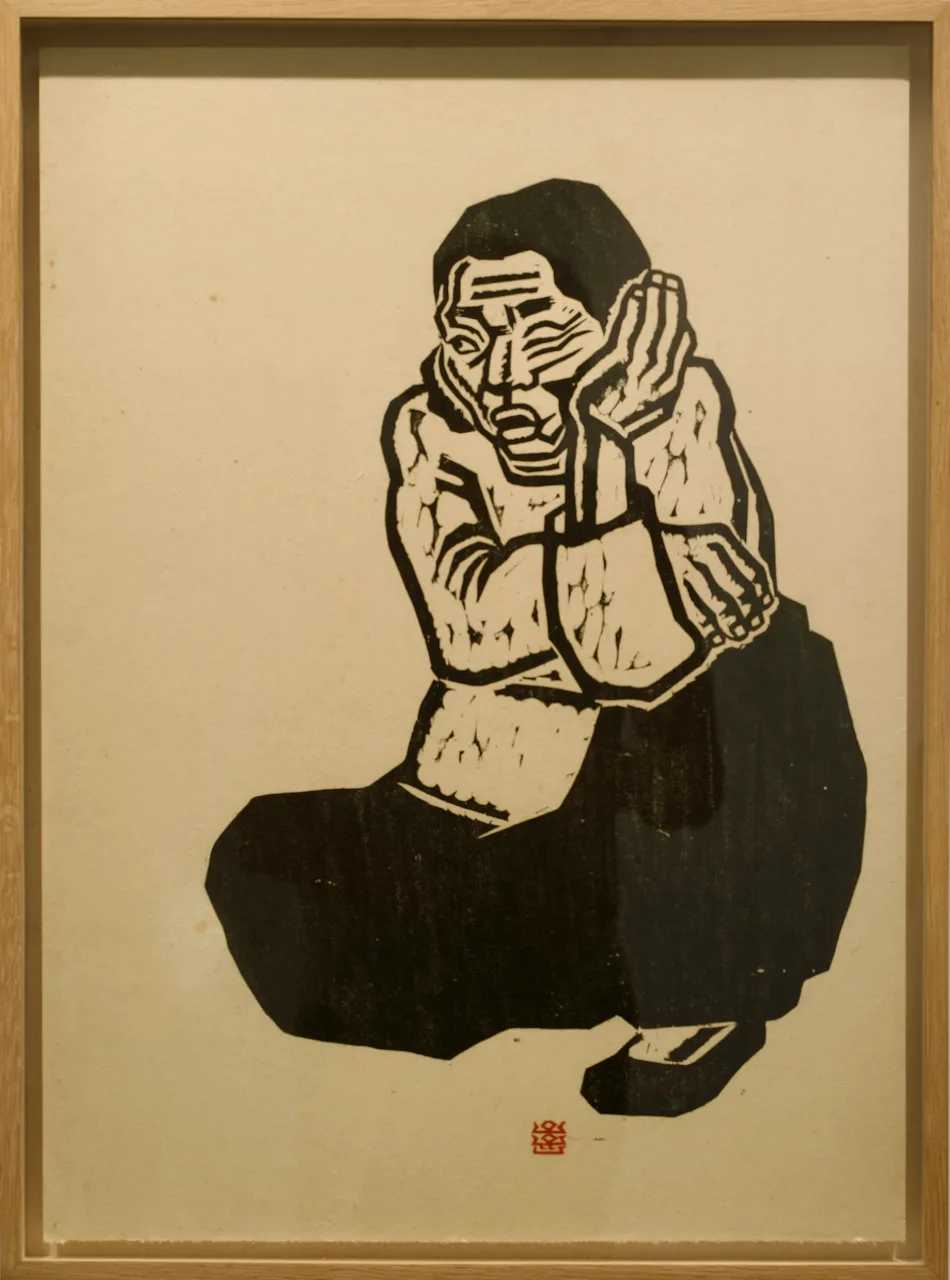
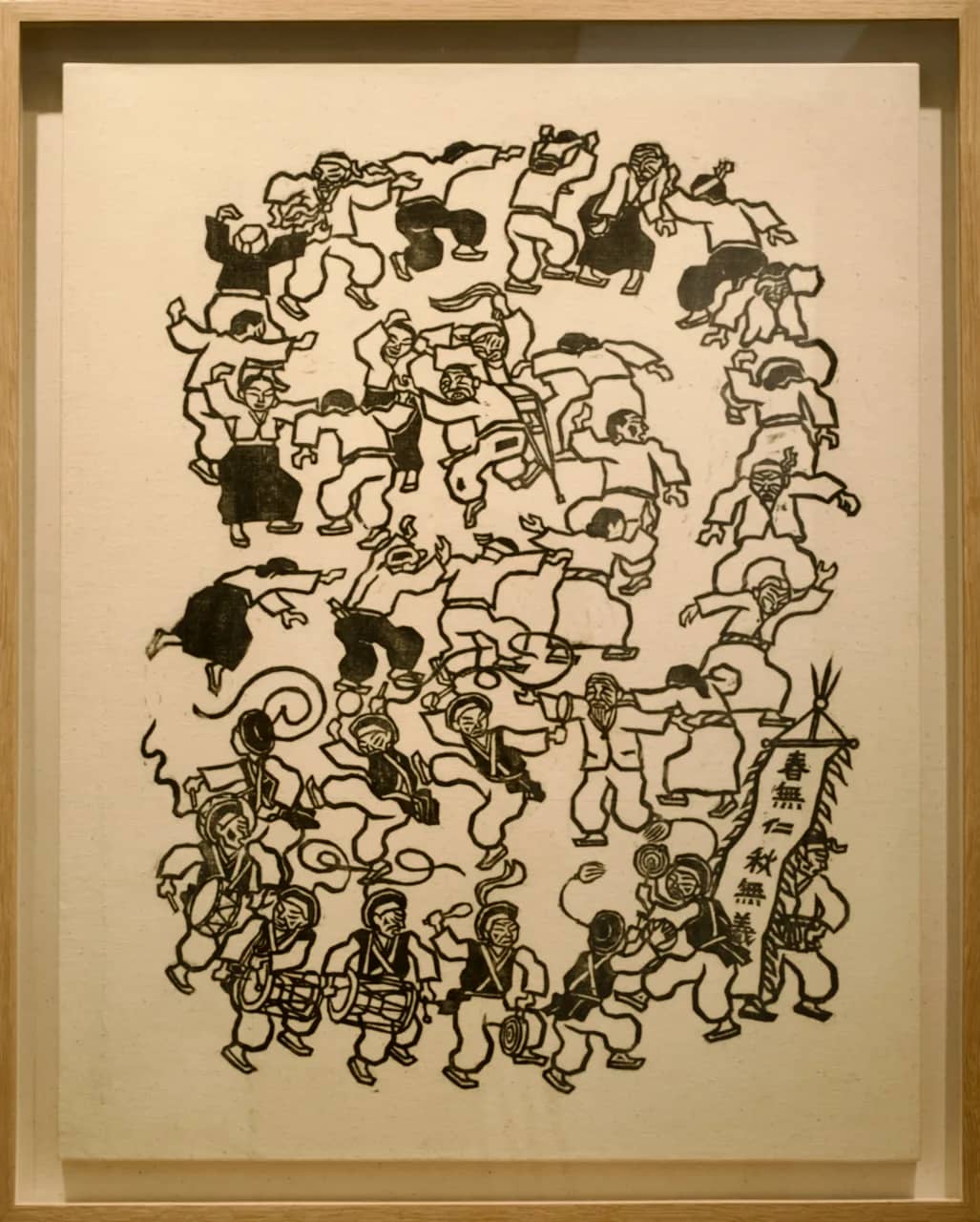
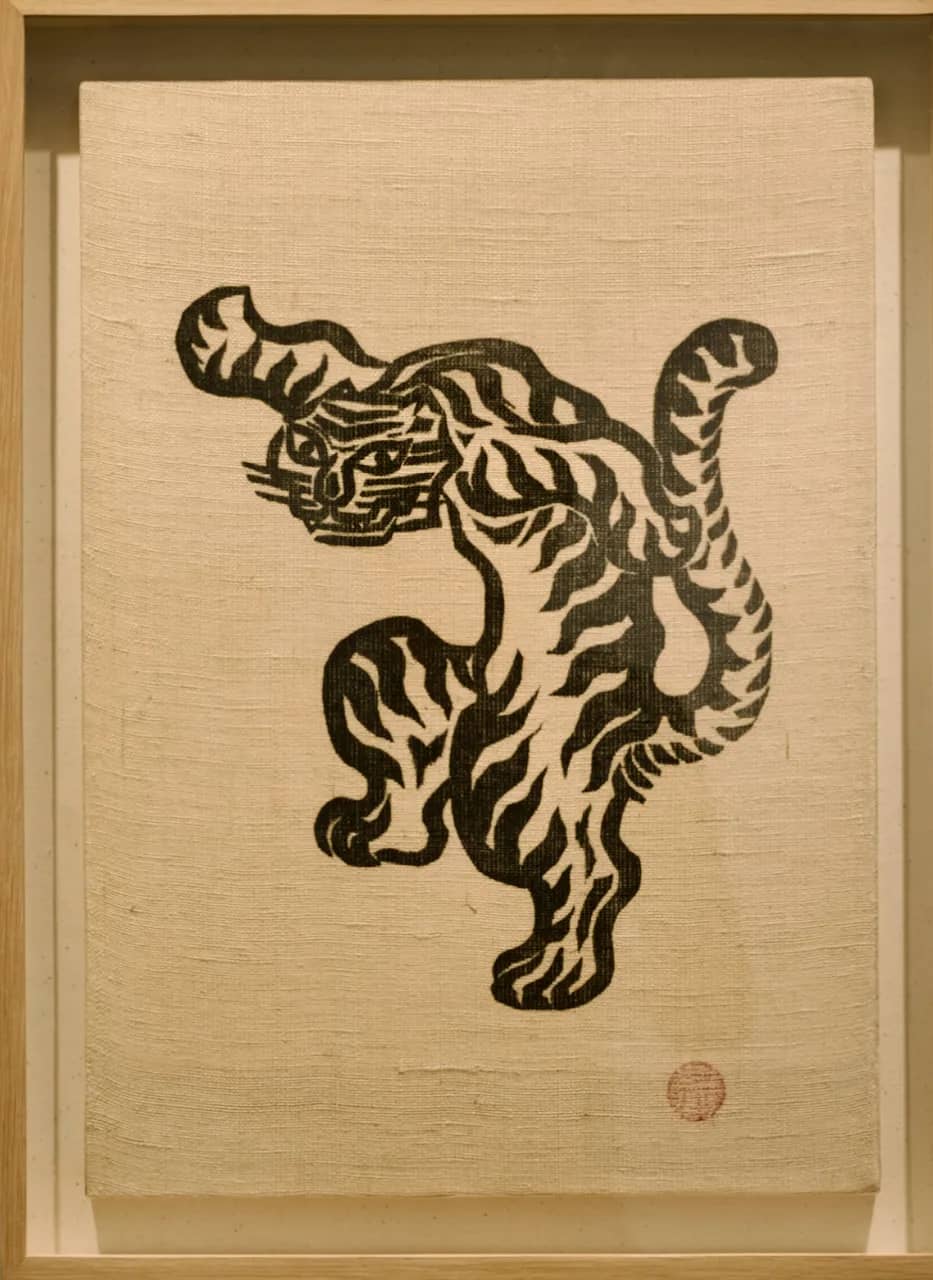
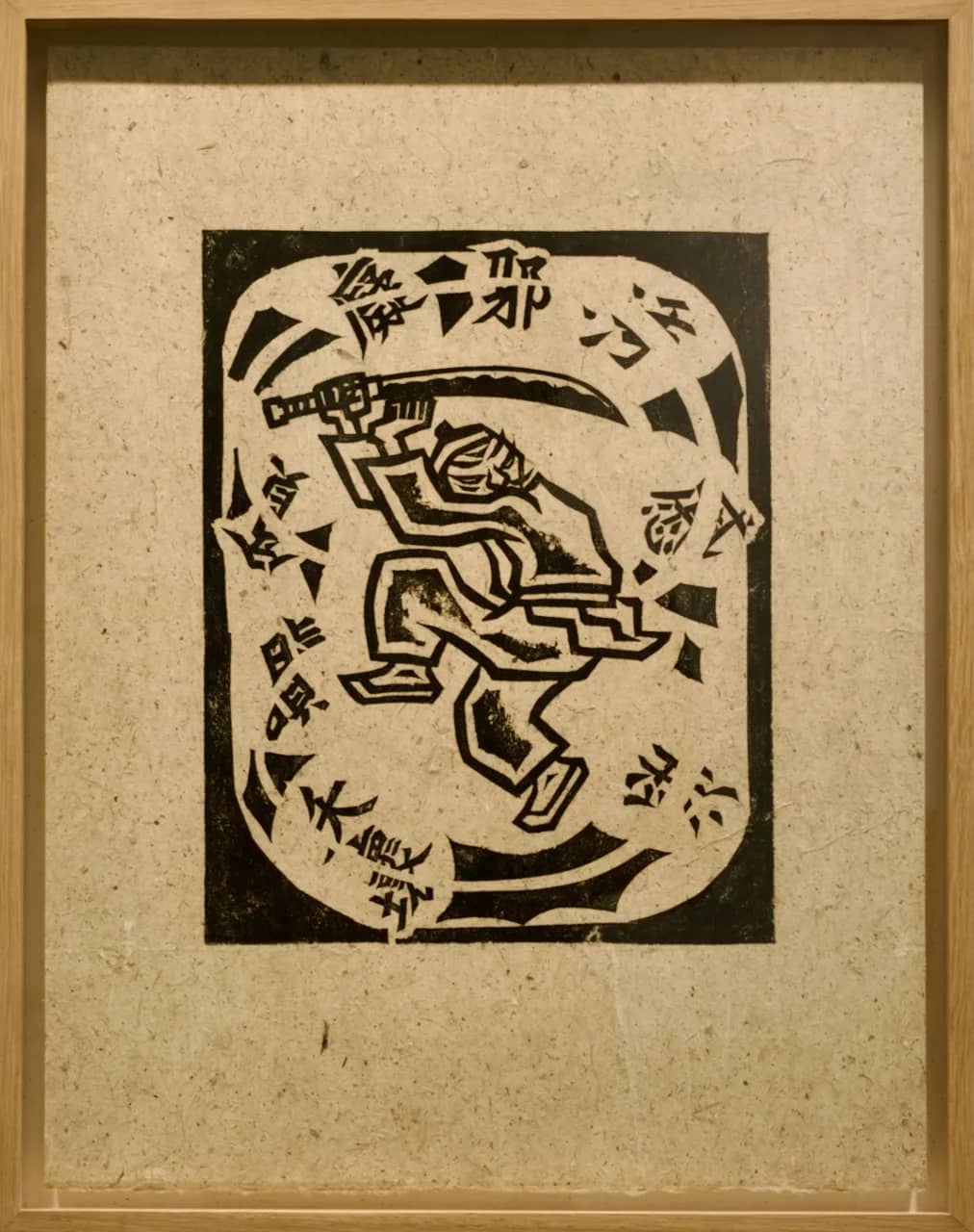
Posthumous Edition
175

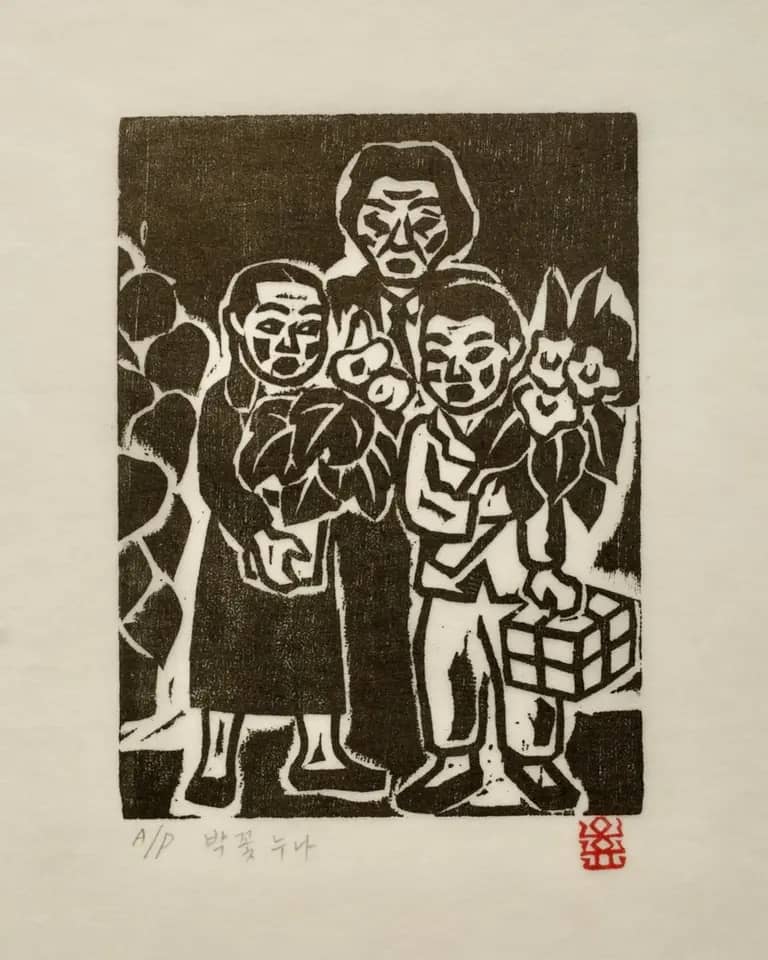
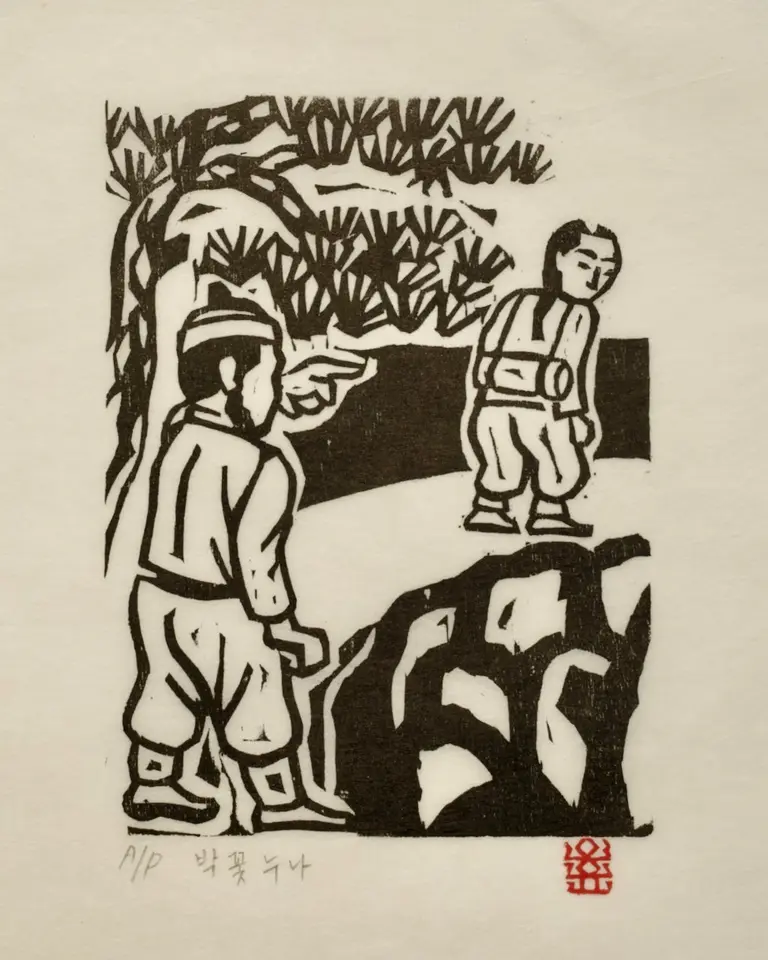
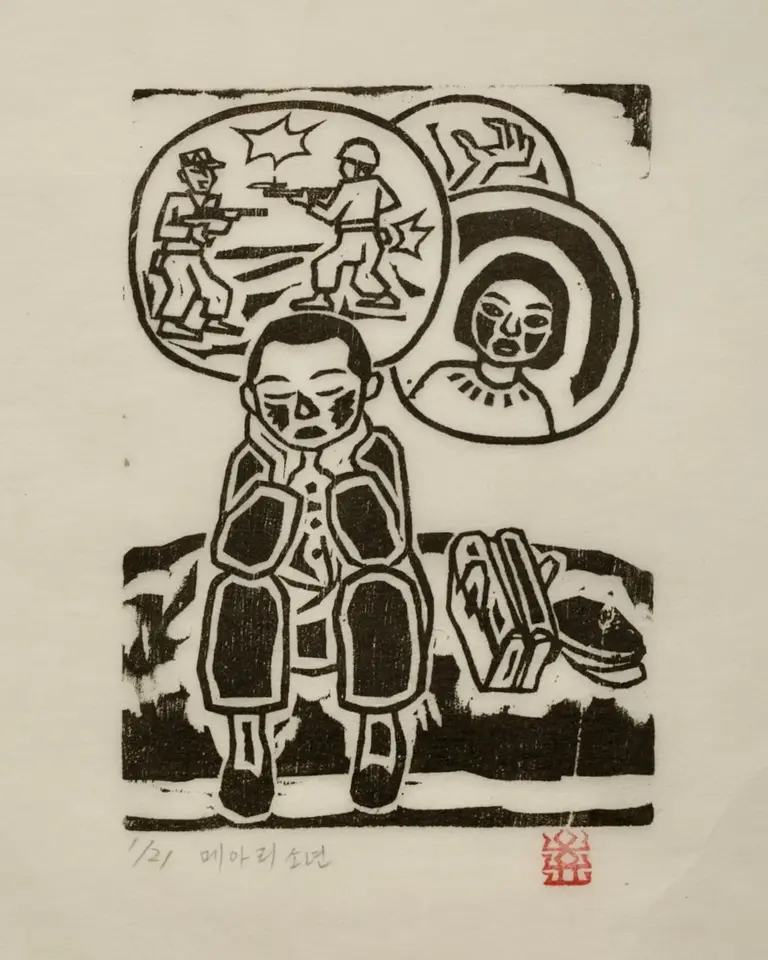
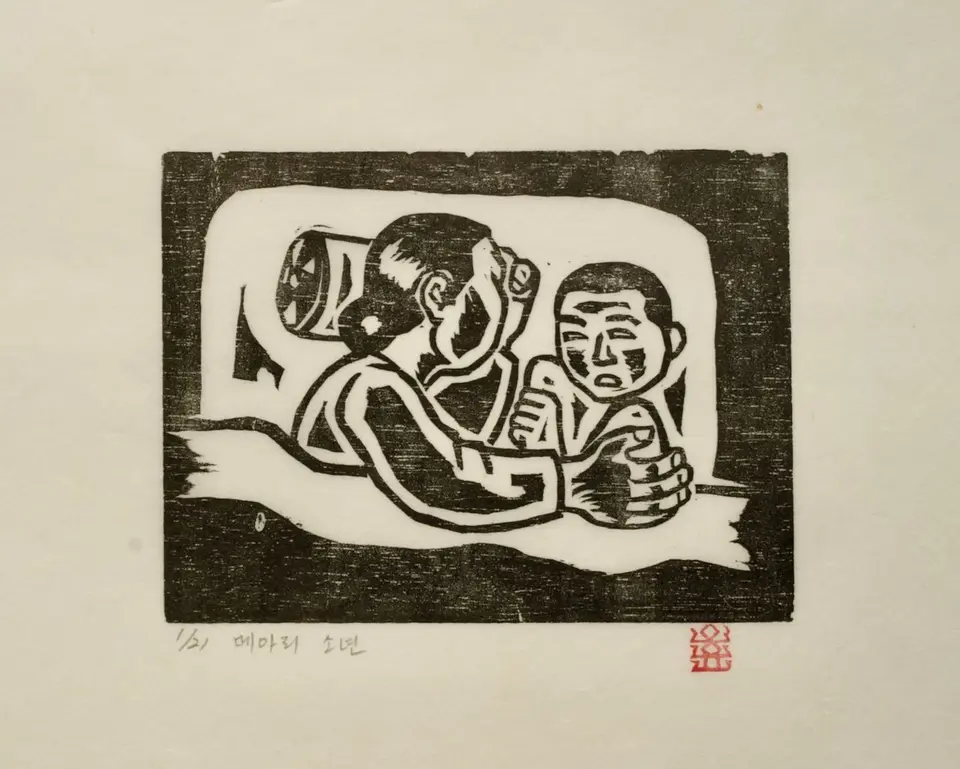
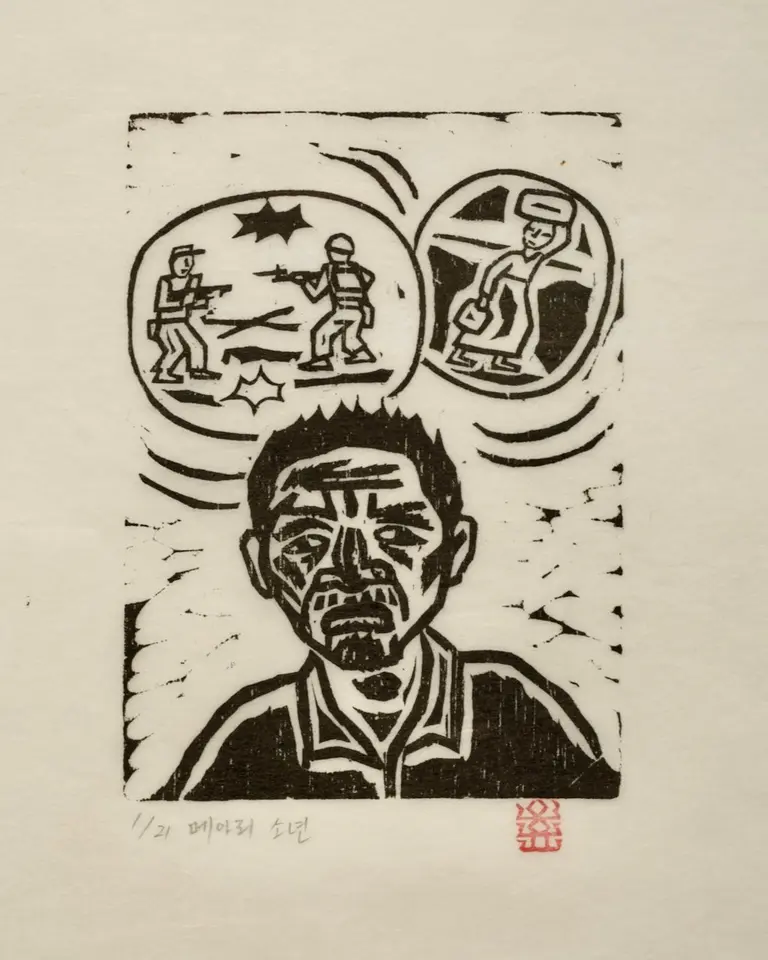
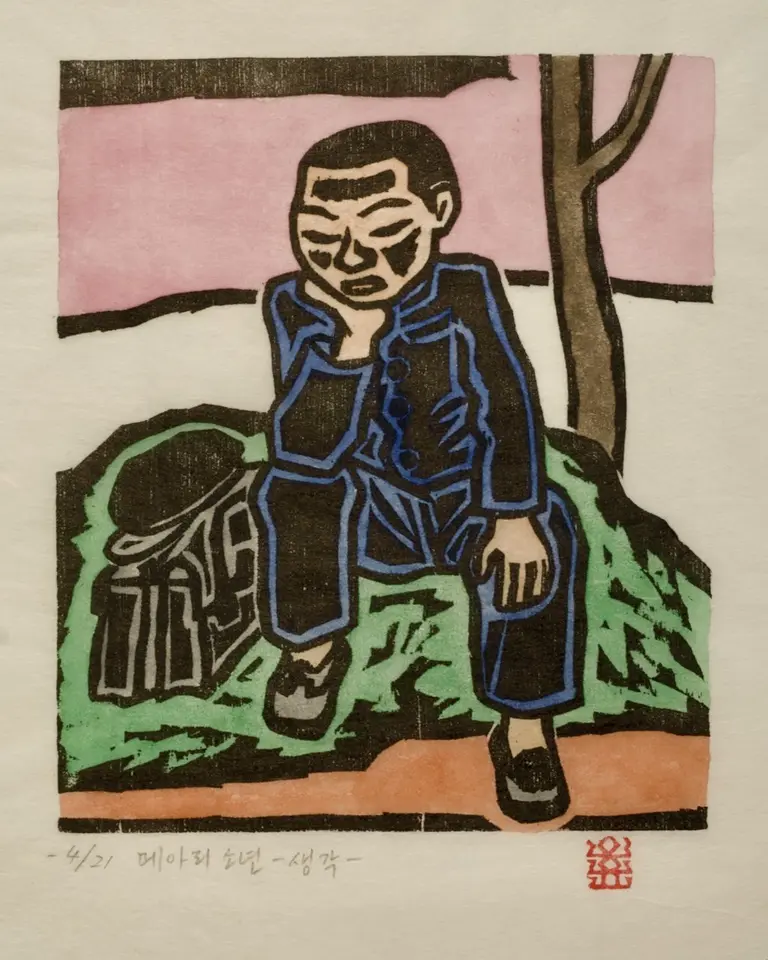
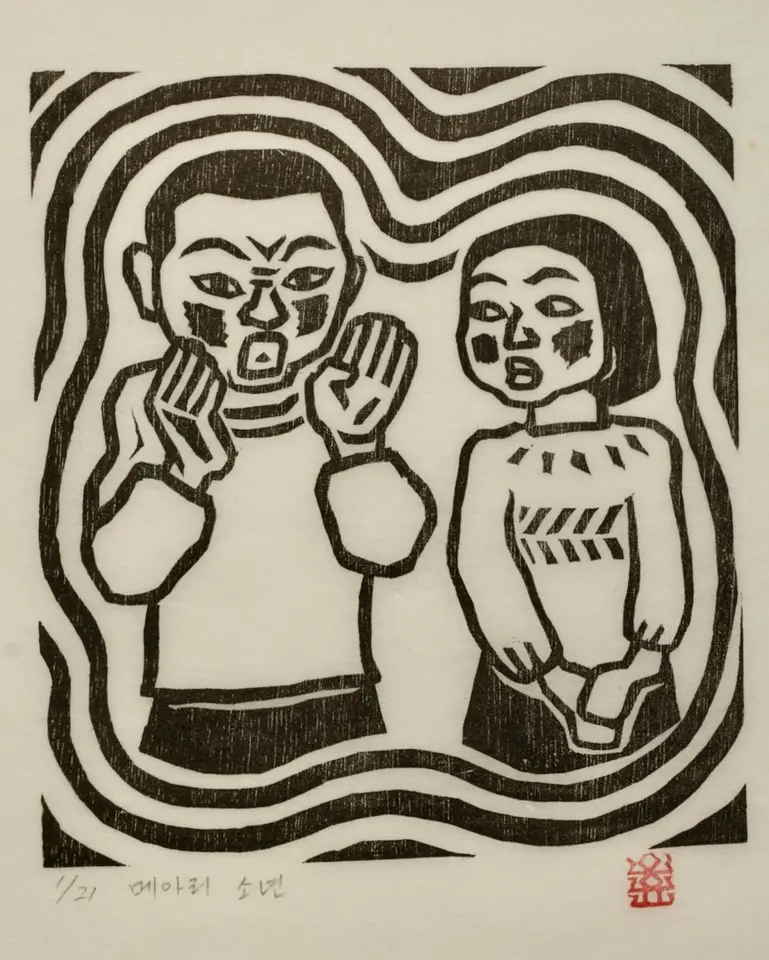
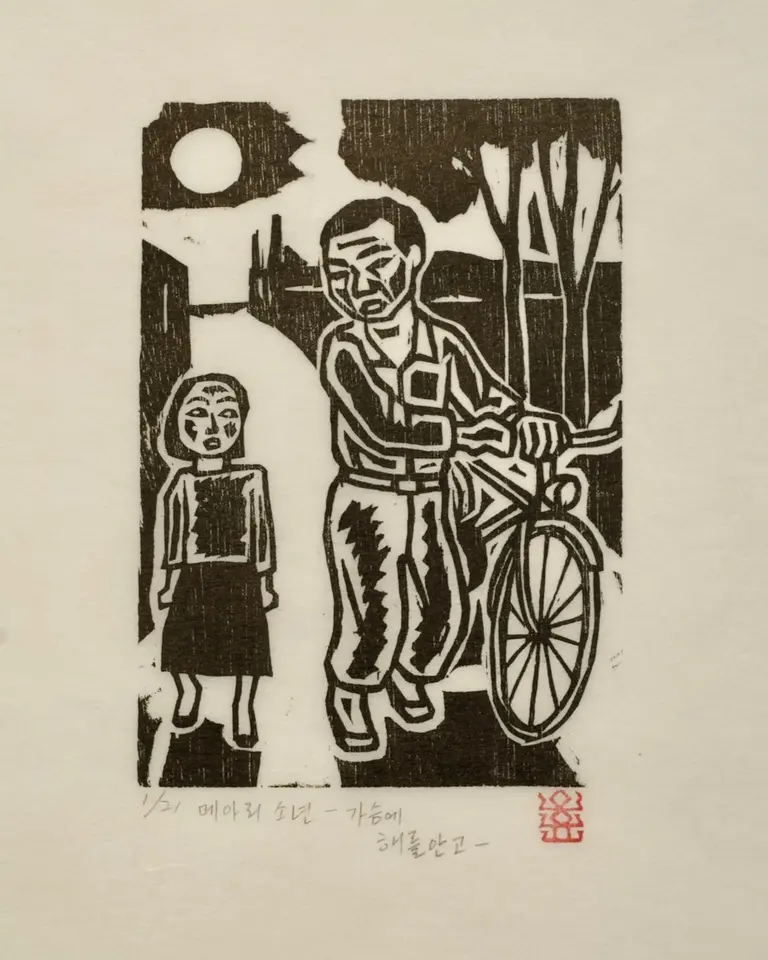
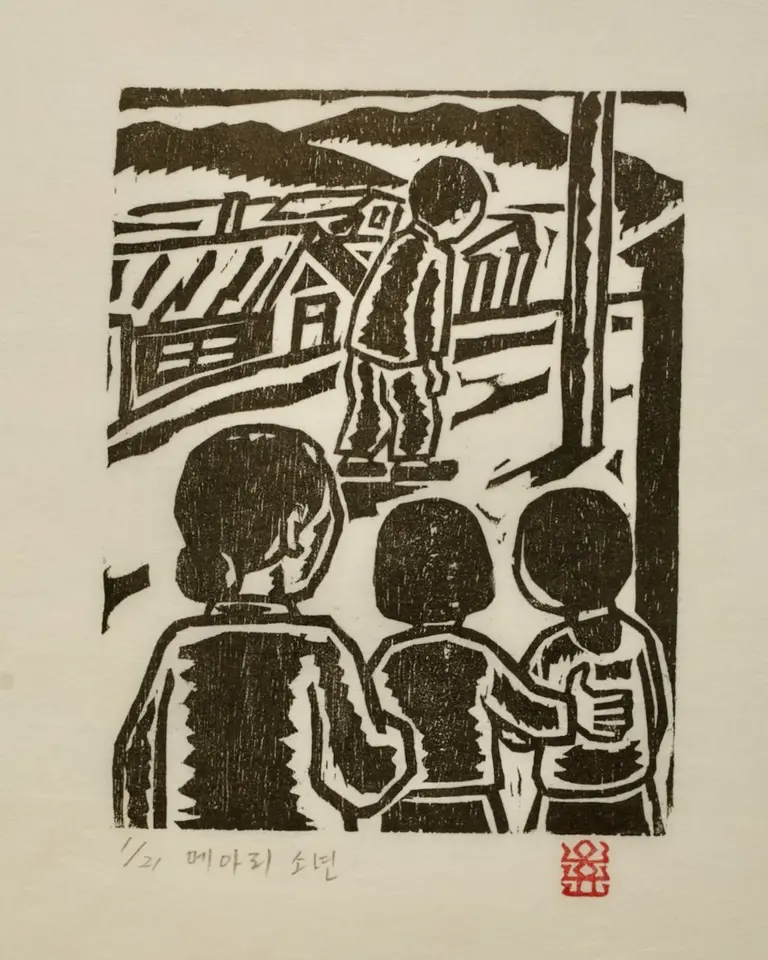
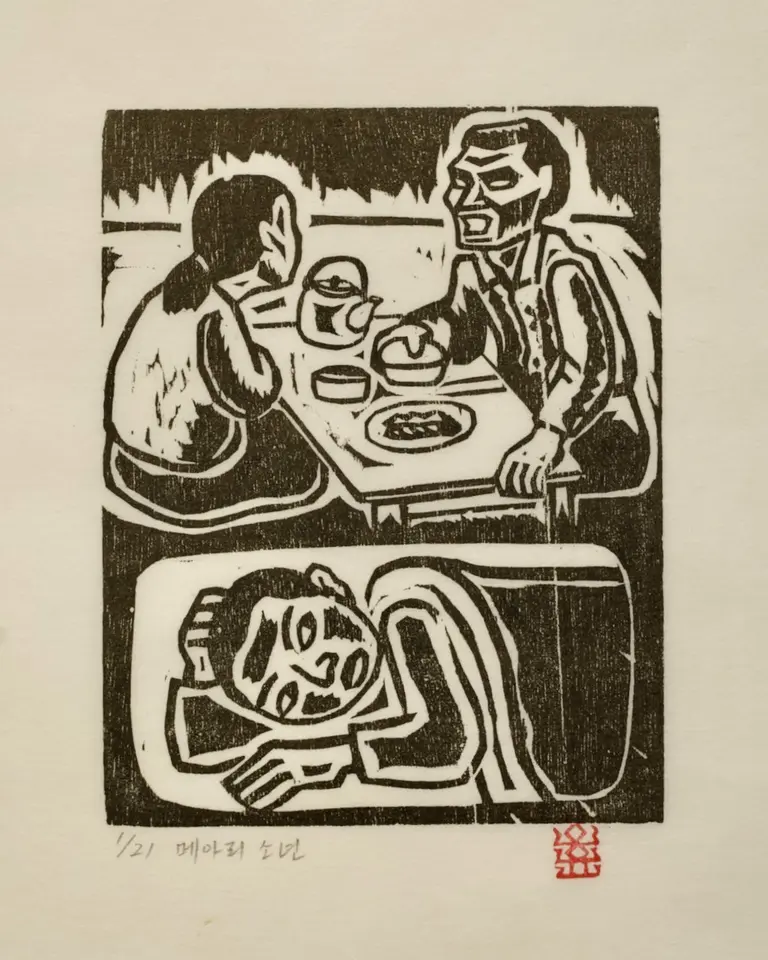
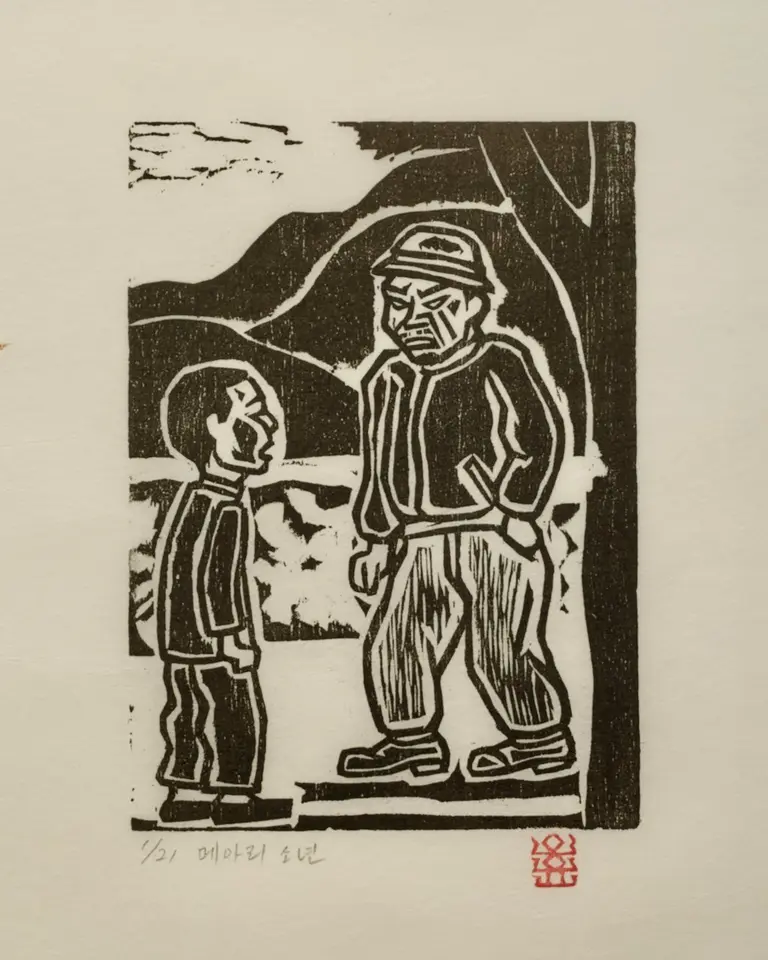
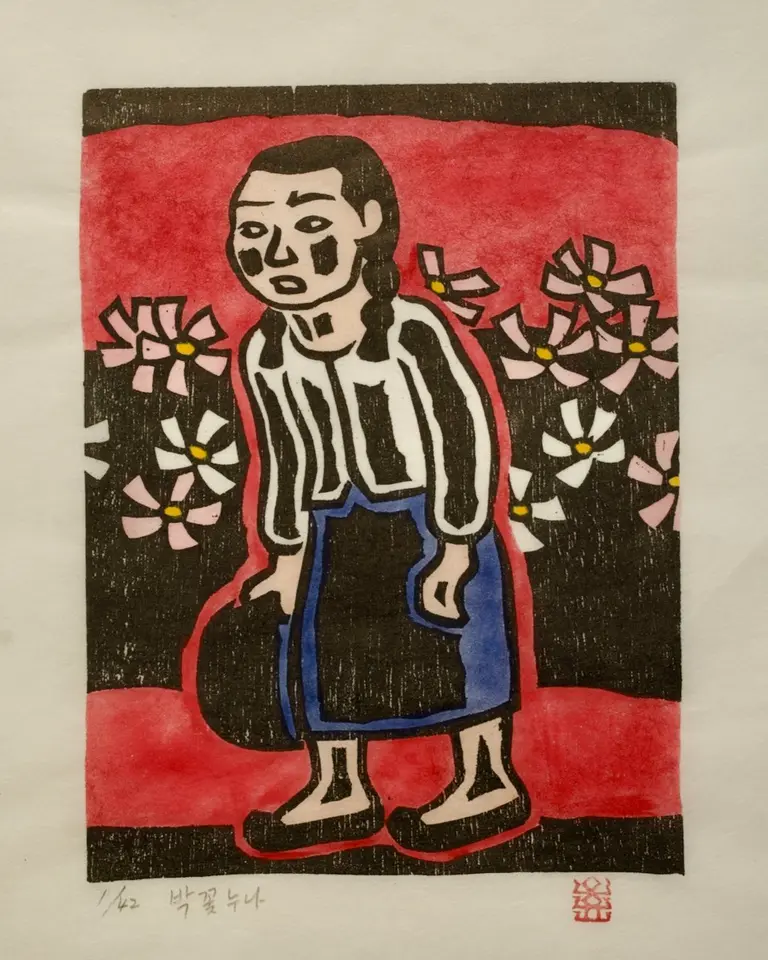
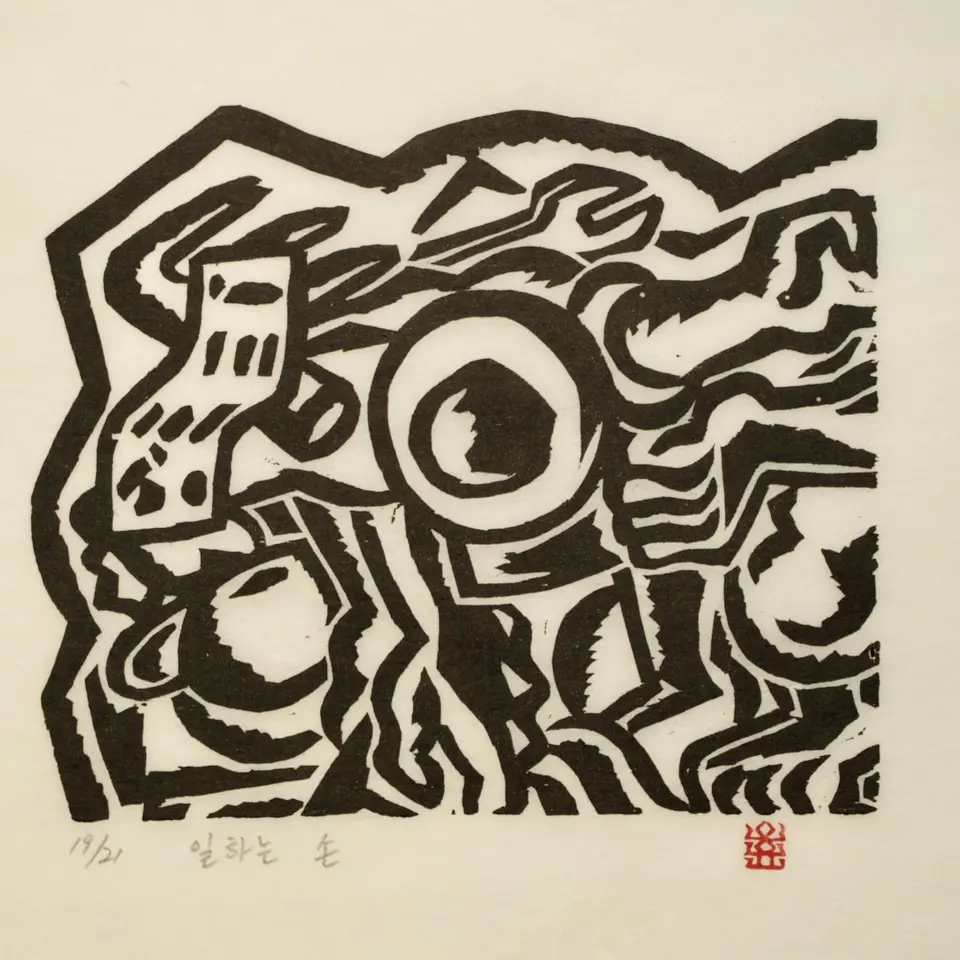
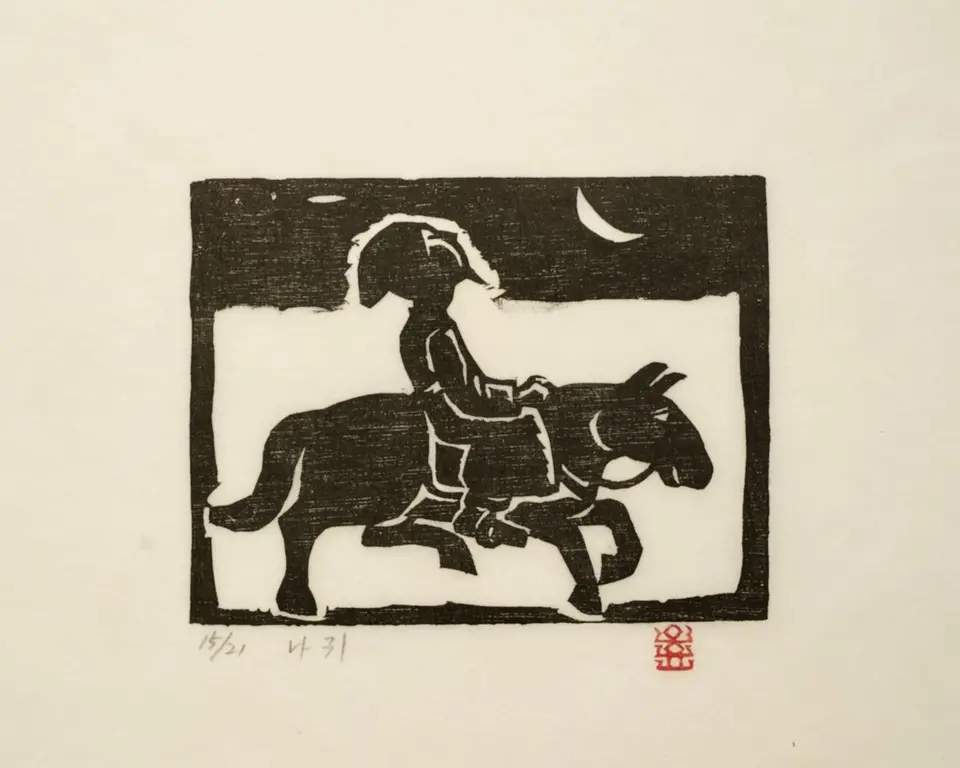
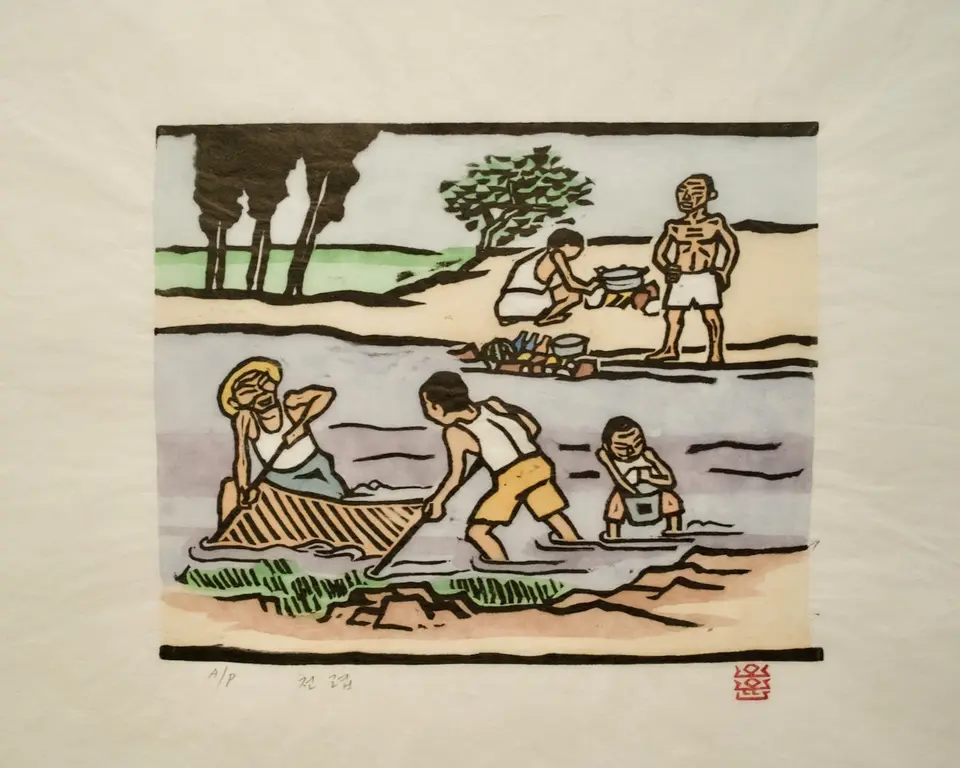
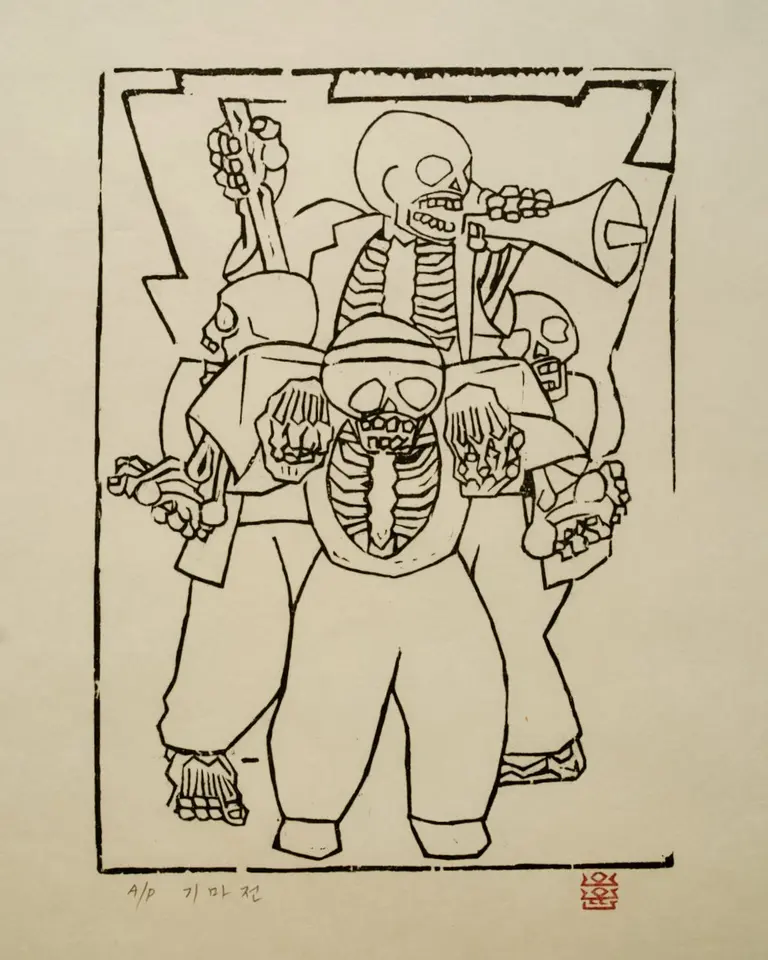
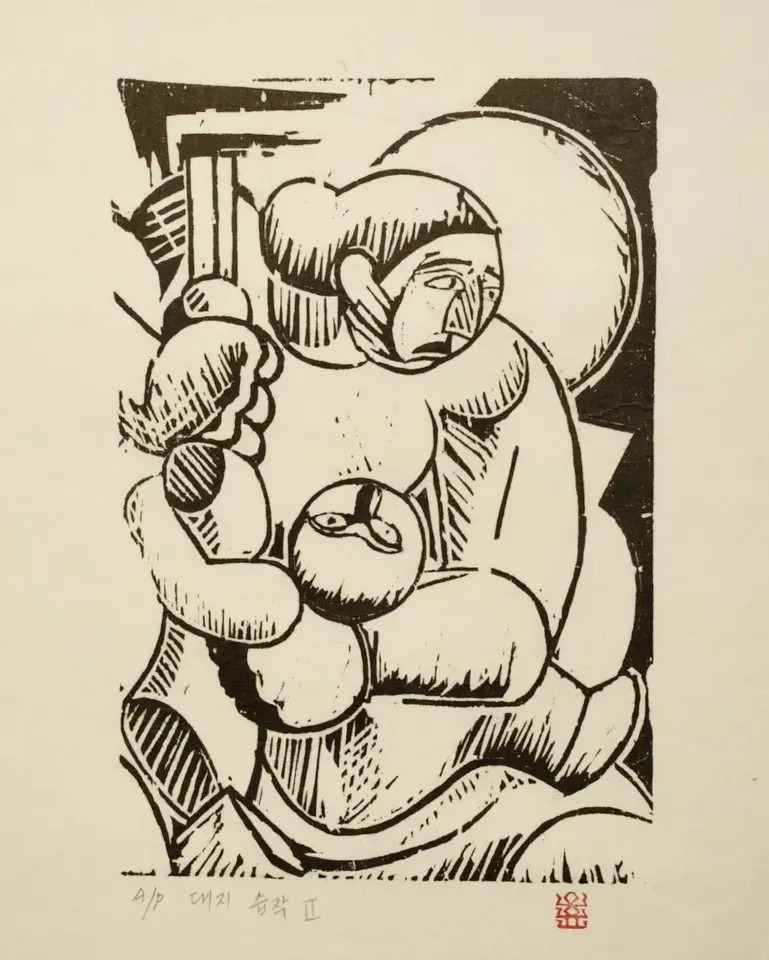
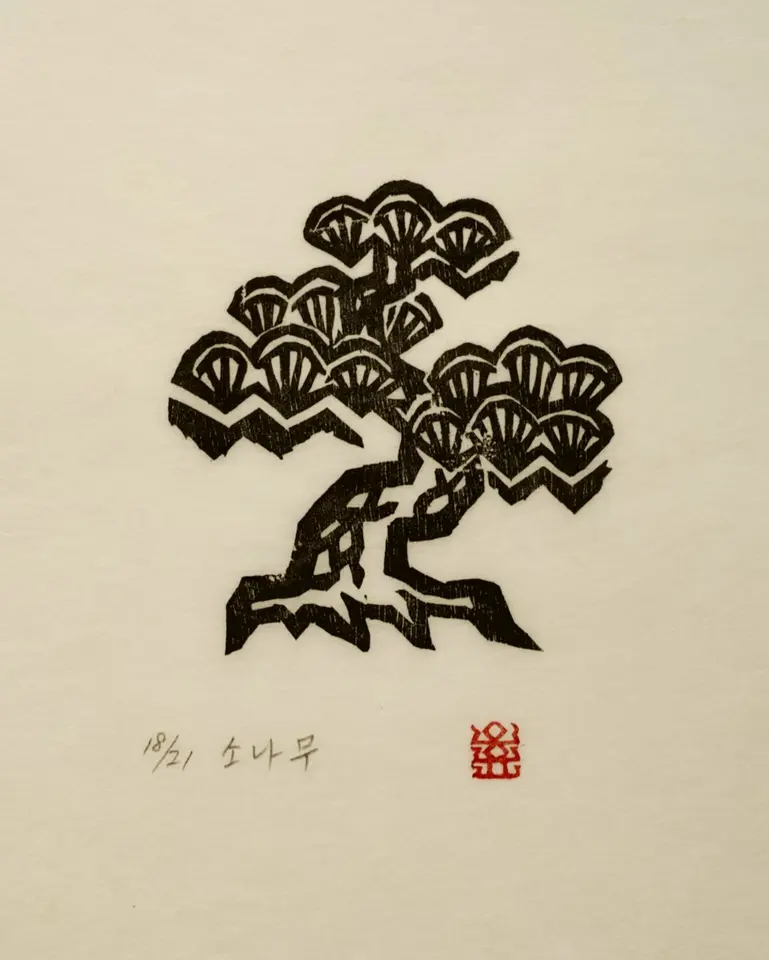
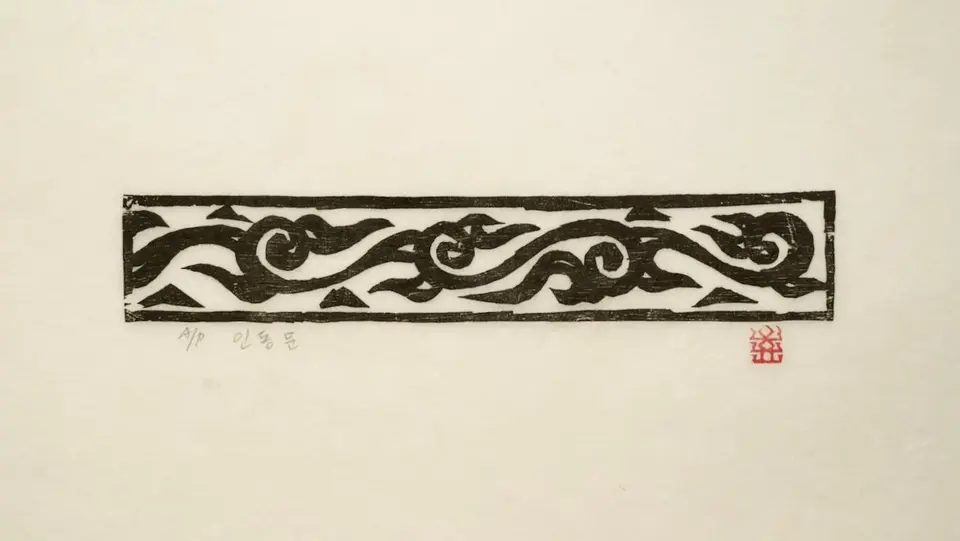
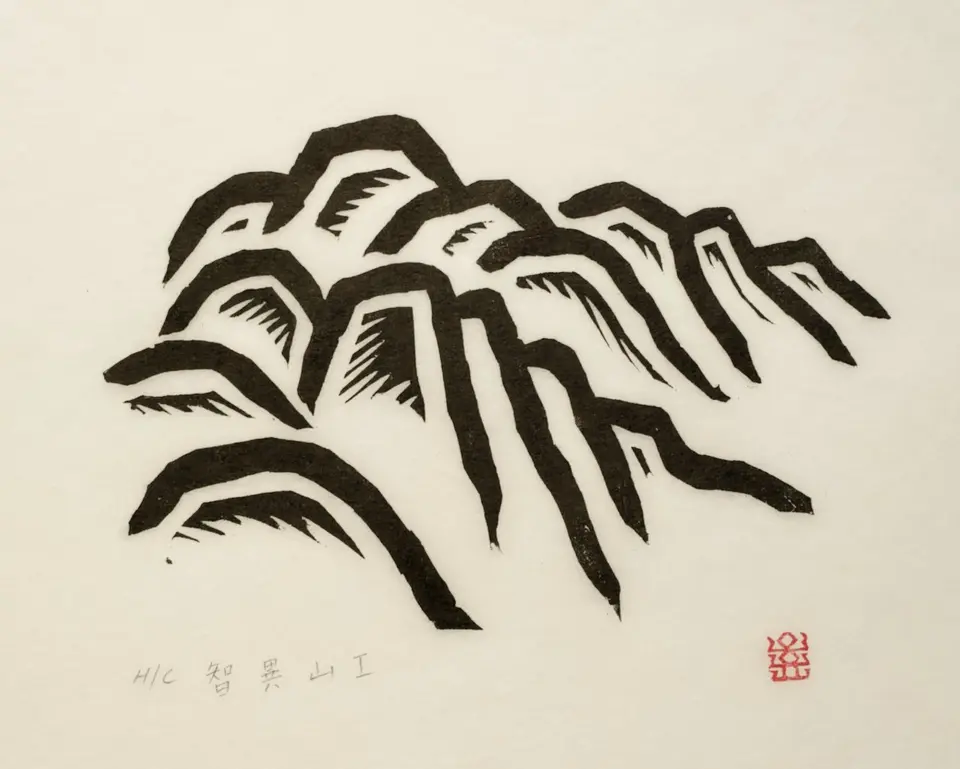
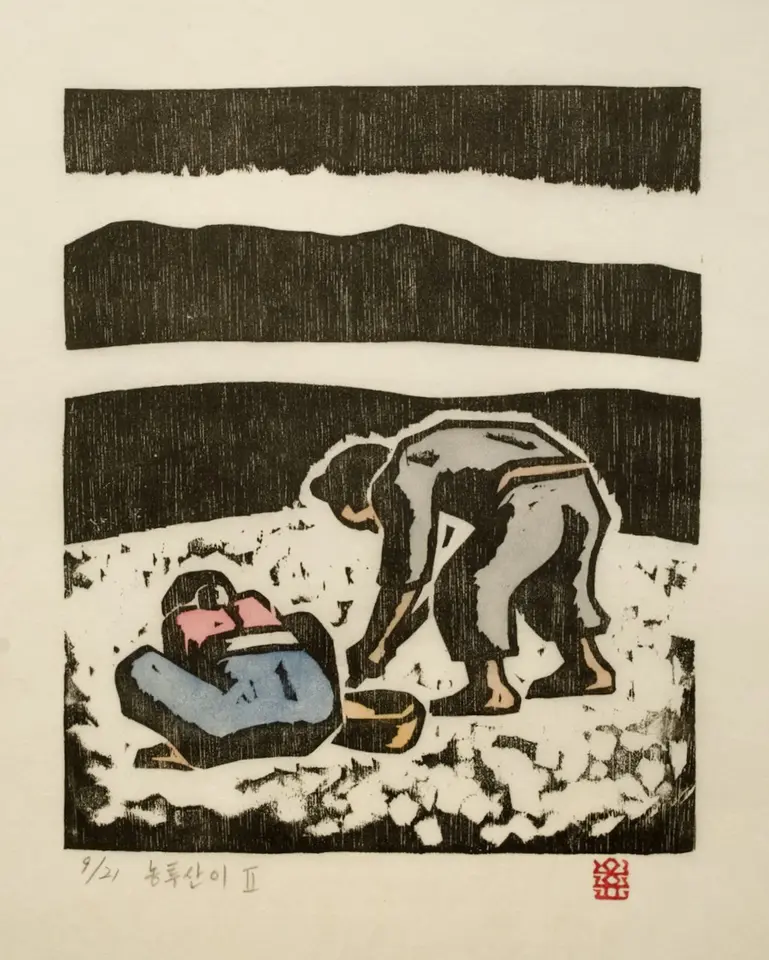
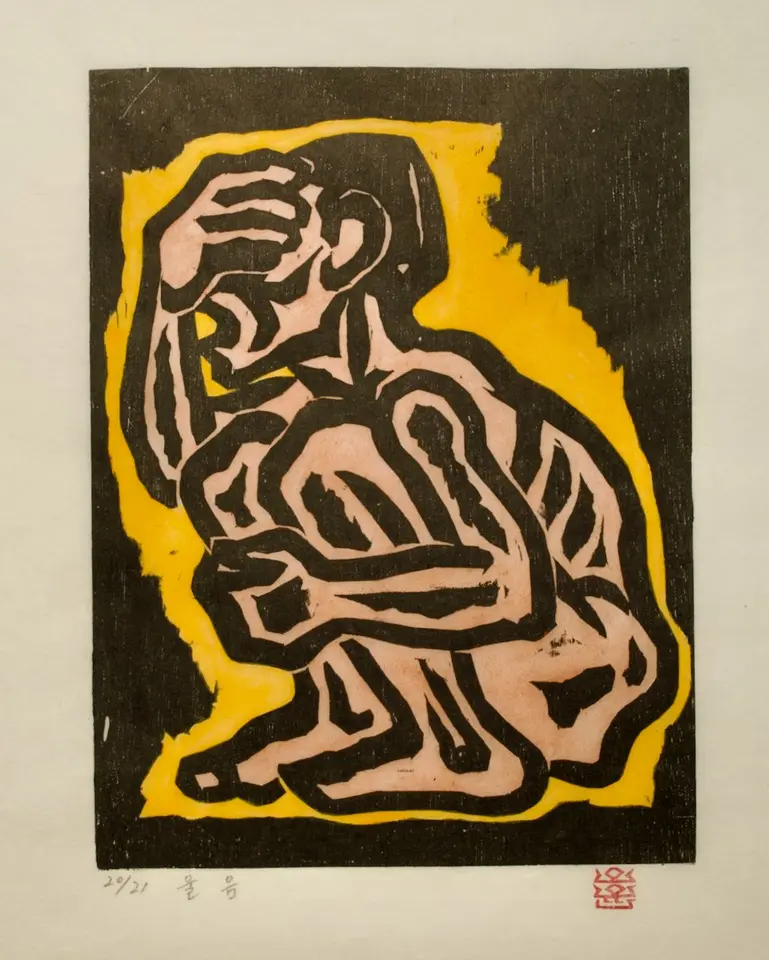
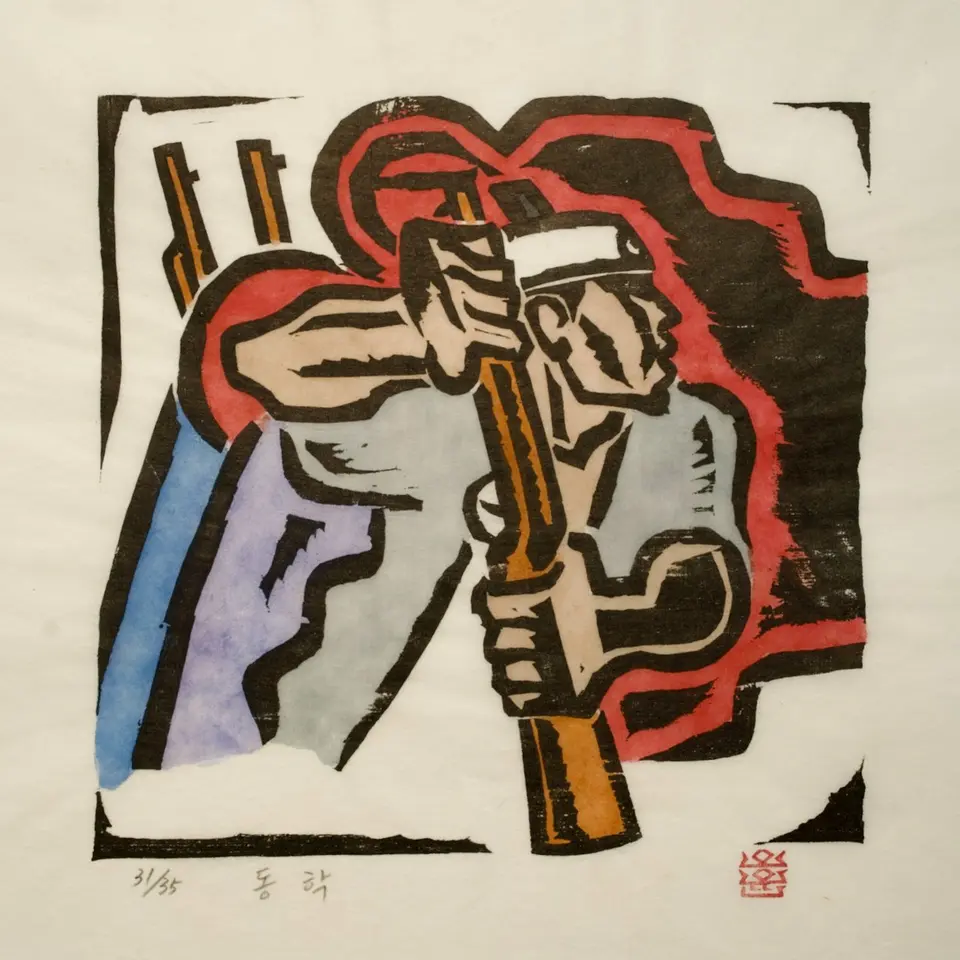
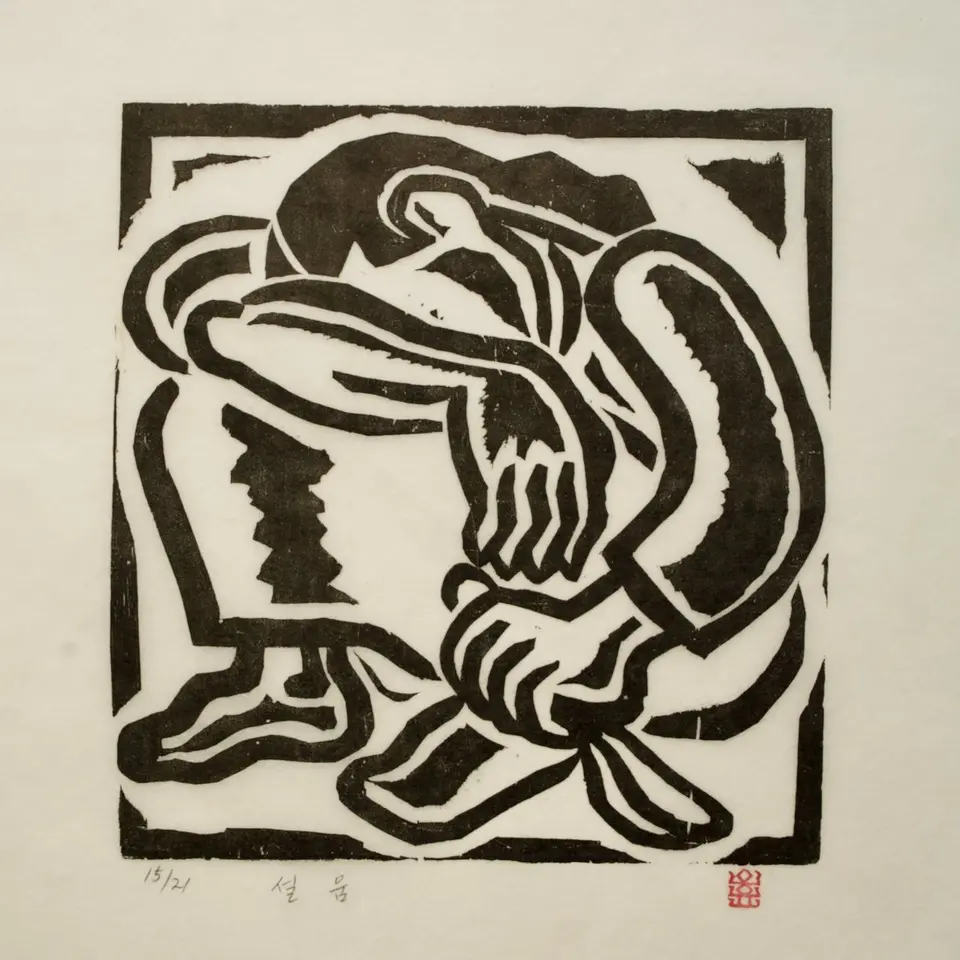
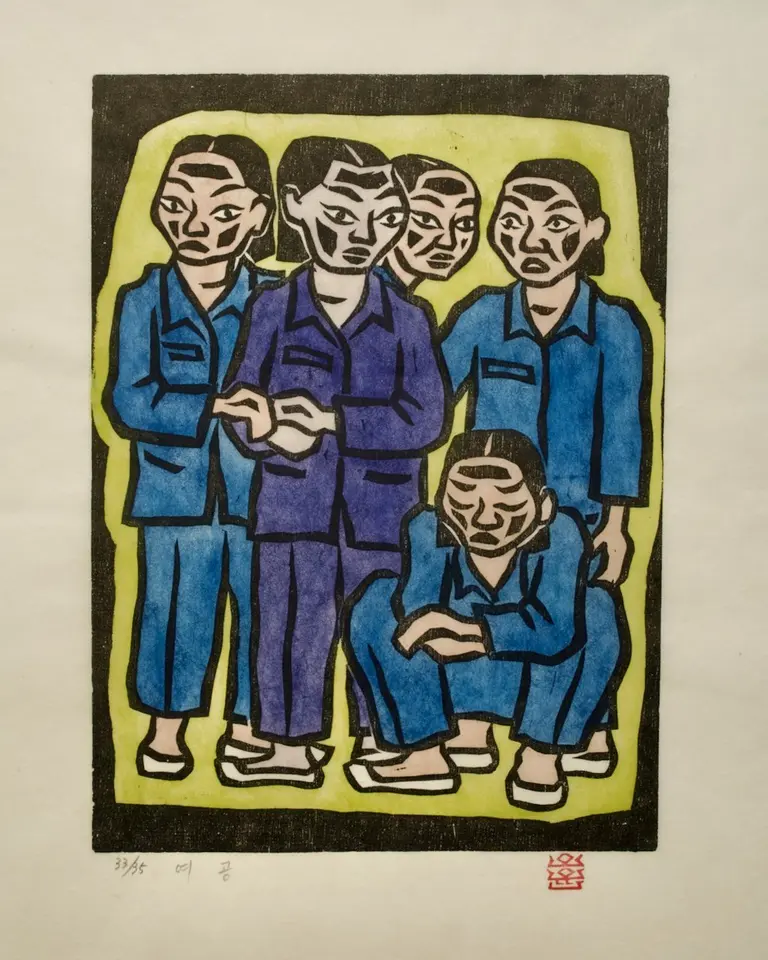
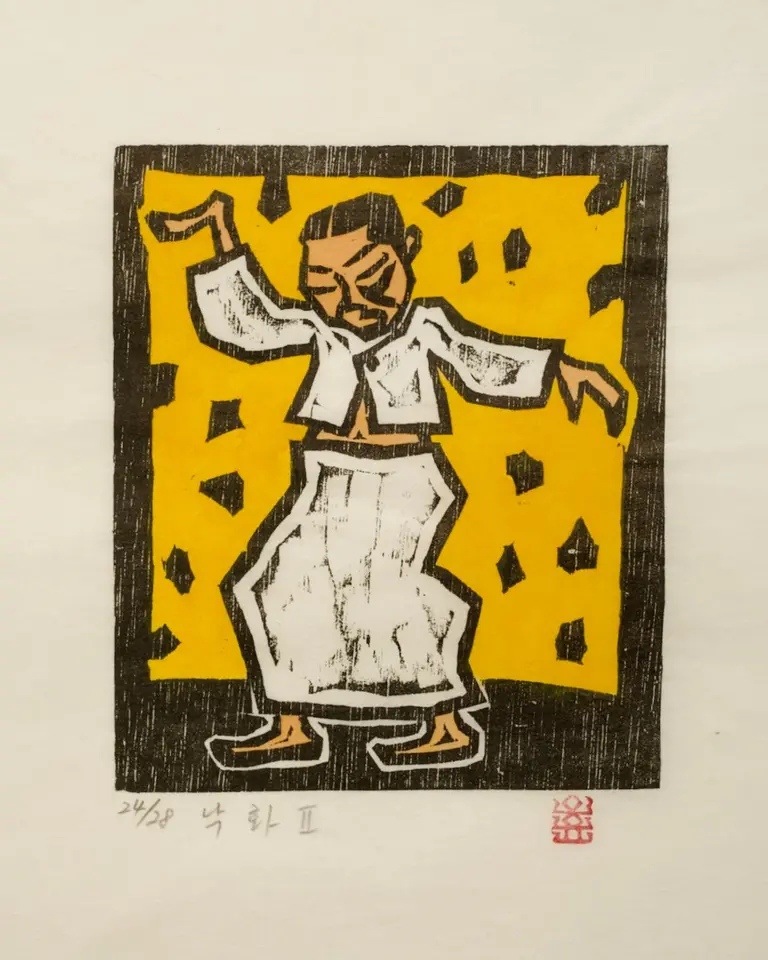
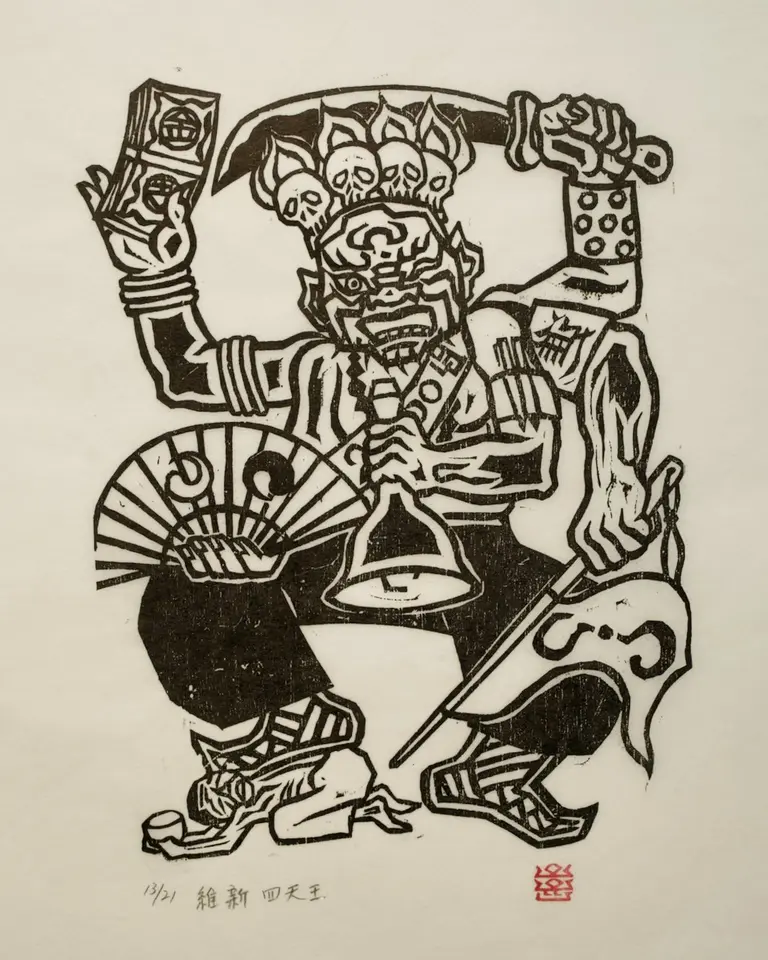
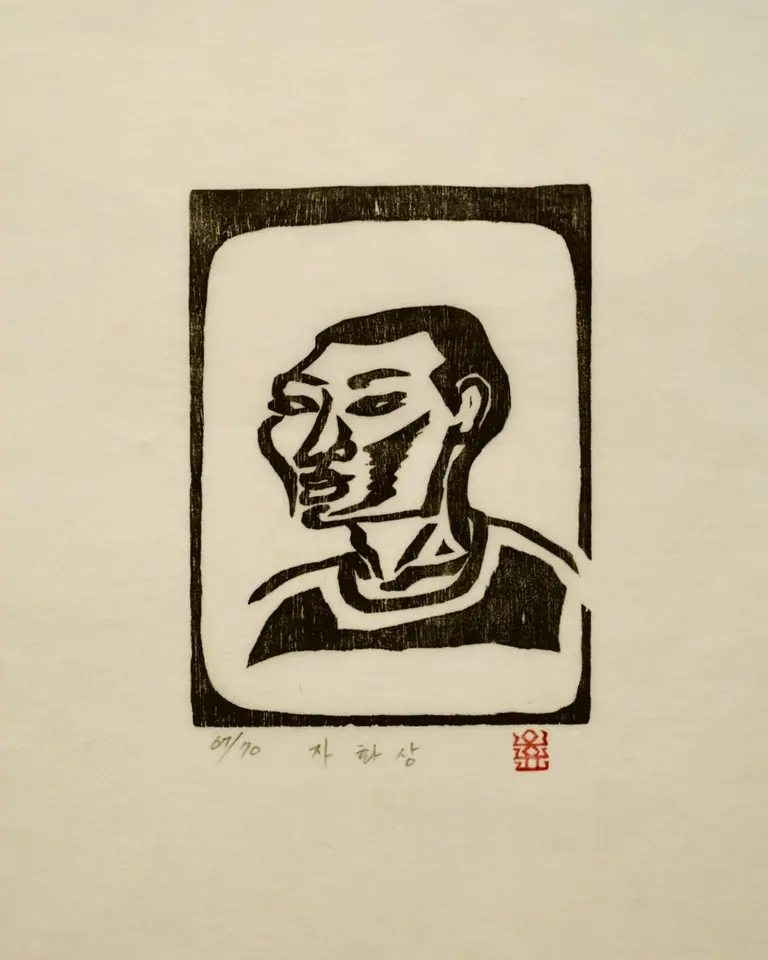
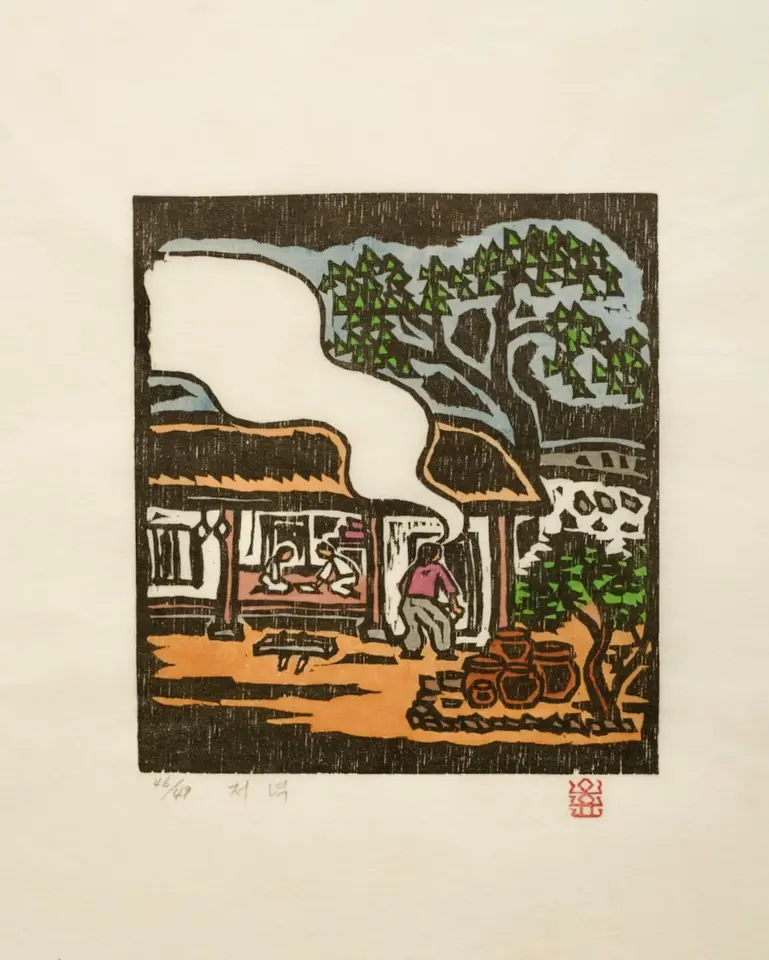
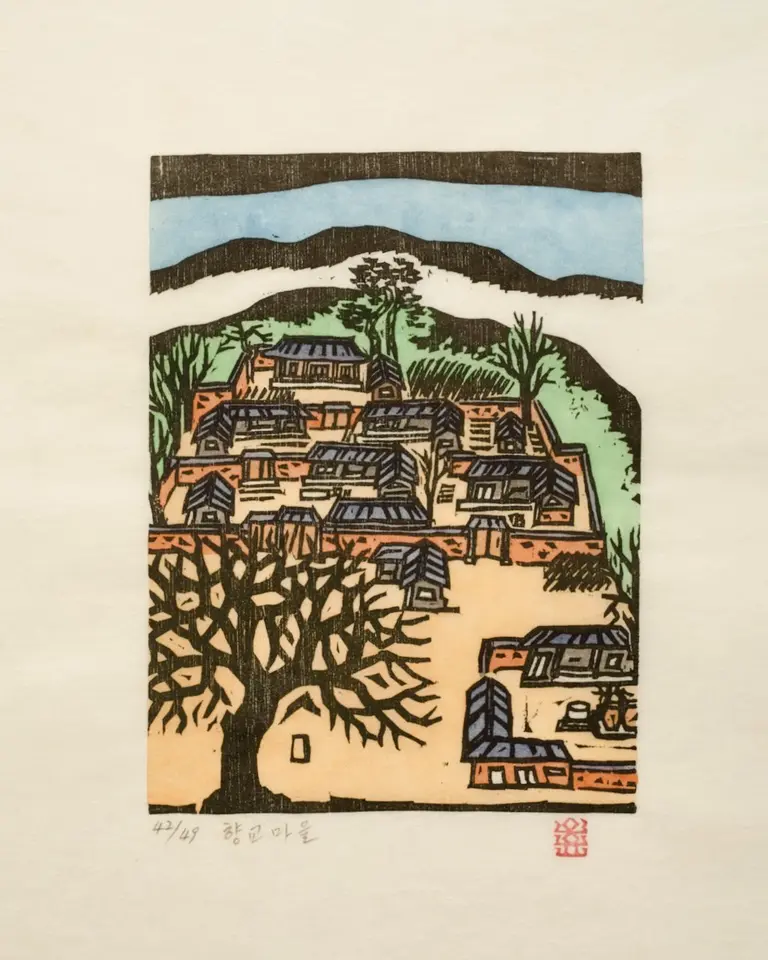
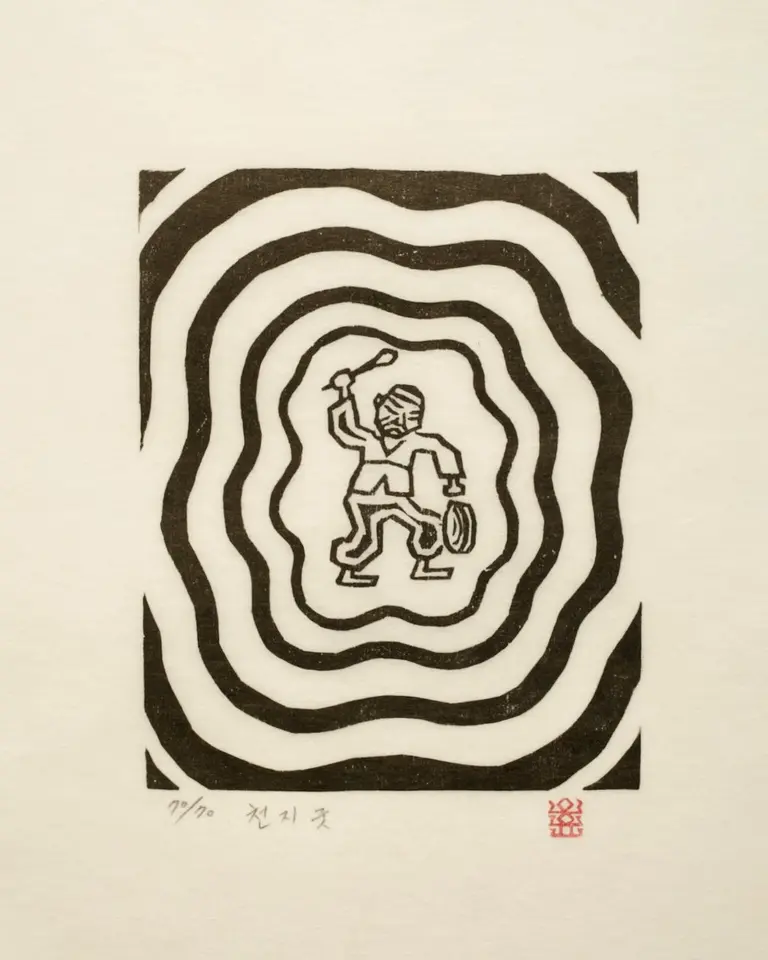
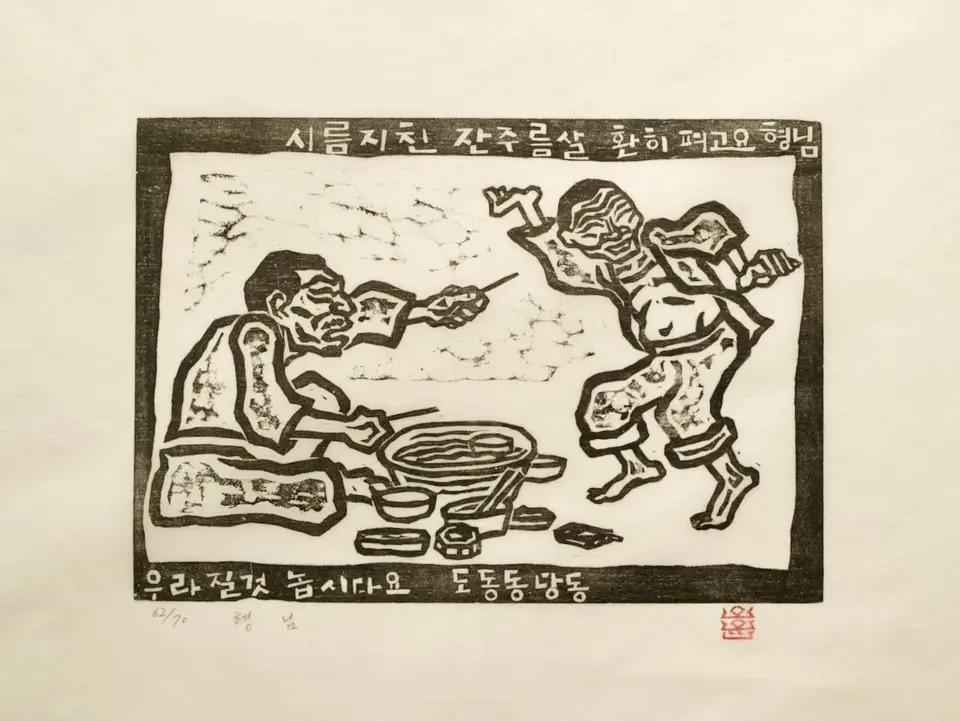
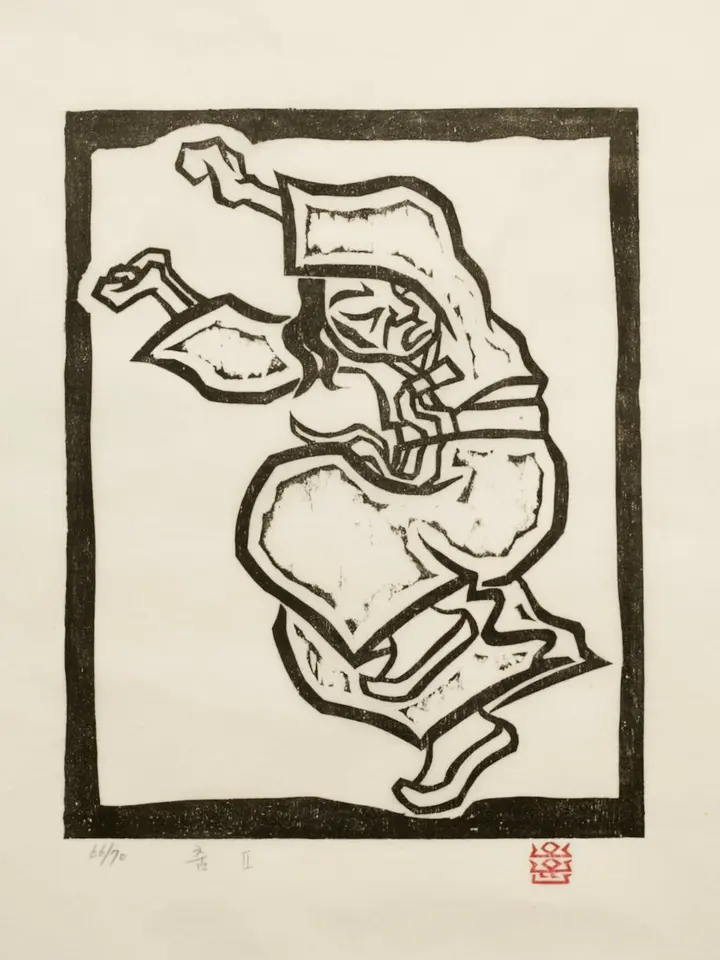
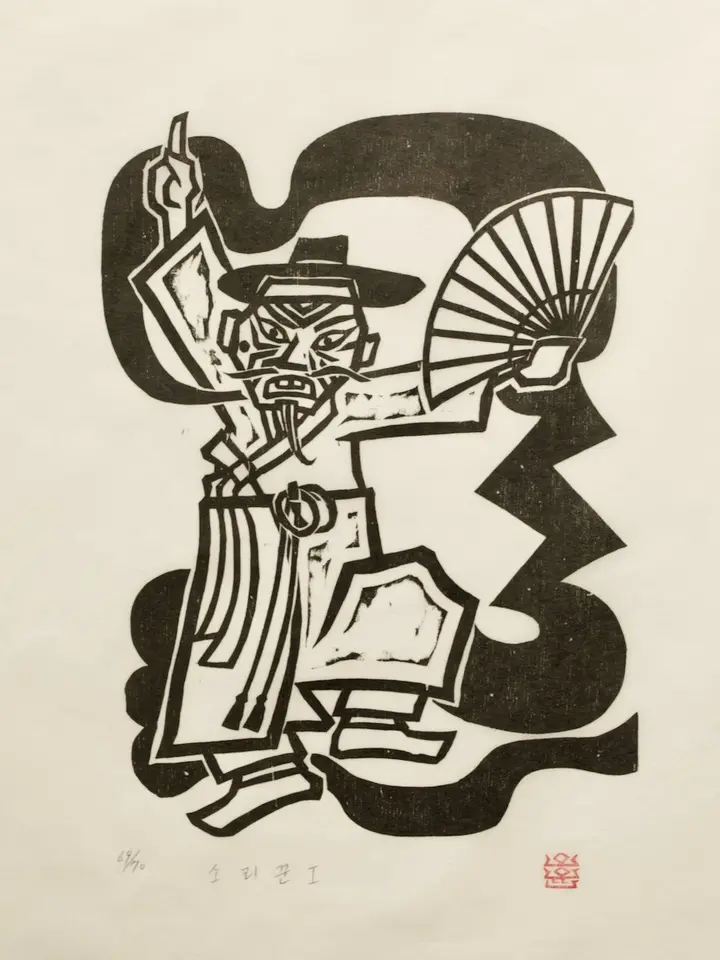
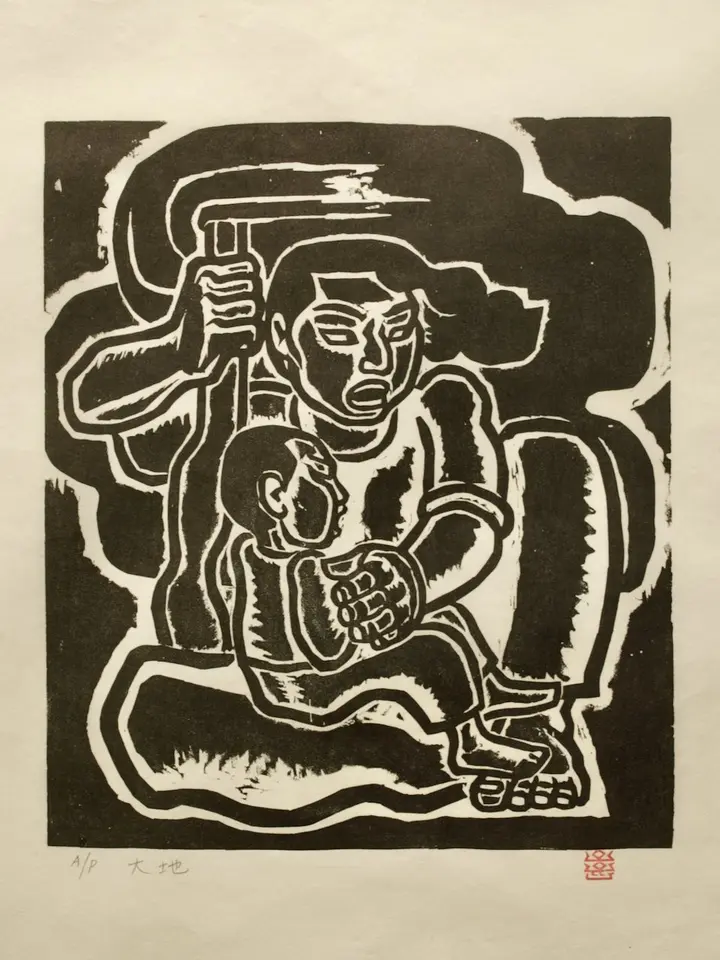
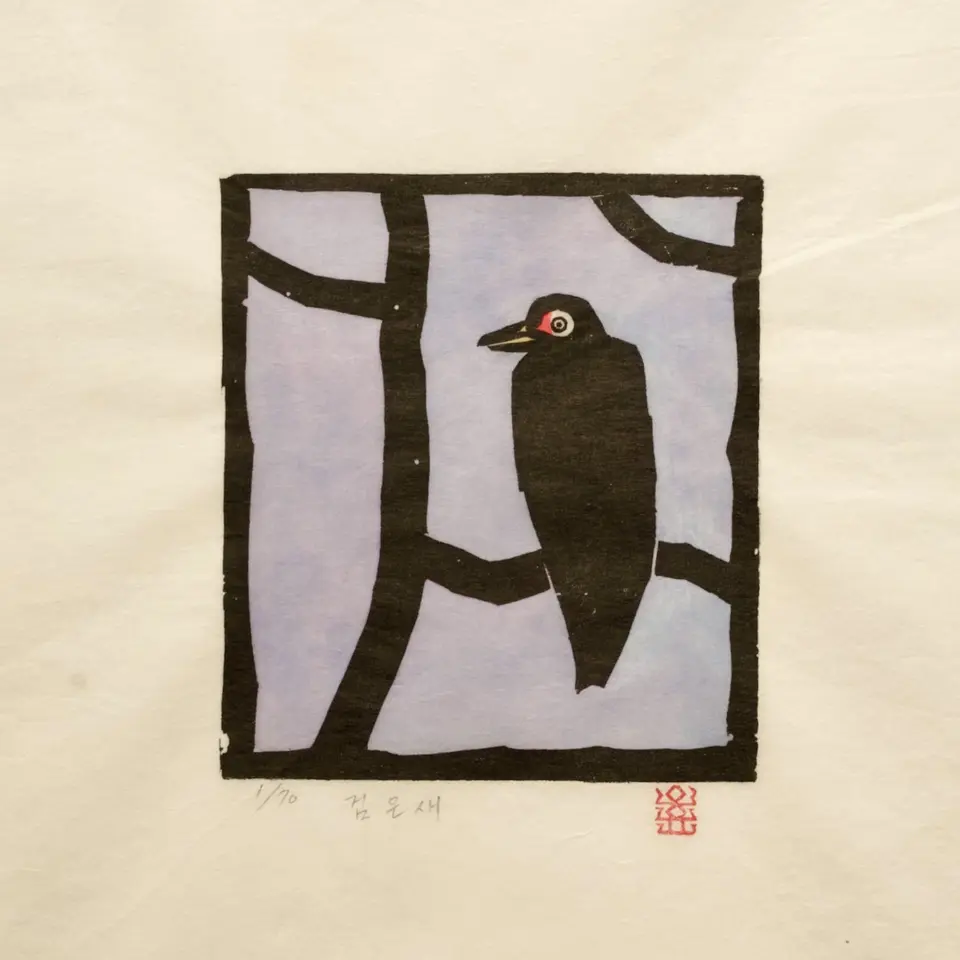
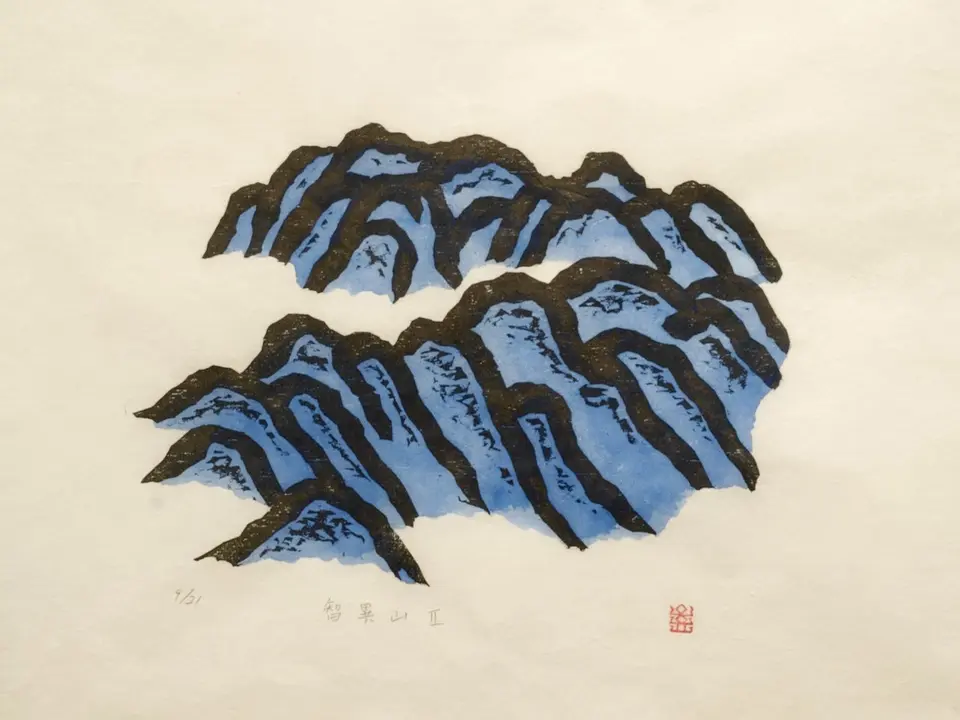
More on Oh Yoon
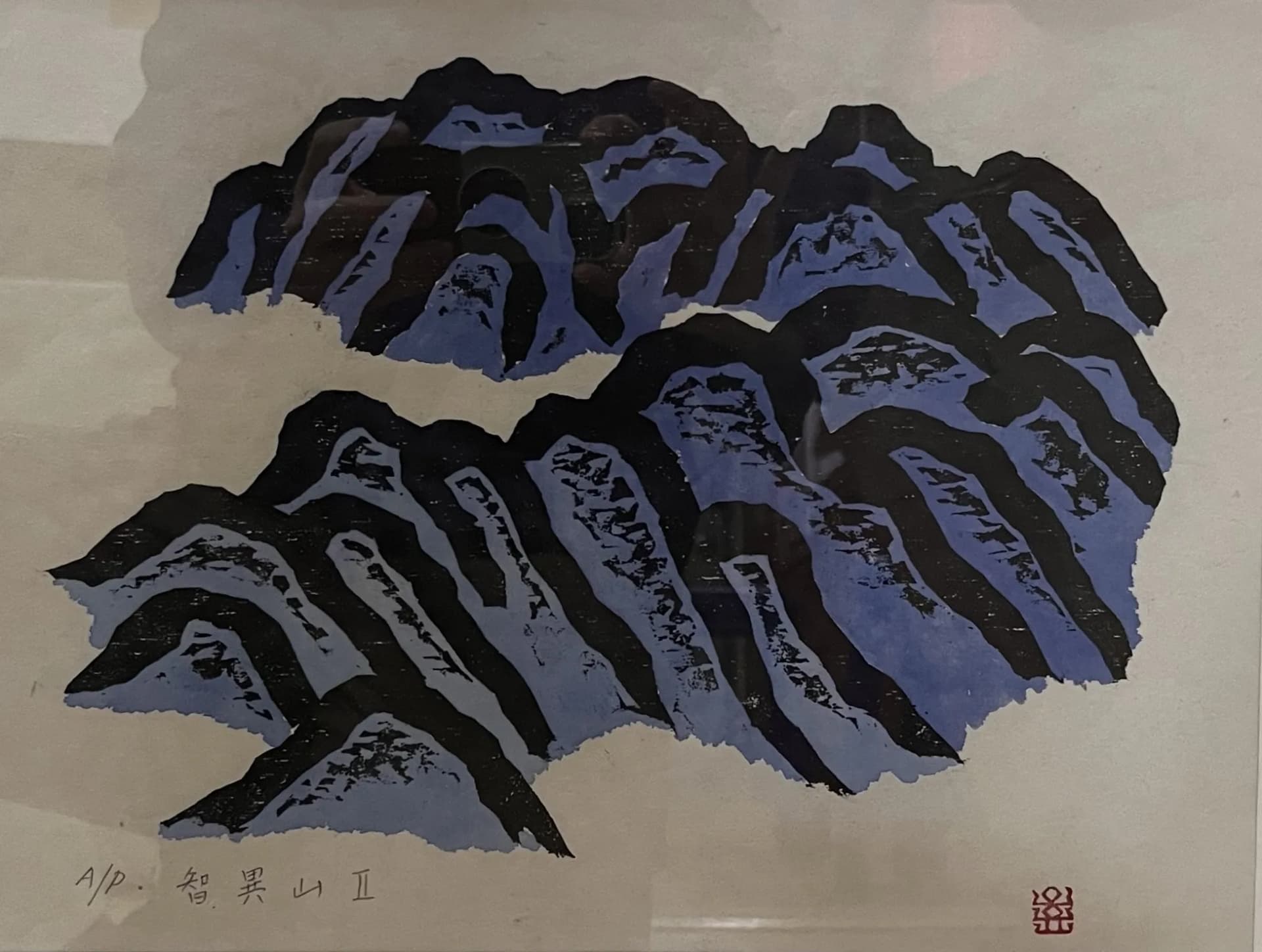 Magazine
Carving an Era with a Blade: Oh Yun 40th Anniversary Special Exhibition
The printmaker Oh Yun died at forty-one in 1986. Forty years later, the dance he carved into wooden blocks has not stopped. Eighteen posthumous prints submitted to SAF 2026 create a paradoxical, beautiful moment — his art reborn as a financial safety net for fellow artists.
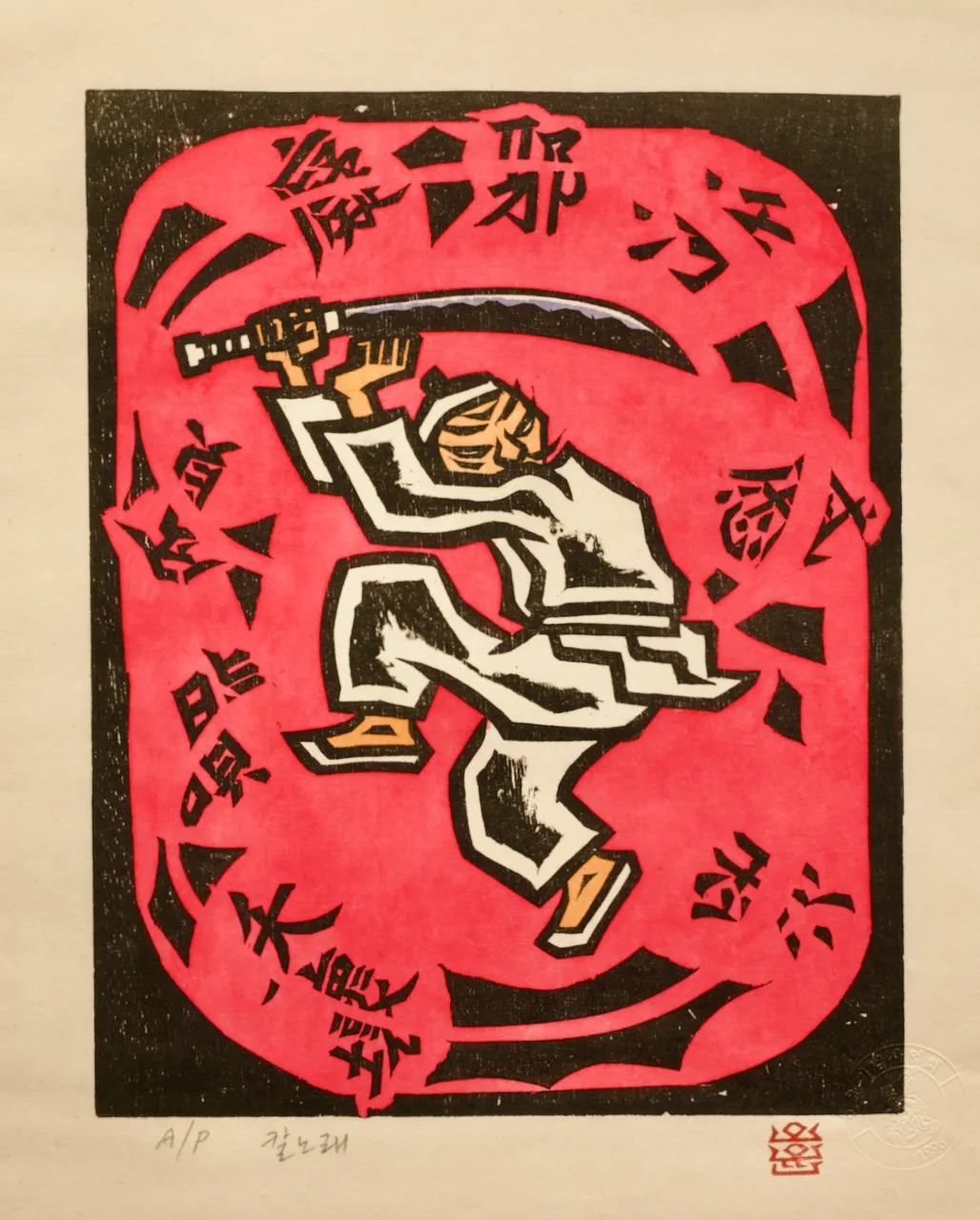 Magazine
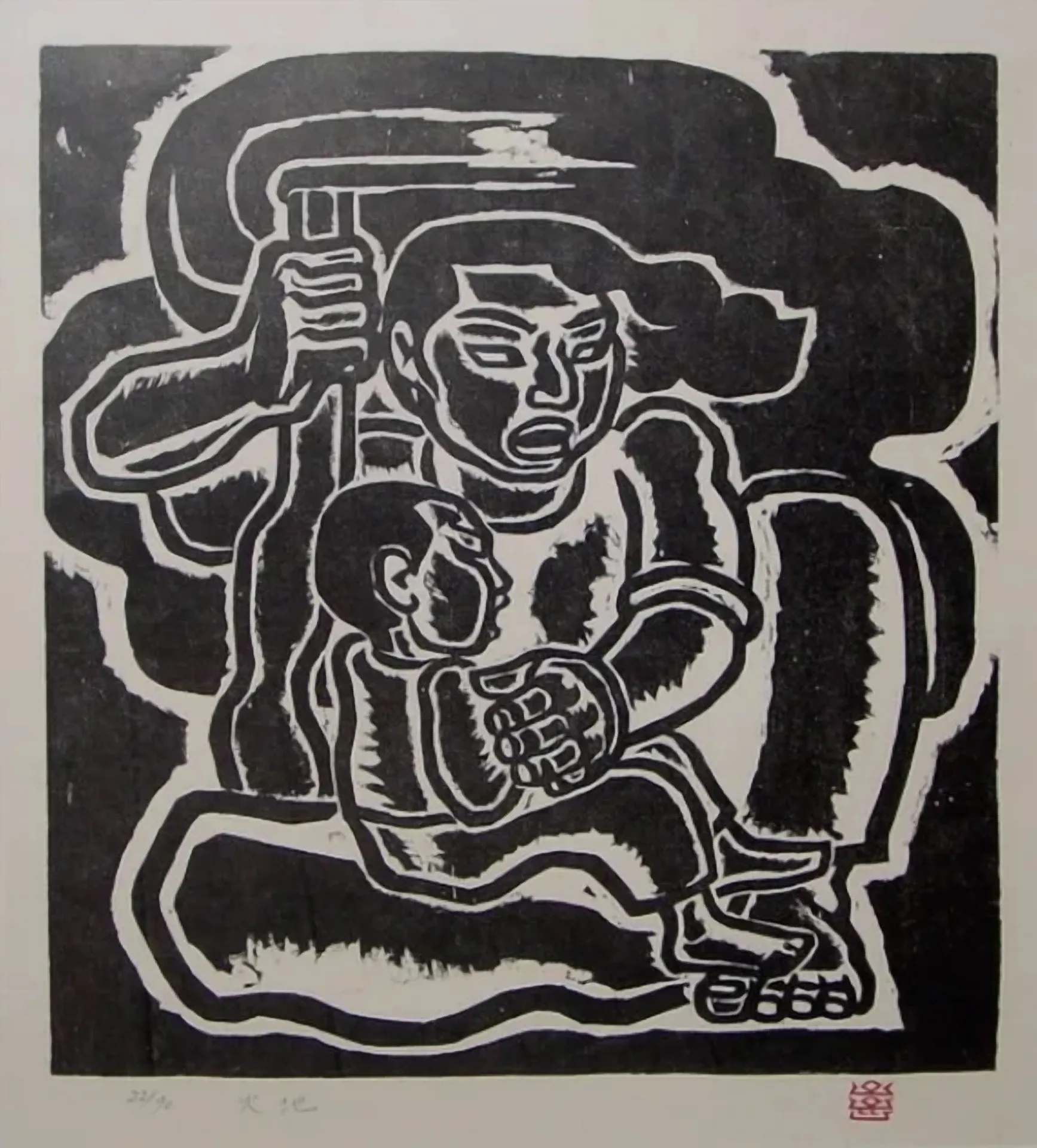
Oh Yoon's Song of the Blade (1985) — A Single-Work Reading
32.2x25.5cm. A single woodblock cut one year before his death. What was Oh Yoon's *Song of the Blade* (1985) singing? A 30-minute deep read of a single work — from the Donghak sword dance to the posthumous print market.
 Magazine
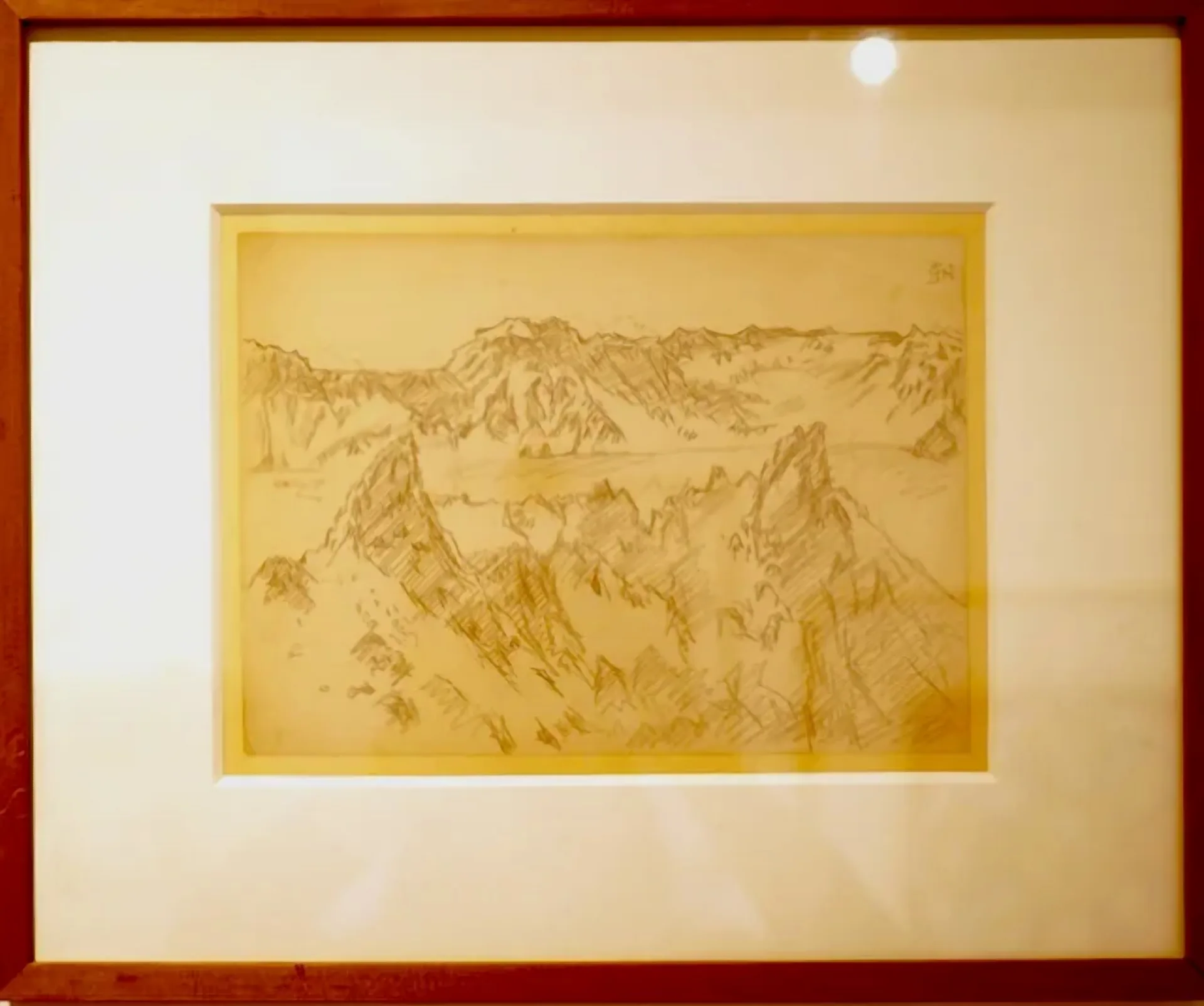
After Forty — How Oh Yoon Arrives Again, From July 1986 to April 2026
He died at forty in 1986. Ten years later, seven people gathered to issue the first — and only — posthumous print edition of his work. The painter who never priced a single print in his lifetime had his prints marked, signed, and closed by his peers after his death. As 2026 marks the fortieth anniversary, Oh Yoon arrives again. Series 1 of a posthumous-print market analysis.
 Magazine
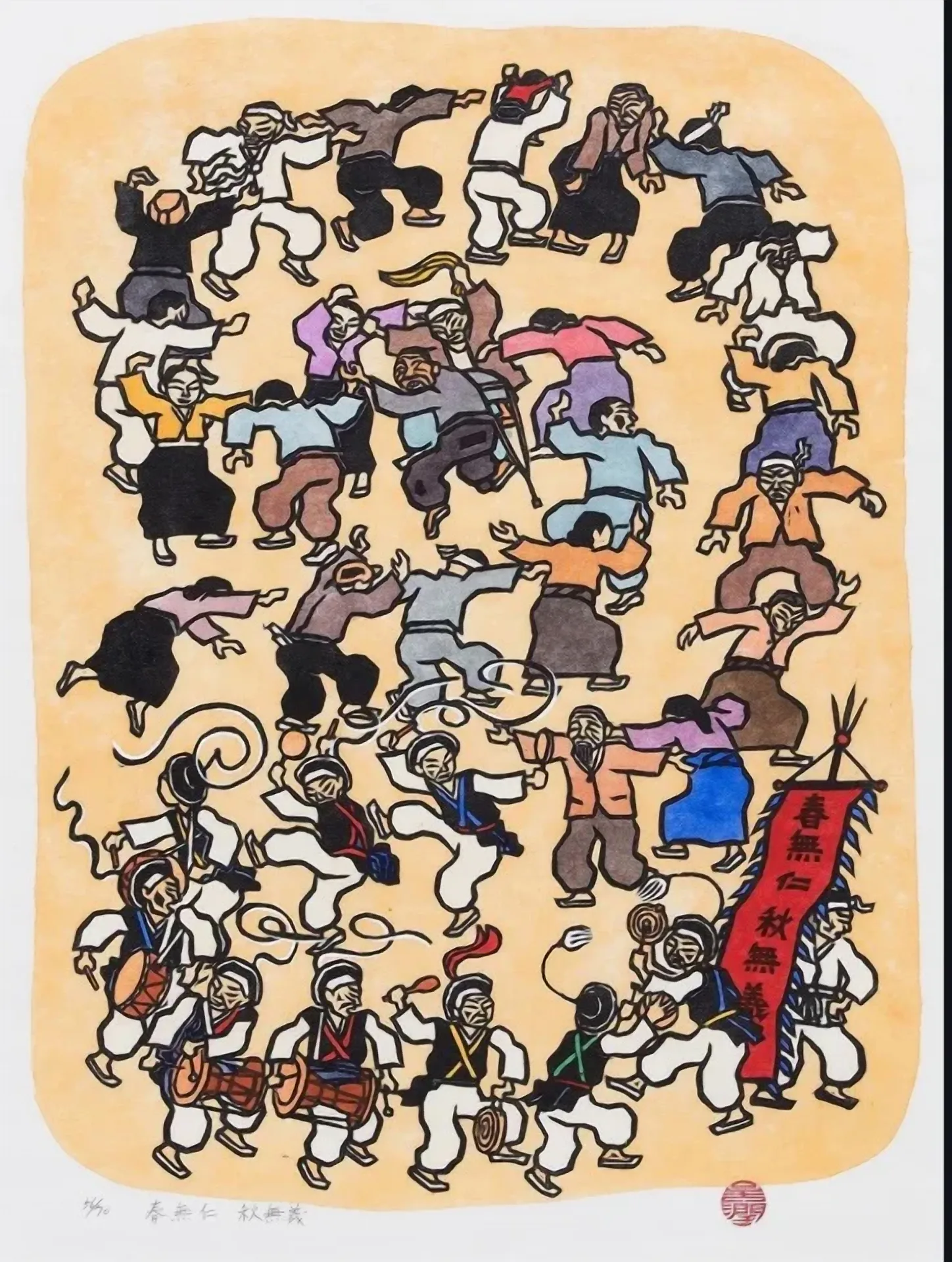
Korean Shamanism in Art — Oh Yoon's Goblins, Park Saeng-gwang's Rituals, An Eun-kyung's Recovery
At the deepest layer of Korean art lies shamanism. From Park Saeng-gwang's five-color rituals to Oh Yoon's daytime goblins and An Eun-kyung's contemporary acts of recovery on traditional janji paper — we read why shamanism still resonates in today's living rooms through SAF-owned works.
 Magazine
Oh Yoon Estate Prints Guide — How to Meet the Work of a Korean Minjung Art Master
A guide to the 17 estate prints of Oh Yoon (1946-1986), master of Korean minjung art. What an estate print is, five perspectives on his practice, and entry recommendations.