A painter who lived his entire life in a Japanese idiom erupted on the cusp of seventy. Park Saenggwang's last eight years — sunrise over Tohamsan, shamans, dancheong and talismans wrapped in obangsaek — stand as one of the most dramatic turns in Korean modern art.
The Explosion of the Last Eight Years — Park Saenggwang's Obangsaek Revolution
The last eight years of a painter's life can become everything. Or rather, those eight years can swallow decades that came before. Such is the case of Park Saenggwang.
A Long Detour
For a long time, Park Saenggwang painted in a Japanese idiom. Delicate linework, calm tones, work that followed the grammar of Japanese colored painting. This is not to say they were bad paintings. By the standards of the era, he was a skilled painter. But among those who remember Park Saenggwang today, few call his earlier work to mind.
The change came in his seventies. More precisely, during the last eight years of his life. For a painter in his seventies to become a completely different person is less a matter of courage than of explosion. Something long suppressed breaking outward.
The Moment Obangsaek Erupted
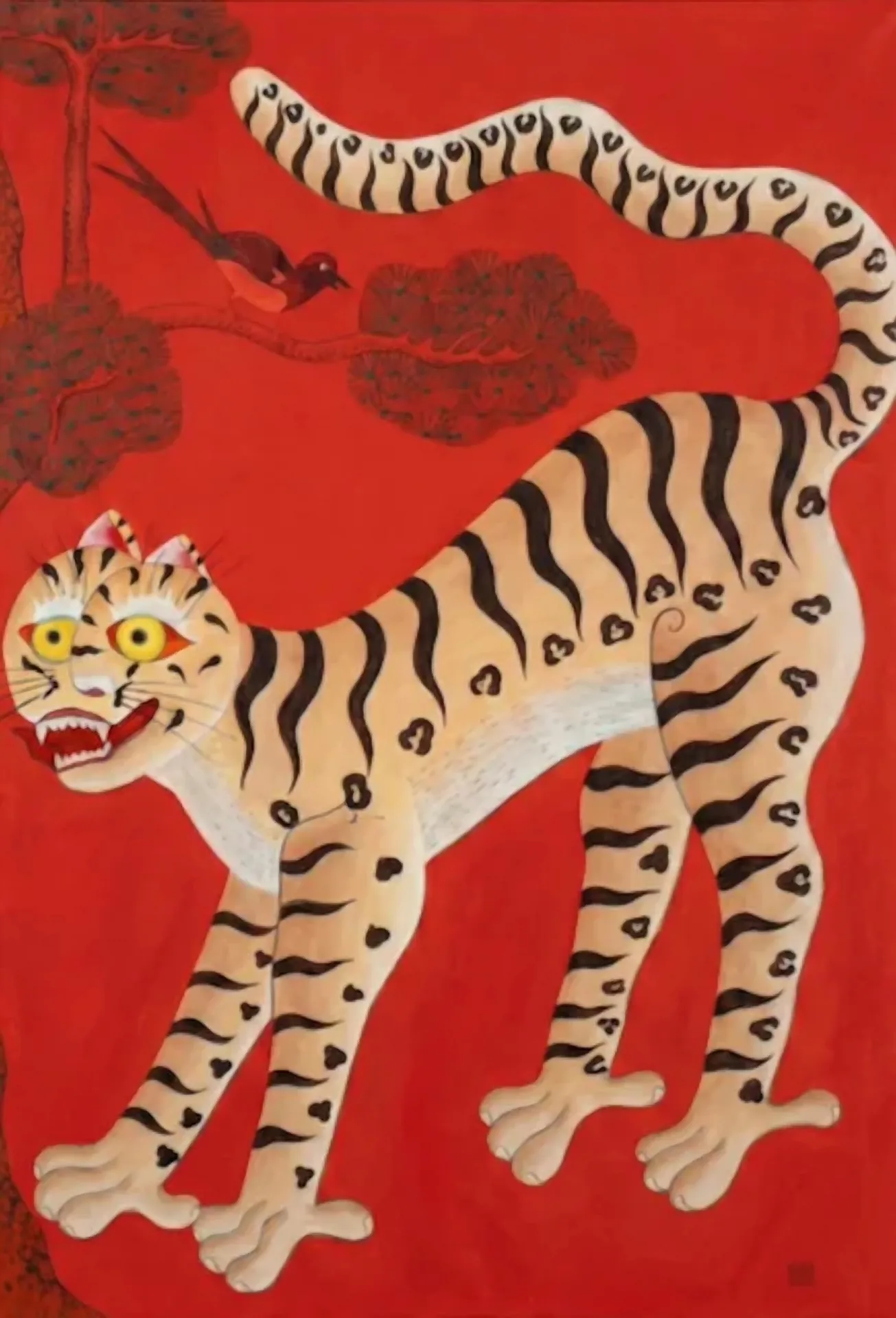
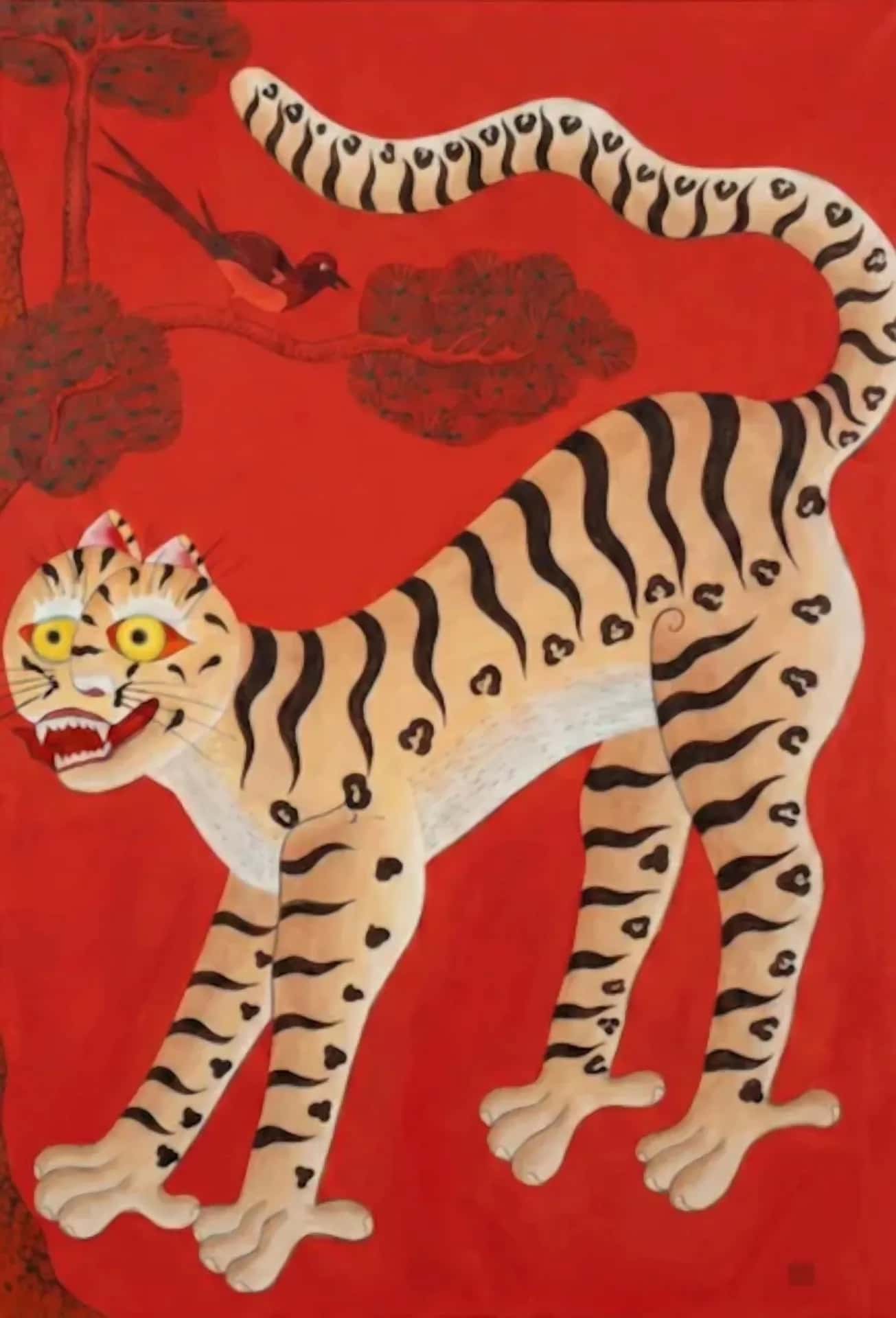
Look at the subjects he chose, and the intent is clear. Sunrise over Tohamsan. Masks. Dangun. Ten symbols of longevity. Spears. Buddha statues. Dancheong. Talismans. Shamans. Each one thoroughly Korean. More precisely, the things Japan had tried to erase from Joseon.
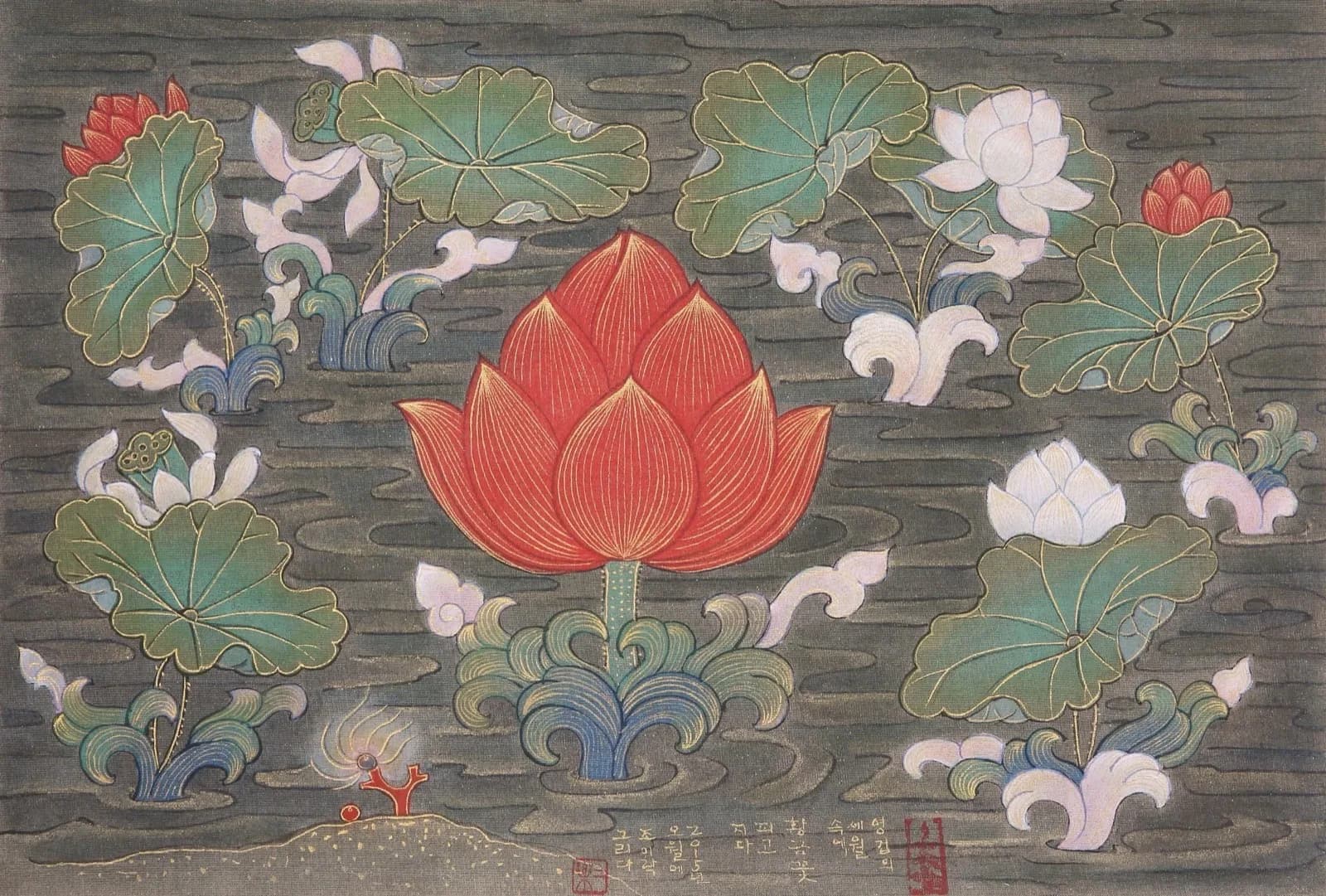
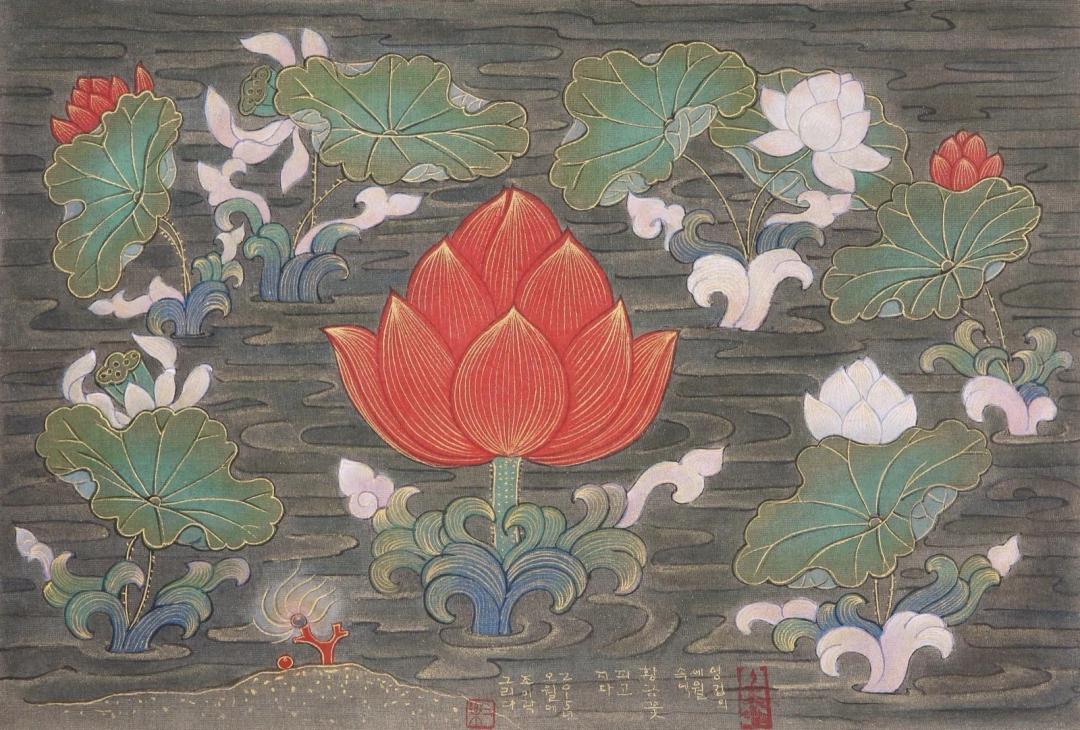
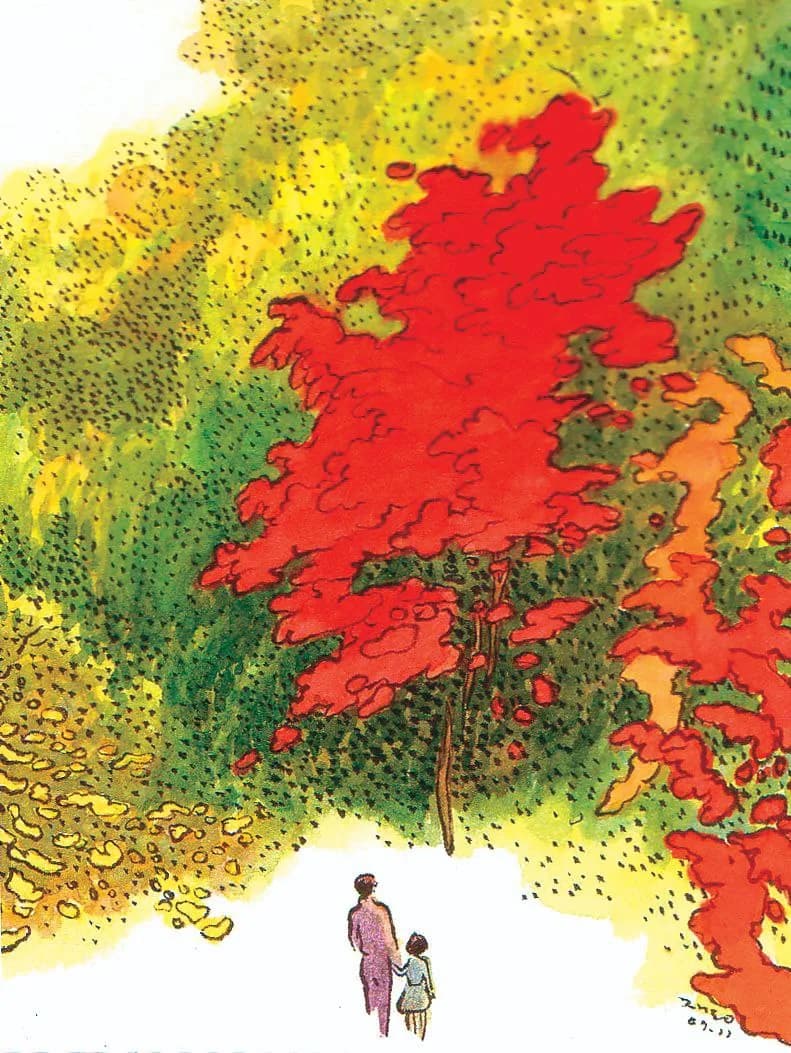
The technique was more radical. Onto the bones of ink painting, he poured obangsaek (五方色) — the five cardinal colors. Blue (靑), red (赤), yellow (黃), white (白), black (黑). The five colors holding an Eastern cosmology occupied the picture plane. Not calm, not restrained. Boiling. Overflowing. Alive.
"Through vivid colors and free composition, the earthbound sensibility and ethnic spirit of Korea arrives with the force of a boiling vitality."
Obangsaek is not mere color. East is blue (wood 木), west is white (metal 金), south is red (fire 火), north is black (water 水), center is yellow (earth 土). Direction and season, the Five Elements and yin-yang, all melt within color. Park Saenggwang used this color system not as aesthetic device but as ontological language.
A New Grammar for Ink-and-Color Painting
Art history calls the technique he forged "ink-and-color painting (suminchaesaekhwa)." A method where the linework of ink painting and the color planes of colored painting collide and fuse. Two traditions devour each other, and something new is born.
In Korean traditional color concepts, there is dancheong (丹靑). The vivid color patterns painted beneath the eaves of temples and palaces. That dazzling interlock of red, blue, and green, remembered by anyone who has ever visited a temple as a child. Park Saenggwang brought it onto the canvas.
The world of shamanism (musok) is the same. The robes of a shaman and the colors of a kut performance, the red script and yellow ground of talismans. Things that could be dismissed as "primitive" by Western art standards gain the confident grammar of contemporary art on his canvas.
What a Late Awakening Leaves Behind
Why did this change come only in his seventies? There is no correct answer. Perhaps what had been inside him for a lifetime finally ripened enough to come out. Or perhaps the sense that little time remained made him refuse every compromise.
In art, "lateness" is not defeat. On the contrary, the certainty radiating from someone who arrives after a long detour carries an urgency absent from those who were already there from the start.
The works Park Saenggwang painted in the eight years before his death made the evaluation "master of suminchaesaekhwa." A painter who built a new, original genre in the history of Korean modern art. That is the language of art criticism, but beyond it lies a much simpler truth. For some people, it takes the longest time to become honest with oneself. When that honesty arrives, the canvas explodes.
Two Works at SAF 2026
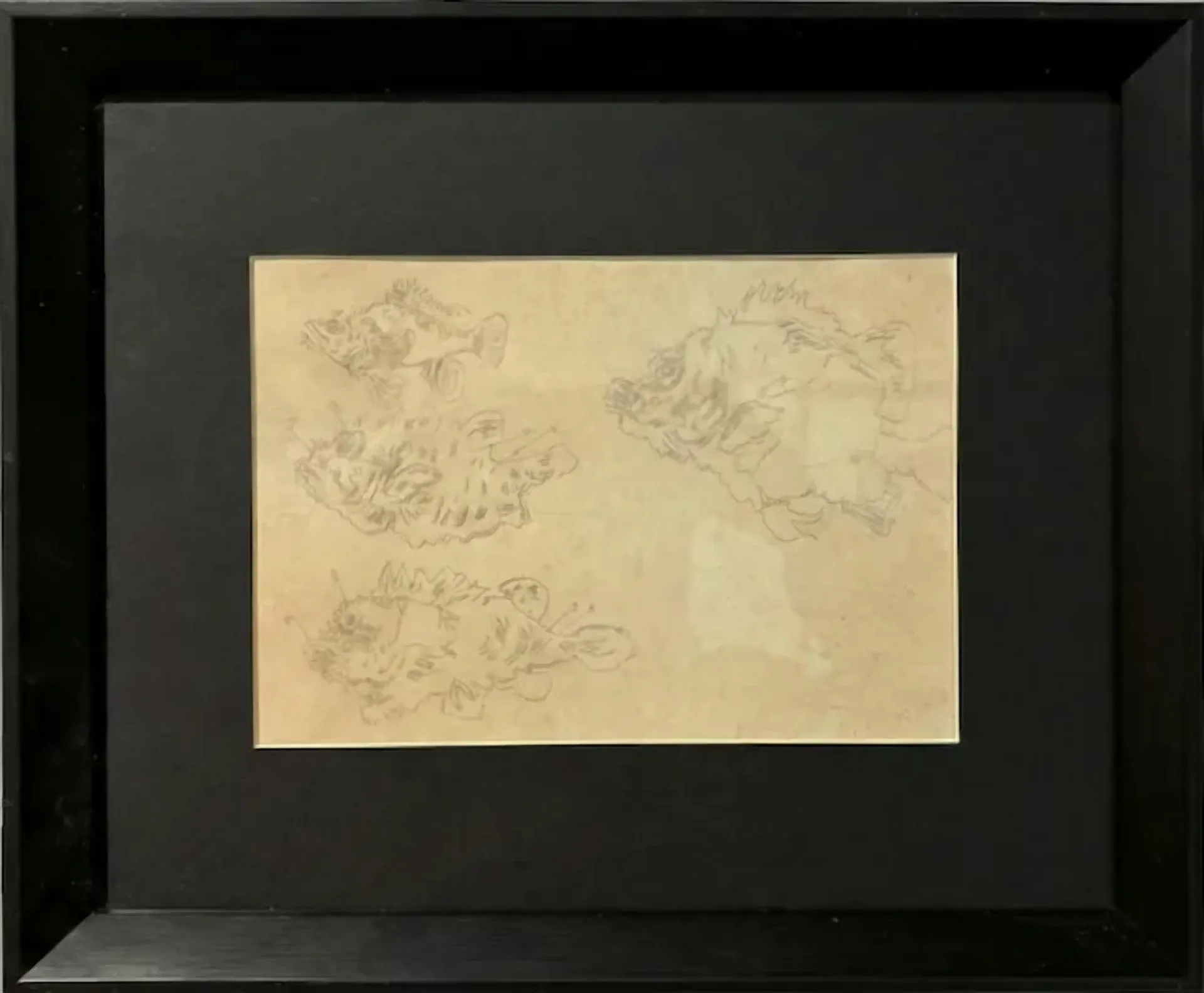
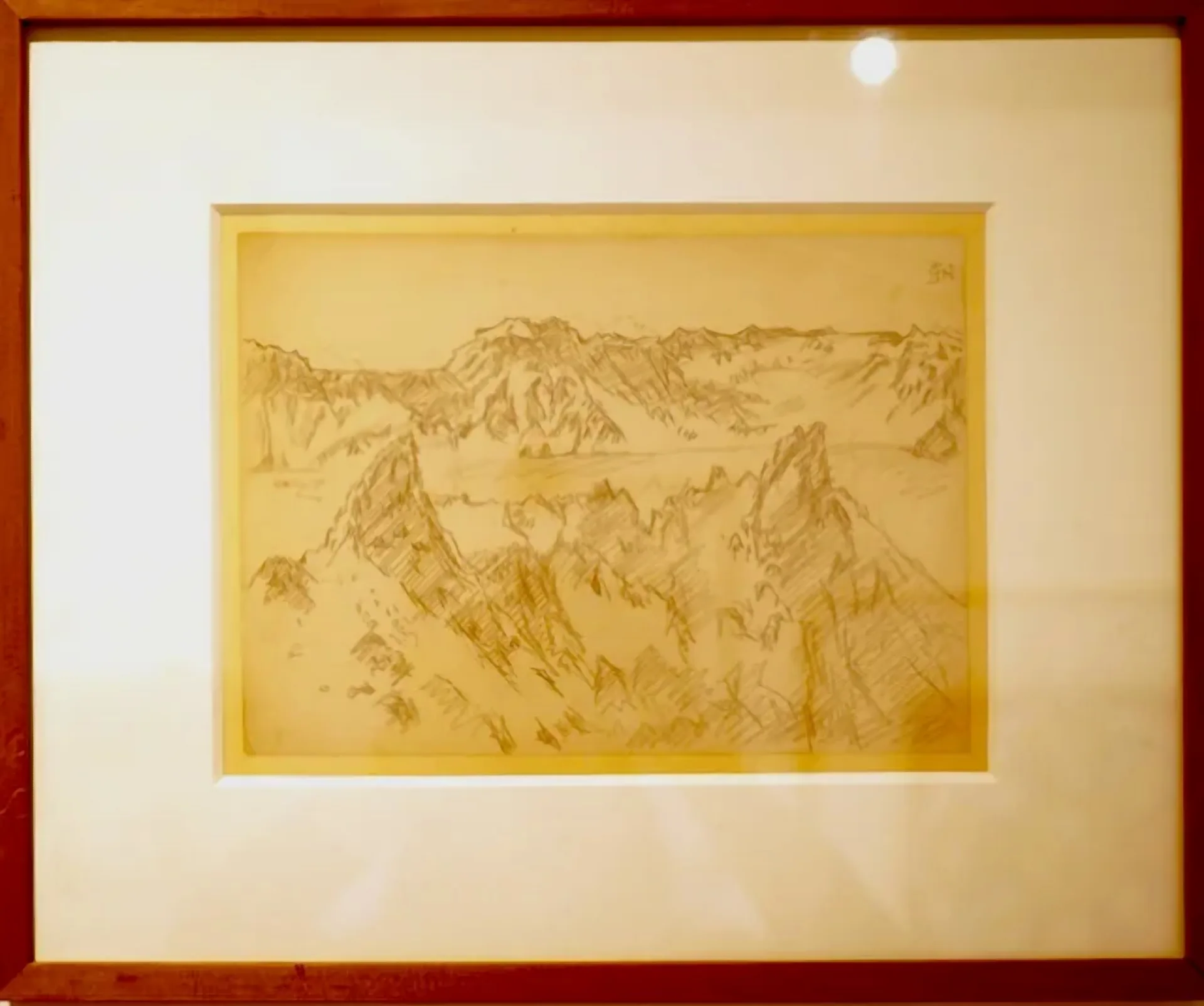
Two drawings by Park Saenggwang have been submitted to SAF 2026. Both are pencil on paper.
Mandarin Fish (25×18cm, pencil on paper, 1950) and Morning at Cheonji on Baekdusan (25.7×18.8cm, pencil on paper). Each was priced at ₩2,000,000 and both are now sold.
That these are drawings rather than oil or color paintings is striking. Drawing is the process of finding form at the master's fingertips. Not a finished plane but a trajectory where thought moves. Mandarin Fish from 1950 belongs to the time before Park Saenggwang had found his own color. Compared to the explosion of the last eight years, these early lines come alive with even greater clarity.
The Meaning of Solidarity
That Park Saenggwang's work is included in SAF is proof his art is still alive. Even after death, a work is continually placed in new contexts. This time, in the field of solidarity resolving the financial discrimination faced by fellow artists. There is a way an artist fights for something in life, and a way work lives on and joins the fights of the next generation. Park Saenggwang's case is the latter.
The explosion of the last eight years. It has ended, and it has not ended.
Solidarity in the Context
84.9% of Korean artists are excluded from institutional finance. Sales of works by SAF-exhibiting artists build a mutual-aid fund that returns as low-interest loans to fellow artists facing financial discrimination.
Works by Park Saenggwang
Related reading
If this piece helped, you may also enjoy these related articles:

View all works by Park Saenggwang →
Related Reads
Artists on the Same Path
Collecting Guides
Seed Art Festival
·