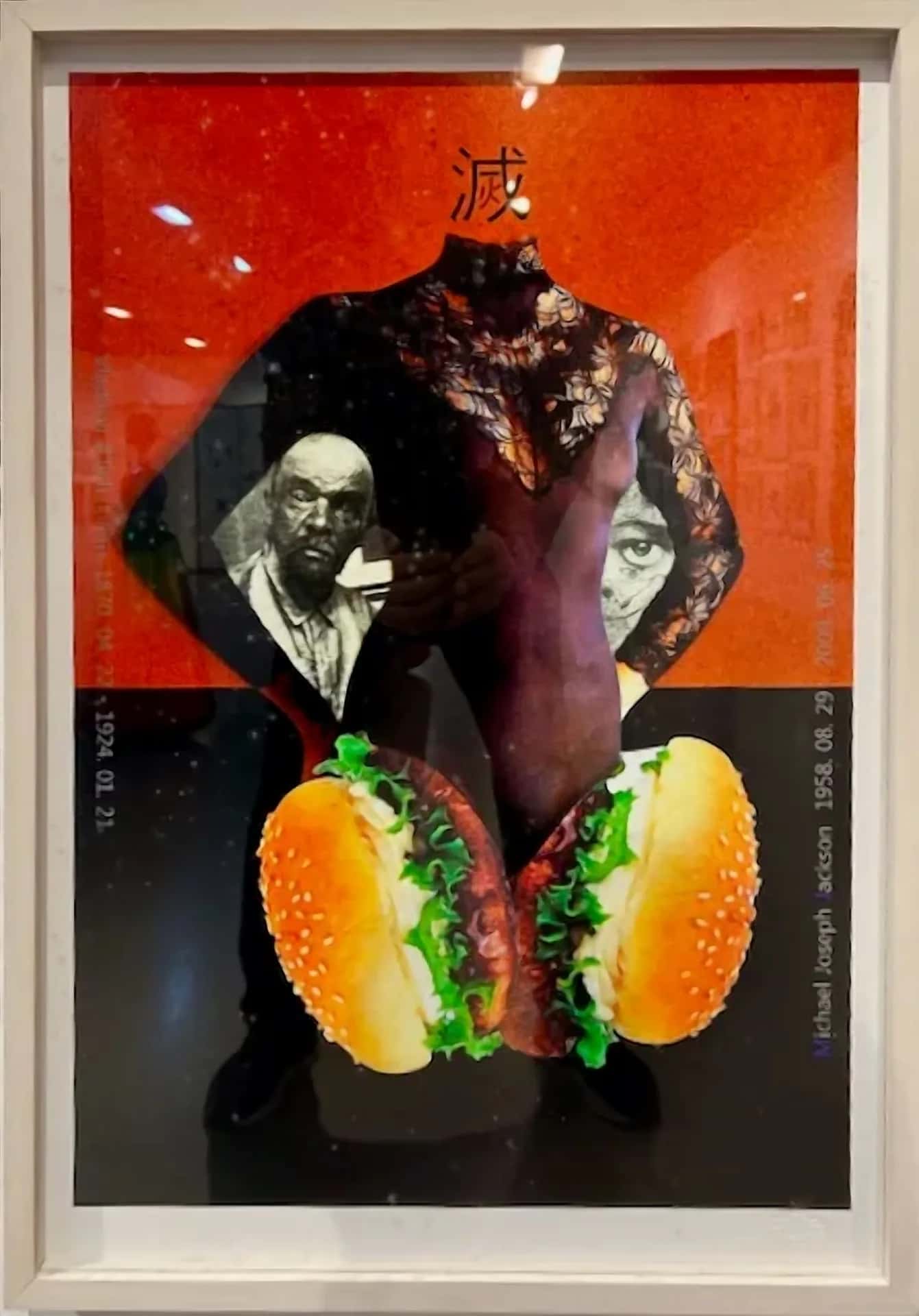
Park Bul-ttong — photomontage as resistance. The 1985 police shutdown of *Korean Art: The Power of the Twenties* didn't silence him; it opened the door for Minmihyeop.
The Day Police Shut Down an Exhibition
In 1985, police entered Arab Art Museum in Seoul.
Korean Art: The Power of the Twenties, curated by Park Bul-ttong, had opened only days earlier before being forcibly closed. Recorded as the first exhibition in Korean art history shut down by state power. The works were seized. Those who heard the news outside had to reconsider the relationship between art and power.
The event did not silence him. Paradoxically, it opened a door. That same year the Korean People's Artists Association (Minmihyeop) was founded, and minjung art gained broader social attention. That day in 1985 was not an end but another beginning.
Why Cut and Paste Photographs
Park Bul-ttong (b. 1956), born in Hadong, South Gyeongsang, studied Western painting at Hongik University. But the abstract-oriented education there felt hollow. His conviction — that art cannot exist apart from society — drew him elsewhere. In the early 1980s, he joined the social-engagement collective Reality and Utterance.
And found his own medium. Photomontage.
Cutting images from newspapers and magazines. Cutting and pasting. A powerholder's face, scenes of violence, symbols of capitalism collide on one surface. He then photographs the result. In front of it, he makes a strange declaration: this collage is not the original. The hand-made image is only process; the original is the photograph, and even the photograph can be reproduced.
Art without a singular original. A methodological declaration toward art that can be shared by many rather than monopolized by a few.
From Havana to MINYECHON
After 1985's closure, he did not stop. He was the first Korean artist at the Havana Biennale in Cuba. Followed by Gwangju Biennale, Seoul Media City Biennale. Through 2012, eleven solo exhibitions.
His show Hyeongi-ha Ak (Physical Evil) satirized the era's contradictions in photomontage. Mot-sseul-geot exposed capitalism's structures through seemingly trivial objects. His collaborative exhibition with Shin Hak-chul, Montage of Modern History (Seoul Museum of Art), reaffirmed his consistent posture: witnessing history through art.
As chair of the Korean People's Art Federation (MINYECHON), he has extended his advocacy for artists' rights and cultural democracy beyond the studio onto the ground.
Even after adopting digital technology, his critical awareness didn't change. Medium changed; the method — dissecting the world's contradictions through image — stayed the same.
A Question About Disappearance, an Answer in Solidarity
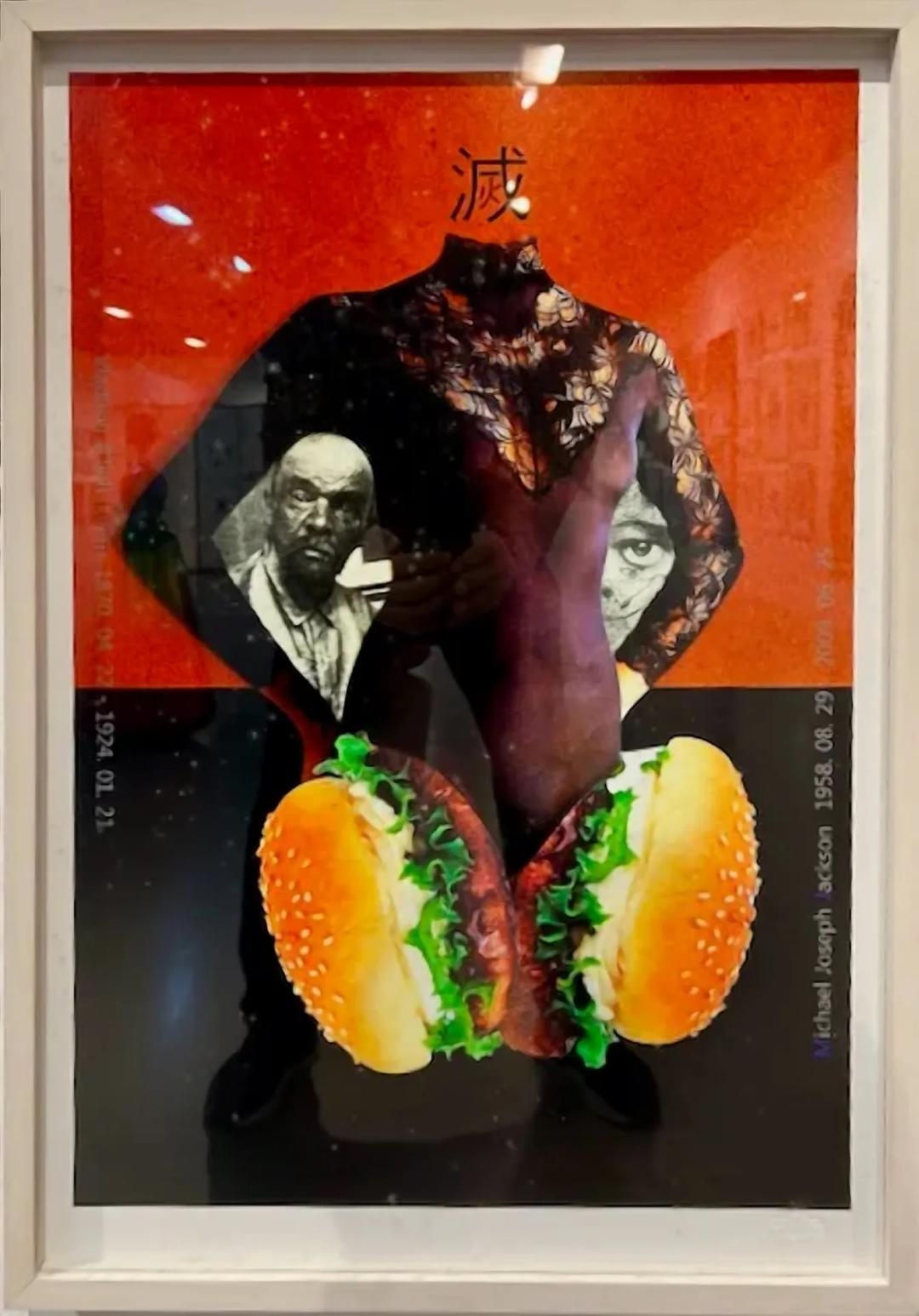
His SAF contribution, Myeol (Extinction) (1992, digital print, 40.7×58.5 cm), takes the character for extinction as its theme. What disappears, what remains?
Power disappears. Eras of suppression disappear. But the images that record them remain. That is what photomontage asks.
For an artist who has fought for artists' rights for 40 years, contributing work to SAF is a natural extension. A mutual-aid structure that returns as low-interest loans to artists facing financial discrimination — deeply resonant with Park Bul-ttong's conviction of practicing resistance and solidarity through art.
In 1985, police closed an exhibition. But the images he has made have not closed. Forty years later, they remain open.
Works by Park Bulttong
Related reading
If this piece helped, you may also enjoy these related articles:
View all works by Park Bulttong →
Related Reads
Artists on the Same Path
Collecting Guides
Seed Art Festival
·
