Regretting your first art purchase is usually about mistakes you would have avoided if you knew. Seven of them, plus a 7-day post-purchase checklist.
Reasons people regret their first art purchase are simpler than you'd think. Most are "mistakes you would have avoided if you'd known". This article covers seven of them, plus the post-purchase checklist to run within a week. Worth reading before and after you buy.
Mistake 1. Chasing Trends
Buying based on who's hot on Instagram, or the name everyone says is "the next big thing." The single biggest risk for a first-time collector. Within one to two years, attention shifts, and what stays is one piece on your wall.
Instead: ask whether you'll still want to look at it in ten years. Trends can wait for your second piece.
Mistake 2. Buying Without a Certificate
A certificate isn't just a document. It becomes the basis for authentication, insurance, transfer, inheritance. On resale, the presence of a COA can swing the price by 20–30%.
Instead: before buying, always confirm "does this include a certificate and artist signature?" At SAF, every work ships with artist confirmation and signed guarantee.
Mistake 3. Skipping the Size Check
Deciding based on photos alone and then finding the piece either "too small" or "covering the whole wall." Surprisingly common.
Instead: tape paper of the same dimensions onto the wall and live with it for two to three days. Knowing the Korean ho scale speeds your intuition — see Reading Artwork Sizes: Ho vs cm.
Mistake 4. Ignoring Frame and Delivery Costs
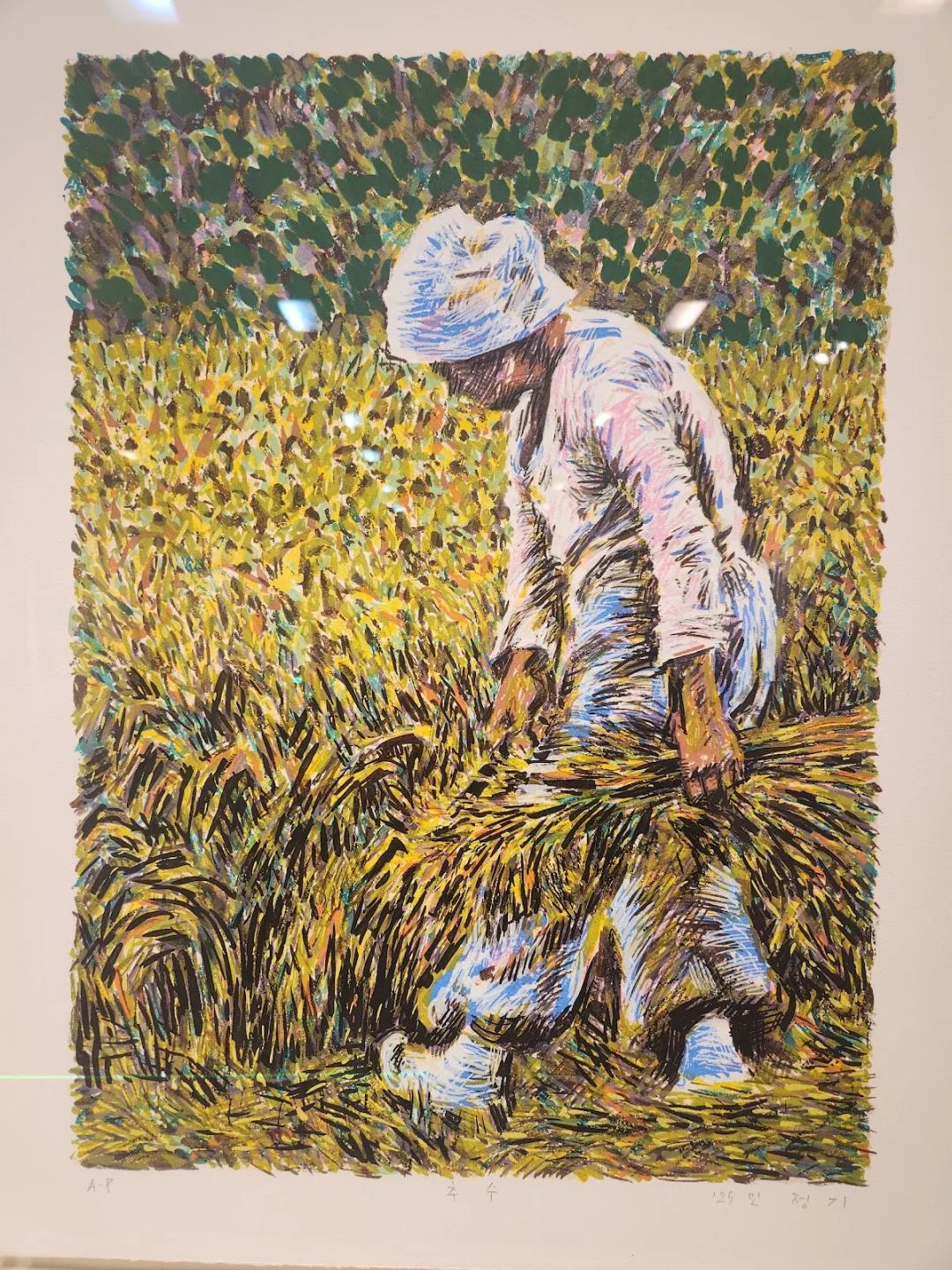
A ₩500K work can add ₩300–400K for premium framing; a large work can run ₩100–200K for professional delivery. Final spend easily overshoots budget by 130%.
Instead: keep the work itself to 70% of your budget ceiling. SAF ships free, so this line item is lighter. Full breakdown in Choosing Your First Artwork by Budget.
Mistake 5. Skipping the Edition Details
Buying on the word "limited" and discovering the edition size was 300. Understanding how print and photo editions work lets you read value differently at the same price.
Instead: before buying, confirm three things.
- Total edition size (e.g., 30/30)
- Whether AP or EA exist separately
- Location of the artist signature
Terminology in Prints vs. Originals, and Edition Numbering.
Mistake 6. Confusing Prints and Reproductions
Questions like "isn't printing this image the same as the work?" come from not separating prints and reproductions.
Instead: a print is original art — the artist made the plate. A reproduction is a scan-and-print copy. They're entirely different media, distinguished by certificate, edition number, and signature.
Mistake 7. Thinking Only About Resale
The moment you start with "when will I sell this," the pleasure of living with the work disappears. Korea's art market also doesn't make private resale easy.
Instead: treat your first work as a ten-year piece with no resale assumed. Investment thinking can wait for your second work.
Post-Purchase Checklist — Within 7 Days
Buying isn't the end. A few things to do within a week.
D-Day (arrival)
- Photograph the packaging (for disputes)
- Full photos front, back, and sides after unboxing
- Cross-check COA and edition number
Day 1–3
- Choose installation location (wall material, lighting, direct sunlight)
- Temporary hang, observe for 3 days
- Check humidifier/dehumidifier angles
Day 4–7
- Final installation (eye level 145–150 cm)
- Store certificate, receipt, appraisal in one folder
- Consider insurance if the work is ₩15M or above
The Simplest Way to Avoid Mistakes
The most reliable method: see the work enough times. Not on Instagram — in physical space.
The SAF 2026 main exhibition opens at Insa Art Center's G&J Gallery. Touch the piece, step back, look again before deciding. Browsing currently available works ahead of the visit makes it efficient.
The Context of Solidarity
84.9% of Korean artists are excluded from institutional finance. Sales of works by SAF-exhibiting artists cycle into a mutual-aid fund, returning as low-interest loans to fellow artists.
Avoiding mistakes doesn't just save money; it starts the first relationship with an artist on healthier ground. Getting the certificate, understanding editions, hanging the work well — every such act reads to the artist as "this person takes my work seriously."
One Last Line
A first piece is better chosen for love than for safety. If that love grows big enough to cover the mistake, you can skip some of the seven.
Related Guides
Explore Further
Related reading
If this piece helped, you may also enjoy these related articles:
Seed Art Festival
·