Why Pace, Gagosian, Thaddaeus Ropac, White Cube, and Perrotin all gathered in Hannam. A map linking Leeum and seven global galleries in a single day.
Hannam-Itaewon Museum and Gallery Map
Until 2017, Hannam-dong barely existed on the art map. Leeum stood there alone. Then, in 2017, Pace Gallery's Seoul opening fired the starting signal, and global mega-galleries began opening Korean spaces in and around Hannam.
Pace (2017) and then Thaddaeus Ropac (2021) anchored Hannam as a hub for global mega-galleries. (Perrotin is in Samcheong and Gangnam's Dosan area, White Cube is in Sinsa-dong, Gangnam, and Gagosian has no permanent space yet, holding its Korean shows as pop-ups.) Centered on Leeum, the Hannam area became a new center on the Korean art map within a few years.
This essay maps out the gallery terrain of Hannam-Itaewon, which is of a different grain from Anguk-Samcheong (see our existing day-course).
Seven Sites in Hannam-Itaewon at a Glance
| Site | Headquarters | Location | Character |
|---|---|---|---|
| Leeum Museum of Art | Samsung Foundation of Culture | Hannam (opened 2004) | Korea's foremost private museum |
| Pace Gallery | New York | Hannam (2017) | Global mega; contemporary masters |
| Thaddaeus Ropac | Salzburg / Paris / London | Hannam (2021) | Gerhard Richter, Robert Rauschenberg |
| Perrotin | Paris | Samcheong (2016) · Gangnam Dosan (2022) | Strong in contemporary and Asian artists |
| White Cube | London | Sinsa-dong, Gangnam (2023) | British contemporary (YBA), Damien Hirst |
| Gagosian | New York | No permanent space (APMA pop-ups) | World no. 1; Jeff Koons, Andy Warhol |
The venues actually clustered in Hannam are Leeum, Pace, and Thaddaeus Ropac. Perrotin and White Cube are in the Gangnam area, and Gagosian has no permanent space, so check the location and exhibition schedule before visiting.
Why Hannam Drew the Mega-Galleries
1. Leeum as the Anchor
Leeum, opened in 2004, is Korea's premier private museum. Tadao Ando, Rem Koolhaas, Jean Nouvel — three of the world's leading architects each designed a wing, making the building itself a work. Korea's classical, modern, and contemporary collections converge here. Global collectors visiting Seoul invariably stop at Leeum, and it was natural for the mega-galleries to step into that path.
2. Density of Foreign Residents and Spending Power
Hannam-dong and Itaewon are among Korea's most internationally populated neighborhoods. Embassies and high-end residences cluster here, and global collectors and executives based in Korea visit often. The mega-galleries' core clientele is within walking distance.
3. Real Estate — Tall Ceilings and Natural Light
Mega-galleries like Pace and Gagosian require ceilings over five meters and large spaces with natural light. New buildings in Hannam-Itaewon meet those requirements; rents are more reasonable than in Gangnam, and parking is feasible.
4. The Entry Point of Contemporary Art into the Global Market
Hannam differs from Anguk. If Anguk is the home turf of Korean artists and Korean collectors, Hannam is the entry point through which global artists arrive in Korea. The two districts are complementary, not competing.
Suggested Route — A Half-Day Course
10:00 Begin in Hannam-dong — Leeum First
- Five minutes on foot from Hangangjin Station Exit 1
- Leeum admission: free for the permanent collection (special exhibitions extra)
- Hall 1 (classical) → Hall 2 (modern) → Hall 3 (contemporary), about two hours
- Tadao Ando's black box, Rem Koolhaas's concrete box, Jean Nouvel's rusted-steel volume — the architecture itself is a viewing point
- Closed Mondays
12:00–13:00 Lunch — Hannam-dong's Side Streets
- Around Hannam Market — light Korean food and gukbap in the 10,000-won range
- Cafés around Hannam-ogeori — value-for-money brunch
- Itaewon's global cuisine — Mexican, Italian, Turkish, Indian
13:00–13:45 Pace Gallery (Pace Seoul)
- Near Hangangjin Station, seven minutes on foot from Leeum
- Korean dealer for Alexander Calder, Agnes Martin, Mark Rothko
- A key venue for encountering authentic works by global masters in Korea
- Free admission
13:45–14:30 Thaddaeus Ropac (Thaddaeus Ropac Seoul)
- Five minutes on foot from Pace — both in Hannam
- Roster including Gerhard Richter, Robert Rauschenberg, Georg Baselitz
- The European mega-gallery's Korean outpost; relatively scholarly atmosphere
- Free admission
14:30–15:15 BHAK Gallery (Hannam)
- Along Hannam-daero
- Discovery of emerging and mid-career Korean contemporary artists; the most Korea-focused space in Hannam
- Reasonable prices for new collectors; free admission
Mega-galleries outside Hannam — Perrotin (Samcheong and Gangnam Dosan) and White Cube (Sinsa-dong, Gangnam) are in other districts, hard to fit into the same day's route. Gagosian has no permanent space and holds its Korean shows as pop-ups at the Amorepacific Museum of Art (APMA), so check the exhibition schedule before visiting.
15:30–16:30 Café and Wrap-up
- Complex Series cafés — across Hannam
- Chapter One or Knotted — for a quick dessert
16:30 Itaewon Dinner or Close
- Dinner at the wide range of global eateries in Itaewon
- Wrap up at Itaewon Station, Line 6
What Distinguishes Anguk and Hannam
| Item | Anguk-Samcheong | Hannam-Itaewon |
|---|---|---|
| Gallery character | Home turf of Korean galleries | Korean outposts of global mega-galleries |
| Price level | Korean market pricing | Global market pricing (generally higher) |
| Artists shown | 70–90% Korean | 70–80% global |
| Atmosphere | Hanok and traditional alleys | Modern buildings, foreign-resident district |
| Visit duration | 4 hours (8 sites) | Half-day (4 sites incl. Leeum) |
| Best suited to | Introduction to Korean art history | Global contemporary and blue-chip study |
If you are starting to collect, Anguk first, then Hannam is the natural sequence. Get a feel for the Korean market first; then compare it with the global one.
What to Know If You Buy Work in Hannam
1. Prices Are Above the Korean Market Average
Works at the global mega-galleries are almost all above 100 million won. Even small works typically start above 50 million won, and key works trade between 1 and 5 billion won. For a typical salaried collector, this is closer to a "viewing site"; for collectors at that price level, it is "the only window in Korea to encounter authentic global work."
2. VIP Lists and Waitlist Culture
Galleries like Pace and Gagosian prioritize new works by hot artists for VIP collectors. First-time clients may find that some works are difficult to access in Korea; this is a market entered through long-term relationship-building with gallerists. Knowing that this is the standard operating mode of mega-galleries, not unfair discrimination, is helpful in advance.
3. You May Be Served in English
More than half the staff at Hannam mega-galleries are foreign-born or work primarily in English. Korean is fully understood, but if English does not intimidate you, you can receive more detailed artist and work information.
4. Photo and Social Media Manners
Posting interior photos of a gallery to Instagram is standard, but scenes of other collectors viewing work, VIP lounges, and ongoing transactions are absolutely not photographed. Standards stricter than at Korean galleries apply.
The Work You See in Hannam Meeting Korean Contemporary Artists
Hannam mega-galleries do show some Korean artists. Lee Bul at Pace, Park Seo-bo at White Cube, Kim Hong-suk at Perrotin — these are among the most highly priced Korean artists in Korea.
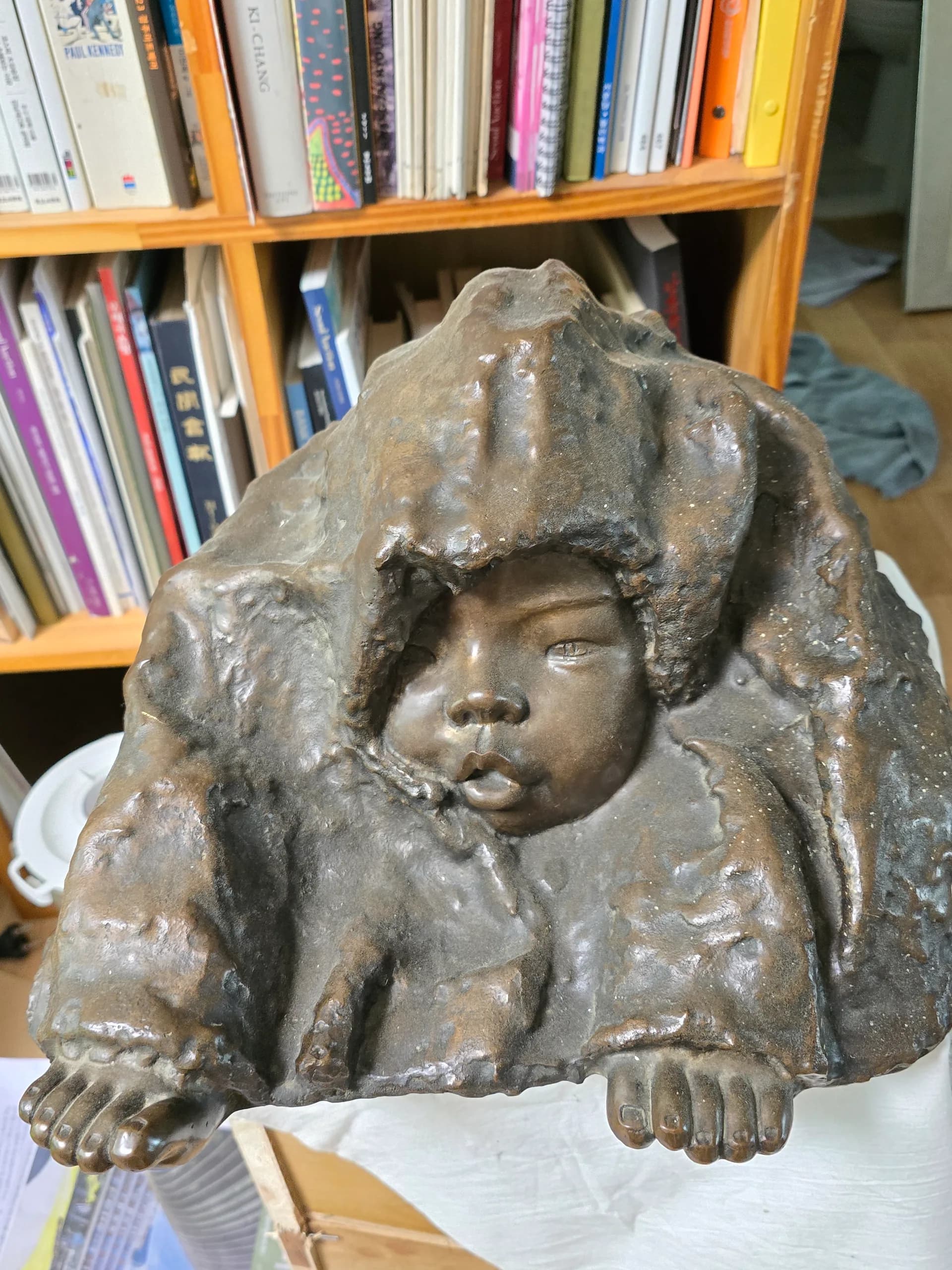
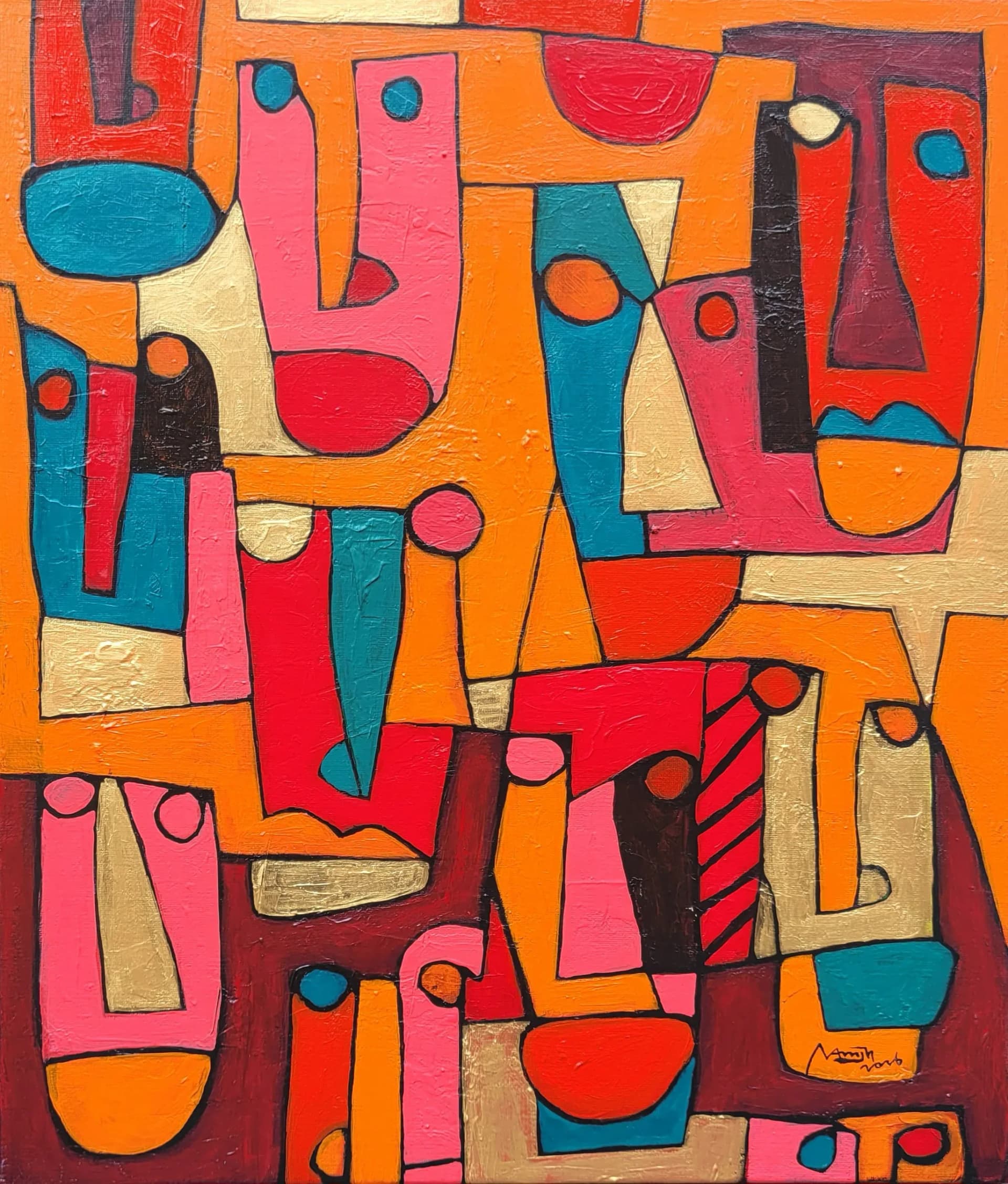
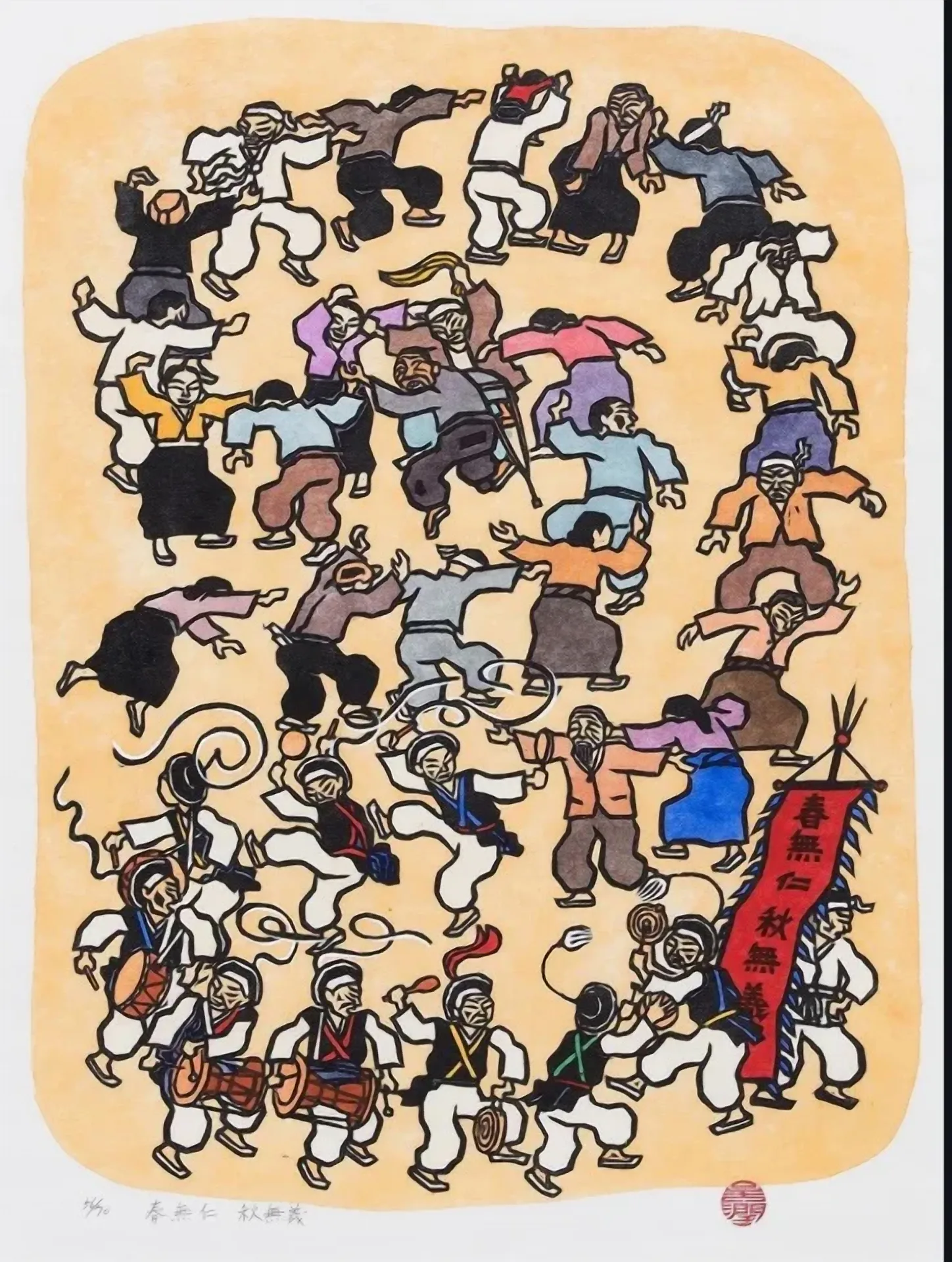
The Korean contemporary artists in SAF are at a different position in the market from these. Of a different grain from the over-100-million-won works traded in Hannam, SAF's place is "the reasonable price range of contemporary artists working in Korea". A piece like the Kang Lea #01_S1707SP cited above, combining digital pigment with hanji, is of a register rarely seen on the Hannam global roster.
Learn the market price points in Hannam, then look at Korean artists' work in the SAF gallery; the differences and the complementarities between the two markets become clear.
Frequently Asked Questions
Q. Are ordinary visitors welcome at Hannam mega-galleries? A. Yes — there is no discrimination at the door. The atmosphere is quiet and staff are composed, which can feel intimidating at first. "I came to see the show" is a perfectly natural way to enter. You can browse freely without asking prices.
Q. Can you actually buy work at the Hannam galleries? A. Yes. But prices generally start above 100 million won, and hot artists are prioritized for VIPs and have waitlists. If your interest is serious, the standard practice is to take a gallerist's card and follow up by email.
Q. Can I take photos at Leeum? A. Permanent collection displays generally allow it; special and curated exhibitions are often "no photo" depending on the work. Flash and tripods are always prohibited. Signage at the entrance to each gallery indicates the rules.
Q. Which Korean artists have had Hannam raise their market prices? A. Park Seo-bo (Dansaekhwa), Lee Bae (black), Lee Kun-yong (bodily abstraction), Lee Bul (installation) — after entering global mega-galleries, their Korean market prices rose 5 to 10 times. Hannam is part of the market that makes Korean artists' global prices.
Q. Is this suitable for a family visit? A. Leeum is family-friendly, but at the mega-galleries, take particular care that children do not touch the works. Compensation amounts for damage are very high. Mega-gallery visits are not recommended with infants or highly active small children.
Q. I can't find Korean restaurants in Hannam. A. Itaewon weights heavily toward global cuisine, but around Hannam Market and Hannam-ogeori you'll find Korean restaurants. For value, choose the market; for atmosphere, the alley restaurants of Hannam-dong.
Closing
Hannam-Itaewon is the meeting point between the Korean art market and the global market. See the grain of Korean artists in Anguk, see the grain of the global market in Hannam, and you will see at once where Korean art sits as a market. If you want to view collecting not as a hobby but as reading the flow of the market, you should know both districts.
Related reading
If this piece helped, you may also enjoy these related articles:
Browse Korean contemporary artists at SAF →
Related Guides
Seed Art Festival
·