If Anguk is Korean art's past and Hannam its global present, Seongsu and Euljiro are its tomorrow. We visit the alternative spaces where emerging artists hold their first solo shows.
A Tour of the Alternative Spaces of Seongsu and Euljiro
If Anguk and Samcheong-dong are the yesterday of Korean art, and Hannam and Itaewon the global today, then Seongsu and Euljiro are where the tomorrow grows. The first solo shows of artists born in the 1980s and 90s, experimental works that cross the lines between painting and sculpture, alternative spaces tucked between cafés, print shops, and weathered low-rise buildings — all of it gathers in Seongsu and Euljiro.
This is a guide to the alternative spaces of Seongsu and Euljiro for anyone — whether familiar with the polish of mega-galleries or visiting an art space for the very first time.
Why Seongsu and Euljiro?
1. The Rent Reality
Alternative spaces are highly sensitive to rent. While rents in Anguk, Samcheong-dong, and Hannam-dong run into millions of won per pyeong, the old industrial, printing, and auto-repair buildings of Seongsu and Euljiro offer comparatively reasonable rents for sizeable spaces. High ceilings and natural light — the essentials of an art space — come with the territory.
2. The First Stage for Emerging Artists
Mega-galleries deal in already-validated artists. The places where artists born in the 1980s and 90s hold their first solo shows are alternative spaces. Galleries like ThisWeekendRoom, Gallery Baton, and Idae have been instrumental in surfacing the next generation of Korean contemporary art.
3. Tied to Cafés and Concept Stores
Seongsu-dong is the centre of MZ-generation lifestyle in Korea. Cafés, concept stores, and design shops sit shoulder-to-shoulder with the galleries, creating a natural circuit: see art, eat dessert, browse a book, see another work. Art folded naturally into the texture of daily life.
4. Prices Built for Beginners
Works by emerging artists generally fall between 300,000 and 5,000,000 won. A different market from the 100-million-won mega-gallery — it's the most appropriate range for first-time collectors.
Map of Alternative Spaces (10 Venues)
Seongsu-dong — The MZ-Generation Art Frontier
| Space | Location | Character |
|---|---|---|
| ThisWeekendRoom (TWR) | Seongsu-dong 1-ga | Emerging painters and sculptors born in the 1990s |
| Gallery Baton | Seongsu-i-ro | Korean and Asian contemporary emerging artists |
| The Willow | Seongsu café district | Crossover of design, drawing, illustration |
| BGA Gallery | Seongsu-dong 2-ga | Strong on photography and media |
| Internet Gallery | Seongsu café alley | Korean hub for internet and MZ-generation art |
| Page Room | Seongsu | Books, drawings, paper-based work |
Euljiro — Print Shops and Repair Buildings Turned Galleries
| Space | Location | Character |
|---|---|---|
| Idae | Euljiro 4-ga | 1980s–90s painting and installation |
| Chapter II | Euljiro | Strong feminist and woman-artist programme |
| Gallery EM | Euljiro 3-ga | High share of artist debuts |
| Hedges Art | Euljiro | Fashion-art crossover |
Suggested Route — A 4-Hour Course (Seongsu → Euljiro)
13:00 Start in Seongsu — ThisWeekendRoom (TWR)
- 10-minute walk from Seongsu or Ttukseom Station (Line 2)
- Frequent debut solos by Korean painters and sculptors born in the 1990s
- Free admission; weekend afternoons are the liveliest
13:45 Gallery Baton
- 5-minute walk from TWR
- Korean and Asian contemporary artists — in the register of Jung Su-jin, Lee Eun-jae
- One or two shows running; viewable in 30 minutes
- Free admission
14:15 The Willow + Page Room
- 7-minute walk from Gallery Baton
- A crossover of design, illustration, drawing
- Pricing of 300,000–1,500,000 won — friendly to beginners
- Free admission
15:00 Café Break — Seongsu Café Street
- Onion Seongsu, Center Coffee, Hollys — a light pause
- Dessert and coffee in the 10,000-won range
15:45 BGA Gallery or Internet Gallery
- Both centred on photography, media, and MZ-generation art
- Pick one depending on time
16:30 Transit to Euljiro
- 20 minutes by subway from Seongsu (Line 2)
- Get off at Euljiro 4-ga or Euljiro 3-ga
16:50 Idae
- A central stage for Korean painters and installation artists born in the 1980s–90s
- Set in a converted printshop; the high ceilings suit large works
- Free admission
17:30 Chapter II + Gallery EM
- Within a 5-minute walk of Idae
- Chapter II is strong on women artists and feminist perspectives
- EM has a high concentration of debut solo shows
18:30 Euljiro Goldongi, Nogari, Beer
- Dinner along Euljiro's nogari and goldongi alleys
- Wrap up over makgeolli, dried pollack, and seasoned sea snails (10,000-won range)
- Korean contemporary art and Korean old-school taverns on the same circuit
Other Ways to Read Alternative Spaces
A Natural Circuit With Cafés and Concept Stores
The Seongsu galleries sit inside the café and concept-store streets. Onion Café is next door to TWR, design shops are around the corner from Gallery Baton — even without consciously "going to see art," you walk into them. The least intimidating district for an art newcomer.
A Real Chance to Talk to the Artist
In alternative spaces, artists often attend their own opening, and gallery owners tend to be close to the artists. The kind of direct conversation you almost never have in a mega-gallery is possible in alternative spaces. Check Instagram in advance for opening dates and you may meet the artist in person.
Prices Sometimes Printed on the Wall
Alternative spaces frequently post prices openly. Unlike the mega-gallery's "prices on request" tone, transparent pricing is part of the charm.
Instagram Is the Fastest Source
Alternative spaces favour Instagram over official websites for posting exhibition information. Always check the gallery's Instagram before visiting to confirm the current show, opening times, and operating hours.
Collecting From Alternative Spaces — Five Tips for Beginners
1. Follow the Artist on Social Media
When an artist resonates with you, follow them on Instagram and X. Watching new work develop, upcoming shows, and the artist's thinking in real time is part of the practice. Artists working in alternative spaces are accustomed to direct contact through social media.
2. Start at 300,000–1,500,000 Won
A small work (around 20×30 cm) by an emerging artist, between 300,000 and 1,500,000 won, is a typical starting point. This price range puts you in front of work you cannot encounter at mega-galleries.
3. Pay Attention to Series and Bodies of Work
Artists in alternative spaces often work in series. Buy a single piece and you tend to receive priority notice on the next series — meaning you can follow the arc of an artist's evolution.
4. Keep the Receipt and Invoice
Don't take transaction documentation lightly just because the venue is small. Receipts and invoices matter for authenticity, resale, and insurance. Keep an invoice that includes the artist's signature, issue date, and full work details.
5. Walk Alongside the Artist
Many artists you first meet in alternative spaces enter mega-galleries five to ten years later. As an artist grows, the work appreciates with them, and as the first-transaction collector you build a long-term relationship with the artist. This is collecting's true pleasure — well beyond simple asset value.
Where Emerging Artists Meet SAF
A significant share of SAF's 213 participating artists are contemporary practitioners born in the 1970s and 80s. Artists like Ahn Eun-kyung, Kang Lea, Re Ho, and Shin Ye-ri came up through the alternative-space circuit, and some have held solo shows at venues like ThisWeekendRoom and Idae.
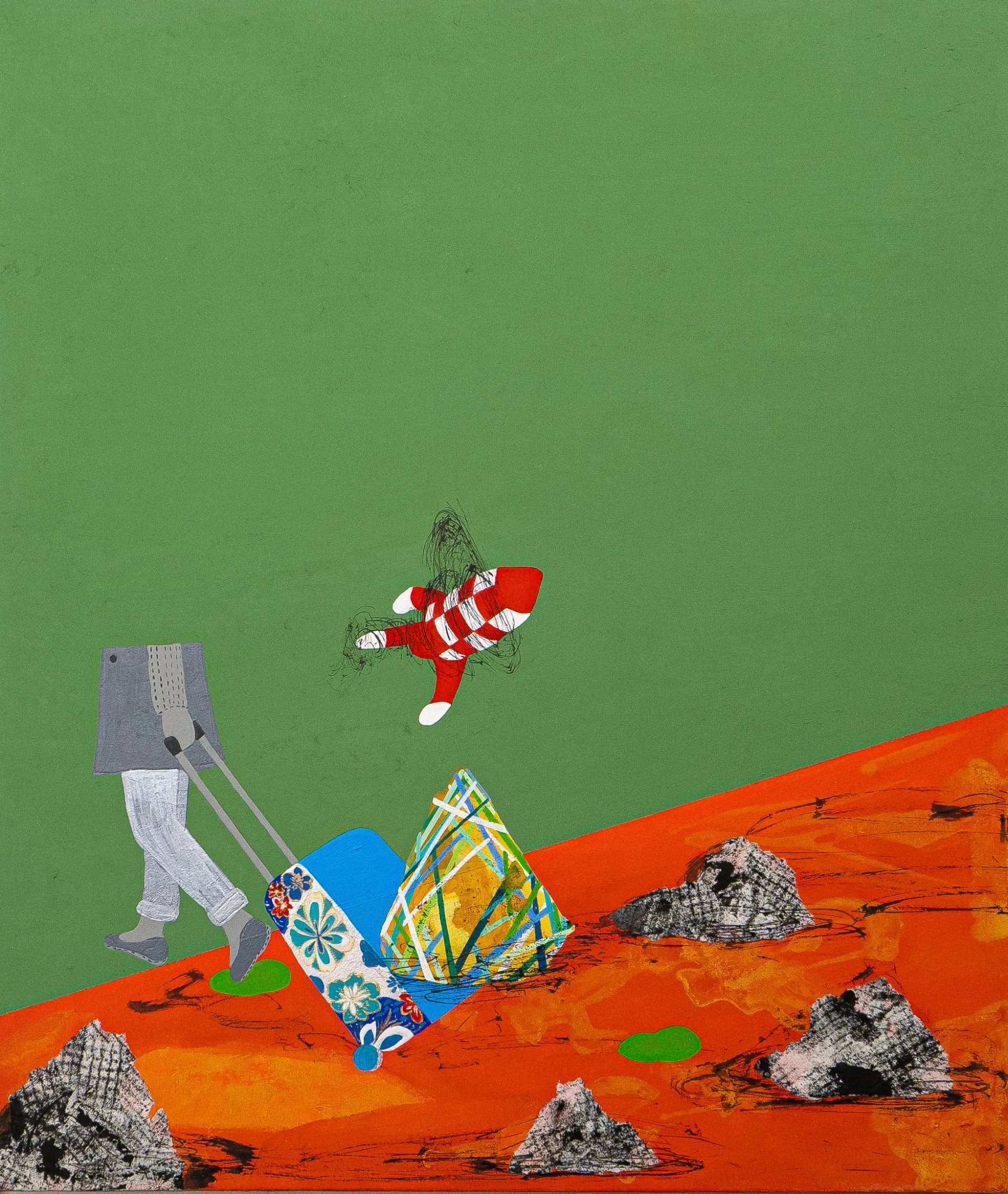
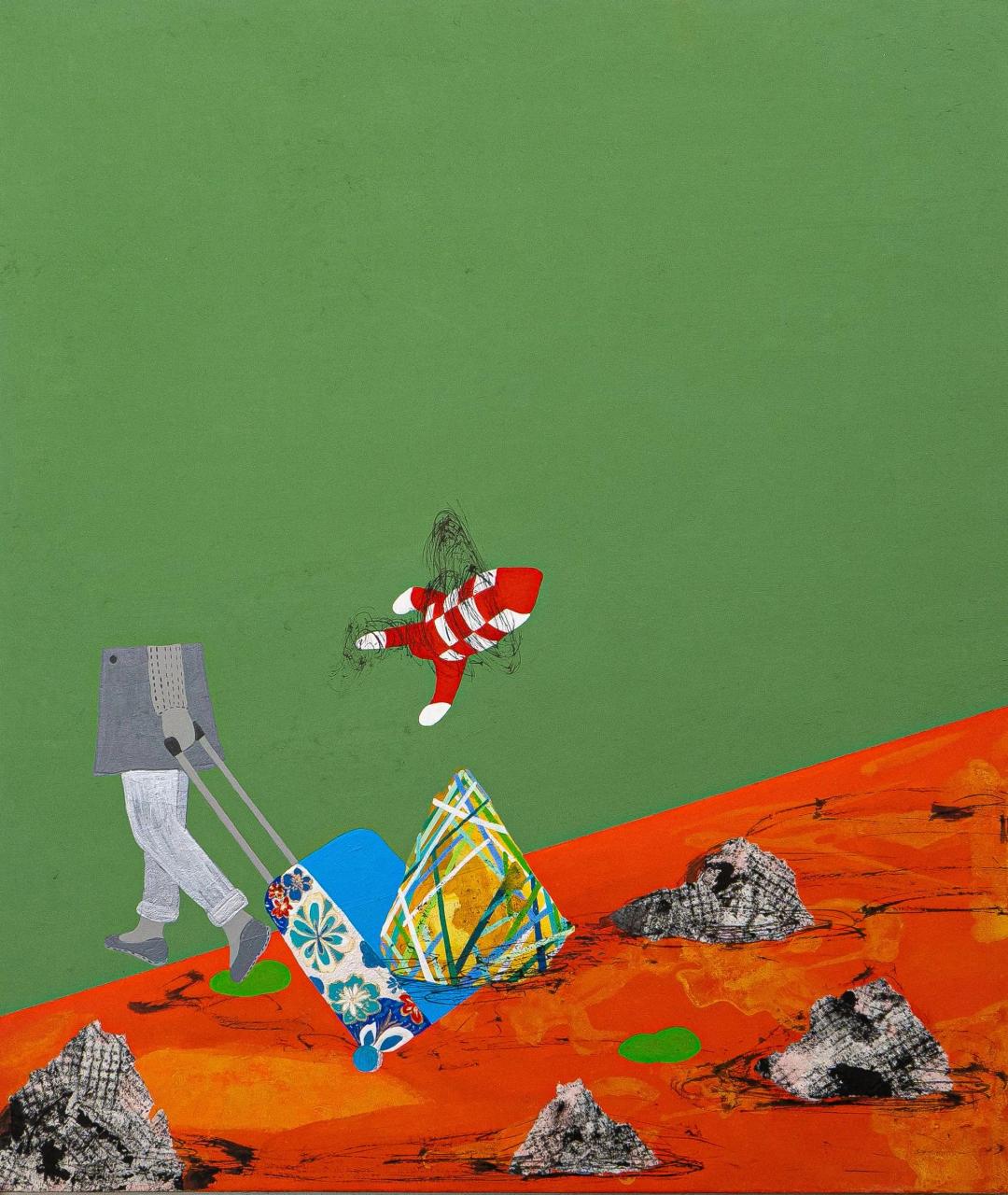
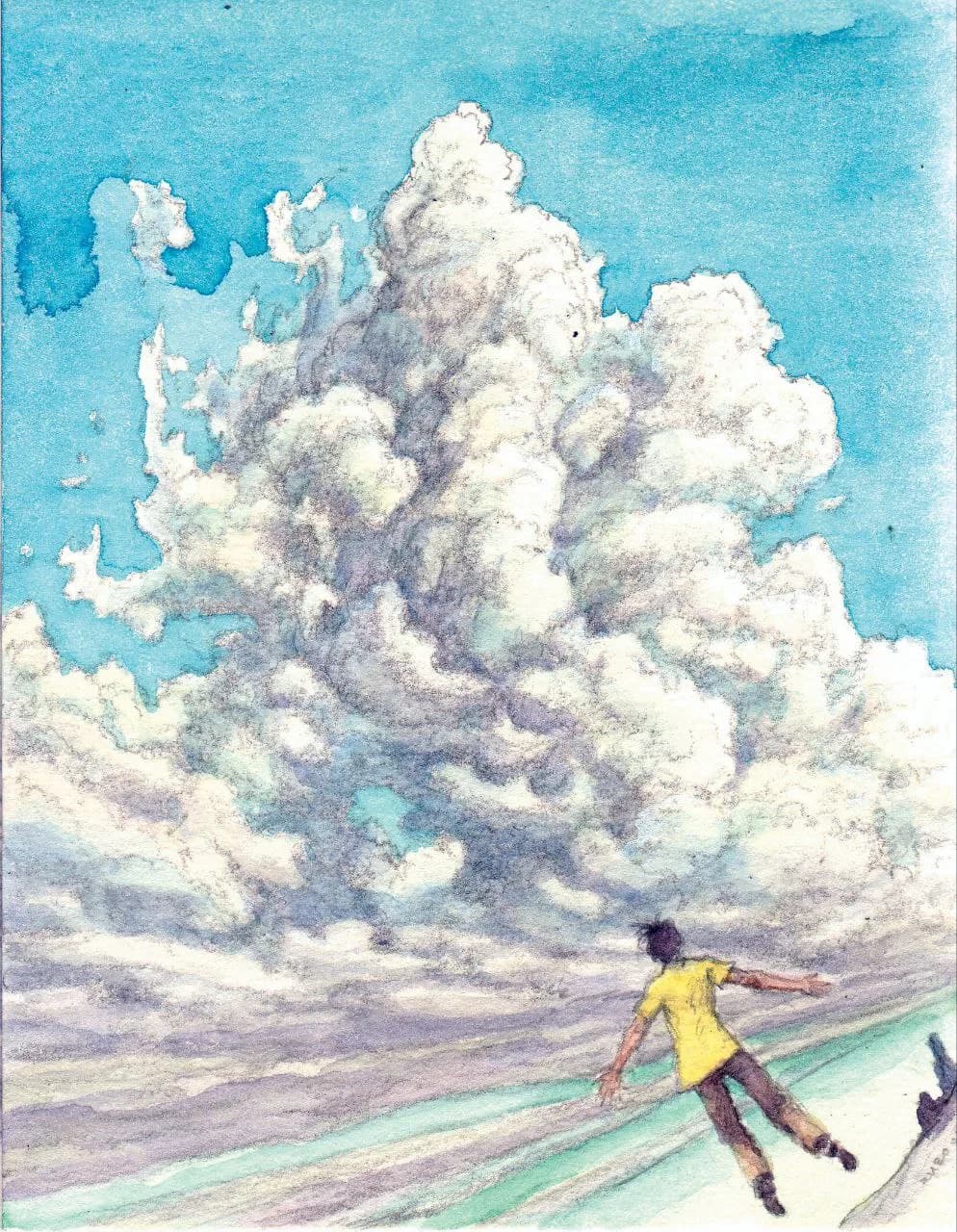
The Ahn Eun-kyung A Clumsy Journey (45.5×53 cm) cited above is a register you would seldom encounter at the Anguk or Hannam mega-galleries. The opportunity to encounter Korean contemporary work shaped in alternative spaces — directly, in the SAF Gallery — is precisely the seat SAF holds.
FAQ
Q. Are works at alternative spaces of lower quality than at major galleries? A. No. "Alternative" does not mean lower quality — it describes a way of operating outside the mainstream market system. The quality of the work is a matter of the artist's craft, not the space's scale. If anything, alternative spaces are where new registers surface first.
Q. How do I find artists? A. Follow the hashtags #한국미술 #신진작가 #대안공간 on Instagram, follow ThisWeekendRoom, Gallery Baton, and Idae directly, and check the rosters of annual emerging-artist programmes like Doosan Art Lab and Kumho Young Artists. These three are the most efficient ways.
Q. Is it okay if I only browse without buying? A. Yes. Alternative spaces are also free to enter and visitors are welcome. Collecting comes after the eye is built; for now, returning often is the priority. Alternative-space operators understand this rhythm.
Q. How is the work delivered? A. Small works (under 50×70 cm) can be carried home directly. Larger or more delicate works are packed and shipped by the gallery — usually 50,000–200,000 won, but confirm in advance.
Q. Do alternative spaces show foreign artists too? A. Some. The programming skews heavily Korean, but exchange exhibitions with Japanese, Chinese, Southeast Asian, and European emerging artists run a few times a year. Confirm via Instagram.
Q. When are these spaces most active? A. Saturday afternoons, 2–6 p.m. Artists are often present, and chance encounters with other collectors, journalists, and fellow artists are routine.
Closing
The alternative spaces of Seongsu and Euljiro are the fastest place to meet the next generation of Korean art. The artists who will be expensive at mega-galleries five to ten years from now are showing here right now. More than that, the prices, atmosphere, and accessibility make this the friendliest district in Seoul for a beginning collector.
If you want to bring art into your daily life rather than just visiting it from a distance, a Saturday afternoon in Seongsu or Euljiro is the best place to begin.
Related reading
If this piece helped, you may also enjoy these related articles:
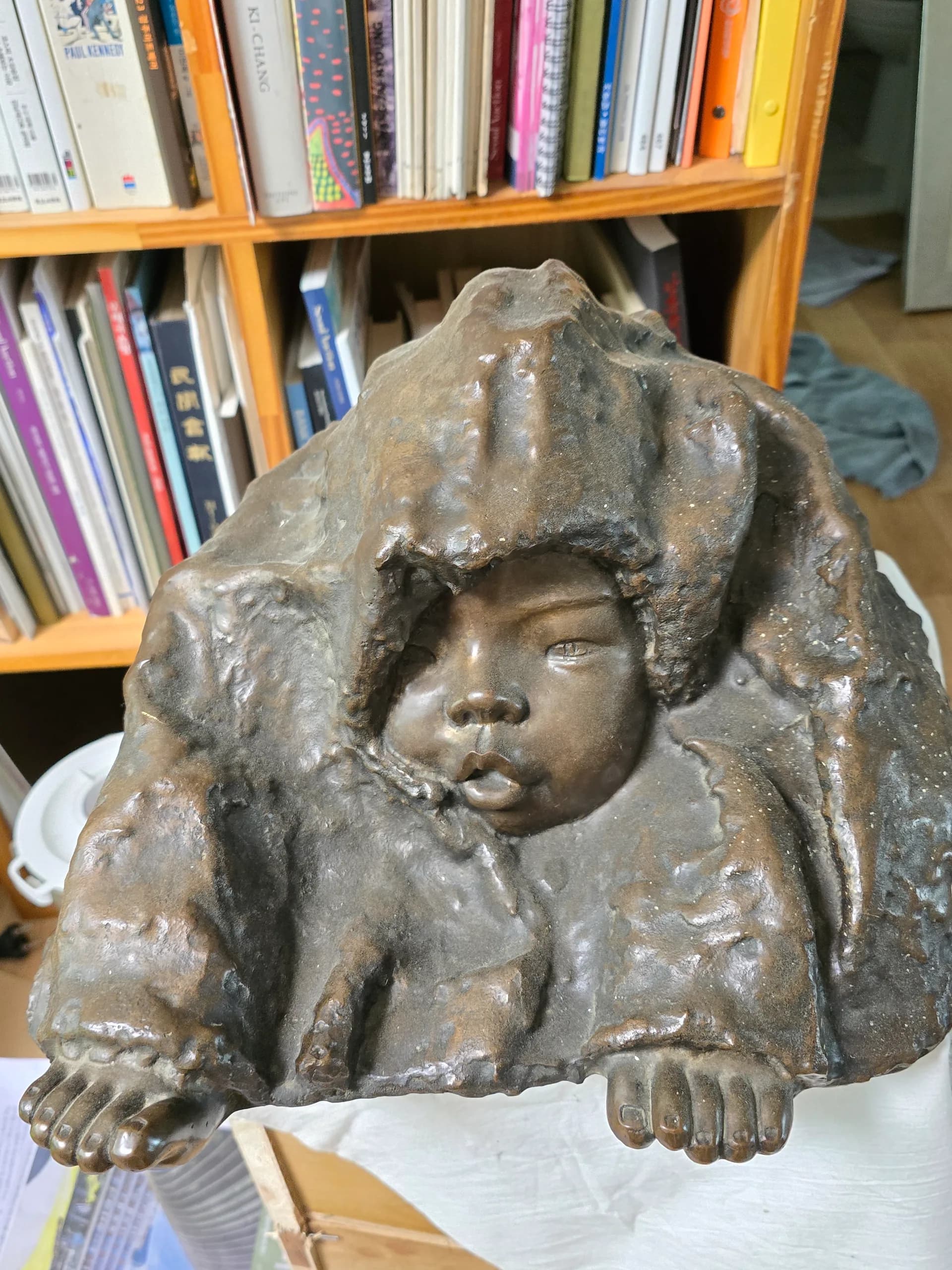
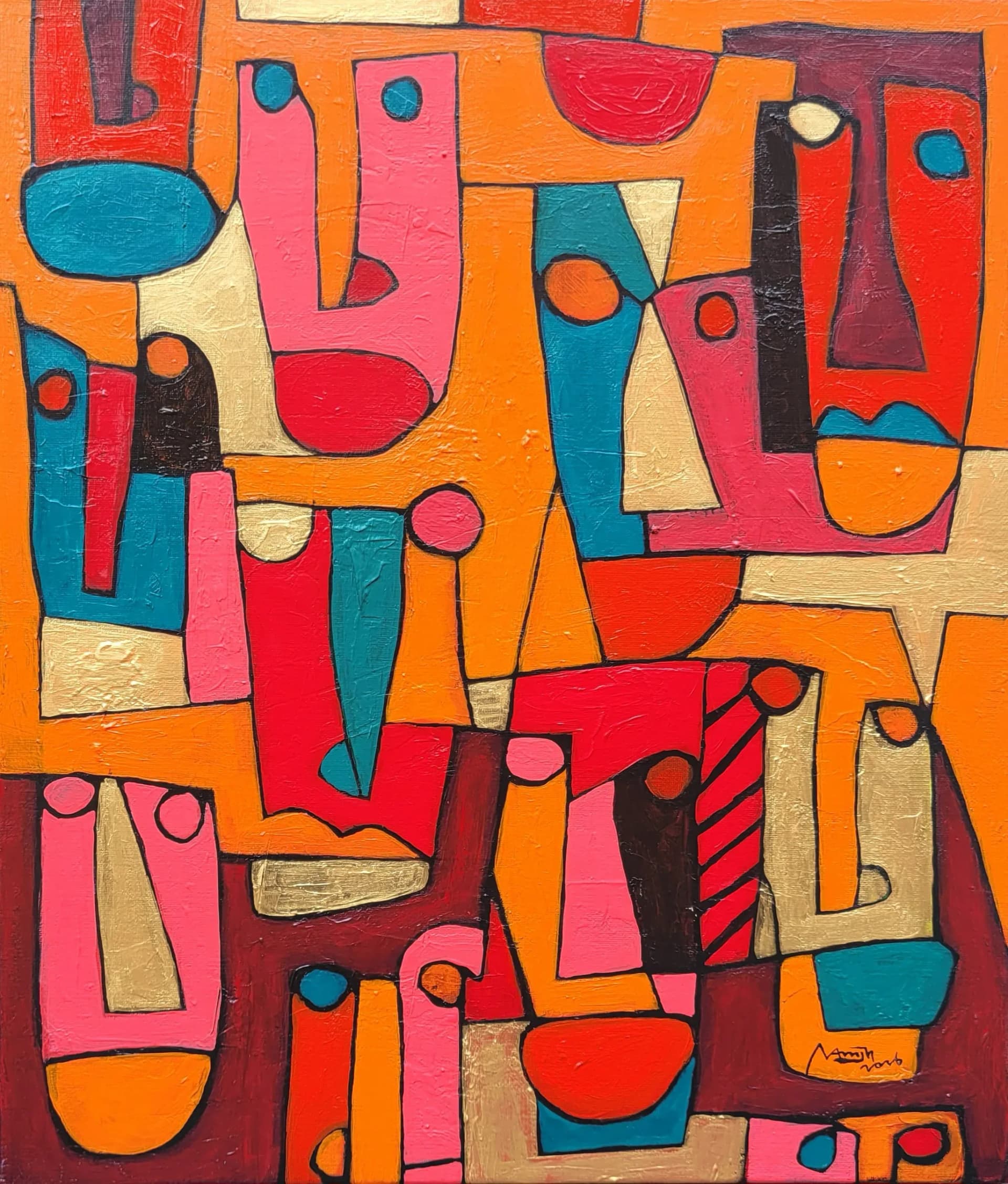
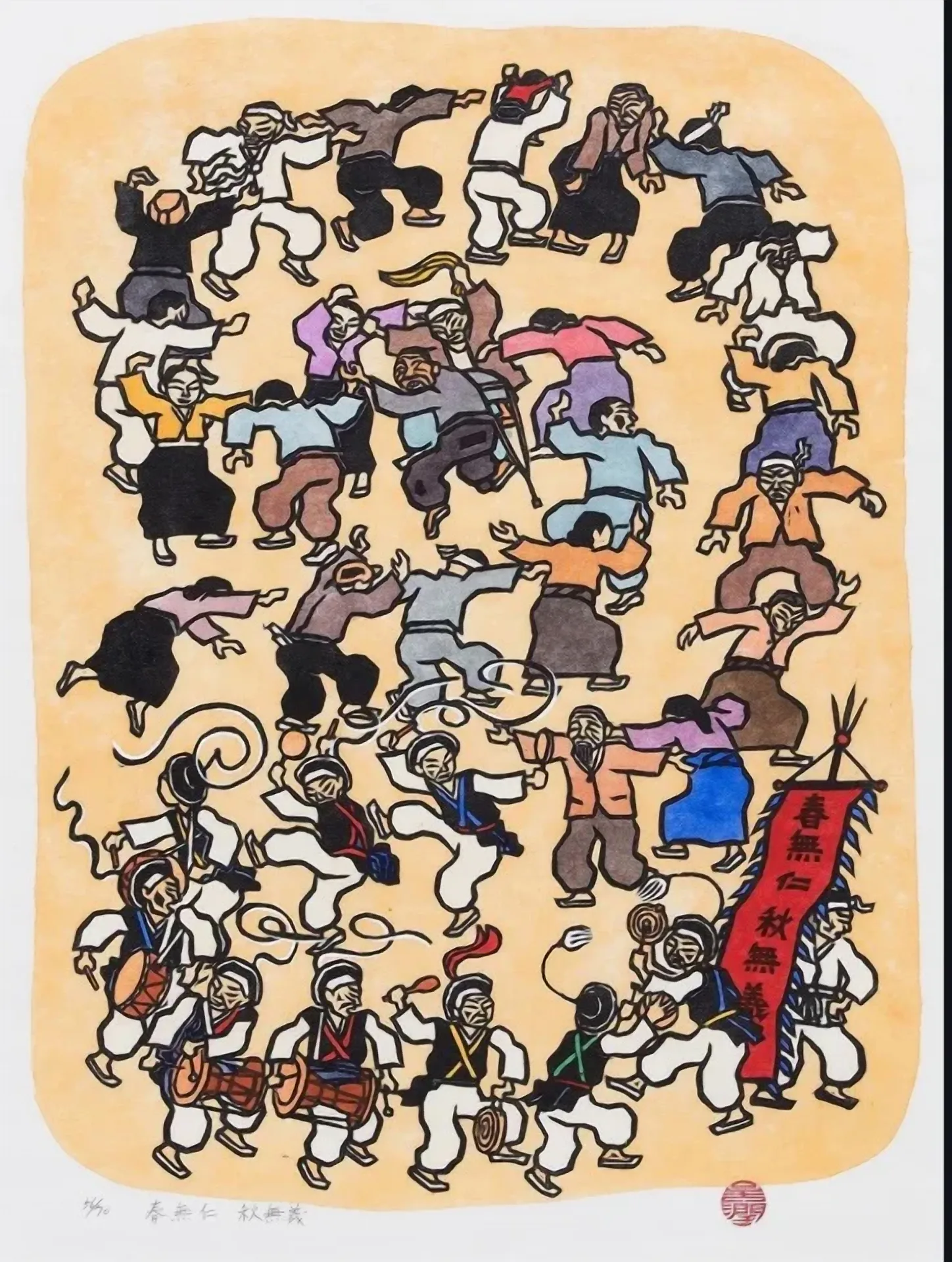
Browse Korean contemporary emerging and mid-career artists at SAF →
Related Guides
Explore Further
Seed Art Festival
·