Eye level, lighting, spacing. Three rules that turn a hammer-and-nail into a professional hang. A practical guide with gallery-wall layouts, wall-material tools, and no-drill options.
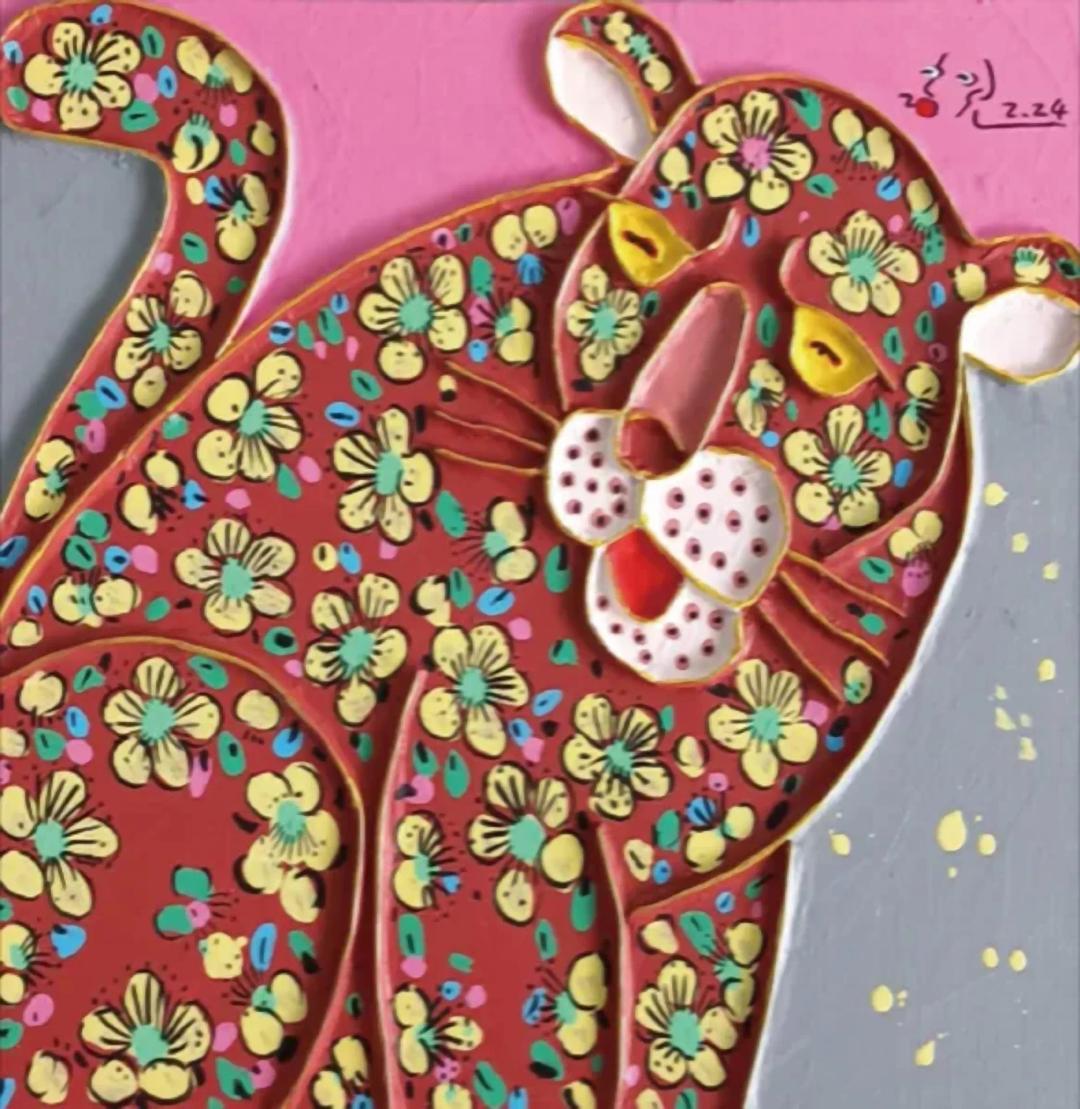
Harder than buying a work is deciding how to hang it. The same piece looks entirely different depending on where the nail goes.
This guide walks through how to hang a first work safely and with style. You don't need museum-grade precision. Get three things right — eye level, lighting, and spacing — and a professional impression follows.
Rule 1. Eye Level, 145–150 cm
In museums, every work is hung with its center at 145–150 cm from the floor. Adult average eye line. The starting point for every arrangement.
- For low ceilings, drop to 140 cm.
- If a young child is the primary viewer at home, 120 cm works.
- What matters is that the center sits at 145 cm — not the top edge.
Quick formula:
Nail height = 145 + (work height ÷ 2) − wire sag
Rule 2. Above Furniture, Float 10–25 cm
Above a sofa, bed, or console, leave 10–25 cm between furniture top and the work. Too close feels pressed; too far disconnects.
- Small work (10 ho or under): 10 cm
- Medium (~20 ho): 15–20 cm
- Large (30 ho+): 20–25 cm
And work width should be two-thirds to three-quarters of the furniture width. On a 180 cm sofa, work width between 120 and 135 cm is ideal.
Rule 3. Multi-Piece Layouts — Three Formats
Gallery Wall
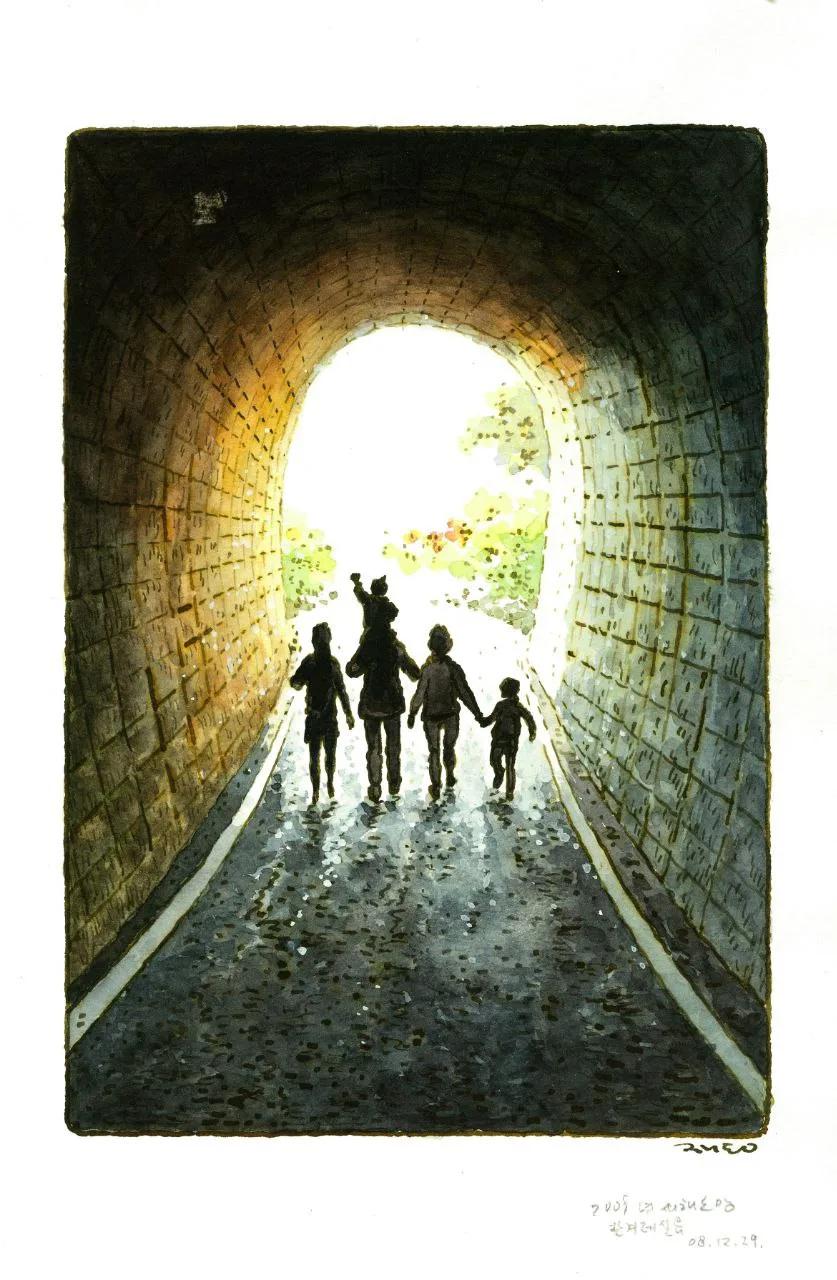
Multiple pieces of varying size on a single wall. Looks free but actually needs a central axis.
- Set an imaginary horizontal line; align each work's center or top or bottom to it.
- Spacing 5–8 cm.
- First build a mock-up on the floor with newspaper cut to size, then transfer to the wall.
Grid
Four to six same-size works in a grid. Works well with print series and photo editions. Spacing constant, 3–5 cm.
Salon Style
Packing works of varying price, size, and style densely onto one wall. Expresses the collector's character. Requires committing an entire wall.
Lighting Basics — Half the Work
The best piece dies without light.
- Spotlight: ideal. Aim from 30–45° above the work.
- Picture light: a dedicated fixture mounted above the frame. Creates a refined impression.
- Indirect light: a floor lamp angled toward the work — the fallback when you can't install track.
Watch color temperature. Too cold (6000 K+) distorts color. 2700–3500 K warm white is safe for painting and photography alike.
Lights without a UV filter slowly fade works. Walls that catch direct sun should be avoided from the start.
Hanging Hardware by Wall Type
| Wall | Recommended tool | Load capacity |
|---|---|---|
| Drywall | Anchor + screw | 5–10 kg per anchor |
| Concrete | Concrete nail / anchor | 20 kg+ |
| Brick | Masonry drill + anchor | 20 kg+ |
| Wood | Standard screw | 10 kg+ |
Weigh the work + frame + glazing first; choose hardware with 2× margin on that load.
No-Drill Solutions — For Rentals and Leases
Many can't drill. Options keep growing.
- 3M Command strips: for works under 2 kg. Easy to remove.
- No-drill frame hangers: suction or adhesive. Under 5 kg.
- Lean display on a shelf: lean the piece against the wall on a shallow shelf. Never touches the wall.
- Easel: for large works, placing on a floor easel is its own style.
Note: for high-value works with COA and appraisal, choose proper anchors over no-drill solutions. Risk of falling is real.
Pre-Install Checklist
- Confirm wall material (tapping, tool testing)
- Weigh work + frame + glazing
- Verify direct sun, humidity, heater positions
- Mock up with newspaper to test size feel
- Check level with a level tool (or phone app)
- After hanging, step back 3 m+ to review
Between the Work and the Space
84.9% of Korean artists are excluded from institutional finance. Sales of works by SAF-exhibiting artists cycle into a mutual-aid fund, returning as low-interest loans to fellow artists.
Hanging a work is not merely an act of interior design. It's the moment an artist's working time enters someone's daily life. The work settling well and being well lit means that time inside it is also respected.
Related Guides
One Last Line
Hanging a work is, finally, promising that place to it.
Time the artist spent on the plate, on the canvas, now continues on your wall. 145 cm at center is the place where those two times meet, naturally.
Further Reading

Start Collecting
Related reading
If this piece helped, you may also enjoy these related articles:
Seed Art Festival
·