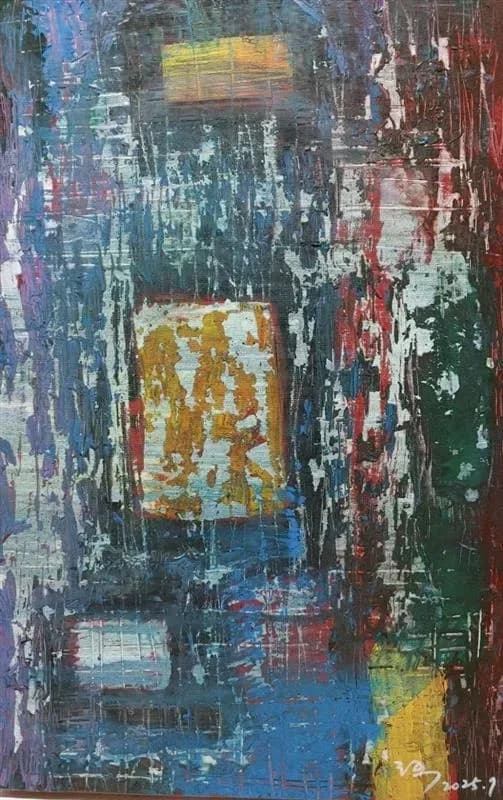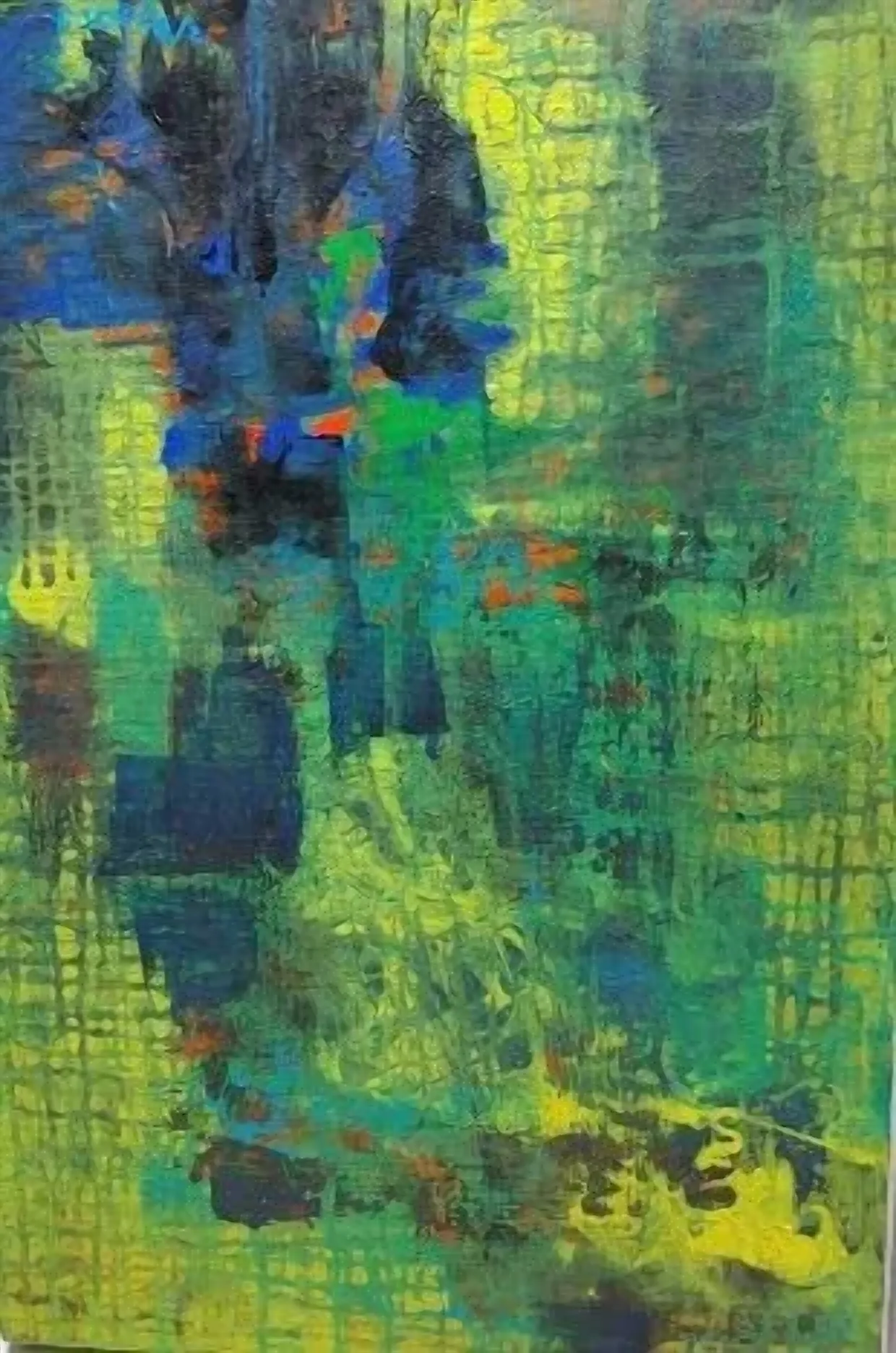
A photography critic picks up the brush. Six canvases of the same character — 回, return — six variations of one sign.
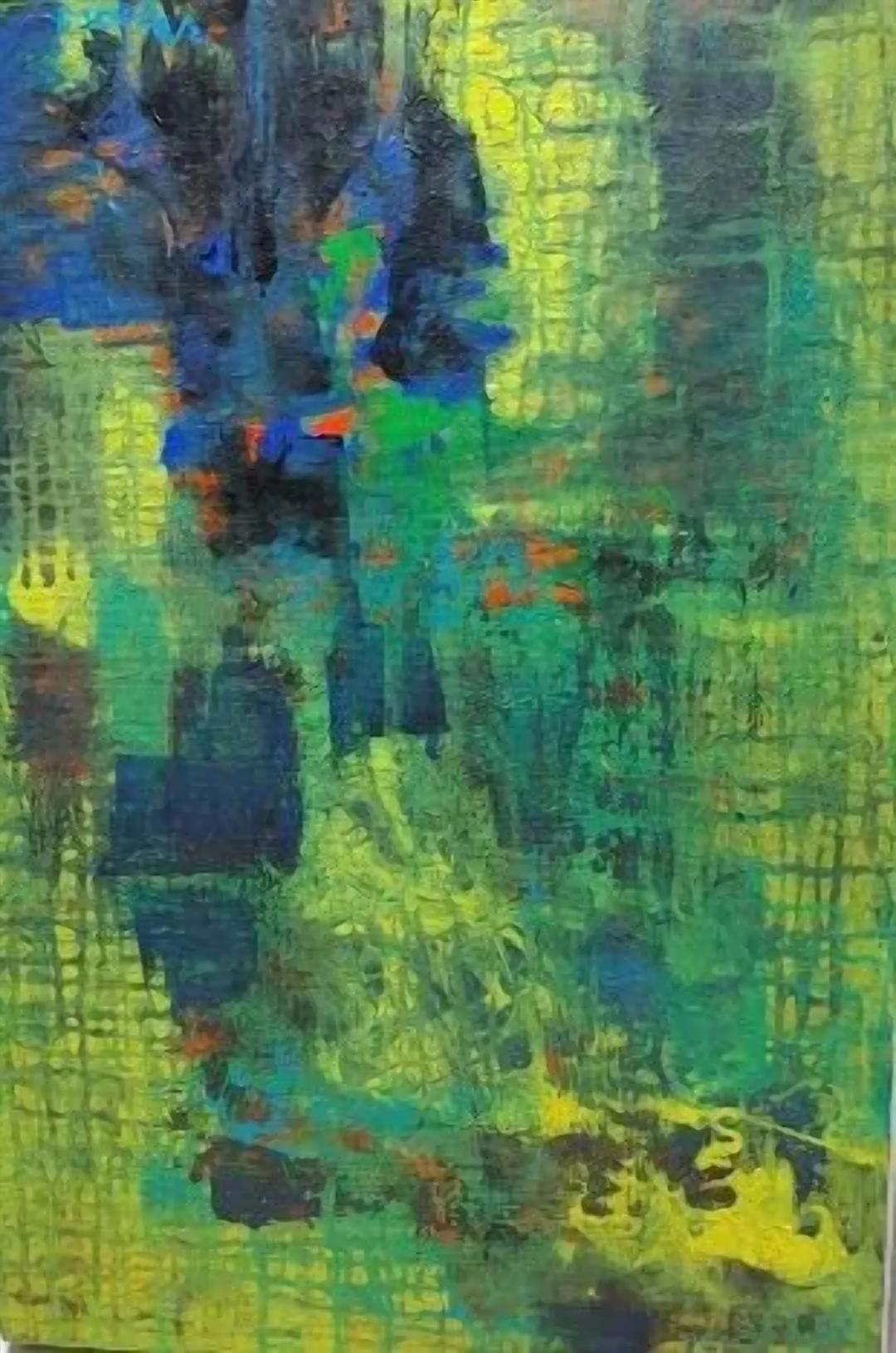
The titles of Lee Gwangsu's six SAF works all begin with a single character. 回. To return, to turn, to come back.
All six are 60×45 cm. Same medium — acrylic on canvas. On repeated surfaces, only the interior lines and colors vary. And that repetition itself is the subject.
The Critic's Brush
Lee Gwangsu is a photography critic before he is a painter. Emeritus professor at Busan University of Foreign Studies; resident artist at the International Cultural Arts Exchange Institute. For someone who has long handled the principles of image in word and writing, standing before a canvas again is not simple. The act of looking and the act of drawing meet inside a single person's motion.
His work doesn't stack complex narrative. Rather, it empties. As 回 is itself already a complete structure, inside the surface sits another surface, and inside that another movement.
Taihu Art Museum, Dongshan State Guesthouse
In 2025, his works were collected twice in China.
- Korea–China International Plein-Air Exhibition — Taihu Art Museum, Wuxi
- Korea–China International Exchange Exhibition — Dongshan State Guesthouse Art Museum, Suzhou
Within a Korea–China artist-exchange platform, his painting was drawn into the scene of plein-air and exchange. The sense of image he built as a photography critic is now translated into the grammar of the brush and taking a place in museums of another country.
Six Repetitions of 回
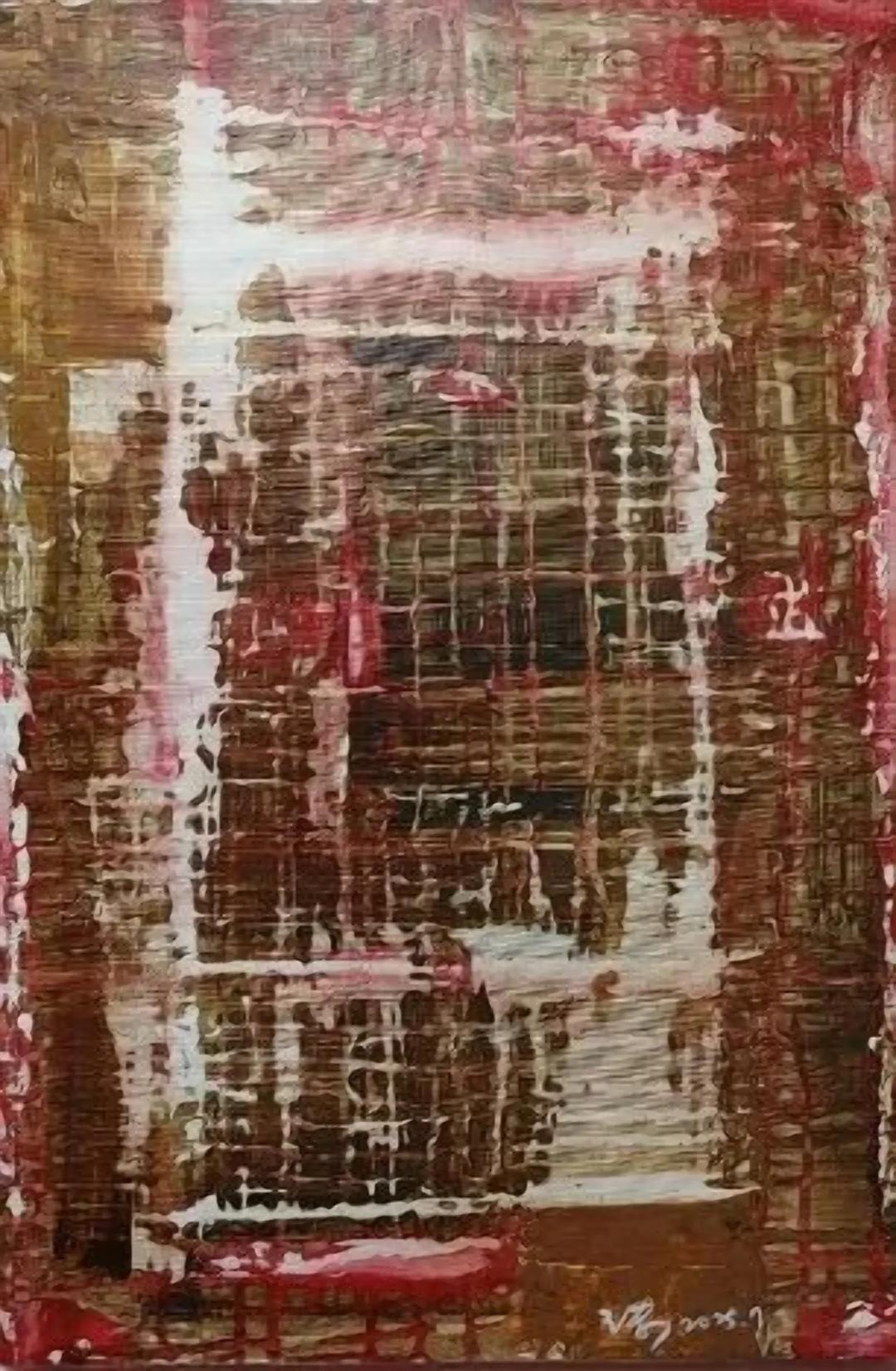
All six SAF contributions share the same sign and same format.
The first work, 回1, has already sold. The other five wait to follow, onto other walls. When six 回 connect, the viewer experiences the same sign from multiple angles. Repetition is not tedium but a technique of depth.
Solidarity That Returns
Lee Gwangsu contributed six works to SAF.
84.9% of Korean artists are excluded from institutional finance. Sales of works by SAF-exhibiting artists cycle into a mutual-aid fund, returning as low-interest loans to fellow artists.
回. To return. The price of one painting becomes one person's studio rent, and from that studio another painting emerges. Next year, another artist contributes. The sign of circulation resembles the structure of the fund.
Between Emptying and Repetition
A critic reads; a painter draws. Lee Gwangsu placed both roles inside one sign.
The outer frame of 回 is the place of observation; the small square inside, the place of drawing. The empty space between is the margin of time to return. The six SAF works are six invitations into that margin.
Works by Lee Gwangsu
Related reading
If this piece helped, you may also enjoy these related articles:
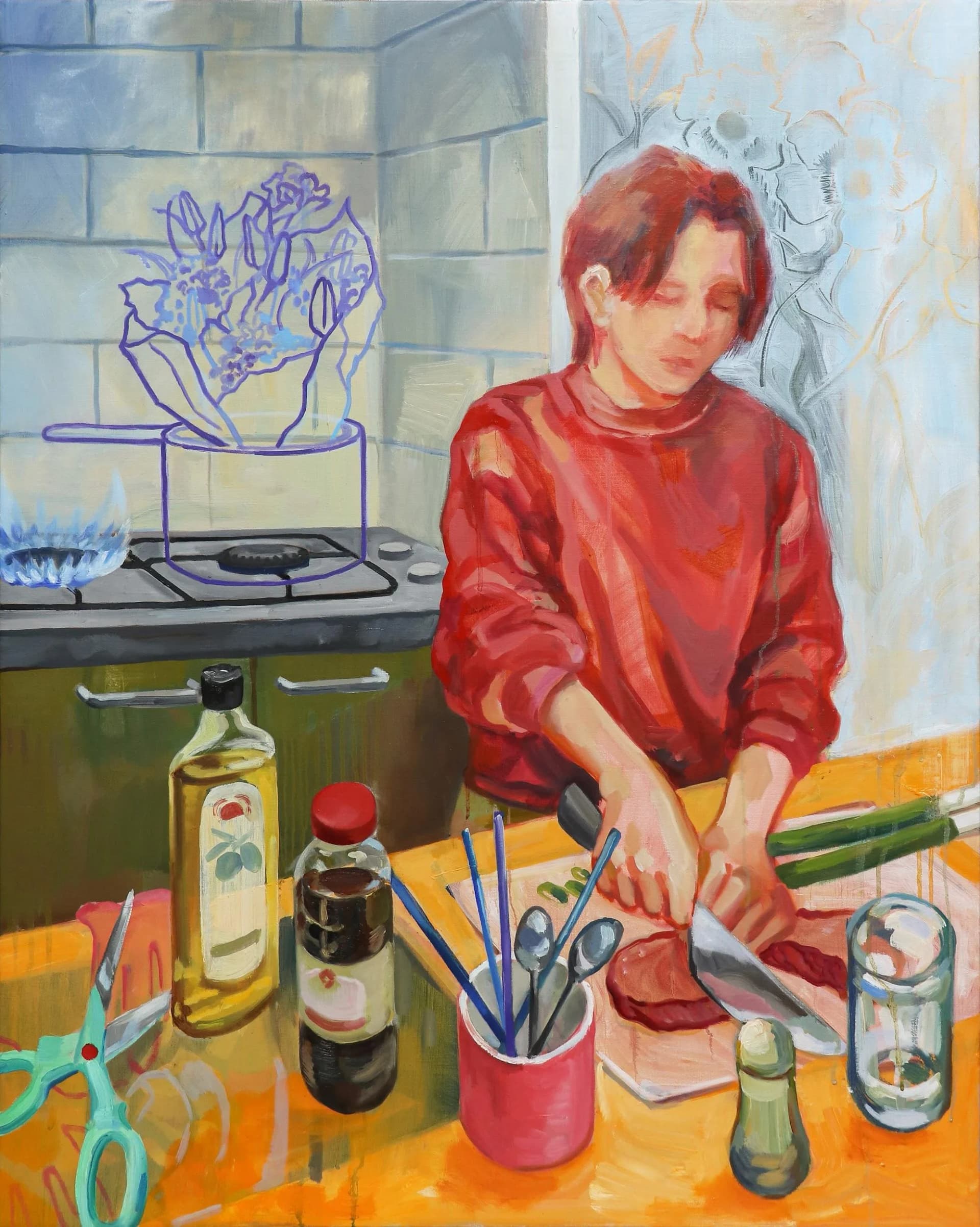
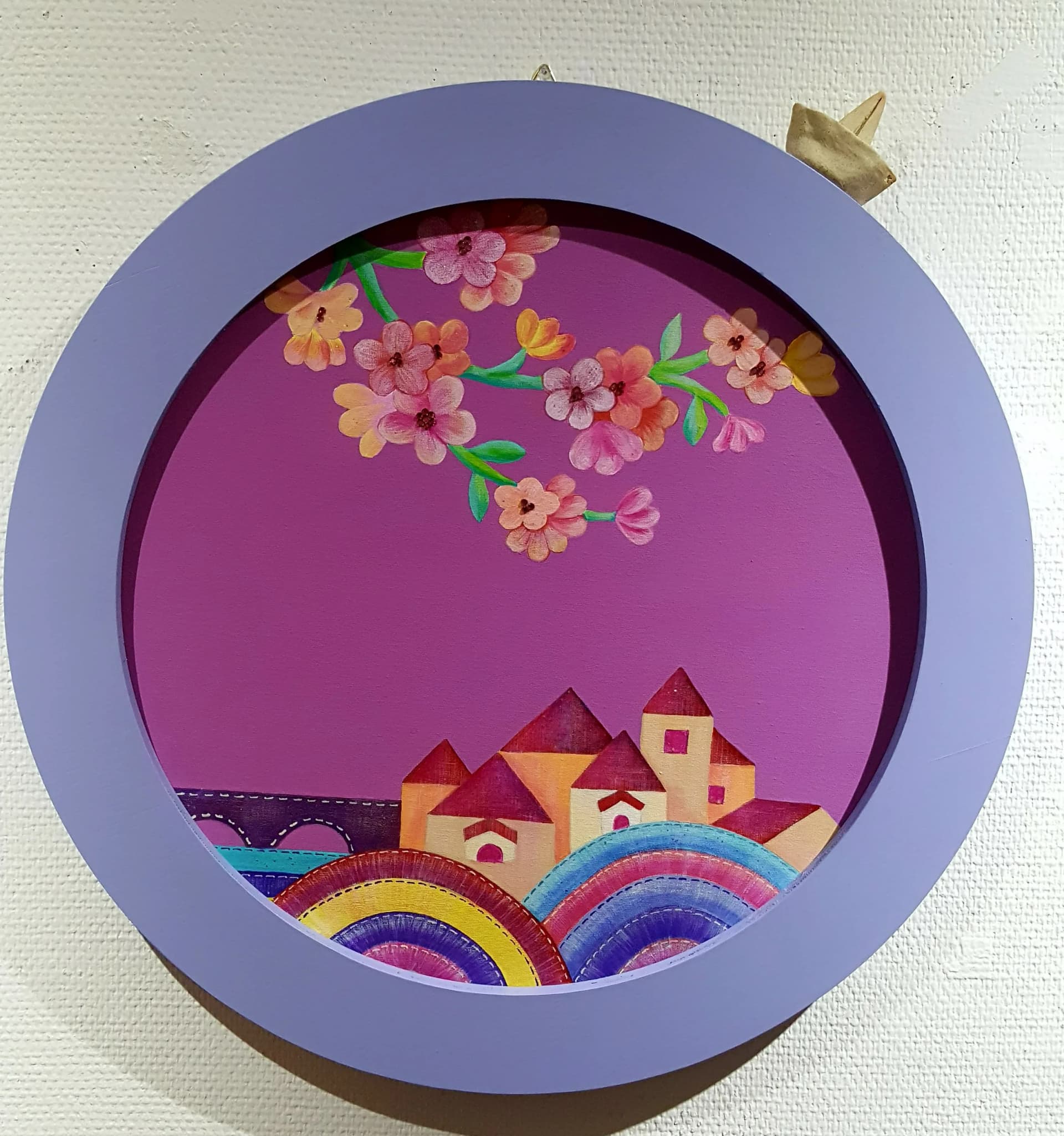
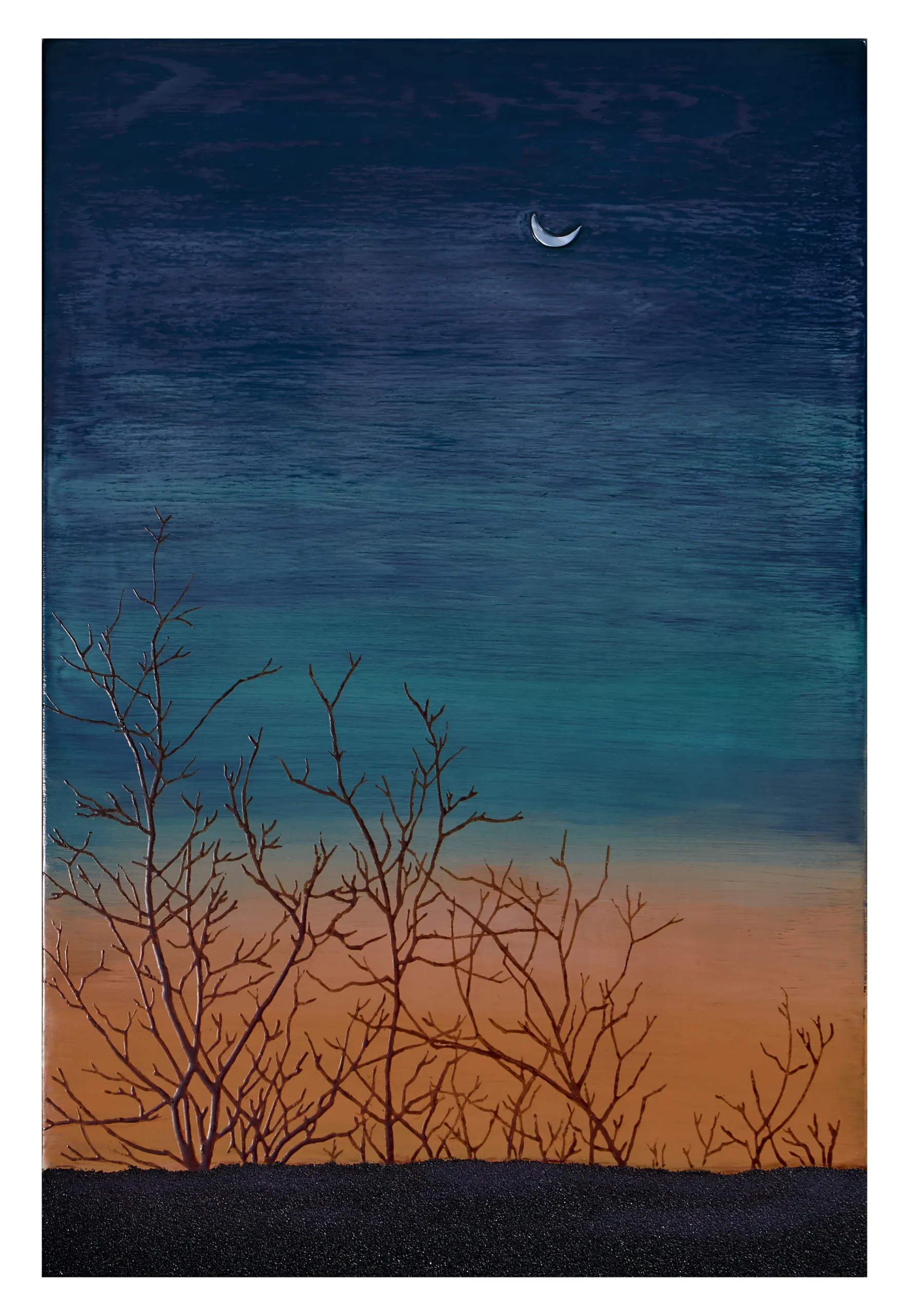
View all works by Lee Gwangsu →
Related Reads
Artists on the Same Path
Collecting Guides
Seed Art Festival
·