A critic who answers
with a camera
From the study of Indian history to the language of the lens.A double gaze, moving between writing and image — bridging Korea and China.
The critic's eye —
photography as source and language
Lee Gwangsu is a photography critic and a professor emeritus at Busan University of Foreign Studies, and an artist of the International Cultural and Arts Exchange Institute. His path to the camera was unusual: he came to photography not through a fine-arts studio but through the archive. Trained as a historian of modern India, he spent years reading the subcontinent's past — and in the course of that research understood that a photograph could be a primary historical source in its own right.
That recognition turned him toward photographic theory. He began to study the medium formally, and from there entered the field of photography criticism — writing essays that read photographs through the lens of the humanities. For a critic, the question was never simply what a photograph shows, but how it shows it, and what a society chooses to remember or forget through the image.
His writing carried that conviction into book after book. In Photography Humanities he set photographs beside philosophy and the photographers of our time; in The Camera Is a Knife he traveled between Busan and Seoul to interview Korean contemporary photographers and build monographs on a generation of artists. The camera, for him, is not a passive recording device but an instrument that cuts — that selects, frames, and takes a position.
And he did not remain a writer alone. Carrying the same critical eye, he picked up the camera himself, and his images now travel beyond Korea. In 2025 his work joined two Korea–China photography exchanges: the Korea–China International Artists' Plein-air Exhibition at the Taihu Art Museum in Wuxi, and the Korea–China International Artists' Exchange Exhibition at the Dongshan State Guesthouse Museum in Suzhou — with works entering both institutions' collections.
Between the page and the print, between Korea and China, Lee Gwangsu works in the space where reading and seeing meet. The historian who learned to read photographs became a photographer who writes — and the exchange he joins is not only one of images across a border, but of two practices, criticism and image, held in one pair of hands.
Major themes
- 1
The double gaze
Critic and photographer in one — moving between writing and image, reading the photograph he also makes.
- 2
Photography as source
A historian of modern India who learned that a photograph can be a primary source — and turned that into a critical practice.
- 3
Bridging Korea and China
In 2025 his work joined the Wuxi and Suzhou Korea–China photography exchanges, entering both museums’ collections.
The artist's path
- HistoryTrained as a historian of modern India; spends years reading the subcontinent’s past.
- TurnRealizes a photograph can be a primary source; studies photographic theory formally.
- CriticismEnters photography criticism; publishes essays reading photographs through the humanities.
- BooksAuthor of 〈Photography Humanities〉, 〈The Camera Is a Knife〉, and other works.
- 2025Joins the Wuxi Taihu Art Museum Korea–China plein-air exhibition (collected by the museum).
- 2025Joins the Suzhou Dongshan State Guesthouse Museum Korea–China exchange (collected by the museum).
- PresentProfessor emeritus, Busan University of Foreign Studies; artist of the International Cultural and Arts Exchange Institute.
Selected exhibitions & collections
- Group exhibition: Korea–China International Artists' Plein-air Exhibition, Taihu Art Museum, Wuxi, China (2025) — collected by the museum
- Group exhibition: Korea–China International Artists' Exchange Exhibition, Dongshan State Guesthouse Museum, Suzhou, China (2025) — collected by the museum
- Author of 〈Photography Humanities〉 and 〈The Camera Is a Knife〉, among other works of photography criticism.
Three essays —
on writing, the lens, and exchange
1From historian to photography critic
Most photographers arrive at the medium through the eye. Lee Gwangsu arrived through the document. As a historian of modern India, he spent years among archives, and in the course of that work confronted a question that would change his practice: what is a photograph, when it sits inside the record of a nation's past? Not an illustration of history, he concluded, but a piece of it — a primary source with its own claims and its own silences.
That conclusion sent him to study photographic theory in earnest. He did not treat criticism as commentary added after the fact, but as a way of reading the image with the same rigor a historian brings to a text. From there he entered photography criticism proper, publishing essays that placed photographs beside philosophy and beside the working photographers of his own time.
The unusual route left a mark on the work. Where a studio-trained eye might ask first about composition or light, Lee asks first about evidence and intention — what the frame includes, what it leaves out, and what that choice means. Criticism, for him, is not separate from history; it is history carried on into the present, image by image.
2The camera is a knife — how, not what
The title of his book of monographs — The Camera Is a Knife— names a conviction. A knife selects: it separates this from that, includes and excludes, takes a position with every cut. So does the camera. The frame is not a neutral window but an act of choice, and for Lee the critic's task is to make that choice visible — to ask not only what a photograph shows but how, and why, and at whose cost.
He built that argument the long way. Traveling between Busan and Seoul to meet Korean contemporary photographers, he assembled close readings of a generation of artists — monographs grounded in the work and in conversation, rather than in fashion. Across his books, from Photography Humanities onward, the photograph is treated as a text worth the same care as any document: read slowly, set in context, held accountable.
This is why his own turn to making photographs is continuous with his criticism rather than a break from it. The hand that frames is the same hand that writes; the eye that judges an image is the eye that composes one. To pick up the camera, for a critic who believes it cuts, is to accept responsibility for the cut.
3Wuxi and Suzhou — a photographer across borders
In 2025 Lee Gwangsu's work traveled to China twice. At the Taihu Art Museum in Wuxi, his photographs joined the Korea–China International Artists' Plein-air Exhibition; at the Dongshan State Guesthouse Museum in Suzhou, they entered the Korea–China International Artists' Exchange Exhibition. In both cases the works were taken into the museums' collections — a quiet but real measure of how the image had carried across a border.
These exchanges are easy to summarize and hard to overvalue. They are not only a line on a résumé; they are the practical form of a belief that runs through all his writing — that a photograph is a language, and that languages are meant to be exchanged. The critic who spent a career arguing that images carry meaning across time was, in Wuxi and Suzhou, watching them carry it across place.
It is fitting that a critic of photography should be the one to bridge two traditions of it. Where many exchanges trade in spectacle, Lee brings the habits of close reading: attention to what each image means in its own context before it is asked to mean something between cultures. The bridge he builds is not only between Korea and China, but between the act of seeing and the act of understanding what is seen.
From the archives of Indian history to the museum walls of Wuxi and Suzhou, Lee Gwangsu's work has pursued a single question: what does an image mean, and who decides? The answer, built across criticism and image alike, is a practice in which reading and seeing are one. He joins this campaign not as a subject of its cause but as a fellow artist in solidarity — so that those who come after might keep both the camera and the freedom to question it.
Selected Works
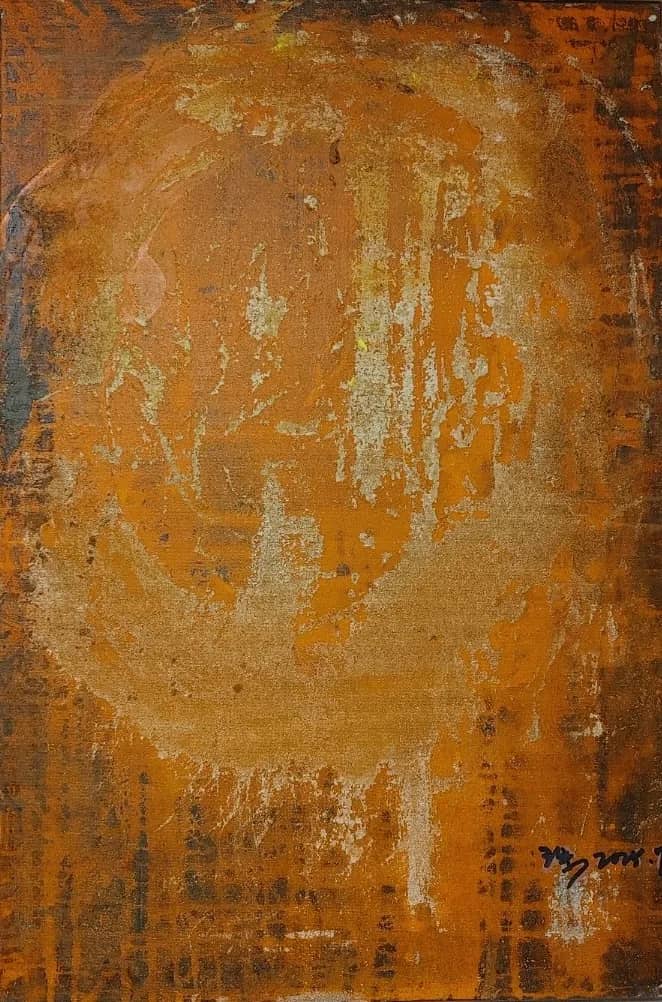
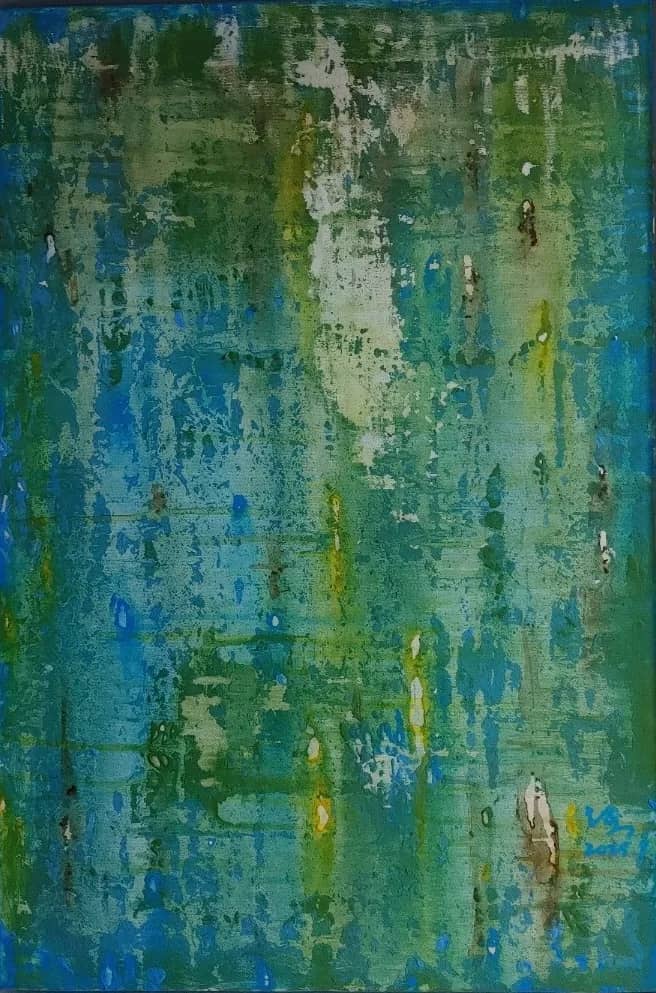
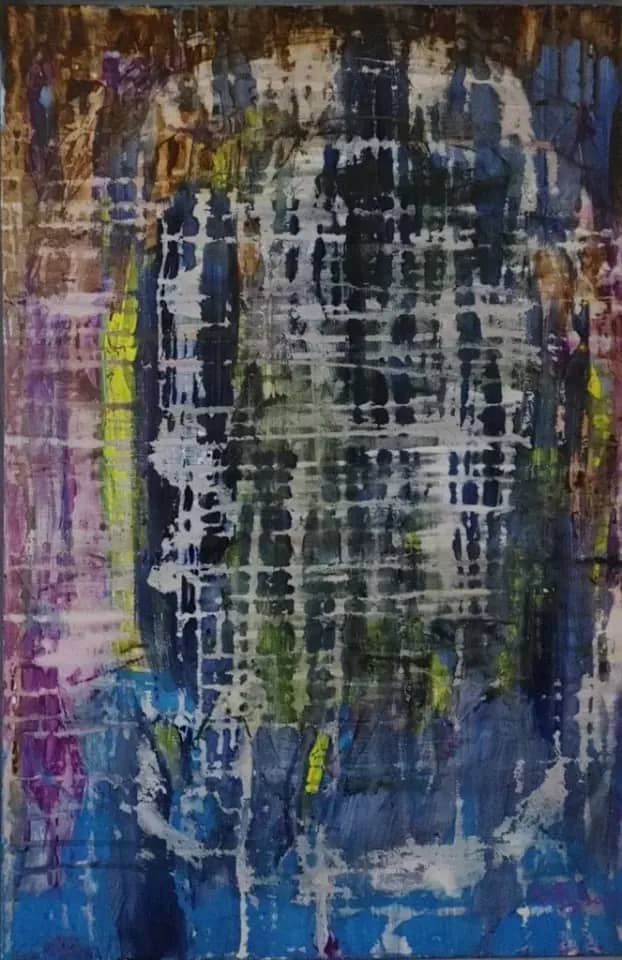
8 works are featured here.
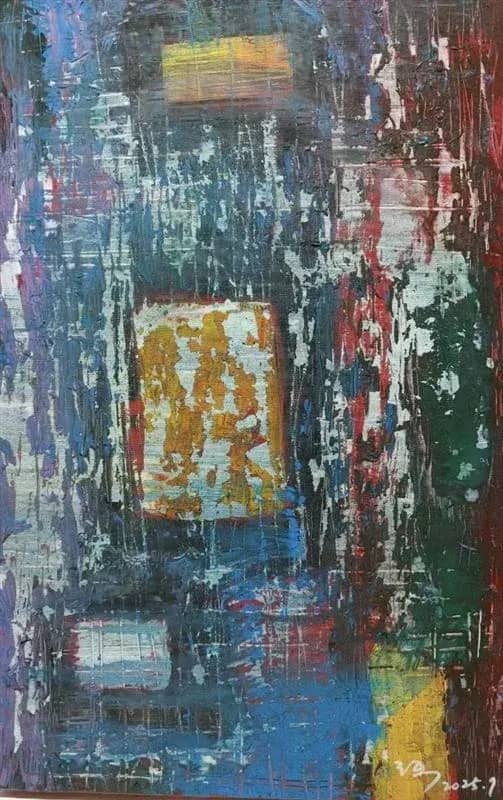
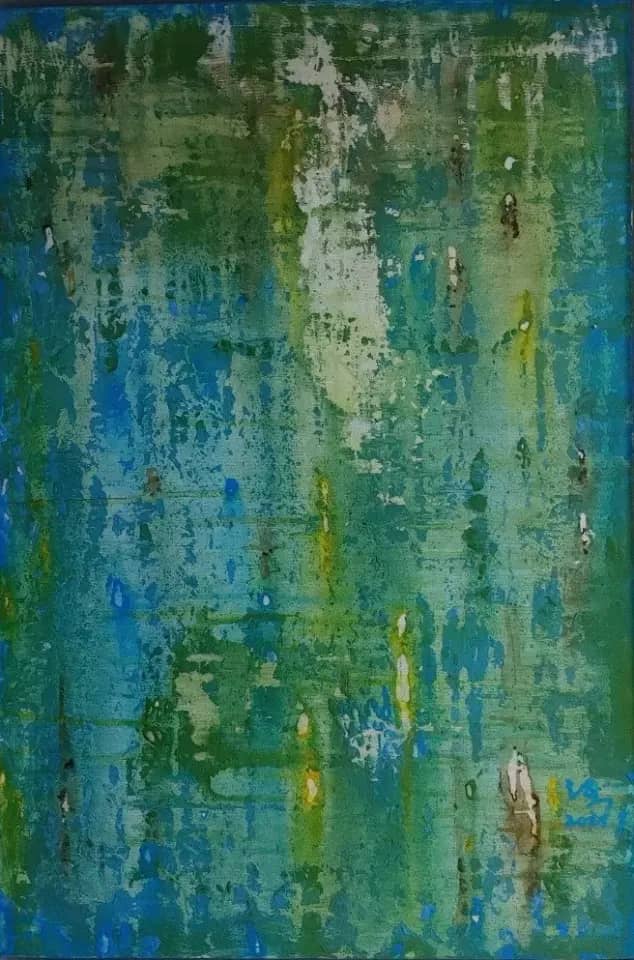
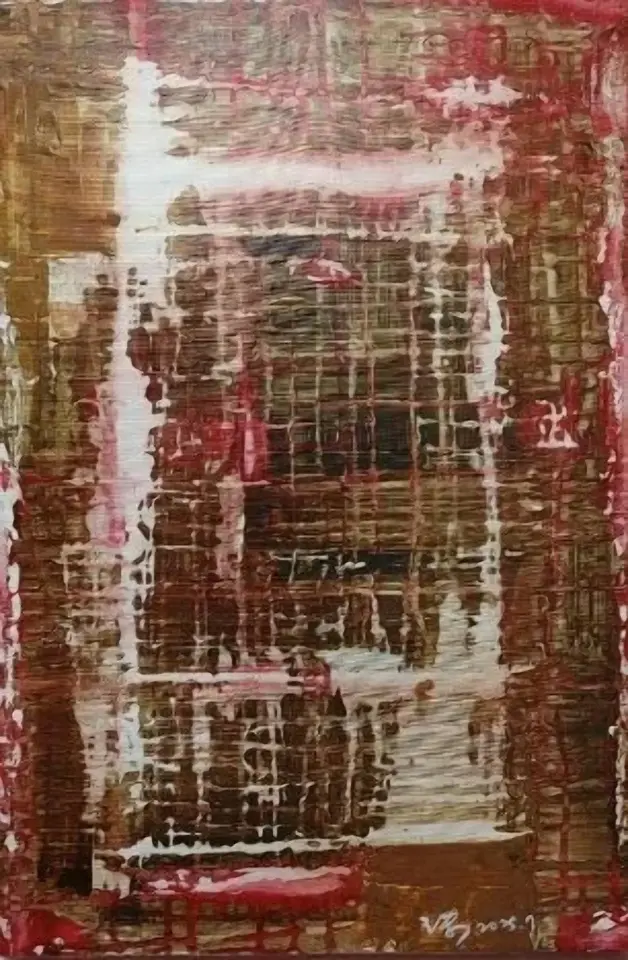
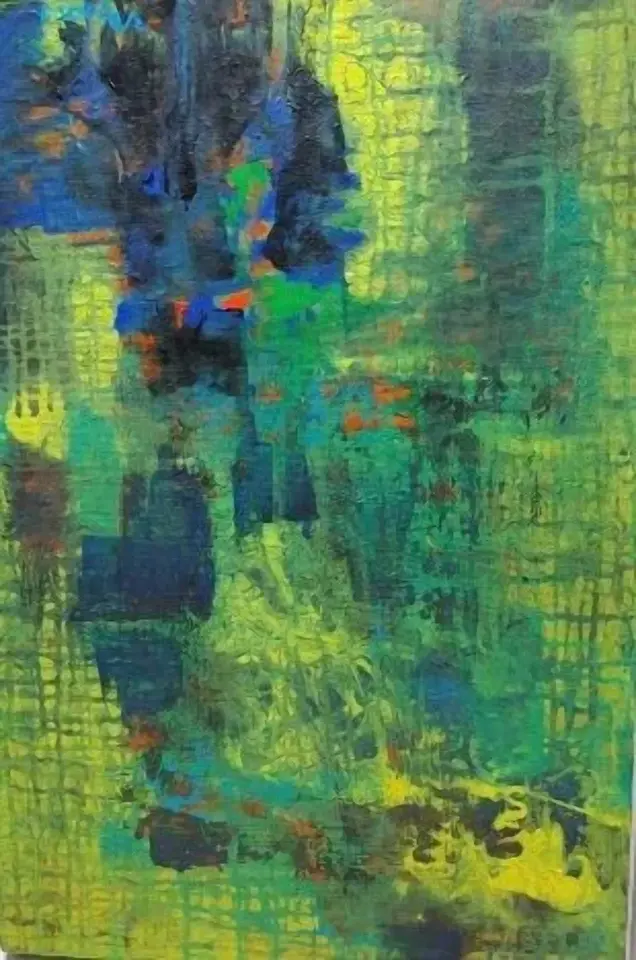
Lee Gwangsu joined this campaign in solidarity with fellow artists. Every work sold flows directly into the artists' mutual-aid loan fund— a purchase becomes the next month's lifeline for an artist navigating financial exclusion today.