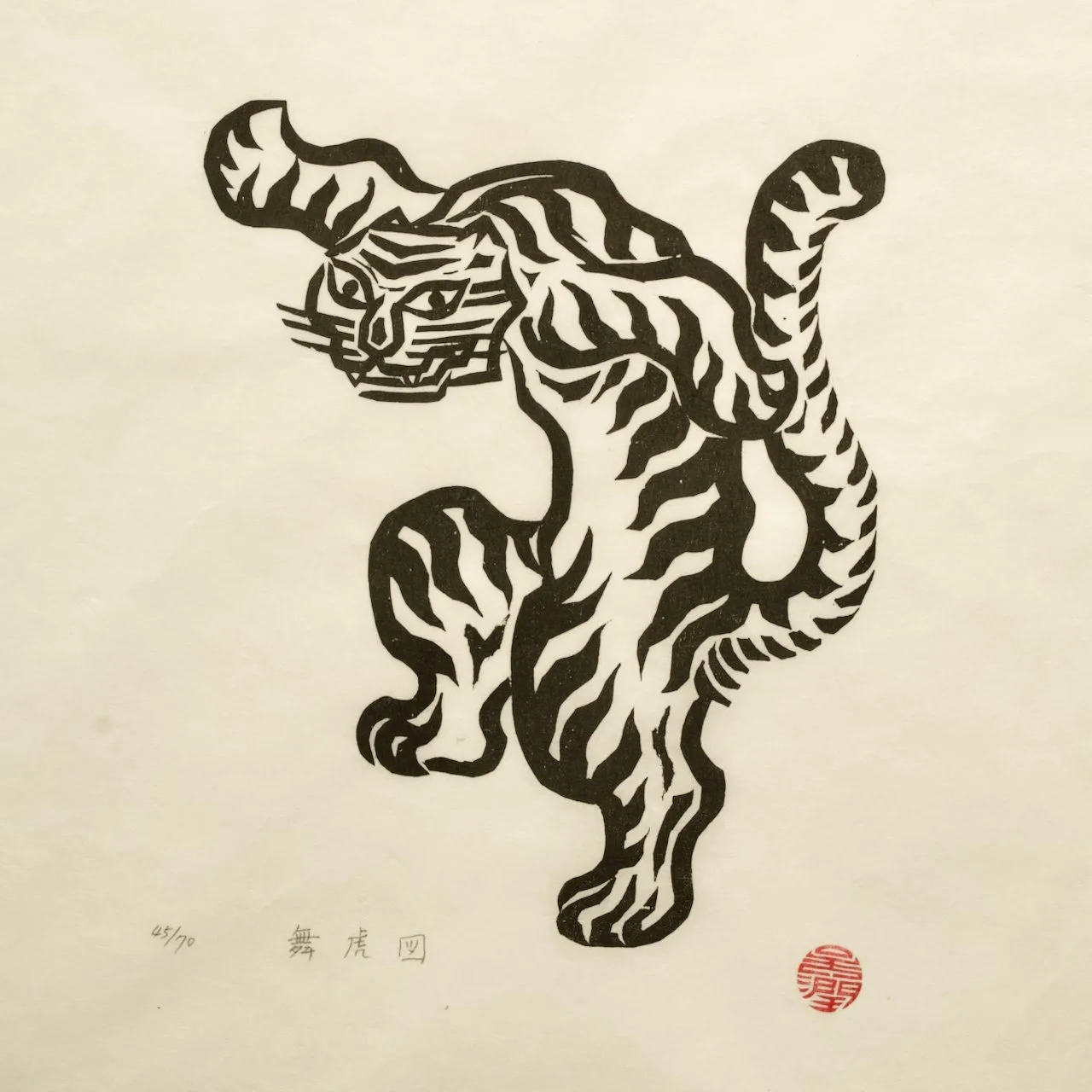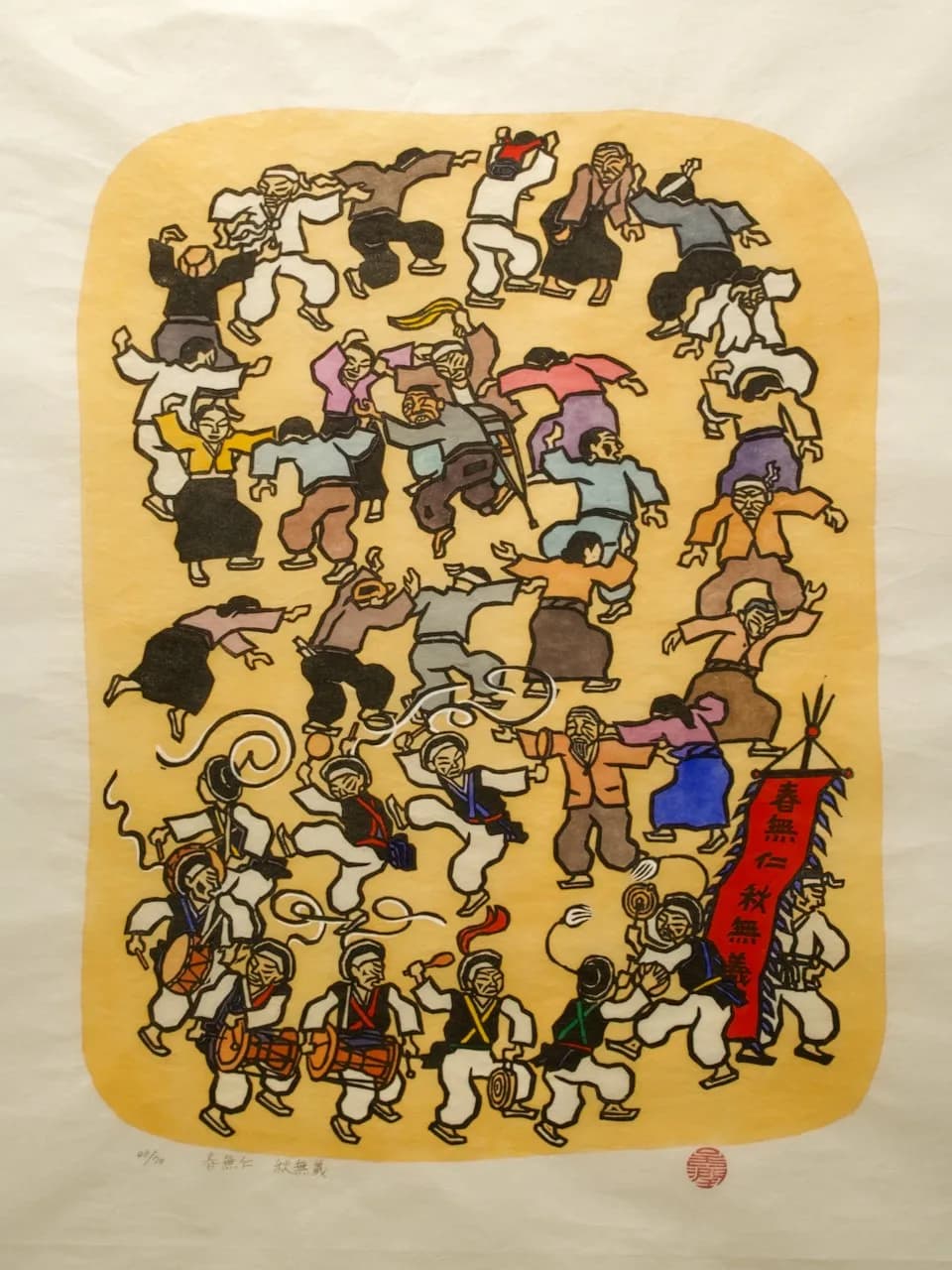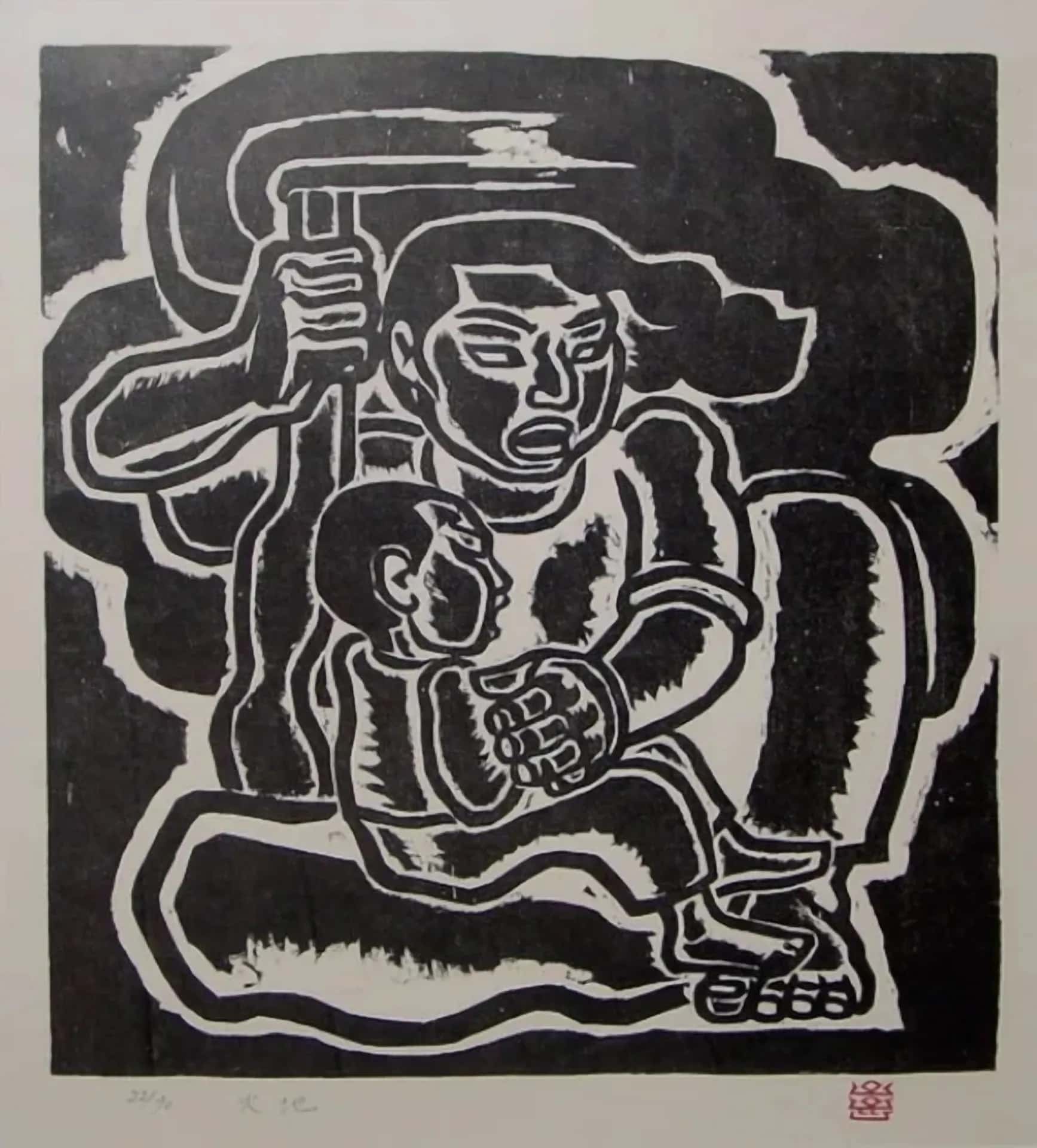
He died at forty in 1986. Ten years later, seven people gathered to issue the first — and only — posthumous print edition of his work. The painter who never priced a single print in his lifetime had his prints marked, signed, and closed by his peers after his death. As 2026 marks the fortieth anniversary, Oh Yoon arrives again. Series 1 of a posthumous-print market analysis.
A Place Left at Forty
Oh Yoon Posthumous Print Market Analysis Series ① — From July 1986 to April 2026, the road by which Oh Yoon arrives to us
On July 5, 1986, Oh Yoon died at the age of forty.
That spring, he held his last solo exhibition at Grimmadang Min. It was both his first and his final solo show. In the Korean art world of the 1980s, forty was the age at which an artist's idiom was just beginning to crystallize. What he left behind, in other words, was a cross-section of work cut short the moment before it was about to fully unfold.
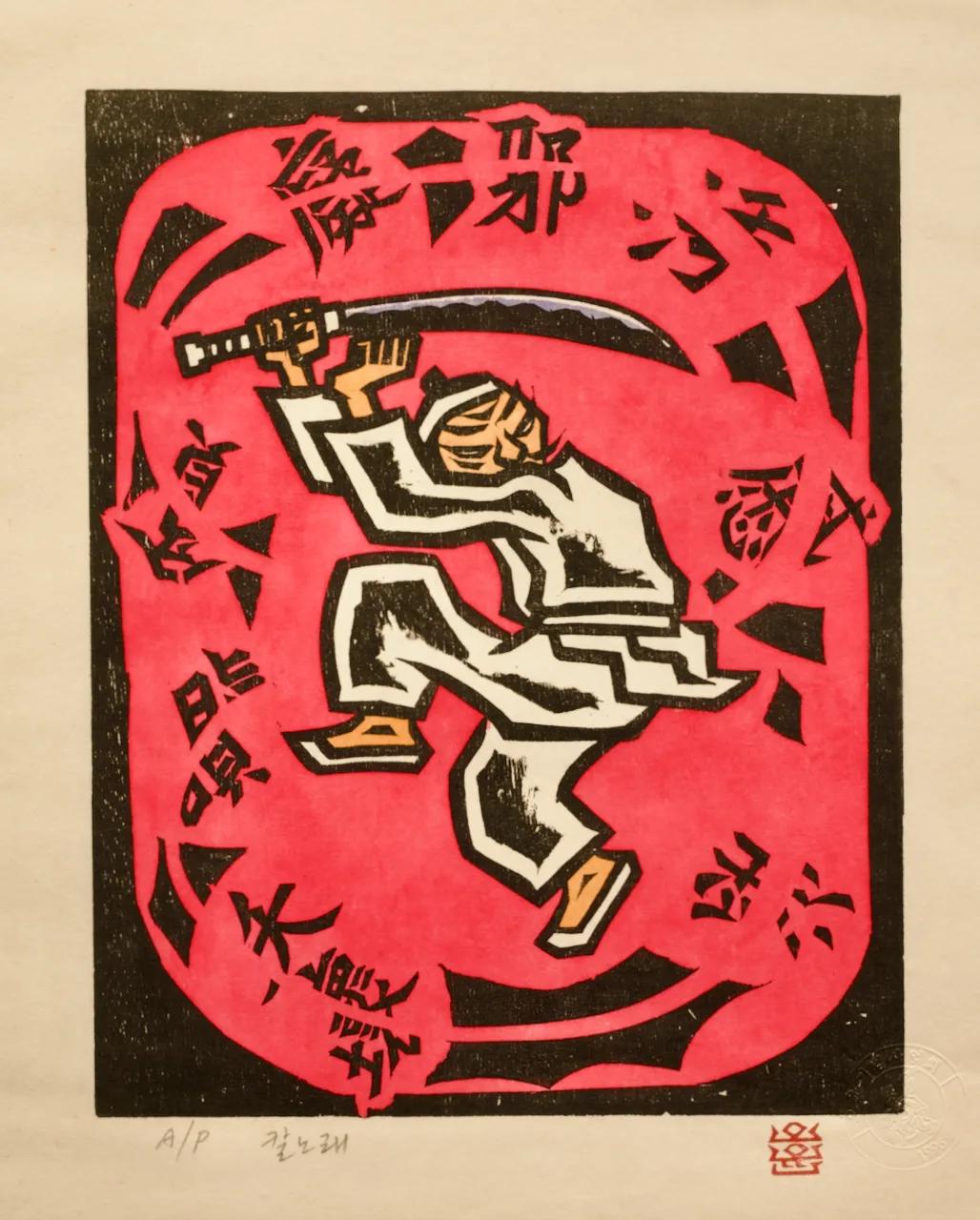
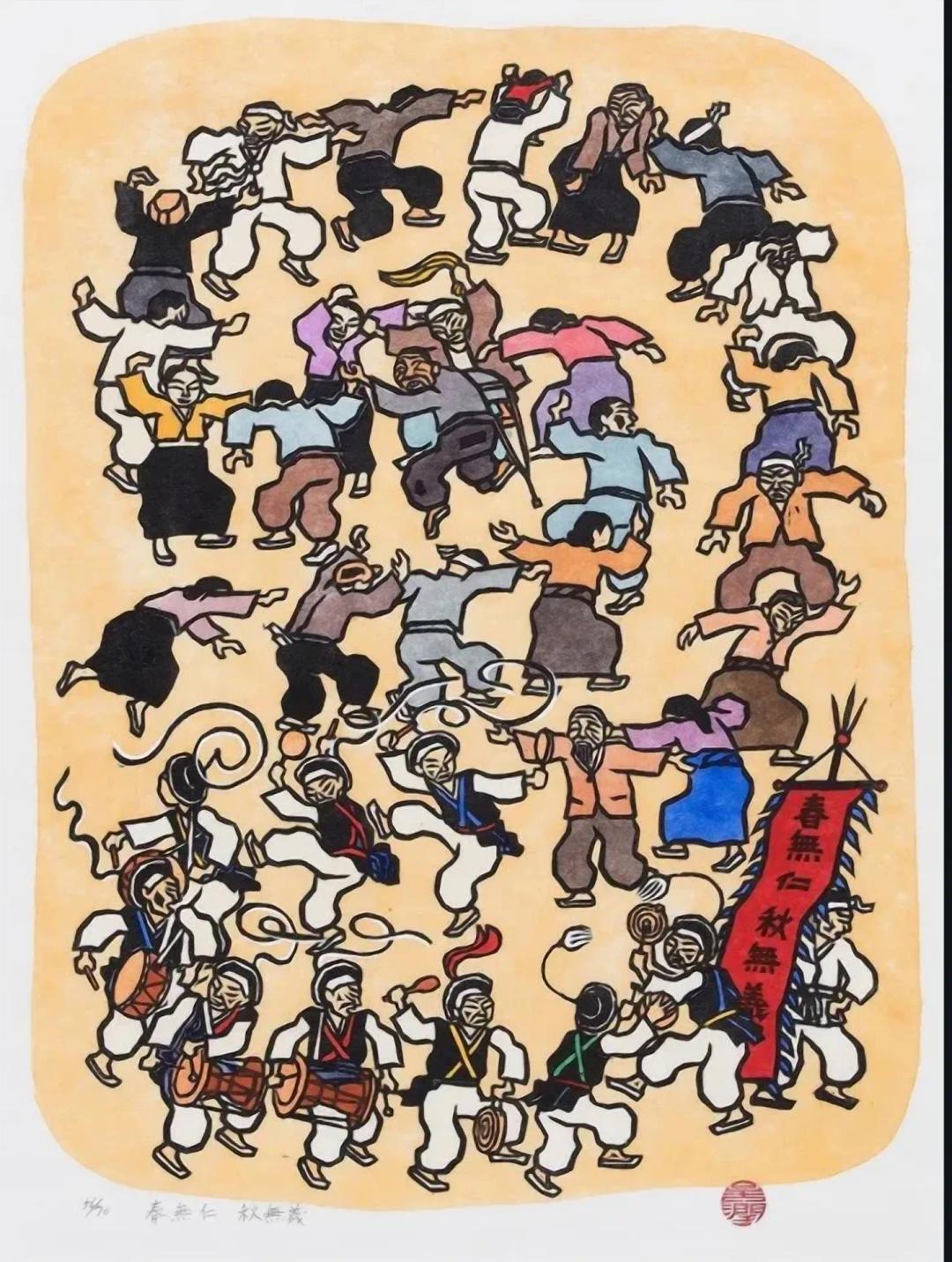
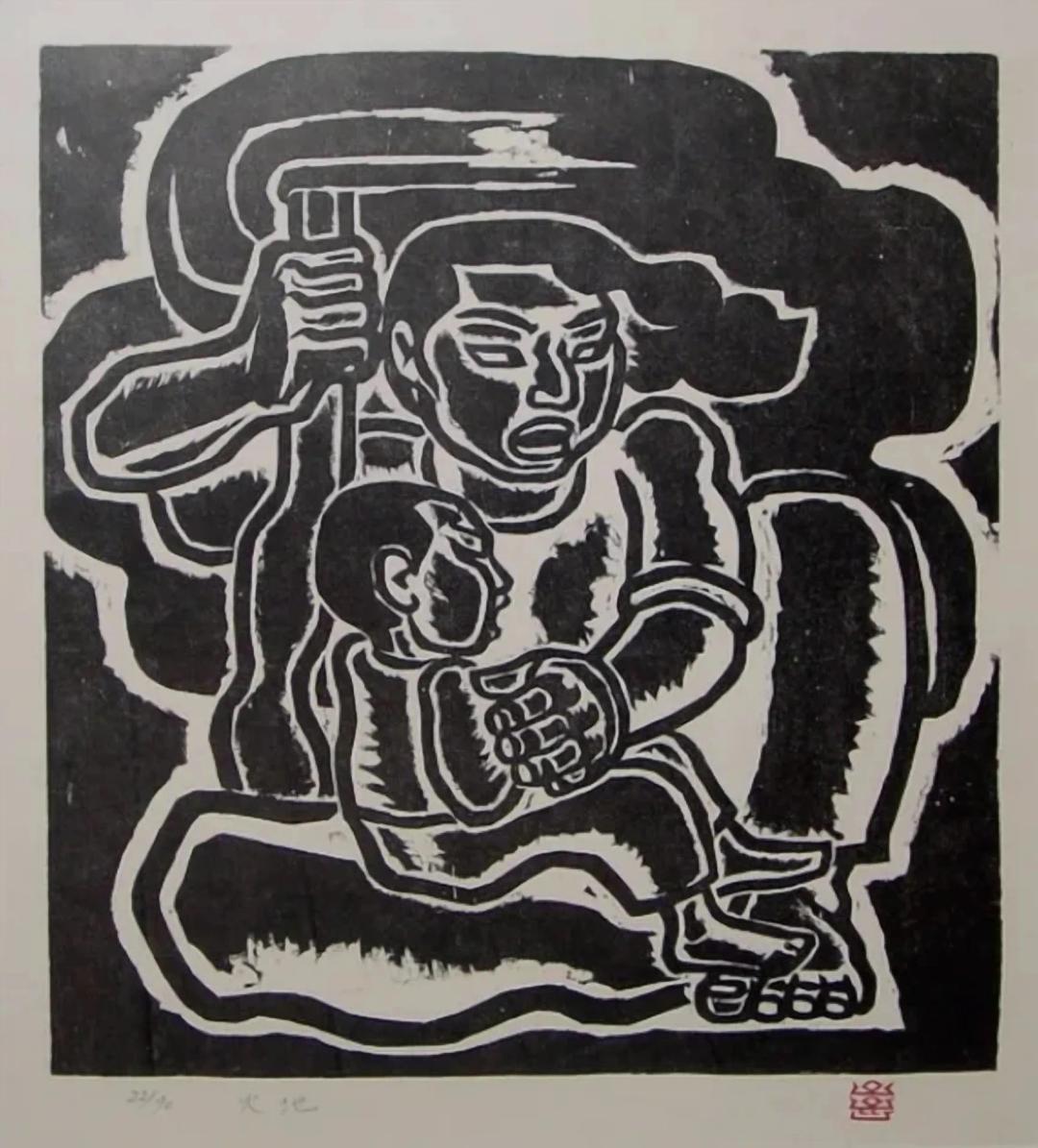
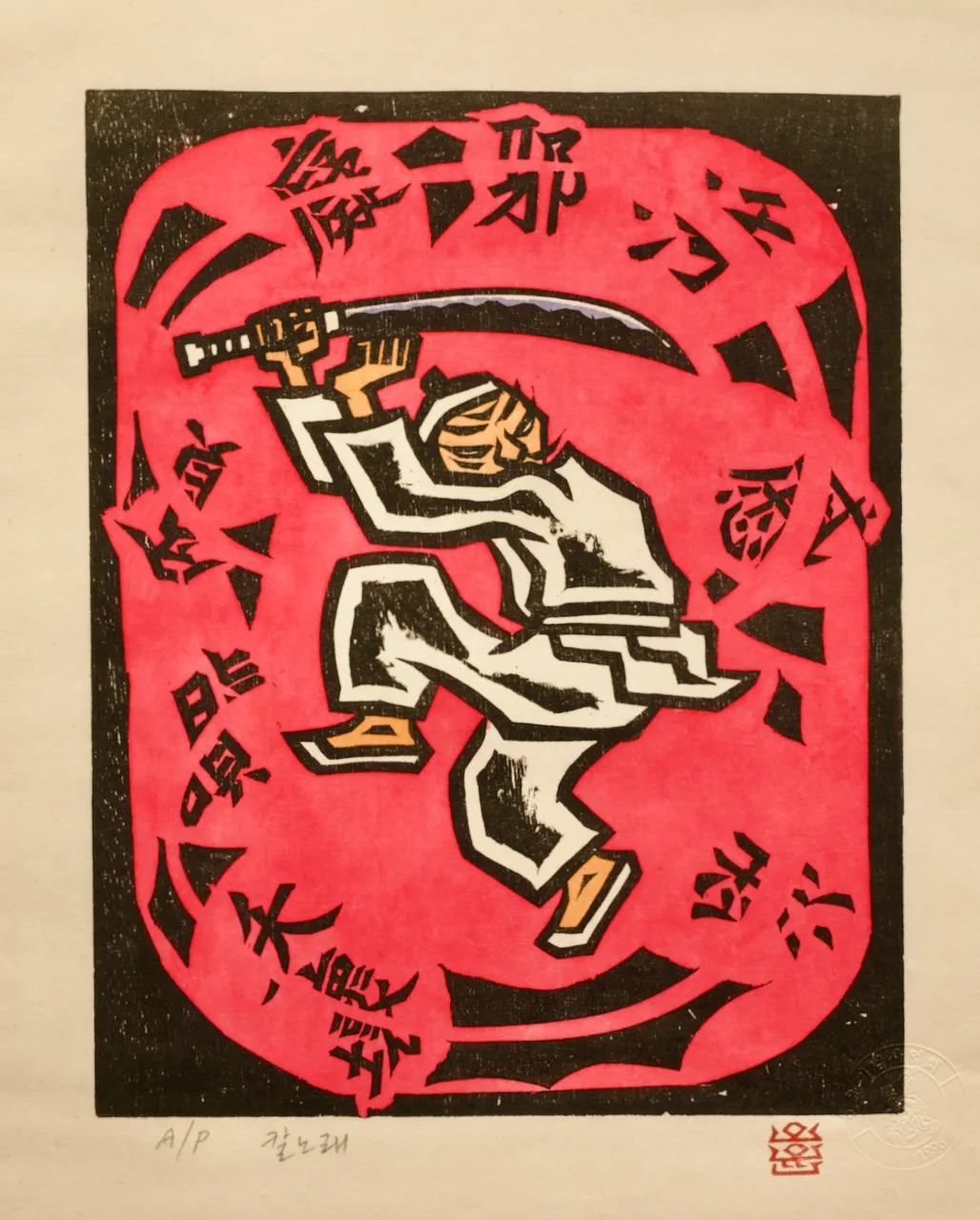
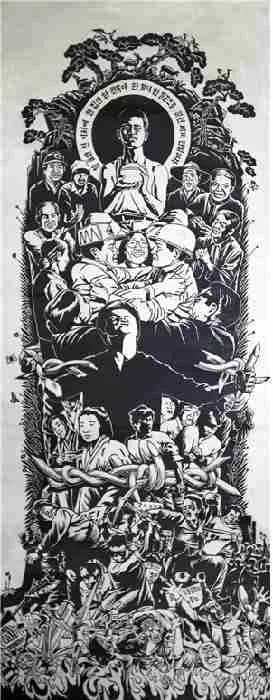
Paintings, prints, sculptures, and drawings together — roughly four hundred works. The woodblocks he carved with his own hand number around 180. Muhodo, Song of the Blade, Spring Without Benevolence, Autumn Without Righteousness, The Earth — these images live among them. Faces that have appeared nowhere else in Korean art history. Strikingly, a great many of his signature works poured out in 1985, the year before he died — as though he knew his time was short.
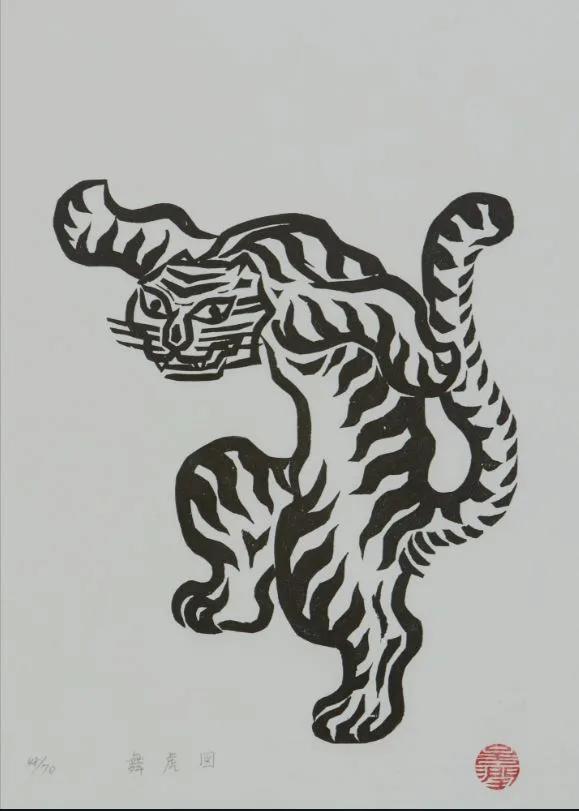
The artist never numbered editions on his own prints. When asked, he would simply pull another impression. He never destroyed a block. For him, prints were something different from paintings. A painting is one. A print can be reproduced and shared without limit. That capacity to be shared was, for him, one form of the anti-commercialism that defined Minjung art in the 1980s. Until he died, he had no interest in pricing his prints.
✻ ✻ ✻
And then, for a while, Oh Yoon was forgotten without being forgotten.
The Korean art market of the 1990s was looking elsewhere. The military regime had stepped down, the Cold War had ended, and globalization rose as the question of the era. The political momentum of the 1980s Minjung art camp cooled rapidly. A new generation moved on to photography, video, installation, and the different idiom of postmodernism. The first Gwangju Biennale opened in 1995, and the Korean art market began to chase the new coordinate of "internationalization." The bold images that had blanketed the 1980s belonged to none of these currents and slipped from the market's attention.
Then, in 1997, the IMF crisis arrived. The art market itself froze. The work of an artist who had not even been given time to form a primary market had nowhere to flow during a period when the secondary market itself had stopped.
Oh Yoon's works went into museum storage and into the homes of a few collectors. Trade was almost nonexistent. The pieces that survived remained in the hands of those who had passed through that era together. For them, the works were not objects of trade but evidence of time.
✻ ✻ ✻
June 1996. The summer of the tenth year after his death.
What happened that summer began at a meeting on February 28 of the same year. Seven people gathered. Kim Yoonsoo, Joo Jaehwan, Choi Min, Sung Wankyung, Kim Jungheun, Kim Yongtae, Woo Chankyu. Their name was the Oh Yoon Memorial Society. What they decided that day was clear. They did, on the artist's behalf, what he had never done in his lifetime — they would pull a posthumous edition from the woodblocks he had carved with his own hand, and assign edition numbers for the first time.
From that decision through to printing, and from printing through to the exhibition, was the work of that spring and early summer. The result first entered the world from June 21 to July 20 of that year, at Hakgojae and Artspace Seoul, under the title "Oh Yoon, People of the Neighborhood, People of the World."
Their decision was not a simple limited-edition release. They imported, intact, the marking system long used by the international print market.
| Mark | English | Meaning |
|---|---|---|
| ED | Edition | For general sale |
| AP | Artist's Proof | Conservation copy |
| HC | Hors Commerce | Not for sale |
| TP | Trial Proof | Test impression |
| CP | Cancellation Proof | Proof of cancellation |
Which work belonged to which place became clear in a letter or two on the paper.
His elder sister, Oh Sukhee, signed each sheet by hand. Born in 1941, a graduate of Seoul National University's College of Fine Arts, Department of Painting. On some plates, an embossed seal reading "1996 — Oh Yoon Memorial Society" was pressed at the lower right. It did not appear on every sheet. Some elements were not carried out as fully as they had been planned.
For that one month, five artists pulled the prints by hand. Hong Sunwoong, Yoo Yeonbok, Namgung San, Kim Yoonki, Park Yail. They were the artist's colleagues. Seven people divided the writing for the catalogue: Kim Jiha, Sim Kwanghyun, Hong Sunwoong, Sung Wankyung, Won Dongseok, Yoo Hongjoon, Heo Jinmu. Joo Jaehwan supervised.
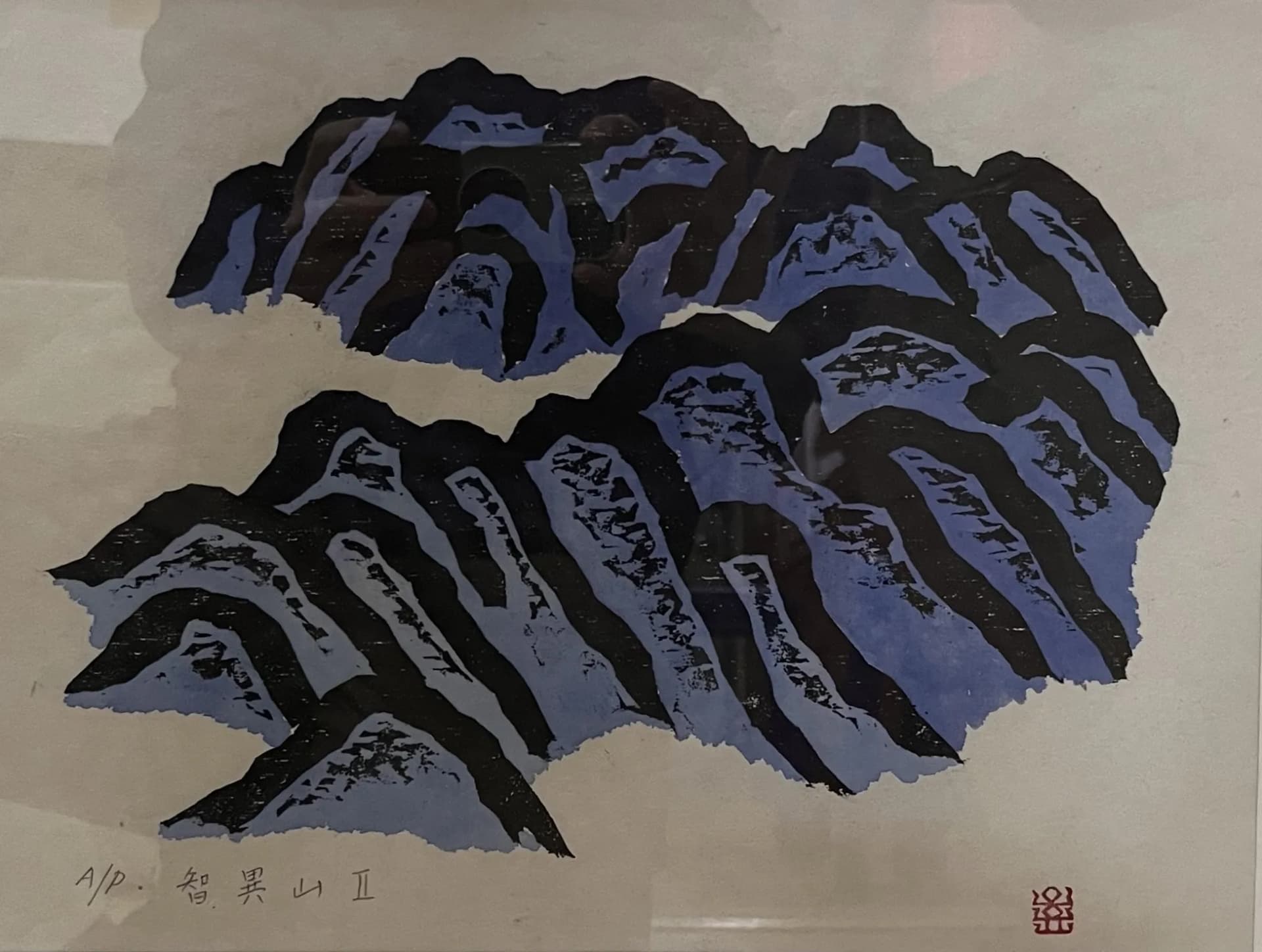
And when all of this was done, they decided to do one final thing. They would inflict a small alteration on the finished blocks. So that no print could ever again issue from these blocks. Then they would pull one more impression from the altered block, leaving the fact of cancellation as a mark on paper — that was CP, the Cancellation Proof. A ritual that left the very fact of the edition's closure as visual evidence. The intention was clear, and on some plates that final step was indeed reached.
There is a sentence they wrote themselves in the press release. "We officially declare that there will be no further prints." The closing paragraph of the same document reads: "Now at last Oh Yoon's art has reached its complete coda."
On prints that had never been priced during the artist's lifetime, his colleagues, in the place he had left, marked the first and final edition. Such a form of closure has been exceedingly rare in the posthumous markets of Korean modern and contemporary artists. None of them was unaware that the forgery disputes around Park Soo-keun's work had long been a wound in the Korean art world.
✻ ✻ ✻
In 2005, he was posthumously awarded the Order of Cultural Merit (Okgwan).
Nineteen years after his death. The following year, 2006, the National Museum of Modern and Contemporary Art (MMCA) held an Oh Yoon retrospective. The line of people pausing before Song of the Blade stretched long. What seven people had done in 1996 only then began to be seen beyond the art world.
These two events shifted the artist's place in art history. If in the 1980s he had been "an artist of the Minjung art camp," after 2006 he moved into being "an artist anchored within the canon of Korean modern and contemporary art." That move is not merely a matter of reputation. The priority of museum collections, the subjects of academic research, the entries in art history textbooks — across all of these, his place was redrawn.
The market follows this kind of change slowly but unmistakably. Some years after the retrospective ended, his works began appearing at auction, sparingly. Frequency remained low. Surviving pieces were few. But each time a work did appear, the market began to recognize what it was — and that already differed from the landscape of the 1990s.
✻ ✻ ✻
And the collectors began to change.
From the hands of collectors who had lived through the 1980s — those who took in the work alongside its zeitgeist, who may well have stood somewhere at the edges of the artist's funeral — to their children's generation, and on to a new collector base unrelated to either. The new collectors do not know the 1980s as lived time. They first met Oh Yoon in museums, in catalogues, in academic papers.
This change seems minor but is not. A collector with experience of the era projects their own youth onto the work. A collector who entered through the coordinates of art history sees in the work the thickness of time and the weight of institution. When two gazes meet in a single market, demand for the work does not narrow but thickens. One layer is laid upon another.
In the same period, Dansaekhwa exploded in the global market. As Park Seo-bo's works rewrote records at Hong Kong auctions, a quiet question circulated among Korean market analysts. What comes after Dansaekhwa. Once Korean modernism had hit its peak, what was the next category the global market would discover in Korean art? No consensus answer has been reached, but the view that it would be Korea's "realist lineage" has surfaced repeatedly.
✻ ✻ ✻
April 2026. Forty years are nearly upon us since he left.
In the year that marks the fortieth anniversary of his death, two things sit on the same timeline.
One is the decision of the Seoul Museum of Art Archive. Drawing on the Oh Yoon archive it acquired in 2024, it will hold a curated exhibition, The Oh Yoon Collection, over six months from August 27, 2026 to February 21, 2027. It is a site for examining the artist's world and process anew, looking again at the artistic outlook of one of the leading artists of 1980s Minjung art and at how he wrestled with the role of art. That a public art institution in Korea would, across six months in the year of his fortieth memorial, train its full attention on a single artist — this kind of moment becomes a decisive inflection point in an artist's market cycle.
The other is moving a step ahead of it. A building in Guui-dong, Gwangjin-gu, is about to be demolished. The site of the former Sangup Bank branch. The building has been sold, and the new owner plans to tear it down by June. The problem lies inside. A terracotta mural that Oh Yoon made in 1974 has been embedded in its interior wall for fifty years. If the building falls, the mural falls with it. Together with its sister work Peace, in the former Sangup Bank branch at Jongno 4-ga, it is one of the very rare public works that show Oh Yoon's sculptural dimension. In the year of his fortieth memorial, another piece touched by his hand stands at the brink of disappearance. Efforts to save the mural are underway right now — will it be broken, or moved.
On one side, a public institution gathers and re-presents the artist's traces over six months; on the other, a fight against time to keep a fifty-year-old work by the same artist from vanishing. That these two are placed on a single screen in the year of his fortieth memorial is not something that can be read as coincidence alone.
✻ ✻ ✻
And so, now, Oh Yoon again.
Original paintings rarely appear on the market. The body of work itself is small. The same is true of lifetime prints. The runs he pulled while alive were not large, and what remains stays with those who passed through that era. For collectors, institutions, and ordinary lovers of the work, the almost singular channel through which to encounter Oh Yoon's work is the posthumous edition issued, just once, in 1996.
That posthumous edition is not a "second-best." It is a body of work pulled by the artist's colleagues from the very blocks he carved, signed sheet by sheet by his sister, graded on the standards of the international print market, and closed in a single, final issue. Among the posthumous markets of Korea's modern and contemporary masters, a market closed in this form is uncommon. It did not happen for Park Soo-keun. It did not happen for Lee Joong-seop. What that difference has grown to mean across thirty years — that is what this series sets out to follow.
About the Series
This essay is the first in the Oh Yoon Posthumous Print Market Analysis series.
- ① A Place Left at Forty (this essay) — From July 1986 to April 2026, how the art-historical coordinates of one artist were redrawn.
- ② The Oh Yoon Market in Thirty Years of Transaction Data (forthcoming) — Unpacking the 1996-onward sales records of Korea's two major auction houses.
- ③ The Legitimacy of the Posthumous Print (forthcoming) — On the international precedents of Picasso, Miró, and Murakami, where the 1996 issue stands.
- ④ The Distance from Park Soo-keun, Lee Joong-seop, and Kim Whan-ki (forthcoming) — Where Oh Yoon operates differently within the posthumous markets of Korea's modern and contemporary masters.
Read Alongside
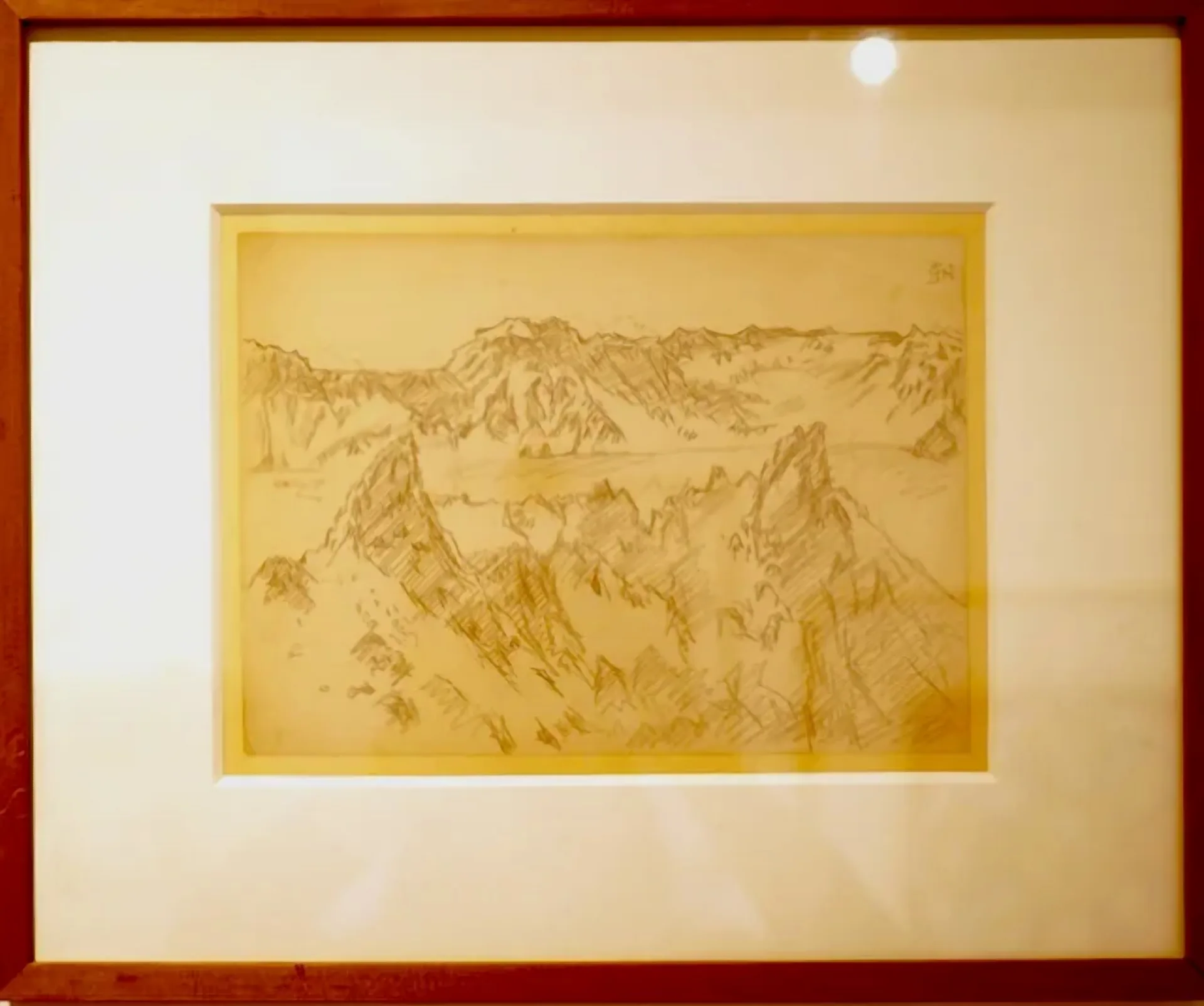

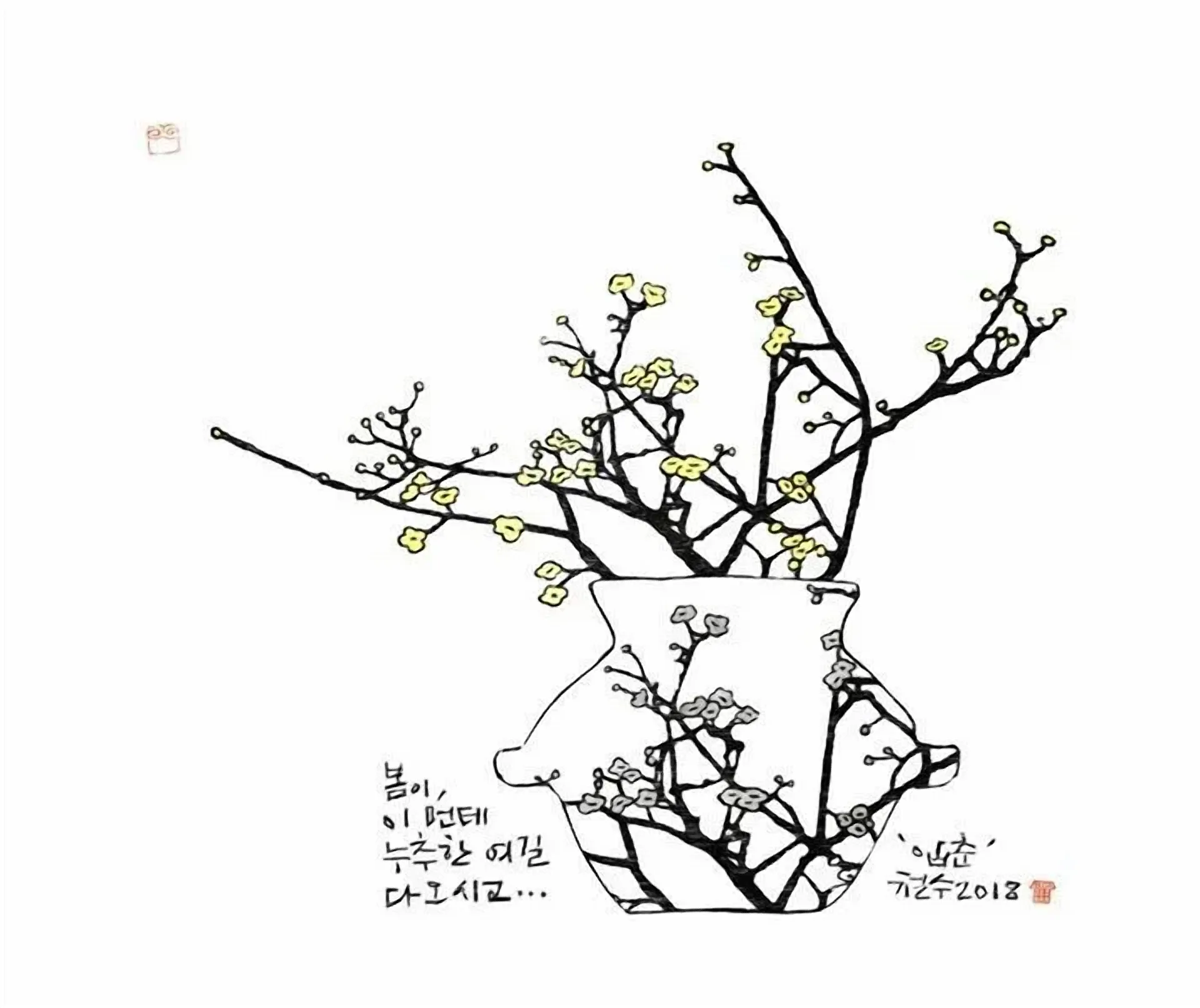
Related reading
If this piece helped, you may also enjoy these related articles:
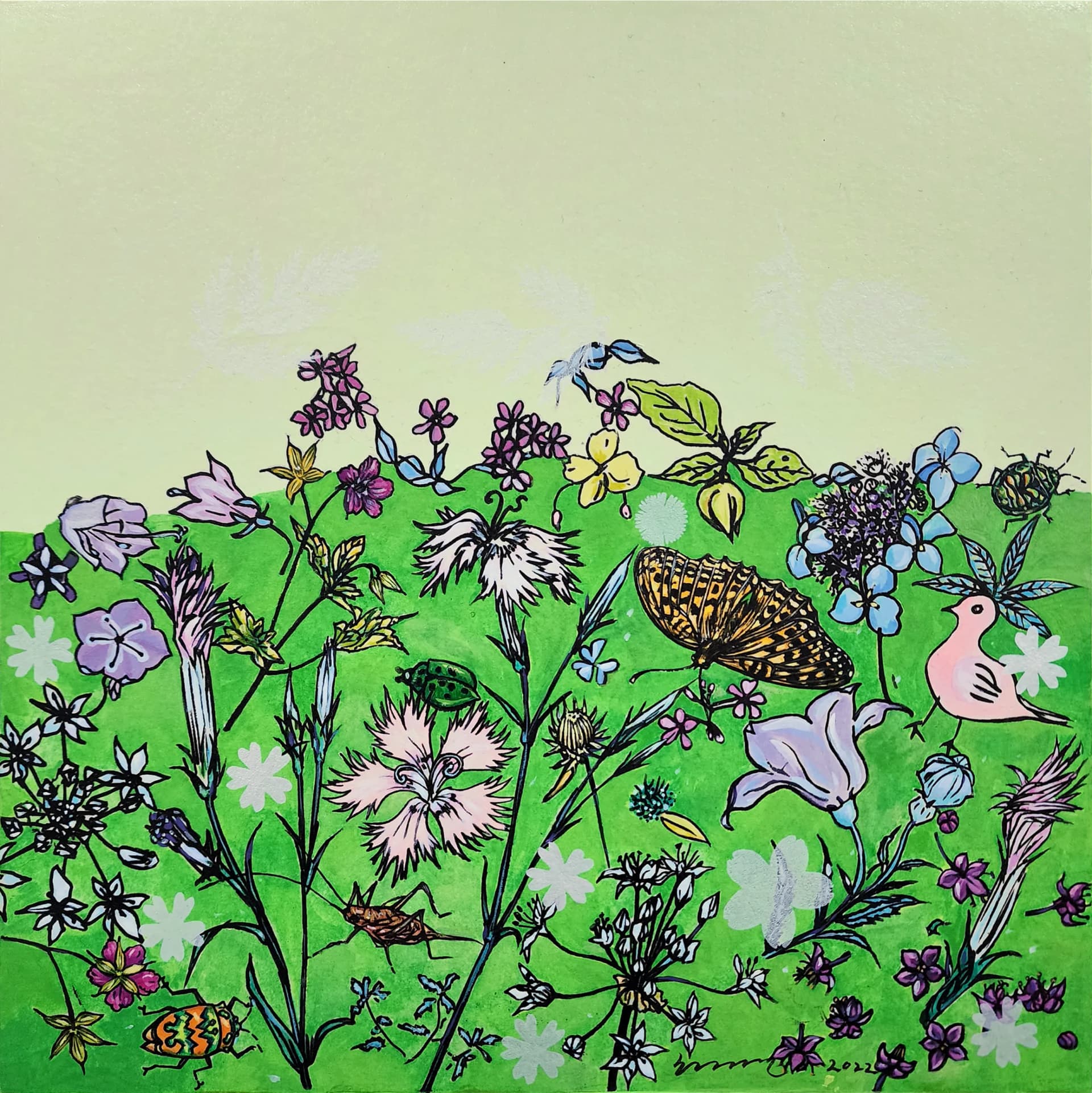
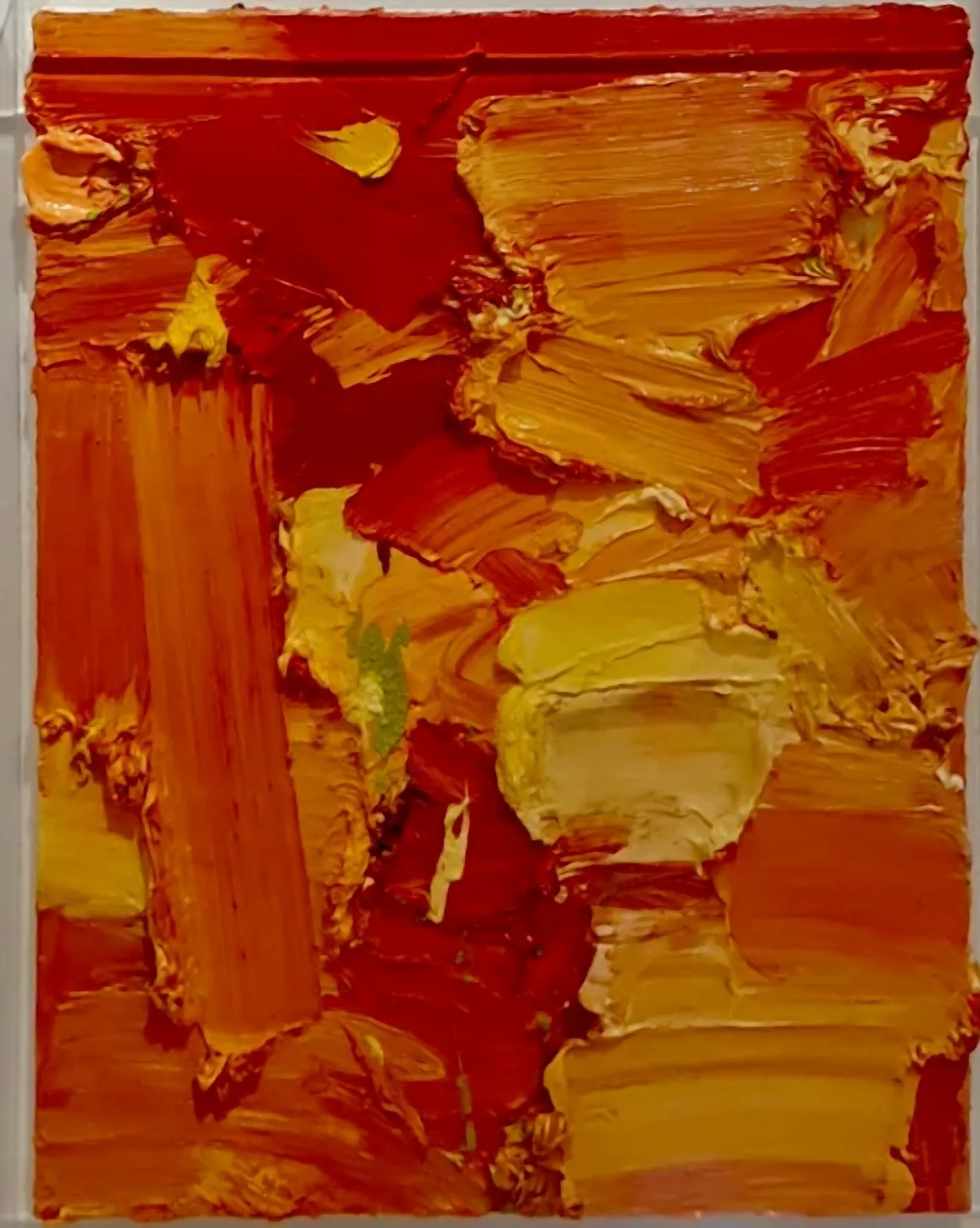
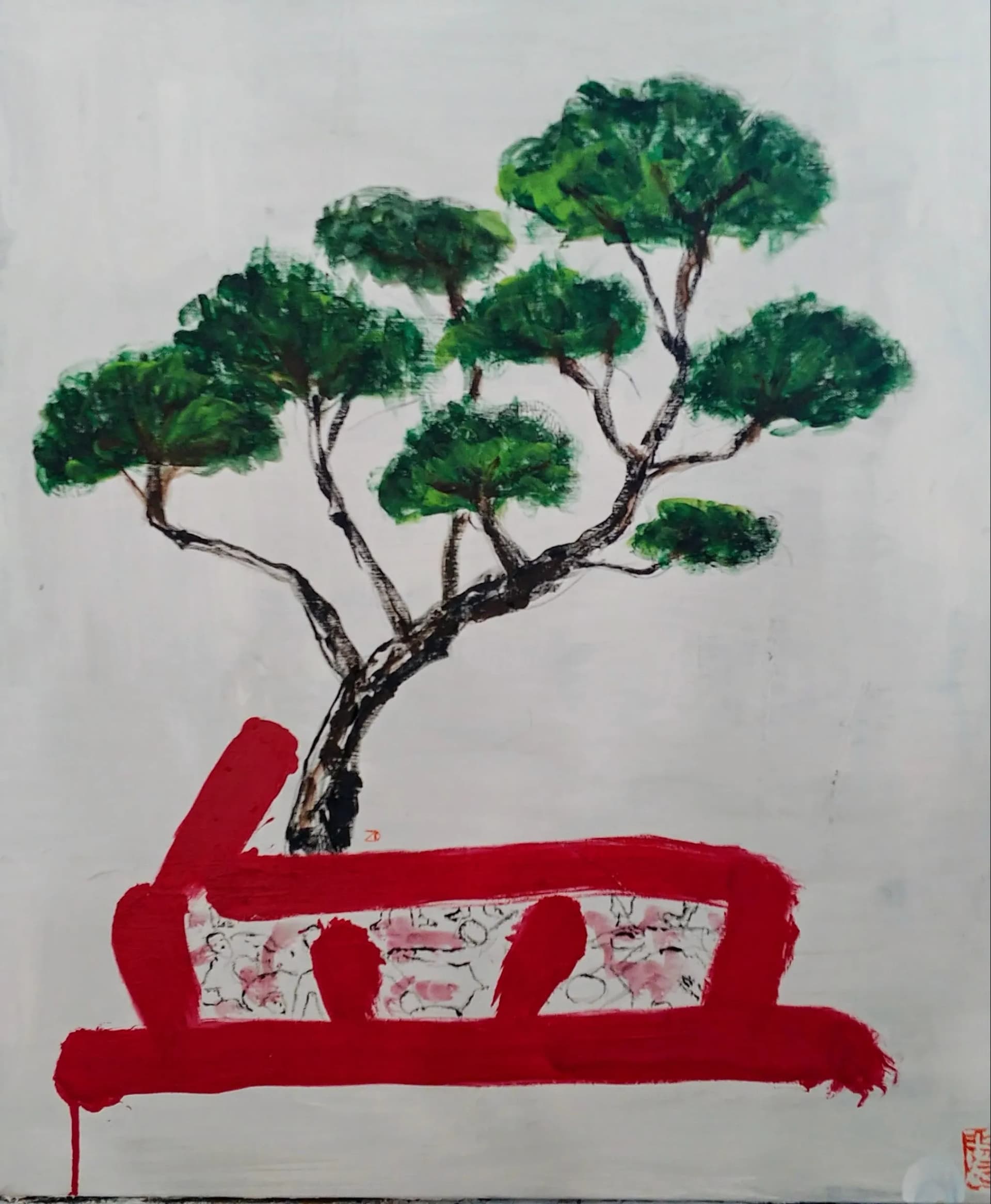
From the place left at forty, forty years on, his images are arriving before us again. This arrival is also an event in the market.
Related Reads
Artists on the Same Path
Collecting Guides
What Is Under Way
The terracotta relief Oh Yun carved into the interior wall of a bank branch in Guui-dong in 1973 is facing demolition. It was made together with Oh Kyung-hwan and Yoon Kwang-ju, and it was not public art — it was a commission from the then Commercial Bank of Korea (now Woori Bank).
- Citizens' petition for the Guui-dong terracotta — addressed to the next mayor of Seoul and the Minister of Culture, Sports and Tourism
- Preservation fund — raising the cost of conservation through citizen donations
Seed Art Festival
·