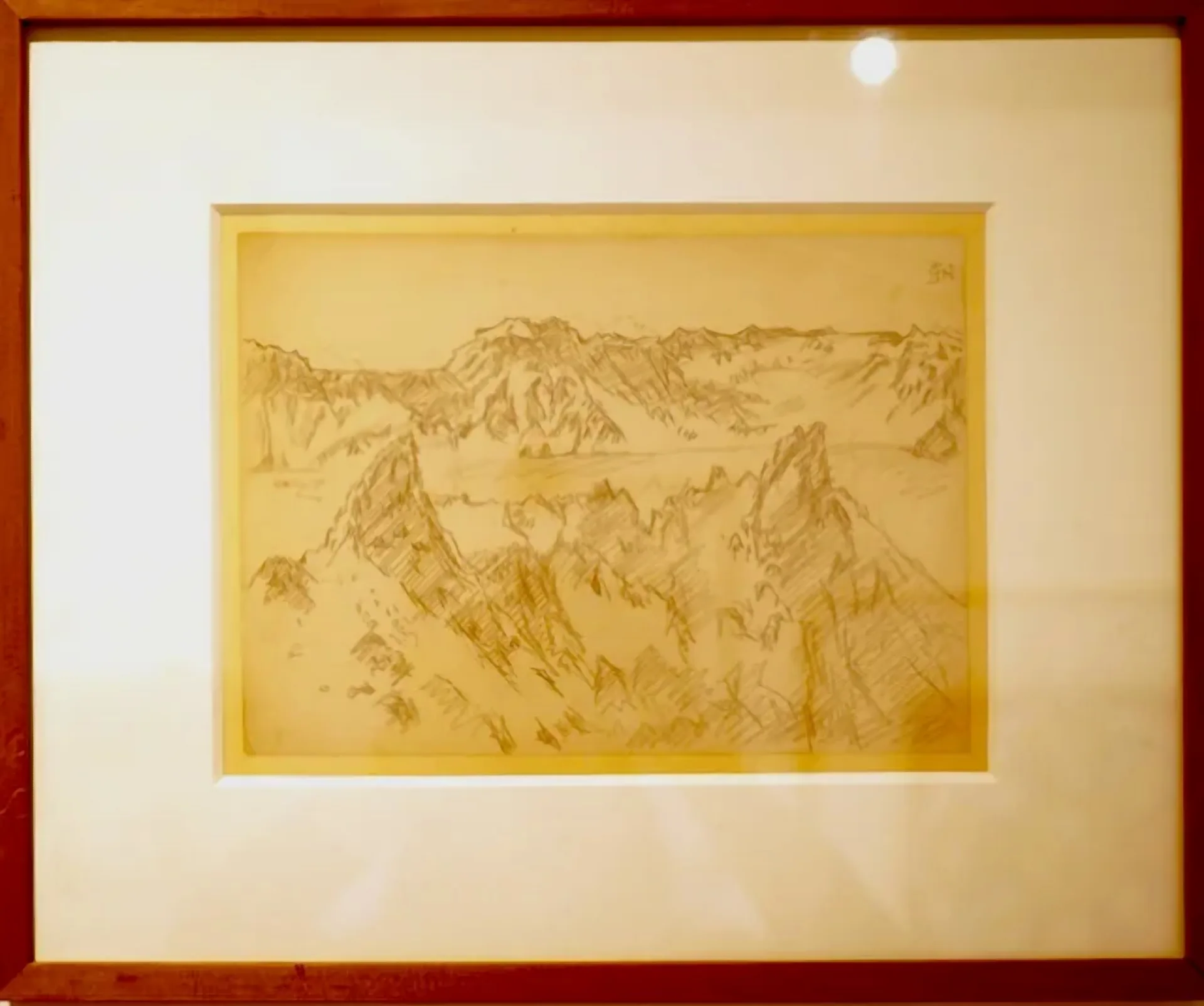
At the deepest layer of Korean art lies shamanism. From Park Saeng-gwang's five-color rituals to Oh Yoon's daytime goblins and An Eun-kyung's contemporary acts of recovery on traditional janji paper — we read why shamanism still resonates in today's living rooms through SAF-owned works.
Korean Shamanism in Art — Oh Yoon's Goblins, Park Saeng-gwang's Gut, An Eun-kyung's Recovery
At the deepest stratum of Korean art lies shamanism. The gut scenes Danwon painted, the obangsaek talismans Park Saeng-gwang detonated, the goblins Oh Yoon carved with a knife. The place 1980s Minjung Art entered in search of a Korean spirit was, in the end, shamanism — and the breath of shamanism still flows through the 'landscape of recovery' contemporary artist An Eun-kyung unfolds on jangji paper.
Western painting has its religious art; Korean art has its gut paintings. Yet Korean living rooms still hesitate over how to receive shamanism. This essay is a magazine that tries to dissolve that hesitation. We follow three branches in the SAF 2026 entries that touch shamanism.
1. Park Saeng-gwang — The Obangsaek Gut That Erupted at Seventy
Park Saeng-gwang (1904–1985) lived nearly his entire life in a Japanese-influenced style and only found his true ground in his late sixties. Sunrise over Mount Toham, shamans, dancheong, talismans. His final eight years were a time of transposing Korean shamanism onto canvas in the five cardinal colors. A deeper account is in The Eruption of His Final Eight Years.
Two late drawings by Park Saeng-gwang held by SAF show the breath at the moment that eruption was beginning.
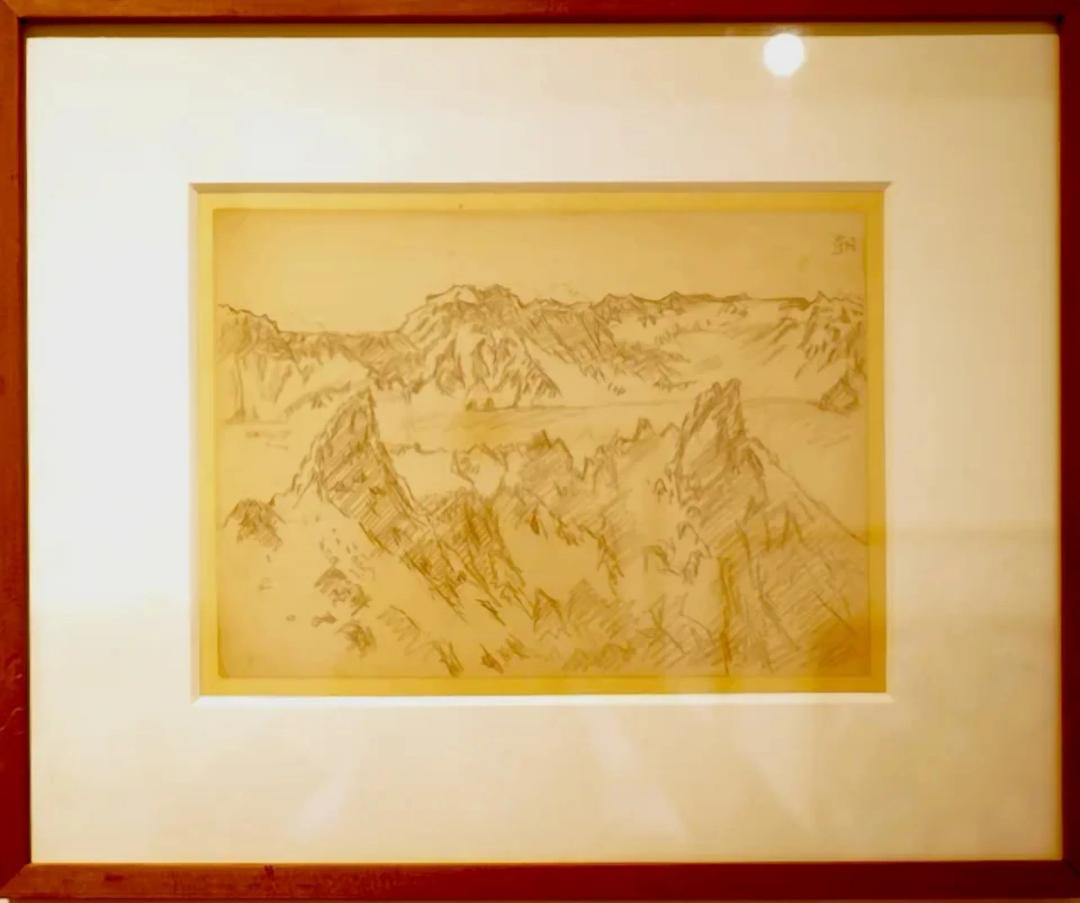
The gaze toward Lake Cheonji is no simple landscape sketch. In Korean shamanism, Mount Baekdu is the dwelling of spirits, and for Park Saeng-gwang the lake at its summit was the spiritual homeland he had to return to. This pencil-caught breath, made before he moved into his color phase, is the seed of the energy that would later detonate on his obangsaek canvases.
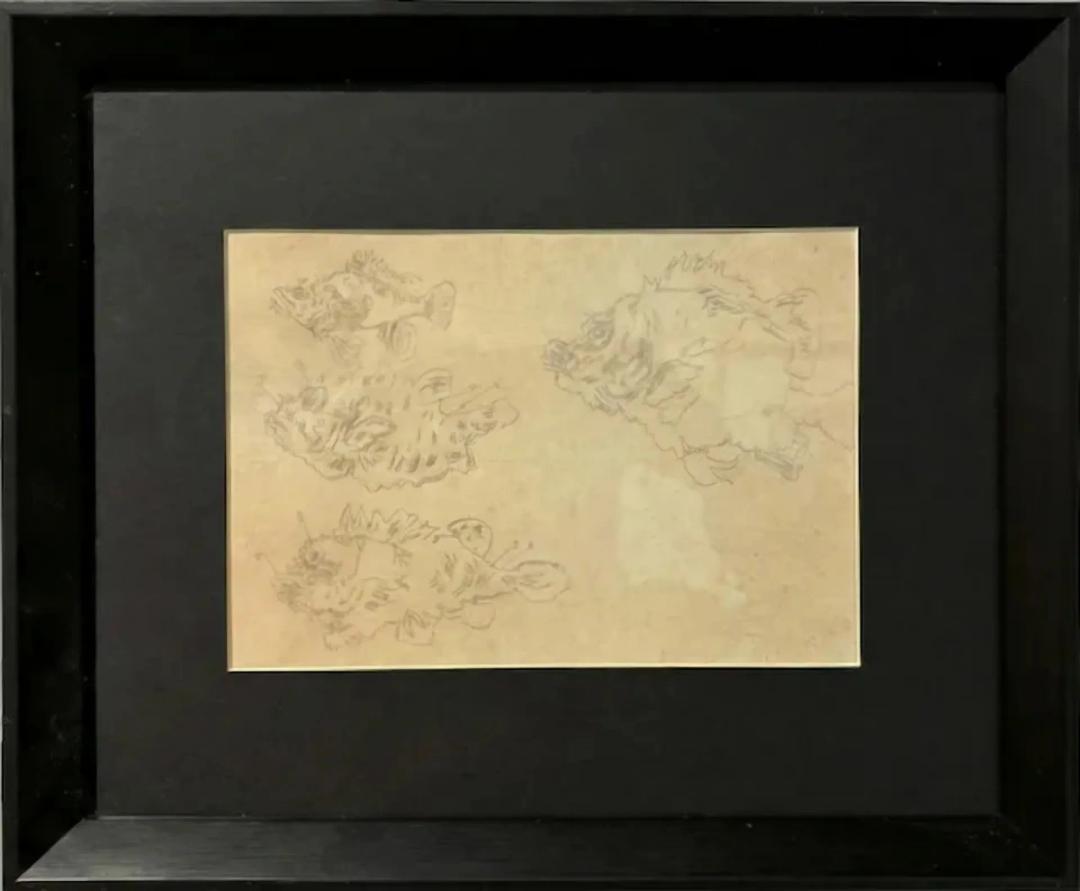
In Korean folk painting (minhwa), the mandarin fish is a symbol of advancement and fertility. This 1950 pencil drawing is the starting point of a folk vocabulary Park Saeng-gwang would later return to when, in obangsaek, he transposed shamans and talismans onto canvas.
2. Oh Yoon — A Faith of Goblins Carved by Knife
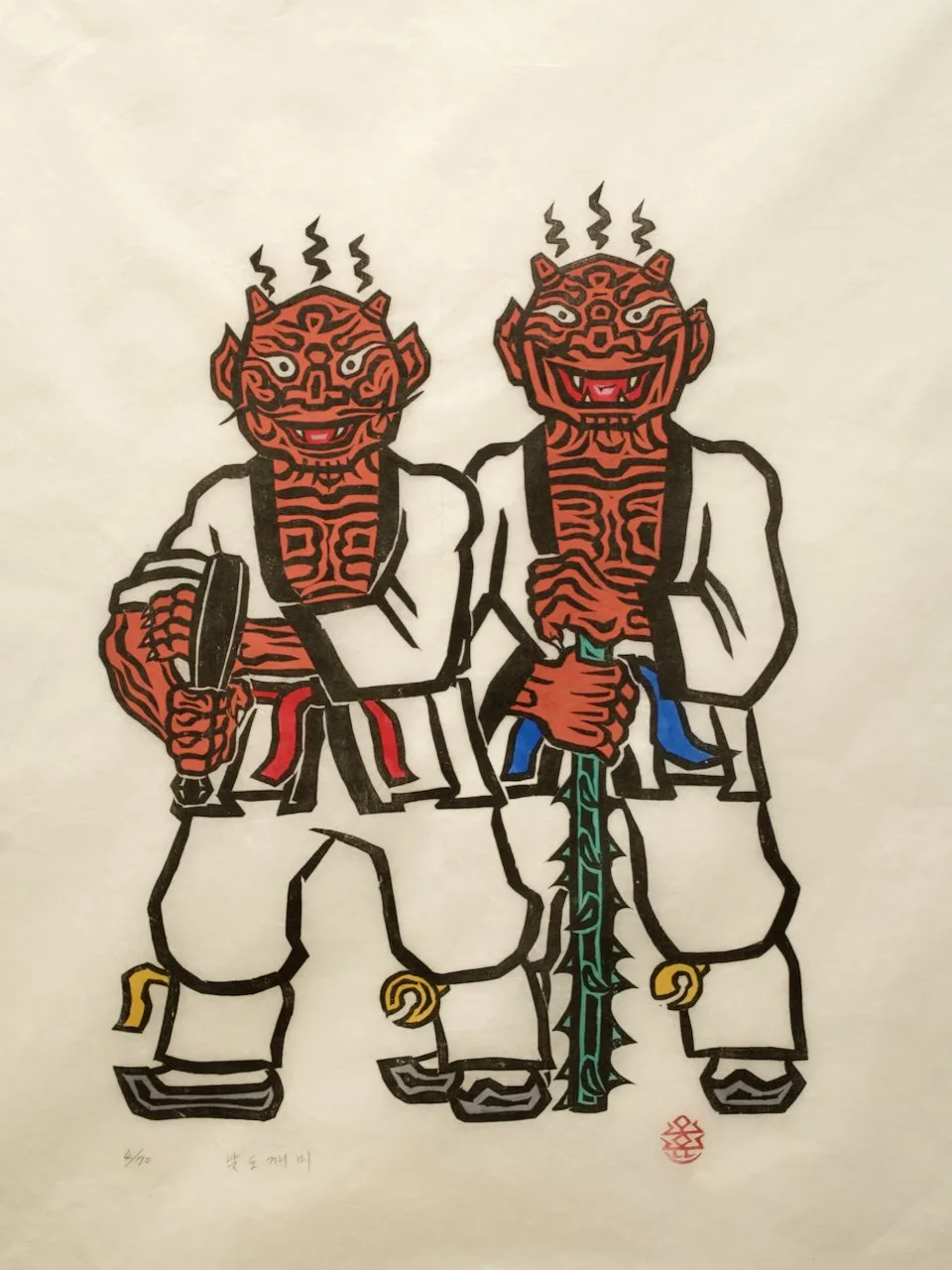
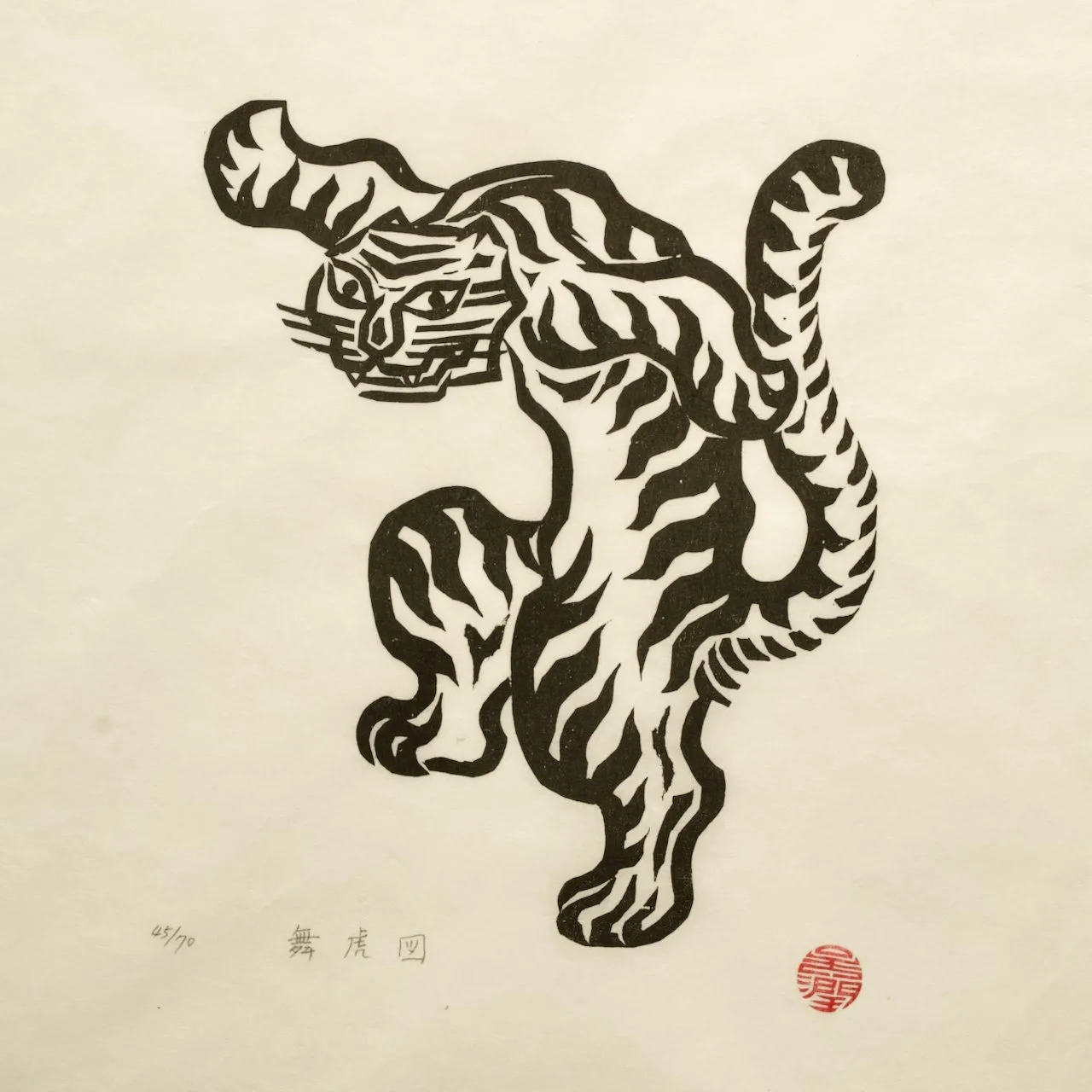
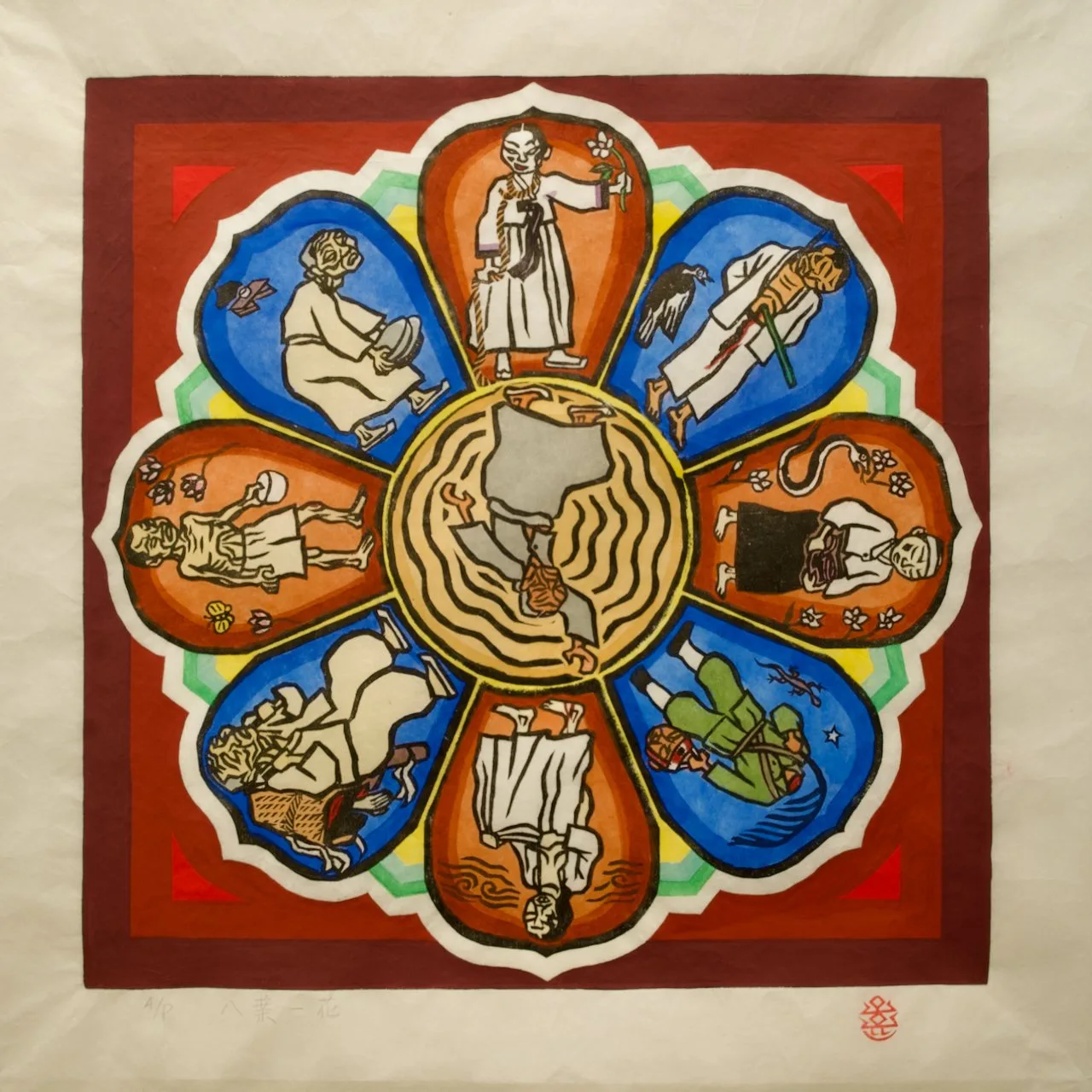
The prints of Oh Yoon (1946–1986) carve the faith of the people. The dancing tigers, daytime goblins, and eight-petaled flowers he cut bring the visual language of the Korean gut directly to the page. A comprehensive overview is in The Artist Who Carved His Era with a Blade — Oh Yoon's 40th Anniversary. Here we'll lift out only the shamanic strand.
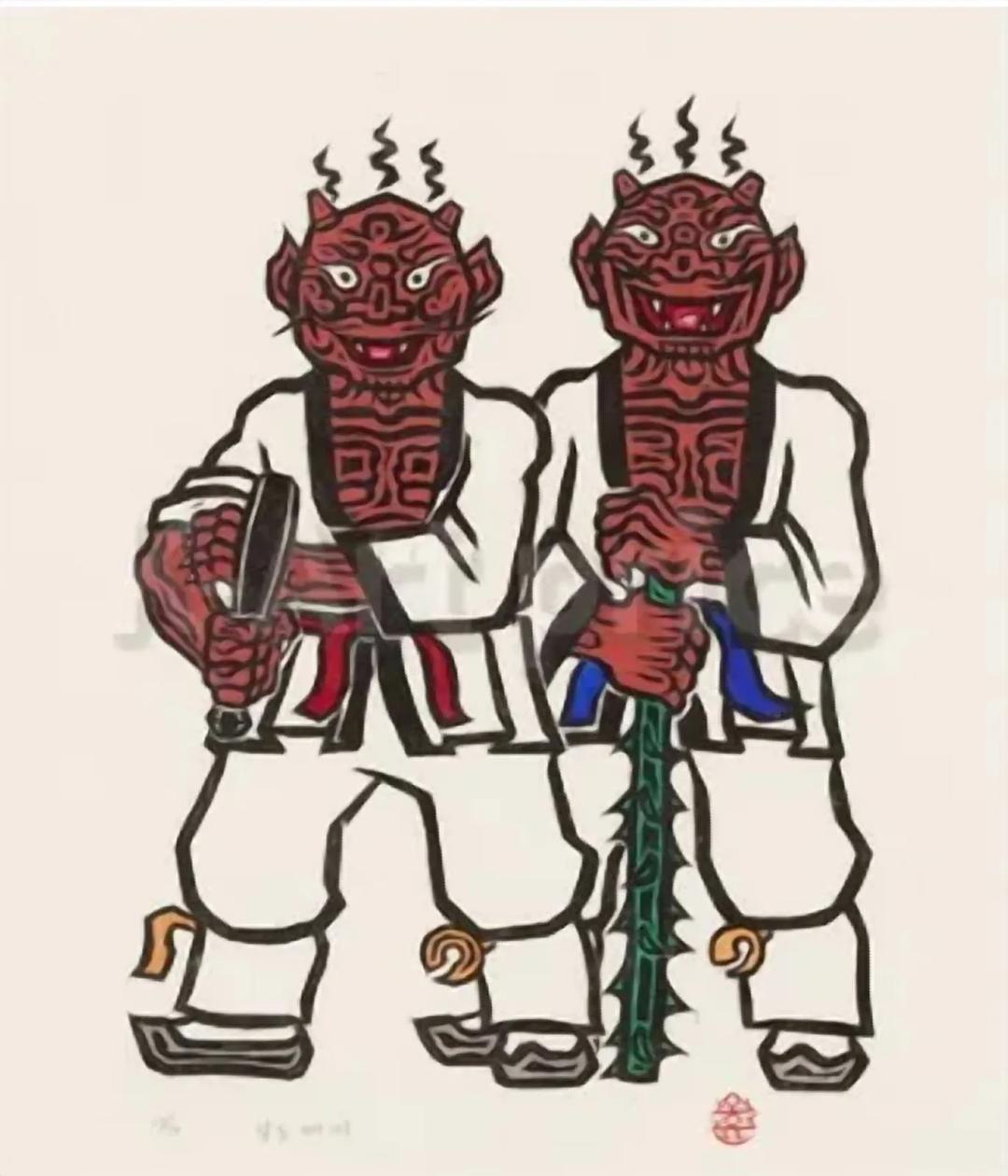
The dokkaebi (goblin) is the most popular spirit in Korean shamanism. Quick to anger, quick to mischief, taking the side of the poor. Oh Yoon lets this goblin loose in the alleys of a midday market. The very title 'daytime goblin' is a piece of Korean wordcraft — a goblin that haunts not the dark night but the bright noon. Oh Yoon was saying that 1985 in Korea was that kind of time.
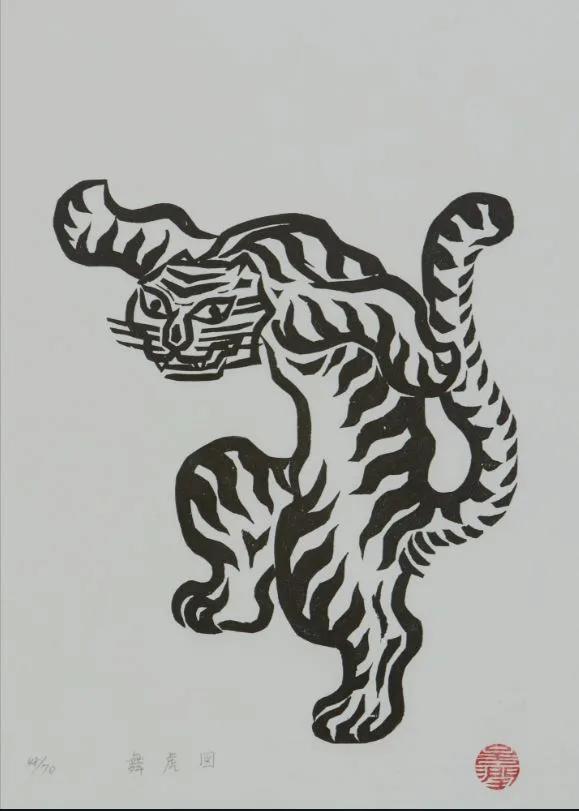
Muhodo (舞虎圖) — a dancing tiger. In Korean folk painting, the tiger is the attendant of the mountain god and the first spirit of the gut. The familiar magpie-and-tiger iconography is reborn here in the thick rhythm of relief carving under Oh Yoon's blade. Even the inclusion of 'do (圖)' in the title is deliberate — a signal of conscious dialogue with the genre painting and folk iconography of the museum collection.
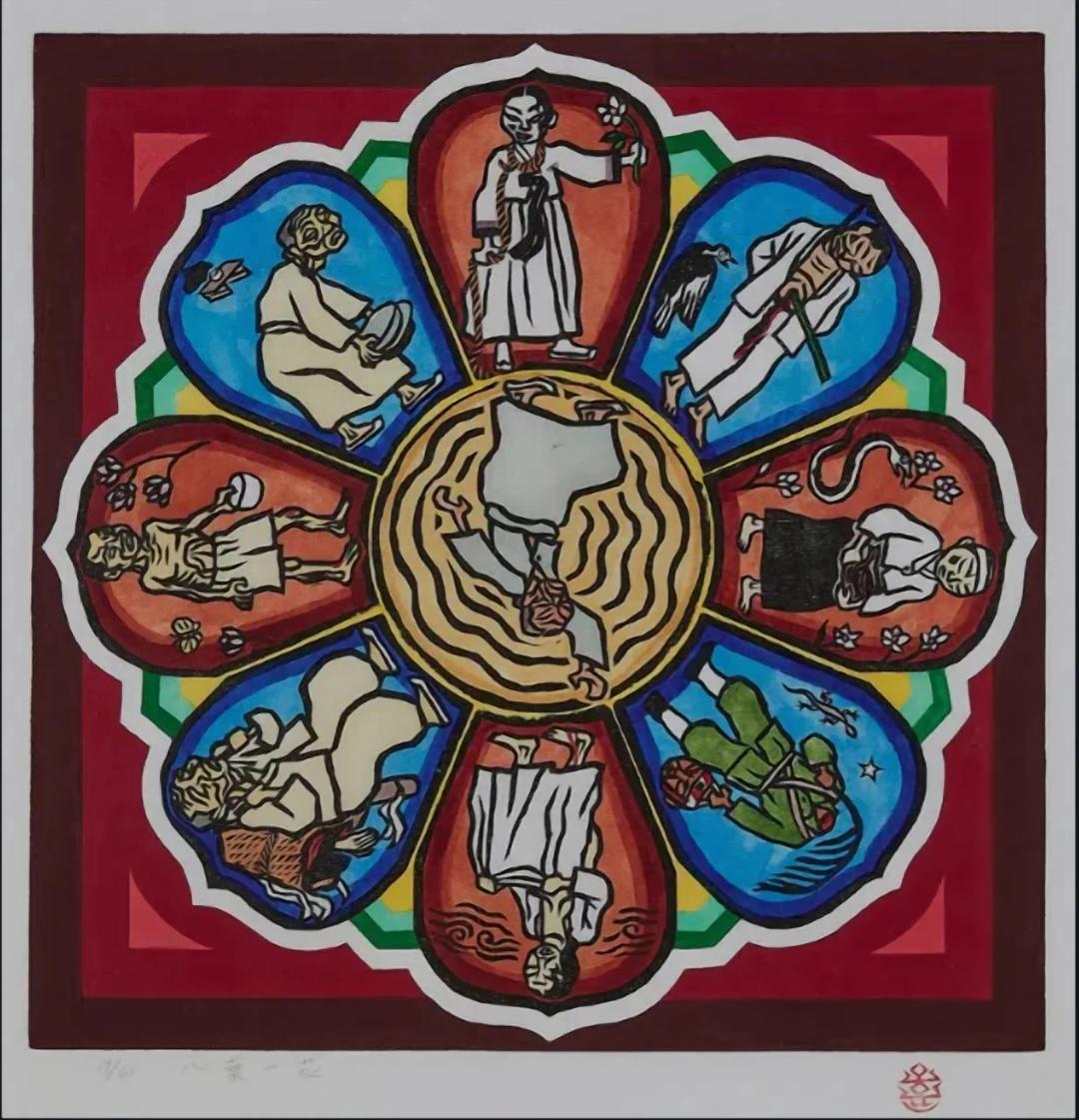
Paryeop ilhwa (八葉一花) — eight leaves becoming one flower. A form often used at the meeting place of Buddhism and shamanism. The mandala in which a single bloom at the center is enclosed by eight petals appears in shamanic talismans and in temple dancheong alike. This 50x50cm square woodblock is a peak Oh Yoon reached one year before his death.
3. An Eun-kyung — Recovery Unfolded on Jangji
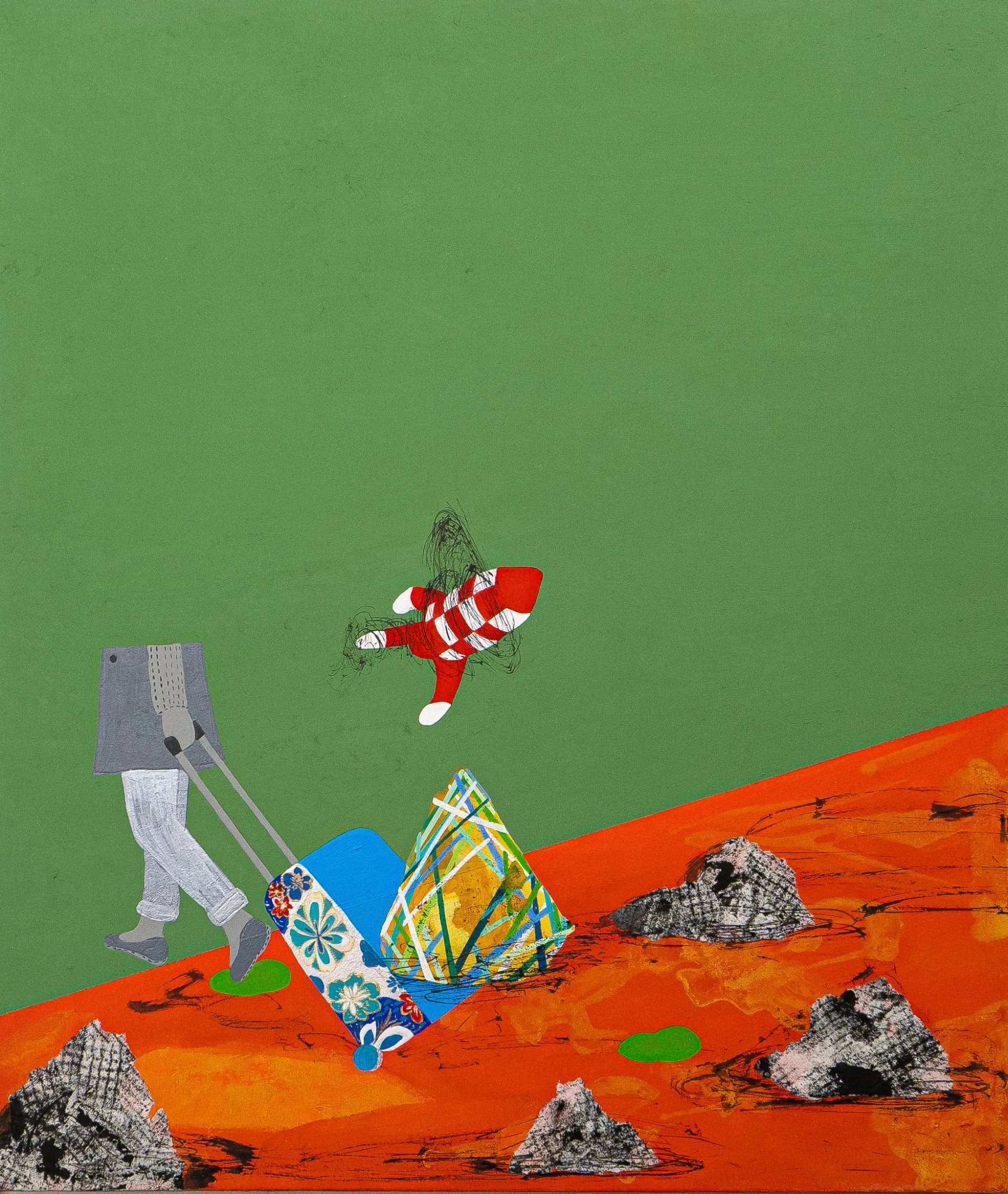
Shamanism does not stop in 1985. The work of contemporary artist An Eun-kyung breathes the essence of shamanism — recovery — newly on jangji. Jangji (壯紙) is the thickest and strongest of all hanji papers, the paper used for talismans of the gut altar and lighter rites. The artist layers color and mixed media on top. A three-dimensional profile of An Eun-kyung is in Setting Out with an Empty Bag; for the jangji technique itself, see Color on Jangji — Reading the Contemporary Breath of Korean Painting Through An Eun-kyung.
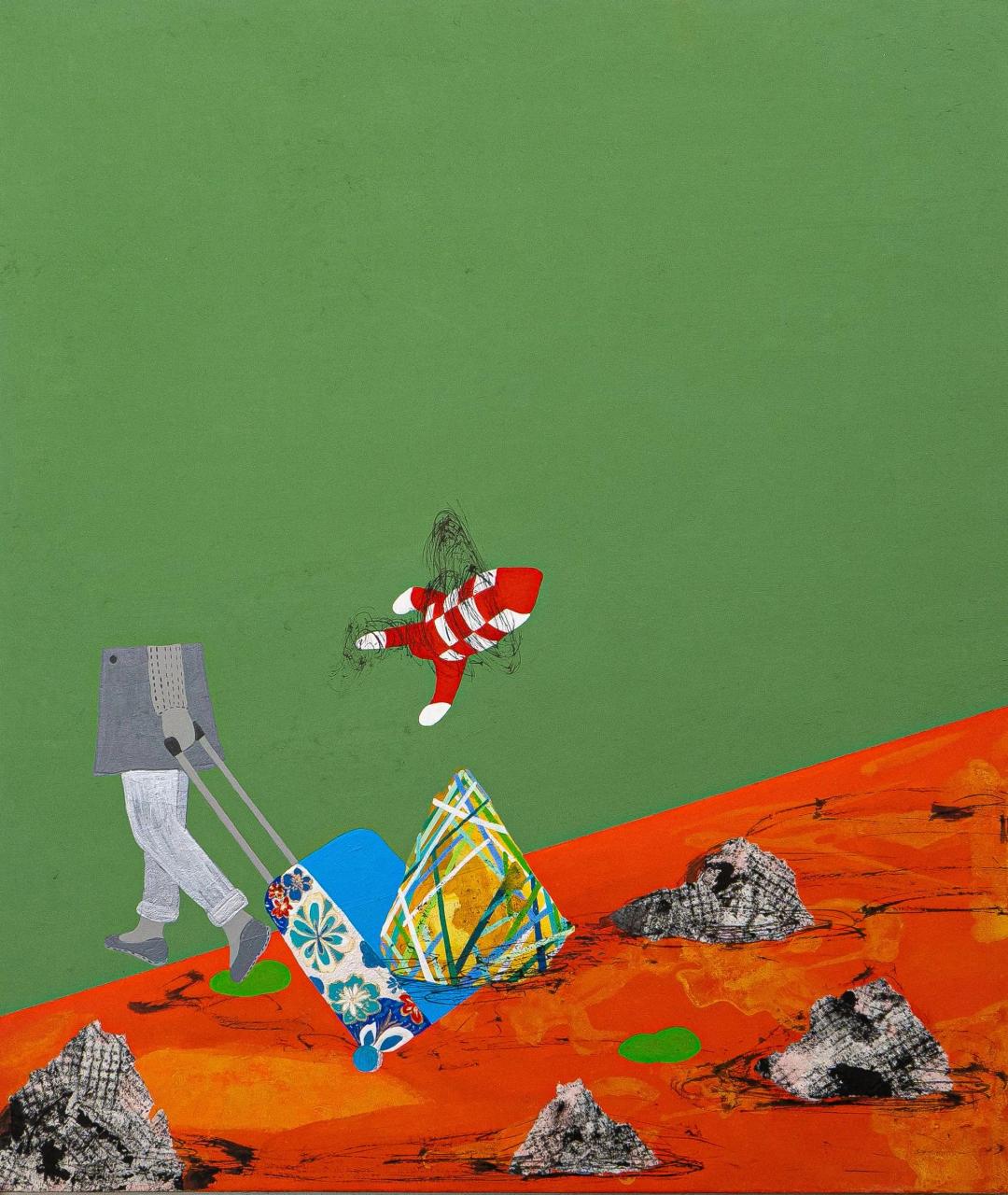
An empty bag, a single road, a trembling figure. An Eun-kyung's surface resembles the place where a shamanic medium works — a place that prepares the road for the one who must depart, that allows the trembling before fear to remain as it is. The title A Clumsy Journey moves this picture from the territory of religious painting to the shamanism of today's living room.
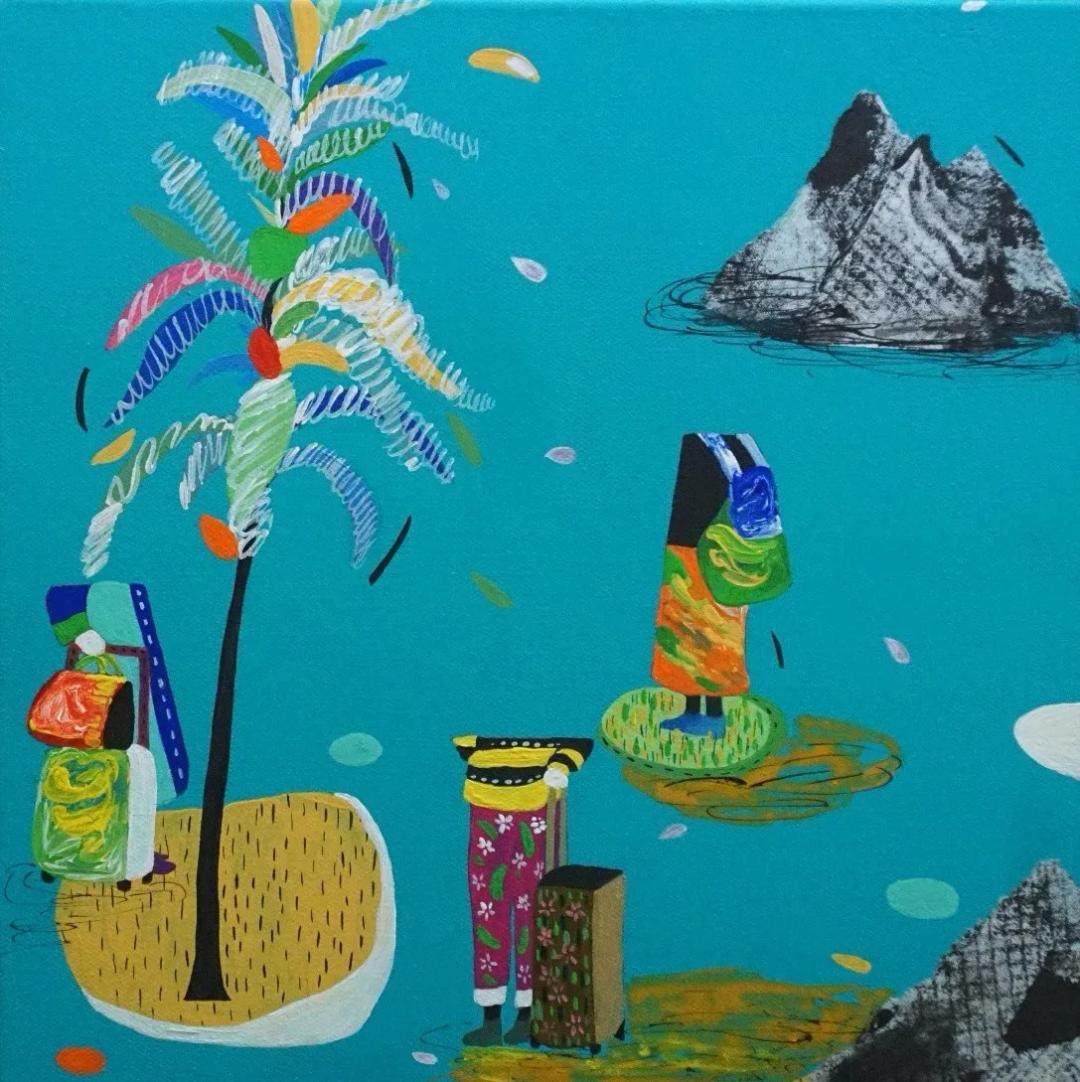
Recovery often begins in 'looking back'. If a shaman's gut is the rite of releasing a knot of grief from the dead, An Eun-kyung's Looking Back is a small gut in which the living one gazes upon their own yesterday. The 30x30cm square plane has precisely the measure of that rite.
How to Live with a Shamanic Painting at Home
Shamanic art can be collected along two lines.
An art-historical perspective — placing the oldest motif in Korean painting in your own living room. From this angle, Park Saeng-gwang and Oh Yoon are recommended. Both are in museum collections, and even posthumous prints and drawings hold solid documentary value.
A personal-emotional perspective — placing the picture as a site of recovery, healing, and looking back. Smaller-scale contemporary works such as An Eun-kyung's suit bedrooms and studies.
Entry-level price points by artist:
| Artist | Representative Work | Price | Suitable Space |
|---|---|---|---|
| Oh Yoon | Daytime Goblin, 1985, posthumous print | ₩2,600,000 | Living room main wall |
| Oh Yoon | Dancing Tiger, 1985, posthumous print | ₩1,700,000 | Foyer, hallway |
| Park Saeng-gwang | Morning at Lake Cheonji drawing | ₩2,000,000 | Study |
| Park Saeng-gwang | Mandarin Fish, 1950 drawing | ₩2,000,000 | Bedroom, tea room |
| An Eun-kyung | A Clumsy Journey, 2020 | ₩3,000,000 | Living room, hallway |
| An Eun-kyung | Looking Back, 2021 | ₩1,200,000 | Bedroom, study |
FAQ
Q. Is it all right to hang shamanic paintings at home? A. The works in our museums and galleries all carry shamanic iconography. The notion that shamanic paintings are inauspicious in a home is a misconception. The point to keep clear is that these are works made by an artist, not ritual objects like talismans or manshindo used directly at a gut altar. The works of Park Saeng-gwang, Oh Yoon, and An Eun-kyung were all made as art.
Q. Which space suits them best? A. Park Saeng-gwang's late works, with their strong obangsaek, suit a living room main wall. Oh Yoon's prints, with their bold black relief, look fine on a hallway or foyer when set in a clean hanji frame. An Eun-kyung's jangji works are at home in bedrooms and studies with soft light.
Q. Are posthumous prints fakes? A. No. A posthumous print is a legitimate edition pulled from the original woodblock the artist carved during his lifetime, with the family and publisher authorized to print it after the artist's death. In Oh Yoon's case the family preserved the original blocks and produced posthumous editions in limited quantities, with the fact noted on the work itself. The price is lower than 1980s lifetime impressions, but it is a recognized edition in the market.
Q. How is jangji preserved? A. Jangji is a kind of hanji — strong in thickness and grain, but vulnerable to direct sunlight and humidity above 60%. Frame with acid-free matboard and UV-protective glass. A fuller preservation guide is in Color on Jangji — Reading the Contemporary Breath of Korean Painting Through An Eun-kyung.
Q. Where should I start collecting? A. Posthumous prints by Oh Yoon are the most often recommended entry point for collecting Korean Minjung Art. Price (₩1.5–3 million), art-historical position, and market liquidity are all in balance. With Park Saeng-gwang, late obangsaek paintings have become very expensive on the market, while drawings and studies remain at accessible price points. With contemporary artists like An Eun-kyung, direct purchase from the artist is possible from the beginning.
Related reading
If this piece helped, you may also enjoy these related articles:
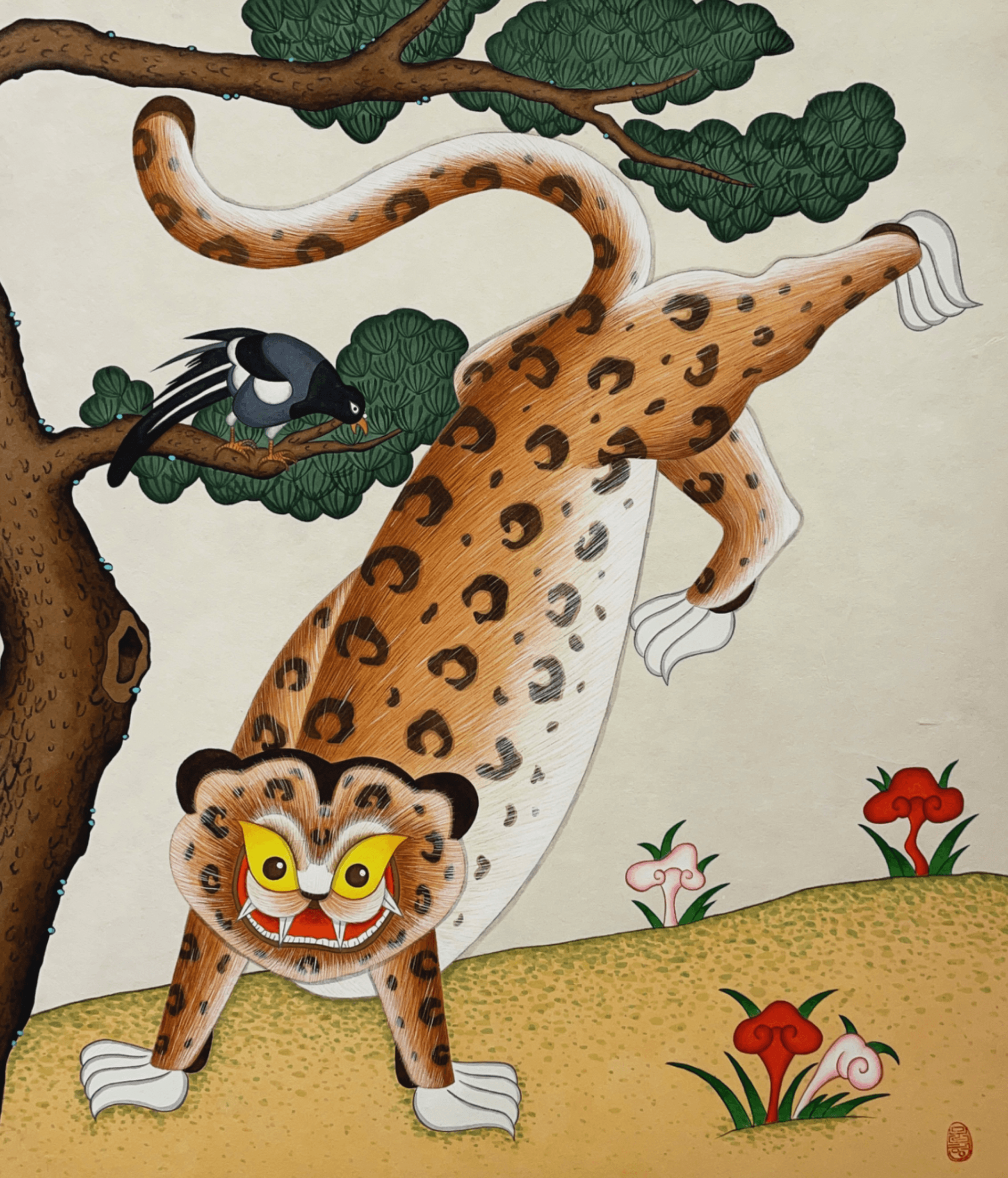
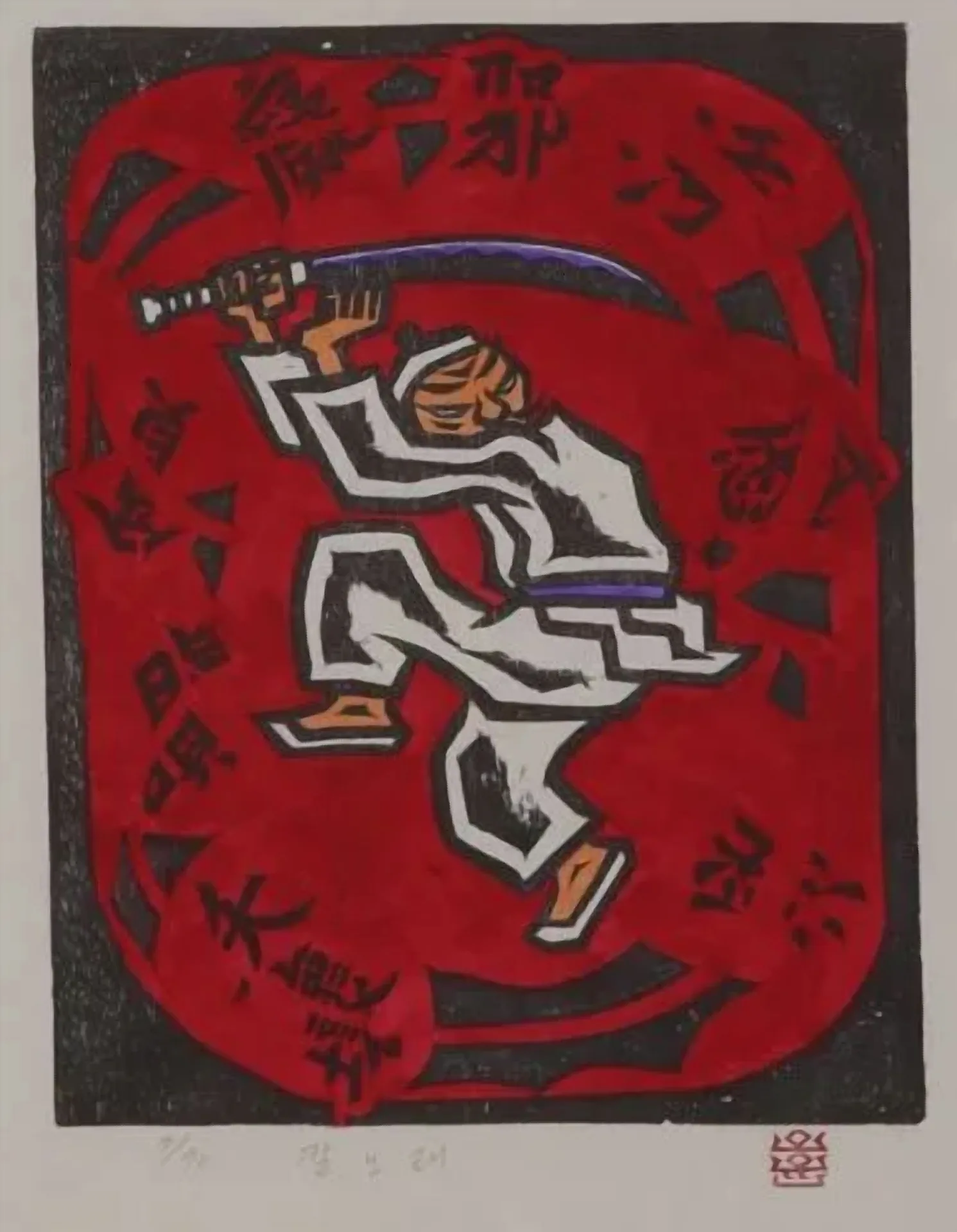
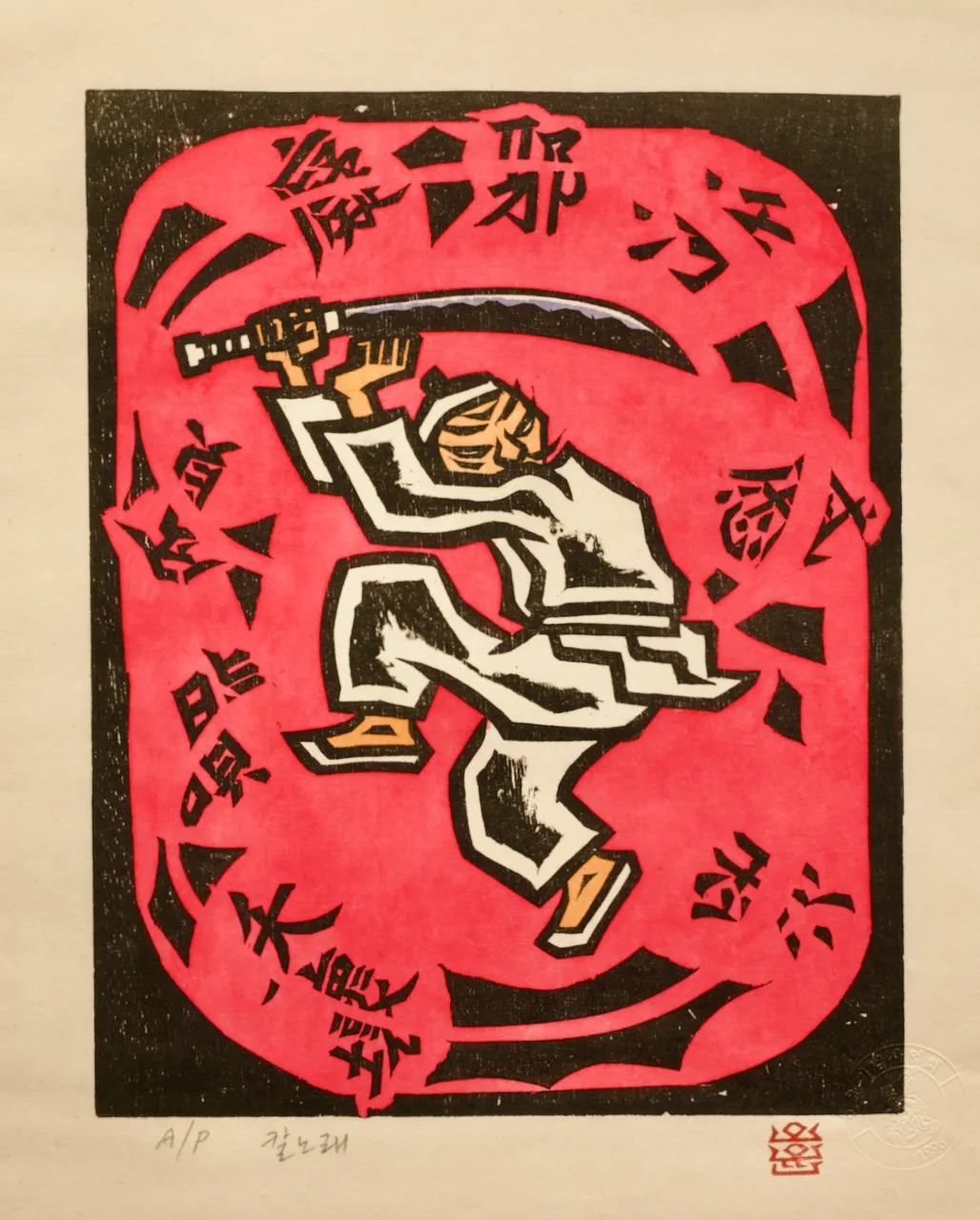
The works by Park Saeng-gwang, Oh Yoon, and An Eun-kyung held by SAF form a small cross-section of how Korean shamanic art has survived from 1950 to 2026. Each was carved or painted at a moment that was either a peak or a starting point in the artist's life, and the proceeds from sales feed the mutual-aid fund for fellow artists.
Further Reading
Seed Art Festival
·