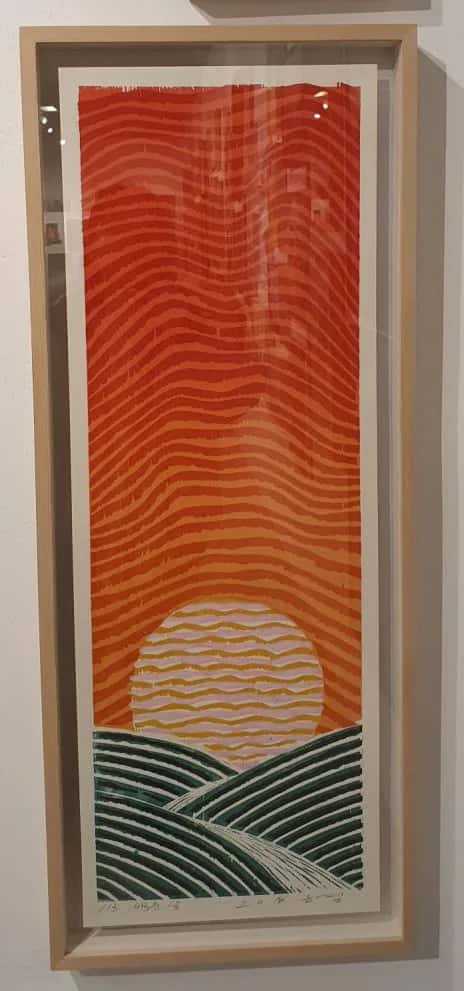
Lee Yun-yop, master of Korean multi-color woodblock. "Dispatched artist" activist, industrial rubber matting medium, farmer/worker motifs, MMCA collection — with 5 curated picks.
Lee Yun-yop — A "Dispatched Artist," Carving the Texture of Labor in Multi-Color Woodblock
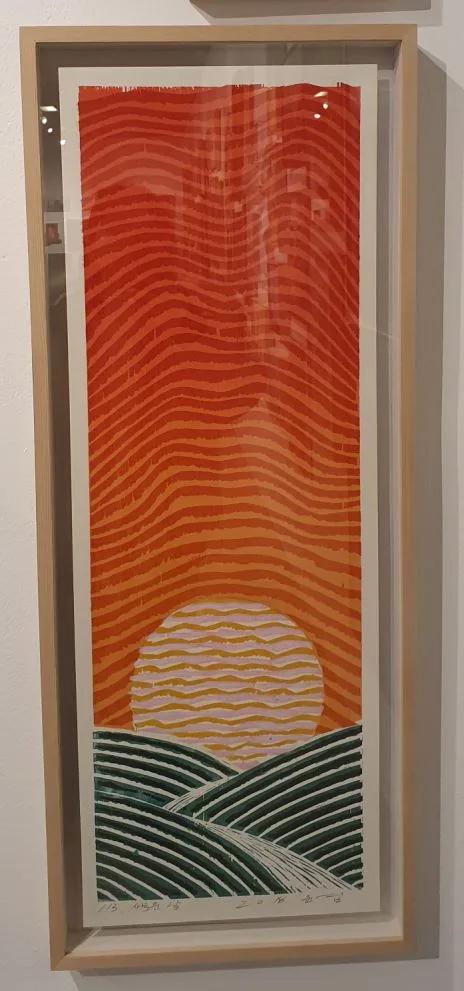
Lee Yun-yop is a leading artist in Korean multi-color woodblock and an unusually self-defined artist who calls himself a "dispatched artist." His work — carving farmers, workers, and the modest objects around them with bold lines on white negative space — sits within the lineage of Korean minjung art alongside Oh Yoon's estate prints, Park Jae-dong's editorial cartoons, and Lee Cheol-soo's woodblock of Zen — but the direction of that texture is unlike any of them.
"Dispatched artist" — woodblock carved at protest sites
Lee Yun-yop's most distinctive identity is his self-naming as a "dispatched artist." He clearly carries the role of an activist artist who produces woodblock prints alongside workers at strike sites. While exhibiting in museums and galleries, he never stops the work of carving in factories, farming villages, and protest sites, sharing the act of making with workers themselves.
This is a rare form of practice in Korean art. Where 1980s first-generation minjung artists addressed labor and ordinary people within their works, Lee Yun-yop carries out the very act of making with workers themselves. If Park Jae-dong's Hankyoreh editorial cartoon turned toward society from a single newspaper page, Lee Yun-yop's multi-color woodblock carves society from within the protest site itself.
Industrial rubber matting — the medium of labor, not tradition
There is another singularity in Lee Yun-yop's medium. He cuts not on traditional wood blocks but on industrial rubber matting laid on factory floors, with engraving tools. This is not merely a technical choice but a conscious decision to carve labor through the medium of labor.
"For him, woodblock printmaking is a medium that requires cutting wood, handling the tools of work, and moving his body — a way of building empathy among people who understand labor, or of leading toward an understanding of labor's own value."
His first print work, "Mr. Choi of Sandraemi" (1996), depicted a neighbor farmer who lived near the artist's home at the time. After this first work, Lee Yun-yop began using printmaking as his primary medium in earnest, and for nearly 30 years has carried out the practice of leading toward an understanding of labor's value through farmers, workers, and everyday objects.
Collected by the National Museum of Modern and Contemporary Art
Lee Yun-yop's work is clearly recognized within Korea's art establishment. His pieces are held by the National Museum of Modern and Contemporary Art (Korea), Gyeonggi Museum of Modern Art, Sakima Art Museum (Japan), Fukuoka Asian Art Museum (Japan), and other major institutions. He has participated in exhibitions including:
- 2025 Cut Sentences, Open Plaza (Memorial Hall for the Democracy Movement)
- 2024 Solo show Even If It Takes Time (Dongducheon Eco-Peace Art Museum The Dream)
- 2020 Print, Print, Print (National Museum of Modern and Contemporary Art)
- 2019 Plaza: Art and Society (National Museum of Modern and Contemporary Art)
- 2017 Between Layers (MMCA Gwacheon)
- 2015 Gwangju Biennale 20th Anniversary Special Exhibition (Gwangju Museum of Art)
- 16 solo shows and numerous group exhibitions
- 2012 Gu Bon-ju Art Award
His books include I Am a Farmer and Even If It Takes Time.
The texture of Lee Yun-yop's work — white negative space and bold lines
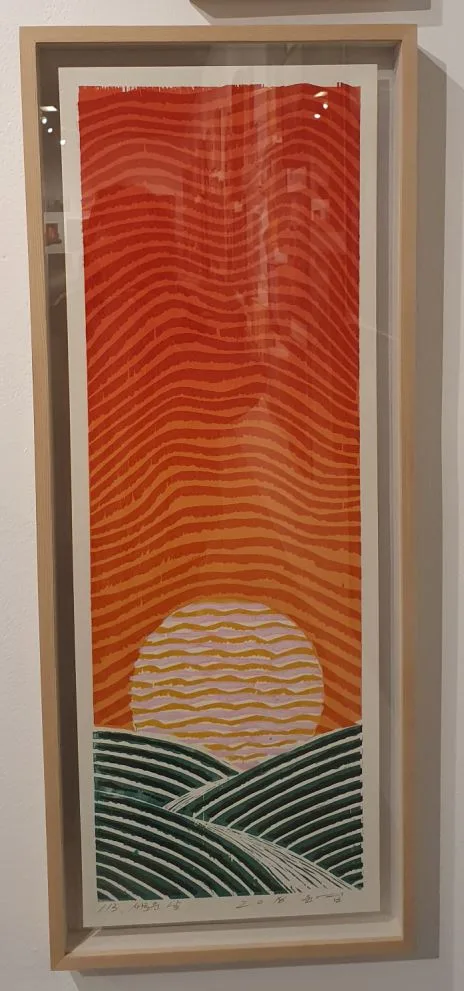
Lee Yun-yop's multi-color woodblock carries a consistent visual language: bold lines on white negative space. The bold line is the trace of labor; the white space is the silence around that labor. Color is restrained, but one or two clear hues enter — delivering not the calm of monochrome but the warm texture of life.
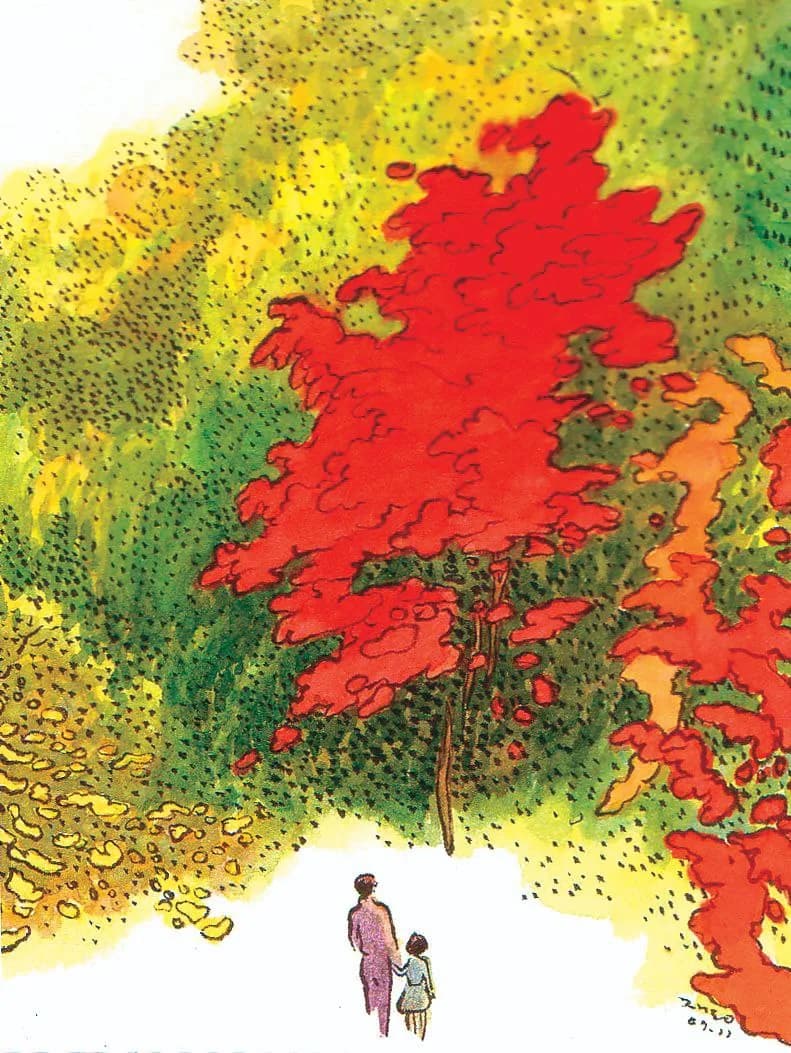
The motifs of his works — Grandmother Weeding the Bean Field, Sturdy Persimmon Tree, Good News, Happy Days, Red Spring Plum Blossoms — all carve the daily life of farmers and rural communities, the small changes of nature, the small joys of human living. This sentiment differs from Park Jae-dong's urban editorial sentiment and Lee Cheol-soo's Zen and negative-space sentiment — the texture closest to Korean rural and labor daily life.
Multi-color woodblock limited editions
Most of Lee Yun-yop's works are multi-color woodblock limited editions. Grandmother Weeding the Bean Field 2 is from an edition of 60; Good News is from an edition of 48 — limited prints carved and pulled by the artist himself. This is decisively different from Oh Yoon's estate prints, in that these are lifetime prints — the artist's own prints during his active practice. Encountering an artist's own limited prints during their working career carries significant collection value.
Five Lee Yun-yop picks — from entry to signature
Among the 9 Lee Yun-yop works at SAF, the magazine recommends:
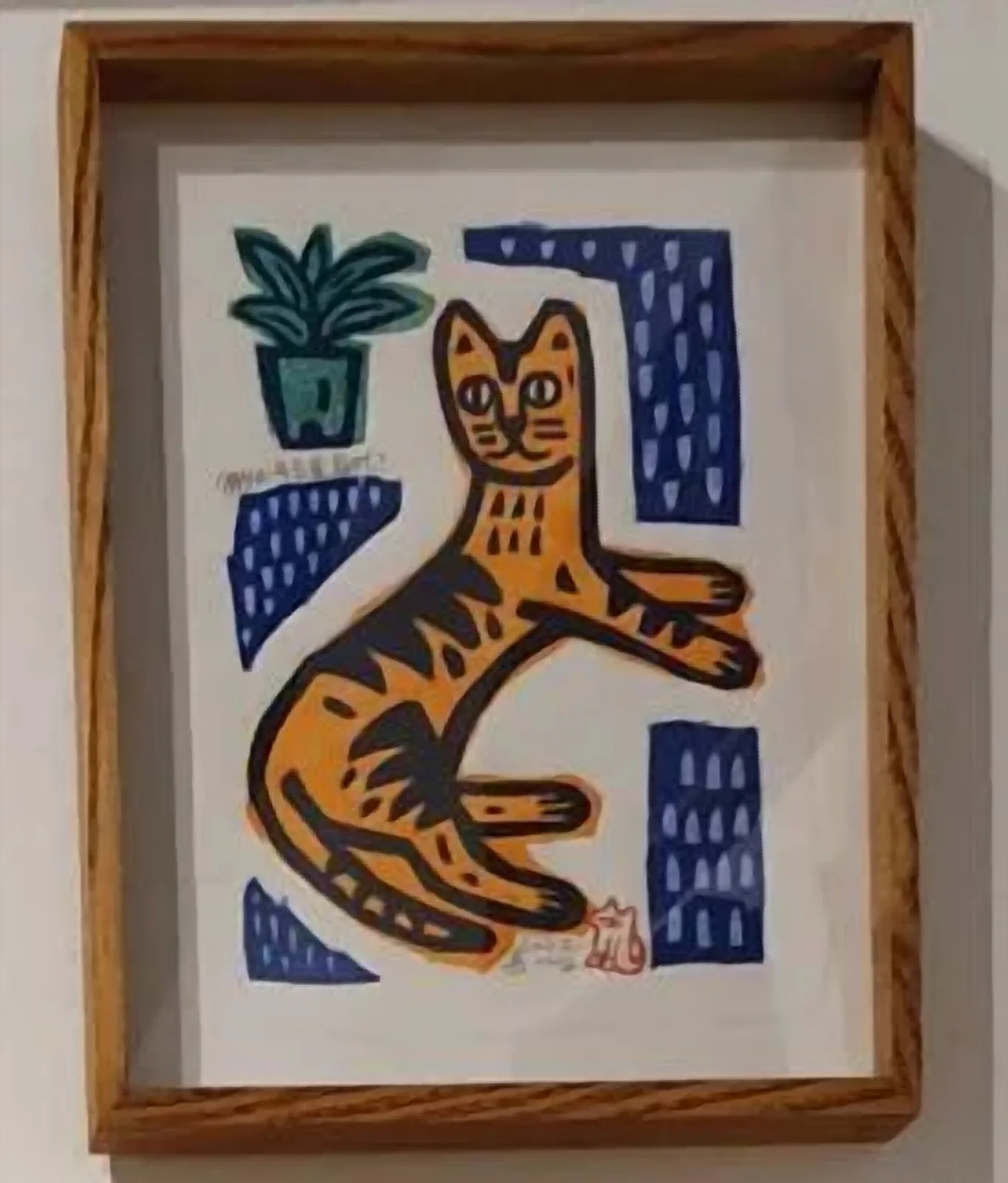
1. What's Going On? — ₩200,000, the smallest piece
- 9.5x14cm · Multi-color woodblock · ₩200,000
- The most accessible price among Lee Yun-yop's works. The 9.5x14cm palm size fits anywhere — atop a desk, between bookshelves, on a small wall. The most rational entry point for bringing a master's work into a first collection.
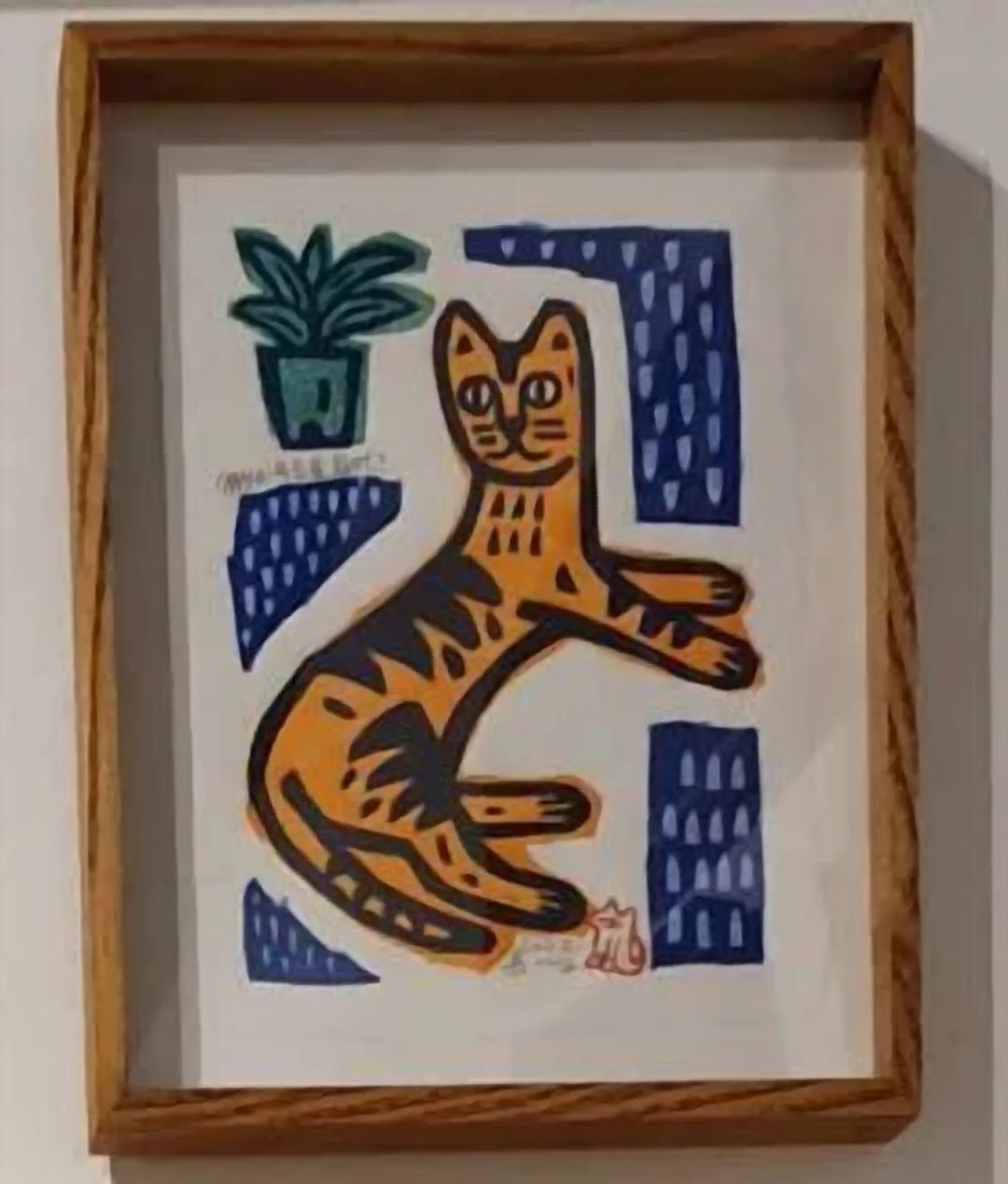
2. Good News — multi-color woodblock limited edition
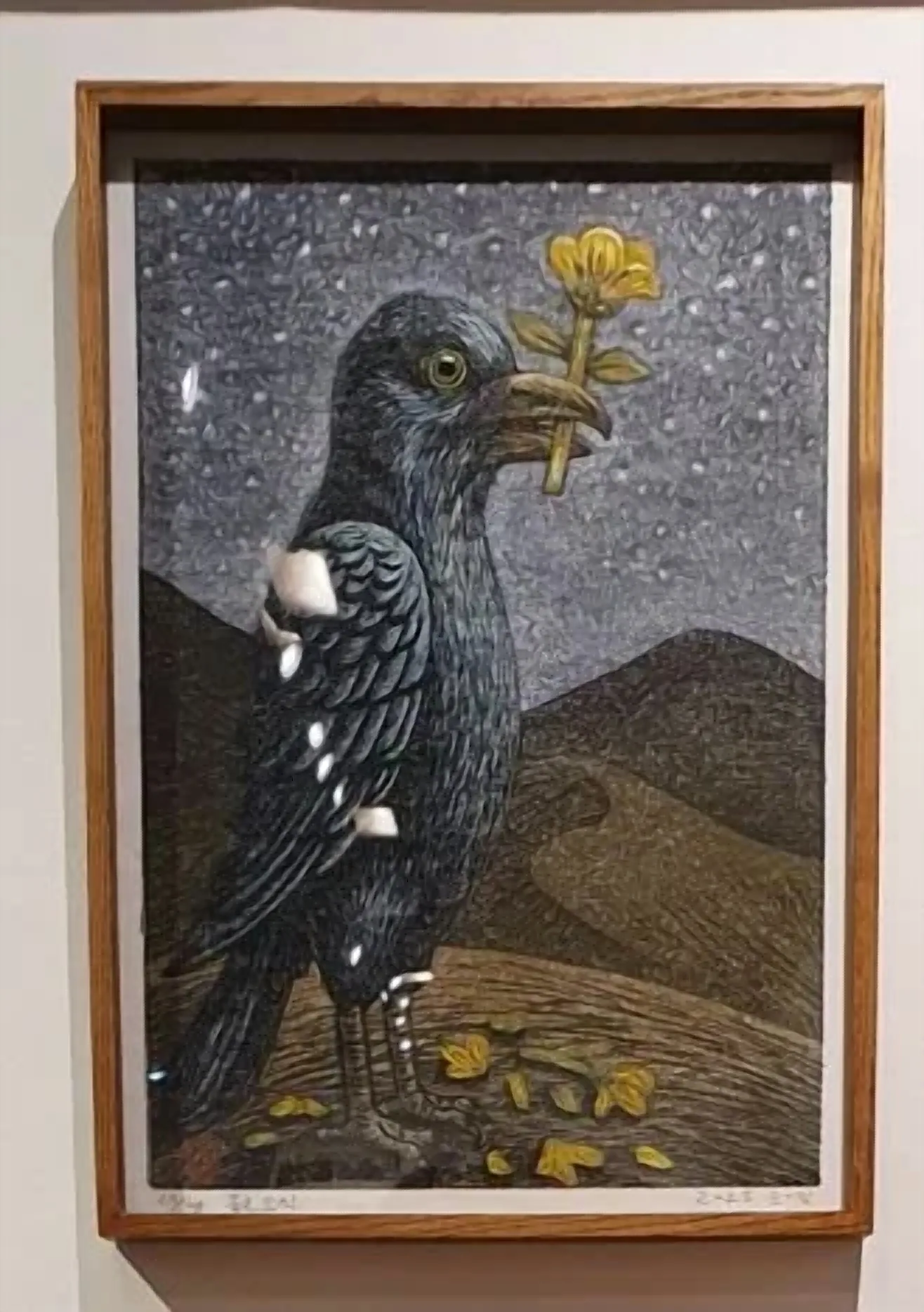
- 27x39.5cm · Multi-color woodblock (edition of 48) · ₩500,000
- Edition of 48 in multi-color woodblock. The title itself carries gift and celebration meaning — fitting for occasions like weddings, housewarmings, promotions. Suits dining areas and family spaces.
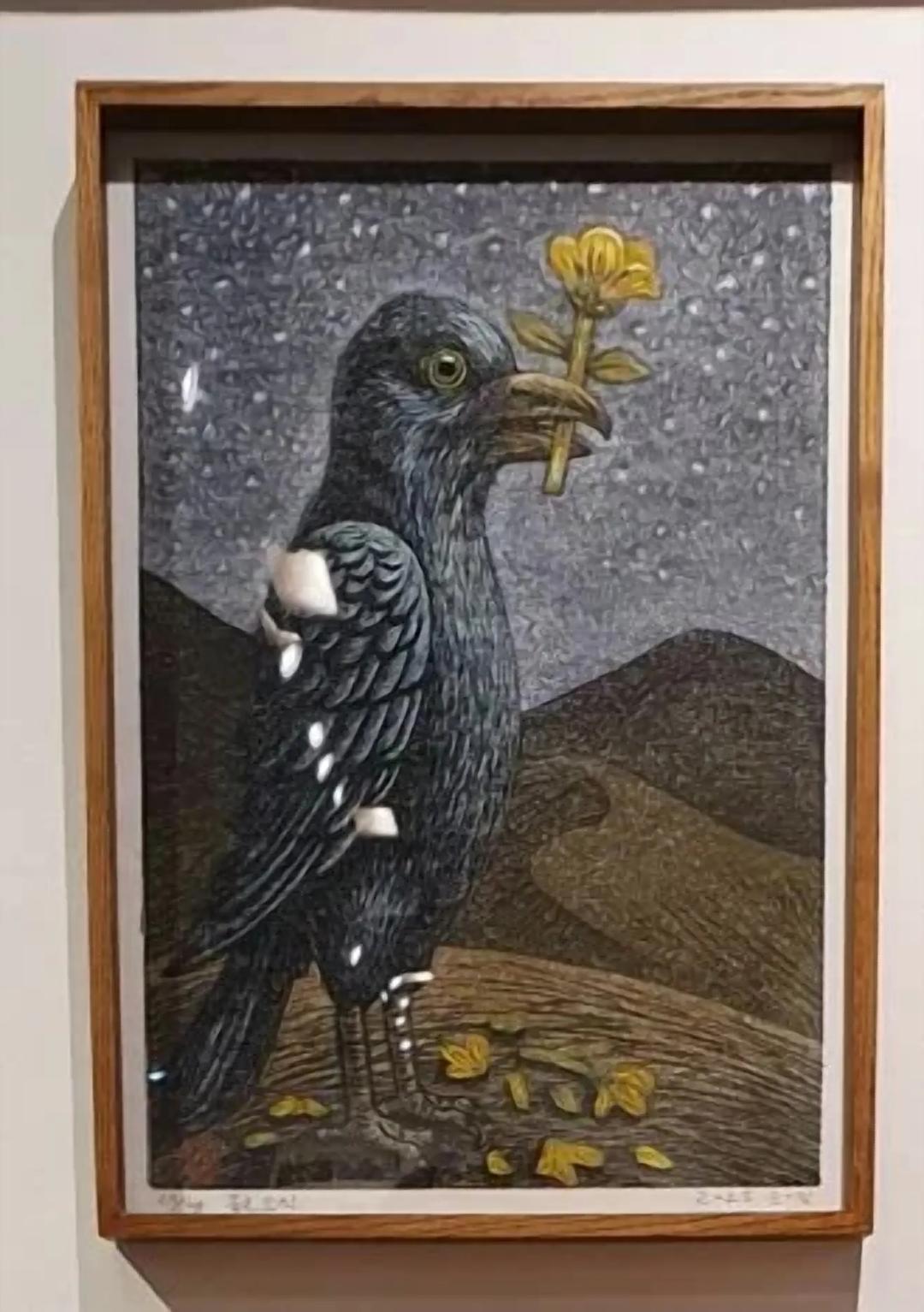
3. Red Spring Plum Blossoms — square of spring and beginnings
- 41x41cm · Multi-color woodblock · ₩700,000
- Universal motifs of spring and plum blossoms in 41cm square. Suits entryways, newlywed homes, new offices — places of beginning. The warm red of multi-color woodblock adds a signal of spring across the space.
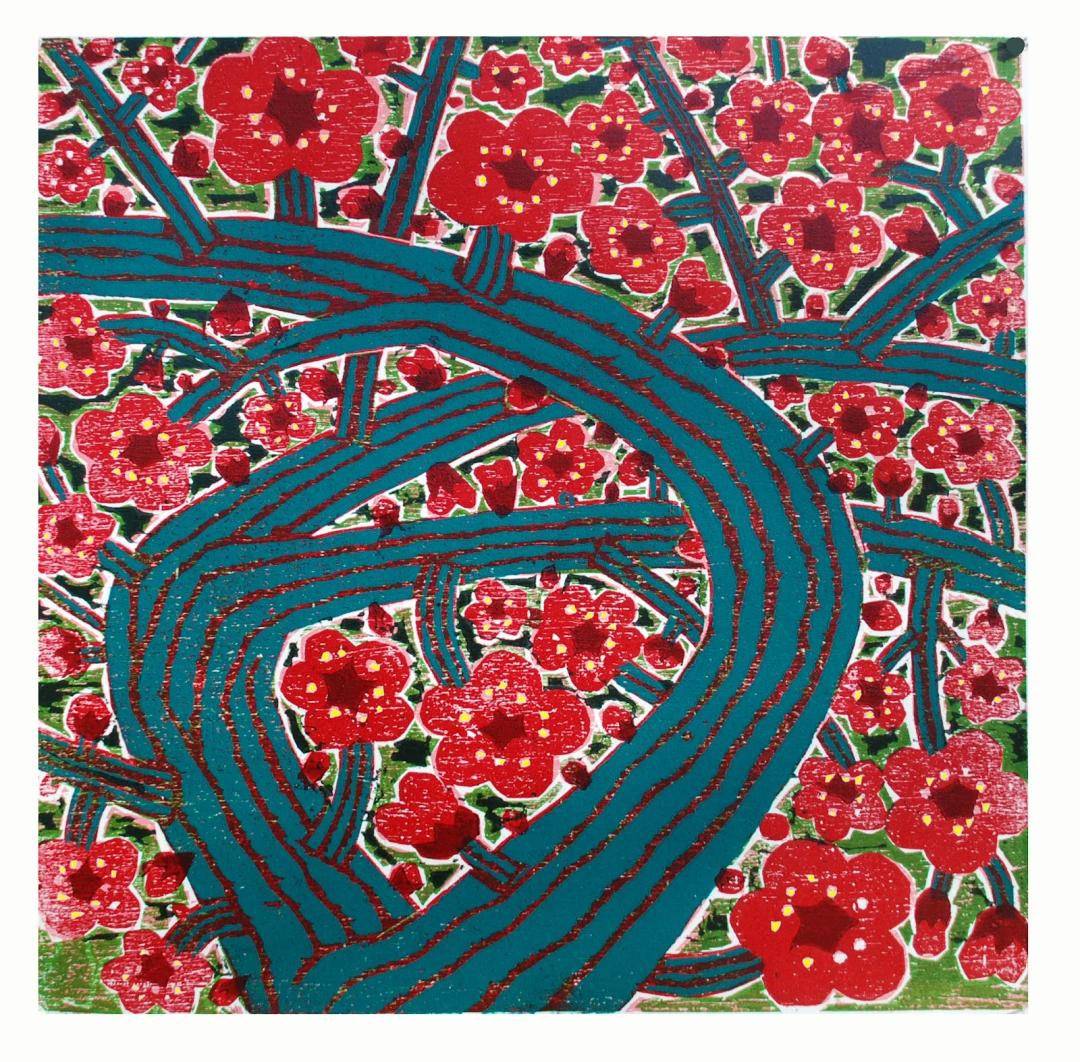
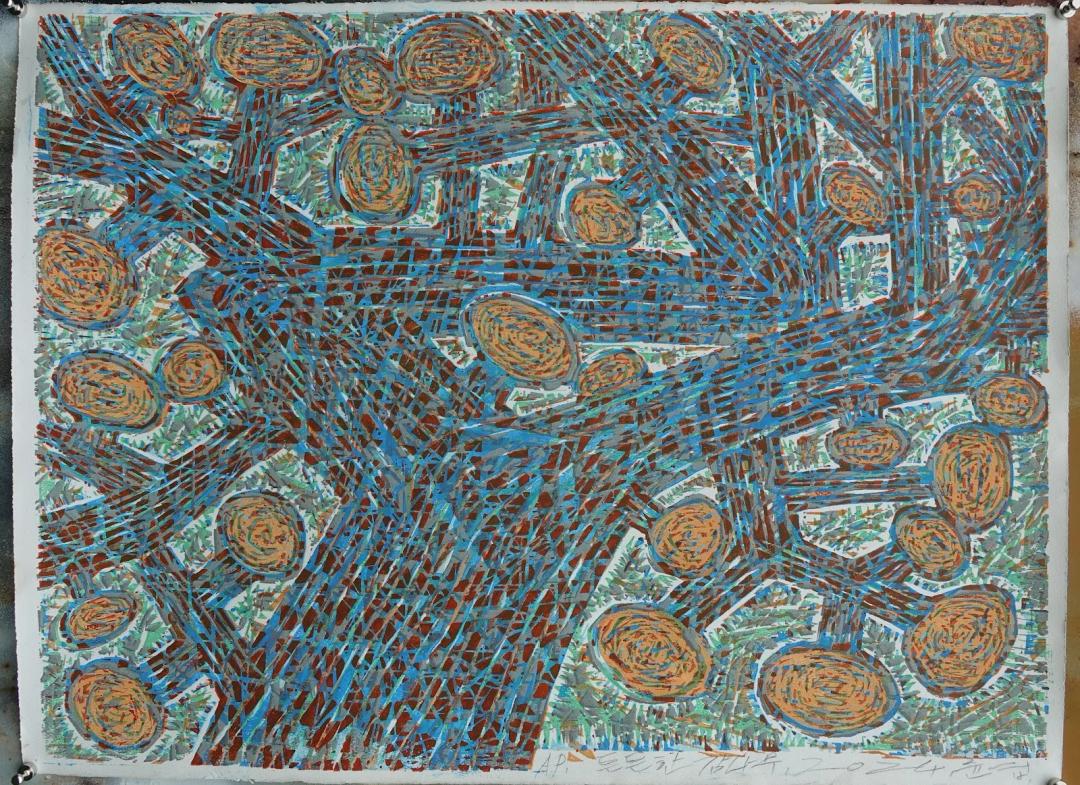
4. Sturdy Persimmon Tree — large work of nature and daily life
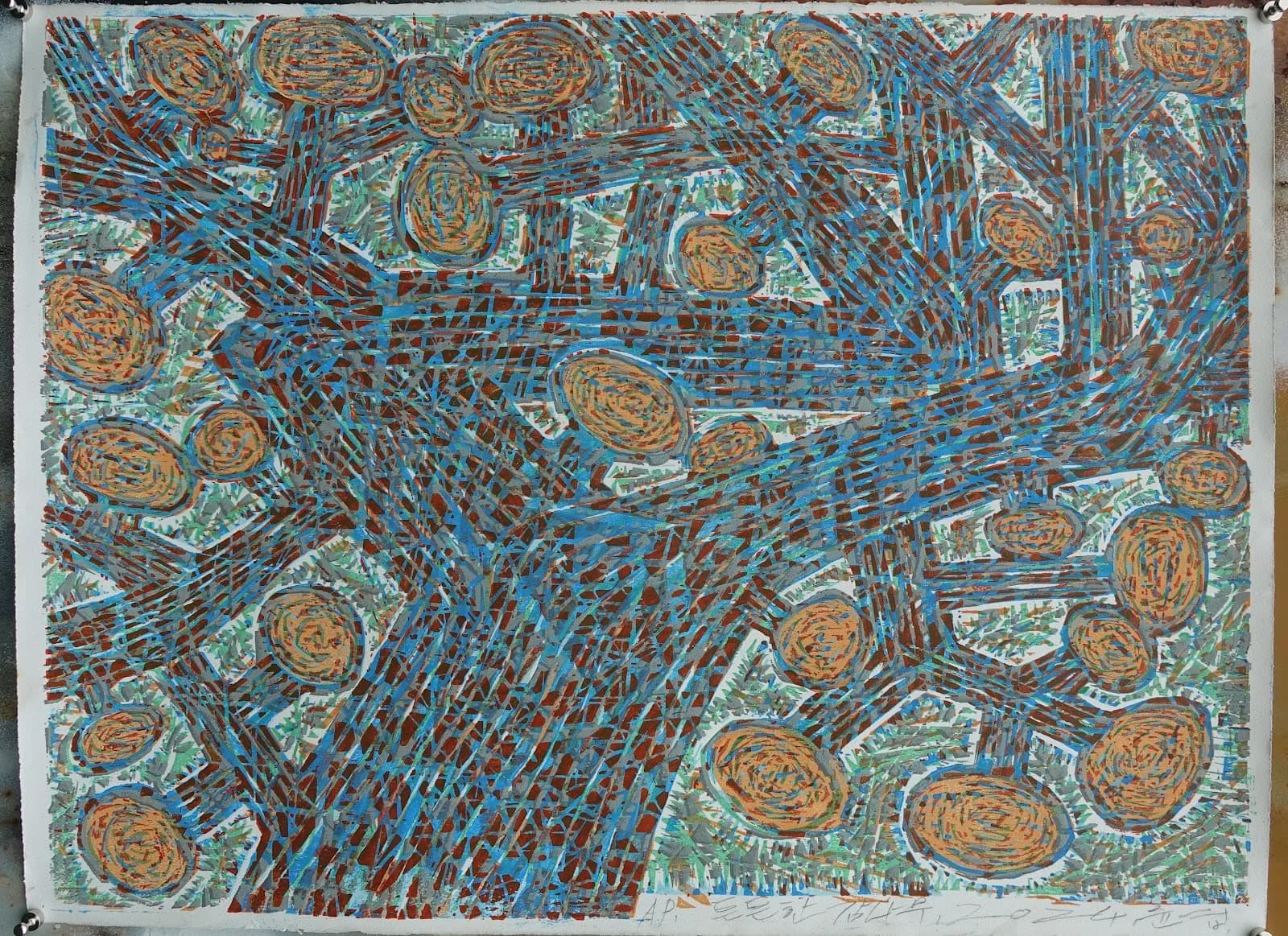
- 56x76cm · Multi-color woodblock · ₩1,000,000
- A 56x76cm large multi-color woodblock. The universal motif of a rural persimmon tree carved at a size that fits a living-room main wall. Among Lee Yun-yop's farmer and nature motifs, the most living-room-friendly piece.
5. A New Day — horizontal signature
- 26.5x80.4cm · Multi-color woodblock · ₩1,000,000
- A nearly 80cm horizontal multi-color woodblock. The landscape of "a new day" carved into one long horizontal frame. Suits the main wall above a sofa, beside a dining table, or at the end of a corridor — a signature horizontal format. Among Lee Yun-yop's most striking horizontal works in multi-color woodblock.
See all 9 Lee Yun-yop works on the artist page →
Frequently asked questions
Q. What is a "dispatched artist"? A. The identity Lee Yun-yop uses for himself, meaning an activist artist who produces woodblock prints alongside workers at protest sites and strikes. Exhibiting in museums and galleries while making the act of creation itself shared with the labor field — a rare form of practice in Korean art.
Q. Are Lee Yun-yop's works estate prints? A. No. They are limited-edition multi-color woodblock prints carved and pulled by the artist himself. Grandmother Weeding the Bean Field 2 is from an edition of 60, Good News from 48 — these are lifetime prints. Decisively different from Oh Yoon estate prints, and the collection value is significant precisely because they are limited editions encountered during the artist's active career.
Q. What's the price range for Lee Yun-yop's work? A. From ₩200,000 (9.5x14cm) to ₩1,000,000 (56x76cm large). Entry pieces in the ₩200,000–500,000 range as limited editions; living-room main pieces at the ₩1,000,000 tier in 56x76cm or 80cm horizontal signature formats. One of the most rational price ranges relative to the medium and artistic depth.
Q. What is the rubber matting Lee Yun-yop uses? A. Industrial rubber matting laid on factory floors. The choice of industrial material as medium instead of traditional wood block is a conscious decision to carve labor through the medium of labor. The visual result is very similar to traditional woodblock, but the meaning of the medium differs.
Q. Where are Lee Yun-yop's works held? A. The National Museum of Modern and Contemporary Art (Korea), Gyeonggi Museum of Modern Art, Sakima Art Museum (Japan), Fukuoka Asian Art Museum, and other major institutions in Korea and Japan. Major exhibitions include 2020 Print, Print, Print (MMCA), 2019 Plaza: Art and Society (MMCA). He received the Gu Bon-ju Art Award in 2012.
Q. Which other Korean artists pair well with Lee Yun-yop? A. Within the Korean minjung art and woodblock lineage: Oh Yoon (estate prints), Lee Cheol-soo (woodblock of Zen), Park Jae-dong (editorial cartoon and watercolor), Min Jeong-gi (silkscreen). Together they let you build the larger flow of Korean minjung art from the 1980s through the 2020s — four artists who differ in medium and texture but share one current.
Q. How should Lee Yun-yop's work be framed? A. Multi-color woodblock works require separate framing. Local frame shops in Korea (₩70,000–120,000 small, ₩150,000–250,000 medium, ₩250,000–400,000 large) or online custom framers. To preserve the bold lines and warm color of multi-color woodblock, simple wood or slim aluminum frames suit best.
Q. Where do my purchases of Lee Yun-yop's work go? A. Most of the proceeds go directly to the artist. A portion contributes to the artist mutual-aid fund, providing low-interest loans to fellow artists facing financial discrimination. An artist who has stood at labor sites as a "dispatched artist" — through his work joining the structure that supports another fellow artist.
Adding a Lee Yun-yop work to your collection is bringing the texture of an artist who has carved farmers, workers, and the daily objects of life in multi-color woodblock for nearly 30 years into your living room or study. From a ₩200,000 entry to a ₩1,000,000 signature — one of the most rational price ranges, with a single-handed depth in medium and practice. Living daily with one piece by a "dispatched artist" is also keeping the texture of Korean labor and ordinary life close at hand.
Related reading
If this piece helped, you may also enjoy these related articles:
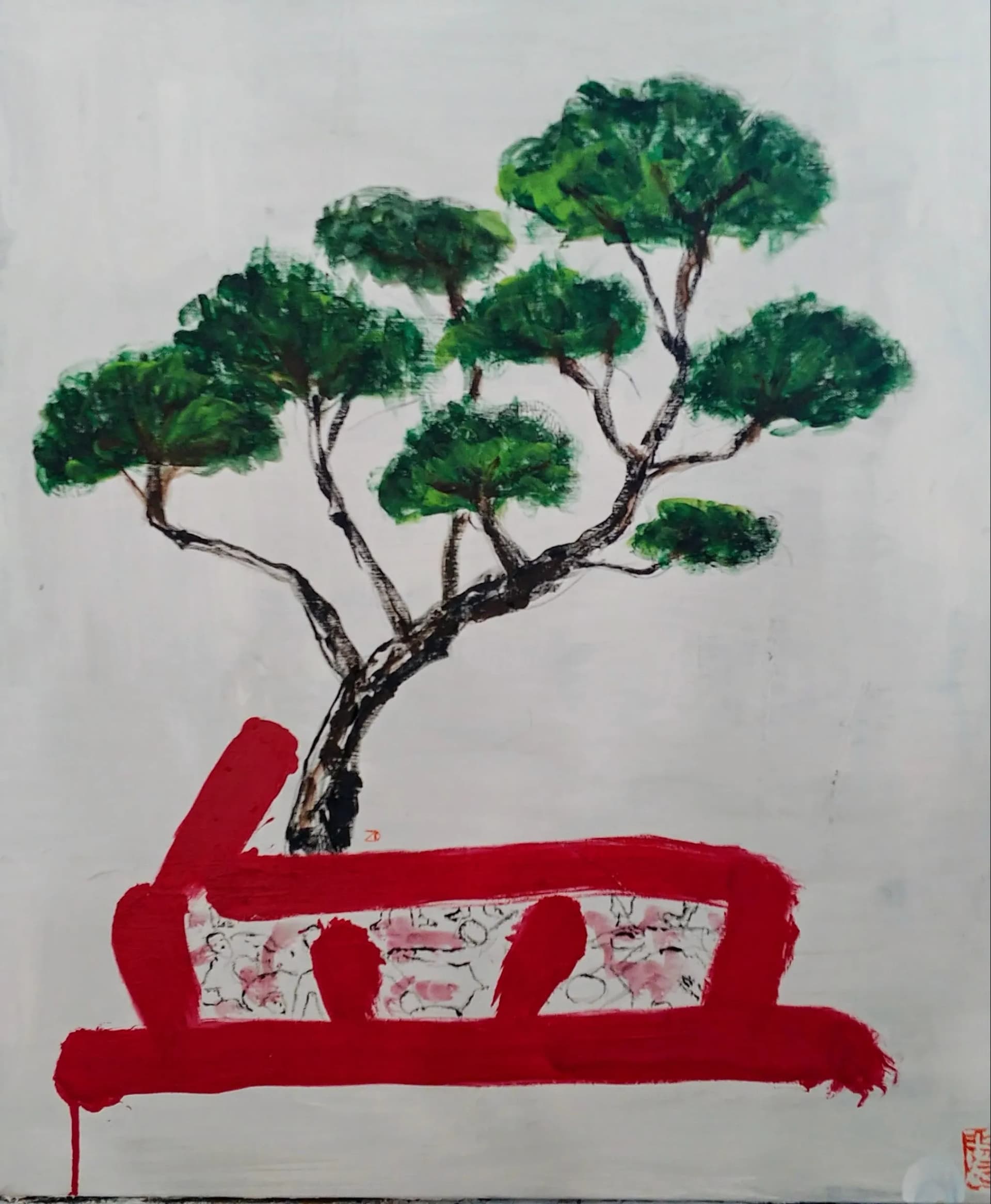
See more Lee Yun-yop works on the artist page →
Related Reads

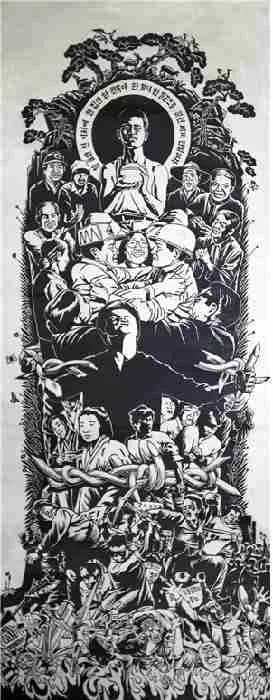
Artists on the Same Path
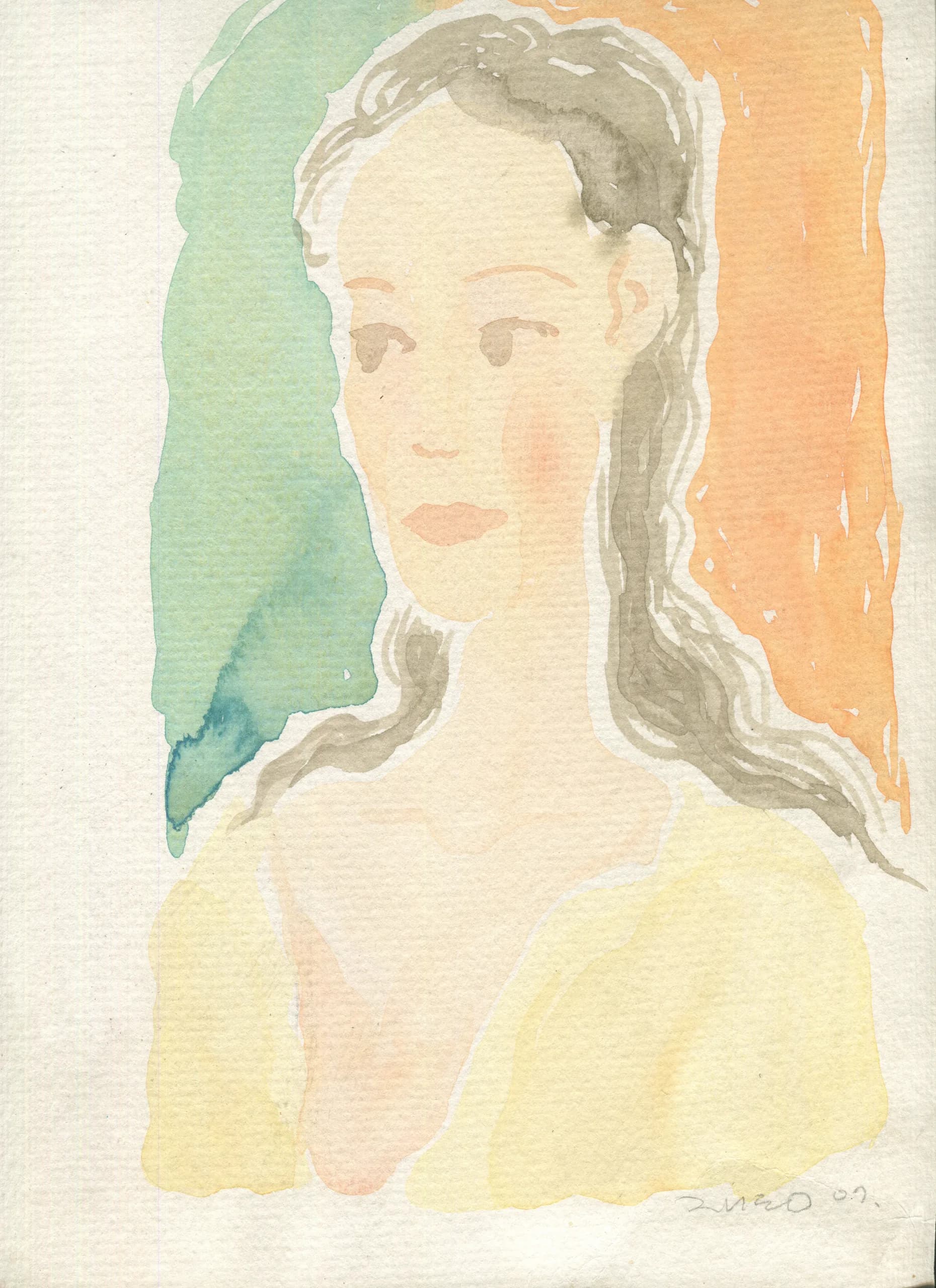
Collecting Guides
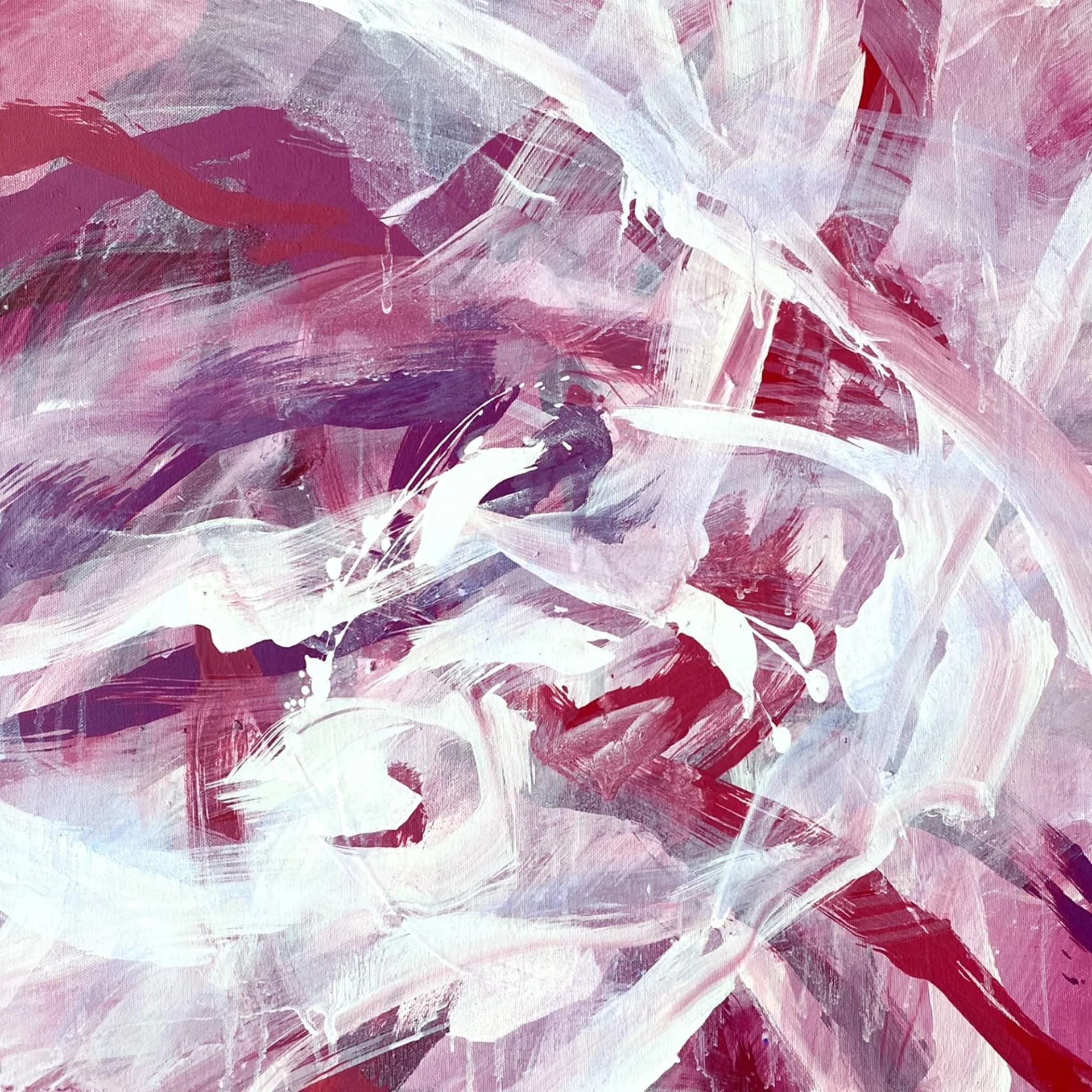
Seed Art Festival
·