A knife cuts wood,
a body carves labour
Farmers, workers, the humble things close at hand.Bold lines over white space — rough, yet warm and familiar.
The knife of a dispatch artist —
woodblocks of labour
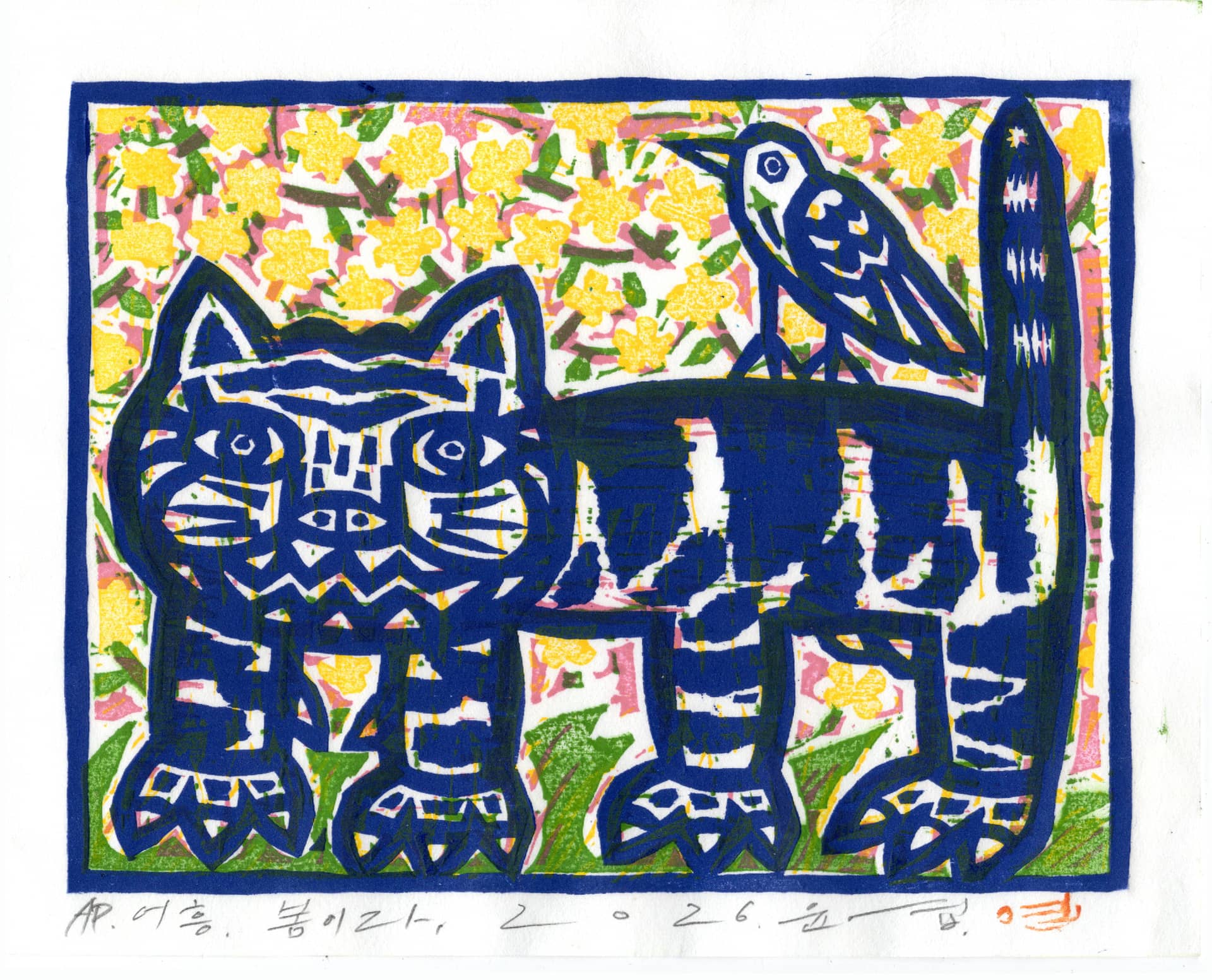
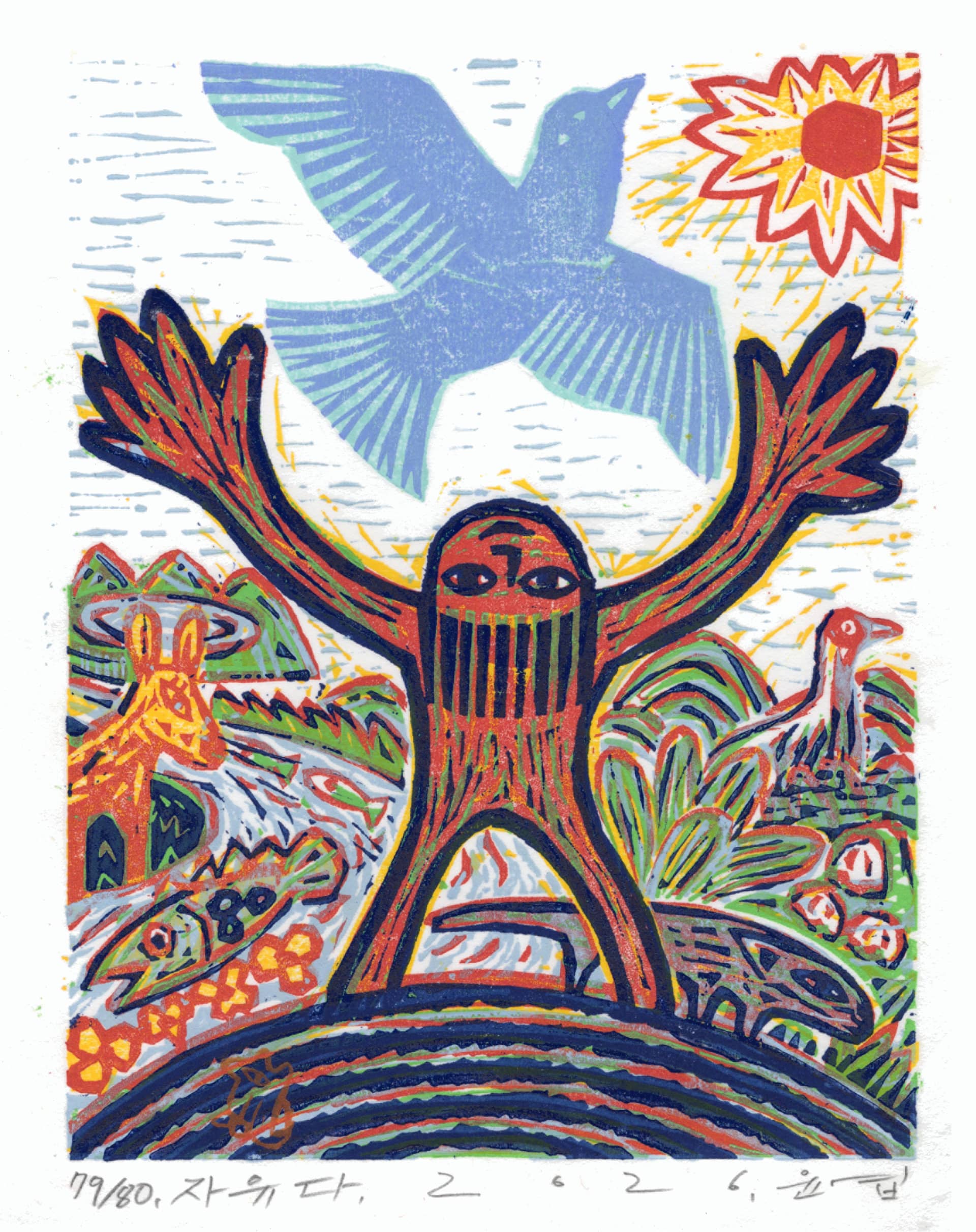
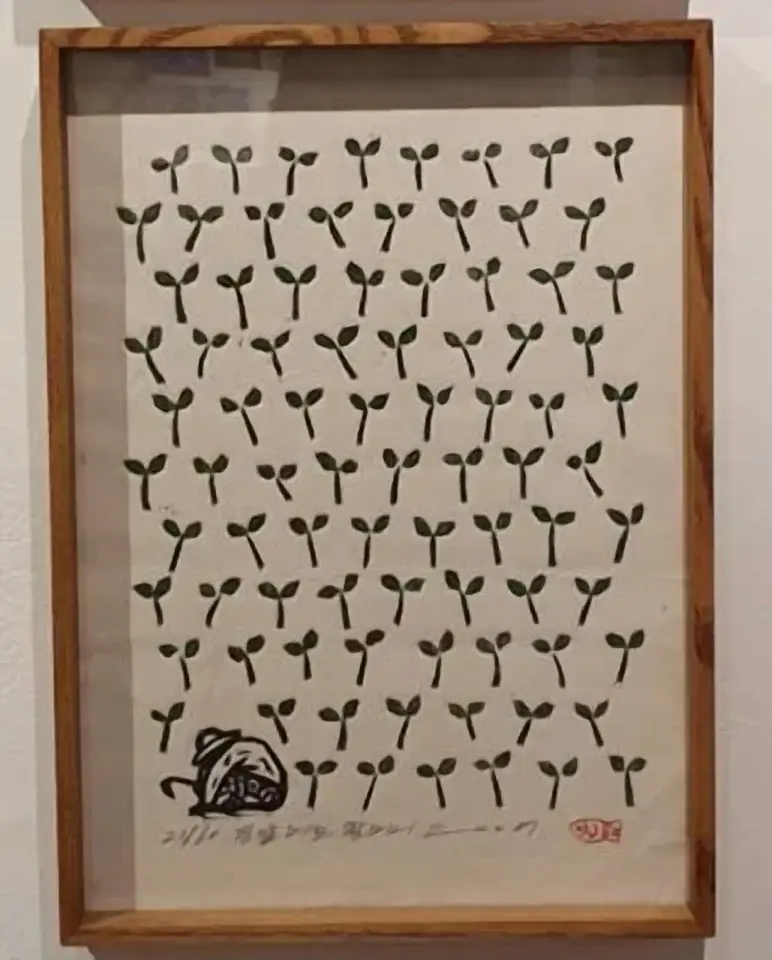
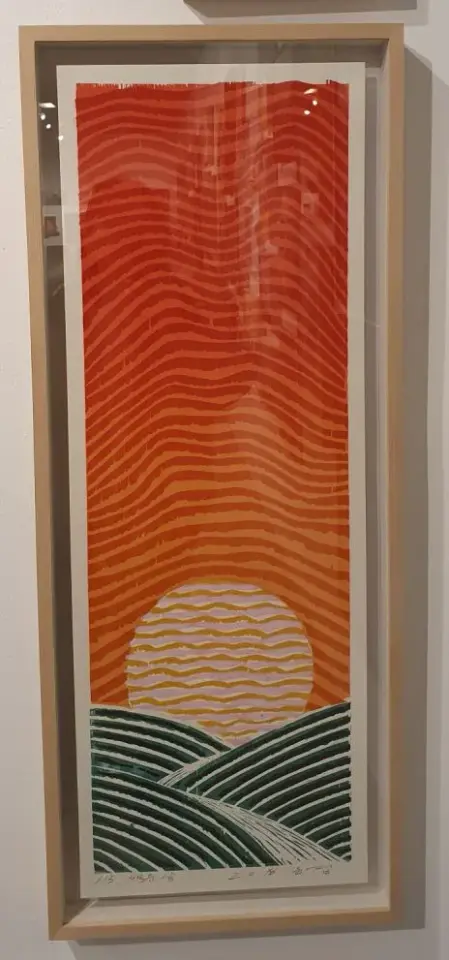
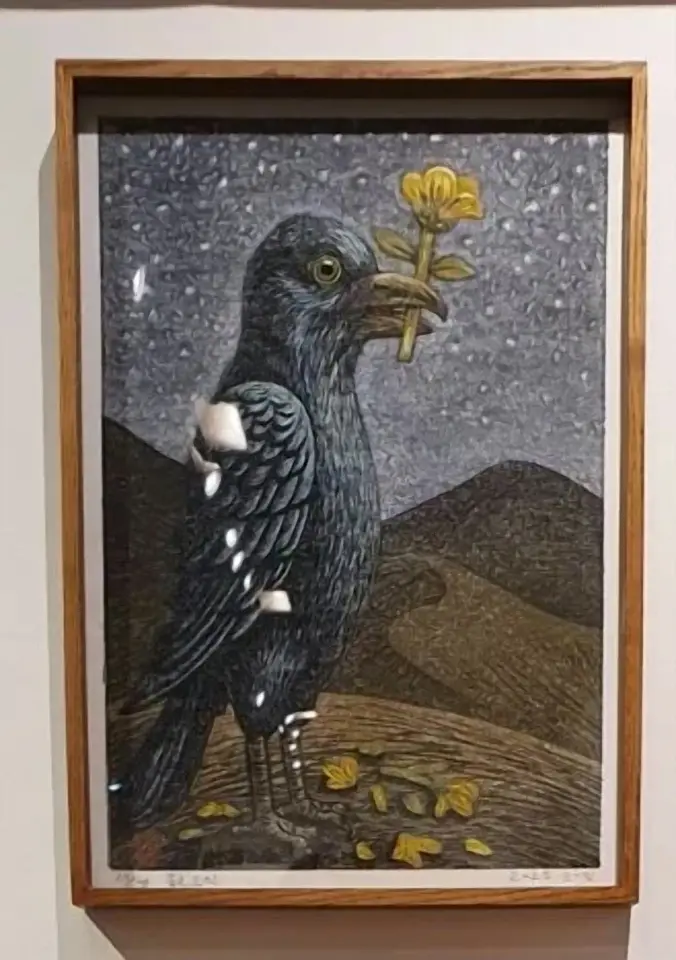
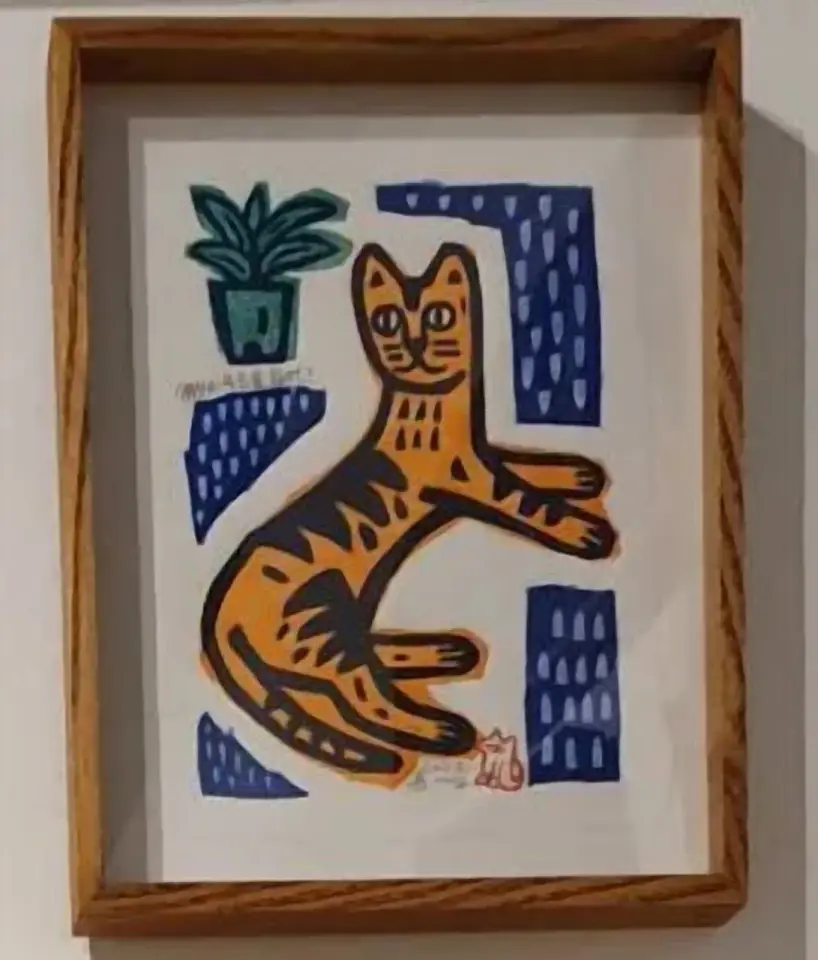
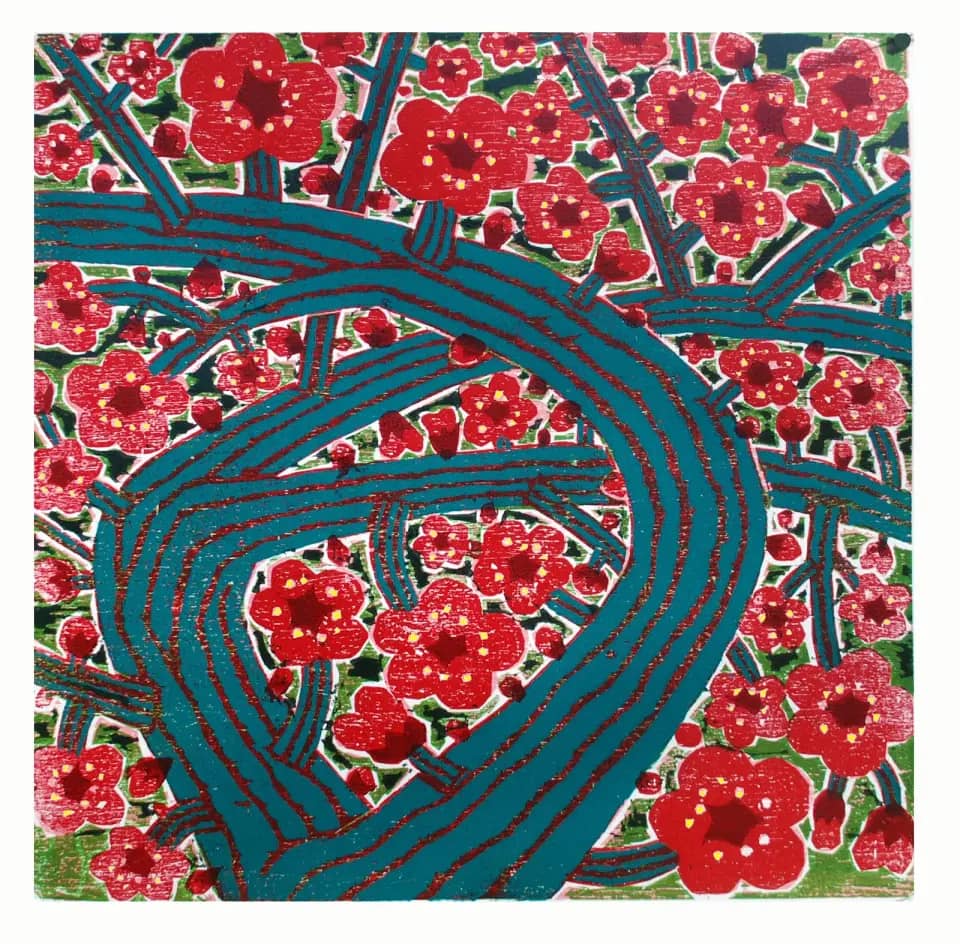
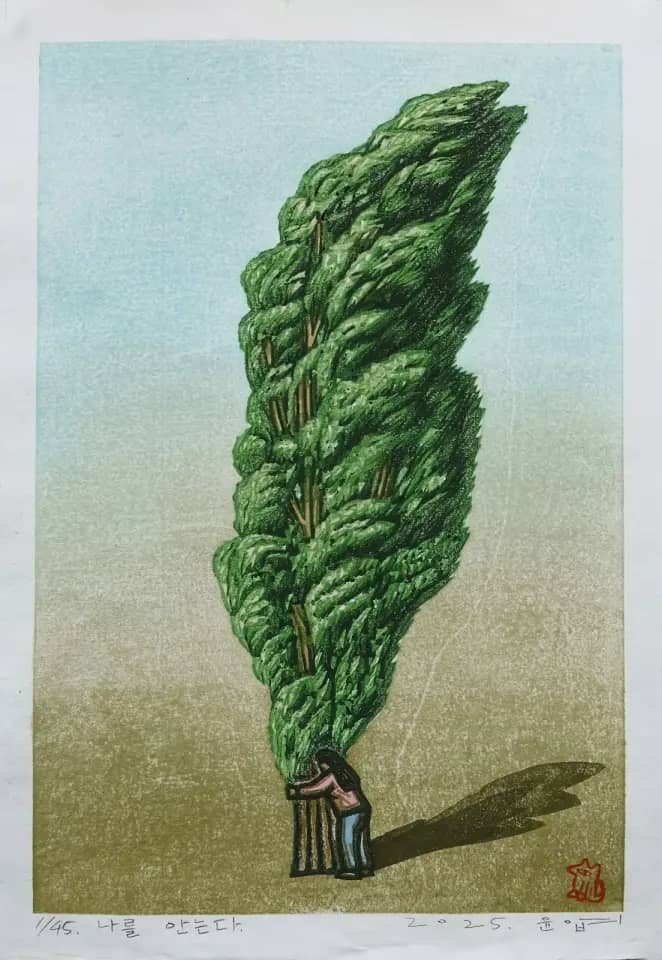
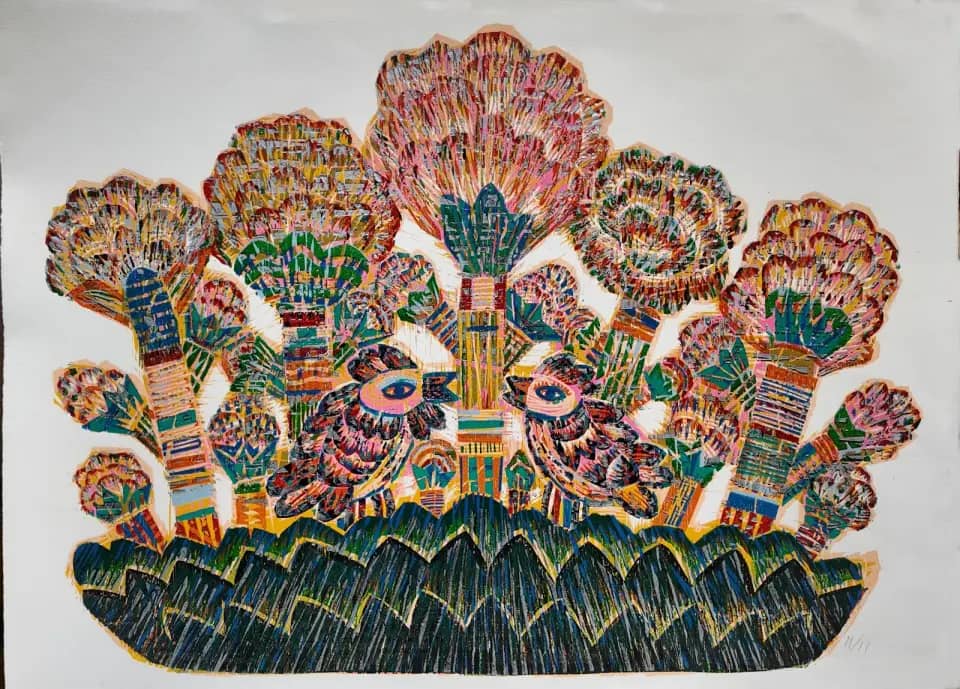
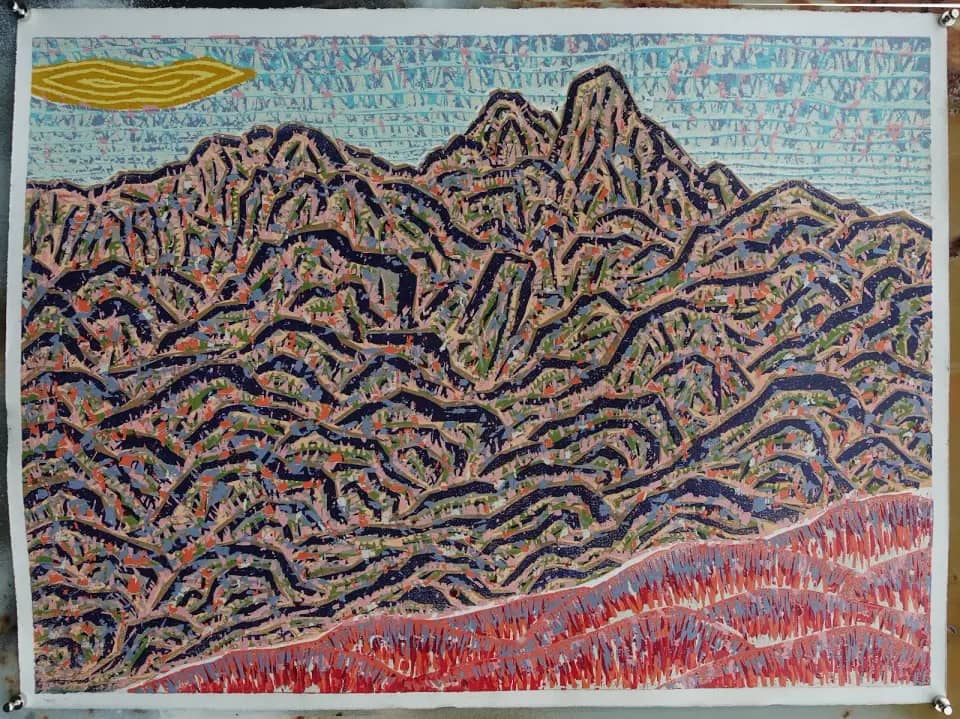
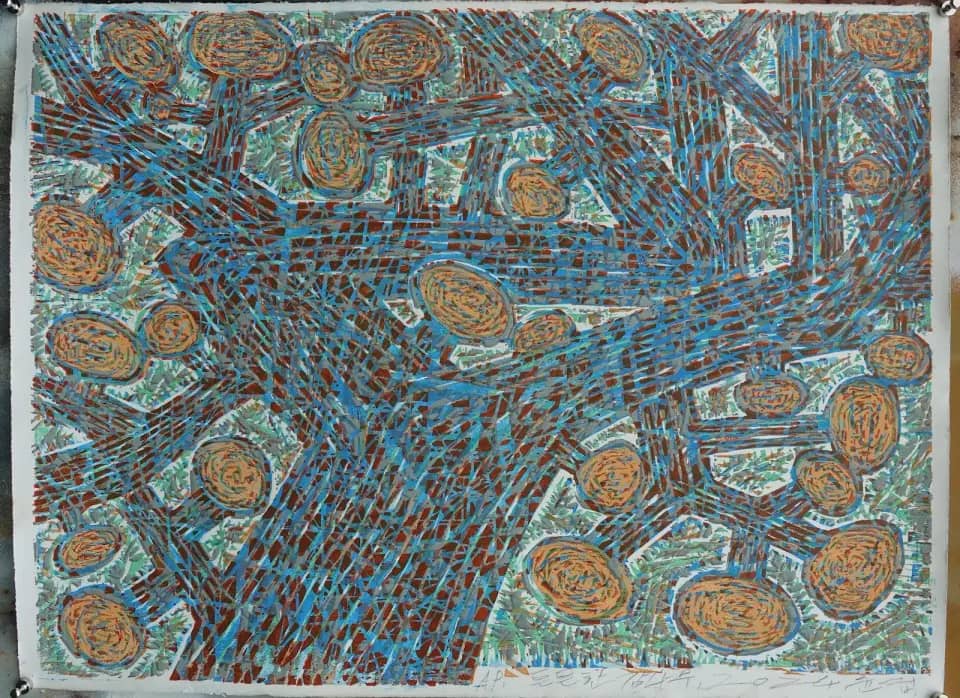
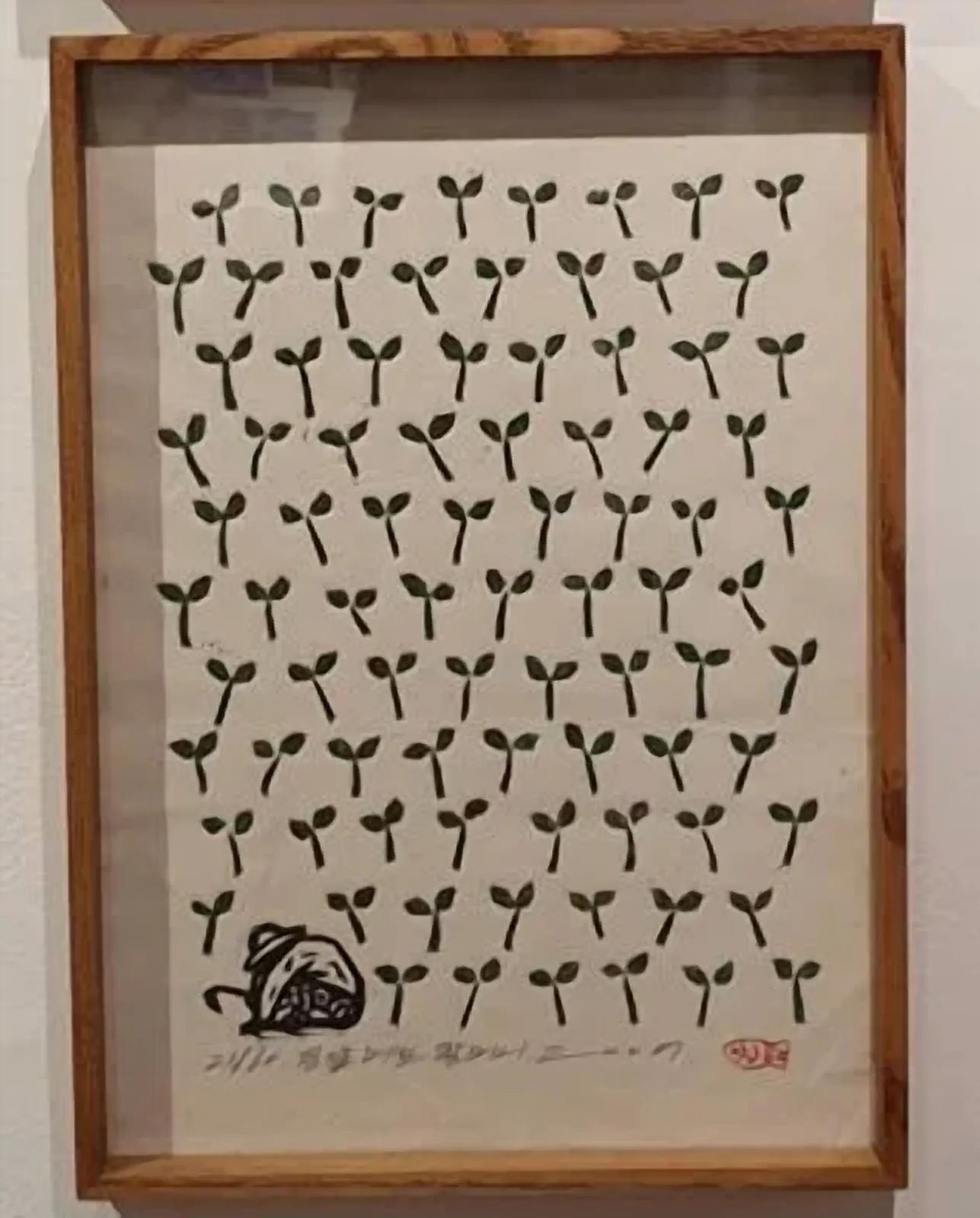
Lee Yunyeop is a Korean woodblock artist who depicts farmers, workers, and the humble objects close at hand with wit and warmth. His prints are marked by bold lines over white space — a roughness that reads, somehow, as affection. It is the characteristic texture of the woodblock made visible.
For Lee, the woodblock is more than a picture-making technique. It is a medium of carving wood and handling tools and moving the body — a way of understanding labour from the inside. The act of cutting builds a shared recognition with people who know what work is, and draws out an understanding of the value of labour itself. He has even carved into the rubber matting used on factory floors, working the surface with an engraving knife.
His first print, 〈Choi of Sandraemi〉 (1996), portrayed a neighbouring farmer who lived near him at the time. From that first work onward, he took up the woodblock in earnest as his primary medium.
Lee calls himself a “dispatch artist” (파견미술가) — making prints alongside workers at strikes and demonstrations. It is the practice of an activist who carries the woodblock out of the studio and into the places where labour is lived, cutting images together with the people who are there.
Major themes
- 1
Bold lines, white space
Farmers, workers, and humble objects rendered in bold lines over white space — rough yet warm, the texture of the woodblock made plain.
- 2
Woodblock as labour
Cutting wood, handling tools, moving the body — the woodblock as a way of understanding labour from the inside.
- 3
The dispatch artist
Carrying the woodblock out of the studio, he makes prints alongside workers at strikes and demonstrations.
The artist's timeline
- 1996First print 〈Choi of Sandraemi〉, depicting a neighbouring farmer; the woodblock becomes his primary medium.
- 2012Receives the Gu Bon-ju Art Award.
- 2015Gwangju Biennale 20th Anniversary Special Exhibition, Gwangju Museum of Art.
- 2017〈Between Layer and Layer〉, MMCA Gwacheon.
- 2019〈Square: Art and Society〉, National Museum of Modern and Contemporary Art (MMCA).
- 2020〈Print, Print, Print〉, National Museum of Modern and Contemporary Art (MMCA).
- 2024Solo exhibition 〈Even If It Takes a Little Time〉, Ecological Peace Art Museum Deokkum, Dongducheon.
- 2025〈Cut Sentences, Open Square〉, Democratic Movement Memorial Hall.
Across sixteen solo exhibitions and numerous group shows.
Awards, collections & books
- Award: Gu Bon-ju Art Award (2012)
- Collections: National Museum of Modern and Contemporary Art (MMCA); Gyeonggi Museum of Modern Art; Sakima Art Museum (Japan); Fukuoka Asian Art Museum (Japan), among others
- Books: 〈I Am a Farmer〉, 〈Even If It Takes a Little Time〉, among others
Three essays —
on the knife, the field, and the street
1The first print — 〈Choi of Sandraemi〉
Lee Yunyeop's first print, 〈Choi of Sandraemi〉 (1996), did not begin from a grand subject. It began from a neighbour — a farmer who lived close by at the time. The face that emerged from the block was an ordinary one, carved with the bold, unhurried lines that would become the artist's signature.
That choice — to begin with a person within arm's reach rather than a symbol — set the direction of everything that followed. From this first work onward, Lee took up the woodblock in earnest as his primary medium. The subjects would remain the same: farmers, workers, and the humble objects of a working life, rendered with wit and an evident affection.
2The woodblock as a way of understanding labour
For Lee Yunyeop, the woodblock is not only a way of making pictures. It is a medium of cutting wood, handling tools, and moving the body — and in that physicality lies its meaning. The labour of carving is, for him, a way of understanding labour itself.
Because the making of the work is itself a kind of work, the act of cutting builds a shared recognition with those who know what it is to work, and draws out an understanding of the value of labour. The choice of materials follows the same logic: he has carved into the rubber matting used on factory floors, working an industrial surface with an engraving knife until it yielded an image.
The result is a body of prints in which form and subject are made of the same substance. The roughness of the bold line is not a style applied to the labouring body from outside — it is the trace of a labouring hand, left in the wood.
3The dispatch artist — prints made on site
Lee Yunyeop calls himself a “dispatch artist” (파견미술가). The term describes a practice rather than a position: carrying the woodblock out of the studio and into strikes and demonstrations, and making prints there, together with the workers who are present.
It is a way of working that places the artist alongside, rather than above, the people the work is about. The image is not composed at a distance and delivered afterward; it is cut on site, in the company of those whose labour and circumstances it depicts. In this practice the woodblock returns to one of its oldest functions — an art made to be shared, quickly and directly, among many hands.
Across sixteen solo exhibitions and numerous group shows — and into the collections of the MMCA, the Gyeonggi Museum of Modern Art, and Japan's Sakima Art Museum and Fukuoka Asian Art Museum — Lee's work has carried this same conviction: that an art of labour is best made in the places where labour lives.
From the first neighbour's face cut into wood to the prints made on the floors of strikes, Lee Yunyeop's practice has pursued a single idea: that to carve is to understand labour, and to share. He joins this campaign not as a subject of its cause but as a fellow artist in solidarity — so that those who come after might work without the barriers others have borne.
Selected Works
11 works are featured here.
Lee Yunyeop joined this campaign in solidarity with fellow artists. Every work sold flows directly into the artists' mutual-aid loan fund— a purchase becomes the next month's lifeline for an artist navigating financial exclusion today.