Lee Cheol-soo (b. 1954), master of Korean woodblock. 30-year evolution from 1980s minjung woodblock to Zen, spirituality, and peace. Farming and woodblock practice in Jecheon — with 5 curated picks.
Lee Cheol-soo — From Minjung Woodblock to the Woodblock of Zen, One Texture of Korean Printmaking
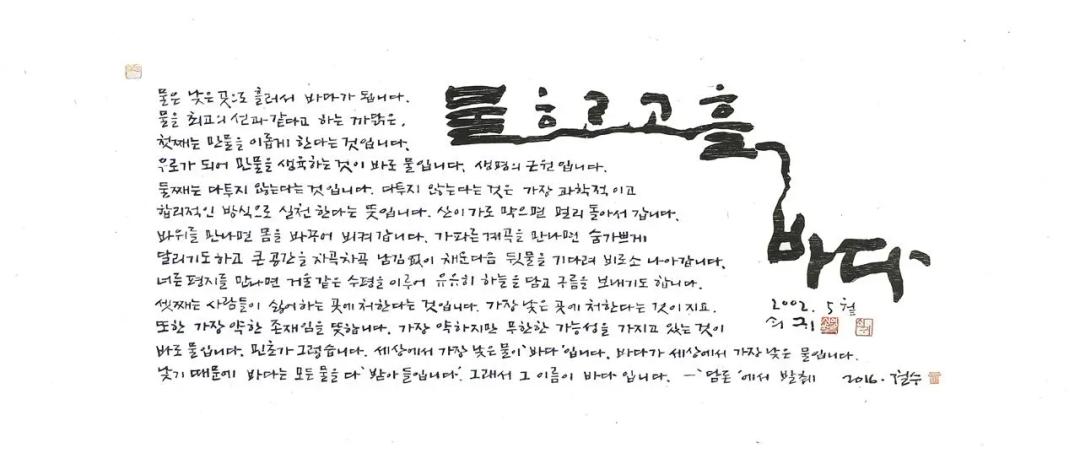
Lee Cheol-soo (b. 1954) is one of the most important printmakers in Korean woodblock. Rising as a leading minjung (people's art) printmaker in the 1980s, he gradually shifted the texture of his work toward Zen (禪) and spirituality found in the rhythms of daily living, and has carried on a 30-year practice combining farming and woodblock cutting in Jecheon, Chungcheongbuk-do. If Oh Yoon marks the apex of the first generation of Korean minjung art, Lee Cheol-soo is the artist of the next generation who pushed the texture of Korean woodblock farthest.
1954 Seoul — beginning self-taught
Lee Cheol-soo was born in Seoul in 1954. Once a literary teenager absorbed in books, he chose the path of an artist after military service and began studying art on his own. The route — bypassing art school for self-taught practice — would later become one reason his work resists academic and institutional forms in favor of his own grain.
After his first solo exhibition in Seoul in 1981, he held many more across Korea, gradually establishing himself as a leading Korean minjung printmaker. In 1989 he held solo shows in major cities of Germany and Switzerland, followed by exhibitions in international cities including Seattle. For his 30-year debut anniversary in 2011, he published the catalog "Mind Carved on Wood".
From minjung woodblock to the woodblock of Zen
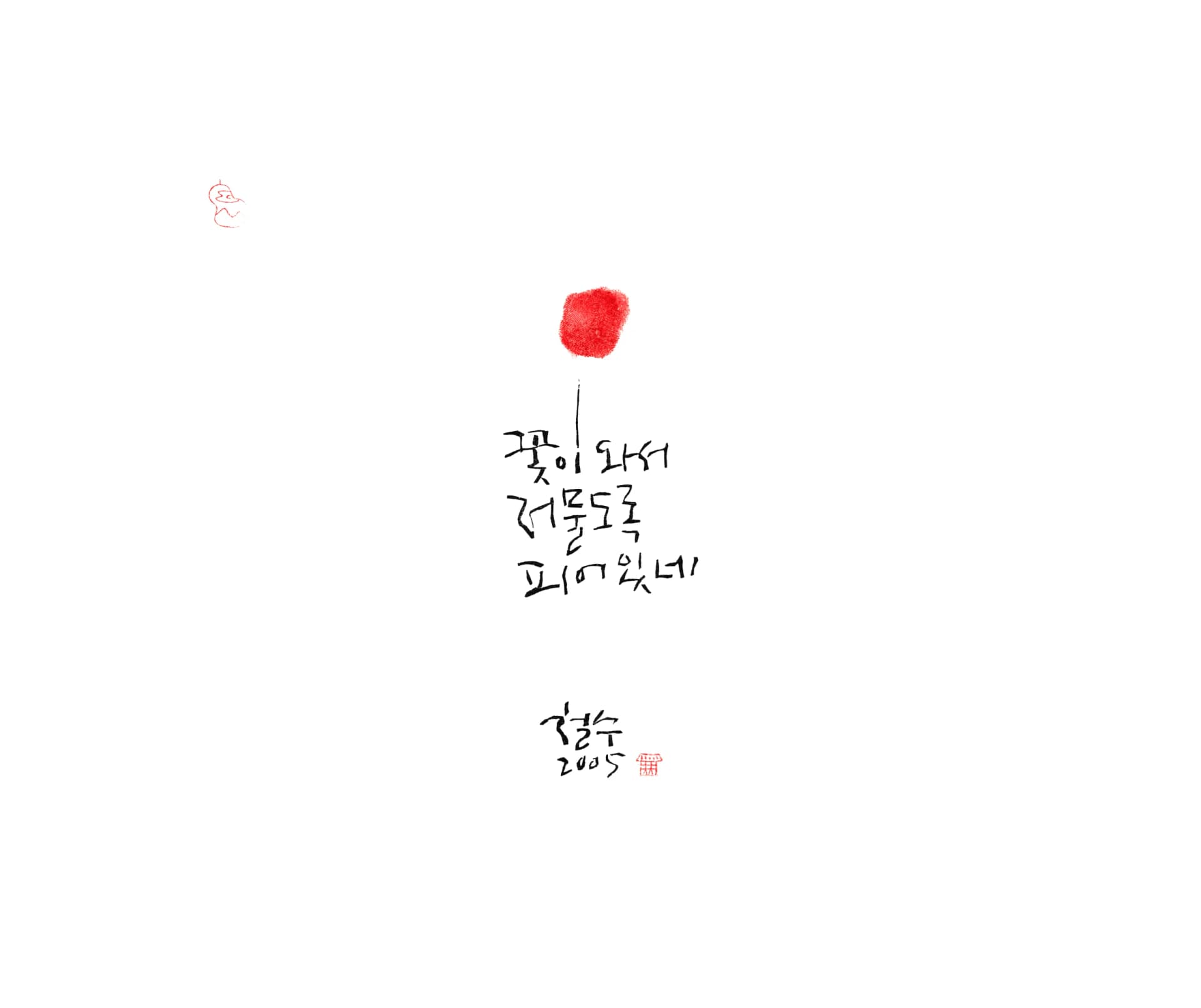
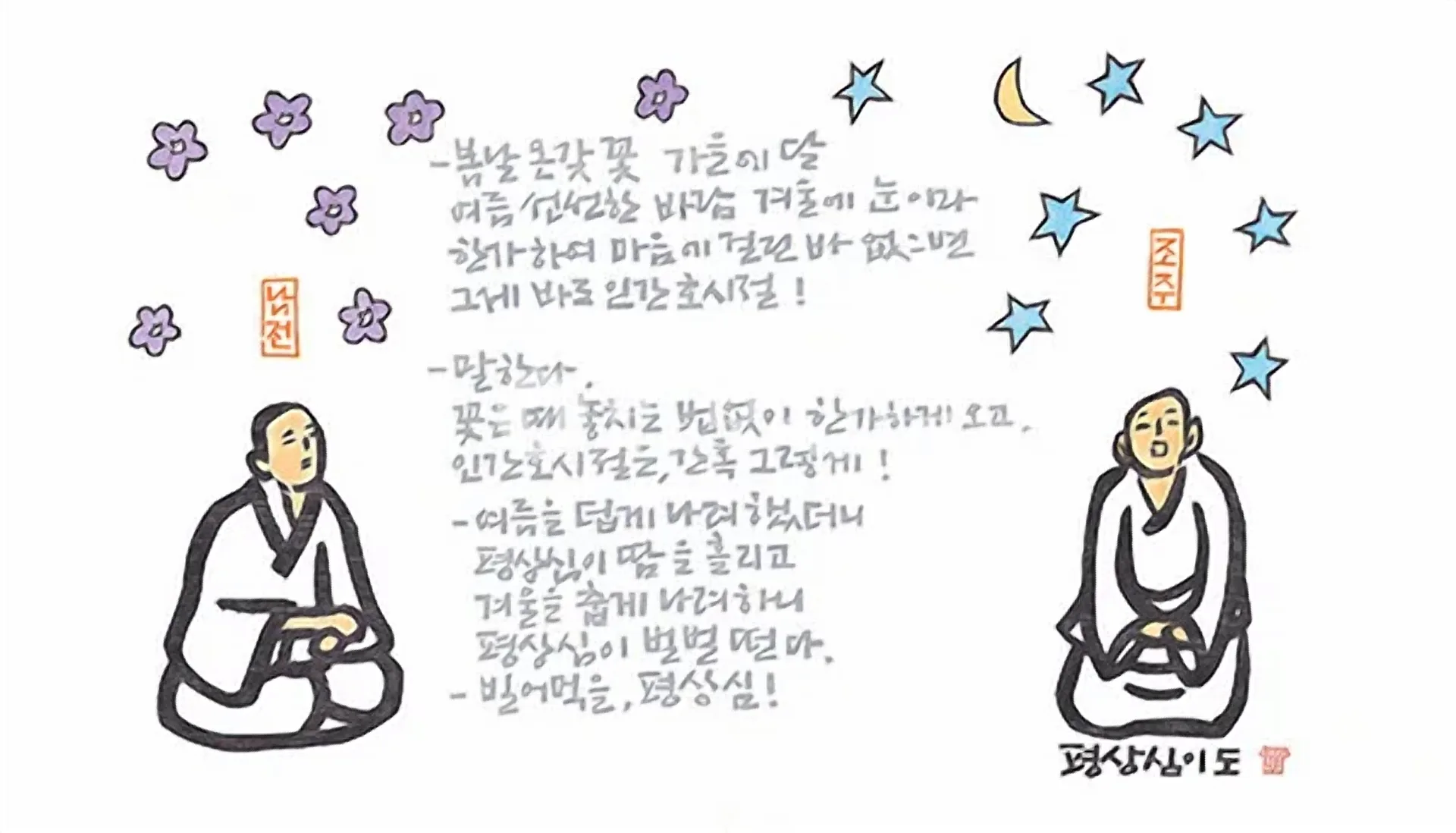
Lee Cheol-soo's early work began in the texture of the minjung woodblock. In the 1980s he carved woodblock works on themes of injustice, the daily lives of ordinary people, and labor in Korean society. But his practice did not stay in one place. The grain of his work gradually shifted toward Zen and spirituality found in the rhythms of daily living, and works that fuse East Asian spiritual depth with artistic spirit began to emerge.
This trajectory is rare in the history of Korean art. An artist who began with political satire moving over 30 years to expand his concerns toward Zen, peace, and the environment — shows how a single artist's work can change over time, and how a coherent grain can be sustained through that change.
Critics describe Lee Cheol-soo as "one of the leading printmakers of our era" and characterize his later work as "exquisite pieces in which deep spiritual world and artistic spirit fuse into one."
Jecheon, Chungcheongbuk-do — farming and woodblock
Lee Cheol-soo's working environment is rare in Korean art. He farms and carves woodblock in Jecheon, Chungcheongbuk-do. This is not simply rural residence but a structure where life and work meet in one place. The motifs frequently found in his work — nature, the seasons, negative space, peace — emerge from this daily life.
Holding the topics of his time without letting go, he carries on his practice with particular concern for peace and environmental issues. Not simply painting nature, but holding the act of living with nature as part of the work itself.
Lee Cheol-soo's books — woodblock meets text
Lee Cheol-soo is not only a printmaker. He is an artist who has also published numerous books. The books he has published with major Korean publishers — Hakgojae, Munhakdongne, Samin — pair his woodblock works with short texts, creating one texture of "art books" in Korea.
Notable books:
- The Wild Cherry Has Bloomed… (Hakgojae, 1993)
- Song of Dry Grass (Hakgojae, 1995)
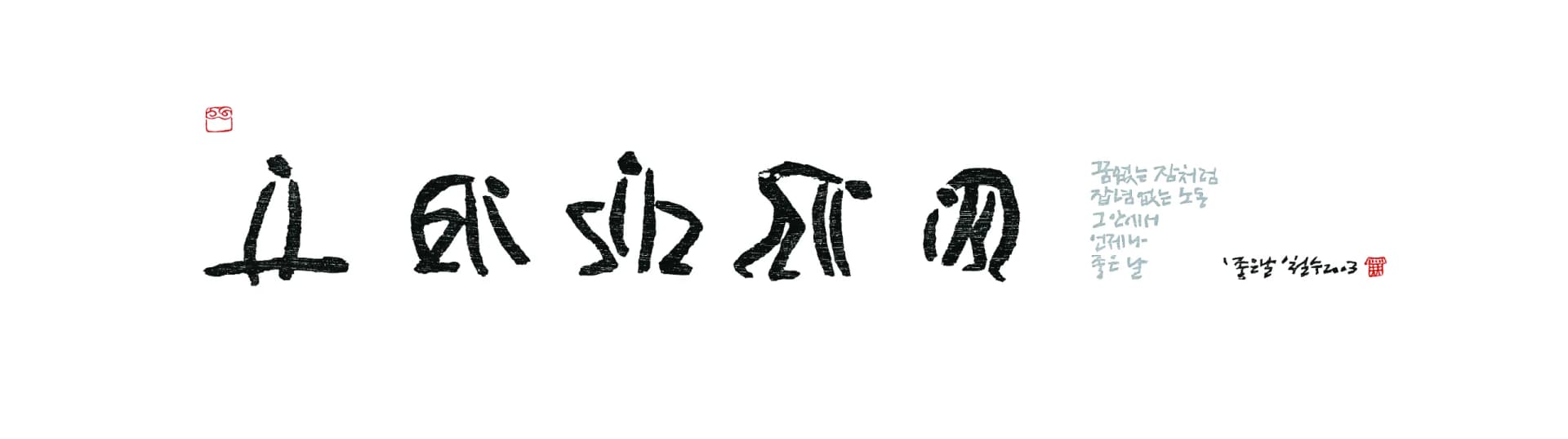
- Such a Lovely Day (Hakgojae, 2000)
- Pear Blossoms on a White Night (Munhakdongne, 1996)
- Wake to Find It Always Morning: Lee Cheol-soo's Leaf Letters (Samin, 2006)
- Thank You for Being Here (Samin, 2009)
- Loving Quietly, These Small Things (Samin, 2005)
For collectors who are drawn to Lee Cheol-soo's work, these books are a natural companion to a print collection.
Five Lee Cheol-soo picks — from entry to signature
Among the 10 Lee Cheol-soo works at SAF, the magazine recommends five. All are woodblock on hanji paper, in limited editions.
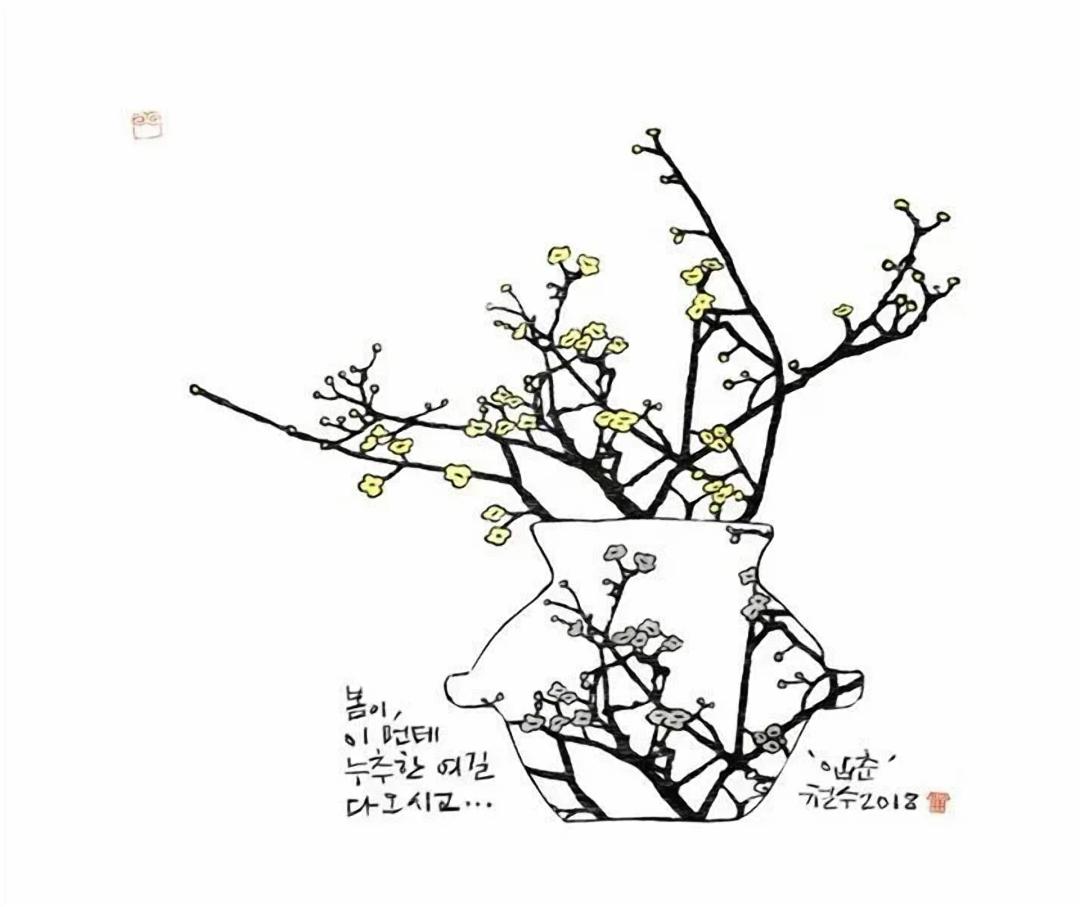
1. Beginning of Spring — the first piece for spring
- 50x42cm · Woodblock on hanji paper · ₩1,200,000
- A piece carving the start of spring. Among Lee Cheol-soo's seasonal series, the most universal motif — fitting as an entry-tier work. Suits living-room secondary walls, dining areas, or studies.
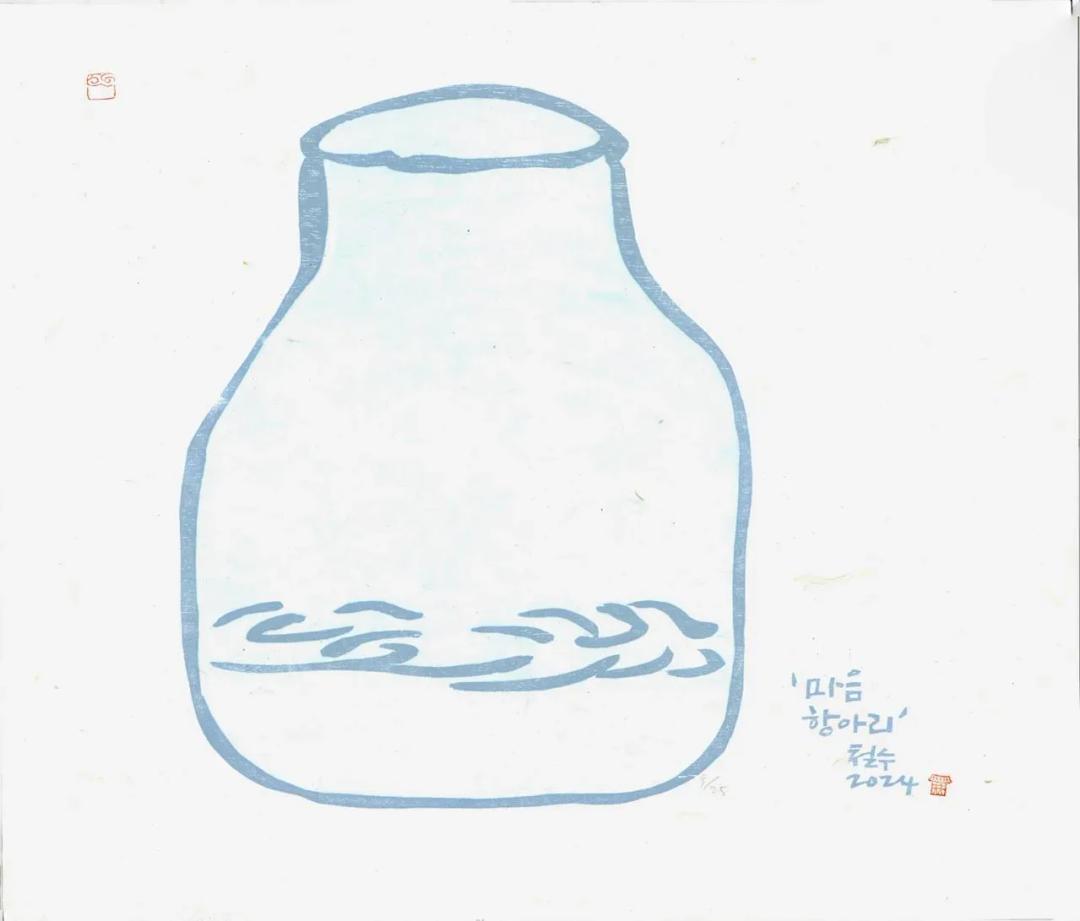
2. Vessel of the Heart — a meditative piece
- 50x42cm · Woodblock on hanji paper · ₩1,200,000
- An East Asian contemplation comparing the heart to a vessel. One of the works where the texture of Zen most clearly appears. Suits bedrooms, studies, meditation spaces.
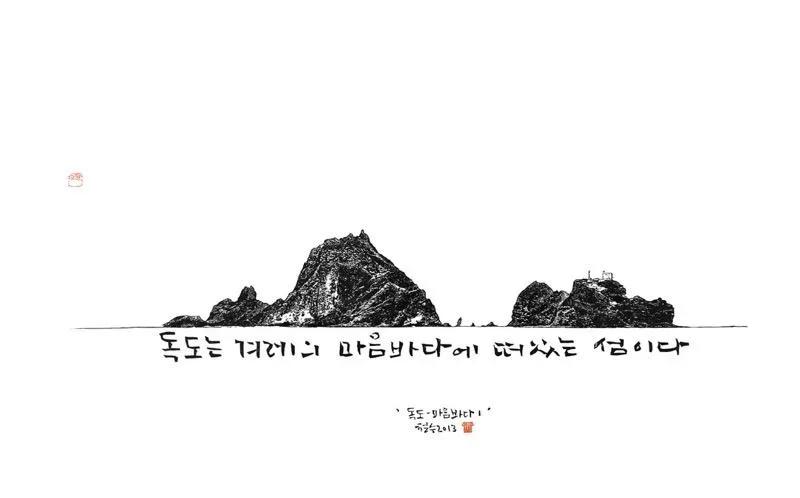
3. Dokdo — Sea of Heart — Korean sentiment
- 76x47cm · Woodblock on hanji paper · ₩1,200,000
- Dokdo and the sea of heart — a work where Korean sentiment meets spirituality. The 76x47cm horizontal format suits a living-room secondary wall or executive office. A signature piece in Lee Cheol-soo's Korean-sentiment series.
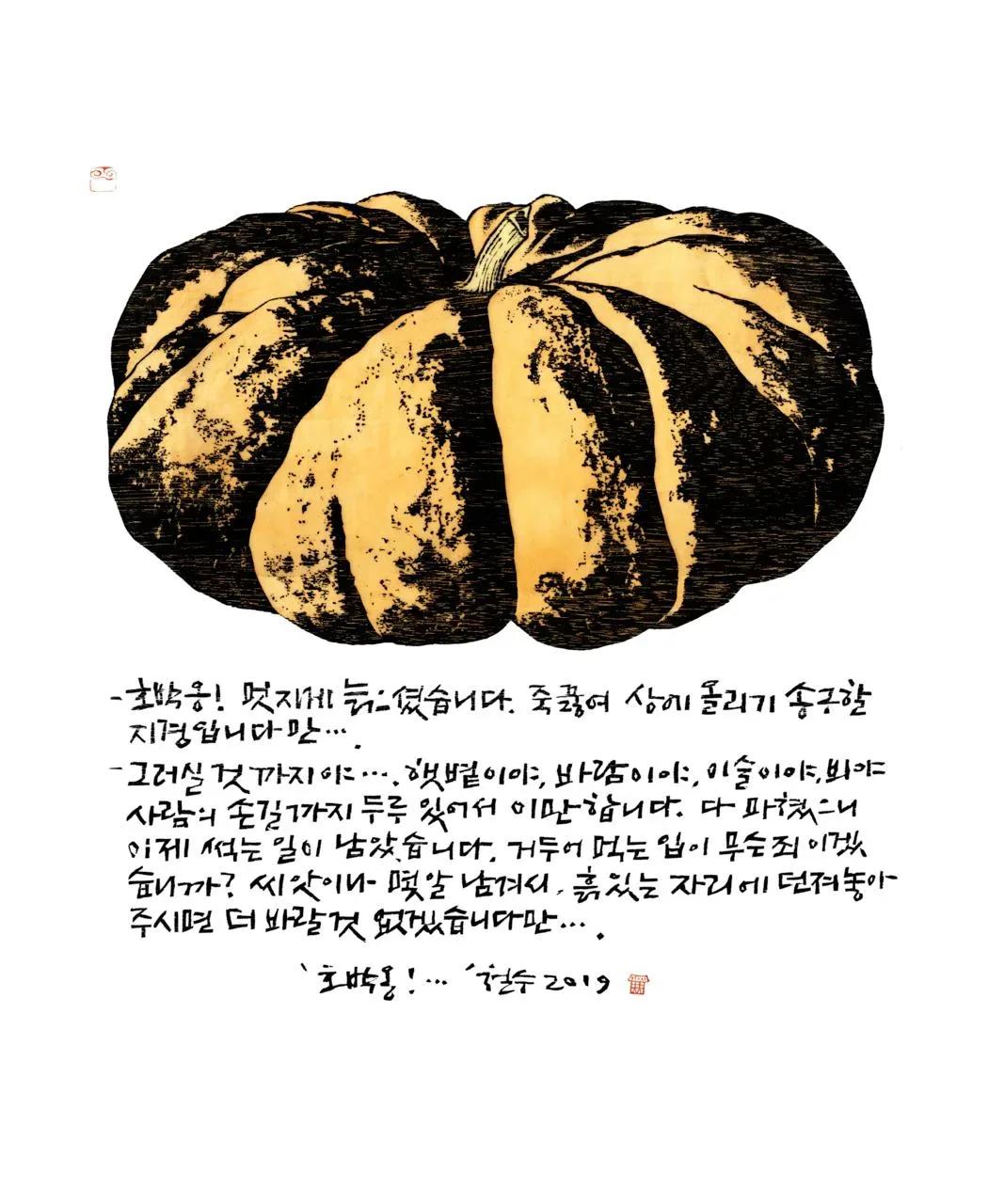
4. Old Gourd — nature and negative space
- 60x50cm · Woodblock on hanji paper · ₩1,500,000
- Gourd and earthen vessel — the daily landscape Lee Cheol-soo carves alongside his farming in Jecheon. The textures of nature, negative space, and peace condense into one piece. Fits dining areas, living rooms, or studies.
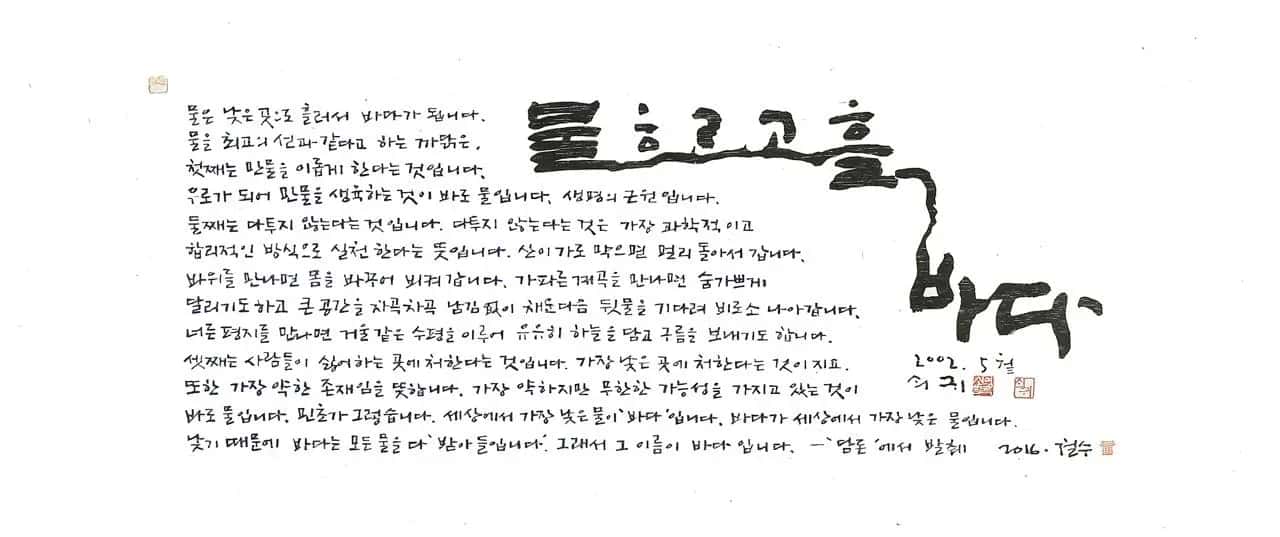
5. Water Flows and Flows to the Sea — large signature
- 98x42cm · Woodblock on hanji paper · ₩2,500,000
- A large horizontal signature suitable for a living-room main wall. "Water flows and flows, reaching the sea" — a deep East Asian phrase carved into woodblock. The 98cm horizontal size fits the main spot above a sofa. The essence of Lee Cheol-soo's later Zen practice.
See all 10 Lee Cheol-soo works on the artist page →
Frequently asked questions
Q. Who is Lee Cheol-soo? A. Born in Seoul in 1954, he is one of the leading artists in Korean woodblock printmaking. Continuously practicing for over 30 years since his first solo show in 1981, he began with 1980s minjung woodblock and has gradually expanded his concerns to Zen, spirituality, peace, and the environment. He is also known for his practice form of farming and woodblock cutting together in Jecheon, Chungcheongbuk-do.
Q. What's the price range for Lee Cheol-soo's work? A. ₩1,200,000–4,000,000 limited-edition woodblock prints form the main price range. The signature large-scale work Mumonkan 50 Plates sits at the ₩50,000,000 collection tier. Many first-time collectors begin at the ₩1,200,000 tier with 50x42cm pieces.
Q. Are his books worth reading alongside the prints? A. Highly recommended. Numerous books from publishers Hakgojae, Munhakdongne, and Samin — The Wild Cherry Has Bloomed…, Such a Lovely Day, Lee Cheol-soo's Leaf Letters — pair his prints with short texts. A natural companion for collectors who want to understand the artist's grain more deeply.
Q. What's the difference between minjung woodblock and the woodblock of Zen? A. The minjung woodblock is direct social commentary, labor, and daily life of ordinary people in 1980s Korea. The woodblock of Zen is contemplative work on East Asian thought, nature, negative space, and the depth of daily living. Lee Cheol-soo is a rare case of evolving both textures within a single artist over 30 years.
Q. How should Lee Cheol-soo's work be framed? A. The works are woodblock pulled on hanji paper, so separate framing is needed. Local frame shops in Korea (₩150,000–250,000 medium, ₩250,000–400,000 large) or online custom framers. To preserve the firm woodblock line and the texture of hanji, simple wood or slim aluminum frames suit best.
Q. Which other Korean artists pair well in a collection? A. Within the Korean woodblock and minjung lineage: Oh Yoon (estate prints), Park Jae-dong (watercolor and editorial cartoon), Lee Yun-yop (multi-color woodblock), Min Jeong-gi (silkscreen). Together they form the larger flow of Korean minjung art and woodblock from the 1980s through the 2020s.
Q. Where do my purchases of Lee Cheol-soo's work go? A. Most of the proceeds go directly to the artist. A portion contributes to the artist mutual-aid fund, providing low-interest loans to fellow artists facing financial discrimination. One way Lee Cheol-soo, alongside his work on peace and environmental issues, contributes to the Korean art ecosystem.
Lee Cheol-soo's work is a collection that shows how Korean woodblock has changed over 30 years through the texture of a single artist. From the directness of 1980s minjung woodblock to the contemplation of 2020s Zen — the entire space between them, carried by one artist in one medium. Hanging one piece on a living-room main wall is bringing one era of Korean woodblock into the daily landscape.
Related reading
If this piece helped, you may also enjoy these related articles:
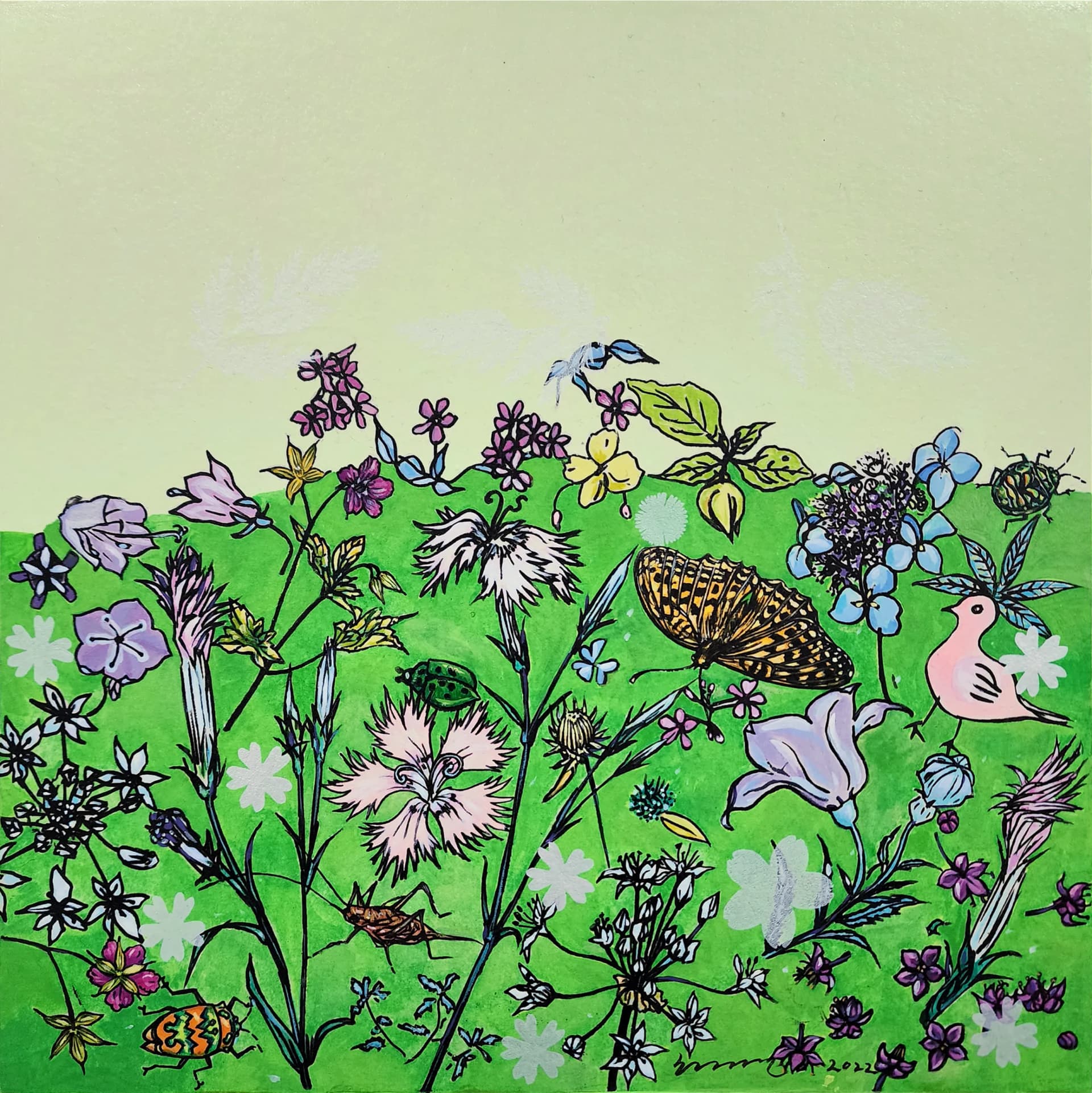
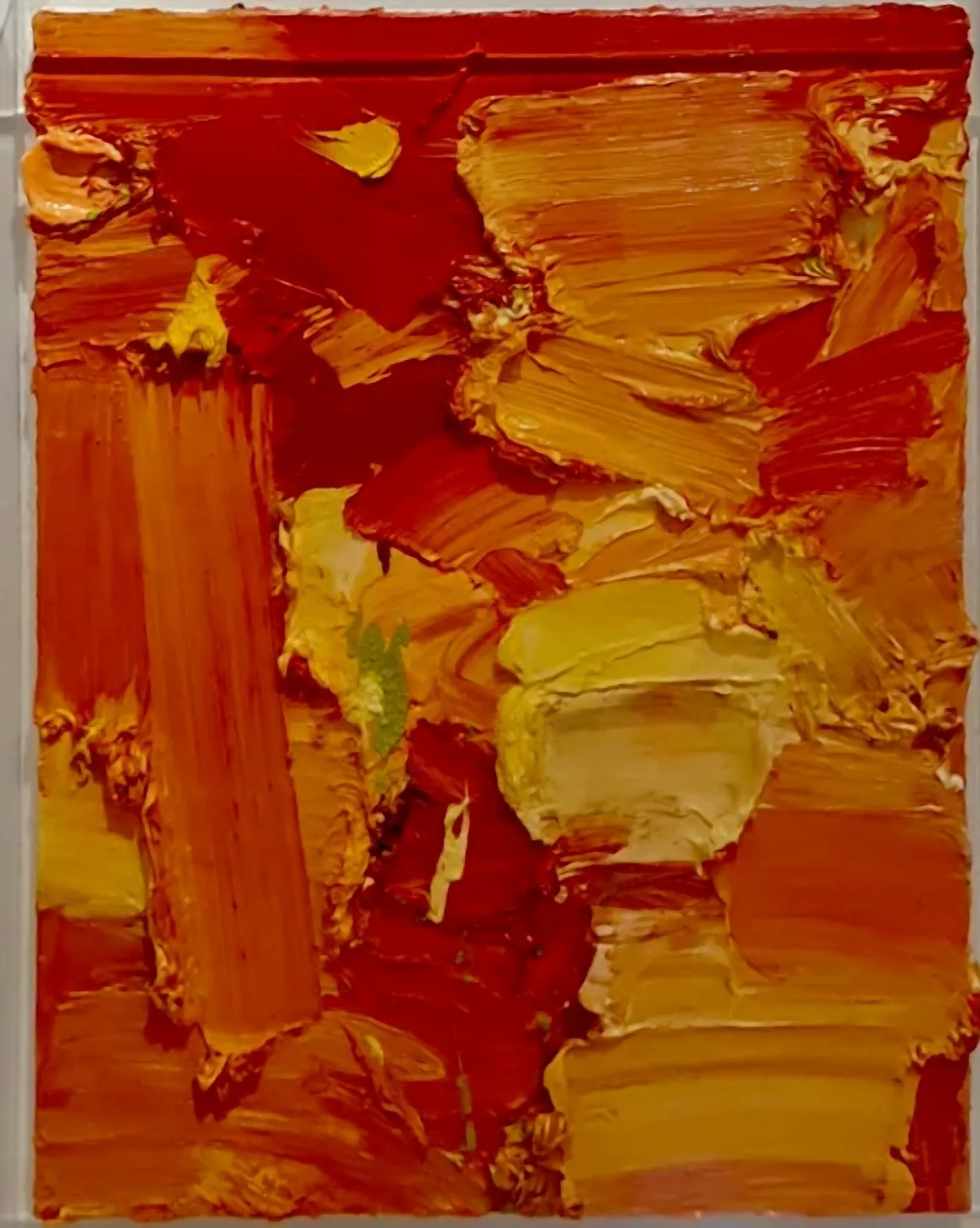
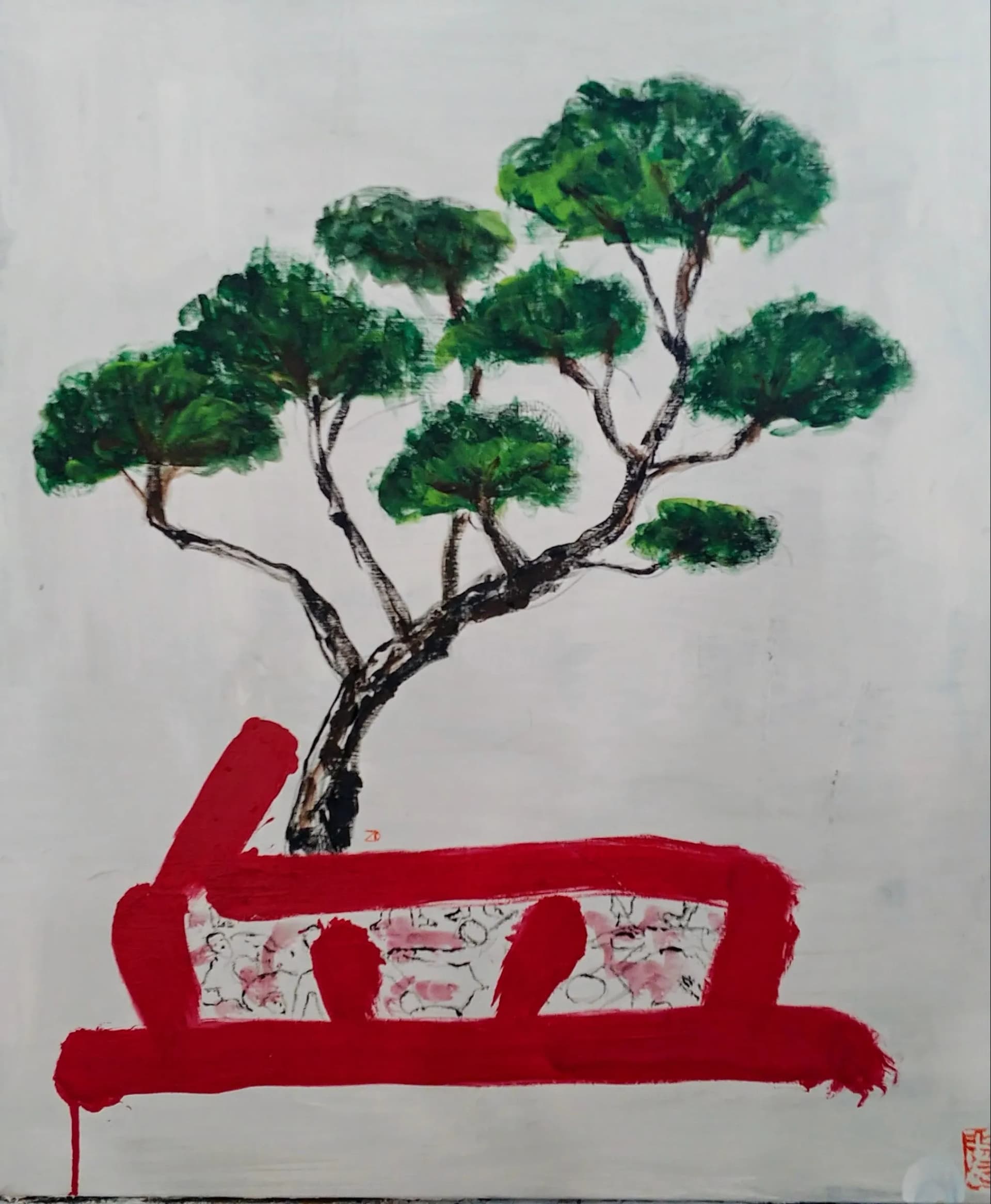
See more Lee Cheol-soo works on the artist page →
Collecting Guides
Seed Art Festival
·