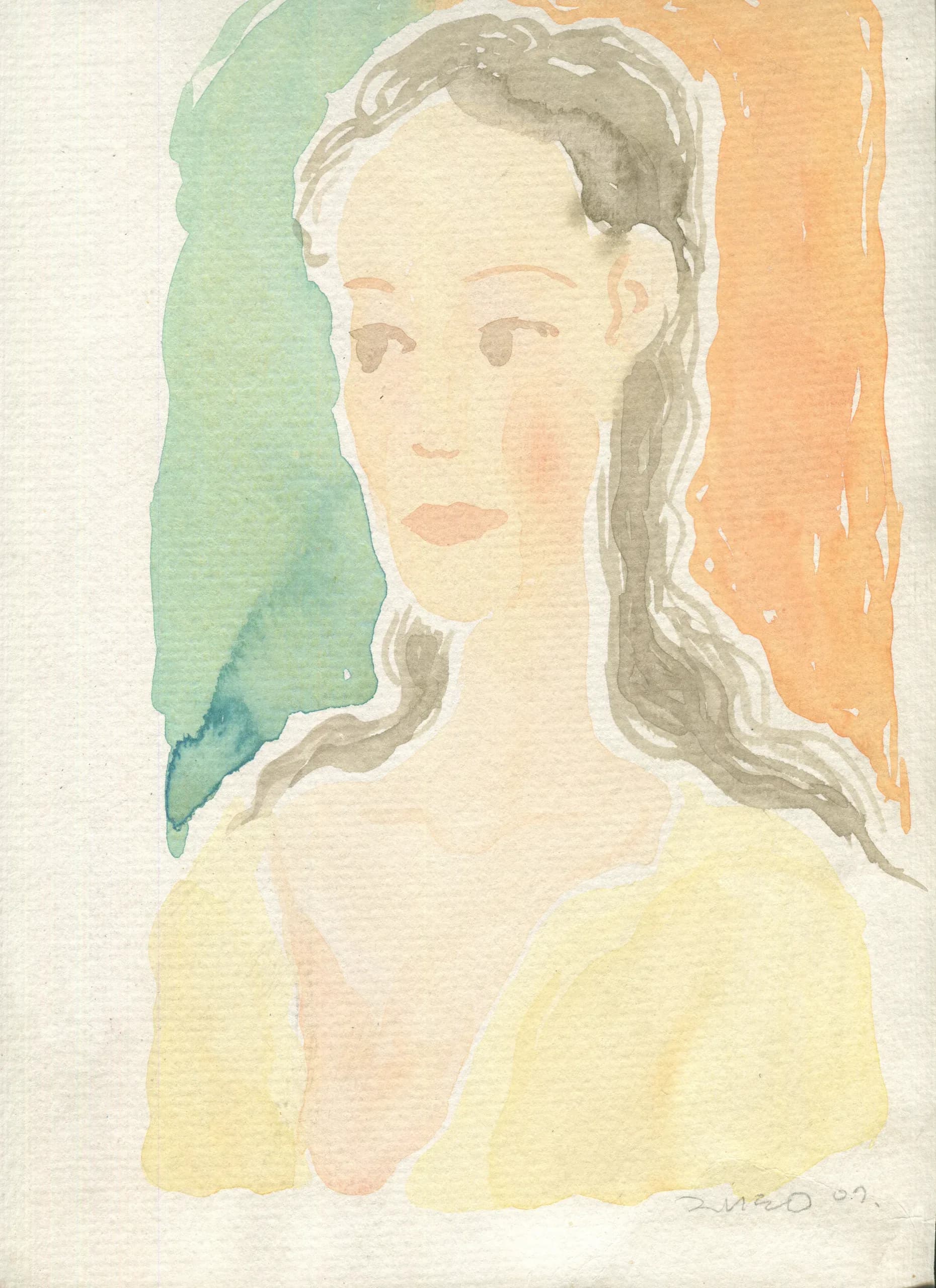
Park Jae-dong (b. 1952), the father of Korean editorial cartooning. Eight years at the Hankyoreh, Reality and Utterance collective, and a practice integrating painting, animation, and teaching — with 5 curated picks.
Park Jae-dong — The Father of Korean Editorial Cartooning, and the World Beyond the Daily Comic
Park Jae-dong (b. 1952) is the father of Korean editorial cartooning. The eight-year run of Hankyoreh's Cartoon Panel he began with the founding of the Hankyoreh newspaper in 1988 opened an era for Korean newspaper cartooning, and to his contemporaries, the name "Park Jae-dong" became synonymous with "the morning's single panel." But his work as a cartoonist did not stay within political satire. If the editorial cartoon is one page of the newspaper, his paintings are the world beyond that page — people, seasons, daily life. This piece introduces Park Jae-dong's full practice — cartoons, paintings, animation, and teaching.
1952 Ulsan — son of a comic-book rental store
Park Jae-dong was born in 1952 in Beomseo-eup, Ulsan, and moved to Busan around the age of ten. He grew up "reading comics to his heart's content" at the comic-book rental store his father ran. In Korea at the time, "the son of a comic-book rental store owner" carried social stigma — but that environment became the starting point of an artist who would later push the boundaries between Korean art and comics farther than almost anyone.
Entering the Department of Painting at Seoul National University, he began as a painter. But he soon expanded beyond the canvas into other media.
1988 Hankyoreh — eight years of Hankyoreh's Cartoon Panel
In 1988, with the founding of the Hankyoreh newspaper, Park Jae-dong began Hankyoreh's Cartoon Panel. For the next eight years, his cartoons captured the sharpest scenes of Korean society in a single frame each day. His sharp satire of Korean political and social absurdities, authoritarianism, and daily life in the 1980s and 1990s — created an era in which "the morning's single cartoon" became the hottest topic of conversation.
Critics say that "Korean editorial cartooning is divided into before and after Park Jae-dong." When Korean newspaper cartooning first became a fully developed form of political satire, Park Jae-dong's eight years stood at the apex of that form. As webtoon artist Kang Full has said, "I dreamed of becoming a cartoonist after seeing Park Jae-dong's editorial cartoons" — his work passed directly to the next generation of artists.
1984 Reality and Utterance — within the Korean Minjung movement
That Park Jae-dong's practice never stayed within editorial cartooning is visible in his 1984 participation in the artist collective Reality and Utterance. Reality and Utterance is considered the seminal collective of the Korean minjung (people's art) movement, and it gathered core contemporaries like Oh Yoon, Lim Ok-sang, Kim Jung-heon, and Kang Yo-bae.
This collective deepened both the political critique and aesthetic complexity of Park Jae-dong's painting. His work moved beyond political satire to lift the lives of ordinary people and social commentary into an aesthetic form. The directness of editorial cartooning meeting the contemplation of painting — within a single artist — places Park Jae-dong at a specific position in the history of Korean art.
1996 Odolddogi — the boundary of comics and motion
In 1996, Park Jae-dong founded the animation studio Odolddogi. He produced Park Jae-dong's TV Panel for MBC's flagship news program, beginning to translate his editorial cartooning from paper to motion. The 1980 Gwangju Uprising animation sequences in the 2012 Korean film 26 Years were also produced by Odolddogi — his work has left a significant footprint across Korean comics and animation culture.
He later joined the Animation Department at the Korea National University of Arts as a professor, where his teaching philosophy — "There is no right answer in art. Think of yourself as a cartoonist right now and start drawing" — has inspired countless young artists.
The texture of Park Jae-dong's painting — beyond the cartoon
Park Jae-dong's painting carries a different texture from his cartoons. Where editorial cartooning is direct and built around the impact of a single panel, his paintings are contemplative, the kind of works that require time. The motifs that recur in his paintings — flowers, moonlight, women, hometown, seasons — sit far from the political satire of the cartoons, holding instead the depth of daily life.
His practice splits into two main price tiers: A4-sized open editions on watercolor texture with pigment (₩300,000 each) and original watercolor paintings (₩2,400,000–4,000,000). For first-time collectors, the ₩300,000 tier is the entry point; for those wanting the artist's signature work, the original watercolors are the apex.
Five Park Jae-dong picks — from entry to signature
Among the 25 Park Jae-dong works at SAF, the magazine recommends:
1. New Year's Wish — ₩300,000, the first piece for a new year
- 21x29.7cm · Pigment on watercolor texture · Open edition · ₩300,000
- A piece holding the universal sentiment of new beginnings and hope. An A4-sized open edition at the entry price tier — fits bedrooms, studies, entryways.
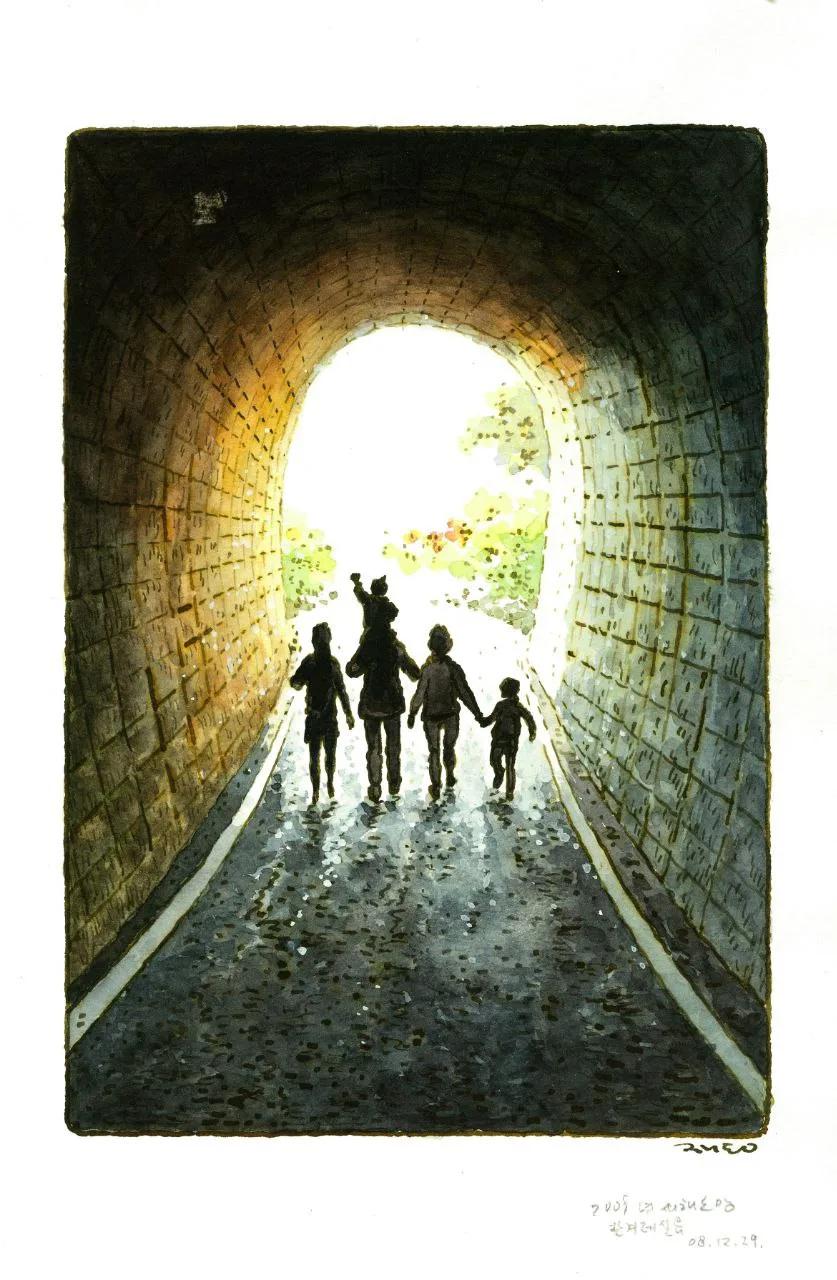
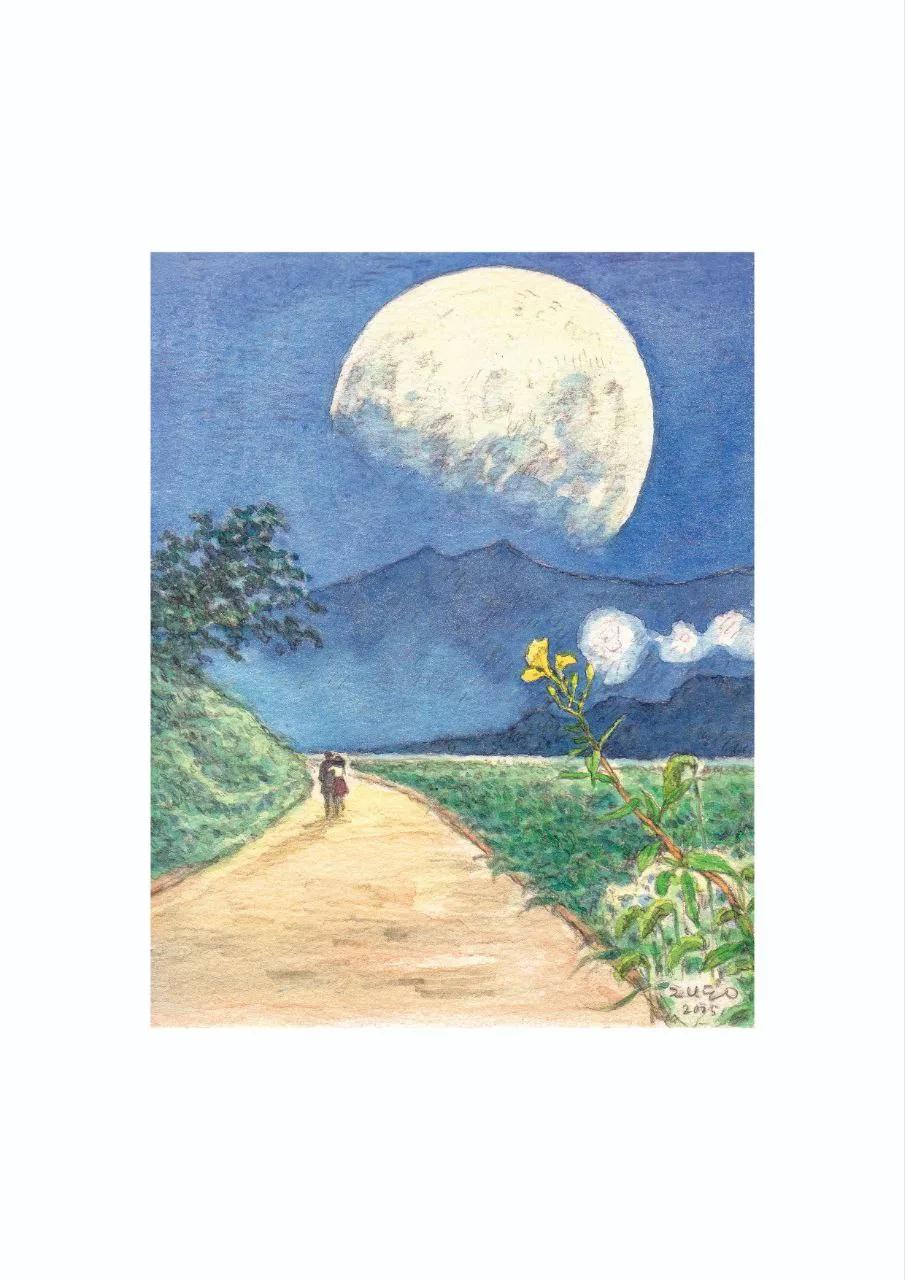
2. Lovers Under the Moonlight — an emotional piece
- 21x29.7cm · Pigment on watercolor texture · Open edition · ₩300,000
- Lovers in moonlight — a contemplative motif fitting newlywed homes and bedrooms. Shows the meditative grain of Park Jae-dong's painting that differs from his editorial work.
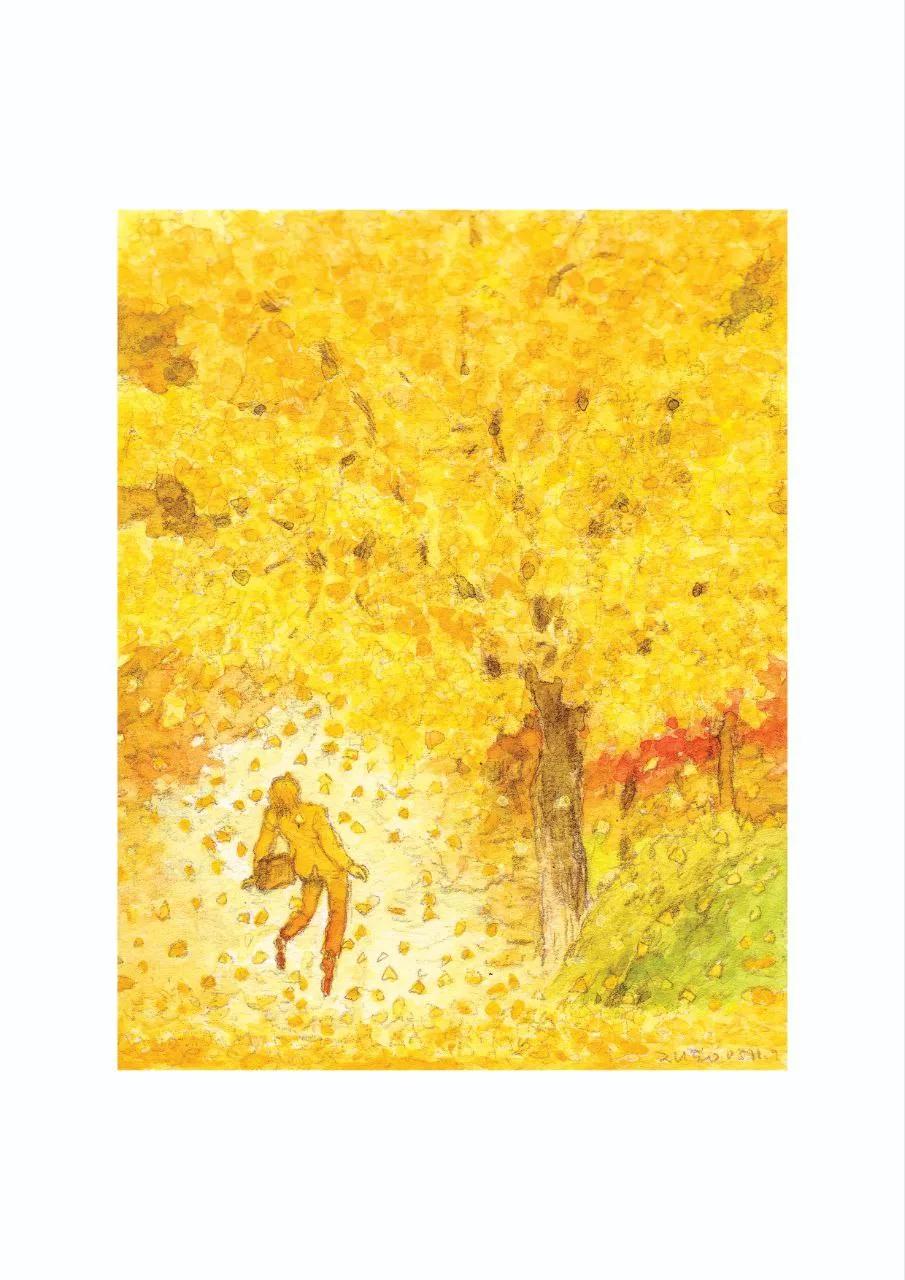
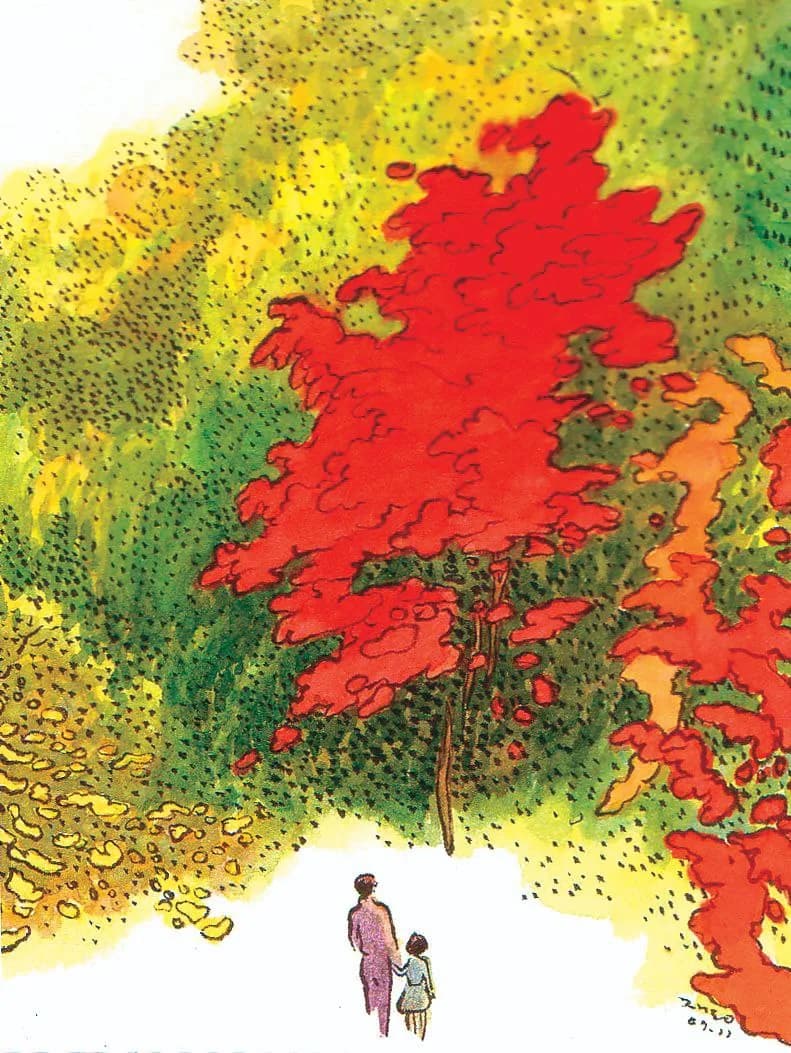
3. Autumn Leaves — the first sign of fall
- 21x29.7cm · Pigment on watercolor texture · Open edition · ₩300,000
- The most direct signal of autumn — maple leaves — through Park Jae-dong's hand. Suits entryways, living-room entries, and family spaces.
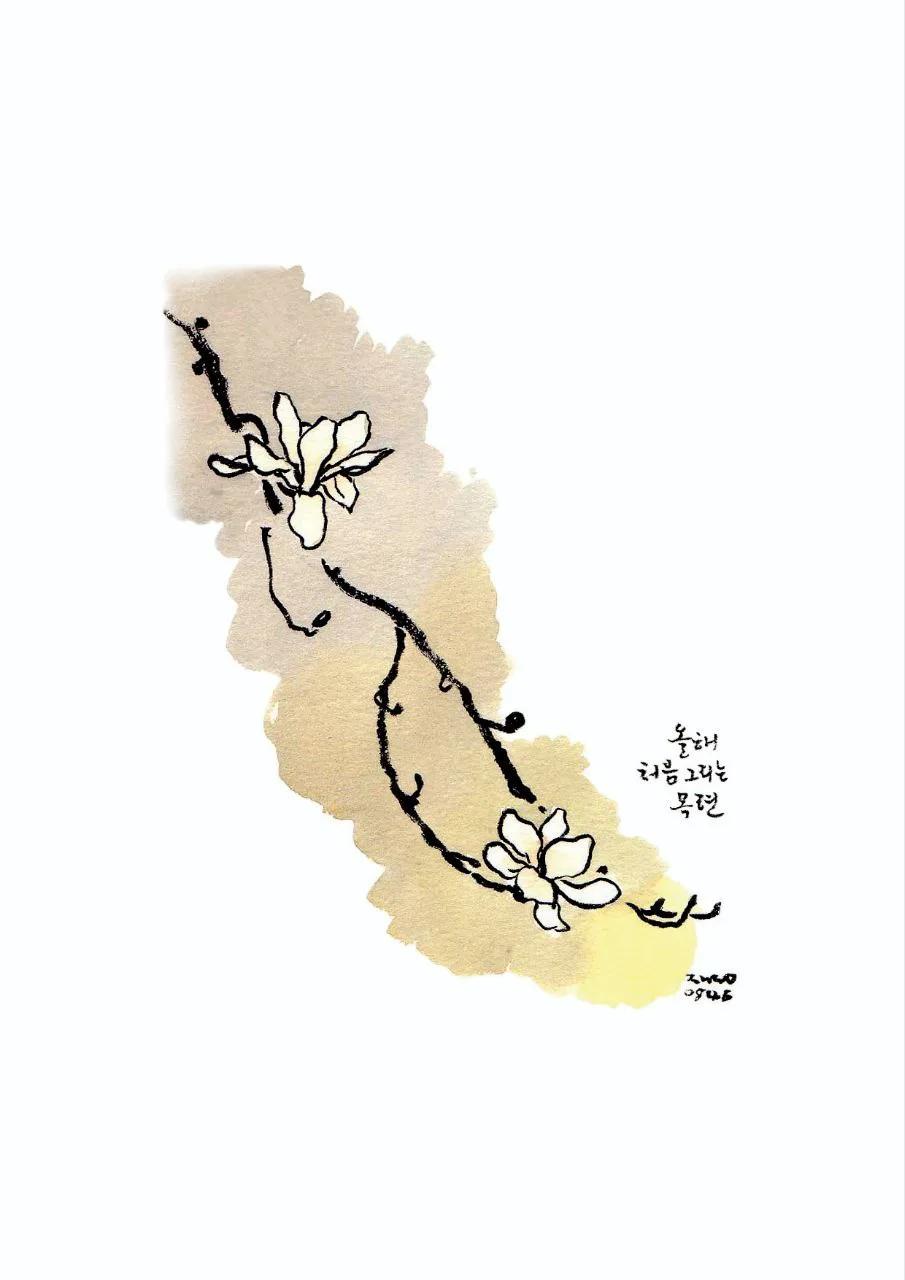
4. First Magnolia of the Year — a piece of spring
- 21x29.7cm · Pigment on watercolor texture · Open edition · ₩300,000
- The first signal of spring — magnolias. A motif fitting moments of new beginnings, moves, or newlywed homes. Among the most universal pieces in Park Jae-dong's spring series.
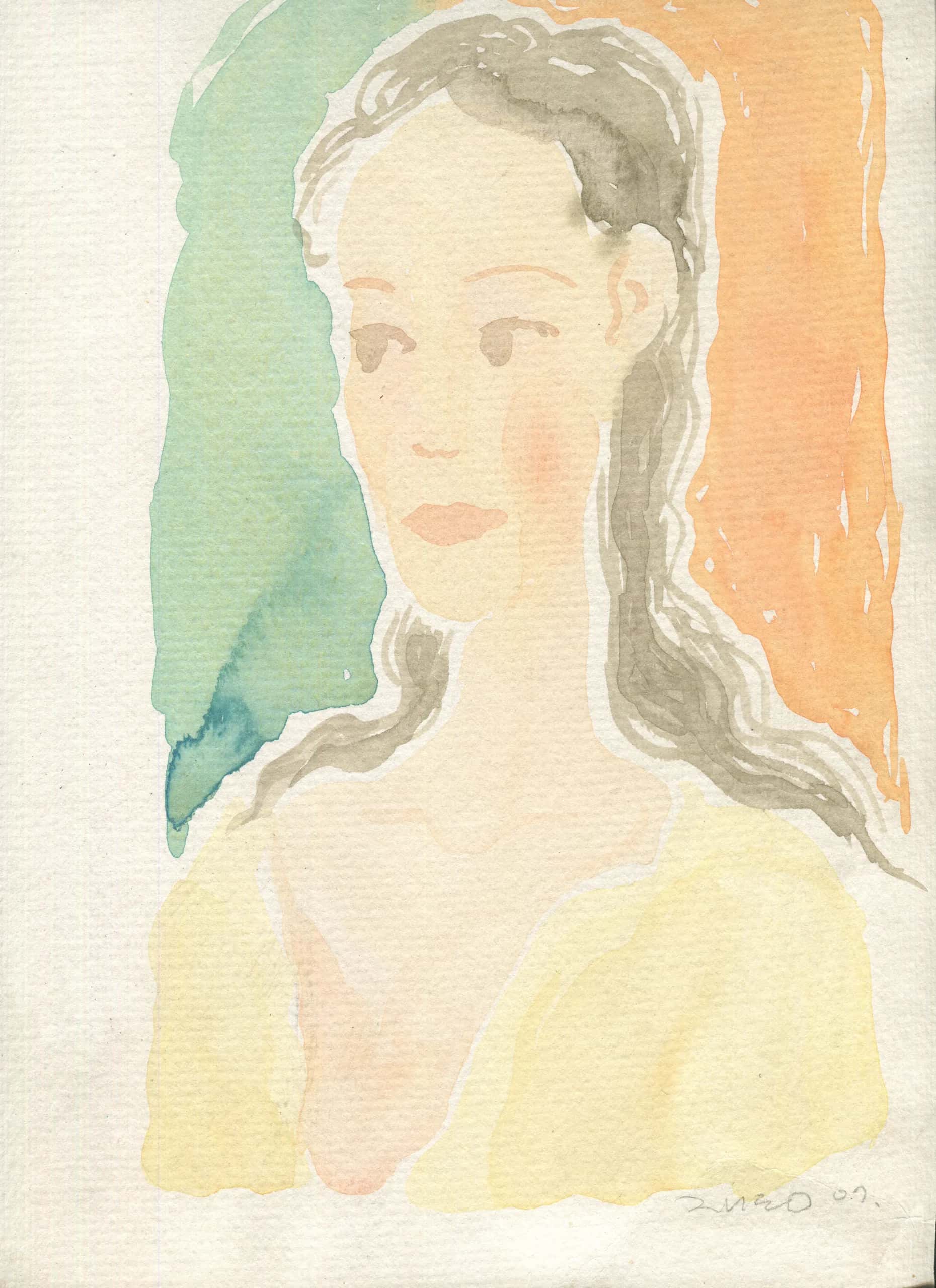
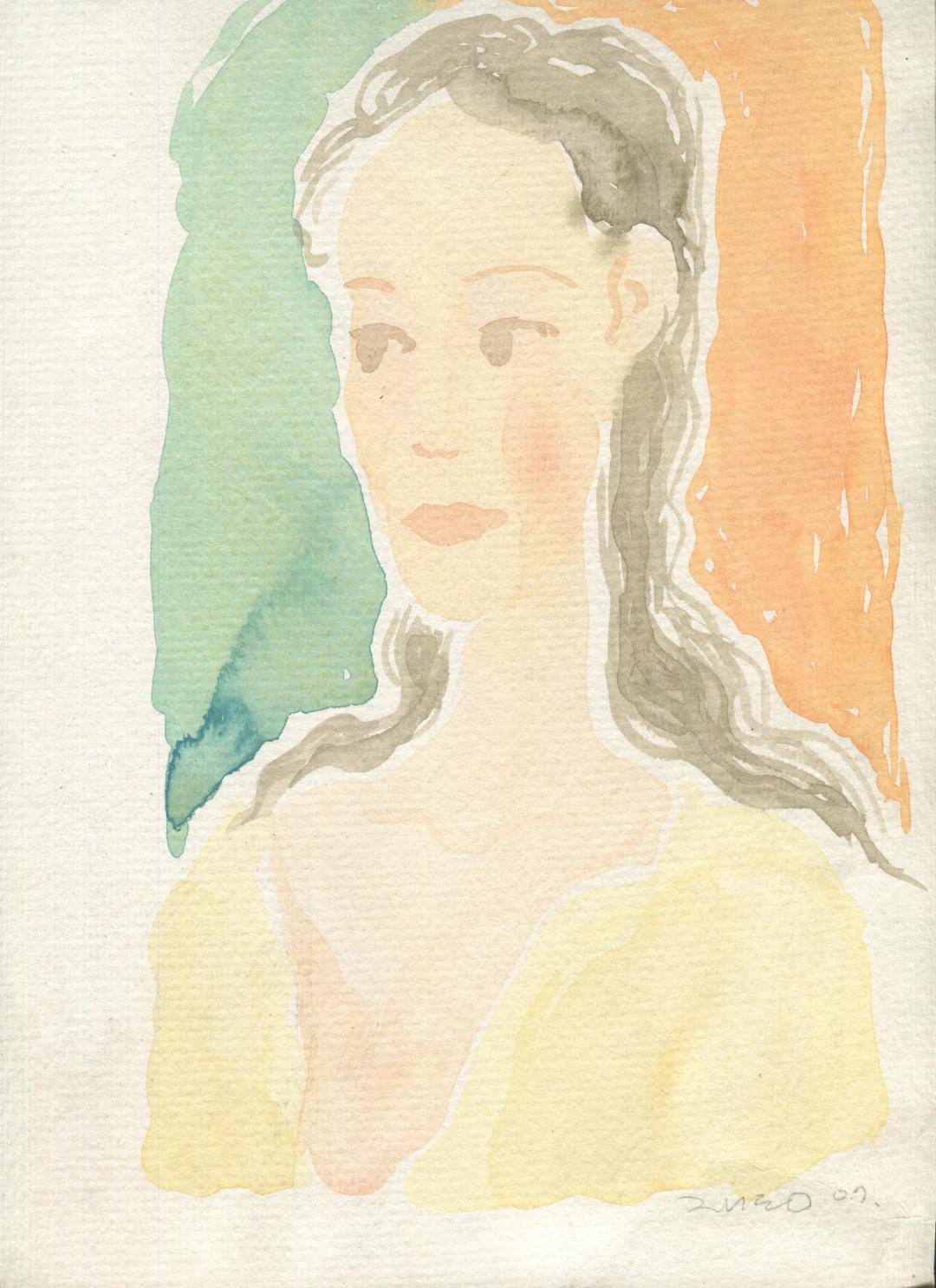
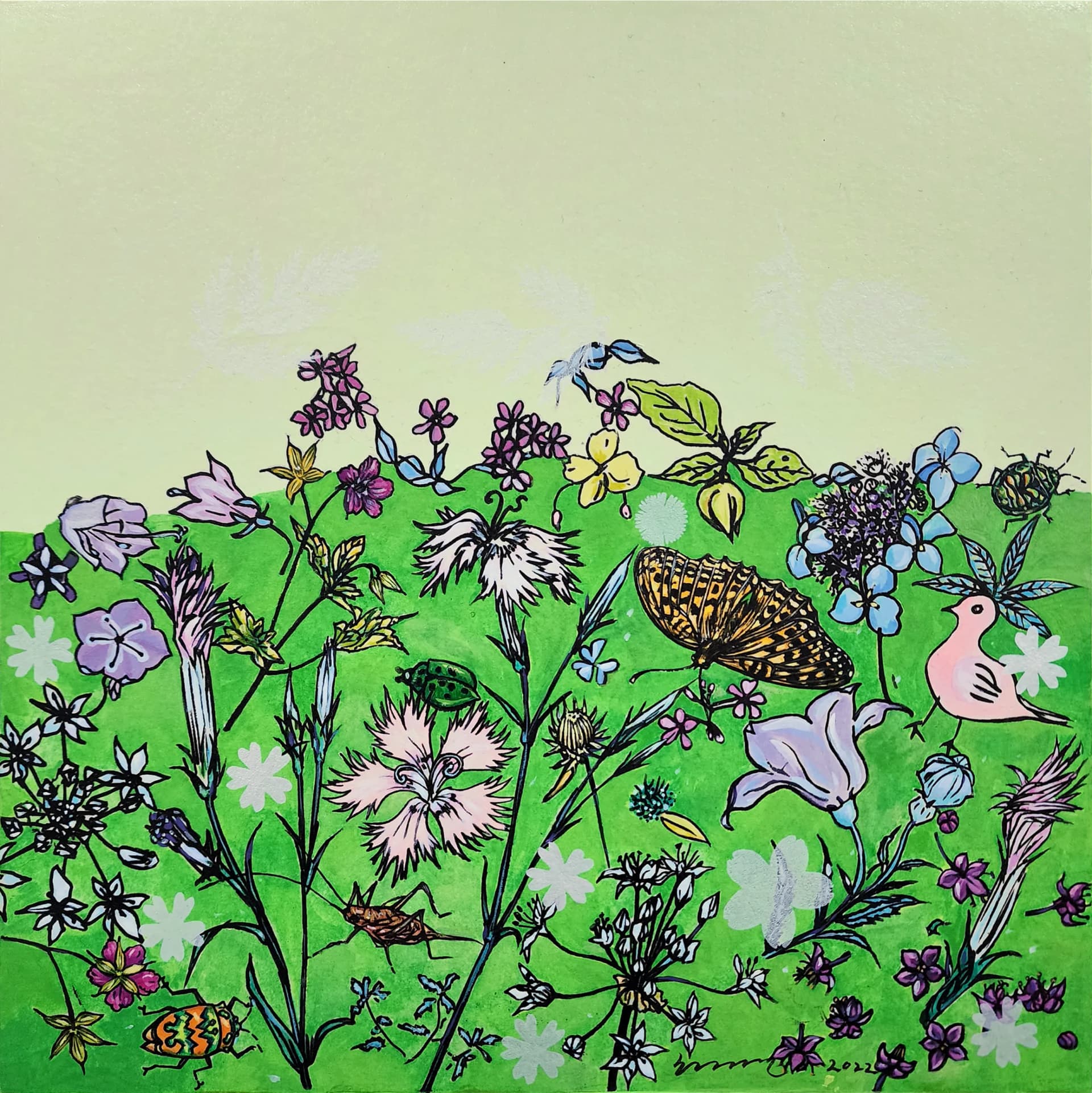
5. Woman — signature original watercolor
- 23x30cm · Original watercolor · ₩3,000,000
- One of the apex pieces of Park Jae-dong's signature work. An original watercolor — the most direct way to meet his painting practice. Suits a living-room main wall, executive office, or study.
See all 25 Park Jae-dong works on the artist page →
Frequently asked questions
Q. Is Park Jae-dong an editorial cartoonist or a painter? A. Both. Through Hankyoreh's Cartoon Panel (1988–1996) he became known as the father of Korean editorial cartooning, and through his 1984 participation in Reality and Utterance he sits within the Korean minjung art movement. He has integrated four practices into a single artistic world: cartooning, painting, animation, and teaching.
Q. What's the price range for Park Jae-dong's work? A. ₩300,000 open editions (21x29.7cm A4-sized, pigment on watercolor texture) and ₩2,400,000–4,000,000 original watercolor paintings. Entry collectors typically begin at ₩300,000; the signature tier sits at ₩3,000,000.
Q. Can I see his original editorial cartoons? A. The 1988–1996 Hankyoreh's Cartoon Panel runs are partially searchable through the Hankyoreh archive. Park Jae-dong's books Life Cartoons and Palm Art also include many cartoons. This article focuses on his painting practice rather than the cartoons.
Q. What is Reality and Utterance? A. A 1980 collective considered the seminal group of the Korean minjung movement. Contemporaries including Oh Yoon, Lim Ok-sang, Kim Jung-heon, Kang Yo-bae, and Park Jae-dong gathered to address political satire, the daily lives of ordinary people, and social commentary in aesthetic form. A defining art movement of 1980s Korea.
Q. Which artists pair well with Park Jae-dong in a collection? A. Fellow Reality and Utterance members Oh Yoon (woodblock prints), Min Jeong-gi (silkscreen and painting), and lineage artists like Lee Cheol-soo (woodblock) and Lee Yun-yop (multi-color woodblock). Together they form a single collection across the Korean minjung movement from the 1980s to the 2020s.
Q. Are the ₩300,000 open editions real artist works? A. Yes. Color-supervised, limited outputs by the artist with the artist's signature and certificate. Pigment on watercolor texture — a lighter entry into his original painting practice. A different category from posters or reproductions.
Q. Where do my purchases of Park Jae-dong's work go? A. Most of the proceeds go directly to the artist. A portion contributes to the artist mutual-aid fund, providing low-interest loans to fellow artists facing financial discrimination. Park Jae-dong is one of the artists who contributed work to SAF in the spirit of Reality and Utterance — "artists supporting artists."
Adding a Park Jae-dong work to your collection means bringing the entire world of an artist who shaped one era of Korean editorial cartooning, holds a thread of the minjung art lineage, and crossed the boundaries of cartoon, animation, and education into your living room or study. Even at the ₩300,000 open-edition tier, the seventy-year practice of the artist lives intact within a single piece.
Related reading
If this piece helped, you may also enjoy these related articles:
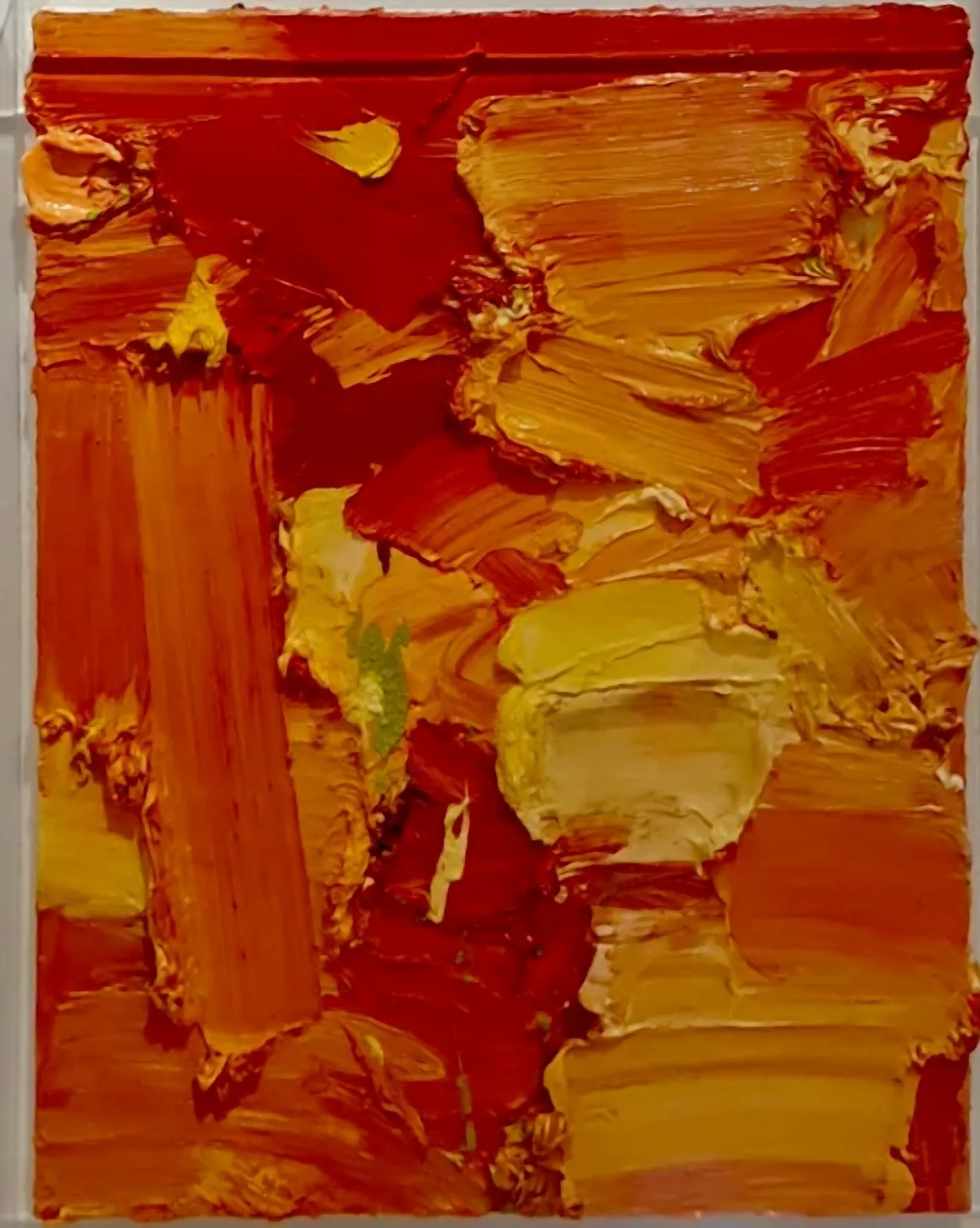
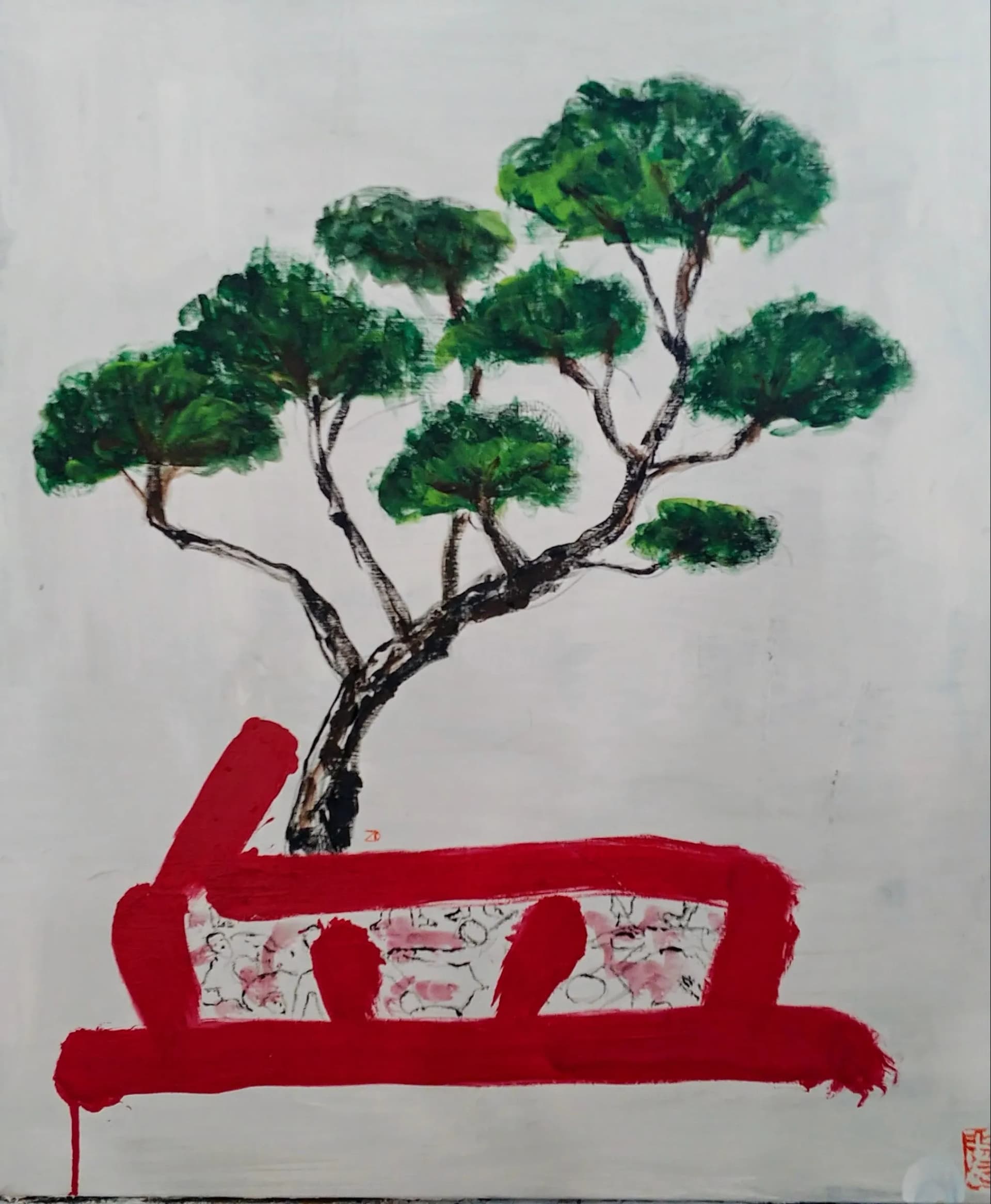
See more Park Jae-dong works on the artist page →
Related Reads
Artists on the Same Path
Collecting Guides
Seed Art Festival
·