Every morning,
the truth in a single frame
He drew what power feared most — the truth made visible.Eight years of the Hankyoreh Geurimpan. A pen that changed Korean journalism.
A pen as a public voice —
the cartoonist who redefined satire
Park Jae-dong (b. 1952.12.20) was born in Ulsan and studied painting at Seoul National University. Before entering the world of cartooning, he worked as an art teacher at secondary schools in Seoul — a period that sharpened his eye for the everyday and for the gaps between what institutions say and what they do. He made his debut as a cartoonist in 1974.
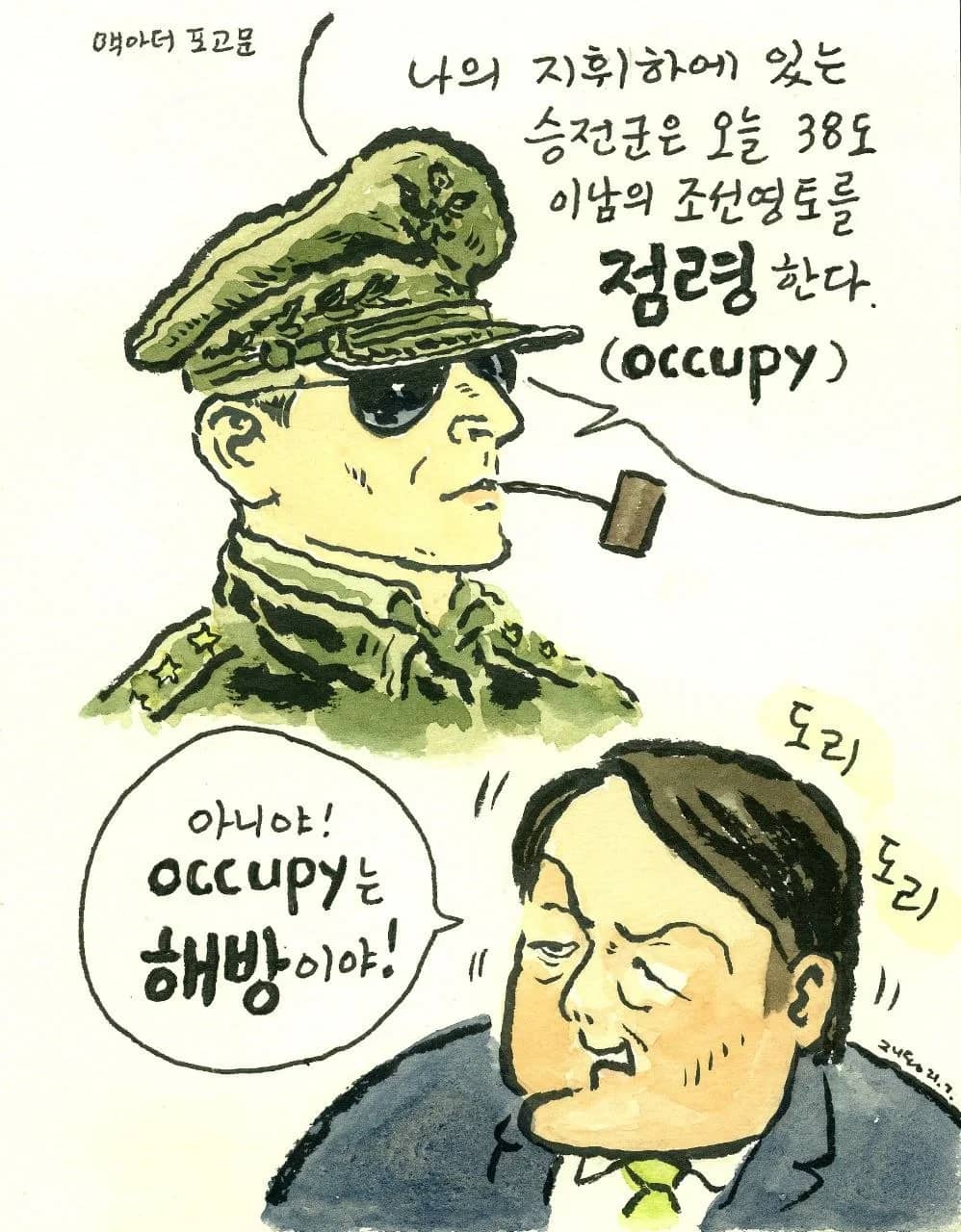
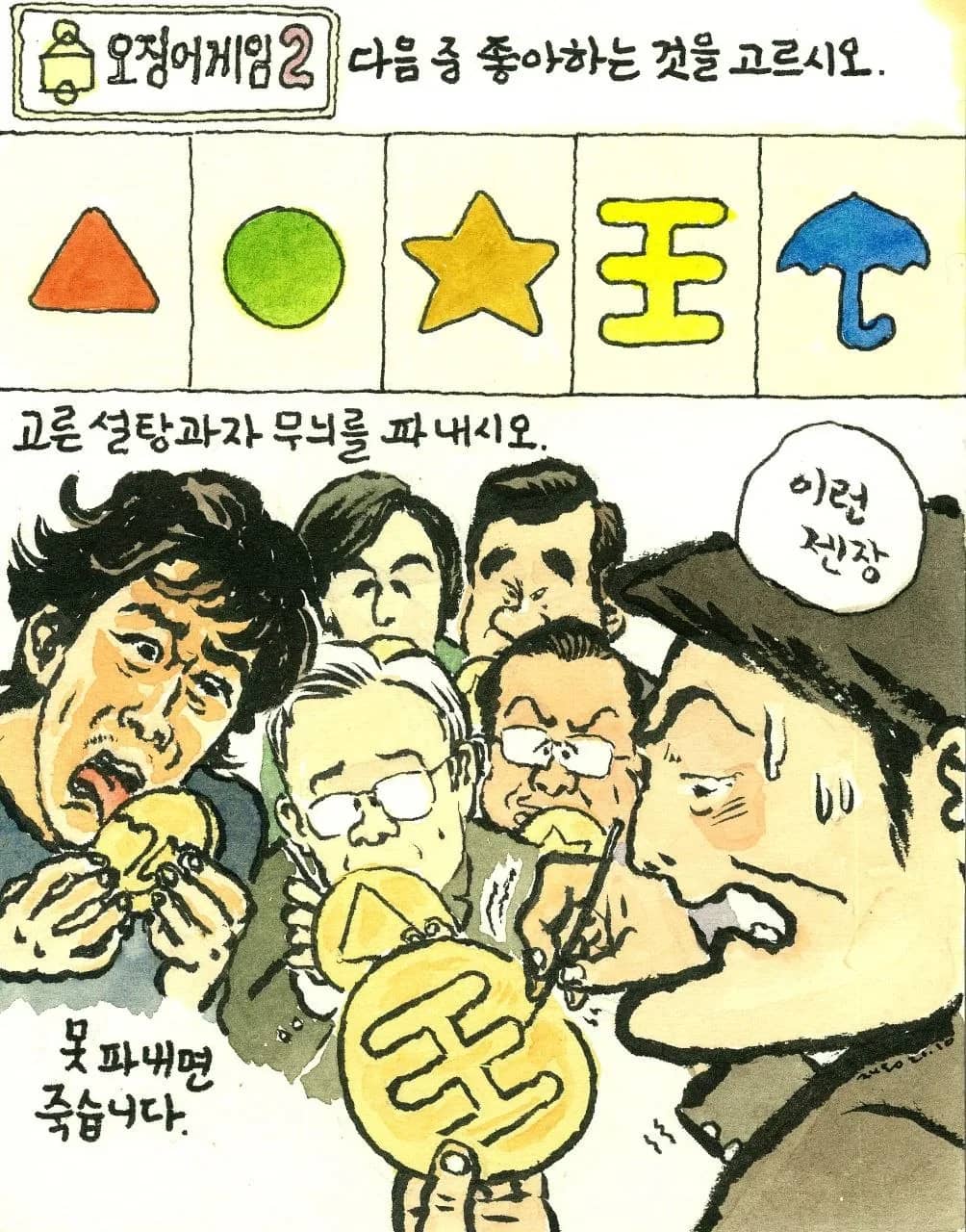
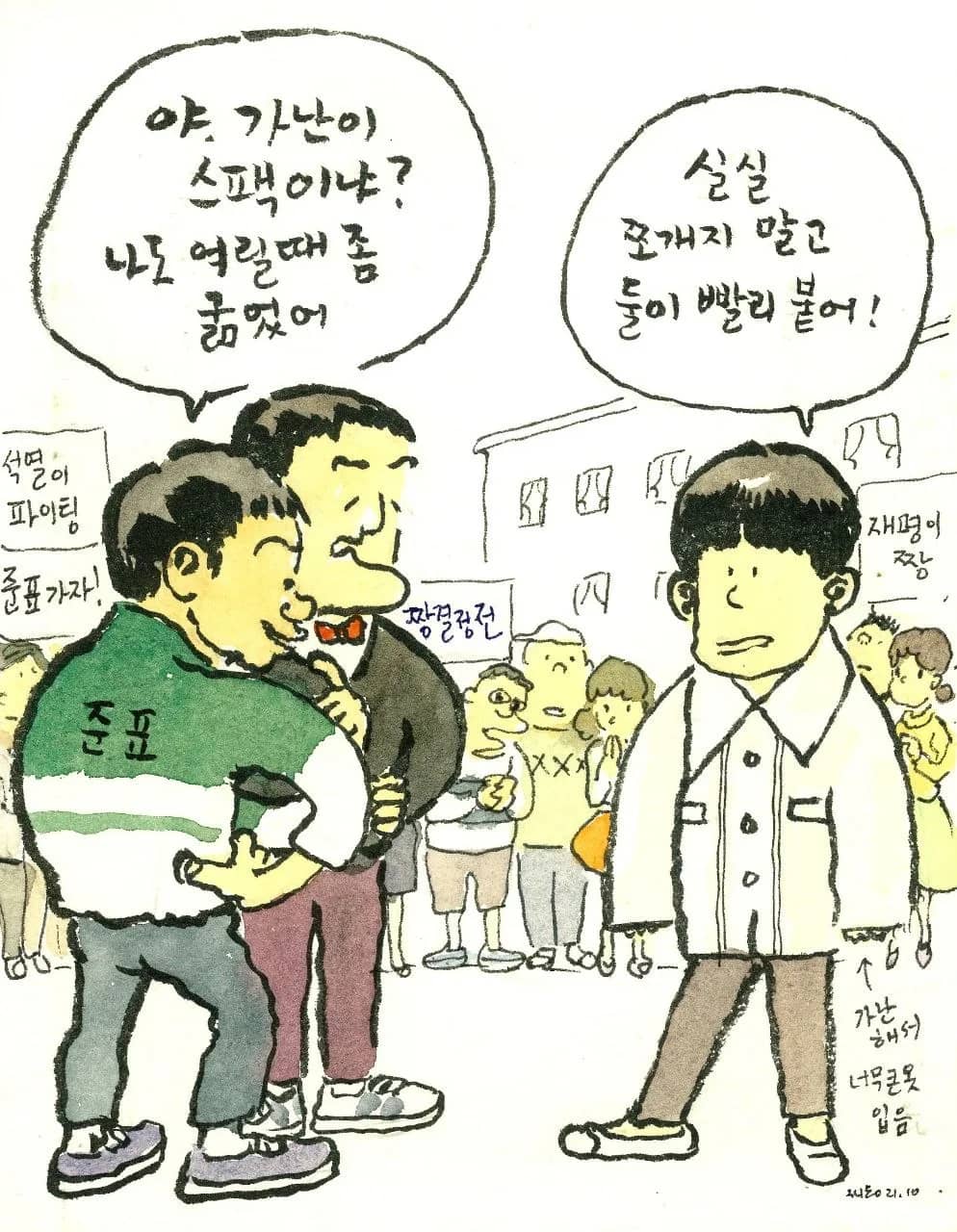
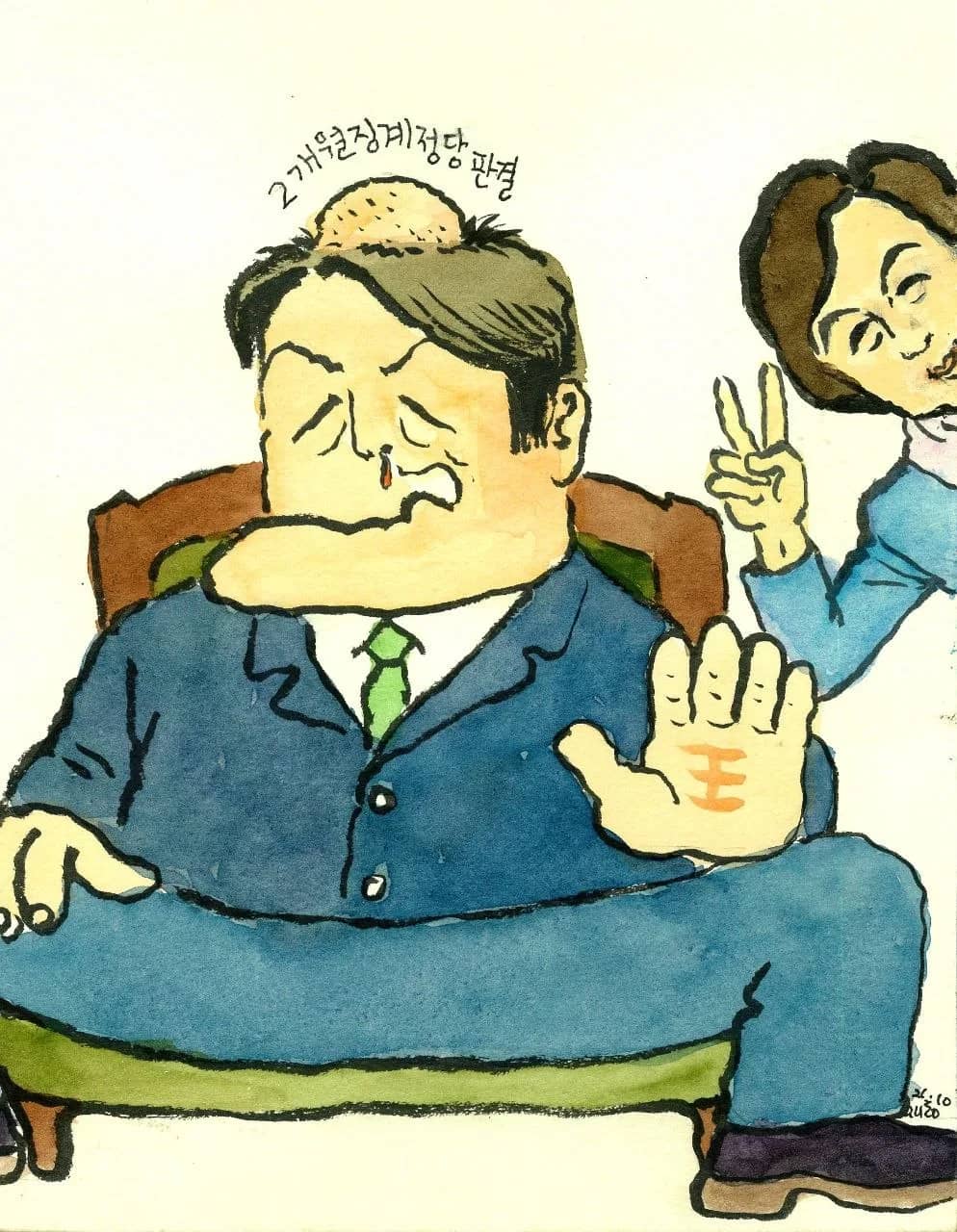
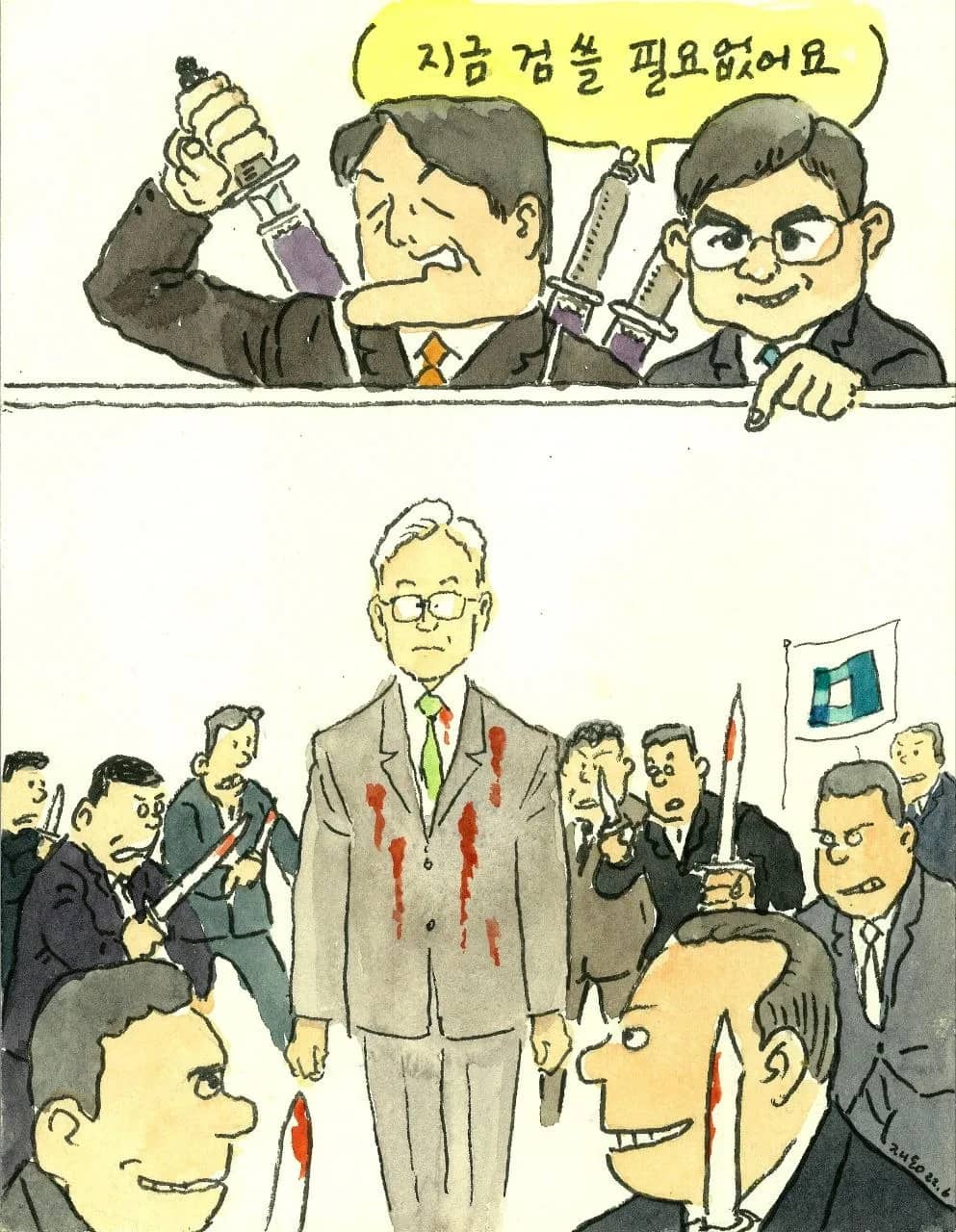
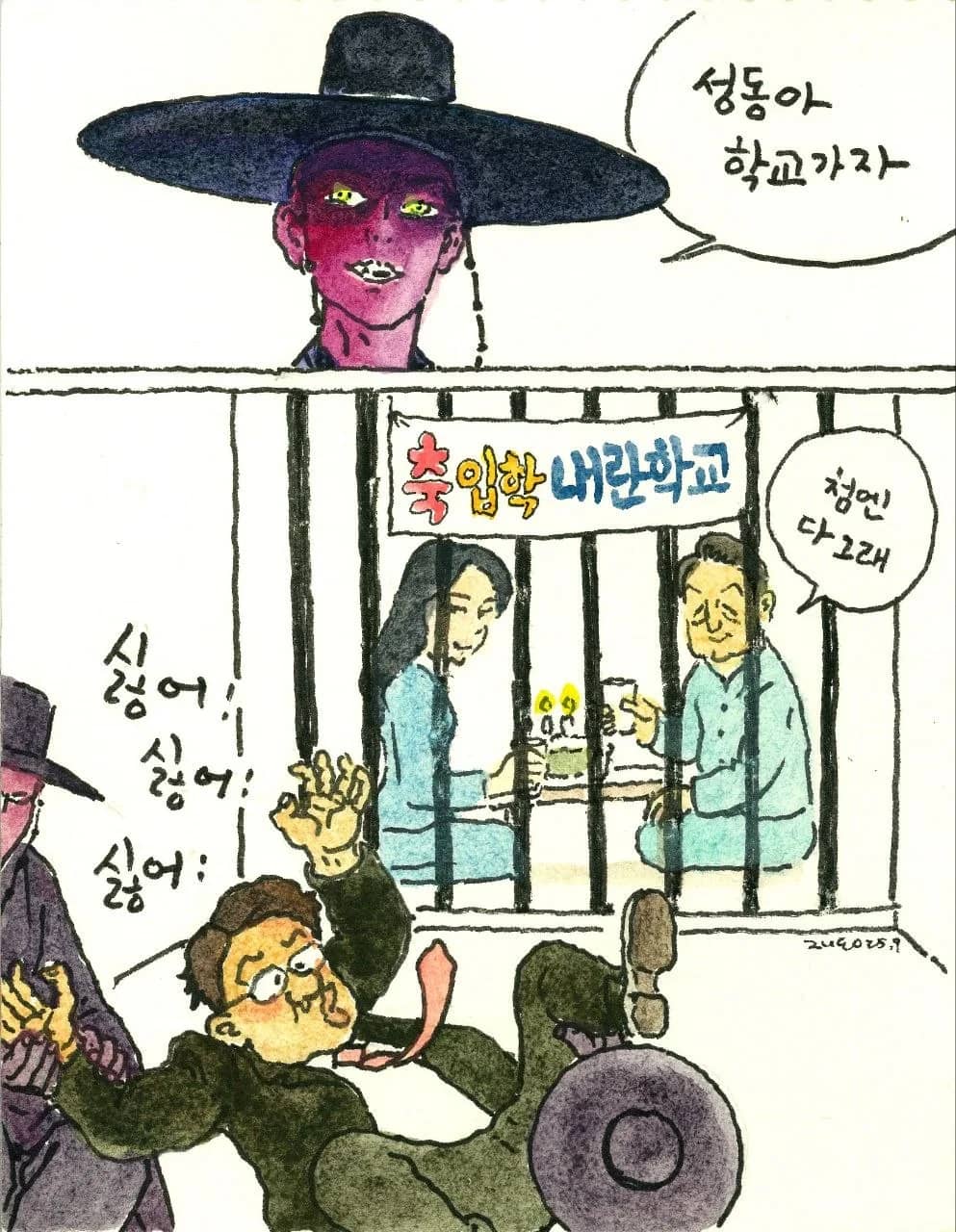
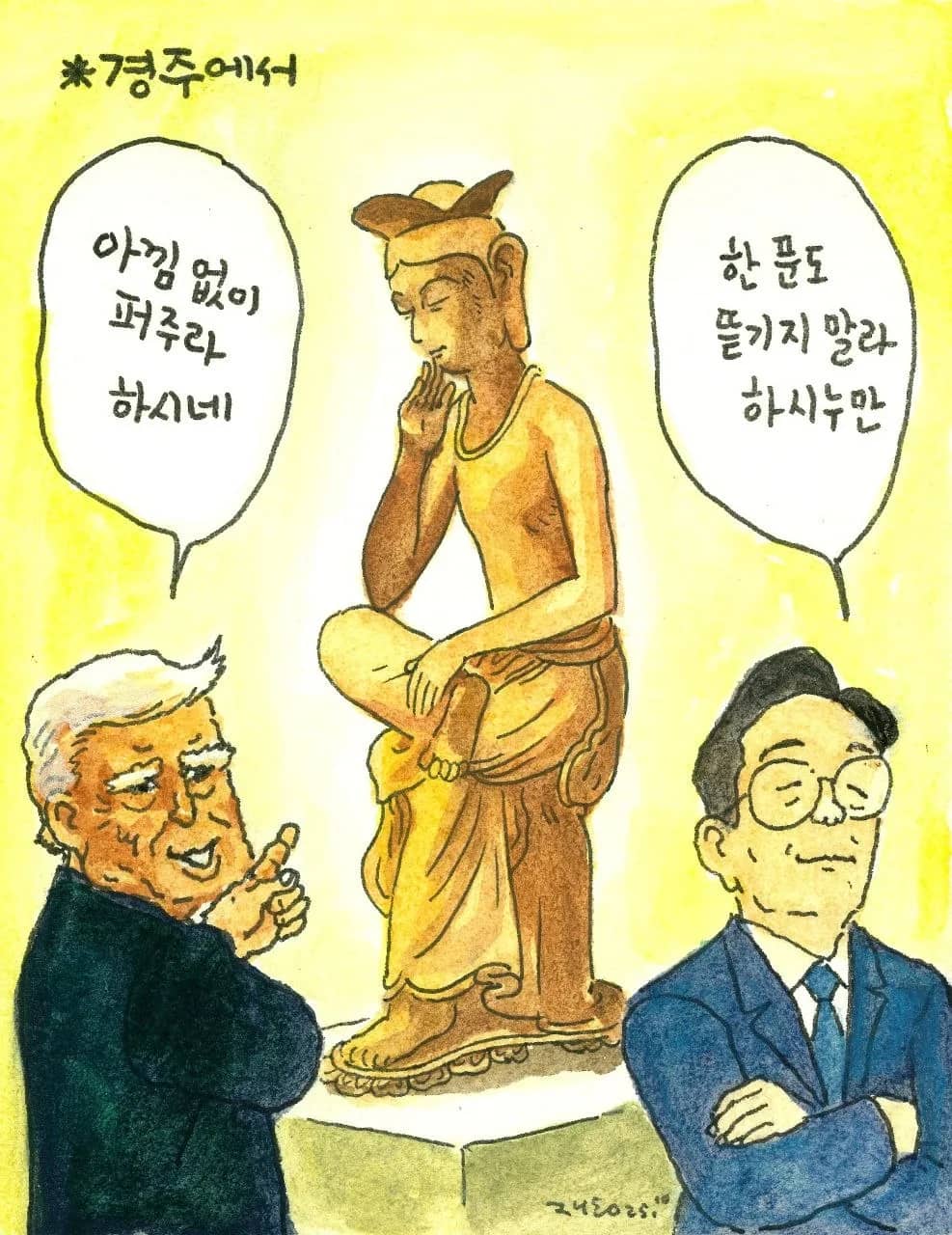
In 1988, Park joined the founding team of the Hankyoreh— the newspaper launched by journalists who had been dismissed from their posts during the Chun Doo-hwan era, and the first Korean daily funded entirely by reader investment. From the newspaper's first edition, Park drew the Hankyoreh Geurimpan (한겨레 그림판), a daily editorial cartoon column he would continue for eight years. In a media landscape still cautious about direct political criticism, Park's bold caricatures of presidents, prosecutors, corporations, and the National Assembly — delivered with a directness that had rarely been seen in Korean editorial cartooning — established a new standard for the genre.
The phrase most frequently quoted about his career — “Korean editorial cartooning divides into before Park Jae-dong and after Park Jae-dong” — captures something real. Earlier editorial cartoons tended to stay within implied limits; Park's work made the power portrait explicit, the satirical target unmistakable. The Geurimpan column made him one of the most recognized visual voices in Korean public life during the democratization era of the late 1980s and early 1990s. Among those he influenced was cartoonist Kang Full, who has said that seeing Park's editorial cartoons first drew him toward comics.
In 1996, after eight years at the Hankyoreh, Park left to found an animation production company, Odolttogi, and pivoted toward a new medium. He produced Park Jae-dong's TV Manhyeong(TV 만평), an animated editorial segment broadcast on weekend news programmes. From 2001, he joined the Korea National University of Arts (KARTS) as a professor in the Animation department of the School of Film, TV & Multimedia, bringing his practice into pedagogy.
Beyond journalism, Park has published several collections of drawings and travel sketches — including Park Jae-dong's Silk Road Sketch Journey — and contributed to collaborative human-rights cartoon projects. In 2010, he received the 10th Gobau Manhwa Award, given in honour of Kim Seong-hwan, creator of the long-running satirical strip Gobau, and recognising those who have broadened the social role of cartooning in Korea.
What the pen does
- 1
The caricature as public record
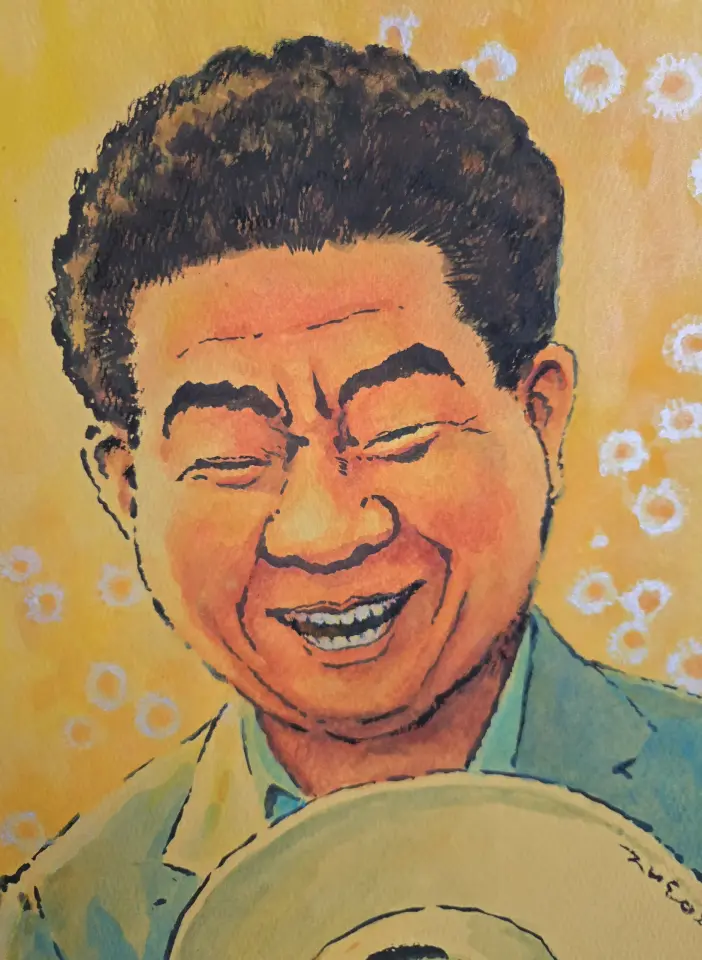
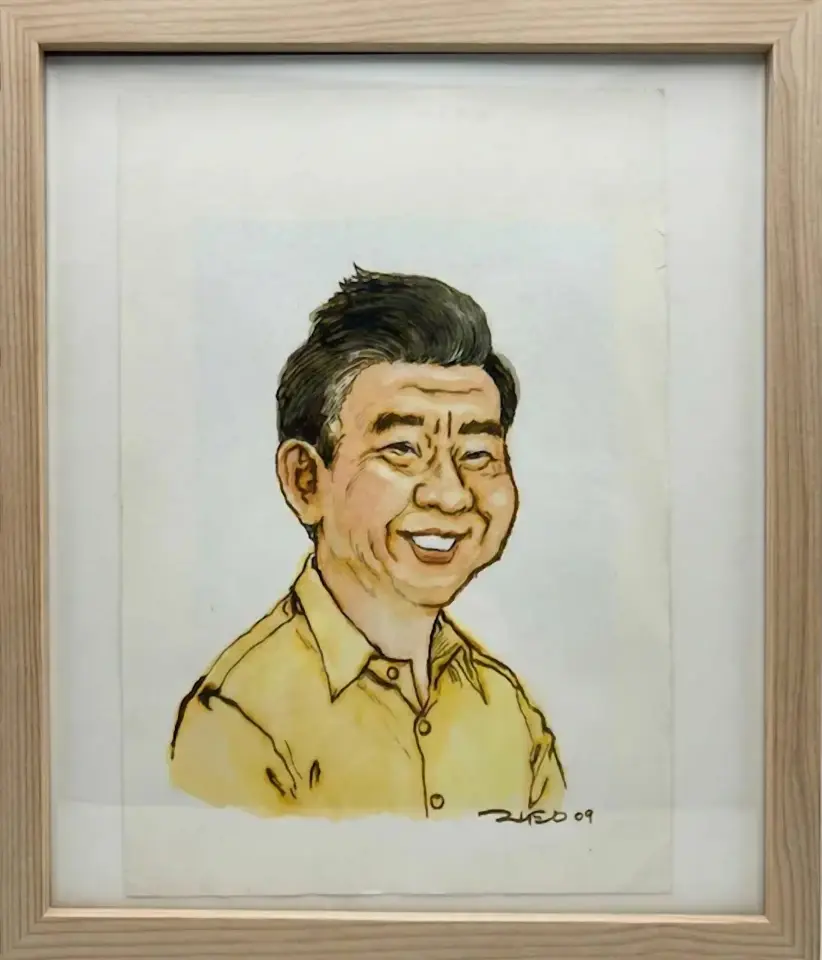
Park's bold, exaggerated portraits of the powerful made editorial cartooning a form of daily public testimony — each drawing a verdict the mainstream press rarely dared to deliver.
- 2
Satire in the democratisation era
The Hankyoreh Geurimpan ran during South Korea's turbulent transition from military rule to democratic governance. Park's cartoons named what was happening — and who was responsible.
- 3
Drawing beyond the newspaper
Travel sketches, human-rights cartoon collaborations, animation, pedagogy — Park's practice extends cartooning's social reach far beyond the daily column.
The artist's timeline
- 1952Born on 20 December in Ulsan.
- 1970sStudies painting at Seoul National University; makes cartoon debut in 1974.
- 1979–Works as an art teacher at secondary schools in Seoul (Hwimun, Jungkyeong).
- 1988Joins the founding team of the Hankyoreh; begins the Hankyoreh Geurimpan daily editorial cartoon.
- 1988–96Eight years of the Hankyoreh Geurimpan column; the run is credited with redefining Korean editorial cartooning.
- 1996Leaves the Hankyoreh; founds animation company Odolttogi; produces animated editorial segments for weekend news.
- 2001Appointed professor, Animation dept., Korea National University of Arts (KARTS).
- 2010Receives the 10th Gobau Manhwa Award for broadening the social role of cartooning in Korea.
Selected career & publications
- Hankyoreh founding member & Geurimpan cartoonist (1988–1996) — 8-year daily editorial cartoon column
- Professor, Animation dept., Korea National University of Arts — KARTS (from 2001)
- 10th Gobau Manhwa Award (2010) — for broadening the social role of cartooning
- Publications: Park Jae-dong's Silk Road Sketch Journey, Life in Cartoons (serialised in Hankyoreh 2005–2007), Sibiilban (human-rights cartoon anthology, Changbi)
- Featured in Korean Comics: A Society Through Small Frames, Mildred Lane Kemper Art Museum, Washington University in St. Louis (2007)
Three essays —
on the cartoon and its weight
1Hankyoreh Geurimpan — eight years, daily
When the Hankyoreh launched in May 1988, South Korea was in the first year of direct presidential elections after decades of authoritarian rule. The new newspaper — founded by journalists who had refused to follow dictates during the Chun Doo-hwan era — needed a visual voice as bold as its editorial mission. Park Jae-dong was that voice.
For eight years, from the paper's founding until 1996, Park drew the Geurimpan column daily. The column's targets were the figures of power: successive presidents, prosecutors and intelligence services, the conglomerates, and the National Assembly. What distinguished the Geurimpan from its predecessors was directness. Earlier Korean editorial cartoons tended toward allegory and implication; Park's work made the subject recognisable, the critique explicit. His caricatures — exaggerated, physically unkind to the powerful, sometimes blunt to the point of provocation — were a daily assertion that the press existed to hold power to account.
The phrase most often quoted to summarise the period — “Korean editorial cartooning divides into before Park Jae-dong and after Park Jae-dong” — is shorthand for a genuine shift. The Geurimpan column set the terms for what political satire could look like in Korean newspapers during the pivotal years of democratic consolidation. Its influence extended beyond journalism: cartoonist Kang Full has stated publicly that Park's work was what first drew him toward comics as a medium.
2The cartoon as public speech
Park Jae-dong's practice belongs to the tradition of editorial cartooning as civic institution — the idea that a cartoonist working for a daily newspaper occupies a public role distinct from that of a fine artist or a journalist writing prose. The cartoon, in this tradition, is a verdict delivered in a single image: a judgment that does not require the reader to follow an argument to its conclusion, because the conclusion arrives first, in the picture.
Park developed this tradition in the specific conditions of South Korean democratisation. His years at the Hankyoreh coincided with the consolidation of direct elections, the lifting of press restrictions, and the emergence of civil society after decades of authoritarian governance. In that context, the decision to draw what others did not — to name what others implied — was itself a political act, not merely a formal one.
Beyond the Geurimpan, Park's engagement with cartooning as social speech continued: he contributed to human-rights cartoon collaborations, and in animation brought a satirical sensibility into a new medium. As a professor at KARTS, he carried the argument — that images can and should hold power to account — into the next generation of Korean artists. His work and his pedagogy are continuous: both insist that the cartoon is not a minor form but a civic one.
3Animation, education, and the expanding cartoon
When Park Jae-dong left the Hankyoreh in 1996 to found the animation company Odolttogi, he was not departing from cartooning — he was taking it somewhere new. Animation, in his understanding, extended what the static editorial cartoon could do: it added time, movement, and sound to the single-frame verdict. His animated editorial segments for weekend news programmes brought political satire into a broadcast context where it had rarely appeared.
In 2001, his invitation to join KARTS as a professor in the Animation department formalised a pedagogical role he had been assuming informally for years. At KARTS, one of Korea's most selective arts institutions, Park brought together his experience as an editorial cartoonist, animator, and travel sketcher into a teaching practice that argued for the social seriousness of drawn images. For students entering a media landscape transformed by digital platforms, his insistence on the cartoon's civic function was both historical and prospective.
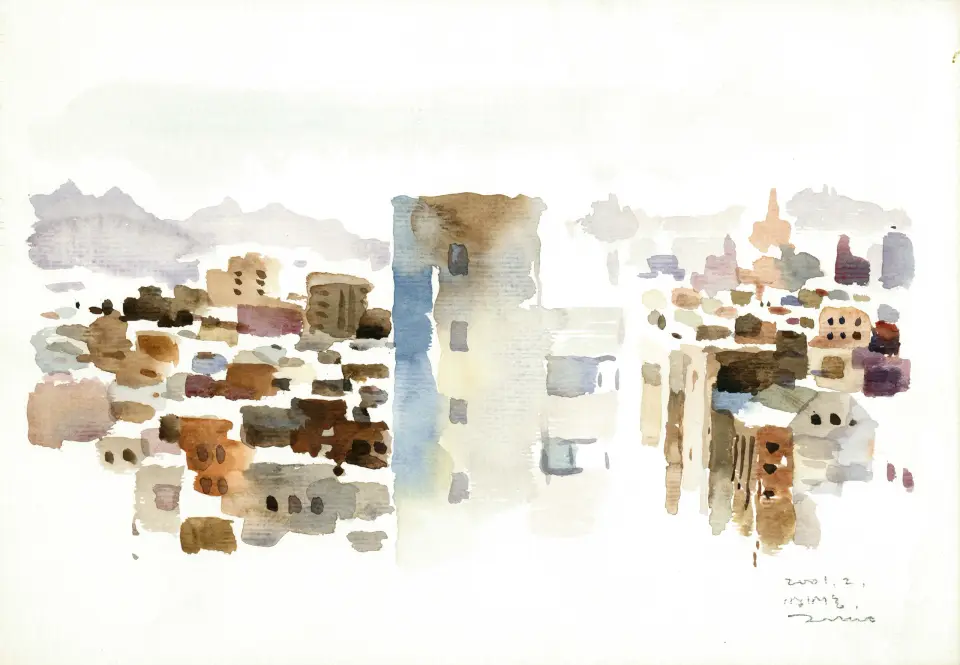
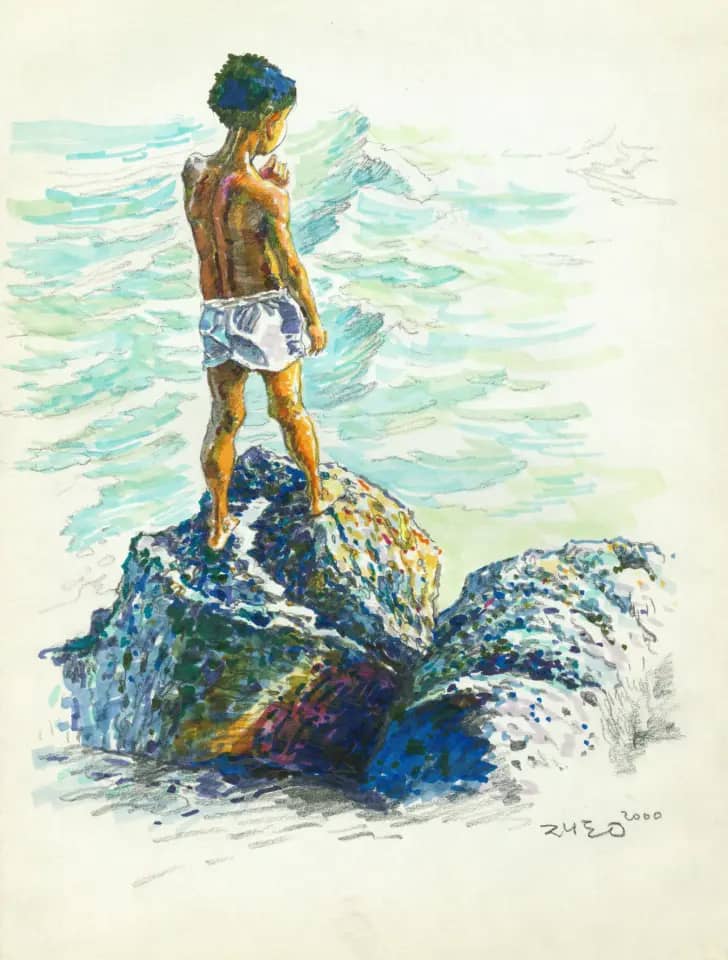
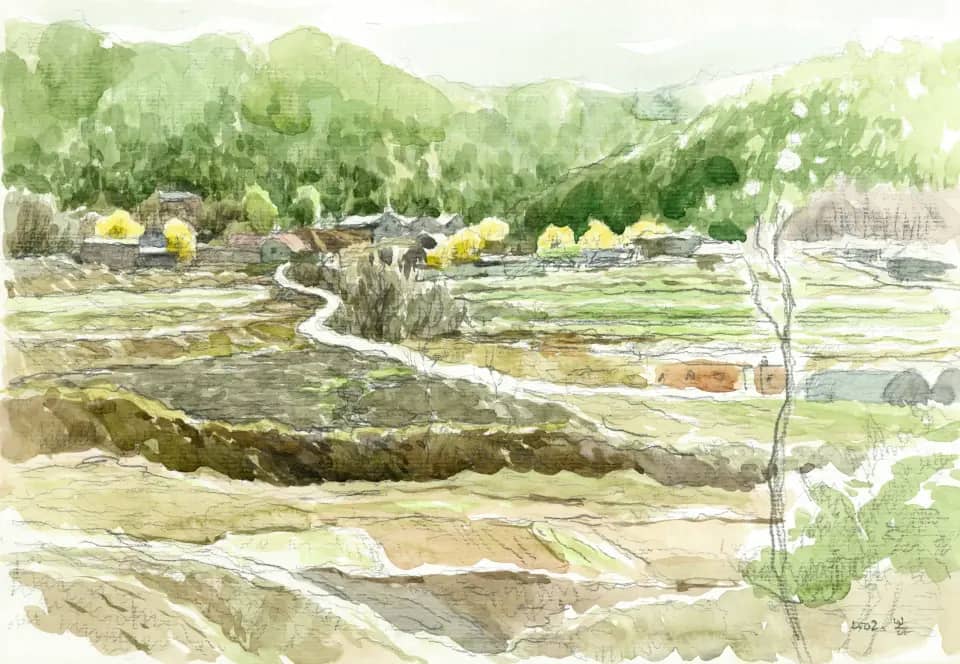
His travel sketch books — in particular the Silk Road Sketch Journey series — show another dimension of his practice: direct observation, the notebook as primary document, the hand as instrument of record. Whether drawing a political leader in caricature or a landscape encountered in travel, the method is consistent: look directly, mark what you see, make the image do the work.
From the art classrooms of 1970s Seoul to the founding edition of the Hankyoreh, from the animation studio to the lecture hall at KARTS, Park Jae-dong has pursued the same proposition: that a drawn image, delivered at the right moment, can do what no other form of speech quite can. He joins this campaign not as a subject of its cause but as a fellow artist in solidarity — so that those who come after might work with the same freedom he defended for others through decades of drawing.
Works
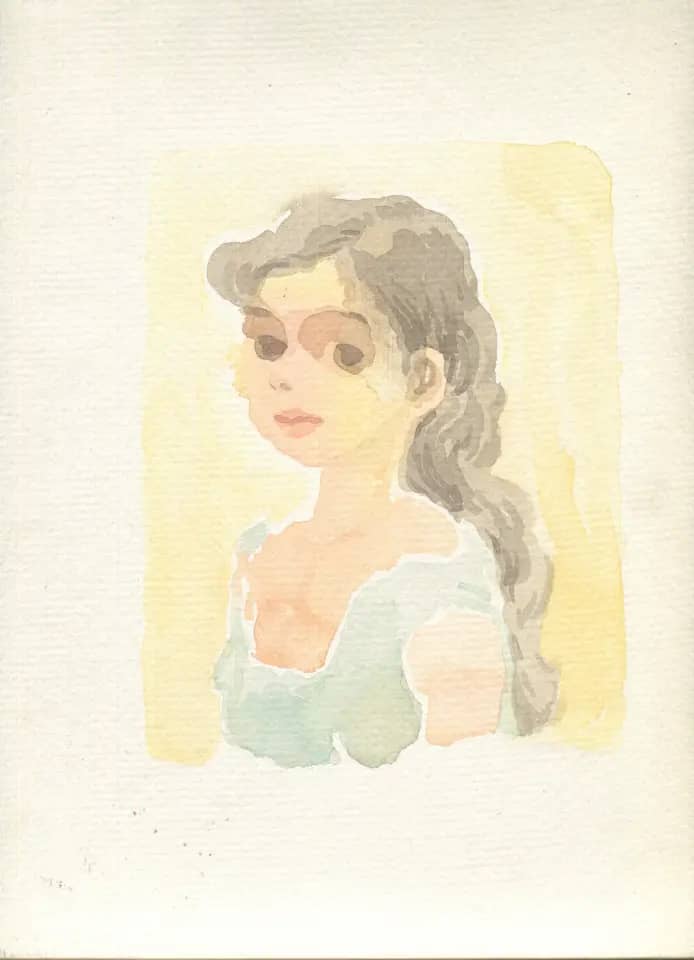
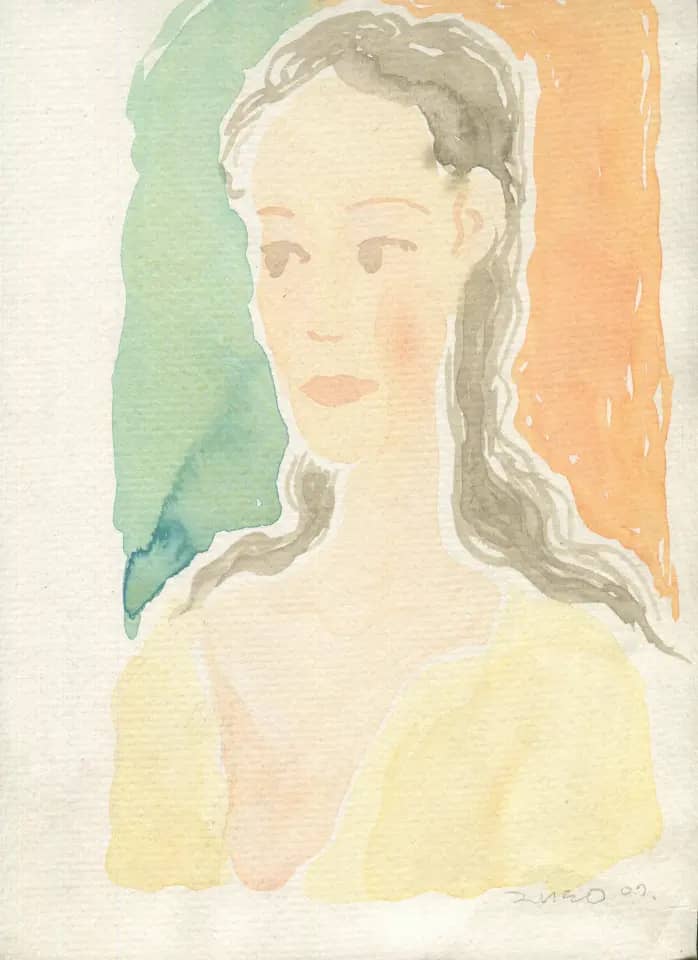
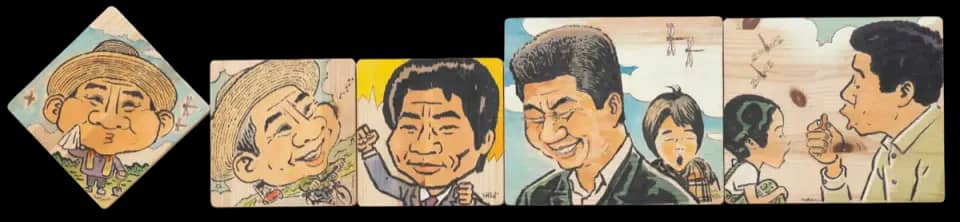
15 works are featured here.
Park Jae-dong joined this campaign in solidarity with fellow artists. Every work sold flows directly into the artists' mutual-aid loan fund— a purchase becomes the next month's lifeline for an artist navigating financial exclusion today.