The artists at SAF 2026 did not come to solve their own problem. They are allies who willingly offered their works to change the reality of fellow artists being pushed out of the financial system. A story about how art protects art.
No One Was Forced
In January 2026, 903 works were hung at the G&J Gallery on the third floor of Insa Art Center. Painting, printmaking, photography, Korean painting, sculpture, ceramics. 213 artists of different genres, generations, and careers gathered in one place.
No one forced these artists to participate. There is no entry fee income for them. The proceeds from sales do not return to them. The full amount of sales is dedicated to the artist mutual-aid fund operated by the Korea SMART Cooperative.
And yet, 213 came.
"The more I performed, the more debt piled up. I decided to stop performing." — Actor in their 30s
This single line of testimony moved them. The story of a fellow artist pushed out of the financial system. The reality that 84.9% of Korean artists are rejected for first-tier bank loans. The 213 artists chose not to turn away from that structural failure.
What Is SAF 2026?
SAF (Seed Art Festival) is a social campaign operated by the Korea SMART Cooperative. It builds a mutual-aid fund for artists and, based on that fund, provides low-interest 5% annual loans to artists excluded from finance.
The mechanism is simple.
- Participating artists donate their works
- Visitors purchase them
- The full sales revenue flows into the fund
- Partner financial institutions leverage the fund about sevenfold to create loan capital
- Financially excluded artists borrow up to ₩10,000,000 at a fixed 5% annual rate
As of 2026, this model has already issued 354 loans and supported artists with about ₩700 million. The repayment rate is 95%.
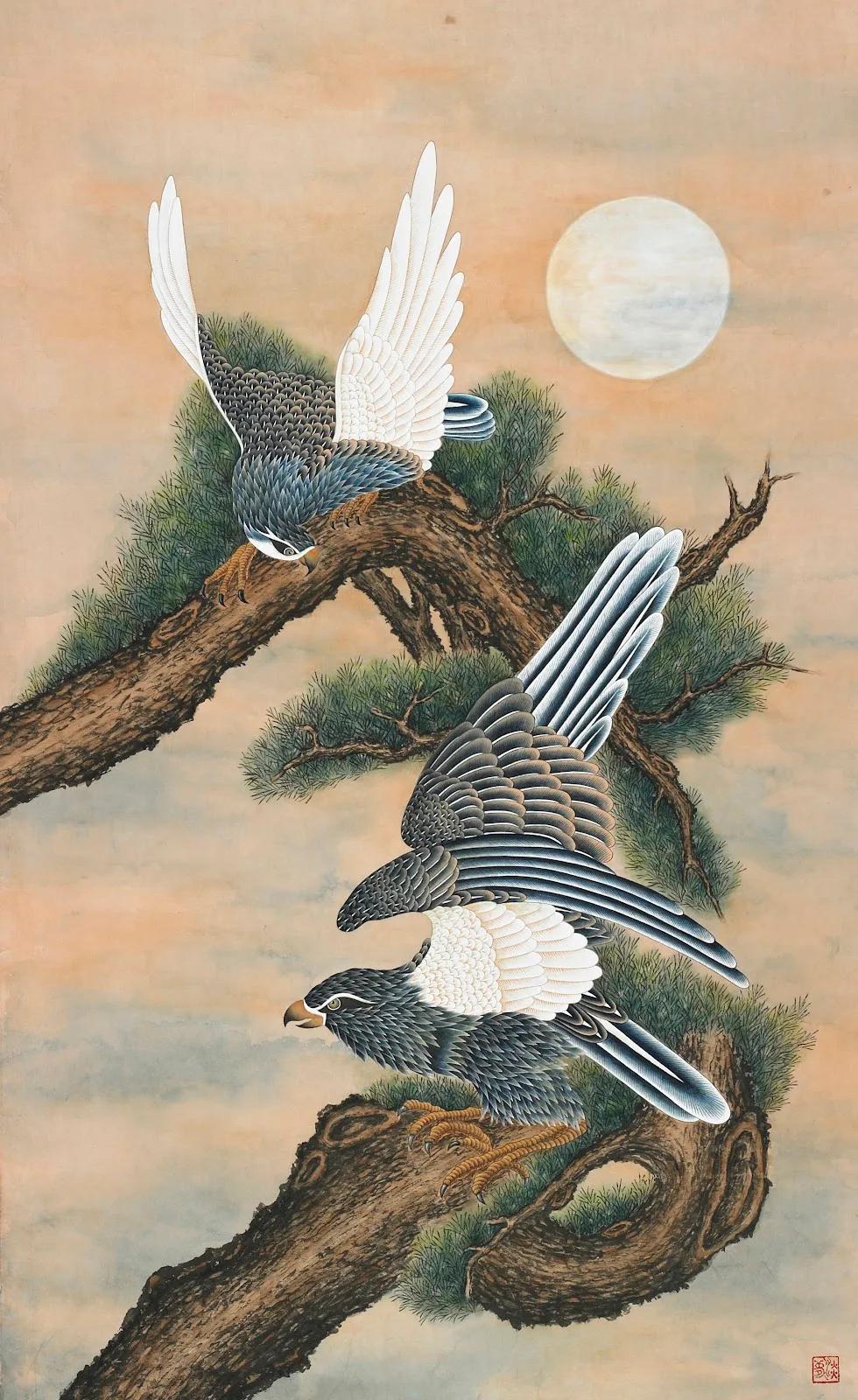
903 Works, a Spectrum of 11 Genres
903 works were submitted to SAF 2026. By genre, painting makes up the largest share, followed by the print family — printmaking, posthumous prints, and art prints combined. Photography, Korean painting, drawing, mixed media/digital art, and sculpture/ceramics fill out the rest.
| Genre | Works | Share |
|---|---|---|
| Painting | 378 | 41.9% |
| Posthumous Print | 175 | 19.4% |
| Printmaking | 88 | 9.7% |
| Drawing | 66 | 7.3% |
| Photography | 64 | 7.1% |
| Other | 42 | 4.7% |
| Korean Painting | 27 | 3% |
| Mixed Media | 16 | 1.8% |
| Ceramics/Craft | 15 | 1.7% |
| Sculpture | 15 | 1.7% |
| Digital Art | 13 | 1.4% |
| Lifetime Print | 4 | 0.4% |
Prices span a range wide enough for first-time buyers and serious collectors alike.
| Range | Works | Share |
|---|---|---|
| Under ₩300,000 | 26 | 3.2% |
| ₩300,000 – ₩1M | 242 | 30% |
| ₩1M – ₩2M | 309 | 38.3% |
| ₩2M – ₩5M | 170 | 21.1% |
| Over ₩5M | 60 | 7.4% |
Park Jaedong, Oh Yun, Lee Cheolsu — Solidarity Behind the Names
Among the 213 artists, a few names carry particular weight in the Korean art world.
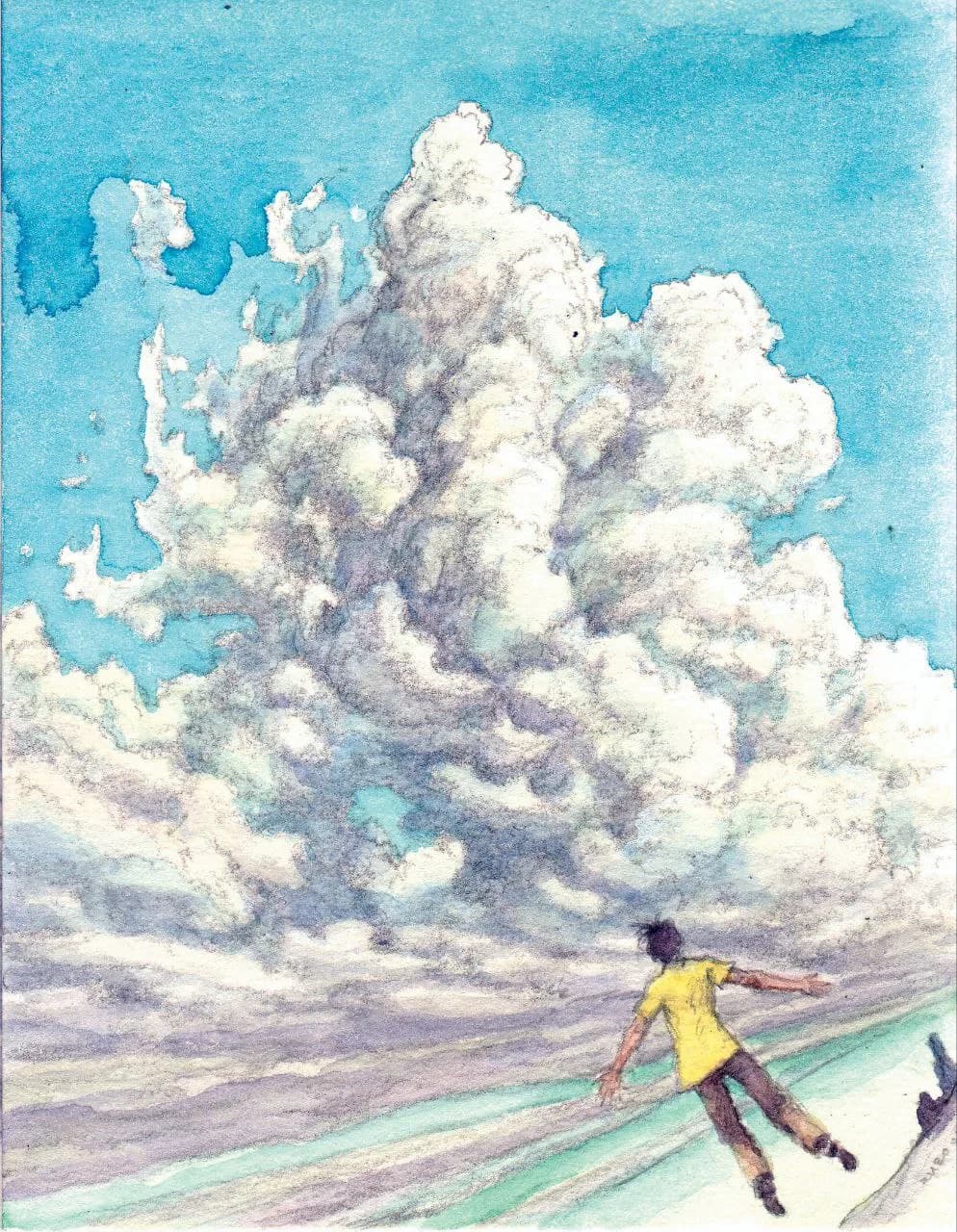
Park Jaedong submitted 25 works, the most of any artist. His watercolors and drawings range widely from art prints to originals in the millions of won. That an artist active for more than 40 years in both Korean cartooning and fine art offered the most works among living artists to this campaign is a meaningful choice.
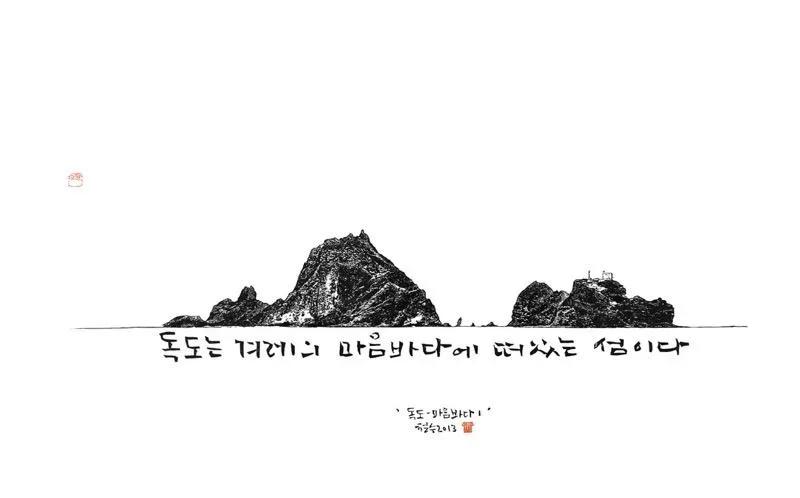
Oh Yun is represented by the largest number of works of any artist — posthumous prints pulled by his family and affiliated institutions from the woodblocks he left behind. Posthumous participation. Oh Yun passed away in 1986, but his prints are still read today as a symbol of Korean Minjung art. His works, which captured the lives of workers and ordinary people in rough woodblock lines, sit naturally within the context of an artist-solidarity campaign.
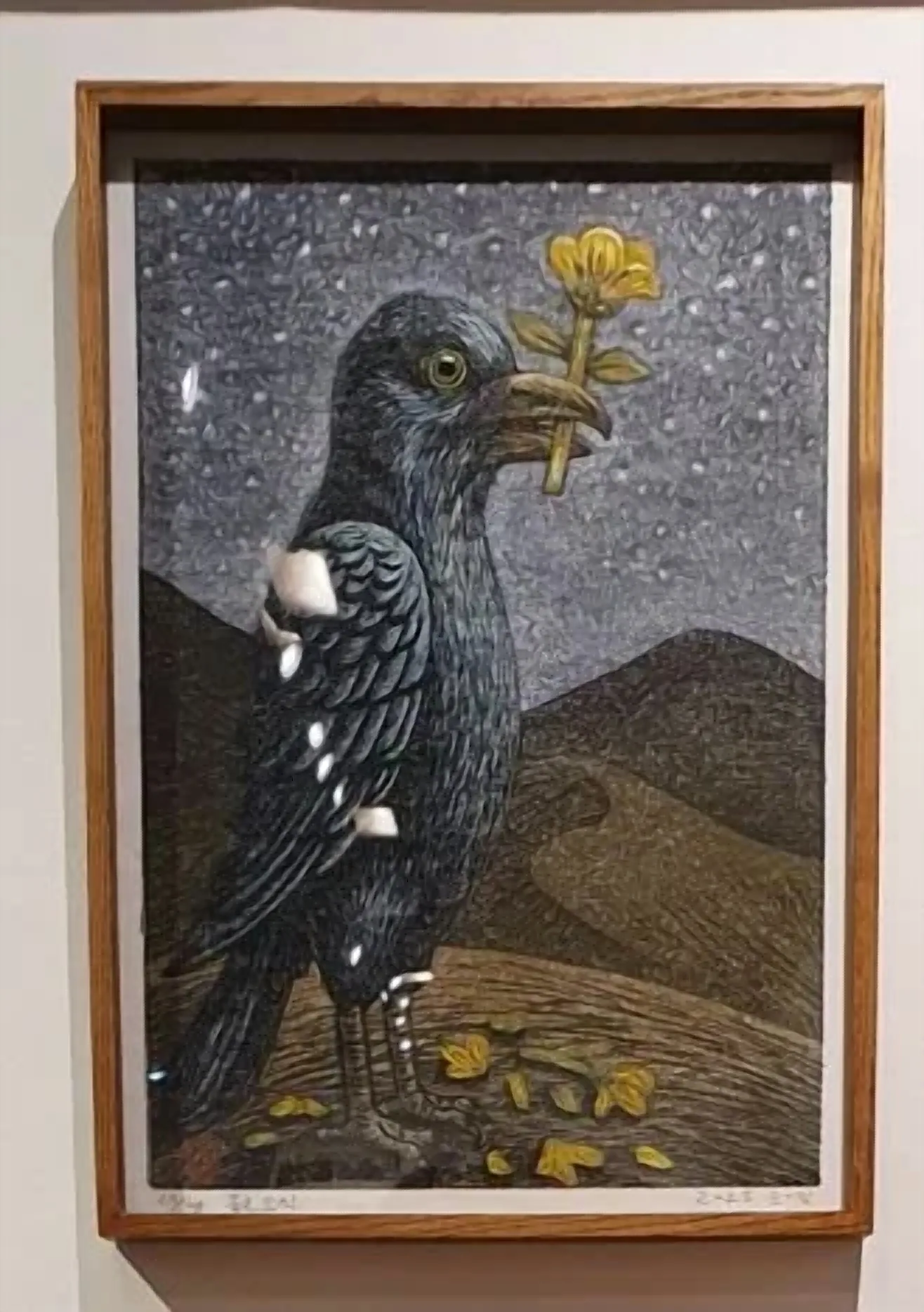
Lee Cheolsu submitted 10 works. Called the poet of woodblock printing, Lee Cheolsu captures modest daily life and nature in restrained lines. The fact that one of his prints becomes part of this fund shows that a work moves beyond aesthetic object to become a social act.
Beyond them, many long-active figures joined — Kang Seoktae, Lee Ho-cheol, Yoon Kyeom, Lee Yunyeop, and more.
Knowing the Structure of Financial Discrimination Reveals the Reason for Solidarity
To understand why these artists offer their work to this campaign, one must first know the financial reality facing Korean artists.
The Korea SMART Cooperative's 2025 Artist Financial Disaster Report shows clear numbers.
Stage 1 — Exclusion: 84.9% of artists are effectively excluded from first-tier banks. 53.1% were directly rejected after applying, and 31.8% gave up without even applying, expecting rejection. The reason is simple. Bank loan reviews are designed for those with fixed, regular salary income.
Stage 2 — Predation: When the bank's door shuts, artists are pushed into savings banks, credit-card loans, and consumer-finance companies. 48.6% of artists are exposed to products with annual interest rates above 15%.
Stage 3 — Destruction: 43% — 4 out of every 10 artists — have experienced debt collection. Their rate of ceasing creative work is 88.3%.
"Without money, life collapses, and creating art becomes unthinkable." — Artist in their 50s
SAF-participating artists know this chain of structure. And they chose their own work as a way to resist it.
Art Protects Art
The core message of this campaign is singular: art protects art.
Sales make the fund, the fund makes leverage, leverage makes loans, loans buy time for creation. Repaid money returns to the fund and protects the next artist. A cycle.
Since the cycle began in December 2022, many artists have received loans at a fixed 5% annual rate. 95% have repaid. This is not simple charity or welfare. It is an actually operating financial model.
"That feeling of shame when borrowing from acquaintances, the broken relationships, and the pressure of not being able to repay." — Cartoonist/artist in their 50s
To erase that shame. To build a structure in which accepting help does not sever relationships. That is why the 213 artists submitted their work.
About the Allies
It is hard to tie 213 artists together in a single sentence. There are emerging artists in their twenties and mid-career artists with half a century of work. There are artists living in Seoul and others working from regional residencies.
They share one thing. They know that the financial exclusion of artists is not an individual failure but a structural problem, and they have chosen to respond to that structure in their own way.
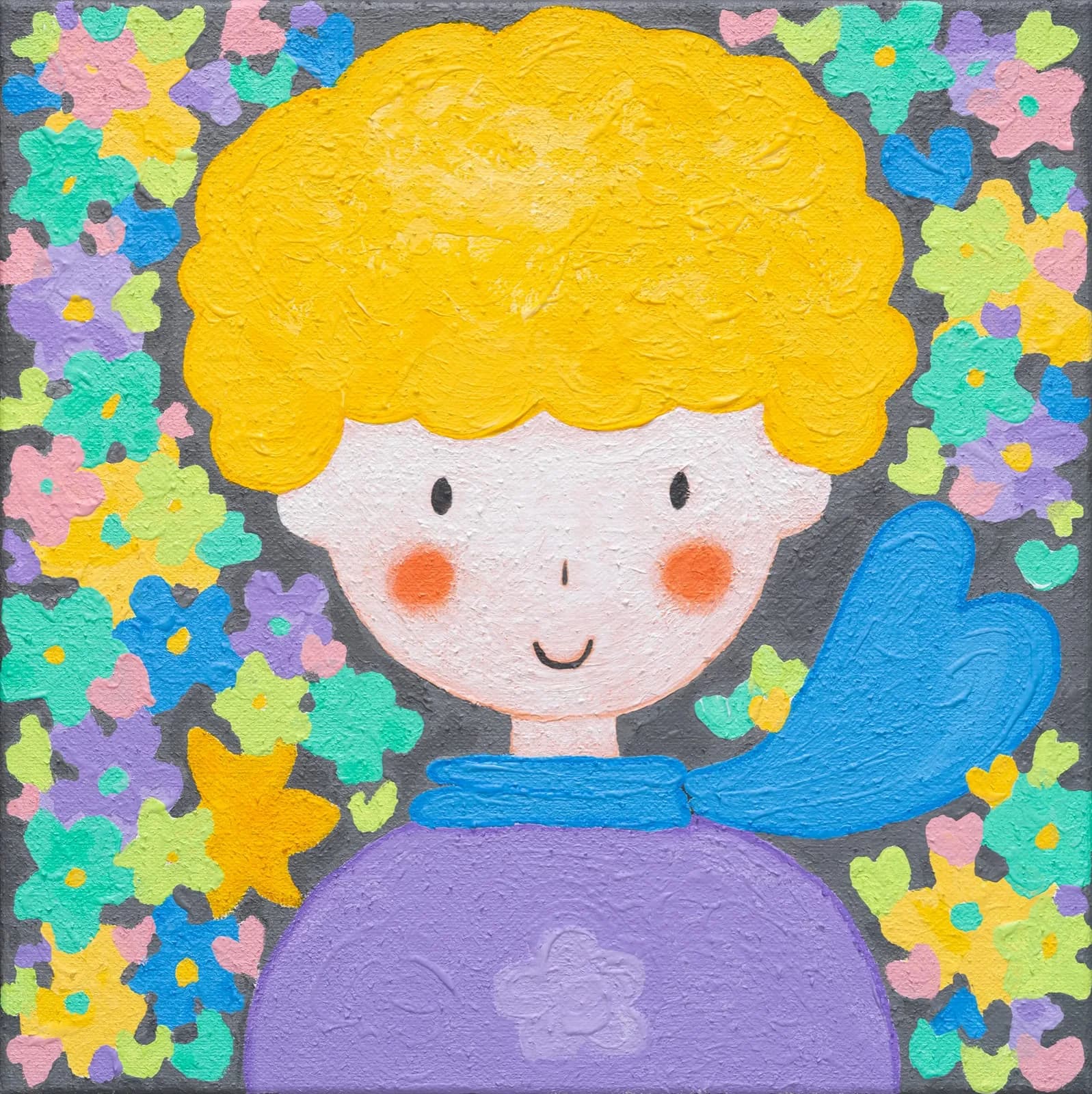
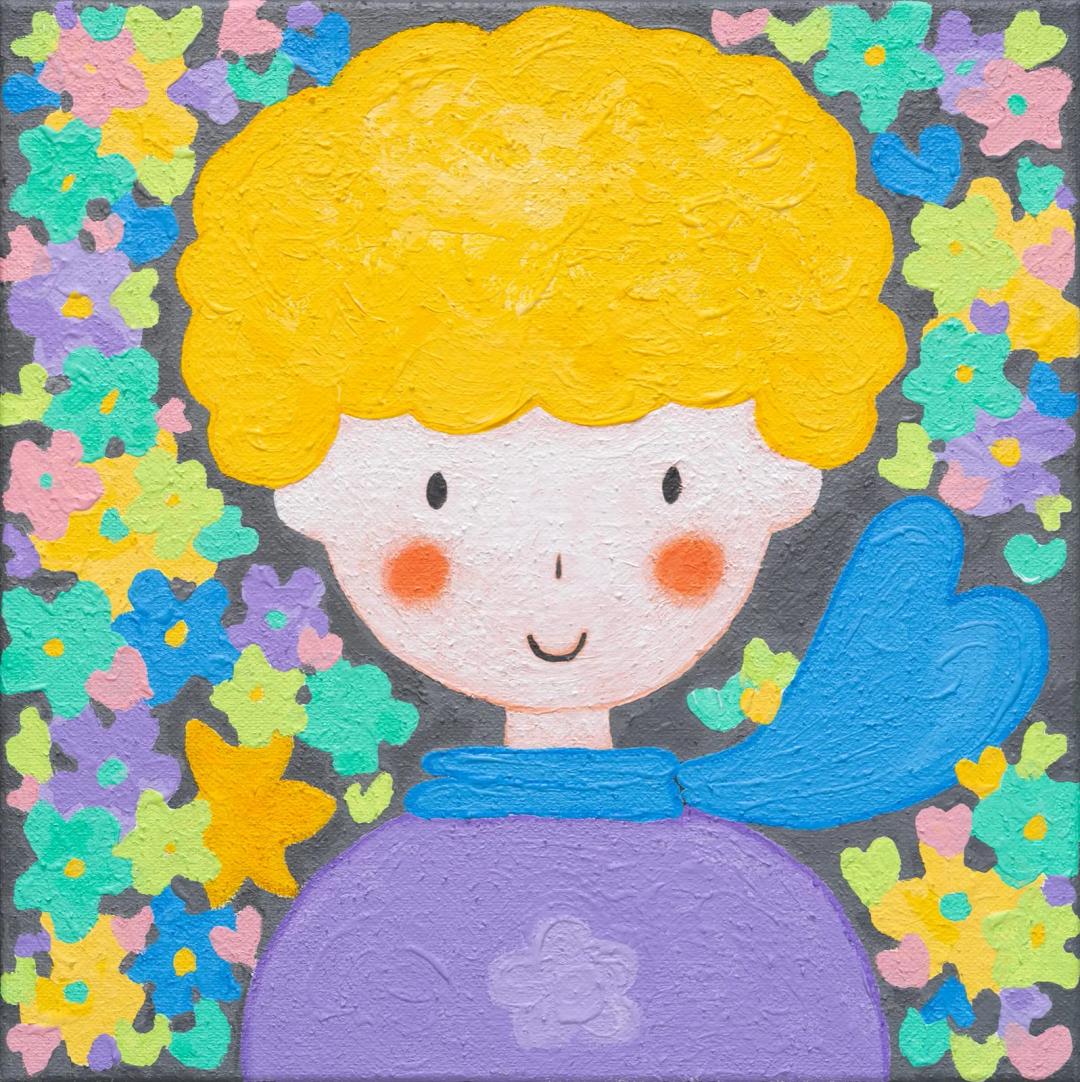
Kang Seoktae is an artist who has held 21 solo exhibitions built around the motif of the Little Prince. His work is collected by the National Museum of Modern and Contemporary Art's Art Bank. They make different work, but they made the same choice.
Sell work to protect fellow artists.
Another Meaning of Buying a Work
Buying a work at SAF carries a double meaning.
One is clear. You take a work of art home. A work made by one of 213 artists, existing as a single piece or in a limited edition.
The other is less visible but lasts longer. Your purchase becomes the fund, the fund grows sevenfold, and that capital reaches — somewhere — an artist hounded by high-interest debt, as a 5% loan. That artist does not have to abandon their performance. Does not have to postpone their exhibition.
One work you chose becomes the starting point of that chain.
That is exactly why 213 artists offered their work.
Collecting Guides
Related reading
If this piece helped, you may also enjoy these related articles:
Seed Art Festival
·