Kim Suoh, Korean medicine doctor by day, Jeju oreum photographer by night. From SNU electronic engineering to Kyunghee Korean medicine to island nights with a camera.
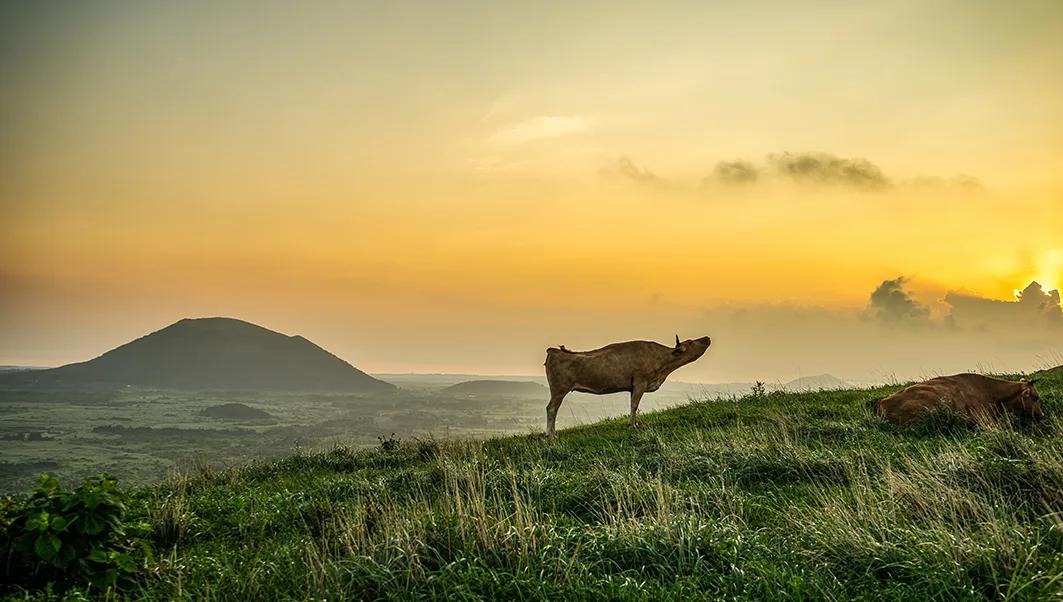
Kim Suoh's day splits in two.
By day, at a Korean-medicine clinic, he treats the sick. By night, he takes the camera out into Jeju's mid-mountain fields and oreum. Within one person's body, the hand of a doctor and the eye of a photographer work by turns.
A Child of the Volcanic Island, a Young Man Who Left, a Doctor Who Returned
Kim Suoh was born in Jeju. A child who played by the Topdong sea below Sarabong. Turn stones at low tide and crabs and whelks appeared, sea urchins eaten on the spot. A man whose body remembers that sea.
In 1984, he left home to study engineering. He graduated from Seoul National University's electronic engineering and worked at a research institute for about six years. He then re-entered Kyung Hee University's Korean Medicine program, earned a PhD, and returned to Jeju in his early forties. From engineering to medicine, from mainland to island — two shifts inside one life.
But the sea he returned to was no longer the sea he remembered. A sea where life disappears to development and pollution. "The sea is dying." That is how Kim Suoh says it. A sentence carrying sorrow and urgency.
Picking Up the Camera at Gangjeong Village
The real trigger for picking up the camera was Gangjeong Village.
A time when the navy base construction was pushed through after blasting Gureombi Rock. When Kim Suoh finished his daily clinic, he crossed Hallasan to run to Gangjeong. He treated injured residents at the protest tents with acupuncture. He returned to Jeju City near midnight — days that repeated through all four seasons.
One day, pulling his car over on the mid-mountain field, he looked at the silhouette of an oreum and the distant lights of a night-sea fishing boat — unreal in their beauty. Having watched Topdong get filled in and Gureombi destroyed, he thought: Those scenes might also disappear someday. Before they disappear further, I must hold them in photographs. That was the beginning.
Land of Gods, Gadaeum
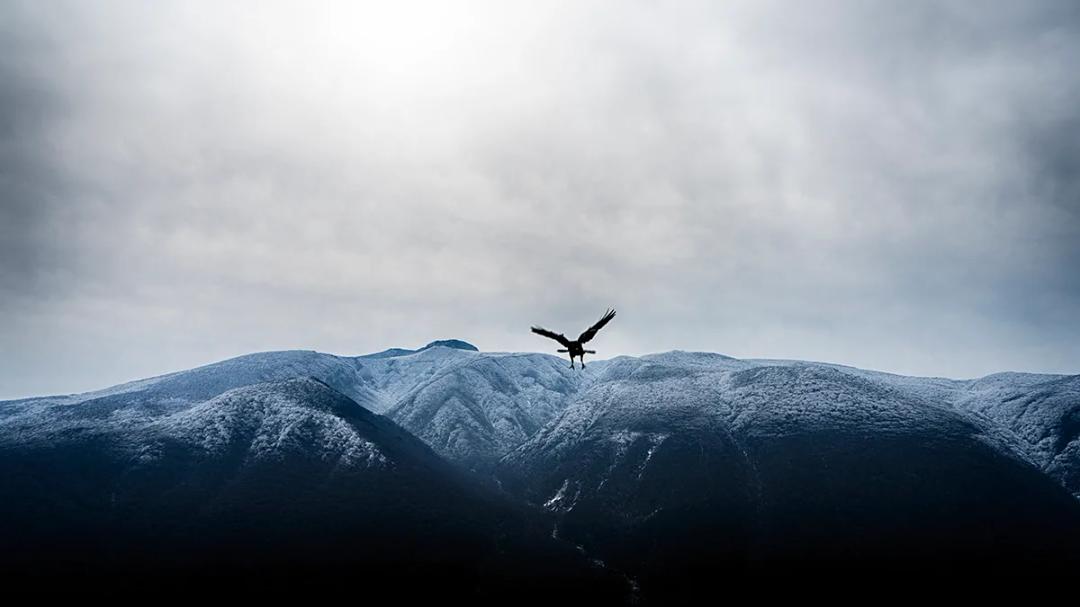
In 2022, Kim Suoh held his first solo, Land of Gods (Gallery Kunbadayoung, Jeju). A first public utterance on the theme of the oreum.
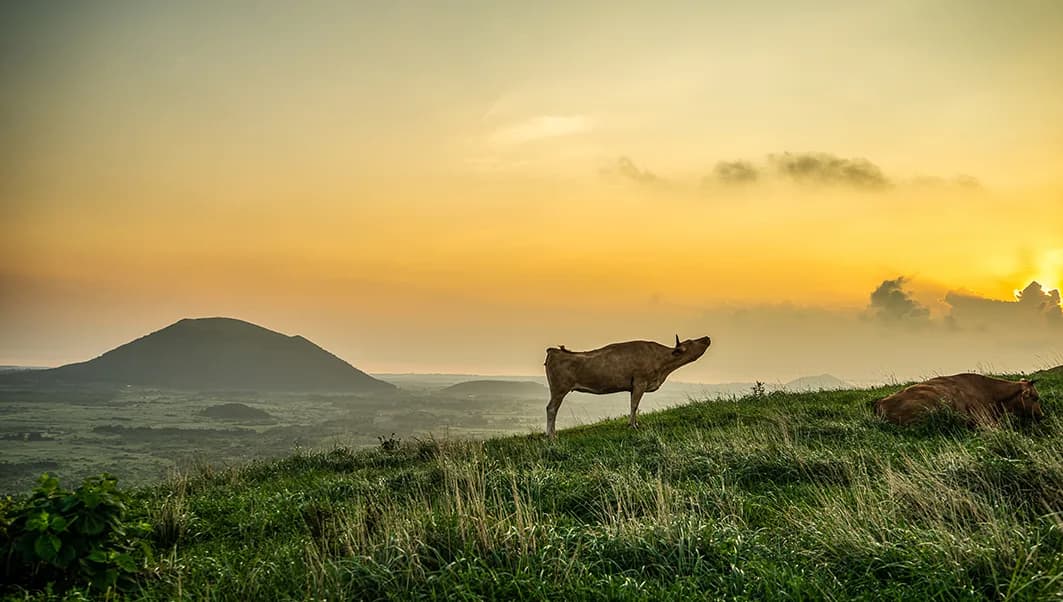
He mainly visits the east-side mid-mountain oreums of Jeju. On the west, resorts and golf courses always enter the viewfinder. At dusk on roads emptied of people, inside Jeju's darkness and stillness and primordial scenery, he walks the hills alone deep into night, in order to hold beauty that is disappearing.
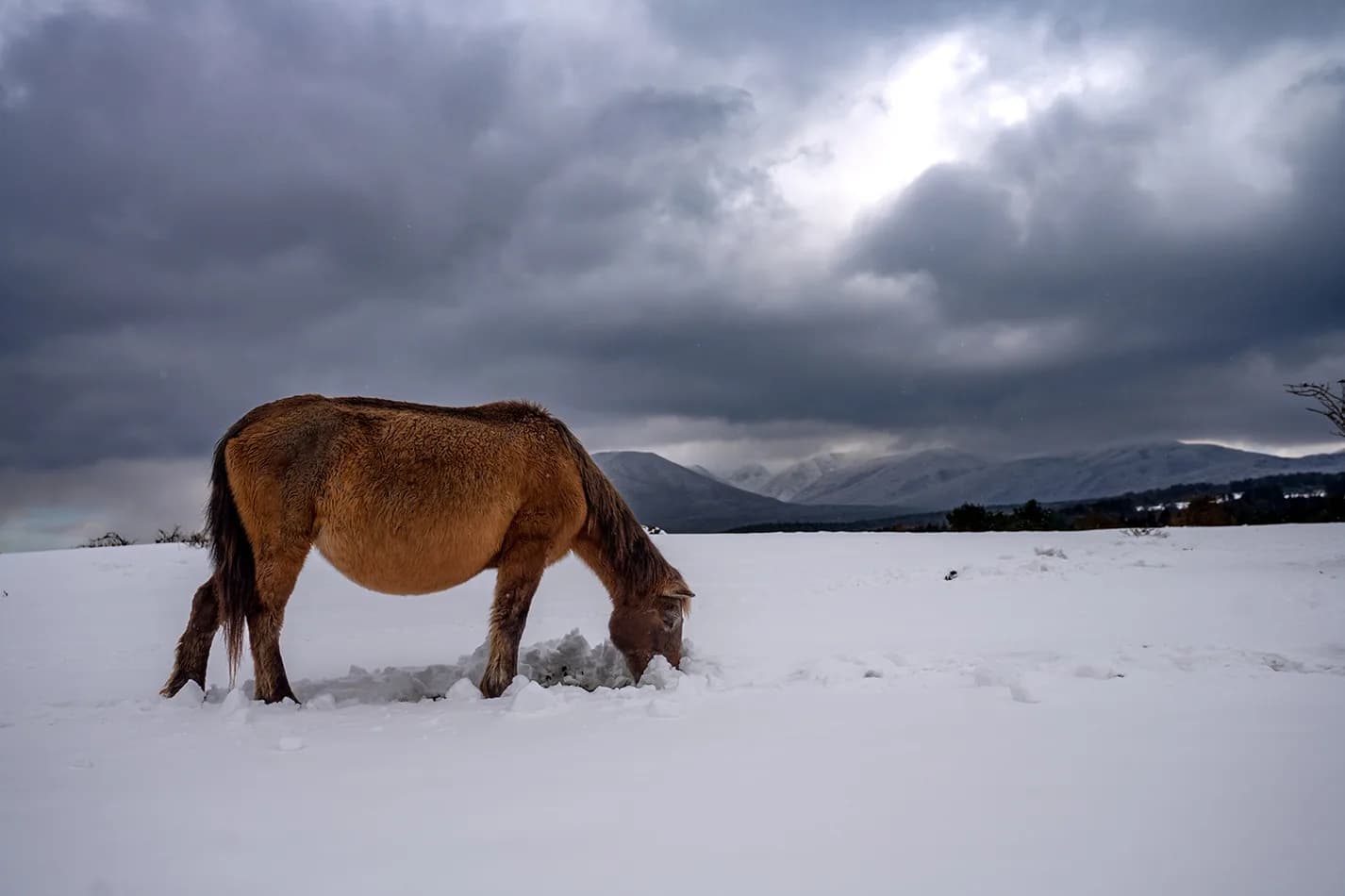
In 2024, his second solo, Gadaeum (Gallery Nouveau), delicately unfolded the cycle of life and the order of nature through Jeju horses' four seasons and life-and-death. The artist's words.
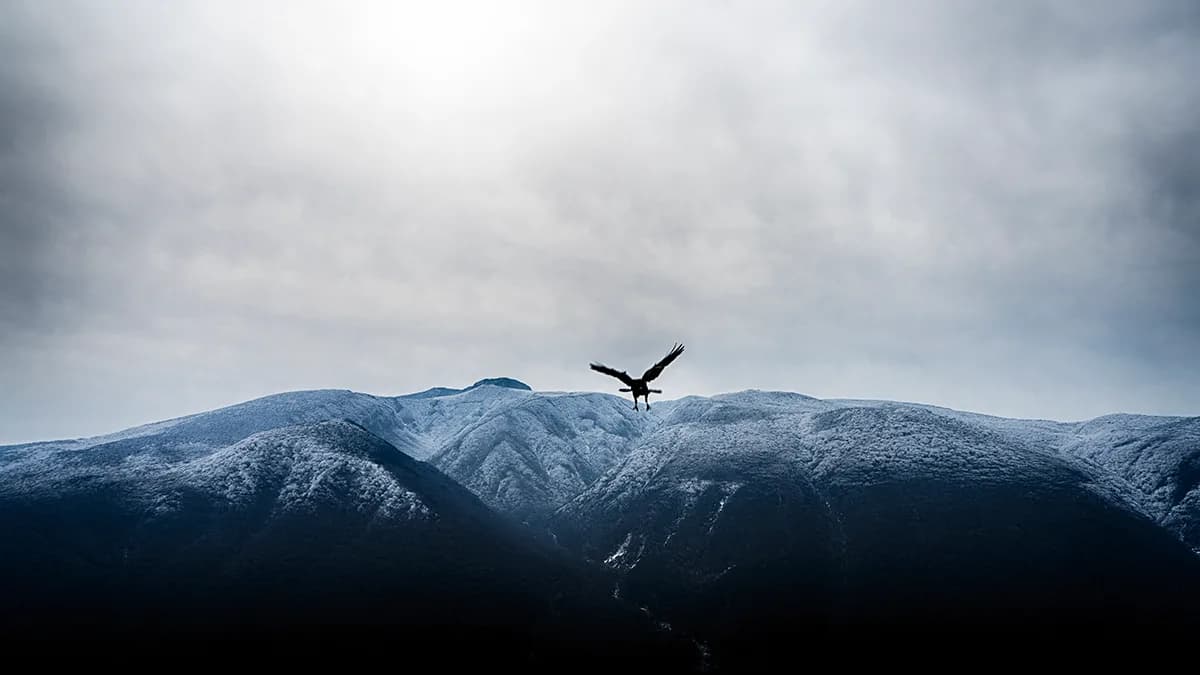
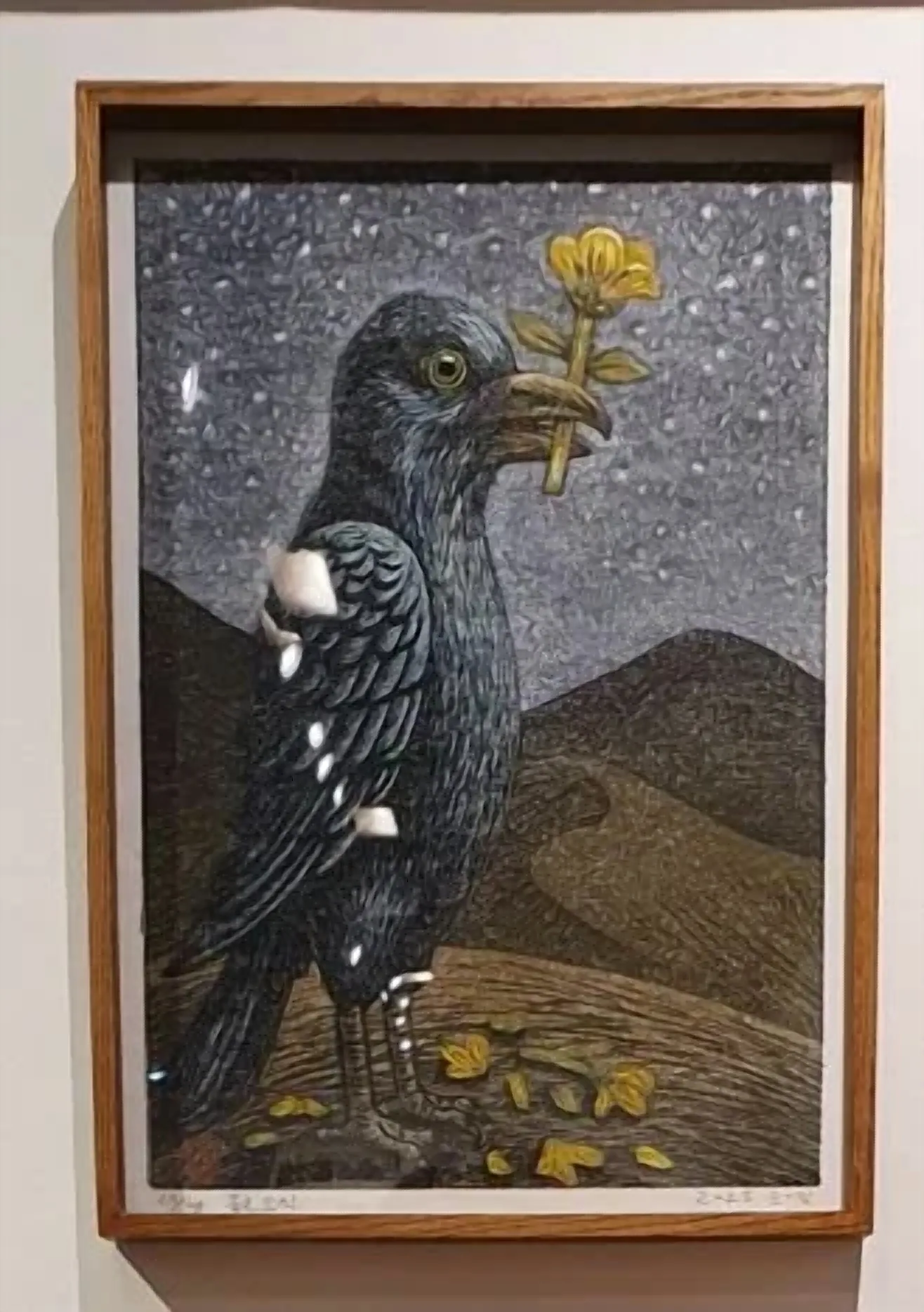
"The Jeju horses, cows, and crows in my photographs symbolize the Jeju commoners who tilled their lives in accordance with the island's stark landscape."
His gaze that began with oreums has deepened into the lives that live on them, and into the time through which those lives continue and disappear.
Three SAF Works
Kim Suoh contributes three works to SAF.
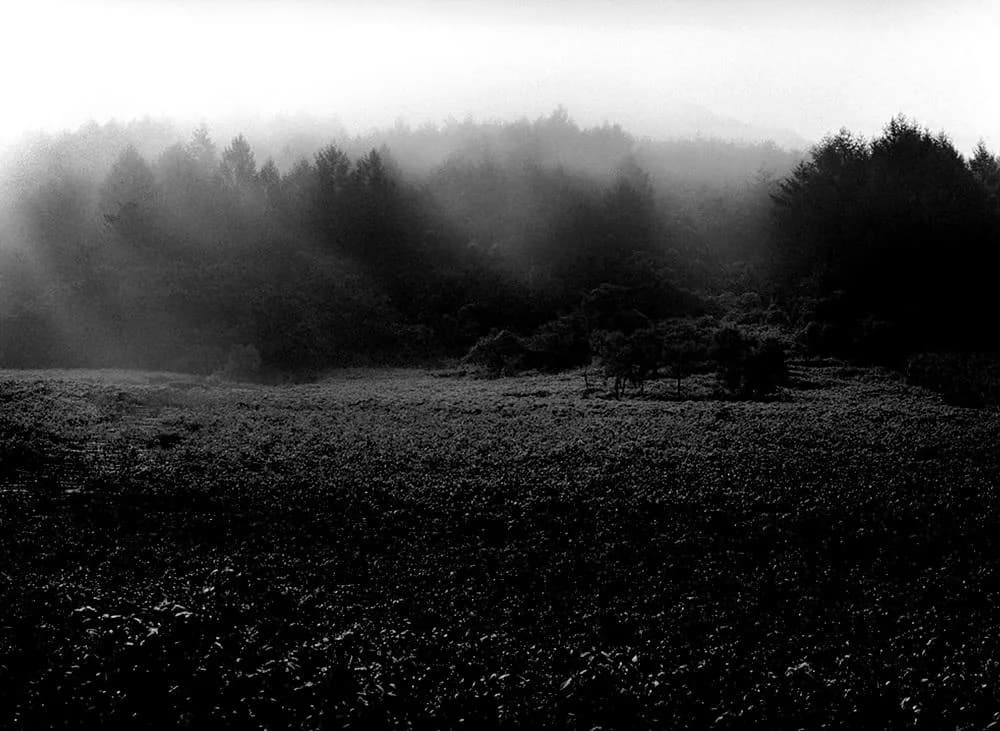
- Morning of the Oreum — 2021 (sold)
- Winter Hallasan — 2017
- Winter Mid-Mountain — 2020
All pigment ink on fine-art paper. Jeju's dawn, winter Hallasan, snowed-in mid-mountain fields. Different seasons and times, yet with the shared ground of a photographer holding scenes before they disappear.
Acupuncture by Day, Shutter by Night
84.9% of Korean artists are excluded from institutional finance. Sales of works by SAF-exhibiting artists cycle into a mutual-aid fund, returning as low-interest loans to fellow artists.
If by day Kim Suoh the doctor tends the body of a person, by night Kim Suoh the photographer records the body of the island. And through SAF, the sale of his work extends into tending the body and livelihood of fellow artists. Care moves from body to island, from island to community. That is Kim Suoh's consistent posture.
Before It Disappears
Topdong was filled in; Gureombi was blown up. What disappears does not return.
So the artist lifts his camera each night. Jeju horses and oreum and crows may disappear someday. But what remains inside the photograph continues to live in that place. When the three SAF 2026 works hang on someone's wall, one night of Jeju rises again on that wall.
Works by Kim Suoh
Related reading
If this piece helped, you may also enjoy these related articles:
Related Reads
Artists on the Same Path

Collecting Guides
Seed Art Festival
·