Sin Yeri's studio is named *Dammong* — faint dream. Ten years as chief designer of hwagak craft, now carrying minhwa traditions into contemporary painting.
Dammong (淡夢) is faint dream.
Sin Yeri gave this name to her minhwa craft studio. Faint, clear, slowly bleeding dream. Resembling the speed at which she lays bunchae on hanji, and the grain of the work.
Ten Years at a Hwagak Studio
Sin Yeri graduated from Kyungwon University (now Gachon University) Textile Art in 2003.
Then ten years. Chief designer at Han Chun-seop Hwagak Crafts, a Gyeonggi Intangible Cultural Heritage Hwagakjang workshop. Hwagak craft is a Joseon tradition of painting on thinly pressed ox-horn paper (gakji) and adhering it to wood surfaces. When pigment seeps into the thin, translucent gakji, a unique luster emerges as light passes through. Starting from textile art and moving to an intangible cultural-heritage workshop, her ten years were a time of embodying the physicality of tradition.
The Beginning of Dammong
Leaving the career of hwagak chief designer behind, Sin Yeri opened the minhwa craft studio Dammong. As Dammong's founder, she has participated in the Republic of Korea National Art Special Invitational Exhibition, the SNAF Seongnam Art Fair Artists Exhibition, and group shows of Mokwonhoe.
Moving from an artisan at a traditional workshop to an artist under her own name isn't simple. She must retain the skills honed in the workshop while bringing them out again in her own language. The name Dammong itself sits at that boundary. A place where the faint luster of hwagak and the bunchae of minhwa meet at one person's fingertip.
Night Firefly, Chaekgeori, Eagle
Her three SAF 2026 works all follow traditional minhwa iconography.
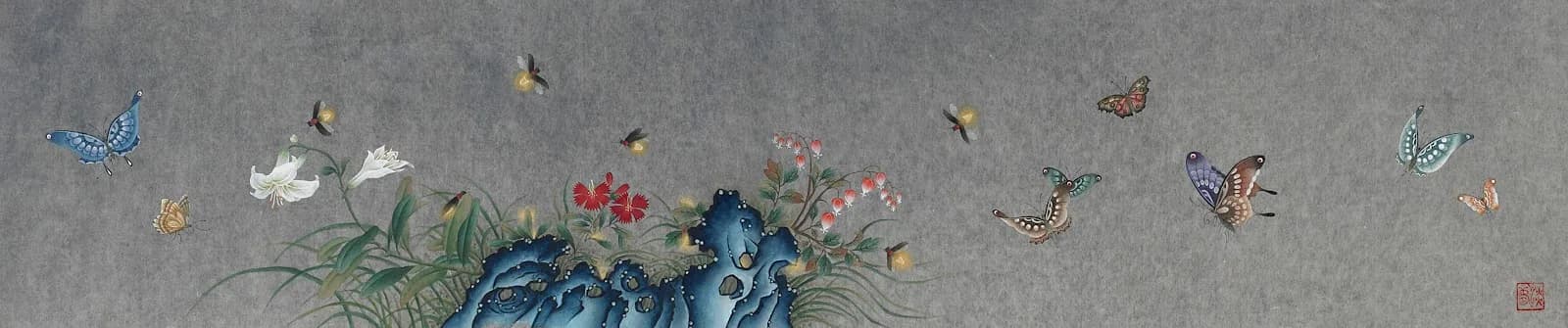
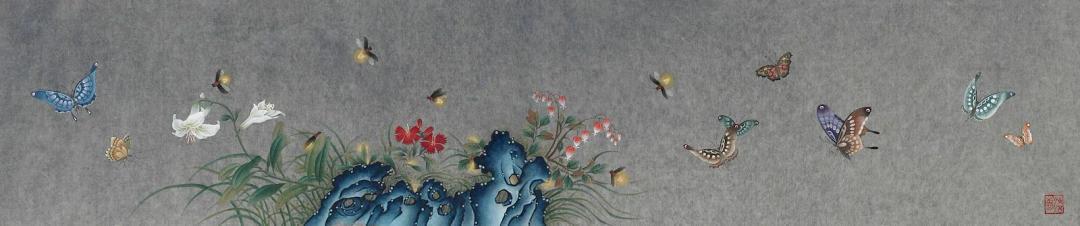
- Night Firefly-Flower-Butterfly (夜螢花蝶圖) — bunchae on ink-dyed hanji, 24×114 cm, 2023
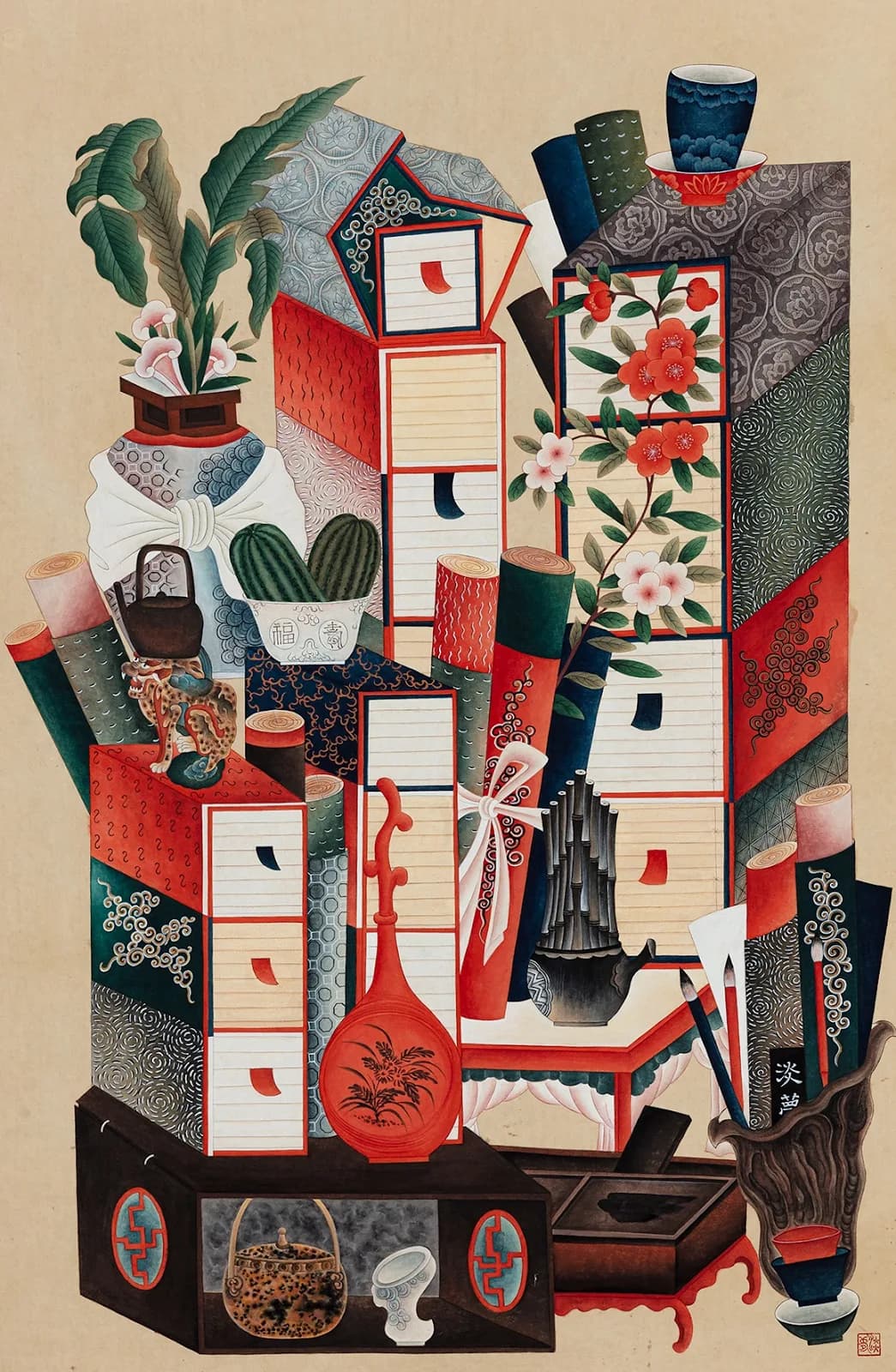
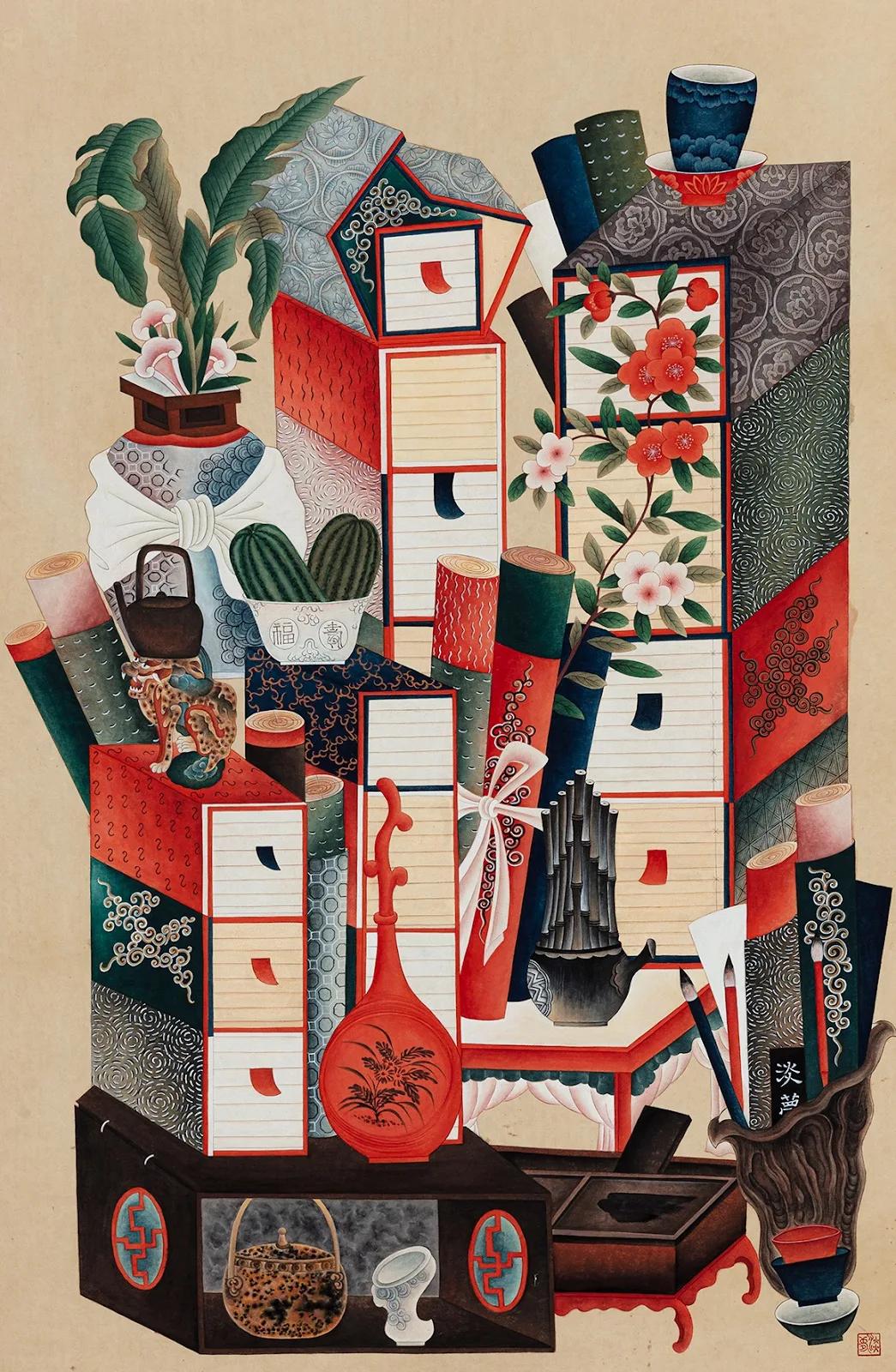
- Chaekgeori — bunchae on dyed hanji, 103.5×68.3 cm, 2020
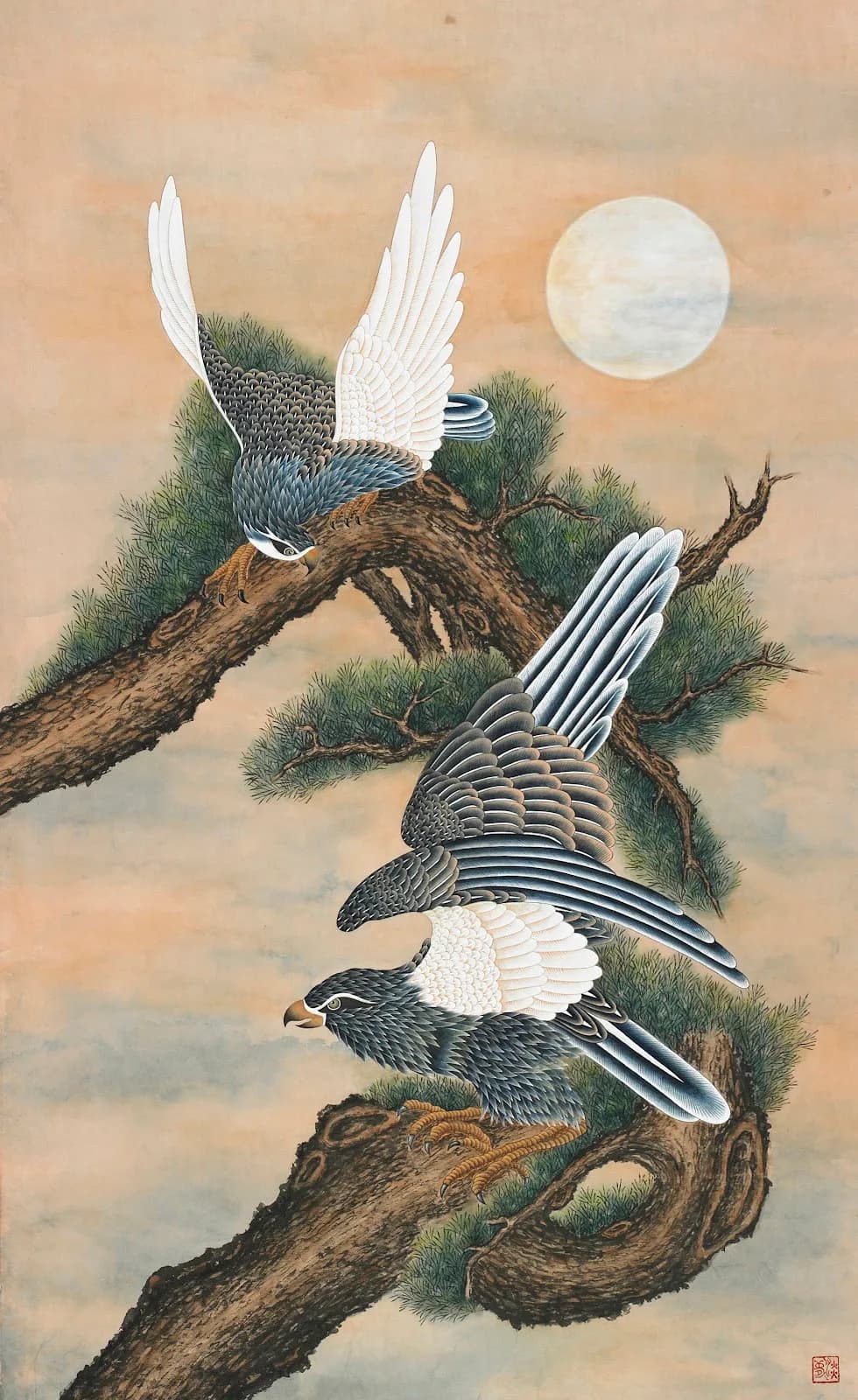
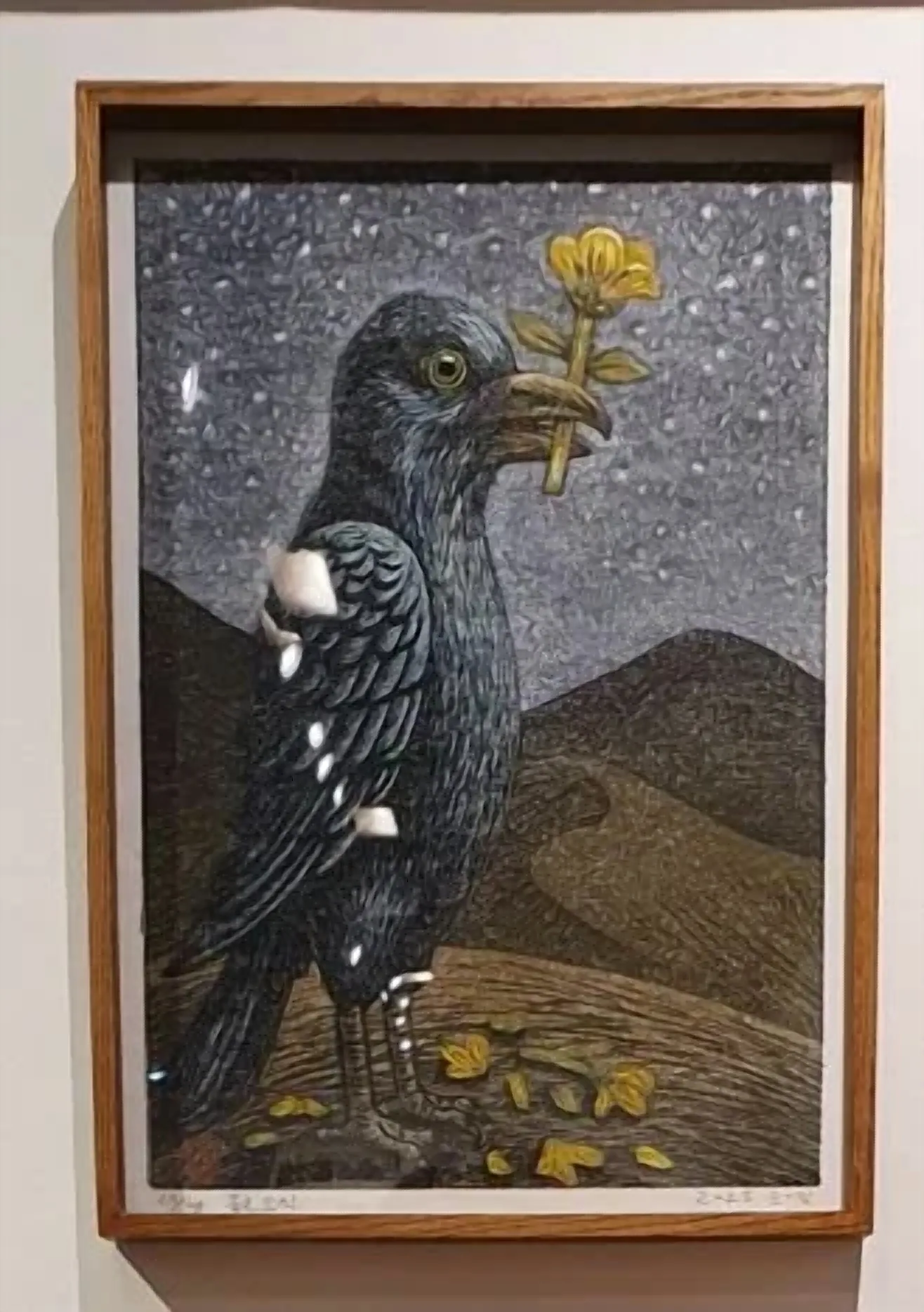
- Eagle (鷲圖) — bunchae on dyed hanji, 111×65 cm, 2025
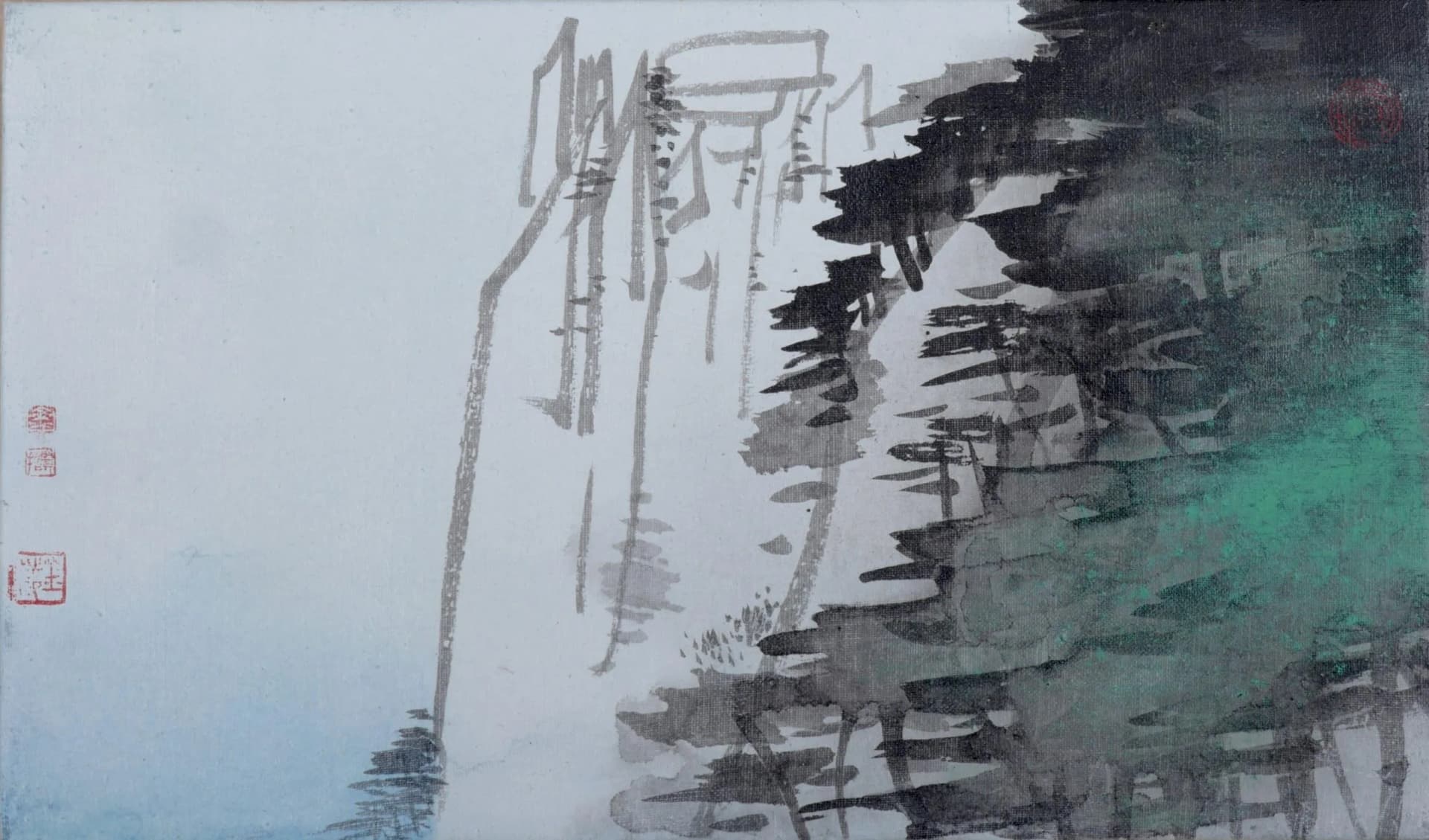
Night Firefly-Flower-Butterfly (夜螢花蝶圖) depicts fireflies, flowers, and butterflies together at night. The long 24×114 cm frame reads like one panel of a traditional screen. Over the dark tone of ink-dyed hanji, bunchae's light blooms as dots. Life sparkling in darkness.
Chaekgeori is a representative genre of late-Joseon minhwa — paintings of a scholar's bookshelf. Her 103.5×68.3 cm rendition retells Joseon's book tradition in contemporary sensibility.
Eagle (鷲圖), the eagle painting, symbolized warding off misfortune and inviting fortune in minhwa. The dignity of the surface and the hawk's gaze are reborn through the fine touch of bunchae.
Between Craft and Painting
Her practice sits inside the name minhwa craft. By strict genre separation, minhwa (painting) and craft are different domains, but at Dammong the two seats merge. Her decade as hwagak chief designer is the ground for that integration.
Re-dyeing dyed hanji with ink and then laying bunchae on top is both a painter's act and a craft process. A textile sensibility begun in the Gachon University Textile Art department; a sense of traditional pigment and color honed in hwagak craft; and minhwa's symbolic system. Three layers meet on one surface.
Three SAF Works
Sin Yeri contributes three works to SAF.
84.9% of Korean artists are excluded from institutional finance. Sales of works by SAF-exhibiting artists cycle into a mutual-aid fund, returning as low-interest loans to fellow artists.
As the eagle painting of traditional minhwa warded off misfortune and invited fortune, when a SAF work hangs on someone's wall, another meaning of fortune arrives for that wall. Someone's studio deposit, someone's medical bill, someone's next exhibition catalog. An old function of minhwa moves into today's mutual aid.
Faint Dream
Dammong — a small word, but it holds a large world.
A faint dream isn't dense, but it lasts. As light shines through the translucent gakji of hwagak, the light of bunchae seeps onto Sin Yeri's hanji. To dream big matters, but to dream long is not less. The three works of SAF 2026 are a fragment of that kind of dream.
Works by Sin Yeri
Related reading
If this piece helped, you may also enjoy these related articles:
Related Reads
Artists on the Same Path

Collecting Guides
Seed Art Festival
·