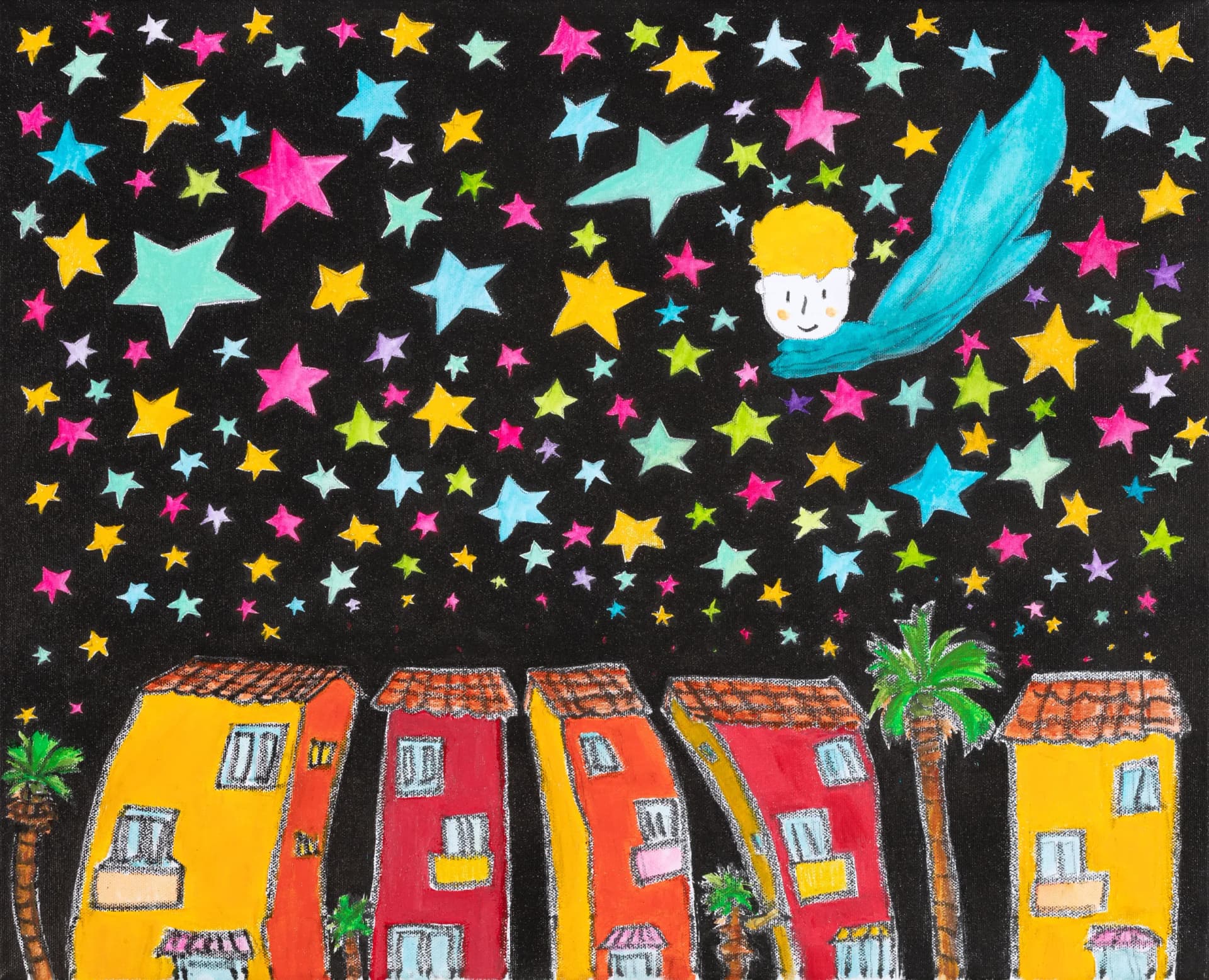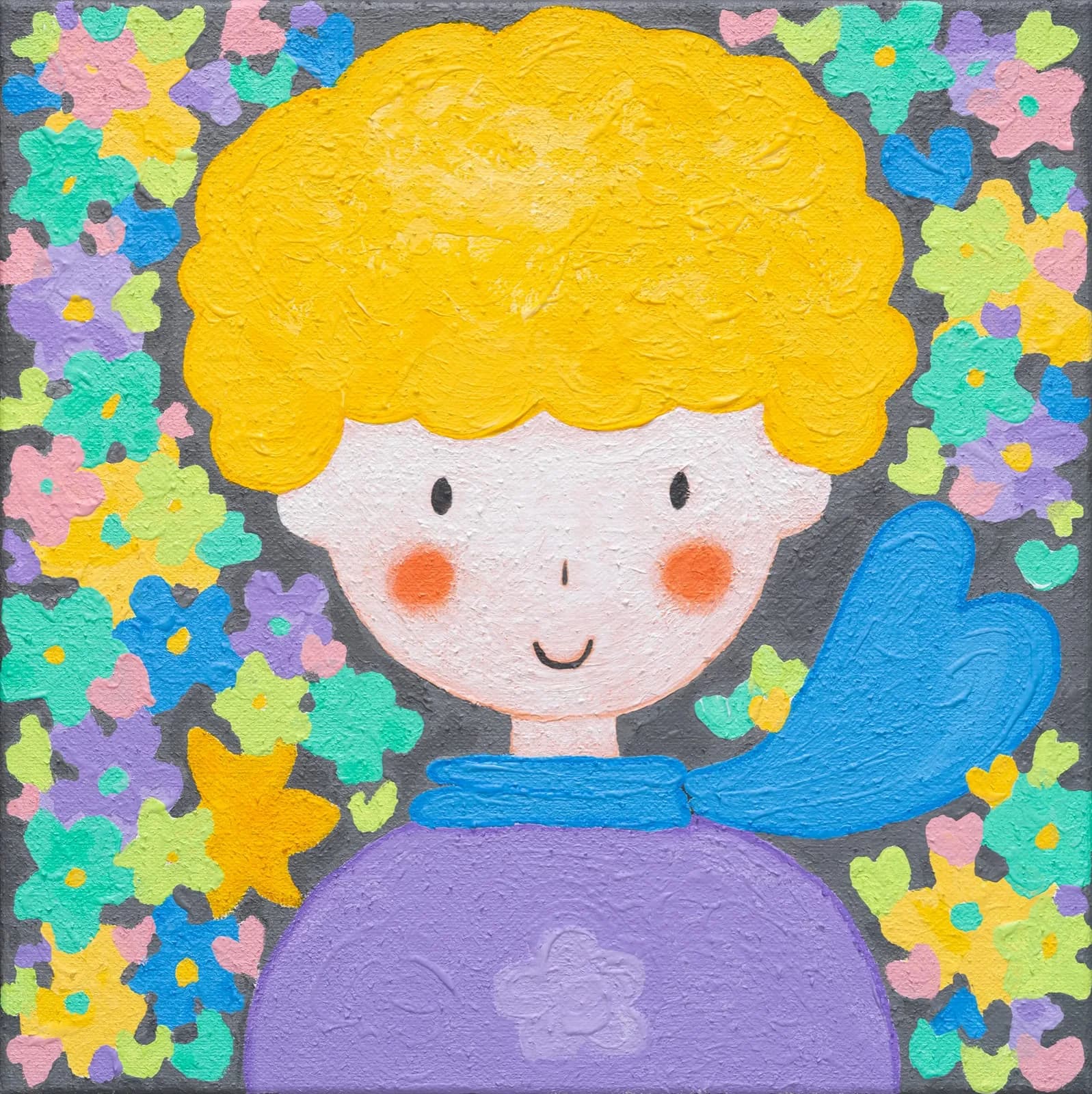
After first meeting Saint-Exupéry's Little Prince, Kang Seoktae has been asking the same question for over thirty years: what do we lose when we become adults? SAF 2026 holds 15 of his works — with pieces collected by the National Art Bank and the French Cultural Center in Korea.
A Painter Who Met the Little Prince — The World of Kang Seoktae
Planet B-612. The number of the small planet where the Little Prince lived. If a painter carried that number in his heart for decades, what shape would his world take?
The Moment He Met the Little Prince
Kang Seoktae began his practice inspired by Saint-Exupéry's The Little Prince. This explanation sounds simple, but in fact he set himself a remarkably difficult task.
The Little Prince is not a book for children. Or rather, it is a book for adults who pretend it is for children. "Grown-ups always need explanations," Saint-Exupéry wrote. Adults who see a boa constrictor and call it a hat, adults who understand people only through numbers. The question thrown at those adults is the heart of the novel.
Translating that question into paintings is not easy. It is different from turning text into illustrations. The sensibility the novel holds — that what is invisible is more important — must be conveyed in a visual language.
A World Made of Acrylic and Jangji
Look at Kang Seoktae's canvas and the material catches the eye. Ink and color on jangji (壯紙). Acrylic on canvas. Two physicalities cross.
Jangji is a type of hanji — thick Korean traditional paper. Drawing the base with ink and laying color on top yields a texture different from Western canvas painting. Colors seep and bleed. Borders blur. This blurring is one of the secrets behind the dreamlike mood of Kang Seoktae's work.
The acrylic works are sharper. Colors are definite, forms distinct. The Little Prince's loneliness and innocence stand upright rather than running into sentimentality.
The Narrative the Works Unfold
Looking at the titles of the 17 works submitted to SAF 2026, one can see which scenes from the Little Prince's world Kang Seoktae chose.
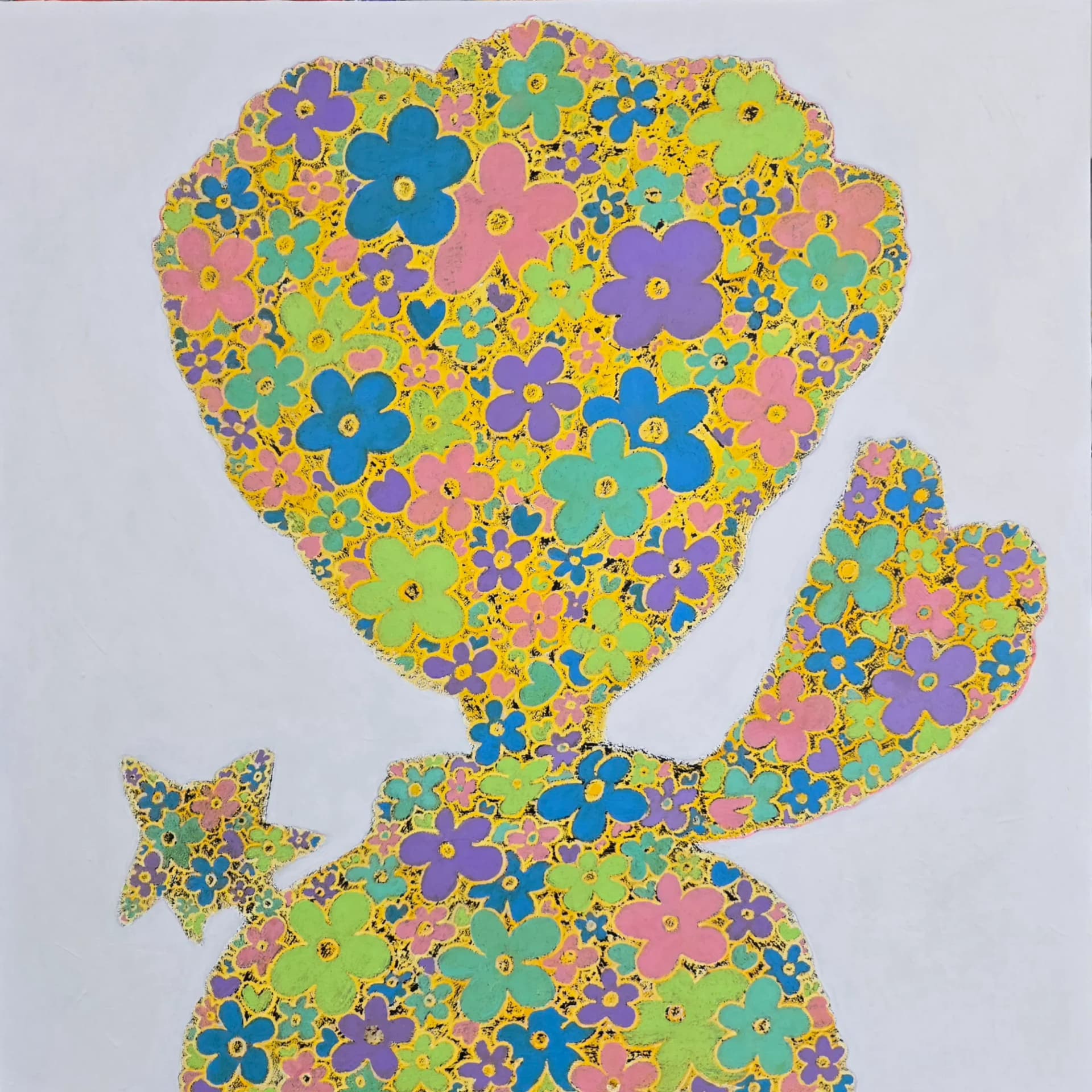
- The Little Prince_Flower — the single rose more precious than baobab trees
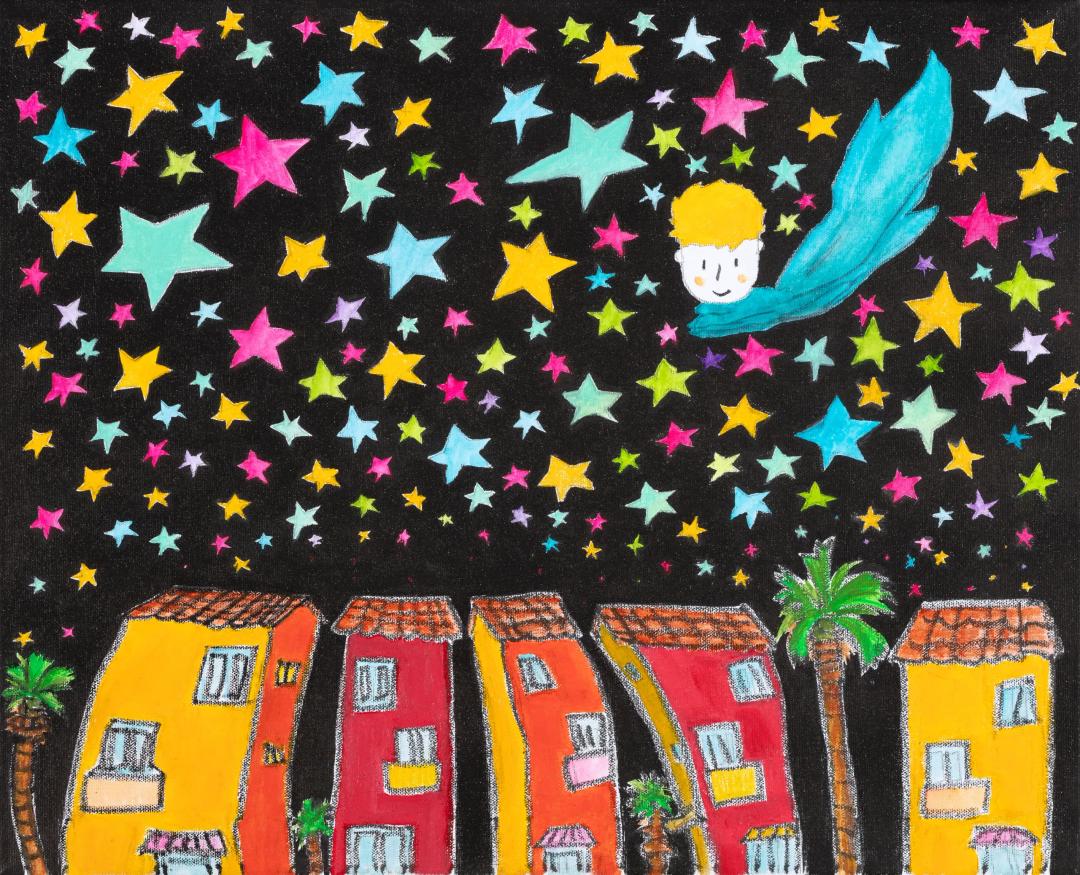
- The Little Prince on a Starry Night (65.1×53cm, 2021, ₩2,700,000) — a being standing alone beneath starlight
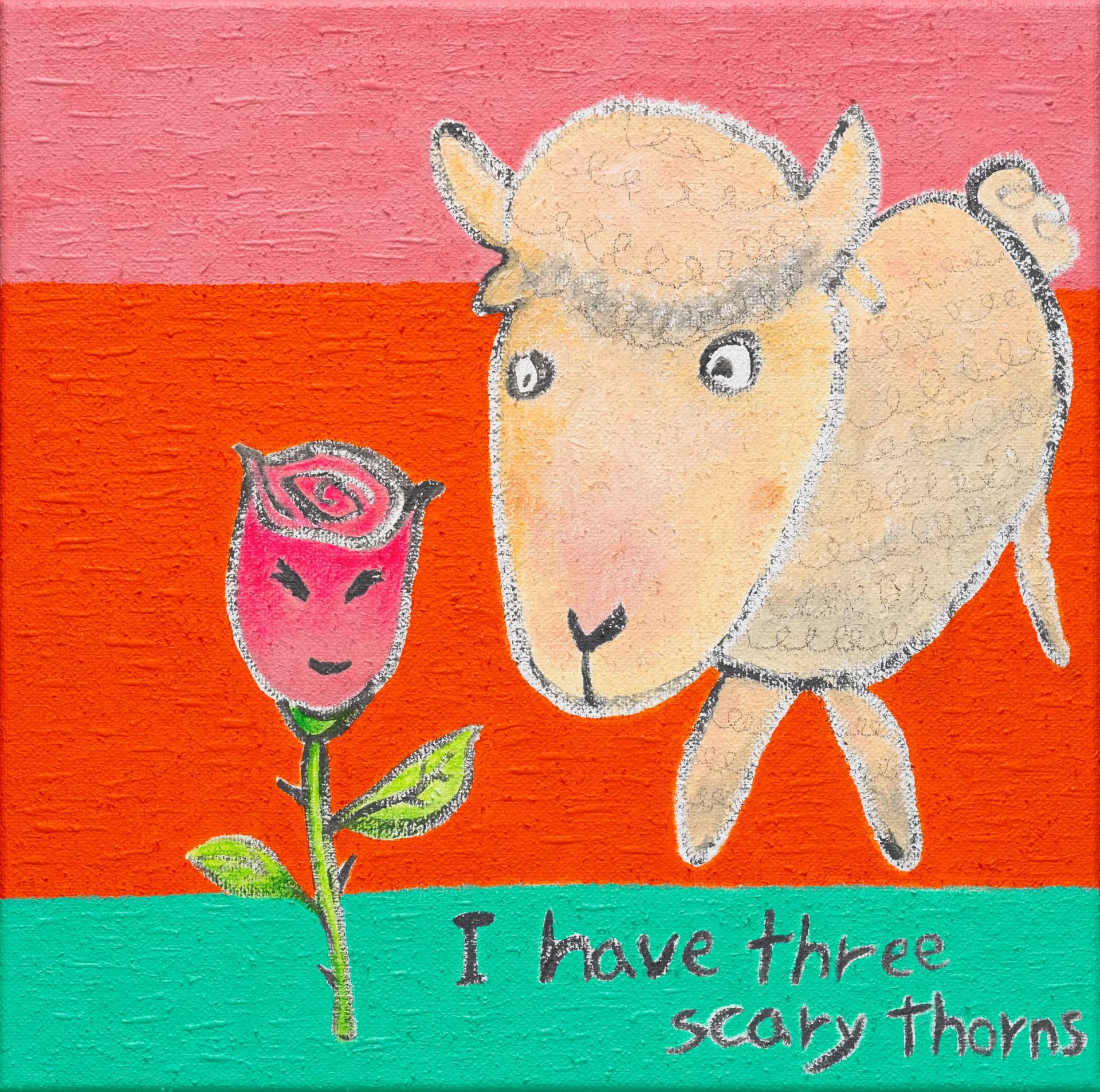
- I Have Three Fearsome Thorns — self-defense borrowing the rose's words
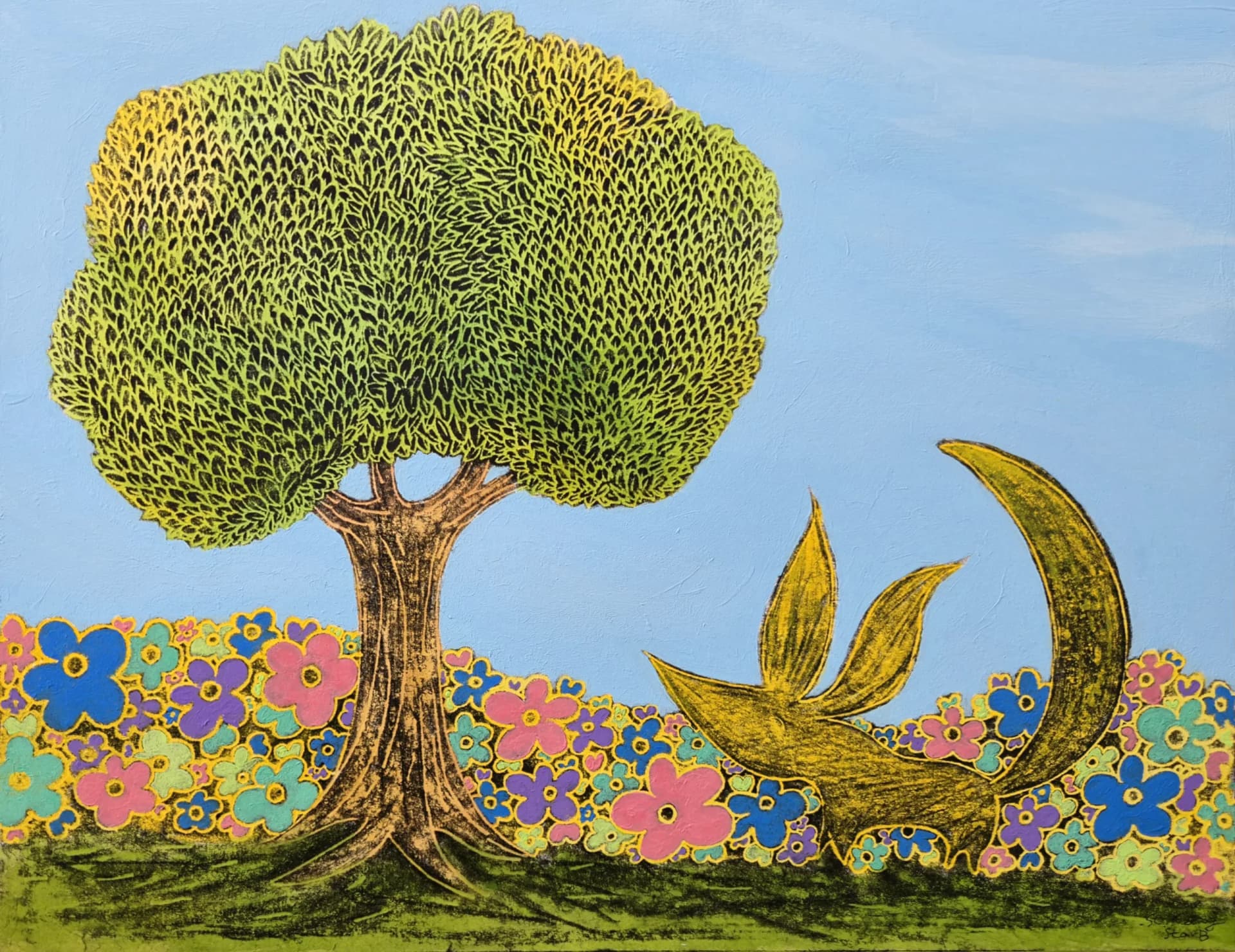
- The Happy Fox at 4 O'Clock (40.9×31.8cm, 2025, ₩1,000,000) — the meaning of being tamed
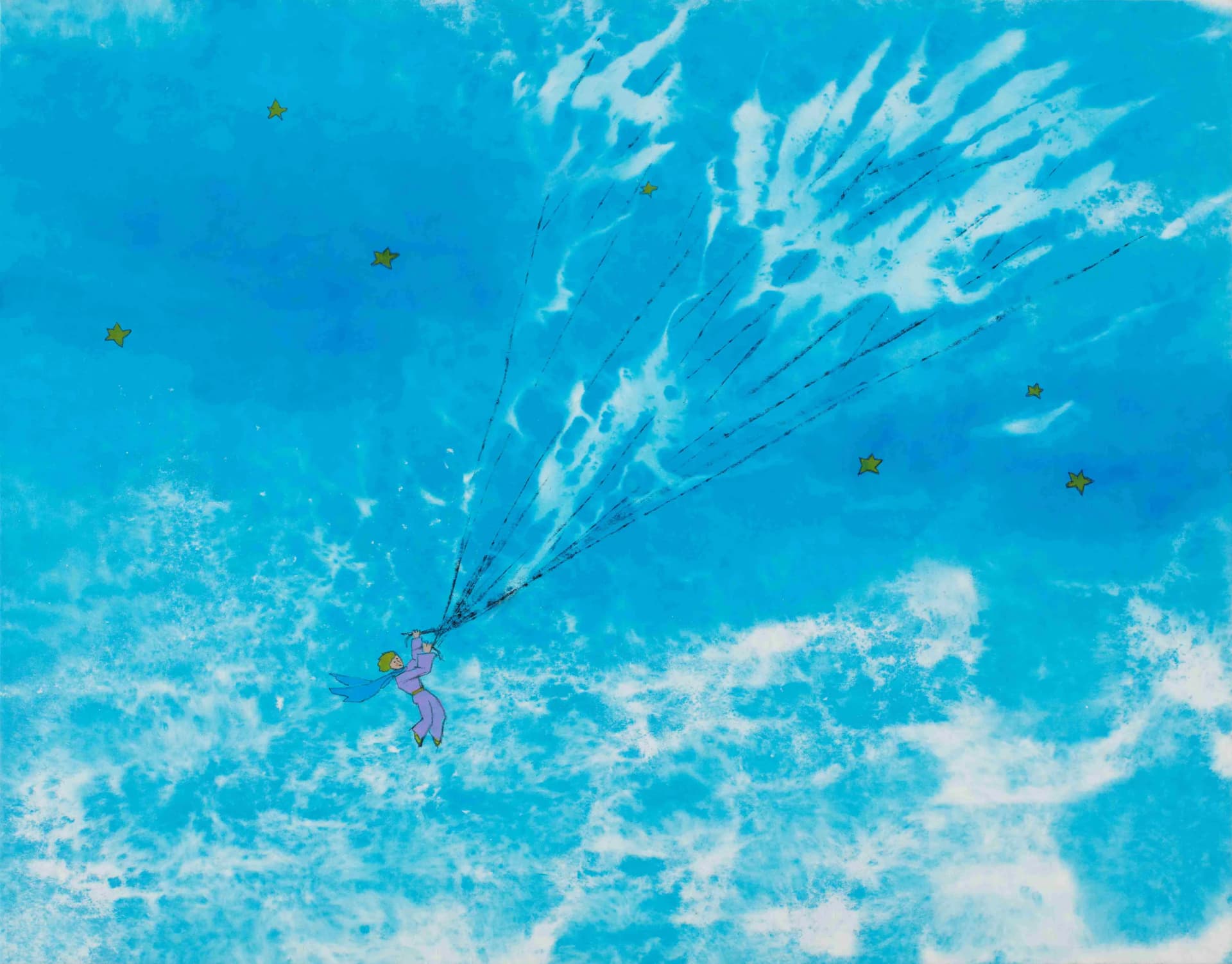
- Arriving on a Cloud (116×91cm, 2019, ₩9,000,000) — the highest-priced work among Kang Seoktae's submissions to this exhibition
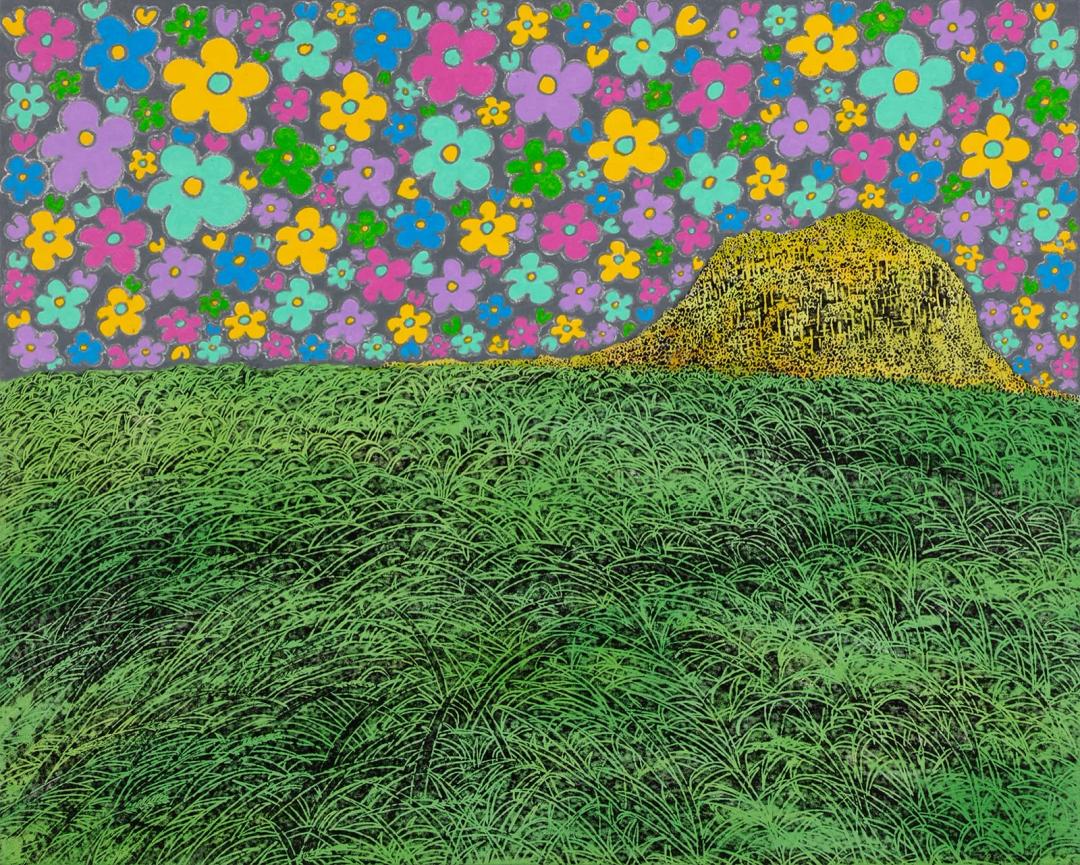
- Landscape Where the Little Prince Stayed_Jeju Diary (91×72.7cm, 2021) — the moment a Korean landscape becomes B-612
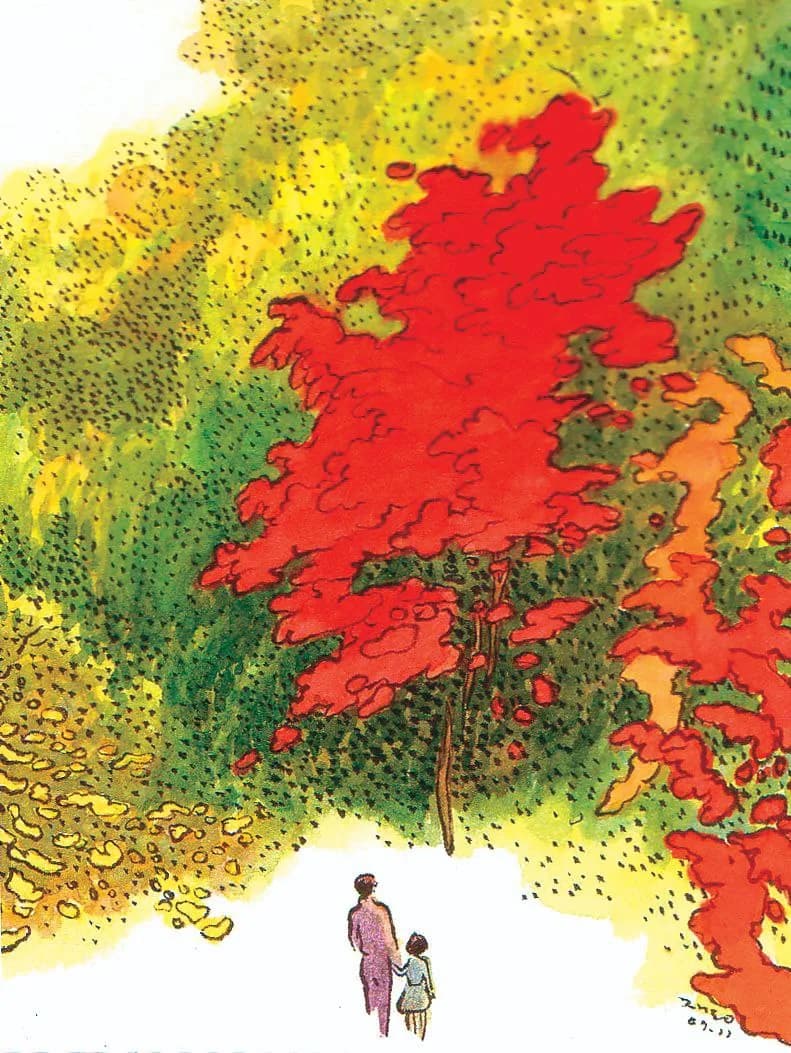
The dialogue with the fox, the parting with the rose, the solitude among the stars. Core scenes of the novel gain new lives on each distinct canvas.
"Works that convey emotion and solace through the landscapes the Little Prince meets and the narrative reinterpreted within them."
What 21 Solo Exhibitions Prove
Kang Seoktae has held 21 solo exhibitions and over 200 group shows. The numbers themselves are a kind of testimony. Pursuing a single theme across 21 solo exhibitions means the theme is not exhausted.
The Little Prince was published in 1943. More than 80 years have passed. Why is it still read? Because the question has not aged. The question of what we lose as we become adults is valid in any era. The same is likely why Kang Seoktae keeps digging at the same subject.
He also wrote a book: Speaking to the Little Prince. A trace of trying to hold on to that world with language, since painting was not enough.
What the Collectors Speak Of
The list of collectors holding Kang Seoktae's work is distinctive. The National Museum of Modern and Contemporary Art's Art Bank. The French Cultural Center in Korea. Korea National University of Arts. Nexon Children's Rehabilitation Hospital. Suncheon Miracle Library. Purme Foundation. Changwon Hanmaeum Hospital.
Museums and cultural institutions, yes — but hospitals and libraries stand out. A painting carrying the Little Prince's world hangs on the wall of a children's rehabilitation hospital. Children being treated, parents beside them. In that space, Kang Seoktae's painting moves beyond the object of aesthetic appreciation.
The French Cultural Center's collection carries another meaning. Given that Saint-Exupéry was a French writer, the fact that a French cultural institution holds a Korean painter's work inspired by his novel feels like a kind of closure.
The Meeting with SAF
Kang Seoktae submitted 17 works to SAF 2026. The third-largest number among participating artists. To submit many is to stake many.
Offering works to stand in solidarity on the issue of financial discrimination against fellow artists. In the Little Prince's language, it is the opposite of being "tamed" by default — it is choosing a responsible relationship. It is spending time on what is invisible but important.
The prince from Planet B-612 eventually returned to his rose. For over thirty years, Kang Seoktae has been painting that moment of return.
Solidarity in the Context
84.9% of Korean artists are excluded from institutional finance. Sales of works by SAF-exhibiting artists build a mutual-aid fund that returns as low-interest loans to fellow artists facing financial discrimination.
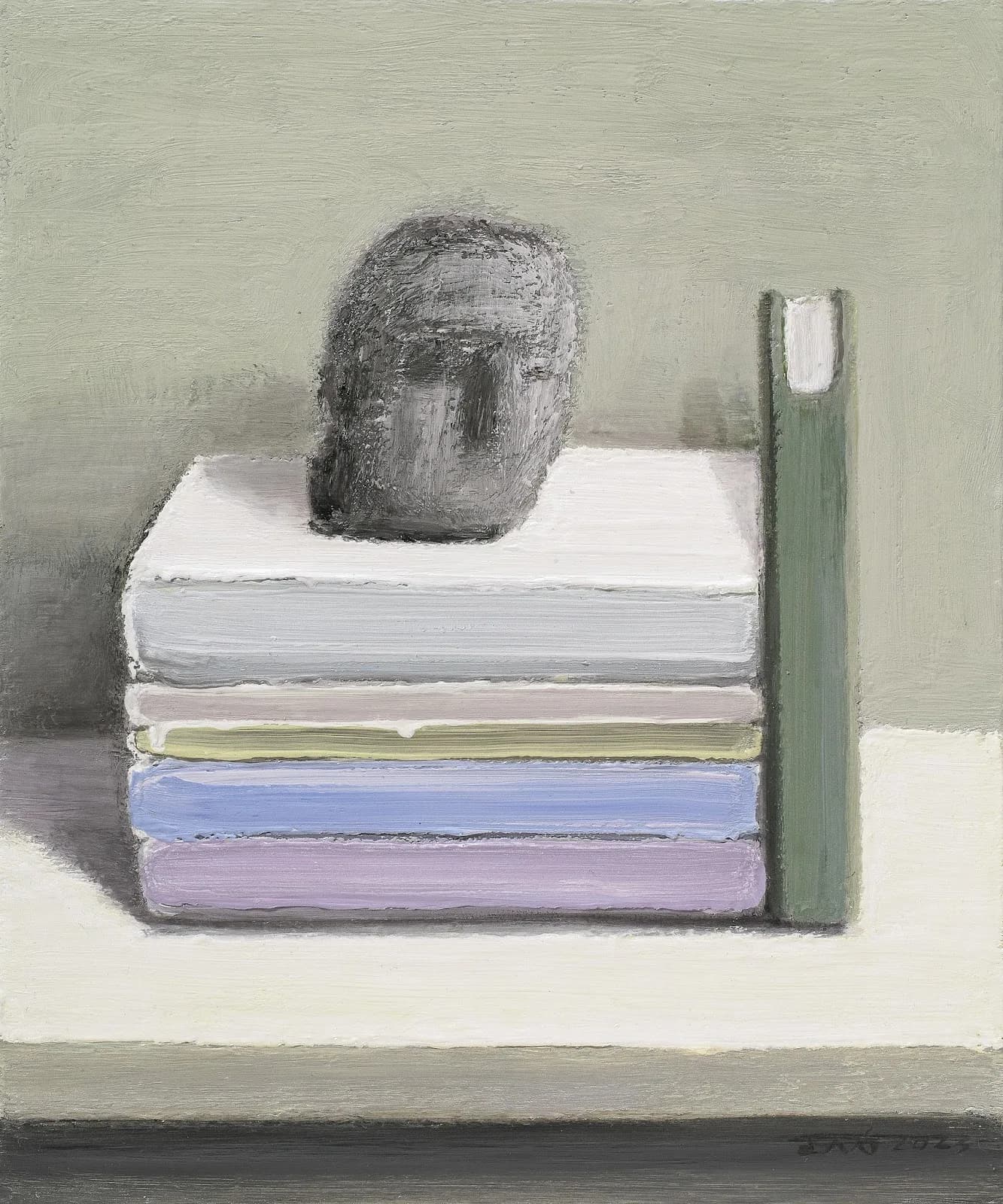
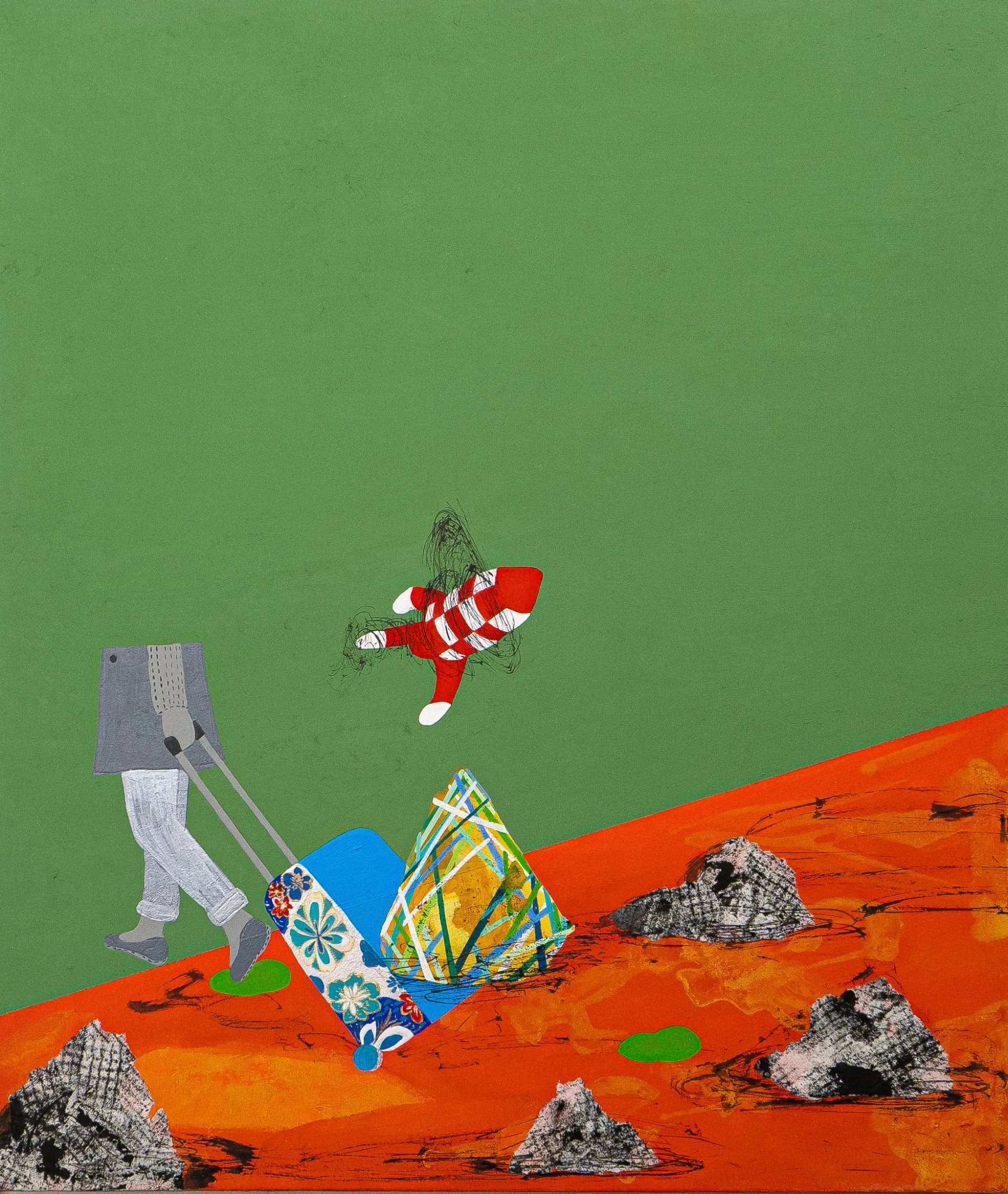
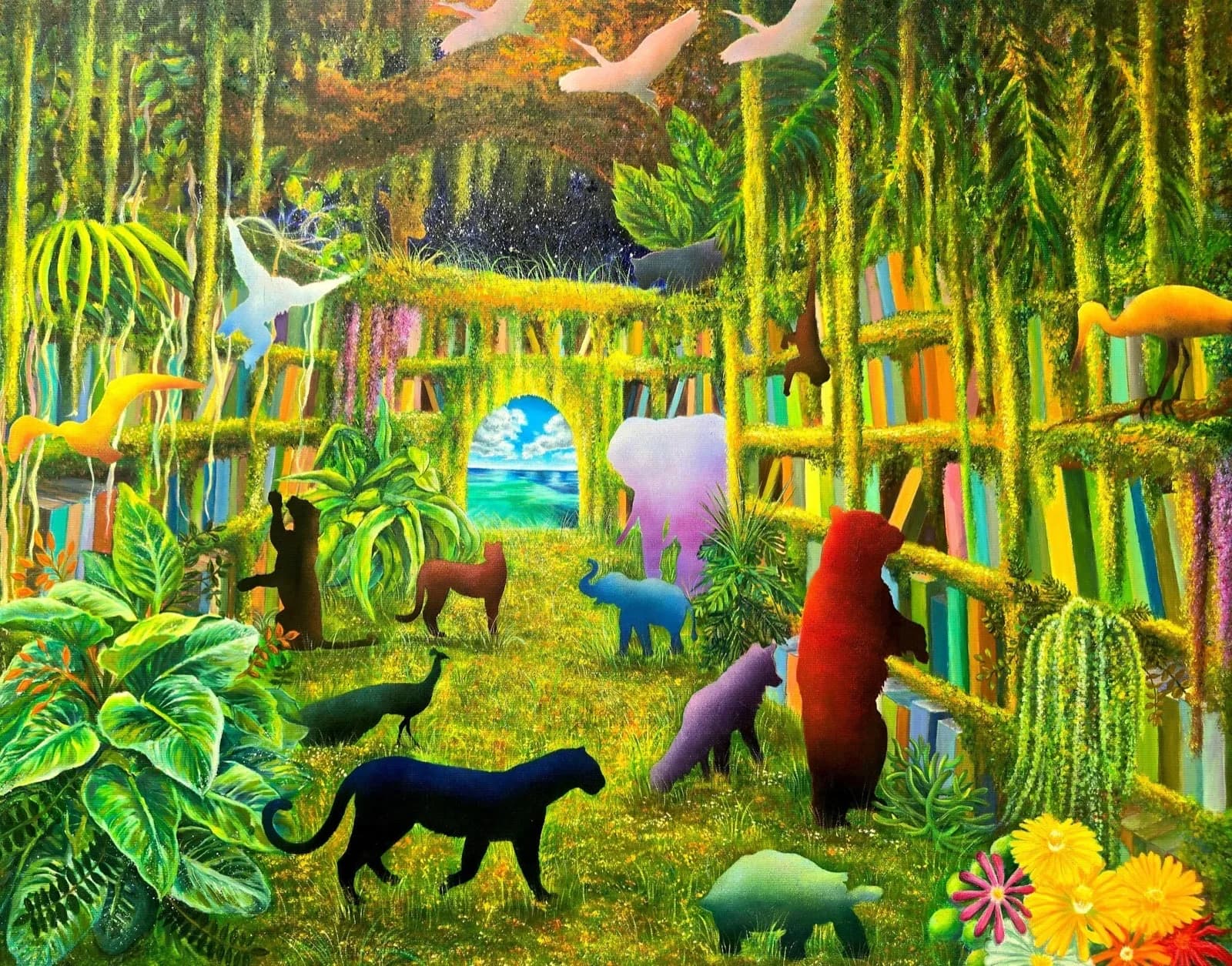
Works by Kang Seoktae
Related reading
If this piece helped, you may also enjoy these related articles:

View all works by Kang Seoktae →
Related Reads
Artists on the Same Path
Collecting Guides
Seed Art Festival
·