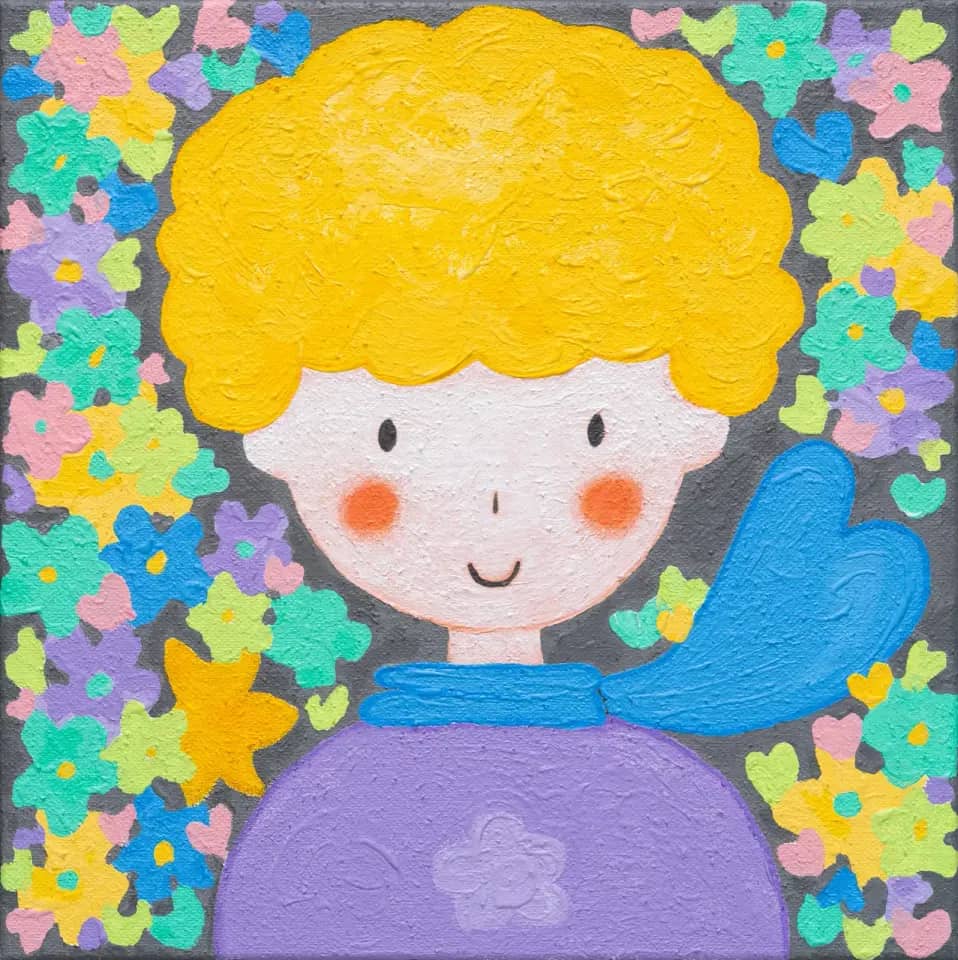
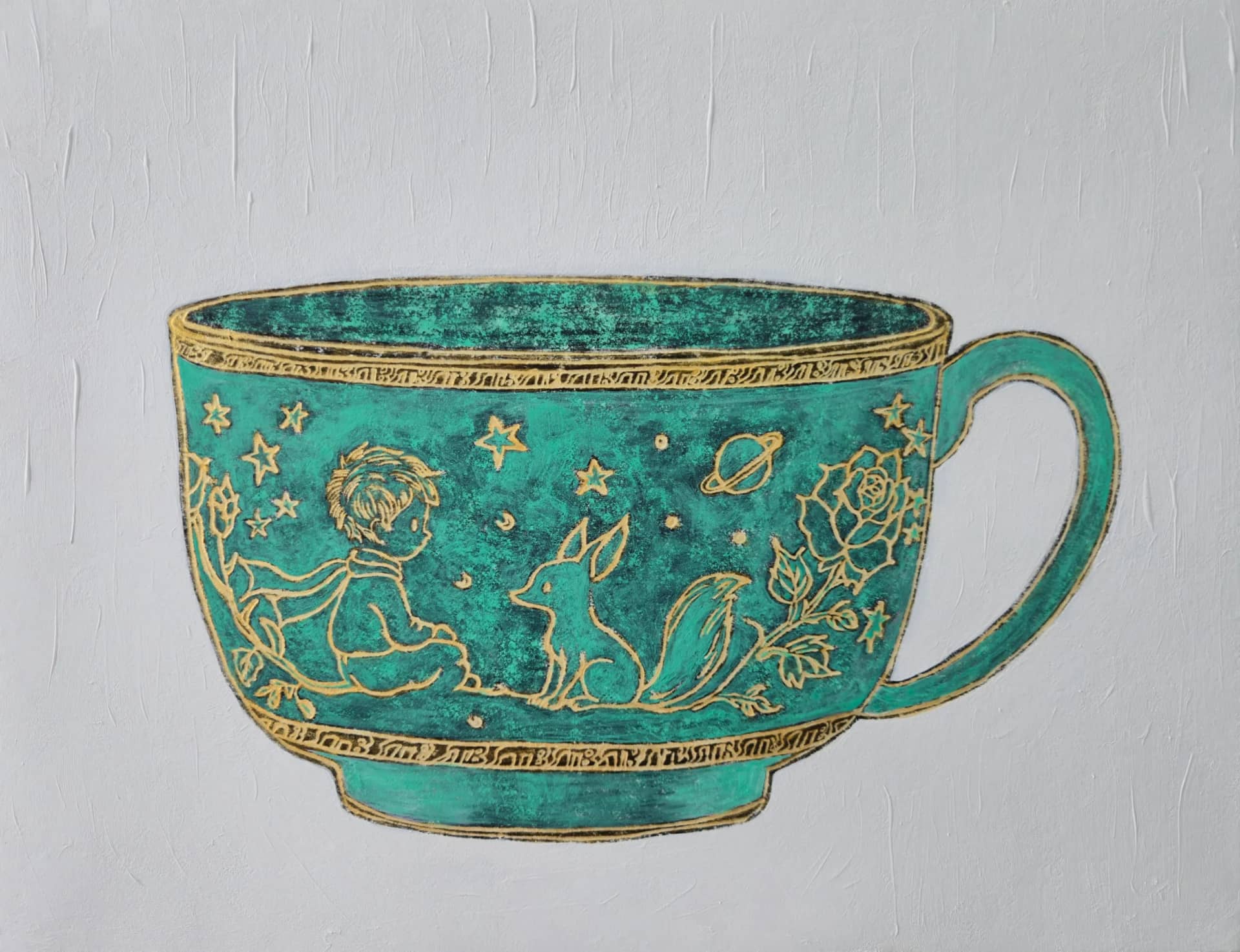
A star within the heart,
and the painting of it
The Little Prince has a star — and so, the painter believes, does every heart.A painter who has spent more than twenty years drawing what cannot be seen.
A conversation with a book —
twenty years and still ongoing
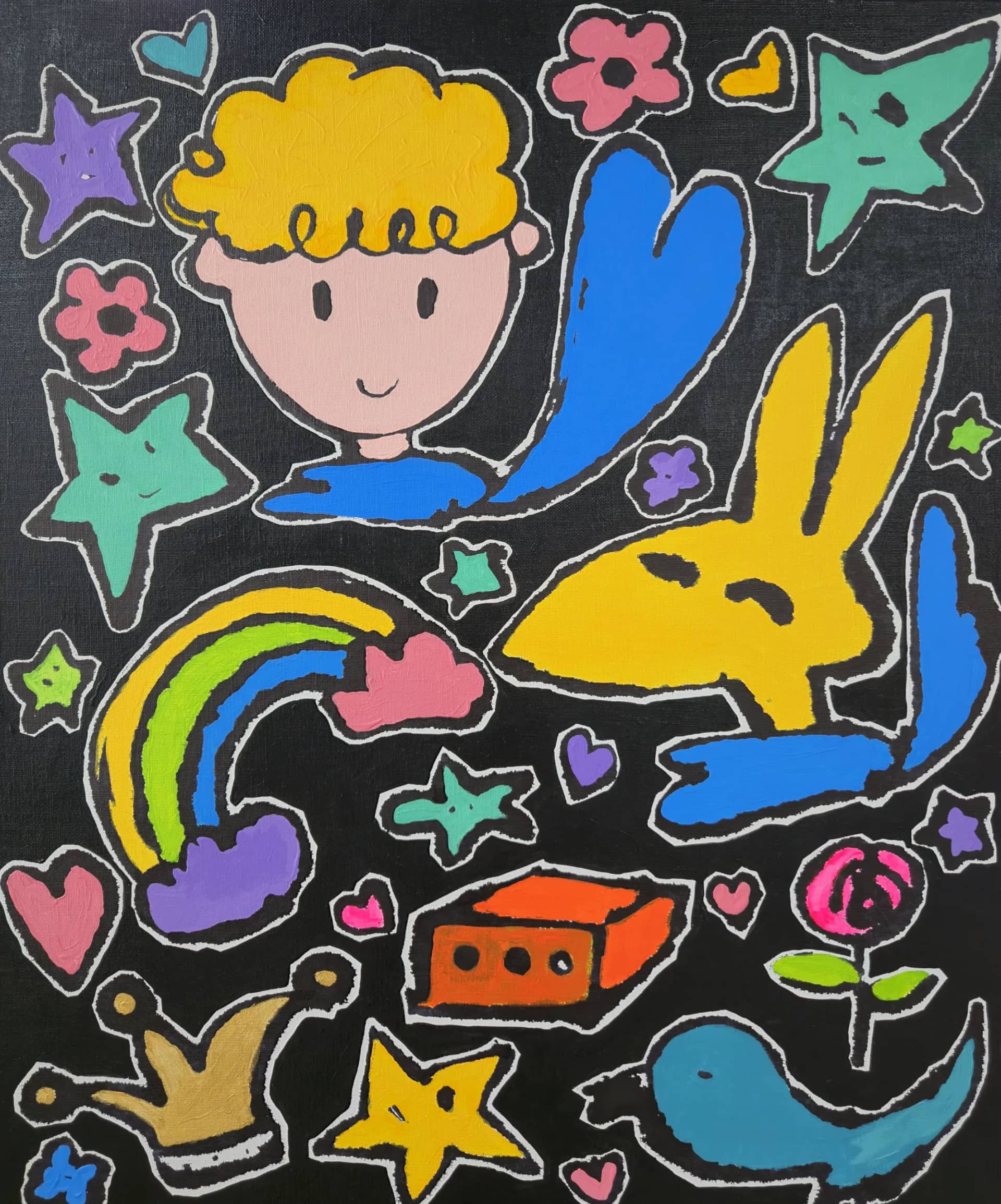
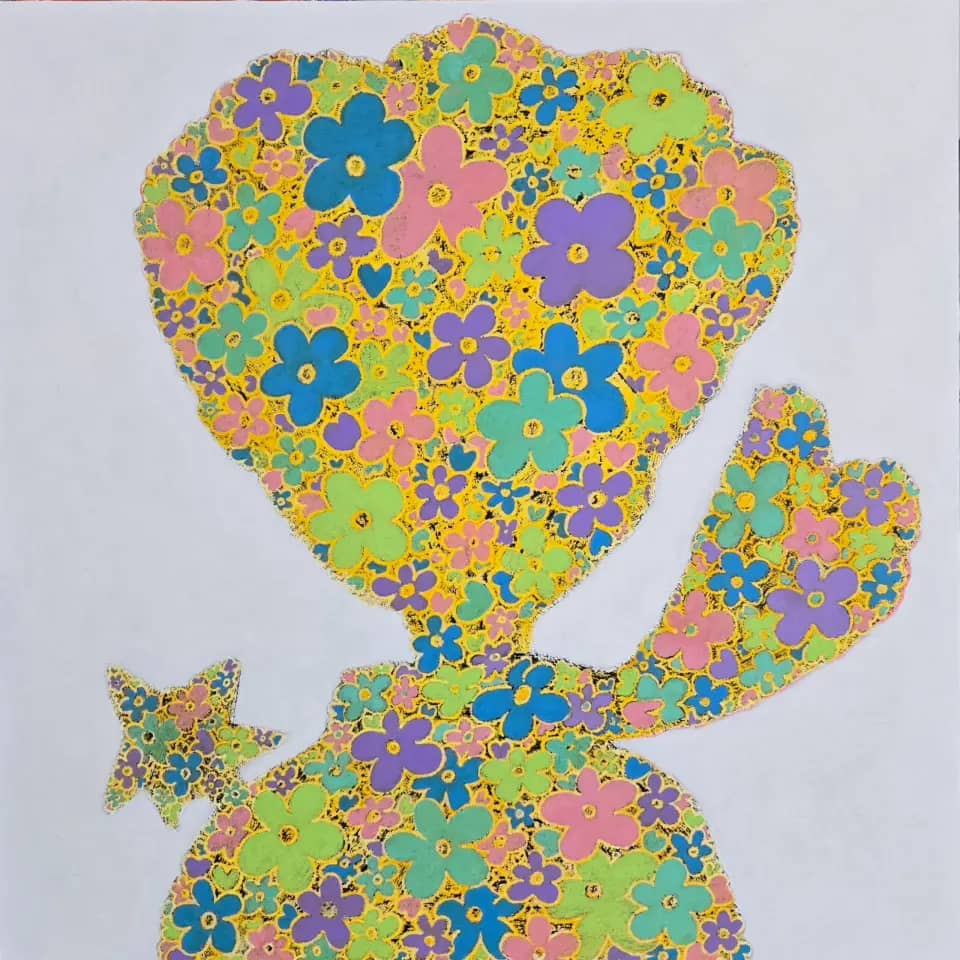
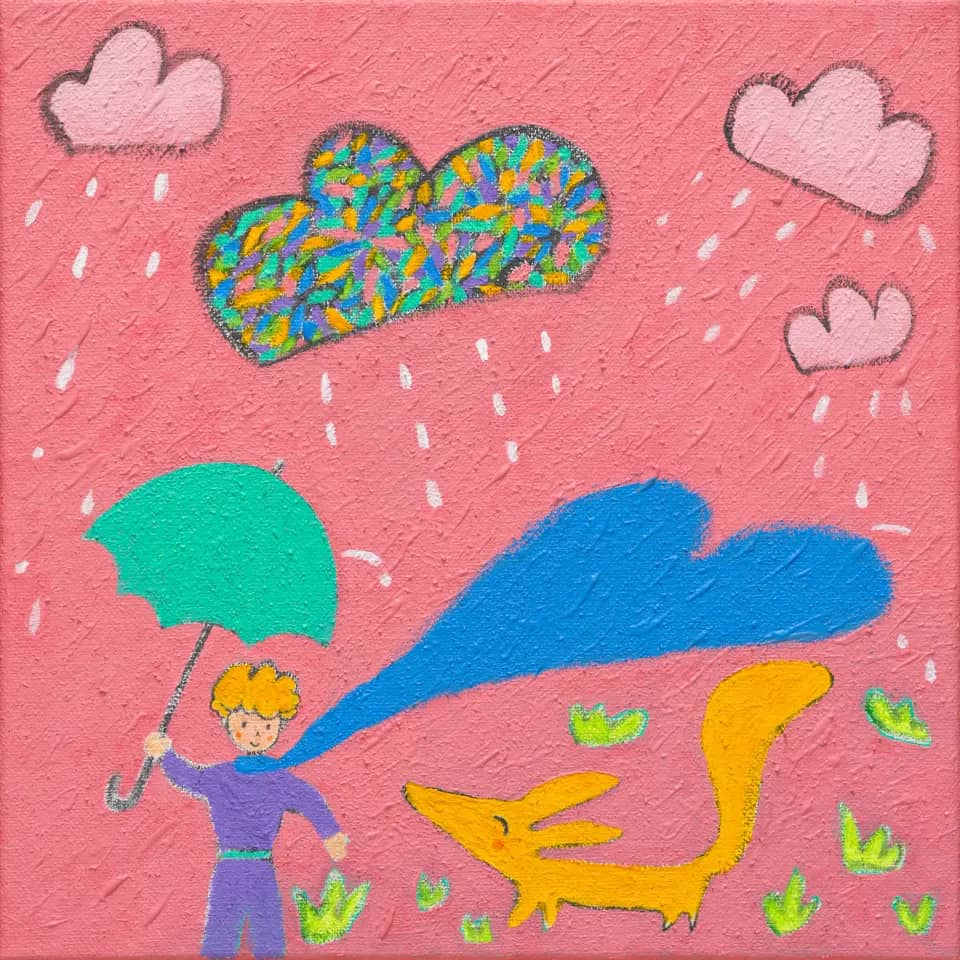
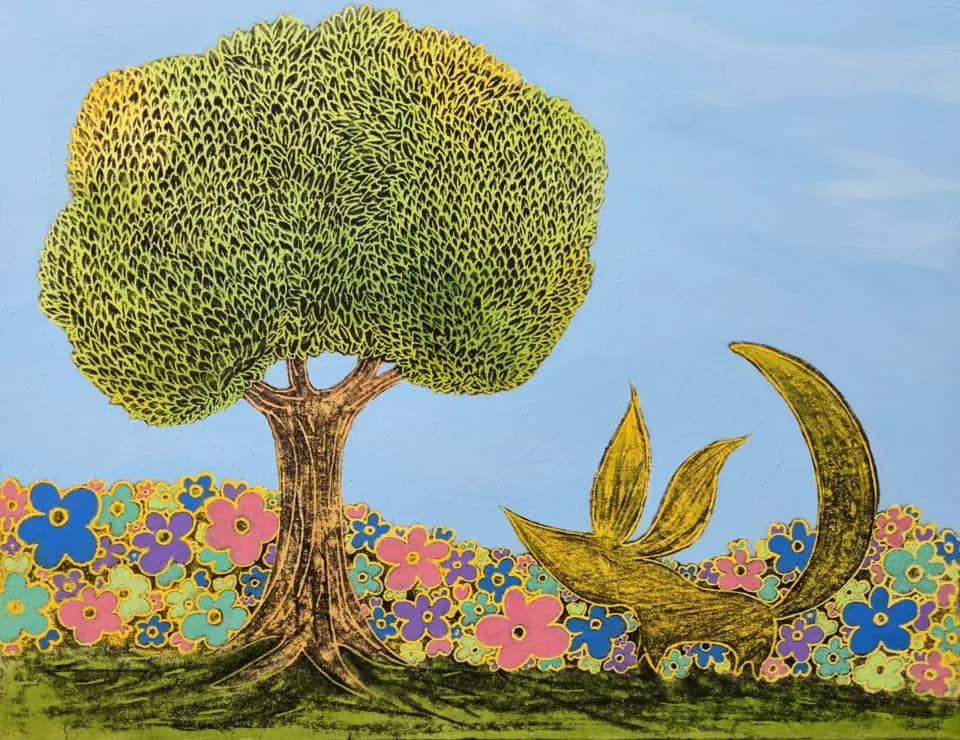
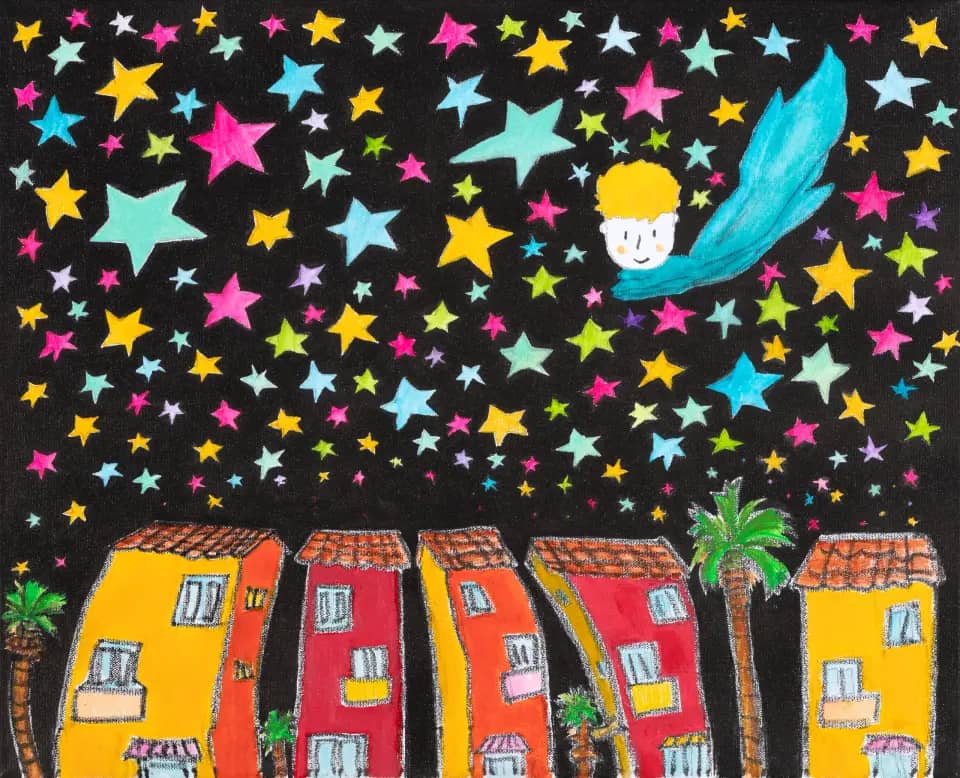
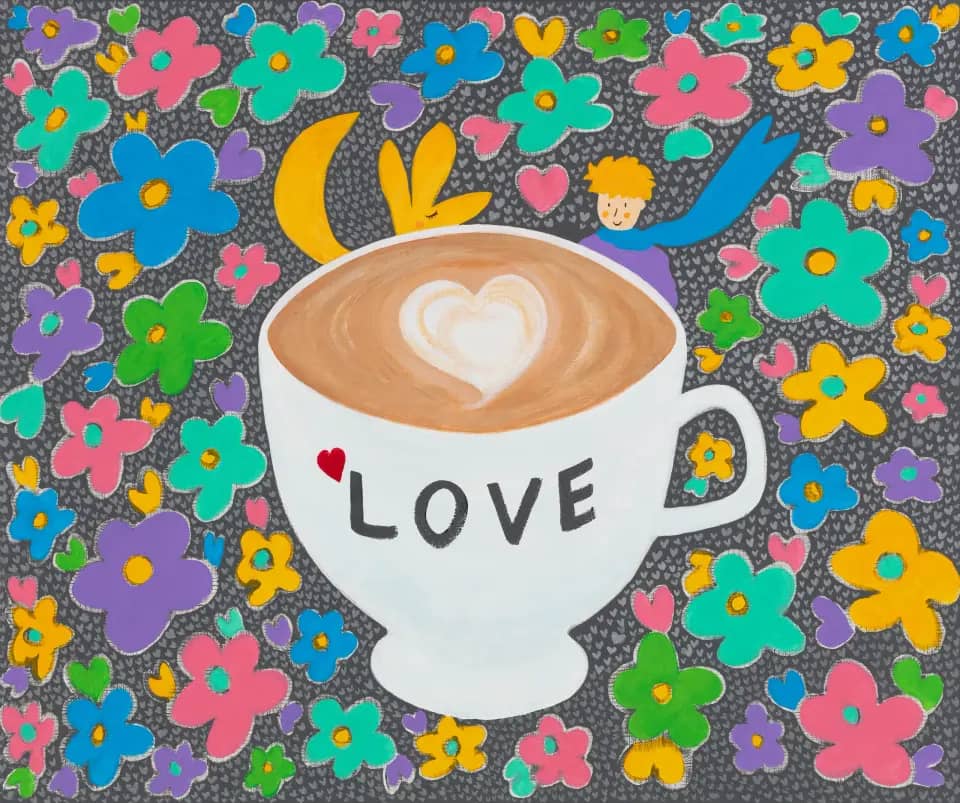
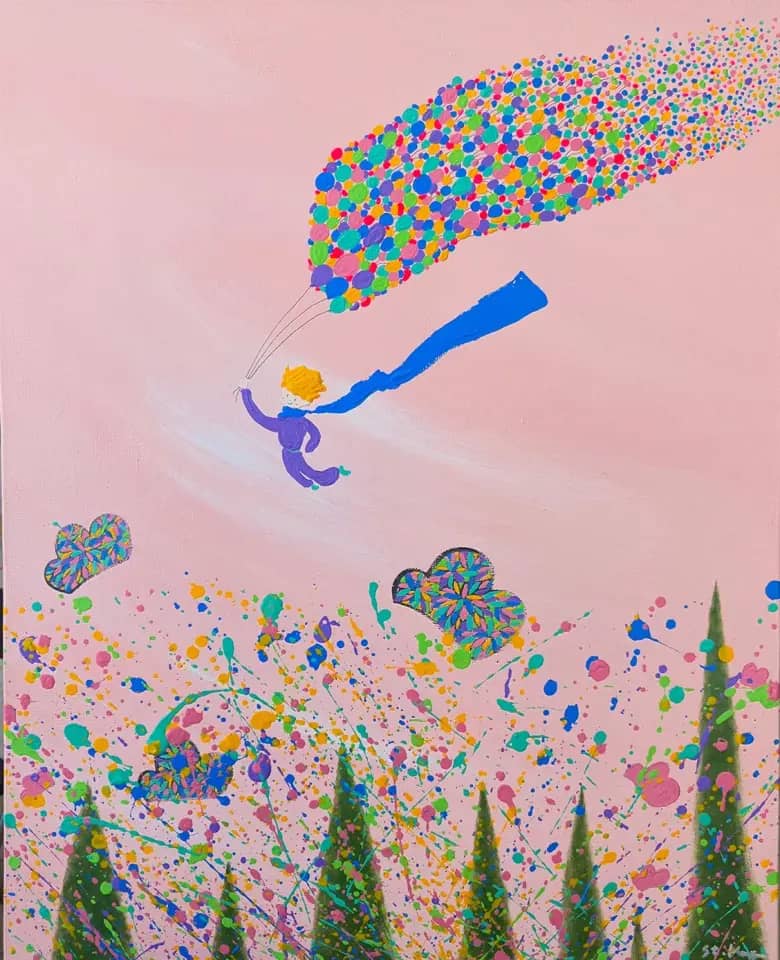
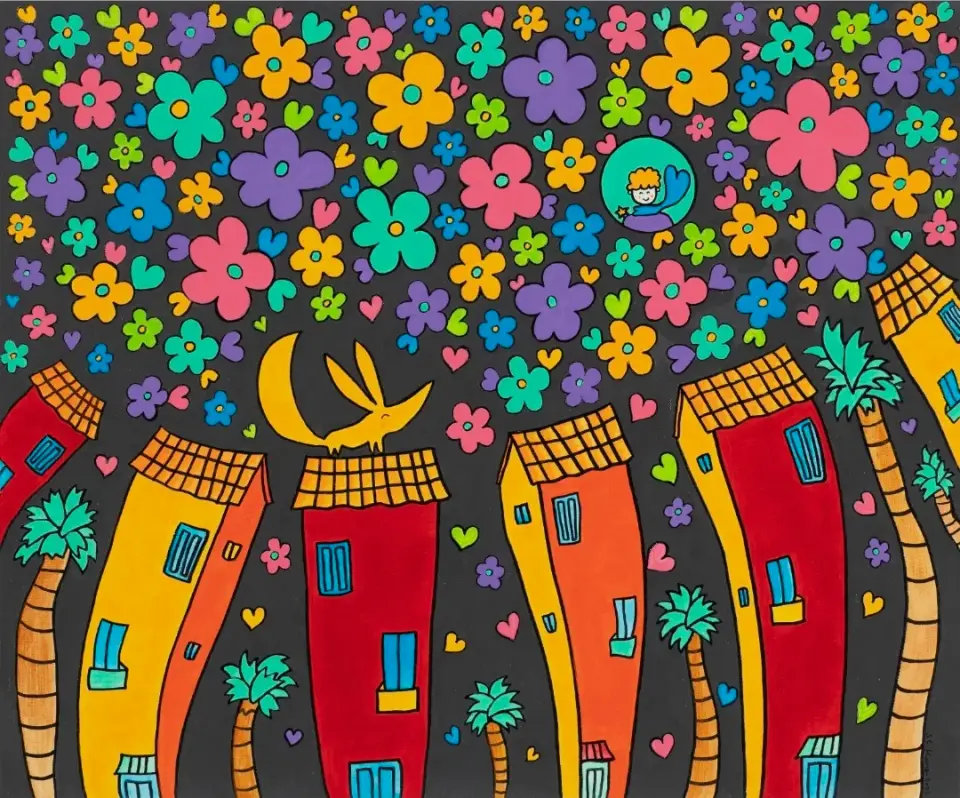
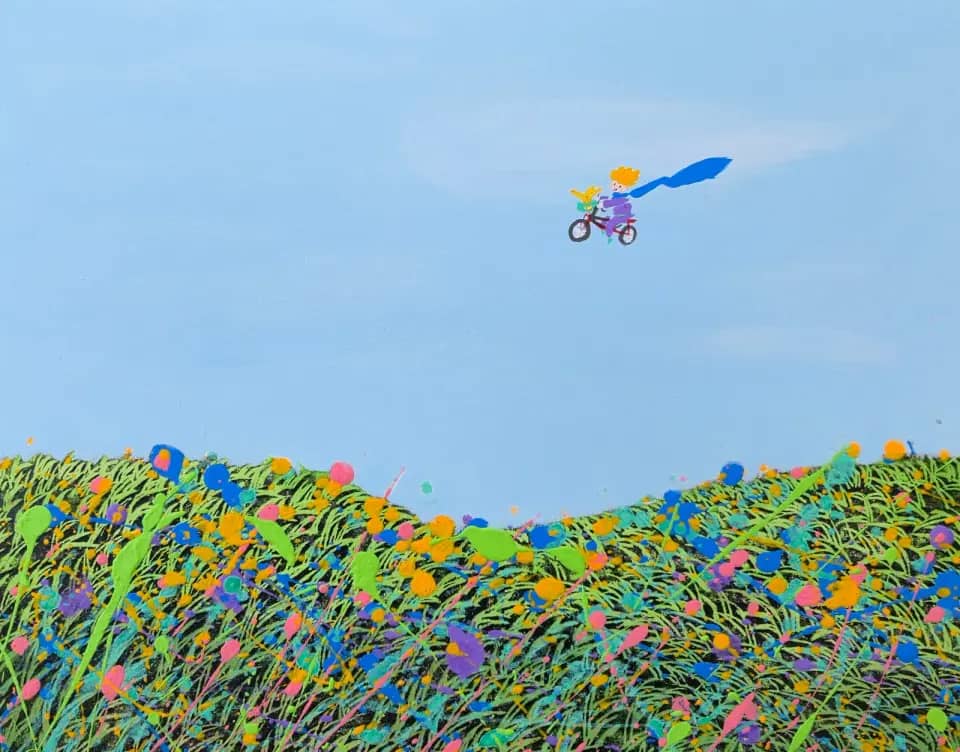
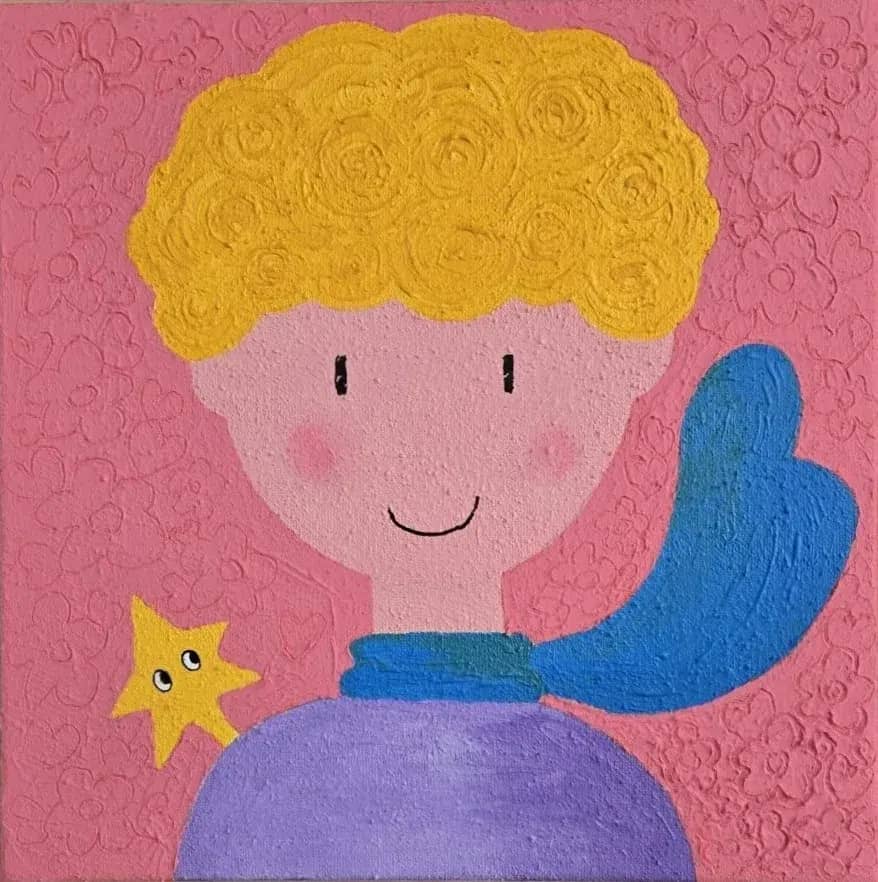
Kang Seoktae is a Korean painter who has spent more than twenty years in sustained dialogue with a single book: Antoine de Saint-Exupéry's The Little Prince. The conversation began in 2002 and continues to this day. His central motif — the “star boy” (별소년), a figure he created as his own reinterpretation of the Prince — is not literary illustration but an original artistic language: a way of painting the inner life, that which cannot be touched but is nonetheless real.
He graduated from the Department of Oriental Painting at Chugye University for the Arts, completed a master's in Oriental Painting at Sejong University Graduate School, and holds a doctorate in Cultural Arts from Chugye University for the Arts. He has taught as a visiting professor at Suwon University and as an invited lecturer at Inha University — a practice that integrates theory and creation, confirmed by critics who note the philosophical depth beneath the warm surfaces of his paintings.
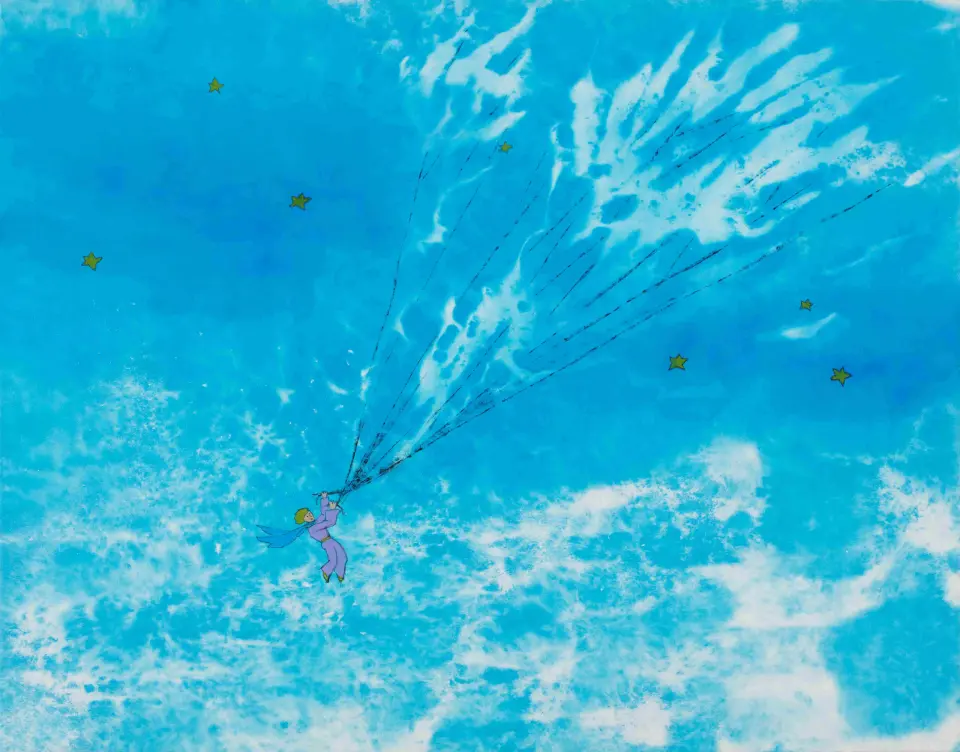
His primary medium is Korean paper (한지), worked through traditional techniques: baechaebop (背彩法, reverse-side colouring) — a classical portrait method that builds colour slowly from behind the paper, yielding a natural and luminous surface — and tukbon (탁본, rubbing), in which texture is transferred by pressing paper to a surface. The transparency and softness of hanji, the artist has noted, is a perfect material correspondent to the pure and gentle quality of the Little Prince.
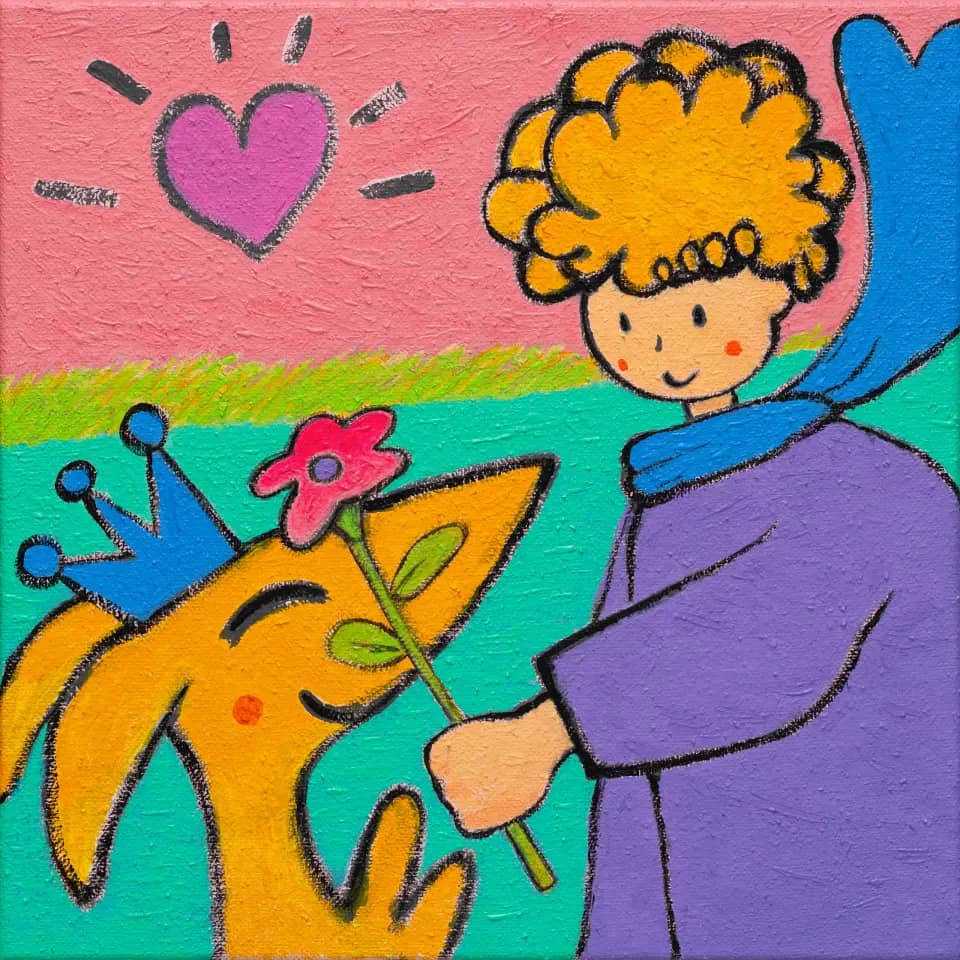
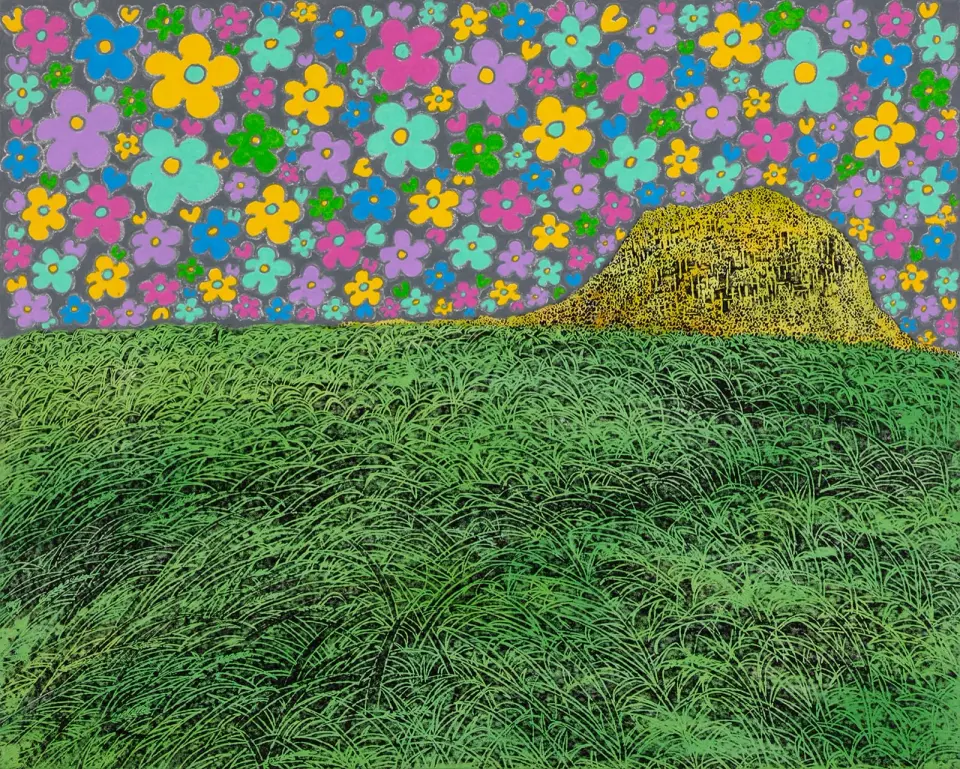
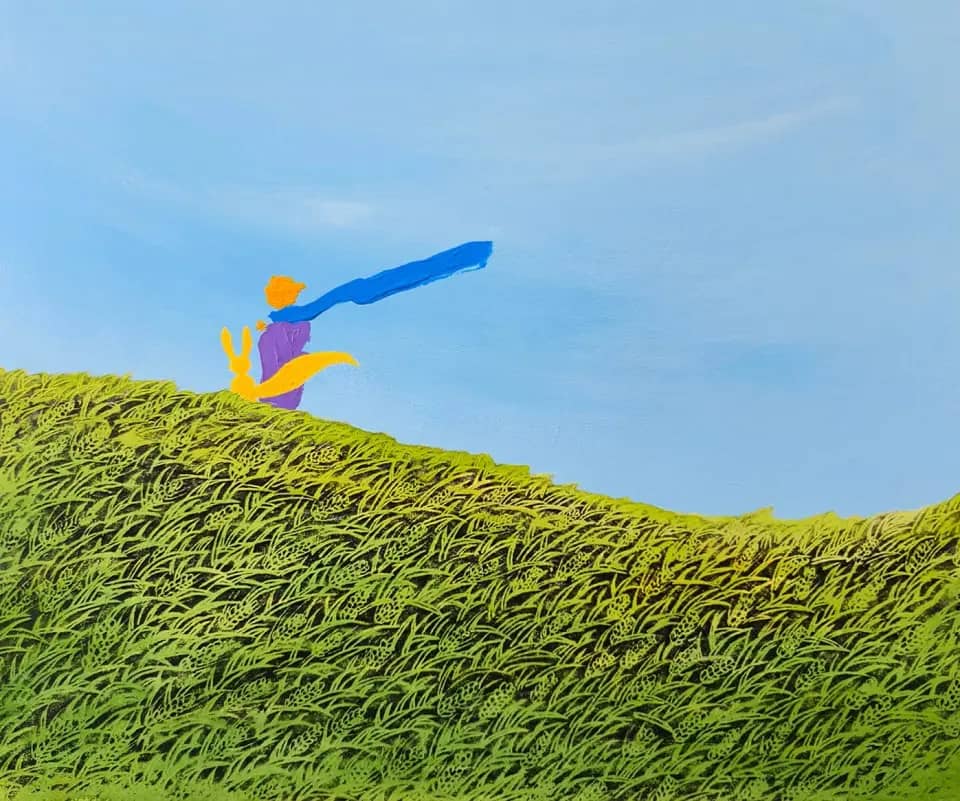
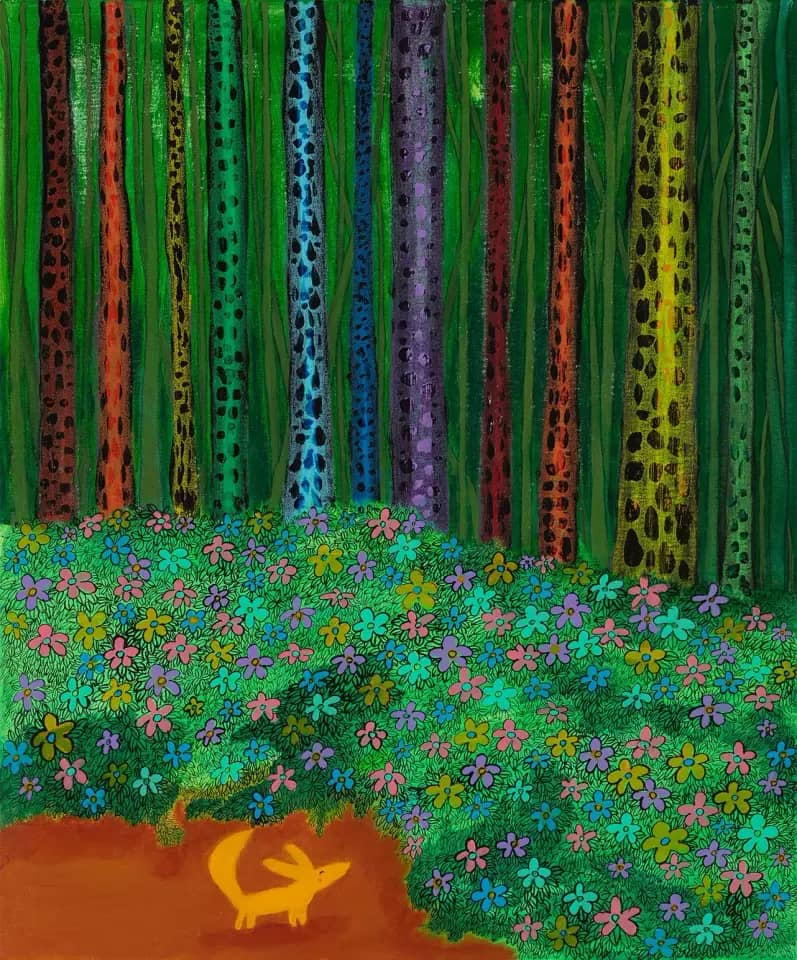
His palette has shifted over the decades in close correspondence with his life. The earliest works from 2002 were rendered in ink alone. He then moved into blue — sky and cloud — before arriving at the warm, flower-filled colour of recent years. The change was inseparable from becoming a father later than his peers: discovering, while drawing alongside his young daughter, that he had quietly begun to paint in her colours.
Art critic Lee Jae-eon has written of his work that it expresses inner imagery while achieving a harmonious unity with life. Exhibition curator Kim Mi-hyang observed that “the boy's colour was blue.” The warm and hopeful harmony of blues, yellows, and oranges that characterises his paintings works not as decoration but as consolation: the star boy is not a nostalgic figure but a living presence, moving through a world that each viewer may recognise as their own.
Three signatures of the work
- 1
The star boy (별소년)
The Little Prince reborn as the artist's own original figure — not illustration but invention. The star boy carries the loneliness and hope of the night sky, and serves as a guide back to the pure emotions that adult life tends to bury.
- 2
Baechaebop and hanji — tradition as warmth
Colour applied from the reverse of the paper builds slowly, from behind — yielding a surface that glows rather than shines. The transparency of hanji and the indirectness of baechaebop are not merely technique but disposition: the warmth here is earned, not declared.
- 3
Painting as healing
His works are collected in children's rehabilitation hospitals, public libraries, and social welfare foundations — not by accident but by intention. The art is a form of care: inviting the viewer to meet the inner child they have not yet lost.
The artist's timeline
- 1990sGraduates from Chugye University for the Arts, Dept. of Oriental Painting; master's at Sejong University Graduate School.
- 2000Special Selection (특선), 22nd JoongAng Fine Arts Competition (중앙미술대전).
- 2002Begins sustained dialogue with The Little Prince — the "star boy" series commences.
- 2003Young Artist Award, Oriental Painting New Millennium (동양화새천년 청년작가상).
- 2000s–Holds solo exhibitions across major Korean galleries; PhD in Cultural Arts, Chugye University for the Arts; teaching at Suwon University and Inha University.
- 2023Publishes Speaking to the Little Prince (어린 왕자에게 말을 걸다, Bibito) — a picture essay co-created with his daughter Kang Harin.
- ongoingnumerous solo and group exhibitions; works held in MMCA Art Bank, French Cultural Center in Korea, Korea National University of Arts, Nexon Children's Rehabilitation Hospital, and others.
Selected collections
- MMCA Art Bank (국립현대미술관 미술은행), French Cultural Center in Korea (주한프랑스문화원), Korea National University of Arts (한국예술종합학교)
- Nexon Children's Rehabilitation Hospital (넥슨어린이재활병원), Purme Foundation (푸르메재단), Suncheon Miracle Library (순천기적의 도서관), Yanggu Gongjon Library (양구공존 도서관)
- Namhae County Office (남해군청), Changwon Hanmaeum Hospital (창원한마음병원)
Three essays —
on the work and the star within
1The star in the heart — what the painting reaches for
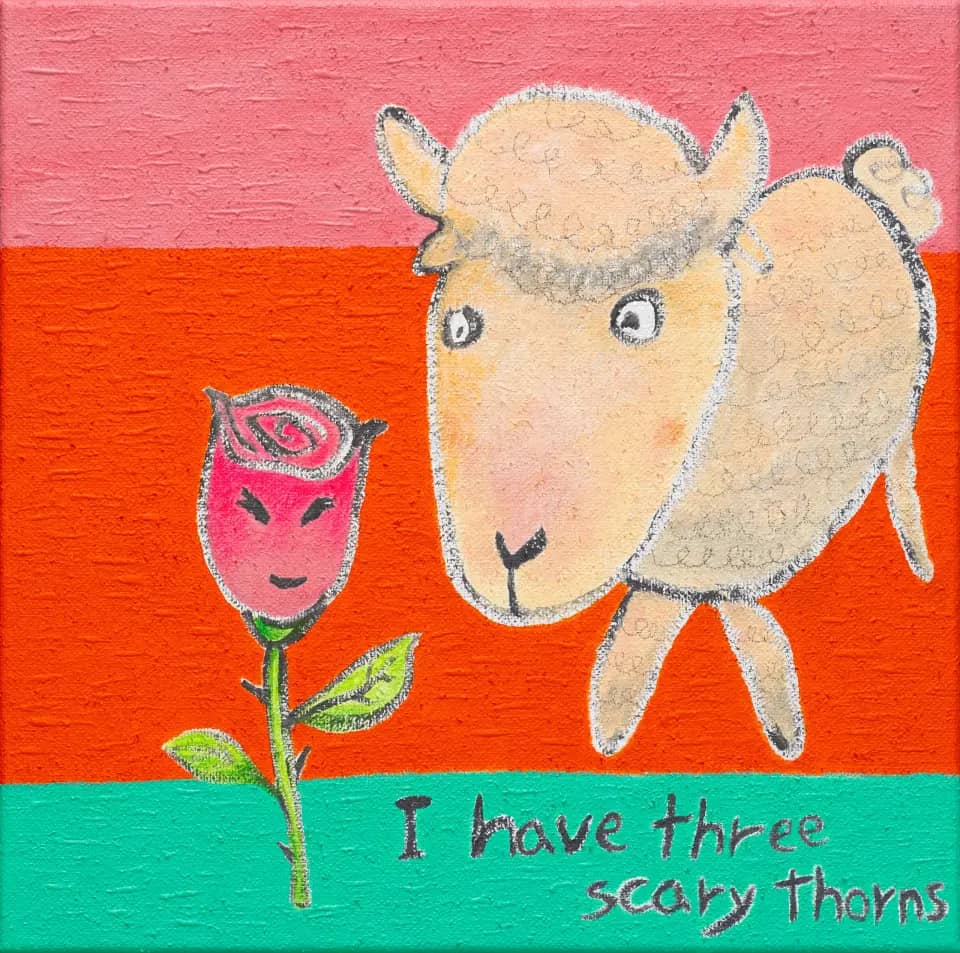
In Saint-Exupéry's telling, the Little Prince lives on a tiny planet with a single rose, and counts the stars as his friends — knowing that somewhere among them, his flower is tended. The stars become bearers of meaning: each one, for someone, is a place of love. Kang Seoktae read this not as a story about a boy in space but as a description of the interior life — the part of us that clings, invisibly, to something we cannot see and cannot lose.
His motif of the “star in the heart” follows from this reading. It is not a decorative trope but a proposition: that every person carries within them a point of warmth and orientation, something that predates adult complexity and outlasts it. The star boy in his paintings is not a child longing to become an adult, nor an adult longing to become a child again — but a figure who holds both, simultaneously, in the same hand.
Art critic Lee Jae-eon has observed that his paintings achieve an inner world while maintaining harmony with life — an observation that points to the specific difficulty of Kang's project. Warmth in painting can easily become sentimentality, and sentimentality closes the viewer off. His paintings remain open because the warmth is hard-won: built from behind the paper, layered slowly, never announced.
2The Little Prince and the childhood we did not quite lose
The Little Prince is a book that reads differently at every age. As a child, it is a fairytale. As an adult, it is a mirror. Kang Seoktae has described how, on re-reading it, memories surface involuntarily — a sensation he calls “magical.” What strikes him is not the narrative but this mnemonic property: the book does not only tell a story, it retrieves something the reader had stored away without knowing it.
His painting extends this property into visual form. The star boy is not illustrated from the text; he is built from feeling — specifically, from the desire to “meet the happy boy inside oneself” when the accumulation of adult life — resentment, negative emotion, ordinary exhaustion — has covered it over. This is not escapism but an act of interior archaeology: the careful recovery of what was always there.
This is also why the colour has shifted. The early ink-only paintings were formal and introspective. The movement through blues toward warm flower tones tracks the artist's own passage through experience: marriage, parenthood, drawing alongside a child who had not yet learned to suppress colour. In that sense, the paintings are not illustrations of a philosophy but documents of a life in which the philosophy was lived.
3Traditional technique as contemporary language — twenty years of persistence
Korean ink painting (동양화) carries with it the weight of a long tradition — and, in contemporary practice, the challenge of making that tradition speak to the present. Kang Seoktae's response has been neither to abandon the tradition nor to use it as pastiche, but to find within it the technical means for a very contemporary subject: emotional interiority.
Baechaebop — the classical technique of applying colour from the reverse of the paper — produces a quality impossible to replicate by direct application: a softness, a glow, a sense that the colour is emerging from within rather than laid on top. This is the technical correlate of what the paintings are about. The star is not placed in the sky; it seems to have always been there, becoming visible. The boy is not illustrated; he seems to be remembered.
Twenty years of sustained practice with a single subject is unusual in any context. It is especially unusual within the contemporary art world, which tends to reward novelty and range. Kang Seoktae has chosen depth over breadth: the same encounter, the same motif, the same question — approached each time from a slightly different angle, with a slightly different palette, and found to contain, each time, something further. He joins SAF not as a subject of its cause but as a fellow artist in solidarity — so that those who come after might work in a world less bounded by financial exclusion, and so that depth, too, might be possible.
“It seems to me,” the artist has said, “that inside all of us, there lives a Little Prince. We have all become adults now — but everyone was once a child.” His paintings do not argue this; they simply make it available. Twenty years on, the star boy is still travelling.
Selected Works
18 works are featured here.
Kang Seoktae joined this campaign in solidarity with fellow artists. Every work sold flows directly into the artists' mutual-aid loan fund— a purchase becomes the next month's lifeline for an artist navigating financial exclusion today.