When buying art for the first time, the most confusing question is often 'what is this actually made of?' Understanding the medium changes everything. This guide breaks down all 11 categories in SAF 2026 — from oil and acrylic to printmaking and photography — and helps you find what fits your taste.
Oil, Acrylic, or Print? — How to Choose a Work by Medium
The thing first-time buyers say most often:
"I can see what it's made of — I just don't know why that matters."
Fair enough. School didn't teach it. But once you know the material, your way of looking changes. You start to understand price structure. You can picture the mood a work will carry in your home. SAF 2026's 903 works split into several categories. Here is the full distribution.
| Genre | Works | Share |
|---|---|---|
| Painting | 378 | 41.9% |
| Posthumous Print | 175 | 19.4% |
| Printmaking | 88 | 9.7% |
| Drawing | 66 | 7.3% |
| Photography | 64 | 7.1% |
| Other | 42 | 4.7% |
| Korean Painting | 27 | 3% |
| Mixed Media | 16 | 1.8% |
| Ceramics/Craft | 15 | 1.7% |
| Sculpture | 15 | 1.7% |
| Digital Art | 13 | 1.4% |
| Lifetime Print | 4 | 0.4% |
| Let's walk through them. |
Painting — The Oldest Language on Canvas
Painting makes up the largest share of the show. Within it, materials split two ways.
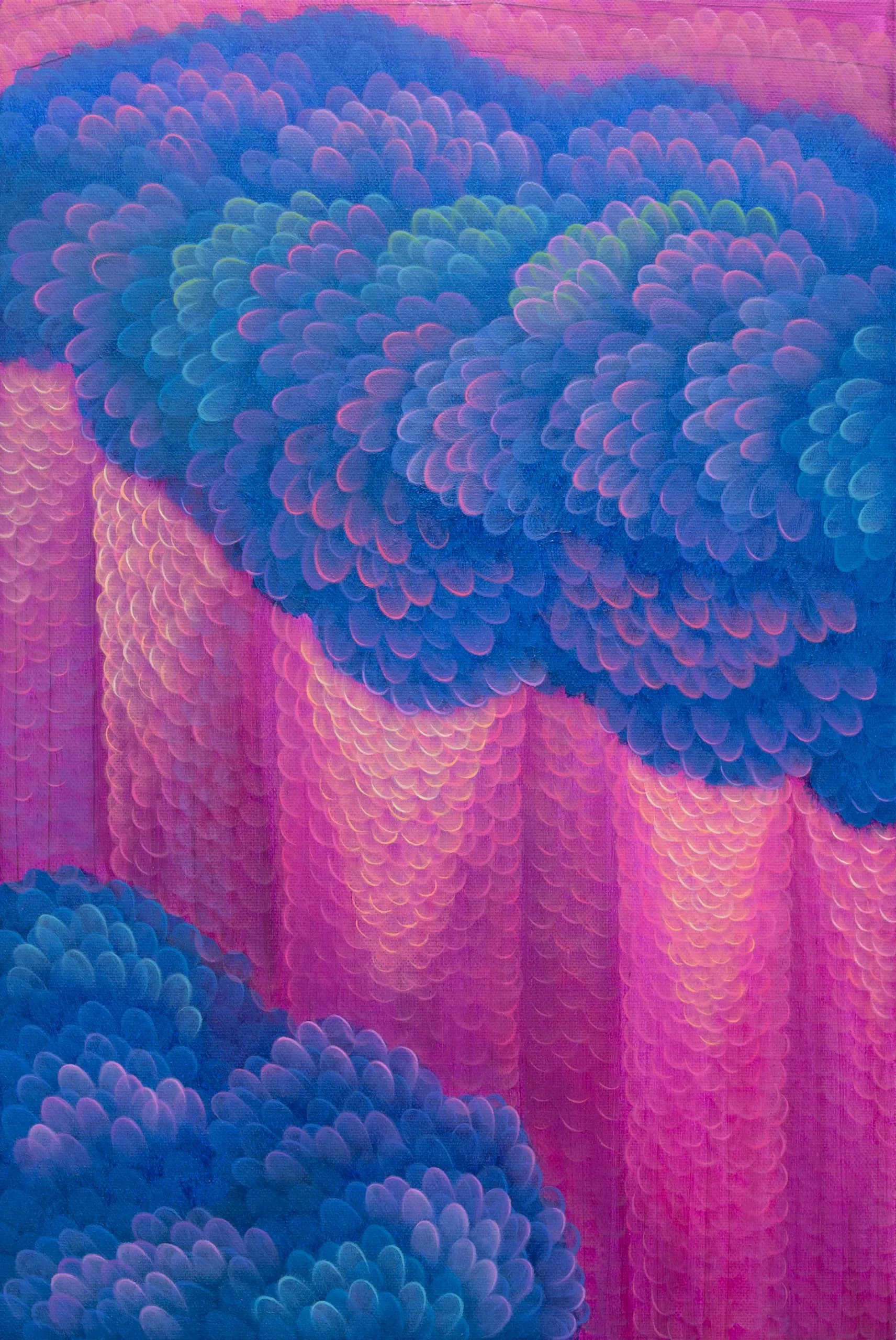
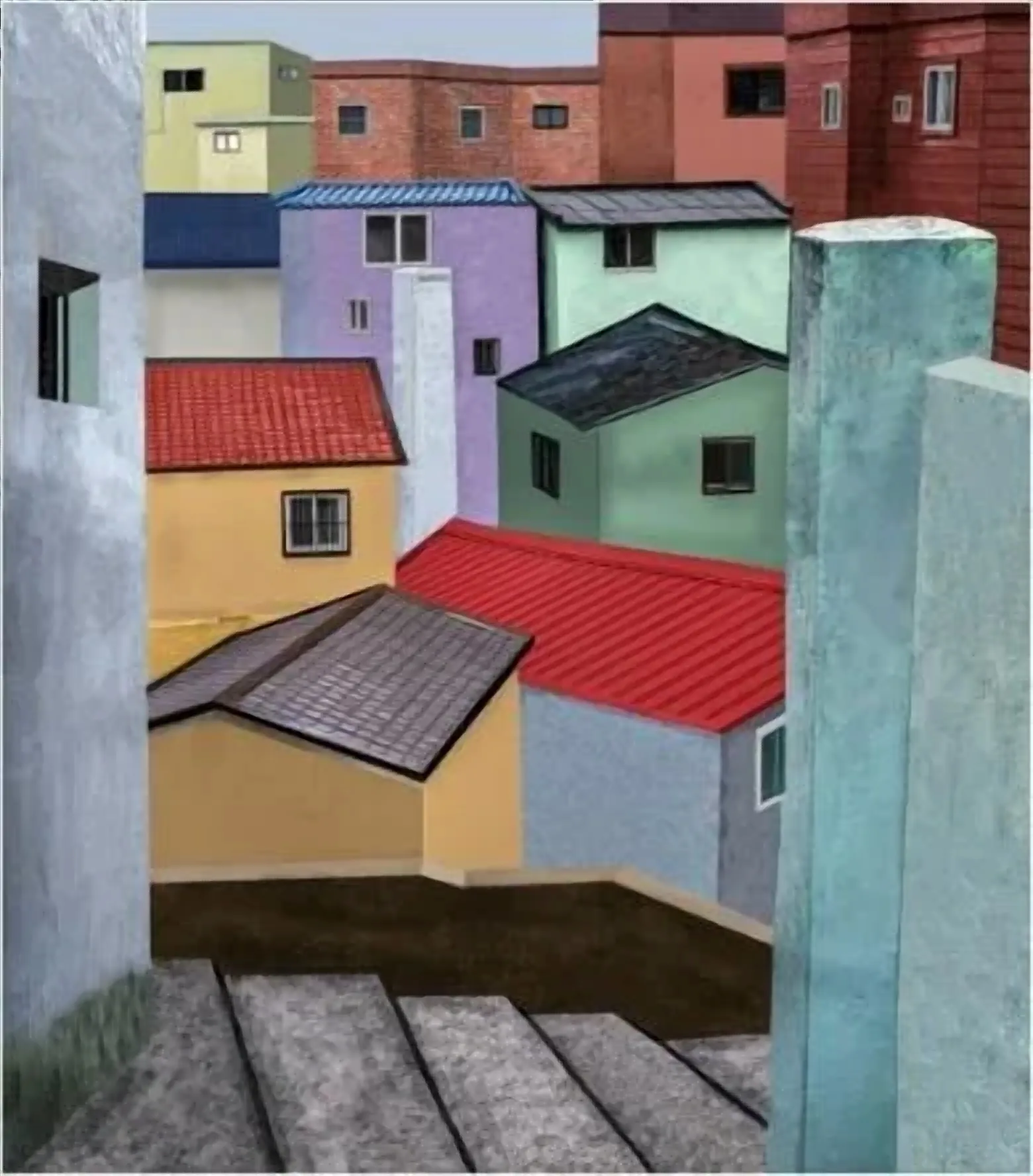
Oil is the method inherited from the Renaissance. Pigment mixes with plant oils like linseed oil. Slow drying lets artists build color in layers over days. That gives it depth. Under light, color rises from within — texture only oil has. Fits those who want a classical, grounded mood. Park Seongwan's Gangjaeng Rice Mill, Yoon Gyeom's Pink fortress sit here.
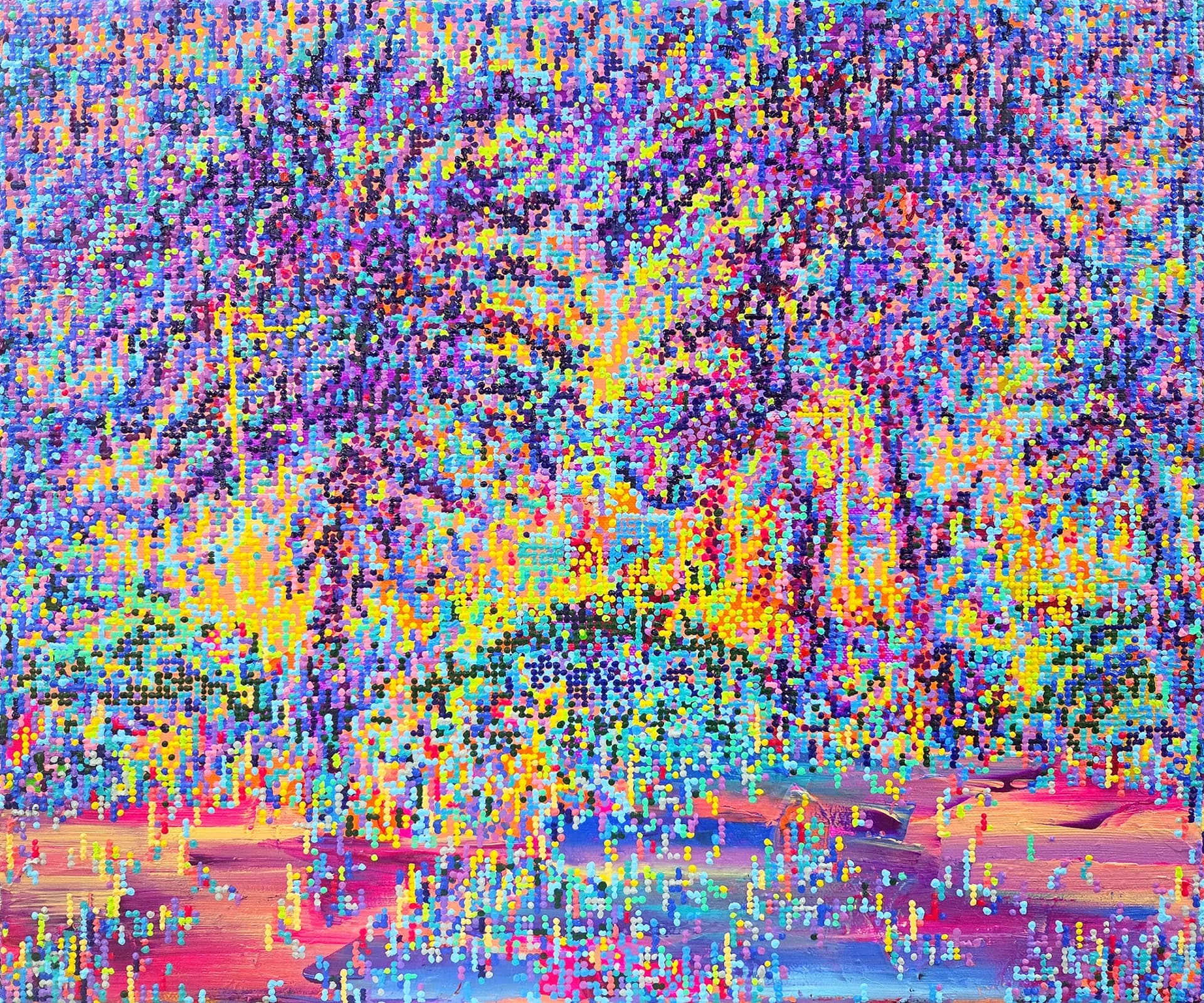
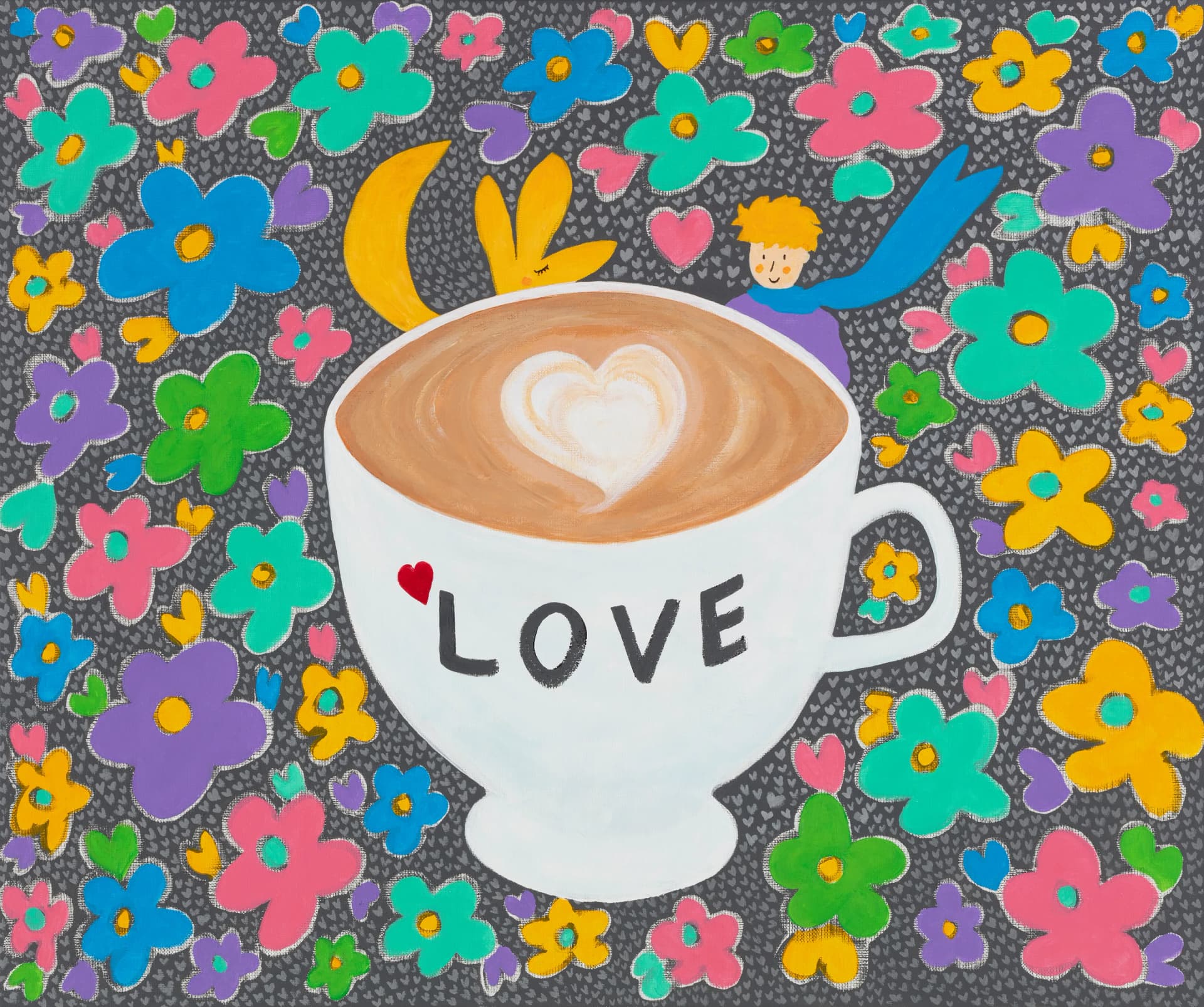
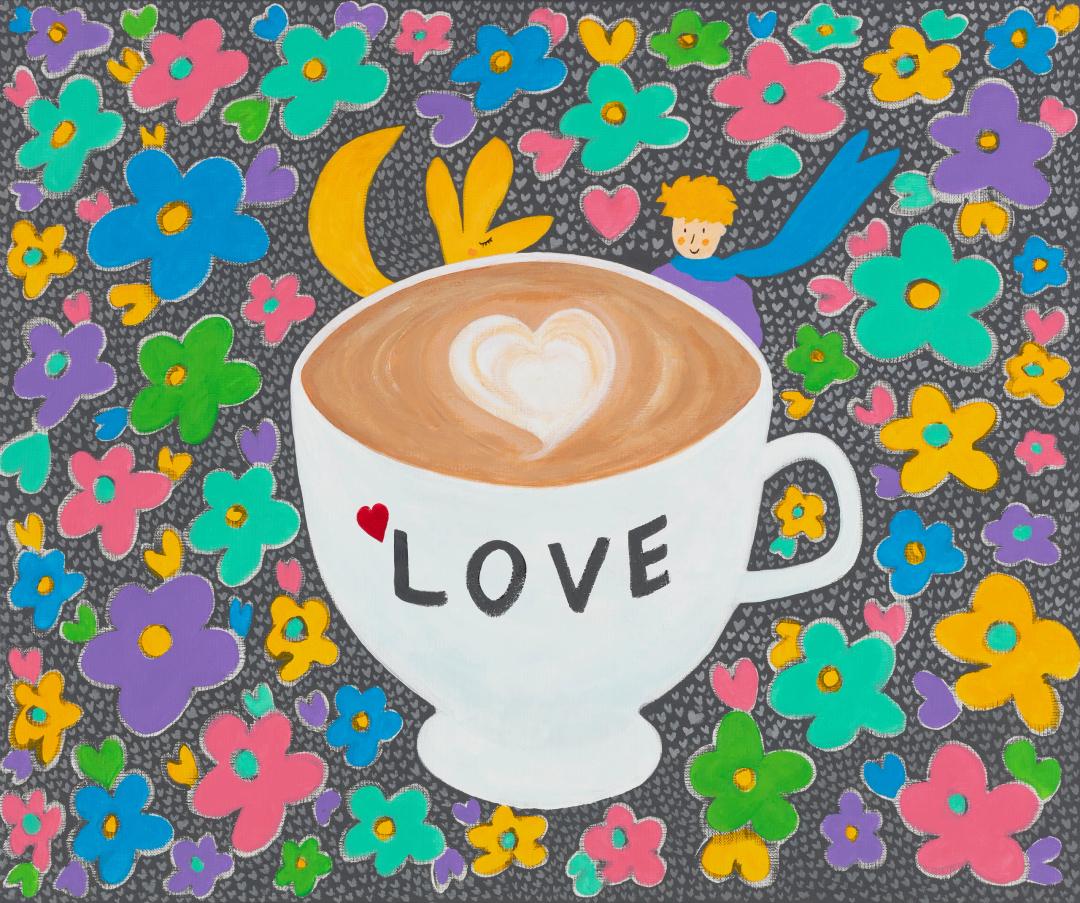
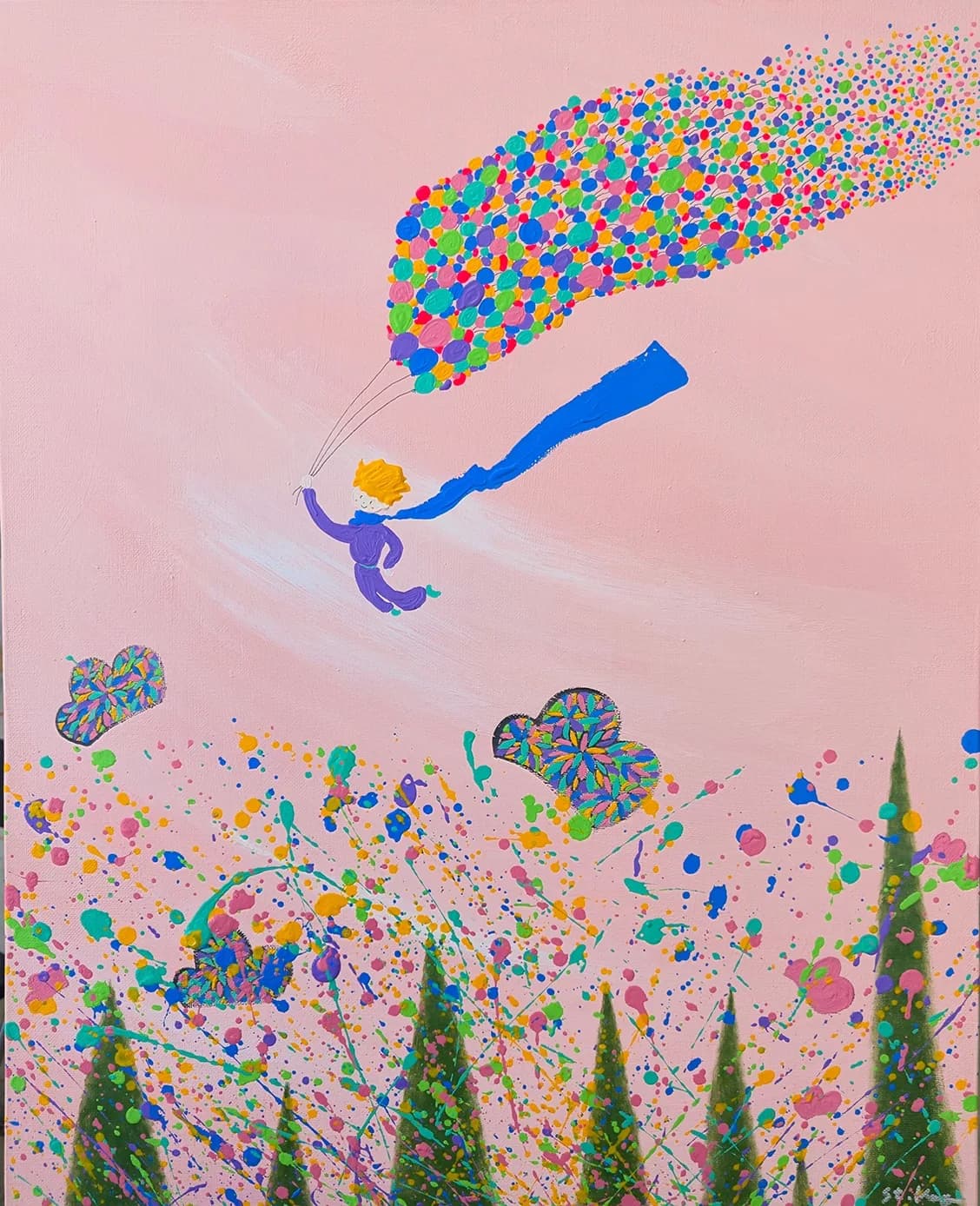
Acrylic is newer, introduced in the 1950s. It thins with water and dries fast. You can build it thick or dilute it like watercolor — a wide expressive range. Works like Sim Moby's 9505 SIM_Memory and Lee Gwangsu's 回 series carry the medium's contemporary, vivid color.
| Material | Drying time | Color character | Mood |
|---|---|---|---|
| Oil | Slow (days to weeks) | Deep, rich | Classical, grounded |
| Acrylic | Fast (hours) | Vivid, versatile | Contemporary, dynamic |
Print, Posthumous Print, Art Print — Originals in the Plural
Combined, this print family is the second-largest group in the show, after painting. It's also the most misunderstood area. "If there are multiple copies, isn't it a reproduction?" — the most common question. No. In printmaking, the artist's act of carving the plate, inking it, and pressing it to paper is the art.
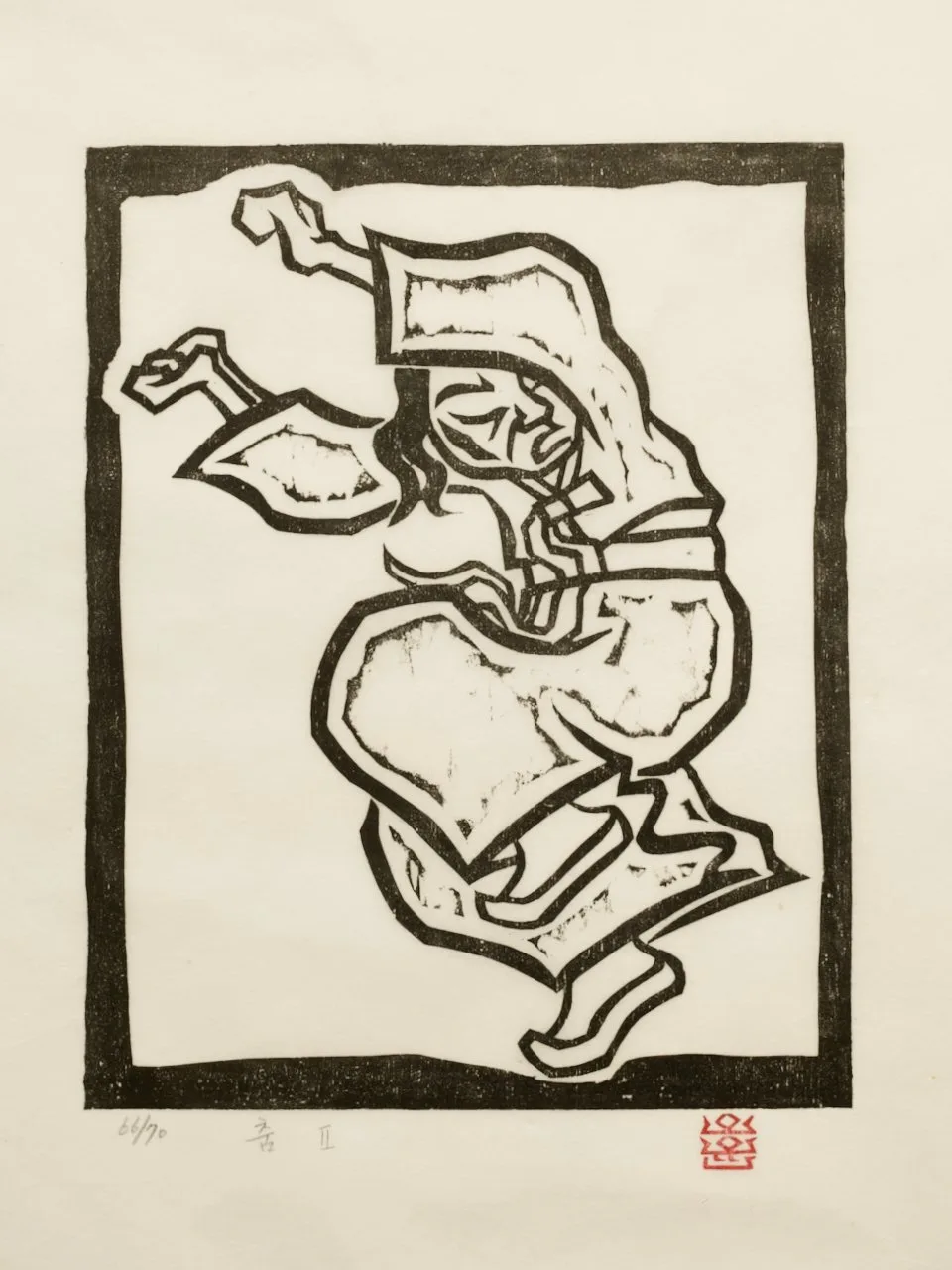
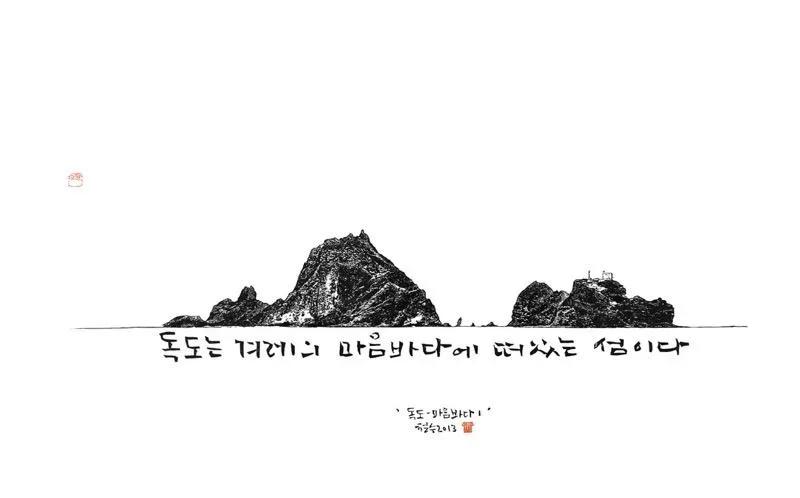
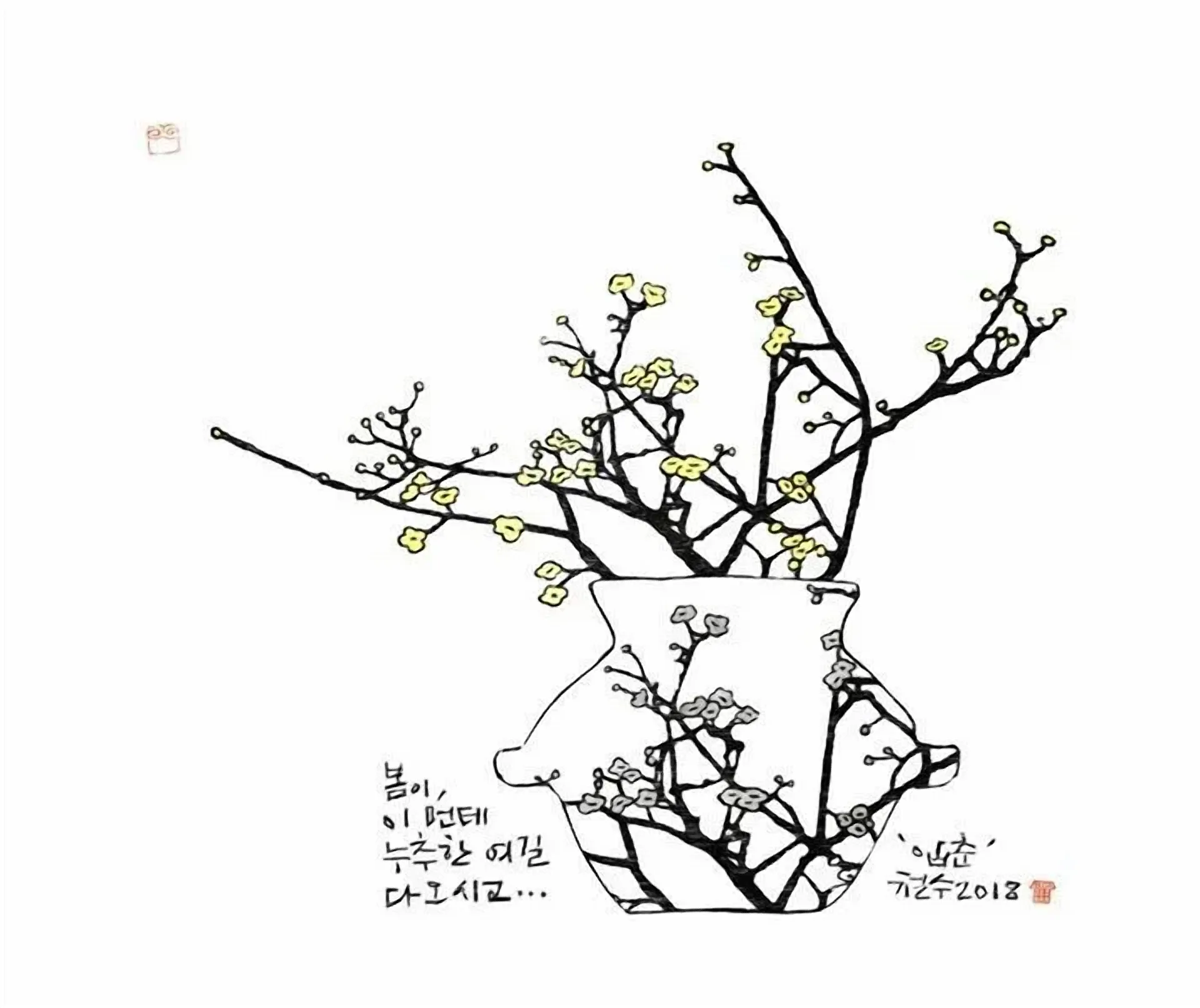
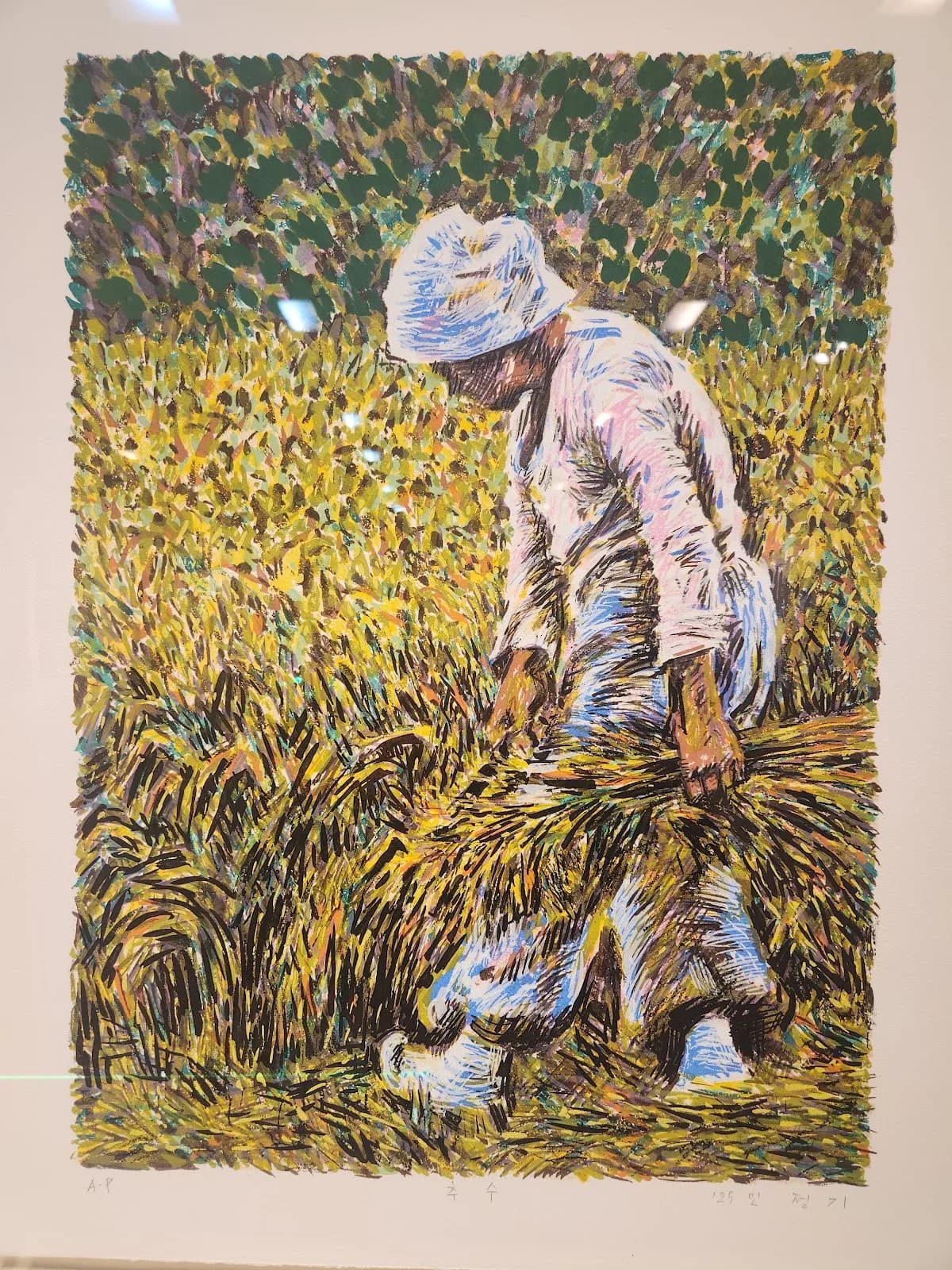
Prints are made with this traditional method. Lee Cheolsu's Vessel of the Heart and Songs of the Dragons Flying to Heaven are representative woodblocks. The line cut directly into wood can't be imitated digitally.
Posthumous prints are pulled in limited quantities by family or institutions from plates the artist made during their lifetime. Most of SAF's posthumous prints are by Oh Yun (1946–1986): The Great Earth, Dance 2, Pansori Singer 1, Homecoming, Eight-Petaled One Flower. Though 40 years have passed since his death, works pulled from his woodblocks are genuine originals.
Art prints are the contemporary method. Park Jaedong's works belong here — high-resolution digital files printed on professional printers. Usually more accessible in price than traditional prints.
Drawing — A Finished Work in Its Own Right
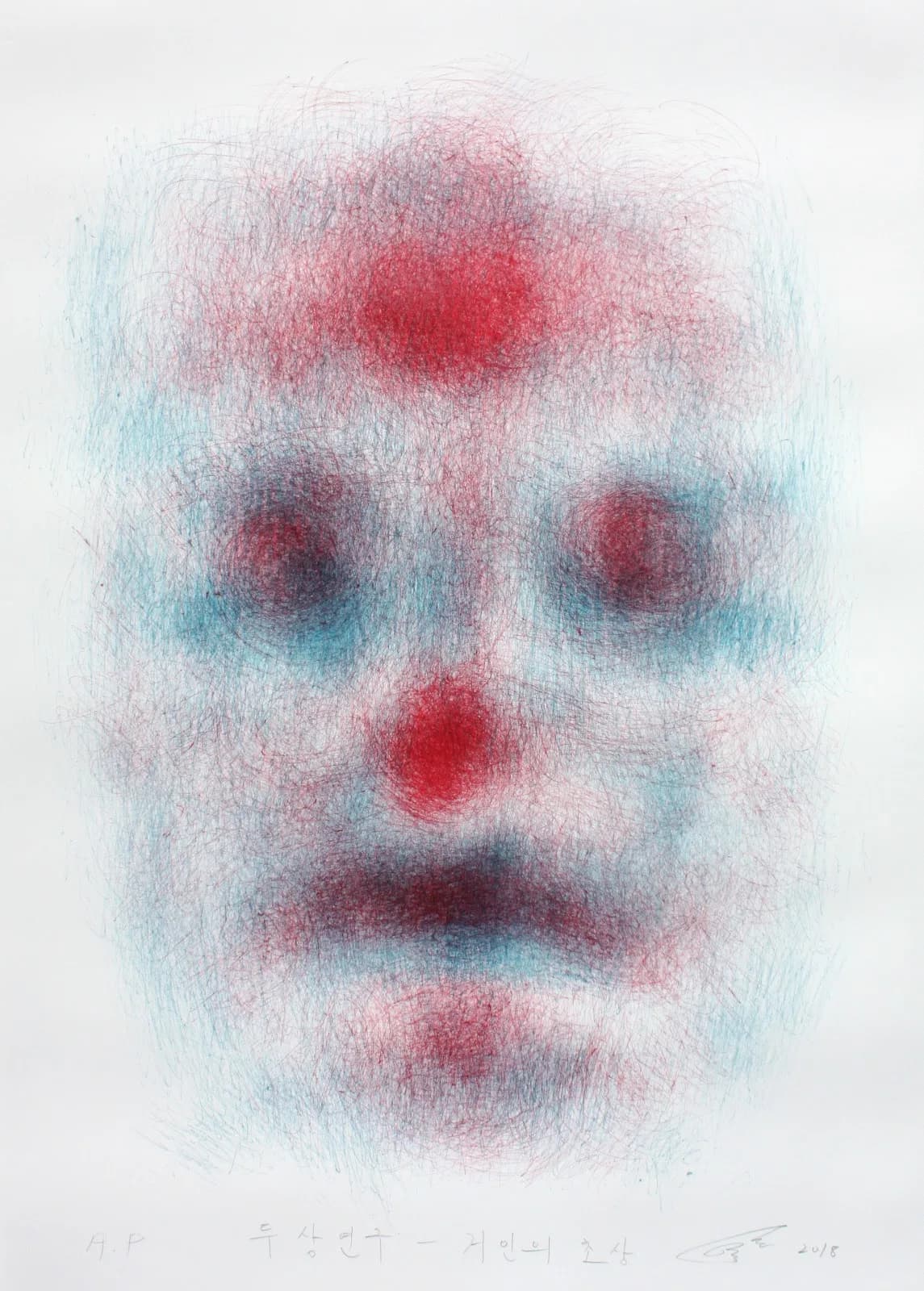
Drawing is SAF's third-largest genre. It's easy to mistake it for a preliminary sketch beneath a painting or print, but works made with dry media — pencil, charcoal, conté — on paper are complete, independent pieces.
That's the strength of drawing: there's no layer of paint to hide behind. Every line stays exposed, carrying the artist's hand, hesitation, and conviction without filter. For anyone who prefers an honest line over showy color, or who wants to watch an artist's thinking unfold up close, drawing is a more direct channel than almost any other genre.
Photography — Art Built Through the Lens
Photography is one of SAF's genres too. The materials have unfamiliar names.
- Archival pigment print: a high-grade output using long-preservation pigment ink. Son Eunyoung's House on the Hill uses this.
- Pigment inkjet print: output on fine-art paper like Hahnemühle — Lee Yeol's Blue Baobab of Memory. Color lasts decades.
- Digital print, diasec: mounting a photograph directly onto an acrylic panel. Color is sharper; the surface has a glass-like gloss. Kang Rea's #01_S1707SP uses this method.
Korean Painting — Spirit in Hanji and Ink
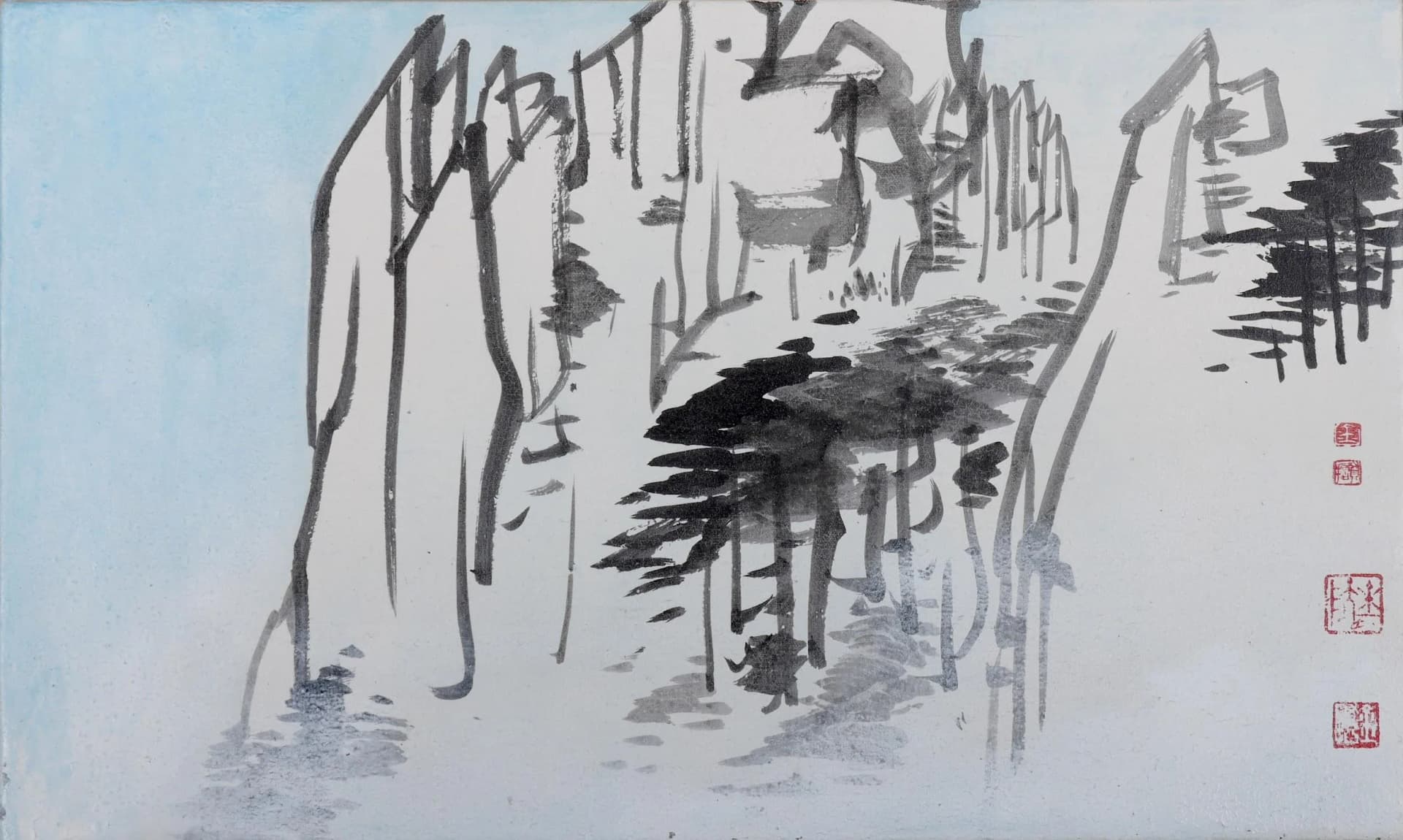
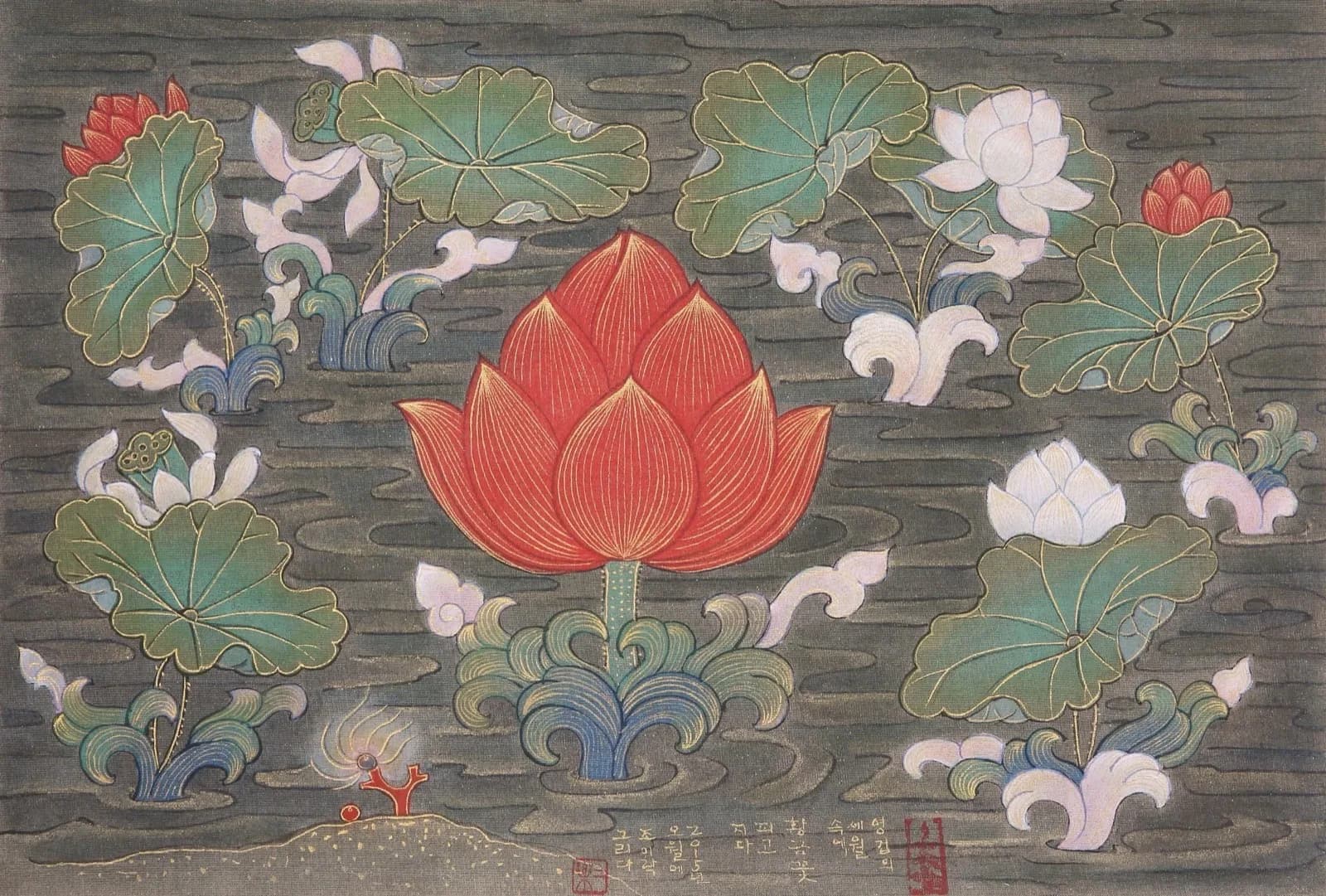
SAF's Korean paintings hold the East Asian spirit in their very materials. Hanji, hwaseonji, ink, bunchae, seokchae. Lee Munhyeong's Chaekgeori series uses ink and color on hanji; Sin Yeri's Chaekgeori uses bunchae on dyed hanji. Seo Gongim's Hero uses sugan bunchae on hanji. Unlike Western painting, deliberately leaving negative space is core to Korean painting's aesthetics.
Mixed Media, Digital Art, Sculpture, Ceramics
The remaining categories dissolve material boundaries into contemporary art.
Mixed media literally means two or more materials combined — collage on canvas, drawing on top of photography.
Digital art is made on computer, then output or shown on screen. Kim Taegyun's Ornament #3-1 and Ornament #3 are digital-printed and diasec-mounted, presenting like photography.
Sculpture and ceramics/craft occupy space. Placing them, rather than hanging, creates a different kind of experience.
Which Material Suits You?
Recommendations by taste.
| If you are | Consider |
|---|---|
| Looking for classical, grounded mood | Oil |
| Wanting vivid, contemporary feel | Acrylic |
| Seeking accessibility with artistic weight | Print, art print |
| Drawn to historical significance | Posthumous print (Oh Yun) |
| Wanting photography as fine art | Archival pigment print |
| Bringing Korean sensibility home | Korean painting |
| Willing to transform a whole space | Sculpture, ceramics |
| Wanting an honest line, the artist's hand | Drawing |
Material is the work's language. Knowing a little of it starts a different kind of conversation in front of the piece.
Related Guides
Explore Further
Related reading
If this piece helped, you may also enjoy these related articles:
Seed Art Festival
·