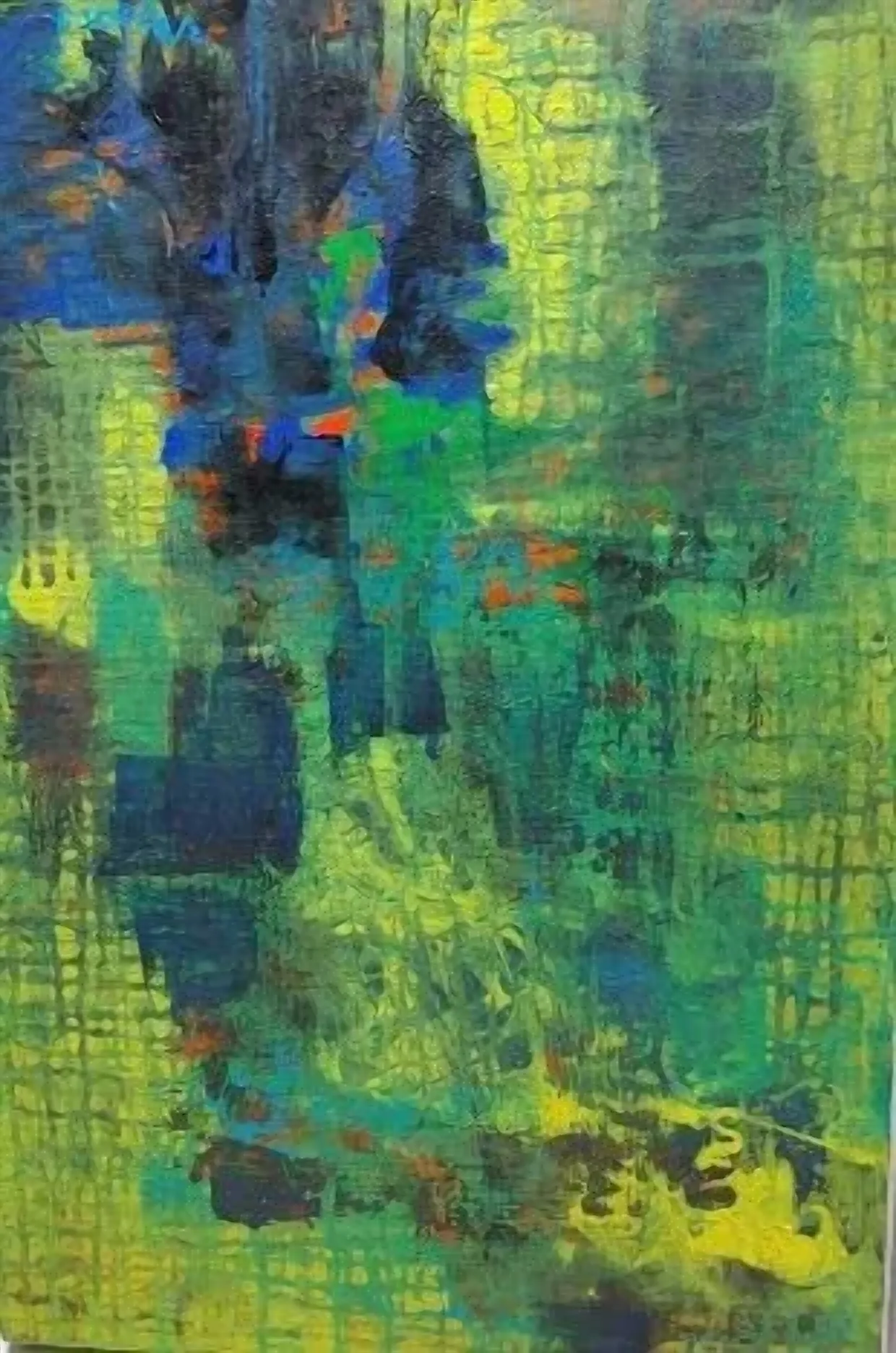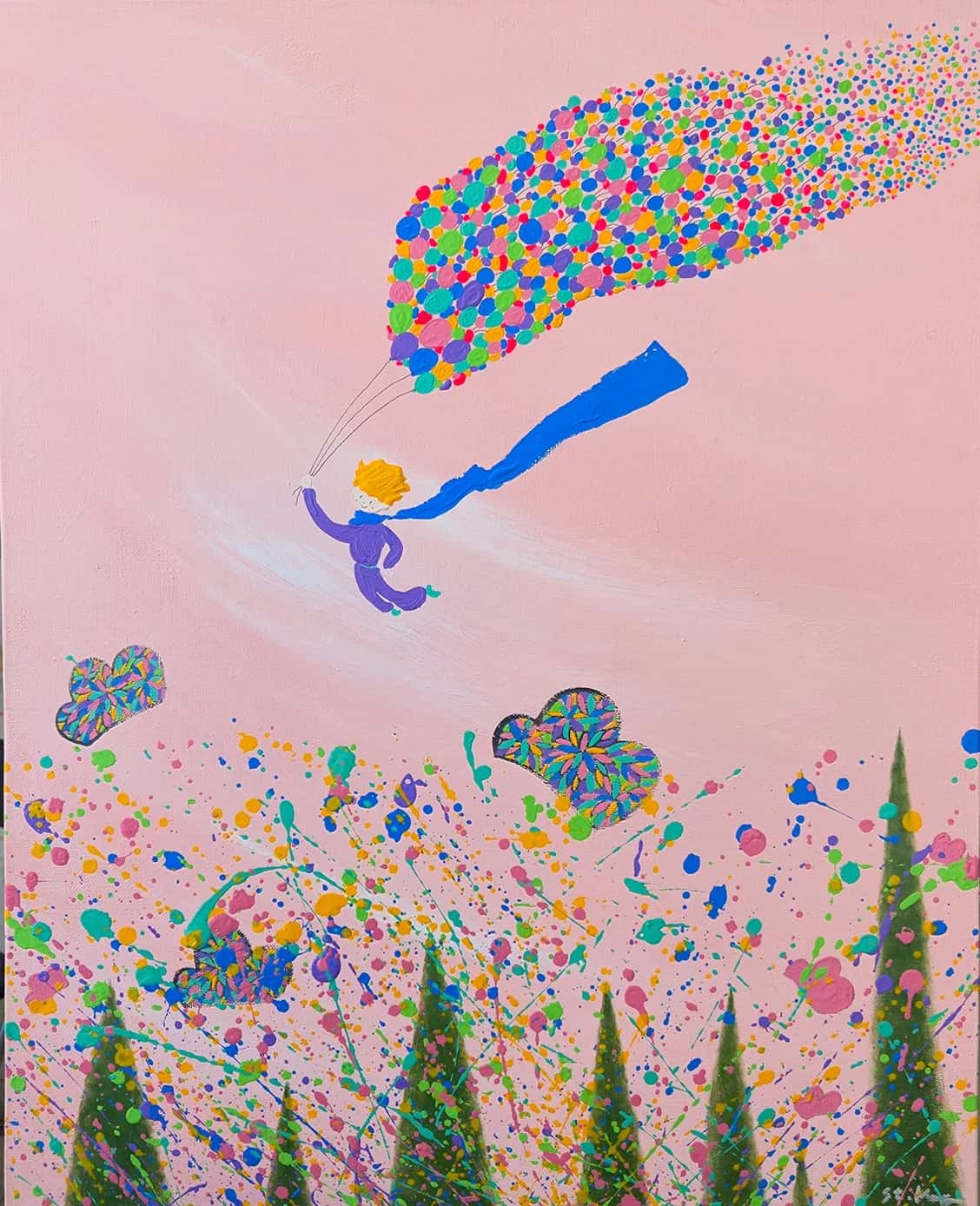
“How much should I start with?” The most common question from first-time art buyers. Here is what you can buy, and how to choose, at four price tiers — ₩300K, ₩1M, ₩3M, and ₩10M.
Collector path
Works to view after this guide
Use the guide below to understand the work, then compare available artworks in the gallery.
A Price-Tier Guide for First-Time Art Buyers
The single most common question first-time buyers ask is this:
"Where should I start?"
The reason it's hard to answer is that art prices span four orders of magnitude — from KRW 300,000 to KRW 3 billion. And what you can buy, and how to choose, is completely different at each tier.
This guide is for people buying their first piece. We split the field into four tiers — KRW 300,000 / 1 million / 3 million / 10 million — and lay out what's on offer at each level, the criteria for choosing, and the traps people commonly fall into.
Before You Start — Three Things "Buying Art" Can Mean
Before talking about price, a quick distinction between three media that the phrase "buying a painting" can refer to.
- Original: A single, one-of-a-kind work the artist painted directly onto canvas or paper.
- Limited Edition Print: An official artist work, made under the artist's direct supervision in a fixed run (typically 10–100 impressions).
- Photographic Print: A limited-edition photographic print personally inspected and signed by the artist.
Even from the same artist's hand, prices can differ five- to tenfold depending on medium. Why Print and Original Prices Differ by 10x covers that economics in depth. In this article, "art" includes all three media.
Tier 1 — KRW 300,000: "Your First Wall Piece"
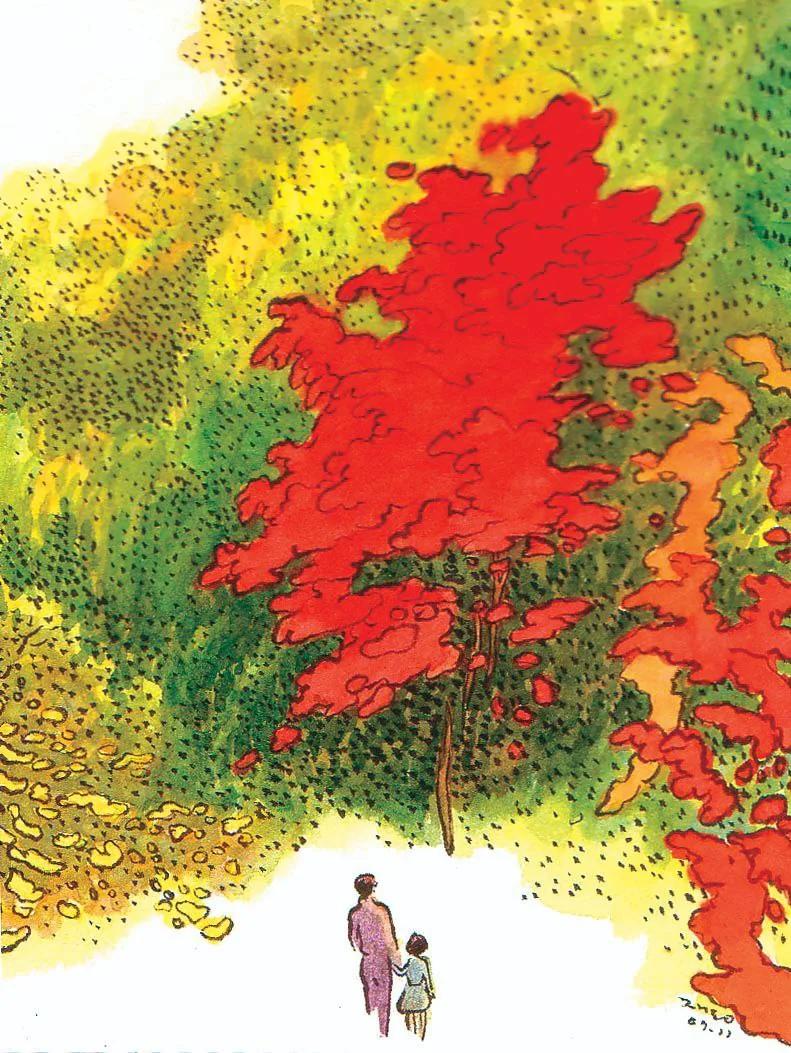
This is the most accessible entry point. Knowing clearly what is and isn't possible at KRW 300,000 will save you disappointment.
What you can buy in this tier
- Limited prints by emerging artists (editions of 30–50): Official prints by artists who graduated recently from art school or aren't yet under exclusive gallery representation.
- Original drawings: Small works in pencil, pen, or conté the artist made directly on paper.
- Limited photographic prints (small sizes, 16x20 inches or smaller).
What you can't buy in this tier
- Original paintings by mid-career or senior artists (mostly above KRW 1 million).
- Large-format paintings or photographs (above 80-ho).
- Works by artists represented exclusively by recognized galleries.
What to look for at KRW 300,000
The most common mistake is assuming that "all KRW 300,000 art looks roughly the same." In reality, quality varies sharply within a single tier.
Three things to check:
- The artist's track record — School, number of group shows, whether they've had solo exhibitions. Even an emerging artist with five or more group shows has been somewhat vetted.
- Edition size — At the same KRW 300,000, an edition of 30 is more valuable than an edition of 50 (smaller supply).
- The artist's hand-signed signature and edition number — Confirm the work is signed in pencil and numbered like
12/30. A printed signature means nothing.
Traps in the 300K tier
- "Reproduction prints" advertised as "70% off gallery price" — These are likely inkjet reproductions, not limited prints. Limited prints are typically issued in editions of 30–50, and crucially, the very concept of "discount" barely exists in this market.
- KRW 300,000 works carrying a famous artist's name — If genuine, the price wouldn't add up; the odds of it being a reproduction are high. Verify the edition number and the artist's hand-signed signature.
💡 The SAF online gallery offers many limited prints and drawings by emerging artists in the 300K range. Sales proceeds become a mutual-aid fund for fellow artists. Browse works in the 300K tier →
Tier 2 — KRW 1 Million: "The Real Beginning of a Collection"
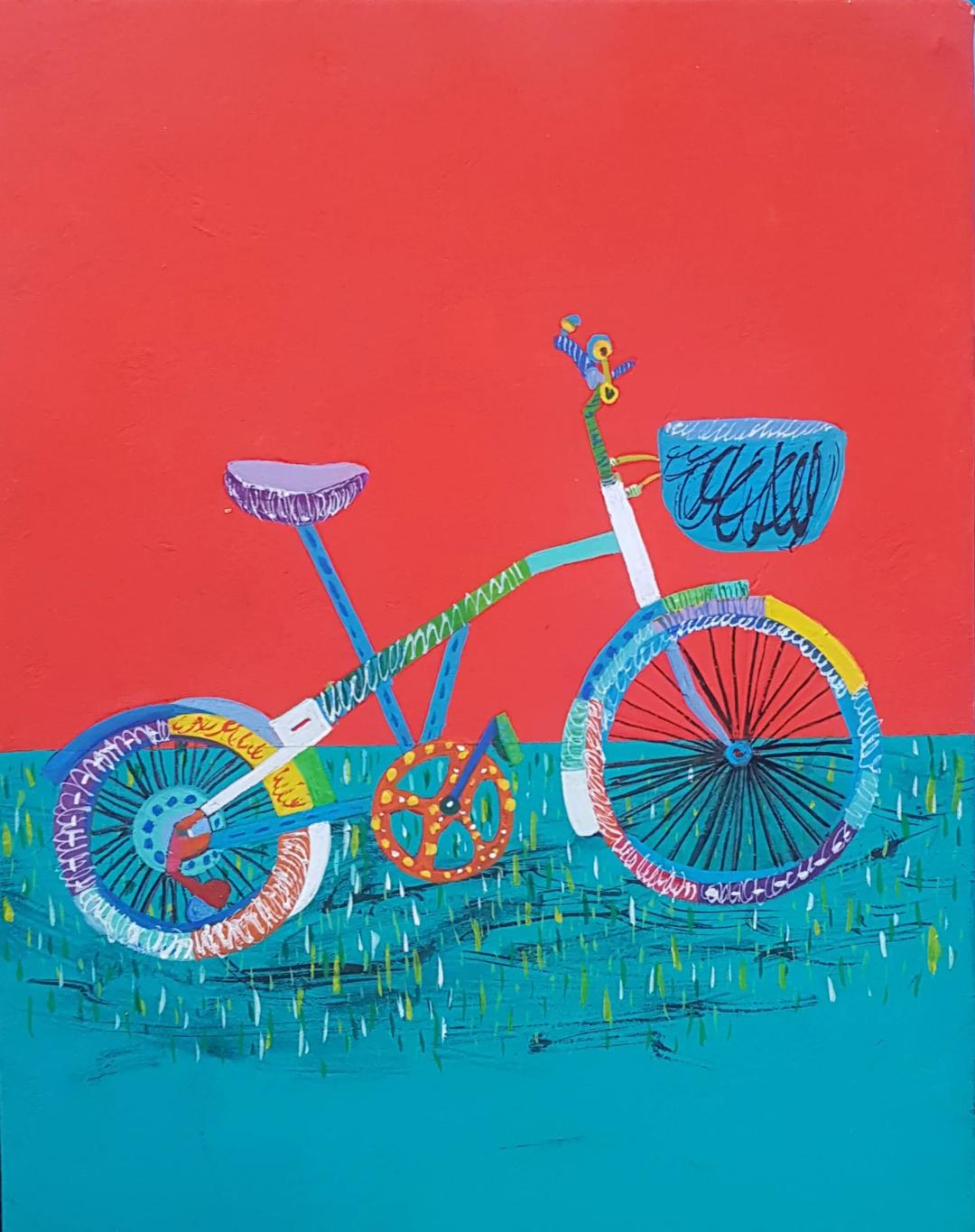
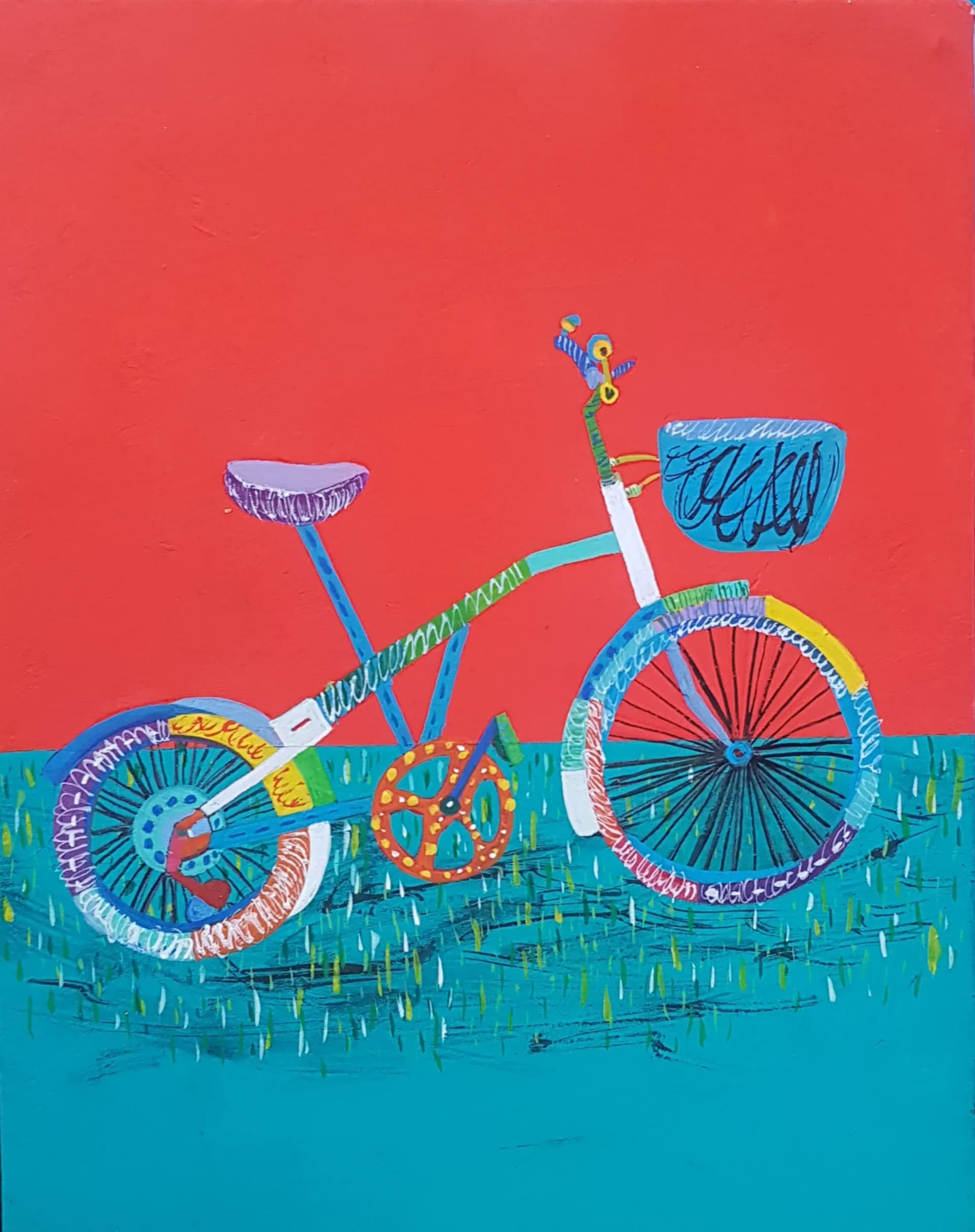
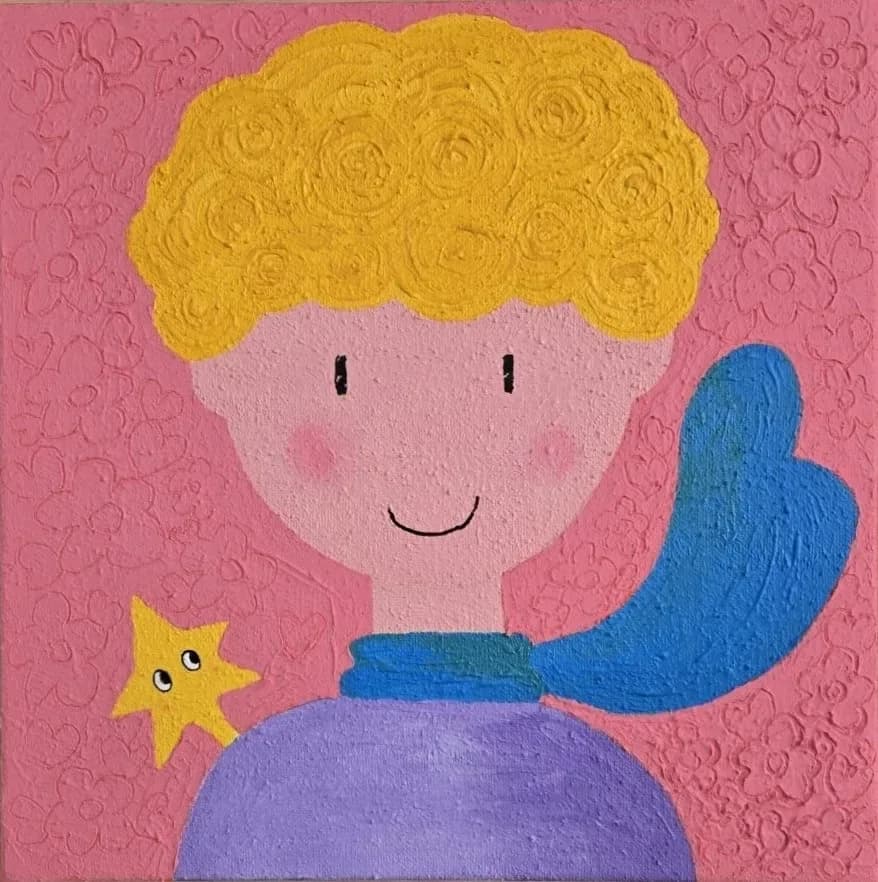
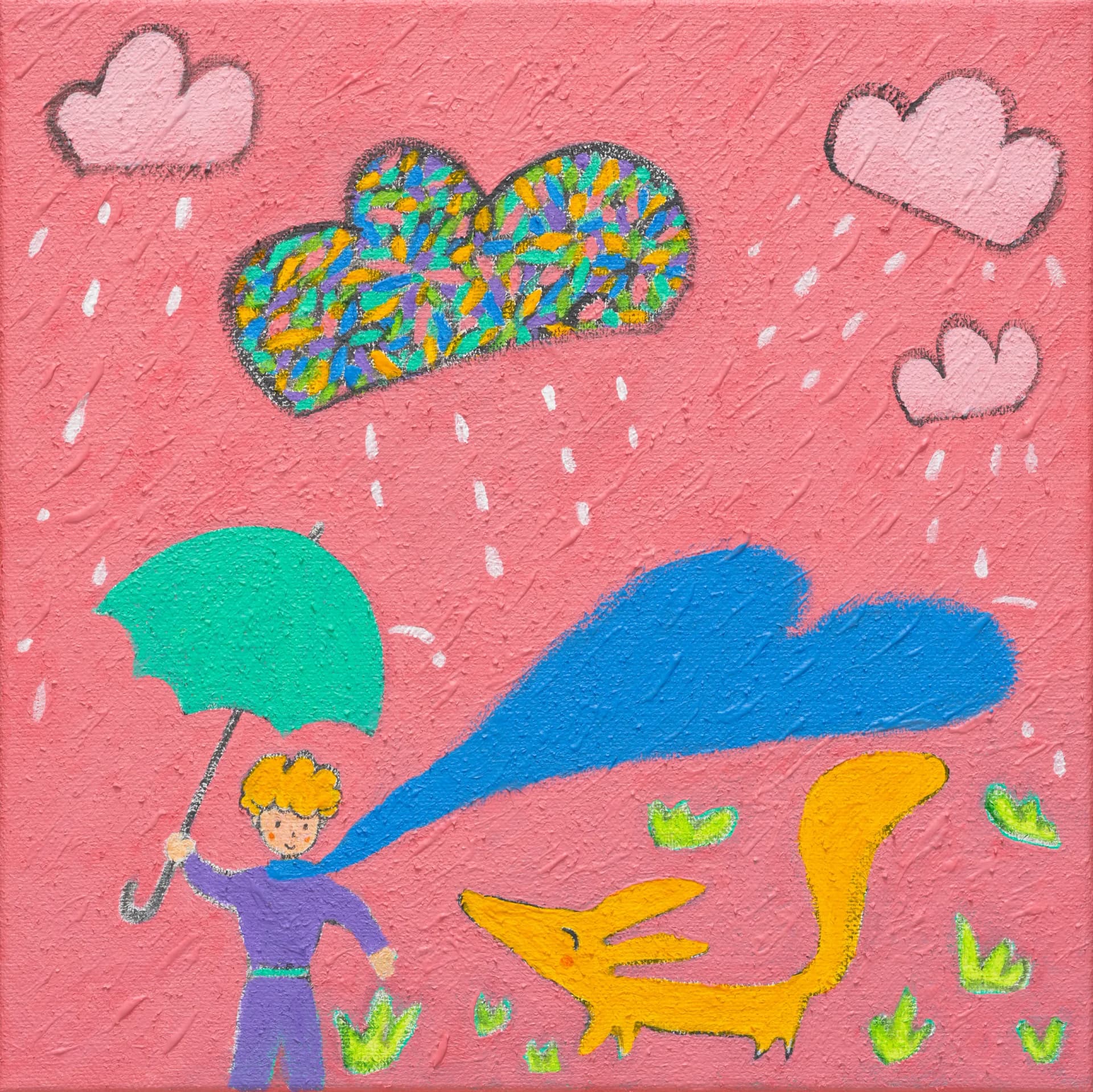
An Eun-kyung — Her delicate color palette captures everyday objects and emotions, offering first-time collectors a warm, approachable entry point.
This is the tier where most first-time collectors enter in earnest. It's the first range where original paintings by emerging-to-mid-career artists become available.
What you can buy in this tier
- Original paintings by emerging artists (10–30-ho, oil or acrylic on canvas).
- Limited prints by mid-career artists (editions of 30–50 by recognized names).
- Signature works by photographic artists (medium size).
- Small sculptures (bronze or ceramic, under 30cm).
What to look for at KRW 1 million
From this tier on, you're no longer simply dipping a toe in — you're picking the first piece of a collection. The criteria sharpen accordingly.
- Look five years ahead — Will an artist priced at KRW 1 million today still be active five years from now? Check group shows, solo exhibitions, residencies.
- Series-driven work — Did the artist paint this as part of a coherent series, or as a one-off experiment? Works that belong inside a series tend to hold up better.
- Material permanence — Oil and acrylic on canvas can be preserved on a hundred-year scale. Works on paper are more vulnerable to fading and oxidation, so framing and storage environment matter.
Traps in the 1M tier
- The phrase "this has investment value" — The probability that a KRW 1 million work becomes KRW 10 million in five years is very low. Art is not a stock; first collections should be chosen on the basis of whether it's worth living with, not capital gains.
- Impulse buys — Live with the idea of your first KRW 1 million purchase for at least a week. Set the work as your phone wallpaper and see whether it still moves you each morning.
Tier 3 — KRW 3 Million: "Originals by Mid-Career Artists"
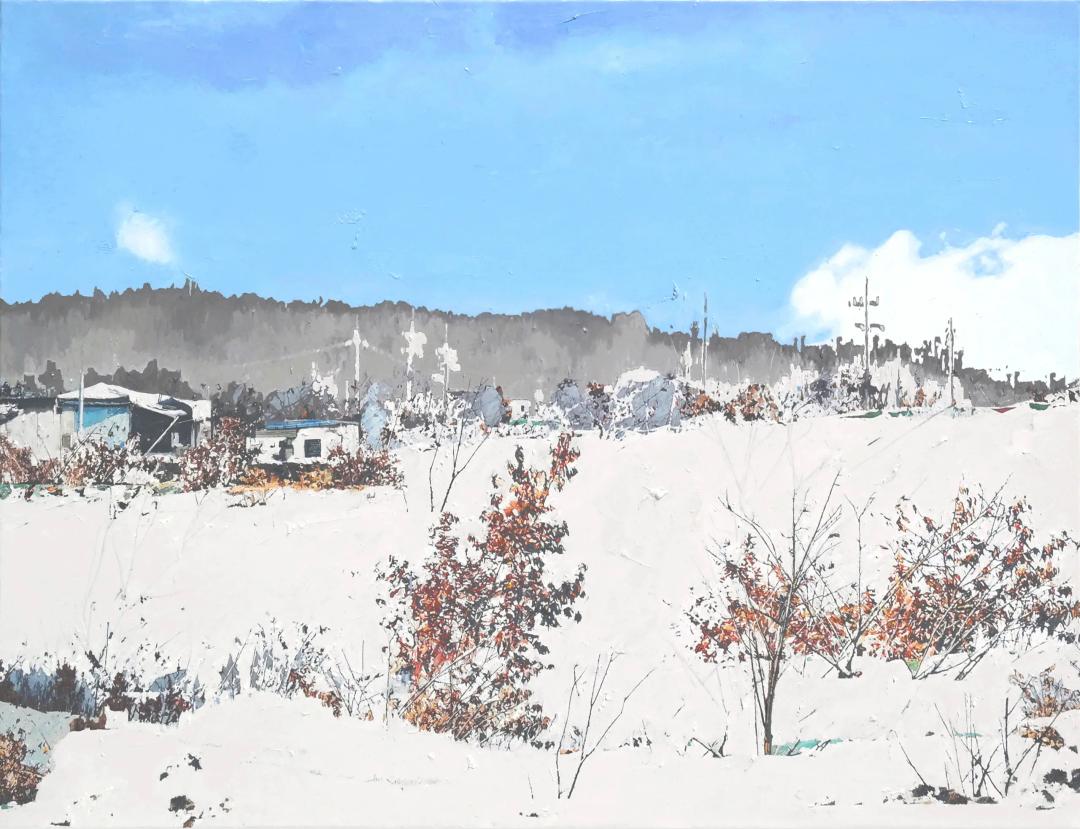
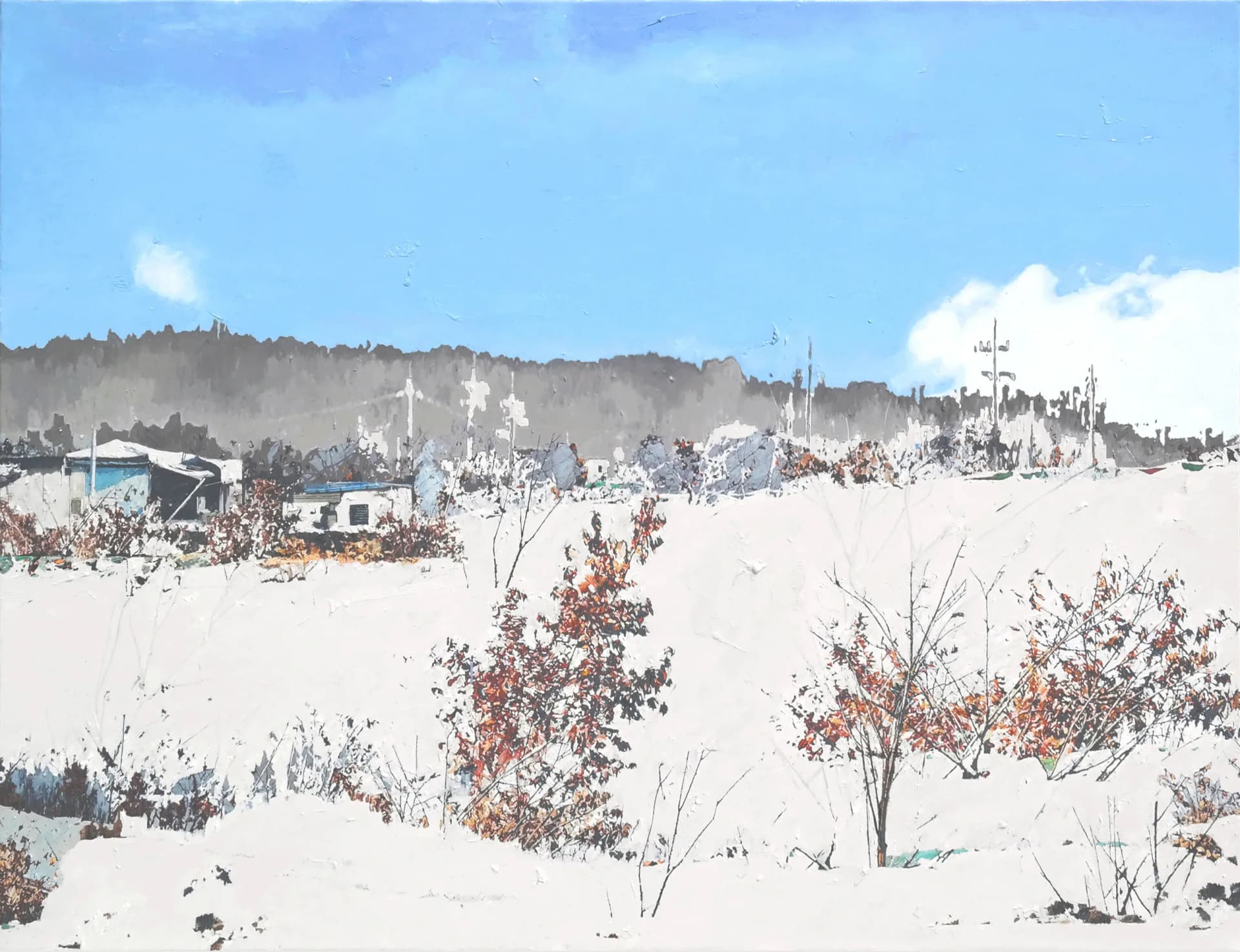
Kim Gyu-hak — Mid-career painter reinterpreting light and atmosphere in a distinctly Korean idiom. Known for strong value relative to price.
This is where serious collecting begins. You'll find original paintings by recognized mid-career artists, or works from significant series.
What you can buy in this tier
- Original paintings by mid-career artists (30–50-ho).
- Limited prints by senior artists (deceased artists, or limited prints derived from museum-collected works).
- Large signature-series prints by well-known photographers.
- Small representative works by artists with solo and museum exhibition records.
What to look for at KRW 3 million
- The artist's place in art history — Not just "an artist who sells well," but one taken up in critical writing, academic journals, and museum exhibitions. You can verify this through the Korean Art Database (KOMASIS) or MMCA collection records.
- Provenance — Where did this work come from? Direct from the artist, gallery representation, prior collector — works with clear provenance are safer.
- A secondary market — Will there be a market when you want to sell in five or ten years? Artists with auction records have liquidity.
Traps in the 3M tier
- "You won't find this artist at this price" — Sometimes true, sometimes half-true. Pricing in the Korean art market can be partly verified through the Korea Art Appraisal Association or auction result data.
- Provenance matters more here — the larger the sum, the longer the chain of hands a work has passed through, and the hazier its provenance becomes. If a work isn't gallery-represented or sold directly by the artist, check its ownership history and certificate, and commission an authenticity assessment if anything is unclear.
Tier 4 — KRW 10 Million: "Investment-Grade Collecting"
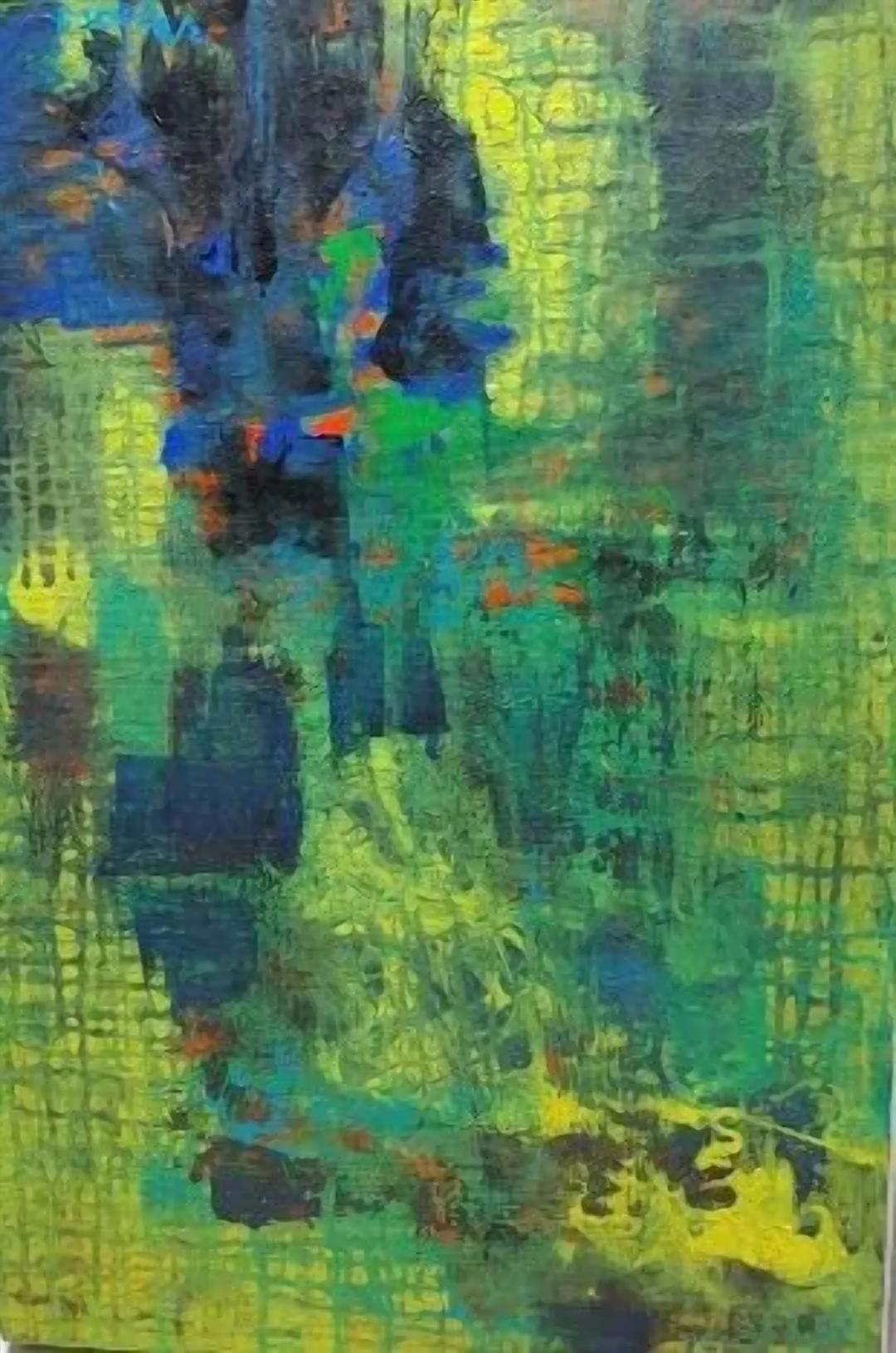
This tier may not be where most first-time buyers land. But some collectors do begin at KRW 10 million when the purchase coincides with a marriage, a move, a gift — so it's worth covering.
What you can buy in this tier
- Original paintings by senior artists (50–100-ho).
- Works by figures in major Korean contemporary movements like Dansaekhwa or Minjung art.
- Representative-scale works by artists held in MMCA or city museum collections.
- Core-period works by deceased artists.
New things to check at KRW 10 million
From this tier on, you're no longer in the realm of the collector alone — a consultant becomes useful. Three additional checks:
- Authenticity certification — not a legal requirement, but worth having as the sum grows. You can ask the seller for a certificate from an appraisal body such as the Korea Art Appraisal Association.
- Tax handling — Other-income tax (not capital gains tax) kicks in for transactions from KRW 60 million up. See the Art Tax Guide for details.
- Insurance — For works above KRW 10 million, dedicated art insurance is prudent — covering fire, theft, and damage in transit.
Price-Tier Comparison Table — At a Glance
| Tier | What's Available | Key Checkpoints | Suited For |
|---|---|---|---|
| KRW 300,000 | Prints and drawings by emerging artists | Edition size, hand-signed signature | A first piece |
| KRW 1 million | Originals by emerging-to-mid-career artists | Track record, series-driven work | The real beginning of a collection |
| KRW 3 million | Originals by mid-career artists | Place in art history, provenance | Serious collectors |
| KRW 10 million | Major works by senior or deceased artists | Authentication, insurance, tax planning | Collectors who view collecting as asset-building |
Where to Start — Three Recommendations
Drawing on the above, here are three starting points for first-time buyers.
Recommendation 1 — "My walls are bare"
Start at KRW 300,000. A single limited print by an emerging artist. Hang it in the living room or bedroom and live with it for a year — what you want to buy next becomes naturally clear. Spending KRW 1 million on a first piece means making a big decision before you've verified "is this really the kind of work I love?"
Recommendation 2 — "There's an artist I really like"
An original at the KRW 1 million level. If a particular artist already moves you, buying that artist's smallest original tends to bring more lasting satisfaction than two KRW 300,000 prints. The fact that an original is one-of-a-kind is itself a major part of the satisfaction.
Recommendation 3 — "Together with a big life decision (move, marriage)"
A KRW 3 million mid-career artist work. A piece hung in a new space defines that space. In this case, you're looking beyond pure preference for a work that will live with the space for a long time. Take your time at galleries or with the artist directly.
Beyond Price — What "A Good First Purchase" Means
Finally, regardless of tier, here's what defines a good first purchase:
Buying a work that, five years on, you still feel was the right choice.
This standard has nothing to do with paying more. A KRW 300,000 print can be a wiser choice than a KRW 10 million painting. Price doesn't decide; the relationship between the work and its owner does.
Ask yourself three questions:
- Will I still want to look at this work every day?
- Will I want to keep this work five years from now?
- Can I explain in one sentence why I bought it?
If you can answer "yes" to all three, then regardless of price tier, you've made a good first purchase.
Frequently Asked Questions
Q. How much should I spend on my first painting? A. If your walls are bare and you're trying a first work, we'd suggest a limited print by an emerging artist in the KRW 300,000 range. Hang it in the living room or bedroom and live with it for a year, and what to buy next becomes naturally clear. If there's already an artist you're sure about, the smallest original painting in the KRW 1 million range brings more satisfaction than two KRW 300,000 prints.
Q. What can I buy for KRW 300,000? A. Limited prints by emerging artists (editions of 30–50), original drawings made directly on paper, and small limited photographic prints (16x20 inches or smaller). What you can't get in this range: original paintings by mid-career or senior artists, and large works of 80-ho and up, which mostly start above KRW 1 million.
Q. What's the difference between an original, a limited print, and a photographic print? A. An original is a single one-of-a-kind work the artist painted directly onto canvas or paper. A limited print is an official artist work, produced and supervised by the artist in a fixed run (typically 10–100 impressions). A photographic work is a limited-edition print inspected and signed by the artist. Even from the same artist's hand, prices differ five- to tenfold by medium.
Q. How do I confirm a print is genuinely a limited edition? A. Check that it's signed by hand in pencil and carries an edition number like 12/30. A printed signature means nothing. Works advertised as "70% off gallery price" are more likely inkjet reproductions than limited prints. Limited prints are usually issued in editions of just 30–50, and the very concept of a discount barely exists.
Q. Is it all right to buy art as an investment? A. For a first collection, it's better to choose on whether the work is worth living with than on capital gains. The probability that a KRW 1 million work becomes KRW 10 million in five years is very low, and art is not a stock. The test for a good first purchase is whether you'll feel, five years on, that buying it was the right call — and by that test a KRW 300,000 print can be a better choice than a KRW 10 million painting.
Q. Is it fine to buy work by an emerging artist? A. Even an emerging artist with five or more group shows has been somewhat vetted, and the KRW 300,000–1 million range is where you can meet a good first work. The SAF online gallery carries original paintings, prints, photographs, and sculptures by Korean artists across price tiers, and sales proceeds go on to fund low-interest loans for fellow artists — the artists' mutual-aid fund.
Further Reading

Browse the SAF online gallery: Filter by price tier and compare original paintings, prints, photographs, and sculptures by 213 Korean artists. Sales proceeds become a mutual-aid fund that has supported 354 low-interest loans for fellow artists (95% repayment rate). View SAF works →
Related Guides
Explore Further
Related reading
If this piece helped, you may also enjoy these related articles:
Seed Art Festival
·