“Is this price fair?” The question every buyer asks. To answer it you need to understand the four forces that set art prices: artist, medium, size, and date.
What Determines the Price of a Contemporary Artwork
"Is this price fair?"
It is the question every first-time buyer asks. Is two million won reasonable for a 30-ho painting? Why is the same artist's 50-ho priced at five million? Why does the artist next to them — at a comparable size — sell for only 800,000 won?
To find an answer, you have to understand the four forces that make a price.
- The artist's position in art history — the largest variable
- Medium — the price gap between painting, print, photography, and sculpture
- Size (ho) — the price-per-ho system
- Year and period of production — which phase of the artist's career the work belongs to
This essay walks through how these four forces operate inside the Korean art market, with data. By the end, the next time you see a price tag you'll be able to take it apart and read where the number came from.
Force ① The Artist's Position in Art History — 70% of the Price
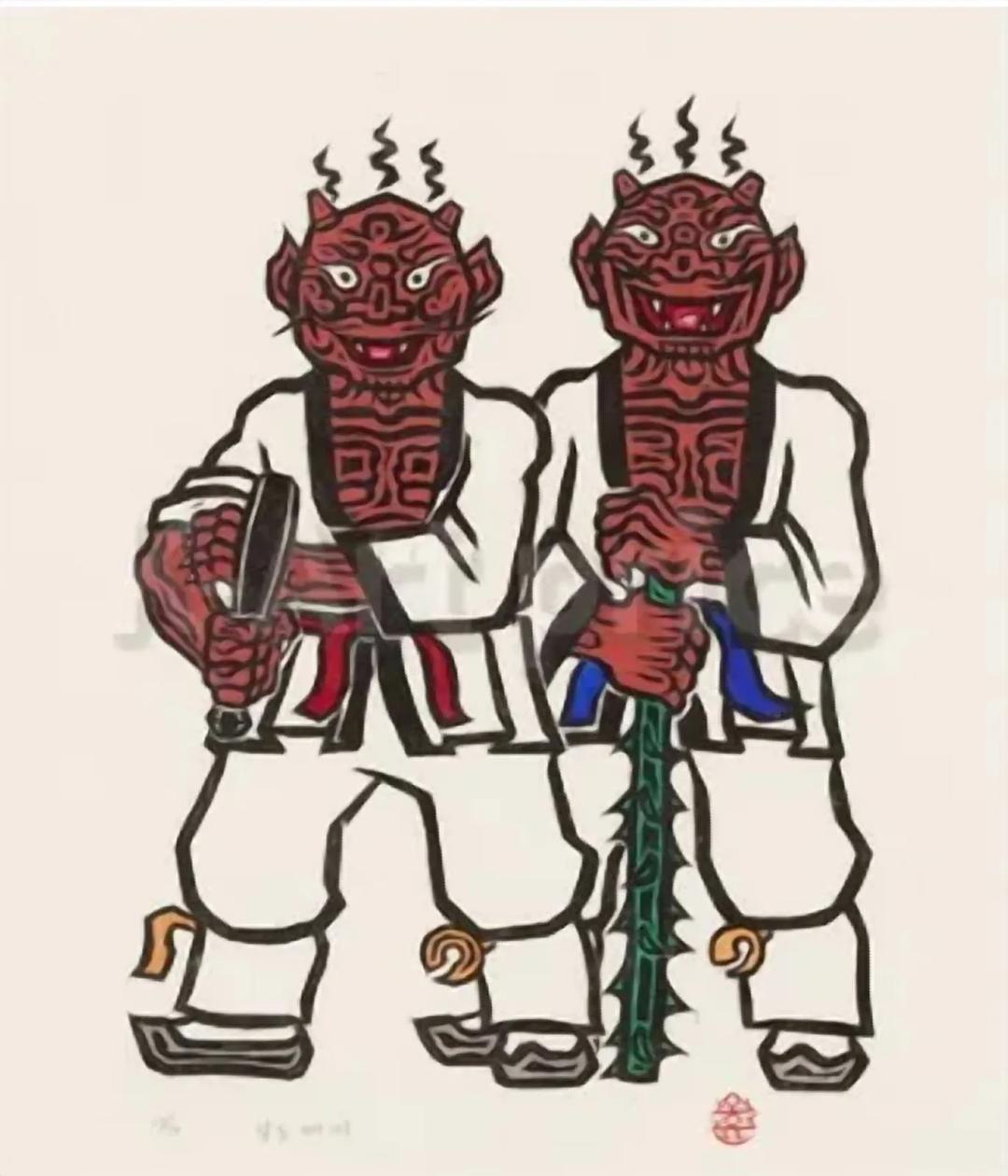
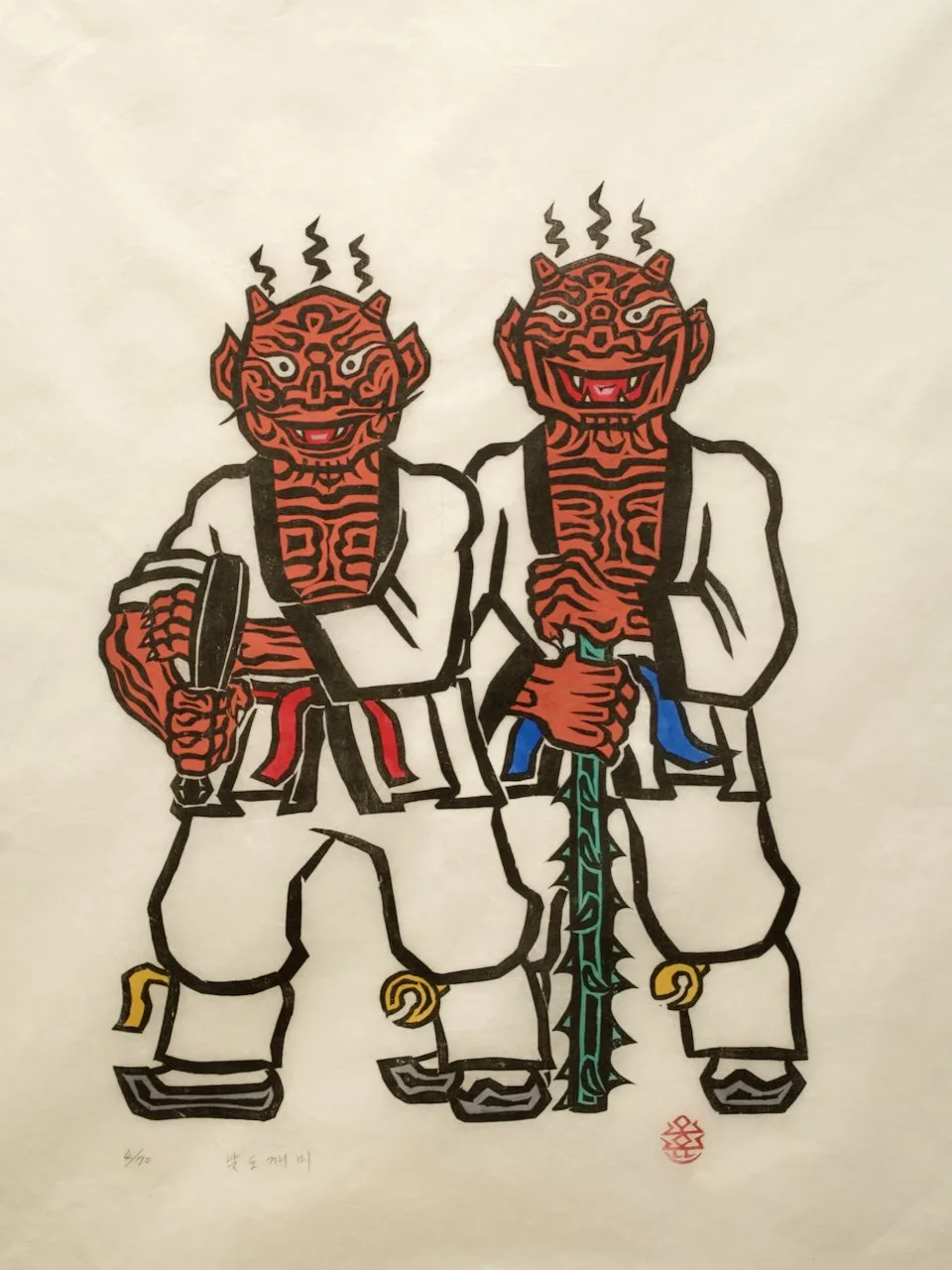
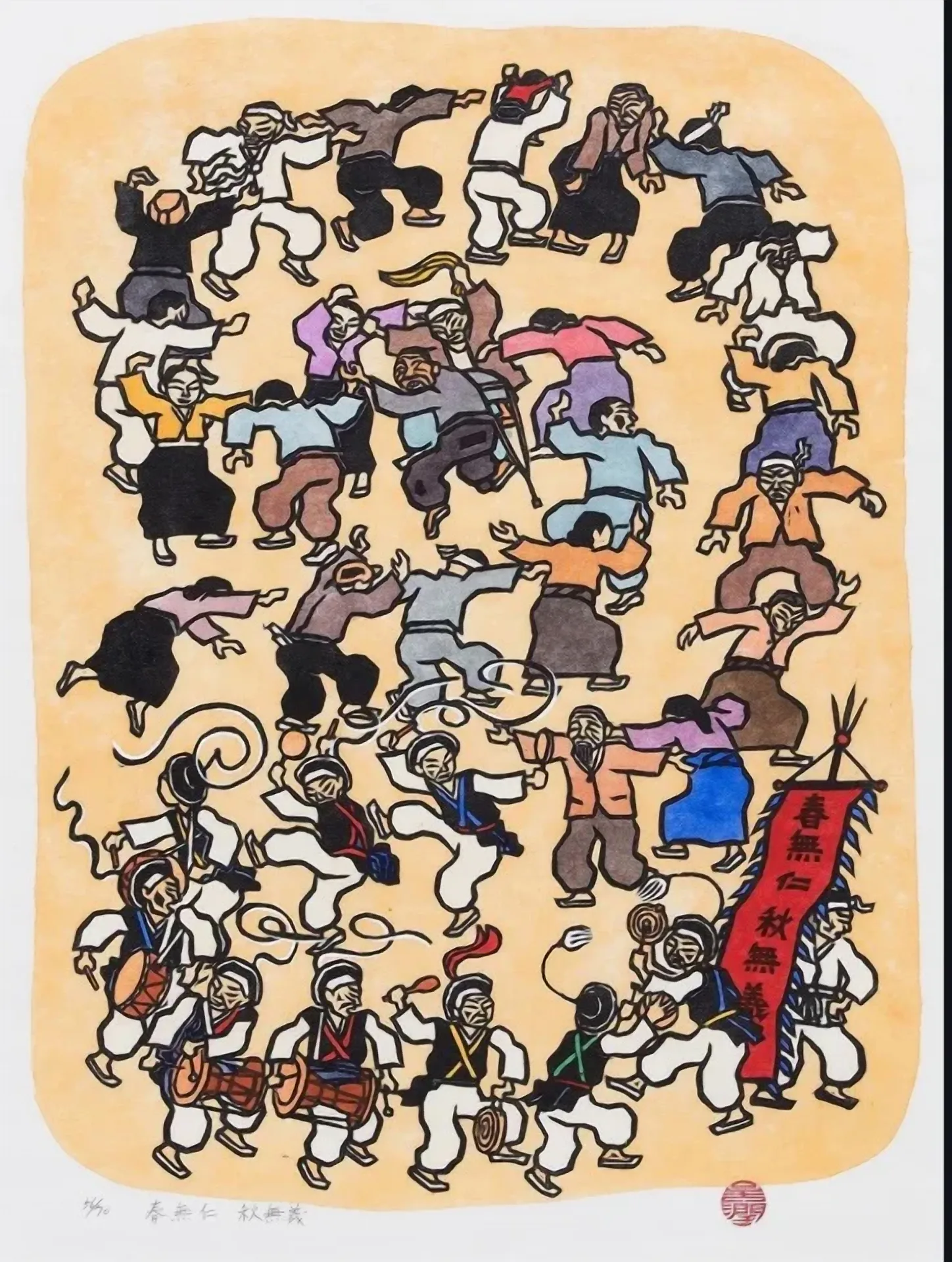
Oh Yoon — A towering figure of Minjung art. His woodblocks carve the lives of ordinary people with raw, powerful lines.
The single largest force shaping price is who the artist is. In the Korean art market, an artist's position is loosely sorted into four tiers.
Tier 1 — Emerging Artist
Within five to ten years of art school, mostly group shows, one or two solo exhibitions. Reference price: 30,000–100,000 won per ho.
Tier 2 — Mid-Career
Five or more solo exhibitions, an art prize or residency on the CV, the beginning of a gallery contract. Reference price: 100,000–300,000 won per ho.
Tier 3 — Established
Museum solo or group exhibitions, coverage in criticism and academic journals, entry into the auction market. Reference price: 300,000–1,000,000 won per ho.
Tier 4 — Senior
Collected by MMCA and municipal museums, a settled place in art history, often including deceased artists. Reference price: 1,000,000–10,000,000 won per ho.
Per-Ho Price Table by Tier
| Tier | Track record | Per-ho price (painting) | 30-ho equivalent |
|---|---|---|---|
| Emerging | Group shows, 1–2 solos | 30,000–100,000 won | 900,000–3,000,000 won |
| Mid-career | 5+ solos, art prize | 100,000–300,000 won | 3,000,000–9,000,000 won |
| Established | Museum shows, auction history | 300,000–1,000,000 won | 9,000,000–30,000,000 won |
| Senior | National museum collection | 1,000,000–10,000,000 won | 30,000,000–300,000,000 won |
⚠️ Caveat: this table is an average. Even within a tier the spread between artists is wide. Some mid-career artists command 500,000 won per ho while some established artists sit at 200,000.
How to Read an Artist's Position
When evaluating where an artist stands, look at the following.
- Solo exhibition history — at which galleries and museums, and how many. A show at a major gallery like Gana Art or Hakgojae carries different weight than one at an emerging gallery.
- Group and curated exhibitions — particularly curator-led projects.
- Museum collections — whether held by MMCA, municipal museums, or private museums (Amorepacific Museum, Leeum, etc.).
- Scholarly literature — how often discussed in art-history books, criticism, and academic journals.
- Auction history — transactions at Seoul Auction, K Auction, and others.
- Residencies and prizes — international residencies, awards.
You can find this information at:
- K-ARTMARKET (Korean Art Market Information System) — auction records and market statistics
- MMCA collection search — museum holdings
- Seoul Auction / K Auction — auction results
- The artist's official website and CV
Force ② Medium — Painting, Print, Photo, Sculpture
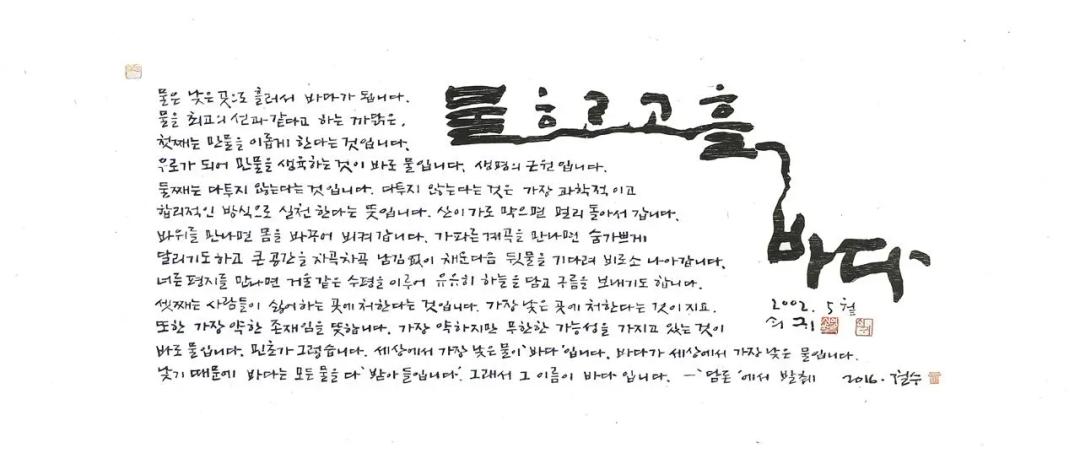
Lee Cheol-soo — Hanji woodblock master. The slow, honest labor of the hand is woven into every price tag.
For the same artist, a different medium can mean a five-to-tenfold gap in price.
| Medium | Price ratio (same artist) | Why |
|---|---|---|
| Original painting | 100 (baseline) | Only one exists |
| Photograph (limited edition) | 30–50 | 5–20 prints |
| Print (limited edition) | 10–30 | 30–100 impressions |
| Drawing | 20–40 | One of a kind, but faster to make than a painting |
| Sculpture (limited) | 50–150 | Material costs, edition of 1–12 |
The pricing logic of each medium is examined in detail in A Guide to Painting, Print, Photography, and Sculpture and Why Prints Cost a Tenth of Originals.
Same Artist, Different Medium — A Worked Example
For a hypothetical mid-career artist K (five solo shows, 200,000 won per ho), prices by medium look like this:
- 30-ho painting: 6,000,000 won (baseline)
- Print, edition of 30, same image: 600,000–800,000 won
- Drawing on paper, small format: 1,000,000–1,500,000 won
- Photograph, edition of 10, 24×30 inches: 2,000,000–3,000,000 won
The artist is the same, yet a 6,000,000 ↔ 600,000 won swing opens up. That is not a difference in artistic value — it is the difference in supply and labour time registering on the price tag.
Force ③ Size (Ho) — The Price-Per-Ho System
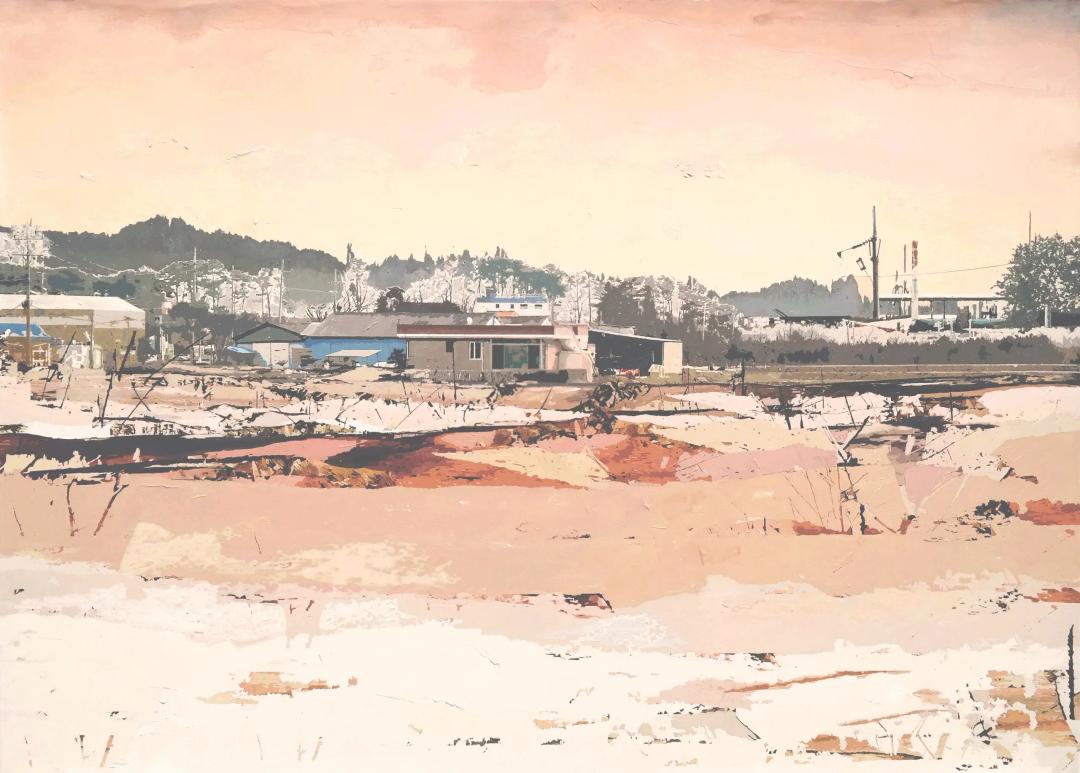
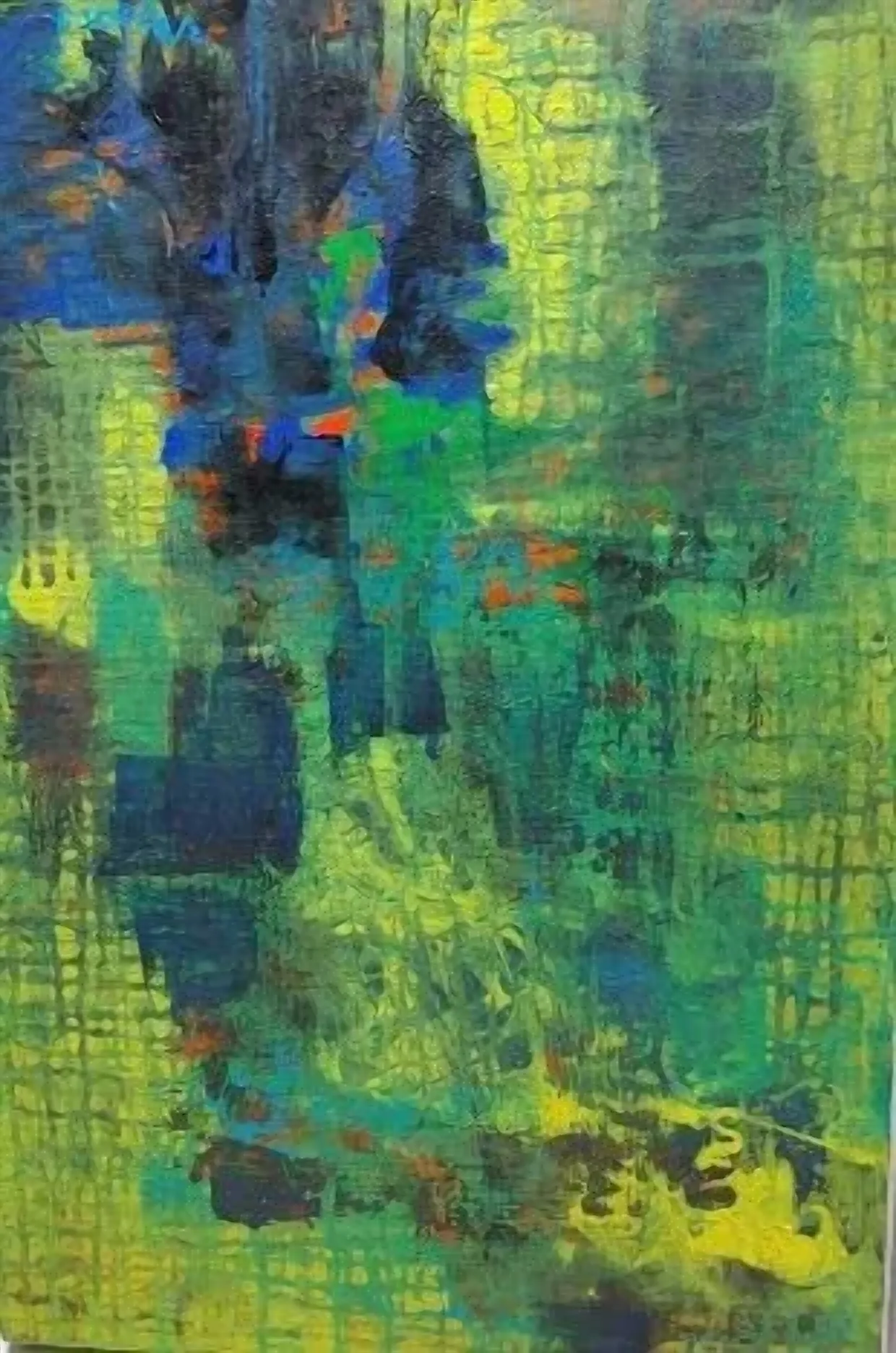
Kim Gyu-hak — Mid-career painter reinterpreting light, atmosphere, and Korean landscape through a contemporary lens.
The Korean art market runs on a price-per-ho system.
What is a "ho"?
It's the unit Korean and Japanese painting markets use to describe canvas size. One ho is roughly postcard-sized (about 22.7 × 15.8 cm).
| Ho | Size (cm) | Common name |
|---|---|---|
| 4-ho | 33 × 24 | small piece |
| 10-ho | 53 × 41 | small work |
| 30-ho | 91 × 65 | mid-size |
| 50-ho | 117 × 80 | large |
| 100-ho | 162 × 130 | major work |
| 500-ho | 333 × 248 | monumental |
How Per-Ho Pricing Works
Once an artist's per-ho price is set, the work's price is calculated as:
Price ≈ price per ho × number of ho
Example: an artist priced at 200,000 won per ho, working at 30-ho → about 6,000,000 won.
Per-Ho Pricing is Not an Absolute Formula
The equation above is only a starting point. The following factors can swing it by ±50%.
- Key works in a series — a central piece in the artist's signature series can carry +30–50%.
- Condition — pristine condition holds the price; damage drops it 20–50%.
- Provenance — museum holdings or transfer from a noted collector adds 10–30%.
- Size effect — 30-ho and 50-ho prices don't always scale linearly. The per-ho rate sometimes dips slightly for larger work because supply is thinner and the buyer pool is smaller.
Size and Price for Other Media
Prints and photographs are sized in inches rather than ho.
- Small (16×20") — the most popular size, price 1×.
- Medium (24×30") — price 1.5–2×.
- Large (40×50") — price 3–5× (often with a smaller edition size).
Sculpture is generally measured by height, and large sculptures rise non-linearly in price (materials, transport, installation all stack up).
Force ④ Period — Same Artist, Different Era
Which phase of an artist's career a work belongs to has a dramatic effect on price.
A Period Taxonomy
- Early Works — before the artist's signature vocabulary settles. Student years or just after graduation.
- Mature Period — once the signature vocabulary is in place. Generally the highest-priced phase.
- Peak Period — when external validation peaks: prizes, museum exhibitions.
- Late Works — the final phase. Value varies by artist; for some artists the late period is most prized.
A Worked Example
Deceased artist J (senior), priced by period:
- 1970s early works (experimental period): 500,000 won per ho
- 1980s mature period (signature series): 2,000,000 won per ho
- 1990s peak (museum exhibition years): 5,000,000 won per ho
- 2000s late works (repetitive phase): 1,000,000 won per ho
The same artist, the same size, but a 5–10× spread depending on when it was painted.
Deceased vs Living Artists
- Deceased artists — supply no longer grows, so prices stabilise and tend upward over time.
- Living artists — new work continues to enter the market, so prices are more volatile.
Pulling Per-Ho, Medium, and Period Together
A composite estimation formula:
Price ≈ price per ho × ho × medium coefficient × period coefficient
- Medium coefficient: painting 1.0, drawing 0.3, print 0.15, photograph 0.4
- Period coefficient: early 0.5, mature 1.0, peak 1.3, late 0.7
Worked Calculation
Hypothetical artist L (established, 300,000 won per ho), 30-ho painting, mature period:
300,000 × 30 × 1.0 (painting) × 1.0 (mature) = 9,000,000 won
Same artist, same size, but a print from the late period:
300,000 × 30 × 0.15 (print) × 0.7 (late) = 945,000 won
Of course, this is an estimate. Actual prices are also adjusted by market demand, gallery margin, and negotiated discounts.
When the Price Looks Wrong — Two Scenarios
If a price departs sharply from the formula, it usually falls into one of two cases.
Scenario A — Suspiciously Cheap
- Possible forgery
- A reproduction (an inkjet print rather than a limited edition)
- An impersonation scam
- Or, occasionally, a genuine discovery
In this case, hold off on buying until authenticity is verified.
Scenario B — Suspiciously Expensive
- Margin layered on top of the gallery commission
- A marketing premium dressed up as "investment value"
- A collector's emotional asking price (an unreasonable resale ask)
- Or, occasionally, a genuinely scarce work the market has yet to recognise
Here, comparing against other channels (auction results, other galleries) is the safest move.
A Final Lens — Price is Not Value
The closing message of this essay:
A price is the consensus the market arrived at — not the absolute value of the work.
The same painting that sold for 1,000,000 won five years ago might sell for 3,000,000 today, or vice versa. Prices are market consensus, and markets shift.
Two things to remember as a first-time buyer:
- Take the price apart, but don't lean on it alone. A high price doesn't guarantee a good work.
- The most honest collection is the one that pairs your budget with what you actually love. The point of a first collection is the pleasure of living with the work — not the resale spread.
Further Reading
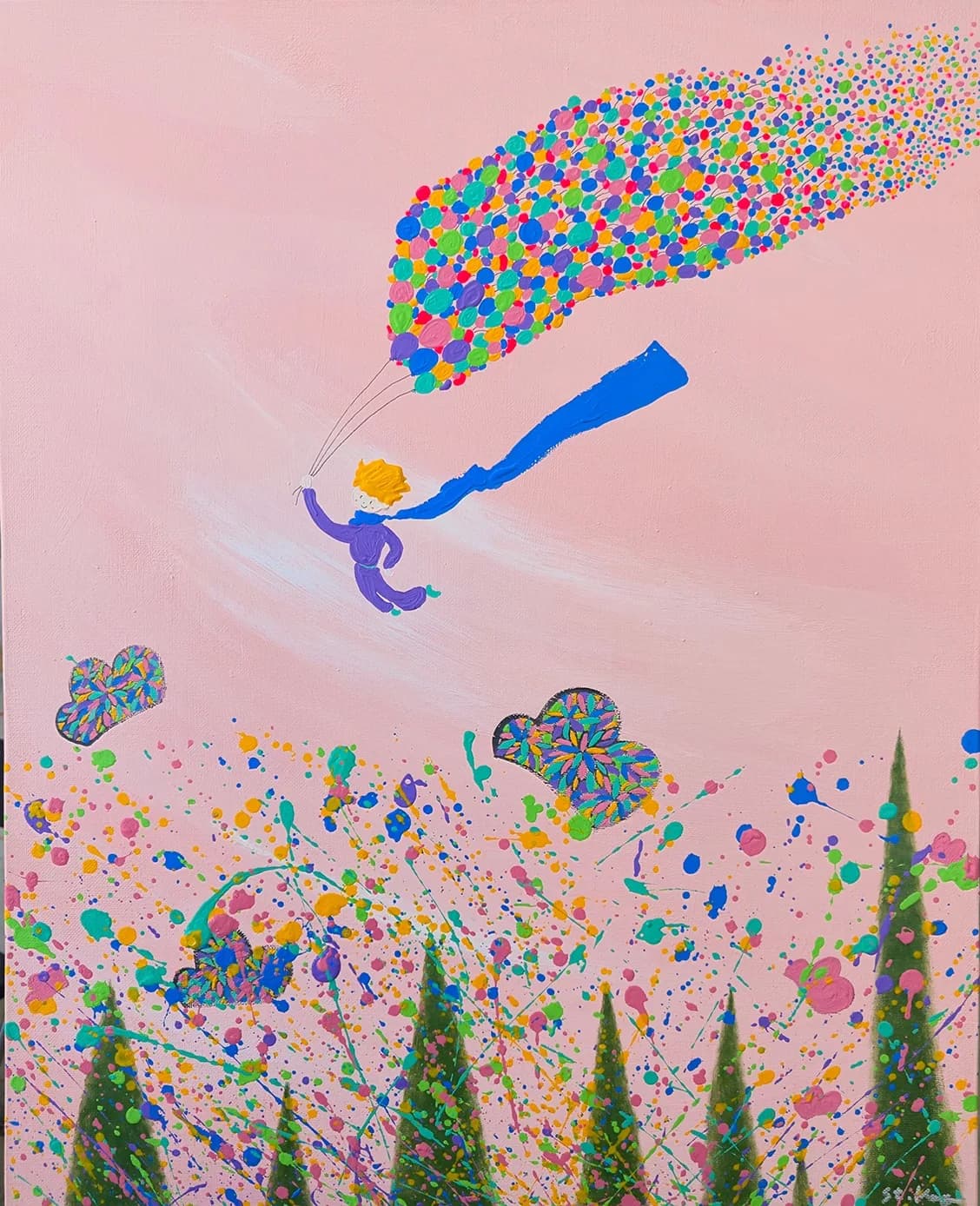
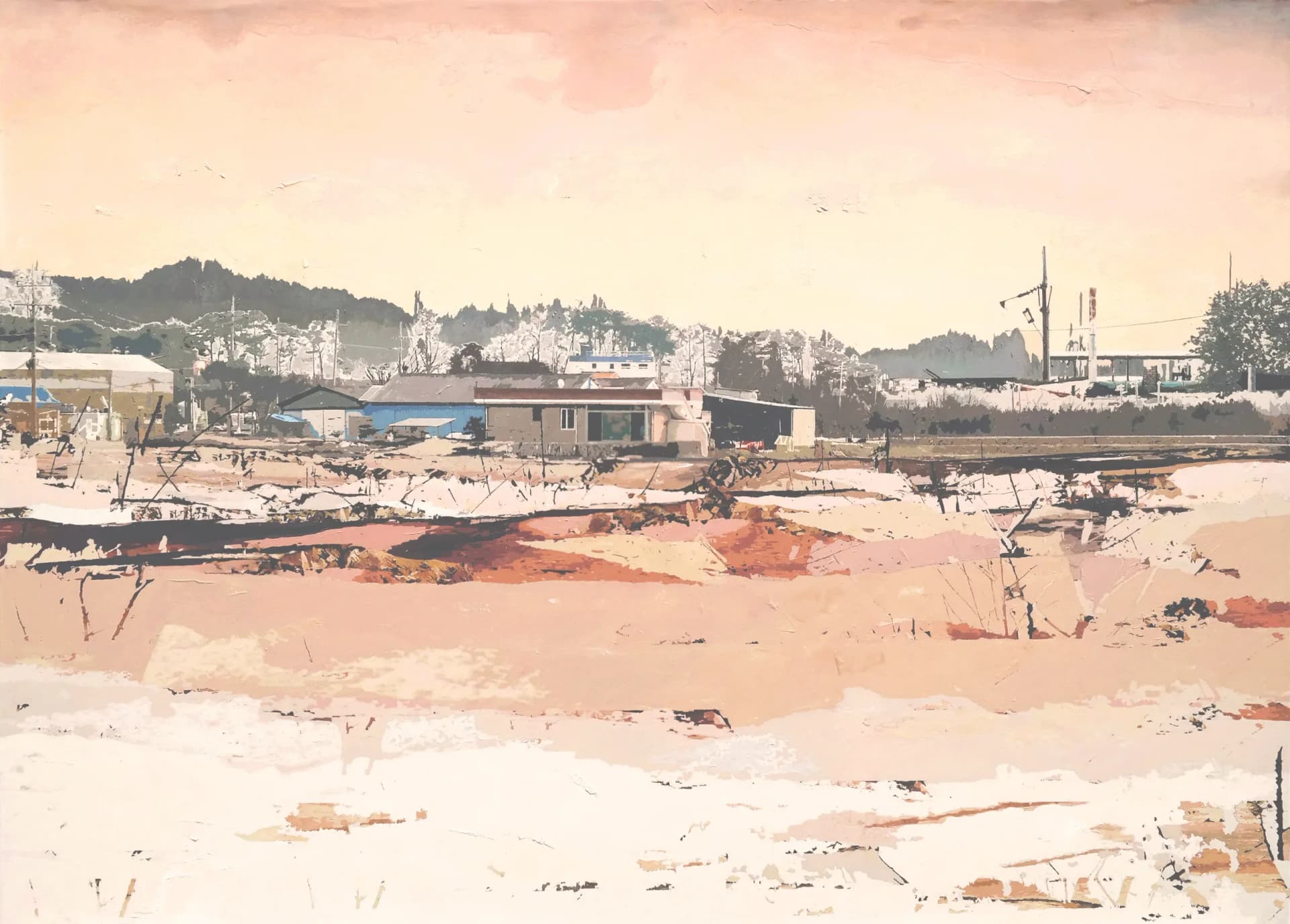
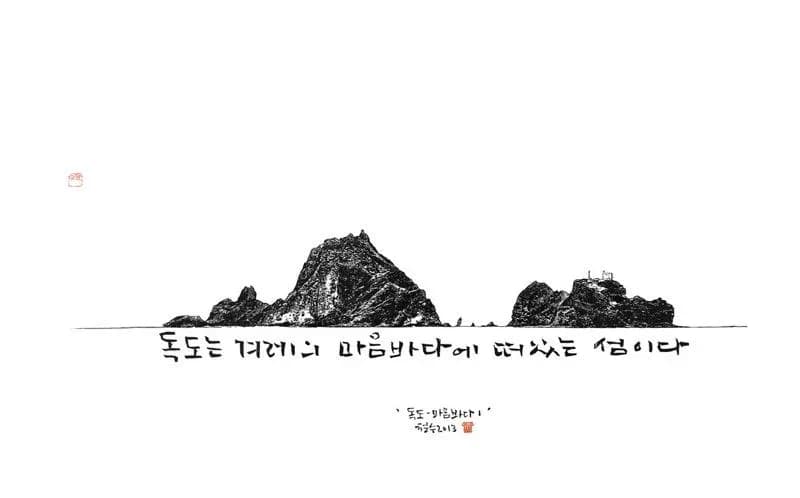
SAF Online Gallery: Browse the work of 213 Korean artists, comparable by price, medium, and artist. Direct gallery transactions, authenticity guaranteed, free shipping. Browse the works →
Related Guides
Related reading
If this piece helped, you may also enjoy these related articles:
Seed Art Festival
·