Why does a print cost $300 while the original by the same artist costs $3,000? Three forces explain it: supply, scarcity, and signature premium.
Why a Print and an Original by the Same Artist Differ in Price by Tenfold
Imagine standing in front of two works signed by the same artist. One is a print at KRW 300,000; the other an original at KRW 3 million. Same artist, similar year, even similar imagery. And yet the price differs tenfold.
"They were made by the same person — why such a gap?" Anyone who starts collecting eventually asks this. The answer lies in three economic forces that sit between the two works: supply, scarcity, and signature premium.
How a Print and an Original Exist in the World — Before Reading the Price
Before looking at the pricing structure, a brief note on how each medium exists in the world differently:
- Original: A single work the artist applied directly to canvas or paper through brushwork or drawing. All oil, acrylic, watercolor, and unique drawings fall here.
- Limited Edition Print: An official artist work made under the artist's direct production and supervision in a predetermined run (typically 10–100 impressions). Each impression is hand-numbered like
12/30in pencil. - Open Edition / Reproduction Print: A mass-produced inkjet copy of an original. Strictly speaking it is not an artist's work, and it falls outside the price analysis here.
In this article, "print" means limited edition print. To avoid confusing the three meanings, Print vs. Original and How to Read Edition Numbers is a stronger primer.
Force ① — Supply
The largest portion of the price gap is simple math.
Originals exist as one in the market. Limited prints exist as 10 to 100. Holding demand constant, when supply is 30x larger, per-unit price falls by precisely that ratio. This is basic to all goods markets, and art is no exception.
The Supply-Price Relationship in Real Numbers
| Medium | Supply | Relative Price (Original = 100) |
|---|---|---|
| Unique original | 1 piece | 100 |
| Print, edition of 10 | 10 | 15–25 |
| Print, edition of 30 | 30 | 8–15 |
| Print, edition of 50 | 50 | 5–10 |
| Print, edition of 100+ | 100+ | 2–5 |
※ Typical distribution assuming the same artist, period, similar size, and similar finish. Real market variance depends on image popularity, technique complexity, and the artist's brand.
The next question is "Why does it stay at 1/4–1/7, not exactly 1/30?" Even with 30 impressions, the per-print price doesn't drop to 1/30 of the original. That gap is where scarcity and signature premium come in.
Force ② — Qualitative Scarcity
In economics there is a distinction between "absolute scarcity" and "relative scarcity." This frame explains the print-vs-original gap.
Absolute Scarcity — "There is one of these in the world"
Originals possess literal irreplaceable uniqueness. Like da Vinci's Mona Lisa, the very fact of being one piece is the source of value. If a unique original is destroyed, the work cannot be remade.
For the collector, this confers the identity of "I alone own this painting." If others can possess the same image, that satisfaction thins.
Relative Scarcity — "One of thirty"
A limited print is scarce, but 29 others exist who own the same image. The feeling of "I own 12/30" is strong, but different in grain from "the only one in the world."
This psychological difference is converted into a premium price. In the market, "uniqueness" earns an average 3–5x premium over "limitedness."
Patterns Observed at Sotheby's and Christie's Asia Auctions
Looking at Asian Contemporary Art auction results from 2015–2024, a consistent pattern appears.
- When the unique original and a limited print of around an edition of 30 by the same artist are offered in the same season,
- the ratio of original hammer price to print hammer price averages 8–15x.
- The stronger the artist's brand (Park Seo-bo, Lee Ufan, etc.), the wider the ratio — extending to 10–20x.
- Conversely, for emerging-to-mid-career artists, the ratio narrows to 3–6x.
That is, "the higher the artist's market recognition, the higher the value of the uniqueness premium." This rule is structurally identical to that of luxury goods markets (limited-edition handbags, watches).
Force ③ — Signature Premium and Bodily Presence
The third force is not directly written on the price tag, but may be the strongest. It is the question, "Did the artist's body touch this surface?"
Original = A Direct Record of the Artist's Hand
An original retains the trajectory of the artist's brushwork, the thickness of paint, the traces of hesitation. To touch the canvas is to connect with the time the artist spent at the same point. In the art market this is sometimes called aura (Walter Benjamin).
Print = The Artist's Judgment and Supervision
A limited print also involves the artist's direct intervention. They carve the plate, decide ink density, and approve the printer's "print it like this." But the artist's hand does not touch each individual sheet of paper (with some exceptions in certain print techniques).
This "bodily distance" is reflected in price. One reason a limited print stays at the level of about 1/7 instead of 1/30 of the original is that some of the artist's bodily presence remains in the plate they made.
A Pattern from Buyer Psychology
A recurring expression from interviews with SAF, gallery, and auction buyers:
"With an original, you sense the person sat in this spot for hours." "The print has the same image, but that sense is about a third as strong." "That's why, for the same image, you end up spending more on the original."
The "ratio of that sense" varies person to person. For some, an original is worth 5x a print; for others, 20x. Market price forms around the median of that personal variance.
Combining the Three Forces in One Table
| Force | Premium for the Original | Premium for the Print |
|---|---|---|
| Supply | 1 piece (max) | 10–100 pieces |
| Scarcity | Absolute (uniqueness) | Relative (limited) |
| Signature | Artist's direct hand | Artist's supervision and plate |
| Resulting price ratio | 100 | 5–25 |
The three forces multiply to set the final price ratio. Supply is quantitative, but the other two are subjective and cultural — fluid across markets and periods.
Real Cases — Reading the Math through Lee Cheol-soo, Oh Yoon, and Lee Kwang-soo
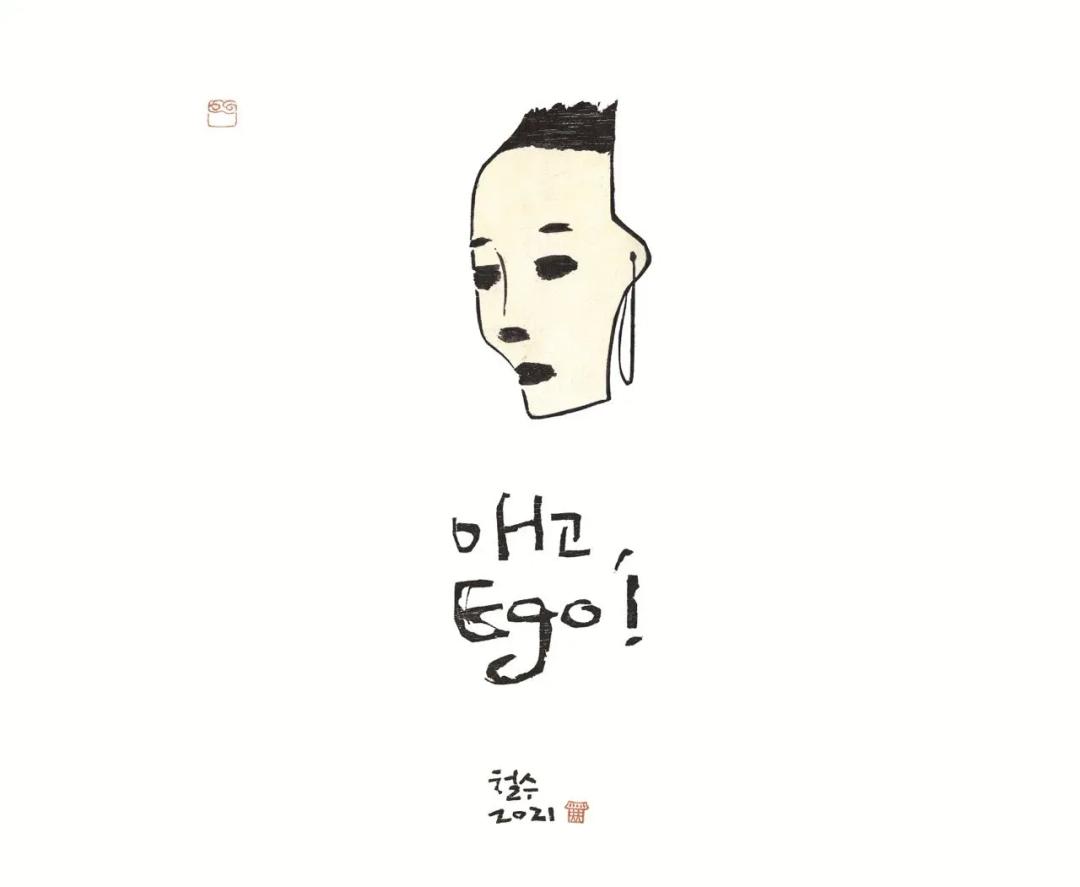
Looking at SAF's actual pricing structure.
Lee Cheol-soo — A Limited-Print-Centered Artist
Lee Cheol-soo's woodblock limited print Ego, ego, in an edition of 10, sits around KRW 1.2 million. Same-artist unique originals (the woodblock matrix) are not generally traded; rare works at the level of "original concept" in his market are valued well above KRW 10 million.
The small edition of 10 keeps the price of each impression relatively high. This is a practical example of the rule that "smaller editions raise the price of each piece."
Oh Yoon — The Special Market of Posthumous Prints
Oh Yoon's posthumous woodblock prints, ranging 23–60cm and issued in open editions, range KRW 1.1–2.6 million. His original blocks rarely come to market — most are held in museum collections — so prints have become the practical primary trade medium.
In this case, the "original vs. print" ratio doesn't quite apply. Because originals are absent from the market, an additional originality premium is added to the prints. This is why prints by deceased artists can be priced higher than equivalent prints by living artists.
Lee Kwang-soo — A Unique-Painting-Centered Artist
Lee Kwang-soo's Hoe series, acrylic on canvas, 60x45cm, unique works, sit at around KRW 1.2 million. His limited prints circulate in restricted distribution, with a unique-painting-to-print ratio observed at 3–6x.
This case aligns with the earlier data: "The newer or mid-career the artist, the narrower the print-original gap." Before an artist's brand is fully fixed in the market, the uniqueness premium does not yet command a heavy multiple.
What This Means for the Collector — Two Strategies
Understanding the pricing structure reveals two collecting strategies.
Strategy A. "Invest in uniqueness"
Buy originals. The advantage is greater long-term price elasticity, and as the artist grows, the uniqueness premium rises exponentially. The disadvantage is higher entry cost and slower capital turnover.
Suited for: a collector who can hold 5–10+ years, has budget headroom, and follows a small set of artists in depth.
Strategy B. "Diversify across limited scarcity"
Buy multiple limited prints by different artists with the same budget. The advantage is breadth of artist exposure — well suited to a beginner building taste. The disadvantage is slower short-term resale.
Suited for: the first 2–3 years of beginner collecting, a regular monthly budget of KRW 300,000–500,000, someone who wants to experience many styles.
The two strategies are not mutually exclusive. Most experienced collectors blend the two at a 2:8 or 3:7 ratio.
How to Read the Price Structure on SAF
Two fields are always specified on SAF artwork detail pages:
- edition_type:
unique(single original) /limited(limited print) /open(open edition) - edition_limit: total quantity for
limited
On an artist's page that gathers their works, place these two fields beside each price and compare. The supply-price relationship described above shows up in concrete numbers. Doing this exercise once before choosing an artist gives you sharp intuition about "why this work is at this price."
Frequently Asked Questions
Q. So from an investment standpoint, originals are always better? A. In terms of long-term price elasticity, yes. But investment carries risk. Originals have low short-term liquidity, concentrate exposure on one artist, and tie up capital up front. From a portfolio standpoint, three-to-five limited prints can be more stable than a single original.
Q. Does the print being at 1/7 instead of 1/30 of the original mean it's "overpriced"? A. No. That spread reflects exactly the inherent value of the print — the signature premium of the artist's plate-making, supervision, and signing. The fact that "supply alone doesn't set price" is the point at which the art market diverges from ordinary goods markets.
Q. Why do prints in the same edition size (say, 30) differ in price between artists? A. The artist's market recognition, length of career, international exhibition record, auction record, and technical complexity all combine. At an edition of 30, prints by Park Seo-bo and an emerging artist can differ tenfold or more.
Q. Does the edition number (1/30 vs. 30/30) affect price? A. In modern techniques (silkscreen, digital print), almost not at all. In traditional techniques (etching, drypoint), lower numbers can command a 5–20% premium. See Editions, Fully Explained for more.
Q. Should I buy a print or an original first? A. For the first 1–2 years of collecting, I'd recommend focusing on limited prints. Reasons: (1) broader artist exposure on the same budget, (2) learning how works behave on a wall, (3) easier storage and care. After that period, focus naturally shifts toward originals.
Supply, scarcity, signature — three forces compound to produce a tenfold gap. Knowing this structure makes "why this work costs this much" intuitive, and you'll have a sturdier basis for picking works that suit your budget and disposition.
Related reading
If this piece helped, you may also enjoy these related articles:
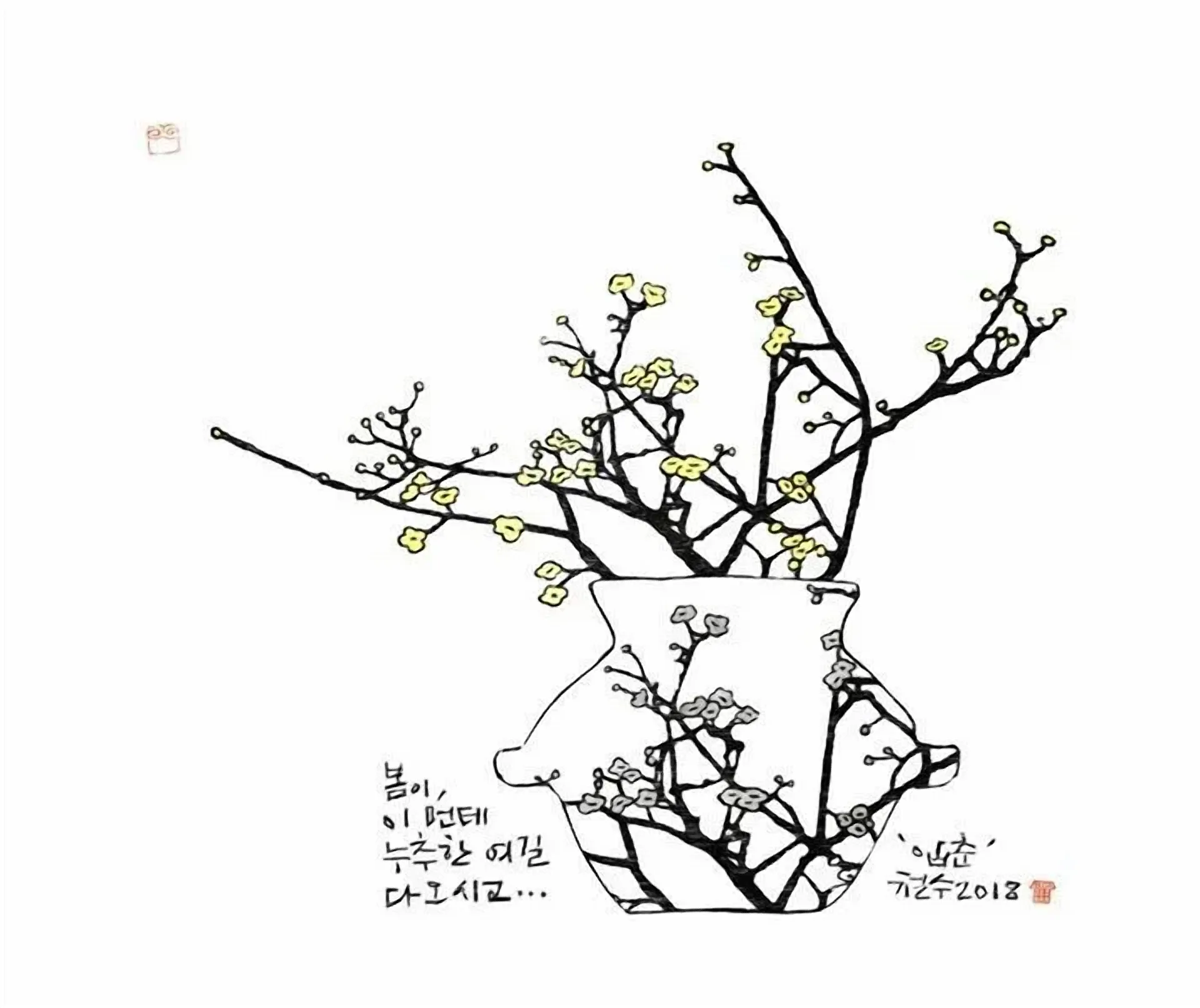
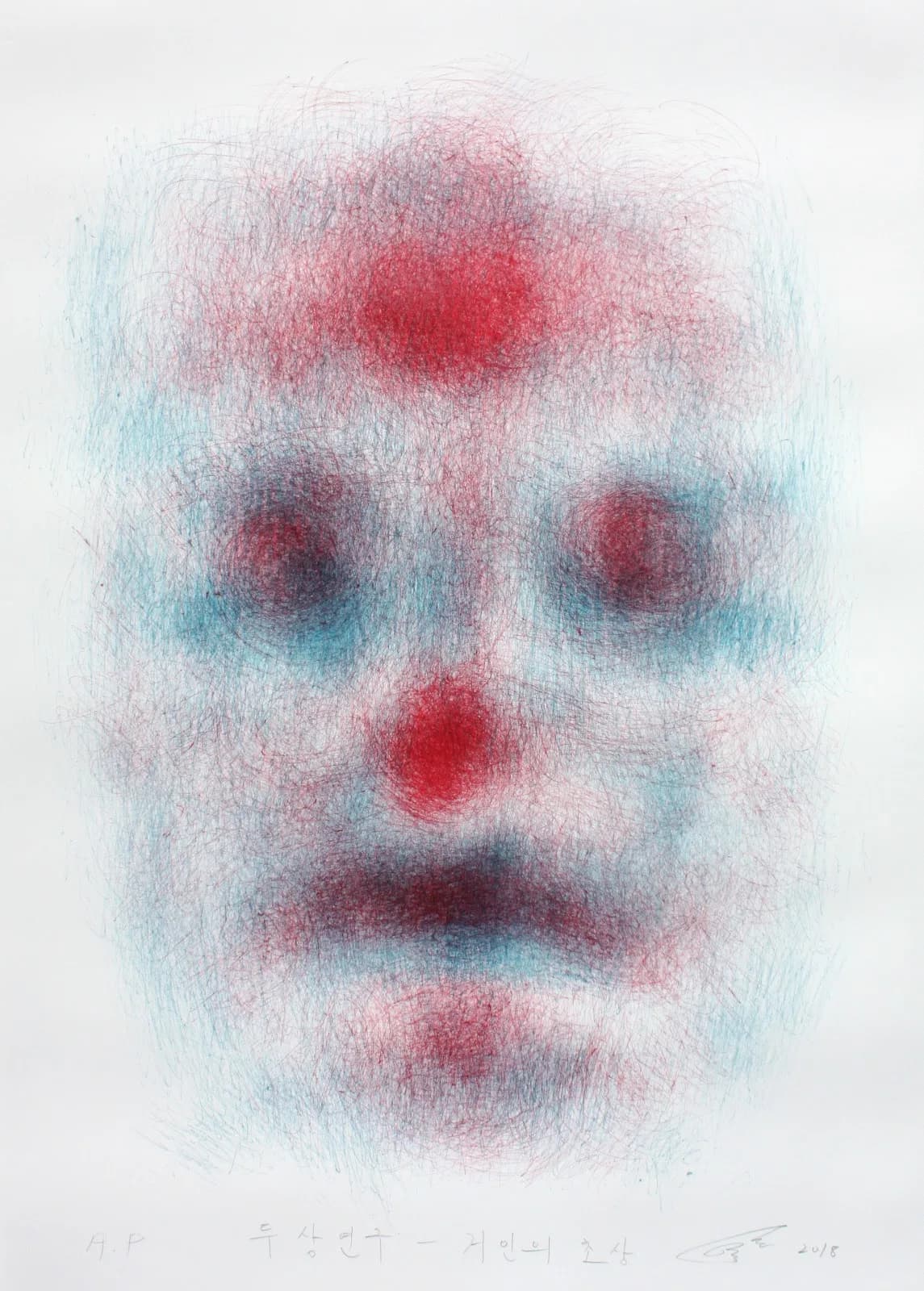
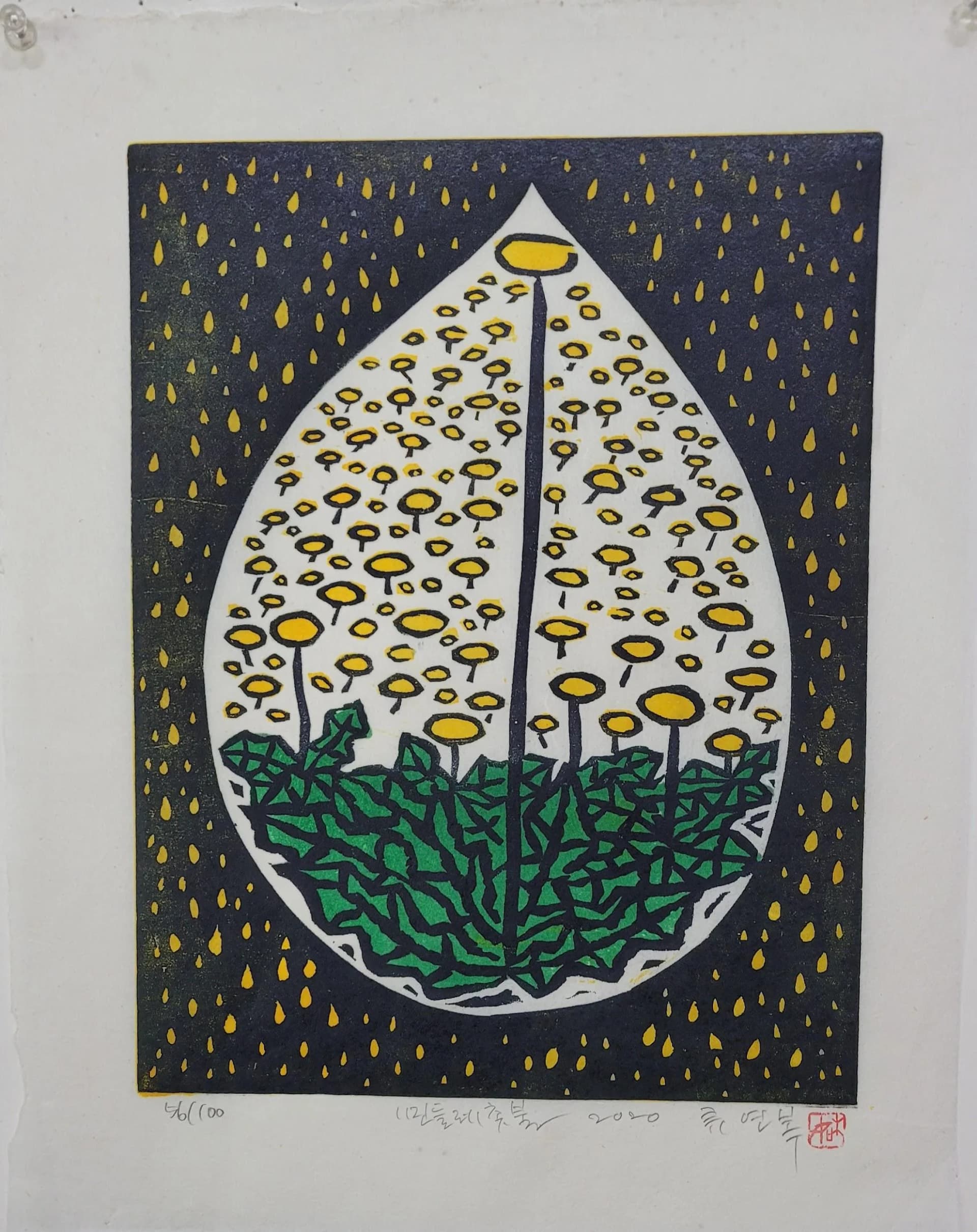
Compare originals and prints by the same artist on the SAF gallery →
Related Guides
Explore Further


Seed Art Festival
·