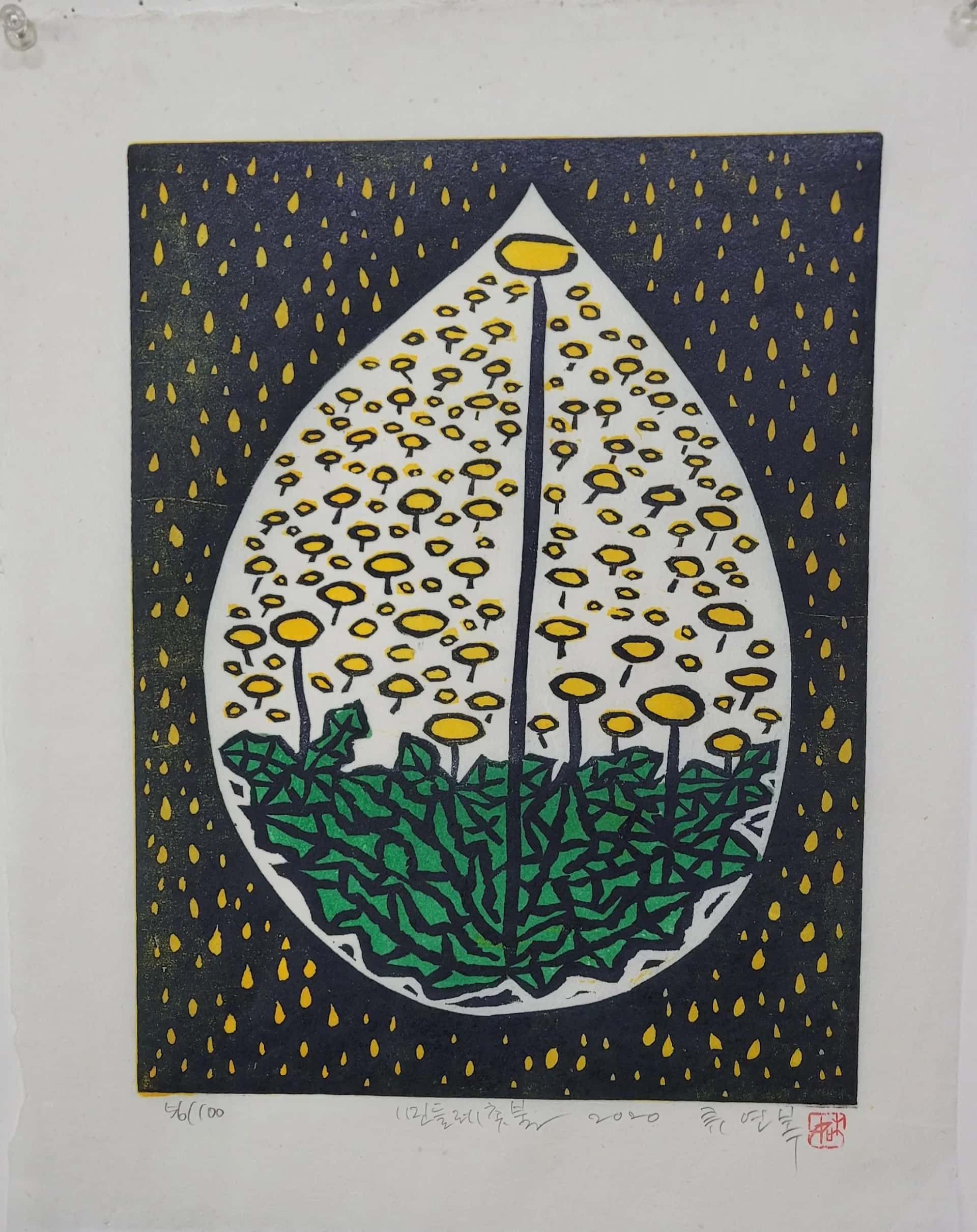
Reading "3/30," AP, EA, HC on a print's lower edge — what each mark means, how prints differ from reproductions, and why the same "print" looks entirely different by medium.
Collector path
Works to view after this guide
Use the guide below to understand the work, then compare available artworks in the gallery.
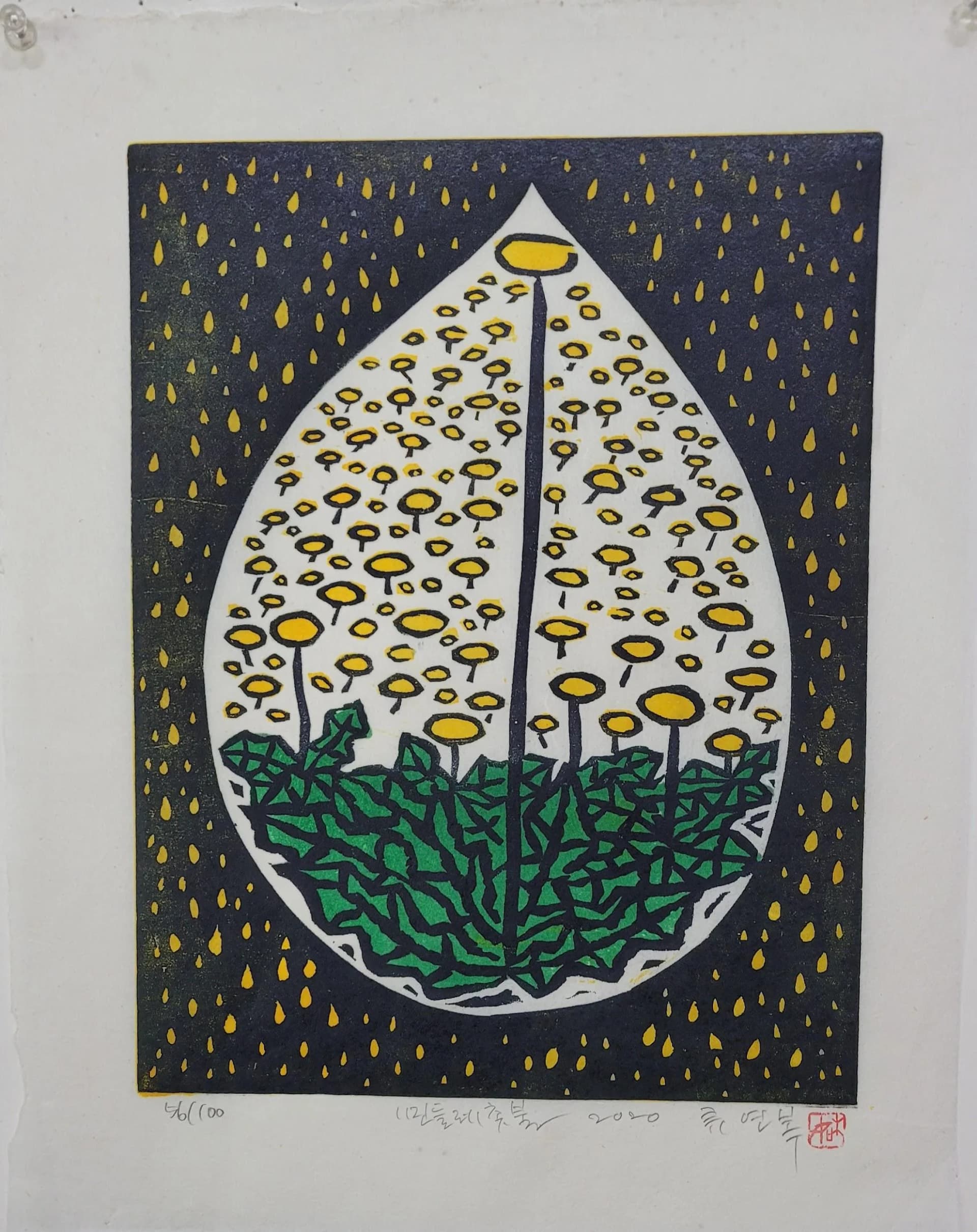
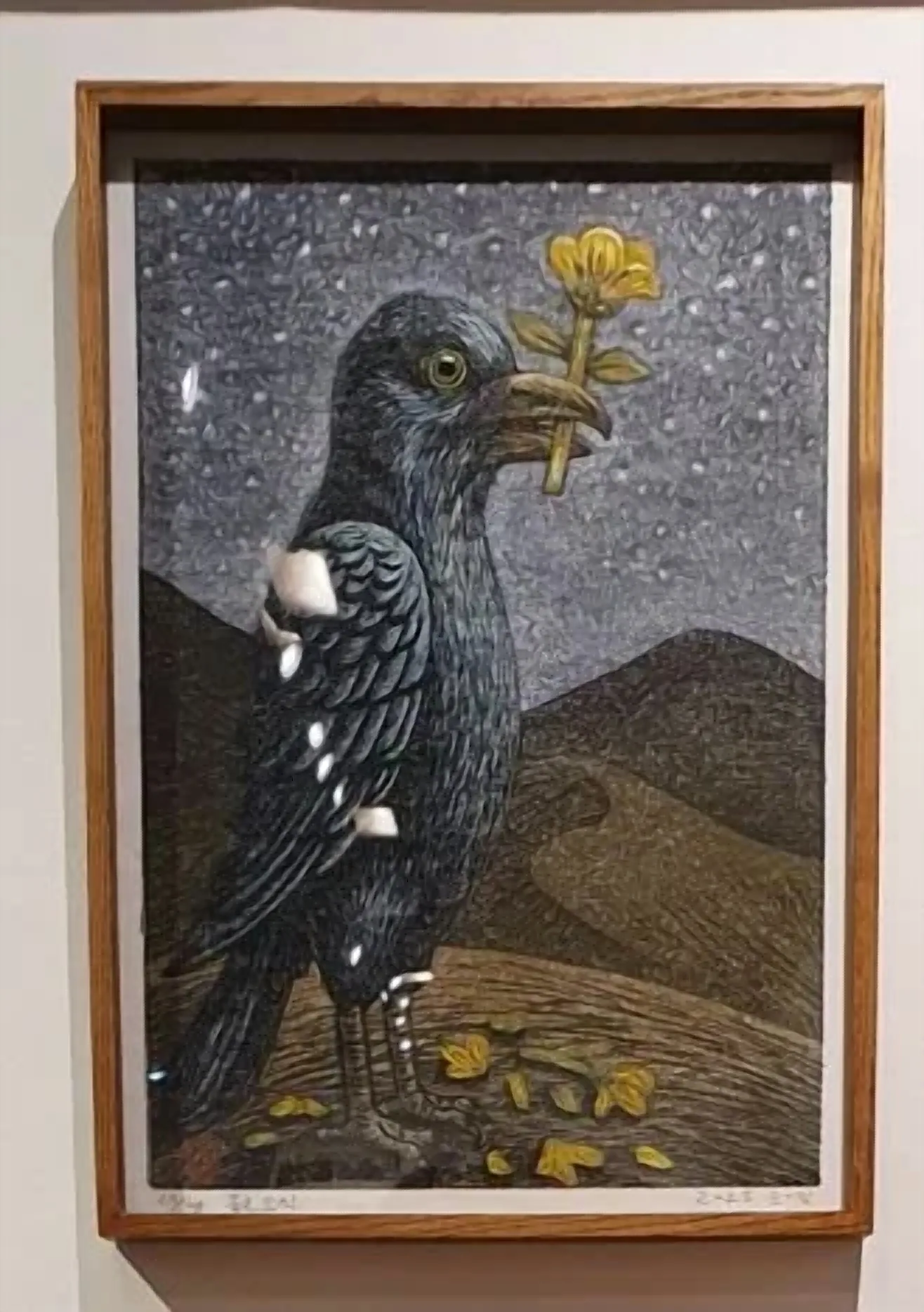
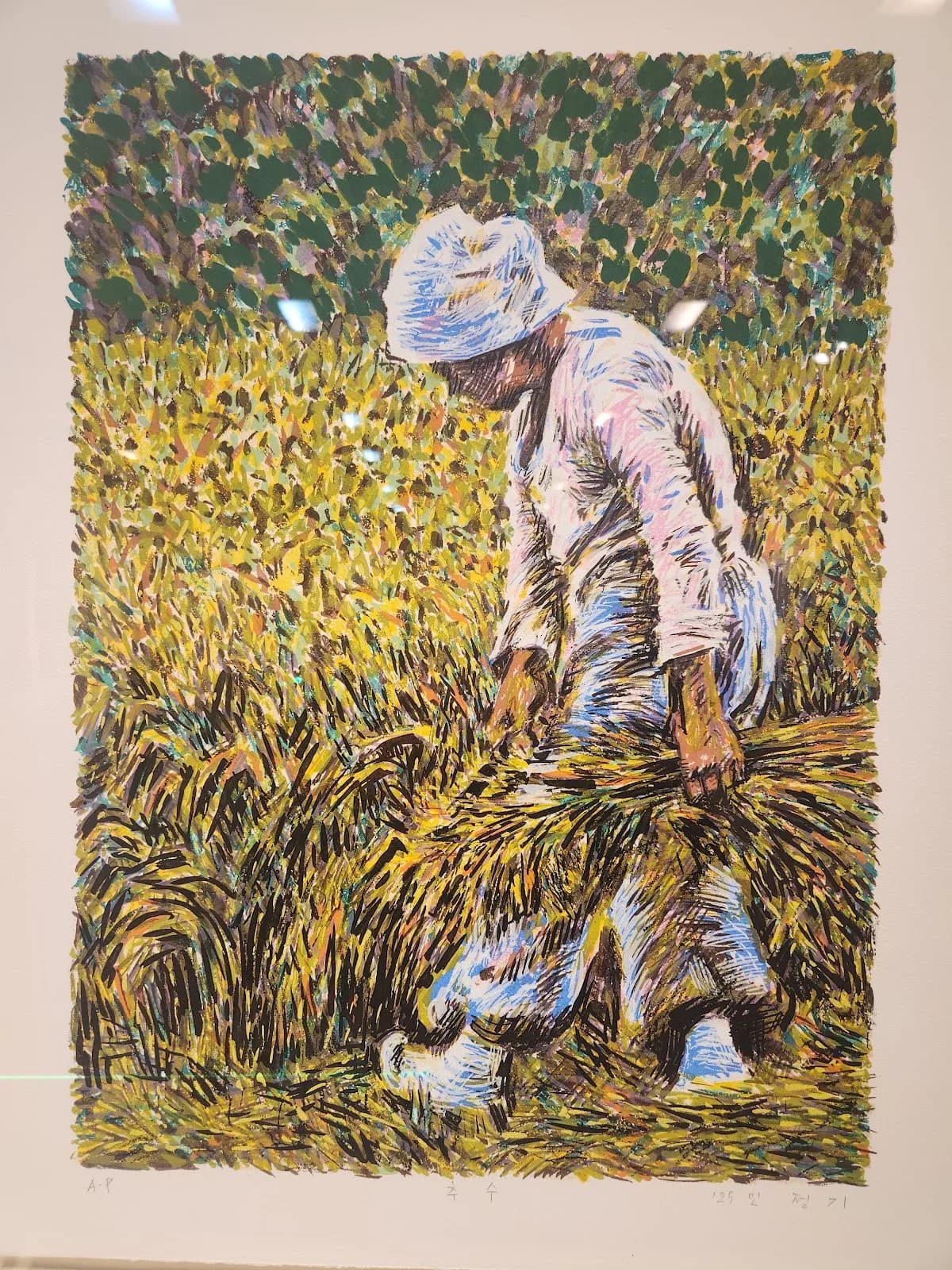
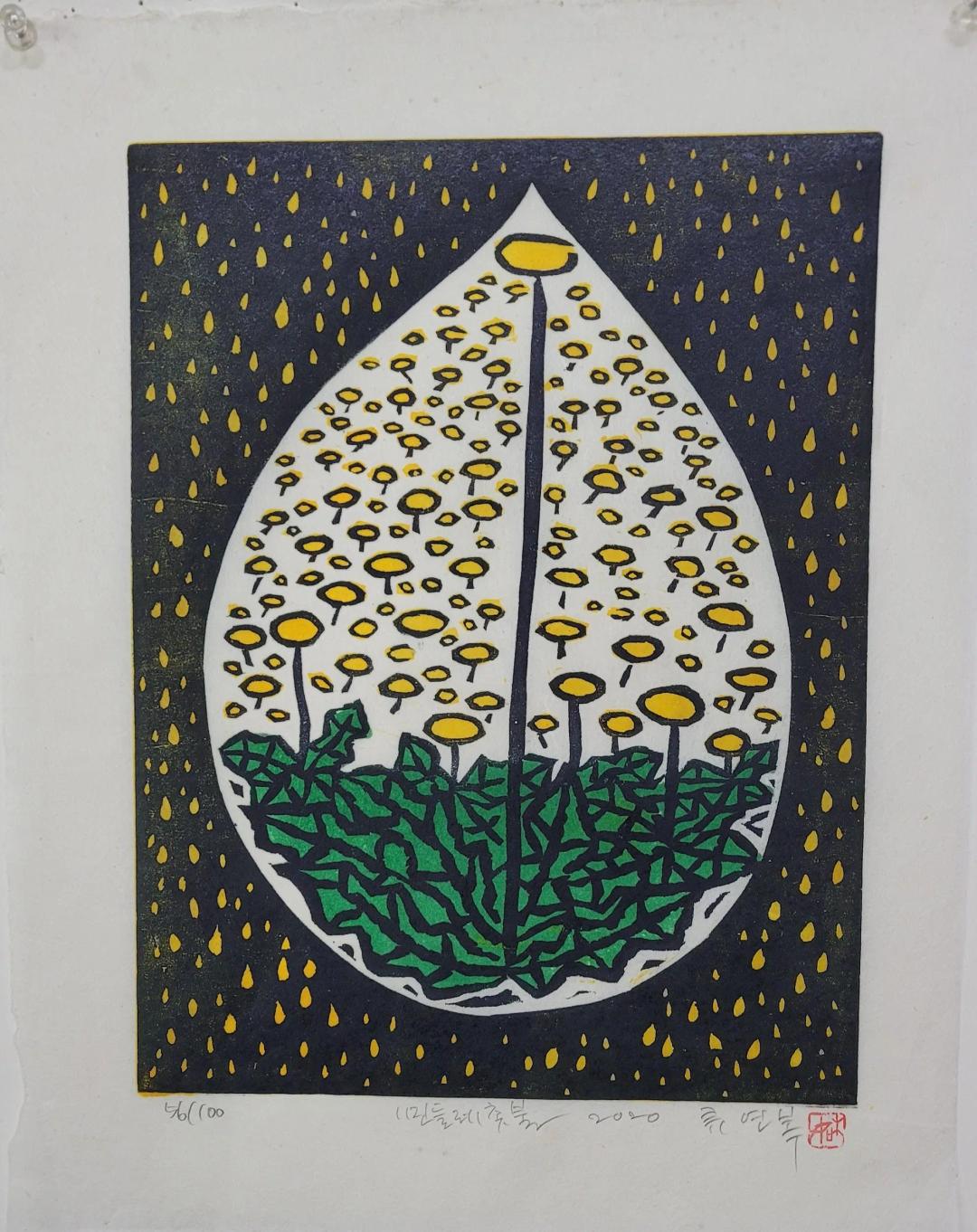
"Aren't prints reproductions?"
The most common question among first-time art buyers. To cut to it: no. A print is not a "reproduction"; it's a form of original art that exists in multiples. The moment the artist carves the plate, pulls the impression, signs, and numbers it, each impression is an original. Understanding this makes edition numbering — 3/30, AP, EA, HC — read naturally.
Why a Print Isn't a "Reproduction"
Reproductions and prints differ from the moment of making.
- Reproduction: a scanned-and-printed copy of an existing original. The artist doesn't pull it.
- Print: the artist makes the plate itself as the original, and pulls impressions from it.
The "plate" here refers to media like woodblock, copper plate, lithograph stone, silkscreen. The moment an image is carved into the plate, that plate becomes one work. Each sheet pulled from it, in ink on paper, is an "original" that passed through that plate.
So a print exists in multiples, but each sheet is a unique result that came out through the artist's hand.
Edition Numbering, Character by Character
You've probably seen small penciled numbers and marks below a print. Most common: a fraction like 3/30. Reads simply:
3 / 30 → the 3rd of 30 impressions pulled in this edition
The left number is this sheet's number; the right is the total edition size. A lower number isn't inherently better, but because artist-pulled prints can weaken line as the plate wears, many collectors prefer earlier numbers.
Other marks also appear.
| Mark | Meaning | Note |
|---|---|---|
| AP | Artist's Proof | Beyond the edition, the artist keeps a few personal copies |
| EA | Épreuve d'Artiste | French; same as AP — common in European prints |
| HC | Hors Commerce | Non-commercial; for exhibition or promotion |
| PP | Printer's Proof | Given to the master printer |
| BAT | Bon à Tirer | The final reference impression approved before the edition |
Summary: AP/EA are the artist's reserve copies; HC, PP, BAT are working traces, not distribution copies. Prints bearing these marks have no edition number but sometimes carry a slight premium over the numbered edition on the market.
Characteristics by Print Type
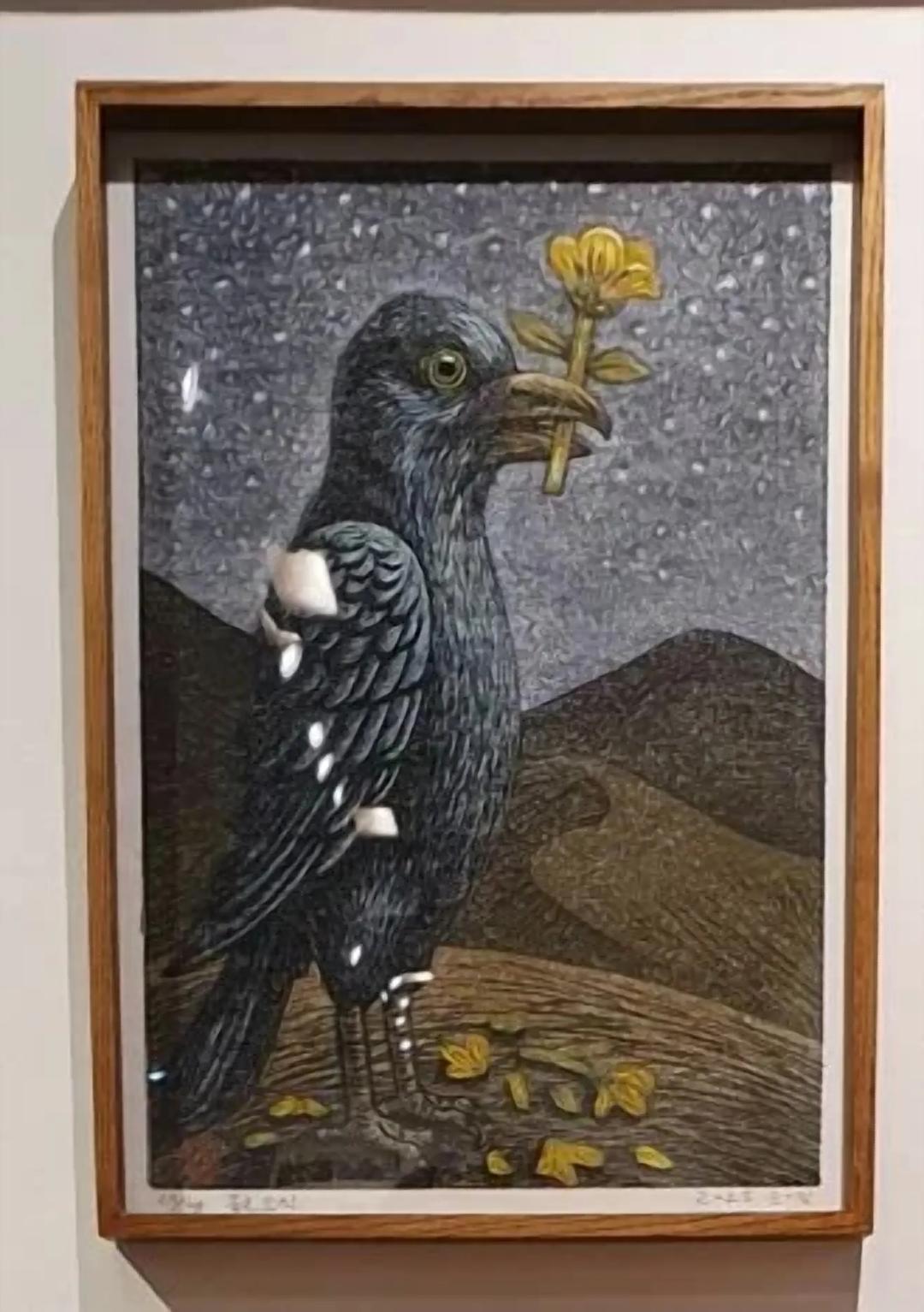
| Type | Plate material | Character | Representative Korean artists |
|---|---|---|---|
| Woodcut | Wood | Rough grain, strong line | Lee Yun Yeop, Kim Jun Kwon, Ryu Yeonbok |
| Etching | Copper | Fine line, tonal range | Kim Jonghwan |
| Lithography | Limestone | Close to painting in texture | Kim Jonghwan, Min Jeonggi |
| Serigraphy (silkscreen) | Mesh screen | Clear planes and color | Lee Cheolsu, Min Jeonggi |
Even within "print," the impression shifts entirely by medium. Woodcut carries the visible track of the knife. Etching holds fine, long lines with precision. Lithograph can hold oil-paint-like tonality. Silkscreen delivers clean color like a printed poster.
SAF's Print Artists
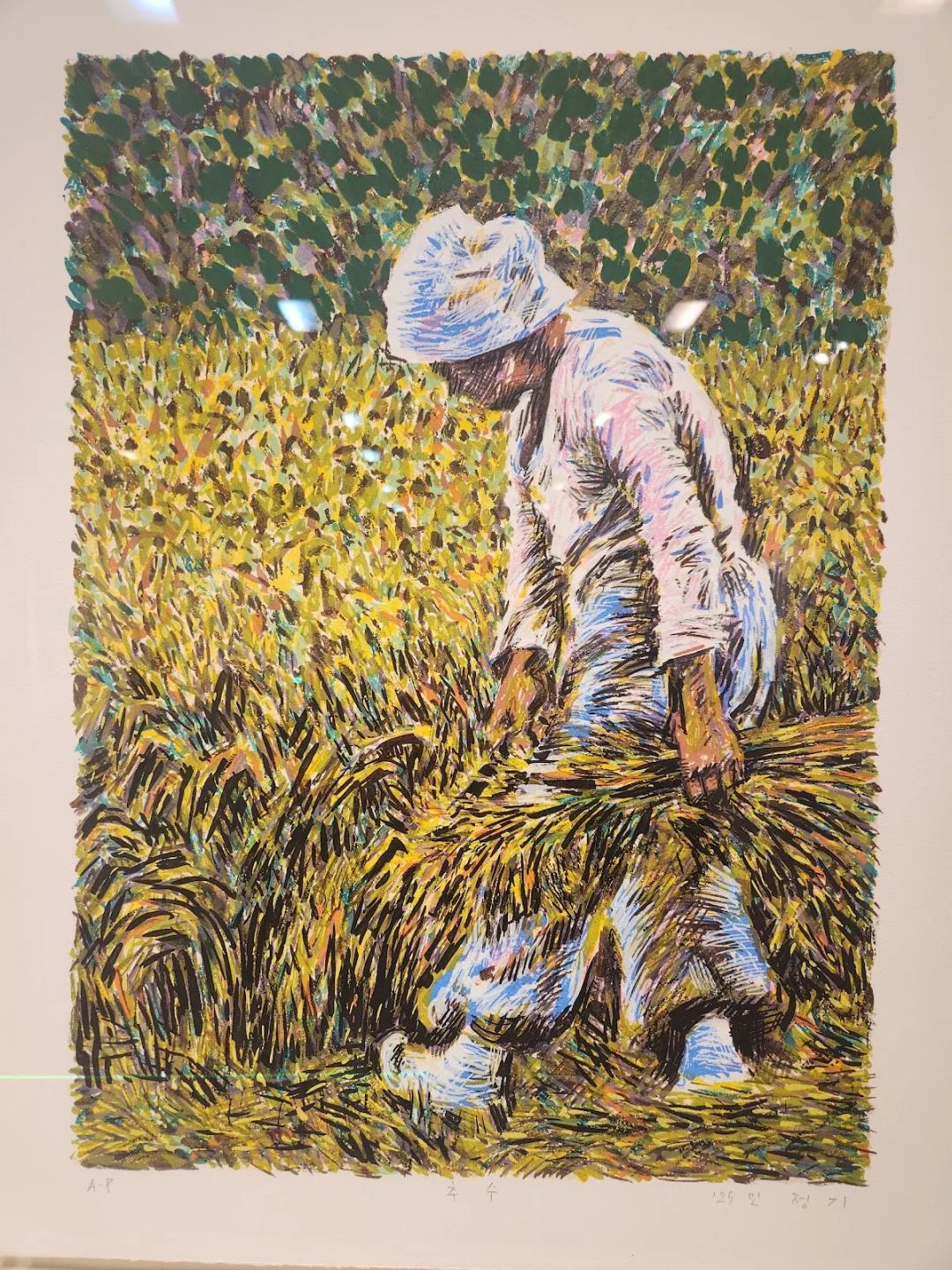
SAF 2026 gathers major figures of Korean printmaking history. Each artist's world is explored in magazine interviews.

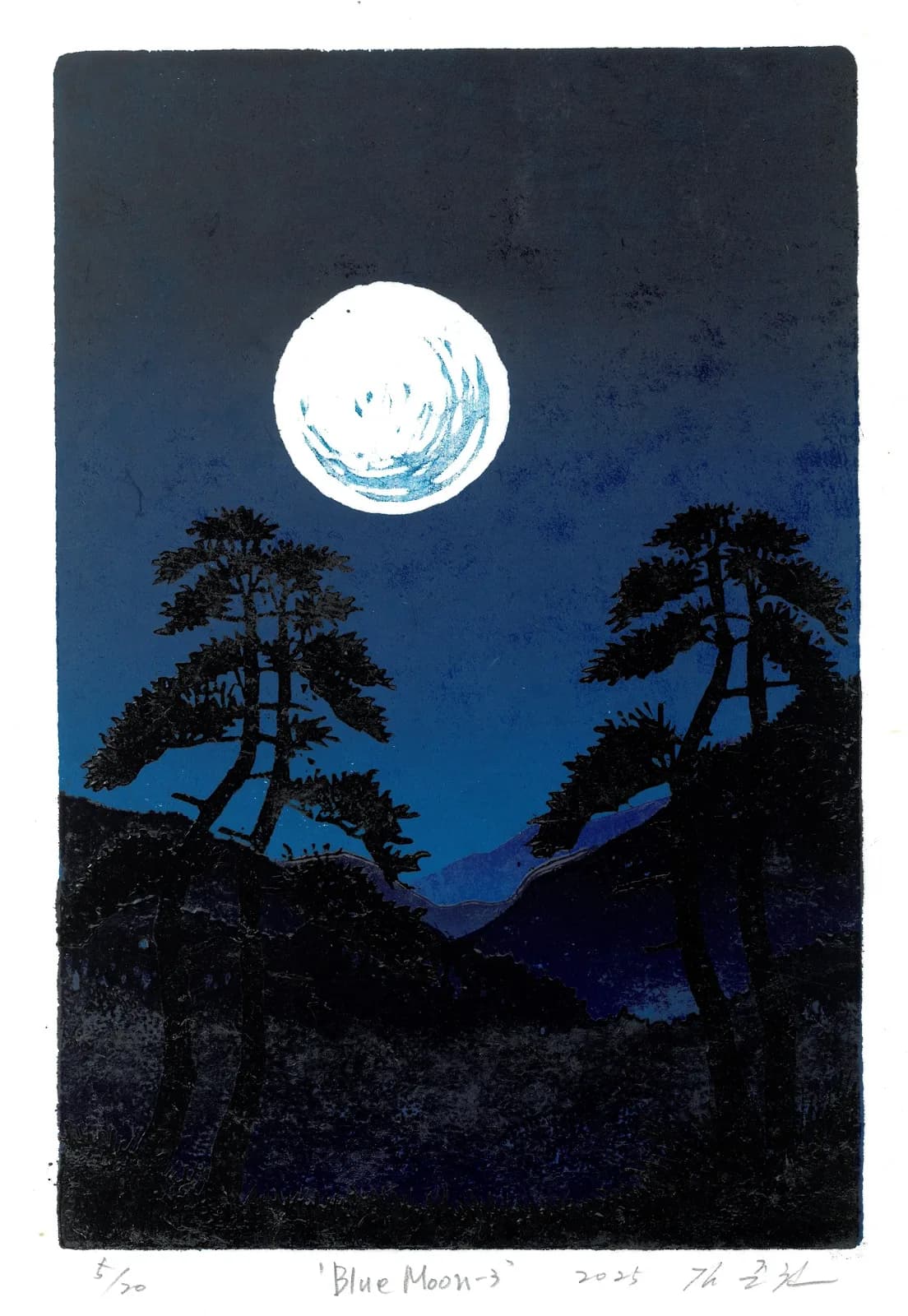
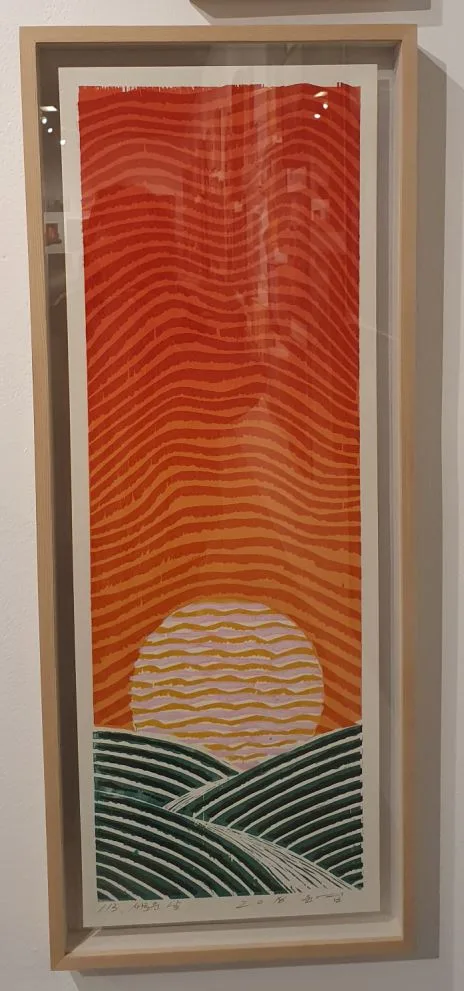

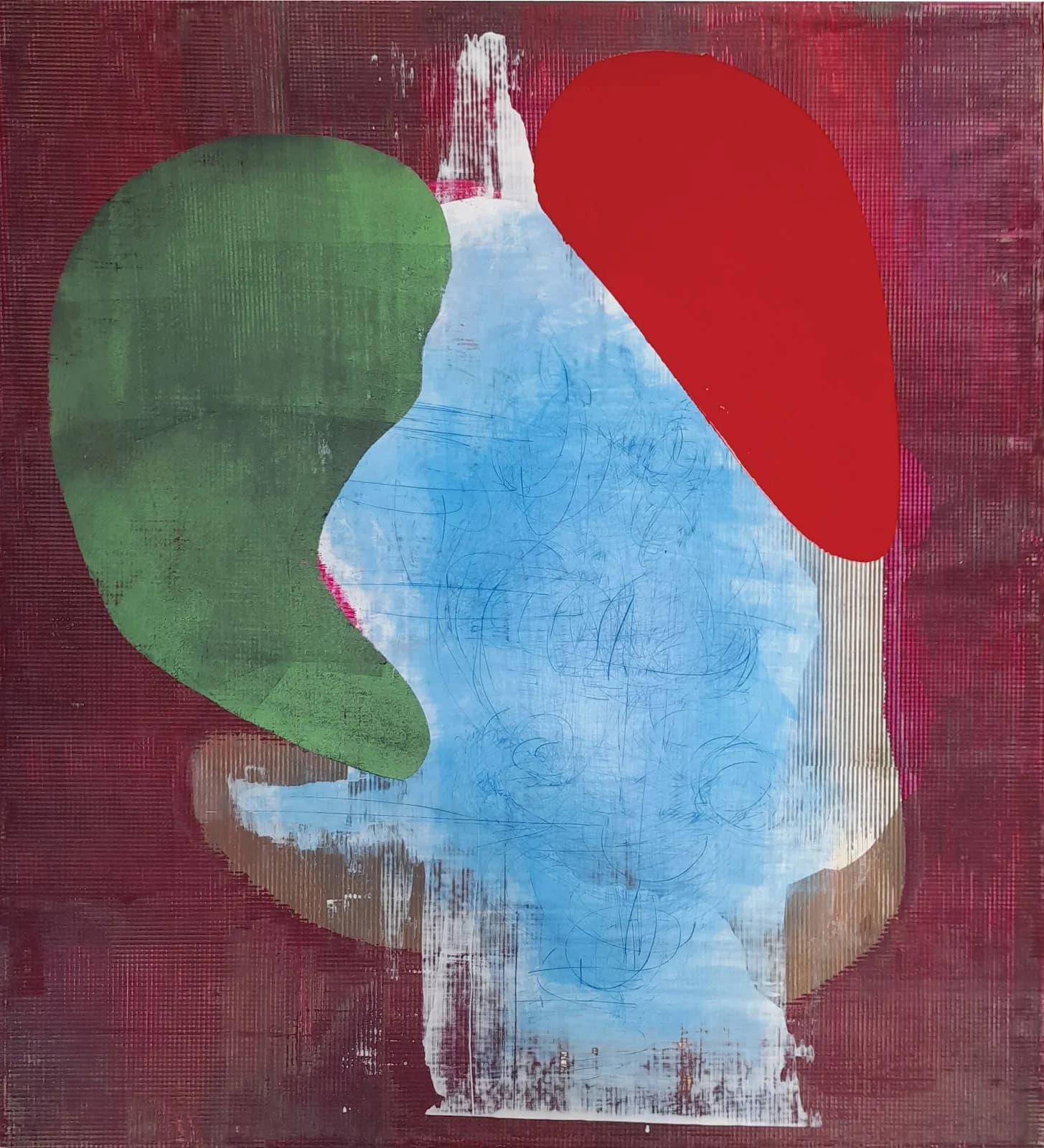
From senior minjung artists to printmakers running their own studios and mentoring the next generation, a generation of Korean printmaking gathers in one room.
Three Advantages of Buying Prints
- Accessible price. When an original by the same artist is millions of won, a print meets you in the ₩300K–1M range.
- The experience of collecting an original. A signed edition — not a reproduction — is treated as an original for appraisal, insurance, and transfer.
- Flexibility of placement. Prints tend to come in standard sizes, making framing and hanging easier.
One Print at SAF
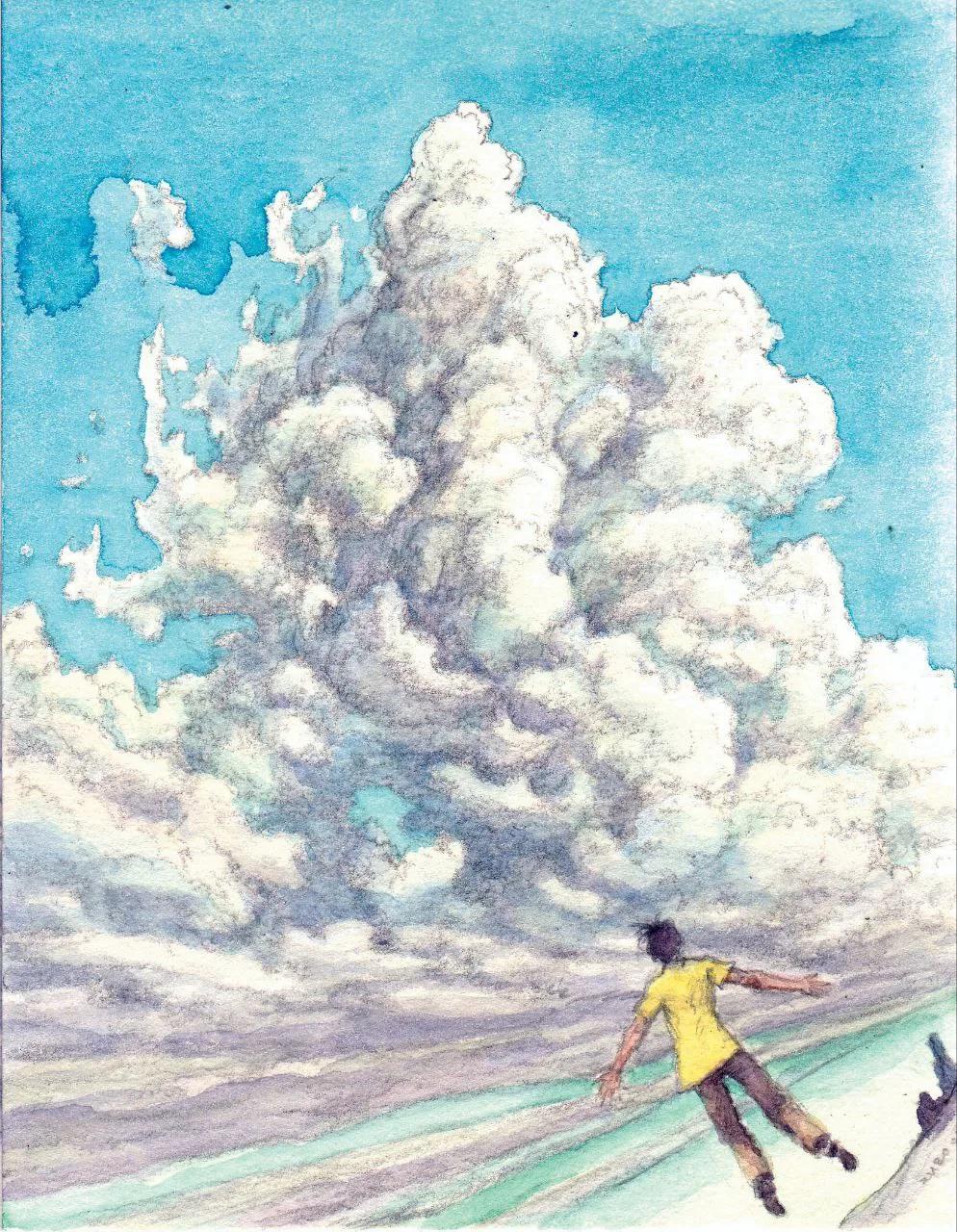
84.9% of Korean artists are excluded from institutional finance. Sales of works by SAF-exhibiting artists cycle into a mutual-aid fund, returning as low-interest loans to fellow artists.
A print costs less than a painting, but one print can cover another artist's month of studio rent. When thirty impressions from a single edition cross to thirty collectors, a year of an artist's working conditions shifts entirely. If print was, by nature, "art held by many together," at SAF that many extends to fellow artists.
A Work Read Through a Single Number
3/30. A simple number, but inside it sit the artist's hand, the plate's limits, the edition's promise.
Next time you stand in front of a print, look once more at that penciled signature below. In it, the time an artist spent on the plate reads.
Frequently asked questions
Q. How do I read an edition number on a print? A. Edition numbers appear as a fraction: 3/30 means the third copy from a total run of thirty. The numerator is the sequence number; the denominator is the total edition size. Earlier numbers are perceived as more desirable but carry no legal difference in value.
Q. What is an AP and how is it different from numbered prints? A. An Artist's Proof (AP) is a copy set aside for the artist, numbered separately from the main edition. By convention, APs are limited to roughly 10% of the main edition. They are typically signed "AP" rather than with a fraction.
Q. Which holds more investment value: an original painting or an edition print? A. Neither is automatically superior. Originals offer uniqueness and often appreciate more sharply. Small-run limited prints allow collectors to own significant work at a lower entry price, with value tied to the artist's career trajectory, edition size, and condition.
Q. Is a print without a signature considered an original? A. In modern printmaking, an artist's signature is the primary evidence of supervision and authenticity. An unsigned print struggles to be accepted as an original in the market and typically fetches significantly less at resale or appraisal. Always verify signature and edition number before purchasing.
Further Reading

Start Collecting
Related reading
If this piece helped, you may also enjoy these related articles:

Seed Art Festival
·