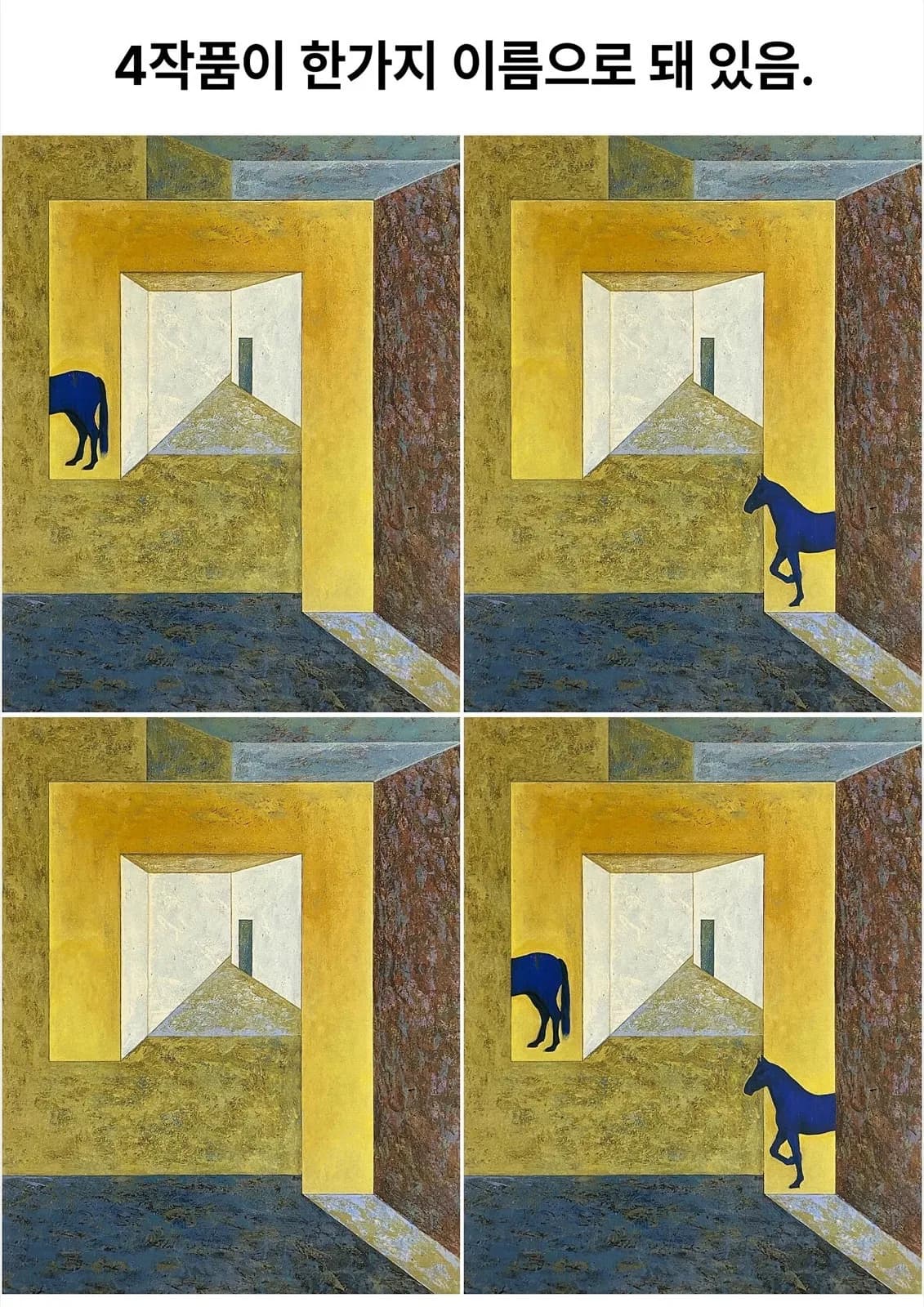
The idea that painting with oil on canvas is the only 'real' art was dismantled long ago. Twenty-one works at SAF 2026 are digital or mixed-media pieces that ask what materials art can claim. Jeong Chaehui's lacquer-and-eggshell work on digital print is the most striking example.
Where Does "Art Material" Stop?
A frequent response when people first encounter contemporary art in a museum: "This is art?" A pile of bricks, one fluorescent tube, a blank canvas. Being puzzled is the expected reaction. Honestly, that puzzlement is what contemporary art wants.
"Art material can be anything." This declaration appeared in the early 20th century. When Picasso and Braque began pasting newspaper and sheet music onto canvas, the boundary of material collapsed. Collage was not merely technical experiment. It was a declaration: to bring fragments of the actual world, directly, into what paint alone could not express.
Over the 100+ years since, the materials artists have brought in have expanded — factory waste, the artist's own blood, sound, and today, pixels. That digital data became art material was, perhaps, the most natural extension.
The 21 Works of SAF 2026 — On the Edge
Mixed media and digital art make up a small share of SAF 2026's works. Yet they draw the most questions in the exhibition.
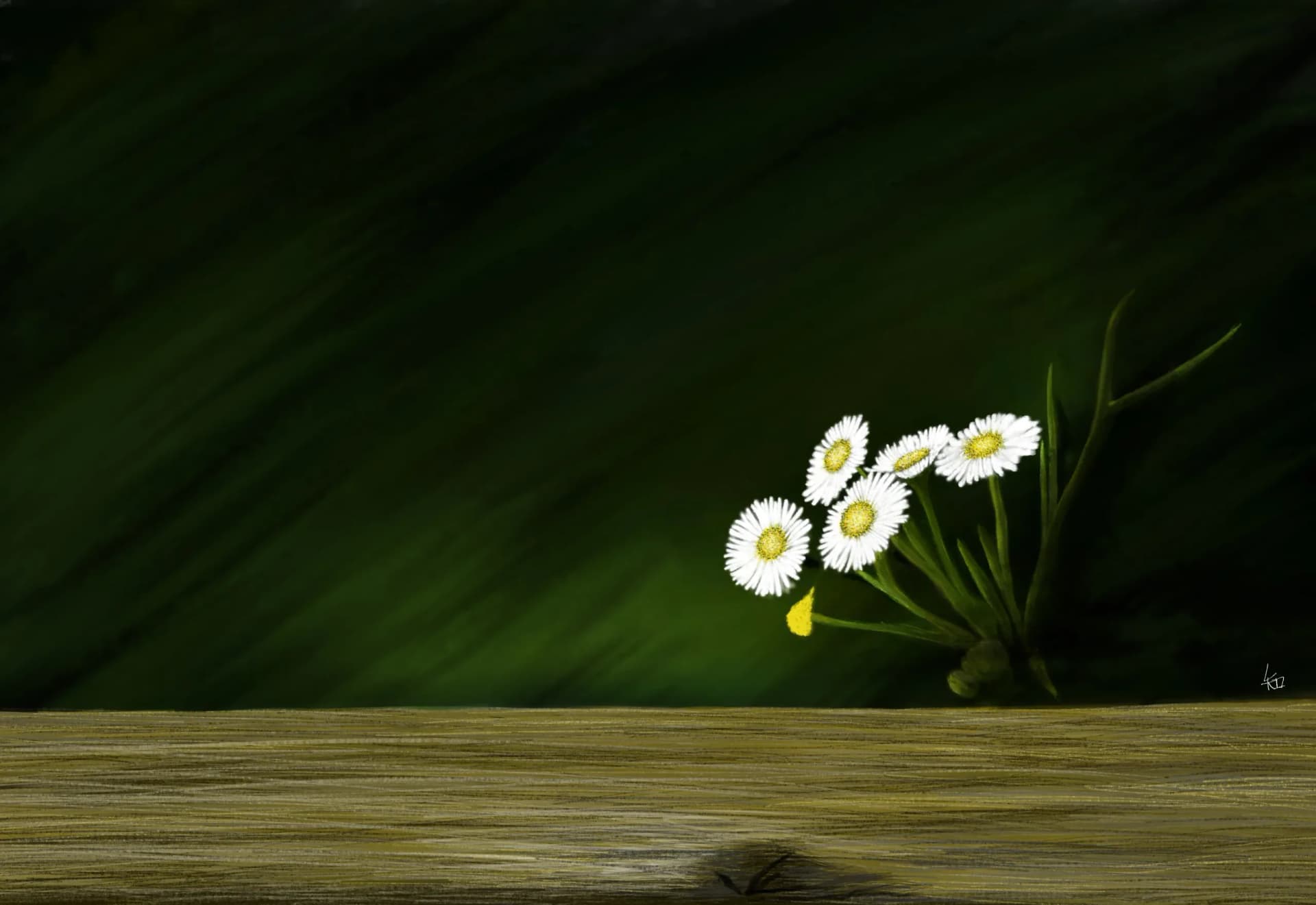
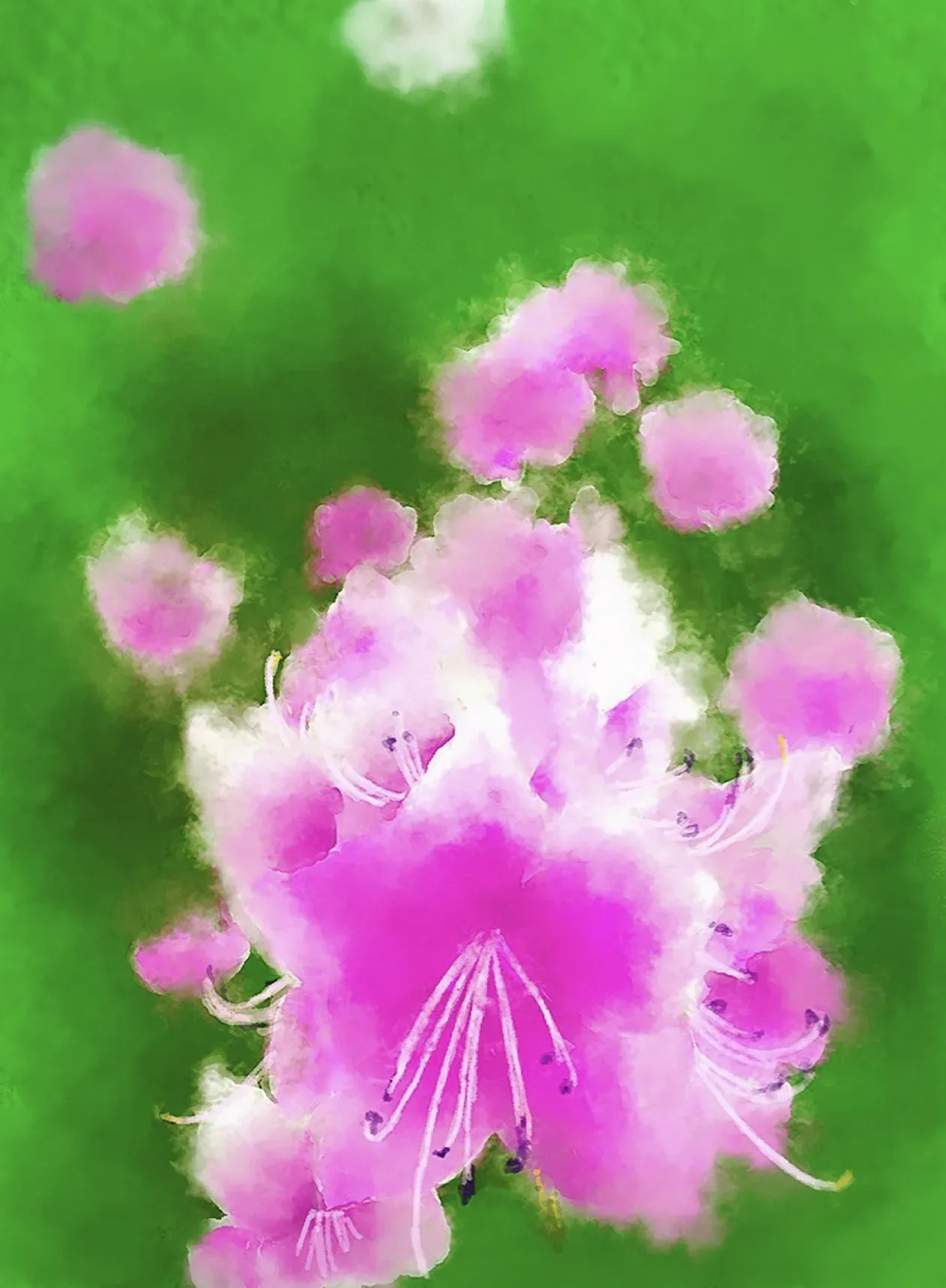
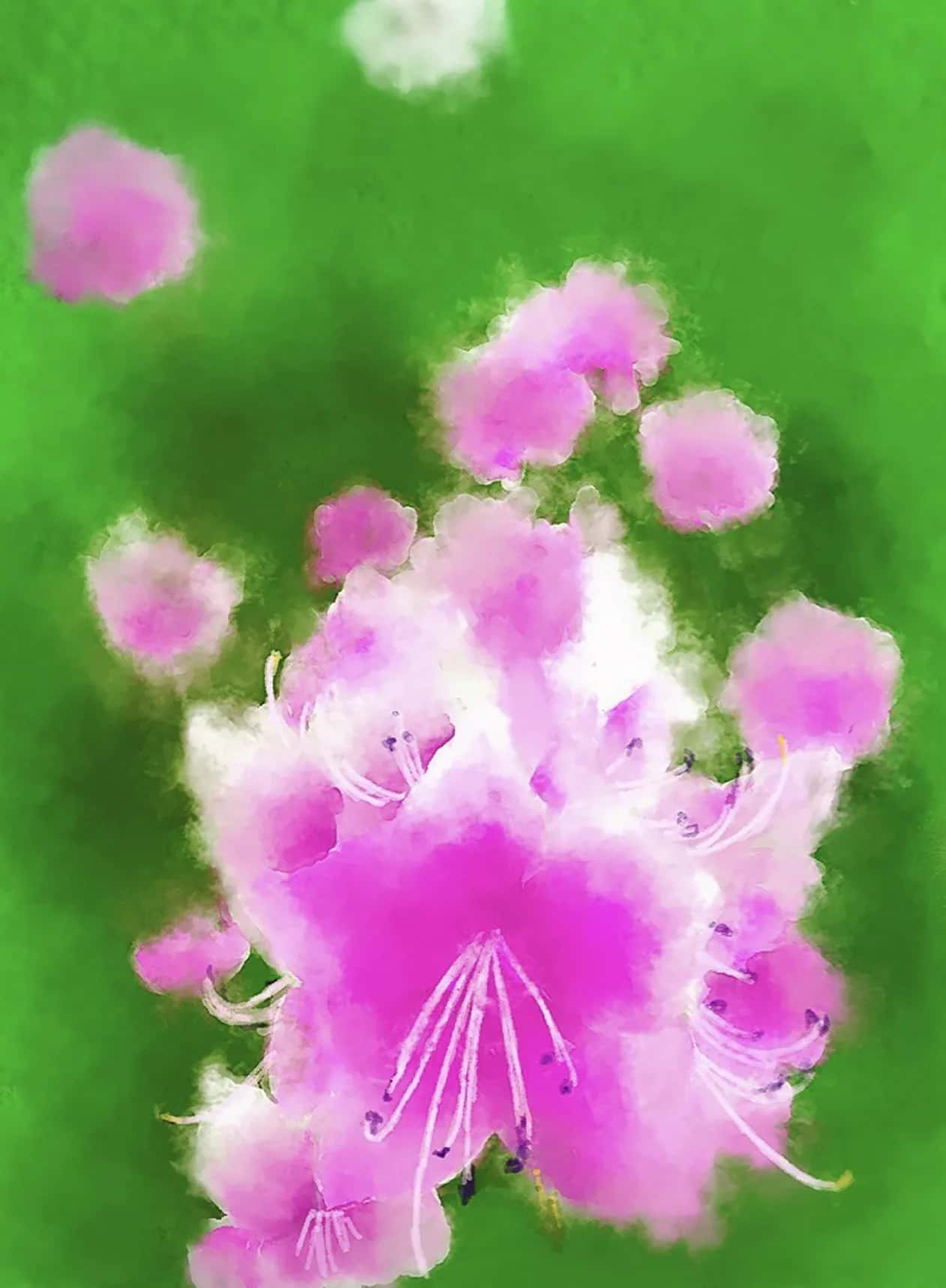
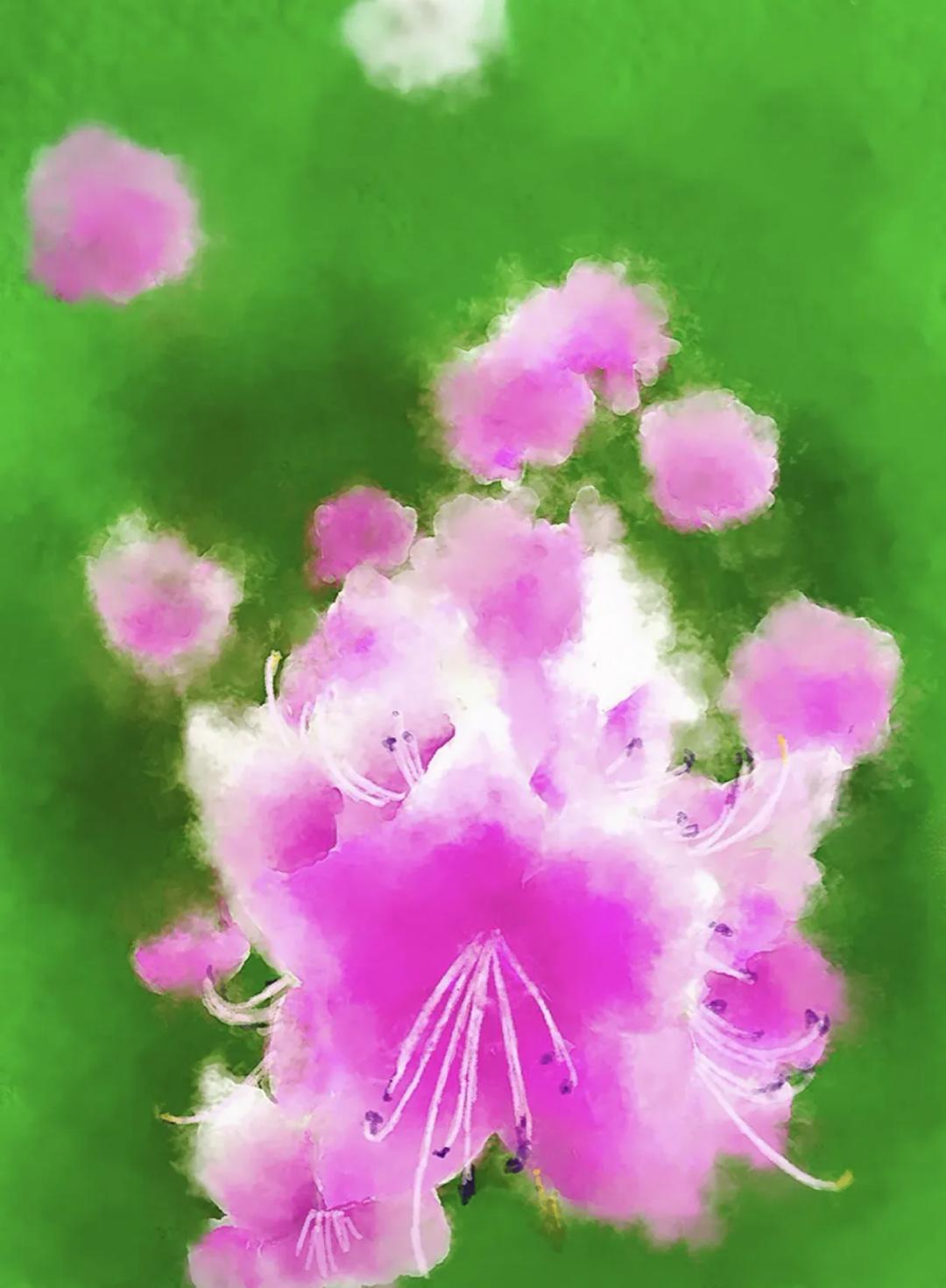
In digital art, Rim Jieon's Digital painting series stands out. Grass, Flower! (2025), Moment (2025) — 72.7×50 cm surfaces realizing the texture of paint stroke and color density. They look hand-painted, but the tools are tablet and stylus. The question of whether this is painting or digital art, the question itself, reveals an outdated category.
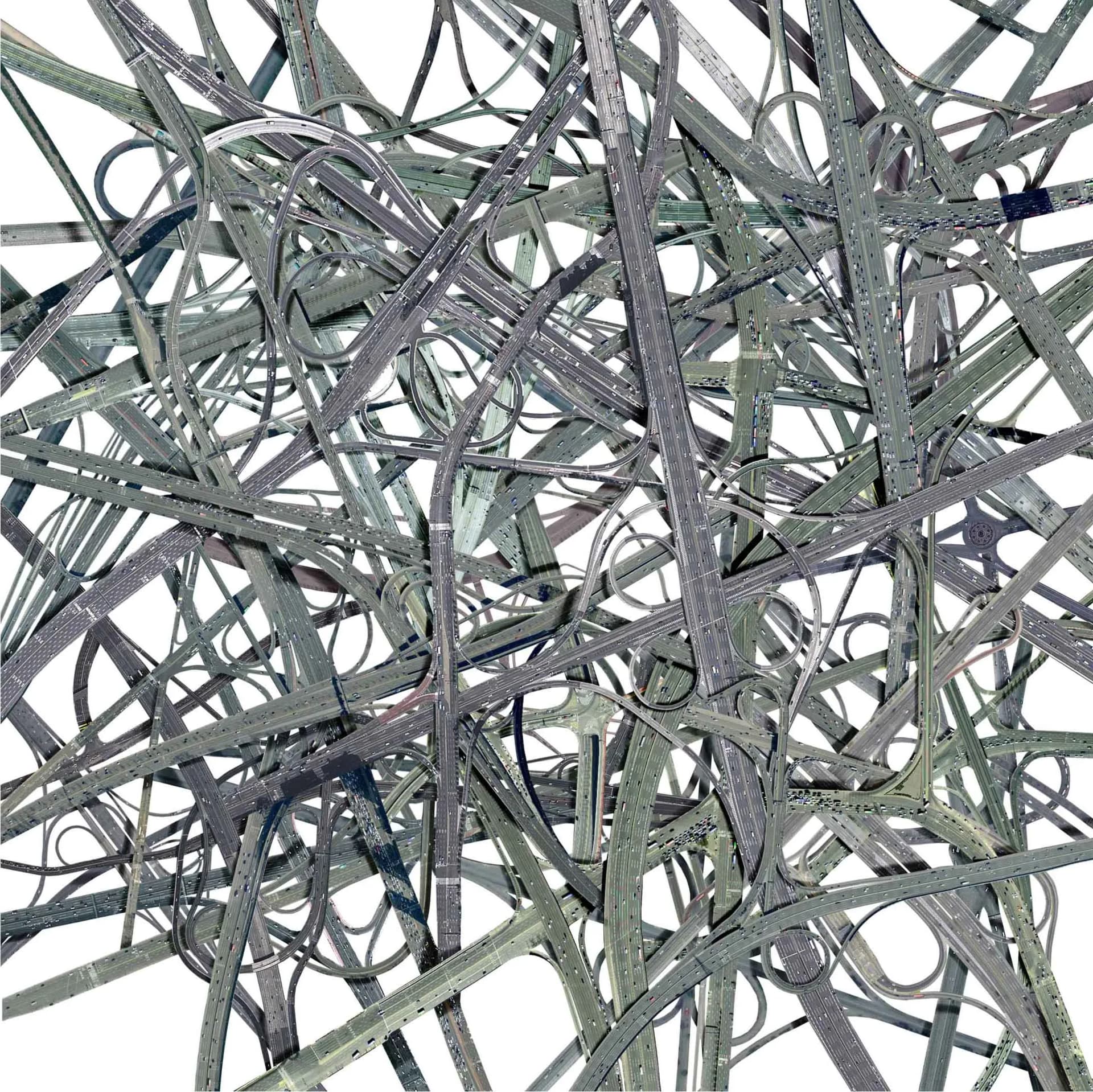
Kim Taegyun's Ornament #3 (2013) is a digital collage of interchange photographs from two cities — Seoul and Pyongyang. 100×100 cm, finished as digital print, diasec. Diasec is vacuum-lamination of acrylic glass over the print, sharpening color and increasing durability. Photography, painting, or sculpture? It refuses any single category.
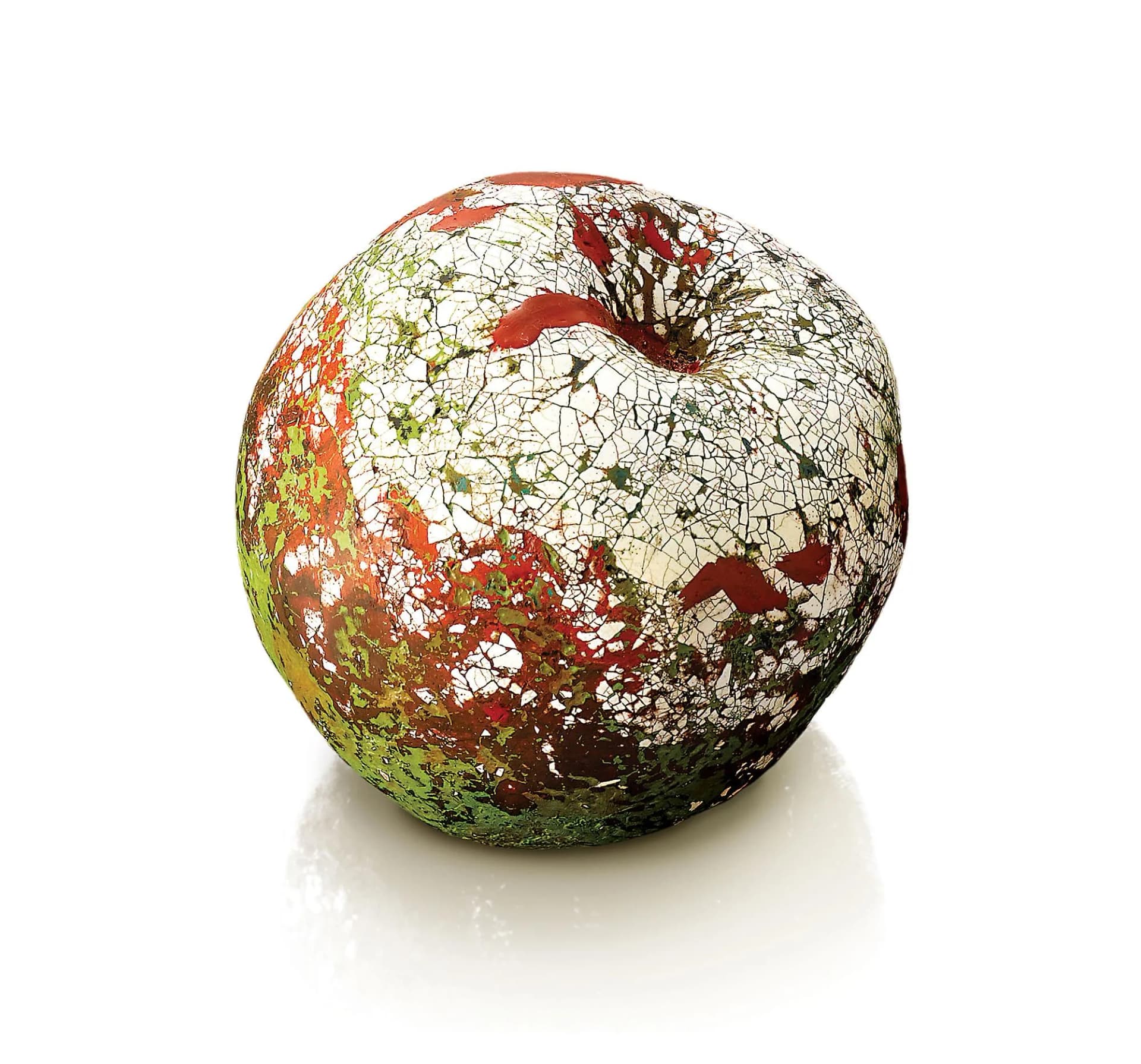
Jeong Chaehee's Ott-Apple — 3,000 Years of Technique Layered on Digital
The most provocative material experiment in this show is Jeong Chaehee's Ott-Apple (2018). A 65×70 cm work with this material label:
Lacquer, eggshell, and mother-of-pearl on digital print
Unfolded: first, print the digital image. Then lay ottchil — purified lacquer tree sap — over it. Add nangak (crushed eggshell inlay) and jagae (ground shell inlay, mother-of-pearl). Contemporary printing and traditional crafts that descend from the Three Kingdoms period coexist on the same surface.
Digital prints are reproducible and exist in multiples. The lacquer and mother-of-pearl hand-applied over them leave a single physical trace. Price: ₩3.8M. Into one work — both digital multiplicity and craft singularity.
What Is an Original? — An Old Question in the Digital Era
Digital work was long undervalued in the art market for one reason. "You can copy it." The logic: no physical original, infinitely reproducible — value is impaired.
But by that logic, prints shouldn't have been art. Rembrandt made prints; Warhol's silkscreens pulled the same image by the dozens. The concept of edition — limited quantity — is why. That many SAF 2026 digital works carry notations like edition 1/5 or 4/10 is the same logic.
Lenticular works twist the multiplicity question more interestingly. Lenticular is a lens-based print technology where image shifts by viewing angle. From the same work: from the left you see image A; from the right, image B. "One original" is correct, but two images live inside that one.
Mixed Media, from Picasso to NFTs
The term mixed media began with Picasso's early-20th-century collages, but today it's much broader. Sim Moby's 9407 SIM_Visibility lists materials this way: "mix-media, then acrylic-stick collage, acrylic painting." Layering acrylic over existing media.
A short history of such mixing:
| Era | Material experiment | Representative |
|---|---|---|
| 1910s | Newspaper, sheet-music collage | Picasso, Braque |
| 1950s–60s | Trash, industrial waste | Robert Rauschenberg |
| 1990s | Video, installation, performance | Nam June Paik |
| 2000s | Digital print, photography | Many |
| 2020s | NFT, blockchain certification | Beeple, others |
Every era had "is this really art?" debates. And every time, the boundary widened.
Why Tradition and Digital Meet
Why does Jeong Chaehee deliberately apply lacquer over a digital print? Probably because of this question. Can a digitally reproduced image carry matter? Can it leave the screen and acquire weight and touch in the hand?
Lacquer oxidizes and cures as it dries. That process is slow and uncertain. Even at the same temperature and humidity, results differ slightly each time. Mother-of-pearl changes color with the direction of light. These variables collide with digital's perfect reproducibility — and the work acquires a living materiality.
To stand on the boundary. That's the common act of SAF 2026's mixed-media and digital works. Those 21 works ask the most provocative questions in the show.
Further Reading
Related reading
If this piece helped, you may also enjoy these related articles:
Seed Art Festival
·