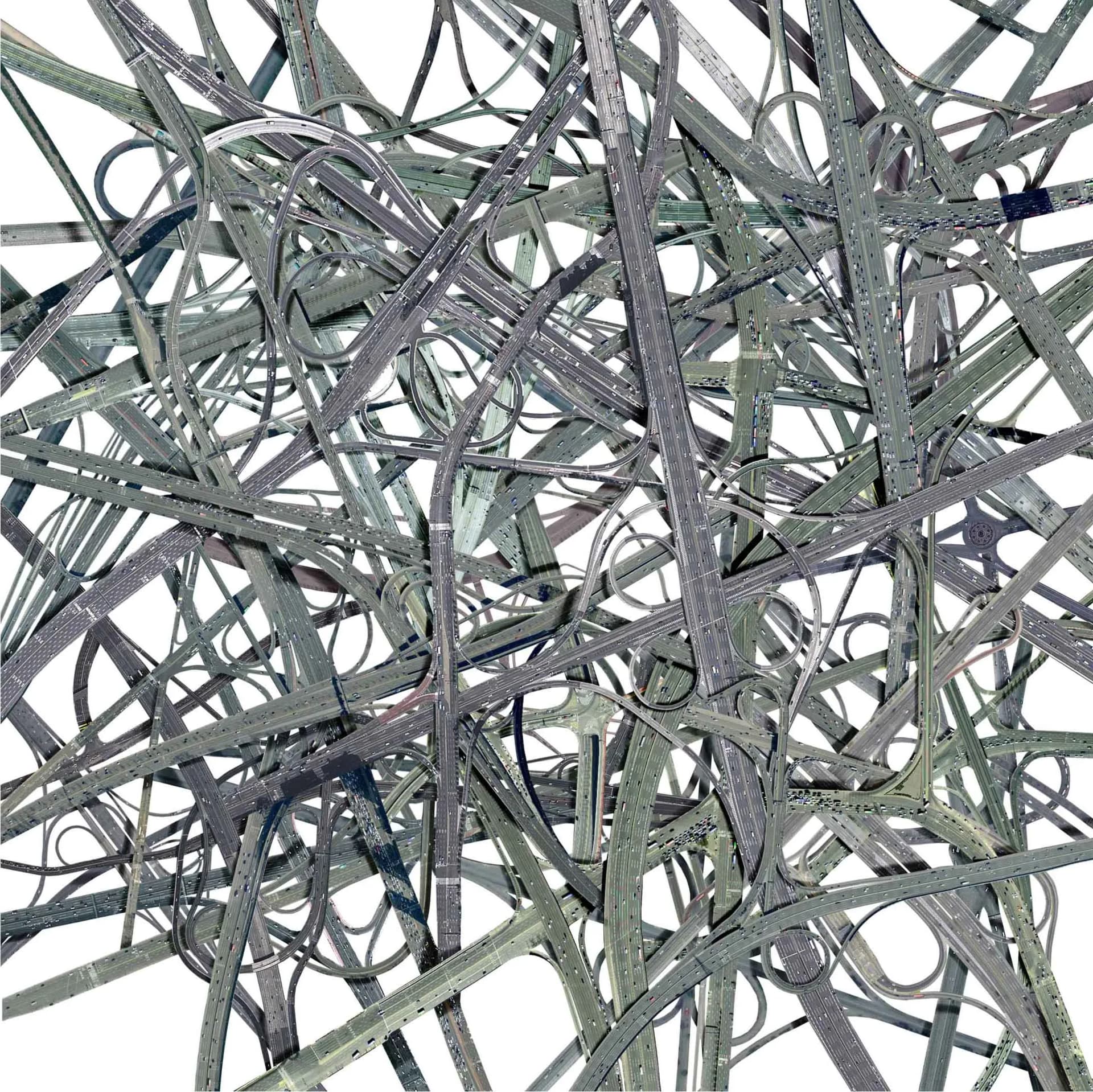
"Isn't a photo just something you take?" That question has sparked debate for over 150 years. Through 31 photographs in SAF 2026, this article explains what fine art photography is, why pigment prints can last centuries, and what diasec actually means.
Photography Is Art Too — The World of Fine Art Photography
When photography was invented in France in 1839, painters feared it. "Painting is over," they said. Painting didn't end; in its place came an argument about whether photography is art.
That argument hasn't fully ended. But in the contemporary art market, photography's position is clear. Several photographs sit on the list of the world's most expensive artworks. An Andreas Gursky photograph sold for over ₩4 billion.
So what separates fine art photography from ordinary photography?
What Fine Art Photography Is
Fine art photography refers to photographic works made for artistic expression — not for record or commerce.
The most important distinction is intent. What was the artist trying to say? What were they trying to make you feel?
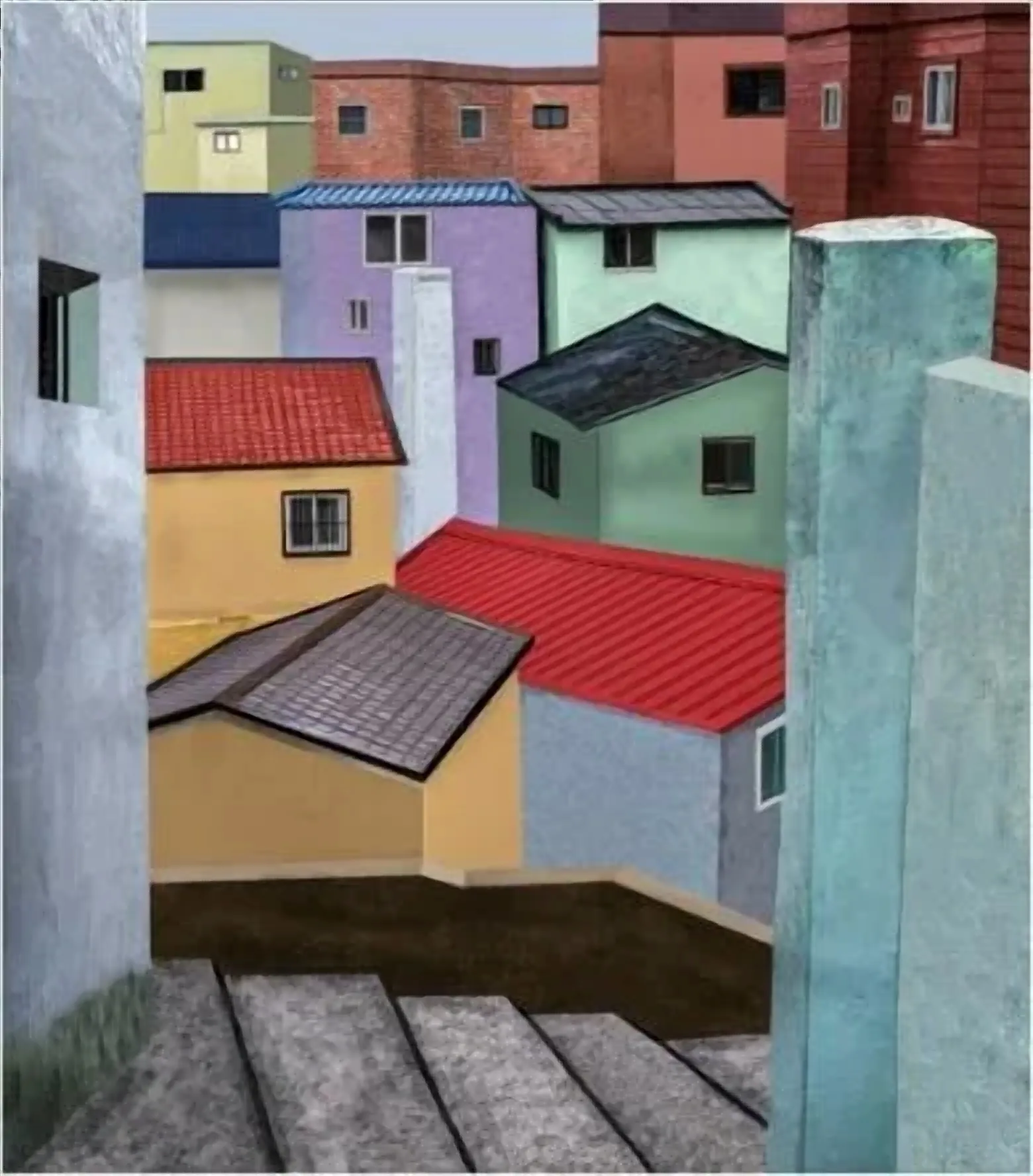
Son Eunyoung photographs houses. Not simply photographs of buildings. In House on the Hill (2024, archival pigment print), she speaks about the feeling of houses left in memory. The time lived there, family, longing — what the photograph holds is not the building but the emotion.
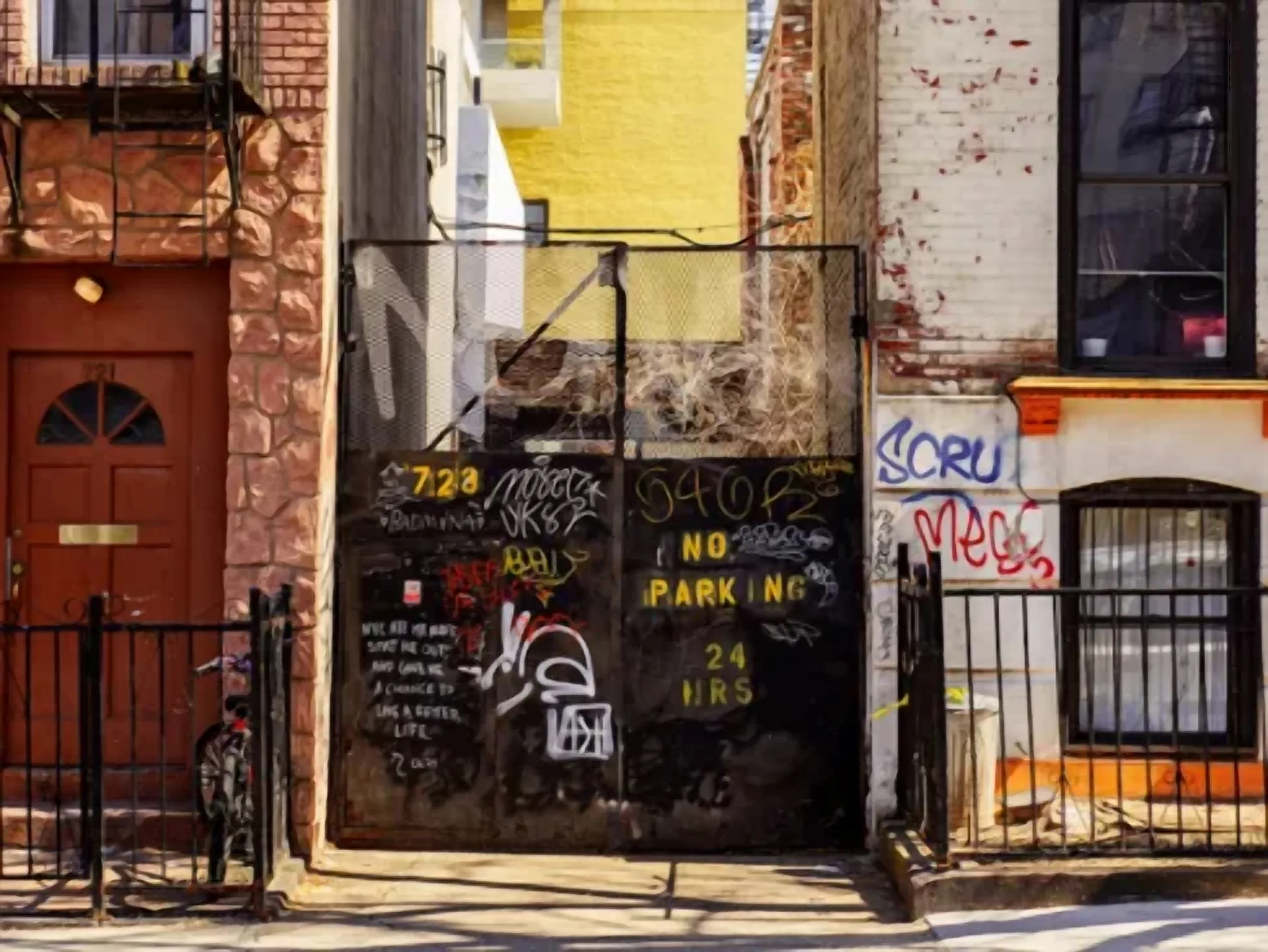
An Sohyeon's Authentic City (pigment print, edition 2/10) captures a scene of the city but reconstructs it with dreamlike color, blurring the boundary between real and remembered. Her work comes from a visual language built after photography and media studies at Sangmyung University and years of solo exhibitions.
That is why these works are not simply photographs.
Materials Behind SAF's 31 Photographs — What Do the Names Mean?
SAF 2026 includes 31 photographic works. The labels carry unfamiliar terms.
Archival Pigment Print
The most frequent material. Son Eunyoung's House on the Hill and The Houses at Night, 2021, #81 use this method.
"Archival" denotes a preservation grade for long-term storage. Unlike dye ink, pigment ink bonds pigment particles to the paper's surface. Dye ink fades over decades; pigment ink, under proper conditions, holds color for over 100 years — theoretically even centuries.
This is why photography collectors prefer archival pigment prints.
Pigment Inkjet Print — The Paper Difference
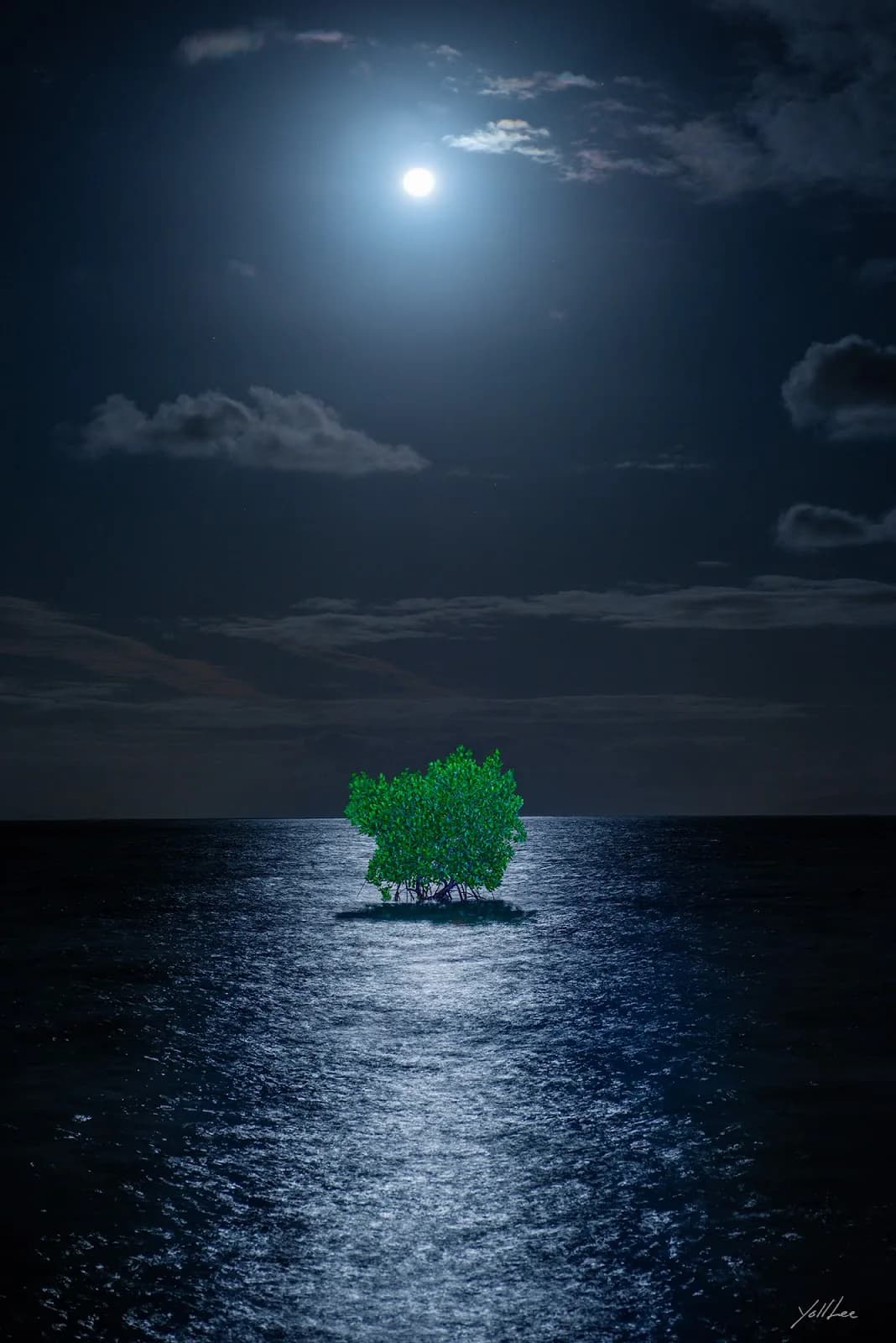
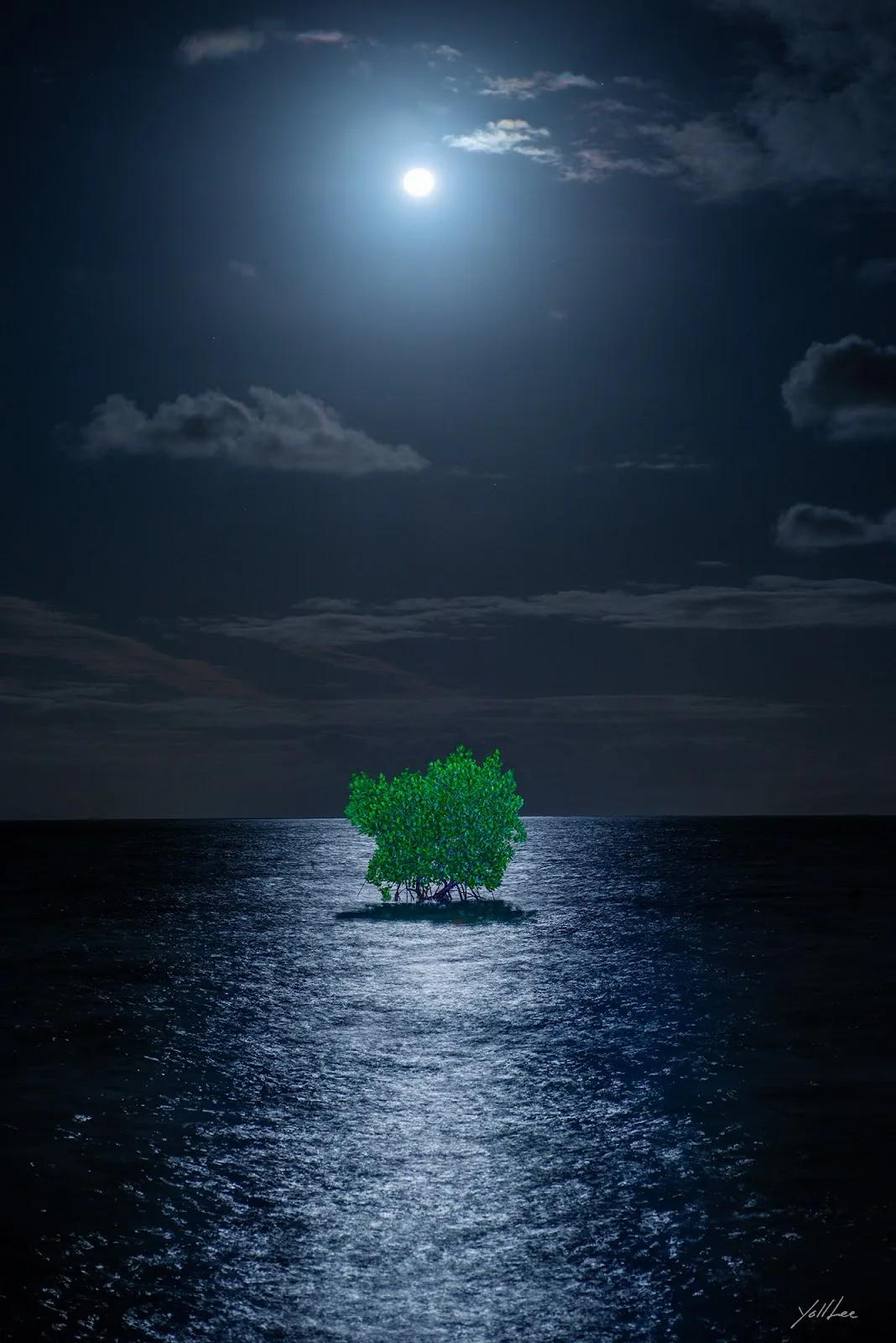
Lee Yeol's Blue Baobab of Memory and Moonlight Mangrove_Tokuo are printed on Hahnemühle Baryta FB, pigment ink-jet print. Hahnemühle is a German paper company founded in 1584. Baryta FB is a specialty photographic paper that reproduces the texture and color depth of traditional silver-gelatin prints.
Paper determines output quality. With the same pigment ink, color, texture, and longevity shift entirely by paper choice.
Diasec
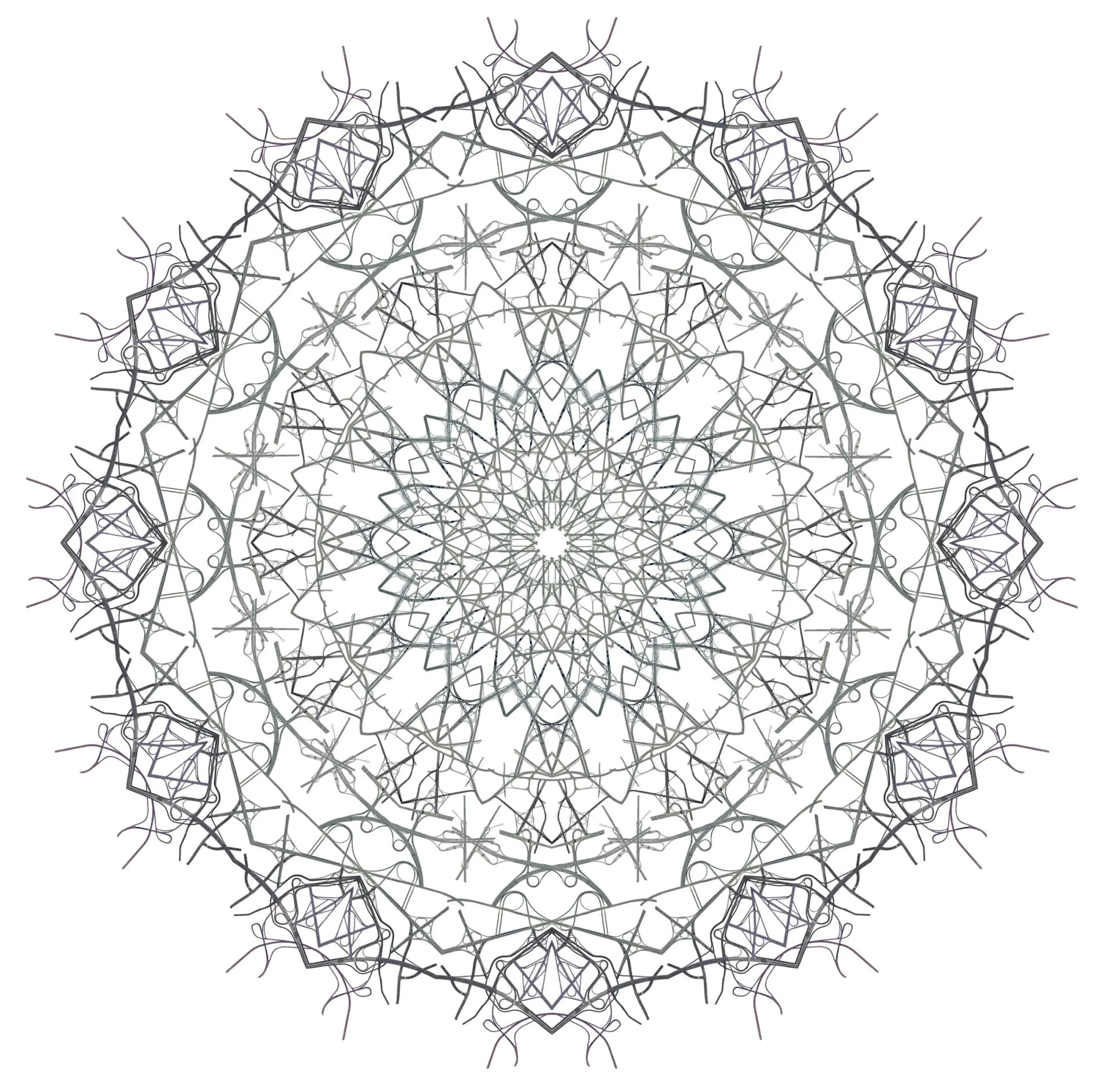
Kang Rea's #01_S1707SP (edition 1/9, ₩2,800,000) is printed pigment on hanji. In the dataset, diasec is used on Kim Taegyun's Ornament #3-1 and Ornament #3 (digital print, diasec; editions 5/10 and 4/10).
Diasec mounts a photograph or print directly behind high-quality clear acrylic (Plexiglas). With no air layer between print and acrylic, color reads vividly and the surface has a glass-like sheen. The acrylic blocks UV, so preservation is strong. A method often chosen for high-value works.
| Material | Character | Durability |
|---|---|---|
| Archival pigment print | Pigment ink, fine-art paper | 100+ years |
| Pigment inkjet print | Print on premium papers (Hahnemühle, etc.) | 70–100+ years |
| Diasec | Acrylic-panel mounting, sharp color and sheen | UV-blocking, excellent |
| Traditional silver-gelatin print | Classic method | Decades, depending on storage |
Edition System for Photography
Photographs can, in theory, be output indefinitely from a digital file. That makes limited editions especially important.
An Sohyeon's Authentic City (60×80 cm) is edition 1/10 — ten works at that size and output quality exist in the world. Untitled (73×106.5 cm) is edition 1/8; because the size is larger, the edition is smaller.
When an edition closes — that is, when the limited quantity is sold through — the artist promises not to output that image at that specification again. That promise gives collecting meaning.
When buying a photographic edition, confirm: total edition size, this work's number, whether the artist has signed it, output material.

Care Notes for Photographs
Avoid direct sunlight. Even pigment prints fade with long UV exposure. UV-blocking glass or acrylic framing helps.
Manage humidity. Paper-based prints are vulnerable to excessive moisture. 50–60% relative humidity is ideal.
Keep the edition paperwork. Appraisal or edition certificates should be archived alongside the work for future value.
Confirm the material. Lifespan differs markedly between archival pigment and standard inkjet. Ask the artist or gallery before purchase.
Why Photography Is Art
Pressing the shutter takes less than a second. But for that one second, the artist went to a place, waited through time, framed the image with a particular eye — all compressed into one photograph.
The time Son Eunyoung spent walking Seoul alleys photographing houses, adding color, layering memory lives inside House on the Hill. The light Lee Yeol captured of baobab trees in Africa bleeds into Hahnemühle paper.
A photograph is a record and, at once, the artist's gaze. Collecting photography means owning the trace that gaze left.
Further Reading


Related reading
If this piece helped, you may also enjoy these related articles:
Seed Art Festival
·